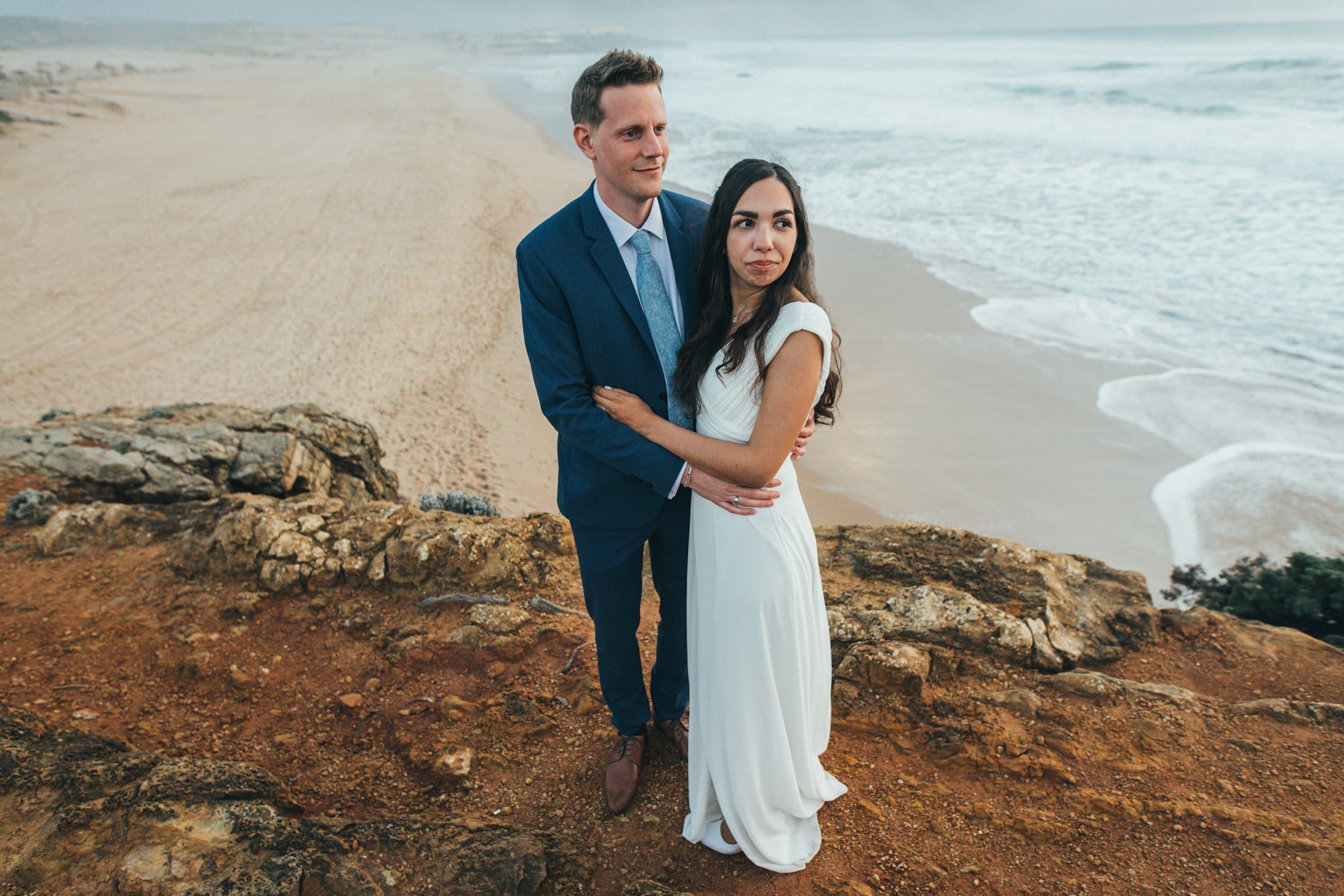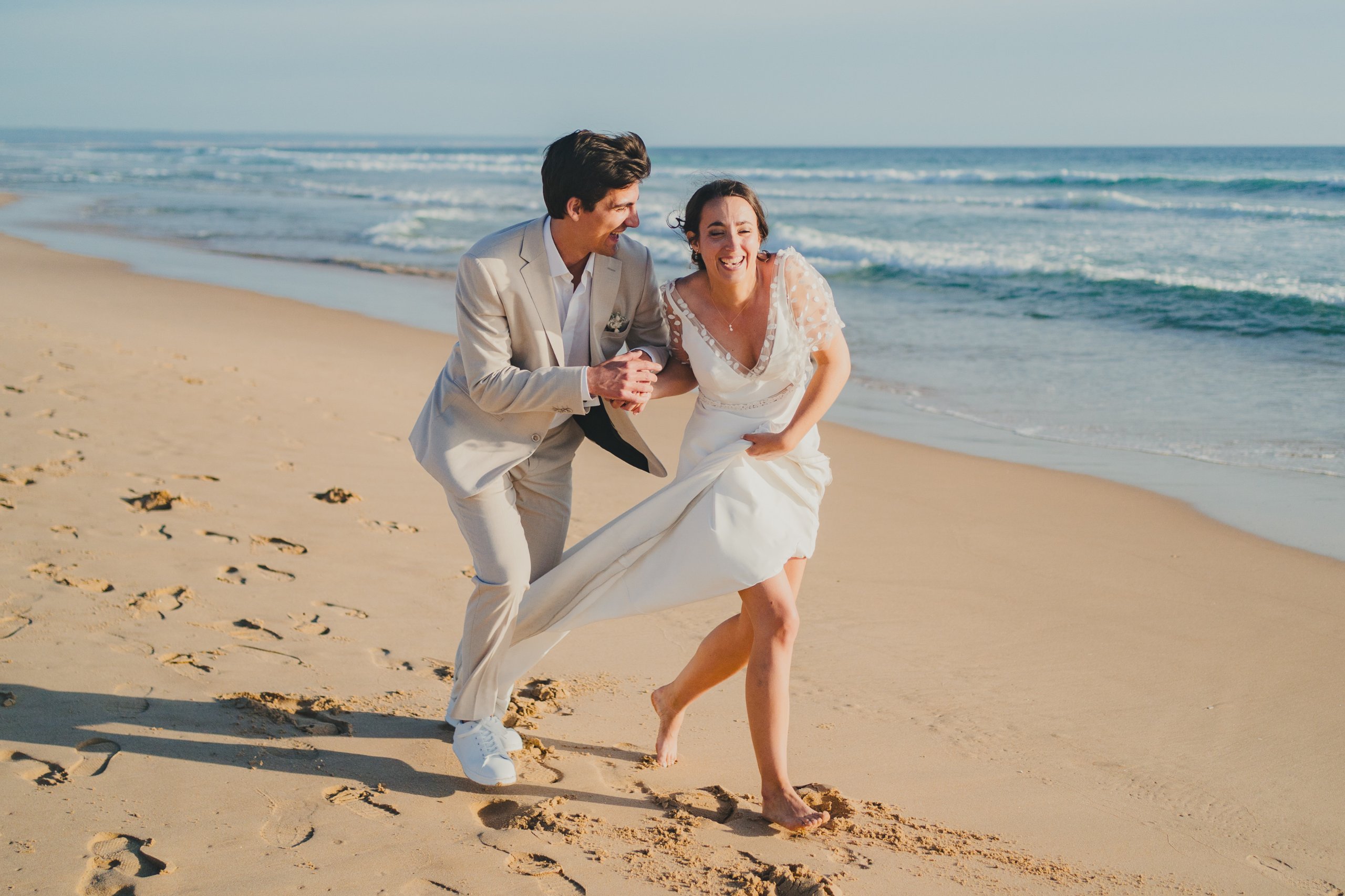
Founding photographerVerified — Identity verified by Lens & Vows
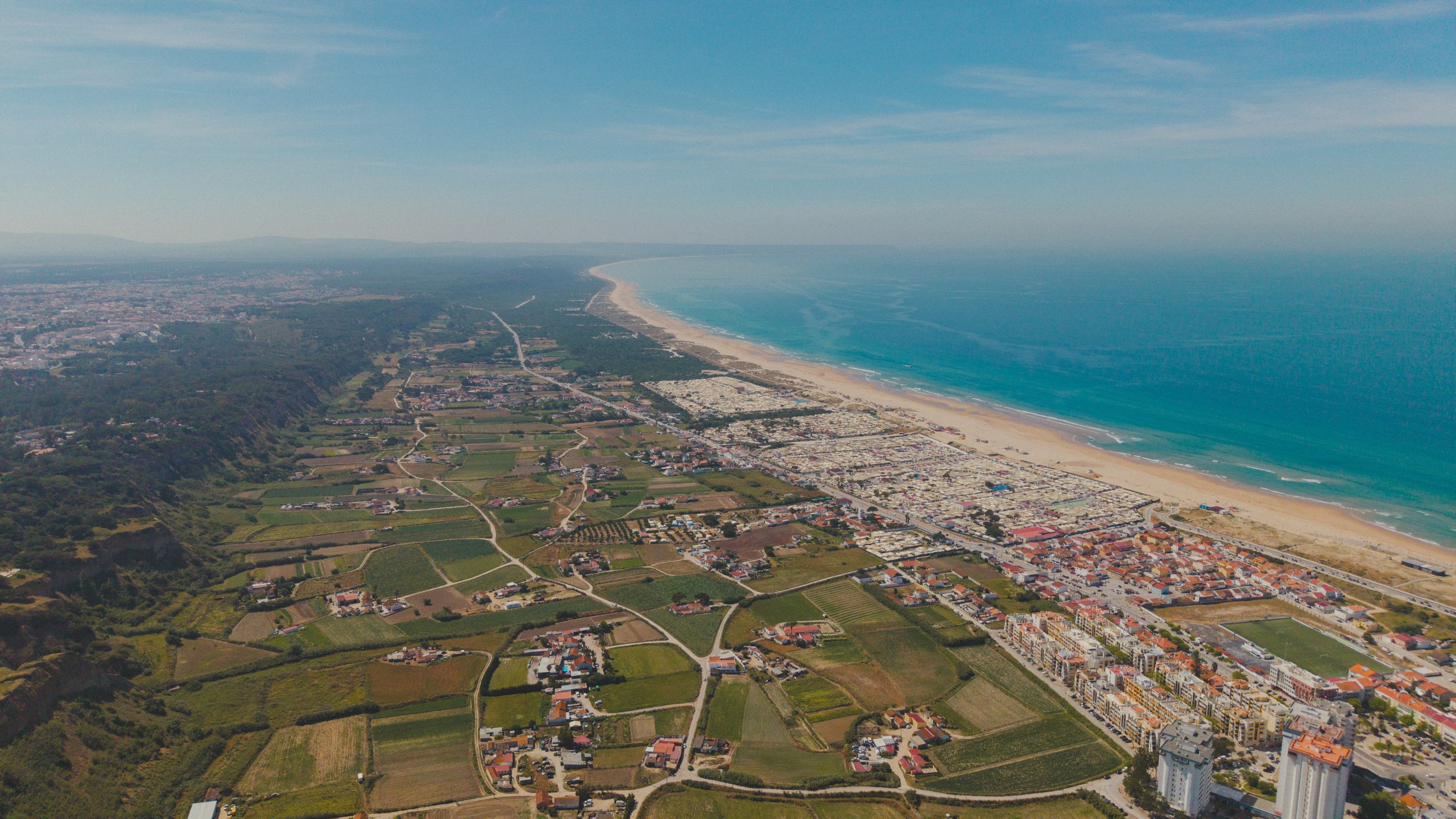


Denis E.from €1,250
Lisbon & Sintra, Comporta +2 · Documentary, EditorialWedding photographers in Portugal
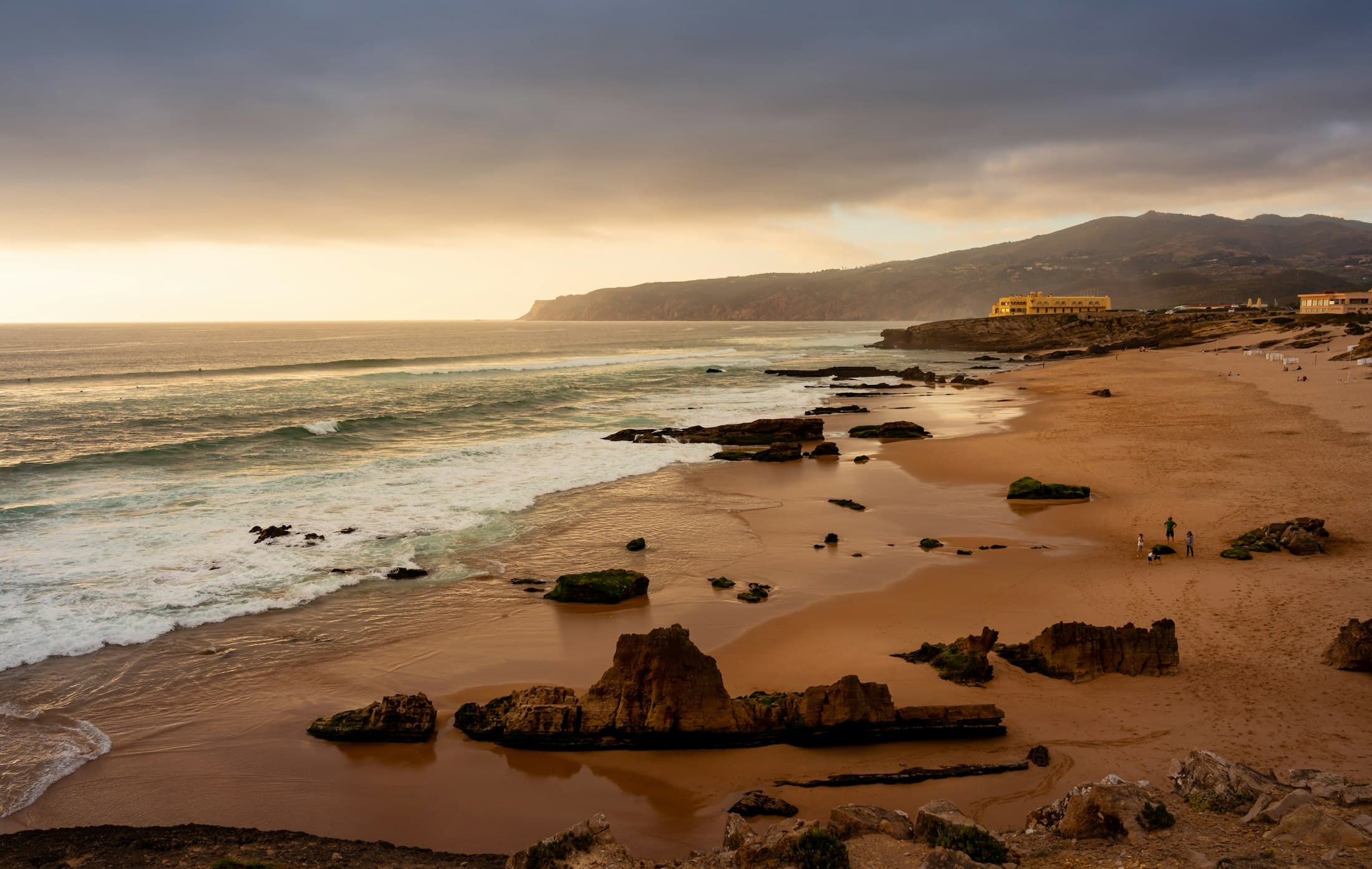
A bay town with a citadel, a lighthouse and a royal past, forty minutes from Lisbon by train — and a wild Atlantic coast just past the last houses.
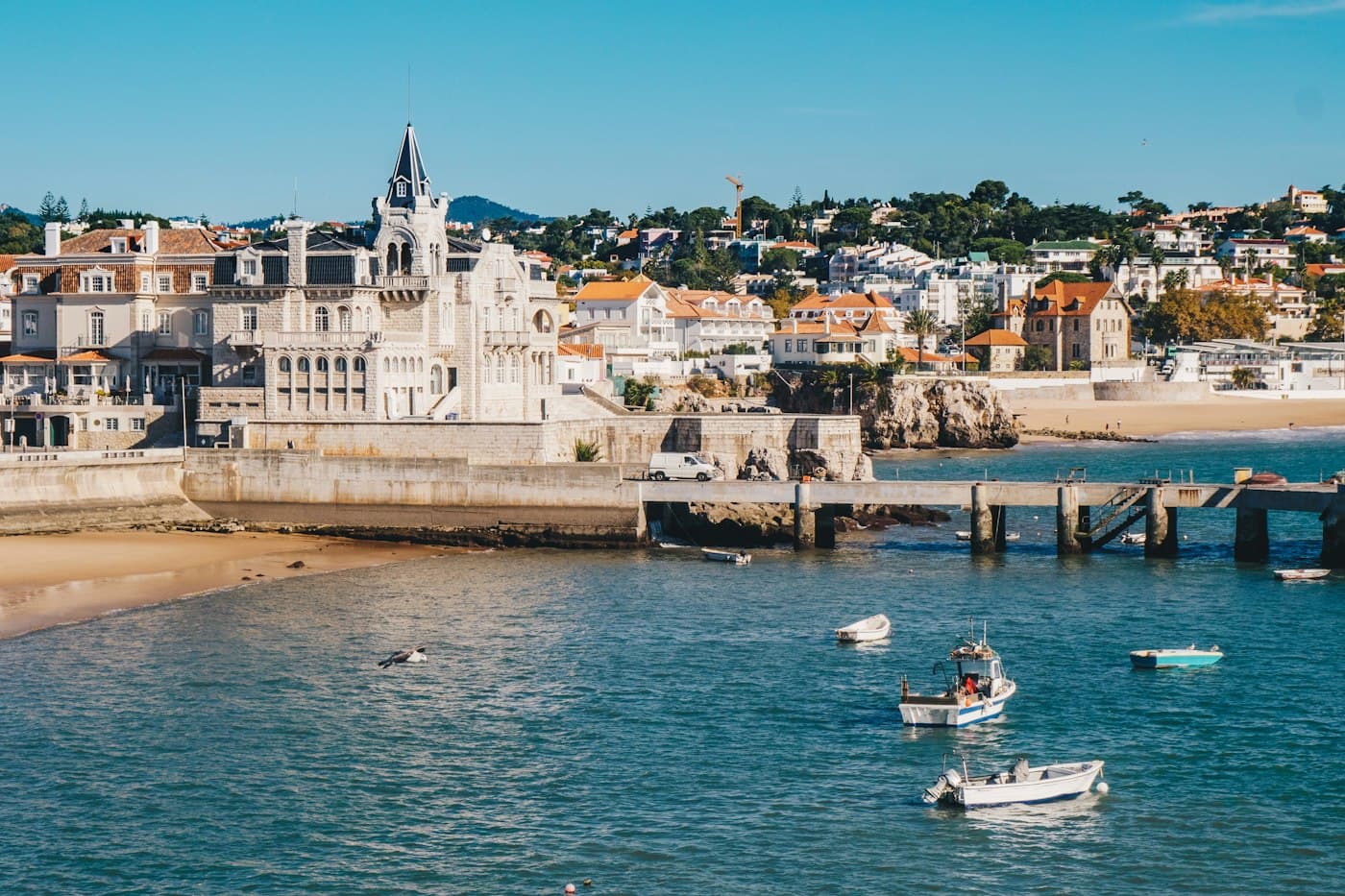
Cascais sits where the Tagus opens onto the Atlantic, at the end of the railway line from Lisbon. The old town wraps around its bay — the fishermen’s beach is still in the middle of it — and a citadel where King Luís I and Queen Maria Pia made a royal palace in 1870. In town, fishermen’s houses and flowered walls; at the end of a nine-kilometre cycle path along the coast, a wild beach.
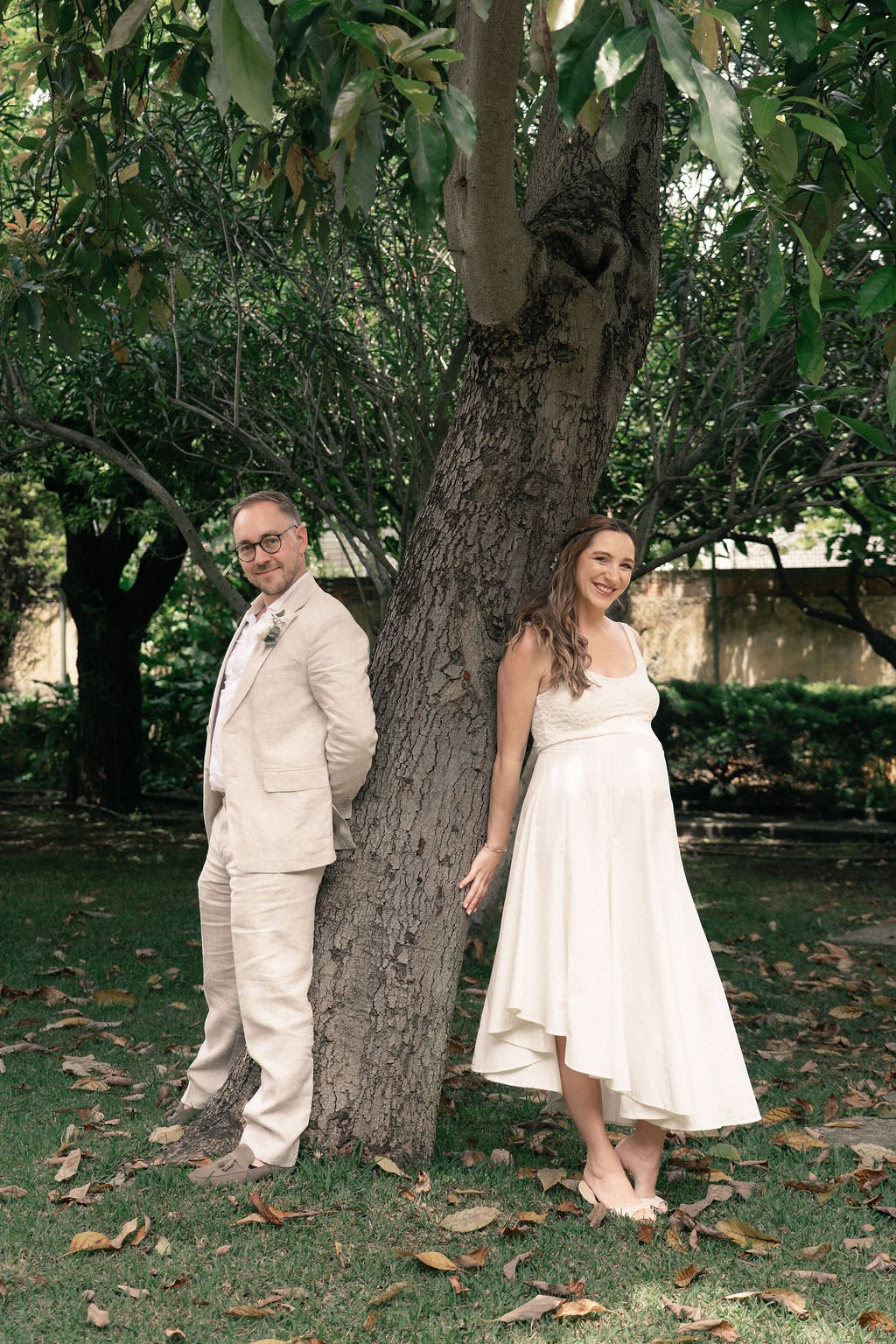
A wedding here often moves between the two. Getting ready and the ceremony happen in town; then the two of you slip away for portraits on the rocks at Boca do Inferno or in the dunes at Guincho. That coast is part of the Sintra-Cascais Natural Park, and it is windy most of the year — plan for veils as carefully as for the light.
Photographers
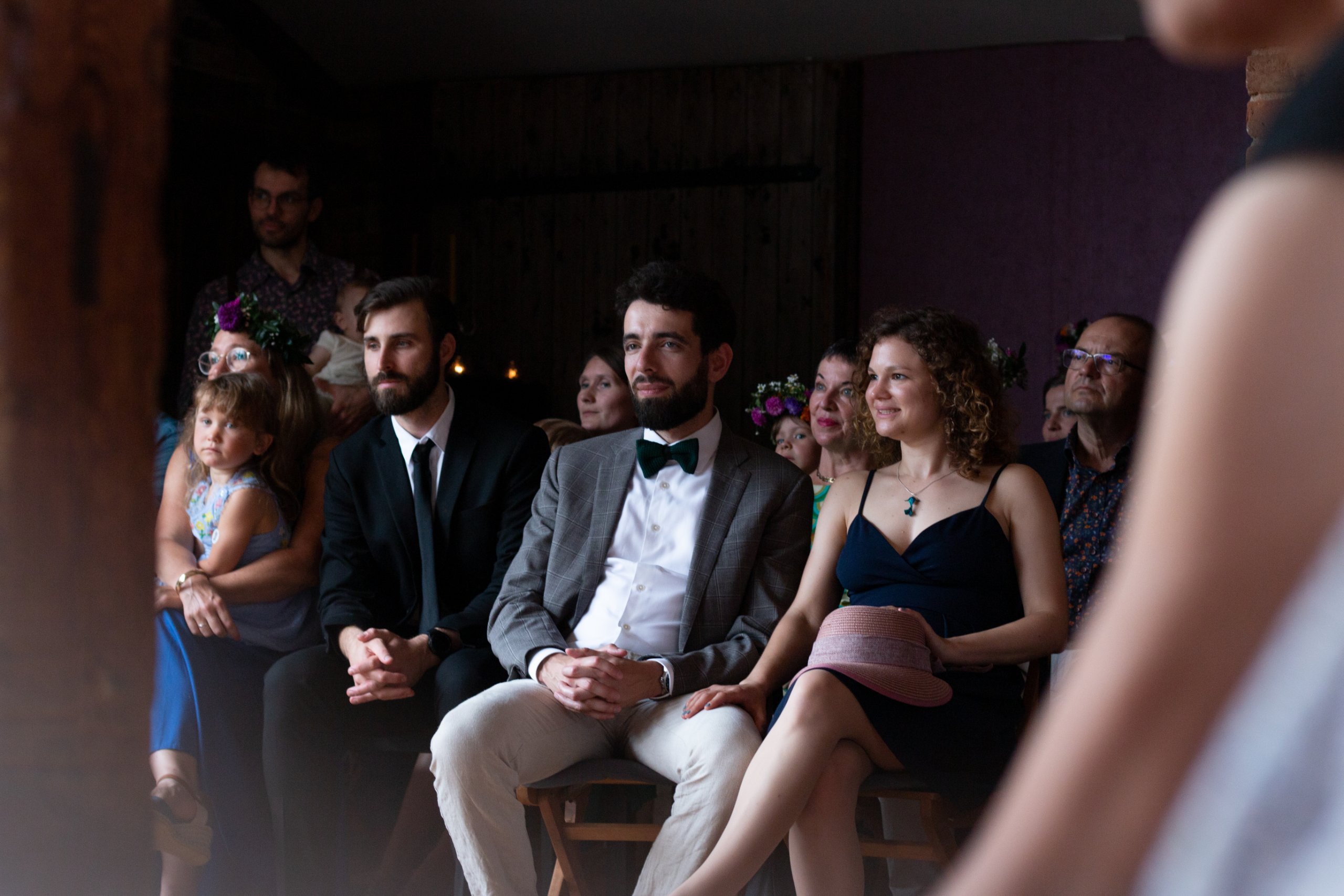
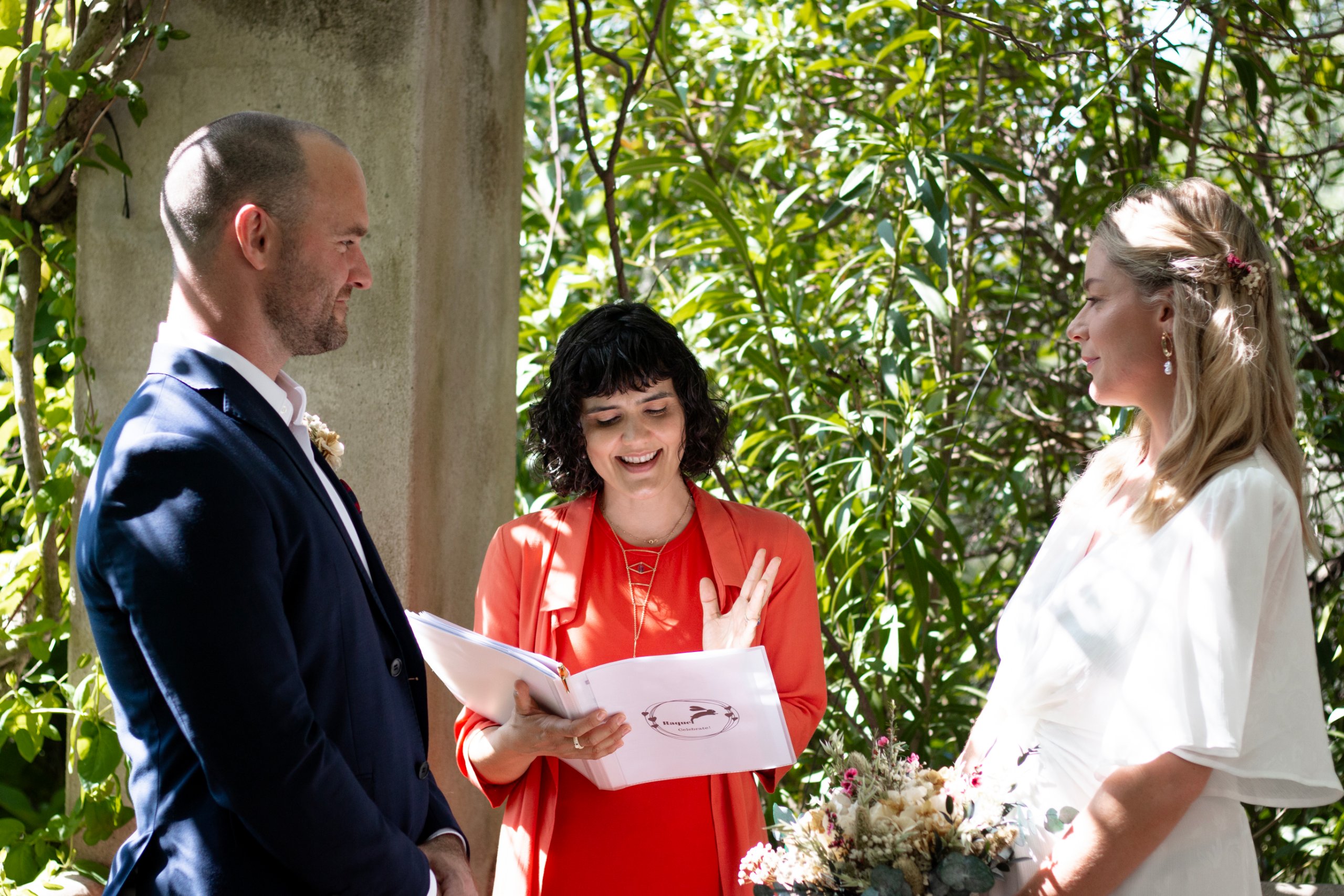
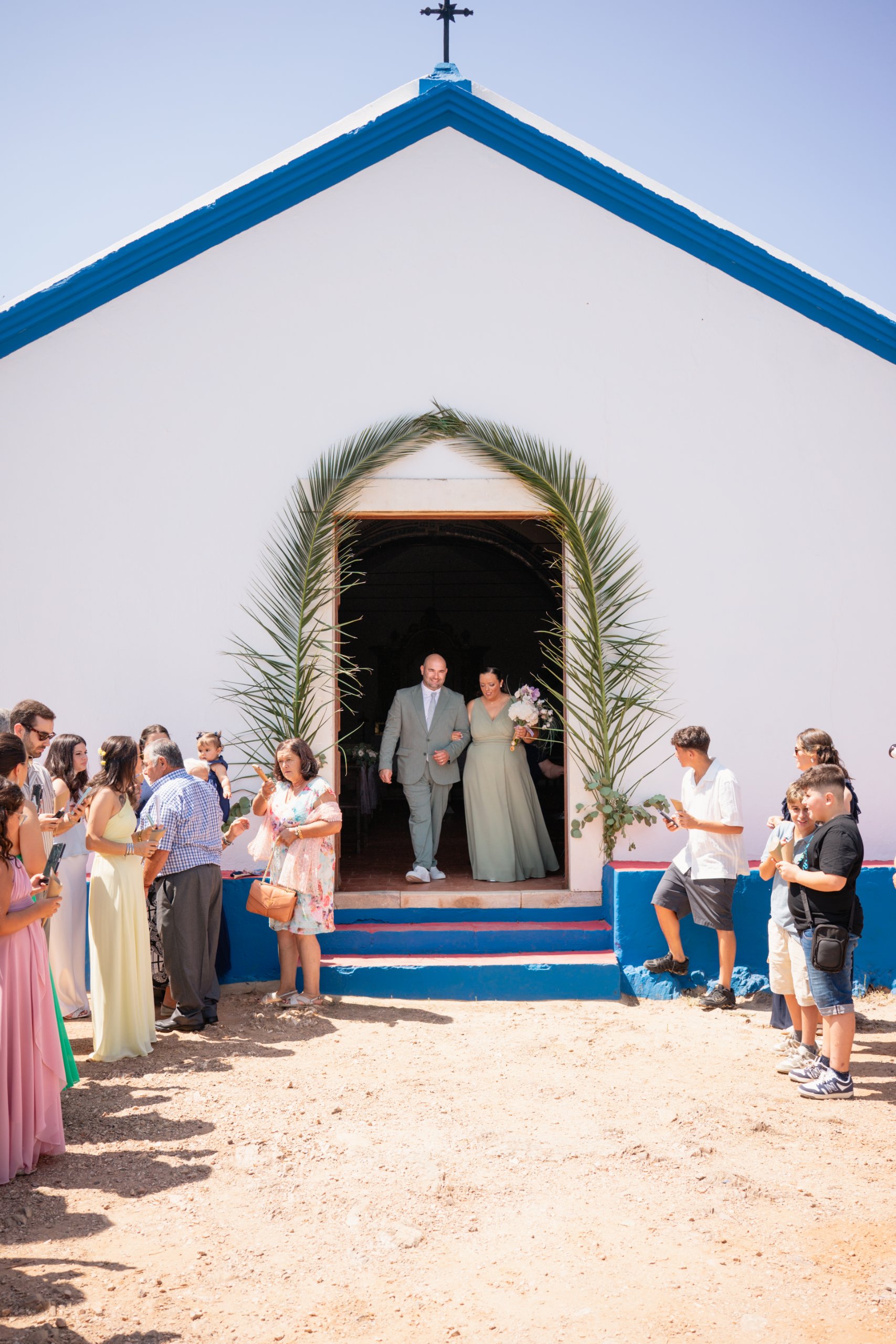
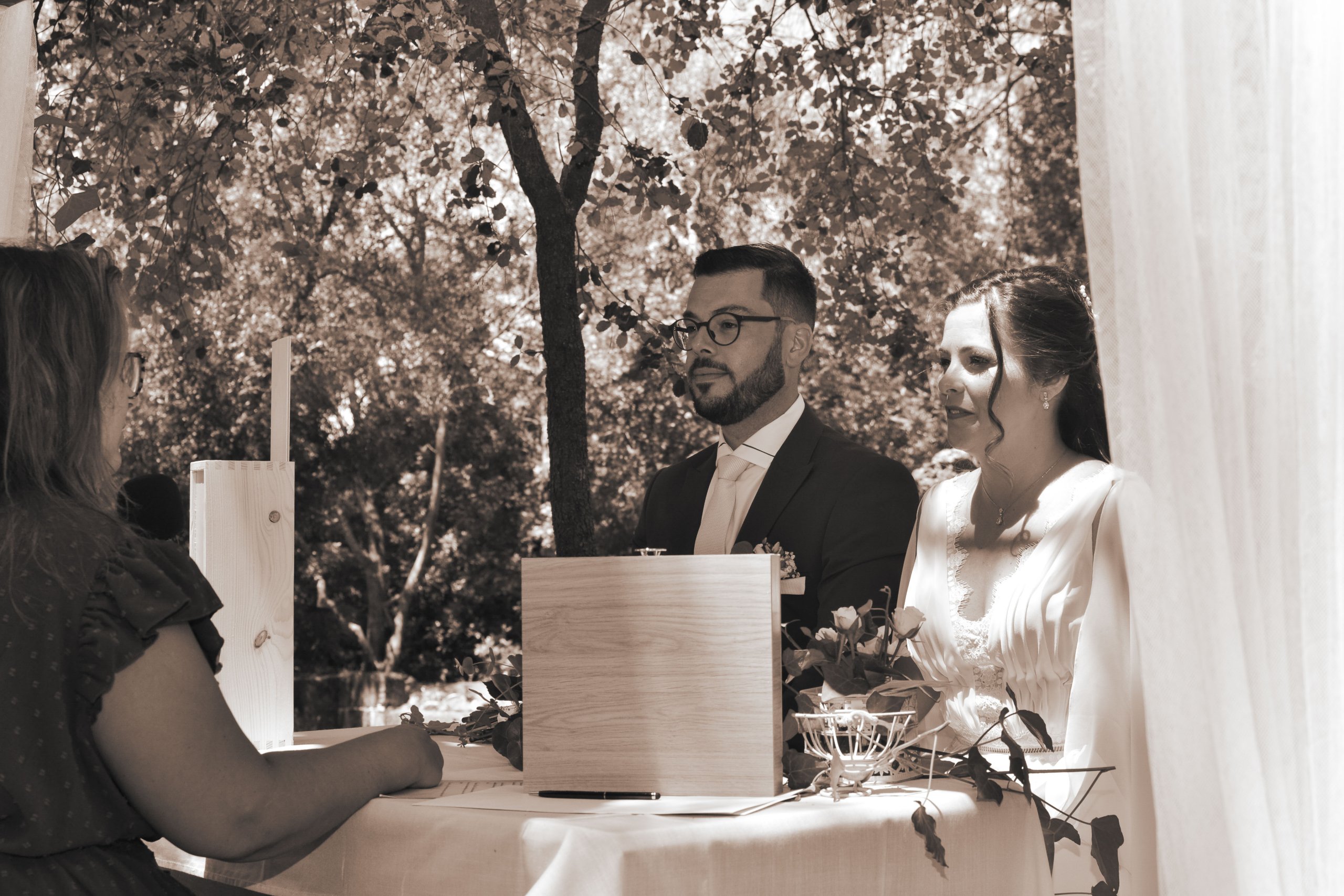
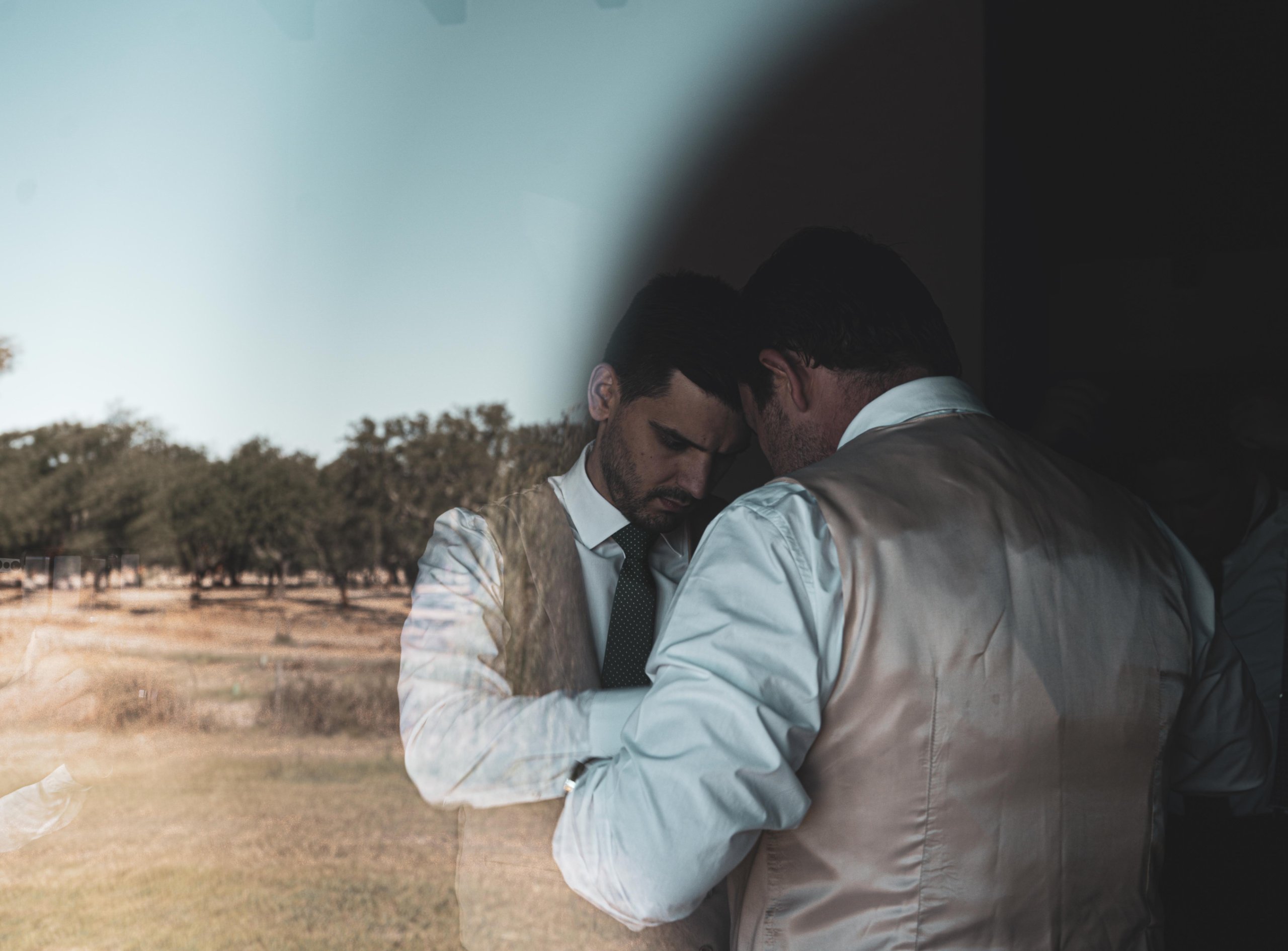
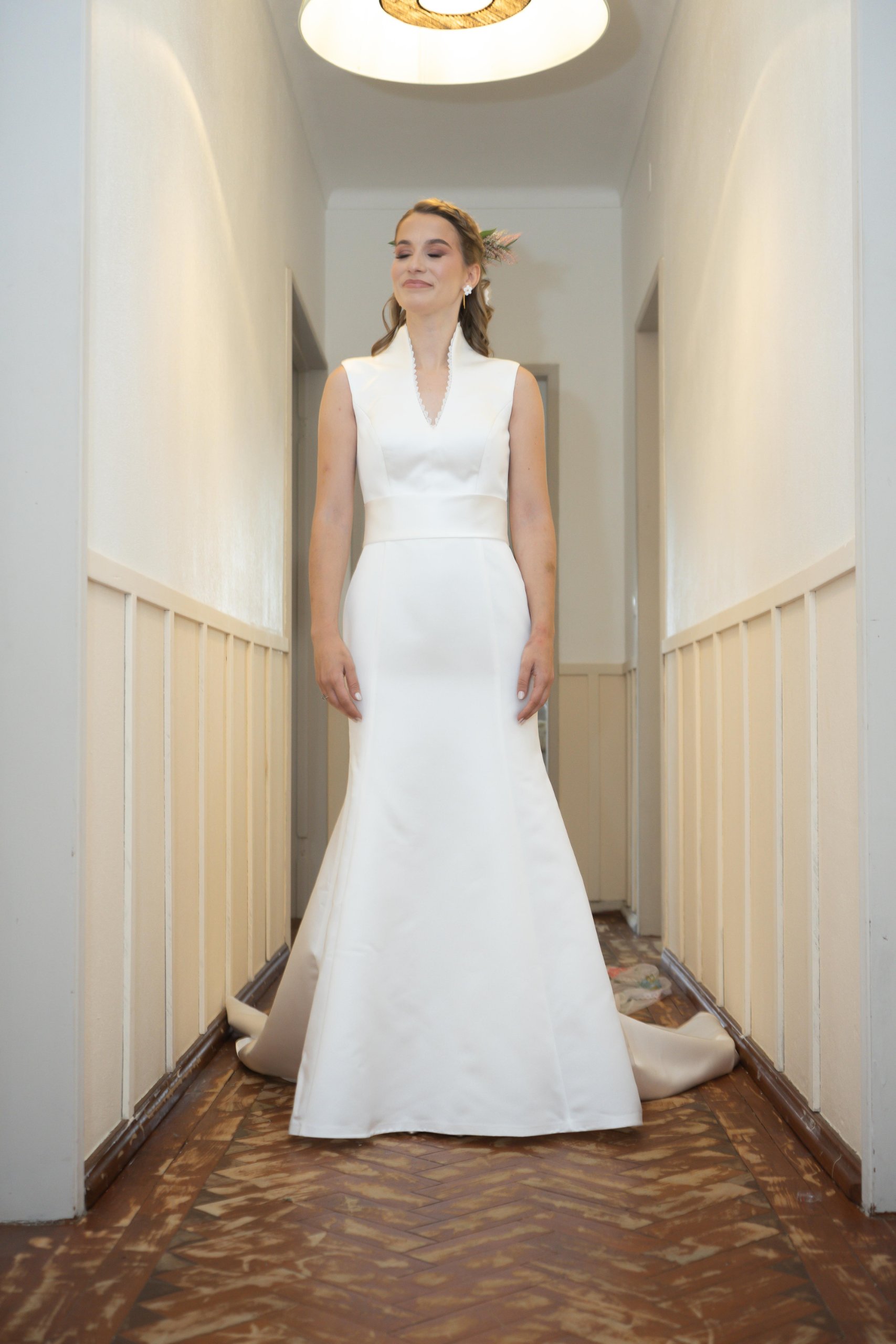
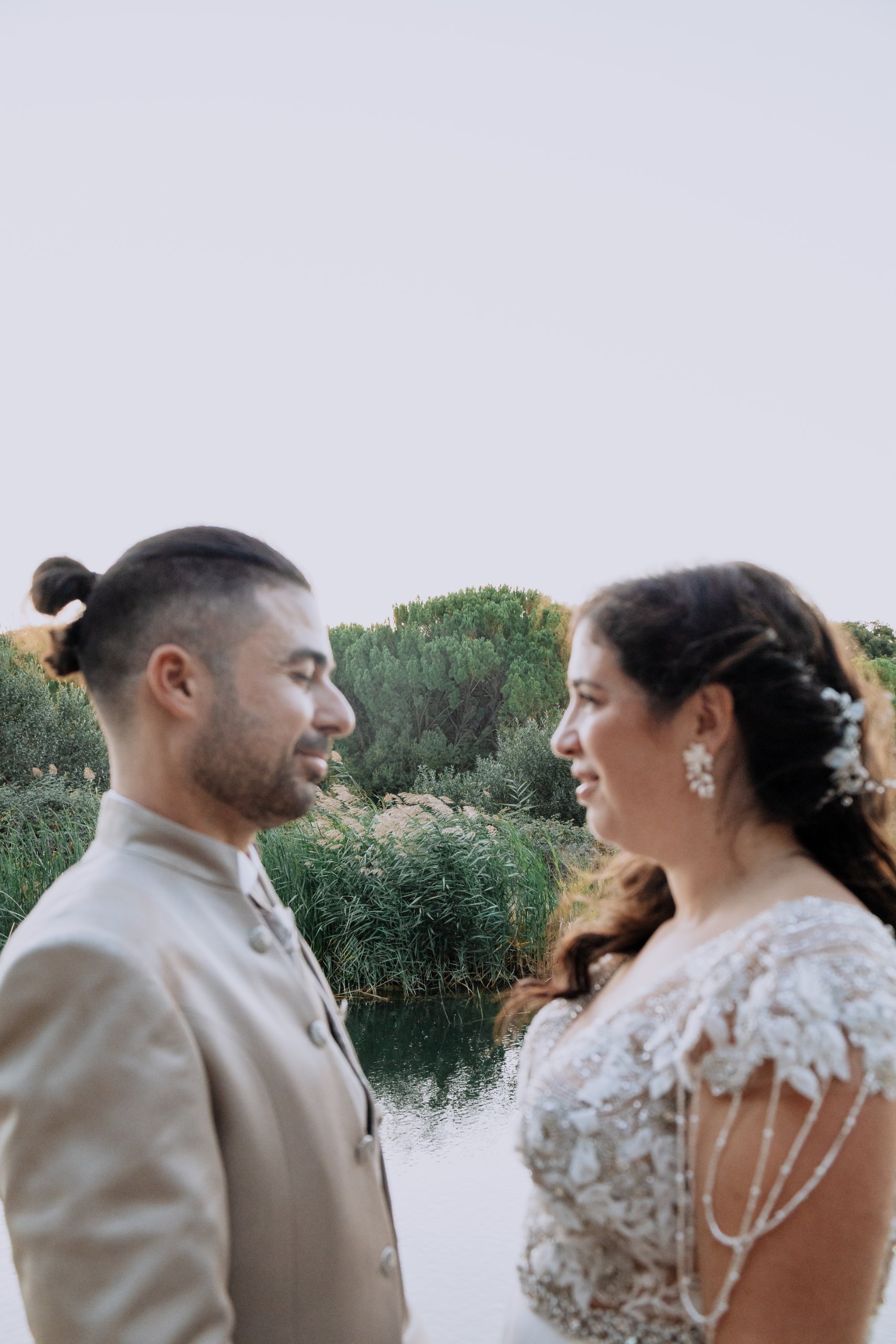
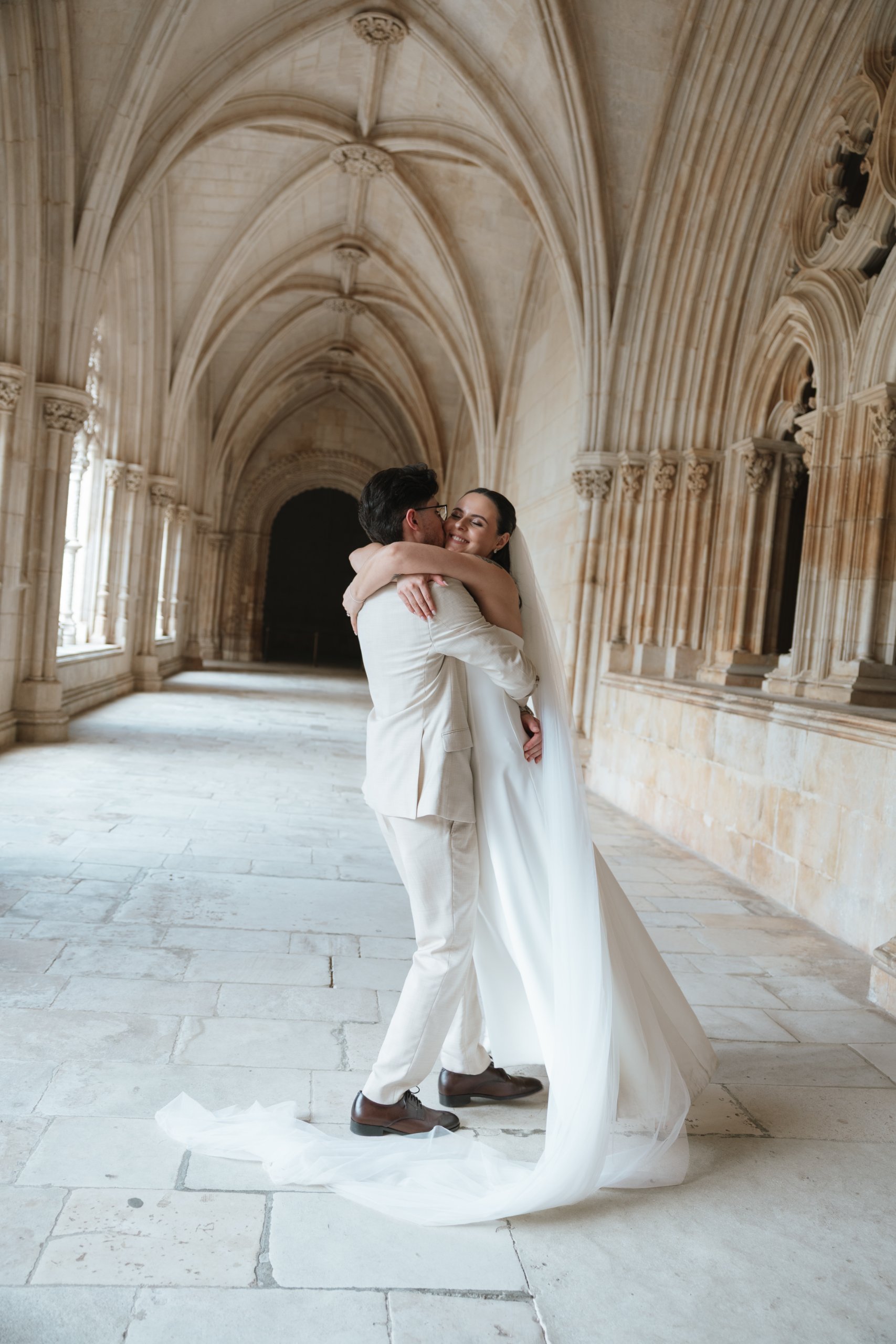
They shoot everywhere in Lisbon & Sintra — in Cascais too. Their whole weddings are on their pages.
See all 8 photographers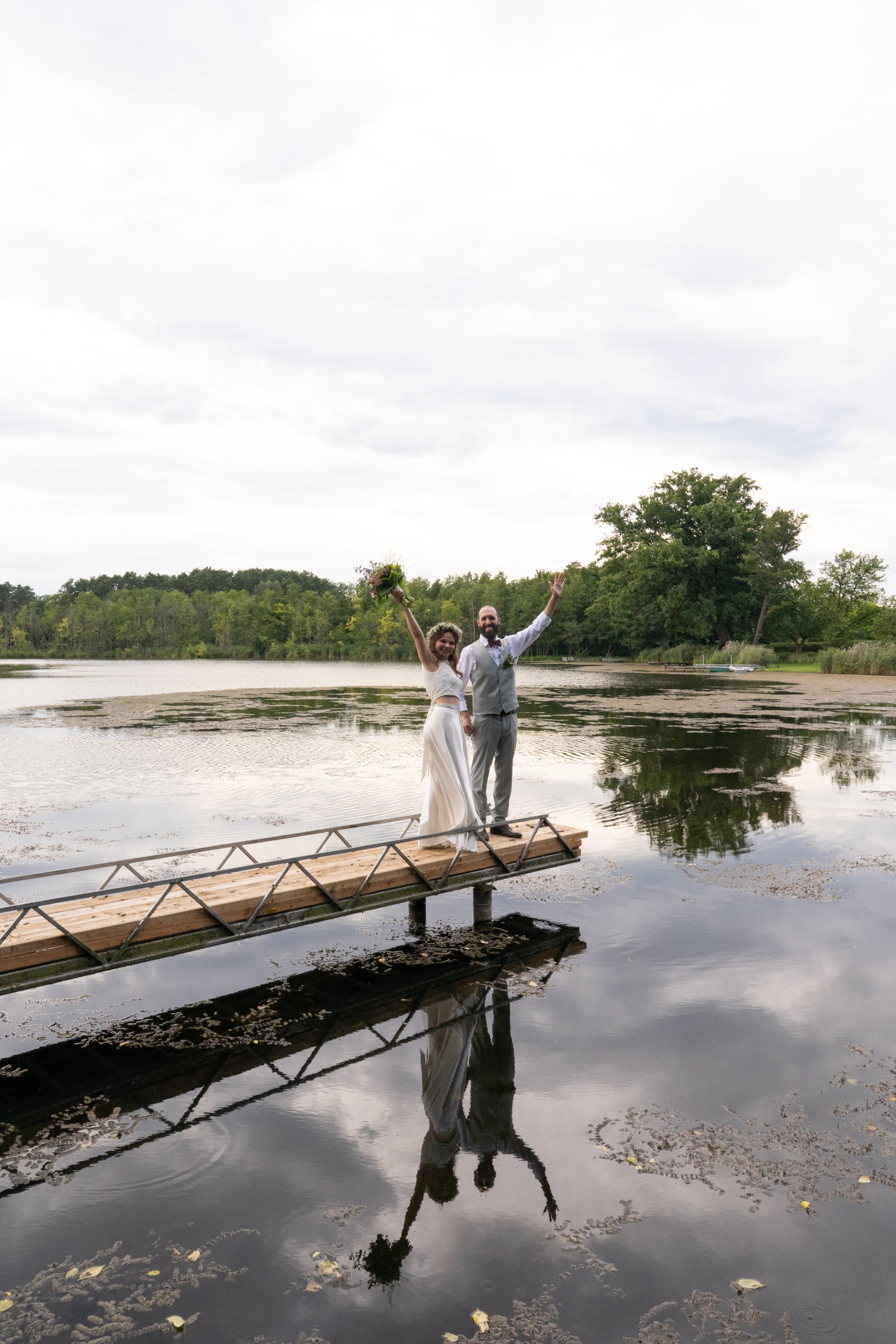


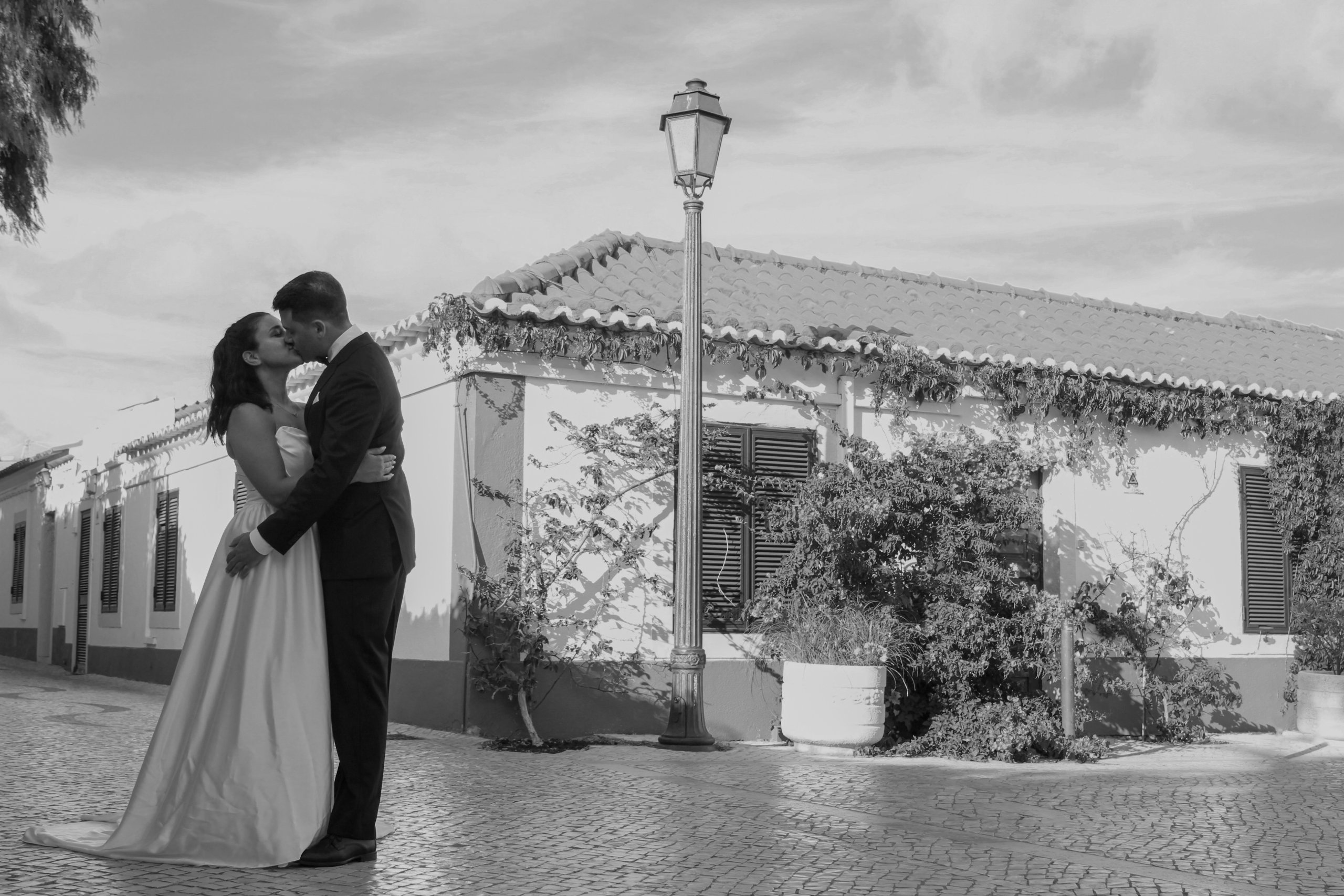
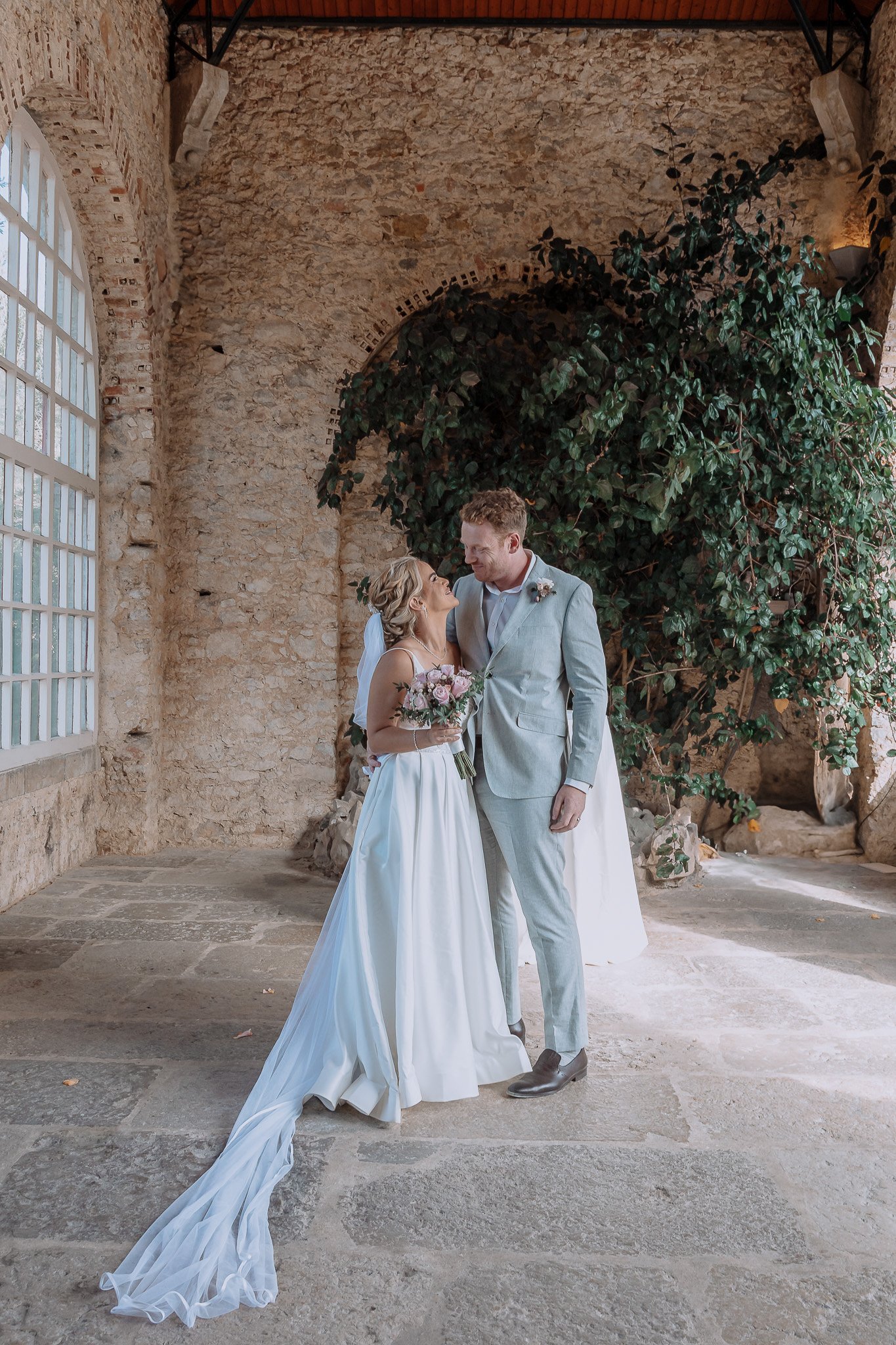
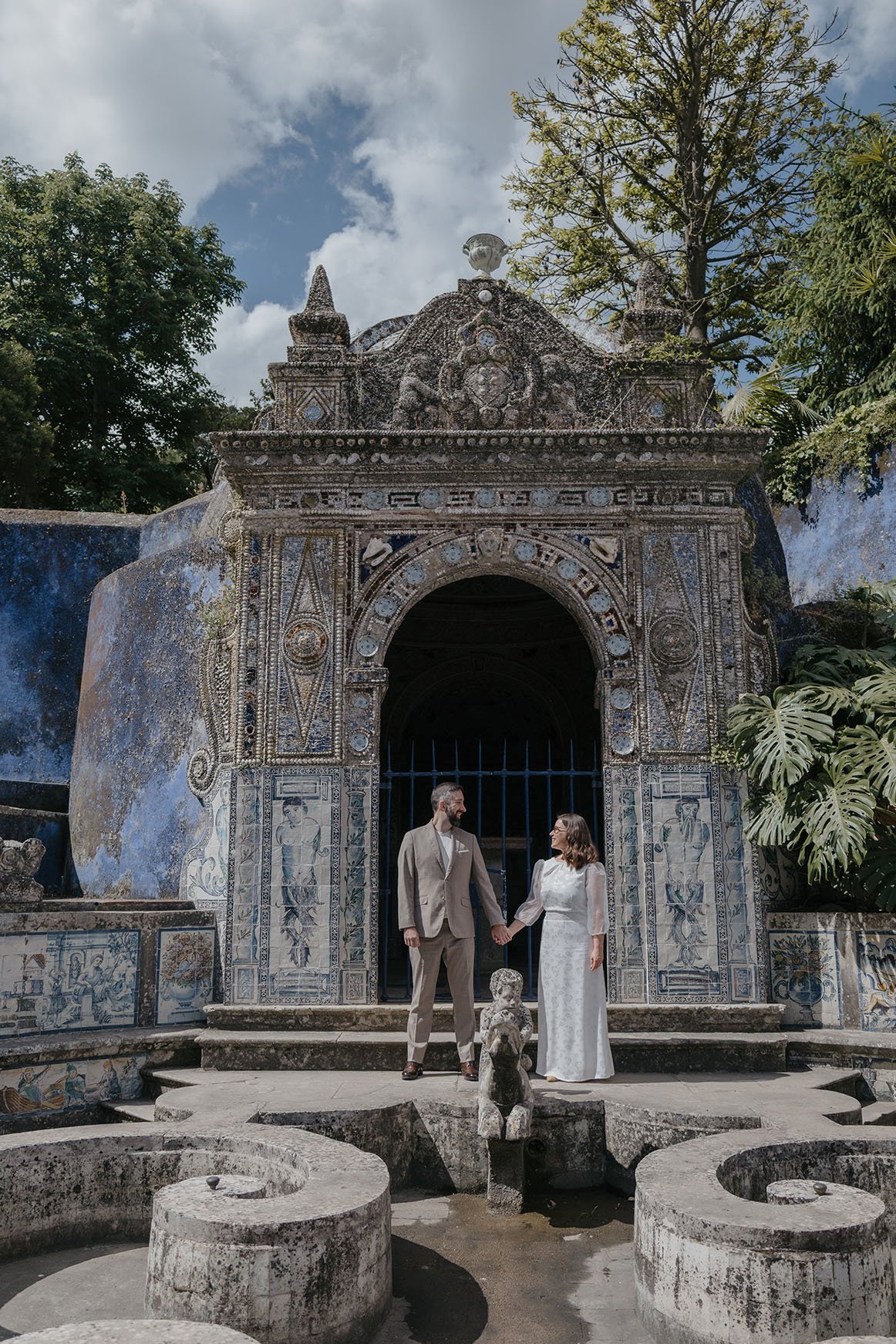



Ceremonies
A tower of 1488, a fortress raised before 1580 and a citadel built after 1640, all one walled complex on the bay. Part is an official residence of the President, open for guided visits; part is a pousada that hosts weddings in its halls and courtyards. Thick walls: shade at noon, a plan for rain.
Nossa Senhora da Assunção, rebuilt in the 17th century on the site of an older church, is plain outside and lined inside with tile panels, paintings and carved wood. It became a monument of public interest in 2019.
Two seafront hotels have long wedding histories: the former home of King Umberto II of Italy, with ceremonies by the pool facing the Atlantic, and Palácio Estoril, hosting weddings since 1930.
On the open coast, Fortaleza do Guincho hosts weddings; its Medieval Room seats about 120 for dinner. Big sea, big sky — and wind, so the indoor room is part of the plan, not a fallback.
Portraits
Atlantic swell bursting through an open arch in the rocks, a few minutes from the centre along a coastal walkway with viewpoints. Come in the last hour before sunset, and keep the dress well back from the spray.
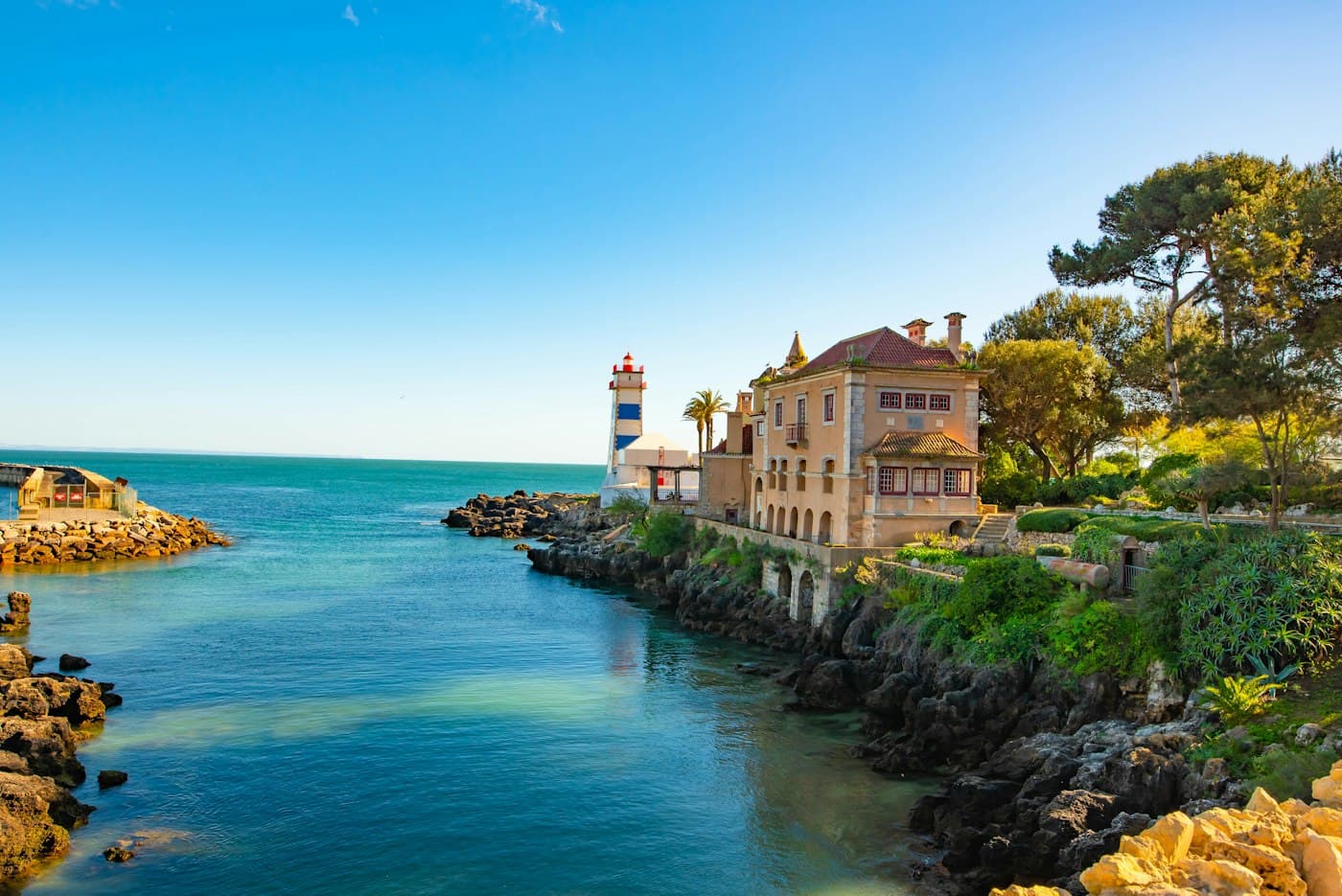
A blue-striped lighthouse, now a museum, beside the Castro Guimarães palace, built above the sea in 1897 and now a library and museum. Warm late-afternoon light on both; quieter in the morning.
The Praia dos Pescadores in the middle of town, with colourful façades and flowered lanes behind it. Early morning, before the cafés fill, or blue hour after the ceremony.
About 800 metres of sand between two rocky points, behind dunes crossed by wooden walkways, with the Sintra hills behind. It faces the open ocean — the place in Cascais to watch the sun go into the sea. Bring a plan for the wind.
Through the year
Cascais has no IPMA normal of its own. Lisbon’s station (1991–2020), at the other end of the railway, averages highs of 26.1 °C in June, 28.8 °C in August and 26.6 °C in September; Cabo da Roca’s, 141 m up on the cape to the north-west, only 20.3, 21.9 and 21.5 °C. Summer is nearly dry (0.6 rainy days in Lisbon in July) and the rain returns in October (8.7 days). June and September are the easiest months: warm, dry and calmer than July and August.
Lisbon & Sintra, month by month
Practical
Trains from Cais do Sodré in Lisbon run 25.4 km along the river and the sea to Cascais in about 40 minutes; by car, the A5 or the coast road, the Marginal. The train doesn’t reach Guincho — plan cars.
Cascais’s beach regulation (Aviso 6988/2024/2) requires a municipal licence for ceremonies on the sand. Apply at least 15 working days ahead, with a site plan, the Capitania do Porto de Cascais’s safety opinion, liability insurance and, on a concession, the holder’s consent; anything set up is inspected first.
Besides ANAC registration and the Autoridade Aeronáutica Nacional’s free e-AAN authorisation, mind two things: Cascais aerodrome has a protection area in ANAC’s rules, and flights over Guincho’s natural park need the ICNF, which can take 30 to 45 working days to reply.
A civil wedding goes through a Conservatória do Registo Civil, and by agreement the registrar can marry you at your venue; a Catholic wedding at the parish church is also your legal marriage.
Questions
Yes, with a licence from the Câmara Municipal de Cascais, requested at least 15 working days ahead. In the bathing season the easier route is a terrace above the beach, with portraits on the sand afterwards.
It depends where. Guincho has wind most of the year — the câmara puts it down to the Sintra hills, and the beach hosts surf and kitesurf competitions — so marry somewhere sheltered in town and go there for portraits, veil pinned.
June or September. Lisbon’s IPMA station, the nearest long record, averages highs of 26.1 °C in June and 26.6 °C in September, with two to four rainy days in each (1991–2020). July and August are as dry, but busier.
Yes, through the parish of Cascais, which asks for the Church file six months before and the civil process at a Conservatória six to three months before. A Catholic wedding is also your legal one.
Portugal
Plan
Not sure yet?
The place, the date, the guests, the photos you like. Our concierge checks who is free and fits, and comes back with photographers to choose from.