Verified — Identity verified by Lens & Vows
André D.from €1,800
🇵🇹 Alentejo, Porto & Douro +5, Portugal · Documentary, EditorialWedding photographers in Portugal
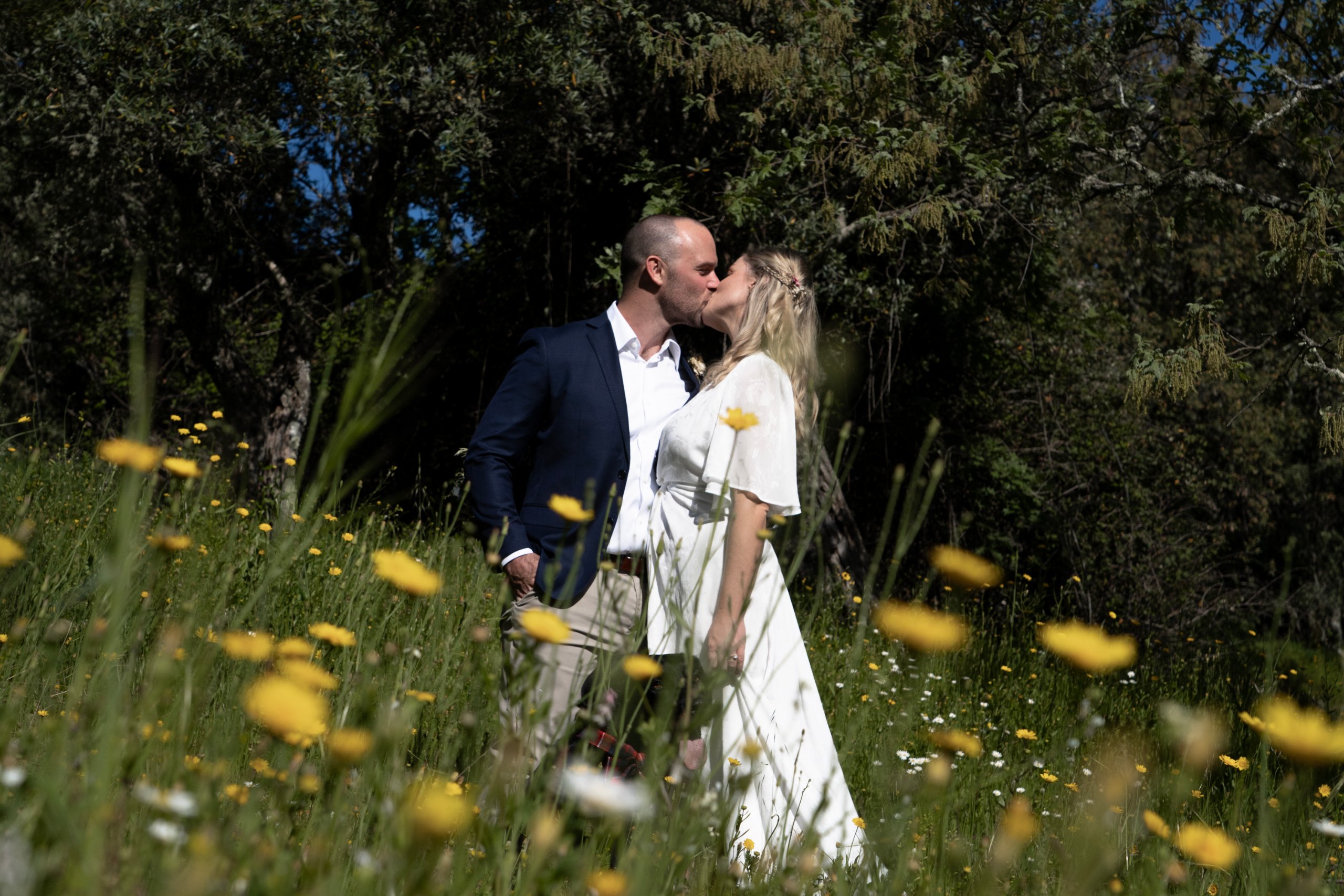
Cork oaks, olive groves and white villages under enormous skies, from Évora’s Roman temple to the Alqueva lake and its starlight: country estates for long, slow weddings.
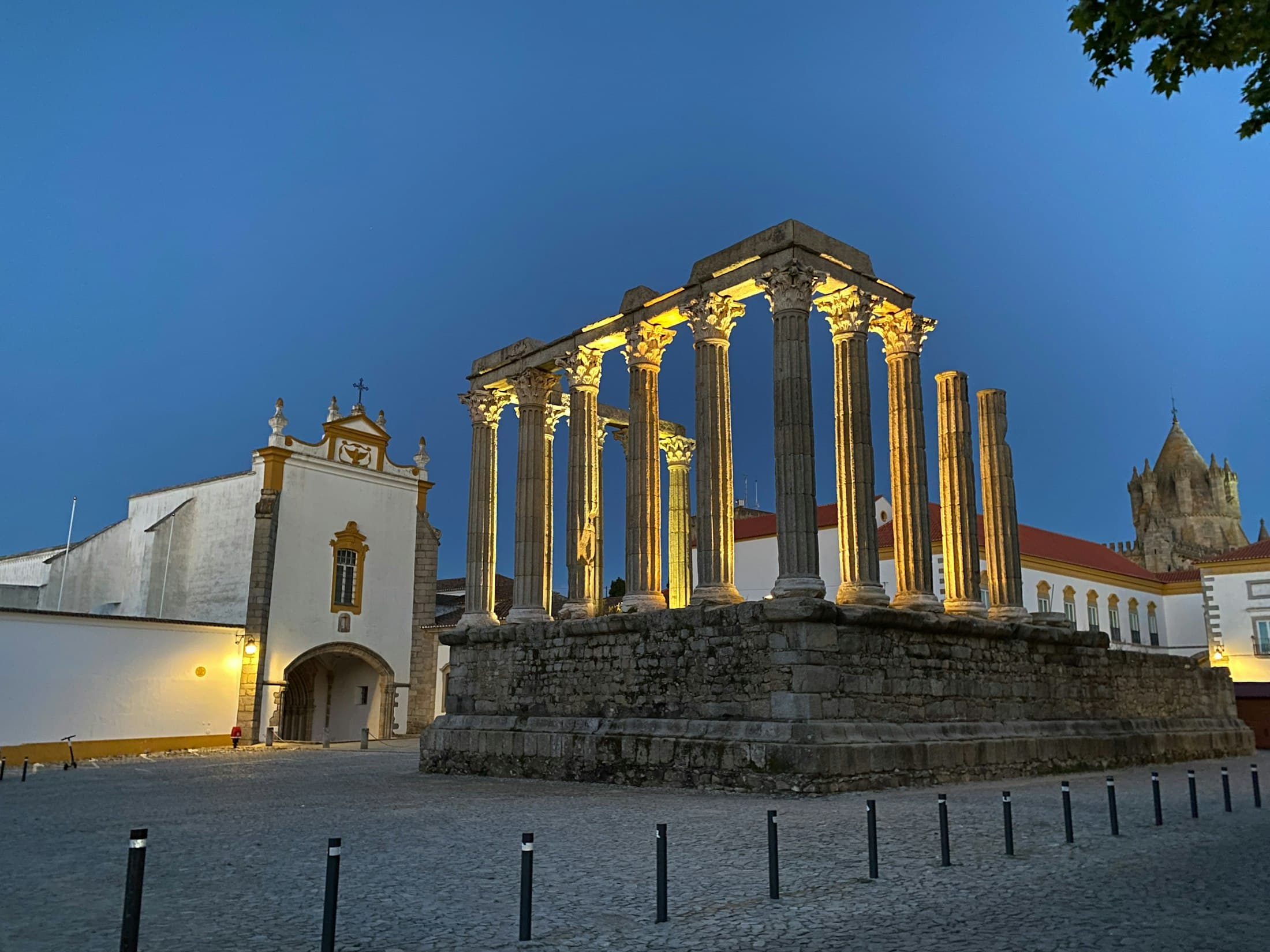
The Alentejo is Portugal’s great open interior: rolling plains of cork oak and olive trees, wheat fields, walled hilltop villages and vineyards, with a long way between one thing and the next. Évora, in the middle, has been on UNESCO’s World Heritage list since 1986, with a Roman temple from the 1st century, a cathedral built between 1280 and 1340 and white lanes inside medieval walls; in 2027 it is a European Capital of Culture. To the east, the Alqueva dam made the largest artificial lake in Western Europe, about 250 km² and 83 km long, with the walled village of Monsaraz on a hill above it and a night sky that the Starlight Foundation certified in 2011 as the world’s first Starlight Tourism Destination.
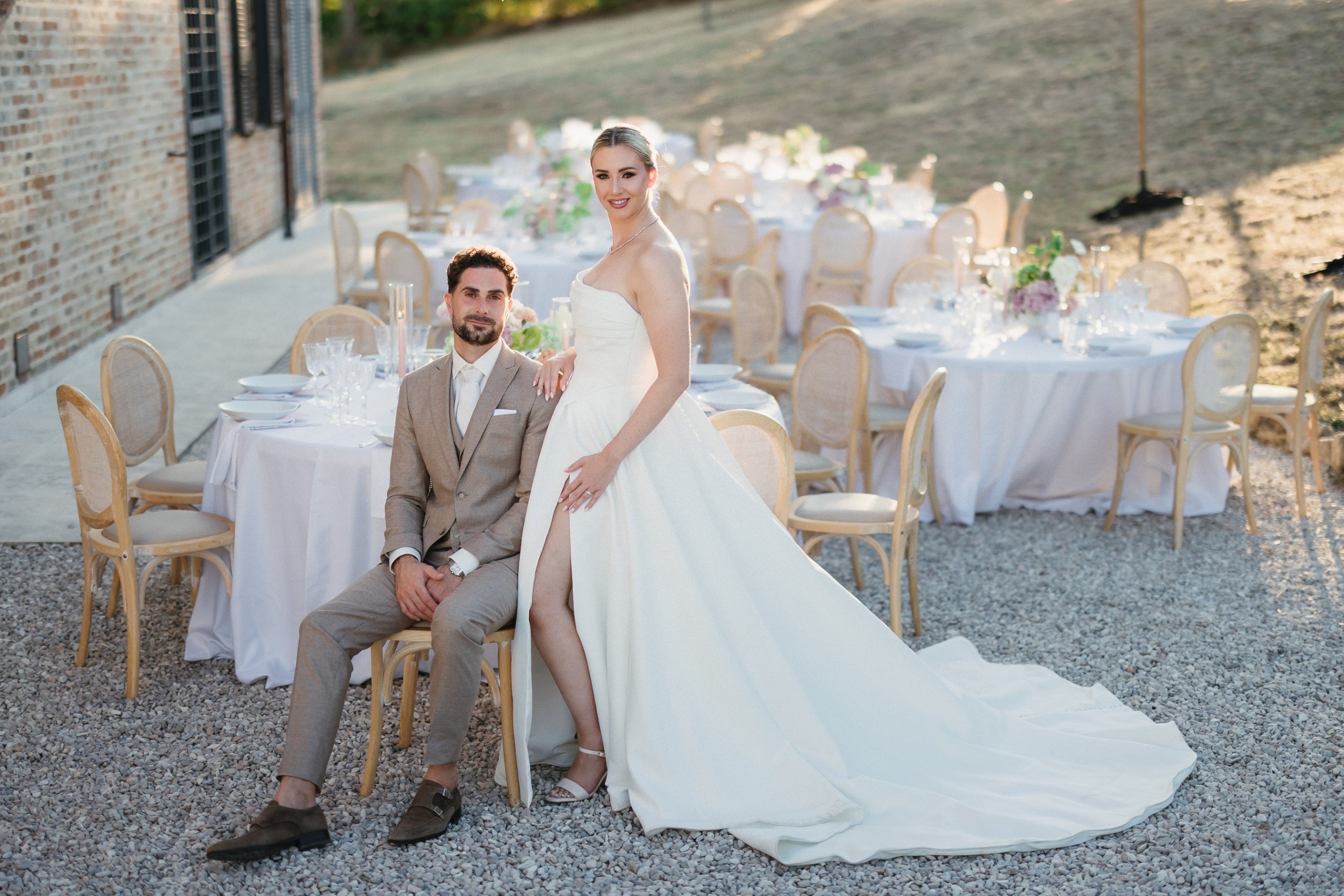
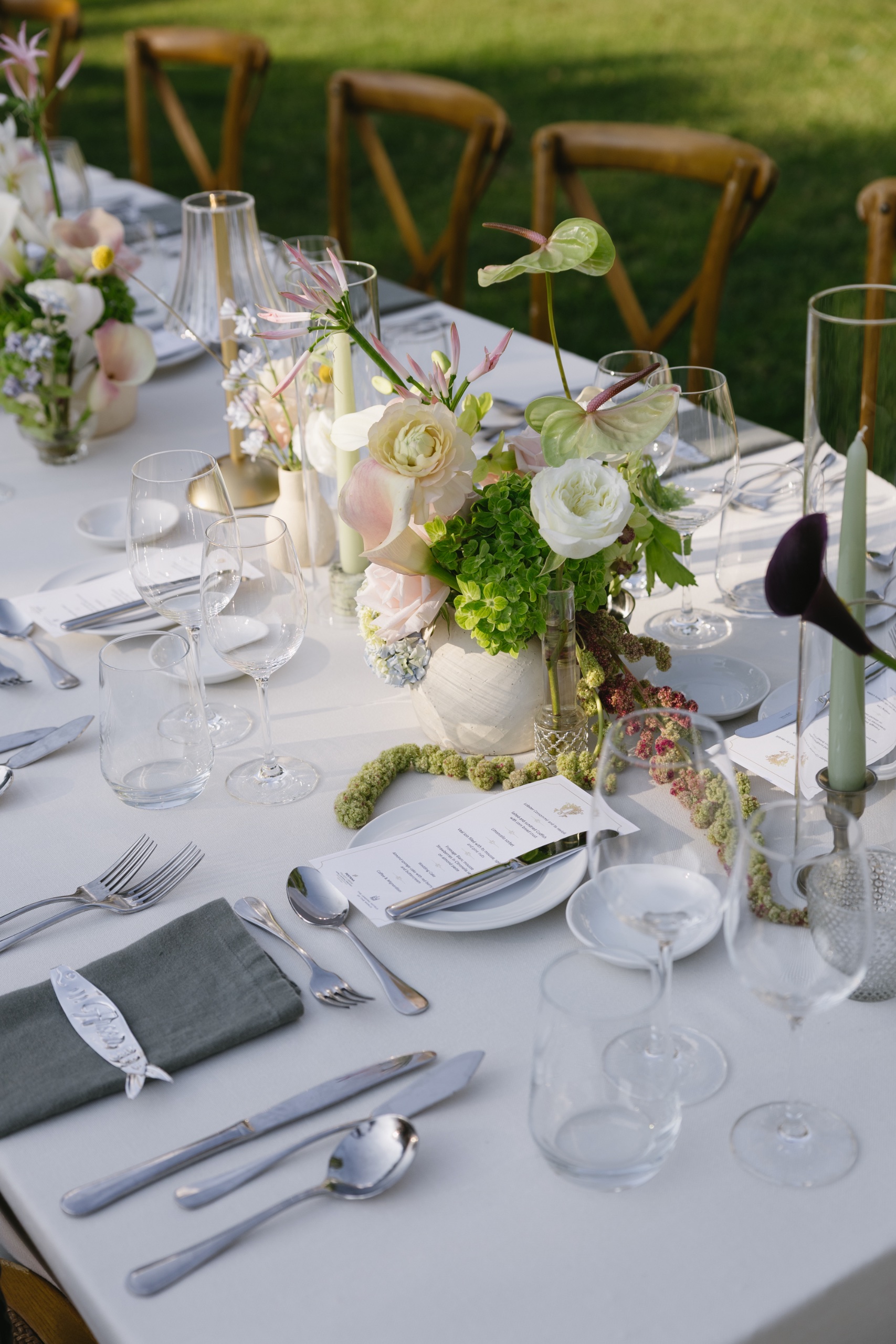
Weddings here happen on herdades, large country estates, many of them wineries, where guests stay for the weekend and dinner goes on under the stars. The pace suits the heat: a late start, the ceremony in the last hours of light and a table outside once the air has cooled. A civil wedding is arranged with a Conservatória at least one month ahead, and if you want the registrar on the estate rather than at the registry, agree it with them before you book around it. Couples who marry legally at home and hold a symbolic ceremony here need no registrar at all, which leaves the hour to the sun.
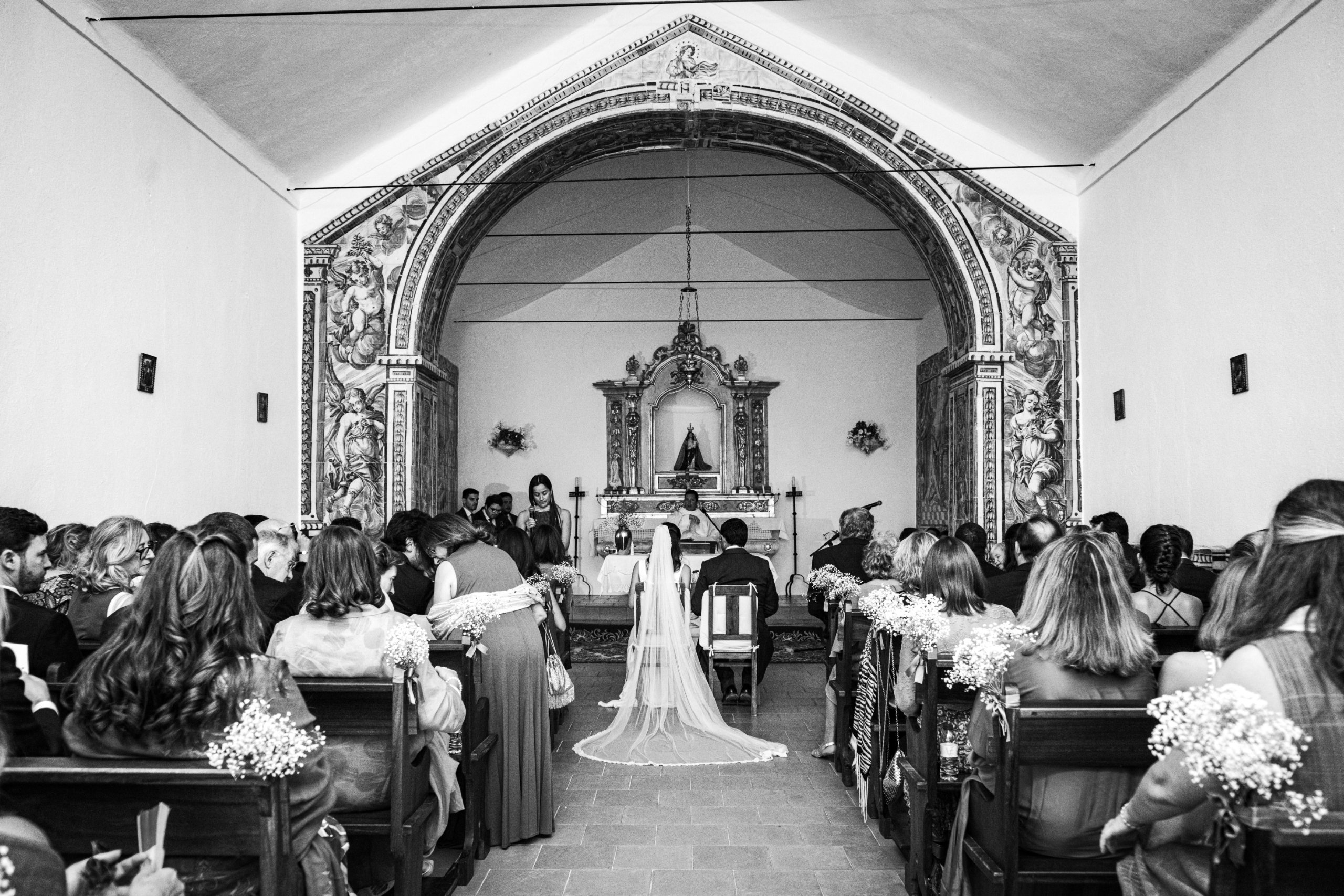
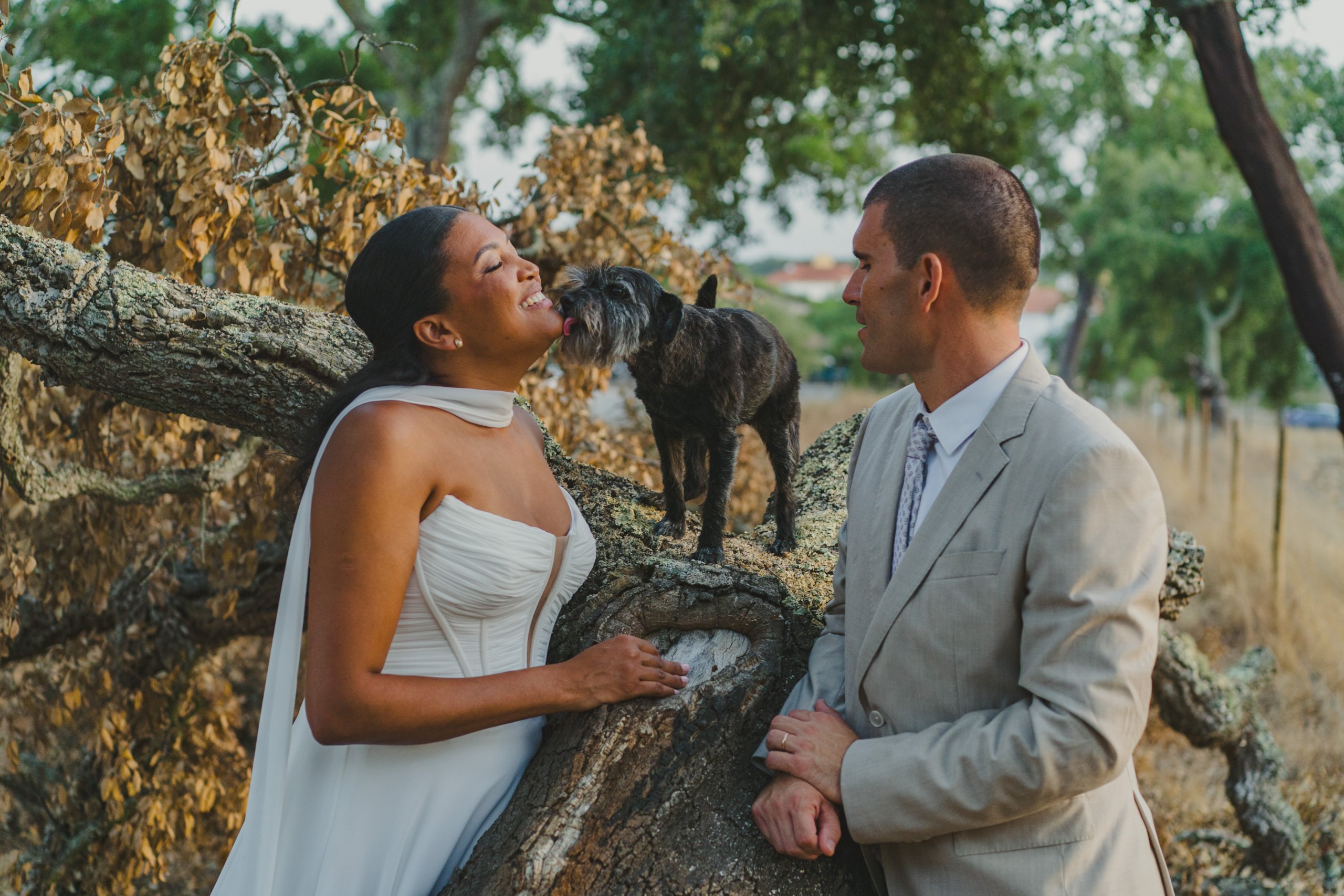
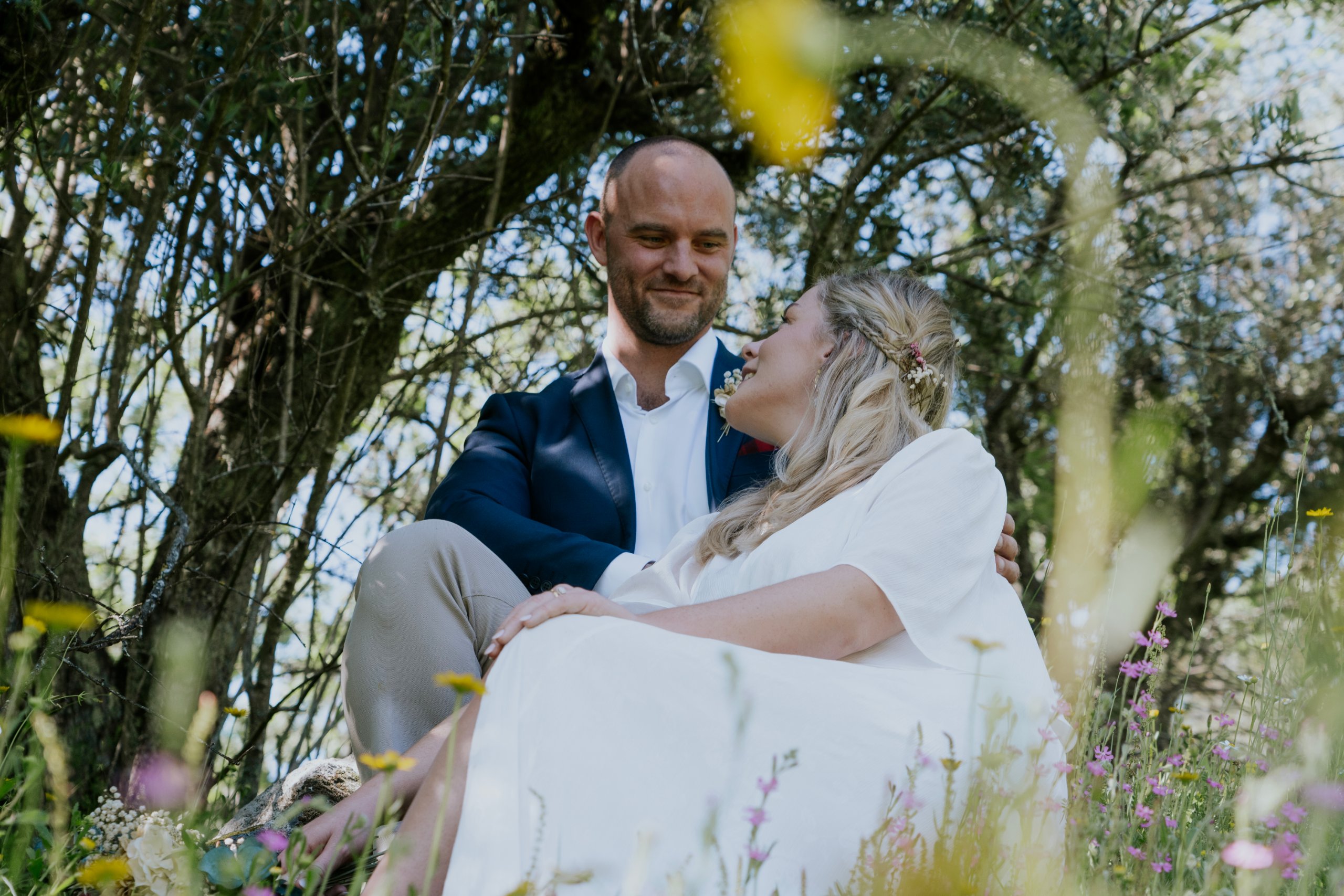
Photographers
They shoot here and know the light. Their whole weddings are on their pages.
See all 13 photographers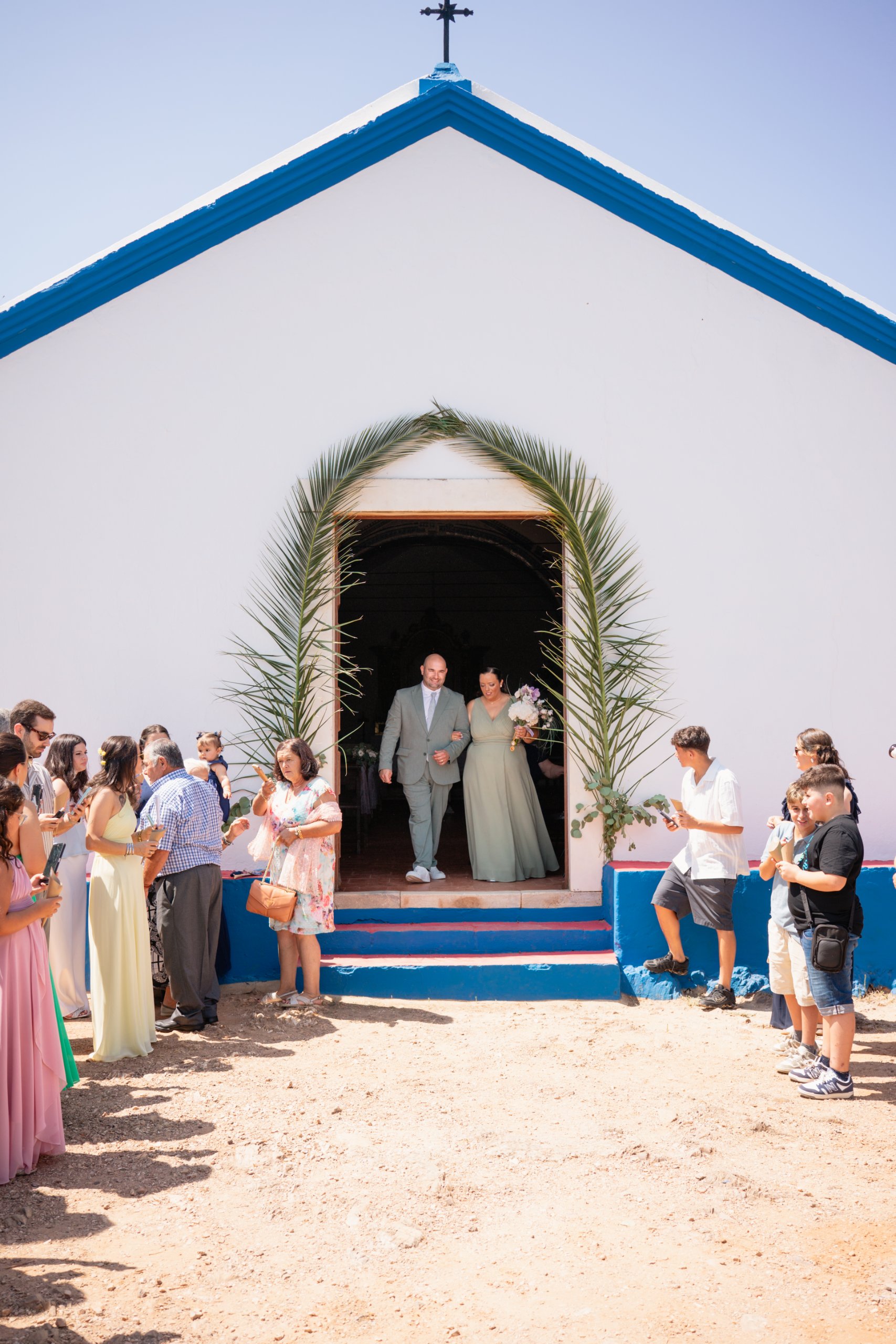
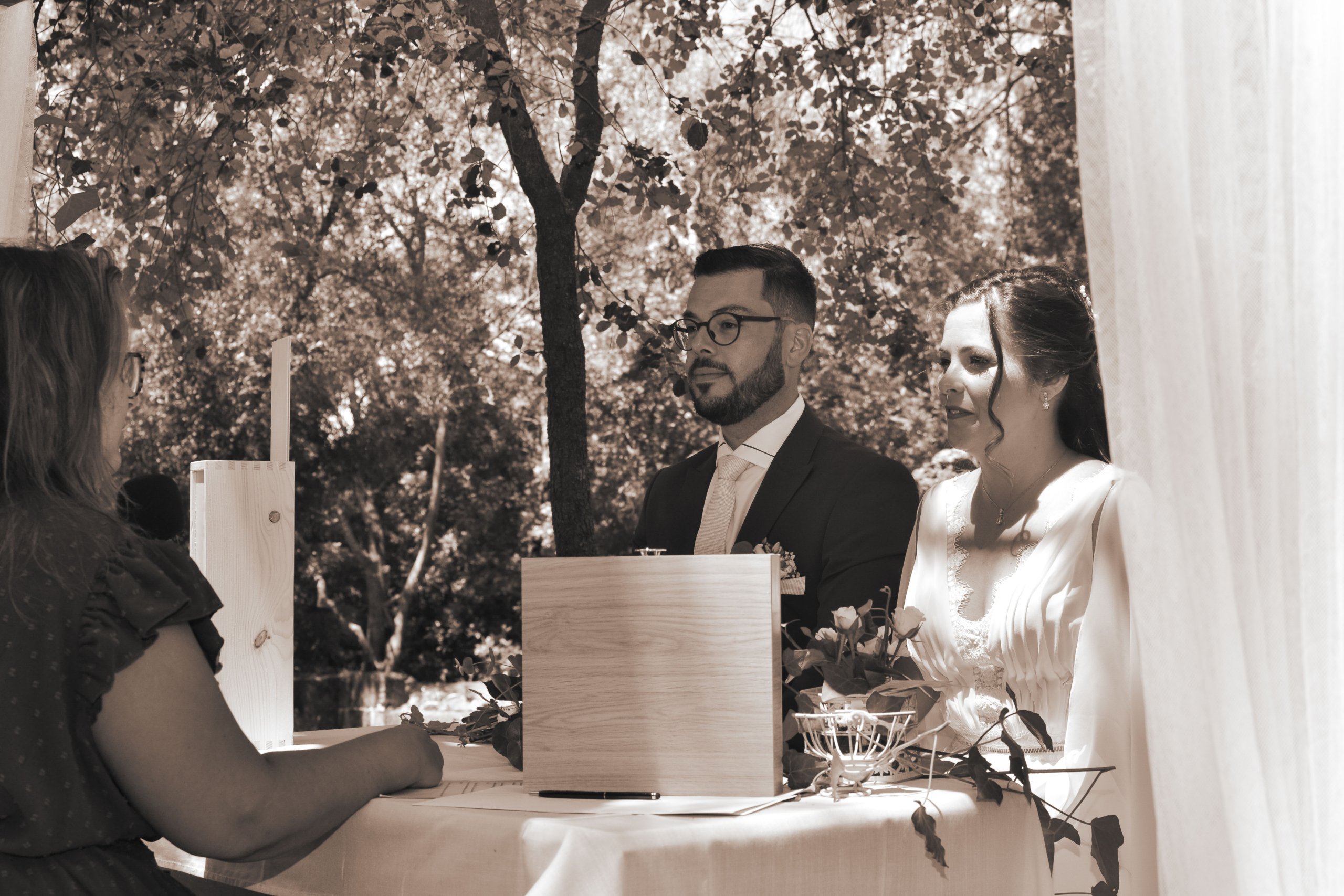
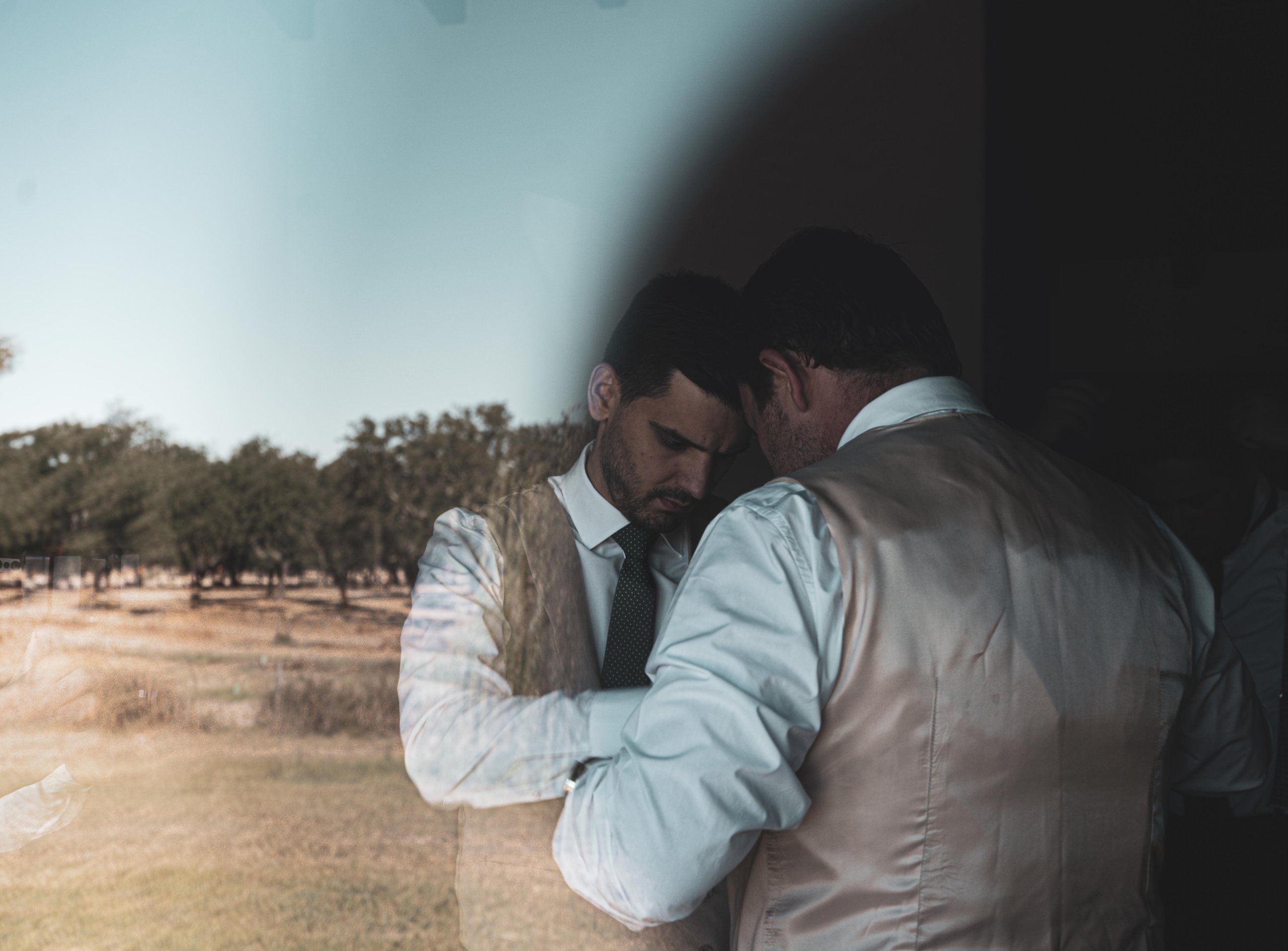
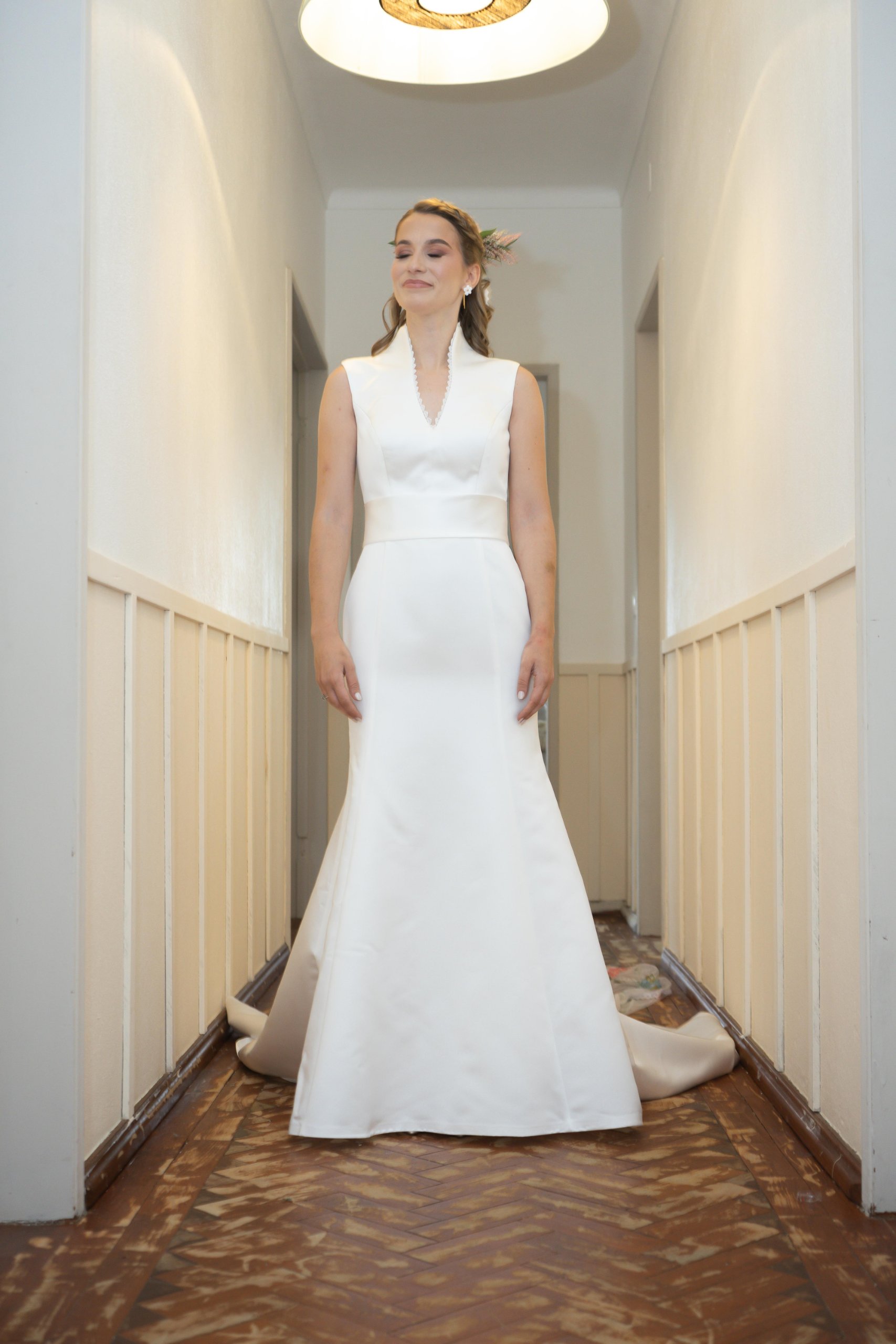
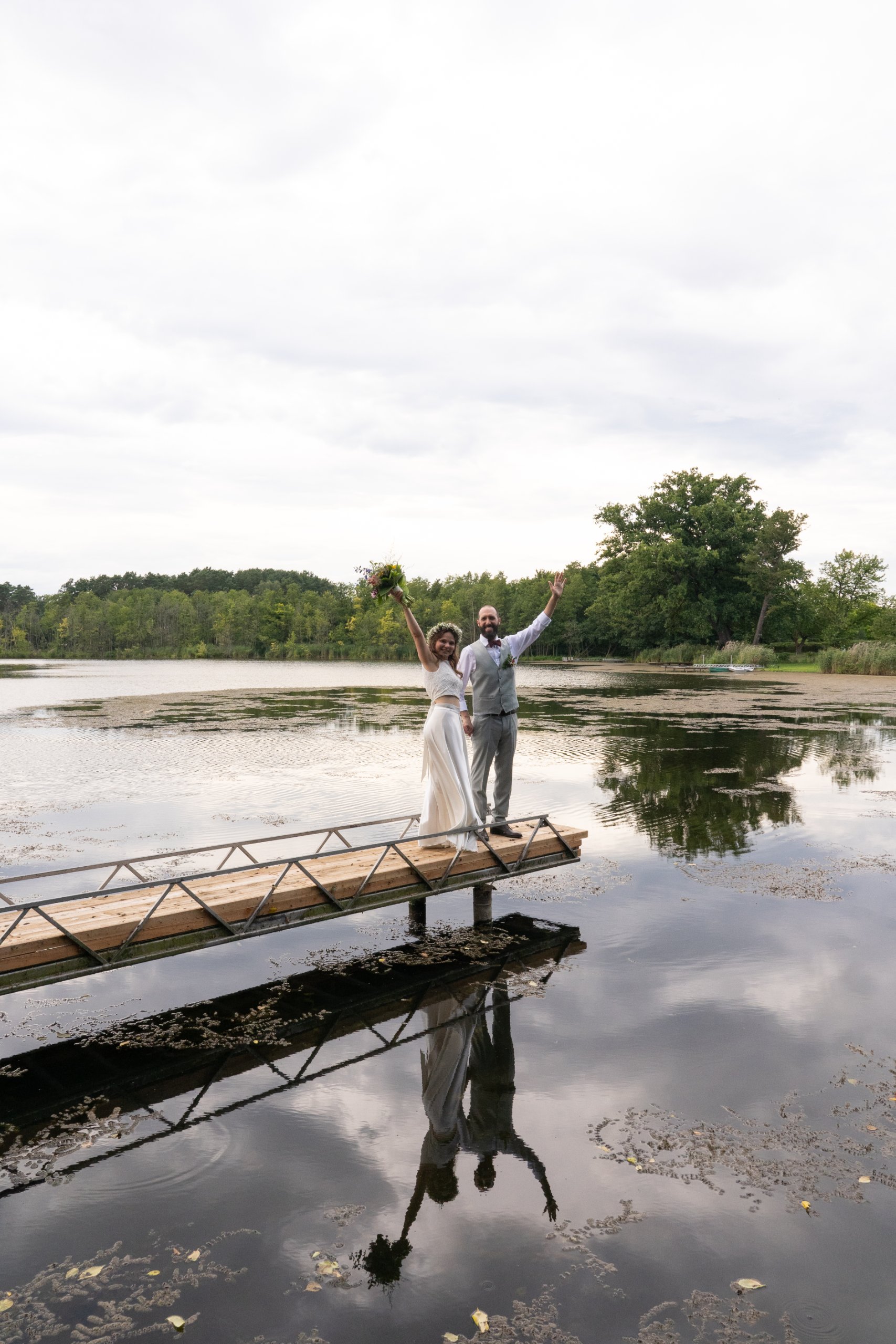
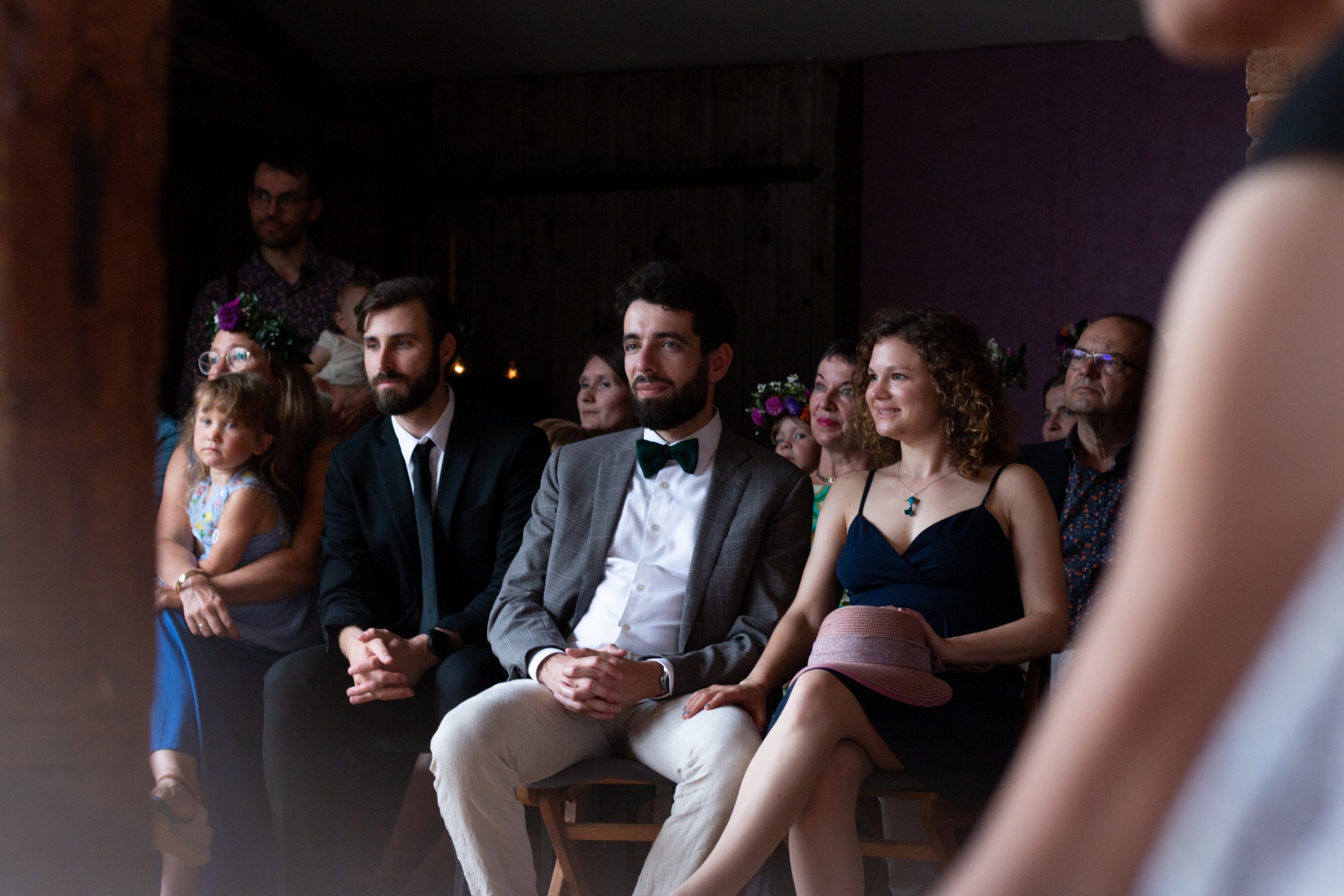
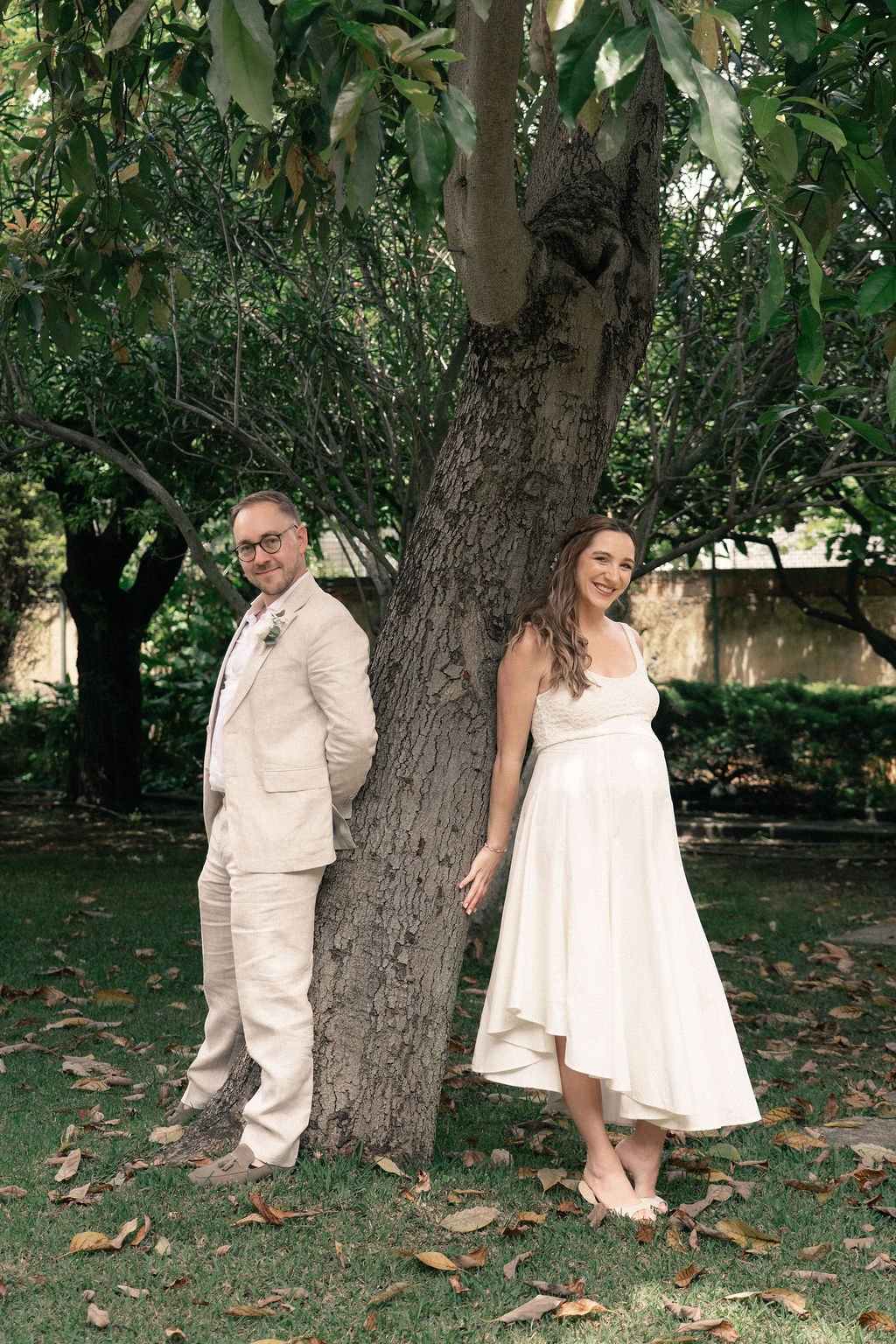
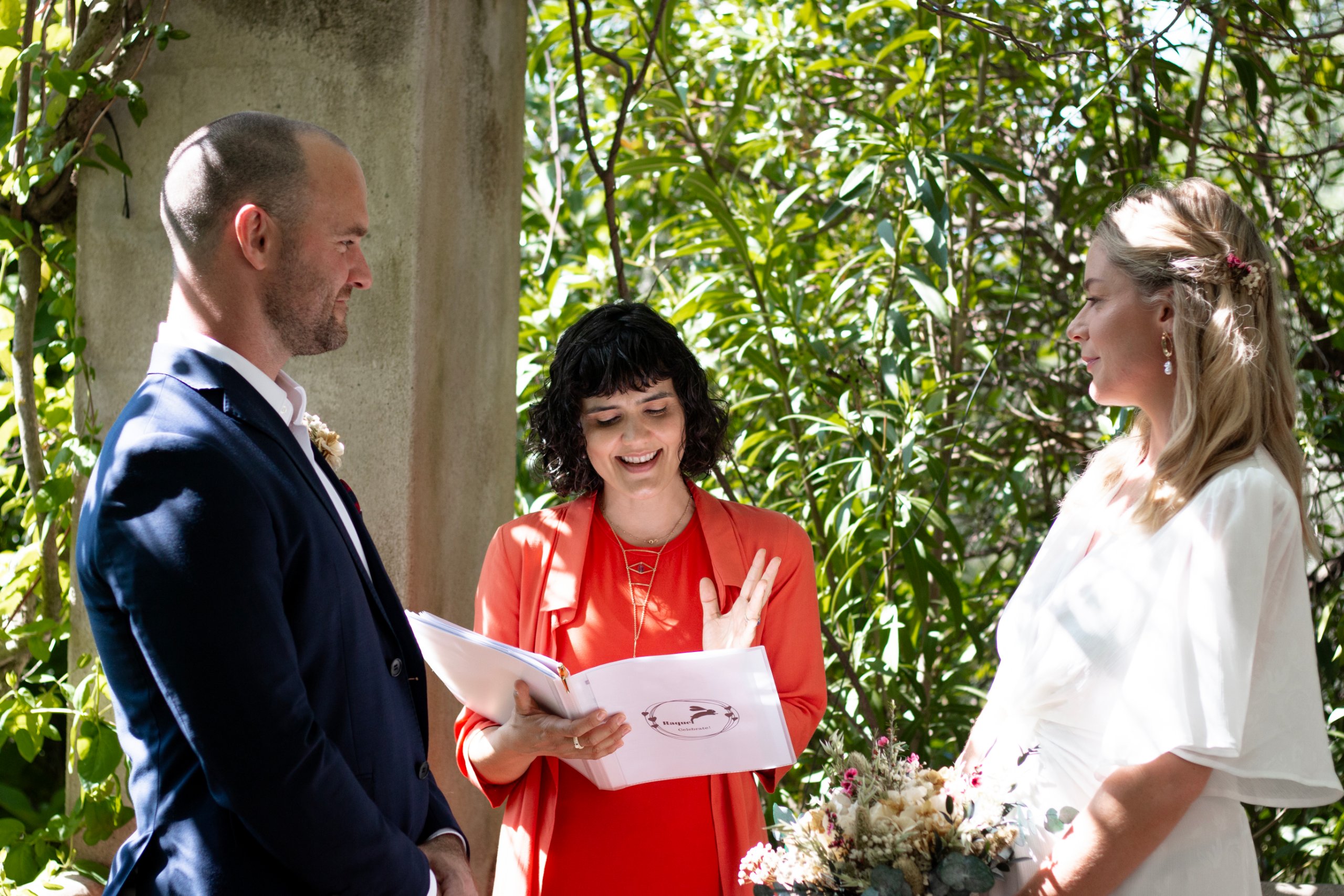
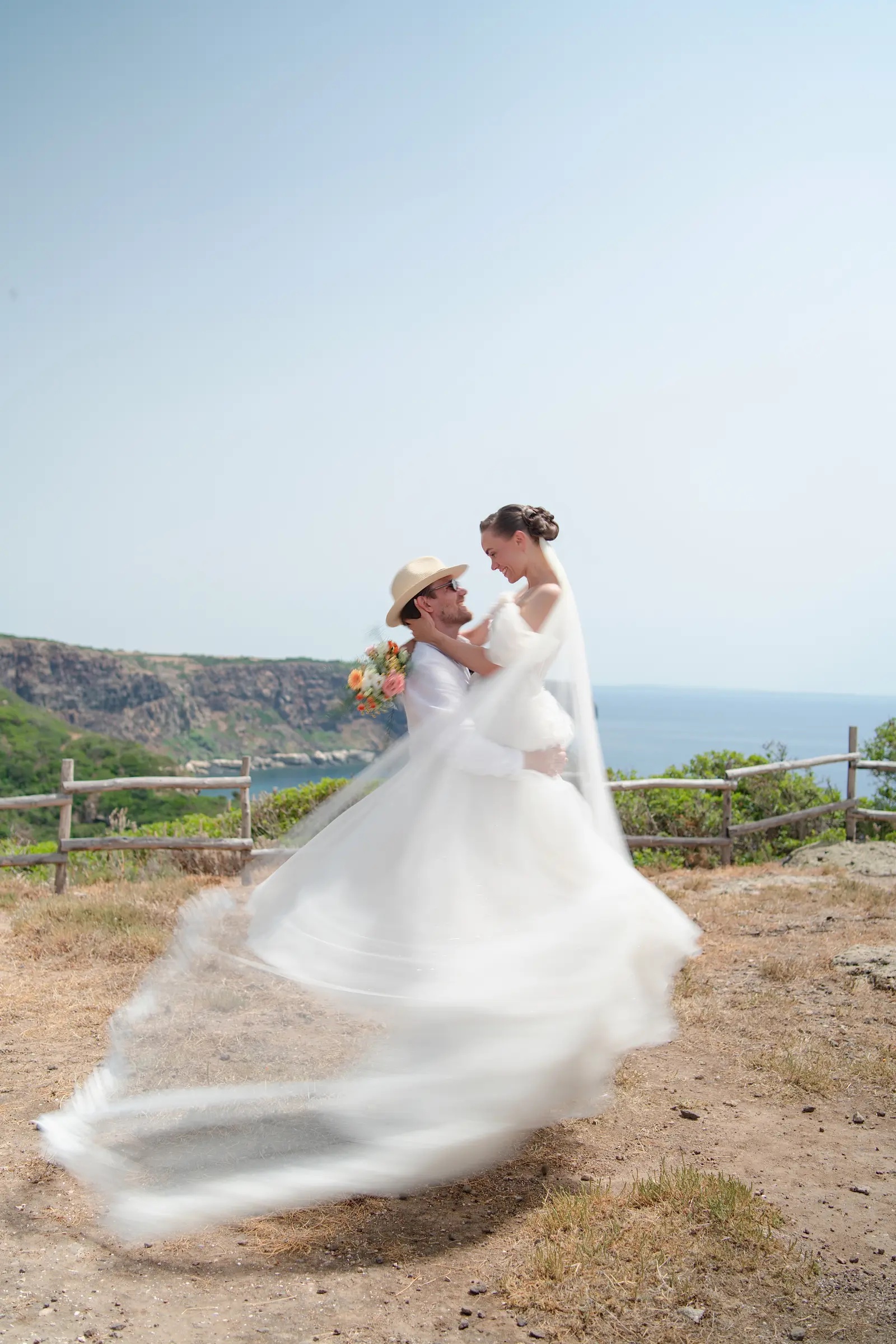
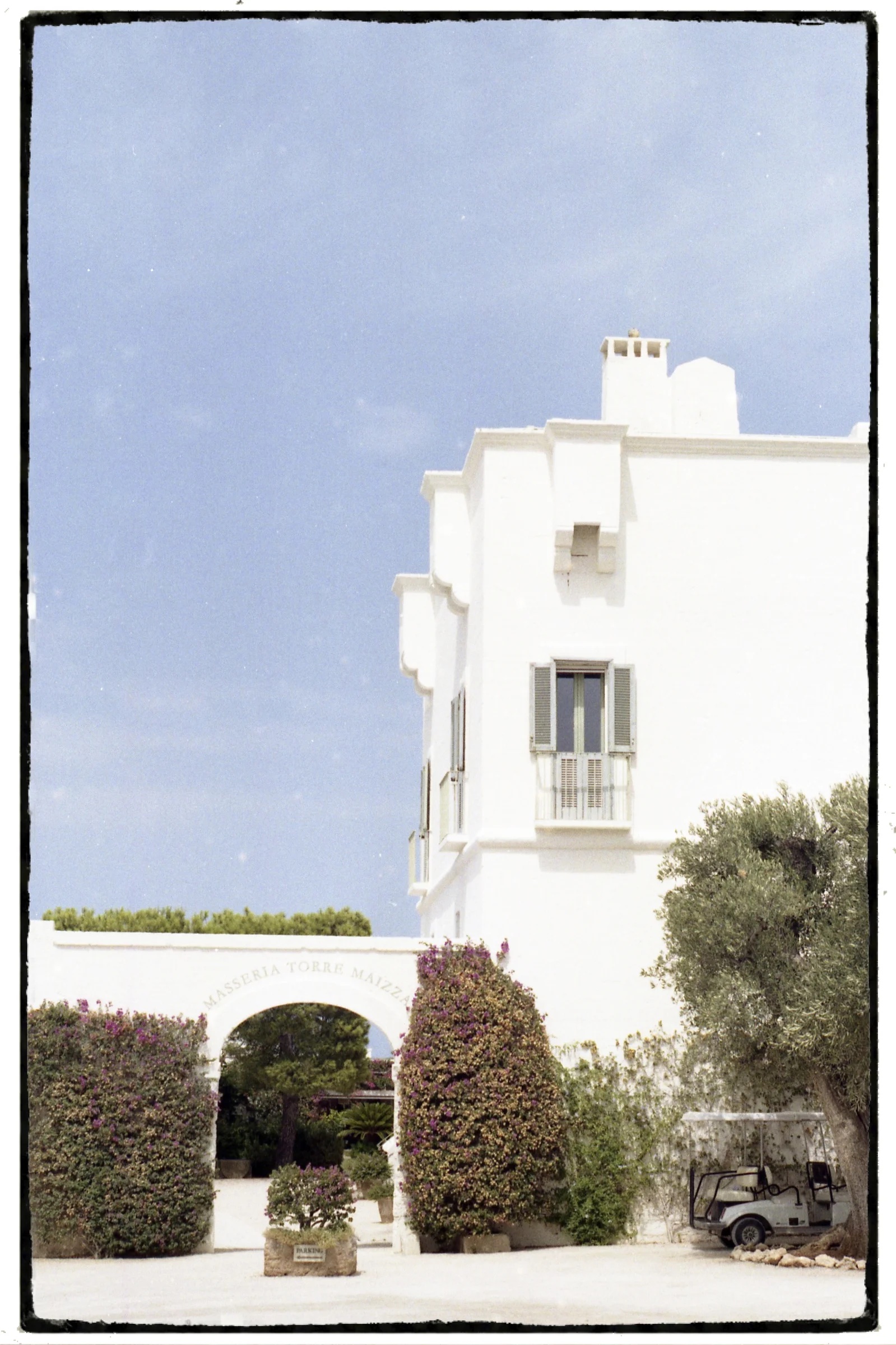
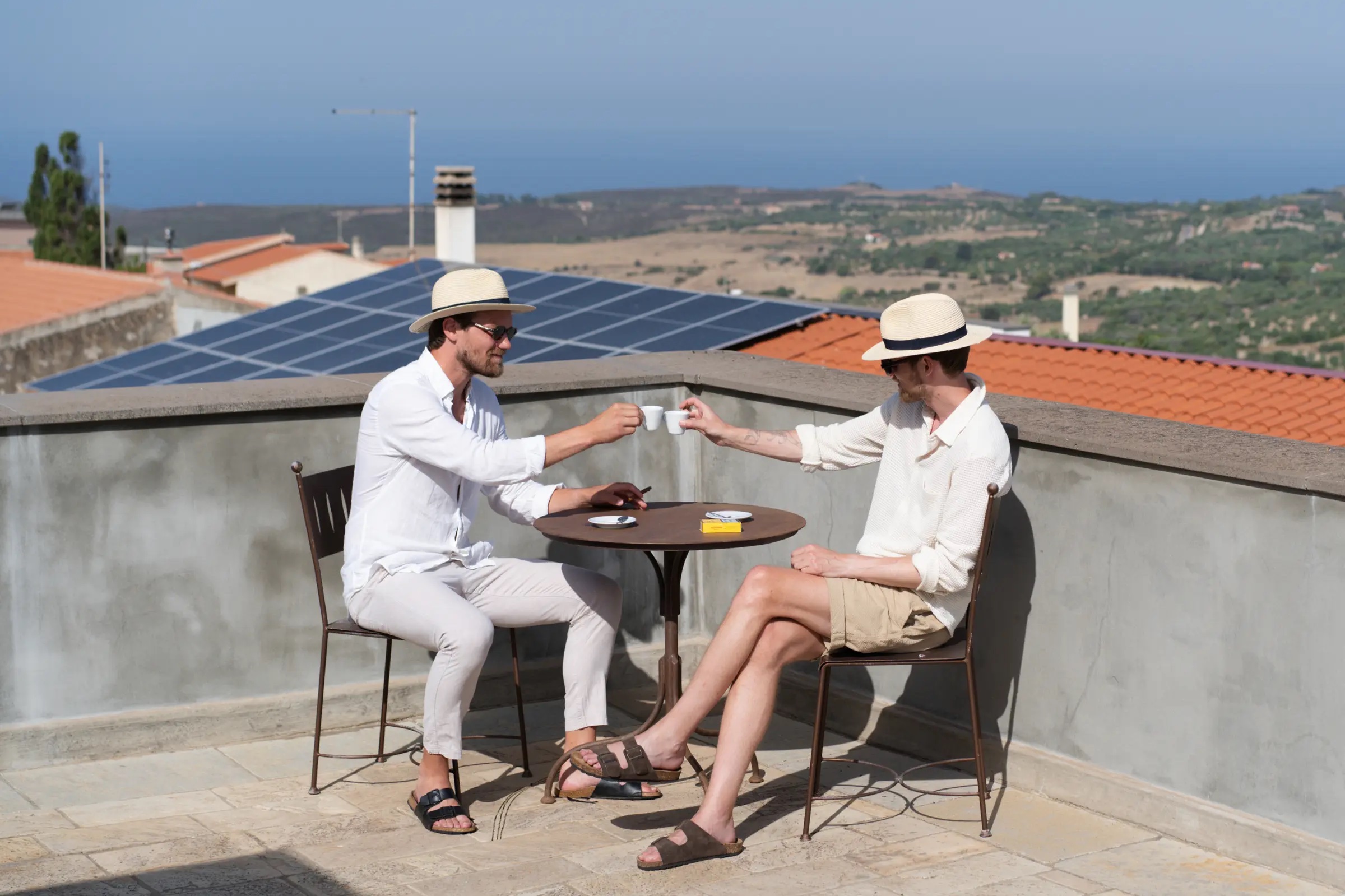
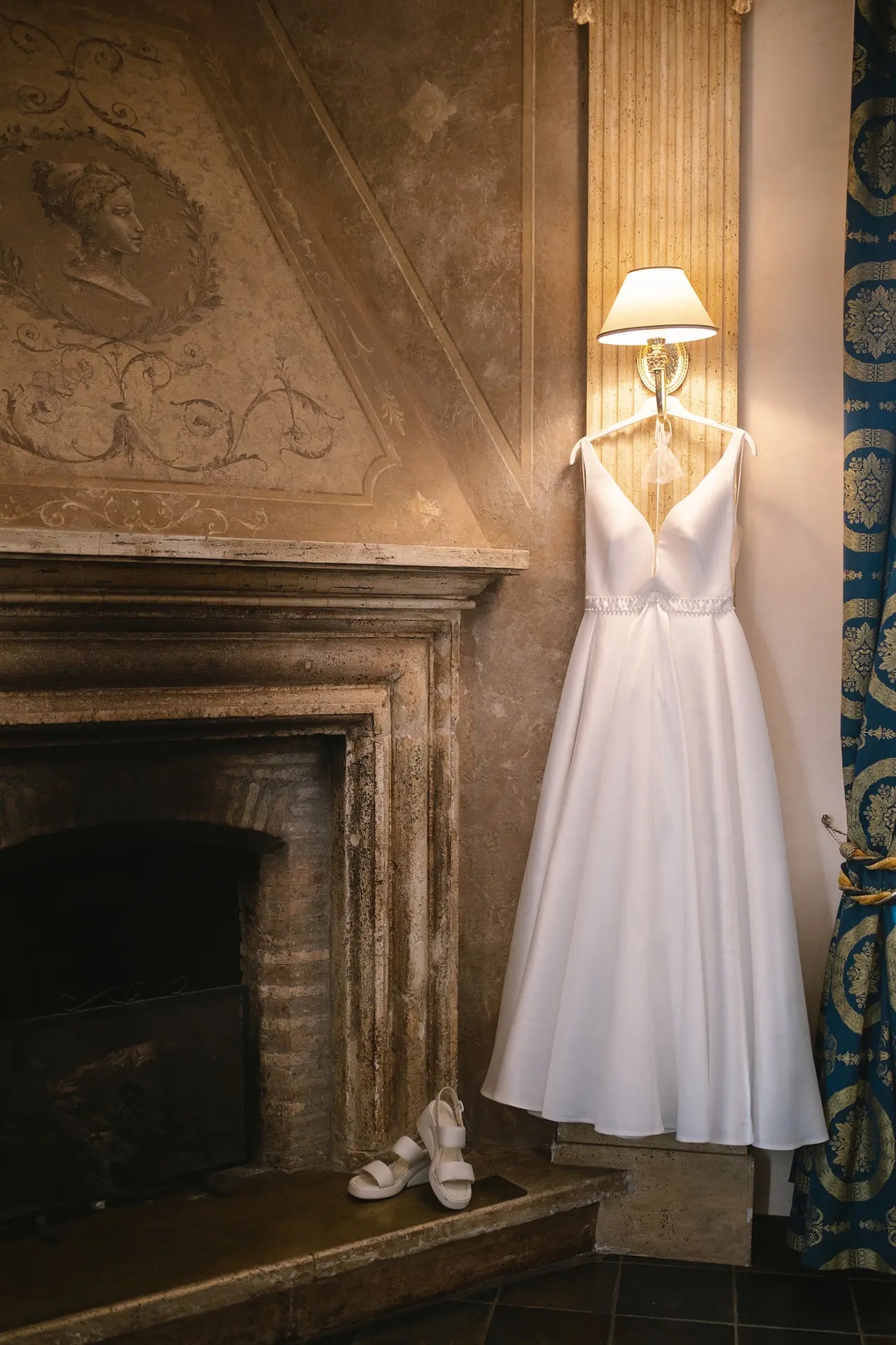


Booking through Lens & Vows
Through the year
Spring and early autumn are the easy months. At Évora highs average 20.7 °C in April, 25.0 °C in May, 29.5 °C in September and 24.1 °C in October, with rain on about eight days in April and October, six in May and under four in September. June is already 30.2 °C, with fifteen days of 30 °C or more. July and August are serious heat: 33.3 and 33.5 °C at Évora, about 25 days of 30 °C or more in August and eleven of 35 °C or more in each month, and hotter still further east at Amareleja, where July averages 35.6 °C. It is possible with the ceremony at the end of the day and dinner after dark, because the nights drop to about 16 °C, and guests will want a layer by midnight. July and August barely see any rain at all.
Weather station: Évora, normals 1991–2020 · Checked 1 November 2026
Places
The kinds of places — ask your photographer which ones they know well.
São Lourenço do Barrocal, near Monsaraz, has been in one family for over 200 years, with old holm oaks, olive groves, vines and rooms and cottages on the estate, and can be used whole for a wedding. Herdade dos Grous, at Albernoa near Beja, has 24 rooms, a lawn by its infinity pool and a bandstand over its lake, the estate’s most iconic spot. Herdade do Sobroso, beside the Alqueva lake near Vidigueira, hosts weddings on a large estate of vines and open country. A whole-estate booking keeps everyone together, which saves a late drive on dark roads.
Tables between the vines or in a cool cellar, and wine from the same land at dinner. L’AND Vineyards, at Montemor-o-Novo, about 30 km from Évora, has its medieval castle on the skyline and takes up to 120 indoors and 250 outdoors, with the hotel’s 25 suites hired exclusively for at least two nights. Torre de Palma, near Monforte, has a medieval tower, a chapel and 19 rooms and suites. A cellar is also your best answer to a 35-degree afternoon, so ask to see it even if you plan to eat outside.
Convento do Espinheiro, founded near Évora in the 15th century, holds religious ceremonies in its church and civil ones in the cloister or orange grove, with a hall for up to 250. In Évora itself, the temple square and the arches of the Água de Prata aqueduct make portraits with shade to spare. Catholic weddings in its churches are booked with the parish, well ahead. Pousada Castelo de Estremoz, in a castle built under King Dinis, can be booked whole. In Monsaraz the streets are public and the golden light falls on whitewashed walls at the end of the day; for a ceremony in the square or the castle, ask the câmara first.
Water, cork oaks and a flat horizon for an elopement at sunset, or portraits under the stars. Dark Sky Alqueva’s observatory is at Cumeada, in Reguengos de Monsaraz; ask your photographer whether they shoot the night sky, and pick a date near the new moon. The Almendres Cromlech, 95 Neolithic granite stones about 17 km from Évora by road, is run by the câmara, which since 2024 has had visitors keep to a circuit around them: go for the last light, and don’t lean on or climb the stones. A ceremony or any set-up there is the câmara’s decision.
Towns
Each with a page of its own: where couples marry there, where to take portraits, the practical side.
Light
Big skies and a low horizon mean the sun can be watched all the way down, then a deep blue hour after it: at Monsaraz it sets at 20:57 on 21 June, in the north-west, and 17:12 on 21 December, in the south-west, with dusk about half an hour later. As everywhere in Portugal, the warm light is shorter than people expect, with the sun 6° up only 40 minutes before sunset in June. The midday sun is hard and high, 75° above the horizon at the solstice, and the white walls throw it back, so the photographs everyone loves are taken in the last hour of light and, for couples who stay up, under the stars. Moonless nights are the ones to pick.
Travel
Lisbon’s airport is about 130 km from Évora by road, an hour and a half without traffic, and about 185 km from Monsaraz. Faro’s is about 230 km from Évora, a little over three hours, so Lisbon is usually the easier flight. Trains from Lisboa Oriente reach Évora in a little over an hour and a half, several times a day, but most estates are off the line: plan cars or a coach for the day, and agree the late ride back in advance, because country roads here are unlit. Évora to Monsaraz is about 55 km. Aerial images need an ANAC-registered operator and the Autoridade Aeronáutica Nacional’s authorisation, and a monument or estate decides for itself whether a drone may fly there.
Real weddings
Plan
Portugal
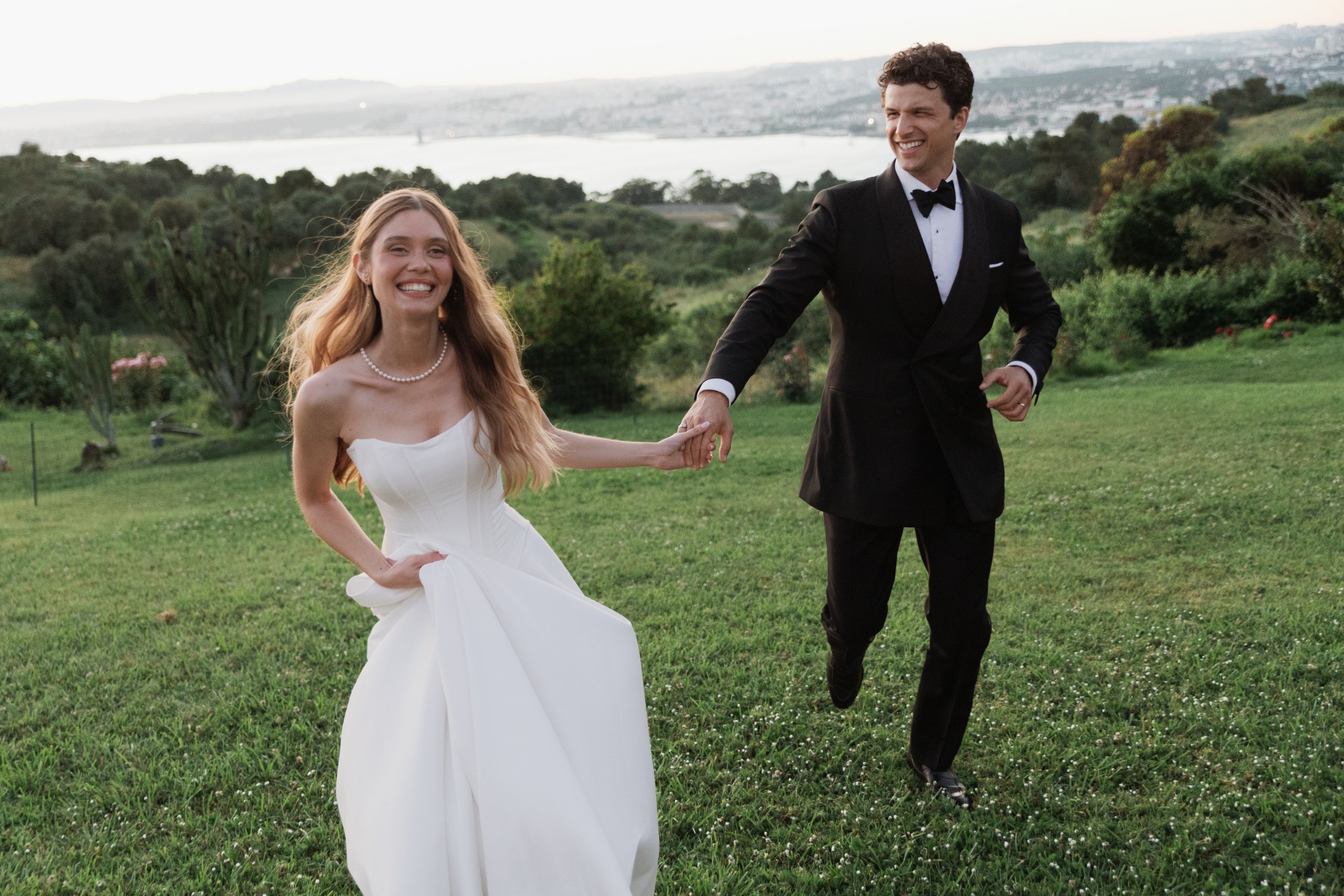 Photo: Beatriz A.
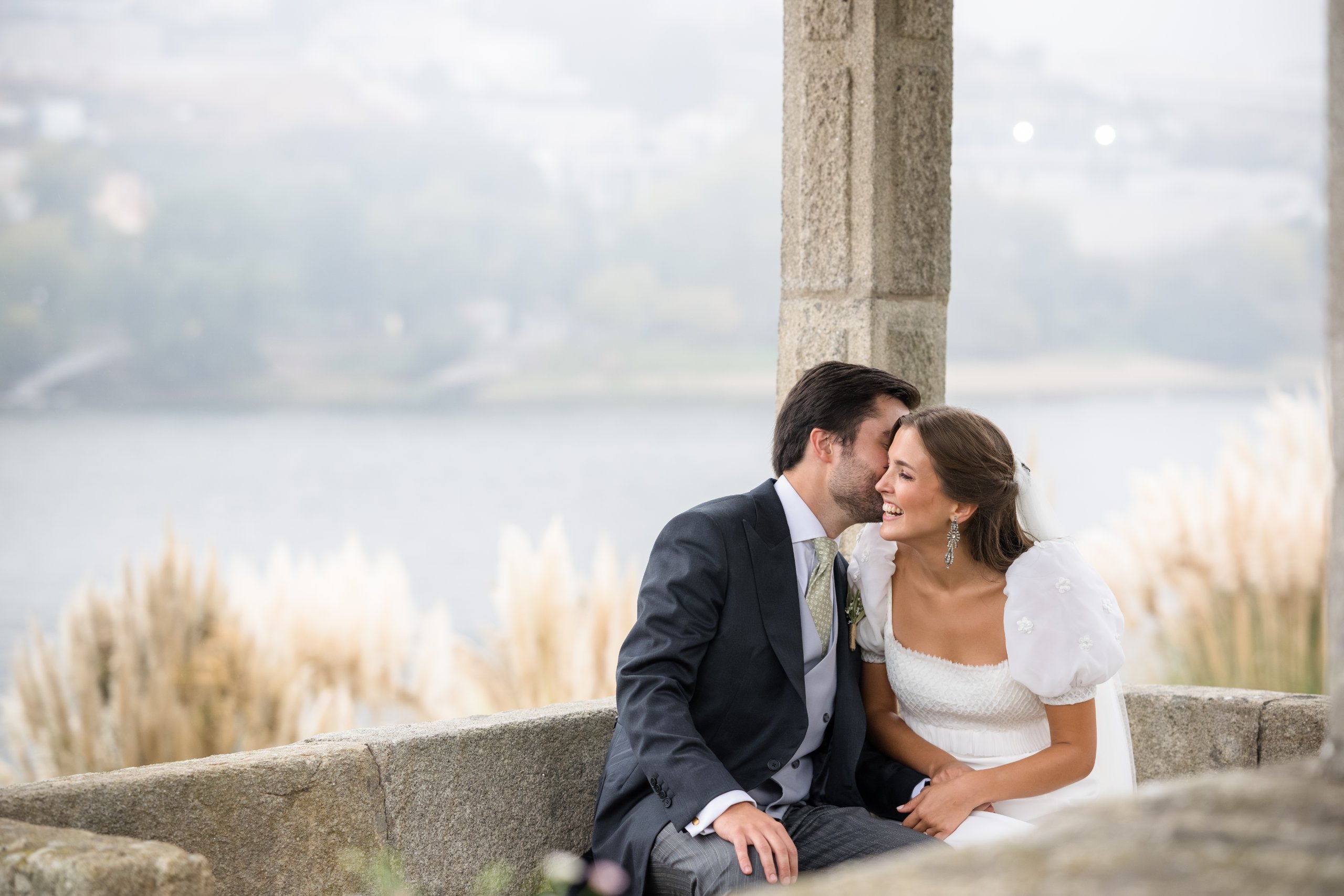 Photo: Gonçalo F.
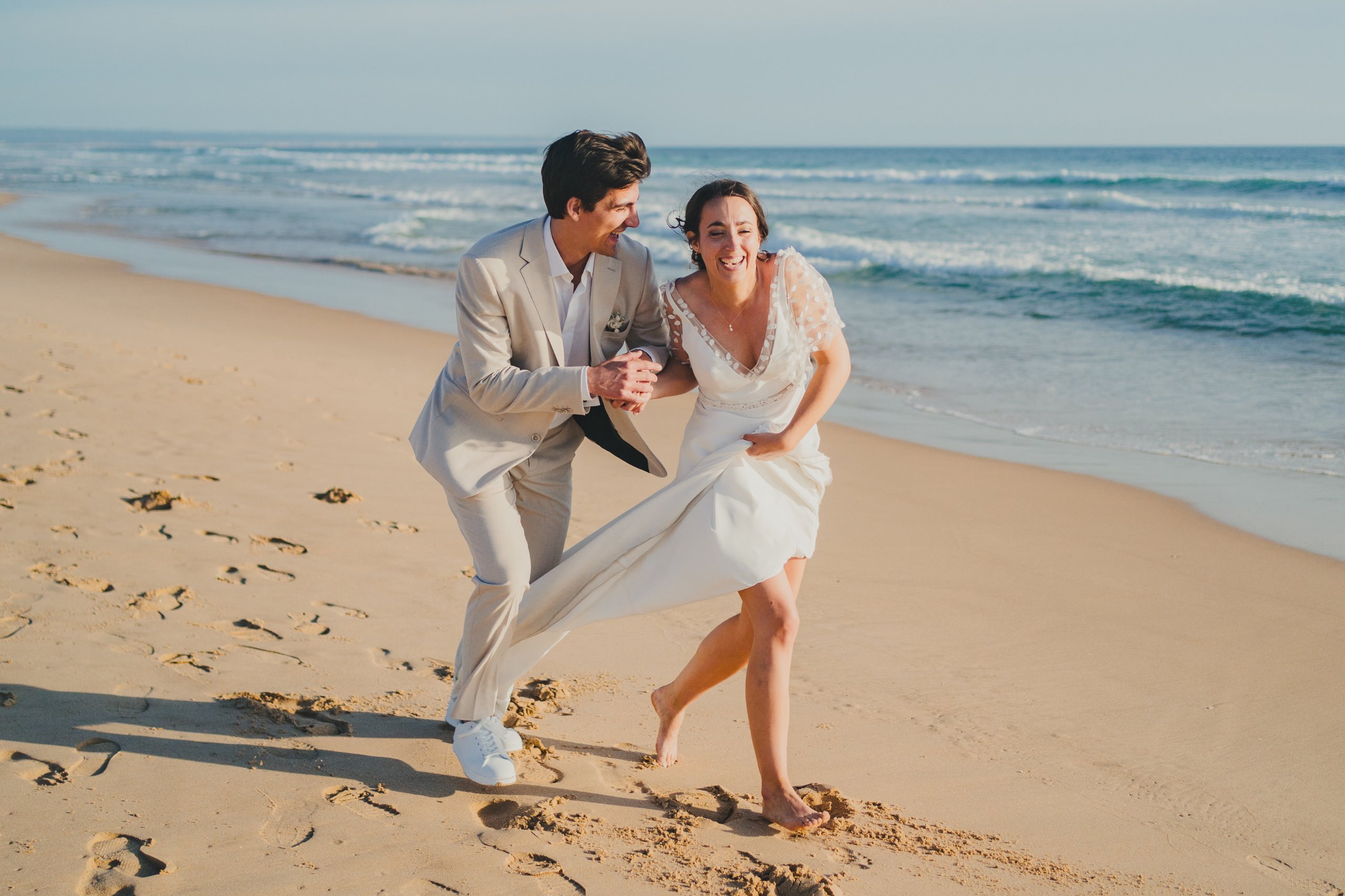 Photo: Denis E.