Verified — Identity verified by Lens & Vows
Ana C.from €2,200
🇵🇹 Madeira, Lisbon & Sintra +24, Portugal · Documentary, EditorialBased in Spain · travels to weddings in PortugalWedding photographers in Portugal
A green volcanic island in the Atlantic, with a UNESCO laurel forest, peaks above 1,800 m and a coast where Funchal’s highs never average below 19.9 °C in any month.
Madeira rises steeply out of the Atlantic: green mountains cut by ravines, terraces of bananas and vines, and water channels, the levadas, running through the Laurisilva, about 15,000 hectares of ancient laurel forest and a UNESCO World Heritage site since 1999. Pico do Arieiro stands at 1,818 m, reached by road, about 18 km from Funchal, and on many mornings the cloud lies below it like a sea. The capital spills down to its bay in gardens. Go east and the land dries out into the bare volcanic rock of Ponta de São Lourenço; go to the high plateau in the west and you reach Fanal, where centuries-old til trees stand in the grass and in the fog.
The climate is mild all year, which makes the island one of the few places in Europe where a winter wedding outdoors is a real option, and elopements above the clouds at sunrise are its best-known image. A legal wedding follows the same process as on the mainland: it starts at least one month ahead at any Conservatória in Portugal, not necessarily one on the island, and you can open the file through someone holding your power of attorney. A registrar can marry you at a venue by prior agreement. A symbolic ceremony, with the legal part done at home, leaves the hour and the place to the weather, which here matters.
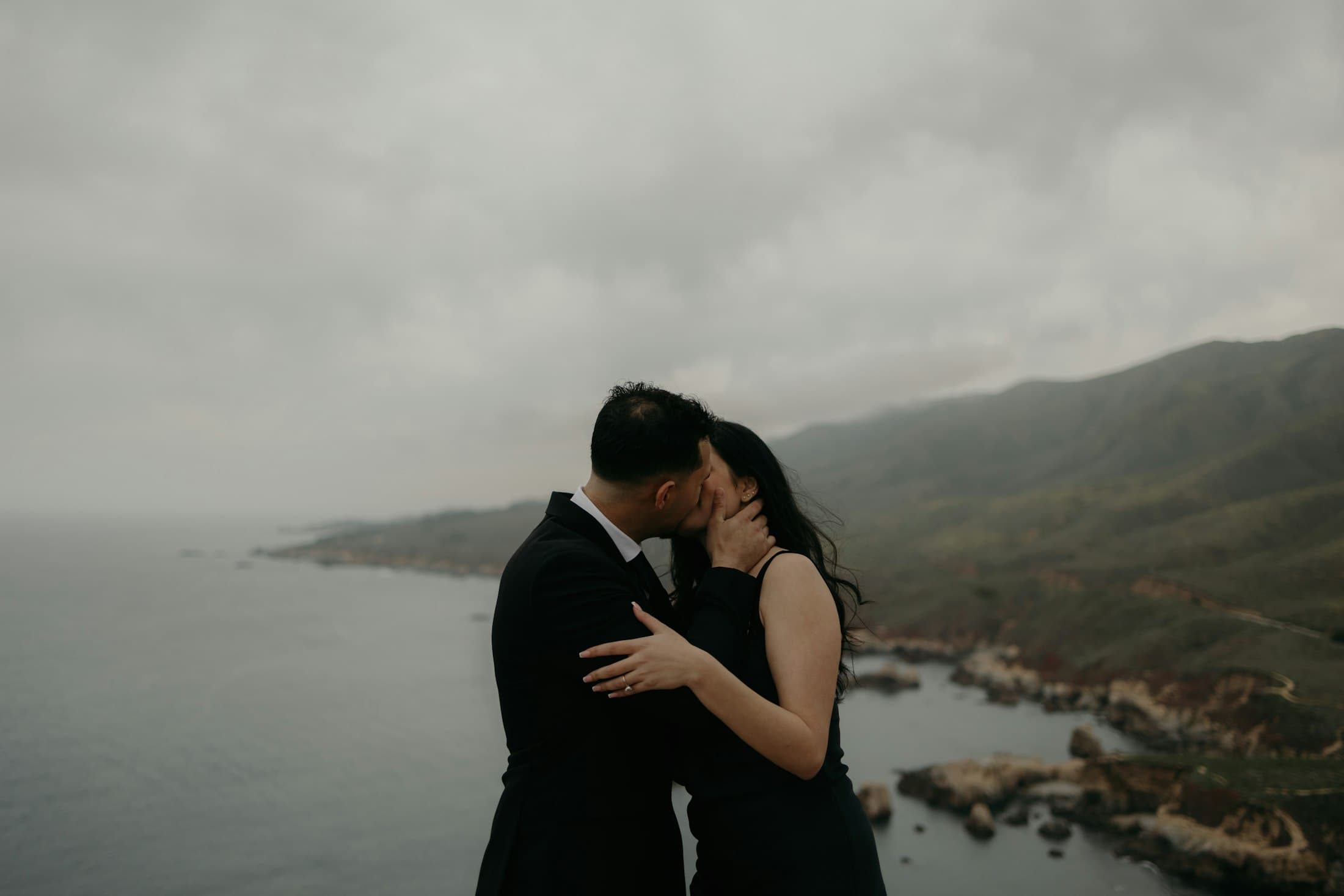
Photographers
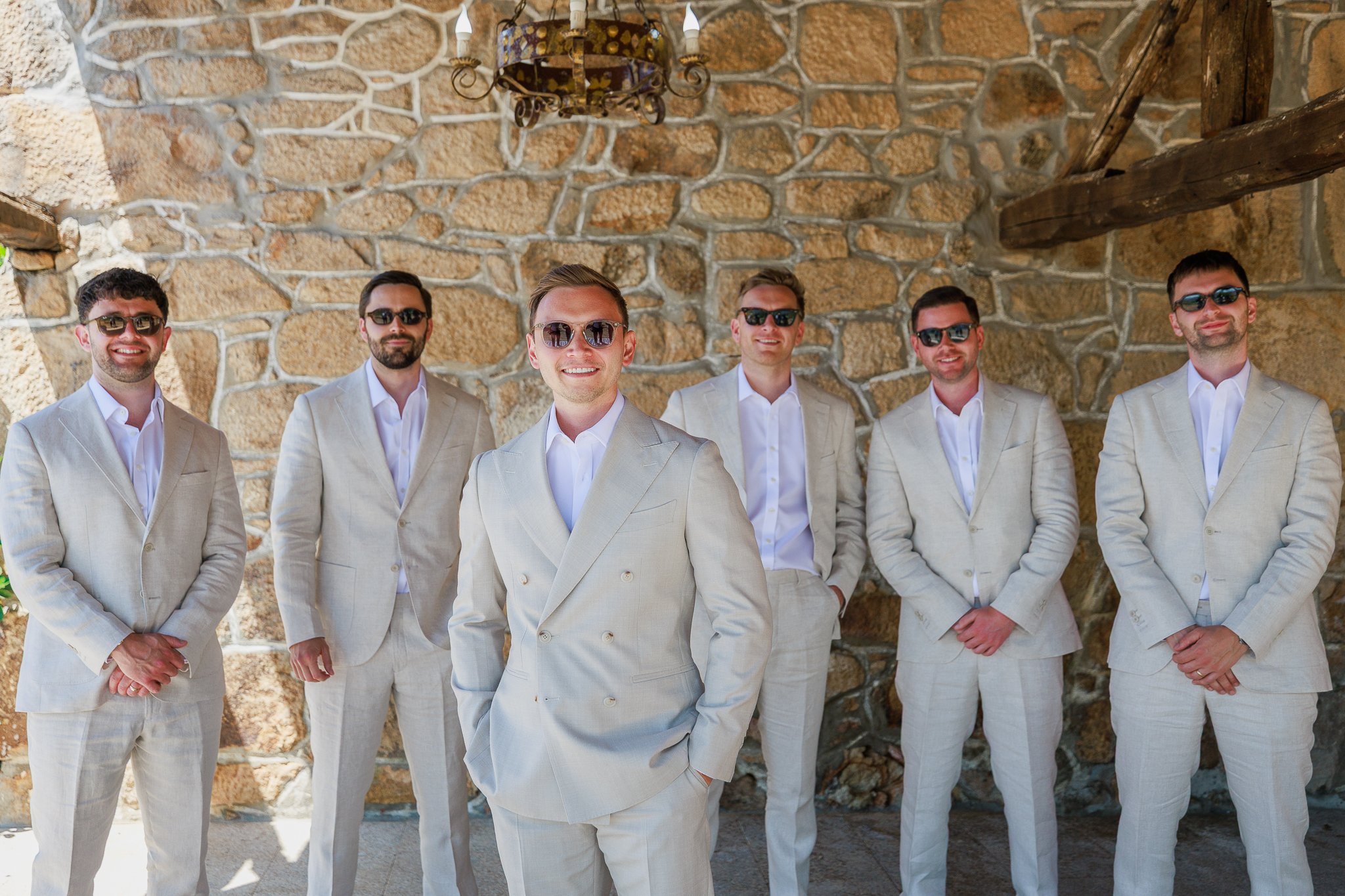
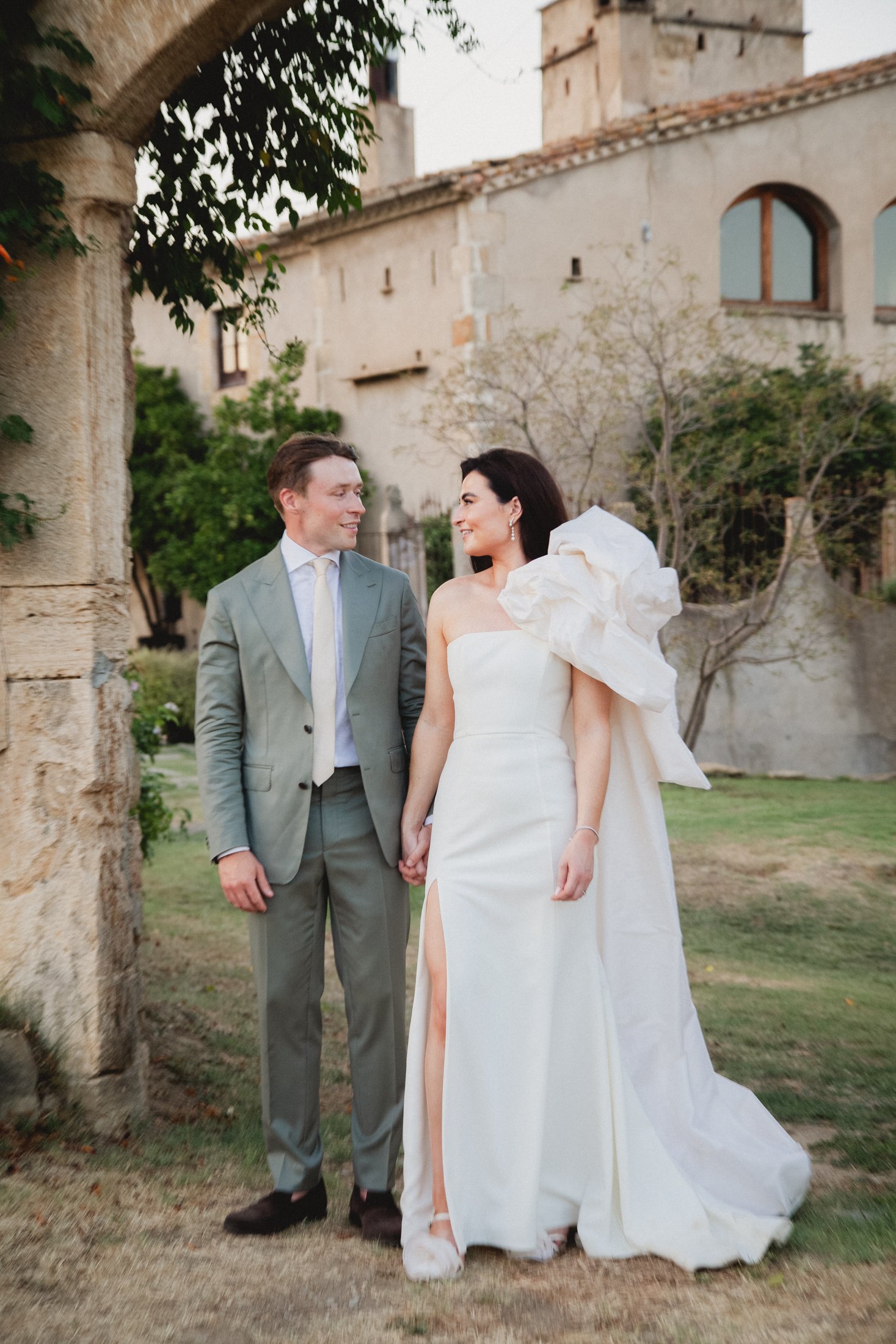
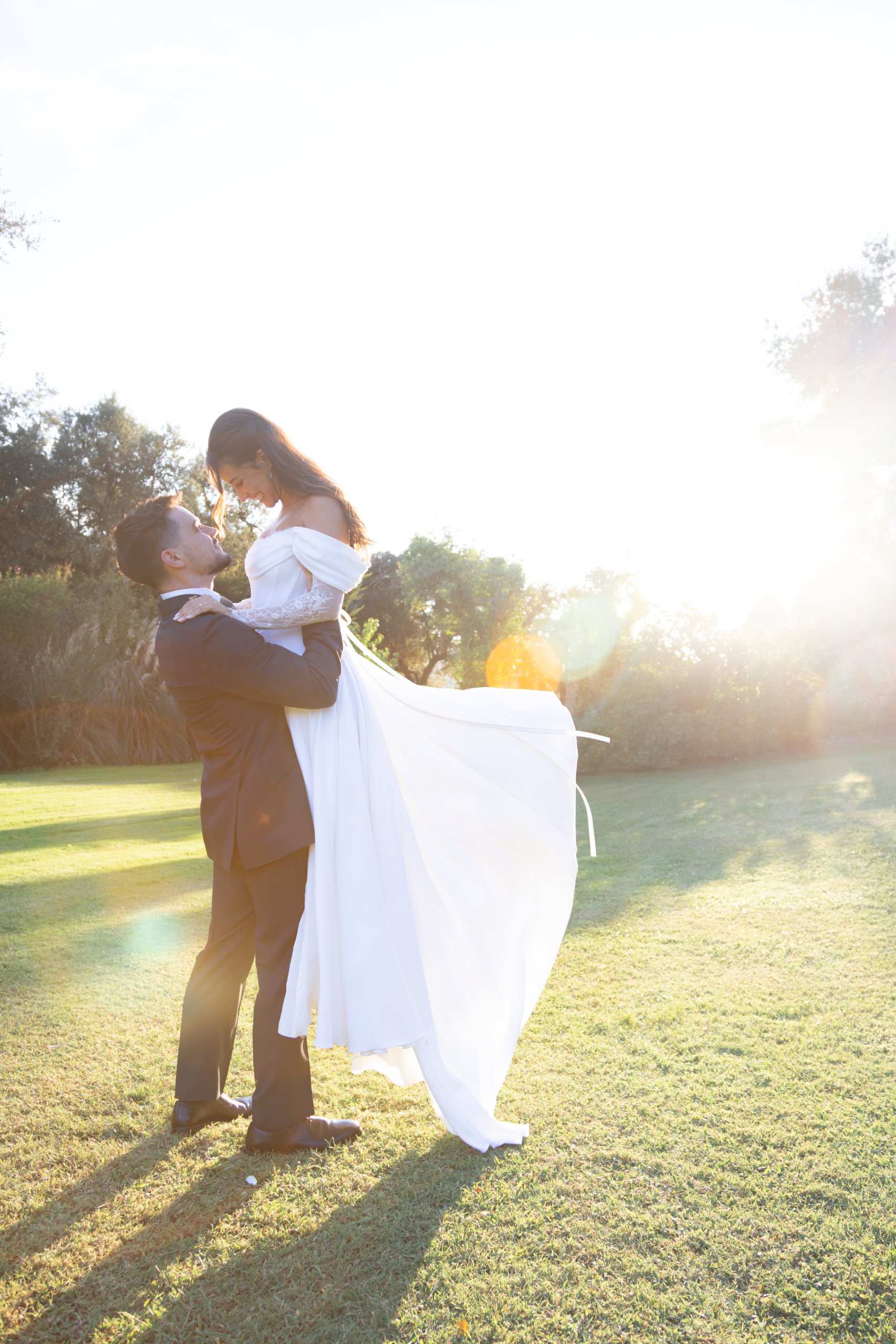
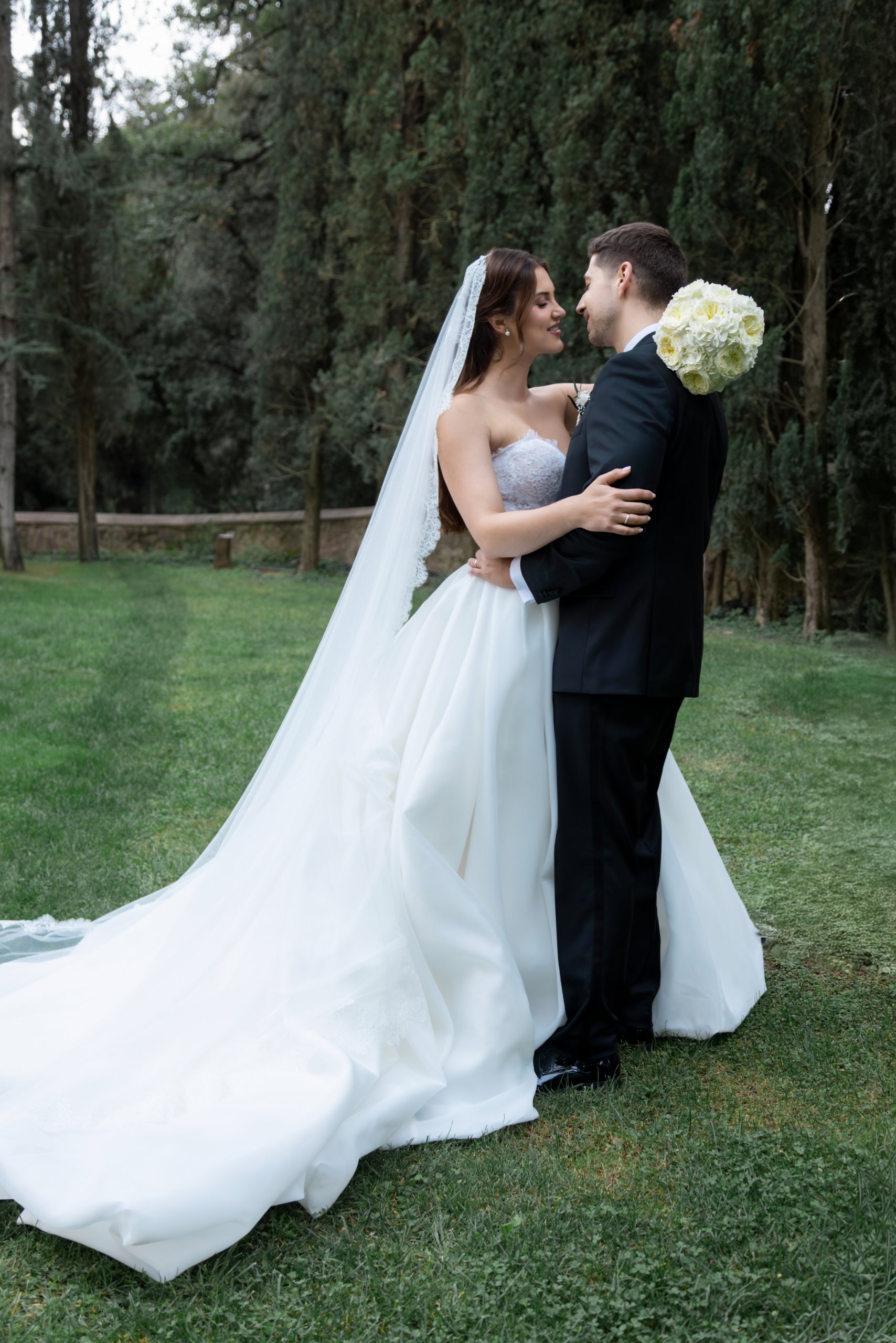
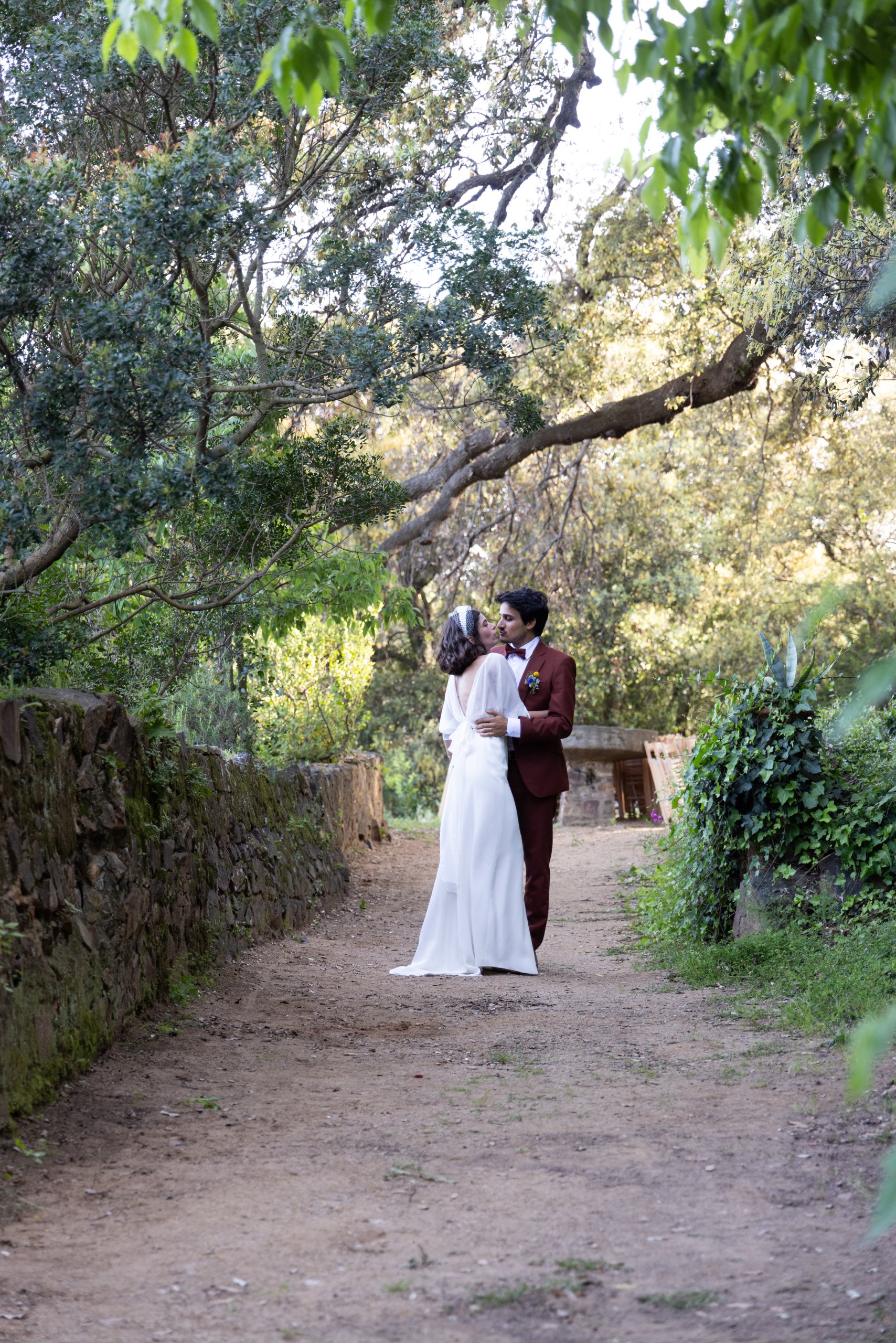
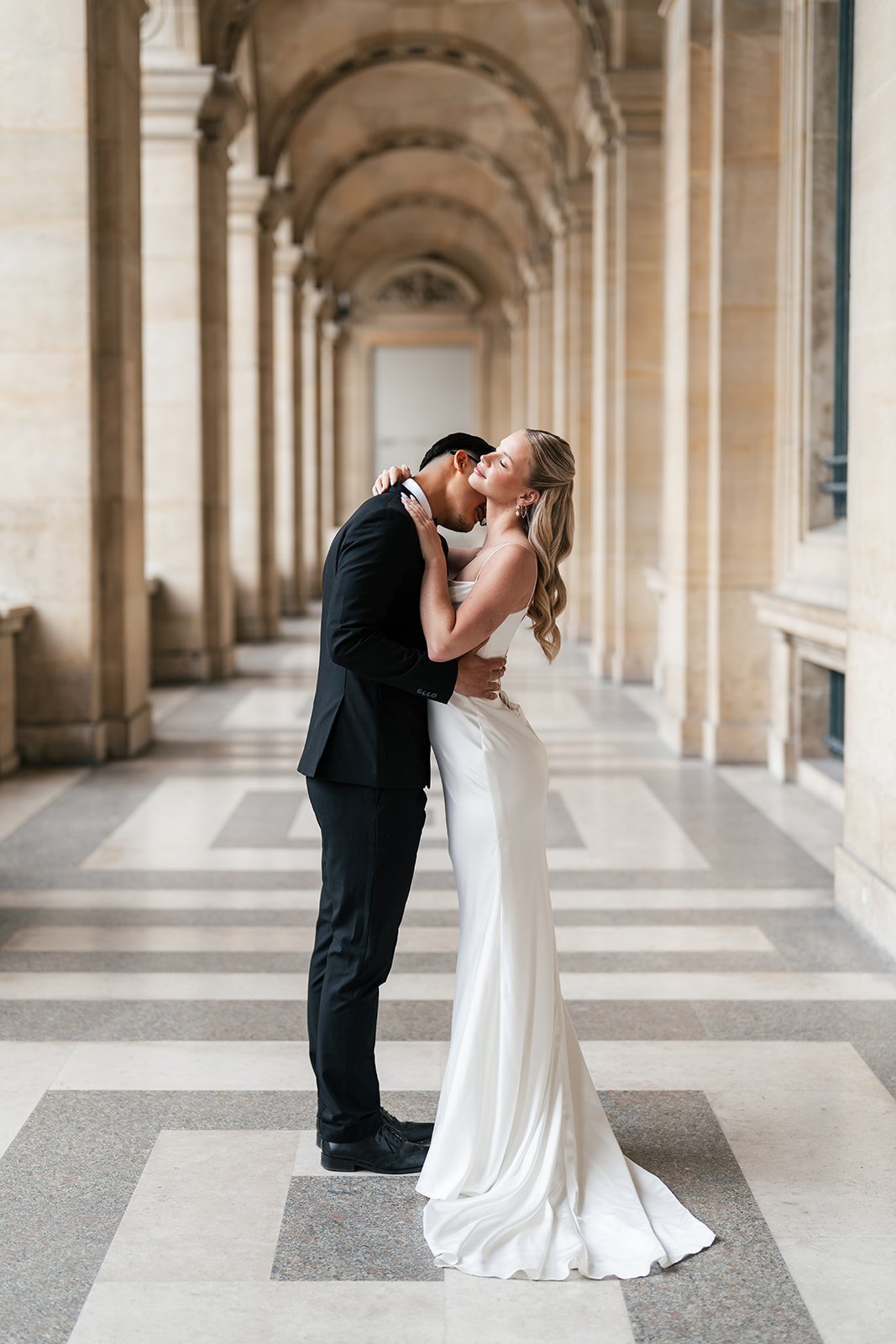
They shoot here and know the light. Their whole weddings are on their pages.
See all 8 photographers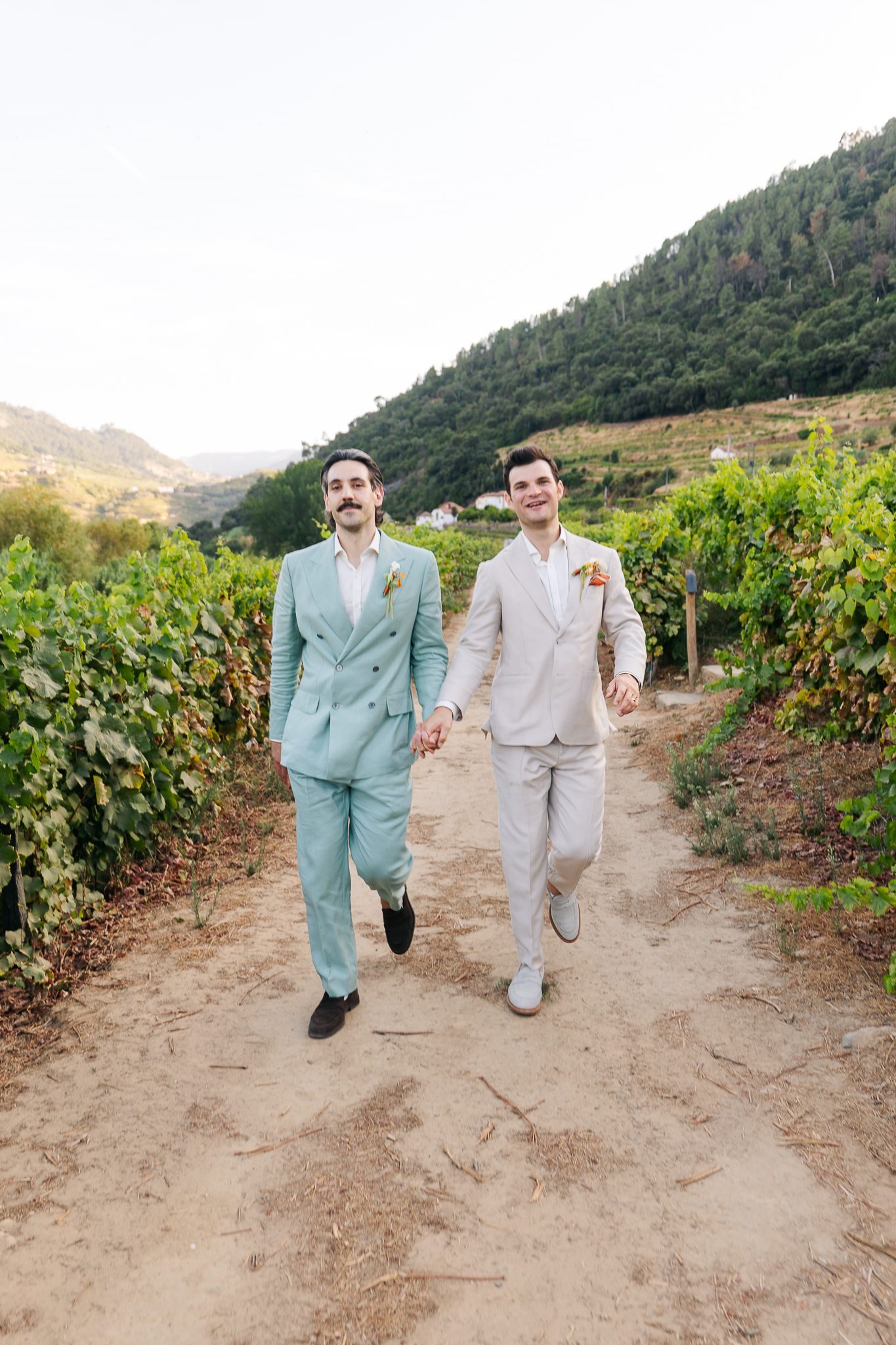
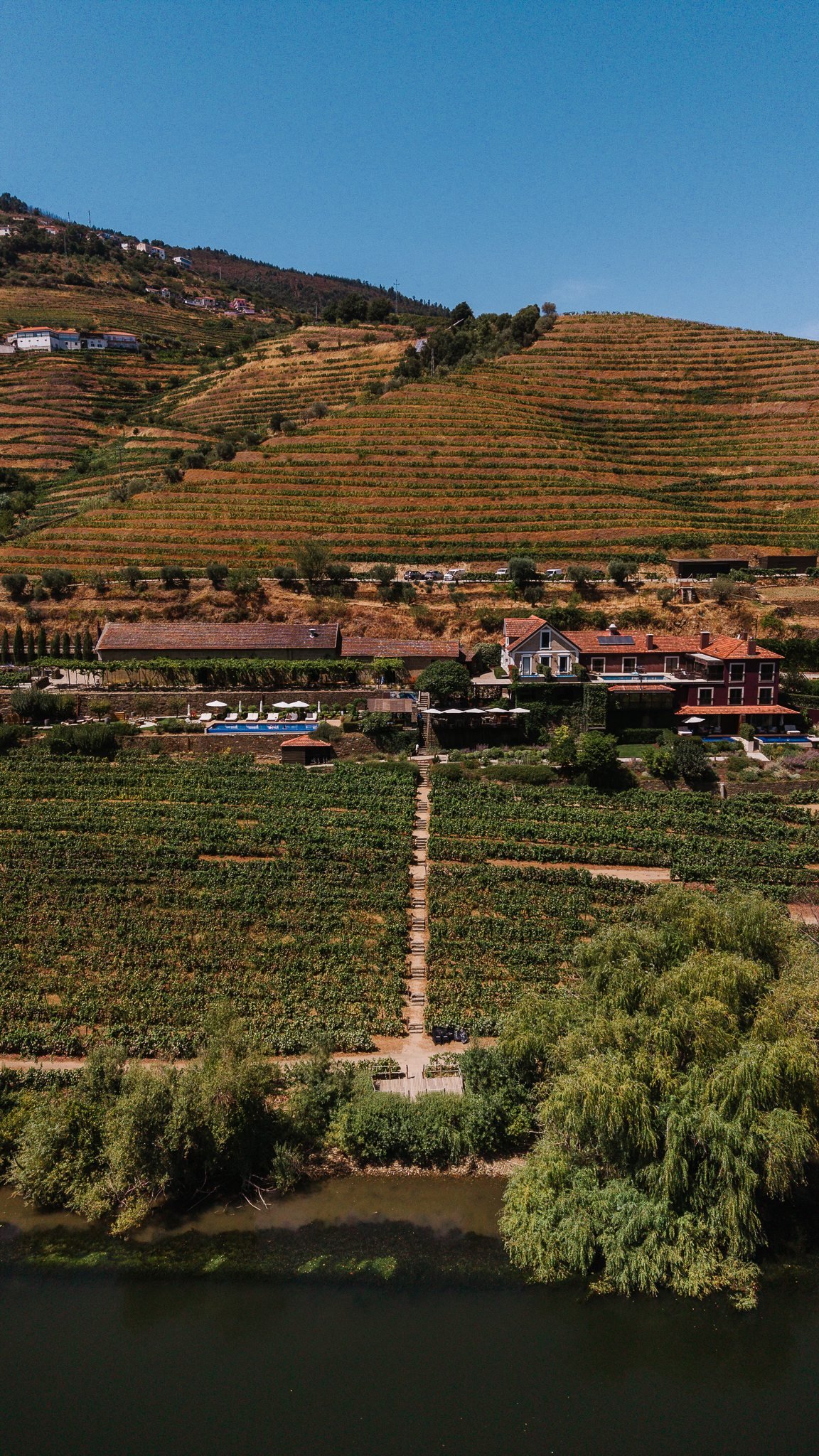
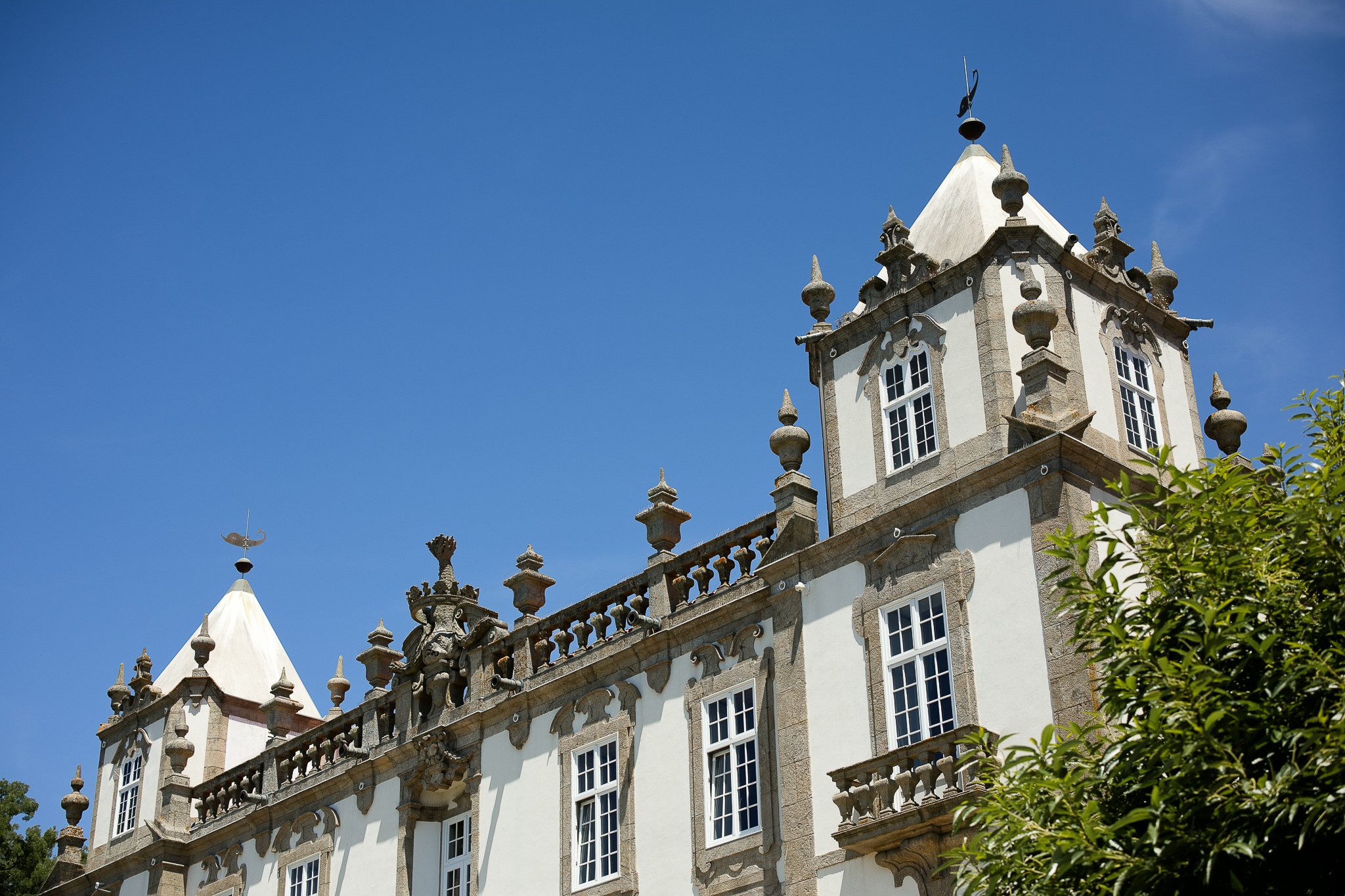
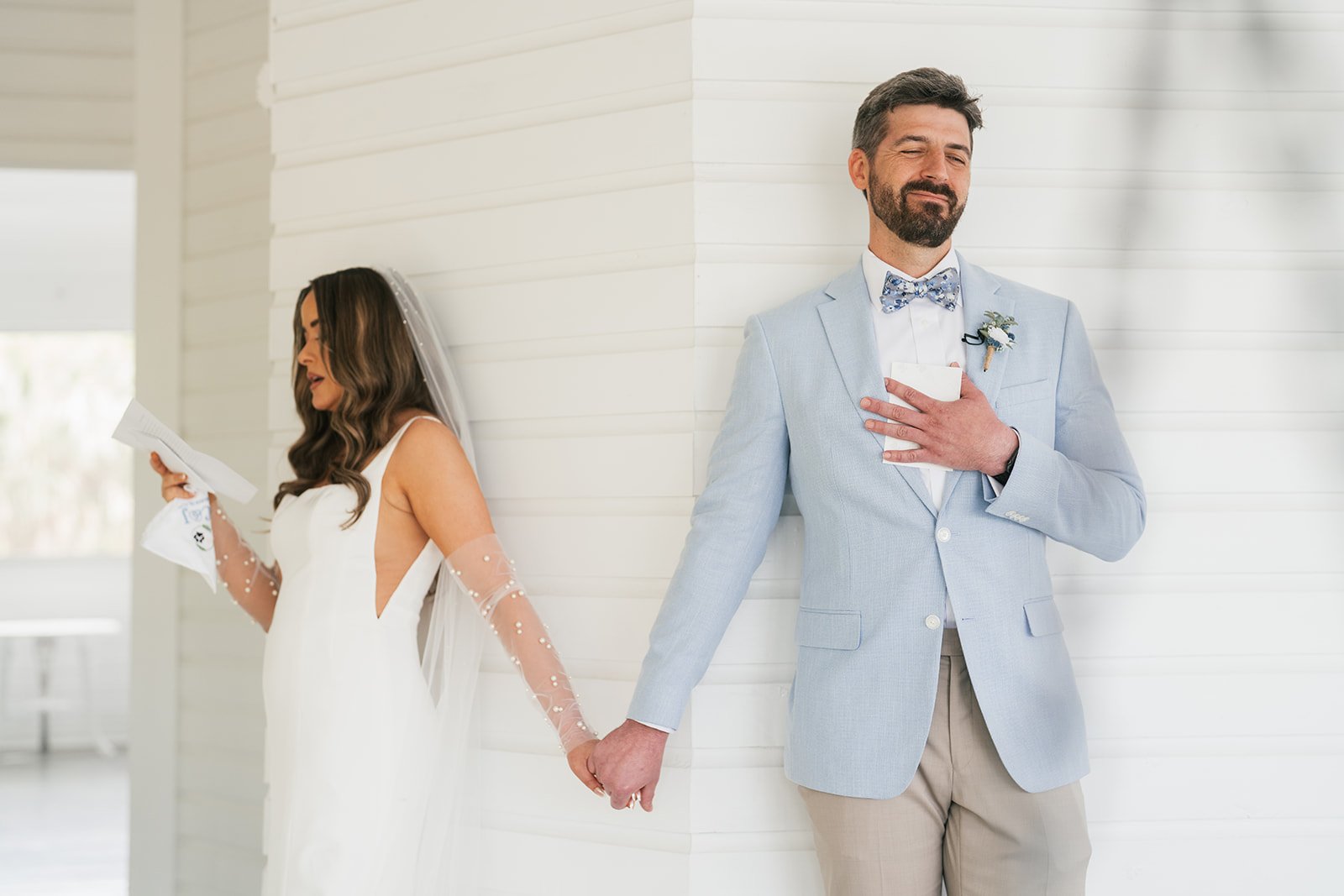
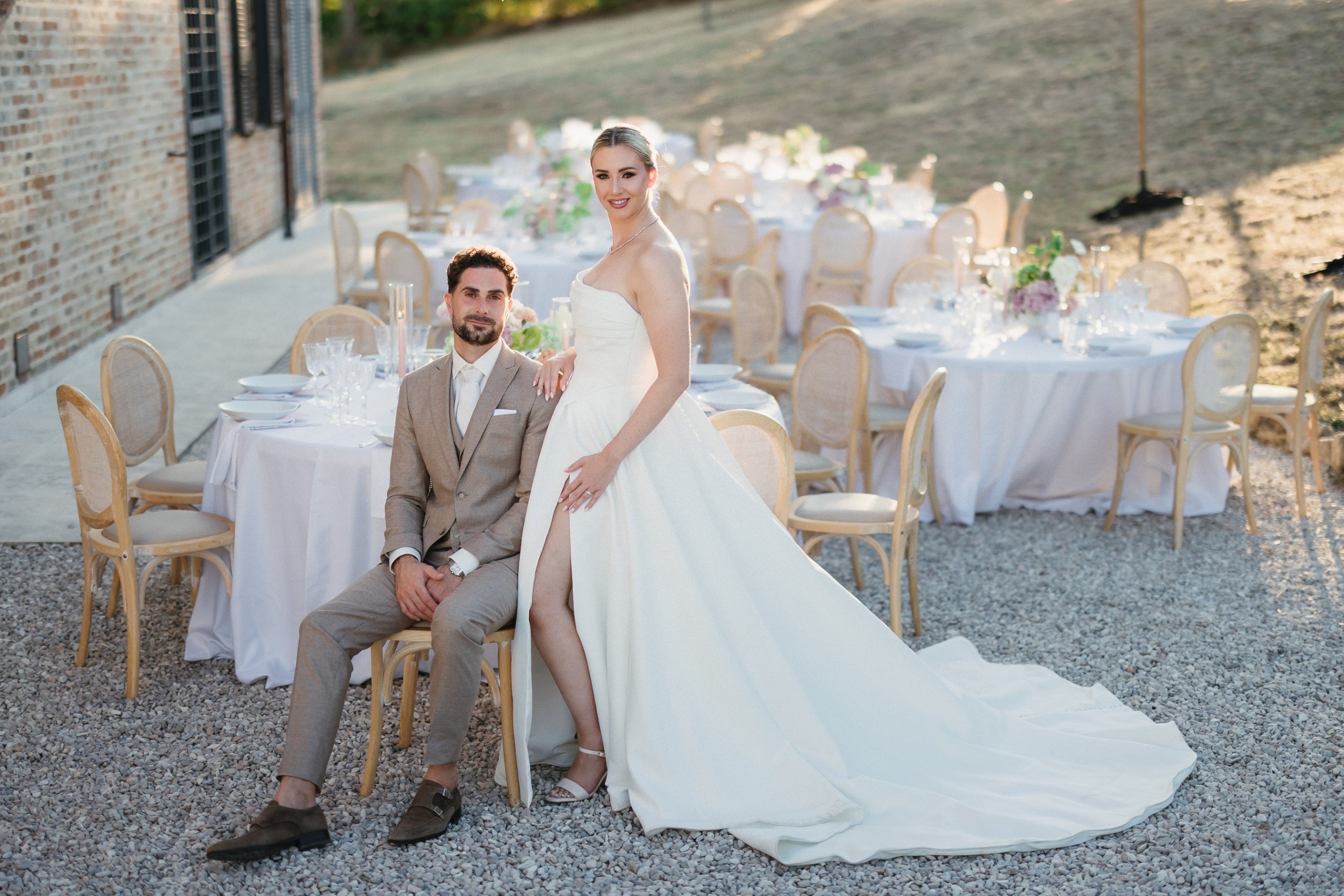
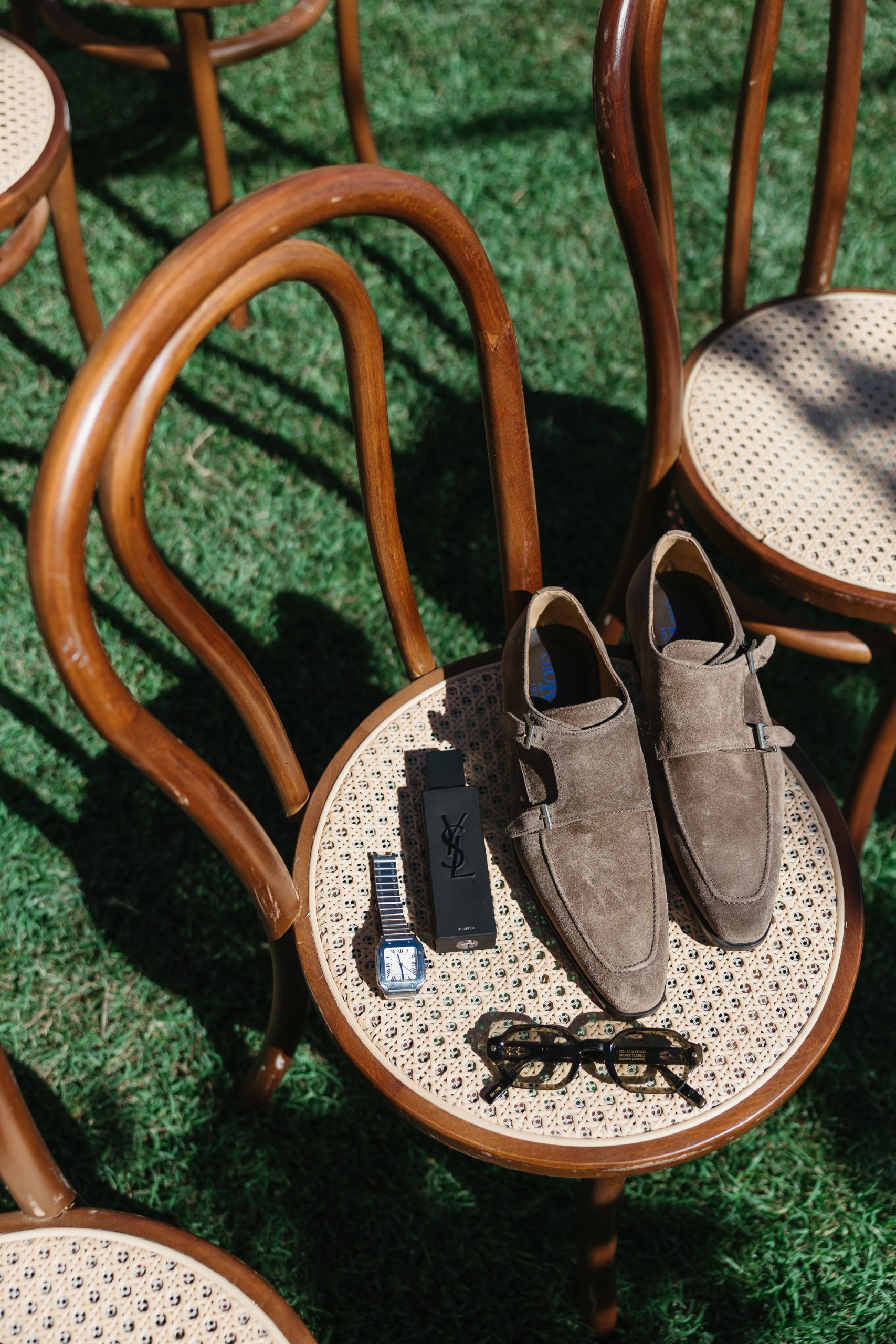
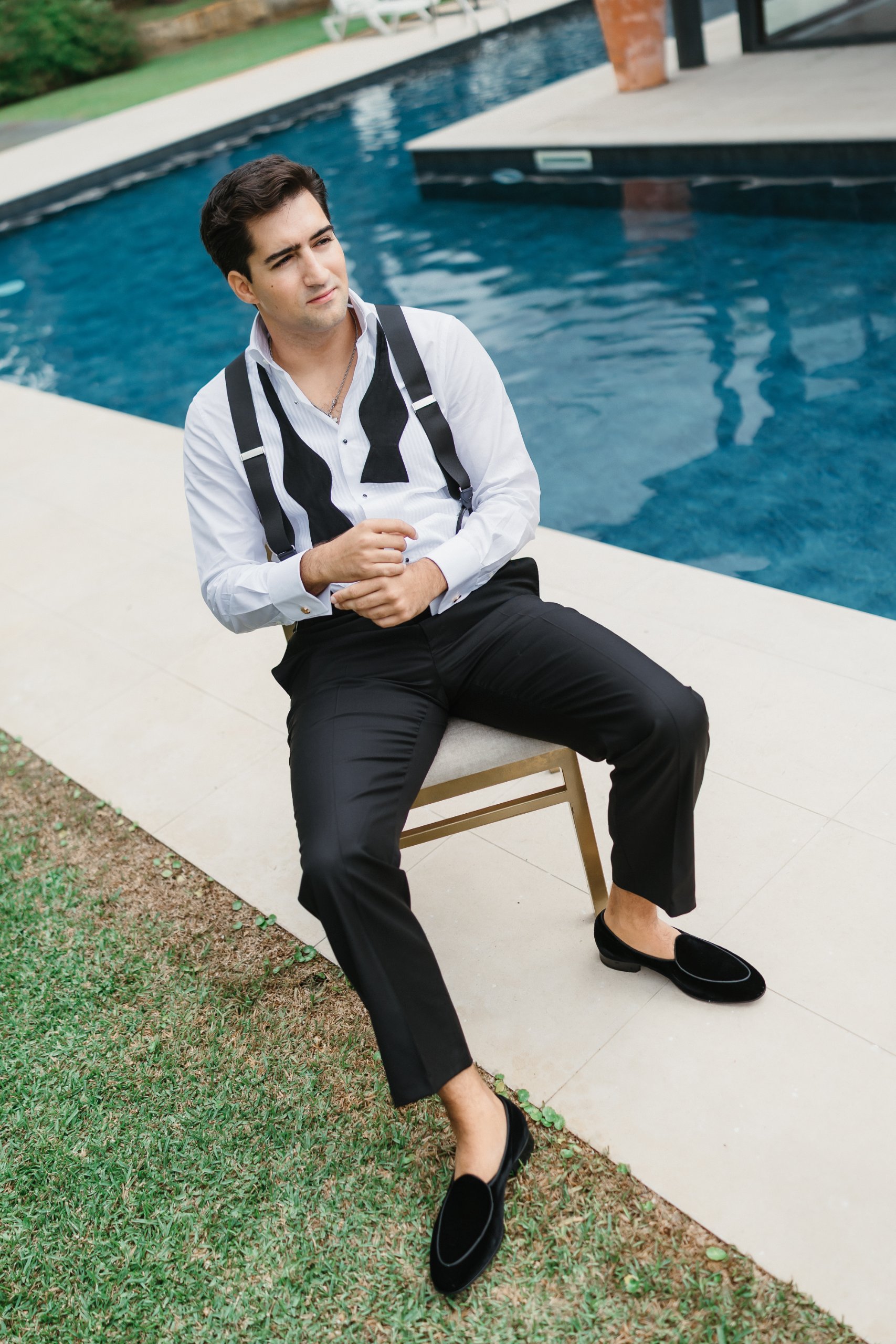
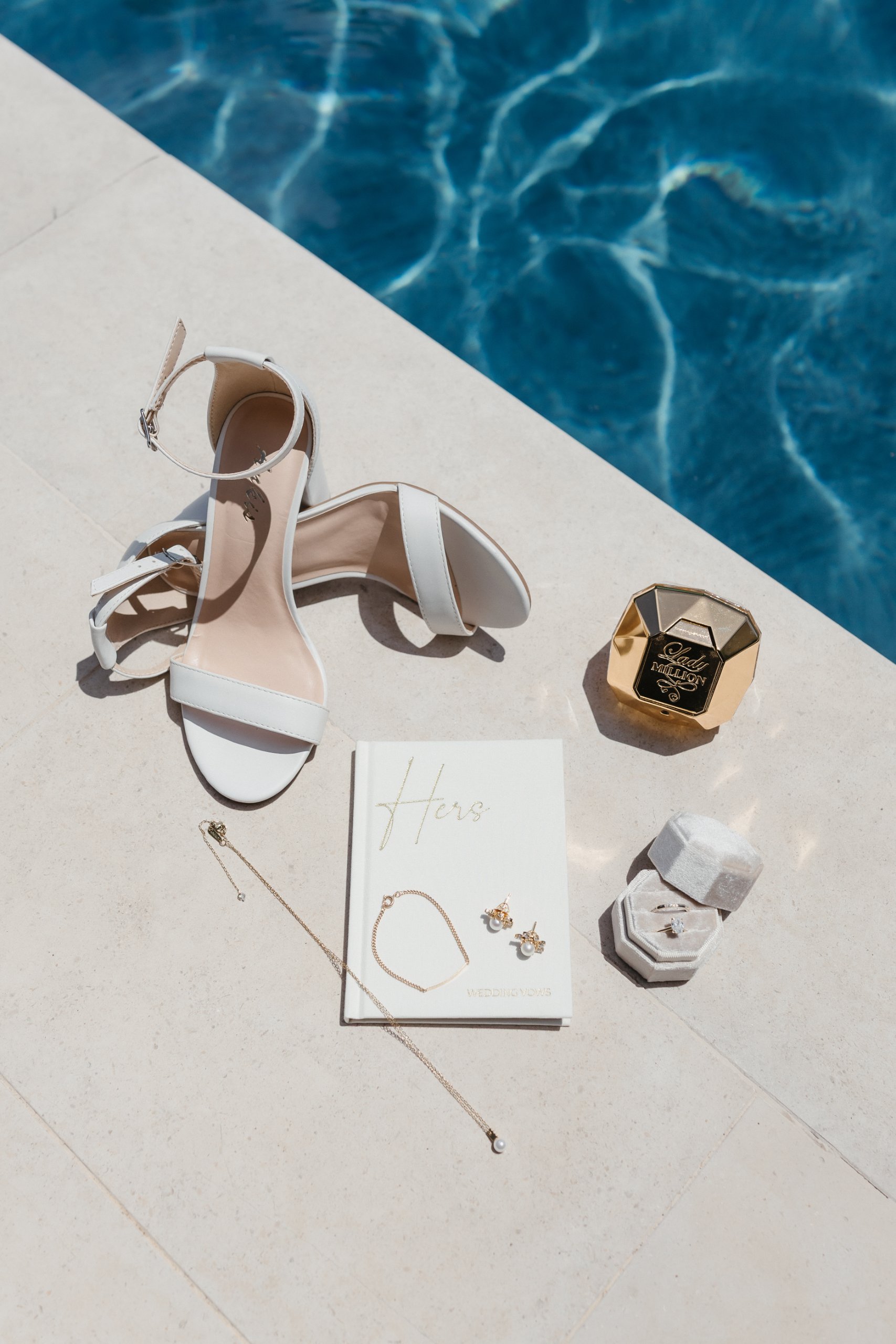
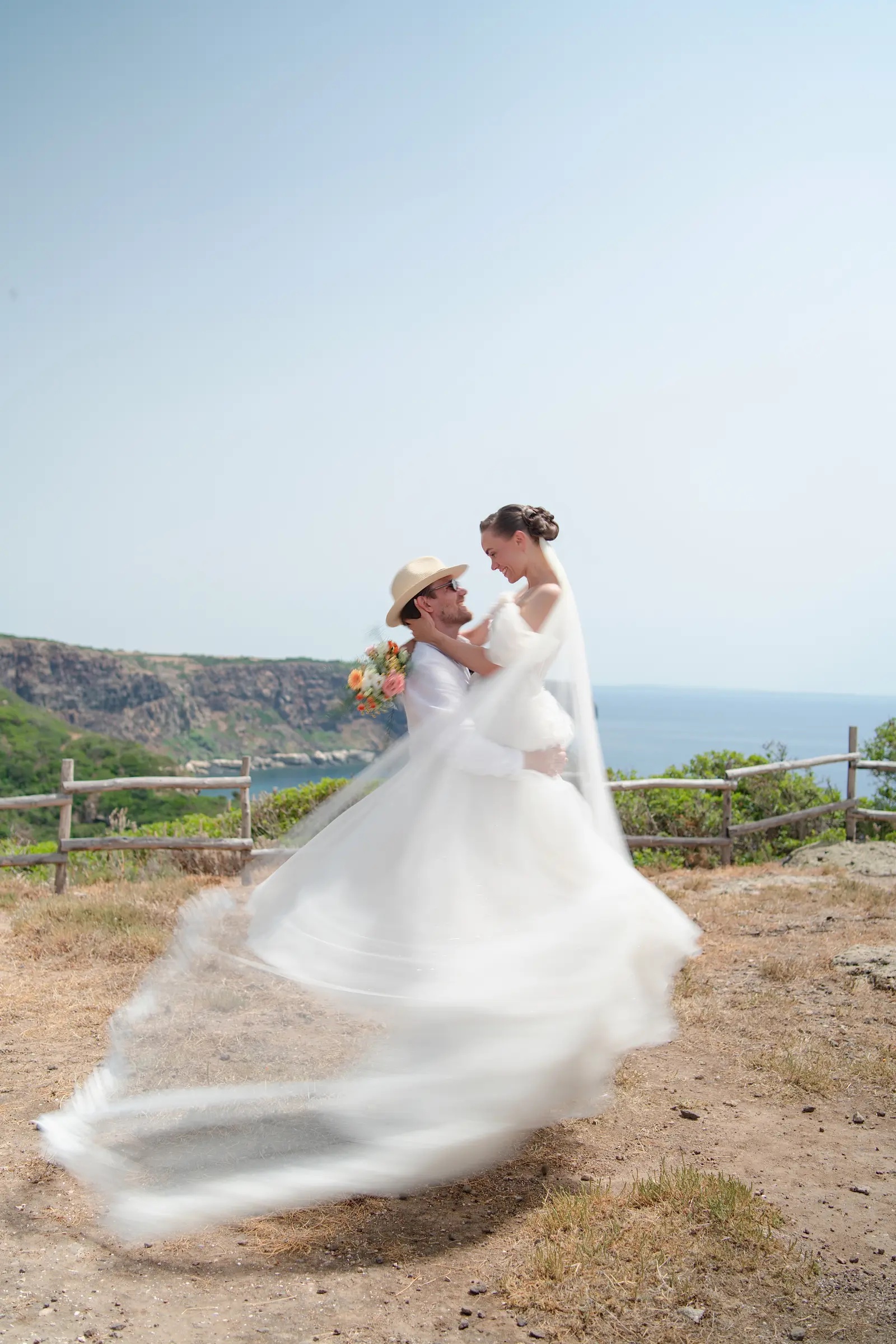
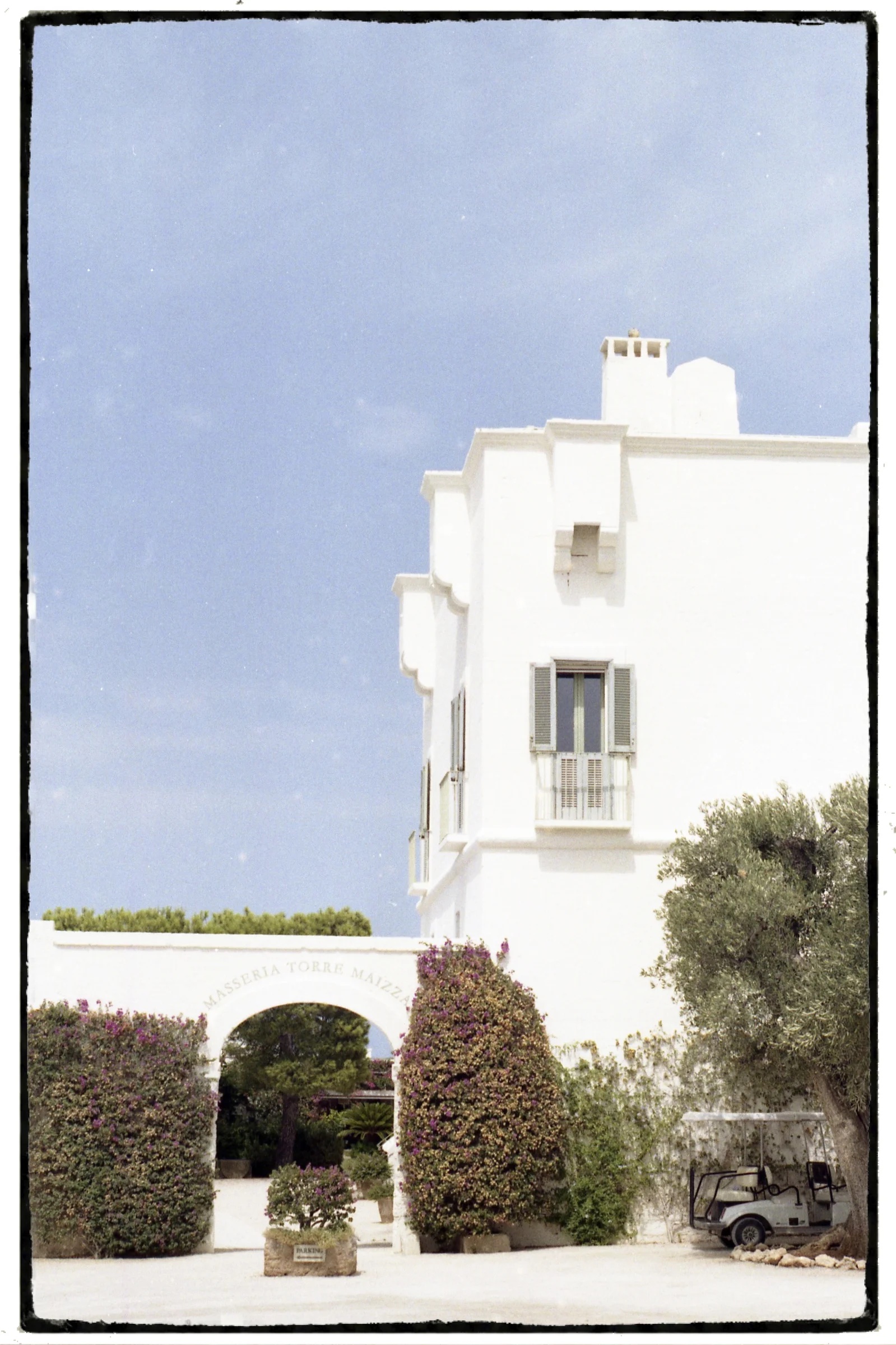
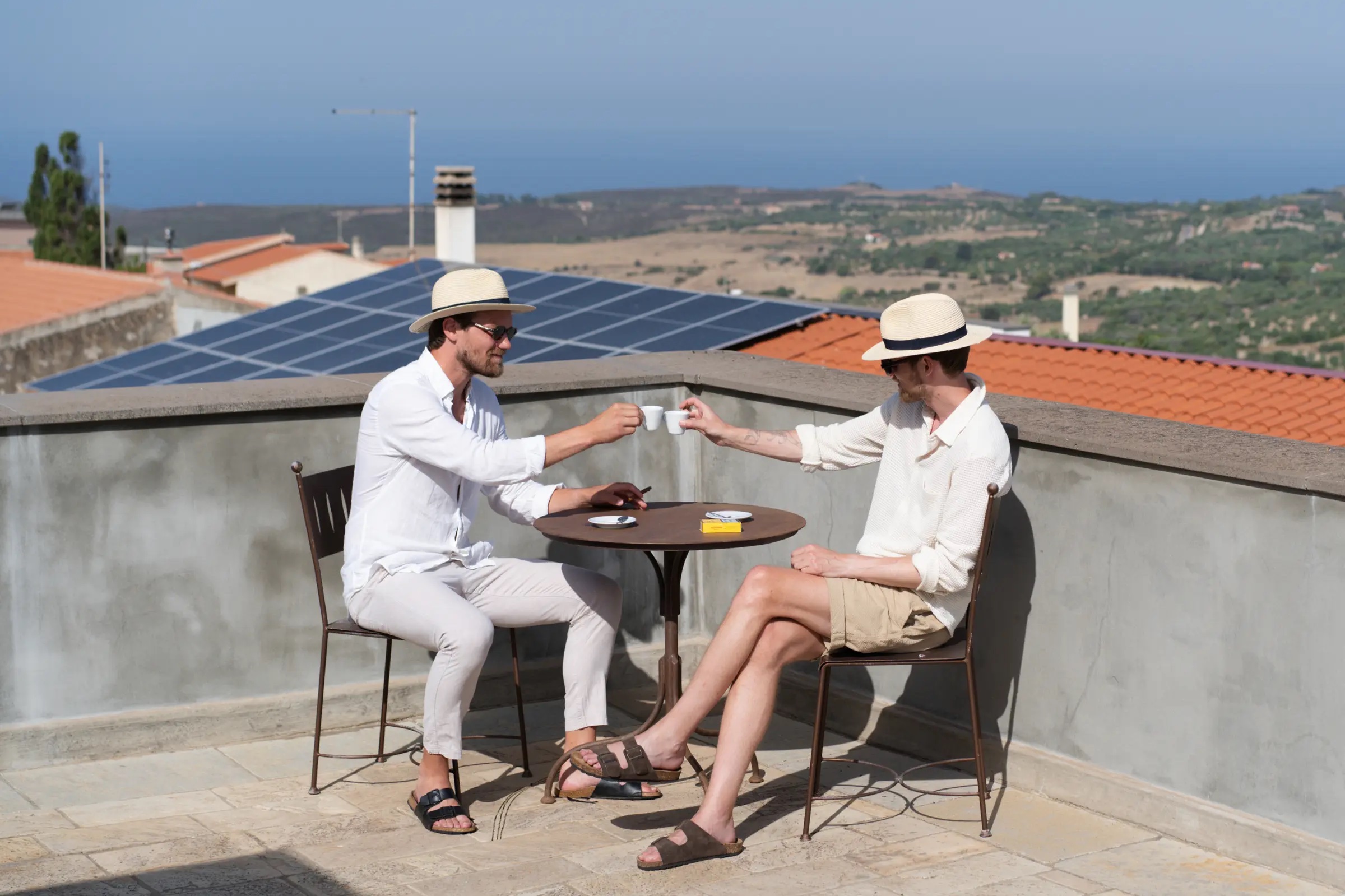
Booking through Lens & Vows
Through the year
Every month works, because Funchal’s average high moves only between 19.9 °C in February and 26.8 °C in August. Spring and autumn are the easiest: 21.0 °C in April, 22.0 °C in May, 26.6 °C in September and 25.2 °C in October, with rain on about five days in April, three in May, three in September and seven in October. July and August are close to dry on the south coast, at under one wet day a month. June is the odd one out, the cloudiest month of summer, with 151 hours of sun in IPMA’s older count against 183 in May and 220 in July. December is the wettest, at about nine days and 95 mm. All of these figures come from a station 58 m above the bay: the mountains and the north coast get far more cloud and rain, so a good plan has a high spot and a low one.
Weather station: Funchal / Observatório, normals 1991–2020 · Checked 1 November 2026
Places
The kinds of places — ask your photographer which ones they know well.
Sunrise vows at Pico do Arieiro, the island’s most photographed elopement. A paved road climbs almost to the top, so the viewpoint needs no hike and no trail ticket, but the car park near the summit is paid, and dawn is when everyone else comes too, so arrive early. Walking on along the PR1 towards Pico Ruivo needs a booked slot on the SIMplifica portal and a €10.50 ticket; the path reopened in April 2026 after the 2024 wildfires. A long dress on that ridge is a serious undertaking, so think hard before leaving the viewpoint.
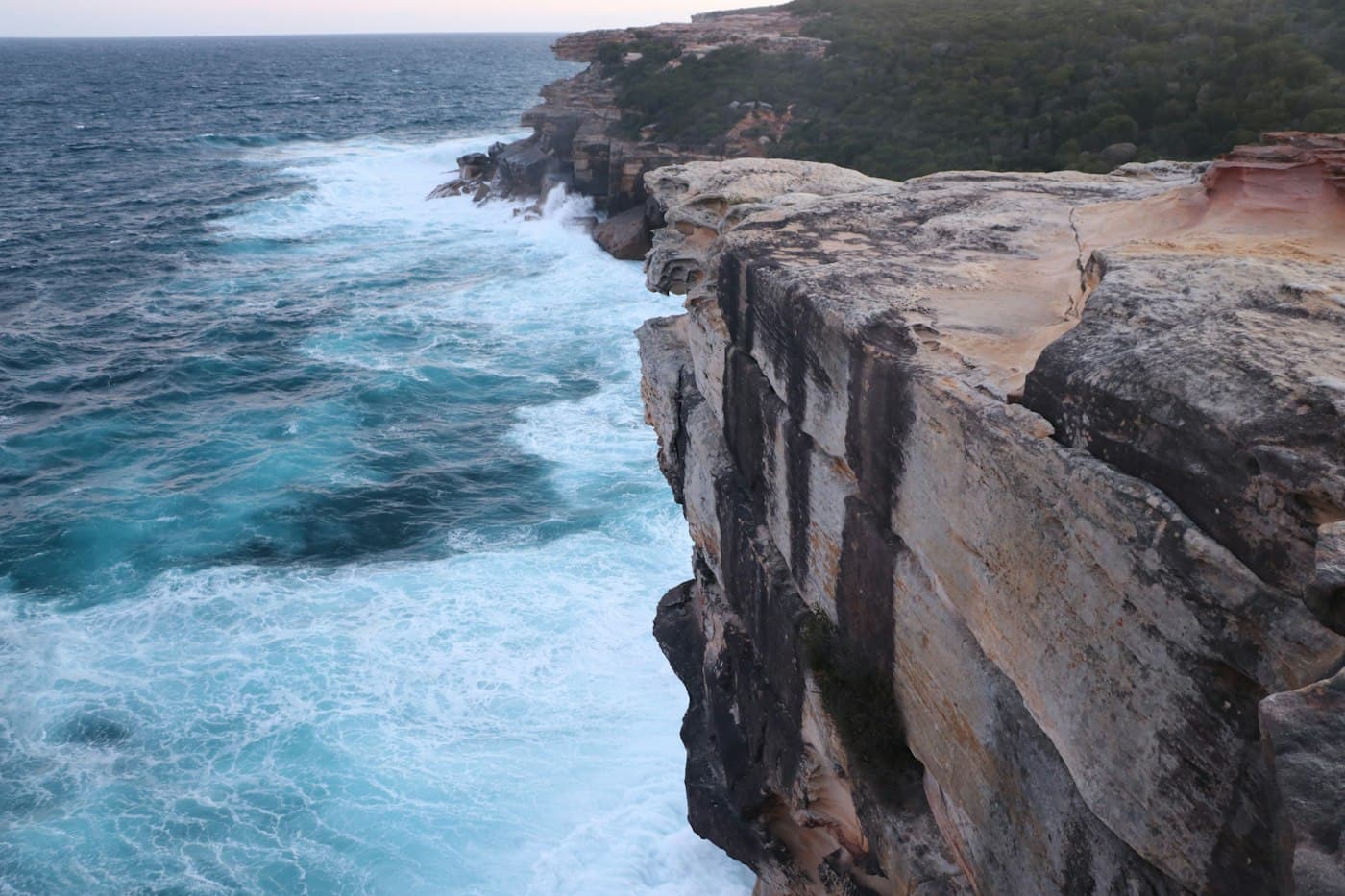
Dark volcanic rock, white surf and green slopes falling into the ocean, at Cabo Girão west of Funchal and at the lava pools of Porto Moniz in the north-west. Ponta de São Lourenço, the eastern tip, is treeless, windy and wonderful at dawn. Its PR8 path runs 4 km each way from Baía d’Abra, about 31 km from Funchal, and it needs a SIMplifica slot and a €4.50 fee for non-residents over twelve, as Madeira’s other classified walks do. It is a nature reserve, so keep any set-up to what you can carry.
Reid’s Palace, on a cliff above the sea, gives its Palm Garden as up to 100 and its Gazebo as up to 180. Palheiro Estate, on a hill east of the city at about 500 m, offers a historic chapel, a pavilion and gardens begun in the early 19th century, with camellias best from November to April. Savoy Palace’s ballroom takes up to 1,000, for a very large wedding. Further out, Saccharum at Calheta faces the south-west, while Quinta do Furão at Santana sits on a cliff on the greener north-east coast, where a covered plan is essential. Check each figure with the venue.
Moss, ferns and water channels in the laurel forest: portraits in deep green. Fanal, about 48 km from Funchal and well over an hour by road, is the place for fog and old trees, and it can be cold and wet even in summer. It is also a protected rest-and-silence zone. The IFCN, the regional nature institute, decides what happens in Madeira’s protected areas, and when it authorised a wedding of more than 200 people at Fanal in 2024 the conservation group Quercus objected publicly, so ask the IFCN early and keep any gathering small.
Towns
Each with a page of its own: where couples marry there, where to take portraits, the practical side.
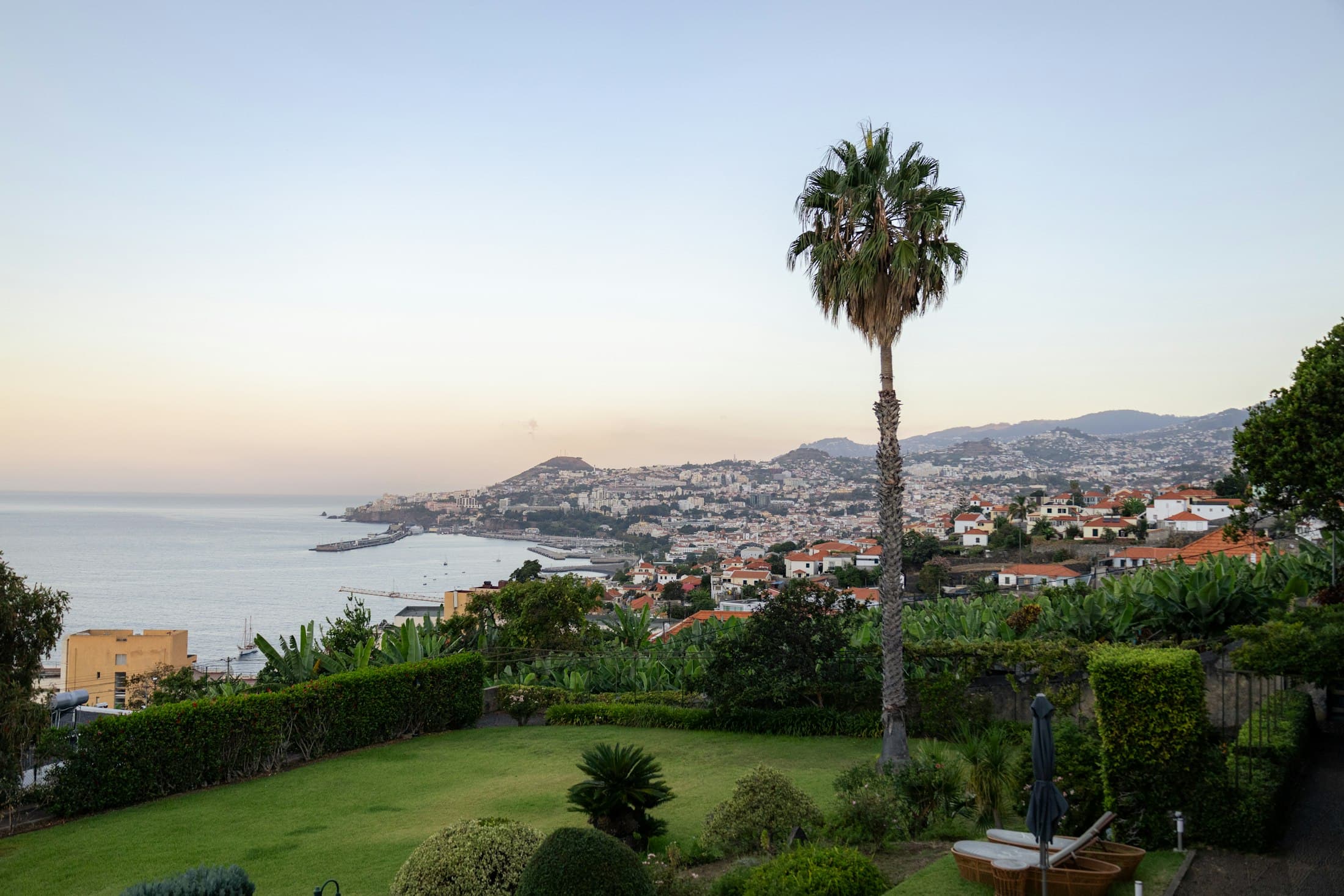 FunchalA city of gardens stacked up an amphitheatre above its bay, with a cathedral roofed in island cedar and a cable car to the church on the hill.
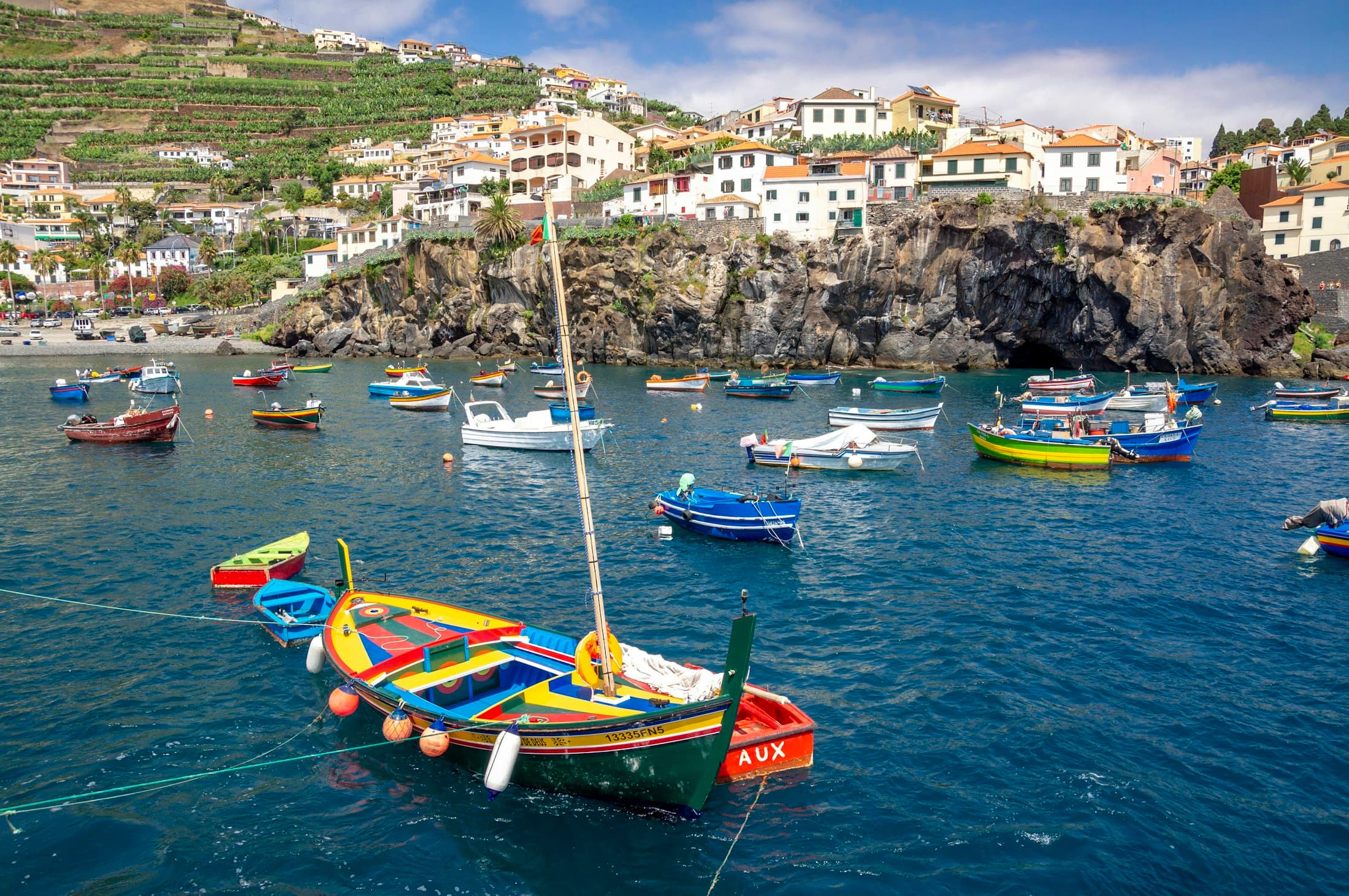 Câmara de LobosA fishing bay of painted boats under vine terraces, a chapel from the island’s first years, and a 580-metre sea cliff just along the road.
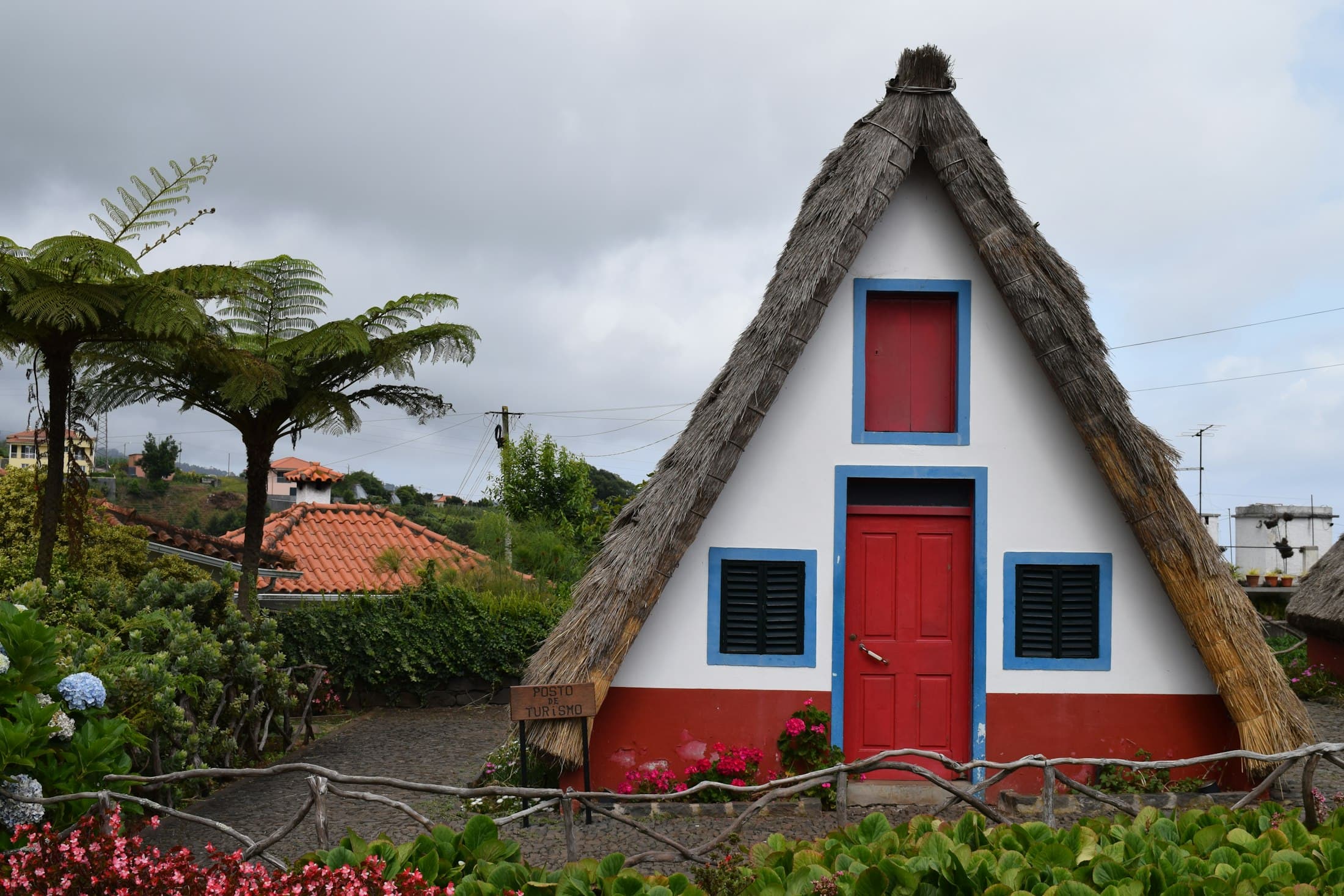 SantanaThe green north coast of Madeira: thatched triangular houses, vines on a clifftop, laurel forest and the island’s highest peak, under a wetter, cooler sky than Funchal’s.
Light
Light changes by the minute here: hard sun on the south coast, soft cloud light in the forest and the mountains, and the clearest air at dawn. Madeira keeps Lisbon’s clock but lies far to the west, so its evenings are late: sunset in Funchal comes 14 minutes after Lisbon’s in June and 47 minutes after in December. The sun stands 81° high at noon in June, almost overhead, so faces need shade until late. It is still 6° up 36 minutes before sunset, which makes golden hour one of the shortest in Portugal. On Arieiro in June it rises at about 07:00, and in December at about 08:05. Photographers who know the island read the clouds and move, so leave them room.
Travel
Fly into Madeira’s airport, about 19 km from Funchal, directly from many European cities or via Lisbon. It is known for wind: at least 70 flights were reported cancelled around one storm in April 2026, and diverted flights go to Porto Santo, the Canaries or Faro. Arrive with a spare day before the wedding, and have your photographer do the same if they are flying in. Distances are short but roads climb and wind, so allow far more time than the kilometres suggest. Drones need an ANAC-registered operator, visitors included, and the Autoridade Aeronáutica Nacional’s authorisation for aerial images; the airport is a prohibited zone, and ANAC asks pilots to check the zones before every flight. In the protected areas, ask the IFCN.
Plan
Portugal
 Photo: Beatriz A.
 Photo: Gonçalo F.
 Photo: Denis E.
 Photo: Sophie B.