Verified — Identity verified by Lens & Vows
André D.from €1,800
🇵🇹 Lisbon & Sintra, Porto & Douro +5, Portugal · Documentary, EditorialWedding photographers in Portugal

A capital of hills and river light, with Sintra’s palaces in their own cloud 33 km away by road and, beyond them, Cabo da Roca, where mainland Europe ends.
Lisbon gives you two weddings in one.
The city climbs from the wide Tagus in tiled façades and red roofs, with the 28 tram on its hills and a viewpoint at the top of most climbs: Senhora do Monte and Graça above the castle, Santa Luzia and Portas do Sol over Alfama, São Pedro de Alcântara over the Baixa. To the west rise the Sintra hills, a UNESCO cultural landscape since 1995 and, in UNESCO’s words, the first centre of European Romantic architecture, where Pena, Monserrate and the Quinta da Regaleira stand in gardens among woods that collect the Atlantic’s cloud. Past them the land ends at Cabo da Roca, about 140 m above the sea, the westernmost point of the European continent, with the sands of Adraga to the north and Guincho to the south.
Couples marry in the palace spaces Parques de Sintra hires out, in palace hotels and old quintas, or at a registry office in town, with a walk through the old quarters before dinner. A civil wedding is arranged with a Conservatória do Registo Civil at least one month before the date. It costs €120 at the registry in office hours and €200 elsewhere, at weekends or out of hours, and a place of your own has to be agreed with the registrar beforehand. If neither of you speaks Portuguese and the registrar doesn’t speak your language, an interpreter is appointed. Couples from abroad often marry at home and hold a symbolic ceremony here instead, and then the hour and the place can follow the light.

Photographers
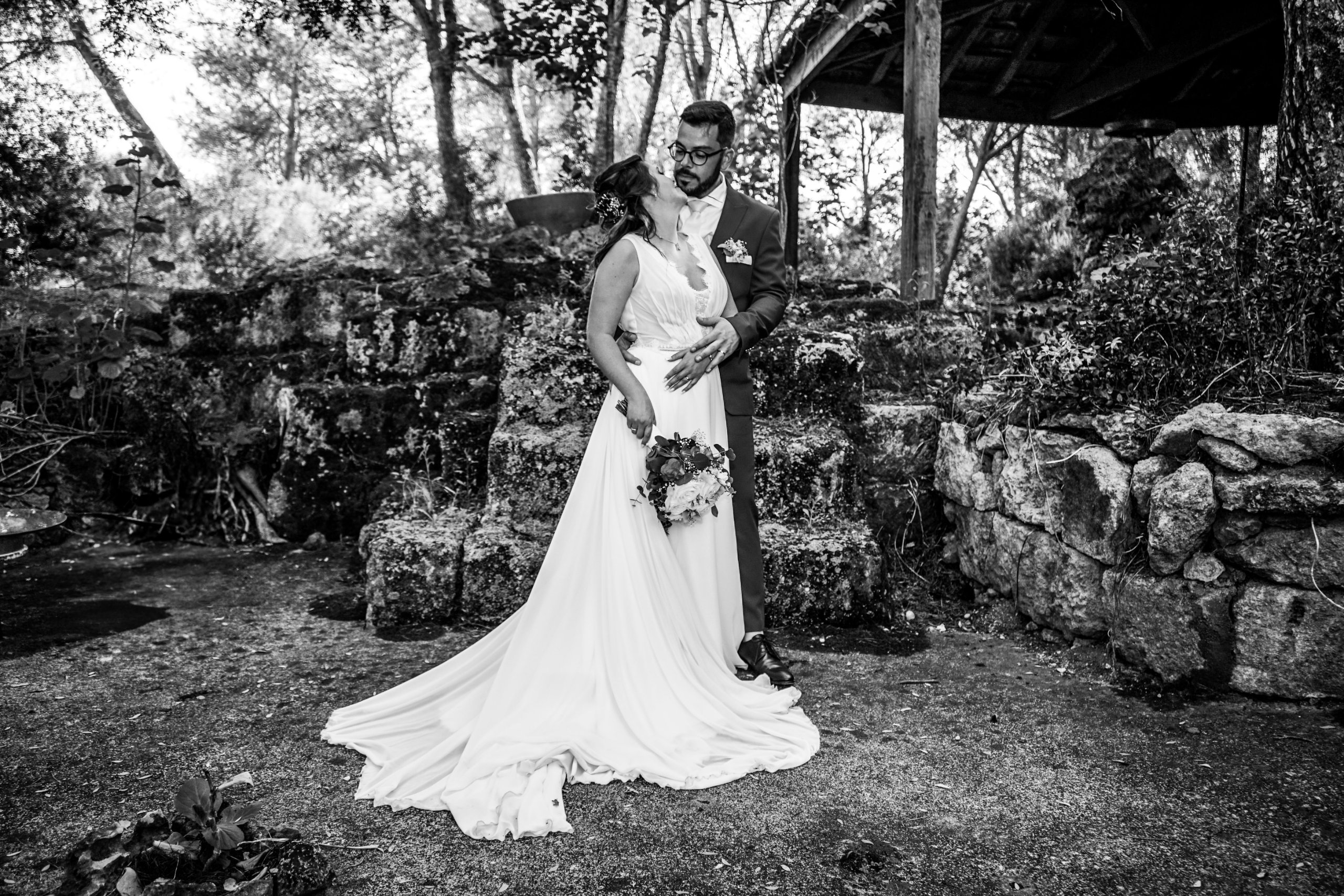
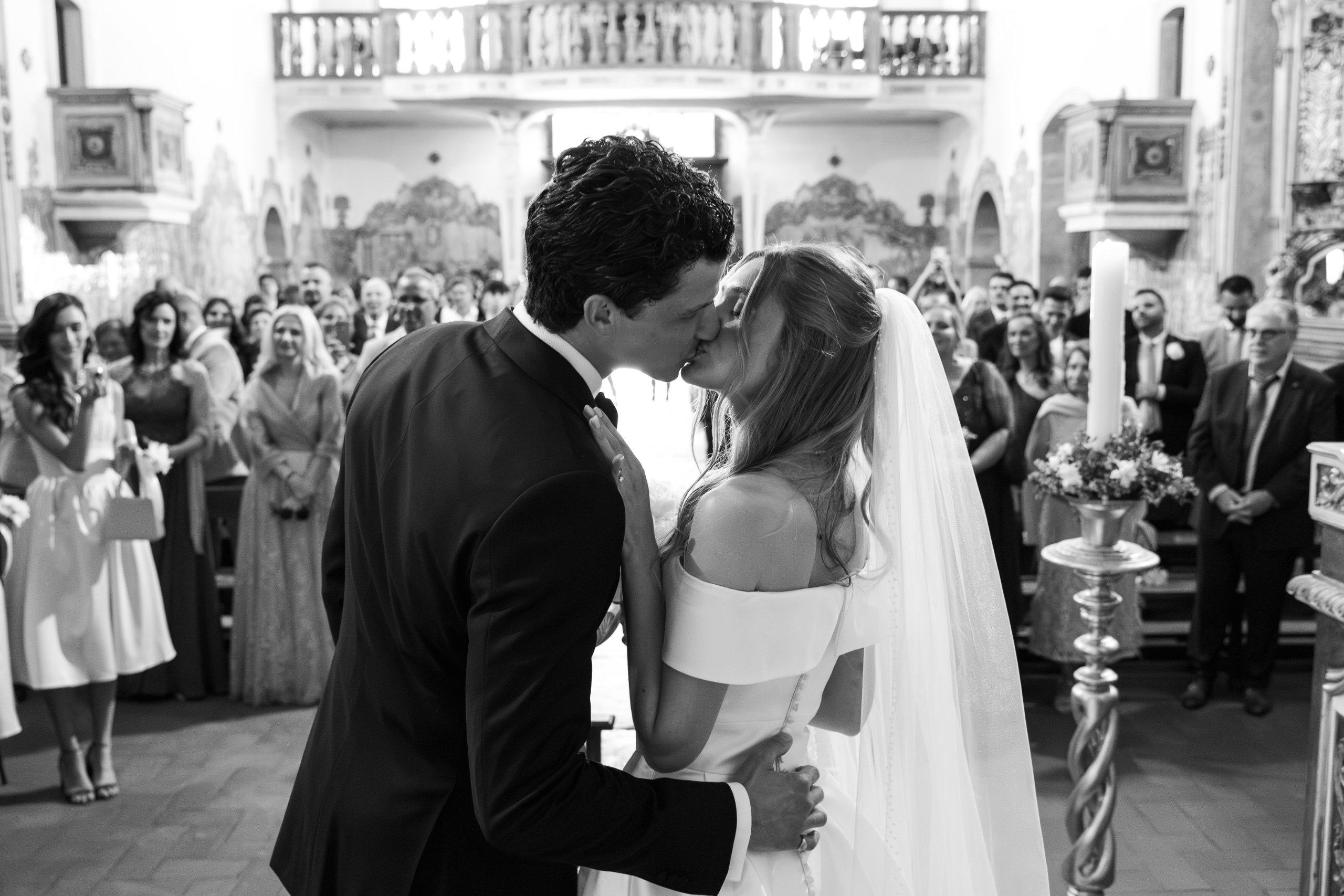
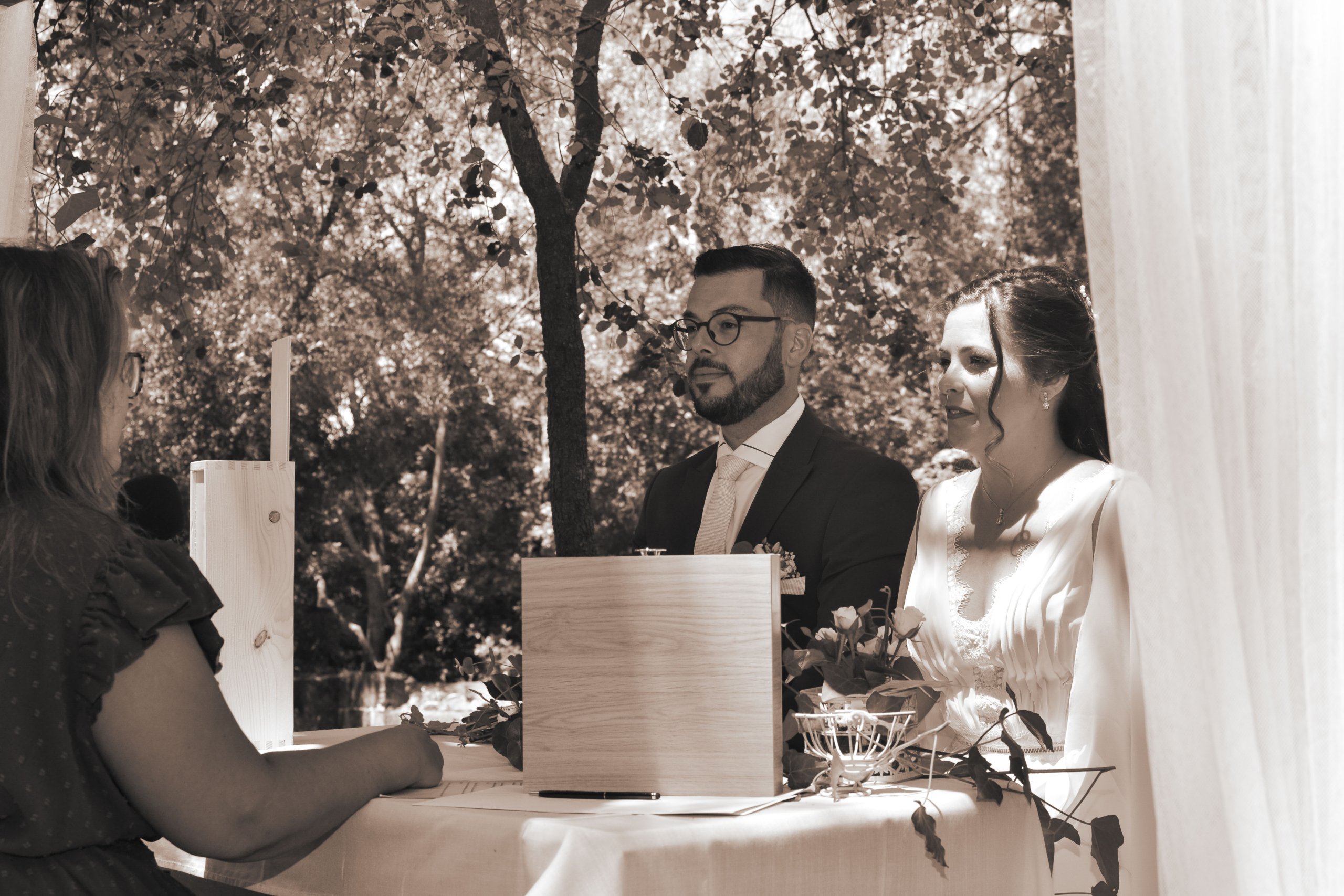
They shoot here and know the light. Their whole weddings are on their pages.
See all 22 photographers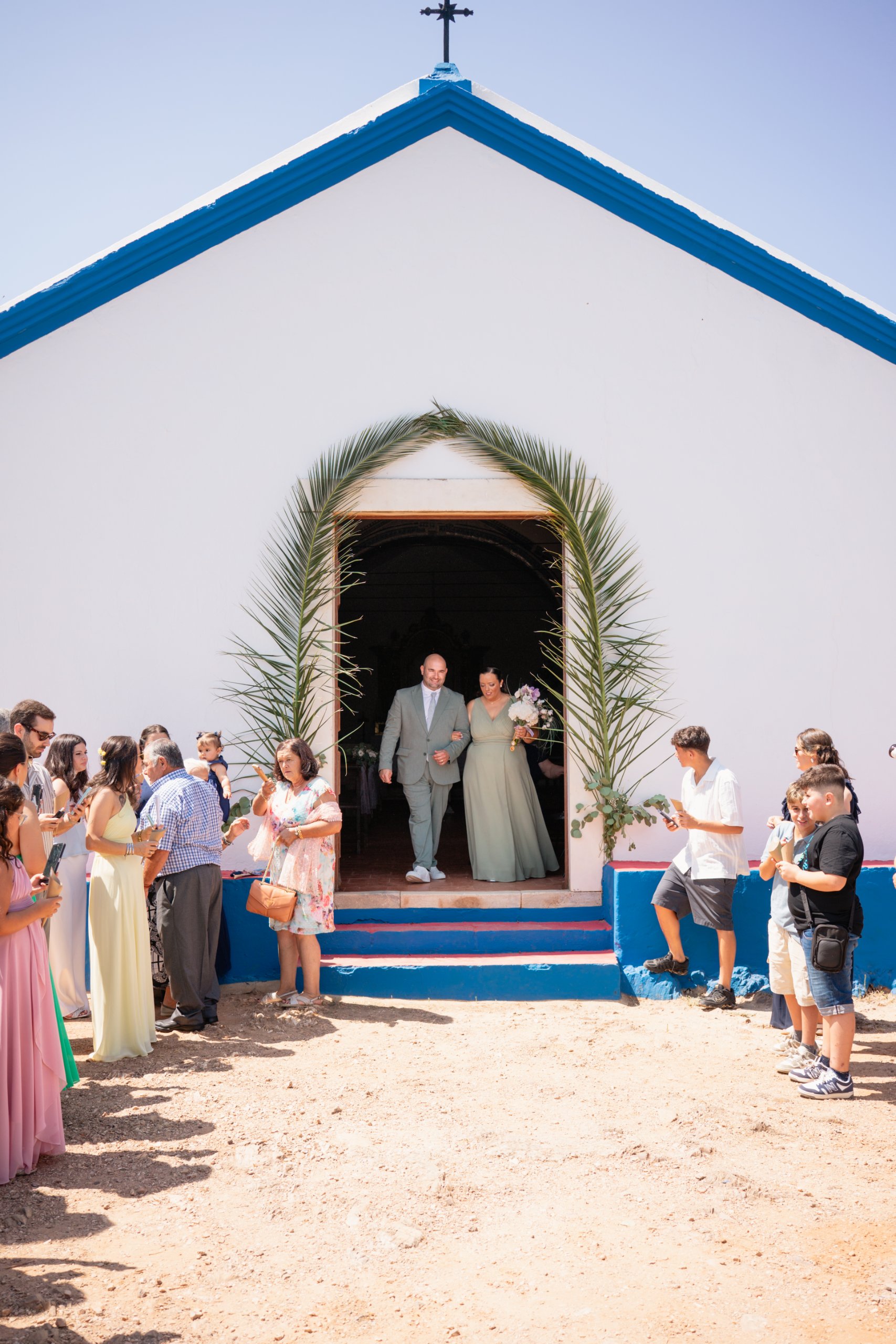
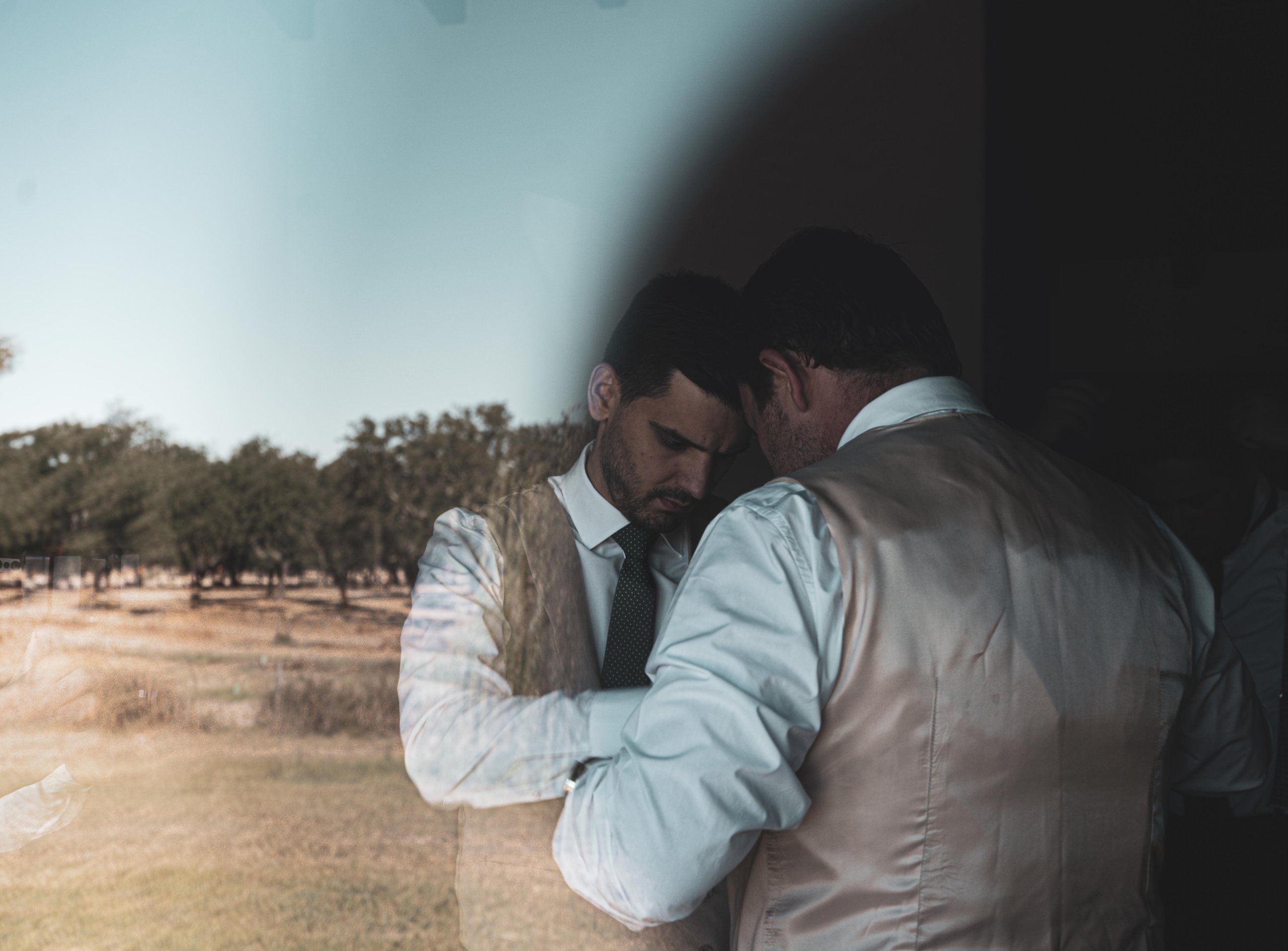
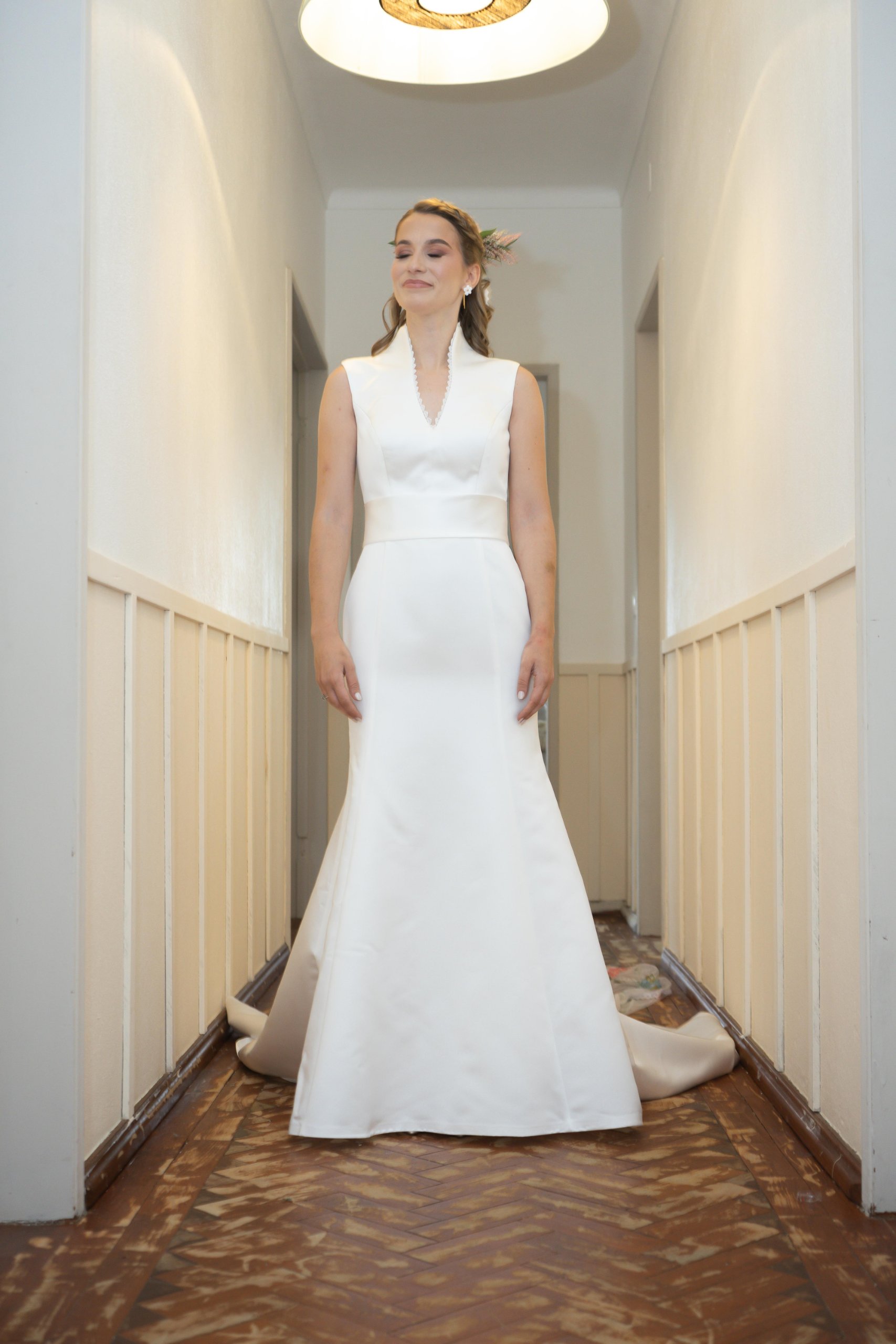
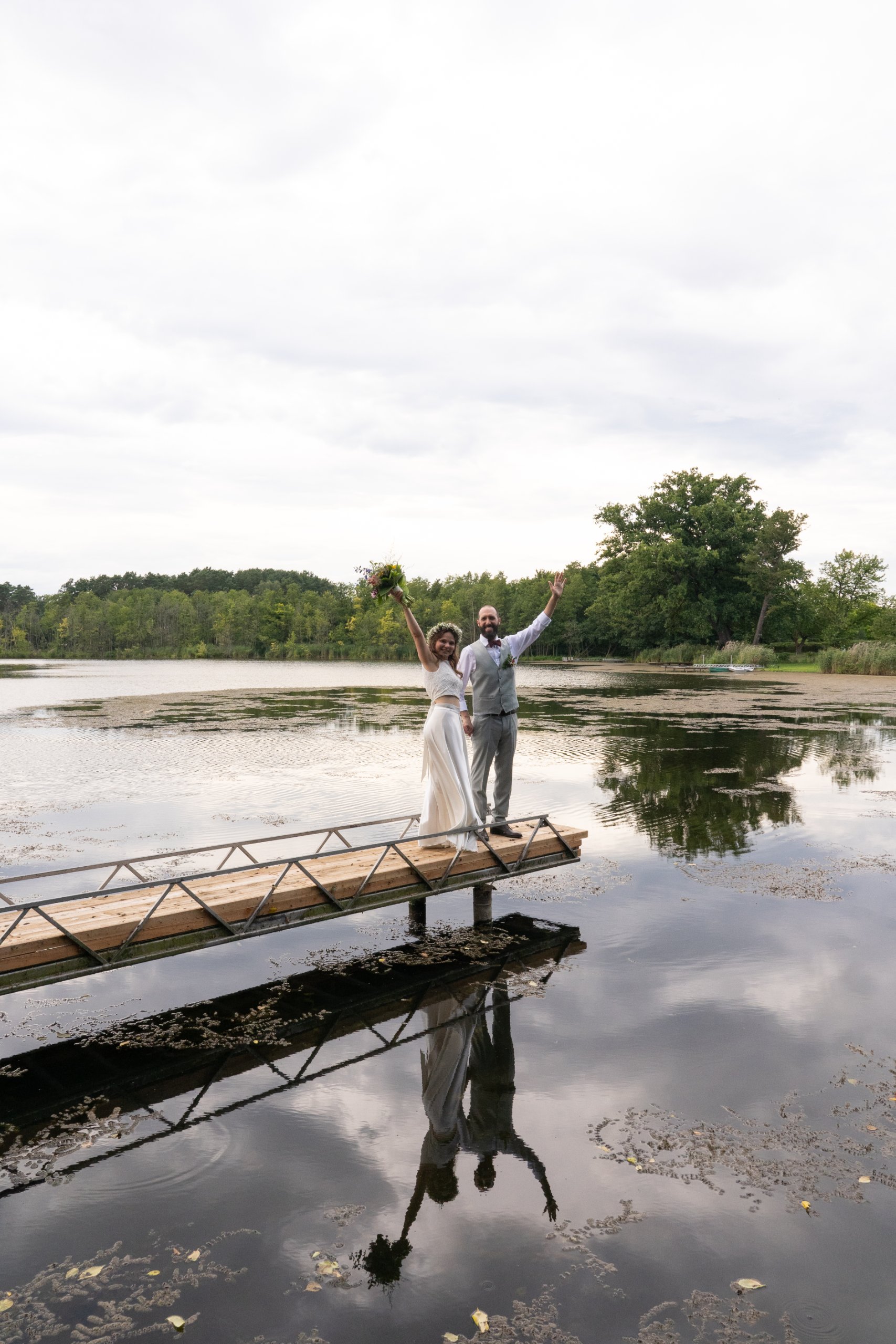
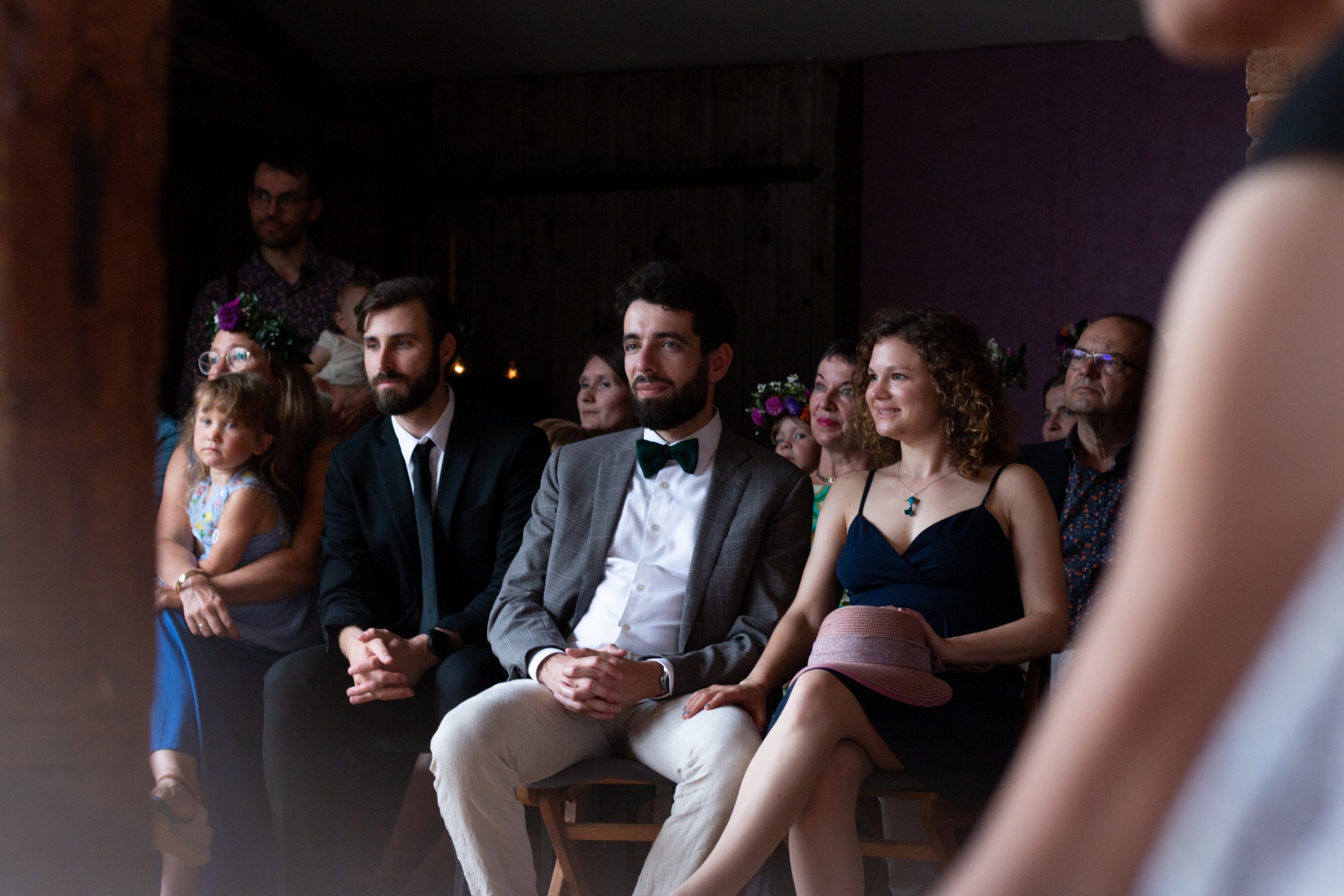
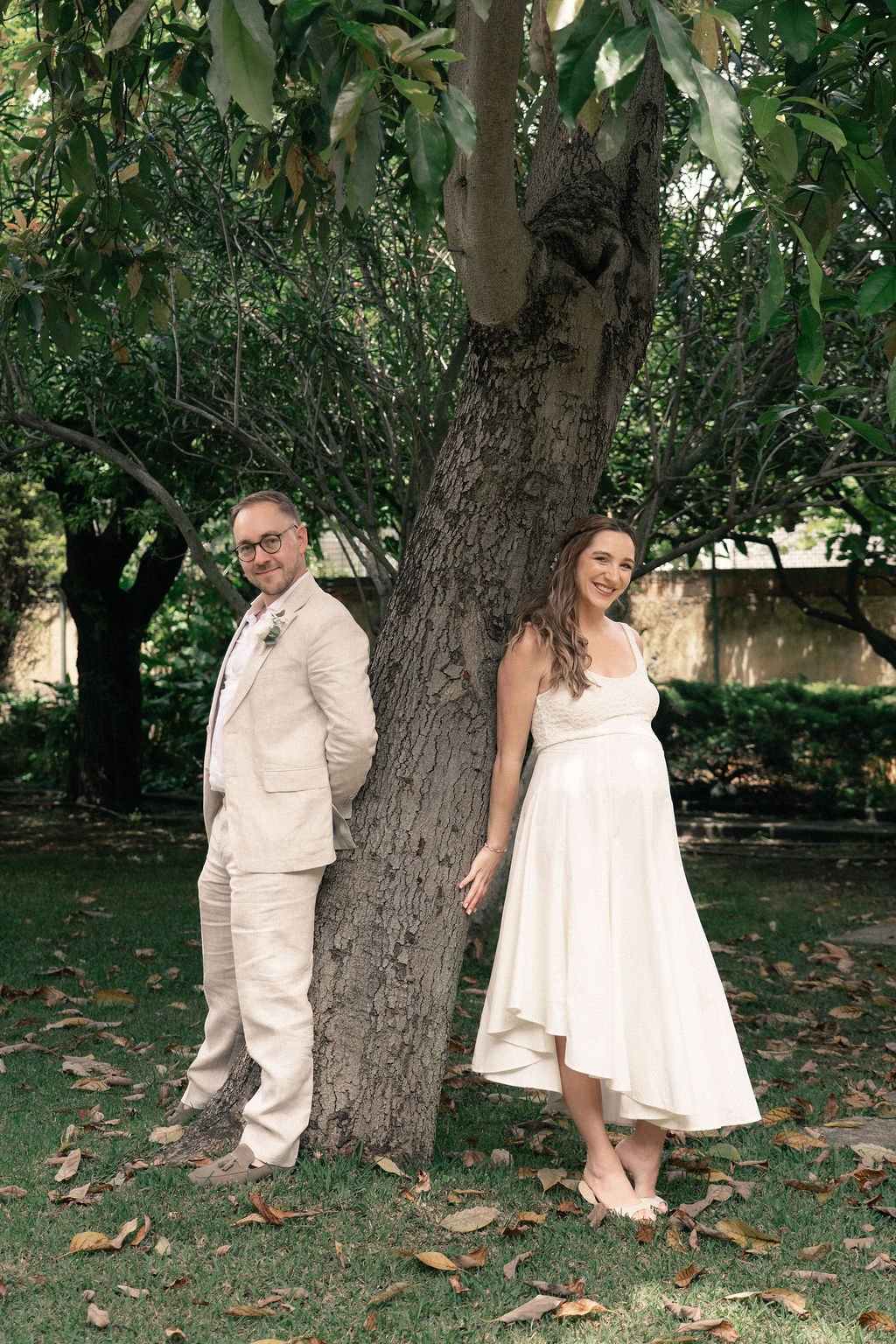
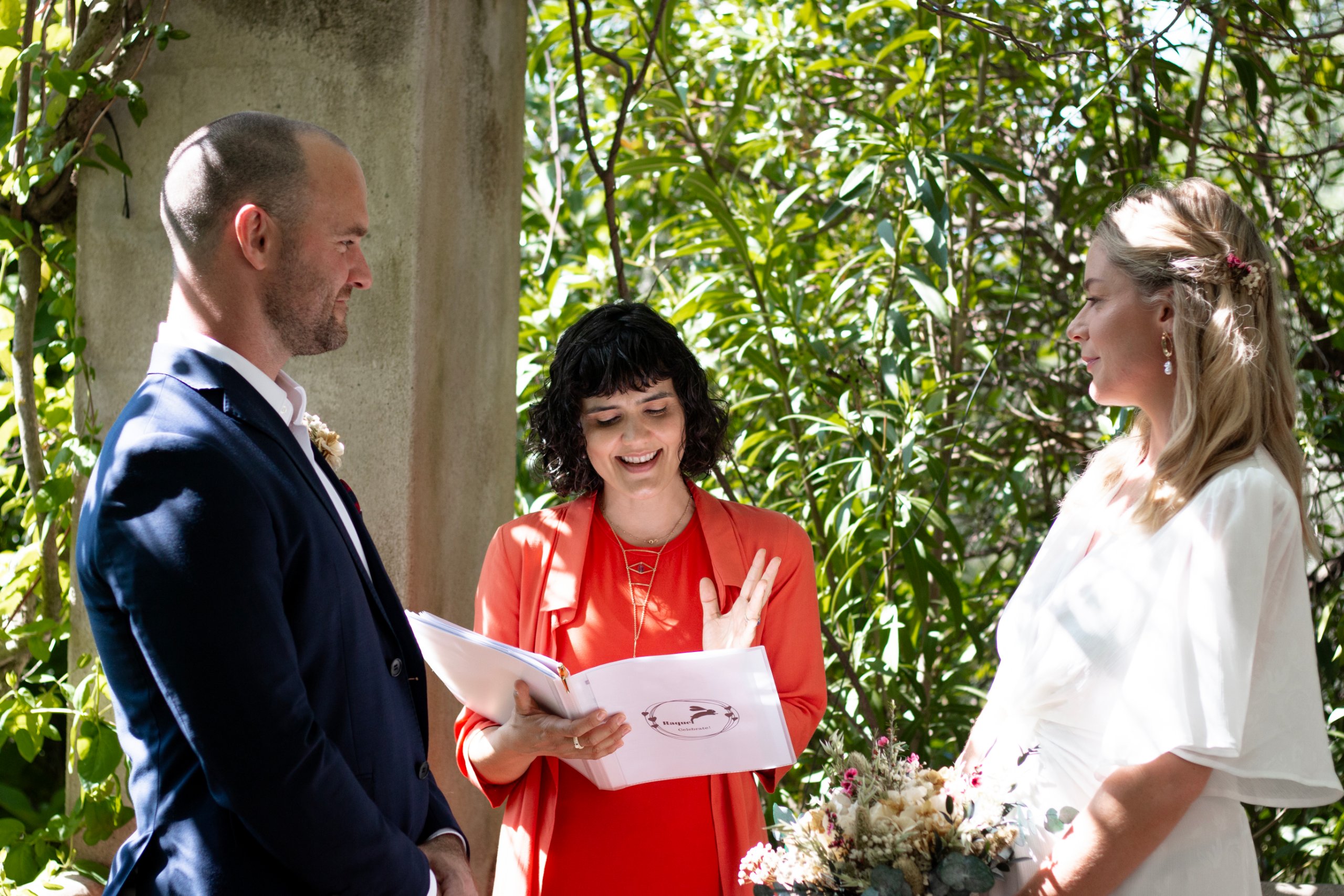
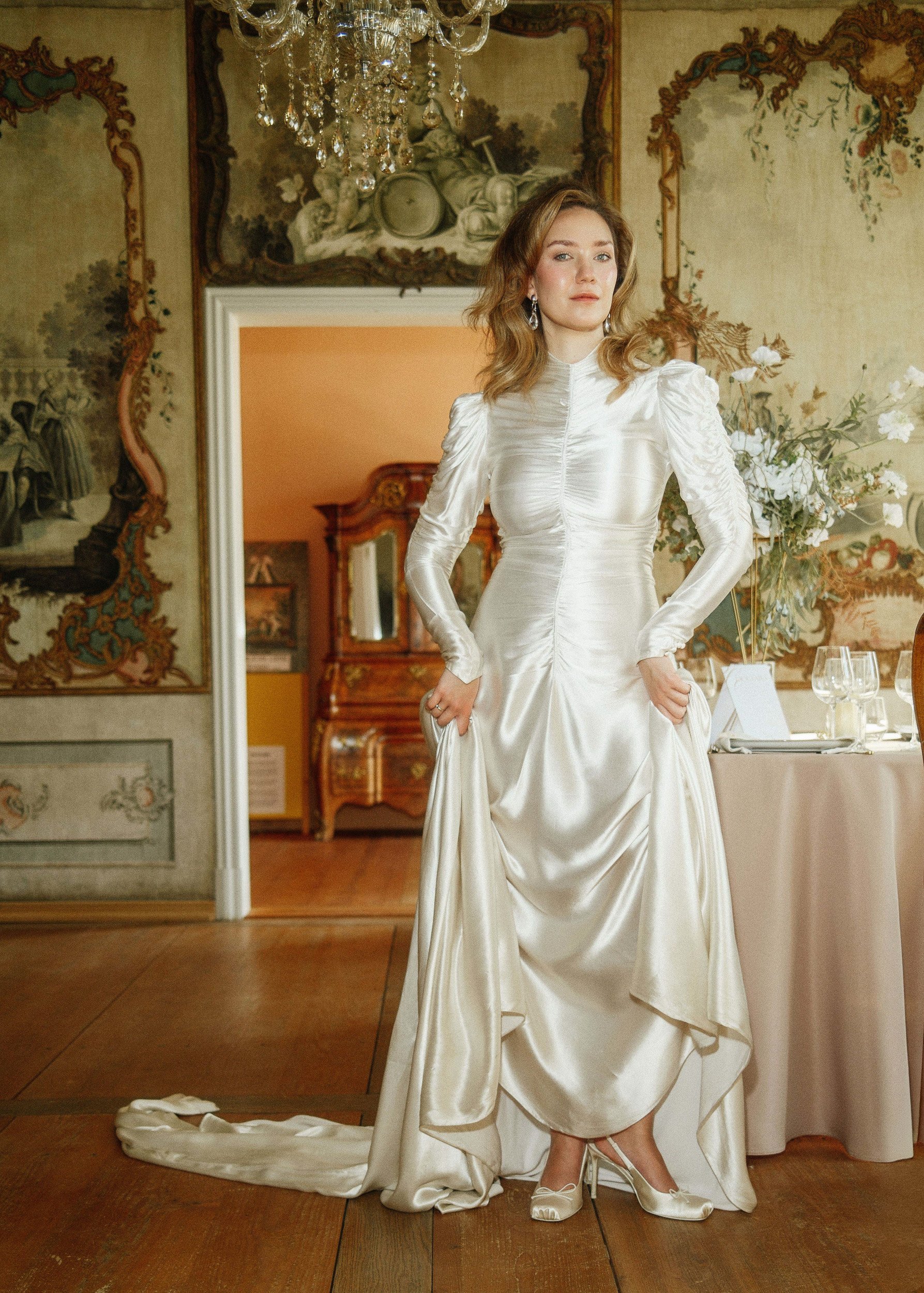
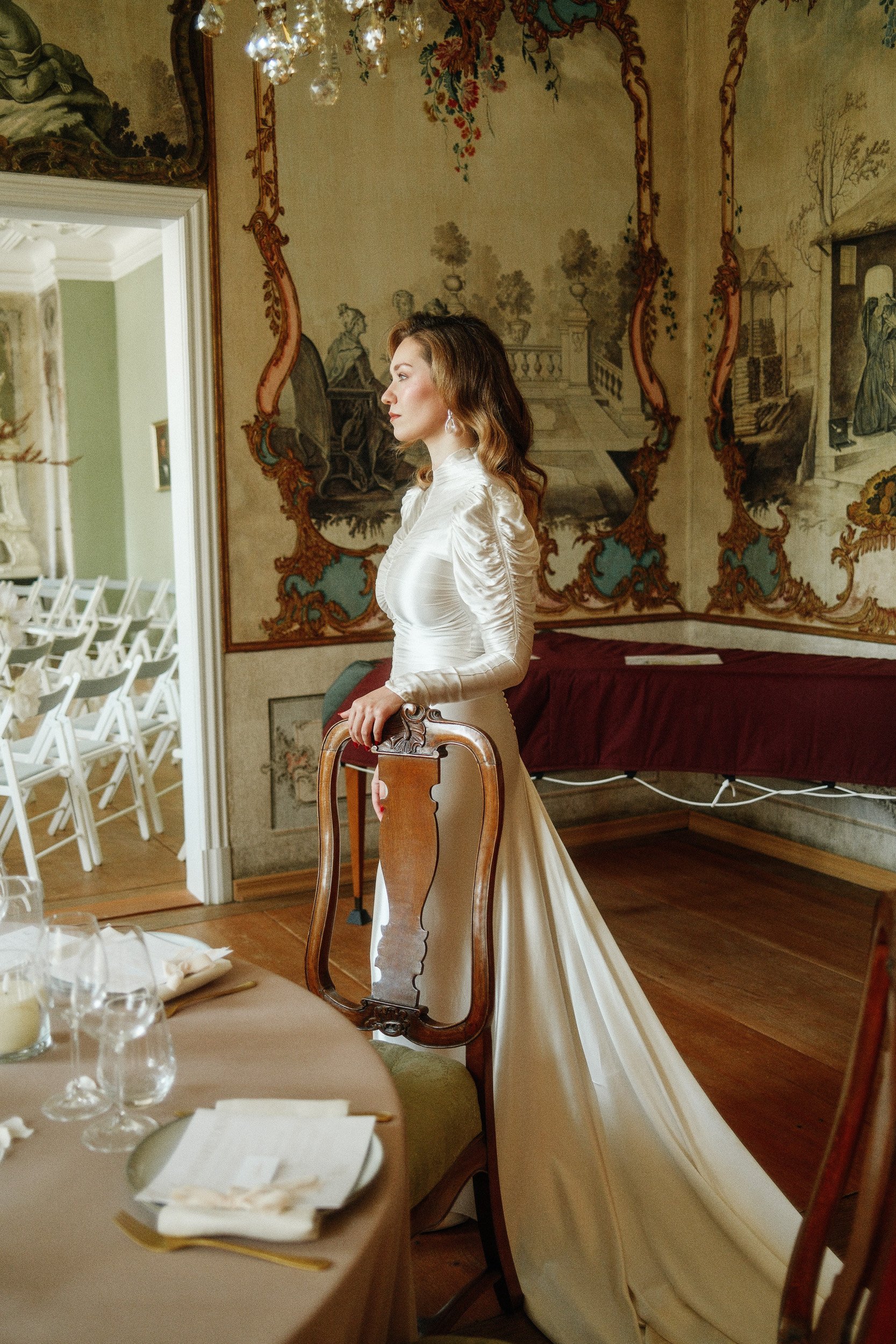
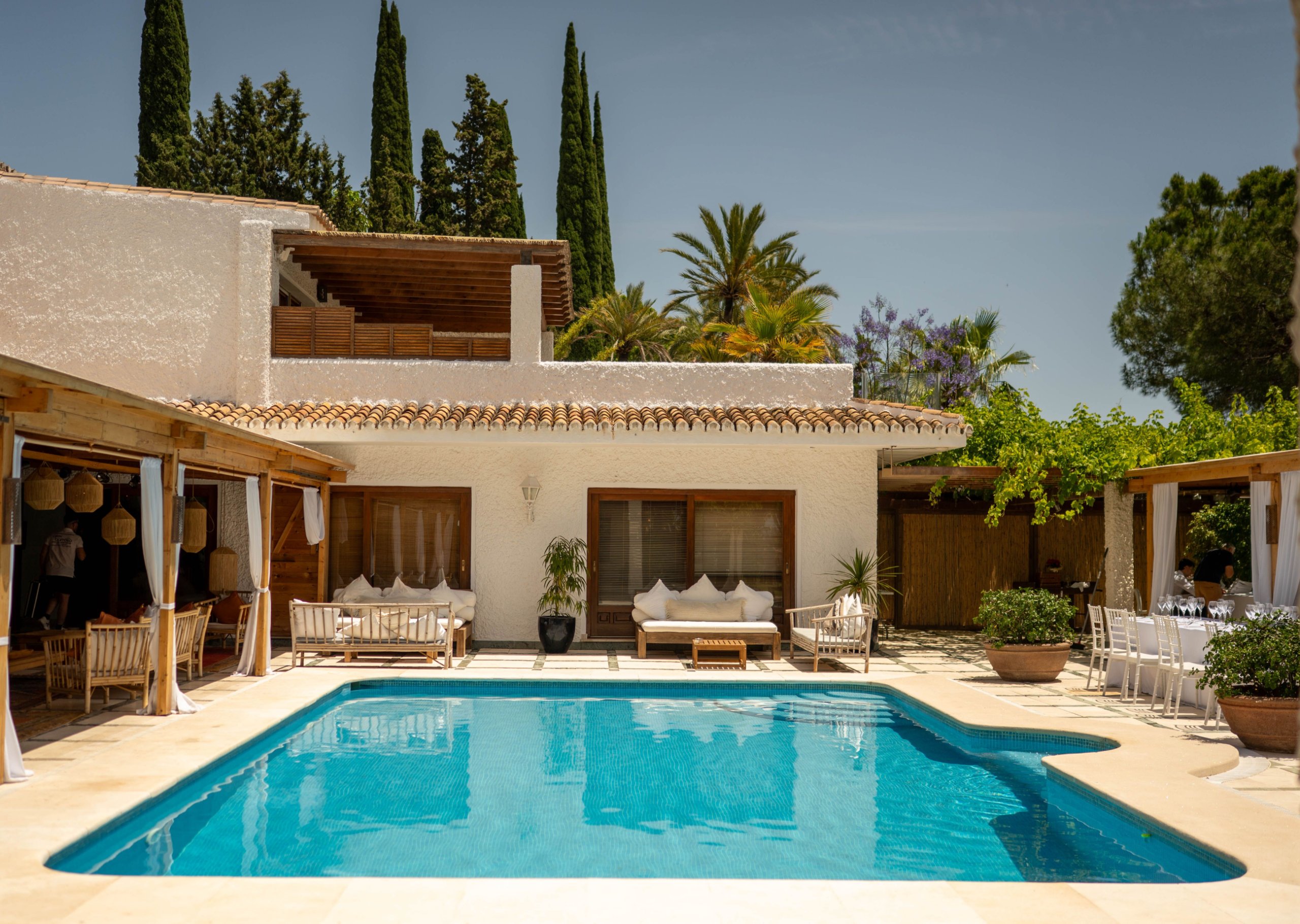
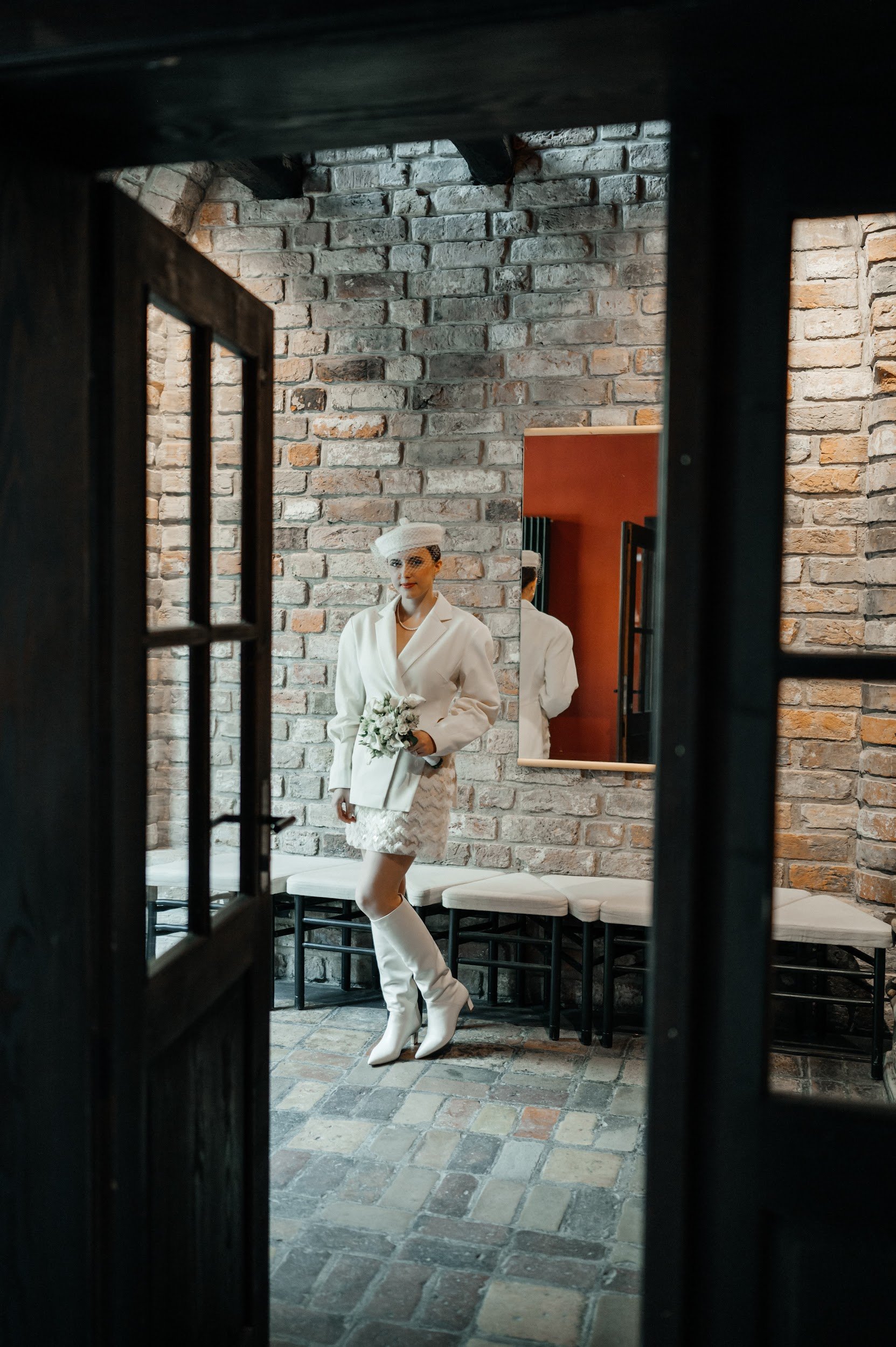
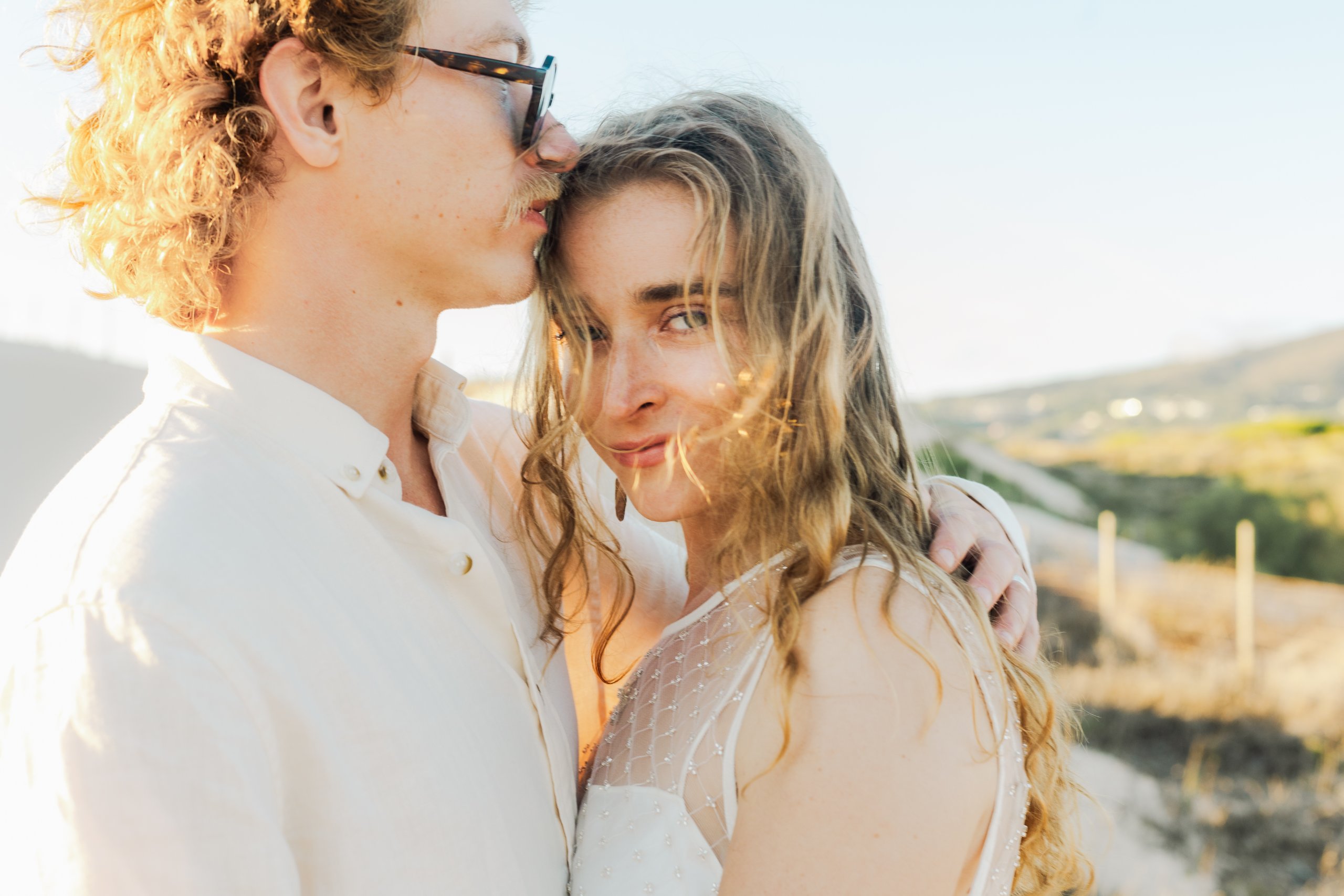
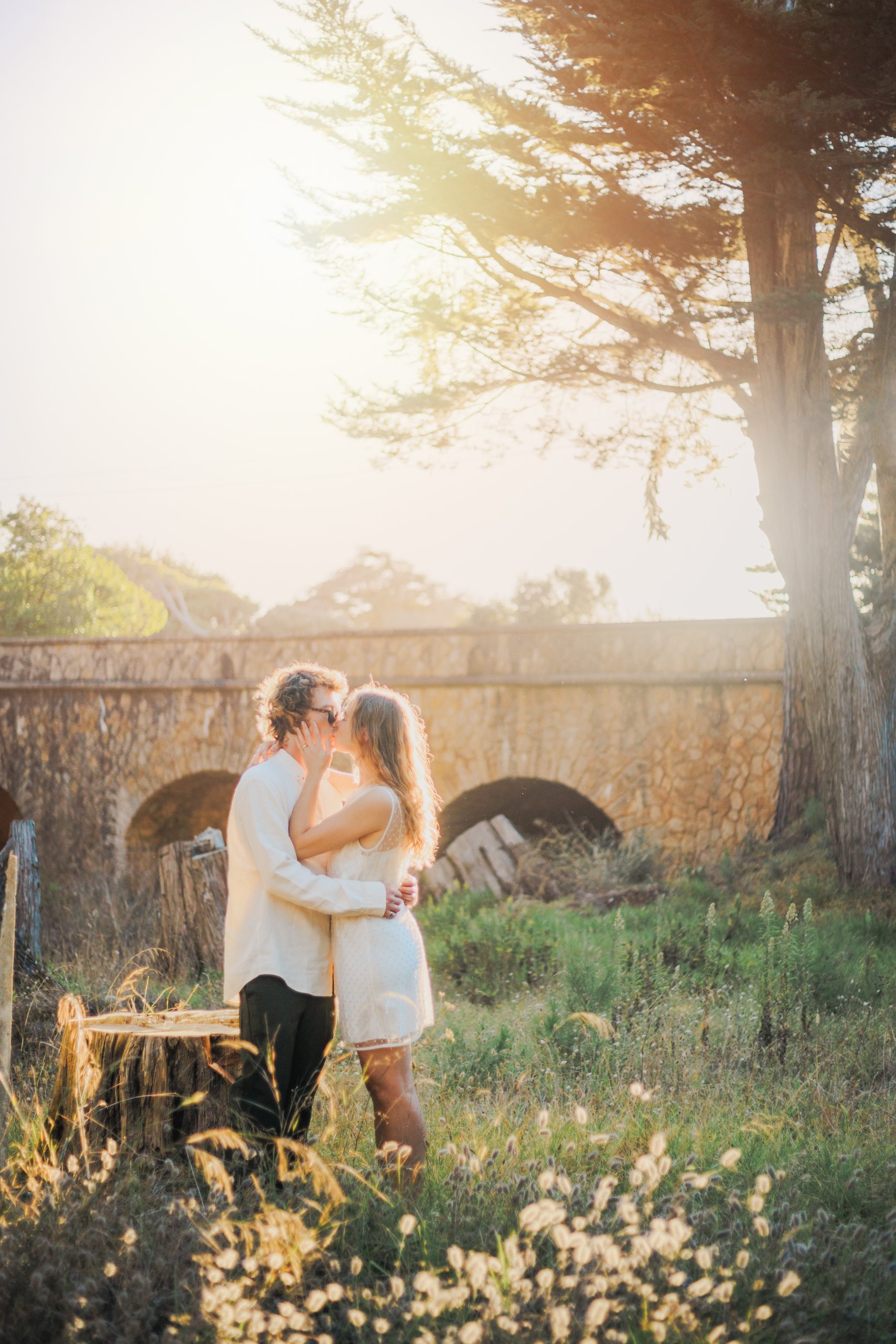
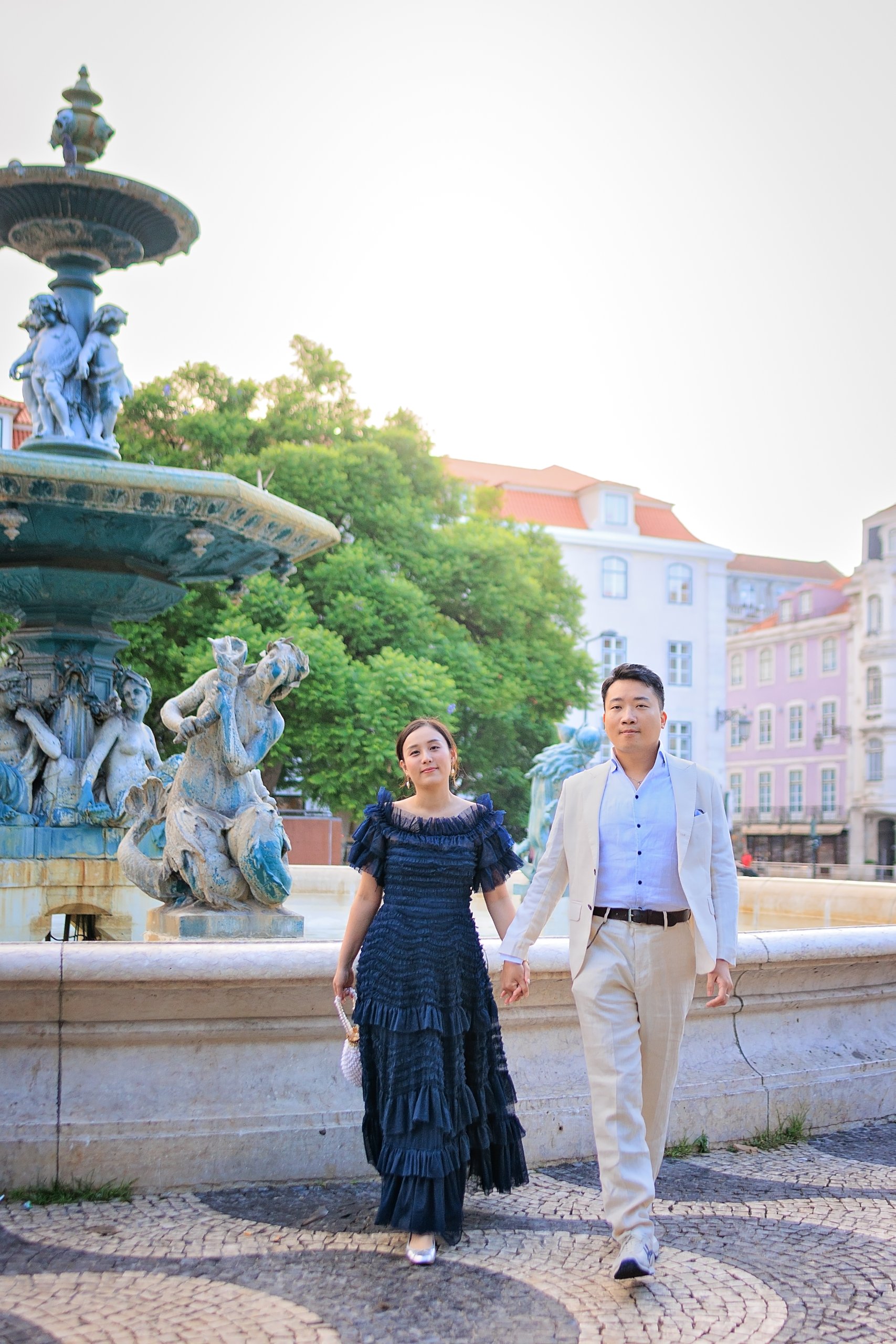
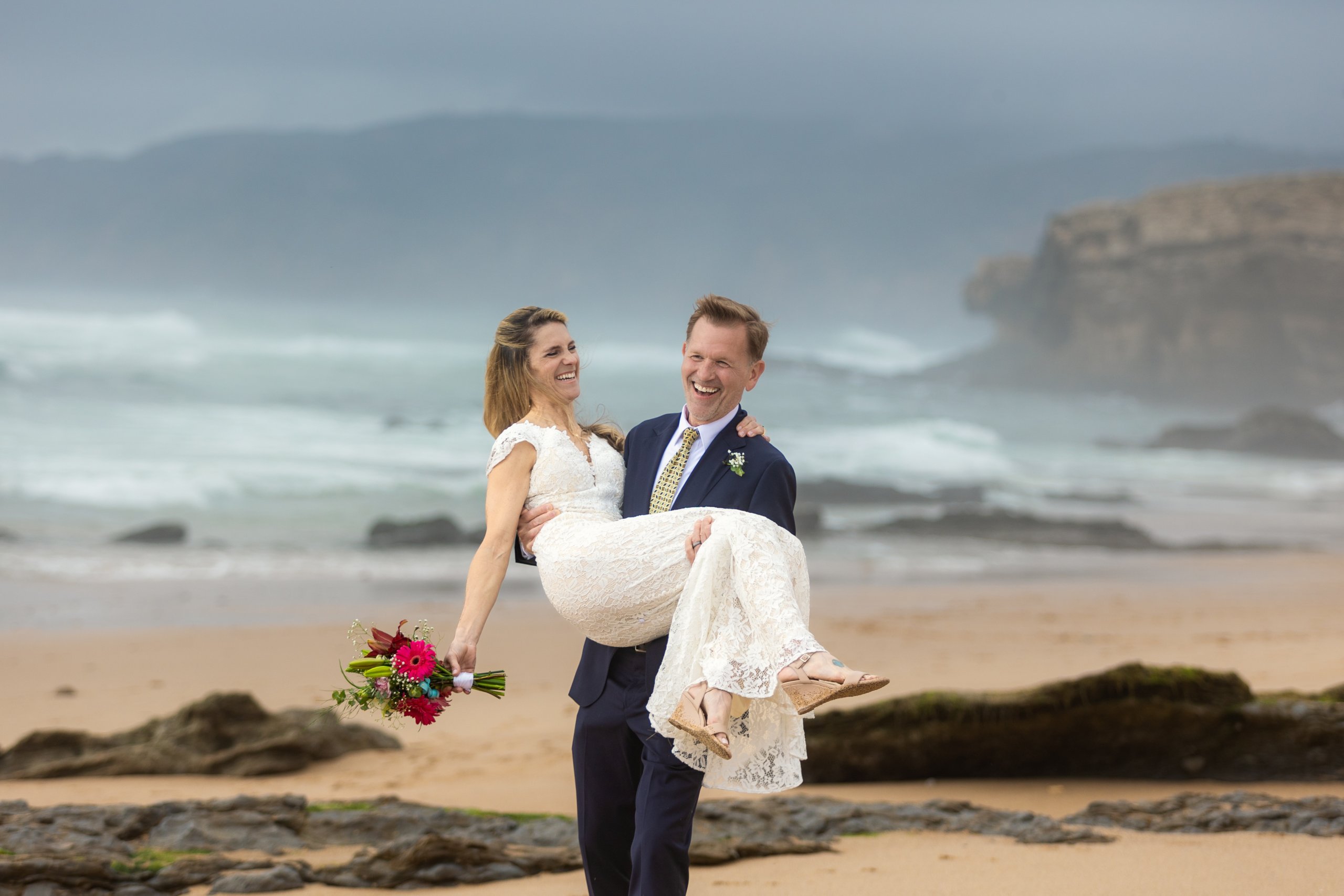
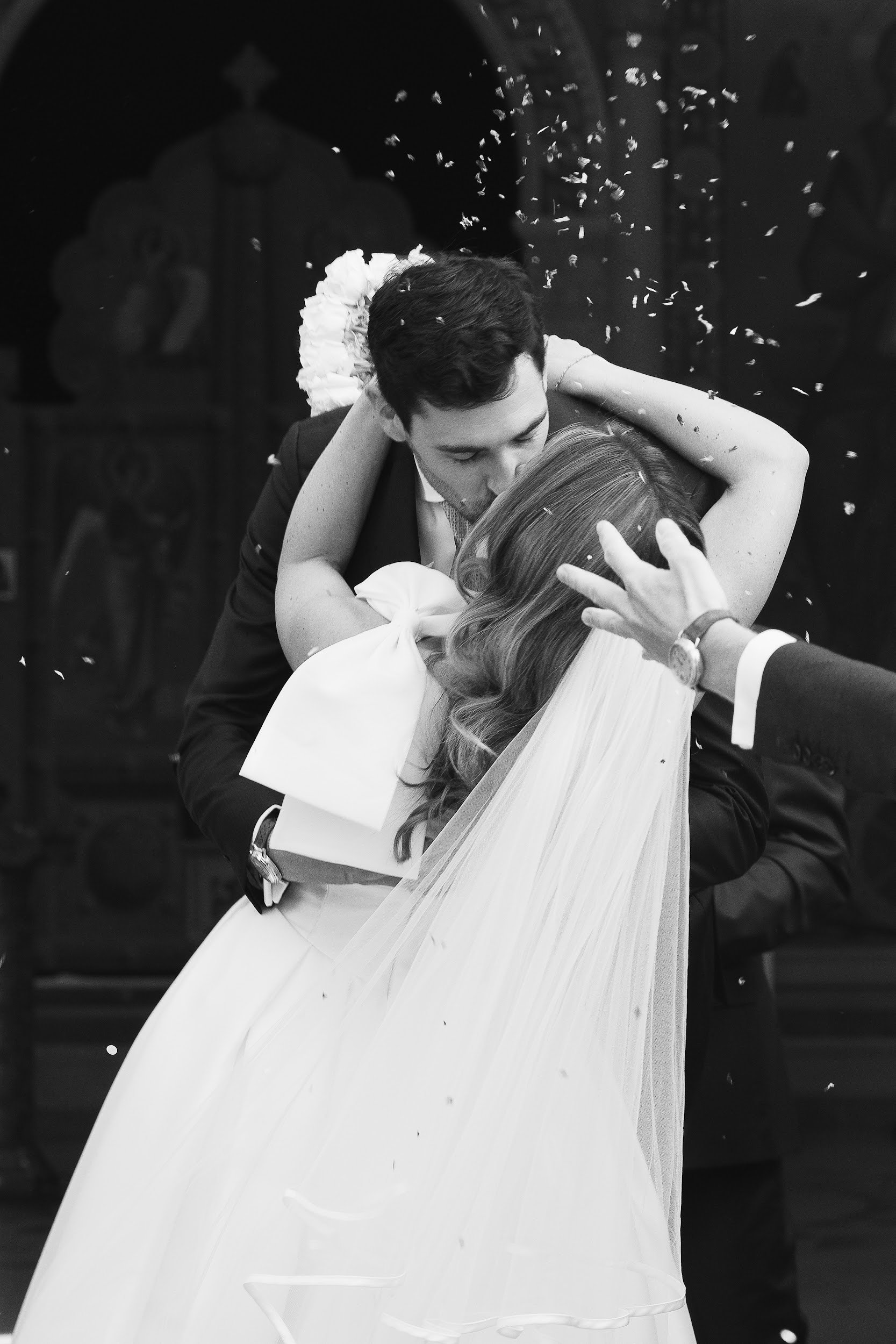
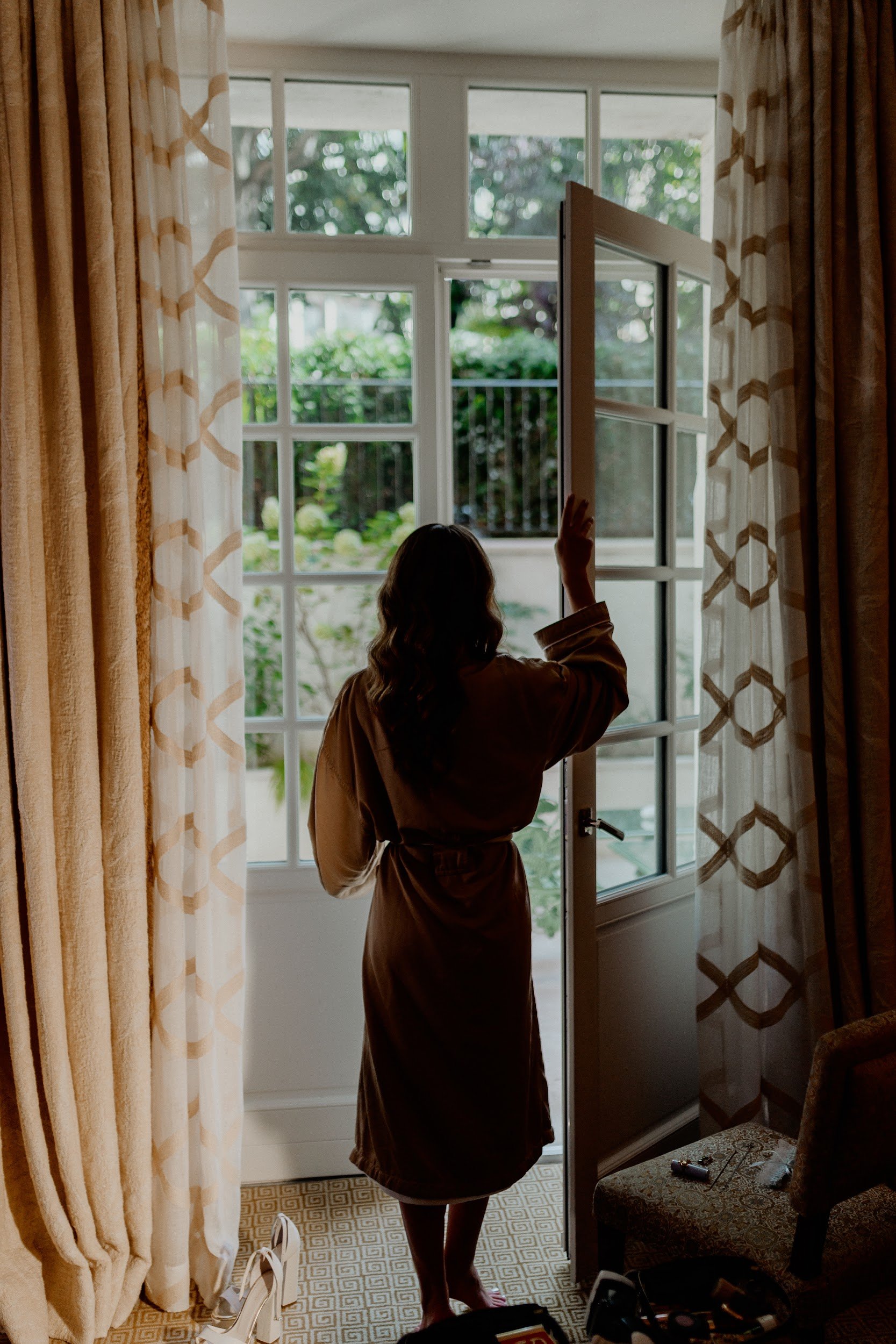
Booking through Lens & Vows
Through the year
May, June, September and October are the easiest months. At Lisbon’s Instituto Geofísico, highs average 23.1 °C in May, 26.1 °C in June, 26.6 °C in September and 22.8 °C in October, with rain on about six days in May, two in June, four in September and nearly nine in October. July and August are almost dry, with fewer than two wet days between them, but hot: August averages 28.8 °C, with ten days of 30 °C or more, and the old town is at its busiest. The coast has another climate. On Cabo da Roca itself June averages only 20.3 °C and August 21.9 °C, six or seven degrees cooler than the city, so a shawl belongs in the car even in August. November is the wettest month, with about 134 mm in Lisbon against 3 mm in July.
Weather station: Lisboa / Instituto Geofísico, normals 1991–2020 · Checked 1 November 2026
Places
The kinds of places — ask your photographer which ones they know well.
Parques de Sintra hires out ceremony spaces: the Stag Terrace at Pena (30 seated), the romantic ruin in Monserrate’s park (25 seated), Monserrate’s Music Room (60) and the Robillion stairs, terraces and gardens at Queluz (280). A photo session in its parks is another matter: €150 at the monument’s ticket office on the day, for six people including the photographer, outdoors only, with no tripods, external flash, reflectors or drones, no booking and no exclusive use. Quinta da Regaleira has its own rules: its free private photography excludes weddings, so you email at least 5 full working days ahead for photos and 10 for video, at a tariff it sets. Tivoli Palácio de Seteais can be taken whole for up to 120 guests, with its 30 rooms; Penha Longa offers its 16th-century chapel.
A civil ceremony in the morning, then the lanes of Alfama and Graça, the tile panels at Santa Luzia and the terraced garden of São Pedro de Alcântara. Keep to the viewpoints’ quiet hours: the famous ones fill by late afternoon. The Jerónimos Monastery and Belém Tower are run by Museus e Monumentos de Portugal, whose image rules ask for a written request at least 15 days ahead, allow no tripod or flash indoors and may carry a fee, so write to the monument before planning a professional shoot there.
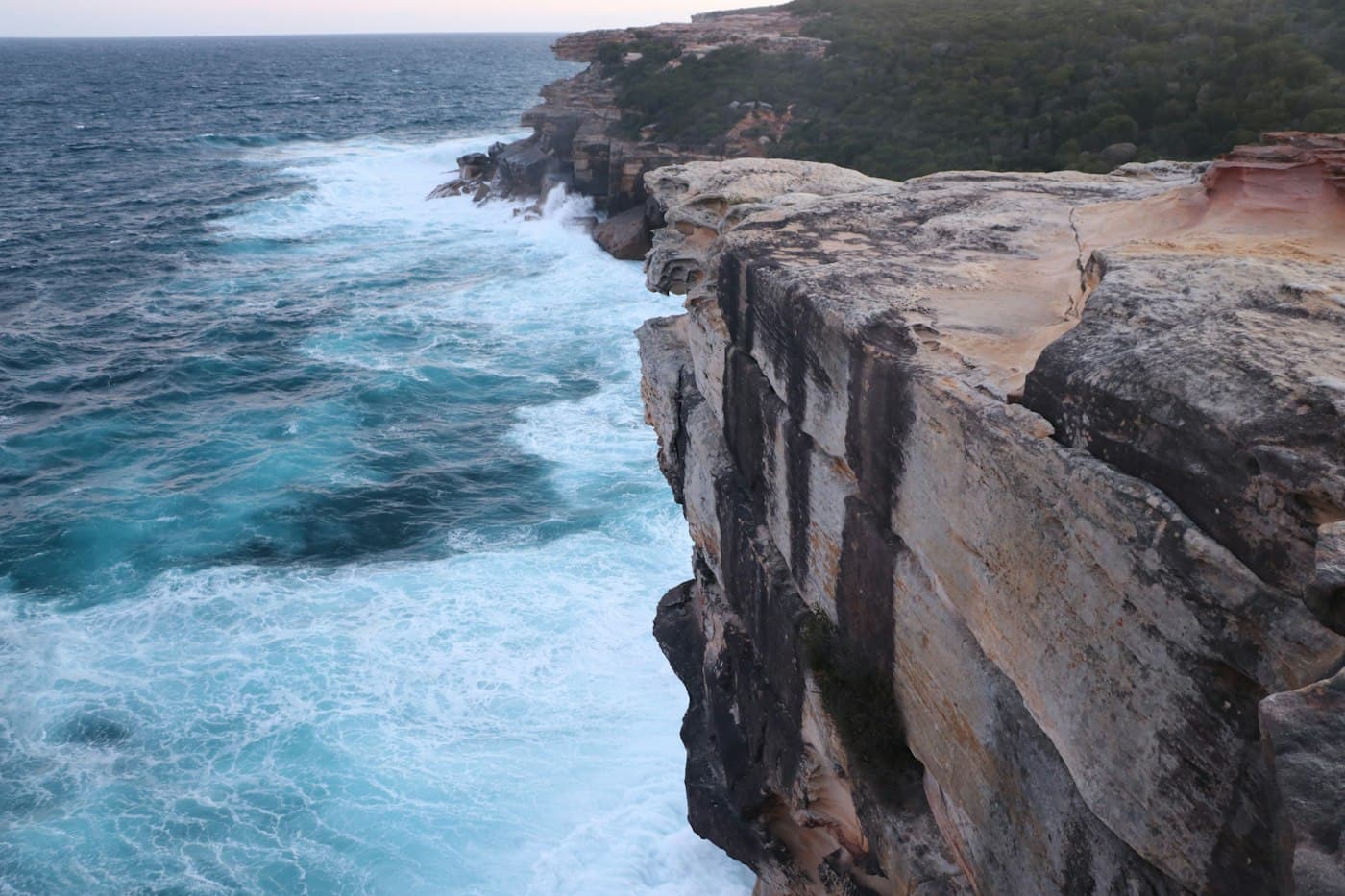
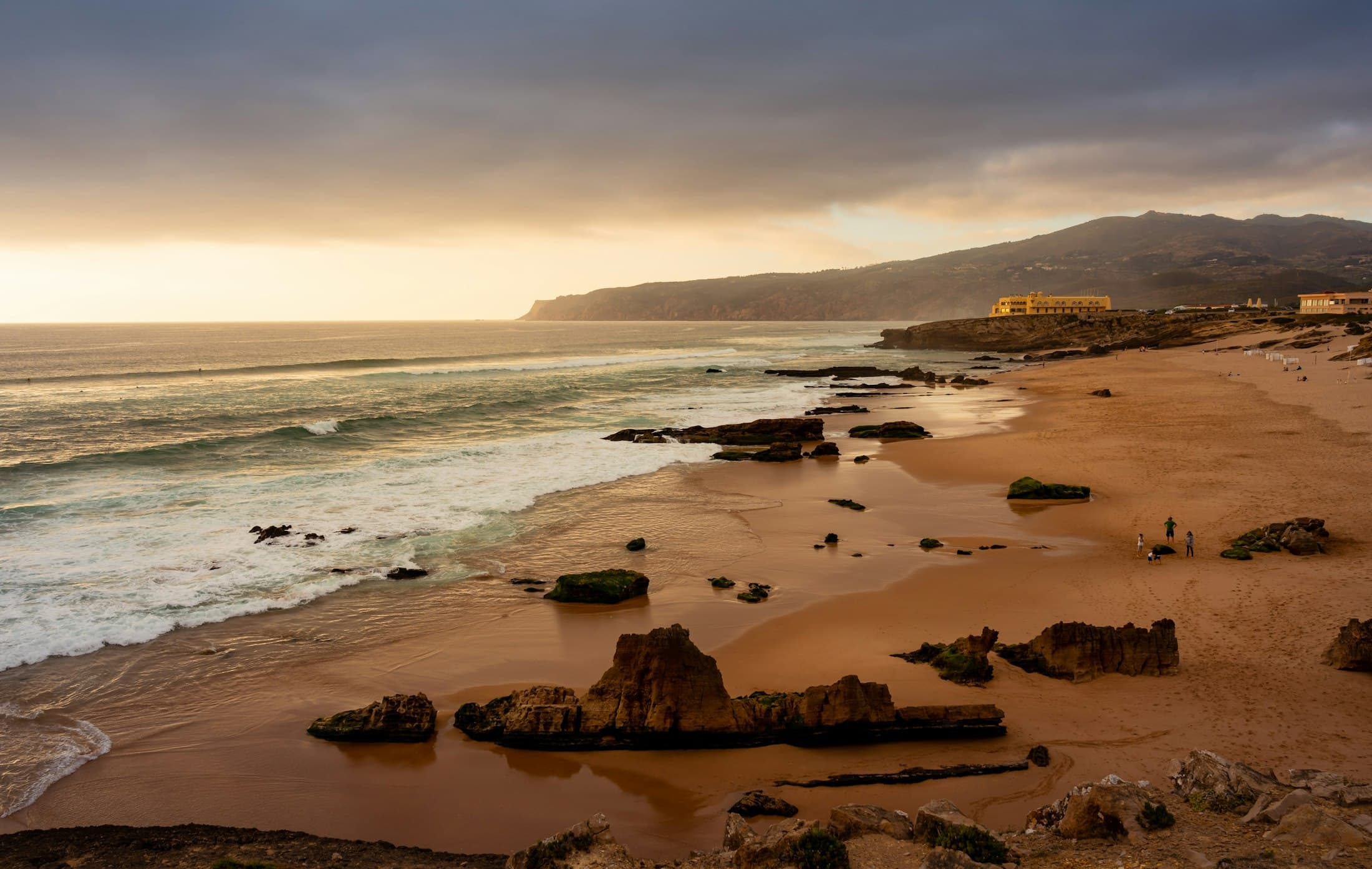
Cabo da Roca has a lighthouse working since 1772 and a stone cross quoting Camões, inside the Sintra-Cascais Natural Park; the edges are unfenced in places, so stay on the paths. Praia da Adraga is the easy one to reach; Praia da Ursa, the famous one, is reached only by a steep, winding dirt path that is no place for a long dress on a wet day. Guincho has about 800 m of sand behind dunes and wind most of the year. A ceremony on Cascais’s sand needs a municipal licence, requested at least 15 working days ahead, with liability insurance and, for anything set up, the safety opinion of the Capitania. On Sintra’s beaches, ask the câmara and the capitania.
On the city’s edge, Quinta do Torneiro in Porto Salvo is an 18th-century manor with an old chapel and a French garden, and Quinta de Sant’Ana in Gradil a family wine estate with a baroque chapel. In town, the Convento do Beato’s cloister seats 1,000, the garden of Olissippo Lapa Palace takes about 125 for drinks, and SUD Lisboa’s terraces in Belém look at the 25 de Abril bridge. Out on the coast, the Medieval Room at Fortaleza do Guincho seats 120. Check each venue’s own figures for your layout.
Towns
Each with a page of its own: where couples marry there, where to take portraits, the practical side.
Light
The coast faces west, so at Cabo da Roca the sun goes down into the Atlantic all year: at 21:06 on 21 June, in the north-west, and at 17:19 on 21 December, in the south-west. Golden hour is shorter than it sounds. In June the sun is still 6° up only 40 minutes before sunset, and dusk ends about half an hour after it. In the city, Senhora do Monte faces the sunset across the roofs, while São Pedro de Alcântara looks east at the castle as it takes the last sun. Santa Luzia and Portas do Sol, over the river, are better early. Sintra’s mist turns hard sun soft and even, but its woods and hills end direct light well before the almanac’s sunset, so ask your photographer about your exact spot.
Travel
Lisbon’s airport is inside the city, about 7 km from Rossio by road. Sintra is about 34 km from the airport, Cascais 36 km and Cabo da Roca 46 km. Trains from Rossio reach Sintra in 40 minutes, and from Cais do Sodré they run 25 km along the river to Cascais in about 40, but neither goes on to the cape or Guincho, so plan cars. The Calçada da Pena, the narrow road up from Sintra’s old town, has been limited to authorised vehicles since December 2019, and roads to Pena also close for works and races: check the park’s notices for your date. Drones are the hardest part. Any with a camera must be registered with ANAC, aerial images need the Autoridade Aeronáutica Nacional’s authorisation, the airport’s prohibited zone reaches the river, Parques de Sintra bans them outright, and the natural park asks for at least 10 working days’ notice to the ICNF.
Real weddings


Plan
Portugal
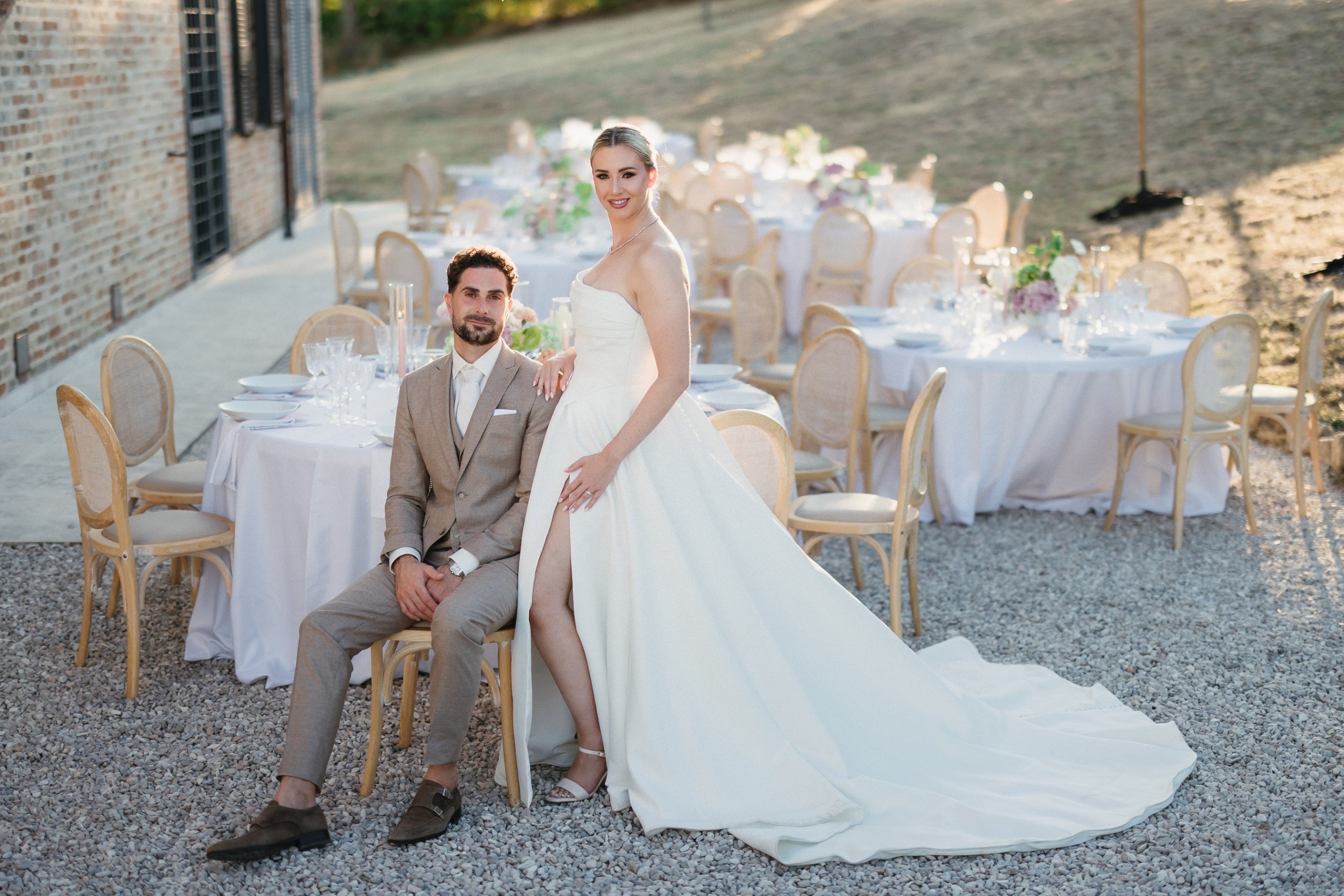
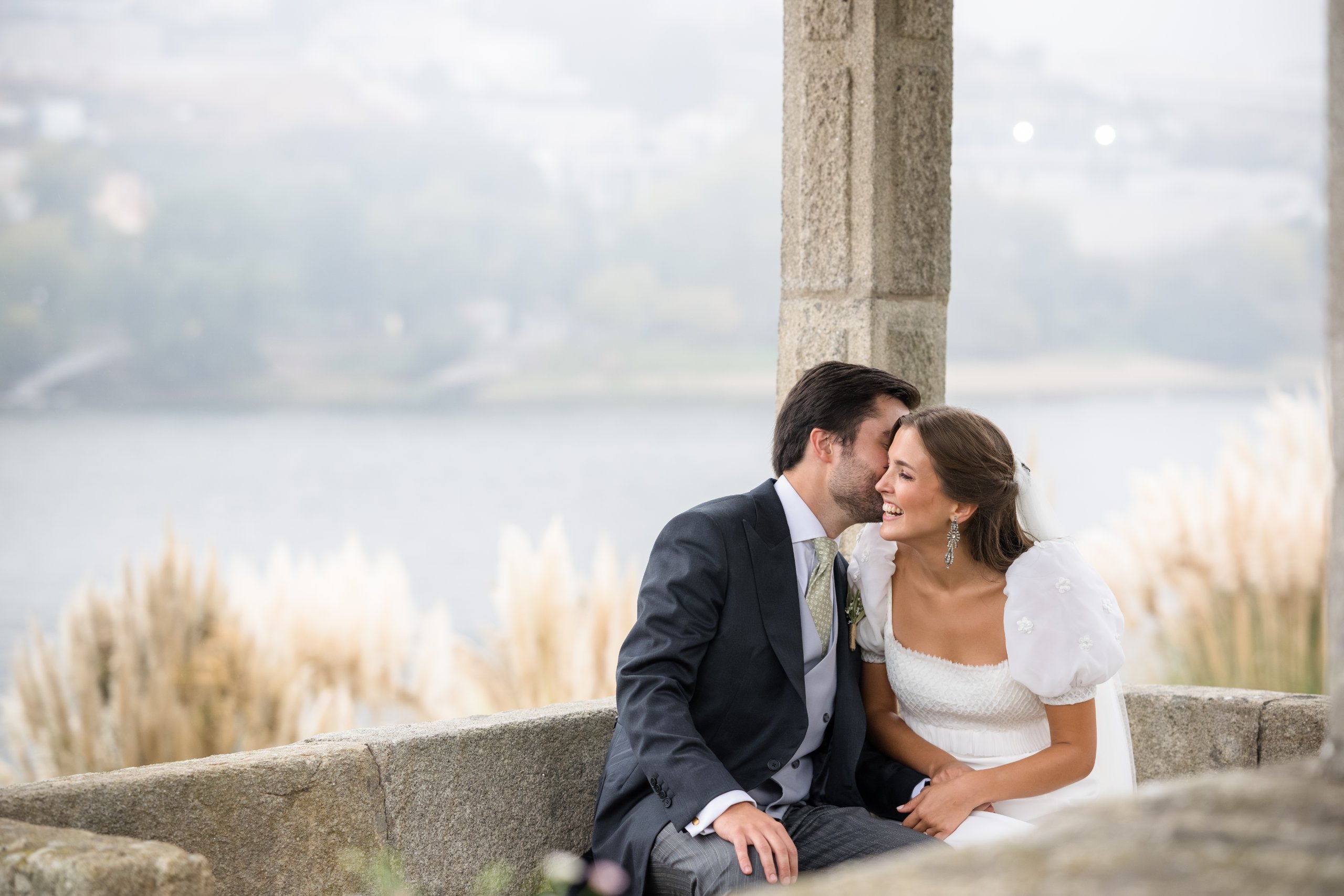 Photo: Gonçalo F.
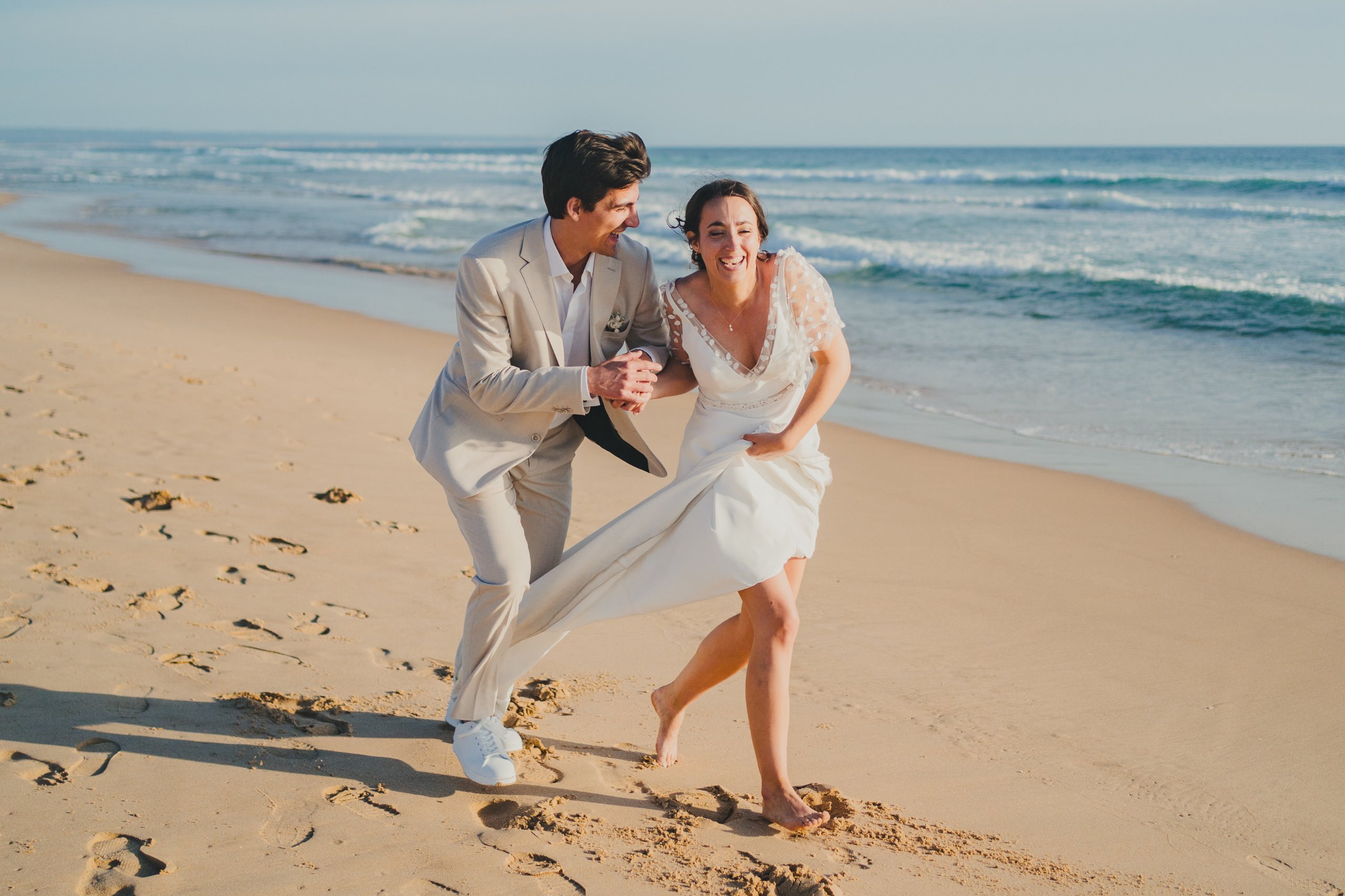 Photo: Denis E.
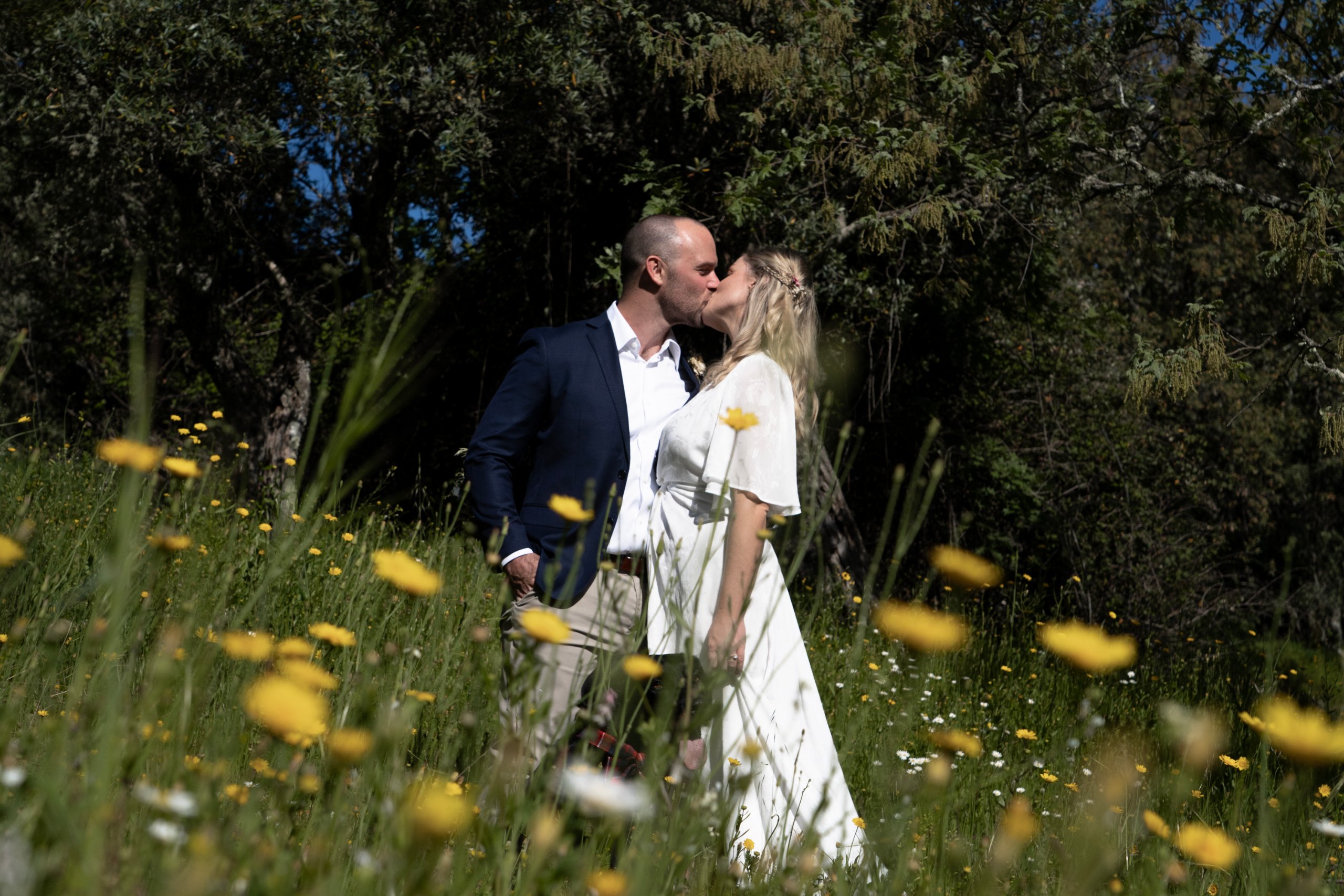 Photo: Sophie B.