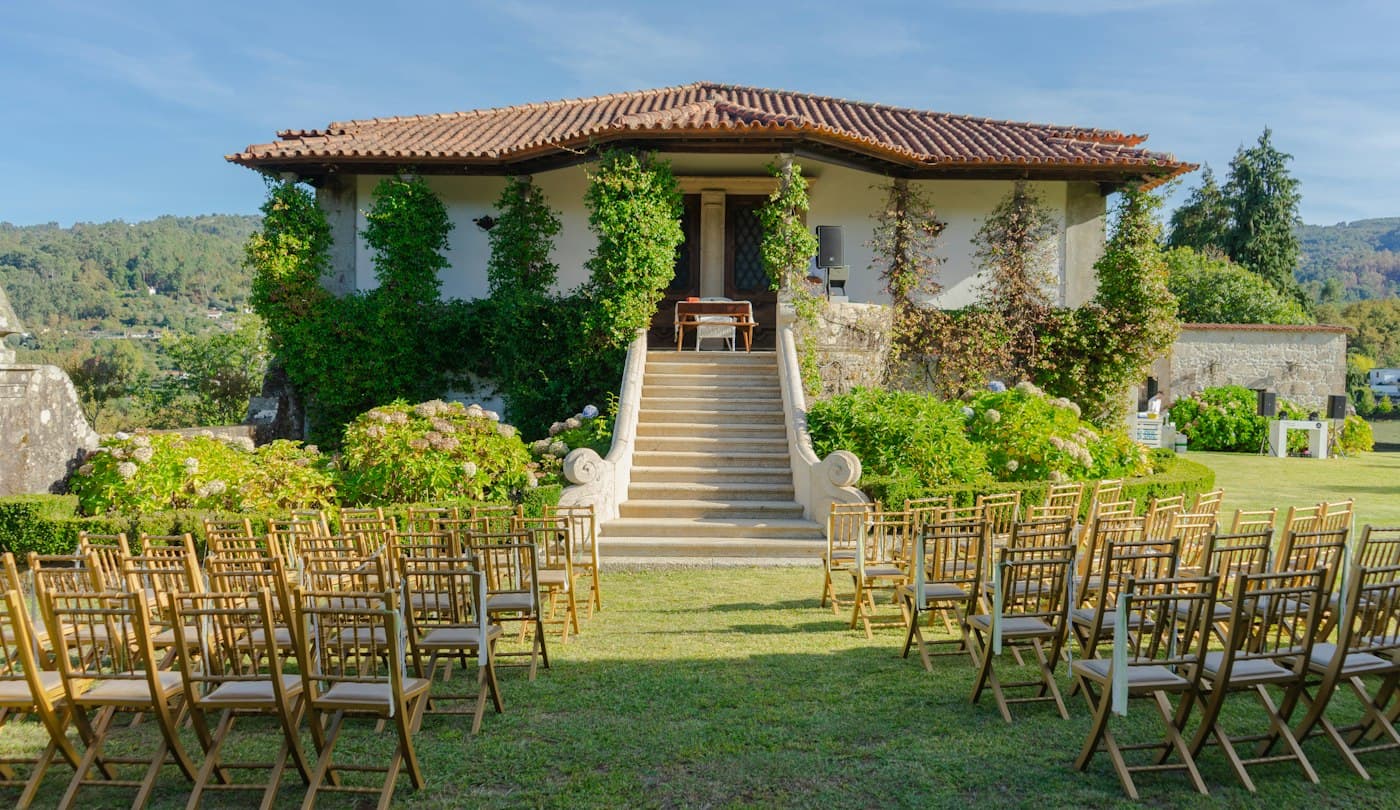
Choose the kind of place before the place itself. A wine estate in the Douro, a farmhouse on the Alentejo plains and a rooftop in Lisbon give three completely different days: different light, different distances, a different evening for your guests. Pick the style that fits the day you imagine, then the region that does it best, and only then the venue.
Below are the main kinds of wedding places in Portugal and what each means for the day and the photos, then a checklist of what to ask any venue, and a table that sums it all up.
Quintas: country and wine estates
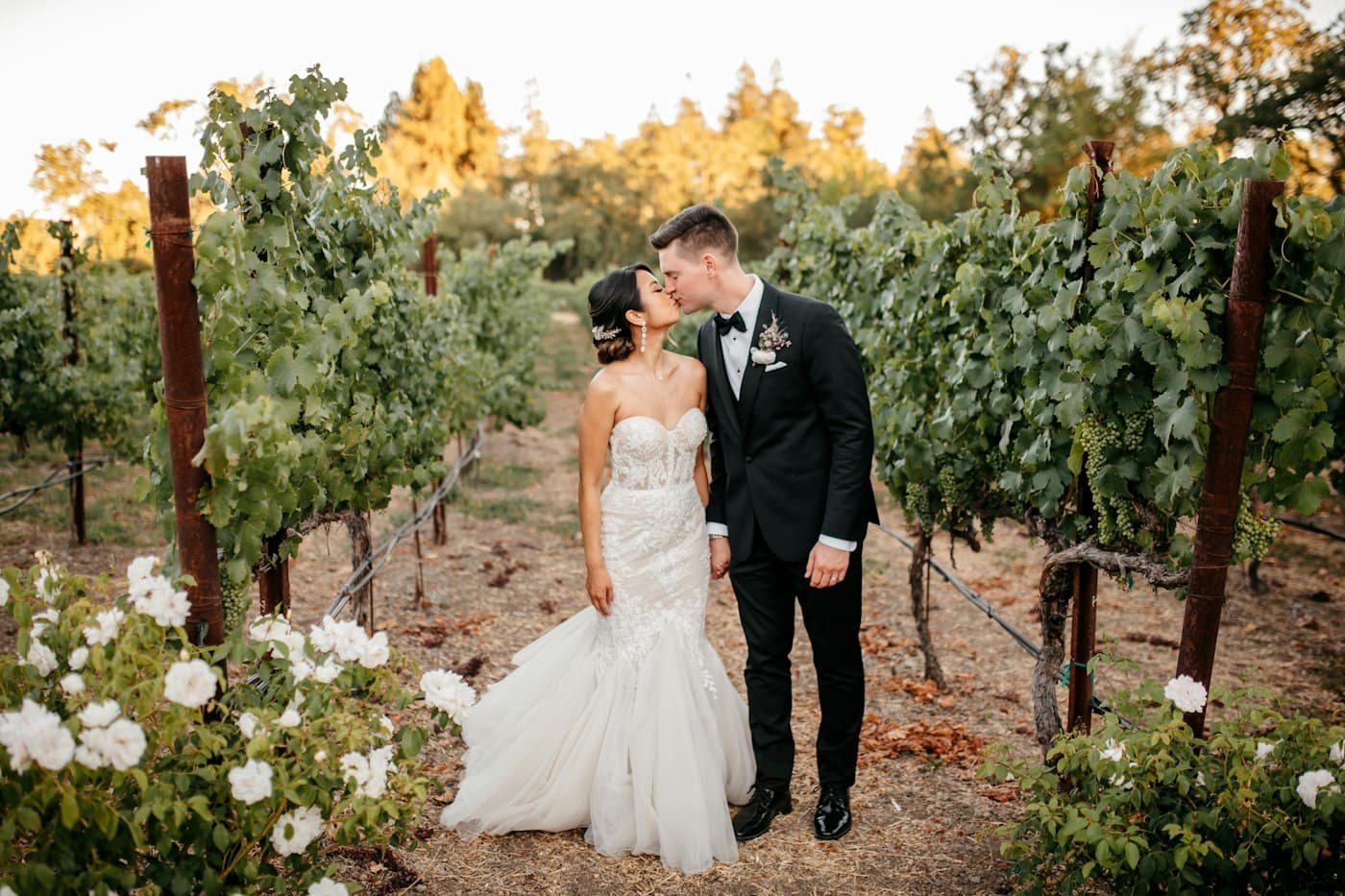
A quinta is a country estate — often a working wine estate in the Douro, or an old family property with gardens near Sintra and Lisbon. Expect a main house, terraces, old trees, sometimes a chapel or tiled walls, and room for the ceremony in one spot and dinner in another.
In the Douro the terraced vineyards fall to the river and the end-of-day light is beautiful — but the valley is very hot in July and August, the roads wind, and journeys take longer than the map suggests. Near Sintra and Lisbon, quintas are easy for guests to reach and often have shaded gardens. Around the harvest, ask how the estate’s work fits around your day. See Porto & Douro and Lisbon & Sintra.
Herdades and montes in the Alentejo
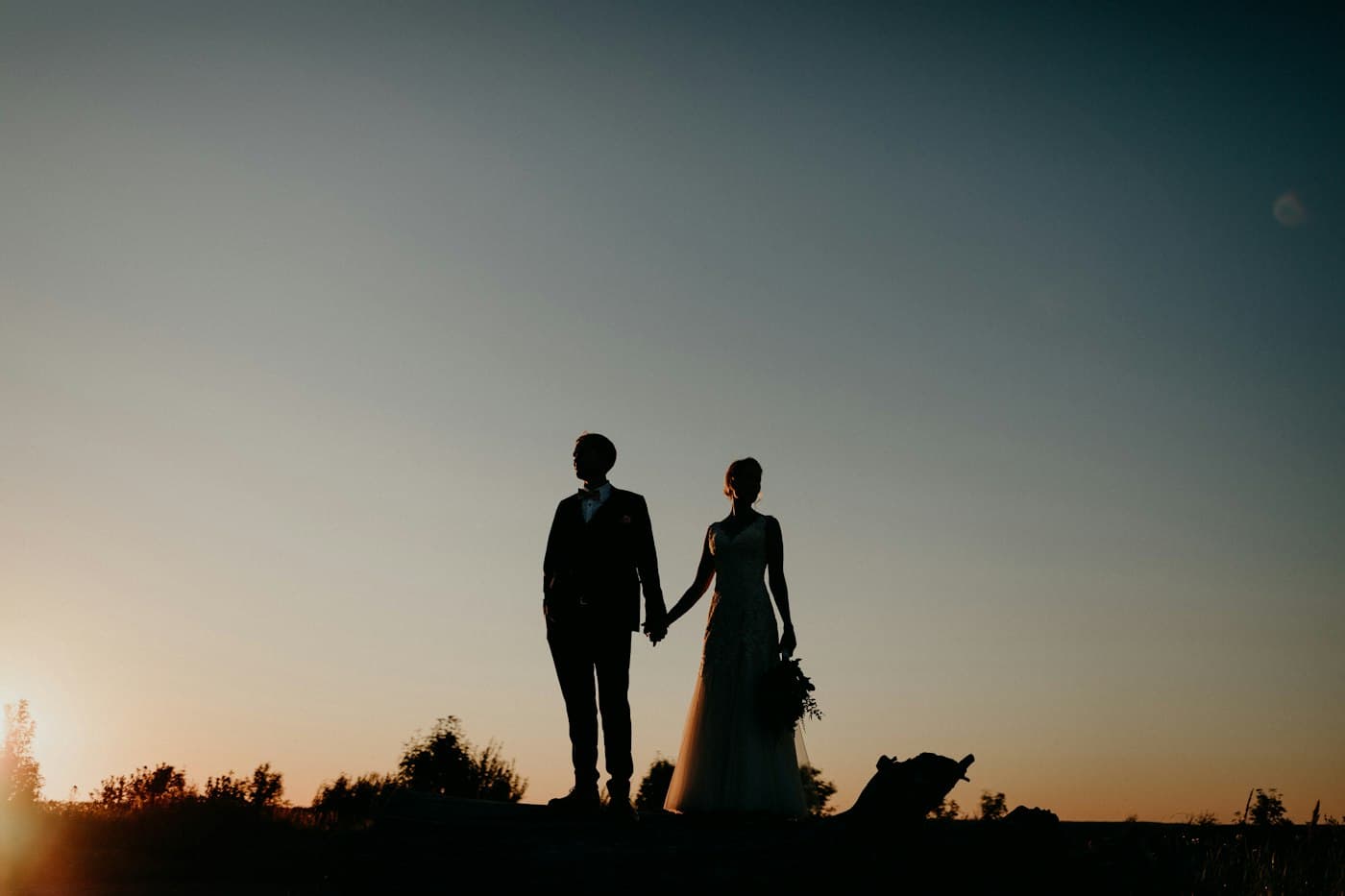
A herdade is a large rural estate; a monte is the farmhouse at its heart, usually low and whitewashed, often trimmed in blue or yellow. Around them: cork oaks, olive groves and open plains. They give you space, privacy and long, uninterrupted sunsets, and they glow in the golden hour.
Plan for the heat in high summer (shade under the cork oaks, a ceremony close to sunset), the distance from towns (guests need cars or a shuttle, and rooms on site or nearby) and dark nights — wonderful for stars, harder for photos, so ask how the dinner area is lit. Spring, with green fields and wildflowers, is the Alentejo at its best. More on the Alentejo.
Palaces, manor houses and convents
Many historic buildings in Portugal now host weddings: palaces, solares (manor houses, often with a family coat of arms over the door), and convents and monasteries turned into hotels, with cloisters, stone arches and chapels.
For photos they are rich — tiles, stone, painted ceilings, framed views — and a cloister gives shade and even light in the middle of a sunny day. Interiors can be dark, though: thick walls, small windows. Ask whether your photographer may use flash inside, and whether there are rules on candles, confetti or decorations. Old buildings can mean stairs and no lift; check access for older guests.
Beaches, dunes and clifftops
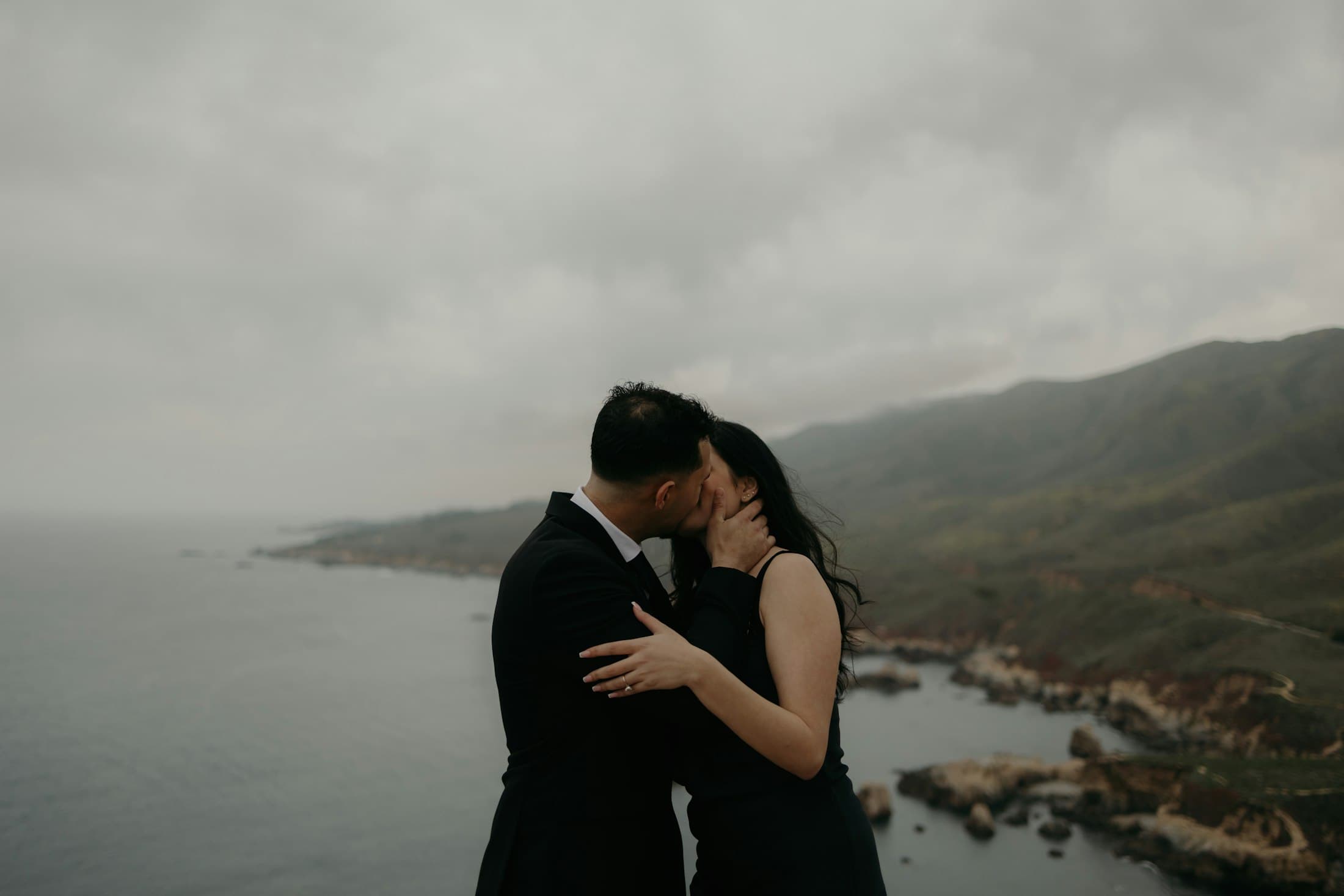
Comporta’s long beaches, dunes, rice fields and pine woods are made for barefoot weddings with the sun setting over the Atlantic. On the Algarve and on the Sintra coast around Cabo da Roca, clifftops give the most dramatic backdrops in the country.
- Wind. On the west coast a strong north wind, the nortada, often picks up on summer afternoons: veils fly, voices get lost, sand gets everywhere. Look for a sheltered hollow in the dunes or the lee of a building.
- Permission. Beaches and coastline are public, and a ceremony, a set-up or a drone may need permission. The rules differ from place to place, so ask the local authorities well ahead.
- Safety and access. Cliff edges are often unfenced, paths can be sandy or steep, and the best-known viewpoints are busy with visitors at sunset.
More on Comporta and the Algarve.
City venues and rooftops
Lisbon and Porto offer rooftops, terraces, restaurants and old buildings with views over the river and the roofs. They are easy for guests — hotels, transport and the evening all close at hand — and give portraits with trams, tiled façades and narrow streets.
Plan around the hills (steep streets, and calçada, the polished stone paving, is slippery and swallows thin heels), public places (viewpoints are crowded at sunset; an early-morning or weekday portrait walk is calmer) and neighbours (residential streets mean rules on music and finishing times — ask the venue). Rooftops catch the wind; ask what happens if it blows.
The islands: Madeira and the Azores
Madeira offers gardens and estates on steep slopes above the sea, mountains behind, and mild weather all year — but the north and south coasts can have different weather on the same afternoon, and short distances take time on mountain roads. The Azores offer a green coast of dark volcanic rock, crater lakes and, in summer, hedges of hydrangeas. The weather there changes fast, so every outdoor plan needs a covered fallback, and the islands are one hour behind the mainland. More on Madeira and the Azores.
What to check for the photos
Whatever the style, these questions decide how the day looks in pictures:
- Where the sun is at ceremony time. Facing into it, you squint; with it behind you, your guests do. Side light or open shade is kindest.
- White walls and shade. Whitewash bounces strong light and can make midday photos harsh; a tree, a cloister or a pergola gives soft, even light.
- Light for the dinner. Ask how the room or terrace is lit after dark. Candles and warm string lights help; one strong spotlight doesn’t.
- Distance between ceremony and party. A short walk keeps the day together; a drive needs transport and time in the timeline.
- Getting-ready rooms with windows. Big windows and a little space make the morning photos; a dark room with a single lamp makes them hard.
- Music and finishing times. Places can have rules on amplified music, outdoor noise or when the party must end — ask the venue, and get it in writing.
- Rooms for guests on site or nearby, and transport back at night.
- Access for older guests or anyone with limited mobility: stairs, gravel, sand, distances.
- Exclusivity. Is yours the only event that day, or will you share the gardens with another wedding or hotel guests?
- Calçada and heels. Portuguese stone paving is beautiful and unforgiving; block heels, or a change of shoes for portraits, save a lot of care.
- A covered plan B. Where does everything go if it rains? See the rain plan.
At a glance
| Venue style | Best for | Watch out for |
|---|---|---|
| Quinta (country or wine estate) | Space, gardens, vineyard views, ceremony and dinner in one place | Summer heat in the Douro, winding roads, harvest-time work |
| Herdade or monte (Alentejo) | Privacy, big skies, long sunsets, spring wildflowers | July–August heat, distance from towns, dark nights |
| Palace, solar or historic building | Grandeur, tiles and stone, rich interiors | Dark rooms, rules on flash, candles and décor, stairs |
| Convent or monastery | Cloisters, arches, even light in the shade | Dim interiors, rules on décor and music |
| Beach and dunes | A barefoot, relaxed day, sunset over the sea | Afternoon wind, sand, permission |
| Clifftop | The most dramatic backdrop | Wind, edges, permission, crowds at viewpoints |
| City venue or rooftop | Easy for guests, views, city portraits | Hills and calçada, music rules, wind on rooftops |
| Island garden or estate | Mild weather, gardens, sea views, green landscapes | Fast-changing weather, mountain roads, the Azores’ hour behind |
Choose the month as carefully as the place — best months by region helps — and have a rain plan whatever the season. Once you know the region, see the photographers who work there, or tell us about your day and see who is free.