Verified — Identity verified by Lens & Vows
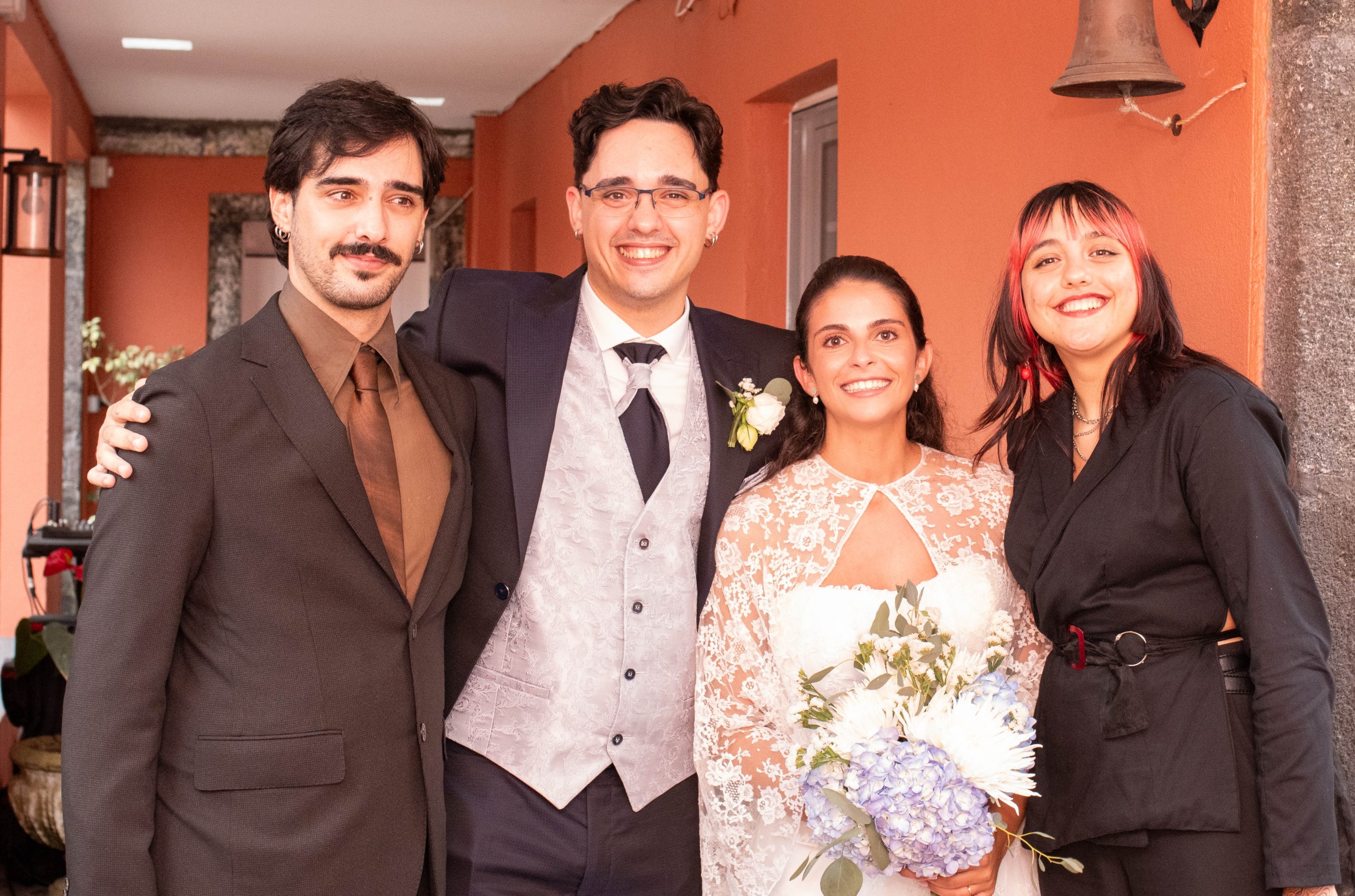
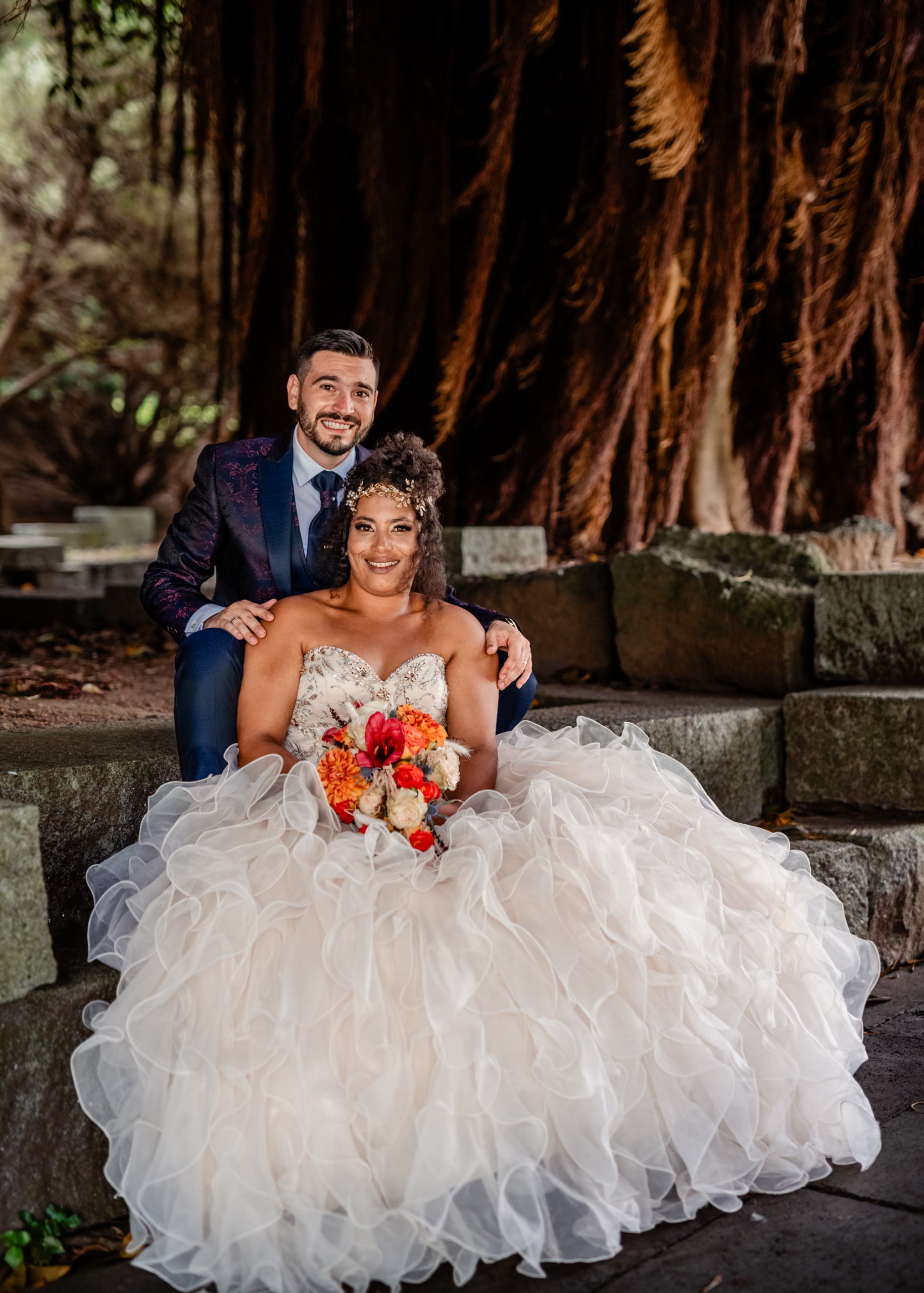
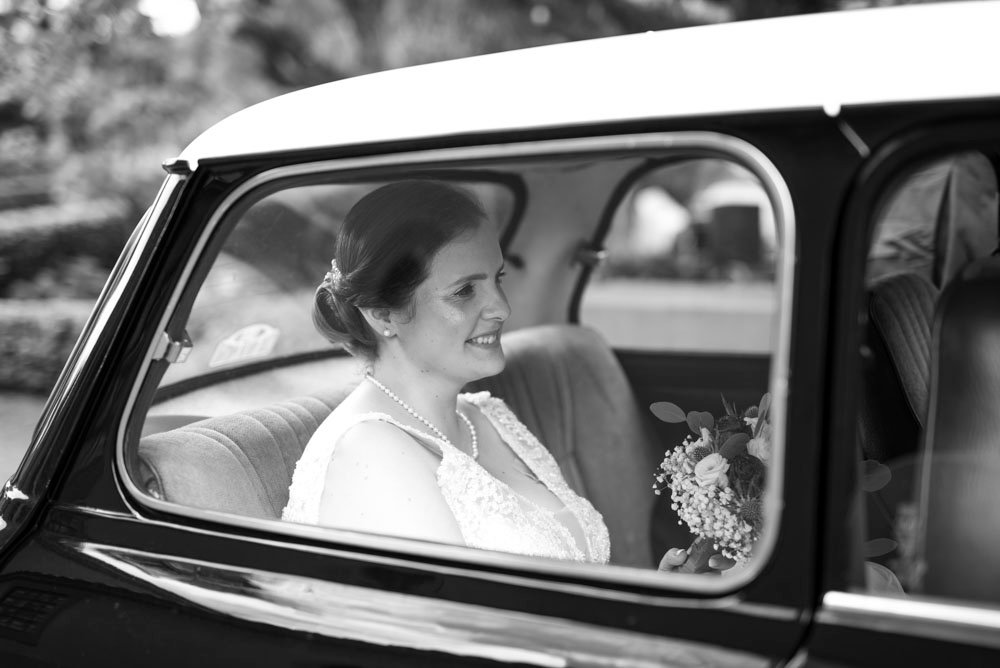
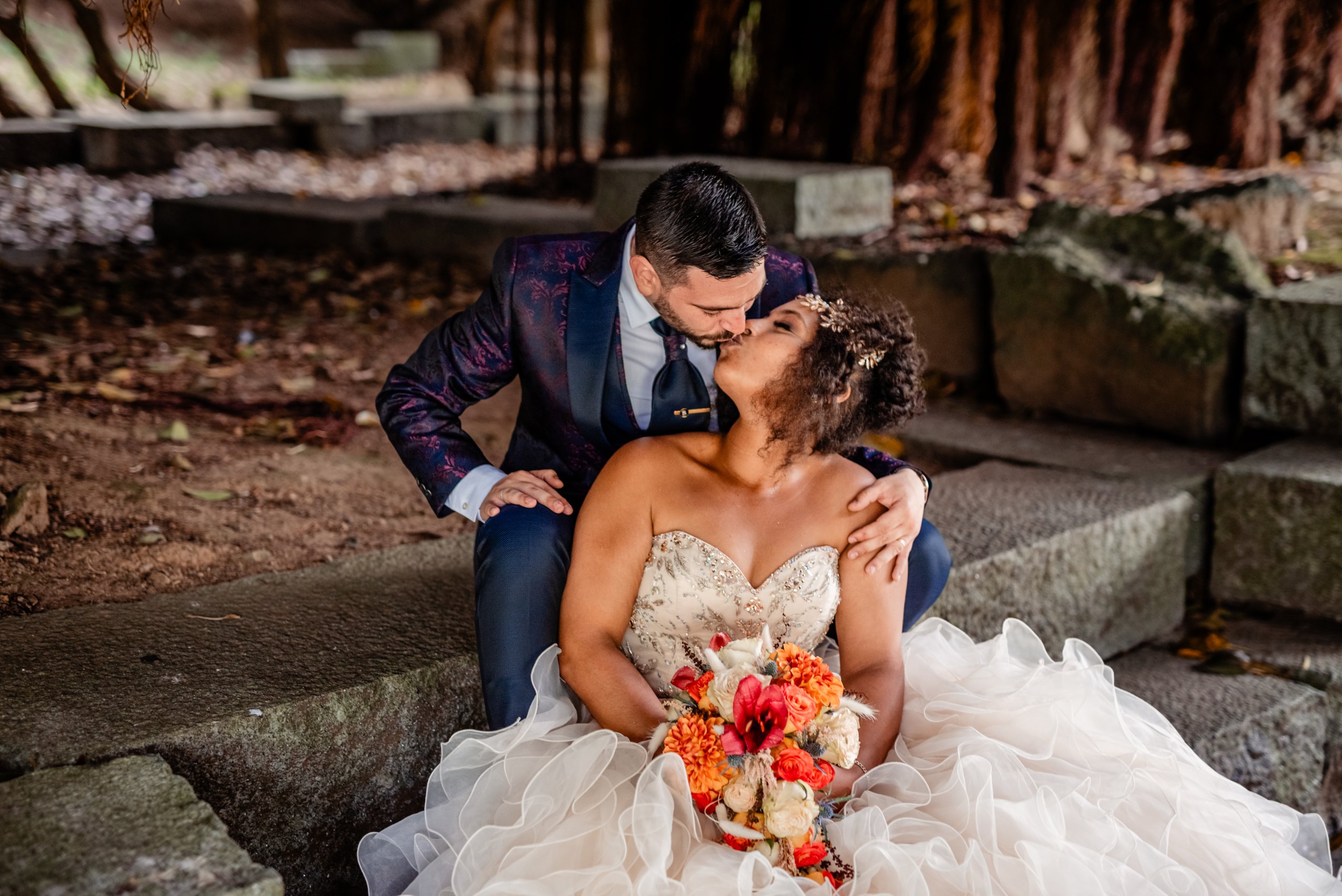
Jose S.from €800
Azores · Documentary, Fine artWedding photographers in Portugal
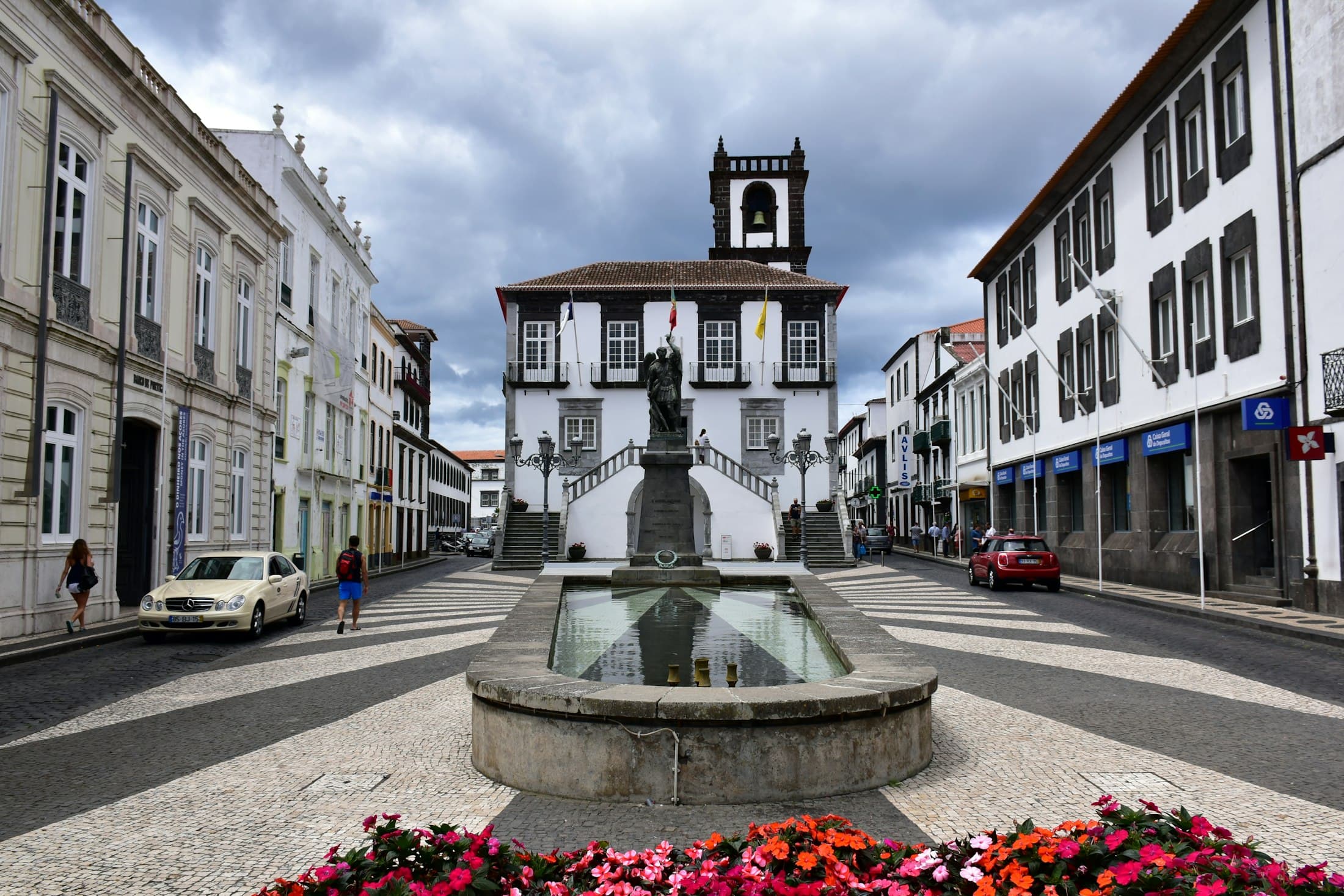
The largest city in the Azores: white walls trimmed in black basalt, a botanical garden with a chapel of 1624, and an airport two kilometres from the old town.
Ponta Delgada, on São Miguel, had 46,897 people in the city and 67,229 in the municipality at the 2021 census, which makes it the largest city in the Azores.
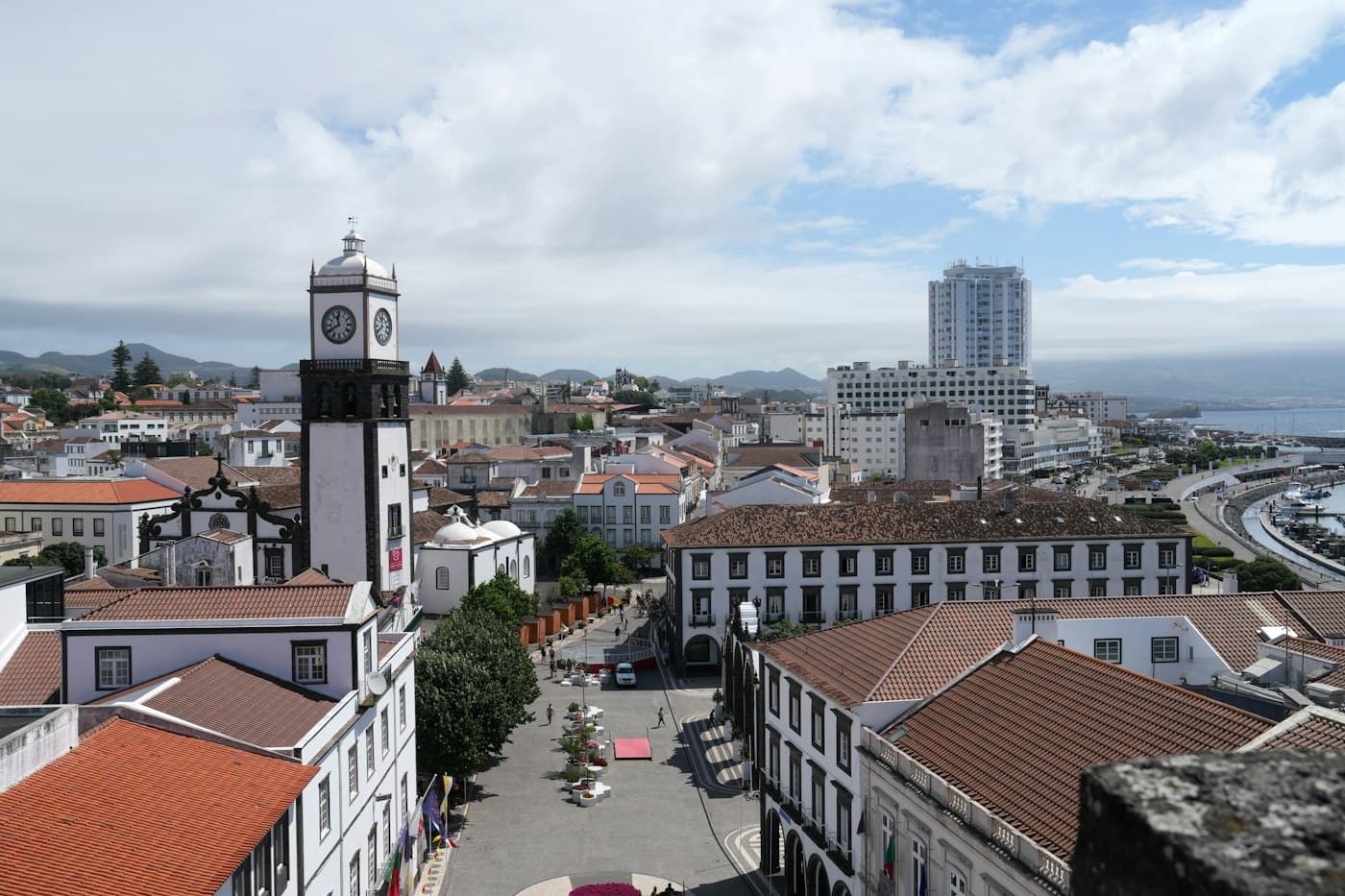
Its emblem is the Portas da Cidade, three arches of 1783, eleven metres high, that stood a few metres to the east until they were taken down and rebuilt on their present site in the early 1950s. Behind them rise the clock tower and the Manueline and Baroque portals of the Matriz de São Sebastião; a few streets west opens the Campo de São Francisco, the city’s largest square, beside the star-shaped Forte de São Brás of the 16th century.
A wedding here is a town day with the island in reach. Guests sleep in the city, because this is where the flights land and the hotels are; the ceremony is at a registry, a church or a garden nearby; portraits start under the arches and in the old gardens. When the sky opens, the crater of Sete Cidades is 25 km away by road, so keep an hour for it, and in rain there are churches, halls and a Victorian-style glasshouse to go back to.
Photographers
They shoot everywhere in the Azores — in Ponta Delgada too. Their whole weddings are on their pages.
See all 2 photographers


Booking through Lens & Vows
Ceremonies
A botanical garden laid out from 1845, in the city and, by its Foundation’s account, in the same family for twenty generations. At its south-western corner stands the Ermida de Sant’Ana, founded in 1624, listed as a property of public interest and open to worship; a wedding directory lists symbolic ceremonies in it. The garden’s old glasshouse, the largest of its kind on São Miguel, is open to parties: its Foundation’s 2015 sheet says 150 seated, the directory’s current listing 90 seated, and 200 with a marquee. Ask them for today’s figure.
A civil wedding can take place at any Conservatória do Registo Civil in its opening hours, for €120 (IRN, November 2026). At another place or outside those hours, weekends included, you agree the date and time with the registrar, for €200. That is how a legal ceremony reaches a garden or a quinta, so settle it with the registrar before you settle anything with the venue.
The Matriz de São Sebastião is the parish church in the old centre, its portals Manueline and Baroque, its façade remodelled in the 18th century. Its parish publishes no wedding rules that we could find, so ask well ahead. The Convento da Esperança on the Campo, a national sanctuary, keeps the image of the Senhor Santo Cristo and its festival; we found no sign that it holds weddings. A Catholic wedding in a Portuguese parish is also your legal wedding.
Wedding directories list Solar dos Cantos, a manor among botanical gardens and century-old trees, for up to 150 guests, and several city hotels with rooms for 20 to 300, Hotel Marina Atlântico and Hotel Ponta Delgada among them. These are listings, not our recommendations: visit, and ask each for its covered plan.
Portraits
The three arches stand in their square with the Matriz just behind, and the church’s clock tower gives the picture its height. The square is busy by day, so come early in the morning, or at the end of the day: on 15 June 2027 the sun sets at 21:06, with golden light from 20:27 to 21:25 (NOAA’s solar equations); on 15 September at 19:51.
A long, narrow park of about 2.5 hectares, made between 1812 and 1879 and running up from the coast: winding paths, rockwork, deep little valleys, old labelled trees, and a mock-medieval castle that is really a cistern and lookout. The red-lava tunnels are closed for safety, but their mouths are part of the picture. Good for the hard light of midday.
The largest square in the city and one of the largest in the Azores, named after the Franciscan convent built there in the 16th century, with the Esperança convent’s walls and the fort close by. It has room for a whole family photograph without a street in it.
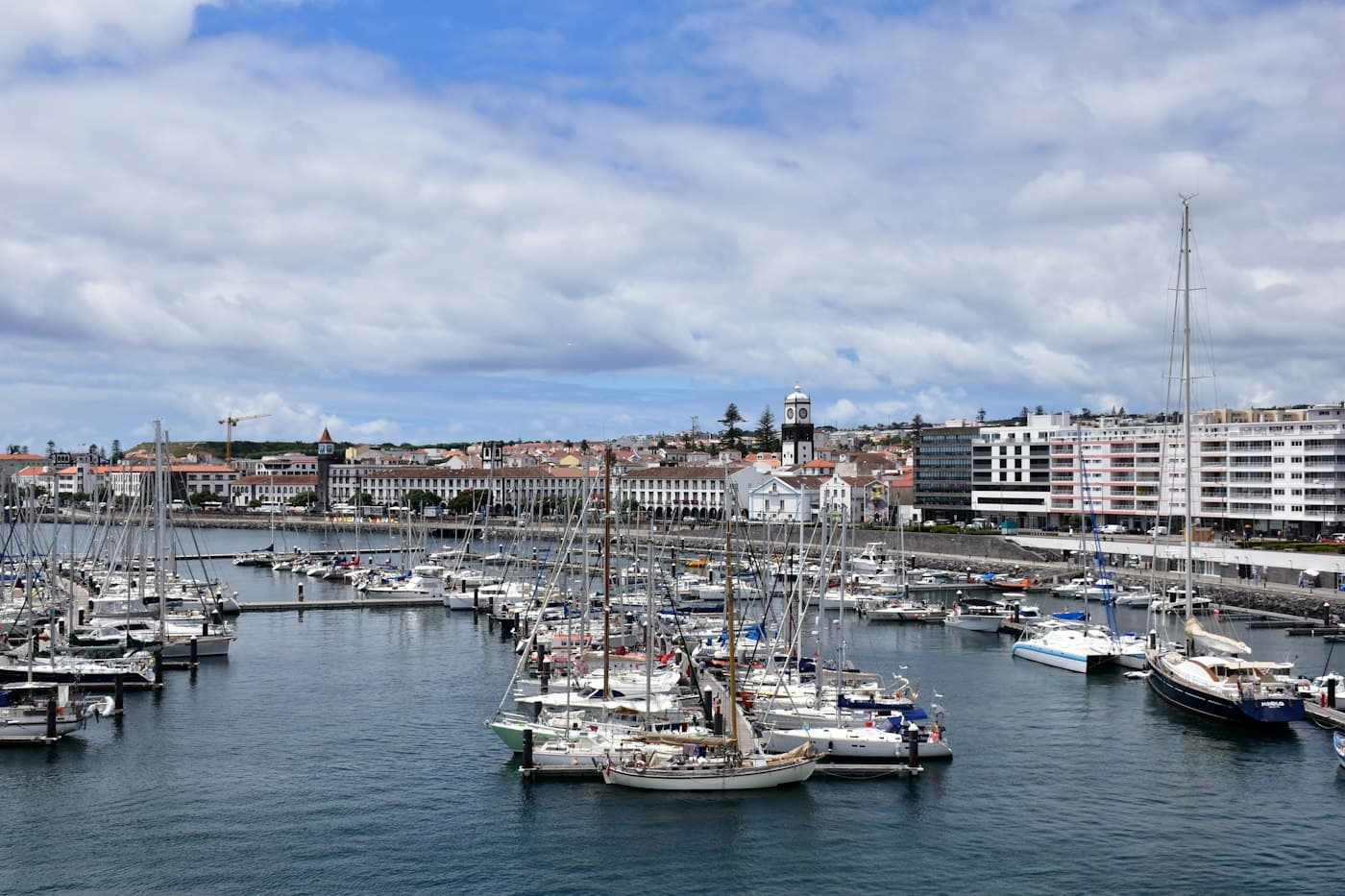
Sailing boats in front of the seafront and its white buildings, with the city’s towers among them. It is a working harbour, so ask the marina before setting foot on a pontoon.
Through the year
IPMA’s Ponta Delgada station (Observatório Afonso Chaves, 35 m, 1991–2020) averages highs of 22.4 °C in June, 24.7 °C in July, 26.0 °C in August and 25.0 °C in September, with rain on 6.6, 4.8, 6.5 and 9.4 days. May and October are the shoulders: 20.2 °C with 8.7 rainy days, 22.6 °C with 13.7. The sun comes and goes, so plan a covered room in any month. The Festas do Senhor Santo Cristo fill the city in spring, on the fifth Sunday after Easter: 10 May in 2026, and by the calendar 2 May in 2027.
Azores, month by month
Practical
João Paulo II airport is about 2 km west of the centre, and the main hub of SATA and Azores Airlines: flights from every island of the Azores, Madeira, Lisbon, Porto and Faro, others from Europe and North America, some only in season. Check that your guests’ route runs on your date.
For more than 300 years the festival has centred on the Campo de São Francisco, with thousands of the faithful. In 2026 it ran from 8 to 14 May, and on the Sunday the procession left the sanctuary at 16:30 and came back at 21:45. Marry another week unless you want it in your day, or ask for 2027’s programme first.
The runway is 2 km from the old town, so check the airspace first. Besides ANAC’s registration, the Autoridade Aeronáutica Nacional’s free e-AAN authorisation applies. Ask your photographer what can be flown and where before you plan a shot around one.
Foreign partners need ID, a birth certificate, and a certificate of capacity to marry from their country issued less than six months before; documents not in English, French or Spanish need a certified Portuguese translation, and an interpreter is appointed if needed. Put your file together at least a month before the date; once it is authorised you have six months to marry.
Questions
A wedding directory lists symbolic ceremonies in its chapel, the Ermida de Sant’Ana, and parties in its old glasshouse. For a legal wedding there, a registrar has to agree to come, or you marry at the registry first. Ask the garden and the registrar together.
The registry’s national fees apply: €120 in its opening hours, and €200 outside the registry or outside its hours, weekends and holidays included (IRN, November 2026). A prenuptial agreement costs from €100 more.
July and August have the fewest rainy days at IPMA’s station, 4.8 and 6.5, with highs of 24.7 °C and 26.0 °C. June is cooler at 22.4 °C and September warmer at 25.0 °C but with 9.4 rainy days. Hydrangeas bloom along the roads in early summer. Any month, keep a covered plan.
About 25 km by road, roughly half an hour by car. It works as a portrait trip on the wedding day if the sky is clear. Cloud can close the crater quickly, so have your photographer check it before you drive up.
It is the largest religious festival in the Azores, and the centre of the city is taken up by it for days in May. Pick another week if you want quiet streets and an easy drive; pick it if you want the lights and the crowd in your pictures.
Azores
 AzoresThe whole region: when to marry, the kinds of places, the light, getting there.
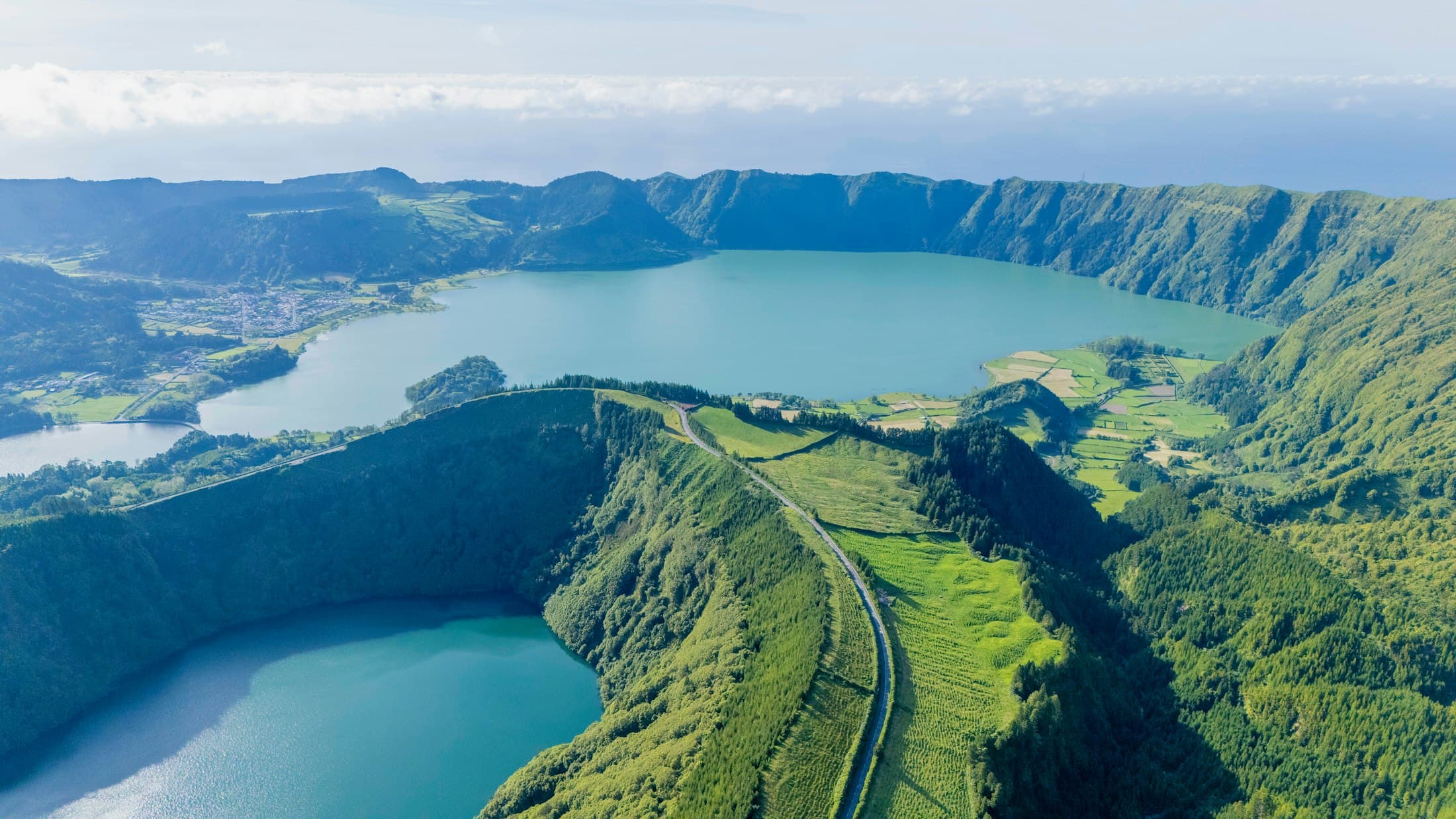 Sete CidadesA village on the floor of a crater, two lakes joined under a bridge, a neo-Gothic church at the end of an avenue of trees, and a mist that can take the whole view in minutes.
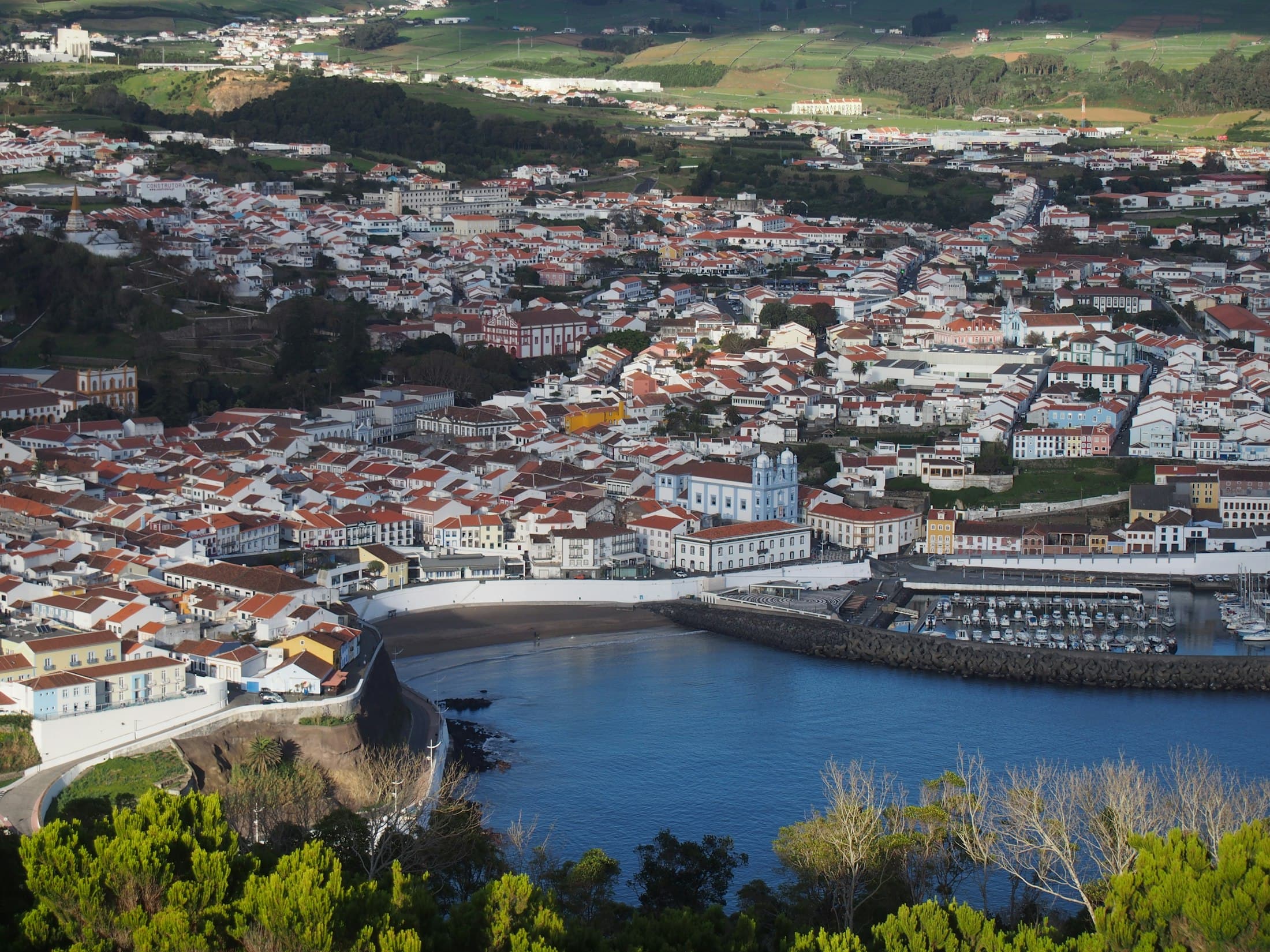 Angra do HeroísmoA UNESCO city on a bay closed by an old volcano: straight Renaissance streets, painted chapels, and a cathedral rebuilt after the earthquake of 1980.
Plan
Not sure yet?
The place, the date, the guests, the photos you like. Our concierge checks who is free and fits, and comes back with photographers to choose from.