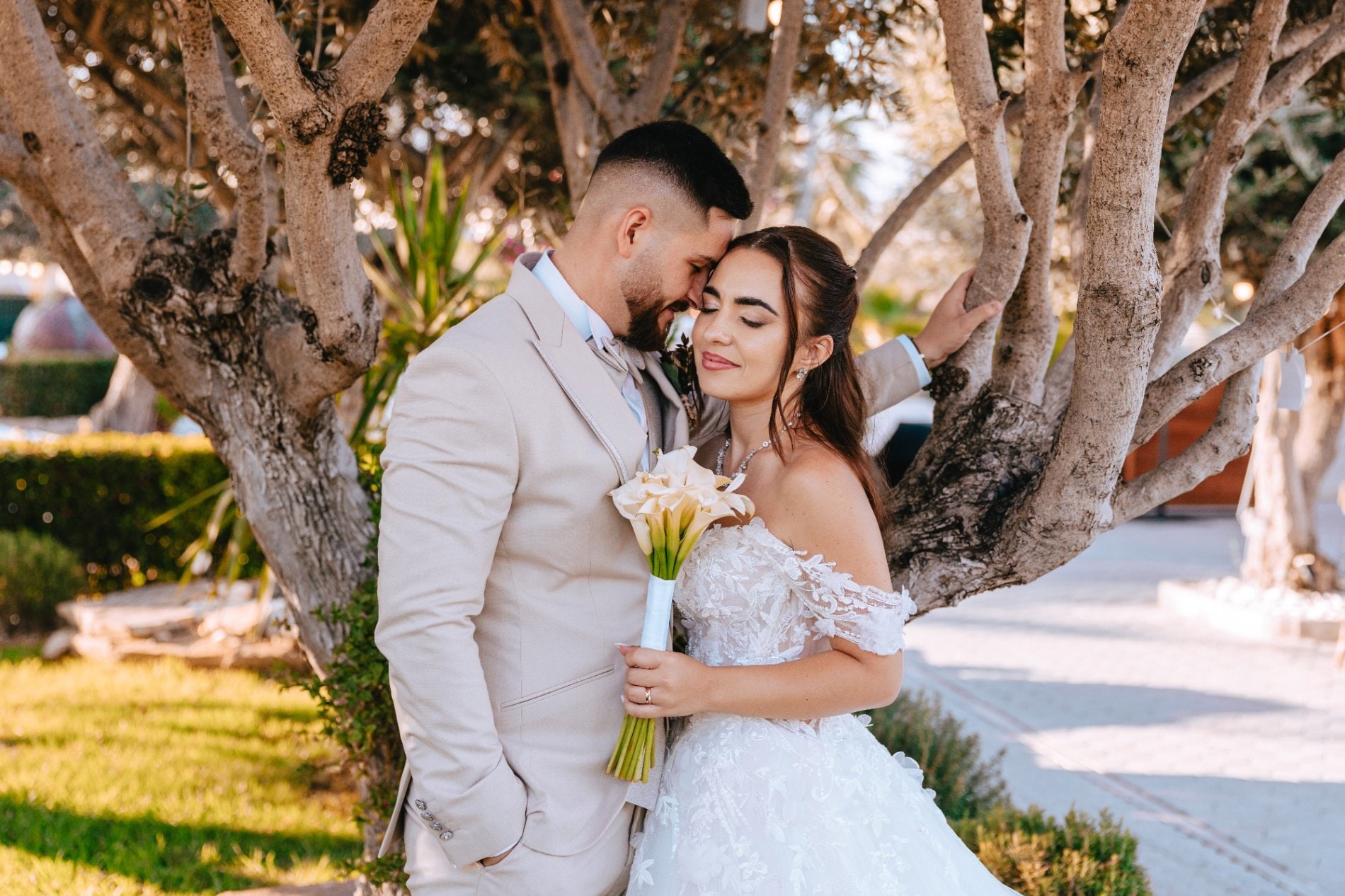
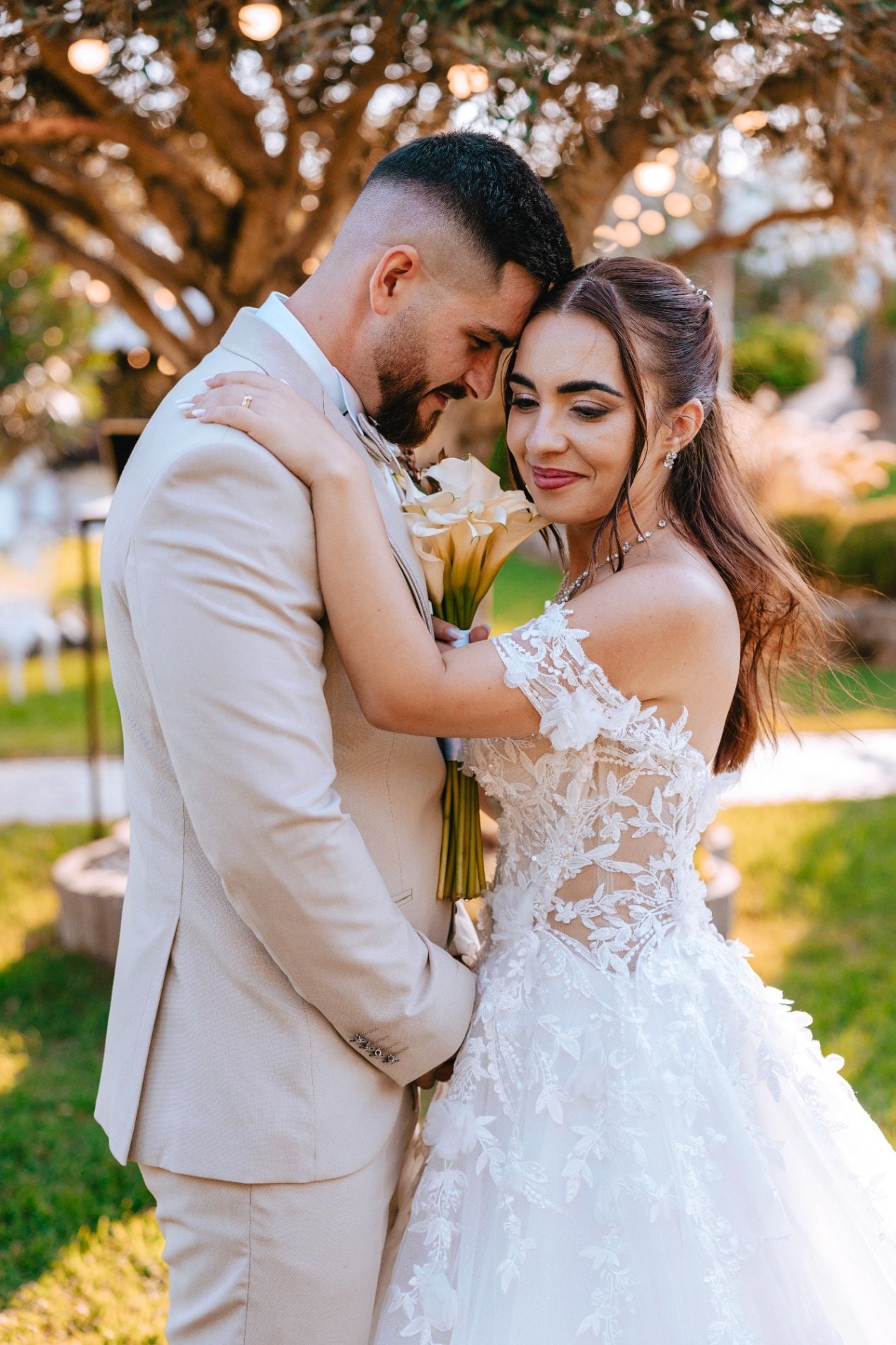
Founding photographerVerified — Identity verified by Lens & Vows
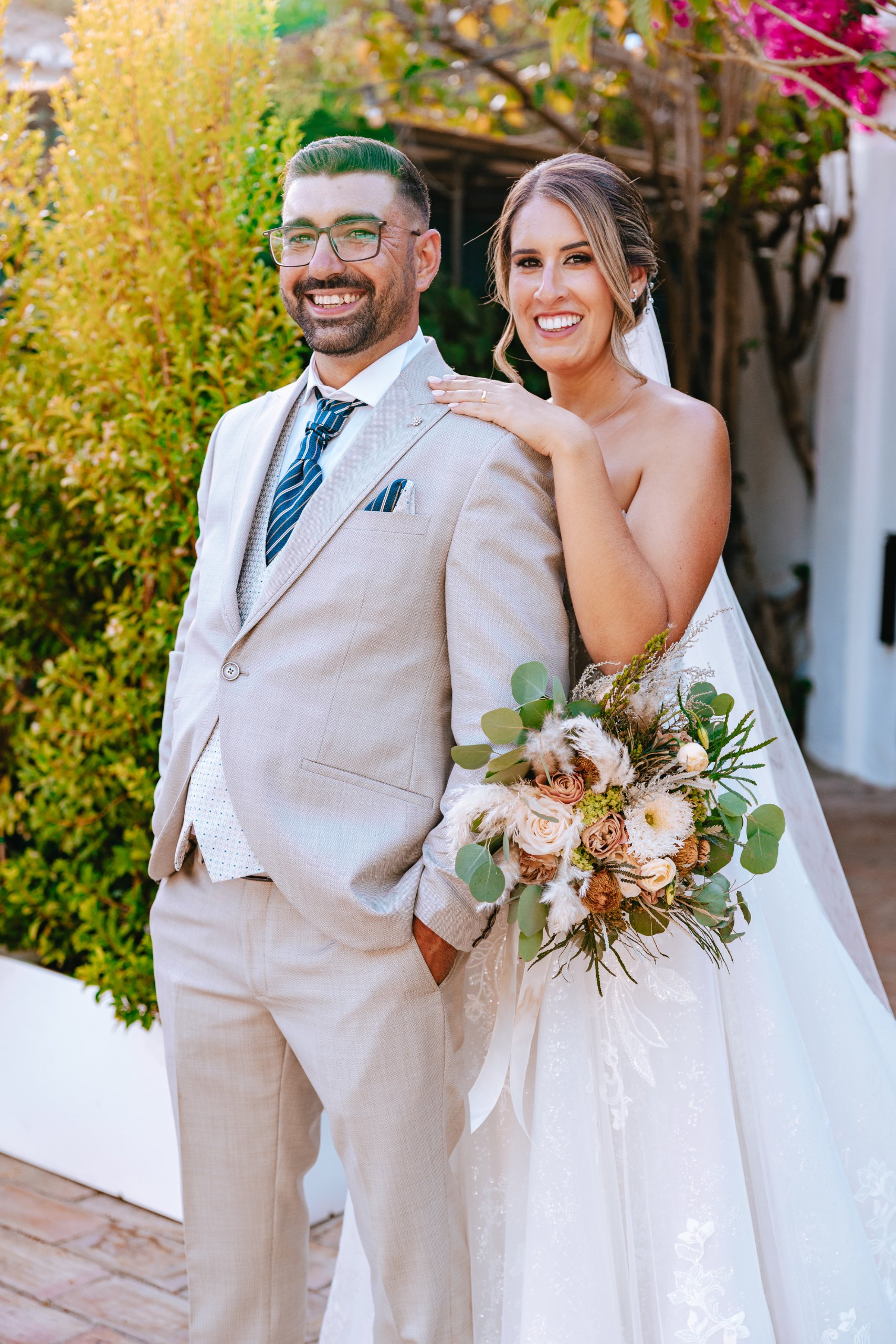
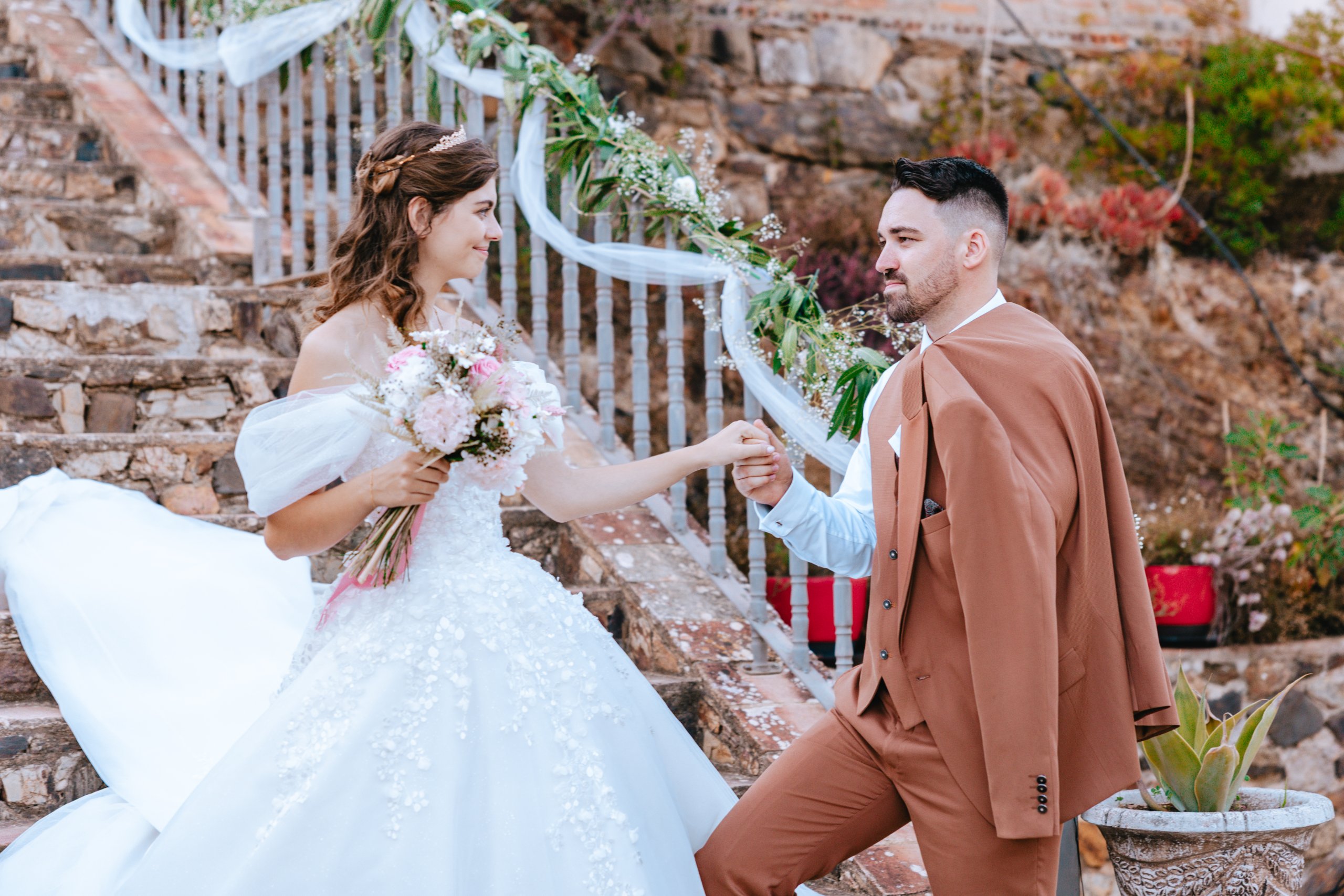
Isa M.from €2,400
Algarve, Alentejo · Documentary, EditorialWedding photographers in Portugal
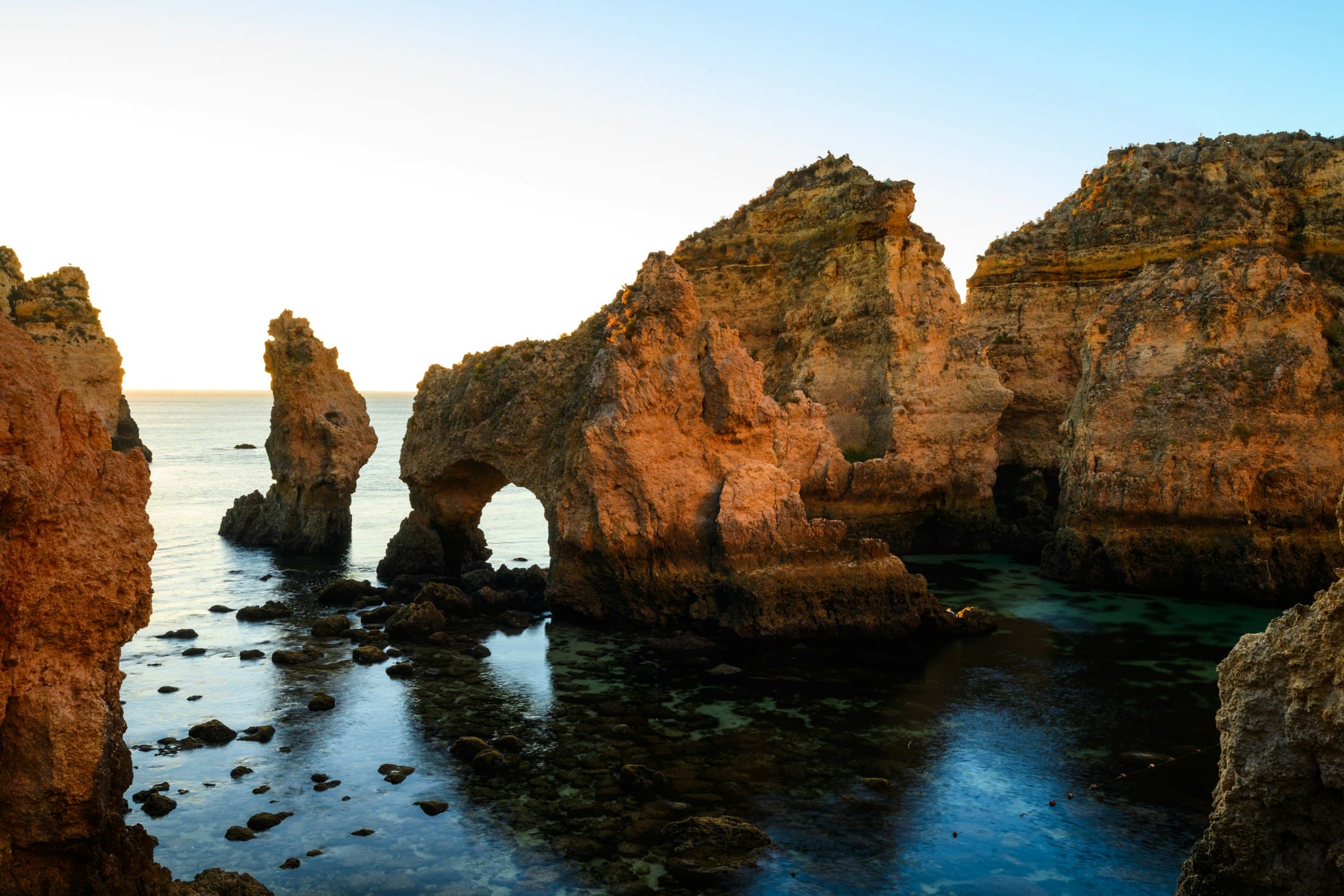
An old walled port in the western Algarve, where golden cliffs, sea stacks and grottoes begin a few hundred metres from the old centre.
Lagos sits at the mouth of the Bensafrim river, inside walls finished by the 14th century; it was a port of the Age of Discovery and the Algarve’s capital until the 1755 earthquake. Praia da Batata is a hundred metres from the historic centre, and from there the coves of the Costa d’Oiro run south to the rock arches of Ponta da Piedade.
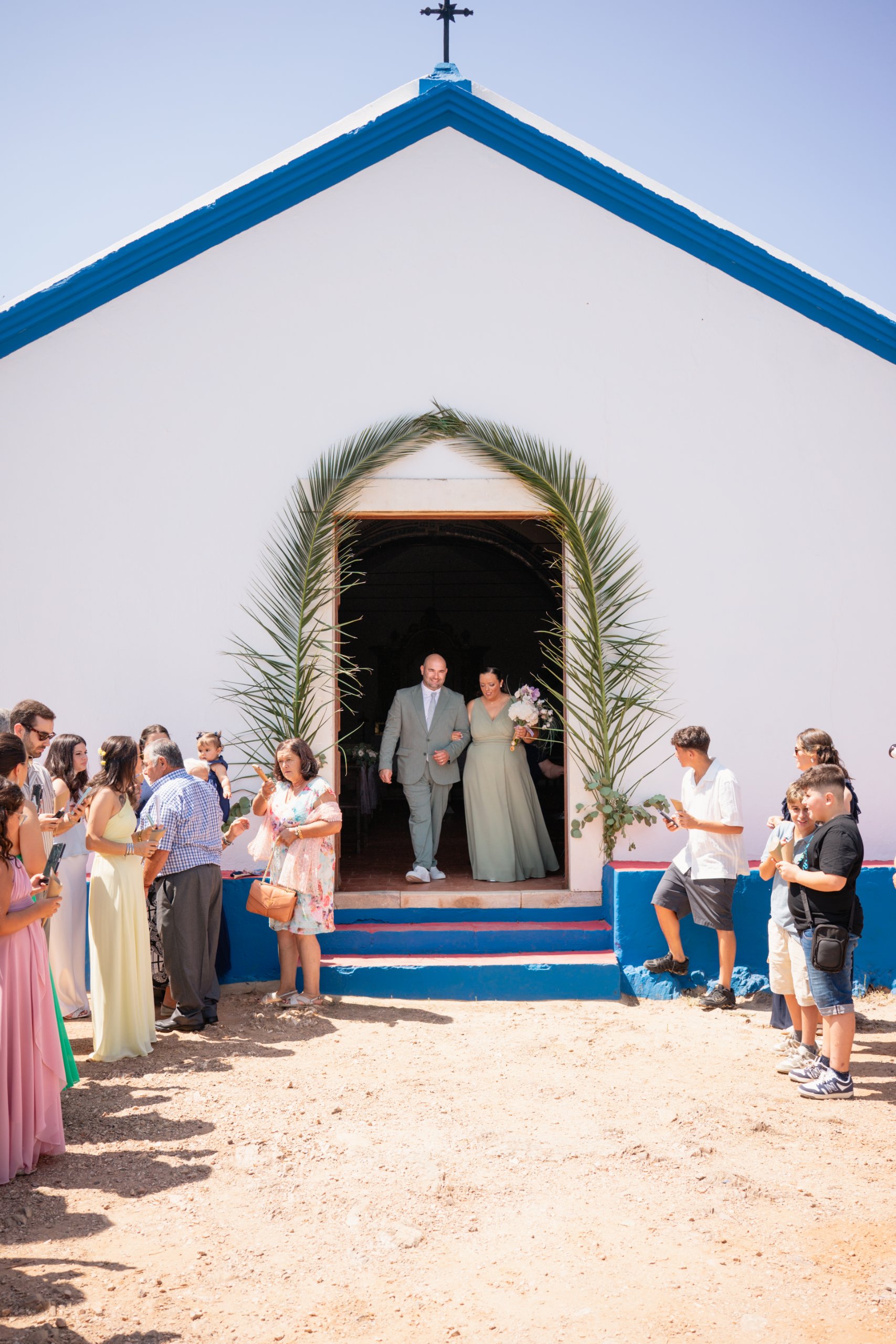
The day bends around that coast: a ceremony on an estate in the hills, in an old church or on the long sand of Meia Praia, then portraits on the headland’s boardwalks. The prettiest coves are reached only by long, narrow stairs, so plan around what — and who — can get down to the sand.
Photographers
They shoot everywhere in the Algarve — in Lagos too. Their whole weddings are on their pages.
See all 2 photographersCeremonies
On the ridges between Lagos and Praia da Luz, wedding estates such as Casa Monte Cristo look over farmland to the Monchique mountains and sleep up to 78 guests on site — quiet in high summer, the sea a short drive away.
More than four kilometres of sand curving round the bay to the Alvor estuary, behind a line of dunes — room for chairs and guests that the small coves never have. A ceremony on the sand needs the câmara’s permission.
Santa Maria, on Praça Infante D. Henrique, began in 1498 as the Misericórdia church and became the parish church after 1755; São Sebastião has been a national monument since 1924.
For an elopement, the viewpoints on Ponta da Piedade’s cliff-top boardwalks work best at sunrise, before the visitors. Anything put on the ground, from chairs to an arch, is a question for the câmara.
Portraits
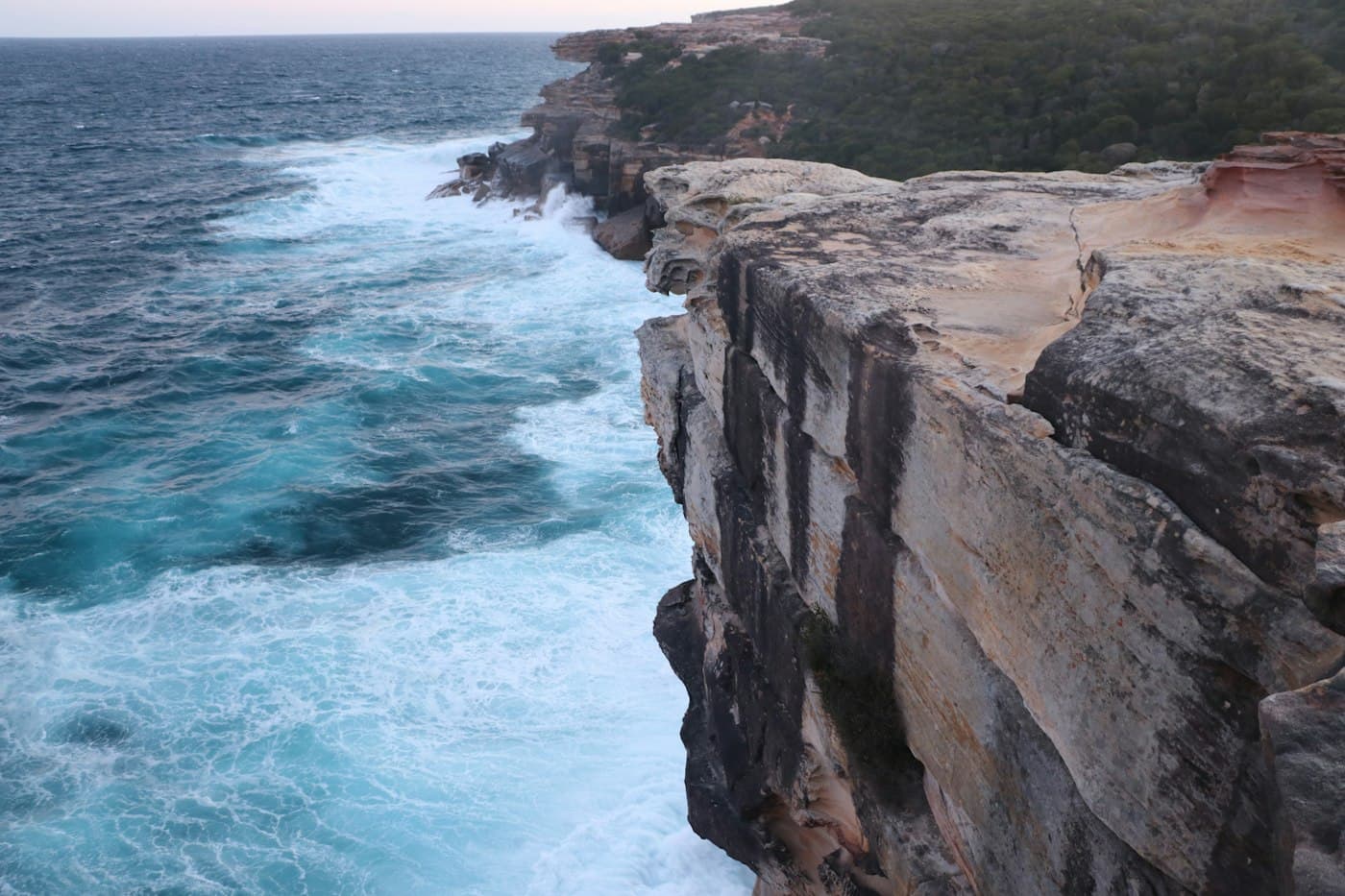
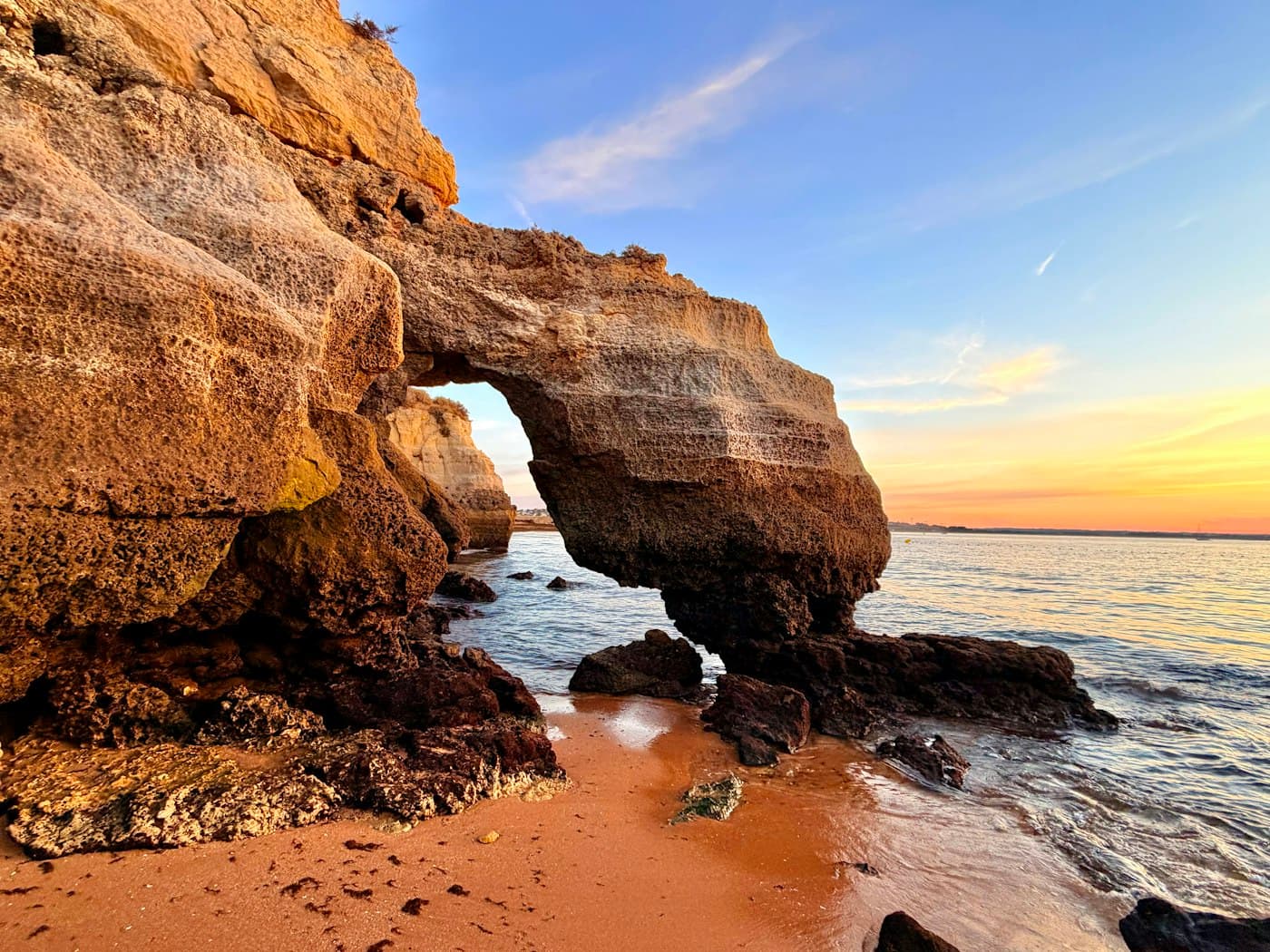
Golden rock up to about 20 metres high, stacks, arches and grottoes, a lighthouse from 1913, and a long stairway down to the boatmen who take visitors into the caves. Sunrise for an empty headland; the last hour before sunset for glowing rock.
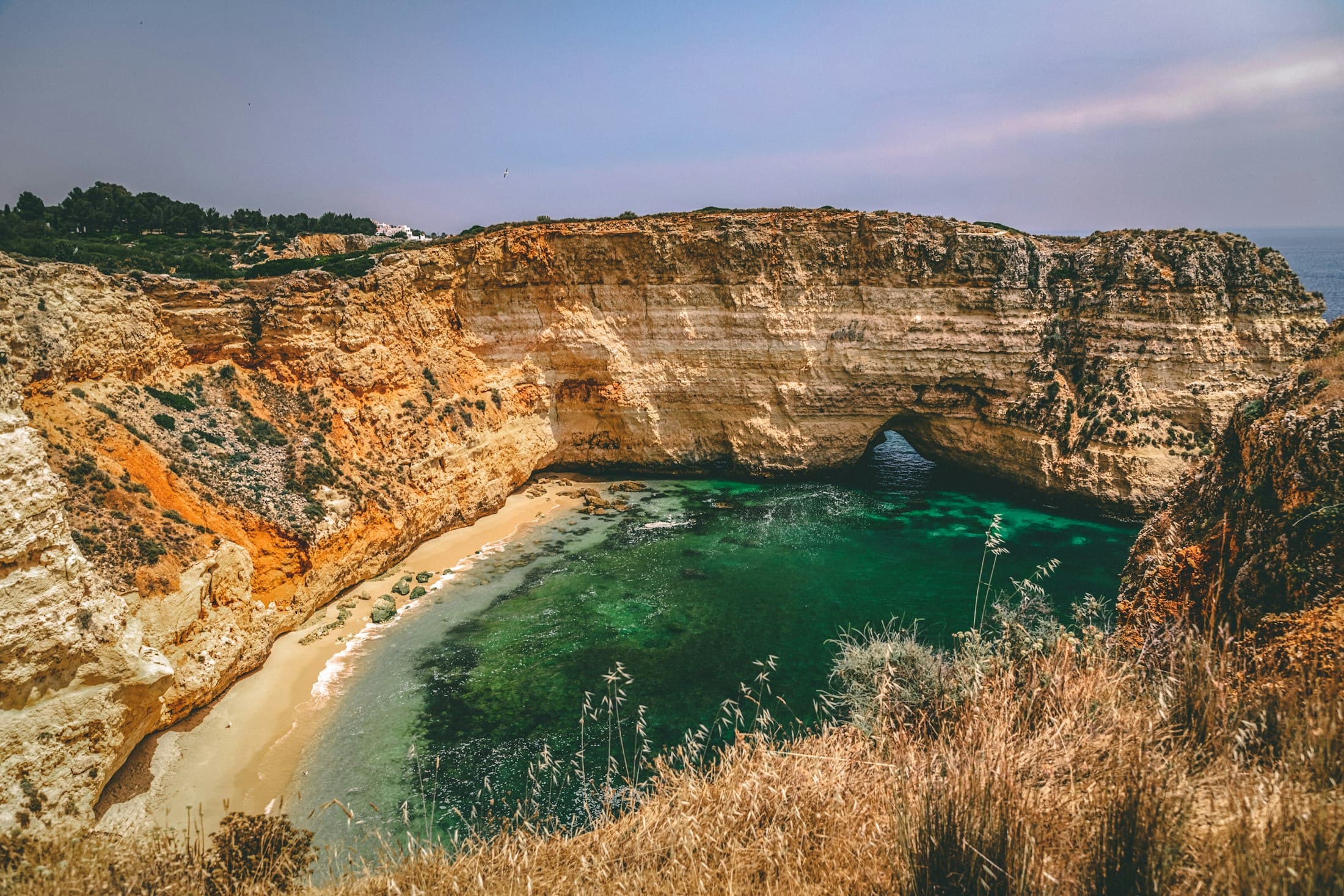
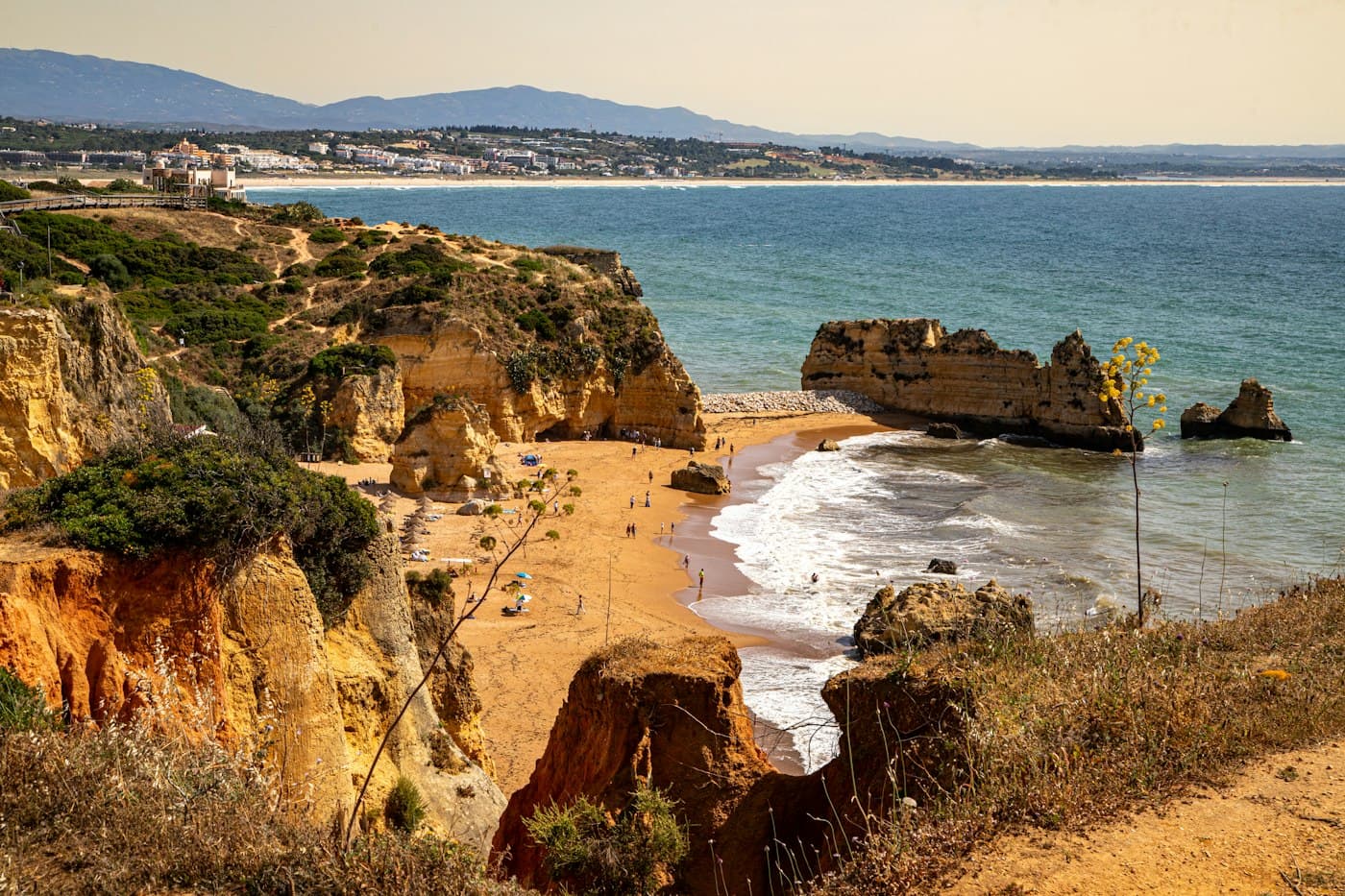
Two coves between cliffs — Dona Ana with blue-green water, Camilo shaped like a shell — reached only by long, winding stairs. Loveliest from the top in late light; going down in a long dress takes time.
The town walls and the 17th-century Ponta da Bandeira fort at the harbour mouth, beside Praia da Batata. Late afternoon, when the stone warms — and close enough to fit between the ceremony and dinner.
The beach faces south and east, so the sun sets over the land here, not the sea. Come for long, soft light along the water and the dunes rather than a sunset on the horizon.
Through the year
Lagos has no IPMA normal of its own; the stations either side are Praia da Rocha in Portimão (1971–2000) and Sagres (1991–2020). Average highs: 24.7 and 23.9 °C in June, 28.2 and 25.9 °C in August, 25.6 and 24.9 °C in September. June to August see about one rainy day a month or fewer; October brings the rain back (5.7 and 6.7 days). May, June, September and early October are the easiest months; July and August are hot, and the beaches full.
Algarve, month by month
Practical
Lagos is 90 km from Faro airport by the A22 and about 300 km from Lisbon. The train station, at the end of the Algarve line, is by the marina. Estates in the hills need cars or a shuttle.
The câmara’s 2024 access regulation says the stairs to Dona Ana and Camilo are wide enough to pass safely only without bulky equipment. Chairs, arches and sound belong on a beach you can walk onto, like Meia Praia; at the coves, plan portraits.
Ask the Câmara Municipal de Lagos, which has managed the beaches since 2020, then the Capitania do Porto de Lagos. The bathing season runs from 1 June to 30 September unless set otherwise.
A civil wedding goes through a Conservatória do Registo Civil, and by agreement the registrar can marry you at your venue. For a Catholic wedding, your home diocese sends the file to the Diocese of the Algarve — don’t carry it yourselves.
Questions
Yes, with permission from the Câmara Municipal de Lagos and the Capitania do Porto de Lagos for anything set up on the sand. Meia Praia is the practical choice; the small coves are reached only by stairs.
Not for portraits: the paths and viewpoints are public, and a couple with a photographer uses them like any visitor. A ceremony set-up is a question for the câmara; a drone needs ANAC registration and the Autoridade Aeronáutica Nacional’s authorisation.
June or September. The nearest IPMA stations average highs of 23.9–24.7 °C in June and 24.9–25.6 °C in September, with rain on fewer than three days a month. August is the hottest and busiest.
In principle, yes: the Diocese of the Algarve runs weddings for foreign couples with the ceremony in English. The parish priest decides whether to accept a couple from outside the parish, and your home diocese sends the file.
Plan
Not sure yet?
The place, the date, the guests, the photos you like. Our concierge checks who is free and fits, and comes back with photographers to choose from.