Founding photographerVerified — Identity verified by Lens & Vows

Olha S.from €750
French Riviera, Provence · Documentary, Fine artWedding photographers in France
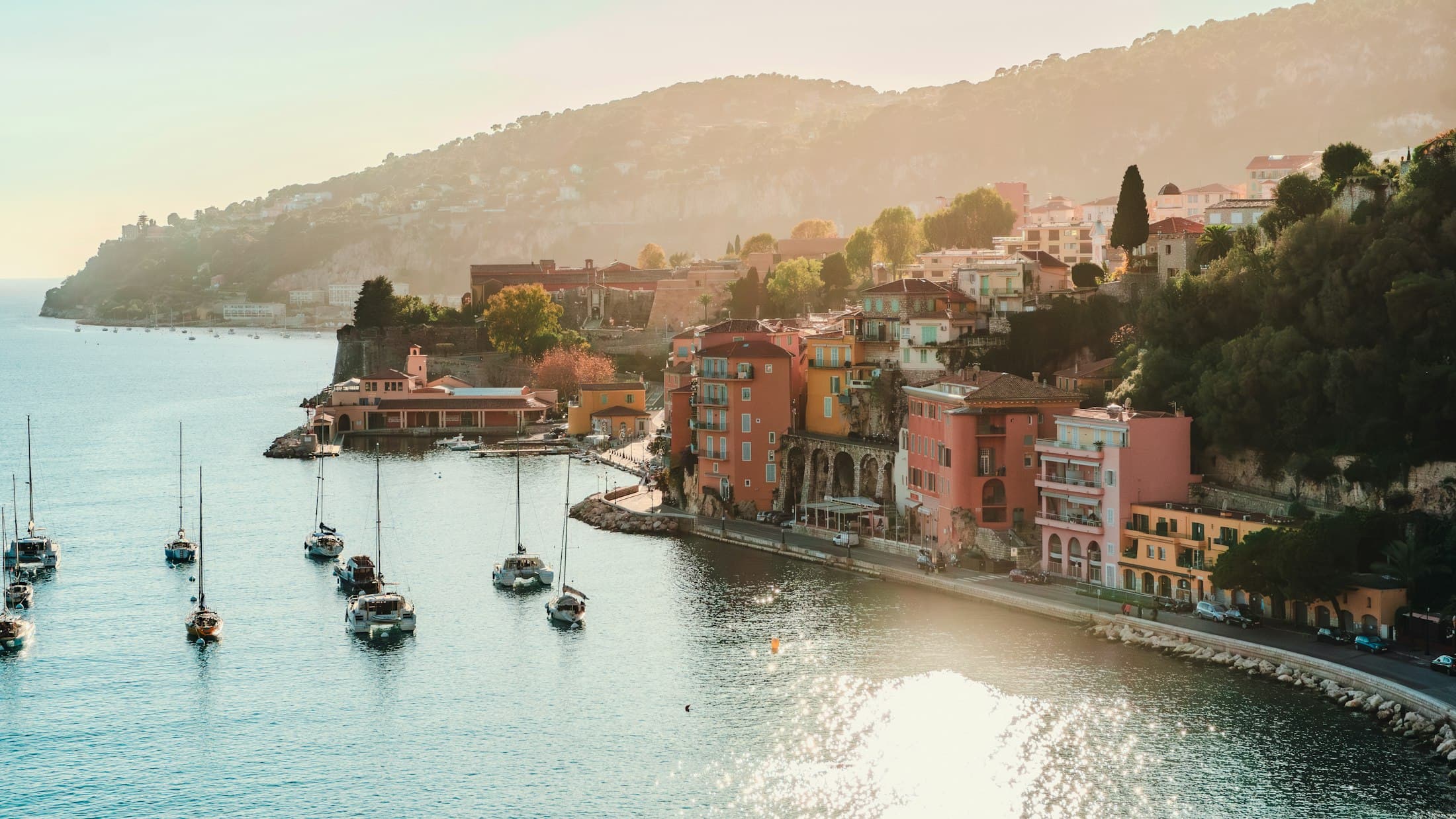
Belle Époque villas, palm trees and perched villages between Saint-Tropez and Italy, with the mountains rising straight behind the sea.
The French Riviera — the Côte d’Azur — runs east from Saint-Tropez, past Saint-Raphaël, the red rocks of the Estérel, Cannes, Antibes and Nice, to Menton at the Italian border. The Alps come down almost to the water here, so the coast is a run of bays and capes, with old villages perched on the hills above. Between Nice and Menton lies Monaco — a separate country, with its own rules for weddings — and Riviera photographers work there too: around the harbour, up on the Rock and in its gardens.
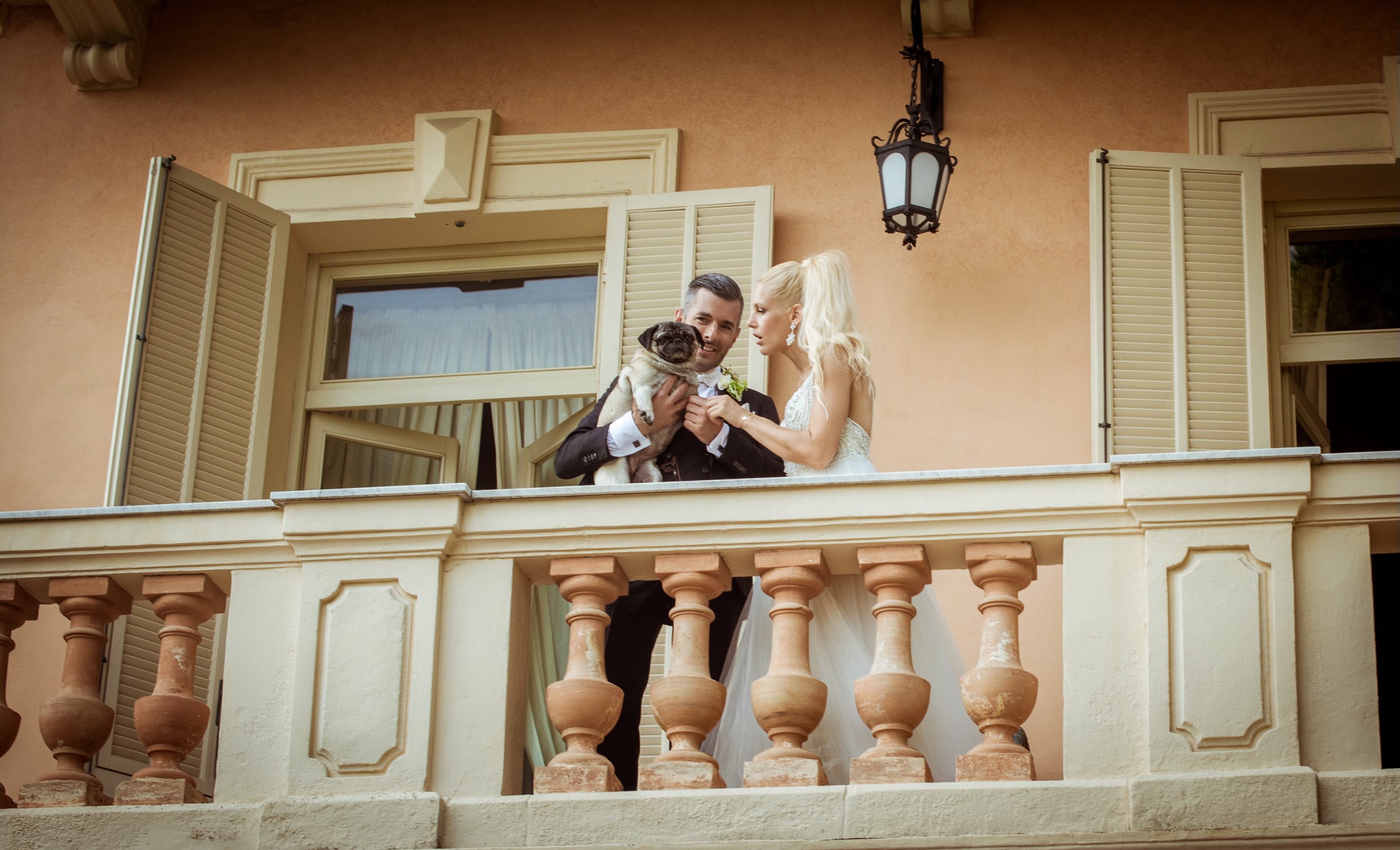
A Riviera wedding means a villa garden over the sea, a hotel terrace or a beach club, or a ceremony in a hilltop village — and dinner outside as the lights come on along the bay.
Photographers
They shoot here and know the light. Their whole weddings are on their pages.
See all 3 photographers

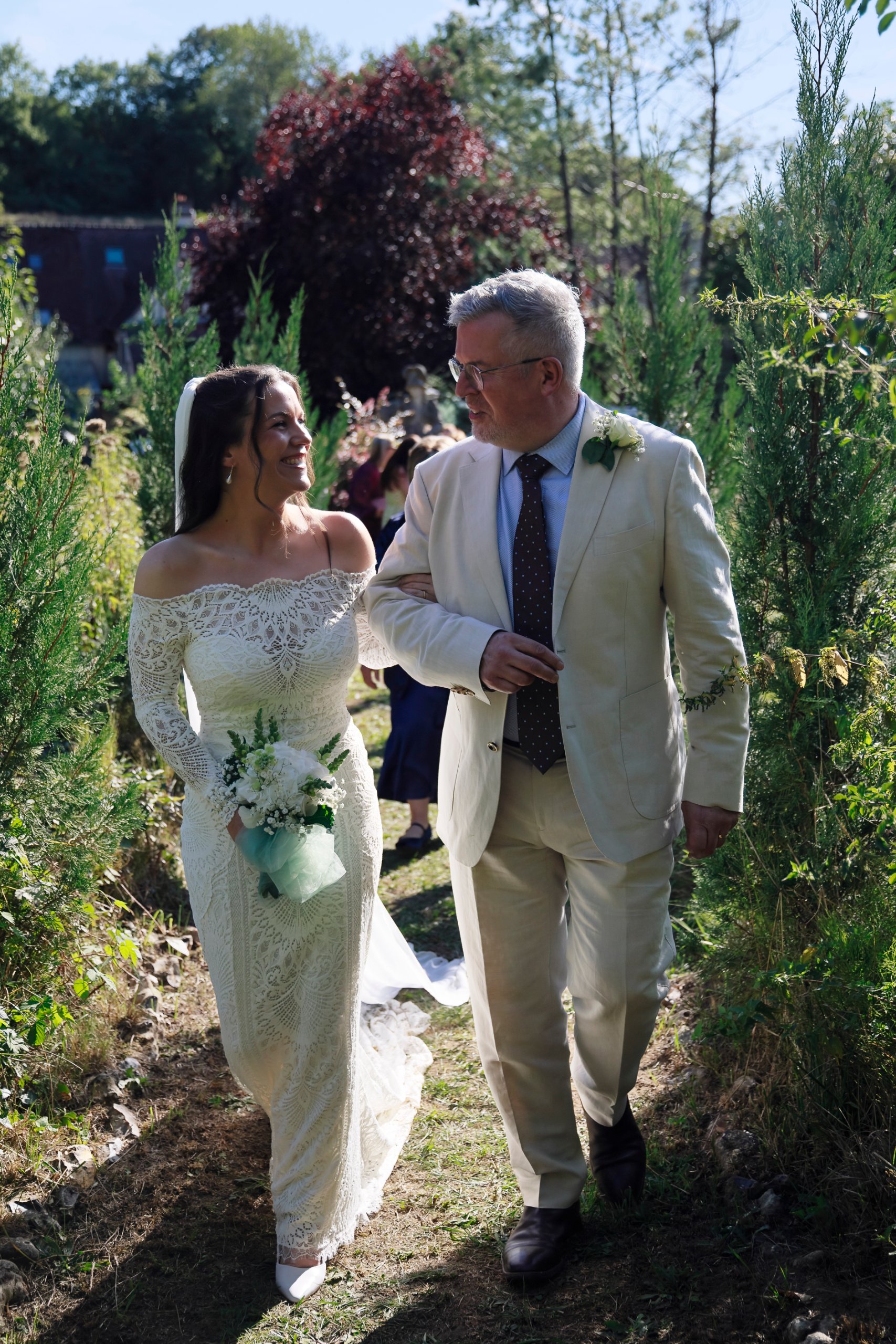
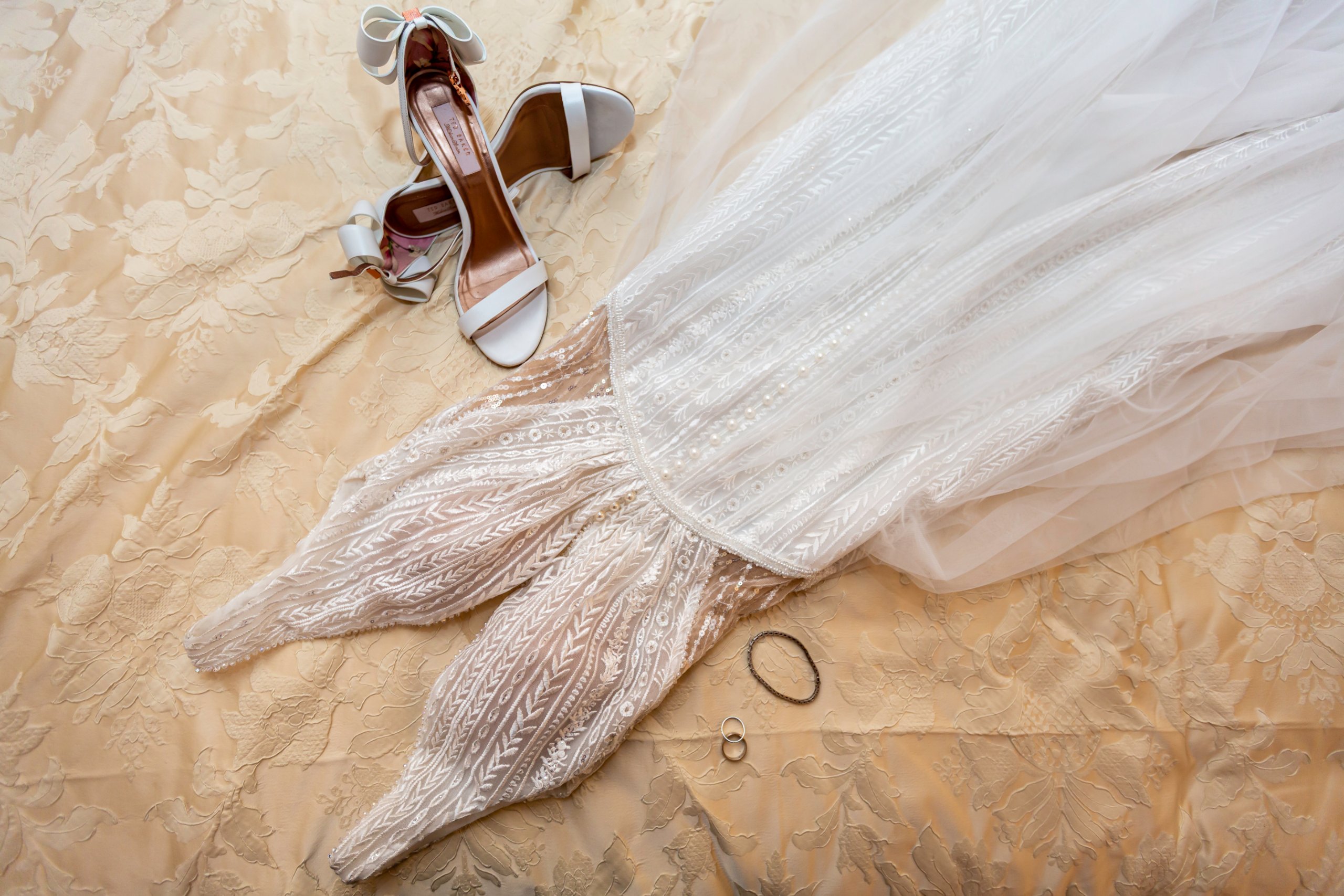
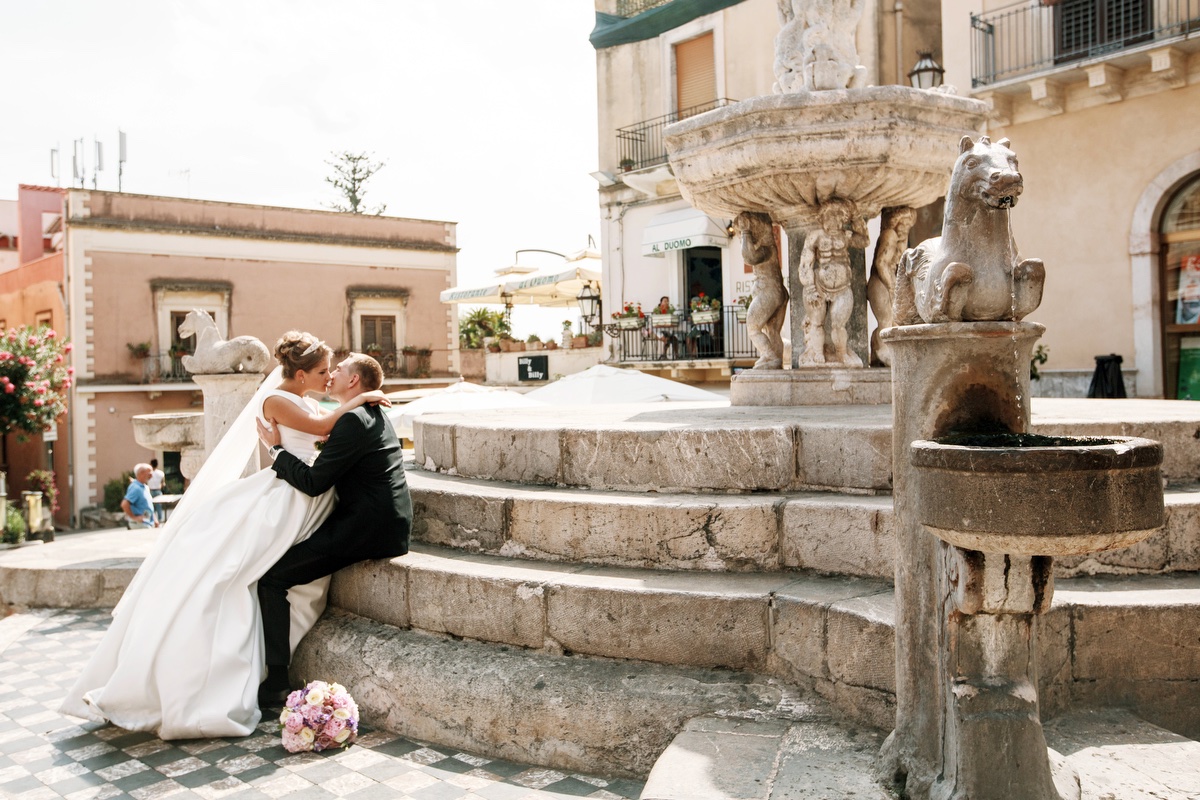

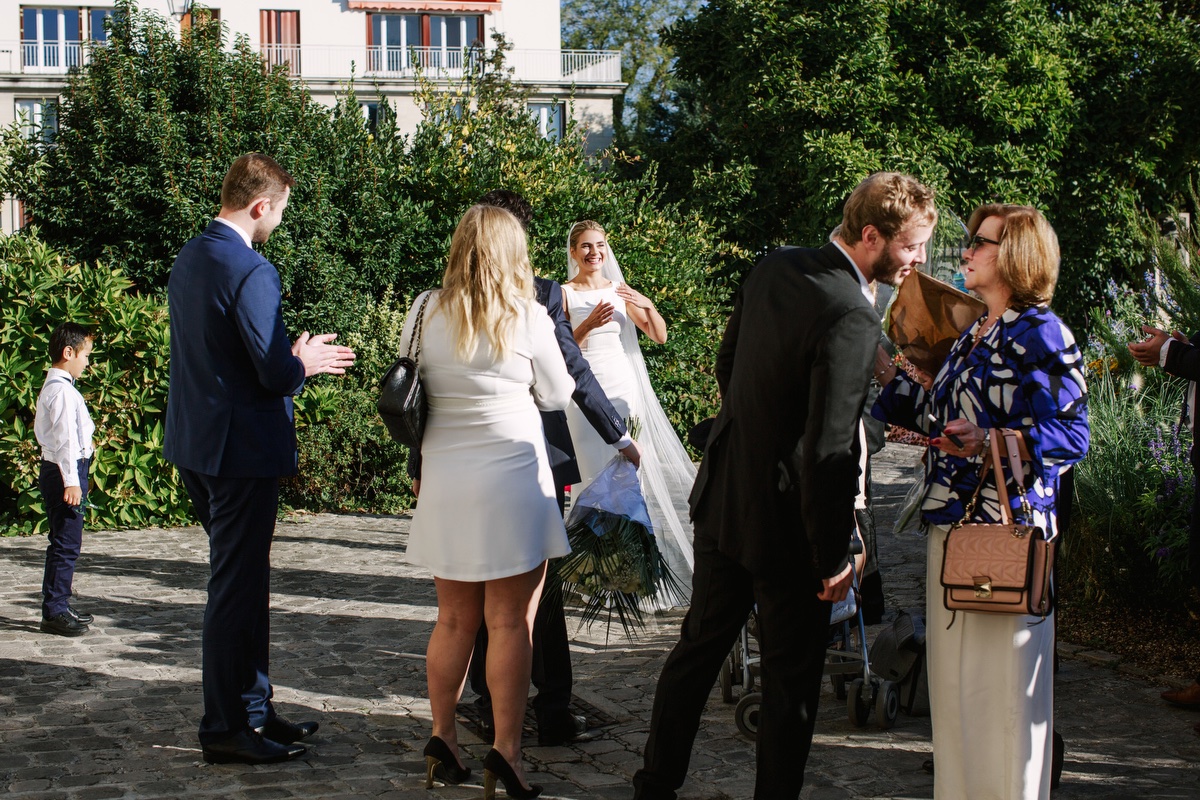

Through the year
May, June and September are warm, with a sea good for swimming from June and still warm in September. July and August are hot, dry and crowded, and the coast road is slow. October and November bring the year’s heaviest rain, in short storms; in May the film festival fills Cannes for nearly two weeks.
Weather station: Nice, normals 1991–2020 · Checked 13 October 2026
Places
The kinds of places — ask your photographer which ones they know well.
Belle Époque villas on the capes, with terraced gardens, palms and the bay below — the classic Riviera ceremony.
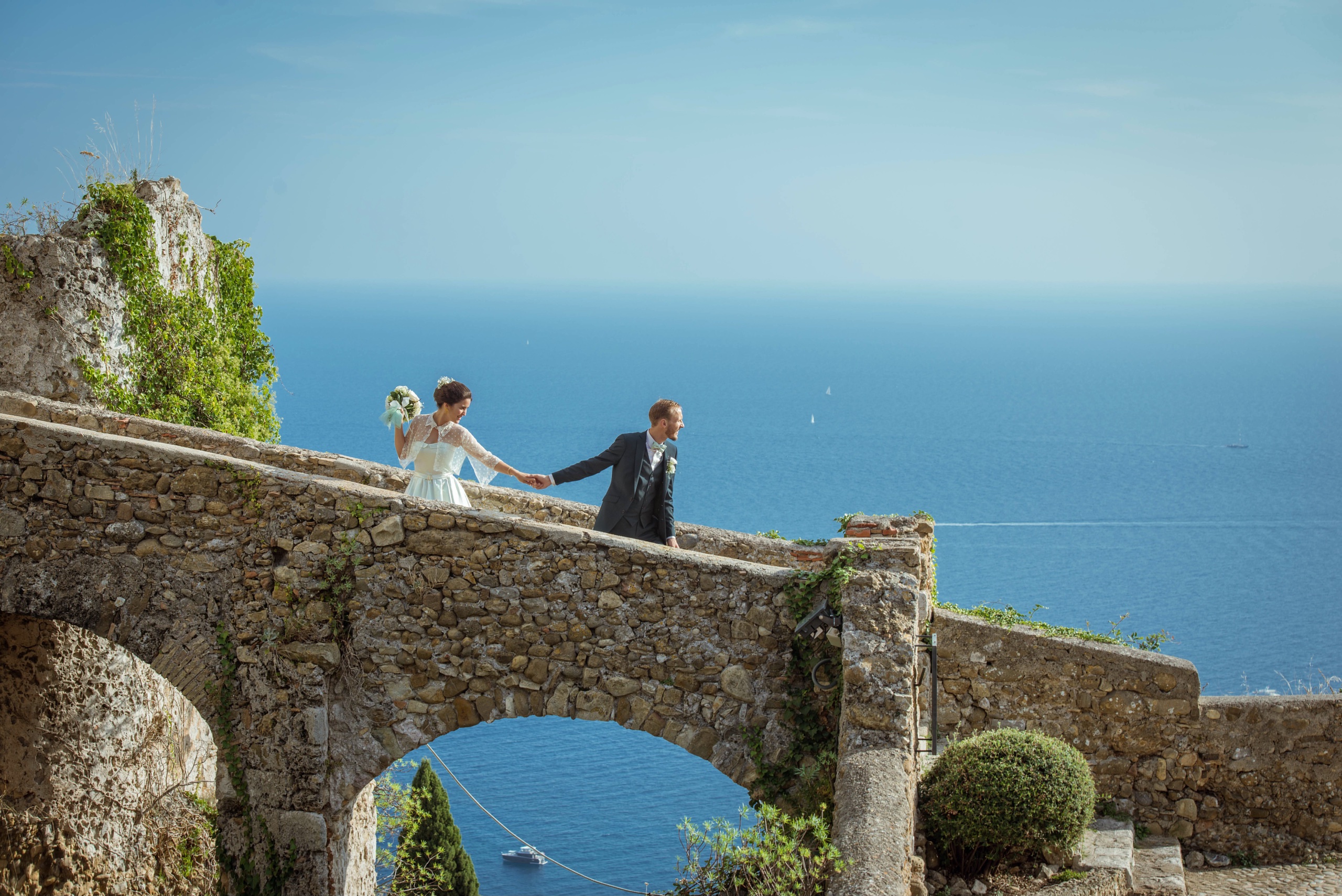
Medieval villages on the hilltops behind the coast: a chapel or a small square, stone lanes, and the sea far below.
A ceremony on a lawn by the water, dinner on a terrace, and dancing with your feet in the sand.
Red porphyry rock falling into small coves between Saint-Raphaël and Cannes, a favourite for elopements and portraits; inland, olive groves and old farmhouses in the hills.
Towns
Each with a page of its own: where couples marry there, where to take portraits, the practical side.
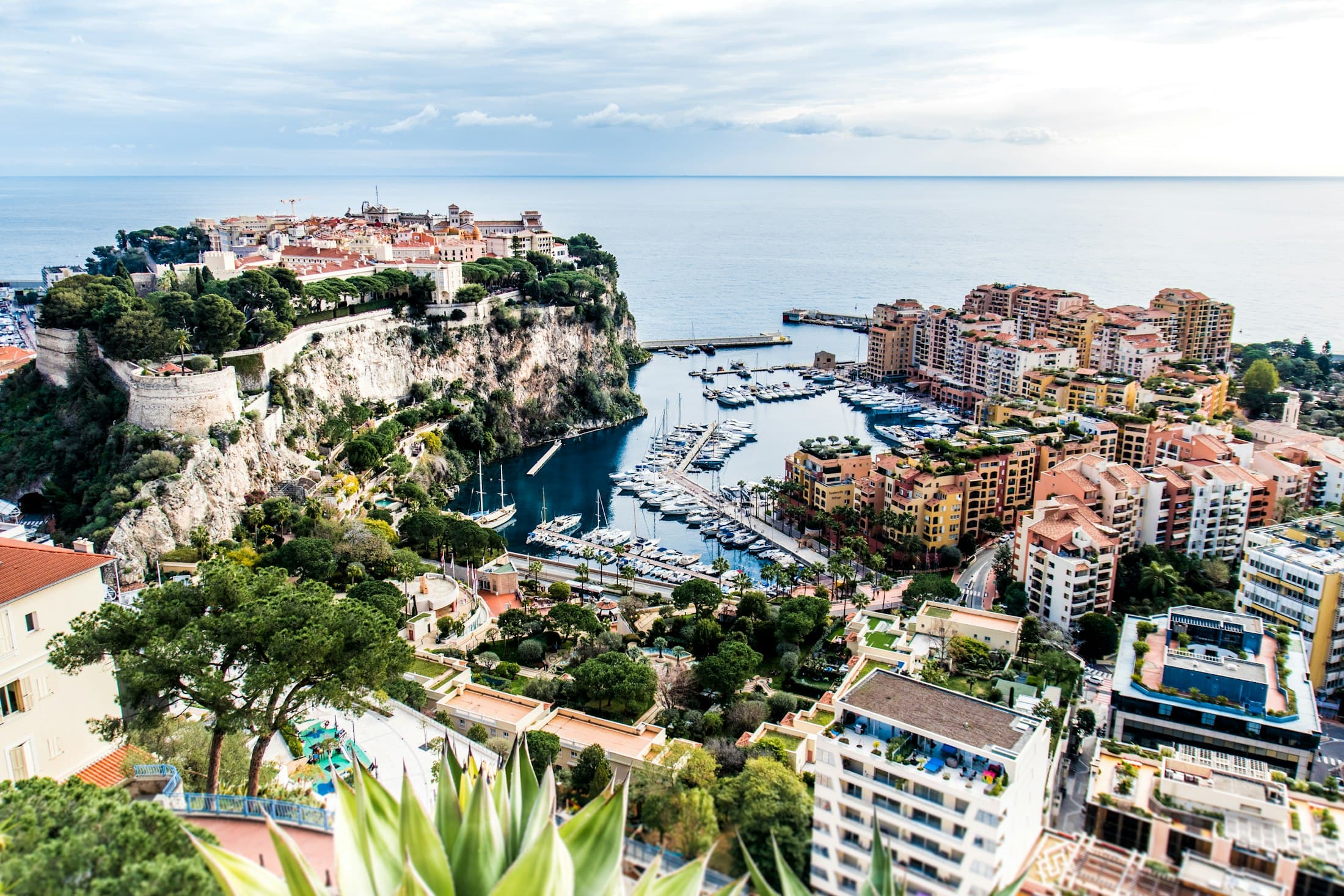 MonacoA sovereign principality of about two square kilometres: the Rock and its palace on one side of the harbour, Monte-Carlo on the other.
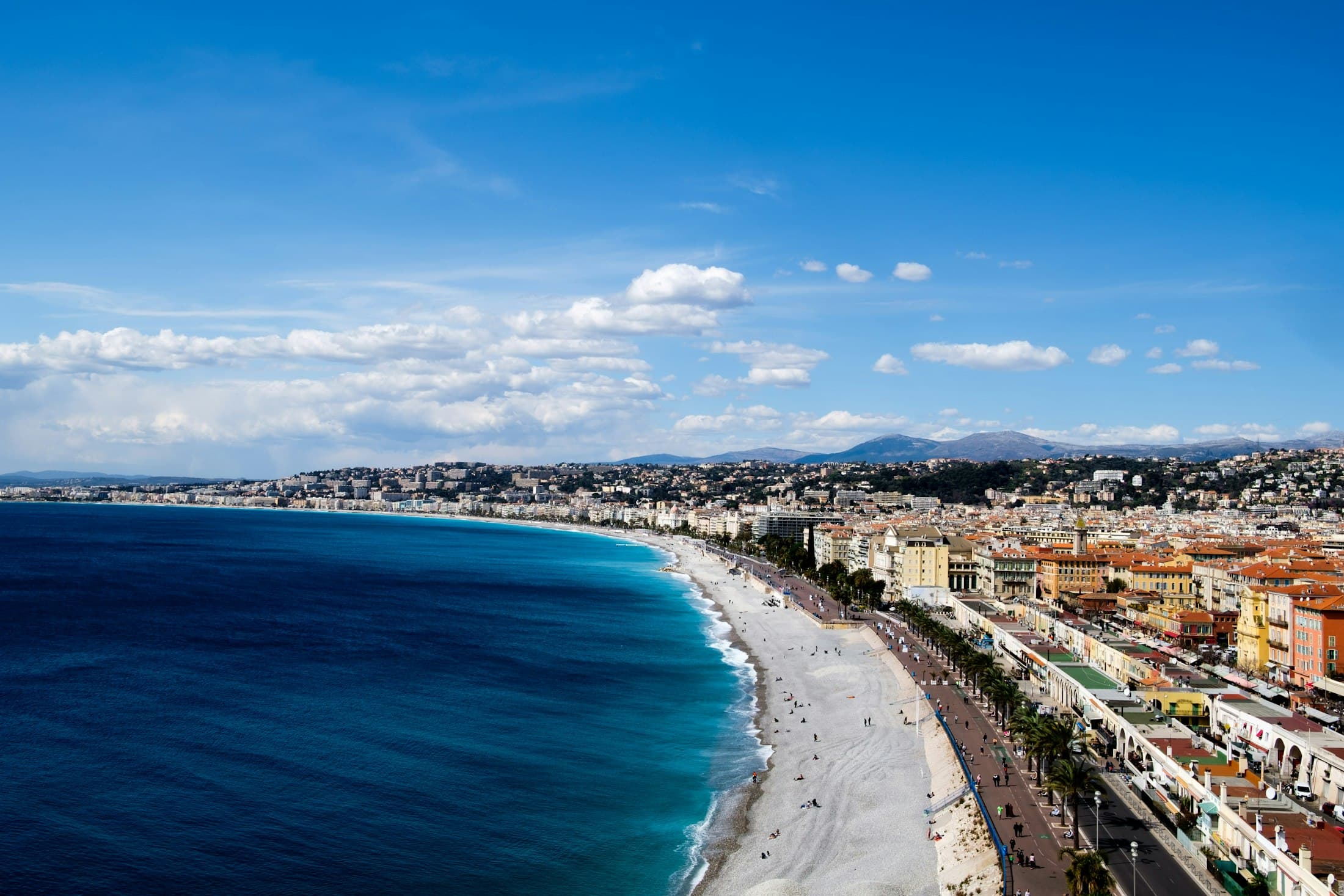 NiceA Belle Époque winter resort turned year-round city: the curve of the Baie des Anges, ochre lanes in the old town and a wooded hill above both.
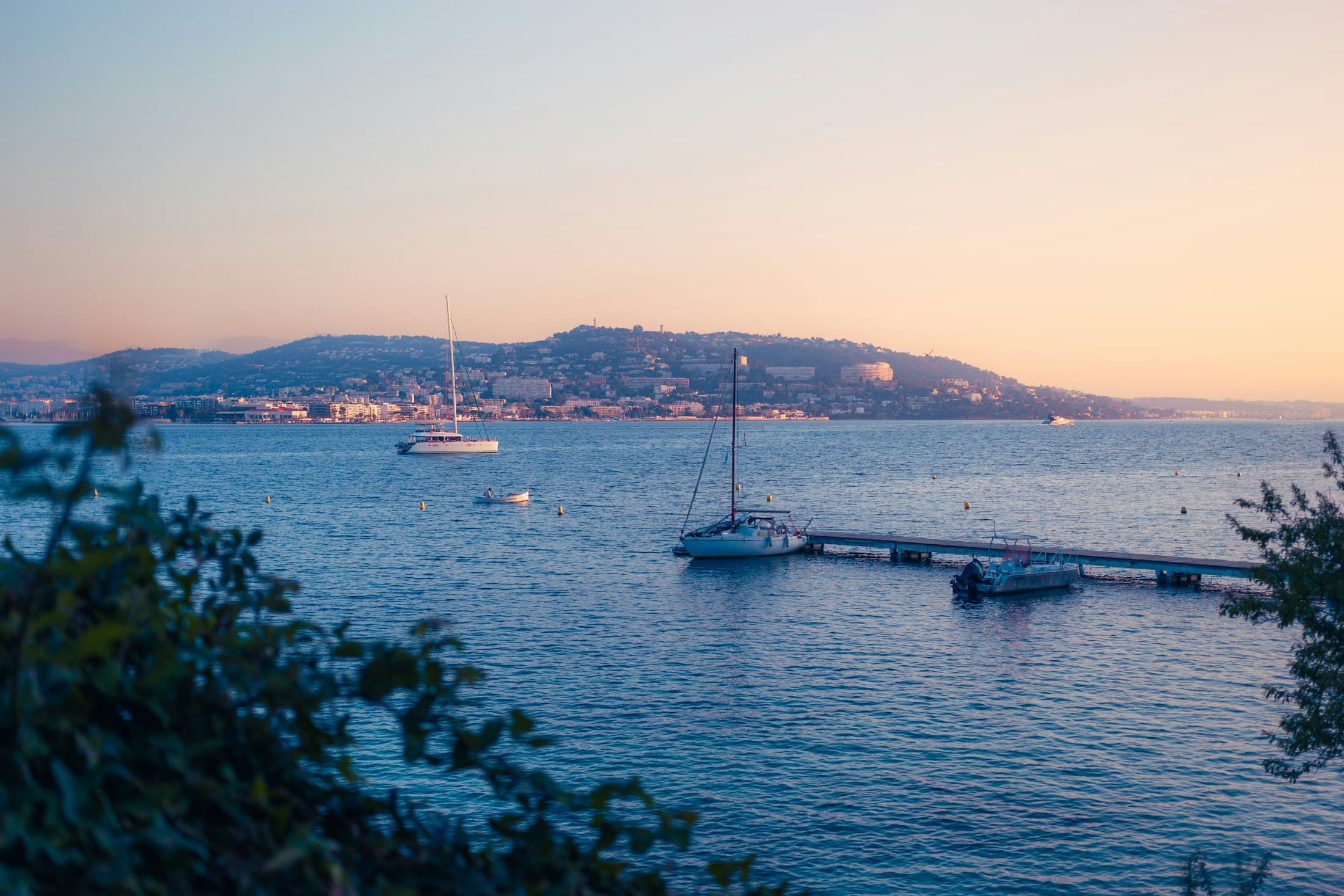 CannesAn old hill town above a yacht harbour, a bay of sand and palms, and two wooded islands a short boat ride away.
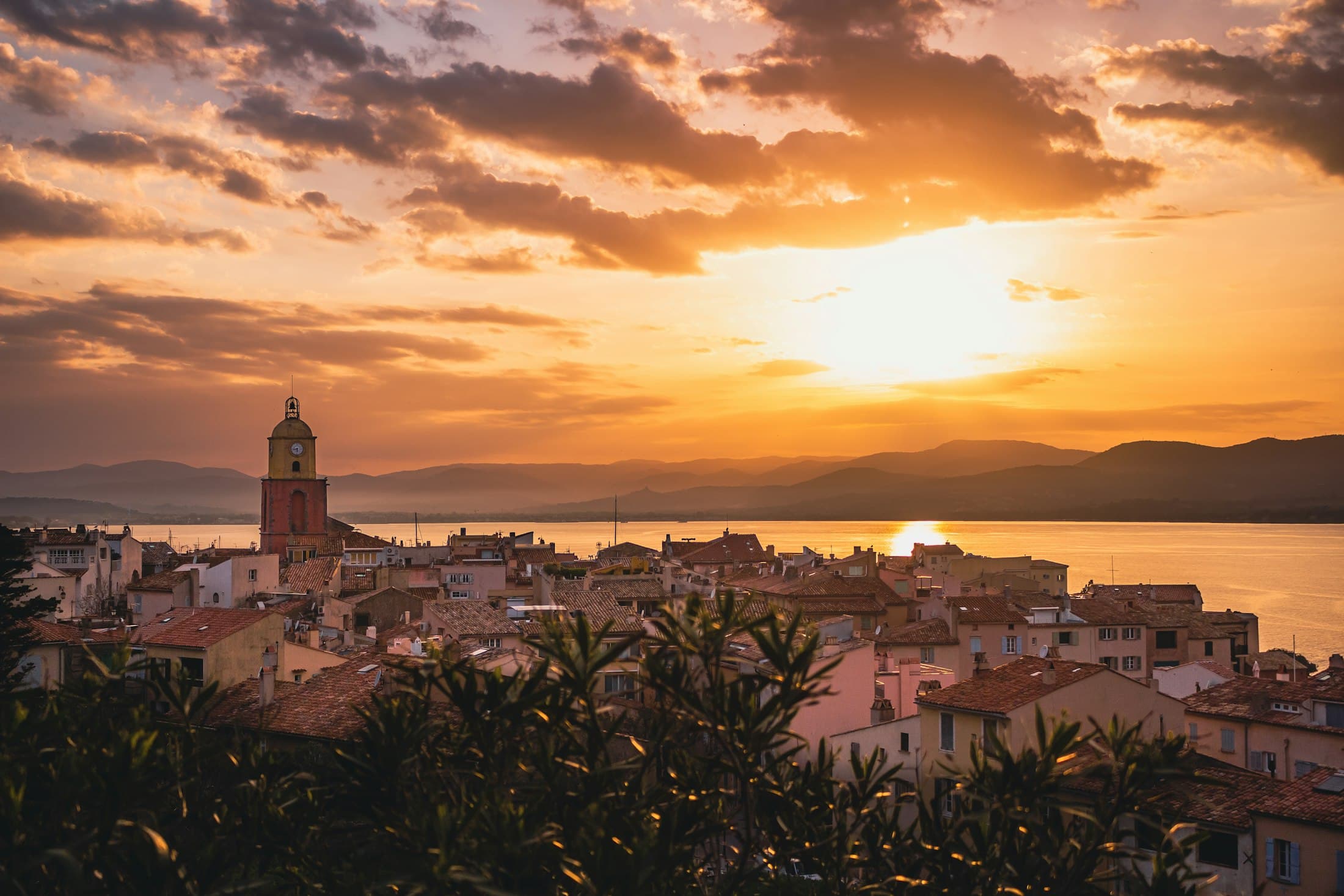 Saint-TropezA fishing port turned legend at the end of its own peninsula: pastel houses on the quay, an ochre bell tower, a citadel on the hill and sand around the cape.
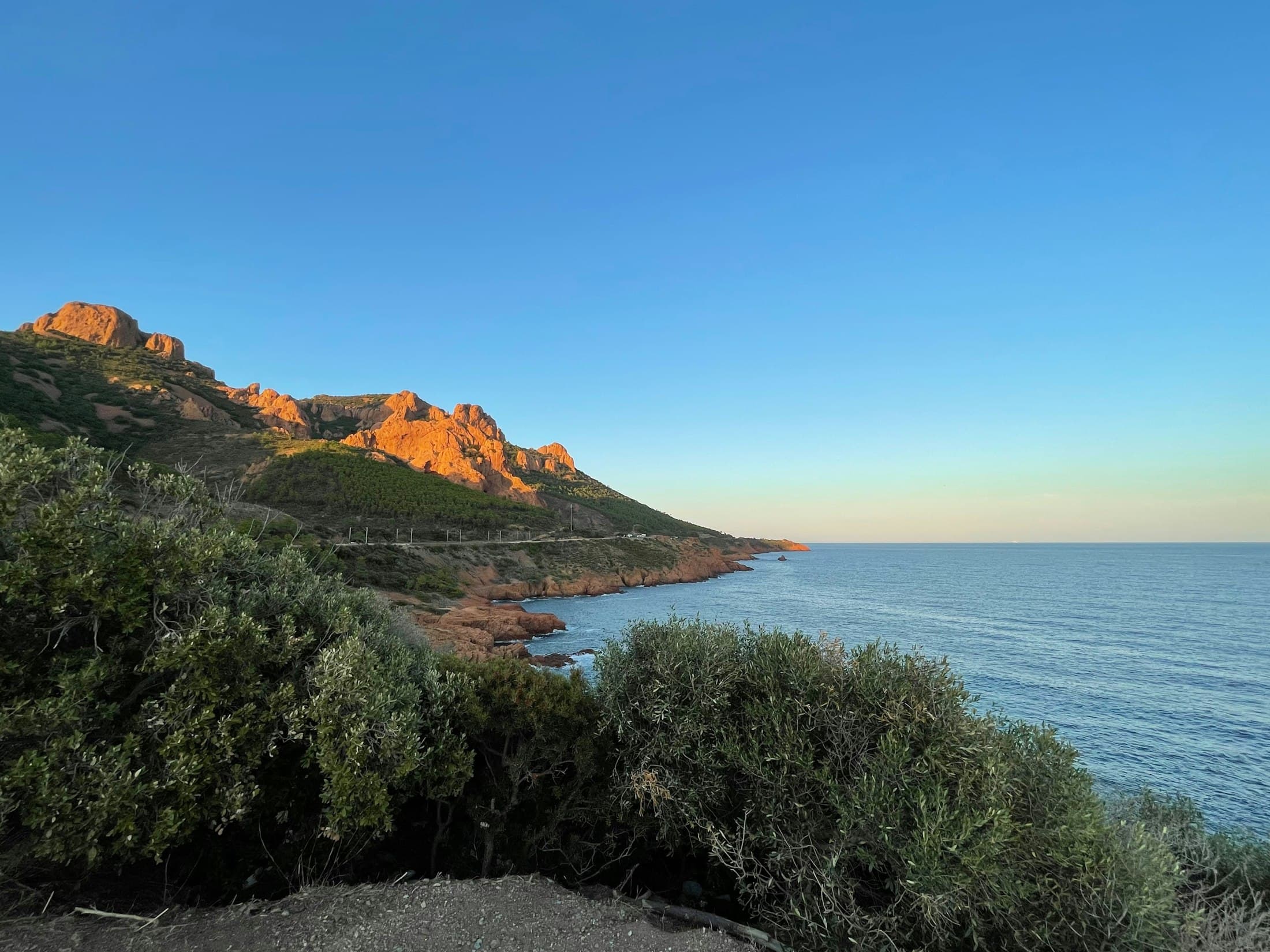 Saint-Raphaël & the EstérelRed volcanic rock dropping into a blue sea: a seaside town with a Byzantine-style basilica and, east of it, the wild coast of the Estérel.
Light
Matisse stayed in Nice for this light: clear and bright, thrown back by the sea onto pale walls. The coast faces south, so in summer the sun sets over the hills rather than into the water, and the sky above the bay turns pink after it. Midsummer middays are glaring — portraits belong to the early morning and the last hour.
Travel
Fly into Nice, which has direct flights from across Europe; Cannes, Monaco and Menton are each under an hour away by car or by train along the coast. The fast train from Paris takes about six hours. In July and August, allow for traffic.
Real weddings
Plan
France