Founding photographerVerified — Identity verified by Lens & Vows


Natalia D.from €1,400
Paris, Provence +6 · RomanticWedding photographers in France
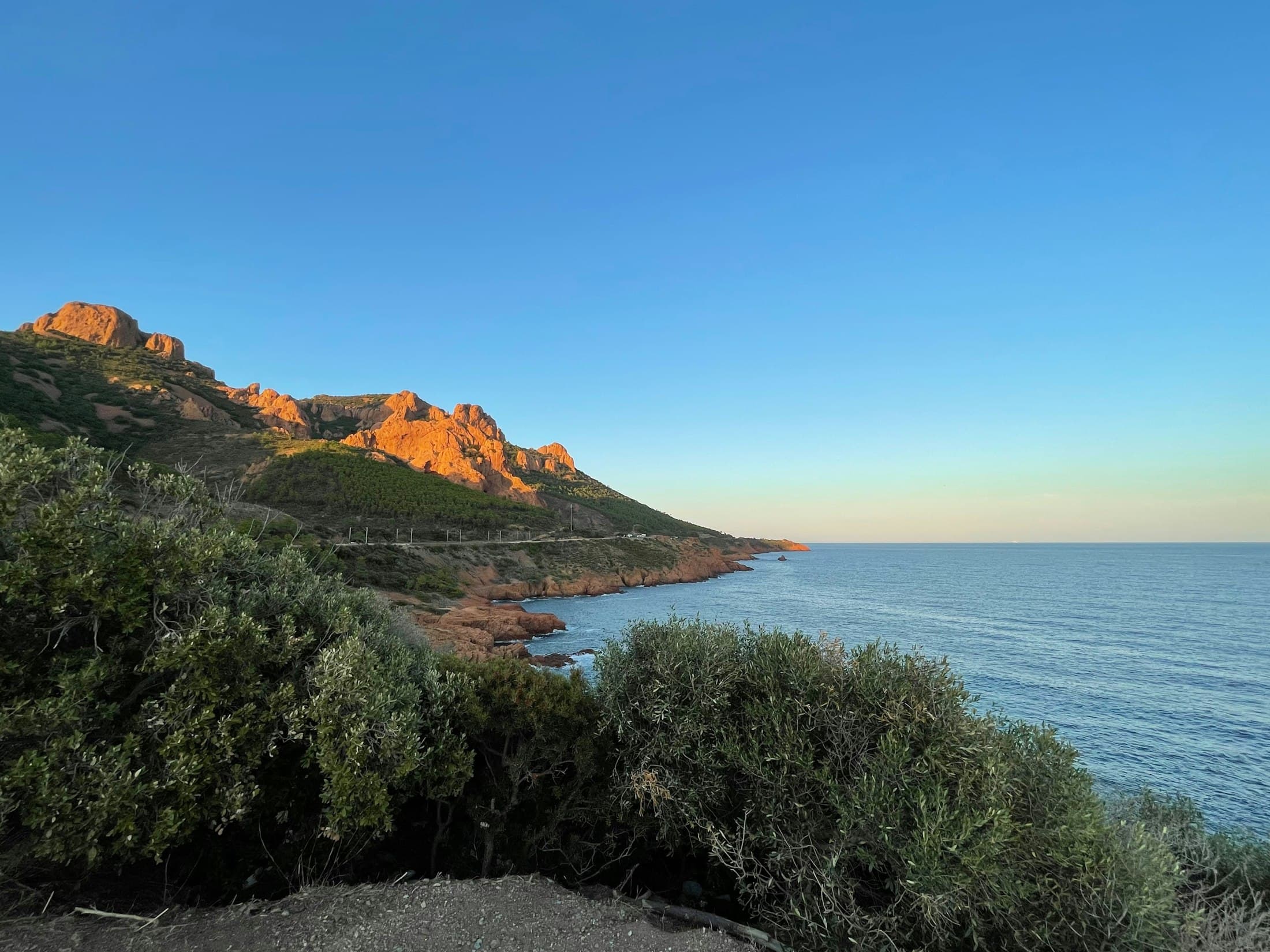
Red volcanic rock dropping into a blue sea: a seaside town with a Byzantine-style basilica and, east of it, the wild coast of the Estérel.
Saint-Raphaël stretches a long way along the sea. East of the town centre, its districts — Boulouris, Le Dramont, Agay, Anthéor, Le Trayas — follow the foot of the Estérel, a low volcanic massif of 32,000 hectares whose red rhyolite gives this coast its colour. The Corniche d’Or, the coast road opened in 1903, links them all, crossing and recrossing the railway on the way.
Couples come for that colour — red rock, green pines, deep-blue water — and for coves where a portrait feels far from the Riviera’s crowds. A wedding here is usually a ceremony in town or at a villa, then portraits along the corniche. But much of the massif is protected forest under strict fire rules, and in summer those rules decide where you can go.
Photographers
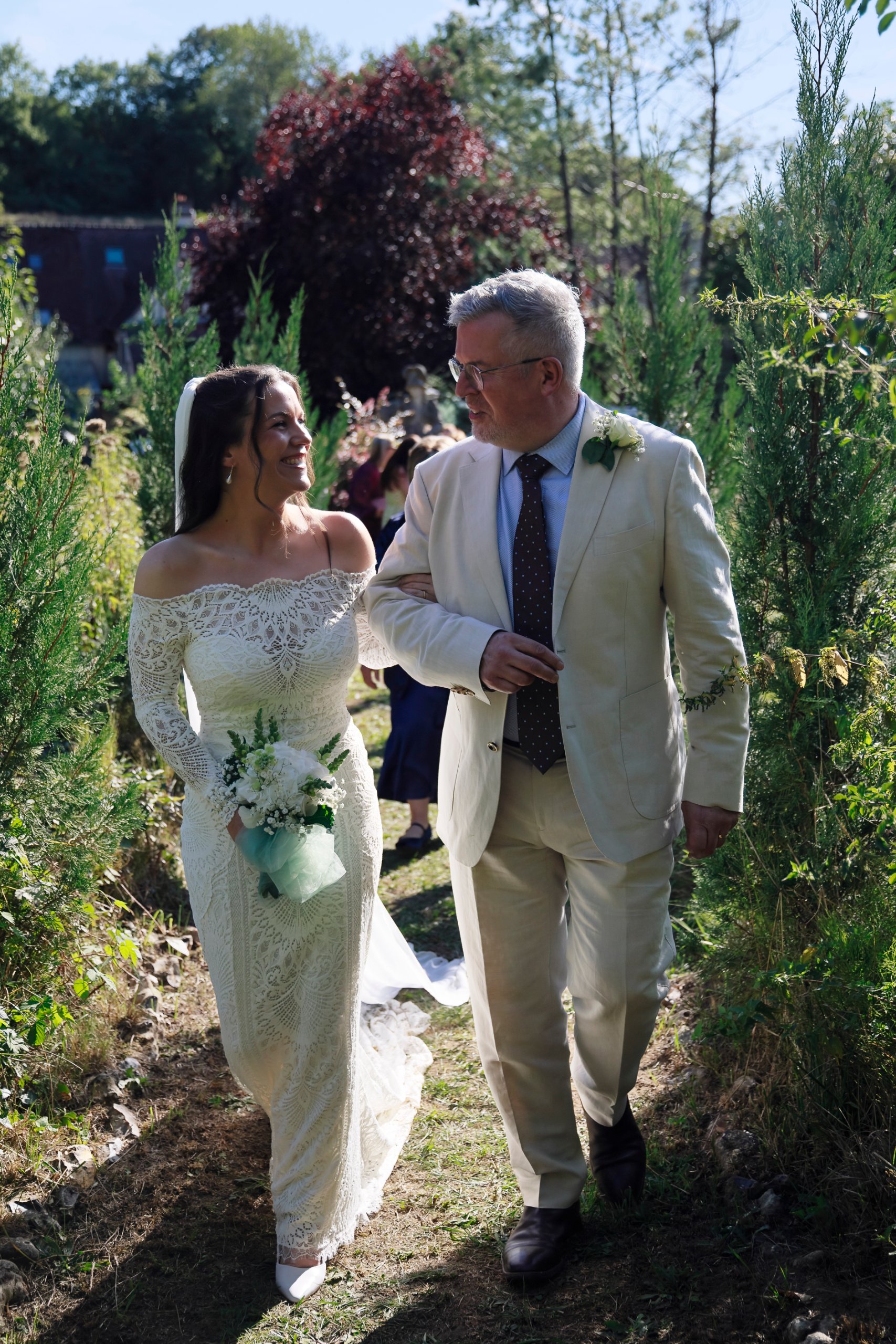
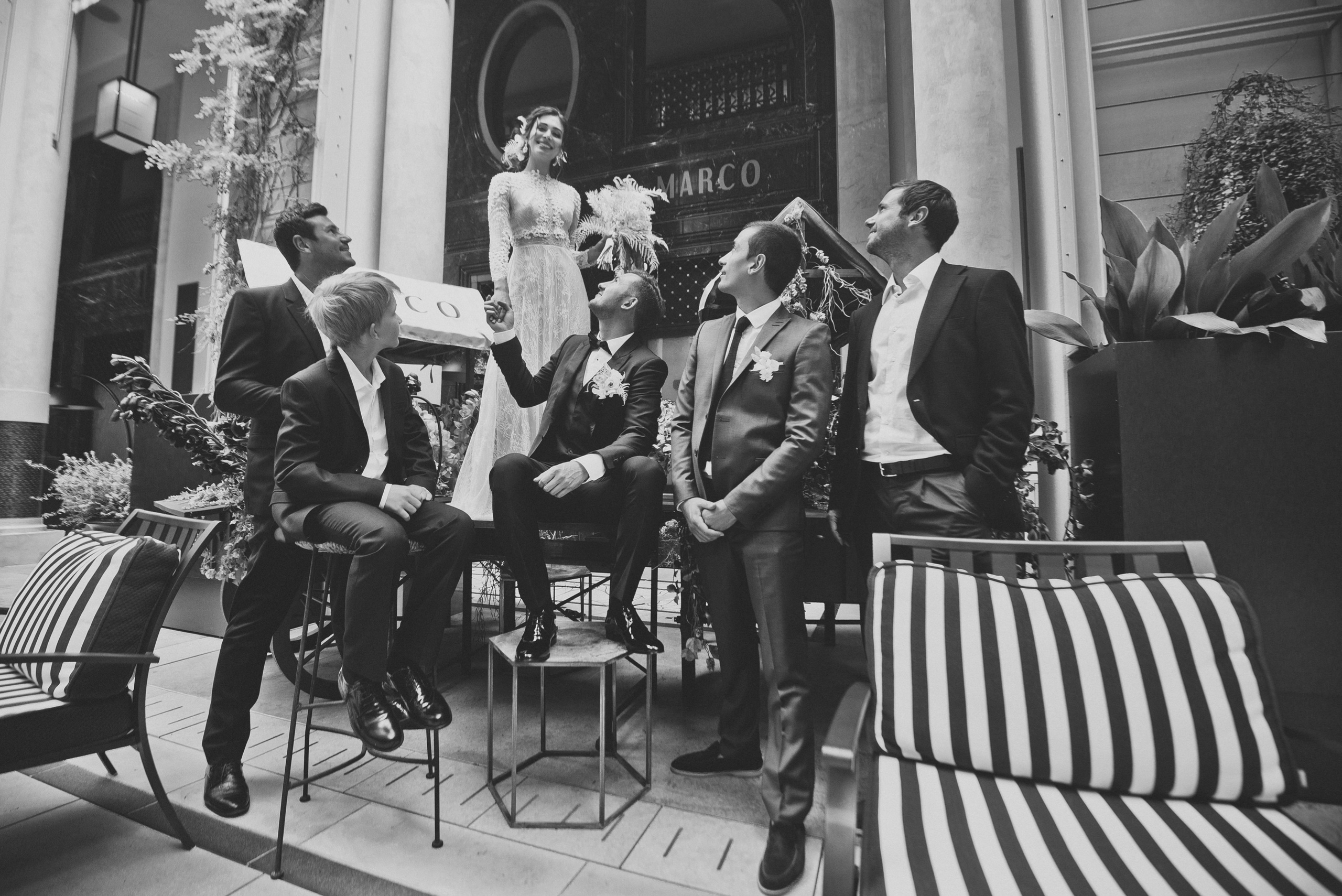
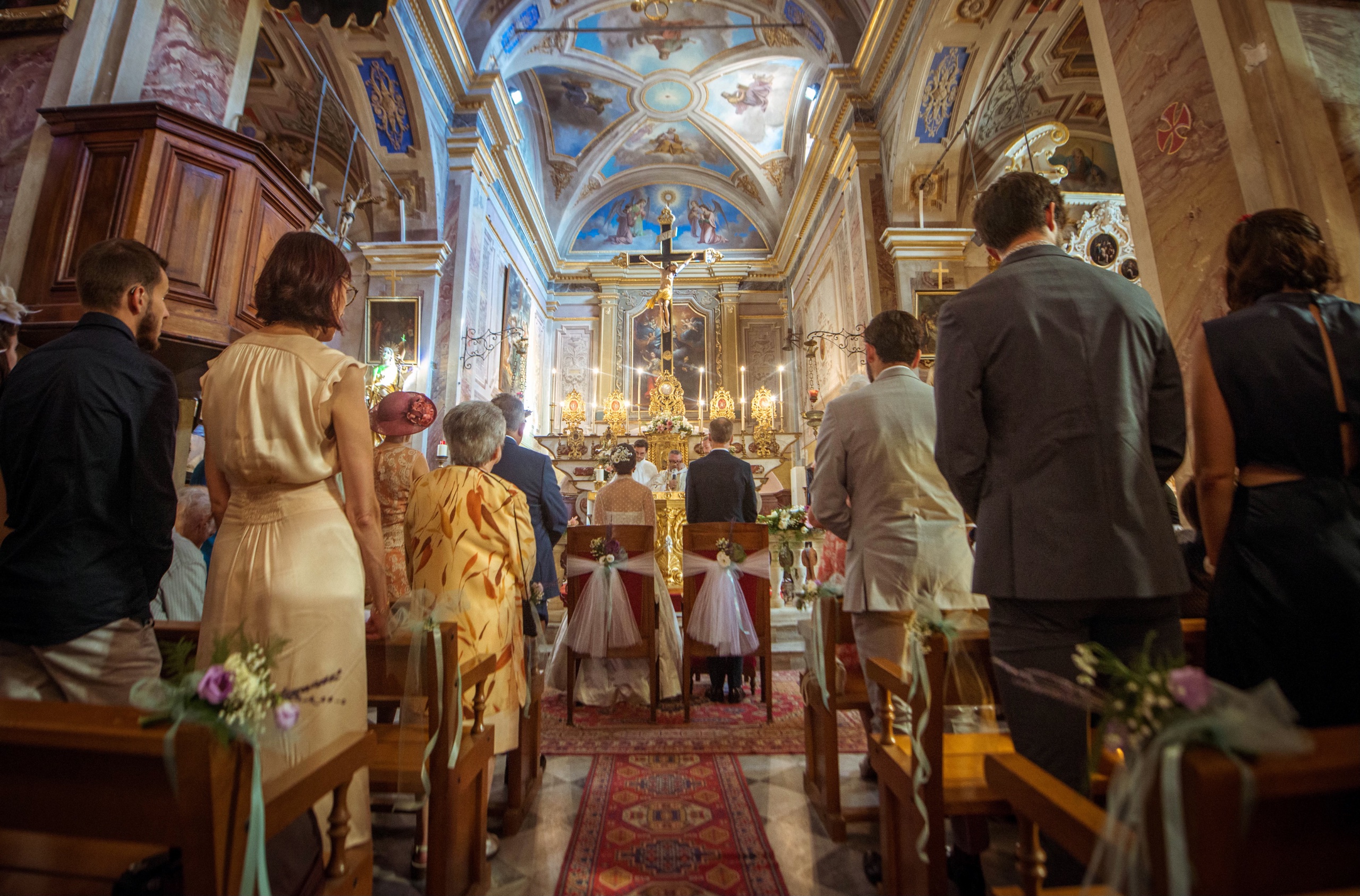
They shoot everywhere on the French Riviera — in Saint-Raphaël and the Estérel too. Their whole weddings are on their pages.
See all 3 photographers



Ceremonies
Saint-Raphaël holds its civil weddings at the Mairie d’Honneur, 1596 avenue de Valescure, under the French rule: one of you, or a parent, must live in the commune or have lived there for at least a month. Both of you meet the registrar first; file at least two months before the date, and make sure the date is free before you book anything else.
Built mostly of pink Estérel sandstone by the architect Pierre Aublé and opened in 1887, in a Byzantine-Moorish style with a dome inspired by Hagia Sophia; it rises 35 m and became a basilica in 2004. A Catholic wedding is prepared with your home parish and follows the civil marriage.
Symbolic ceremonies on villa terraces along the Boulouris and Agay shore, or in gardens in the hills of Valescure, with the sea or the red rocks behind. Ask about parking and access: the corniche is narrow and winding, and coaches need a plan.
Portraits
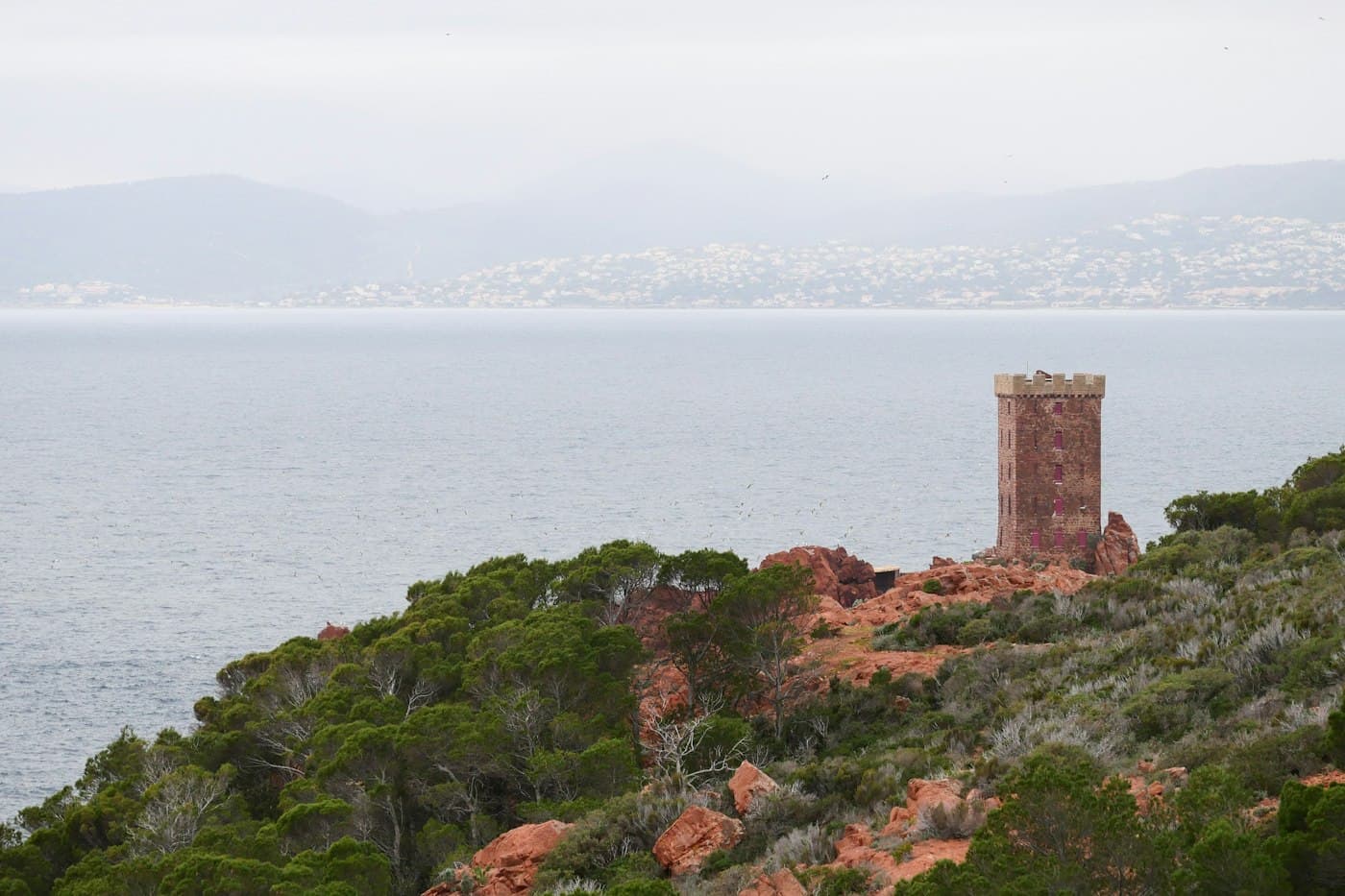
A protected cape of red rhyolite and rare blue esterellite, with a footpath from Camp Long to the Poussaï forest house. Below it lies the Plage du Débarquement, where some 20,000 American soldiers came ashore on 15 August 1944; offshore, the Île d’Or and the crenellated tower that Dr Auguste Lutaud built after buying the islet in 1909. The island is private — photograph it from the path or the beach.
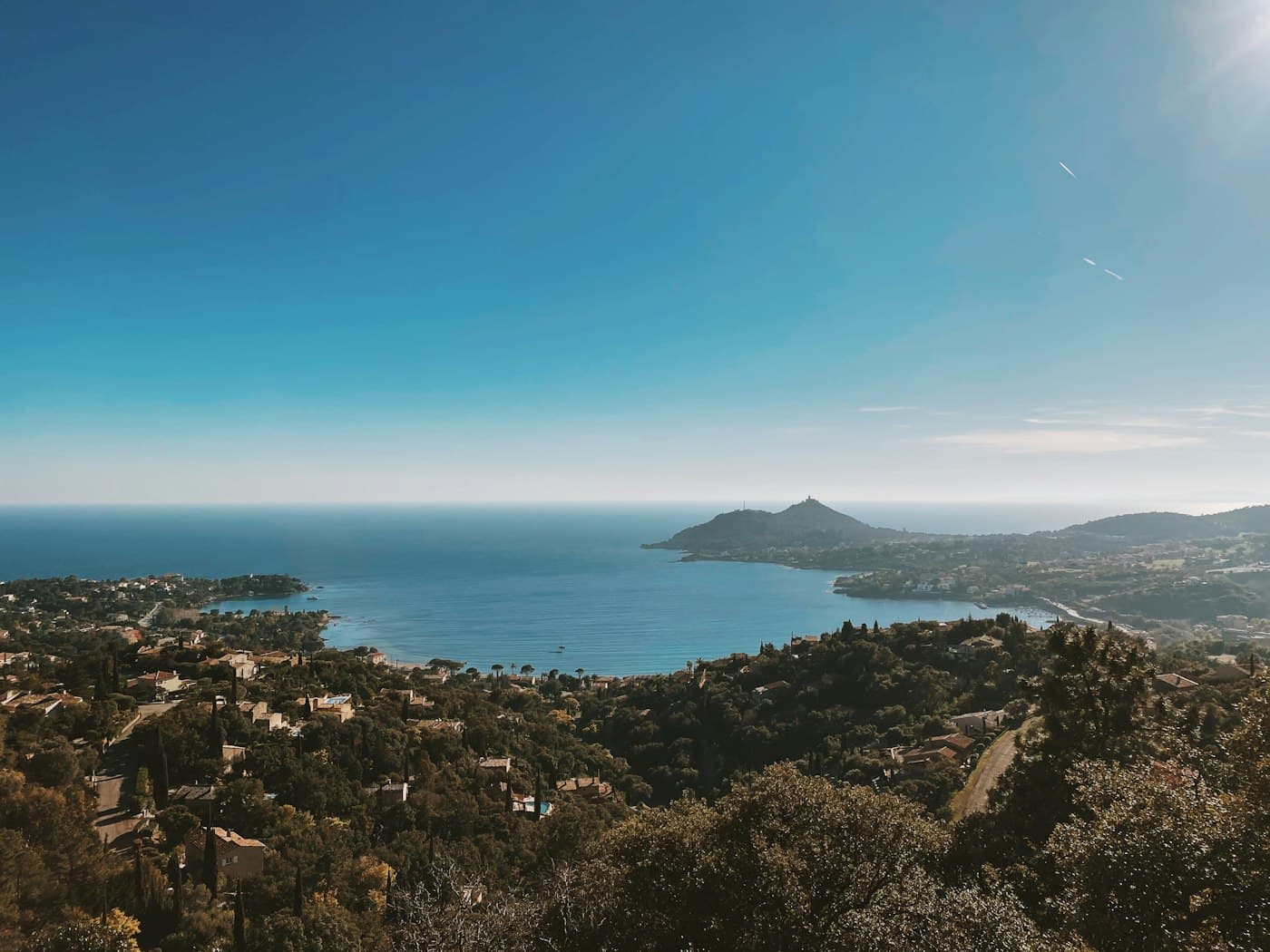
An almost circular, south-facing bay between Cap Dramont and the Pointe de la Baumette, sheltered by its hills and watched over by the red Rastel d’Agay (287 m), with three sandy beaches. Calm water and soft evening light make it the easiest seaside portrait on this coast.
Paths lead from the car park beside the coast road to the viewpoints of the Pointe de l’Observatoire, above the red cliffs of Cap Roux (454 m) and the coves below; the tip of the cape itself is closed to the public. Late in the day the low sun sets the rocks glowing.
In town: palms along the seafront, the basilica’s domes, and a few streets inland the 25 m tower of the old San Rafèu church, built in the 14th century — 129 steps up to a 360° view from the Estérel’s peaks to the Saint-Tropez peninsula.
Through the year
May, June and September are the best months, and in February the Estérel’s mimosa is in flower. Météo-France’s station on Le Dramont (124 m, 1991–2020 normals) gives average highs of 22.5 °C in May, 26.6 °C in June, 29.7 °C in July, 30.1 °C in August and 25.3 °C in September. July is almost dry (10.6 mm on 1.4 days); October and November are the wettest months (112.6 and 138 mm). The sun sets at about 21:15 on 15 June 2027 and 19:43 on 15 September. From mid-June to late September, fire risk decides access to the massif.
French Riviera, month by month
Practical
Bringing any fire into the forest is forbidden all year — no candles, sparklers or smoke bombs for the photos — and vehicles may not drive in the massif from 21:00 to 06:00. When the risk is high, above all between 15 June and 20 September, the prefect closes the massif to everyone; the map for the next day is published each evening before 19:00.
TGVs and regional trains stop at Saint-Raphaël-Valescure, near the town centre, and regional trains also call at small stations along the corniche, such as Agay and Anthéor-Cap-Roux. The Corniche d’Or is slow and winding: allow time between the town and the coves.
The mistral blows hard along the Estérel’s coast. Bring weights for anything standing, a plan for the veil and a sheltered second spot — the bay of Agay, sheltered by its hills, is a natural refuge.
The massif is a Natura 2000 site, and French rules keep hobby drones away from people and off public space in built-up areas. Leave aerial shots to a professional operator who checks the official restrictions map (Géoportail) first.
A civil wedding in France needs one of you, or a parent, to live in the commune or to have lived there for at least a month; the banns are posted for ten days. Couples from abroad usually marry at home and hold a symbolic ceremony here.
Questions
On most days, yes, keeping to the rules: no fire of any kind, and no vehicles in the massif at night. On high-risk days the prefect closes the massif, and the map for the next day comes out the evening before, by 19:00 — so keep a second plan by the sea, in Agay or on the town’s seafront.
No, the island is private. It lies only about 190 m from the shore, so the path round Cap Dramont and the Plage du Débarquement give you the tower behind you from many angles, with red rock in the foreground.
Late in the day, when the low sun lights the red cliffs of Cap Roux from the viewpoints of the Pointe de l’Observatoire; the sun sets at about 21:15 in mid-June. For calm water and softer light, the bay of Agay at the end of the afternoon.
Yes, if one of you, or a parent, lives in Saint-Raphaël or has lived there for at least a month when the banns are published. Weddings take place at the Mairie d’Honneur in Valescure; meet the registrar together first and file at least two months ahead.
French Riviera
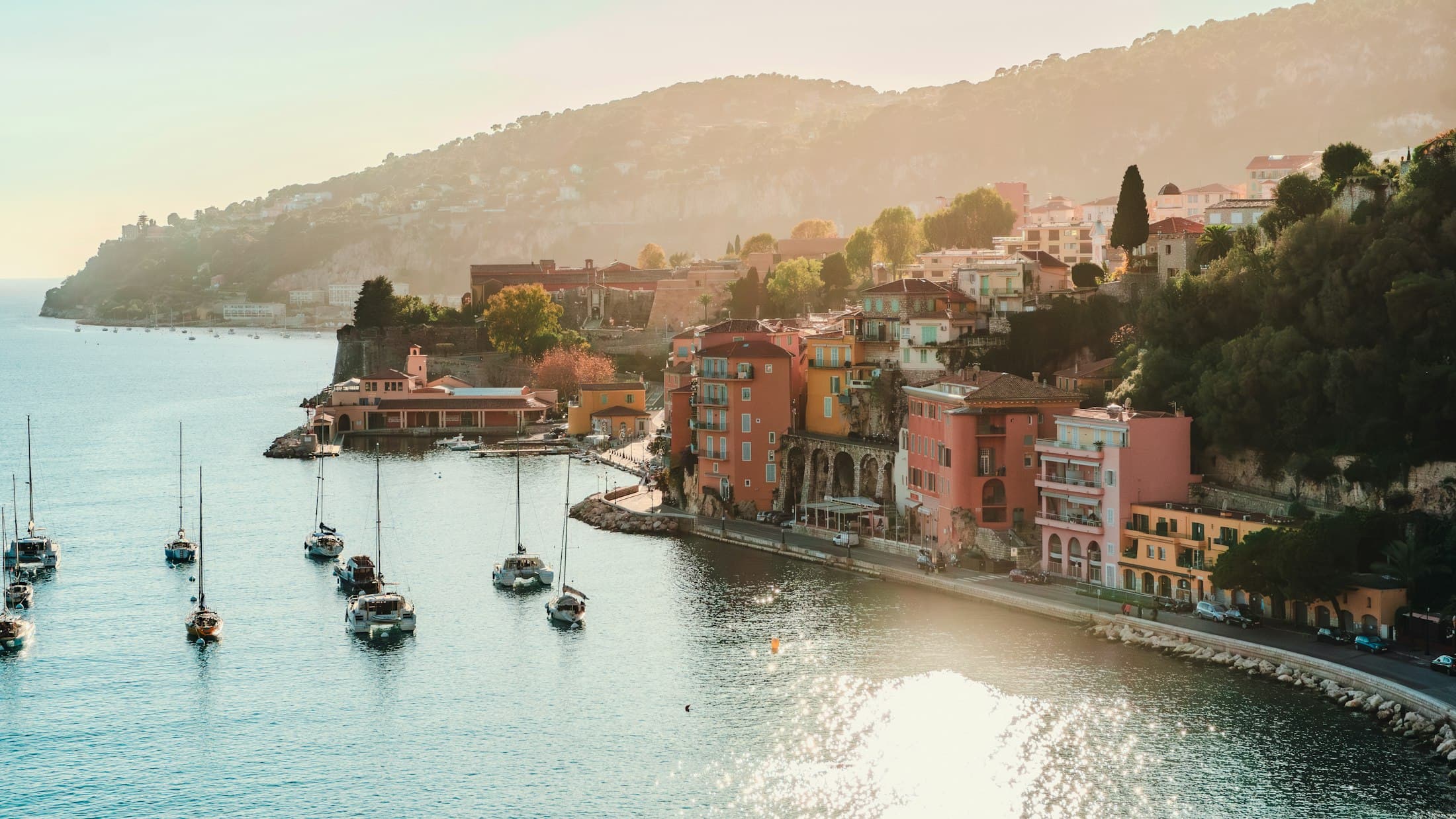 French RivieraThe whole region: when to marry, the kinds of places, the light, getting there.
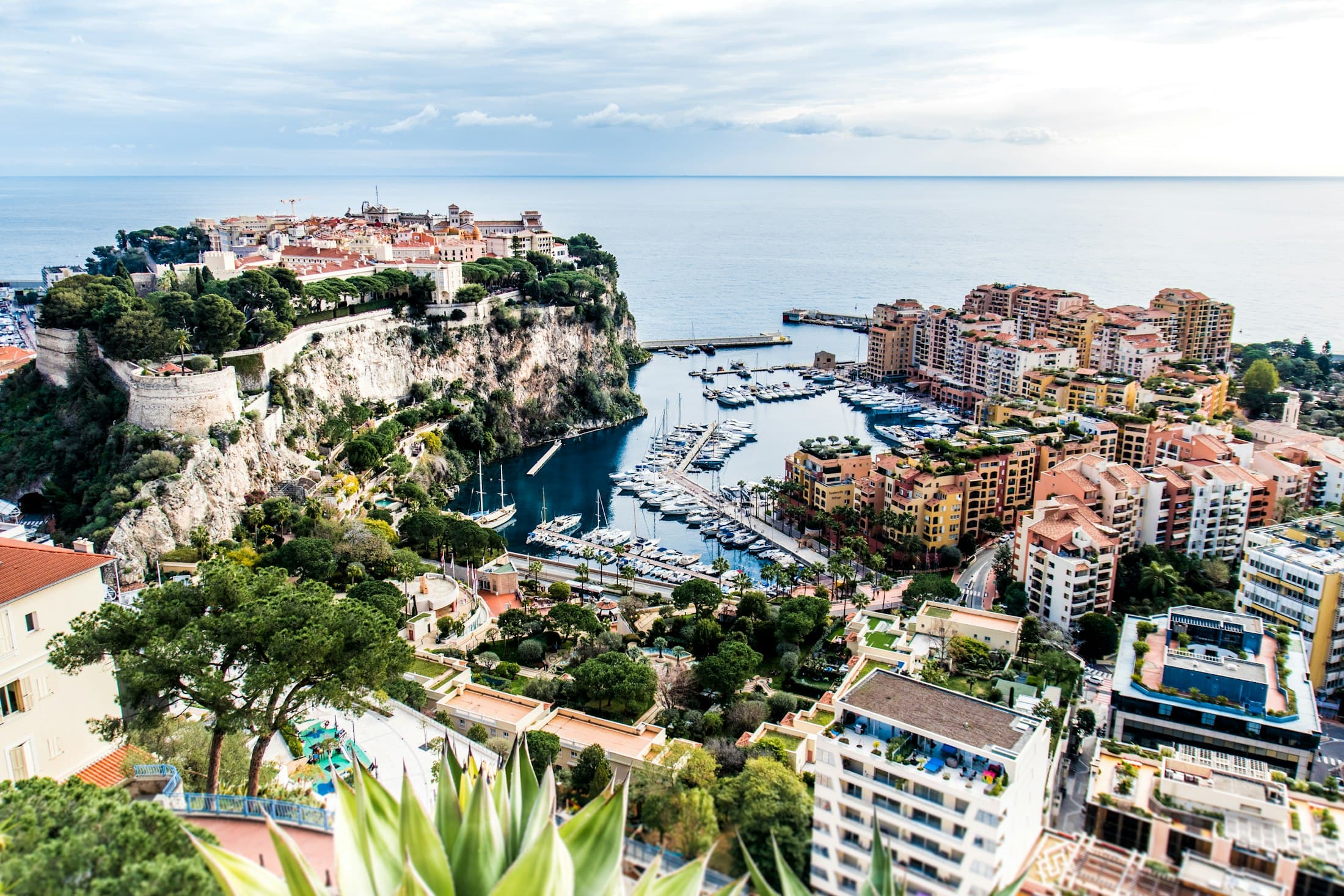 MonacoA sovereign principality of about two square kilometres: the Rock and its palace on one side of the harbour, Monte-Carlo on the other.
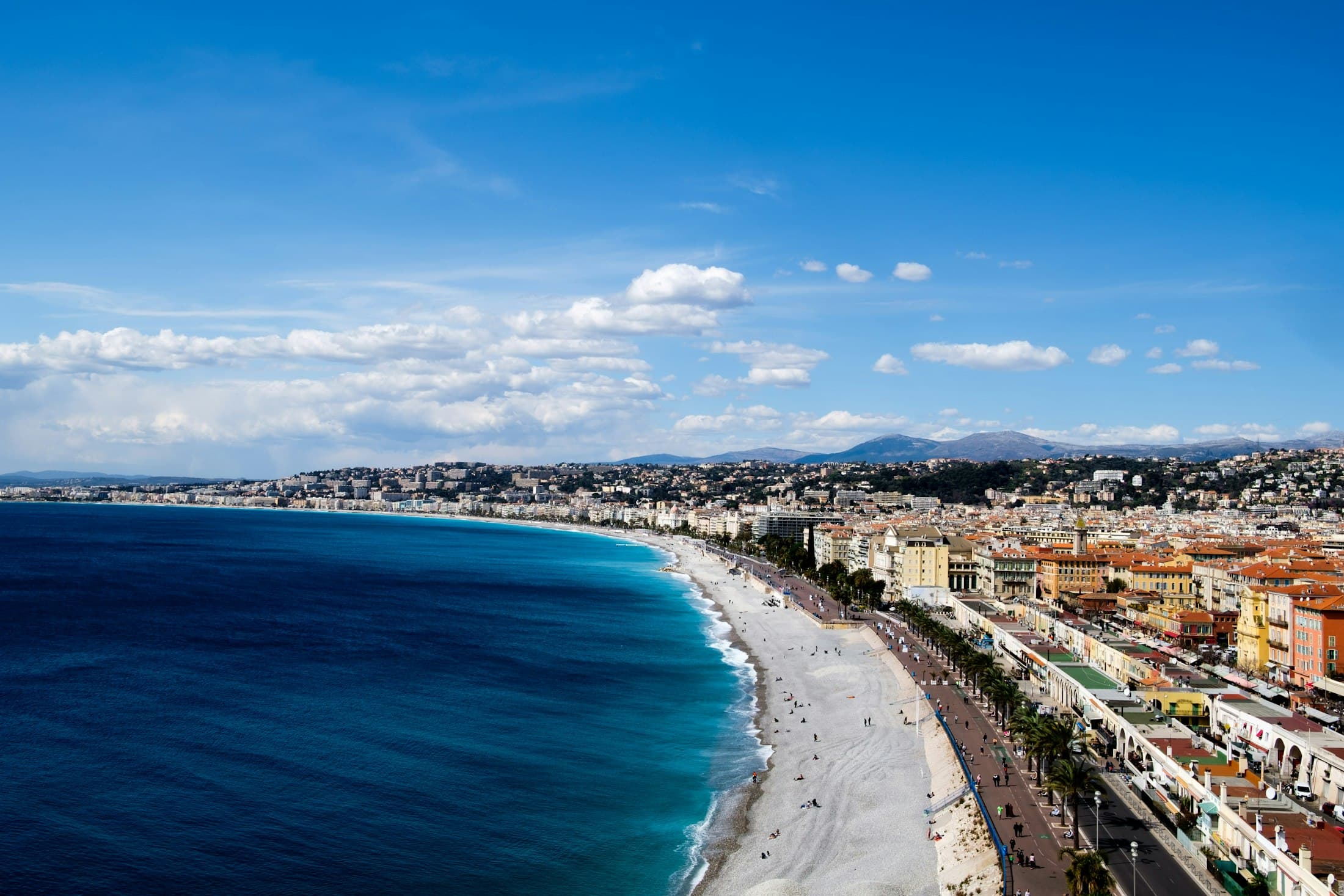 NiceA Belle Époque winter resort turned year-round city: the curve of the Baie des Anges, ochre lanes in the old town and a wooded hill above both.
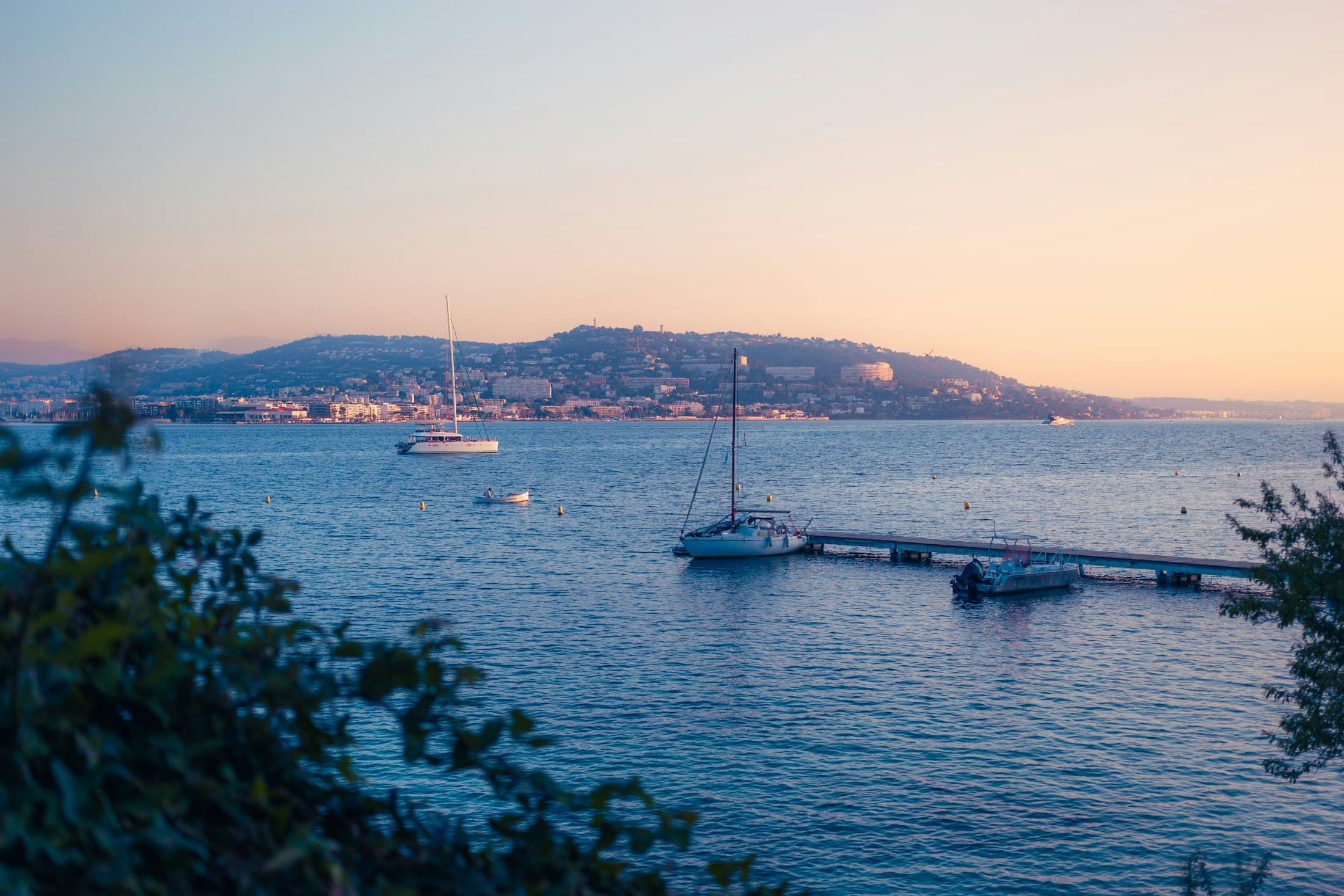 CannesAn old hill town above a yacht harbour, a bay of sand and palms, and two wooded islands a short boat ride away.
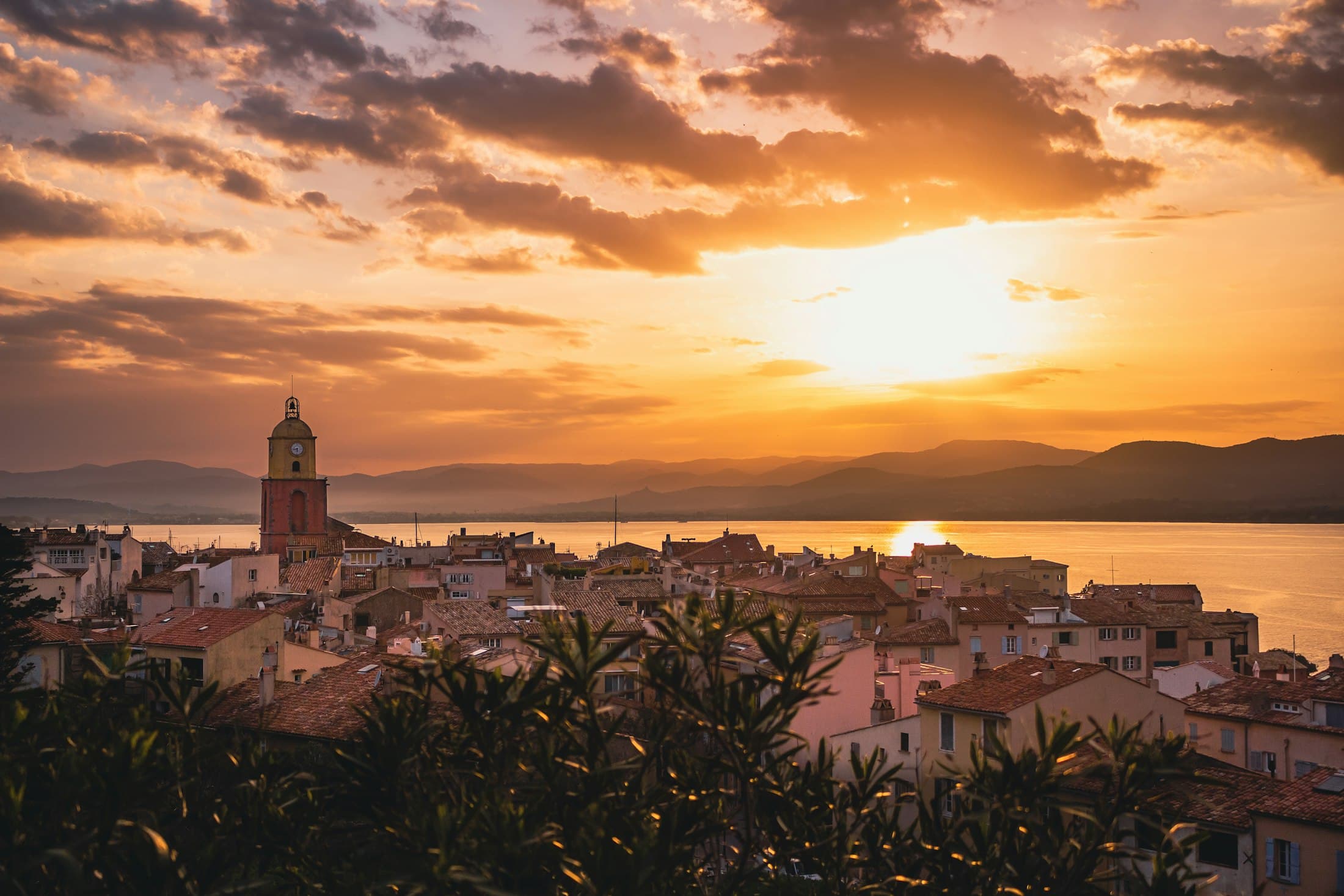 Saint-TropezA fishing port turned legend at the end of its own peninsula: pastel houses on the quay, an ochre bell tower, a citadel on the hill and sand around the cape.
Plan
Not sure yet?
The place, the date, the guests, the photos you like. Our concierge checks who is free and fits, and comes back with photographers to choose from.