Founding photographer



Audrey C.from €2,600
Occitanie & Languedoc, Provence +1 · Documentary, RomanticWedding photographers in France
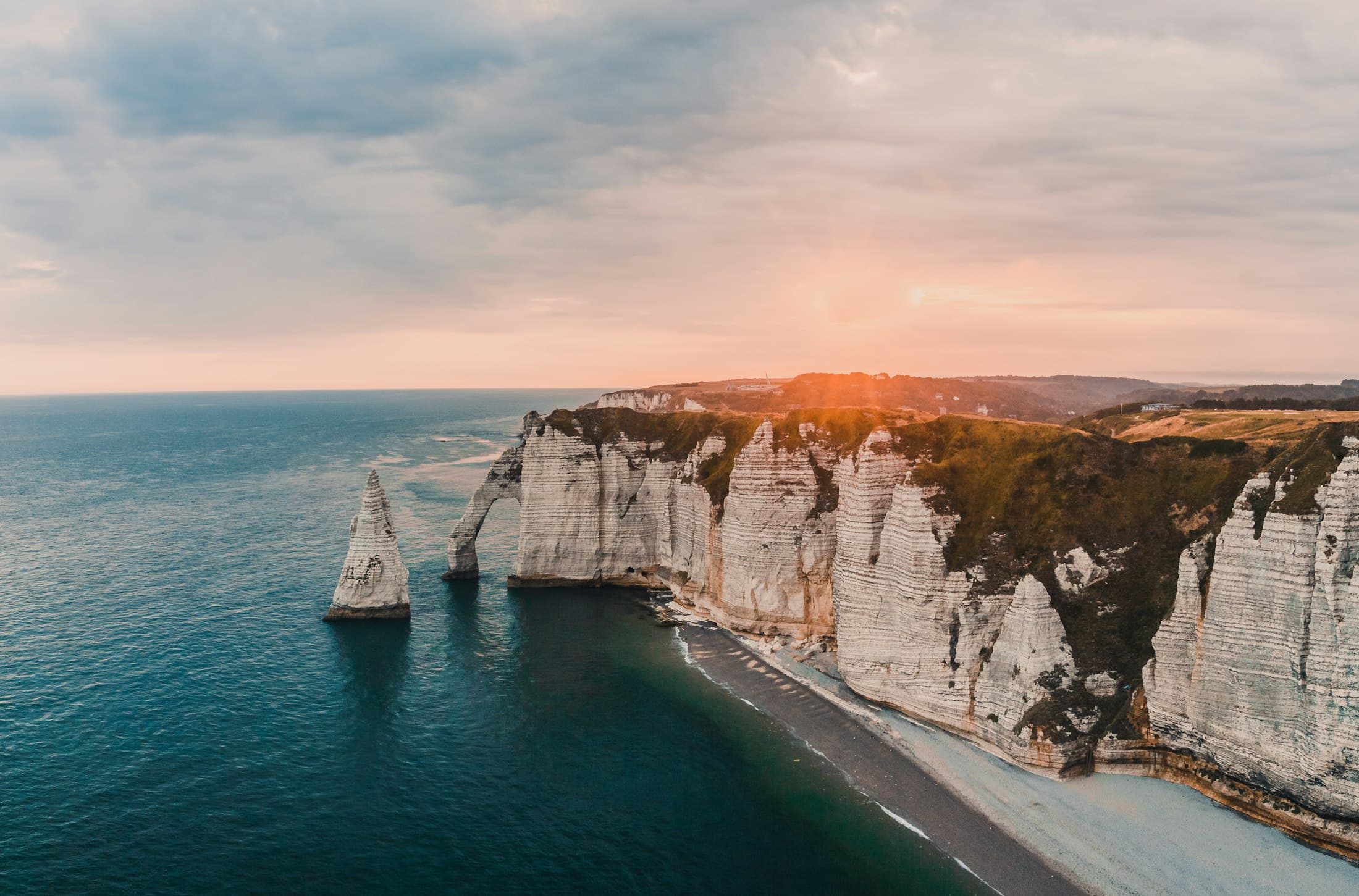
Chalk cliffs and pink granite, apple orchards, half-timbered manors and a coast of tides, lighthouses and long summer evenings.
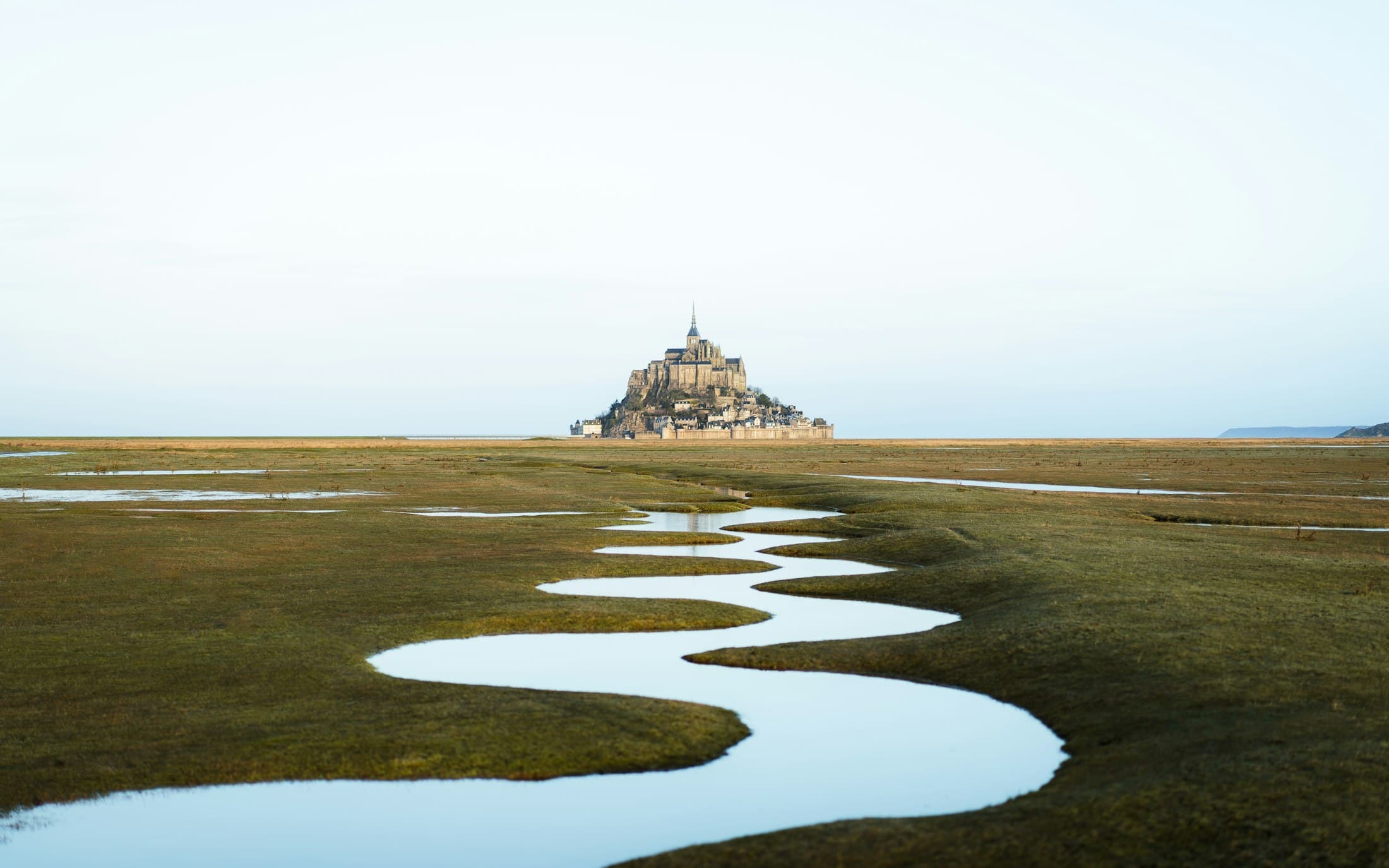
France’s north-west faces the Channel and the Atlantic. In Normandy, white chalk cliffs and arches stand over the sea at Étretat, timber-framed farms sit among apple orchards, and Mont-Saint-Michel, a UNESCO site, rises from a bay where the tide goes out for miles. Brittany, further west, is granite: pink rocks, walled ports, lighthouses and standing stones.
Weddings here mean a manor or a château with its orchard and barn, a chapel by the sea, or an elopement on the cliffs — with the evening light lasting past ten in June.


Photographers
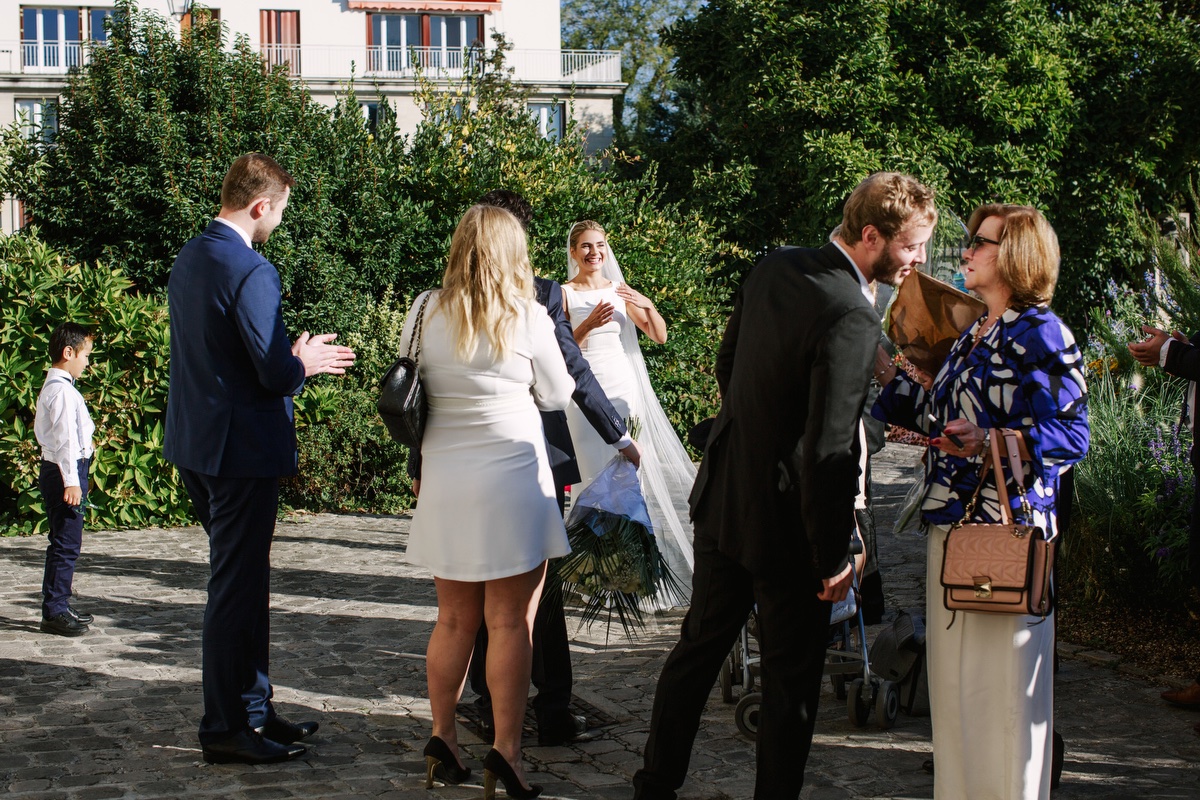
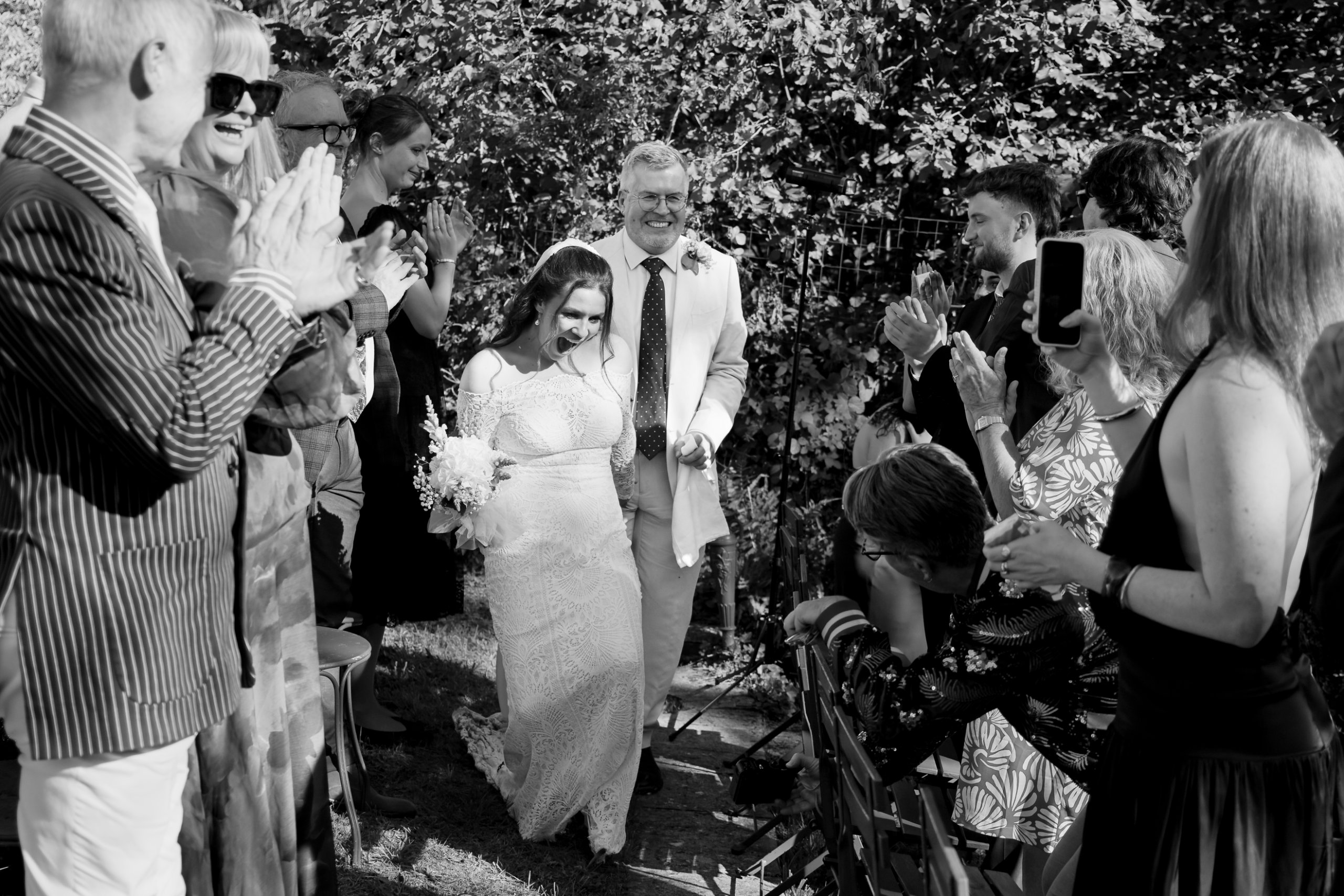
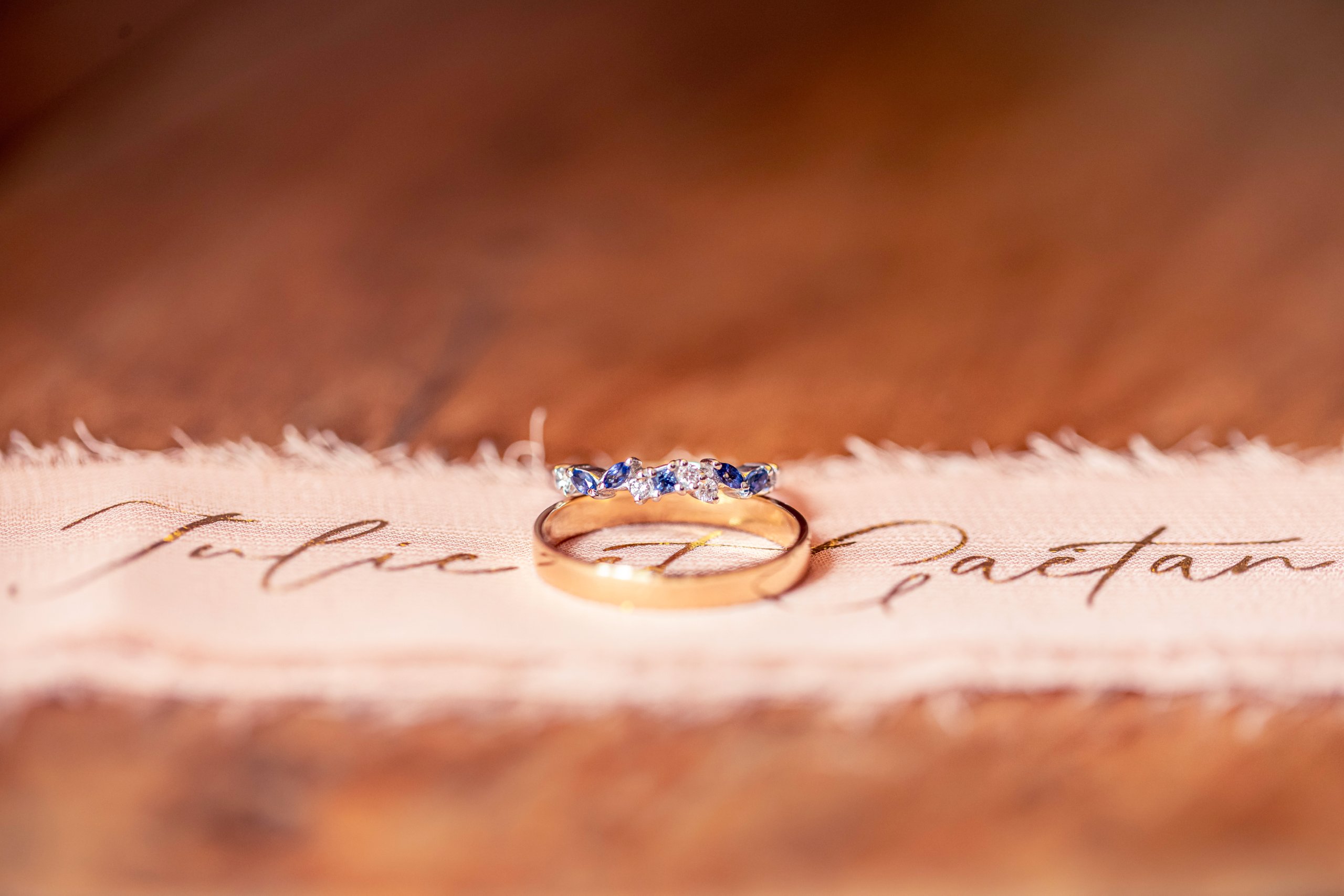
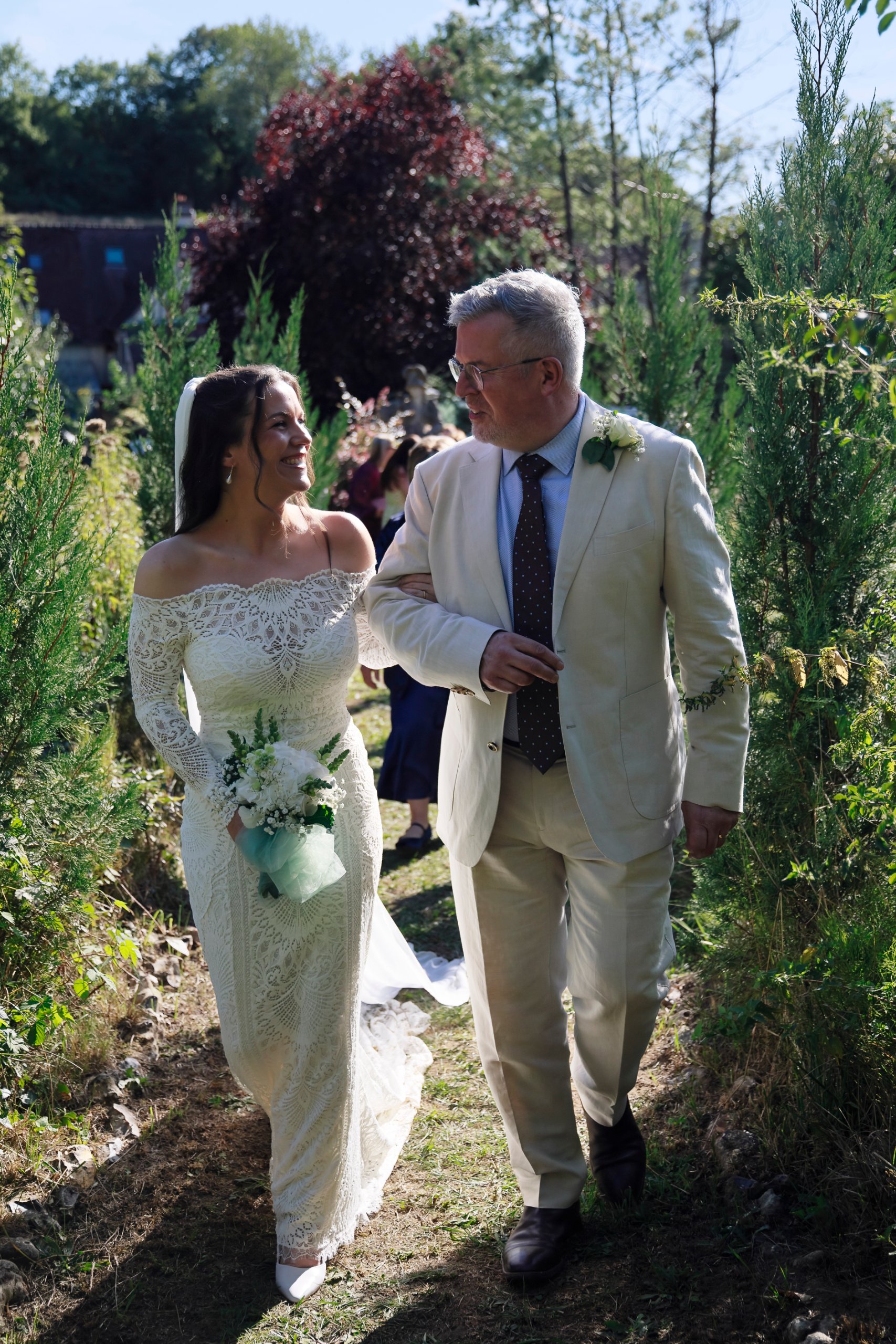
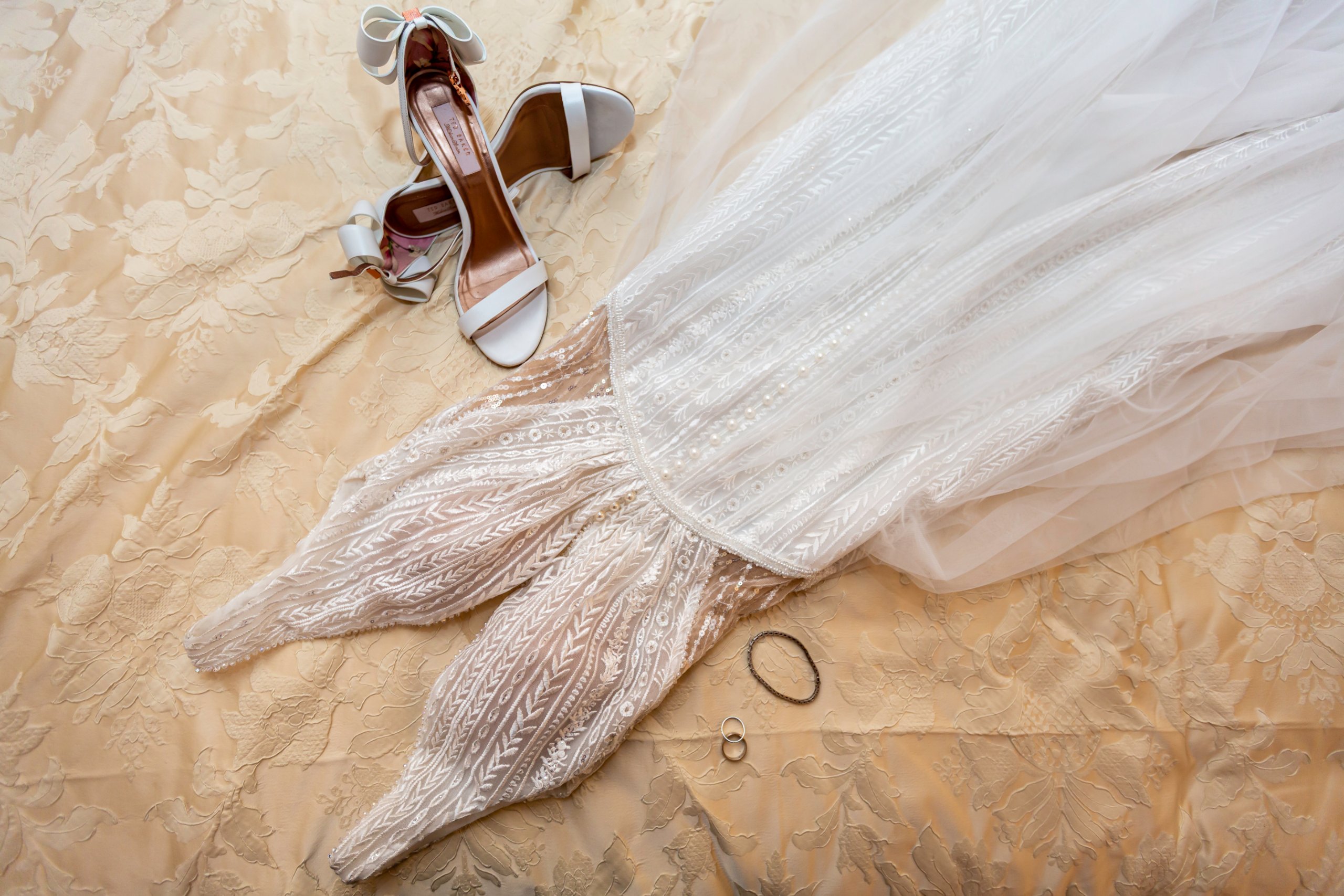
They shoot here and know the light. Their whole weddings are on their pages.
See all 3 photographers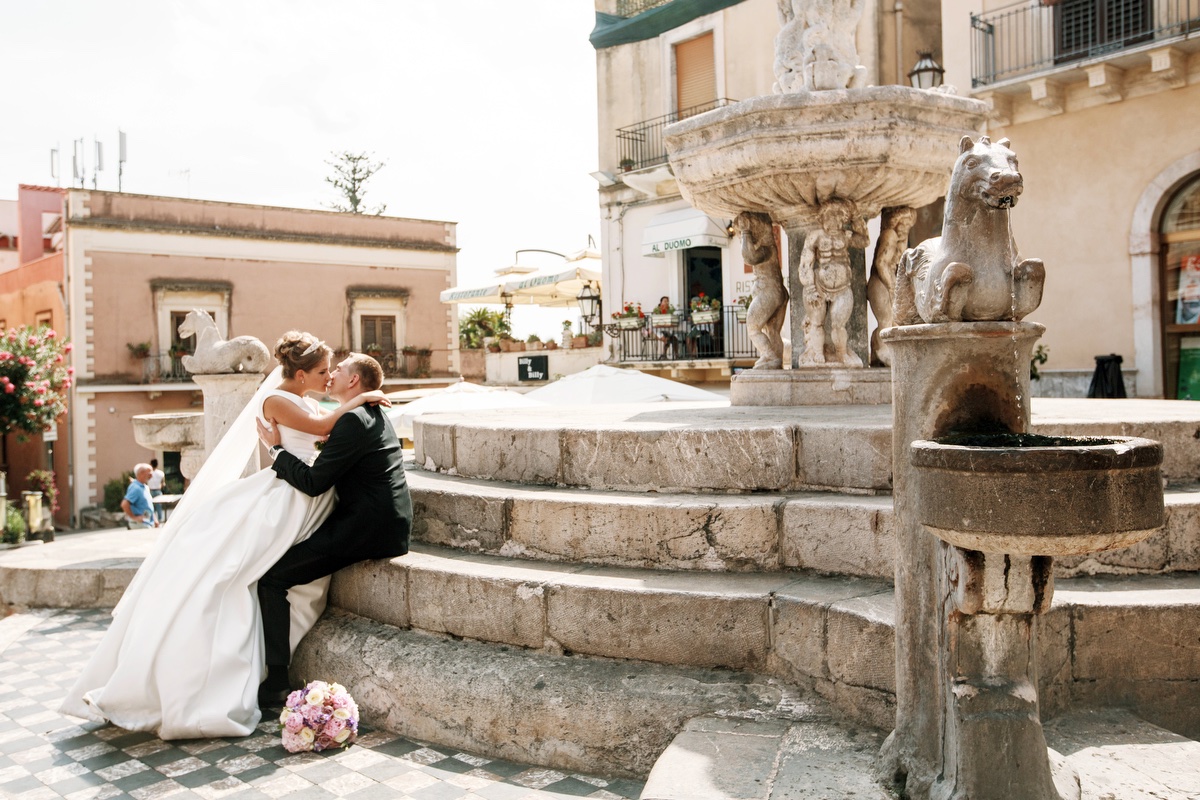

Through the year
June to September is the season: mild rather than hot, with long days and the sun setting after ten at the end of June. Rain comes in every month — more in the west of Brittany, less around Rennes — and the weather changes fast, so a covered plan belongs in every wedding. From October the Atlantic storms return.
Weather station: Caen-Carpiquet, normals 1991–2020 · Checked 13 October 2026
Places
The kinds of places — ask your photographer which ones they know well.
Half-timbered or stone manoirs with an apple orchard and a barn — a ceremony under the trees and dinner in the barn.
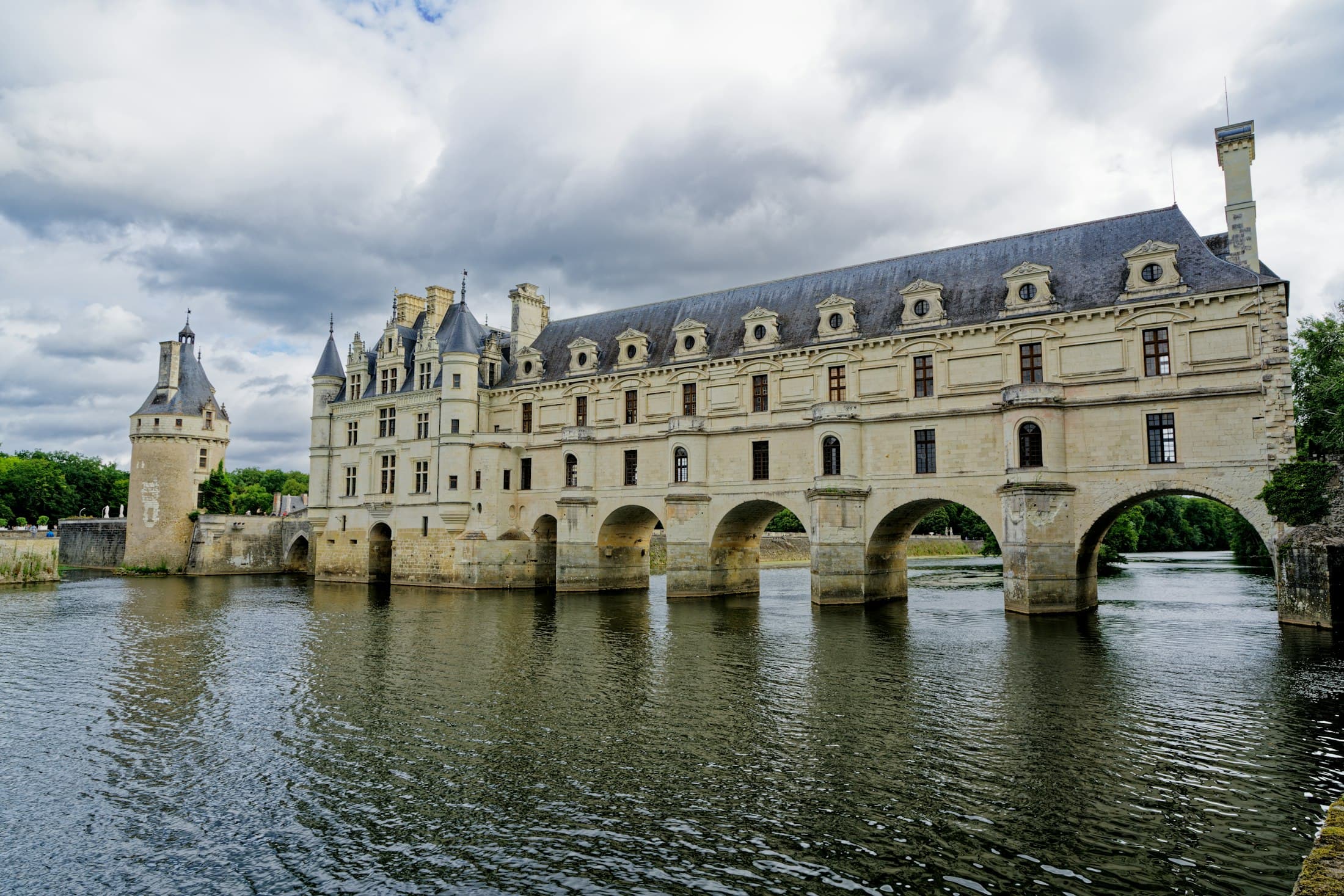
Castles in their own parks, of Breton granite or Norman stone, with rooms for the guests and woods and lawns for portraits.
Chalk and granite headlands, coastal paths and lighthouses — for an elopement, or for portraits on the morning after.
Walled ports, fishing harbours and seaside towns with long sandy beaches and old villas along the front — lively in summer.
Towns
Each with a page of its own: where couples marry there, where to take portraits, the practical side.
Light
Northern light is soft and changes by the minute as clouds come in from the sea, and in summer the sun goes down at a low angle, so the golden hour lasts. The tide matters as much as the clock: the same beach is wide sand at low tide and waves at high, so photographers here read the tide tables as well as the sunset times.
Travel
From Paris, trains reach Caen in about two hours and Rennes in about an hour and a half. Rennes, Nantes and Brest have airports, and ferries from Britain and Ireland land at Ouistreham (next to Caen), Cherbourg, Le Havre, Saint-Malo and Roscoff.
Real weddings
Plan
France