Founding photographerVerified — Identity verified by Lens & Vows


Natalia D.from €1,400
Paris, Provence +6 · RomanticWedding photographers in France
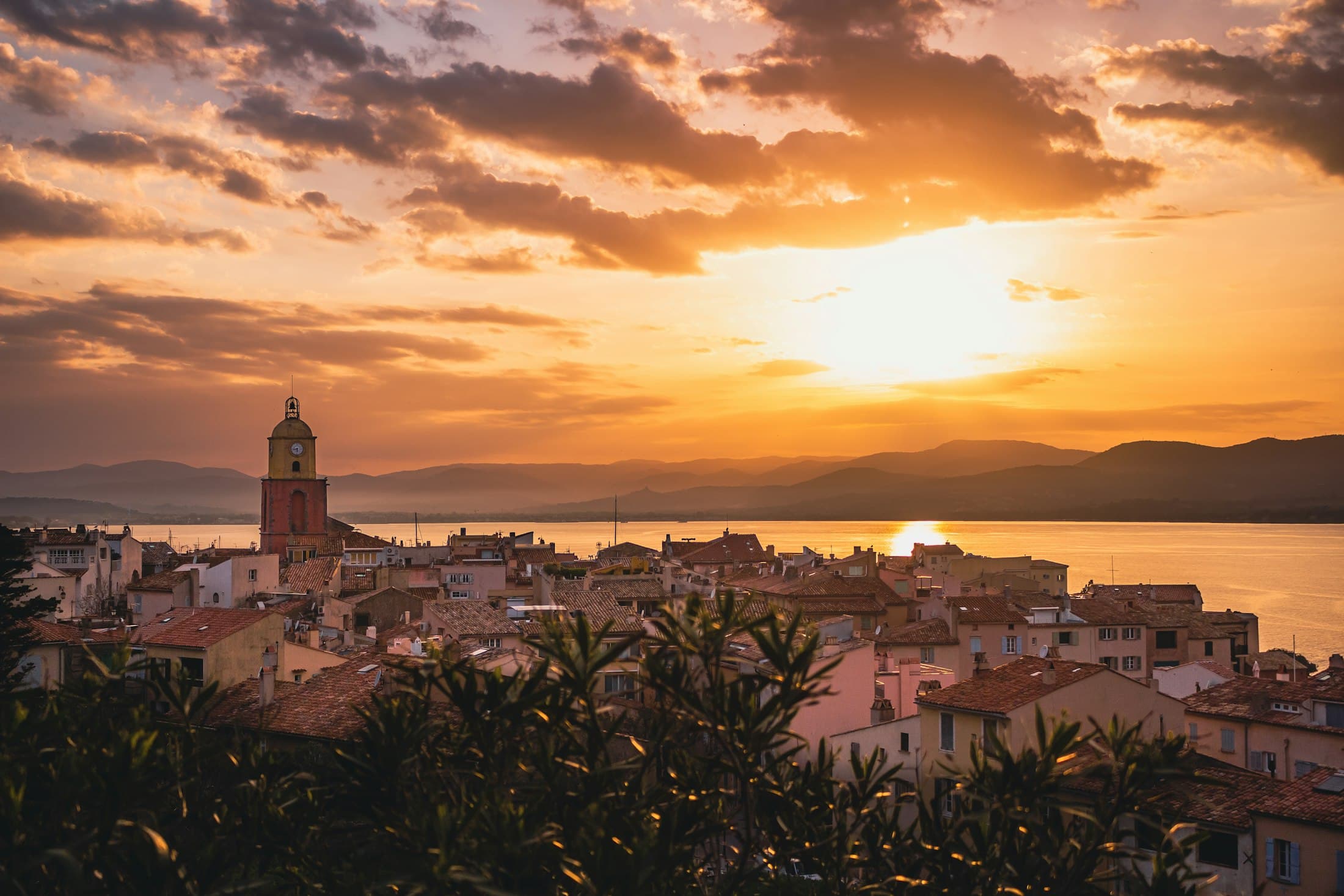
A fishing port turned legend at the end of its own peninsula: pastel houses on the quay, an ochre bell tower, a citadel on the hill and sand around the cape.
Saint-Tropez is small: an old port and a few lanes on the north shore of a peninsula that closes the gulf of the same name, with only Gassin and Ramatuelle as neighbours by land. No major road crosses it — the town is the end of the line — and that shapes everything. From autumn to spring it is a quiet Provençal harbour; in July and August the one road in fills up, the quays fill with yachts and the town lives at full volume.
Weddings here are usually spread out: the civil or church part in town, the party at a villa or a wine estate on the peninsula, or at a beach club on Pampelonne, which belongs to Ramatuelle. The port looks north and west over the gulf, so it takes the evening light; Pampelonne faces east and takes the sunrise.
Photographers
They shoot everywhere on the French Riviera — in Saint-Tropez too. Their whole weddings are on their pages.
See all 3 photographers

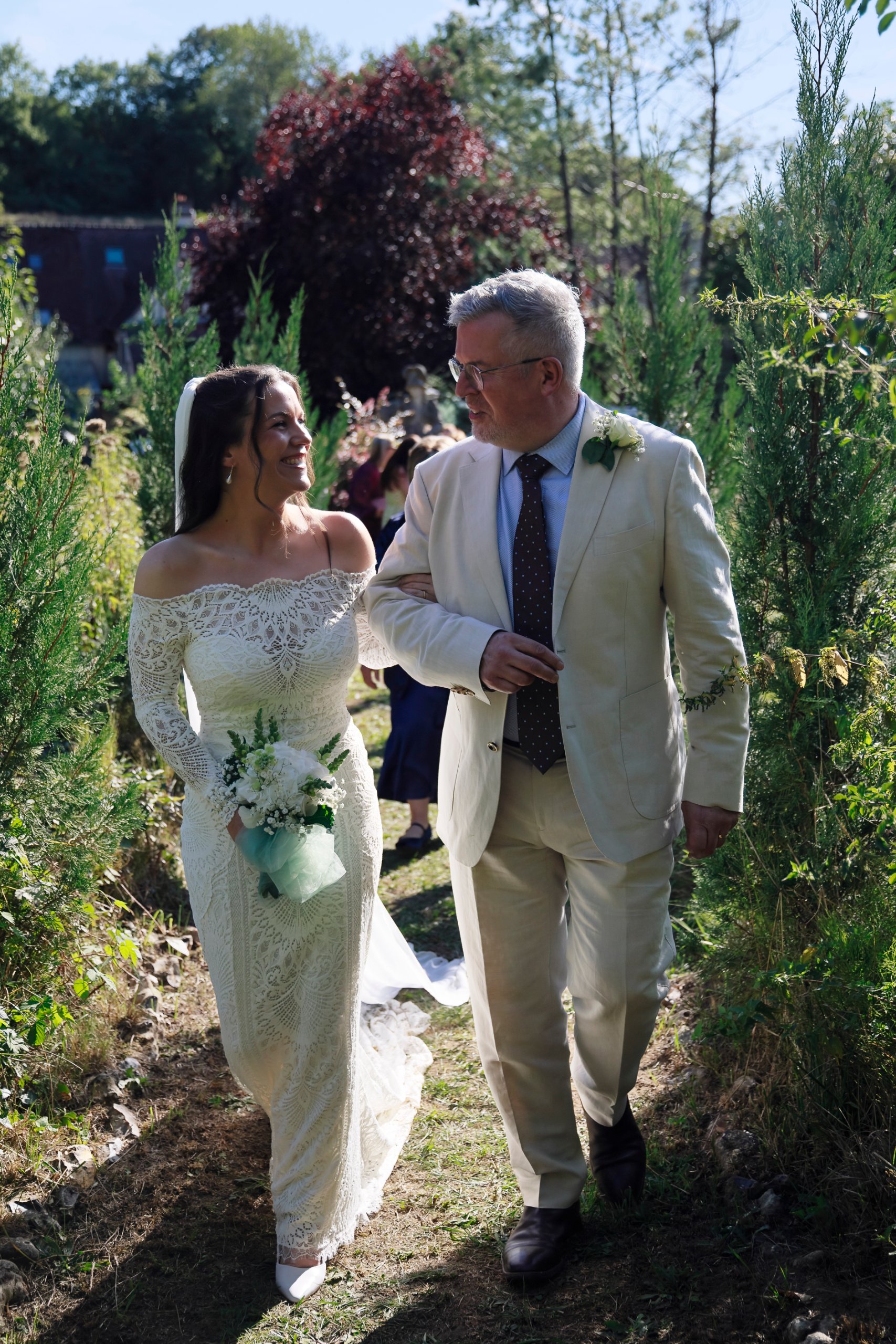
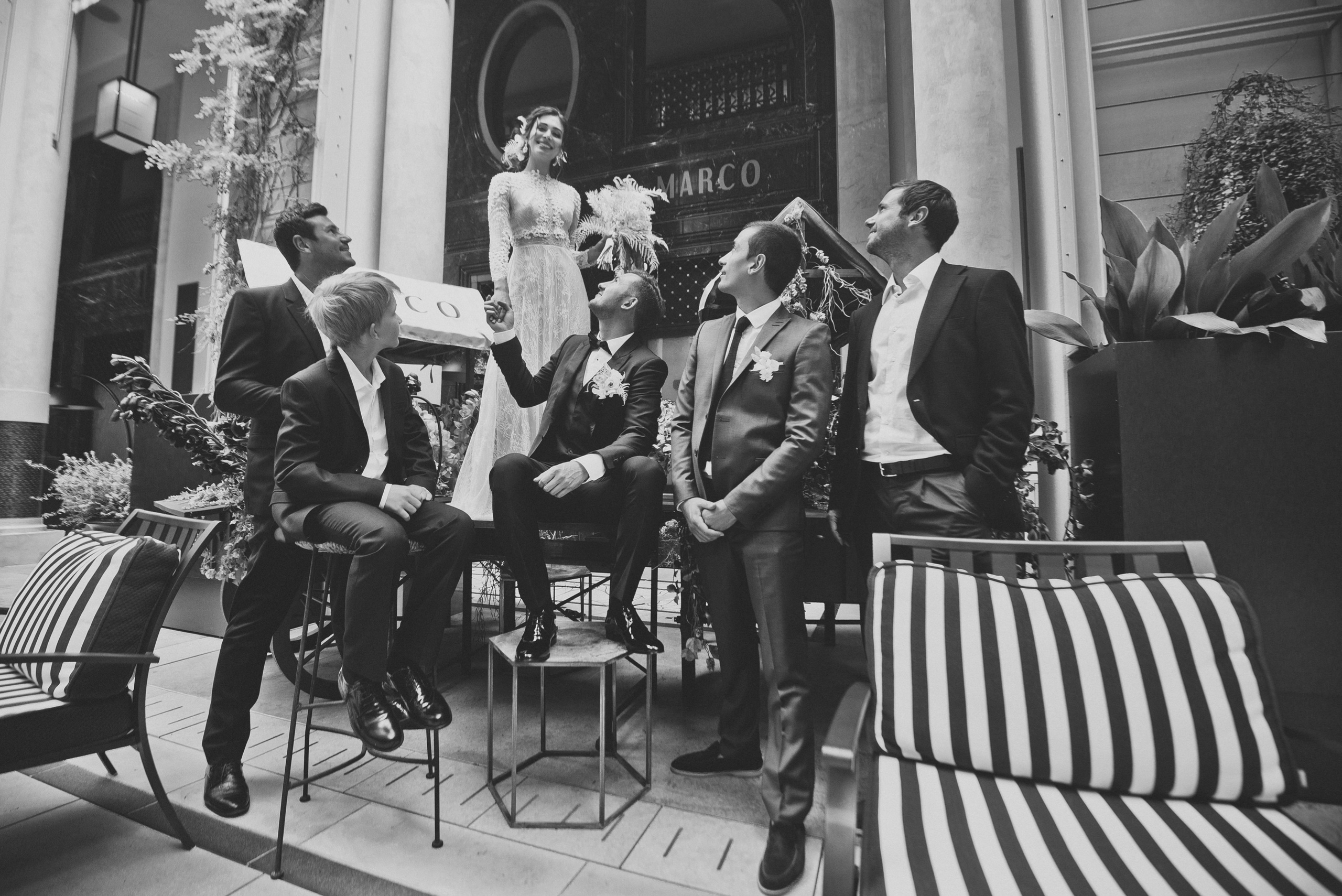

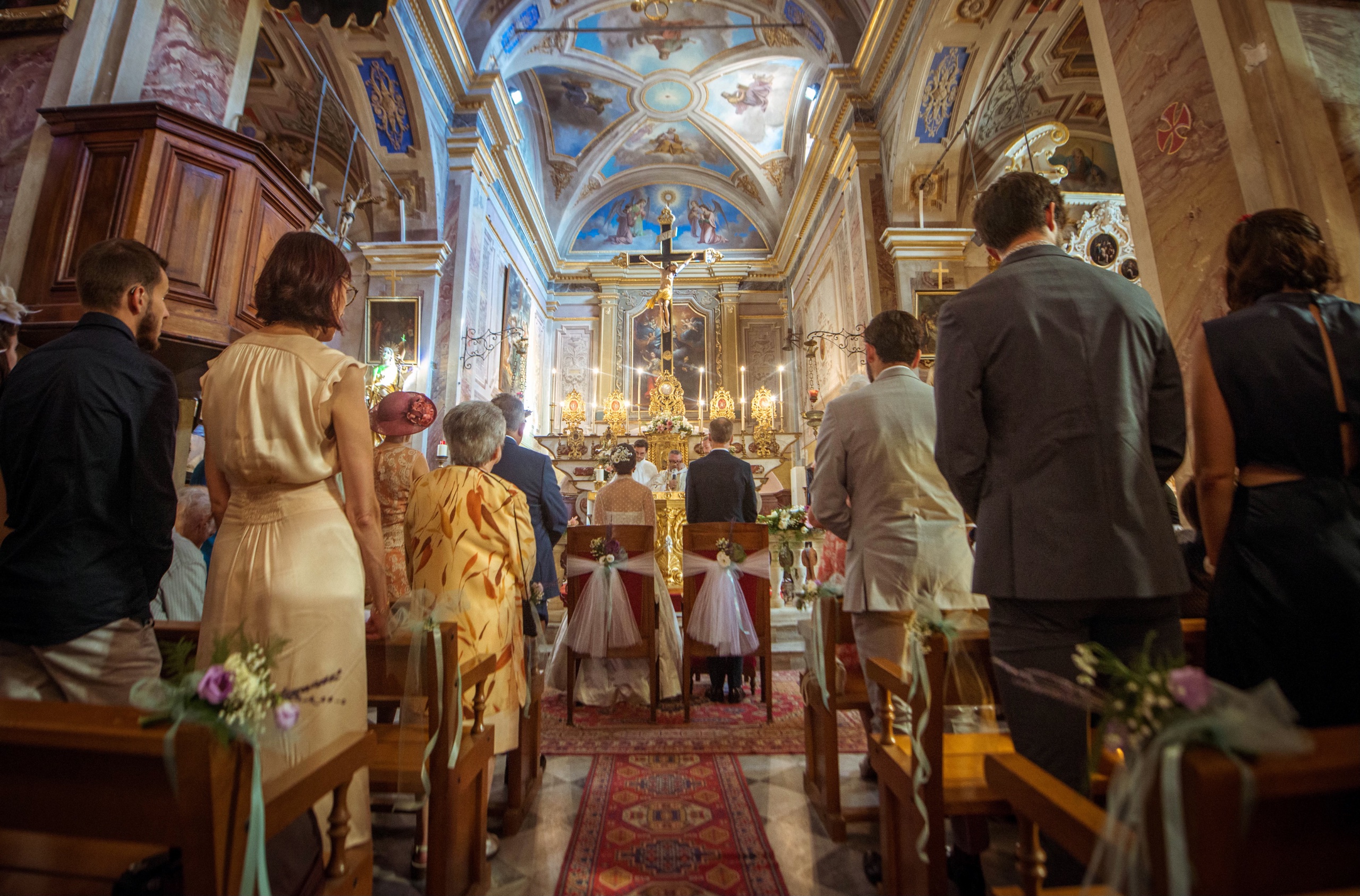
Ceremonies
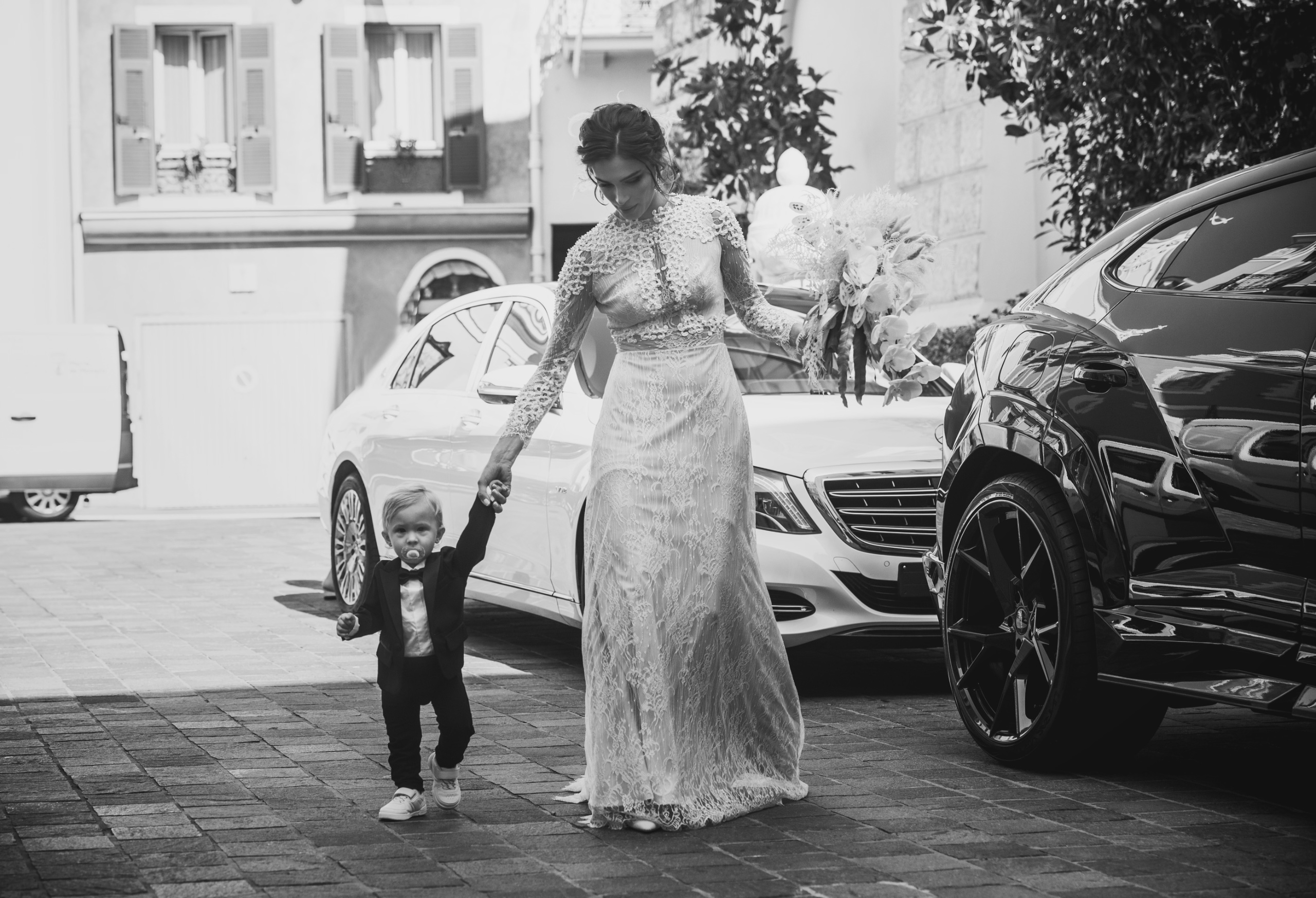
Saint-Tropez marries couples under French law: one of you, or a parent, must have a home in the commune or have lived there continuously for a month when the banns are posted. The town hall is on the Place de la Mairie, where a carved door brought back from Zanzibar recalls the town’s sea captains.
The parish church whose ochre and sienna bell tower Paul Signac painted in 1896. Built from the 16th century and finished in 1784, it keeps the bust of Saint Tropez carried through the streets at the Bravade each May. A Catholic wedding is prepared with your home parish and follows the civil marriage.
Symbolic ceremonies at villas and wine estates around Ramatuelle and Gassin, among vines and pines. Ask how coaches reach the house along narrow lanes, and how late the music may play.
Pampelonne’s 4.5 km of sand lie in Ramatuelle, on public maritime land recognised as a remarkable natural area; the beach clubs run under concessions from the commune. A ceremony on a club’s own deck is the realistic plan; a set-up on the open sand needs permission.
Portraits
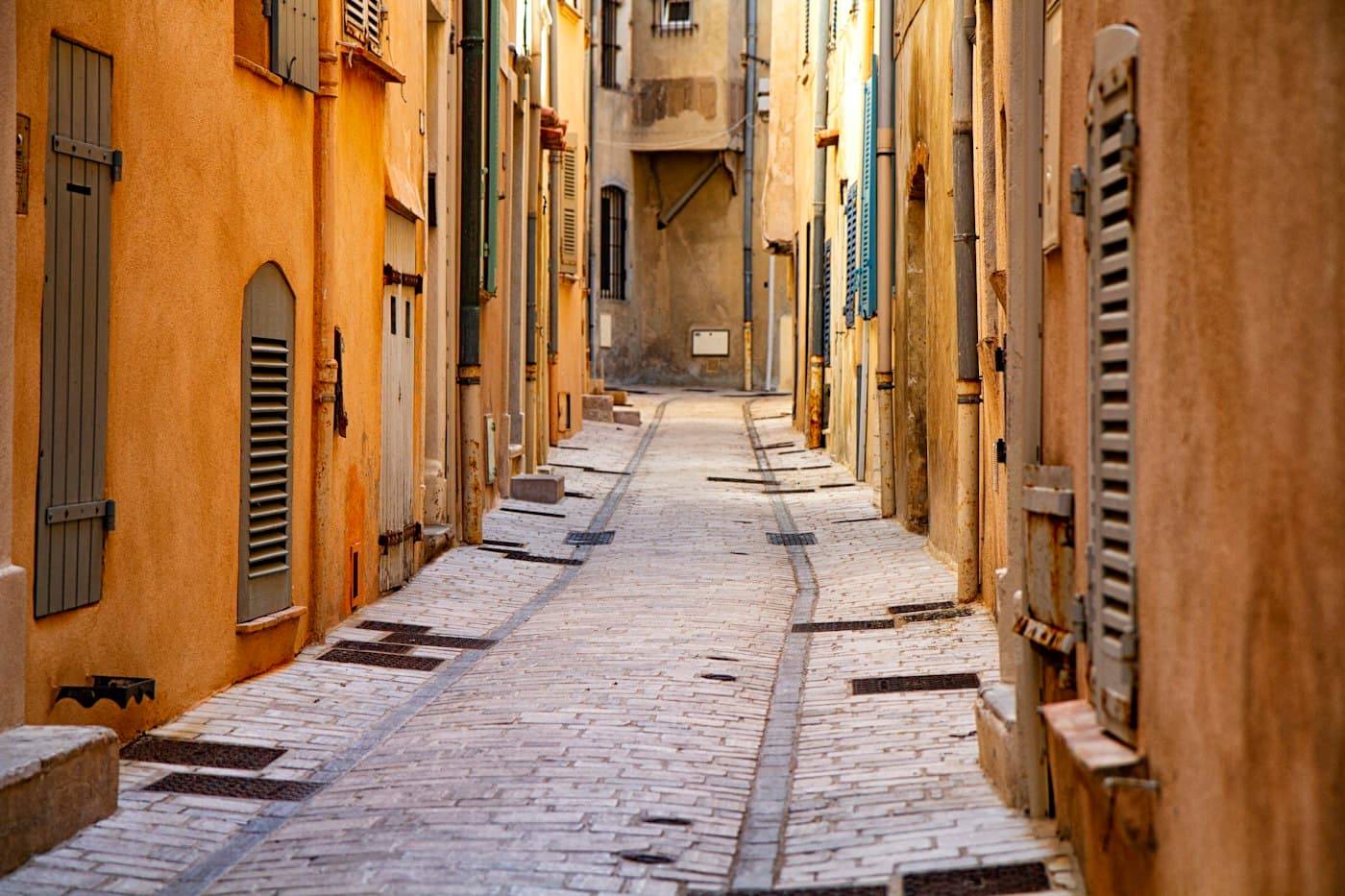
Before the café terraces open, the quay is yours: pastel houses, the 16th-century Portalet tower at the harbour mouth and the bell tower above the roofs. Come back at sunset, when the low sun from across the gulf warms the façades.
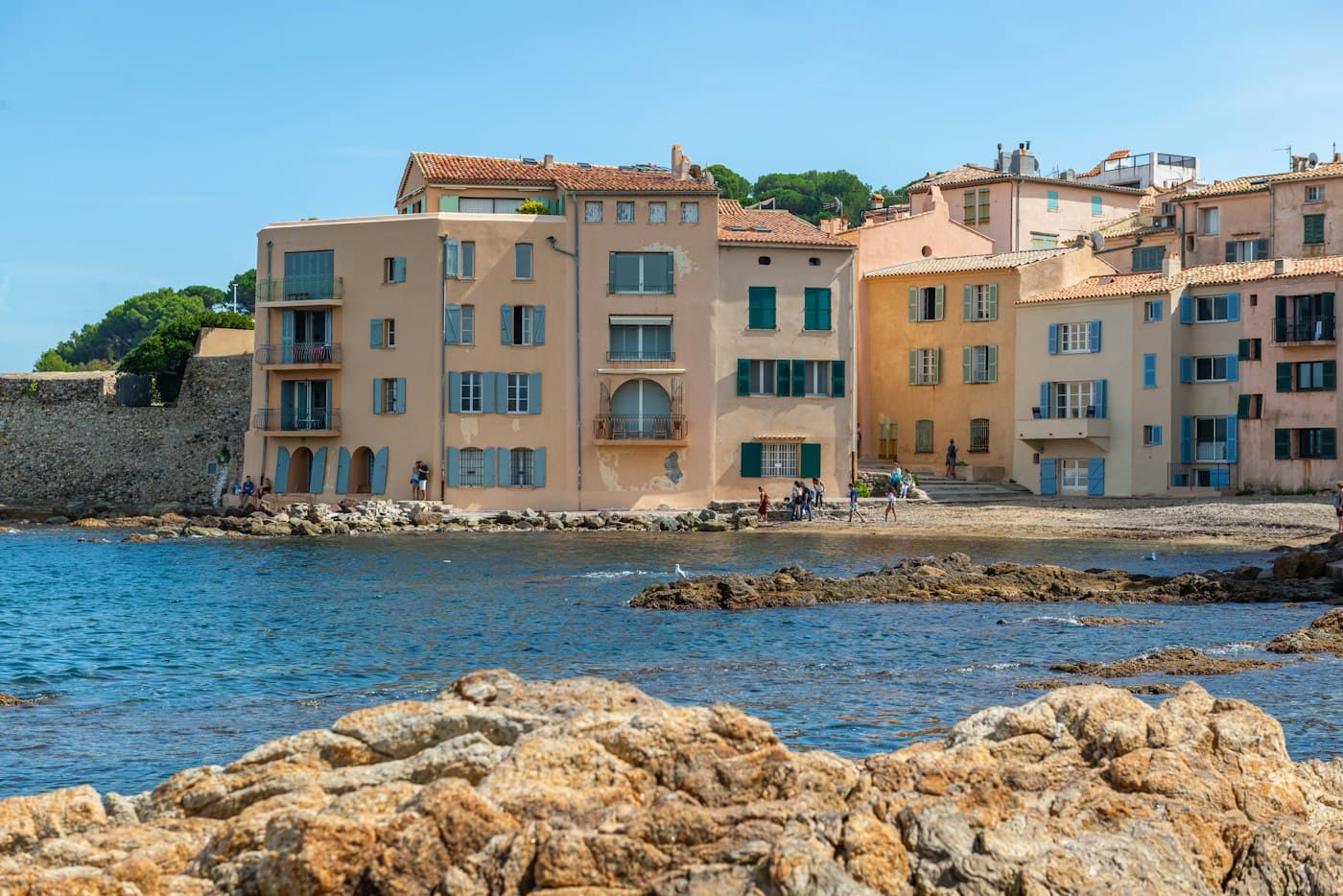
The old fishermen’s quarter east of the port, with its small beach between the rocks and the pastel houses — the beach where “And God Created Woman” was filmed. One of the towers of the walls built after 1470 still guards the entrance to the Ponche.
On the wooded hill above the town, the hexagonal keep built from 1602 to 1607, home since 2013 to the maritime history museum. From around its walls the view runs over the roofs and the bell tower to the gulf and the hills beyond — the town’s great sunset. Check the opening hours before you plan around it.
The long beach faces east, so the sun rises out of the sea in front of it; at that hour the clubs are closed and the sand is empty. Cap Camarat closes the bay to the south.
Through the year
May, June and September are the best months; July and August are hot and crowded. The nearest long-run Météo-France station is at Cogolin, 9 km inland, so hotter than the waterfront: average highs of 24.3 °C in May, 29.1 °C in June, 32.0 °C in July, 32.2 °C in August and 27.6 °C in September (1997–2020). July is nearly dry (13.9 mm, on about one day); October and November are the wettest months (135.6 and 177.5 mm). The sun sets at about 21:15 on 15 June 2027 and 19:44 on 15 September. The Bravade fills the town on 16–18 May each year, and Les Voiles de Saint-Tropez fill the gulf with sailing boats at the turn of September and October.
French Riviera, month by month
Practical
Nice airport is 91 km away and Toulon–Hyères 44 km; the small La Môle airport, 15 km away, takes private planes. The nearest TGV station is Saint-Raphaël-Valescure, 32 km away. Boats link the port with Sainte-Maxime and other towns along the coast.
One road leads into town, from the La Foux junction, and in July and August it jams. Move guests early in the day or by boat from Sainte-Maxime, and leave wide margins before the ceremony.
Provence’s north-west wind can blow hard along this coast, sometimes for several days. Bring weights for anything standing, a plan for the veil and a sheltered second spot for the ceremony.
French rules forbid hobby flights above public space in built-up areas and keep drones away from people and from aerodromes. Over the port or a beach, an aerial shot is a professional operation, checked against the official restrictions map (Géoportail).
A civil wedding in France needs one of you, or a parent, to live in the commune or to have lived there continuously for a month; the banns are posted for ten days. Most couples from abroad marry at home and hold a symbolic ceremony here.
Questions
In a symbolic ceremony, yes — usually on the deck of a beach club at Pampelonne, which is in Ramatuelle; a set-up on the open sand needs permission. A beach ceremony has no legal effect: the civil wedding takes place at the town hall, or at home before you come.
Saint-Tropez’s feast of its patron saint, on 16–18 May every year: the bust of Saint Tropez is carried through the streets in procession, with fifes, drums and volleys fired from old blunderbusses. A wonderful sight — and three days of crowds and noise, so a wedding that weekend should embrace it or move.
In July and August the town is at its busiest and the single road in jams, so plan transfers by boat or early in the day and keep the portraits for dawn. June and September keep the warmth and the long evenings with far fewer people.
Each year at the turn of September and October: about 300 classic and modern sailing boats race in the gulf for nine days. The harbour is a beautiful backdrop then, but hotels and moorings are taken — book early or choose another week.
French Riviera
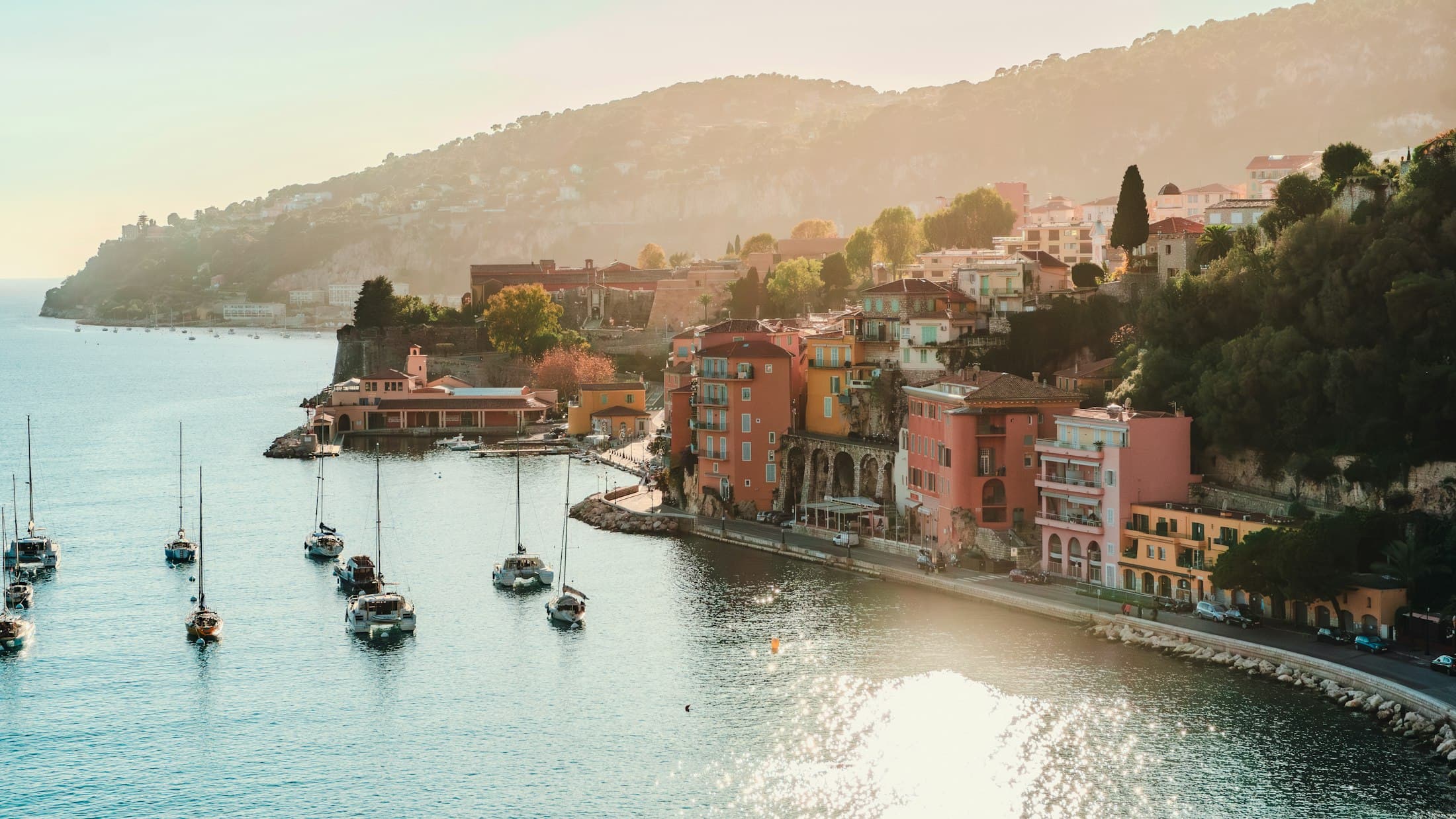 French RivieraThe whole region: when to marry, the kinds of places, the light, getting there.
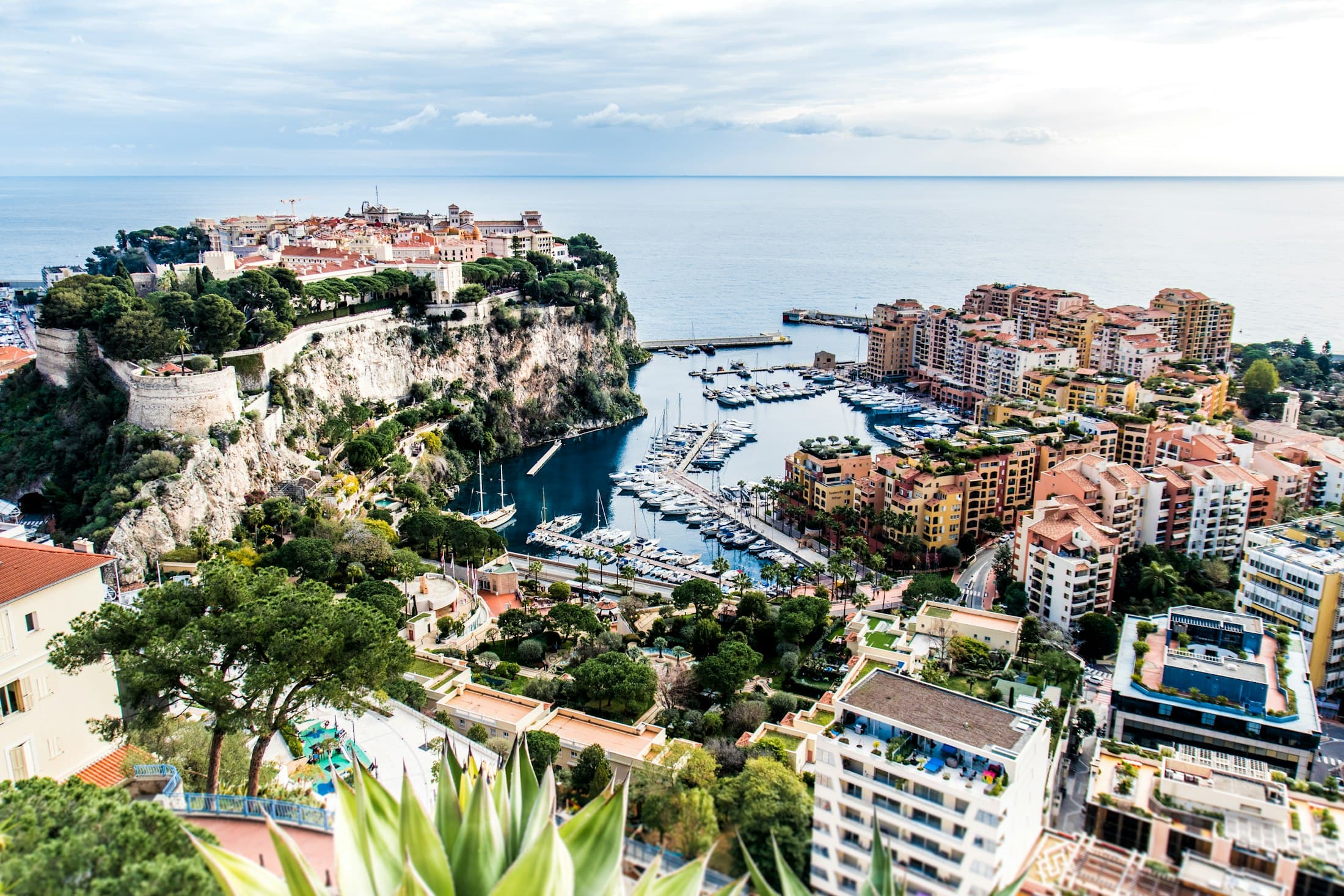 MonacoA sovereign principality of about two square kilometres: the Rock and its palace on one side of the harbour, Monte-Carlo on the other.
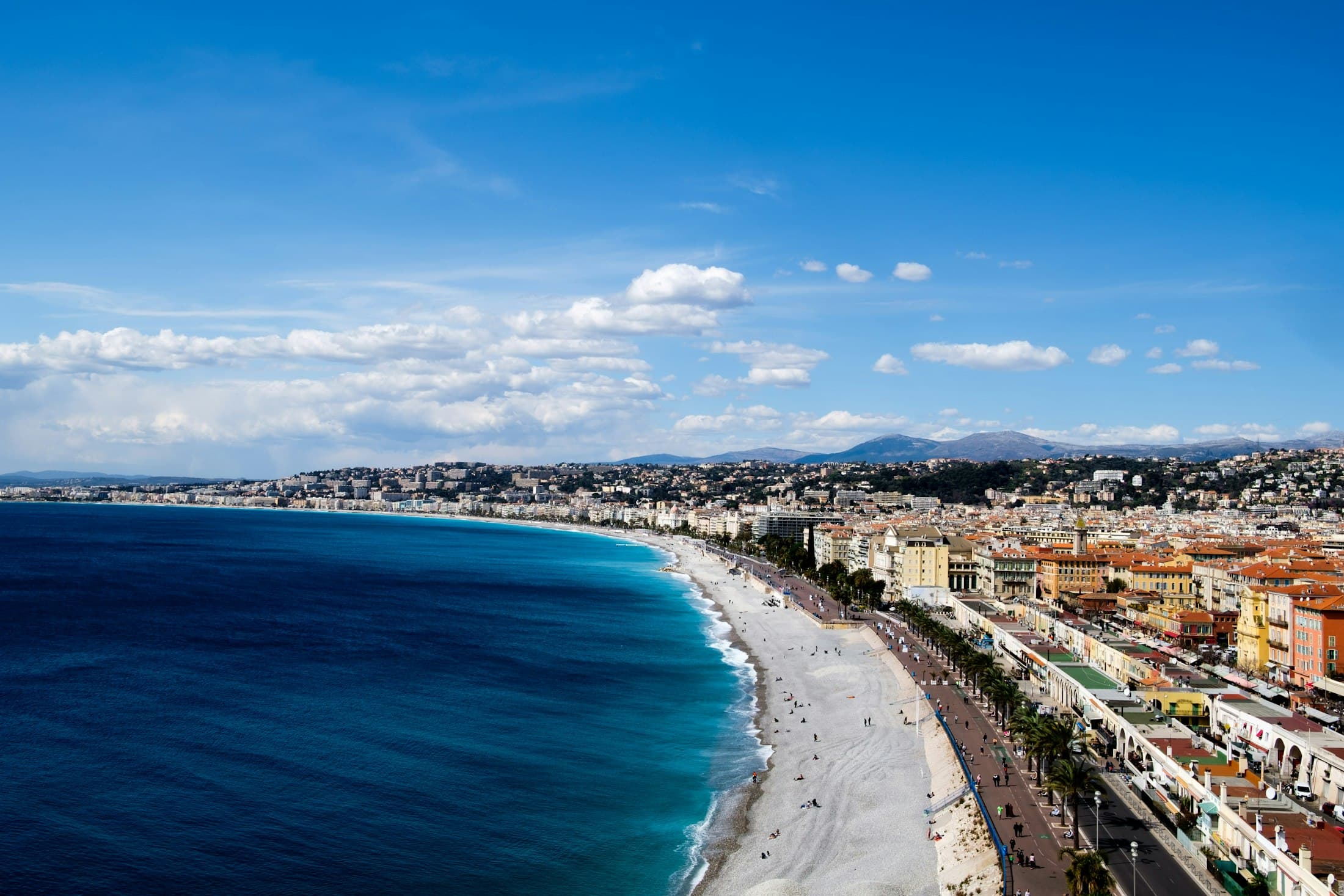 NiceA Belle Époque winter resort turned year-round city: the curve of the Baie des Anges, ochre lanes in the old town and a wooded hill above both.
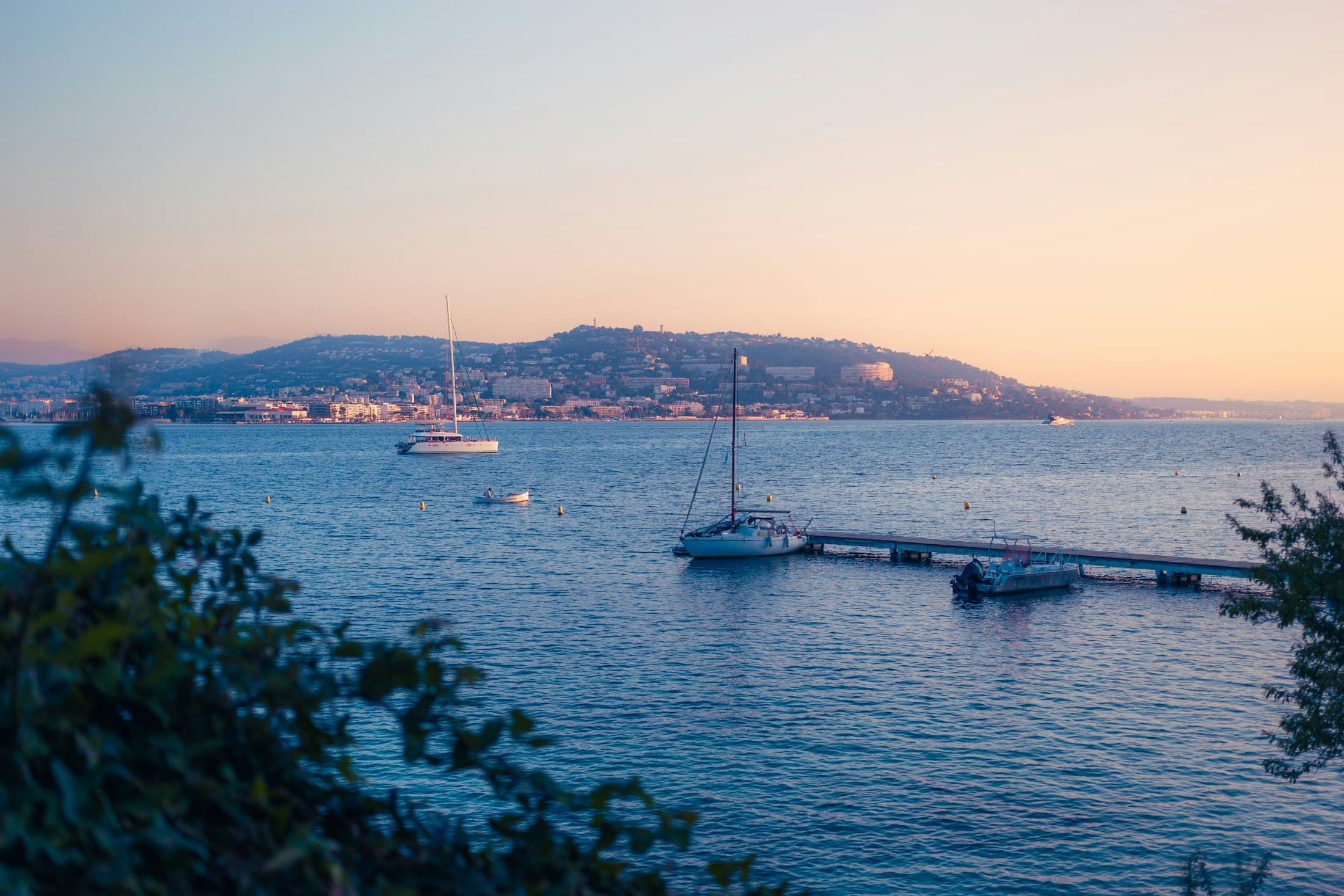 CannesAn old hill town above a yacht harbour, a bay of sand and palms, and two wooded islands a short boat ride away.
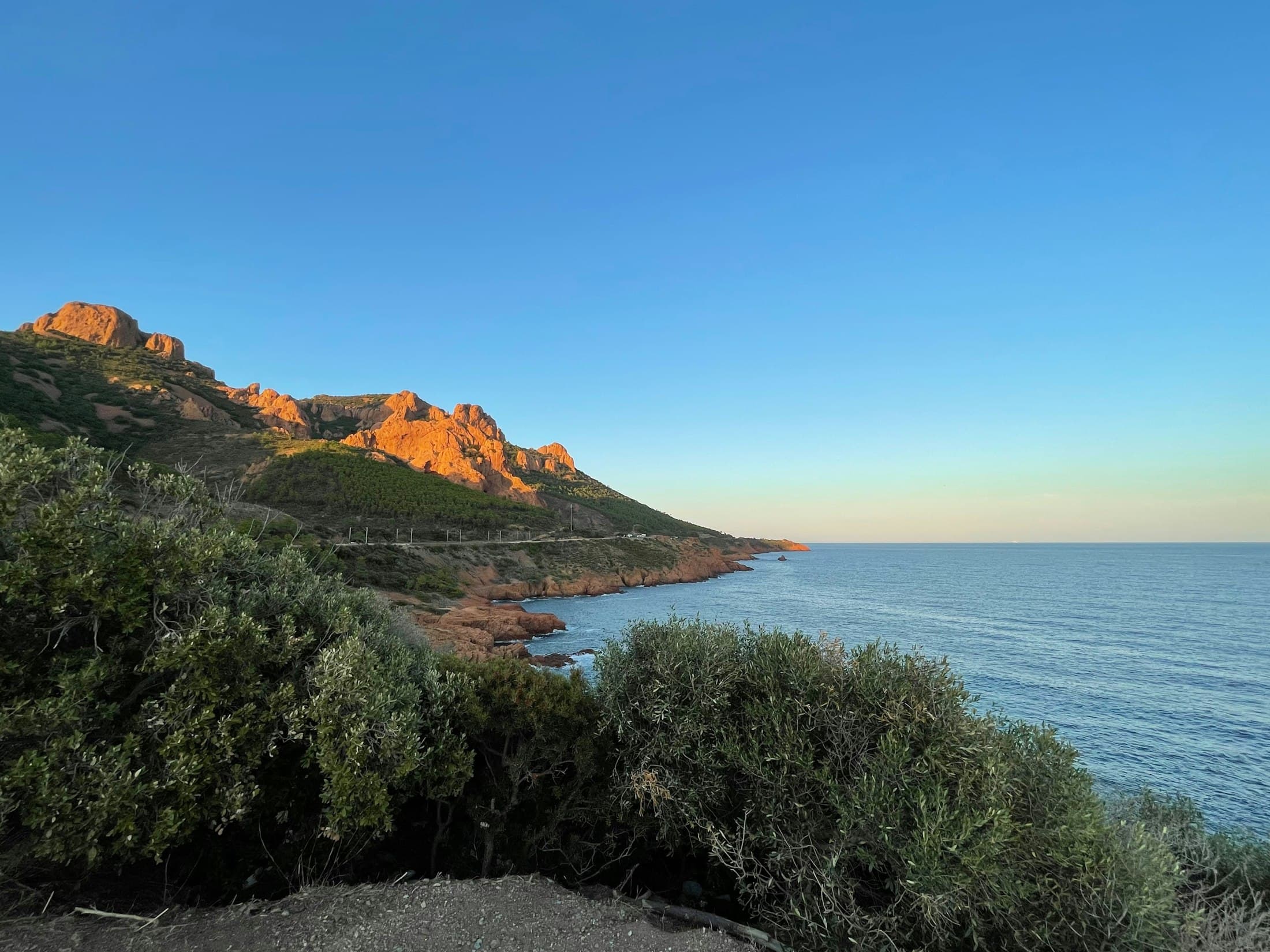 Saint-Raphaël & the EstérelRed volcanic rock dropping into a blue sea: a seaside town with a Byzantine-style basilica and, east of it, the wild coast of the Estérel.
Plan
Not sure yet?
The place, the date, the guests, the photos you like. Our concierge checks who is free and fits, and comes back with photographers to choose from.