Founding photographerVerified — Identity verified by Lens & Vows

Natalia D.from €1,400
Paris, Provence +6 · RomanticWedding photographers in France
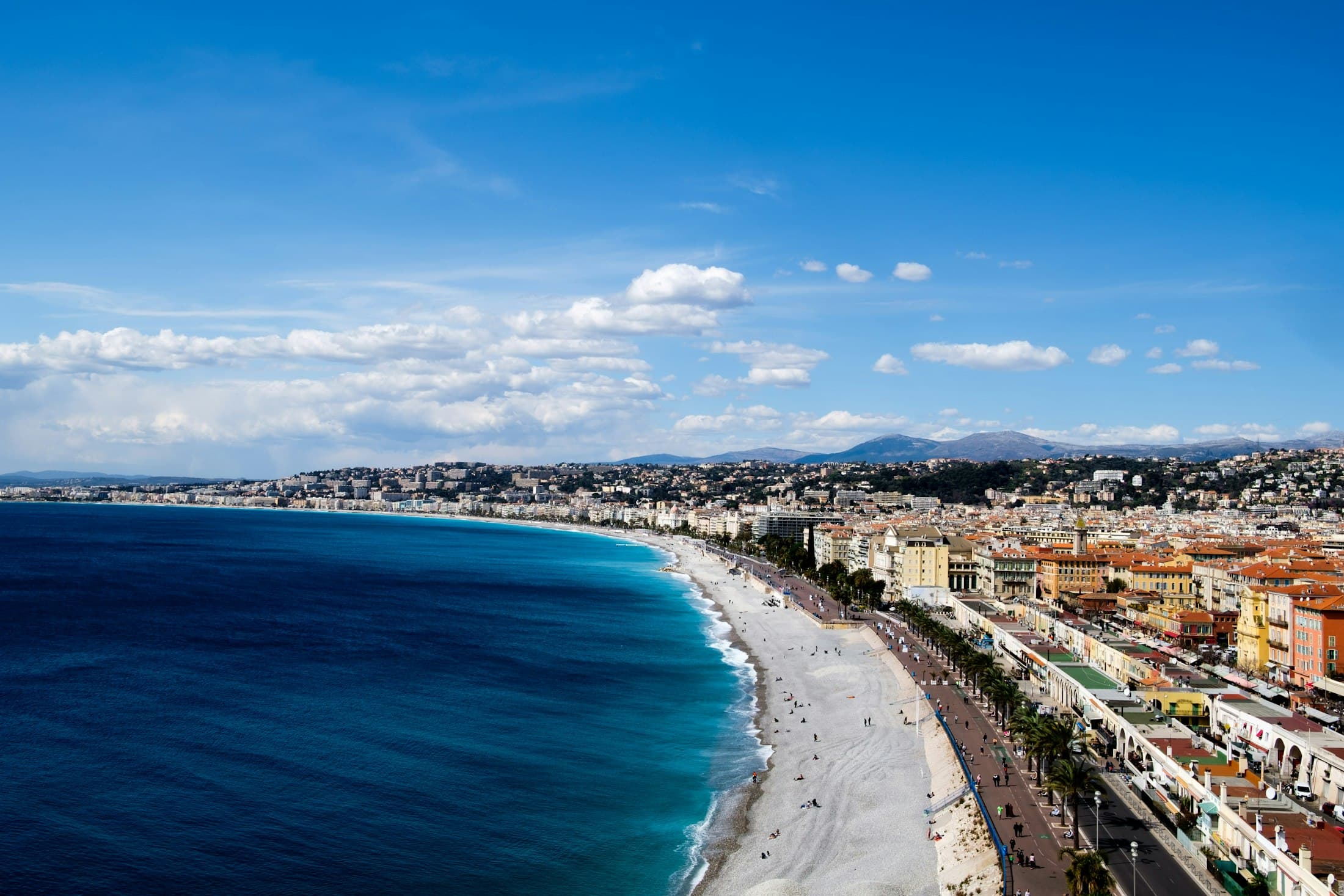
A Belle Époque winter resort turned year-round city: the curve of the Baie des Anges, ochre lanes in the old town and a wooded hill above both.
Nice grew as the winter home of Europe’s wealthy families from the 18th century on, and UNESCO listed it in 2021 as “Nice, Winter Resort Town of the Riviera”. A wedding here still uses that town: the seven kilometres of the Promenade des Anglais and its blue chairs, the ochre and red façades of Old Nice, the hill where the castle stood until 1706, and the port beyond it. It is a real city, not a resort village — busy all day, with a few early, empty hours.
Light here is a matter of sides: from Castle Hill, the sun rises over the port and sets beyond the Promenade. The beaches are pebbles, not sand; a sea breeze blows almost constantly along the Promenade; and the airport sits at its western end, so guests land almost in town.
Photographers
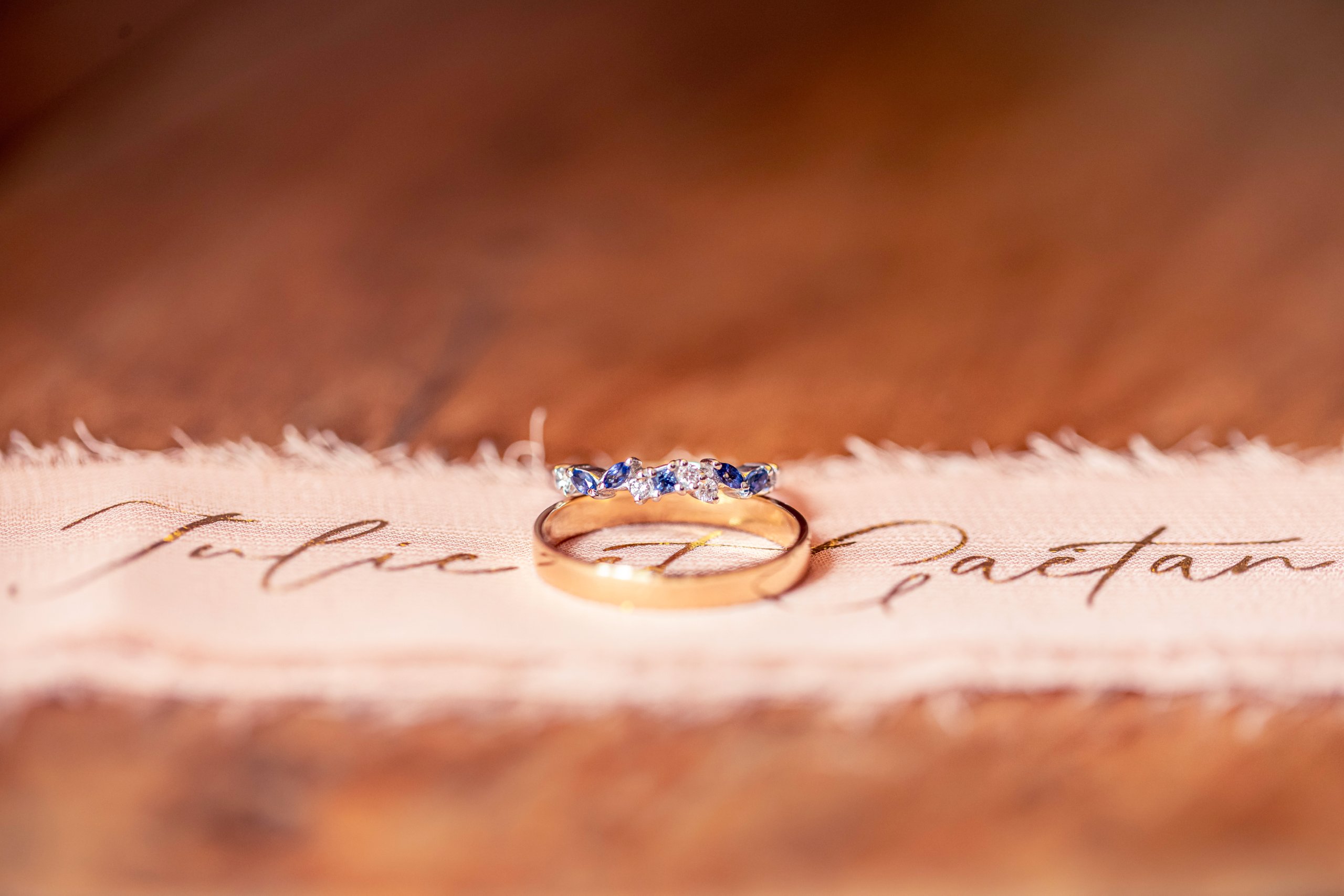
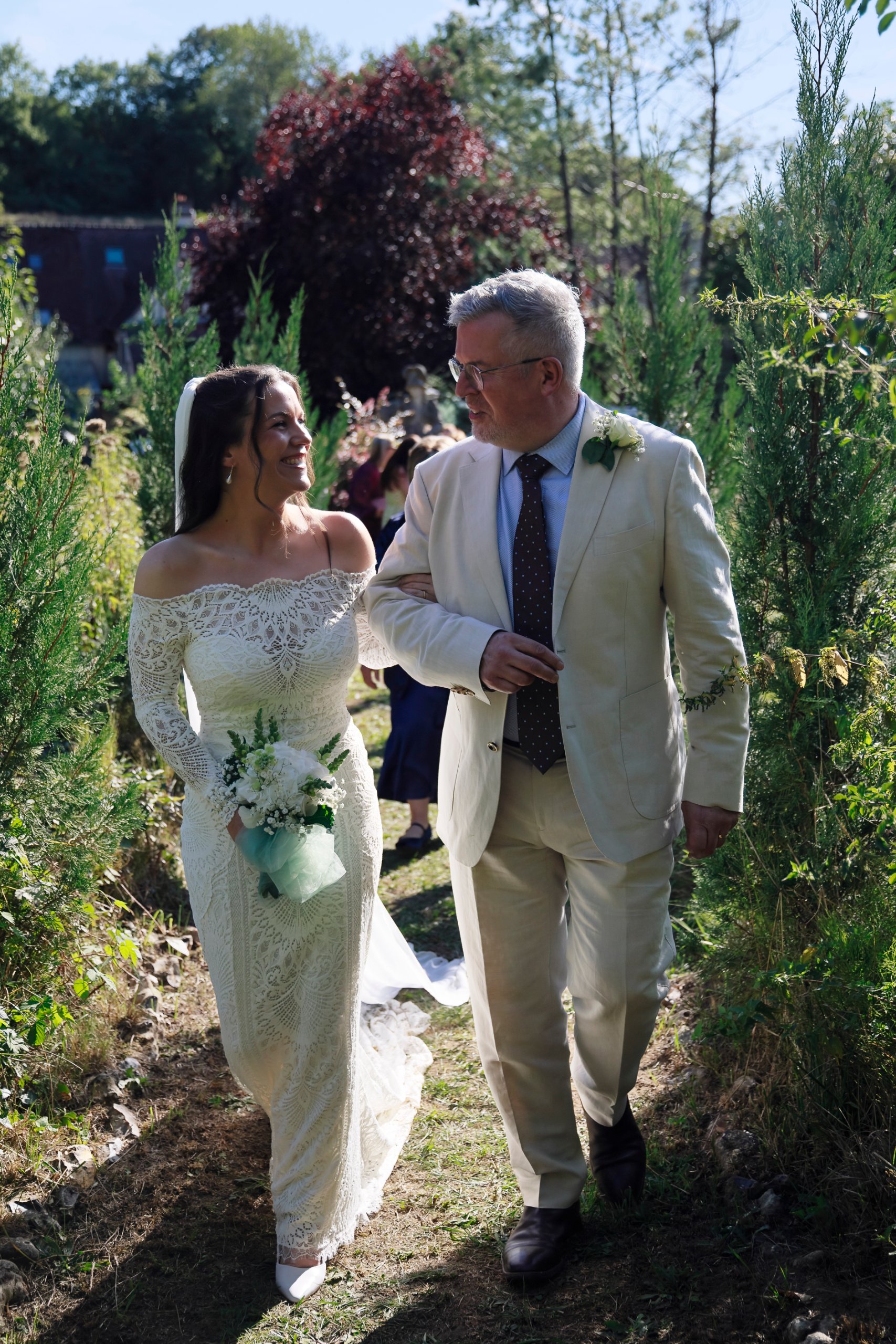
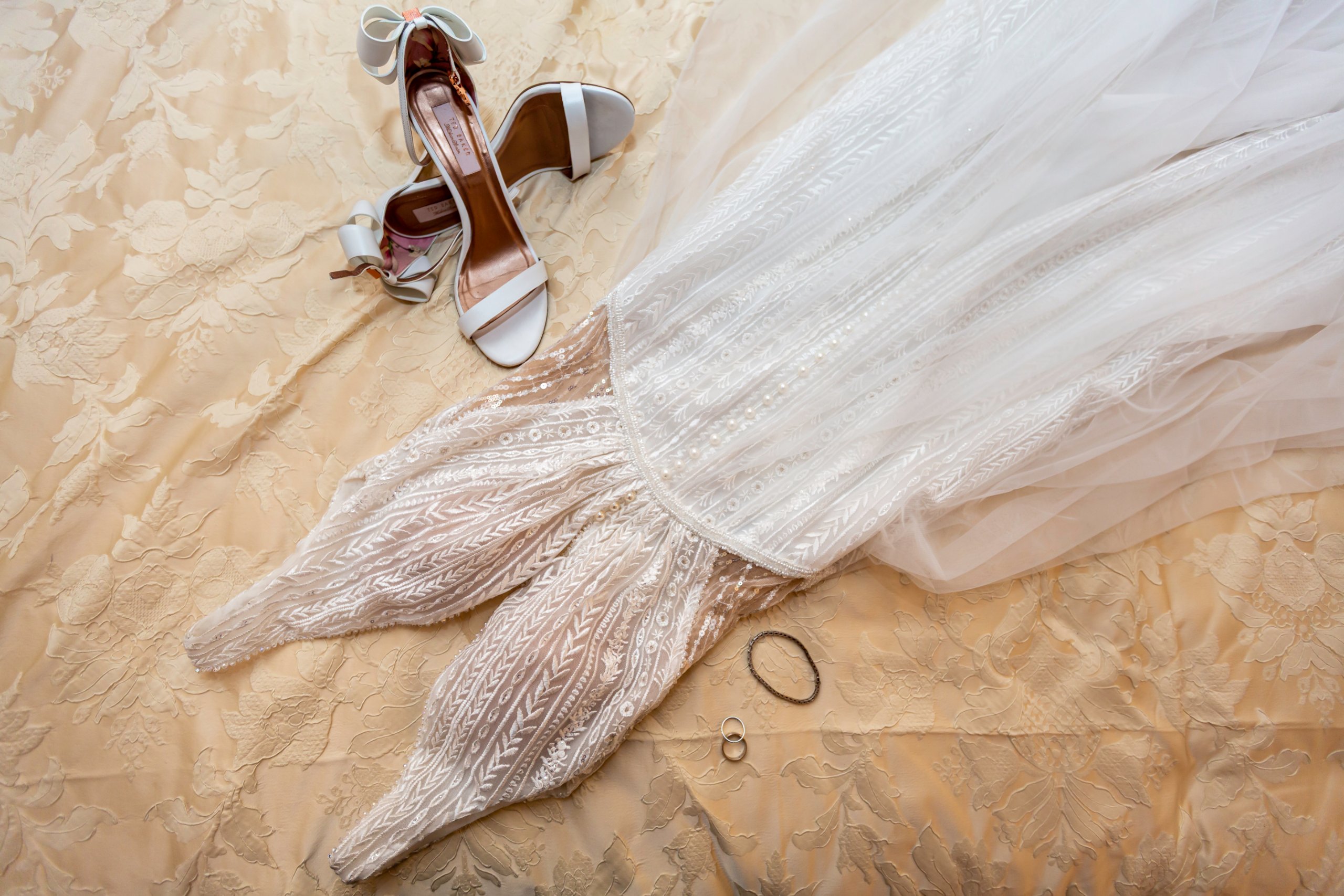
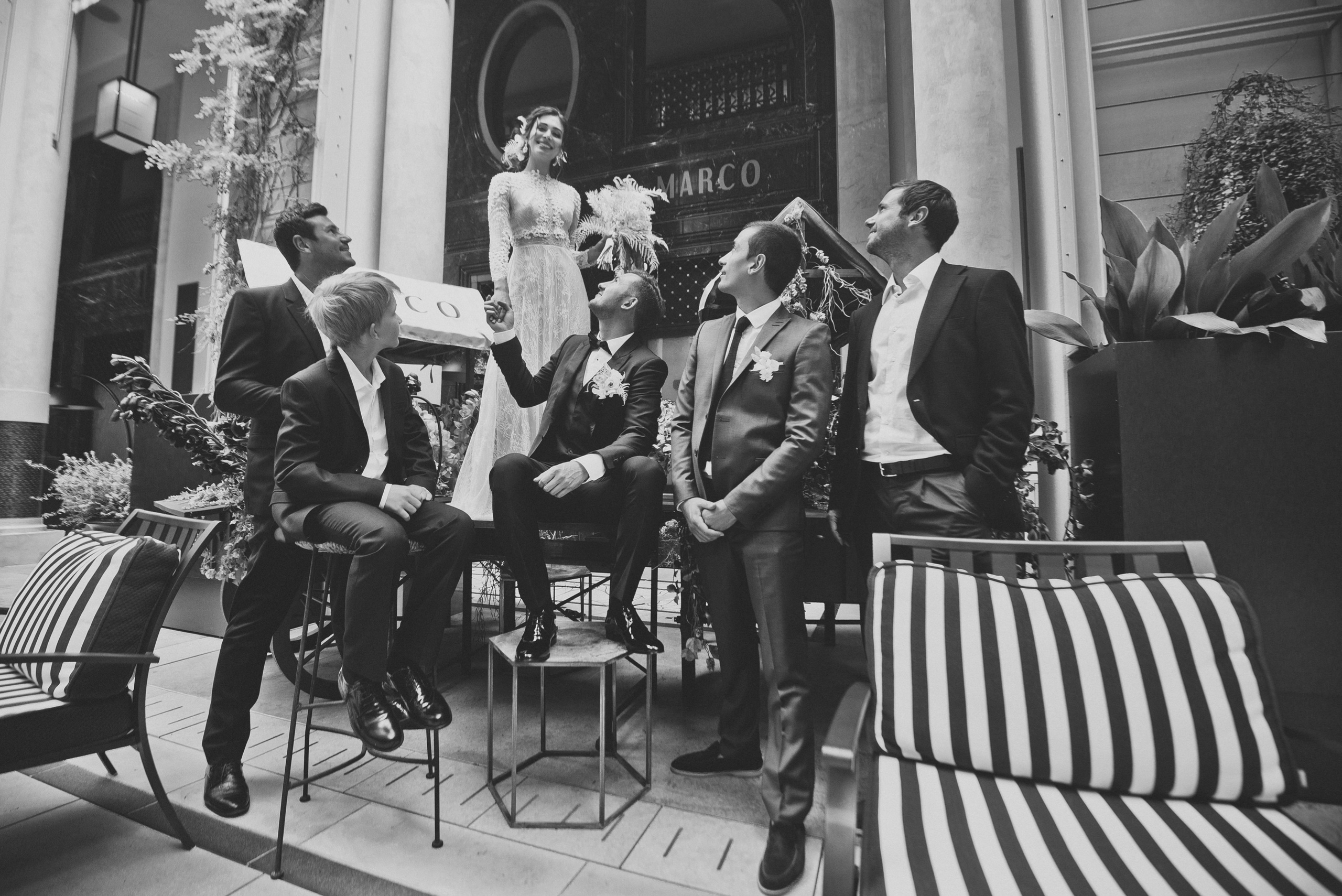
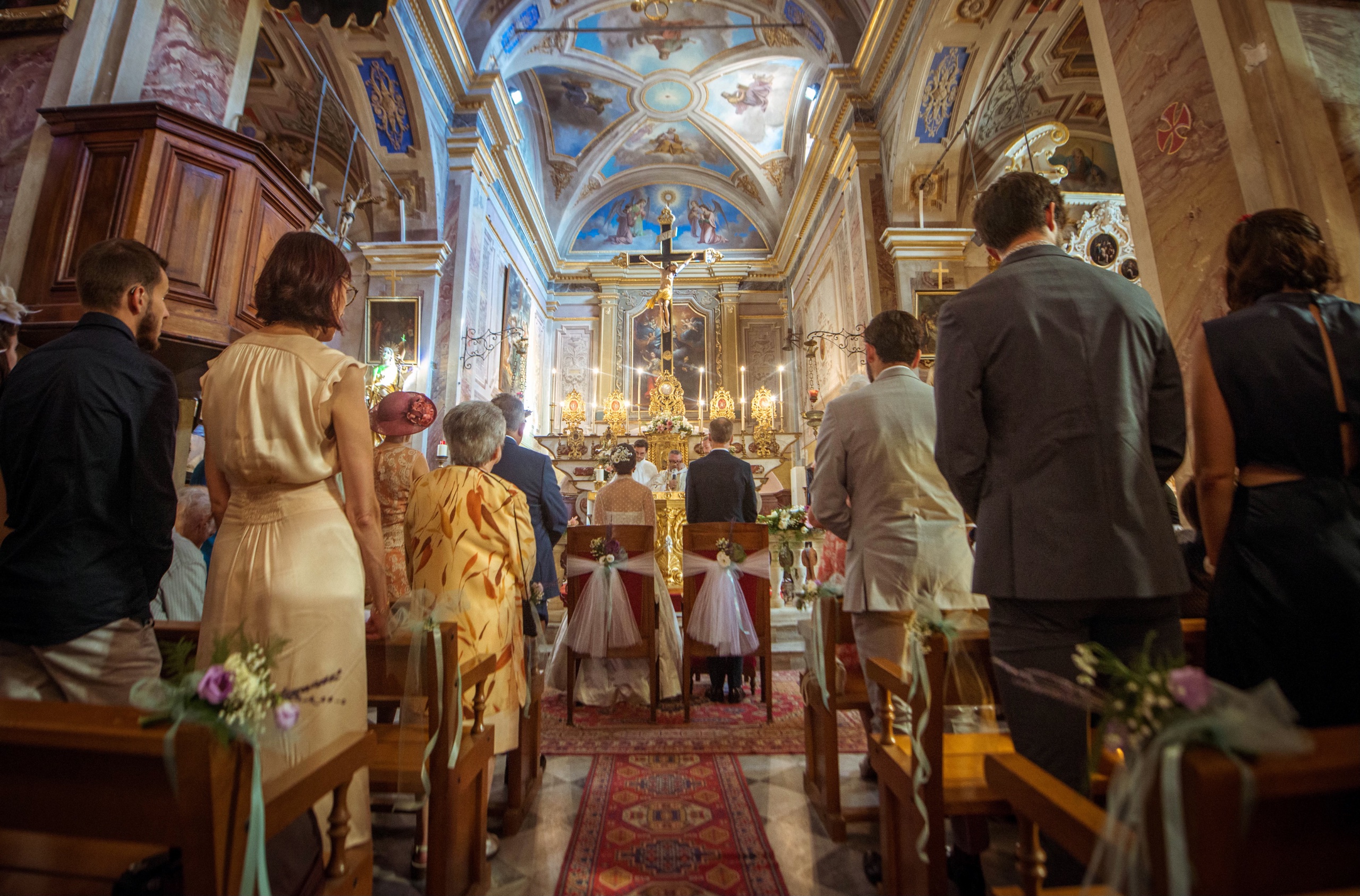
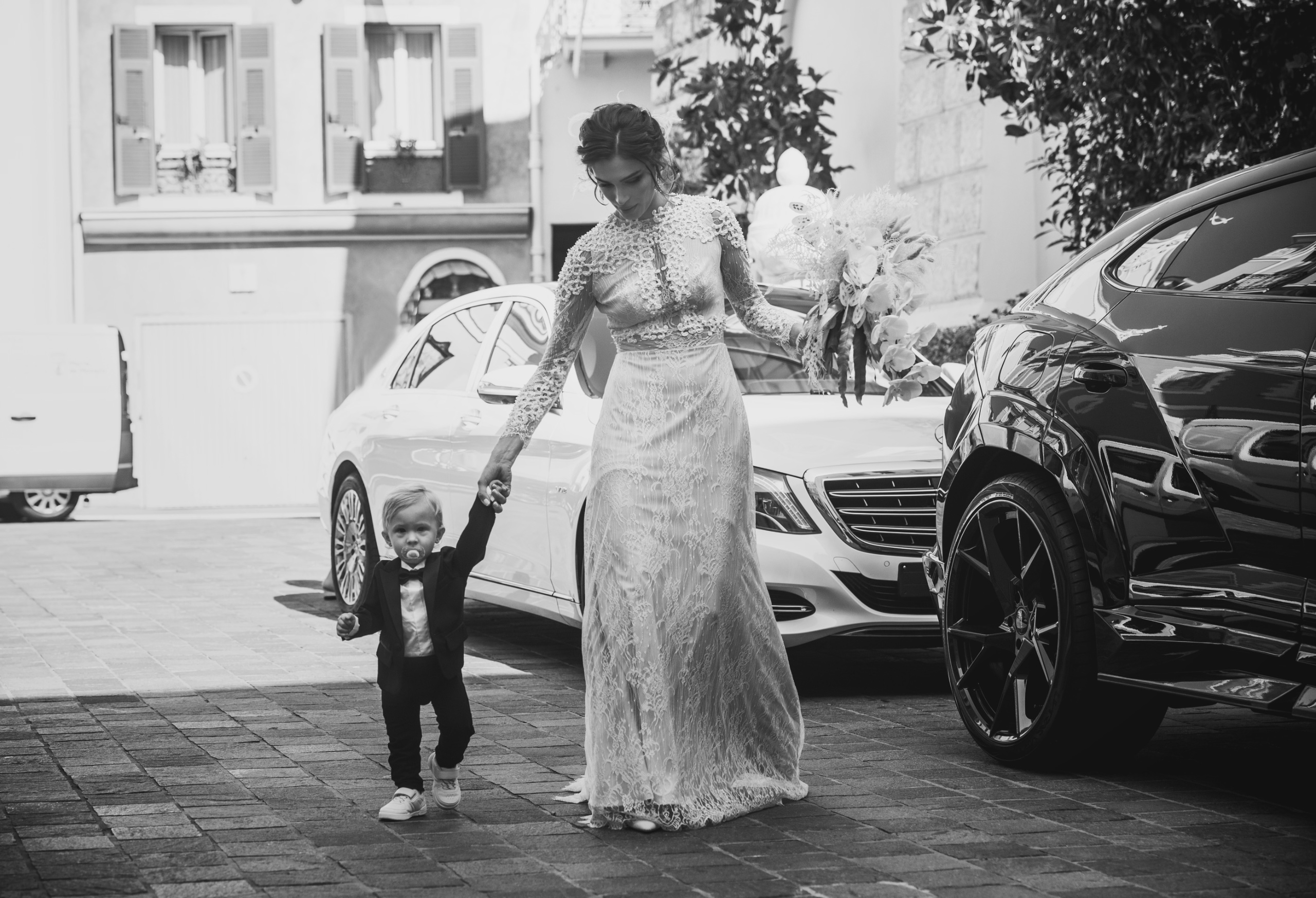
They shoot everywhere on the French Riviera — in Nice too. Their whole weddings are on their pages.
See all 3 photographers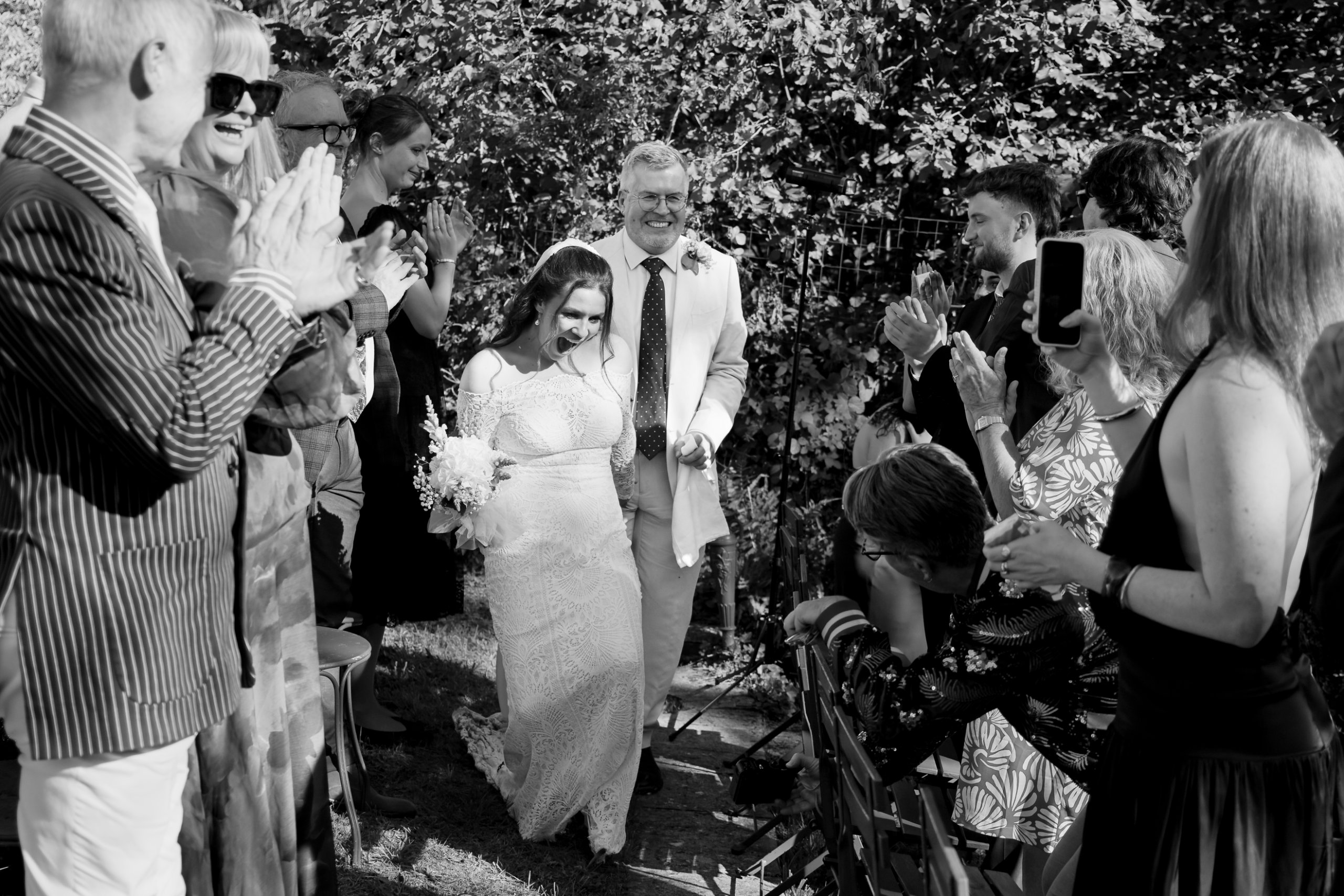

Ceremonies
Nice’s town hall has stood in Old Nice since 1868, in a former seminary that had become a hospital; its wedding room dates from that conversion, and the interior was redecorated in Art Deco style in 1928. The city marries couples where one of you lives in Nice or has a parent there: file between a year and a month ahead, with two to four witnesses. The charter you sign bans music, shouting and confetti during the ceremony.
The cathedral of Sainte-Réparate on Place Rossetti, built between 1650 and 1699, is the seat of the diocese; on the Cimiez hill, the Franciscan monastery church keeps three paintings by Louis Bréa. A Catholic wedding is prepared with your home parish, and in France the church ceremony may only follow the civil marriage.
Symbolic ceremonies are held in villa gardens on the hills — Mont Boron above the port, Cimiez to the north — on hotel terraces, and at the beach restaurants along the Promenade. On a public beach, chairs or an arch need the town hall’s permission; a venue with its own terrace by the water is simpler.
Portraits
A limestone rock 93 m high, where the castle stood until Louis XIV had it razed in 1706, now a wooded park with a waterfall built in 1885. The port side catches the sunrise, the Promenade side the sunset, and the view over Old Nice and the Baie des Anges is the city’s classic. A cannon-like bang marks noon every day — warn your guests.
Seven kilometres along the bay, with the blue chairs and pergolas that became its emblem, inscribed by UNESCO in 2021 with the rest of the winter resort. At dawn it belongs to runners and cyclists; by mid-morning, to everyone. On 15 June 2027 the sun rises at about 05:49.
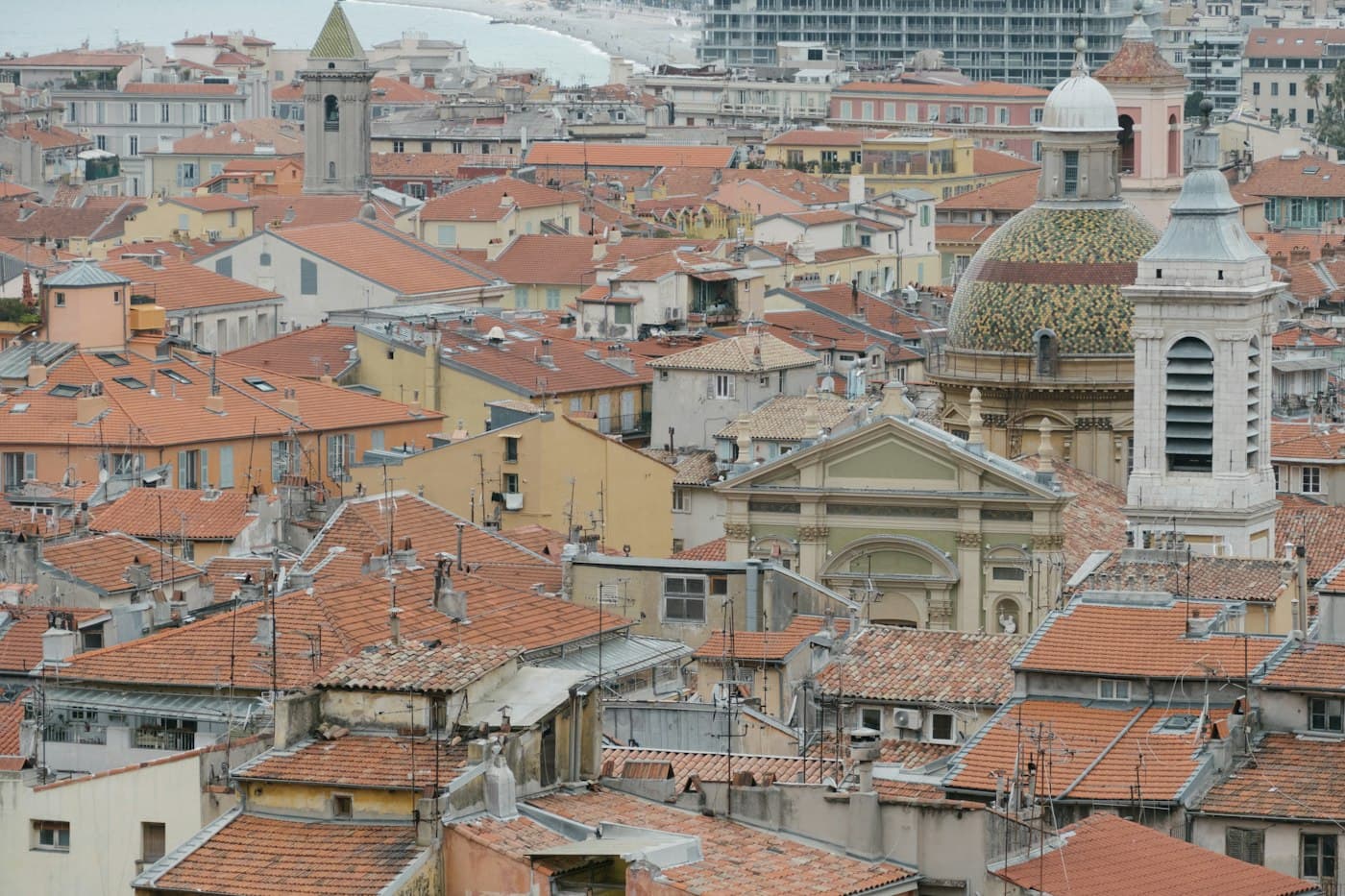
Red and yellow ochre façades and lanes barely wider than a car, opening onto Place Rossetti, its fountain and the cathedral. The Cours Saleya, behind the seafront, has held a flower market since 1861; come before the stalls and café terraces spread out, when the lanes are still empty.
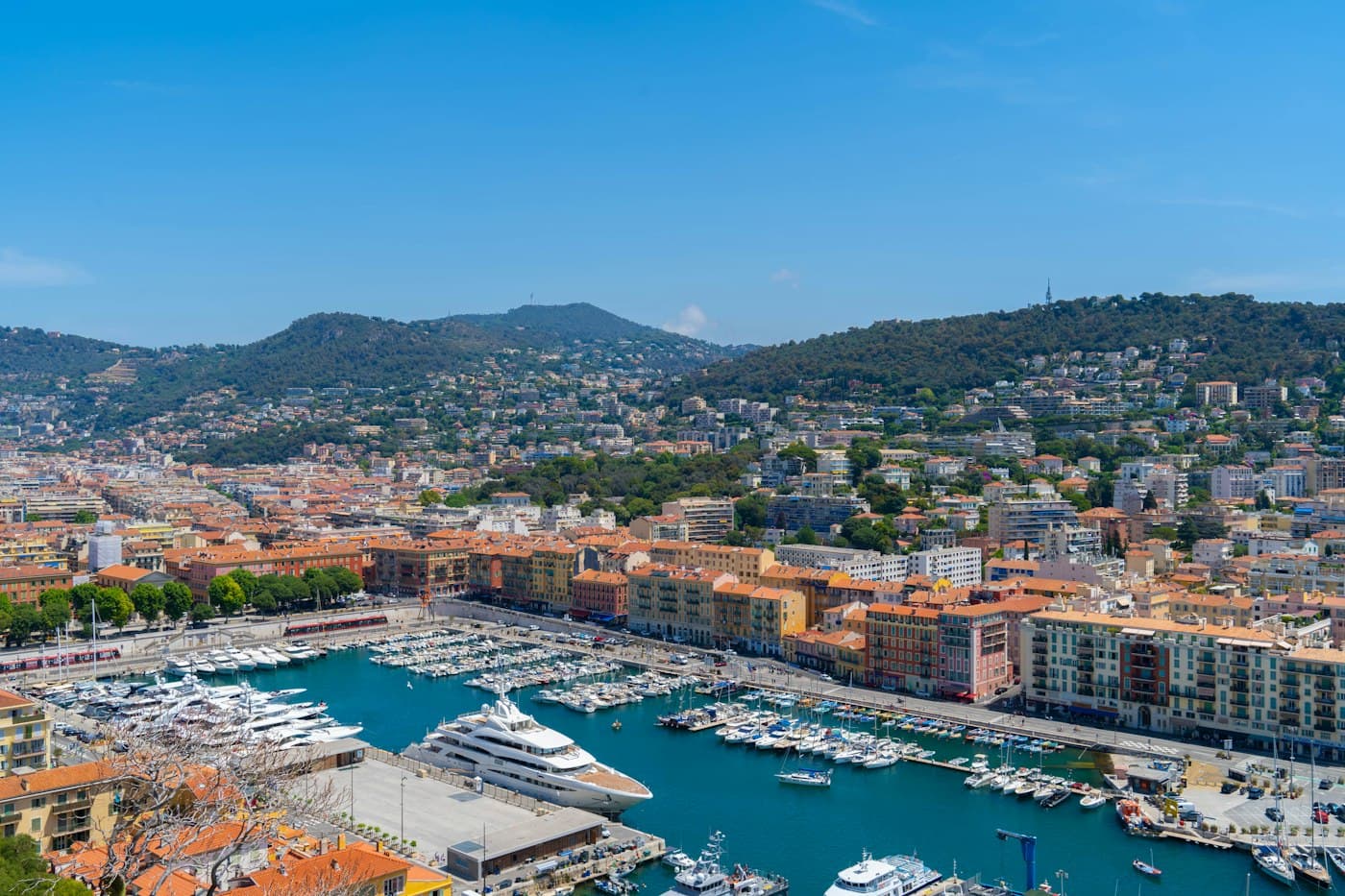
The harbour dug from the mid-18th century between Castle Hill and Mont Boron, with more than 500 moorings today: boats, ochre façades along the quays, and the view straight down from the hill above.
Around the Franciscan monastery on the Cimiez hill, the monks’ old kitchen garden is now a public garden, its ground listed as a historic monument since 1994, with the city and the sea below. Shade and calm for a summer afternoon.
Through the year
May, June and September are the best months. Météo-France’s 1991–2020 normals for Nice airport give average highs of 21.0 °C in May, 24.7 °C in June, 27.5 °C in July, 27.9 °C in August and 24.8 °C in September, with August nights around 21 °C. July is nearly dry (13.6 mm on 1.8 days); October and November are the wettest months (127.9 and 138.4 mm), often in short, heavy storms. The sun sets at about 21:14 on 15 June 2027 and 19:42 on 15 September. In February the carnival takes over the city for two weeks.
French Riviera, month by month
Practical
Nice Côte d’Azur airport, France’s third busiest, lies at the western end of the Promenade; tram line 2 runs from it to the city centre and the port. Lodge guests near the old town and much of the day can be walked.
Nice’s beaches are pebbles, and some stretches are private beaches run by restaurants and hotels. Walking and portraits on a public beach are free; any set-up on it needs the town hall’s permission. Flat shoes, and something to sit on.
Forget the drone over the bay: French rules forbid hobby flights above public space in built-up areas and near aerodromes, and Nice’s airport lies at the end of the Promenade. Any aerial shot is a job for a professional operator, checked first against the official restrictions map (Géoportail).
In France a civil wedding is held in a commune where one of you, or a parent, has a home or has lived continuously for at least a month when the banns are published; the banns are posted for ten days. Couples living abroad usually marry at home and hold a symbolic ceremony here.
Questions
Only if one of you, or a parent, has a home in Nice or has lived there continuously for at least a month when the banns are published. Otherwise, marry at home and hold a symbolic ceremony in Nice — on a terrace, in a villa garden, in your own language.
Warm rather than scorching: average highs of 27.9 °C at the airport station, with the sea breeze, though nights stay around 21 °C. Hold the ceremony in the early evening — the sun sets at about 20:35 in mid-August — and keep the portraits for the last light.
Every February, for two weeks spanning three weekends; the parades take over Place Masséna and the flower battles the Promenade. It is a sight, but rooms are scarce and streets closed — check the dates before you fix a winter wedding.
Castle Hill for the view over the bay, the Promenade at dawn, the lanes of Old Nice before the shops open, and the port at the foot of the hill. They are a short walk apart, so a two-hour session can take in three of them.
French Riviera
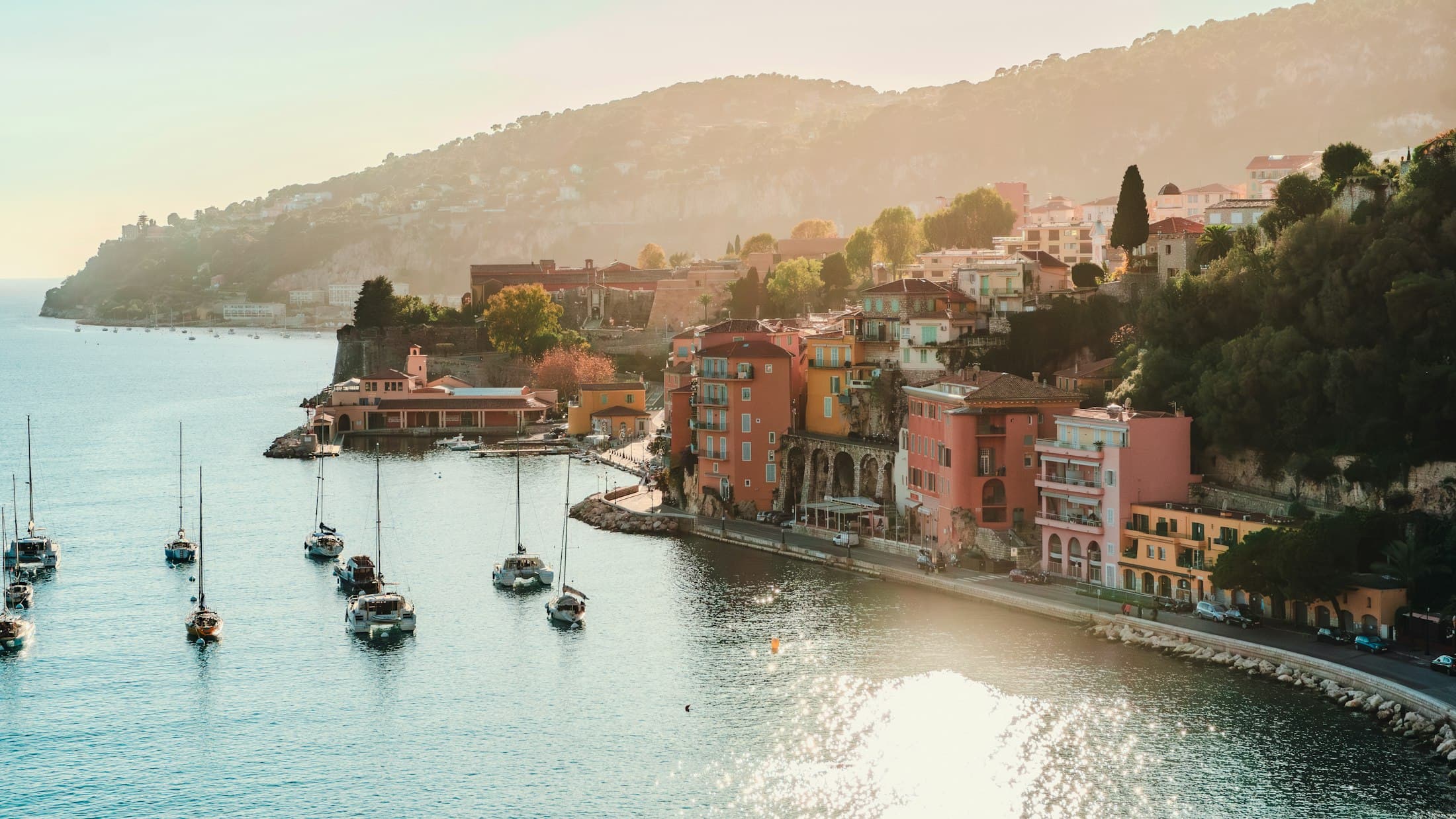 French RivieraThe whole region: when to marry, the kinds of places, the light, getting there.
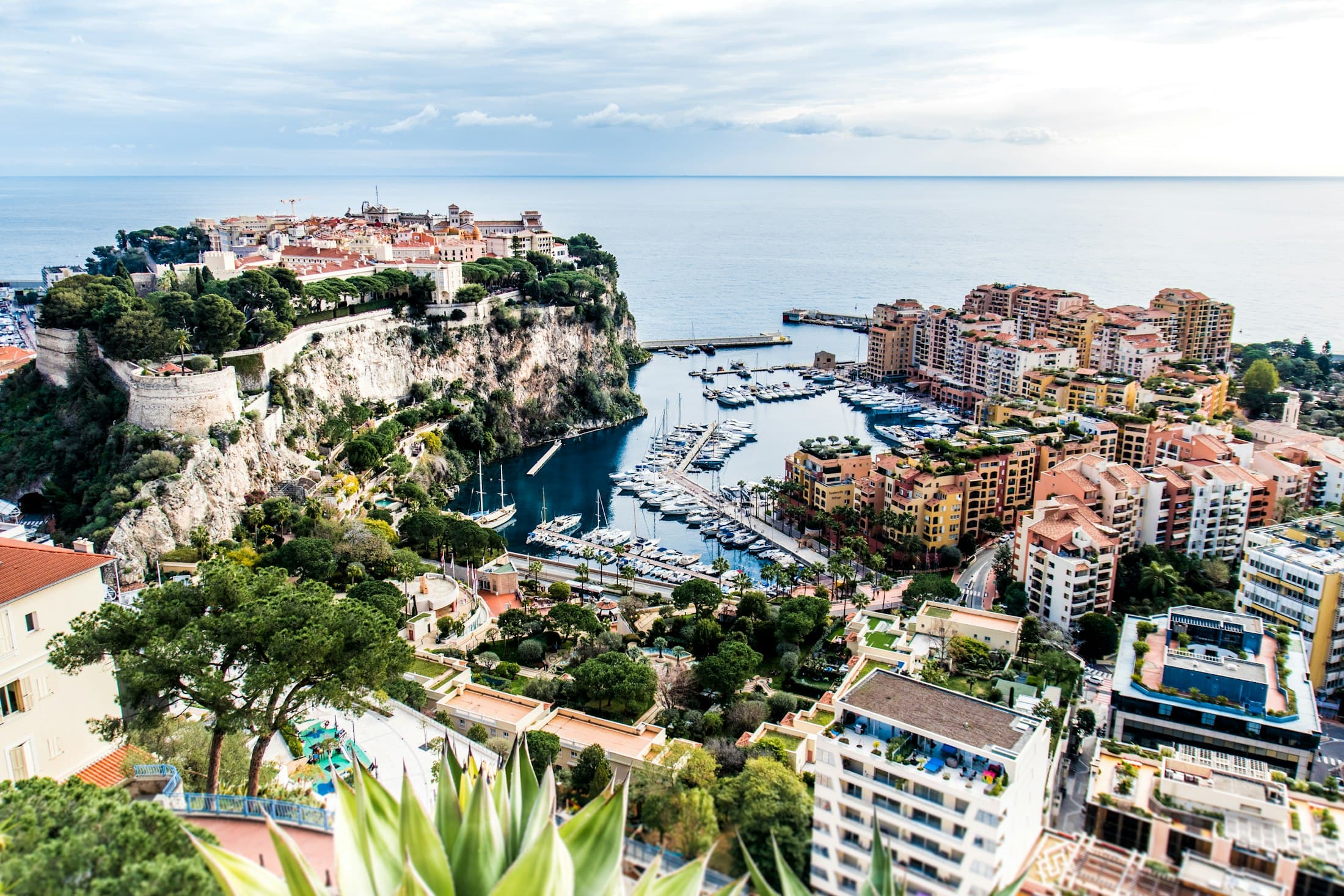 MonacoA sovereign principality of about two square kilometres: the Rock and its palace on one side of the harbour, Monte-Carlo on the other.
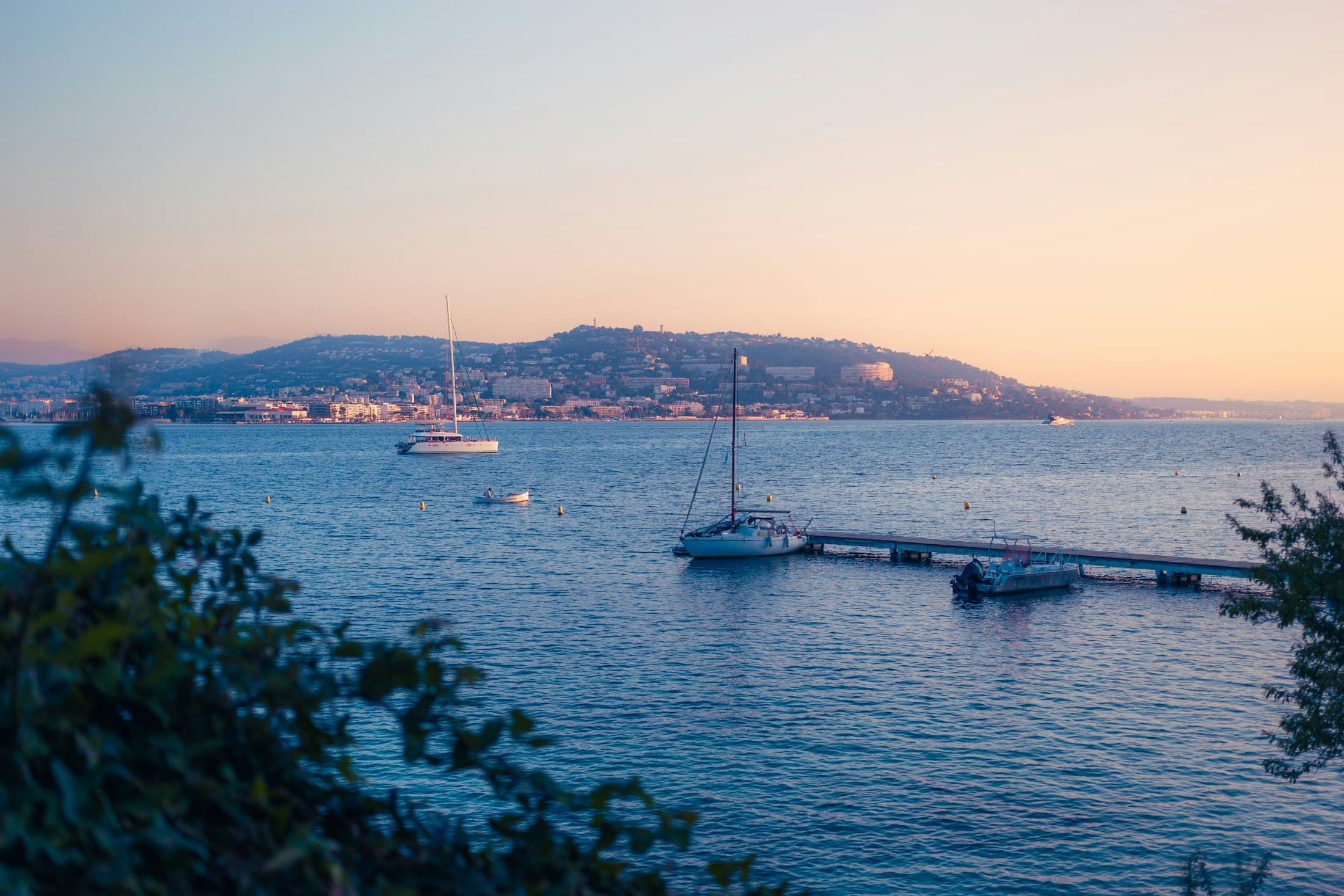 CannesAn old hill town above a yacht harbour, a bay of sand and palms, and two wooded islands a short boat ride away.
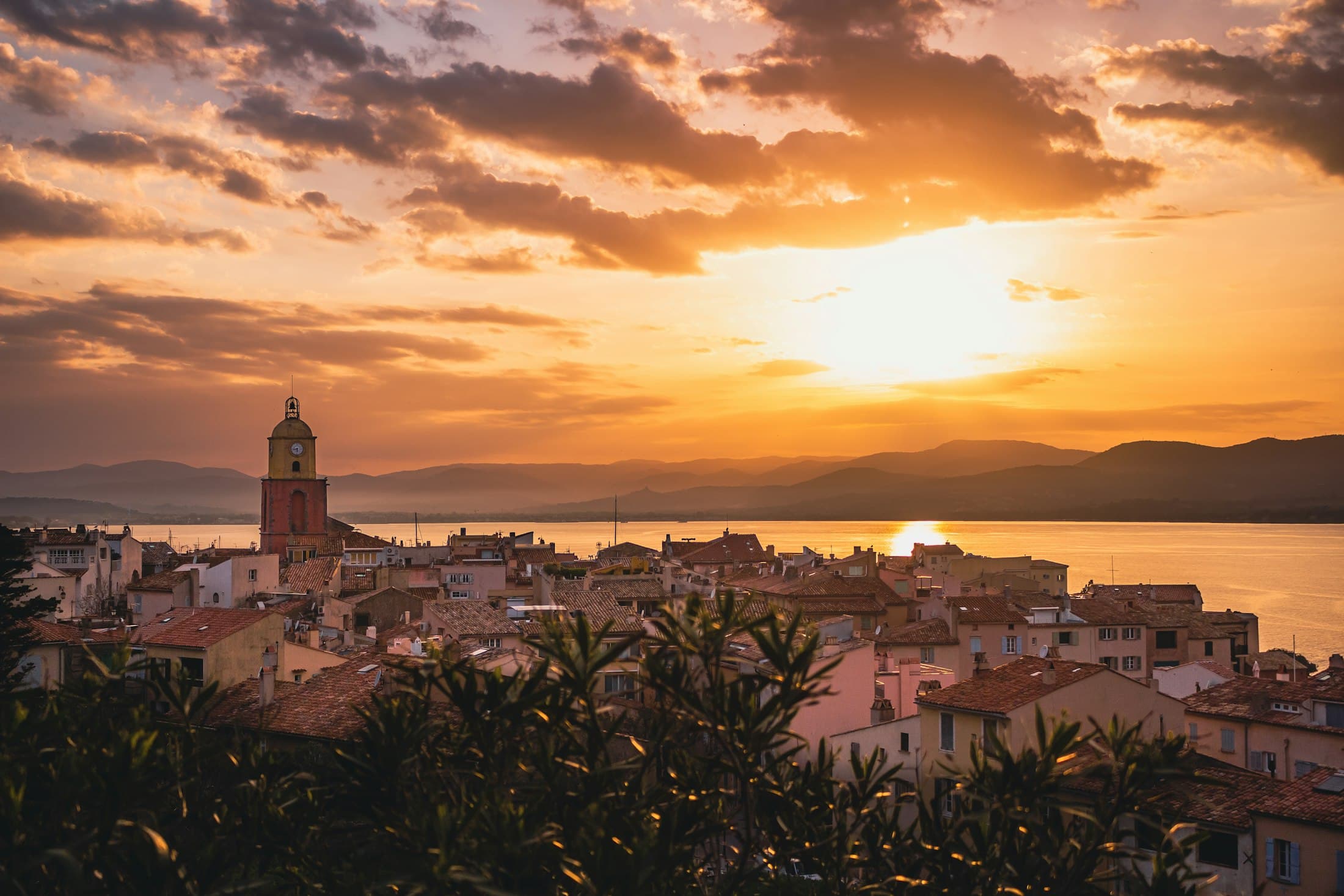 Saint-TropezA fishing port turned legend at the end of its own peninsula: pastel houses on the quay, an ochre bell tower, a citadel on the hill and sand around the cape.
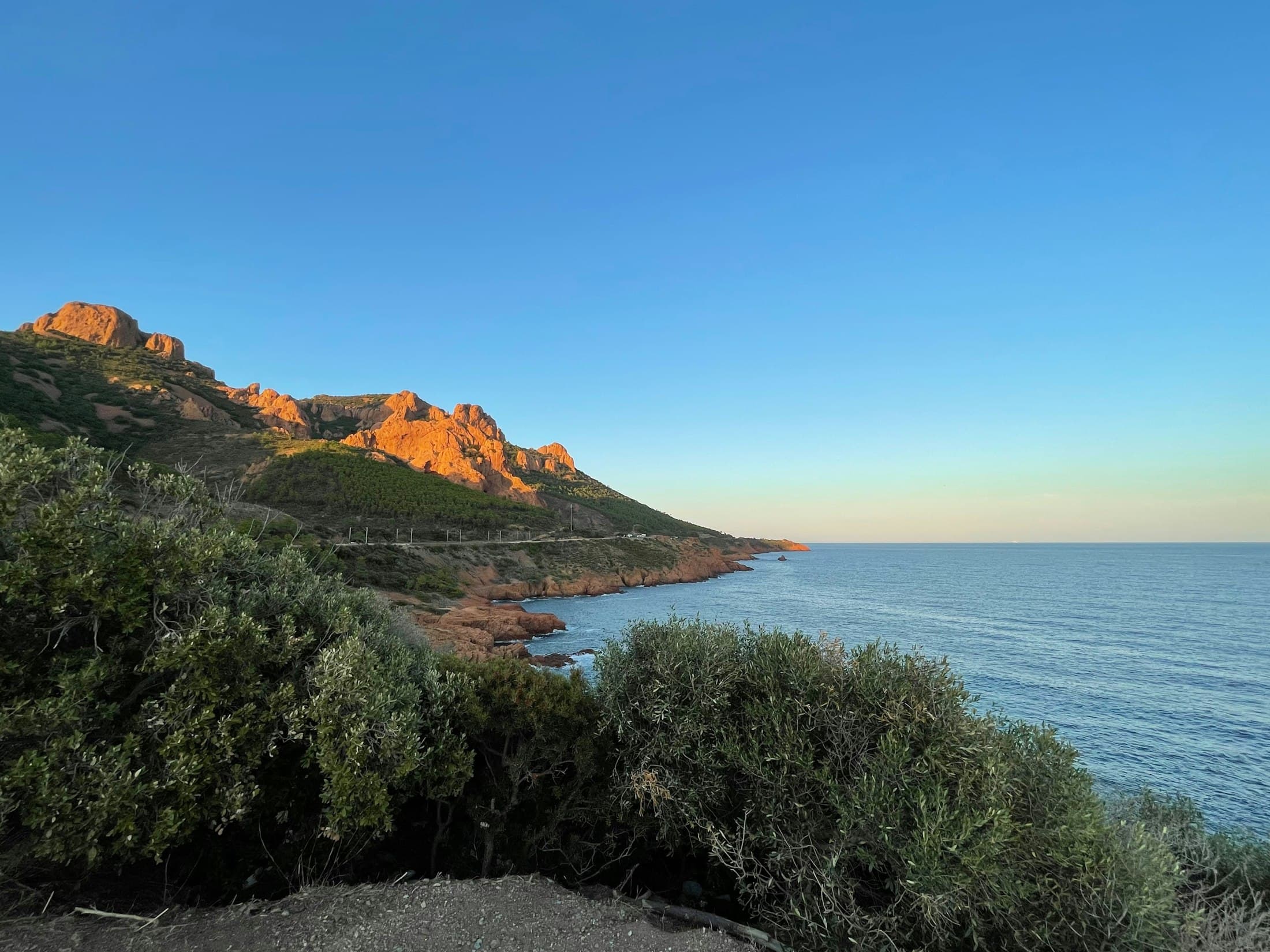 Saint-Raphaël & the EstérelRed volcanic rock dropping into a blue sea: a seaside town with a Byzantine-style basilica and, east of it, the wild coast of the Estérel.
Plan
Not sure yet?
The place, the date, the guests, the photos you like. Our concierge checks who is free and fits, and comes back with photographers to choose from.