Getting married in Meath & the Midlands
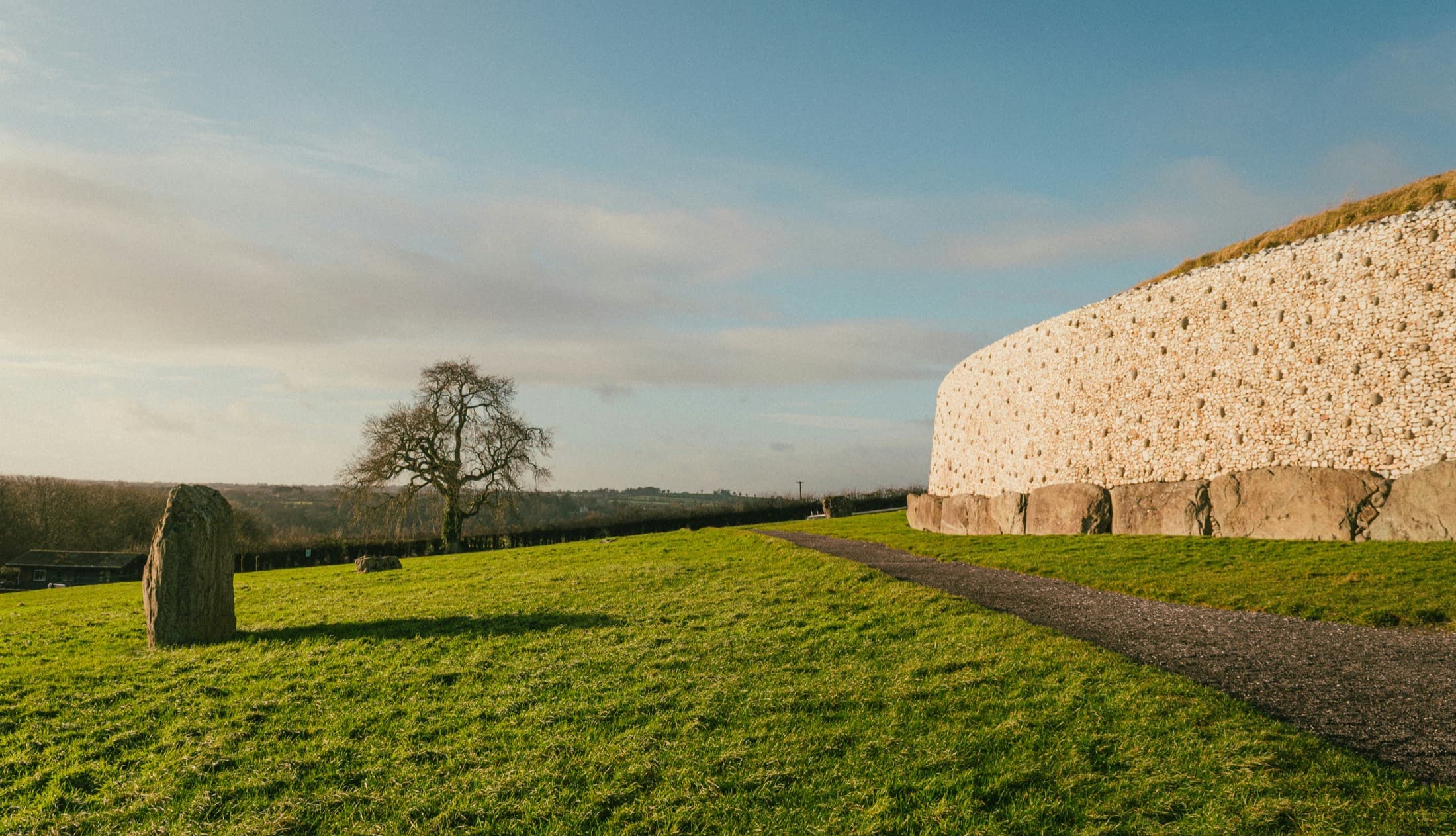
The five-thousand-year-old tombs of the Boyne Valley, the Hill of Tara and the great castle at Trim, the medieval town of Carlingford on its lough — and, out west, Clonmacnoise above the Shannon.
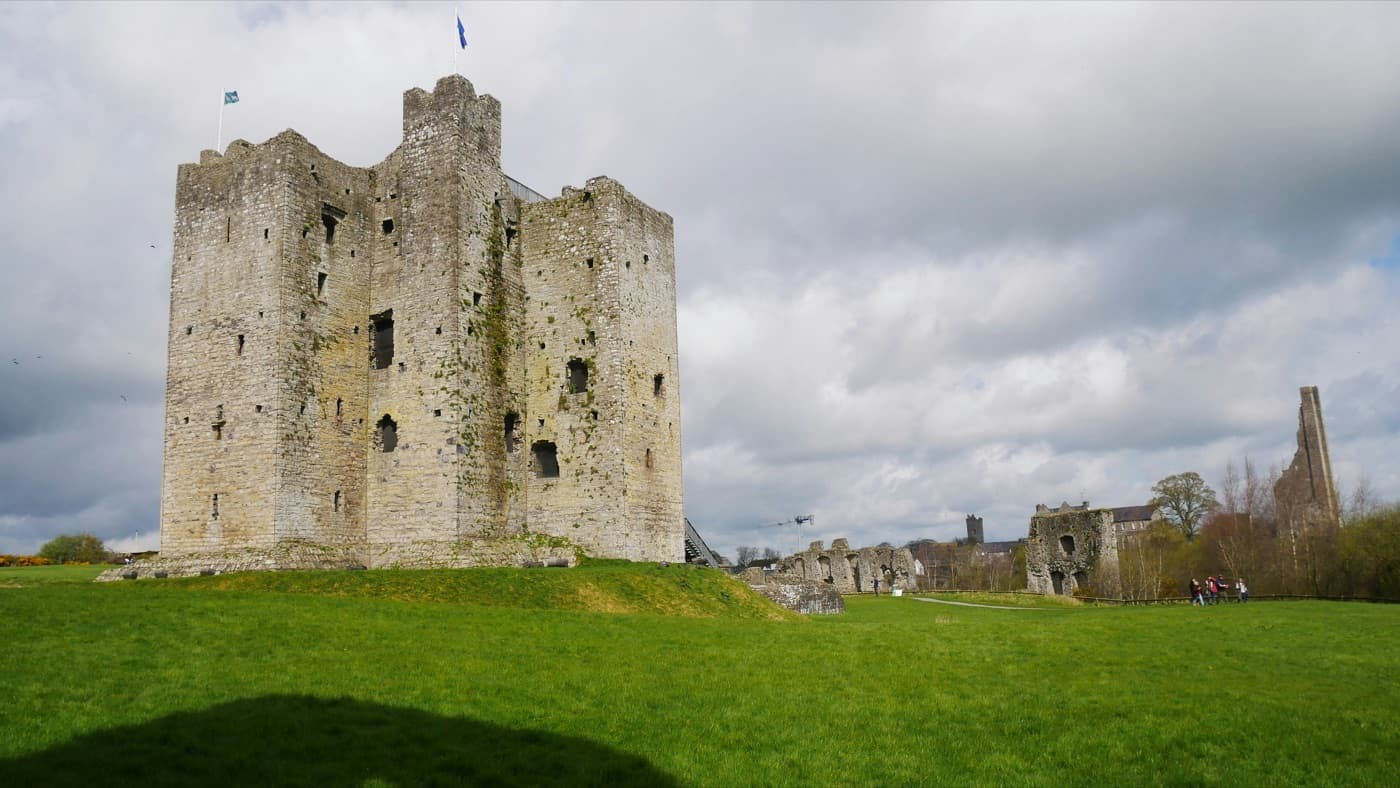
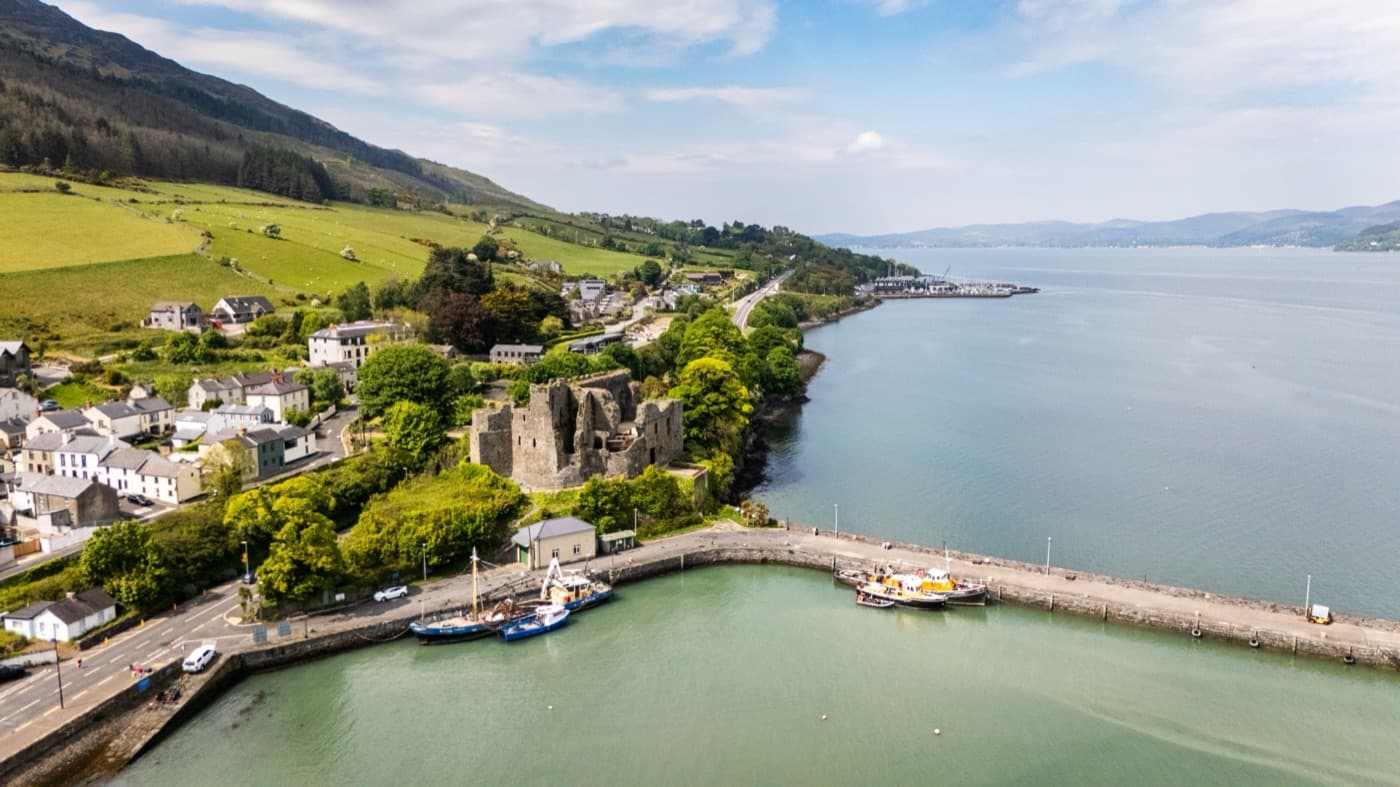
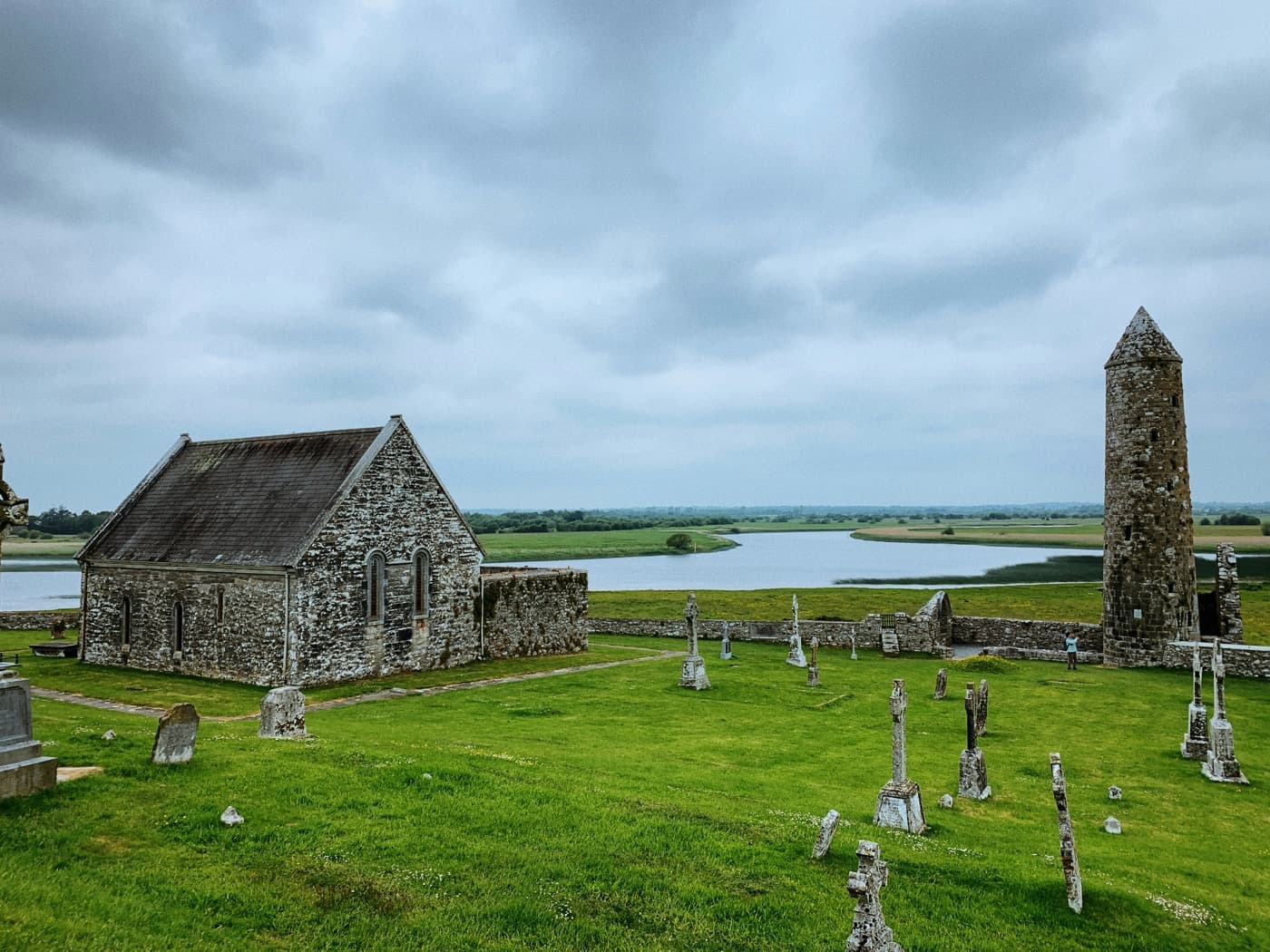
North and west of Dublin lies Ireland’s green interior: the fertile plains along the Boyne, then lakes and rivers further west, with the Shannon at its edge. The Boyne Valley is the richest archaeological landscape in the country — the passage tombs of Newgrange, Knowth and Dowth, built some five thousand years ago, and the Hill of Tara, where the high kings of Ireland were inaugurated — and at Trim the river runs below the largest Anglo-Norman castle in Ireland. To the north-east, Carlingford keeps its medieval streets between the Cooley Mountains and Carlingford Lough; in the west, the ruins of Clonmacnoise, the monastery St Ciarán founded in the sixth century, stand above the Shannon.
Much of the region’s wedding life happens in castles and country houses — old estates across Meath, Kildare, Cavan and Monaghan now host weddings — and couples often slip away for an hour among the old stones nearby: portraits by the Boyne below Trim Castle, on the Hill of Tara in the evening light or along the harbour at Carlingford. Dublin Airport is less than an hour from the Boyne Valley, which suits guests flying in.
Through the year
When to marry in Meath & the Midlands
June to September are the easiest months: at Mullingar, Met Éireann’s weather station in the middle of the region, average highs run from 17 to 19 °C, with July the warmest at 19.2 °C. Inland and sheltered, the Midlands are calm — Mullingar has a gale on less than one day a year — but not dry. In summer a millimetre or more of rain falls on twelve to fourteen days a month and 5 mm or more on about five, and the year brings about 990 mm: less in the Boyne Valley, around 850, and more at Carlingford, below its mountains, about 1,100. May has the fewest wet days and the most sunshine, close to six hours a day, but highs of only about 15 °C. October to December are the wettest months, with about 100 mm each, and frost comes on about nine nights in January.
- January: Quieter
- February: Quieter
- March: Quieter
- April: Good with planning
- May: Good with planning
- June: Best
- July: Best
- August: Best
- September: Best
- October: Good with planning
- November: Quieter
- December: Quieter
- SpringLambs in the fields, blossom in the hedgerows and evenings that lengthen fast — by mid-May the sun sets at about twenty past nine. May is the sunniest month and has the fewest wet days, though it is still fresh, at about 15 °C.
- SummerMild, long days, with highs of 18 to 19 °C and light until after ten. Trim Castle closes at five and the Brú na Bóinne Visitor Centre at a quarter to six, so keep the golden hour for the riverbanks, the Hill of Tara, open all year, or the grounds where you marry. Showers come and go: keep umbrellas in the car.
- Autumn and winterSeptember is often calm and still mild, at about 17 °C, and in October the woods along the Boyne change colour, though October to December are the wettest months. At midwinter the day runs from about twenty to nine until ten past four, and on the mornings around the solstice the rising sun shines into the roof box at Newgrange. Plan a winter wedding indoors, with short moments outside around midday.
In numbers
- UNESCO World Heritage
Weather station: Mullingar, normals 1991–2020 · Checked 30 October 2026
Places
Where couples marry here
The kinds of places — ask your photographer which ones they know well.
Brú na Bóinne and the Boyne Valley
Newgrange, Knowth and Dowth, passage tombs built around 3200 BC in a bend of the Boyne, hold Western Europe’s largest collection of megalithic art — a UNESCO World Heritage site. Newgrange and Knowth are reached only from the visitor centre, by shuttle bus and a guided tour booked ahead, and no photographs are allowed inside Newgrange. In sight of each other rise the Hill of Slane, where St Patrick is said to have lit his Easter fire, and the Hill of Tara, seat of the high kings, open all year. Brú na Bóinne and Tara are cared for by the state’s Office of Public Works (OPW): a professional shoot needs its written permission, and drones are banned.
Trim and its castle
The largest Anglo-Norman castle in Ireland, built by Hugh de Lacy and his heirs over thirty years on the south bank of the Boyne, around a massive twenty-sided keep — and filmed for Braveheart in 1995. The grounds are free and the keep is seen by guided tour, but the castle closes at five in summer. A half-hour riverside walk leads on to the medieval ruins of Newtown, and on the ridge opposite the castle the Yellow Steeple takes its name from the colour of its stone in the evening sun. A professional shoot needs the OPW’s written permission, asked for two weeks ahead; drones are banned.
Carlingford and the Cooley Peninsula
A medieval town on Carlingford Lough, below Slieve Foy and the Cooley Mountains, with its old street plan, the Mint, the Tholsel, Taaffe’s Castle and a Dominican friary, and King John’s Castle, built around 1190, above the harbour — seen by guided tour from April to October. Trails climb from the town onto the mountain above the lough, and the 40 km Táin Way circles the peninsula where Ireland’s great epic, the Cattle Raid of Cooley, is set.
Clonmacnoise and the Shannon
St Ciarán founded his monastery on the banks of the Shannon in the sixth century, and it became a great seat of learning: a cathedral, churches, two round towers and high crosses remain, and the original crosses — among them the tenth-century Cross of the Scriptures — are kept in the visitor centre. The site is in the OPW’s care: written permission for a professional shoot, and no drones. Some 20 km north, Athlone has its castle on the Shannon, and a few kilometres further on the river opens into Lough Ree, a wide lake dotted with 52 islands.
Light
How the light falls
At midsummer the sun rises over Trim just before five and sets at ten, and from mid-May to the end of July the sky never grows fully dark. At midwinter it is up only from about twenty to nine until ten past four, never more than 13 degrees above the horizon — a low, soft light all day. In summer the heritage sites close well before the golden hour, so plan sunset portraits along the Boyne, on the open Hill of Tara or by the water at Carlingford.
Travel
Getting there
Dublin Airport is the way in: the Brú na Bóinne Visitor Centre is about 45 km north, some forty minutes by road, Trim about 50 km, Carlingford about 100 km up the M1, an hour and a quarter, and Clonmacnoise about 140 km west, near Athlone, an hour and three quarters to two hours. Book Newgrange and Knowth well ahead: tickets are limited, and you cannot go to the monuments directly. Check Met Éireann’s yellow, orange and red weather warnings before a day out. Drones are banned at all OPW heritage sites; elsewhere they follow the EU rules, and anyone flying one with a camera, or over 250 g, must register with the Irish Aviation Authority.
Photographers
Photographers in Meath & the Midlands
No one in Meath & the Midlands yet
The first photographers in Meath & the Midlands are joining now. Tell our concierge your date and your plans — it checks who is free and fits.
Plan
Read before you plan
- Getting married in Ireland as foreigners: civil, religious, humanist or symbolicHow couples who don’t live in Ireland marry there legally: three months’ notice by post, the visit in person, documents, translations and apostilles, visas and interviews, foreign divorces, a priest from home, why clifftop weddings are usually symbolic, and registering the marriage back home.
- How to choose a wedding photographer: the steps, and the questions to askThe decision in order — whole weddings, style, availability, the package, the contract and deposit, cancellation, delivery and a conversation — then a checklist of questions, with why each one matters.
- A wedding-day timeline for photosFrom getting ready to the last dance, planned around the light.
- Deposits and payment protectionWhat you pay when, and what happens if plans change.
- How to get married in Ireland when you live here: notice, documents, ceremonyFor couples who live in Ireland: booking the marriage notification appointment and what to bring, the €200 fee and the Marriage Registration Form, a registrar, a priest or a humanist celebrant, where the law lets you marry, and what to do after the day.
- Which country for a destination wedding? The law, prices, crowds and light, comparedThe legal route for couples who don’t live there, season and crowds, price levels, light, flights, venues and permits for photographs — Portugal, Italy, Spain, Greece, France and Austria compared with official figures, as of October 2026.
- A rain plan that still looks goodCovered spots, umbrellas and what photographers do on grey days.
- Wedding photography contract checklist: what it should say, and how Lens & Vows handles each pointThirteen things a good contract covers — the day and the hours, what is delivered, deposit and balance, cancellation on either side, date changes, illness, image rights, personal data, backups, travel, overtime and complaints — and what our terms say about each.
Ireland
Other places
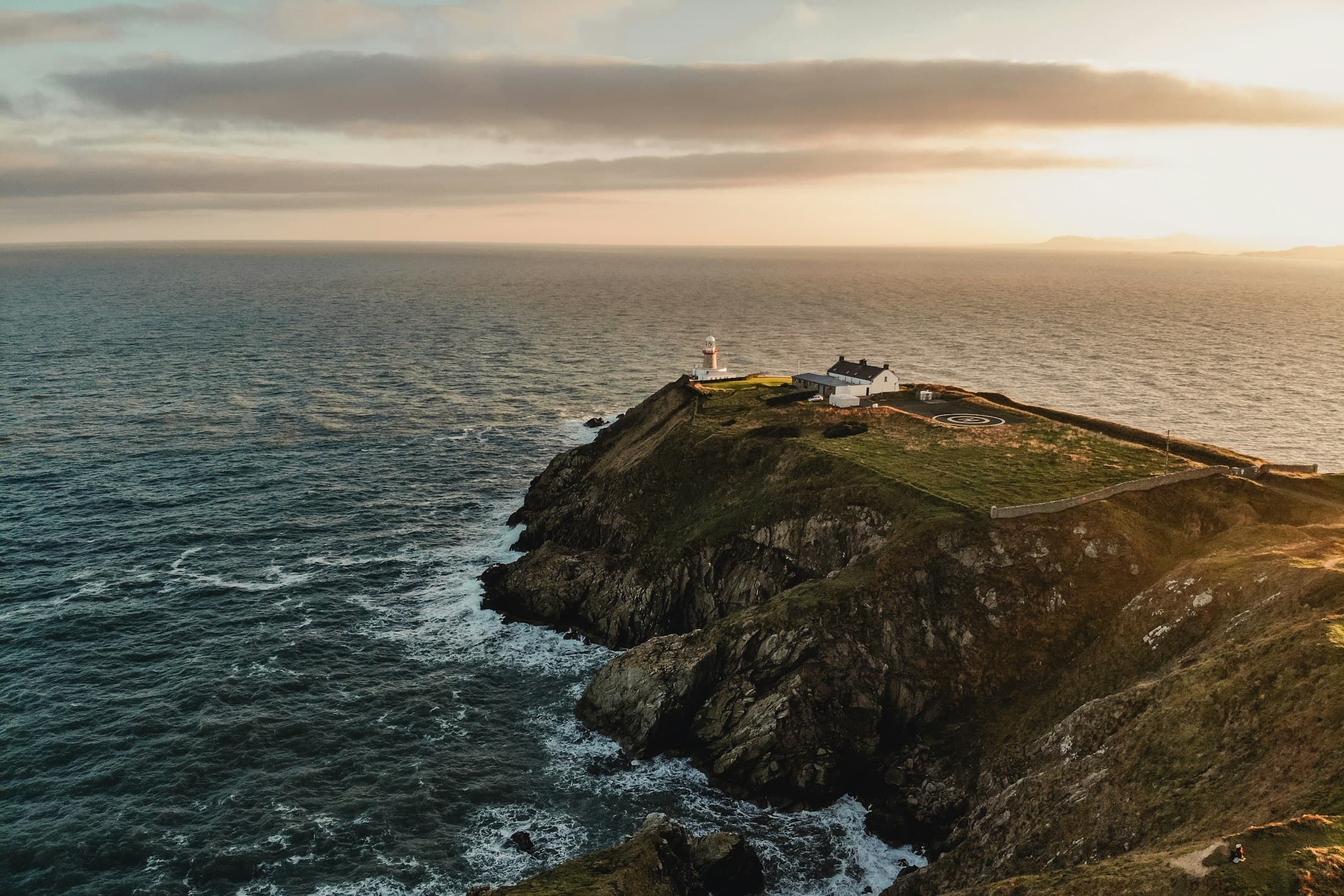 Dublin & WicklowBest: Jun · Jul · Aug · Sep1 photographer
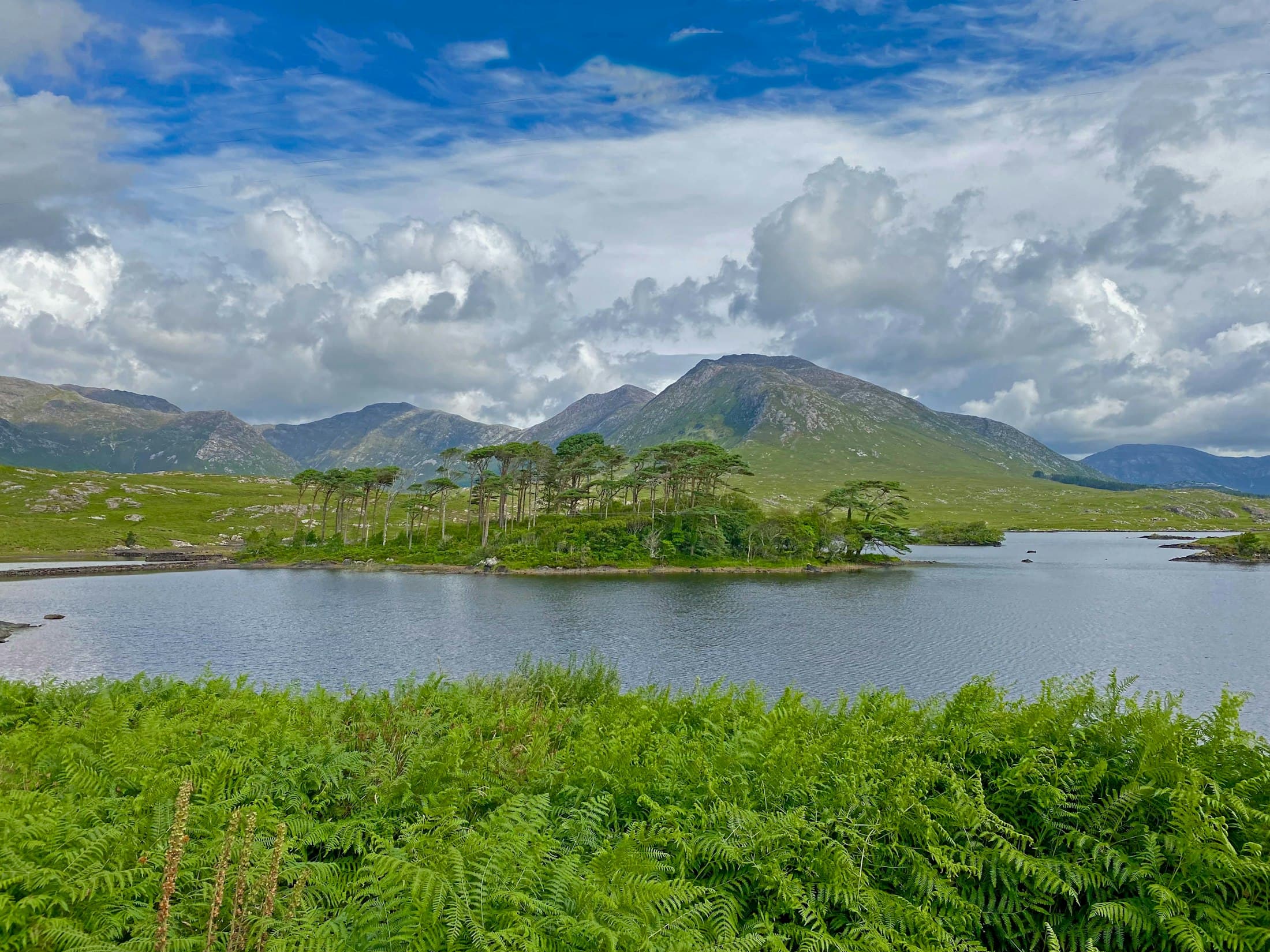 Galway & ConnemaraBest: May · Jun · JulPhotographers joining
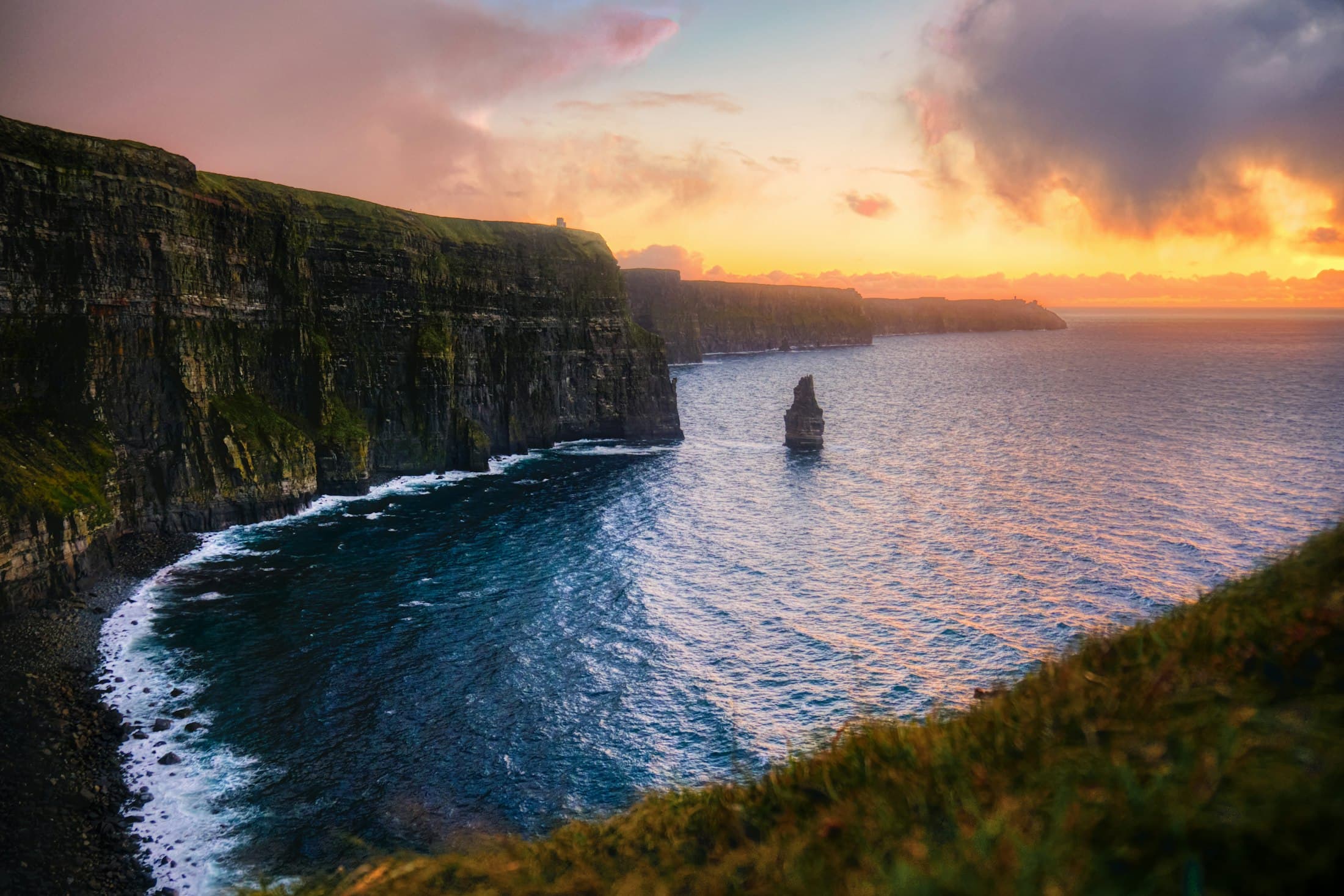 Clare & the Cliffs of MoherBest: May · Jun · Jul1 photographer
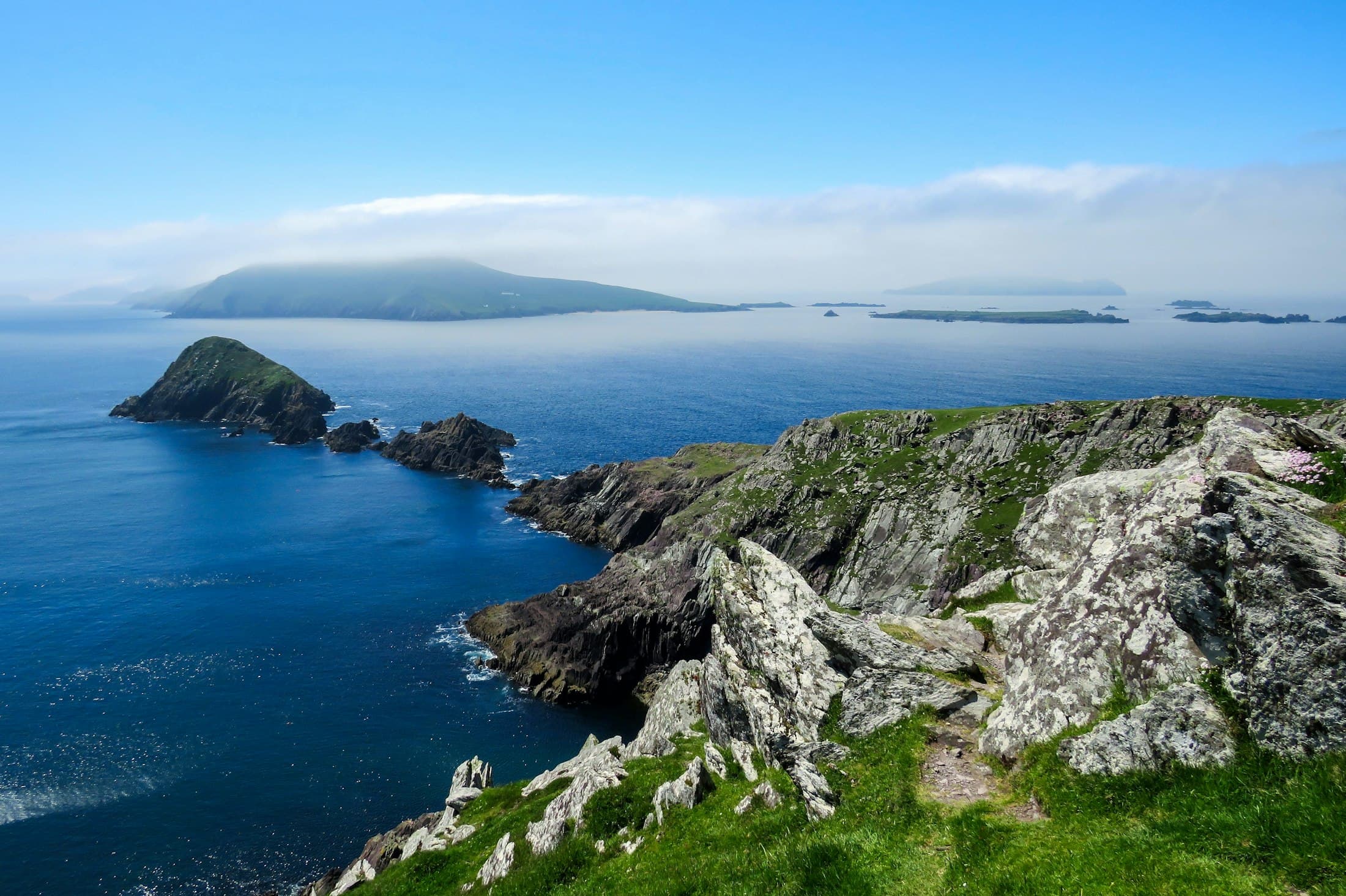 Kerry & the South WestBest: May · Jun · Jul · AugPhotographers joining
 CorkBest: Jun · Jul · Aug · Sep1 photographer
 Donegal & the North WestBest: May · Jun · Jul · Aug1 photographer
 Kilkenny & the South EastBest: Jun · Jul · Aug · Sep1 photographer