Getting married in Kilkenny & the South East
A medieval city on the River Nore, with its castle and cathedral at either end of the old town — and, an hour or so away, the Rock of Cashel, the lighthouse on Hook Head and the coves of the Copper Coast.
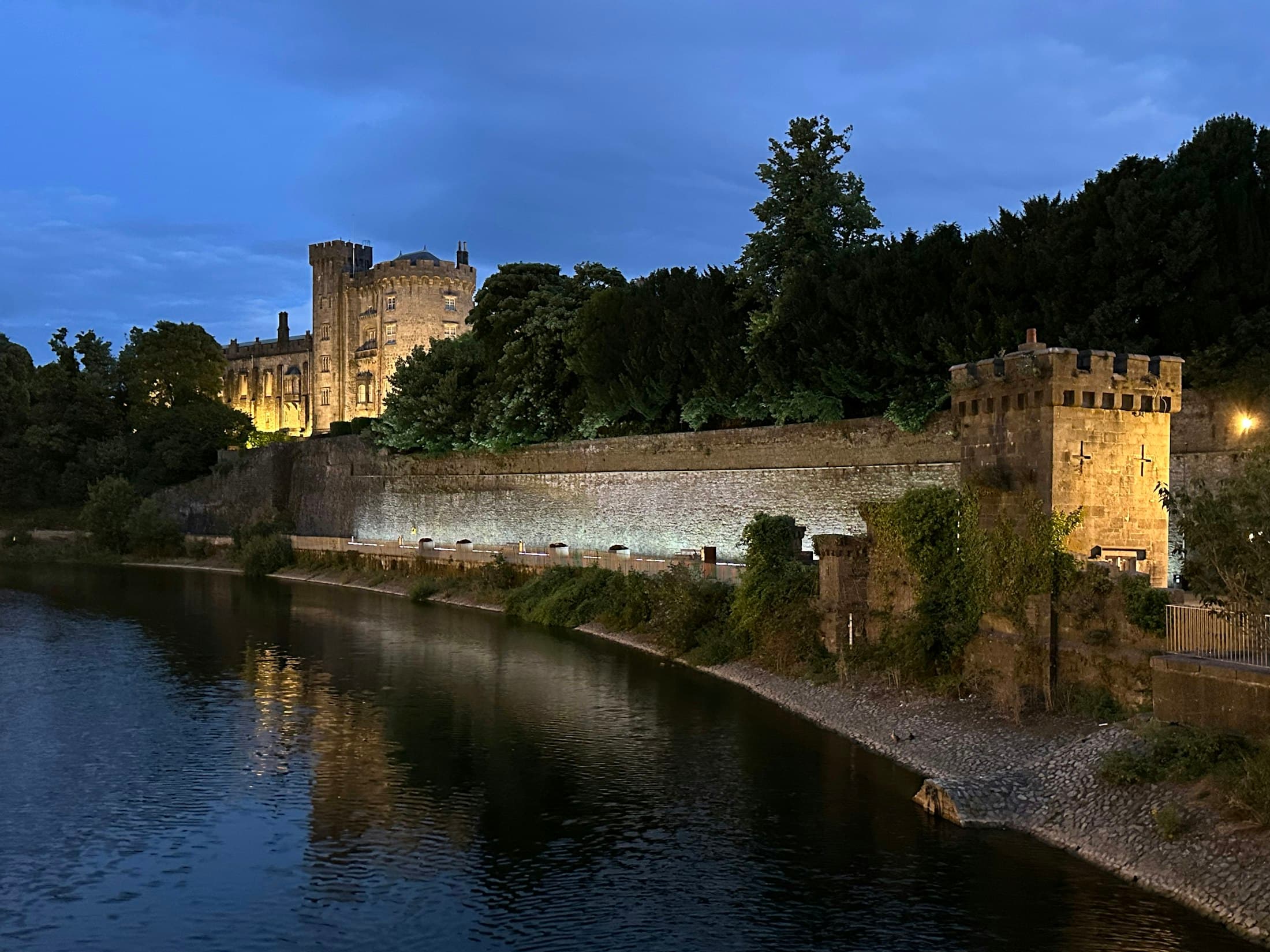
Kilkenny grew up around its castle above the River Nore — built in the twelfth century and for almost 600 years the seat of the Butlers, earls and dukes of Ormond — which stands in 50 acres of parkland at one end of the old town. At the other end rise St Canice’s Cathedral, finished around 1285, and its round tower, probably ninth-century and one of only two in Ireland that visitors can climb. An hour west, in County Tipperary, the Rock of Cashel carries a round tower, a high cross, a Romanesque chapel and a Gothic cathedral above the plain. To the south lie the coasts of Waterford and Wexford: the Copper Coast, a UNESCO Global Geopark of coves and sea stacks, and Hook Head, whose lighthouse was built some 800 years ago.
Couples come here for a wedding with a medieval town at its heart: a ceremony in a church or with a celebrant, portraits along the Nore and in the castle park, then dinner in a country house or in town. Others pair the city with the coast, an hour or so to the south, or with an evening below the Rock of Cashel.
Through the year
When to marry in Kilkenny & the South East
Inland, Kilkenny has slightly warmer summer days than the coast: at the city’s weather station, average highs reached just over 20 °C in July and August and about 18 °C in June and September. Met Éireann publishes no 1991–2020 averages for it, as the station has since closed, so these are its 1978–2007 figures. A millimetre or more of rain fell on nine or ten days a month from June to September, but 5 mm or more on only three or four, and the year brought about 860 mm. May was the sunniest month and October the wettest. From December to February the highs were only 8–9 °C, and frost came on about eleven nights in January.
- January: Quieter
- February: Quieter
- March: Quieter
- April: Good with planning
- May: Good with planning
- June: Best
- July: Best
- August: Best
- September: Best
- October: Good with planning
- November: Quieter
- December: Quieter
- SpringLambs in the fields, blossom along the river and evenings that lengthen fast — by mid-May the sun sets at about twenty past nine. May is the sunniest month, still fresh, with showers between bright spells.
- SummerWarm, long days, with highs around 20 °C and light until after ten; the river walks and the castle park are at their greenest. The castle grounds close in the evening, though — at half past eight in summer for wedding photographs — so keep the golden hour for the riverbank, the lanes of the old town or the coast.
- Autumn and winterSeptember is often calm and golden, and in October the woods along the Nore change colour. Winter days are short — at midwinter the sun rises at about twenty to nine and sets at about a quarter past four — and cold by Irish standards, so plan the ceremony for the middle of the day and the photographs around it.
In numbers
Weather station: Kilkenny, normals 1978–2007 · Checked 24 October 2026
Places
Where couples marry here
The kinds of places — ask your photographer which ones they know well.
The medieval city
The Medieval Mile from the castle to St Canice’s Cathedral, its narrow lanes, the bridges over the Nore and the riverside walk below the castle walls. Wedding photographs in the castle grounds cost nothing, but need a permit from the state’s Office of Public Works (OPW), which runs the castle, requested at least three working days ahead; drones are banned at all its heritage sites.
The Rock of Cashel
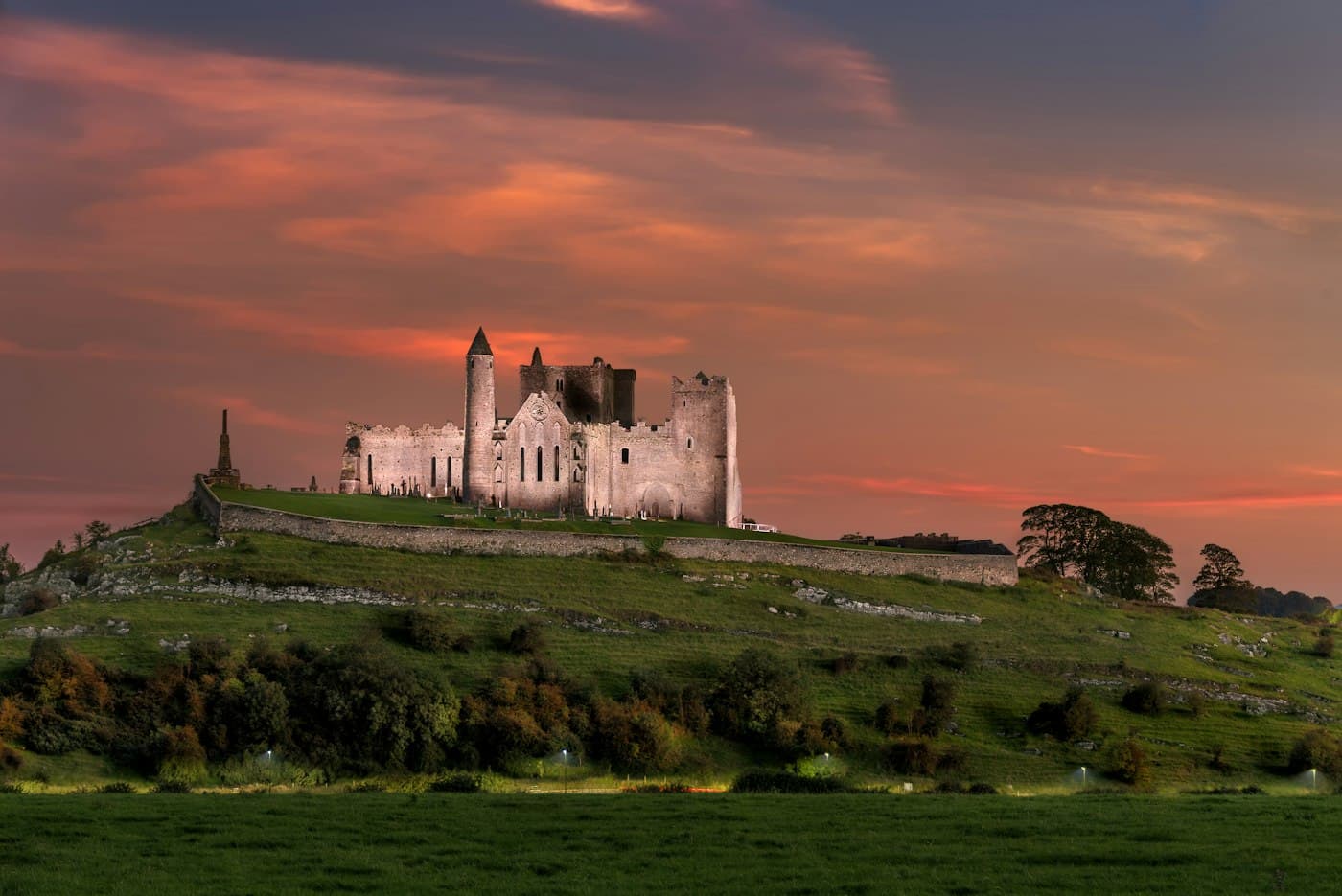
In County Tipperary, about an hour west of Kilkenny: the old seat of the kings of Munster on its outcrop of limestone, with a round tower, a high cross, Cormac’s Chapel and a Gothic cathedral. Photographing a wedding there needs the OPW’s written permission, asked for at least two weeks ahead. The rock is exposed, can close at short notice in bad weather and shuts in the late afternoon, so evening portraits are made from the fields below.
Hook Head and the Wexford coast
At the tip of the Hook peninsula stands Hook Lighthouse, which calls itself the oldest intact working lighthouse in the world: a tower built by William Marshal some 800 years ago, still lit, with guided tours and the sea on three sides. Further east and north run the beaches and seafronts of County Wexford.
The Copper Coast
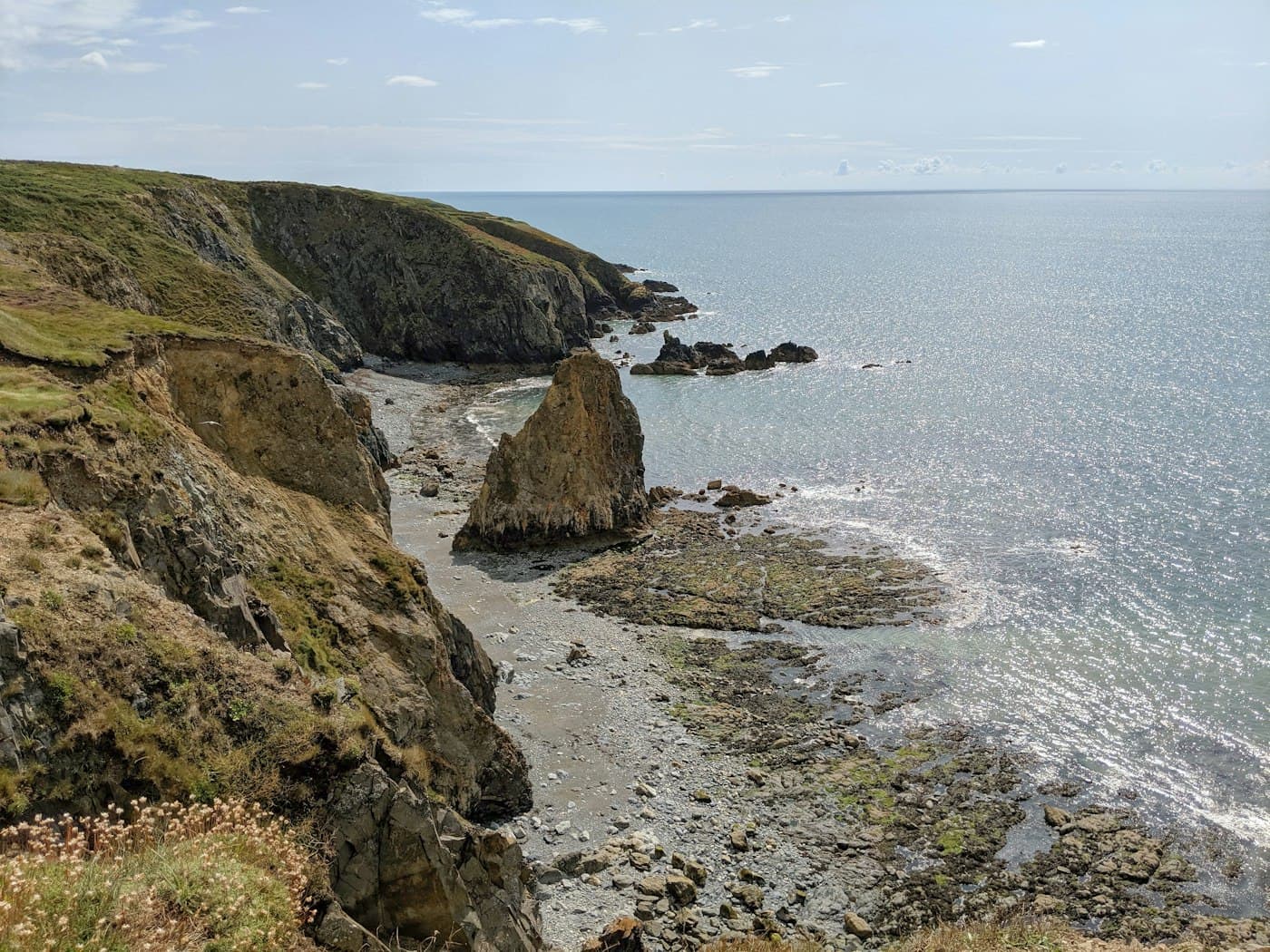
Some 25 km of County Waterford coast between Tramore and Dungarvan, named after its nineteenth-century copper mines and recognised as a UNESCO Global Geopark — a geopark, not a World Heritage site: sandy and rocky coves, sea stacks and arches below the cliffs, with the Comeragh Mountains behind.
Light
How the light falls
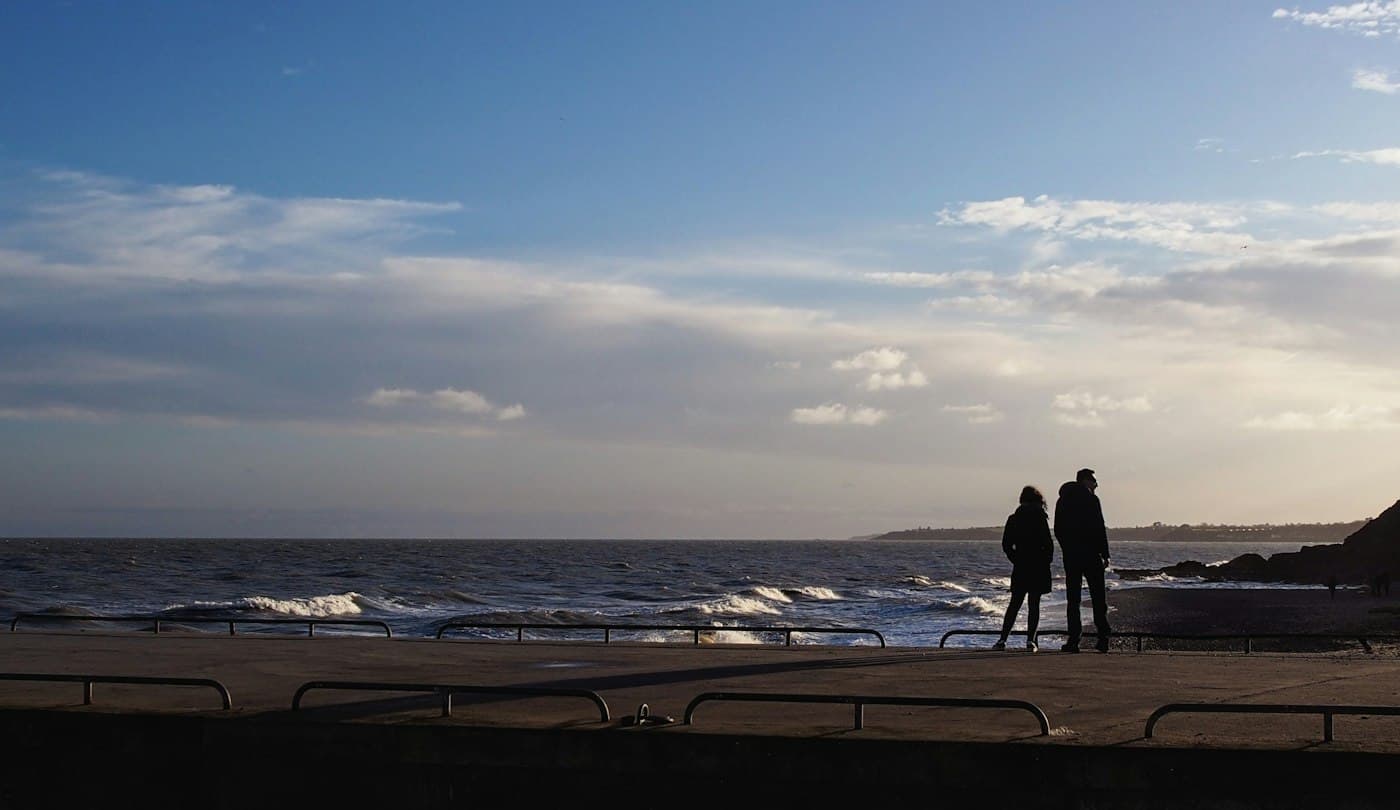
At midsummer the sun sets over Kilkenny just before ten and rises just after five, and until late July the sky stays faintly light all night. At midwinter it is up only from about twenty to nine until a quarter past four. In summer the castle park and the Rock of Cashel close well before the golden hour, so plan sunset portraits by the river, in the lanes of the old town or on the coast.
Travel
Getting there
Kilkenny is about 140 km from Dublin Airport — an hour and a half to two hours, mostly by motorway — and about 150 km from Cork Airport. From the city, the Rock of Cashel is about 60 km west, the Copper Coast about 75 km south and Hook Head about 85 km south-east, each an hour or more by car. Check Met Éireann’s weather warnings before heading for the coast. Drones are banned at OPW heritage sites, including Kilkenny Castle and the Rock of Cashel; elsewhere they follow the EU rules, with the operator registered with the Irish Aviation Authority.
Photographers
Photographers in Kilkenny & the South East
No one in Kilkenny & the South East yet
The first photographers in Kilkenny & the South East are joining now. Tell our concierge your date and your plans — it checks who is free and fits.
Plan
Read before you plan
- Getting married in Ireland as foreigners: civil, religious, humanist or symbolicHow couples who don’t live in Ireland marry there legally: three months’ notice by post, the visit in person, documents, translations and apostilles, visas and interviews, foreign divorces, a priest from home, why clifftop weddings are usually symbolic, and registering the marriage back home.
- How to choose a wedding photographer: the steps, and the questions to askThe decision in order — whole weddings, style, availability, the package, the contract and deposit, cancellation, delivery and a conversation — then a checklist of questions, with why each one matters.
- A wedding-day timeline for photosFrom getting ready to the last dance, planned around the light.
- Deposits and payment protectionWhat you pay when, and what happens if plans change.
- How to get married in Ireland when you live here: notice, documents, ceremonyFor couples who live in Ireland: booking the marriage notification appointment and what to bring, the €200 fee and the Marriage Registration Form, a registrar, a priest or a humanist celebrant, where the law lets you marry, and what to do after the day.
- Which country for a destination wedding? The law, prices, crowds and light, comparedThe legal route for couples who don’t live there, season and crowds, price levels, light, flights, venues and permits for photographs — Portugal, Italy, Spain, Greece, France and Austria compared with official figures, as of October 2026.
- A rain plan that still looks goodCovered spots, umbrellas and what photographers do on grey days.
- Wedding photography contract checklist: what it should say, and how Lens & Vows handles each pointThirteen things a good contract covers — the day and the hours, what is delivered, deposit and balance, cancellation on either side, date changes, illness, image rights, personal data, backups, travel, overtime and complaints — and what our terms say about each.
Ireland
Other places
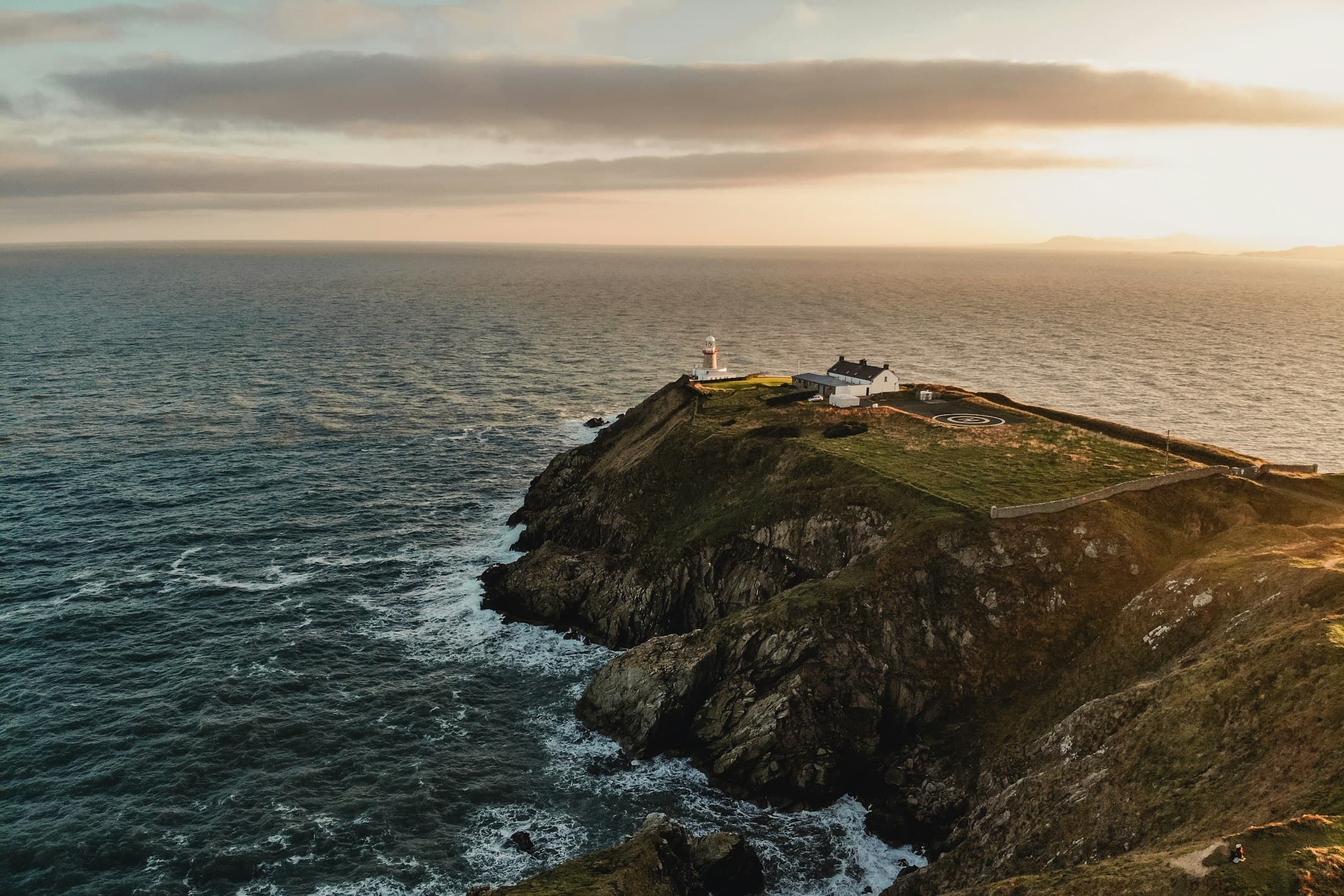 Dublin & WicklowBest: Jun · Jul · Aug · SepPhotographers joining
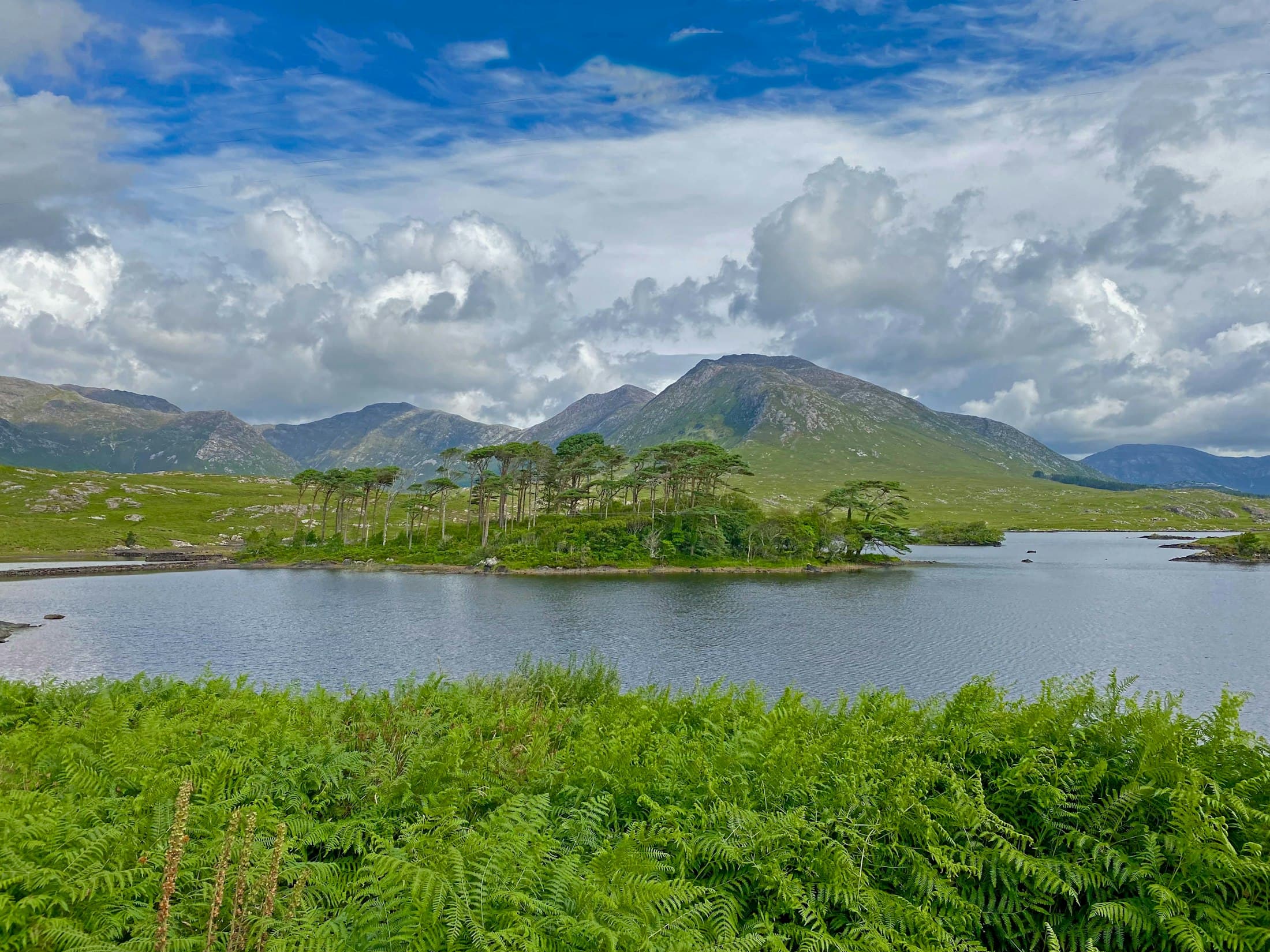 Galway & ConnemaraBest: May · Jun · JulPhotographers joining
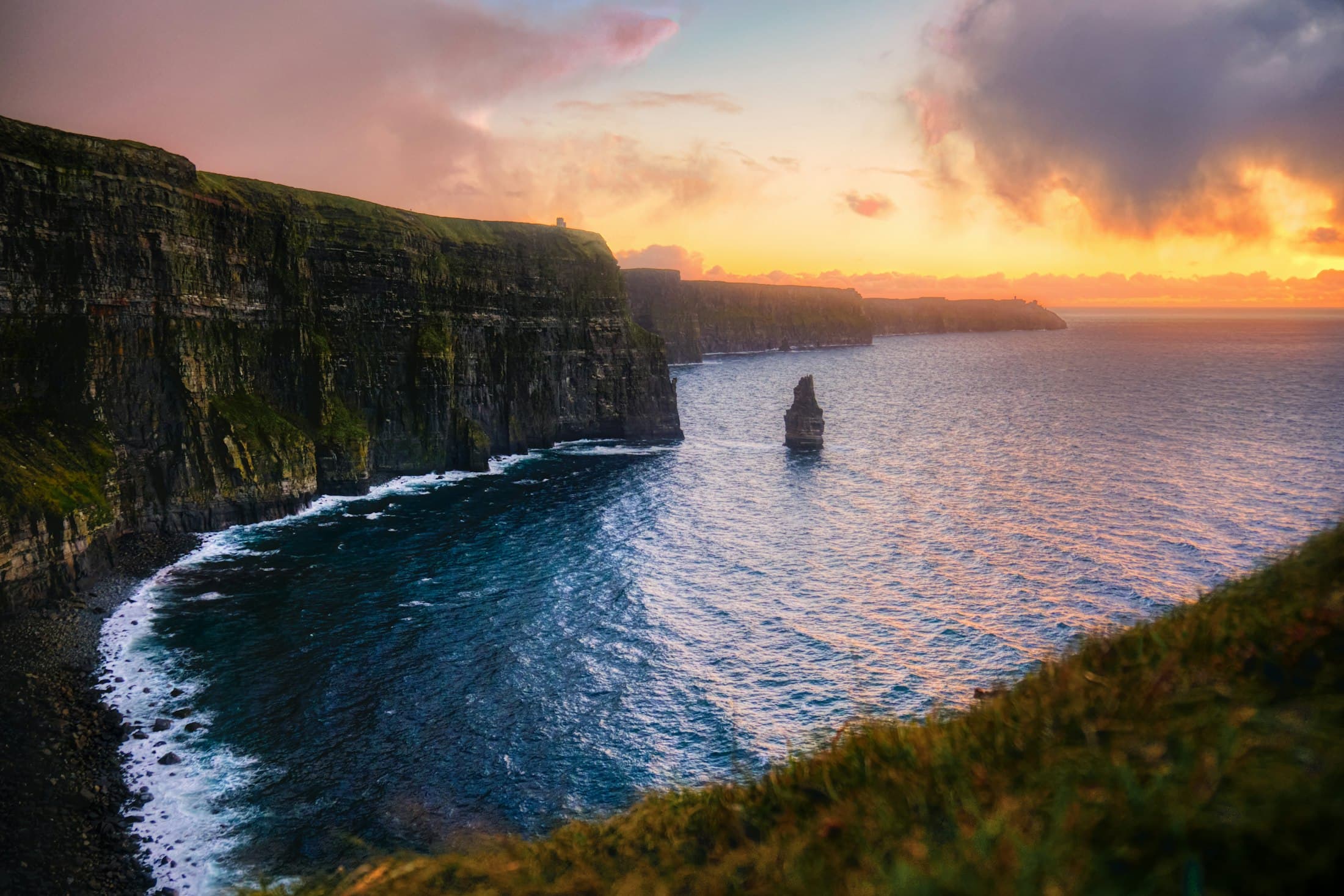 Clare & the Cliffs of MoherBest: May · Jun · JulPhotographers joining
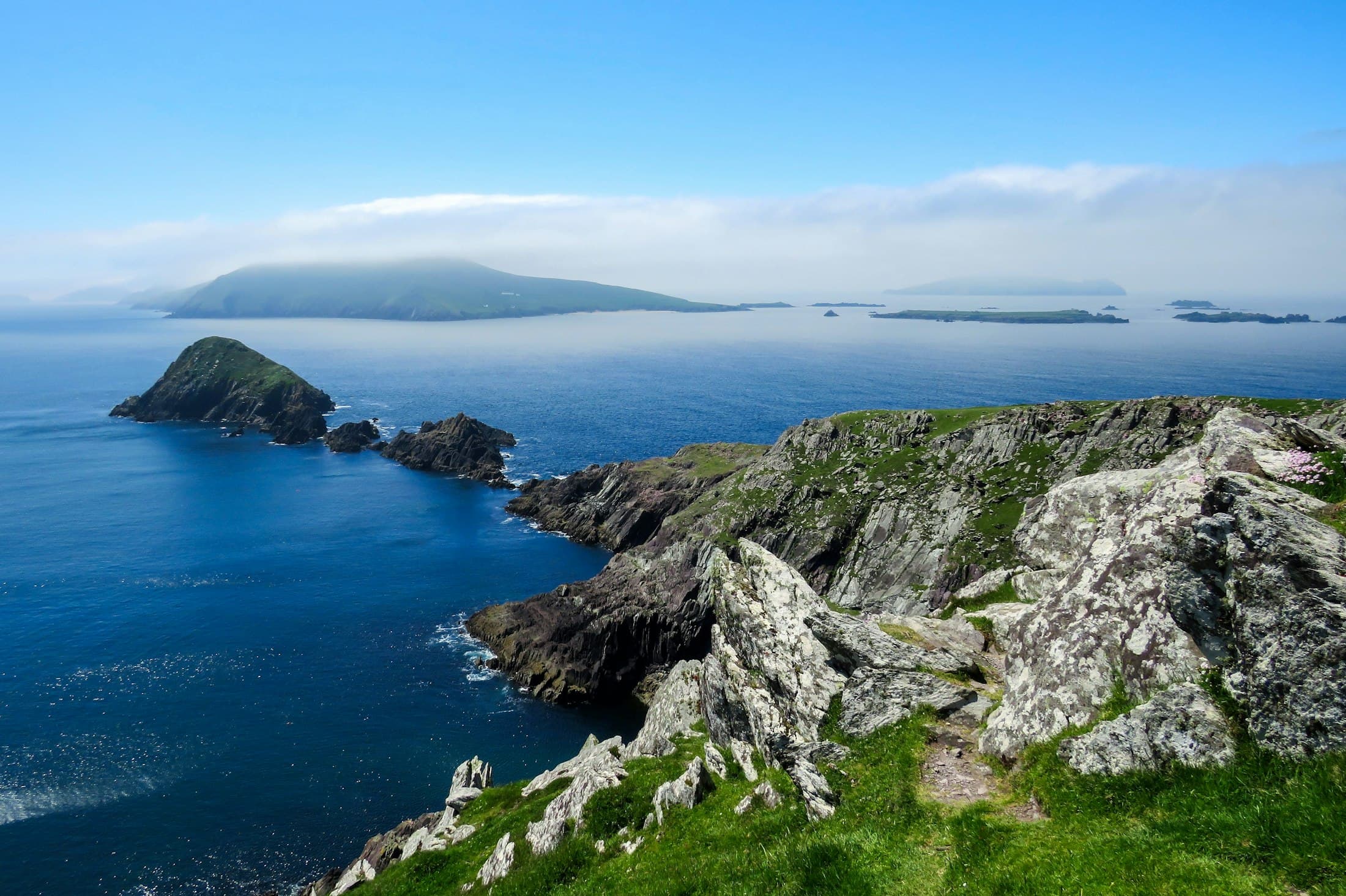 Kerry & the South WestBest: May · Jun · Jul · AugPhotographers joining
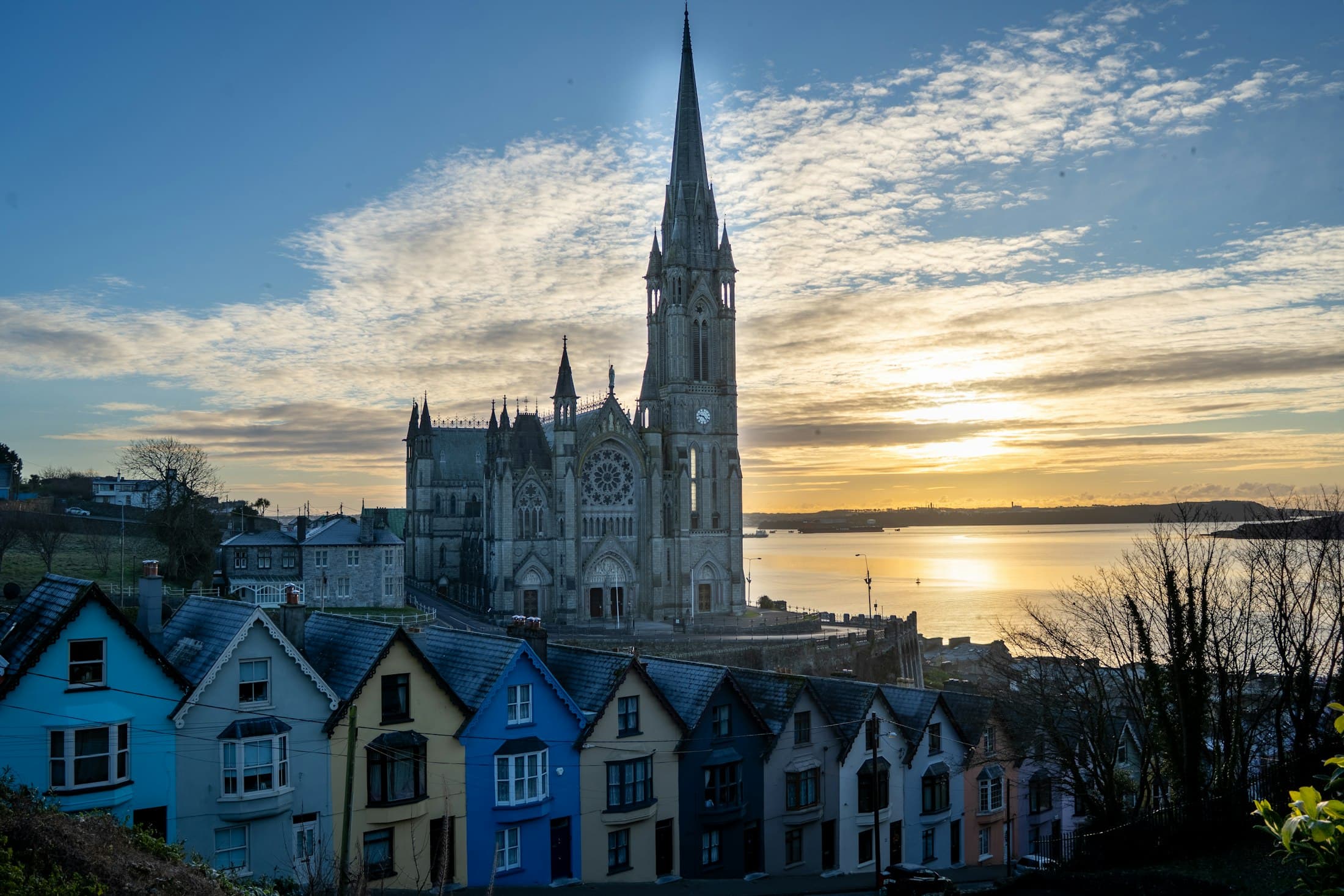 CorkBest: Jun · Jul · Aug · SepPhotographers joining
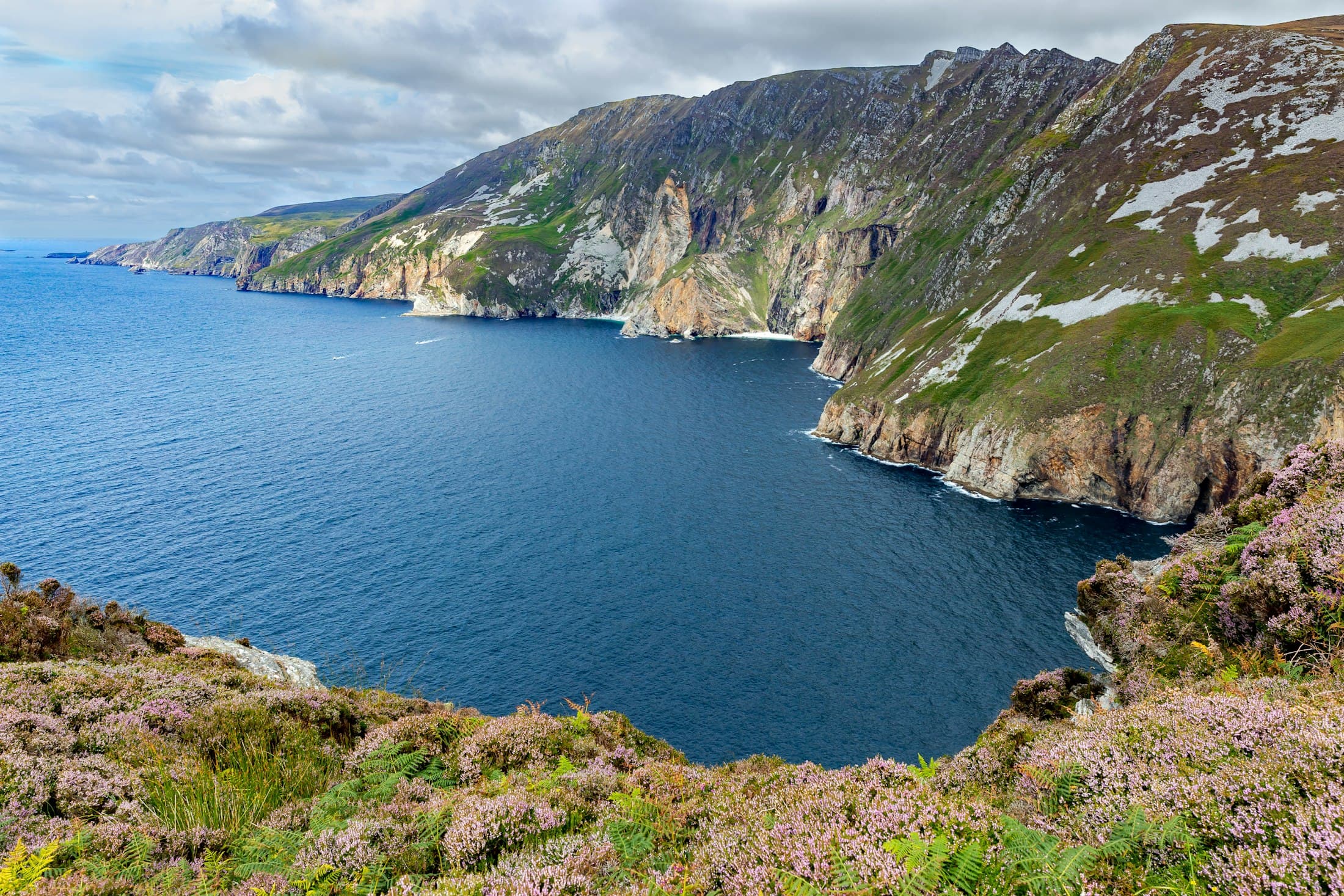 Donegal & the North WestBest: May · Jun · Jul · AugPhotographers joining