Getting married in Clare & at the Cliffs of Moher
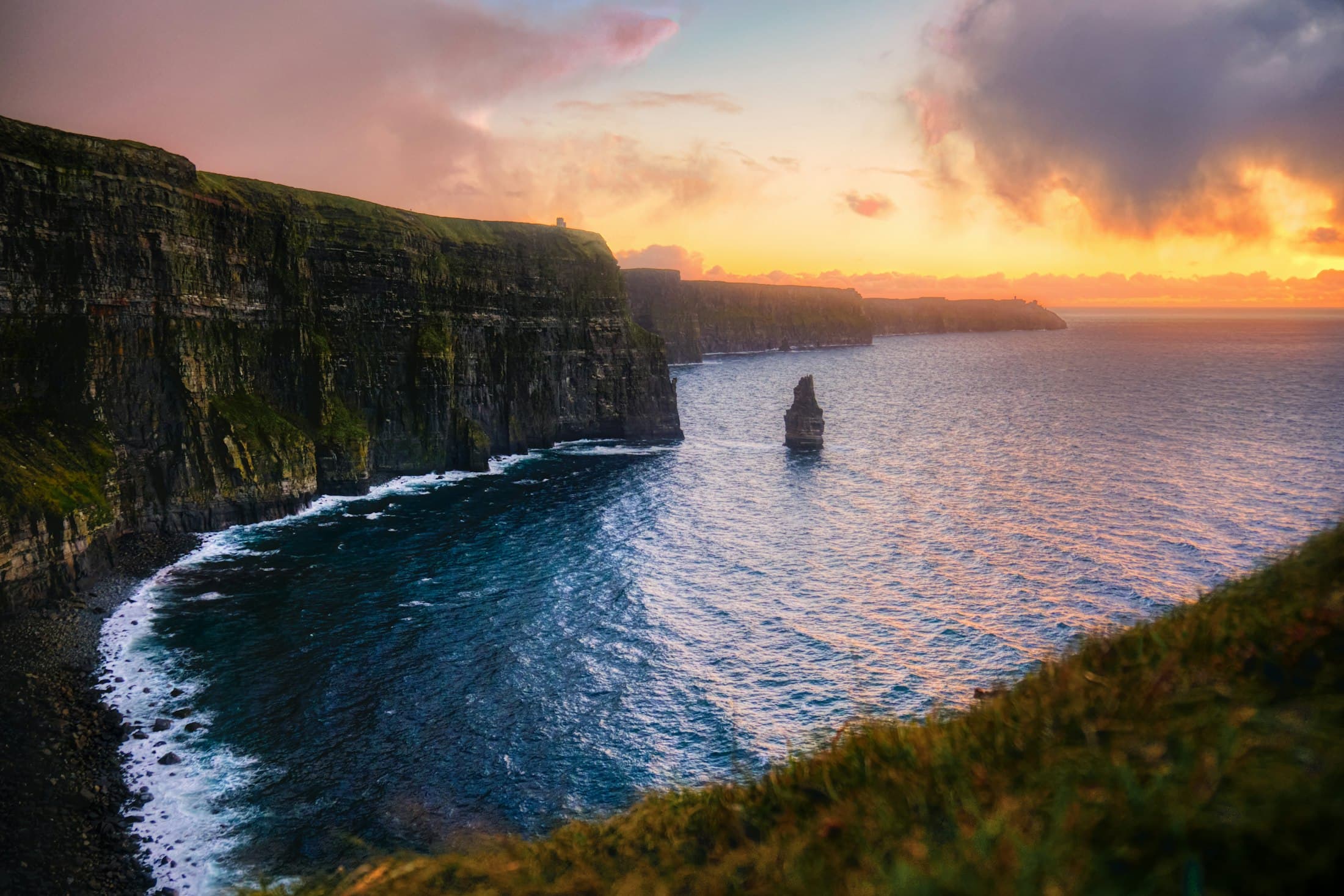
The Cliffs of Moher rising 214 m out of the Atlantic, the bare grey limestone of the Burren behind them, and Doolin’s music and ferries in between.
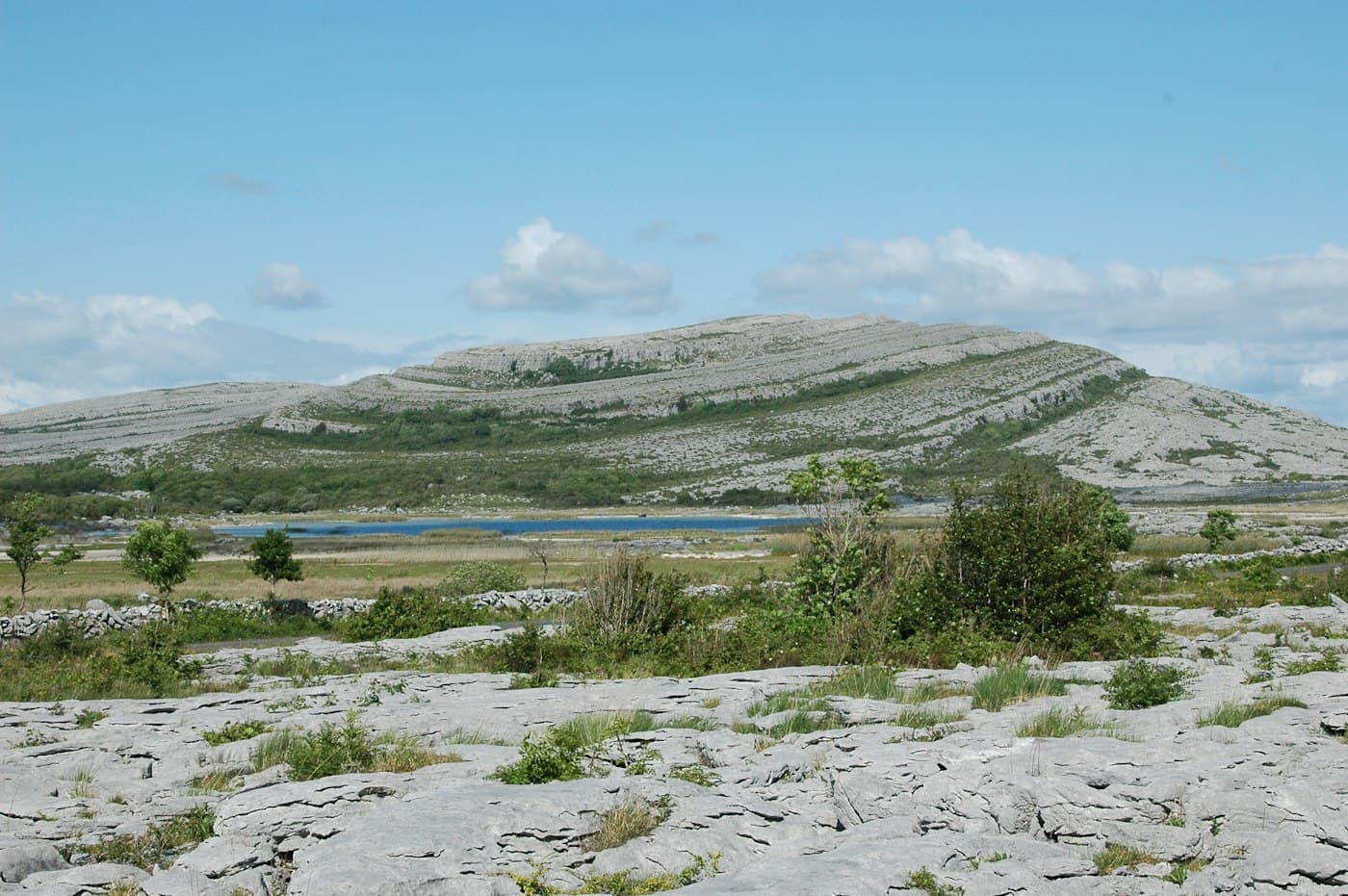
North Clare is where the land ends in a wall of rock. The Cliffs of Moher stand in dark layers of sandstone and shale, with O’Brien’s Tower of 1835 near their highest point and the Aran Islands across the water. Inland the Burren spreads out in pavements of grey limestone, with wild flowers in the cracks and, on its high plateau, Poulnabrone, a portal tomb more than five thousand years old. Doolin’s pier looks out to the islands, and further south the coast runs on to the lighthouse at Loop Head, where the Shannon estuary meets the ocean.
The cliffs are a visitor attraction run under Clare County Council, and they host weddings, elopements and vow renewals for up to 30 guests, as well as proposals at O’Brien’s Tower. Many couples marry elsewhere in Clare and come to the cliffs, the Burren or the coast at Loop Head for portraits — early or late in the day, when the paths are quiet.
Through the year
When to marry in Clare & at the Cliffs of Moher
May, June and July are the easiest months. At Shannon Airport, the region’s long-standing weather station, average highs run from 16 °C in May to 19.5 °C in July, June has the fewest days with rain — about eleven — and May is the sunniest month, with nearly six hours of sun a day. Rain falls on 13 or 14 days a month in July and August and on 17 in December, but on fewer than half of those days does more than 5 mm fall. September has fewer wet days than July or August and is still mild, at about 17.5 °C. The cliffs are far more exposed than the airport on its estuary: when the wind turns dangerous the visitor centre closes them, so keep a second time or day in reserve.
- January: Quieter
- February: Quieter
- March: Quieter
- April: Good with planning
- May: Best
- June: Best
- July: Best
- August: Good with planning
- September: Good with planning
- October: Quieter
- November: Quieter
- December: Quieter
- SpringThe puffins are back on the cliffs from the end of March until mid-July, best seen in May and June, and through spring and summer the Burren flowers — spring gentians, mountain avens and orchids, 23 of Ireland’s 27 native species. May is the sunniest month of the year.
- SummerLong evenings: from May to August the visitor centre stays open until nine, and at midsummer the sun sets over the sea after ten. Between 11 am and 4 pm the cliffs are at their busiest; the early morning and the evening are calmer. The Doolin ferries run out to the Aran Islands and along the foot of the cliffs.
- Autumn and winterSeptember and October bring fewer visitors and a lower, warmer evening light, but rougher seas. From November to February the Atlantic storms come in: gales on one or two days a month at Shannon, and far more on the open coast. In winter the visitor centre opens from 9 to 5; plan around the forecast and keep a covered alternative.
In numbers
Weather station: Shannon Airport, normals 1991–2020 · Checked 24 October 2026
Places
Where couples marry here
The kinds of places — ask your photographer which ones they know well.
The Cliffs of Moher
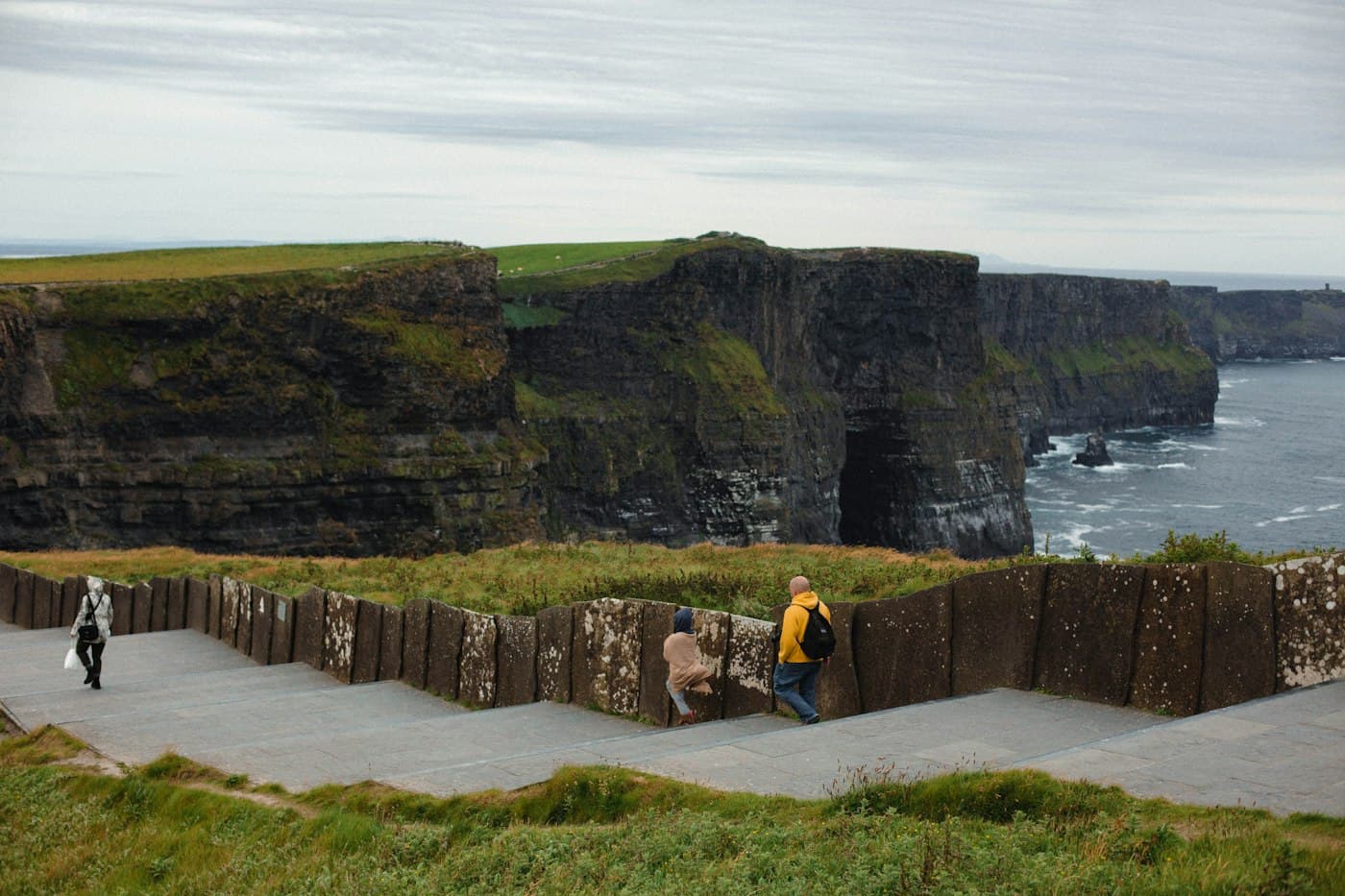
About 3.5 km of safe paths, there and back, run behind a stone wall north past O’Brien’s Tower and south to the southern viewing platform. Stay on them: the coastal walk south to Hag’s Head and Liscannor is closed for safety, the path from Doolin stops short of the cliffs, and the ground beyond the walls is a protected area for some 30,000 pairs of seabirds. Ceremonies are booked through the visitor centre, and drones are banned in the nesting season, from April to September.
The Burren
Pavements of grey limestone split into blocks by deep fissures, with flowers in the cracks and a few bright lakes. Poulnabrone portal tomb stands on the high plateau; it is a national monument in State care, where professional photography needs the OPW’s written permission, asked for two weeks ahead, and drones are prohibited. The national park is reached by a free summer shuttle from Corofin.
Doolin and the islands
A village known for its traditional music, by a pier of fossil-filled limestone: from late February to early November ferries run from Doolin to Inis Oírr in 15 minutes and to Inis Mór in 35, and boats cruise beneath the cliffs. North along the coast, Fanore has a long sandy beach below bare limestone hills.
Loop Head
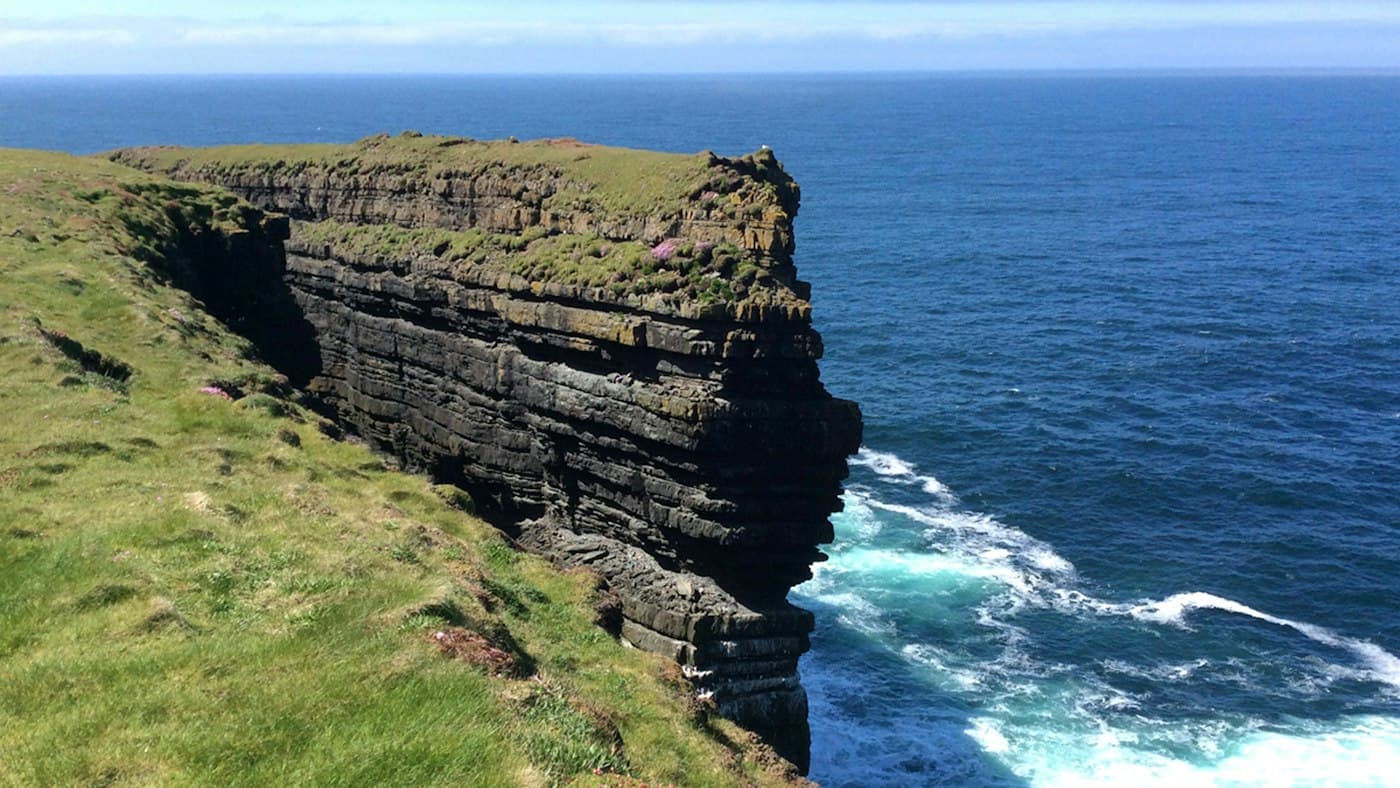
At the tip of its peninsula, the lighthouse — a tower of 1854 on a site lit since 1670 — stands over layered sea cliffs where the Shannon estuary meets the Atlantic, with views from the Blaskets to the Twelve Bens on a clear day. The tower is visited by guided tour from mid-March; whales, dolphins and seals pass below, and the crowds of Moher are far away.
Light
How the light falls
The cliffs face west, and the visitor centre itself calls sunset the best time to come. At midsummer the sun sets at about seven minutes past ten, in the north-west over the sea, and at nine o’clock it still stands seven degrees up; at midwinter it sets at about twenty past four, low over the ocean to the south-west, after a day when it never climbs above 14 degrees. Fog and sea mist can hide the cliffs completely and lift within minutes: you are told the visibility on arrival, and a ticket bought on a foggy day can be used again within 24 hours if you are staying nearby.
Travel
Getting there
Shannon Airport is about an hour from the cliffs (some 65 km), and Dublin Airport about 270 km away, three and a half to four hours by road. Doolin is ten minutes north of the cliffs, Poulnabrone about half an hour inland and Loop Head some 80 km south, an hour and a half along the coast. Book cliff tickets online for a time slot; the car park is across the road. Register any drone with a camera with the Irish Aviation Authority, and keep it away from the cliffs in the nesting season, from OPW monuments and from the national park. Watch Met Éireann’s warnings: when the visitor centre goes to orange, the cliffs close.
Photographers
Photographers in Clare & at the Cliffs of Moher
No one in Clare & at the Cliffs of Moher yet
The first photographers in Clare & at the Cliffs of Moher are joining now. Tell our concierge your date and your plans — it checks who is free and fits.
Plan
Read before you plan
- Getting married in Ireland as foreigners: civil, religious, humanist or symbolicHow couples who don’t live in Ireland marry there legally: three months’ notice by post, the visit in person, documents, translations and apostilles, visas and interviews, foreign divorces, a priest from home, why clifftop weddings are usually symbolic, and registering the marriage back home.
- How to choose a wedding photographer: the steps, and the questions to askThe decision in order — whole weddings, style, availability, the package, the contract and deposit, cancellation, delivery and a conversation — then a checklist of questions, with why each one matters.
- A wedding-day timeline for photosFrom getting ready to the last dance, planned around the light.
- Deposits and payment protectionWhat you pay when, and what happens if plans change.
- How to get married in Ireland when you live here: notice, documents, ceremonyFor couples who live in Ireland: booking the marriage notification appointment and what to bring, the €200 fee and the Marriage Registration Form, a registrar, a priest or a humanist celebrant, where the law lets you marry, and what to do after the day.
- Which country for a destination wedding? The law, prices, crowds and light, comparedThe legal route for couples who don’t live there, season and crowds, price levels, light, flights, venues and permits for photographs — Portugal, Italy, Spain, Greece, France and Austria compared with official figures, as of October 2026.
- A rain plan that still looks goodCovered spots, umbrellas and what photographers do on grey days.
- Wedding photography contract checklist: what it should say, and how Lens & Vows handles each pointThirteen things a good contract covers — the day and the hours, what is delivered, deposit and balance, cancellation on either side, date changes, illness, image rights, personal data, backups, travel, overtime and complaints — and what our terms say about each.
Ireland
Other places
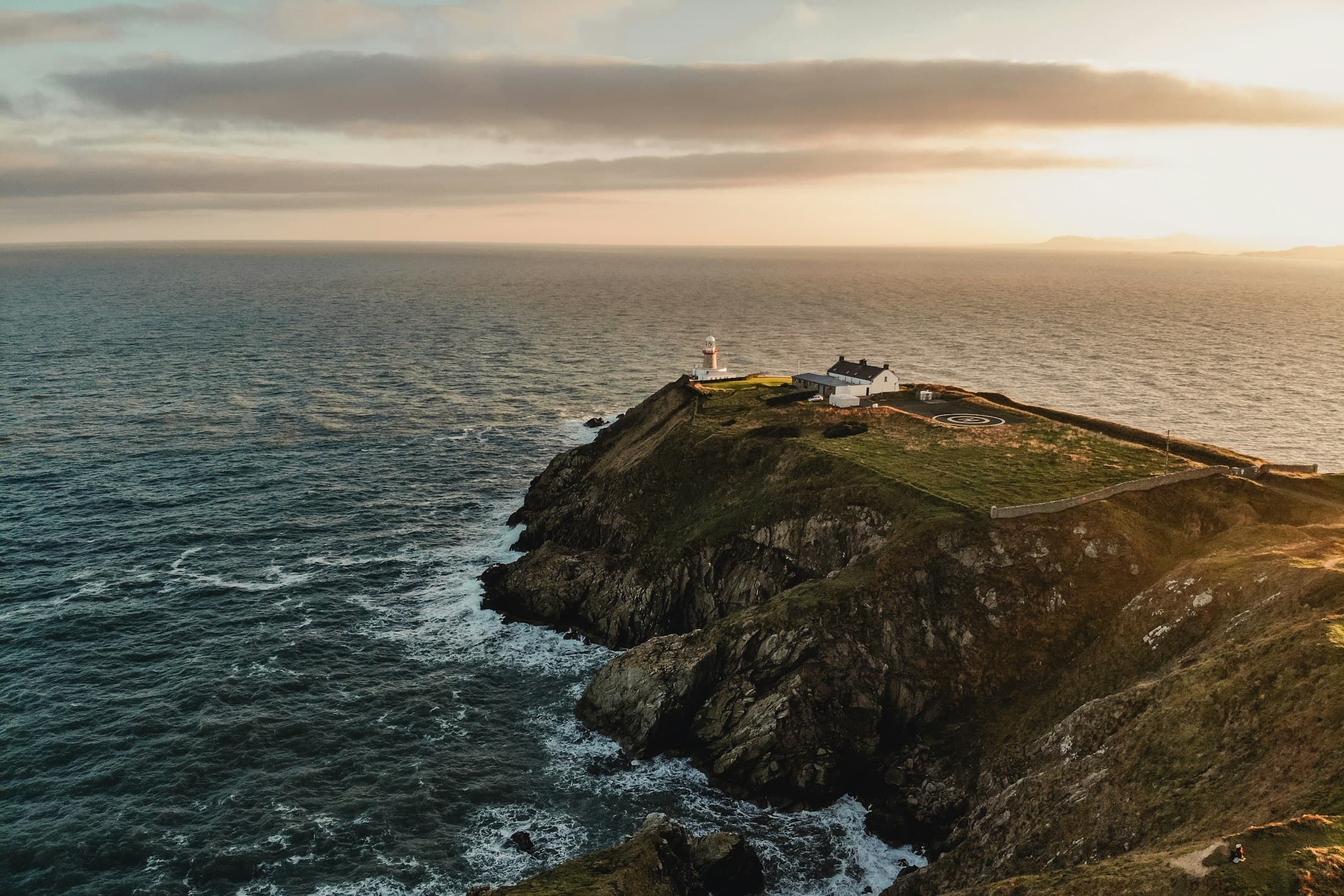 Dublin & WicklowBest: Jun · Jul · Aug · SepPhotographers joining
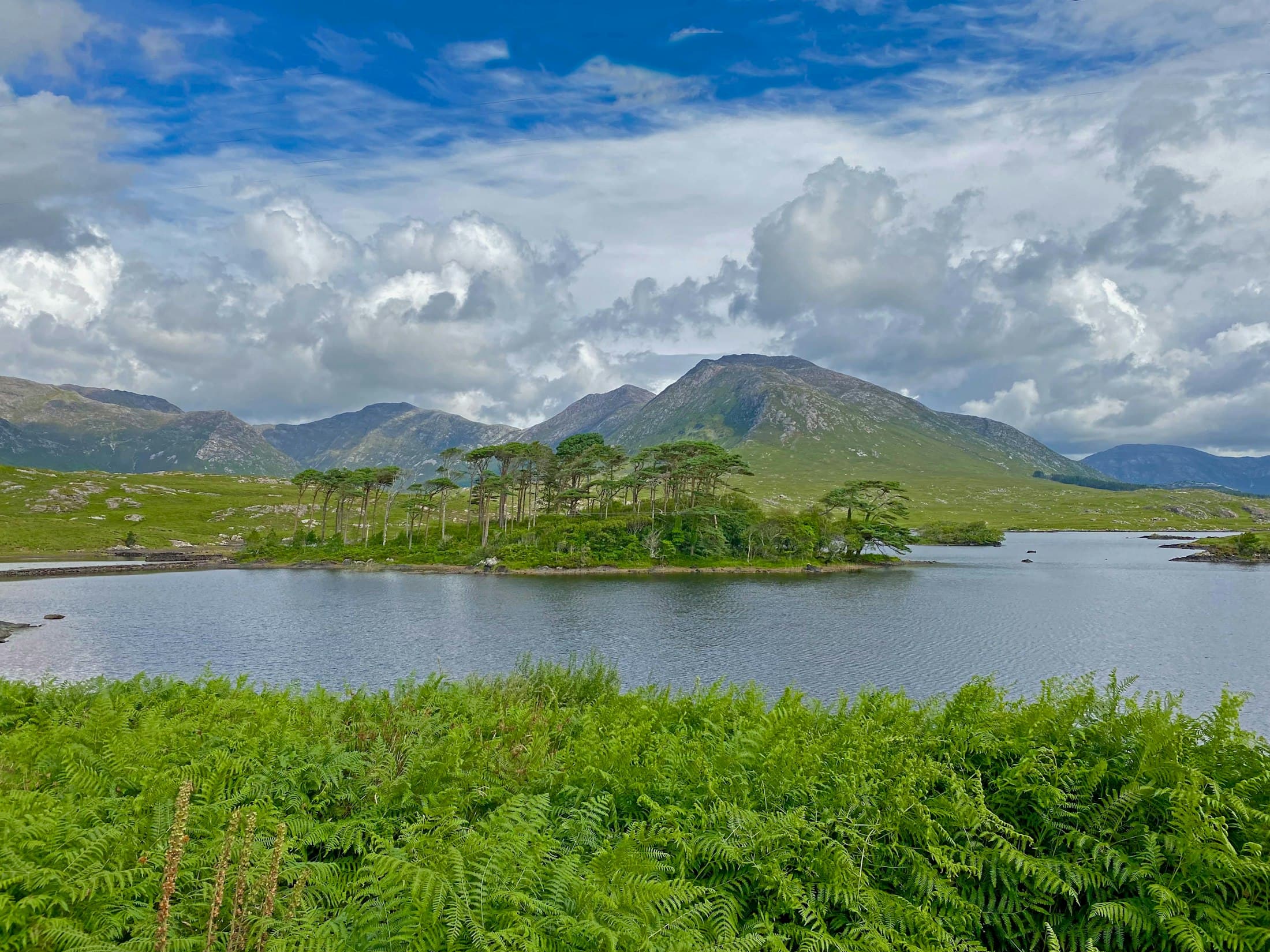 Galway & ConnemaraBest: May · Jun · JulPhotographers joining
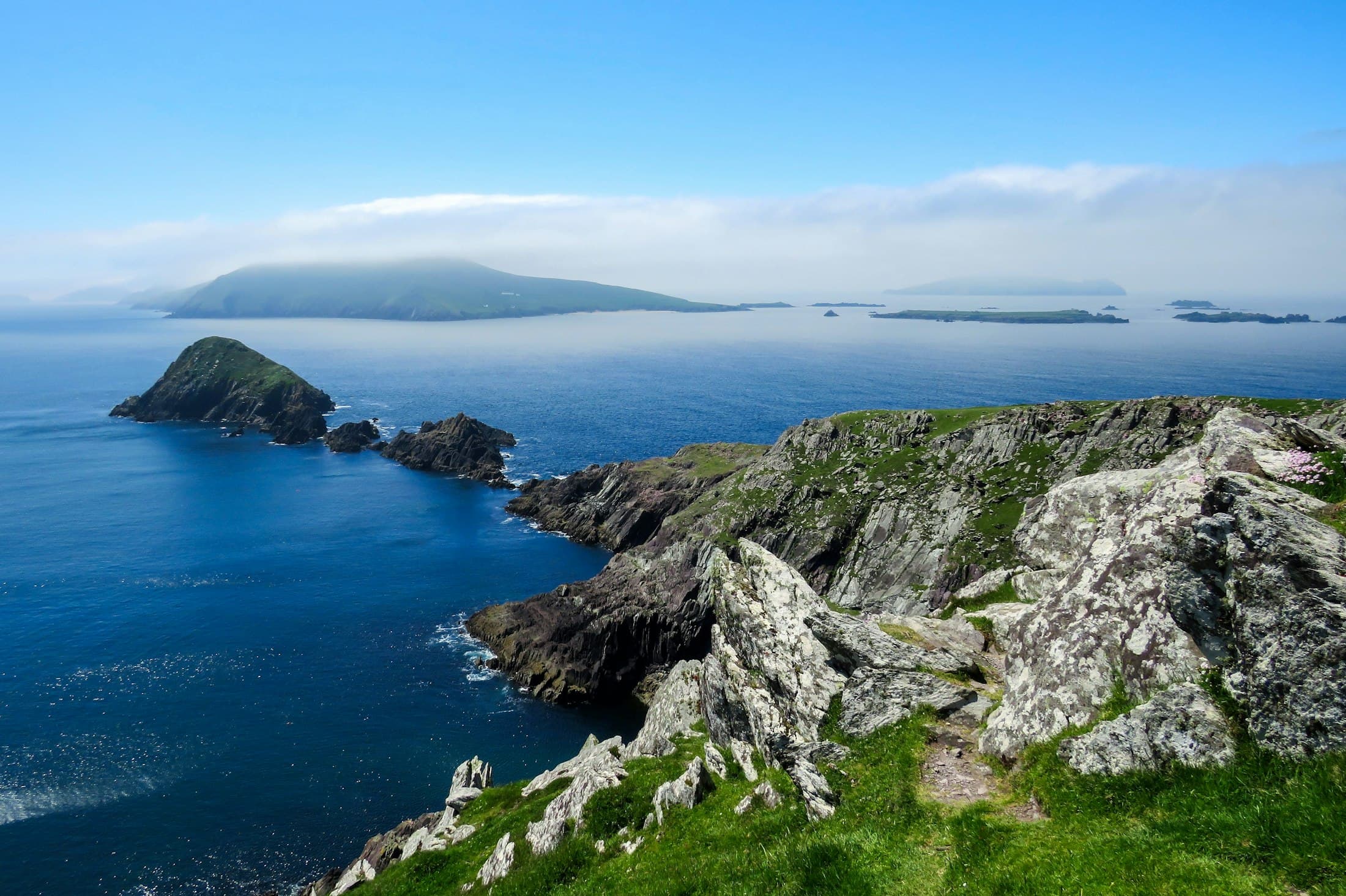 Kerry & the South WestBest: May · Jun · Jul · AugPhotographers joining
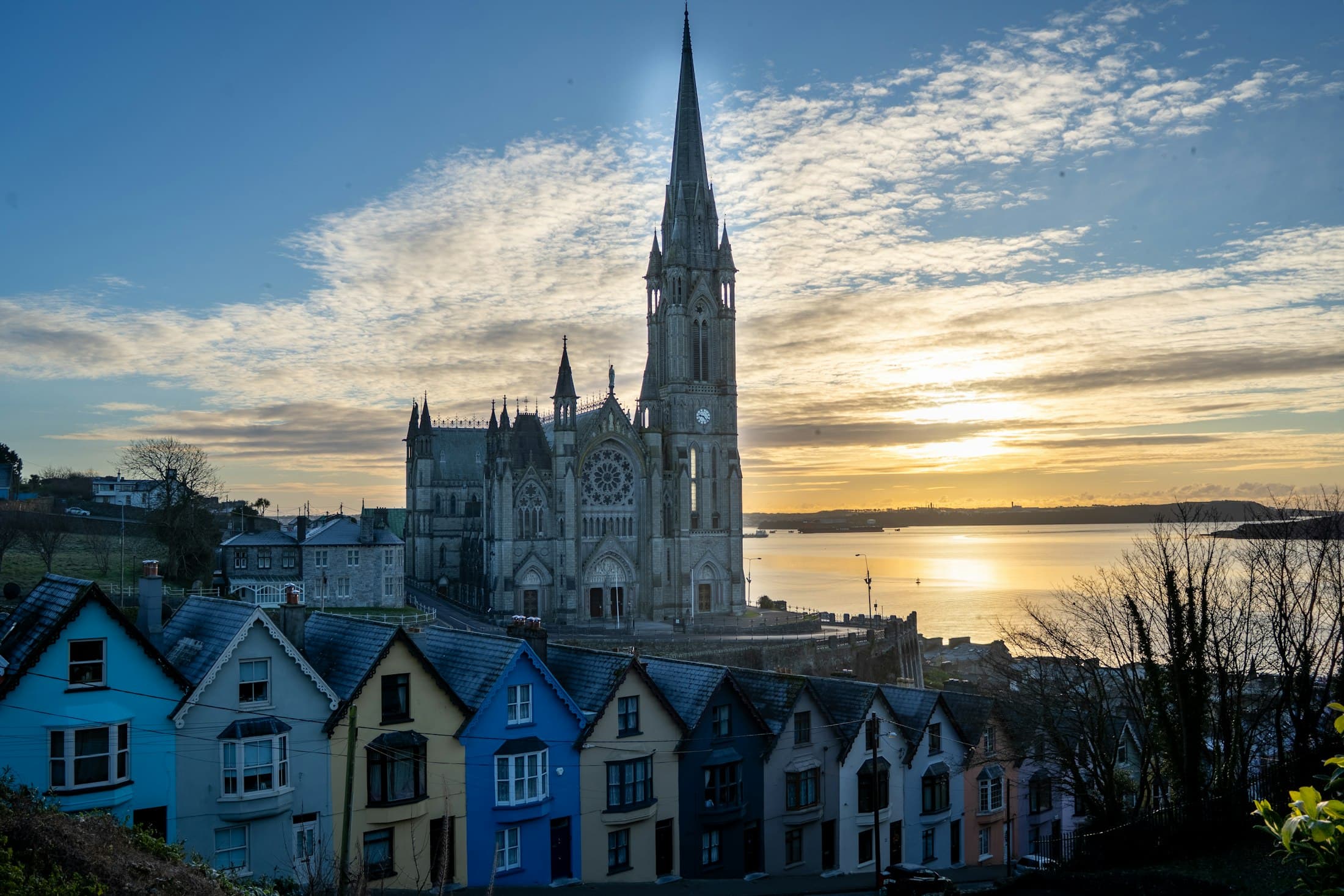 CorkBest: Jun · Jul · Aug · SepPhotographers joining
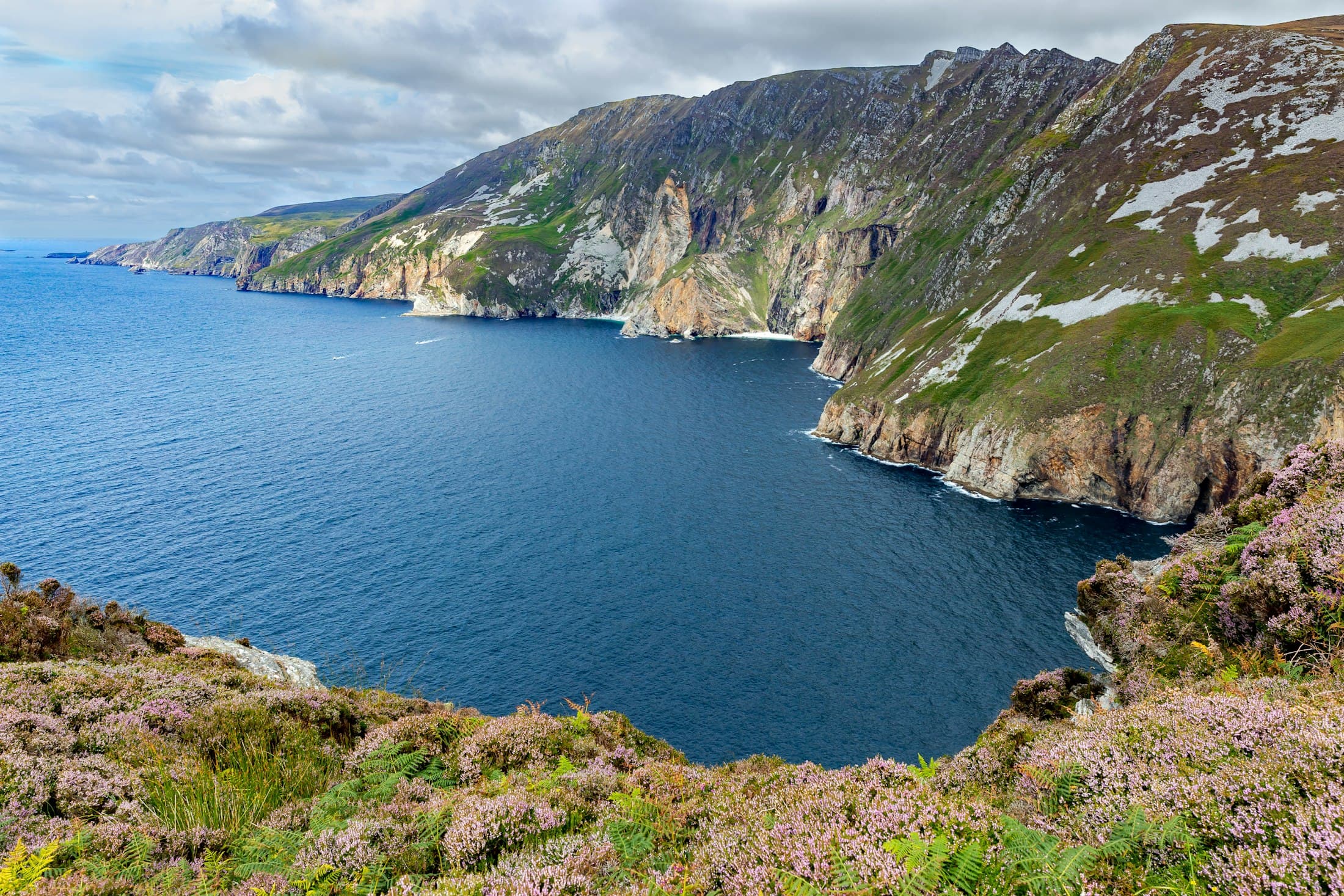 Donegal & the North WestBest: May · Jun · Jul · AugPhotographers joining
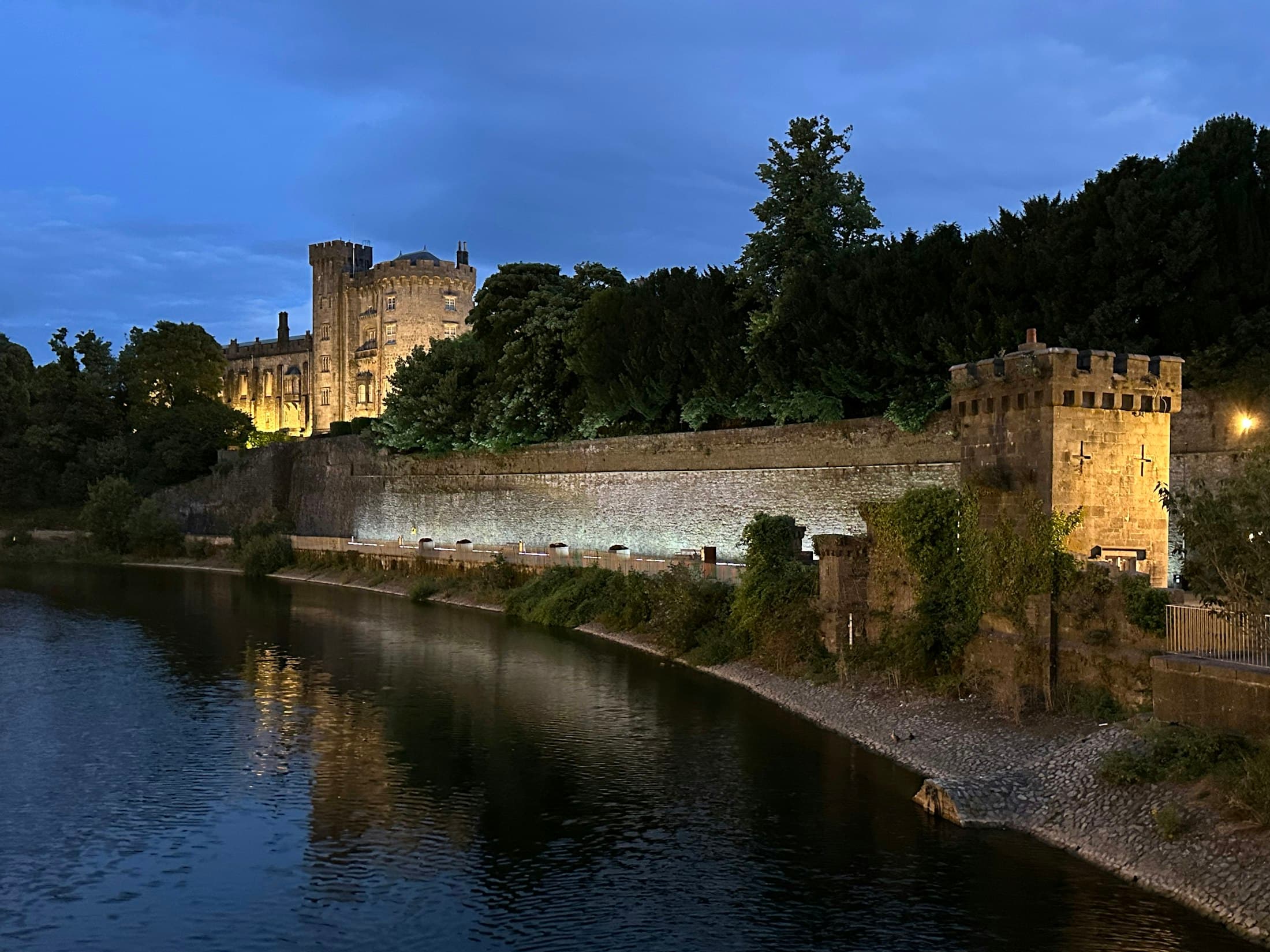 Kilkenny & the South EastBest: Jun · Jul · Aug · SepPhotographers joining