Ireland
Getting married in Ireland
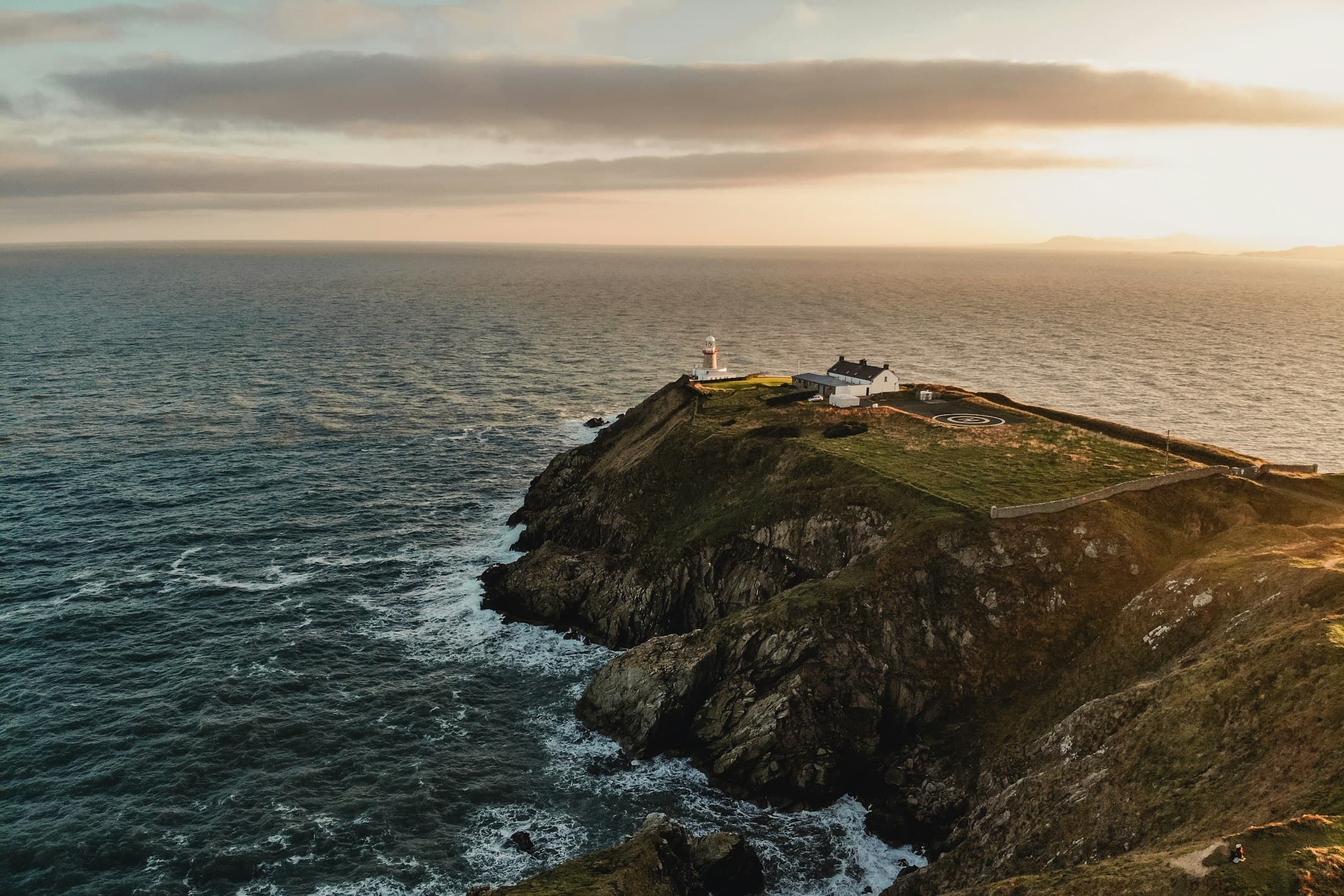
Georgian Dublin and the Wicklow Mountains, Galway and the lakes and bogs of Connemara, the Cliffs of Moher, Kerry’s lakes and peninsulas, Cork’s harbours and headlands, Donegal’s wild Atlantic coast, and medieval Kilkenny.
Ireland sits on the edge of the Atlantic, a land of sea cliffs and long beaches, lakes, mountains and small green fields, and its wedding season follows the long evenings: from May to mid-August the sun sets after nine, and around midsummer, in the west, after ten. The weather changes by the hour, in any month.
Couples from abroad can marry here legally, without living here — before a registrar, a priest or minister, or a humanist celebrant — once they have given three months’ notice and met the registrar in person. Many sign the papers at home instead and celebrate here with a symbolic ceremony, on a clifftop on the Wild Atlantic Way, by a Kerry lake or on a Connemara beach.
7 places
Where in Ireland
City, cliffs, lakes or wild coast: each has its own light, landscape and best months. Start with the one that feels like you.
- Dublin & WicklowA Georgian capital on its bay, the cliff path around Howth Head and the hill above Killiney Bay — and, an hour to the south, the lakes and monastic ruins of Glendalough in the Wicklow Mountains.Best: Jun · Jul · Aug · SepPhotographers joining
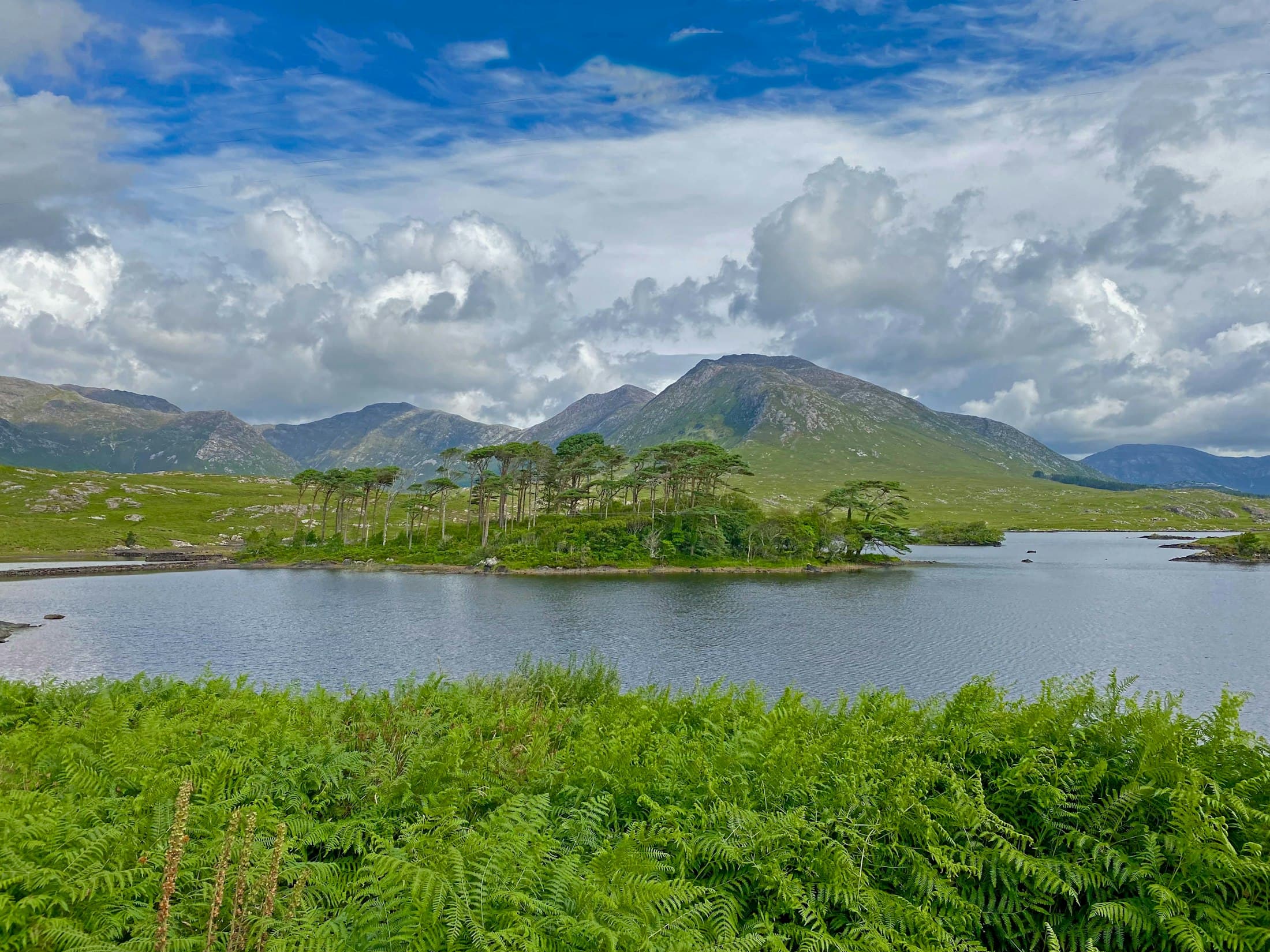 Galway & ConnemaraA small harbour city of music and painted houses at the head of Galway Bay, and beyond it Connemara: bog, lakes and mountains running down to the Atlantic, with the Aran Islands offshore.Best: May · Jun · JulPhotographers joining
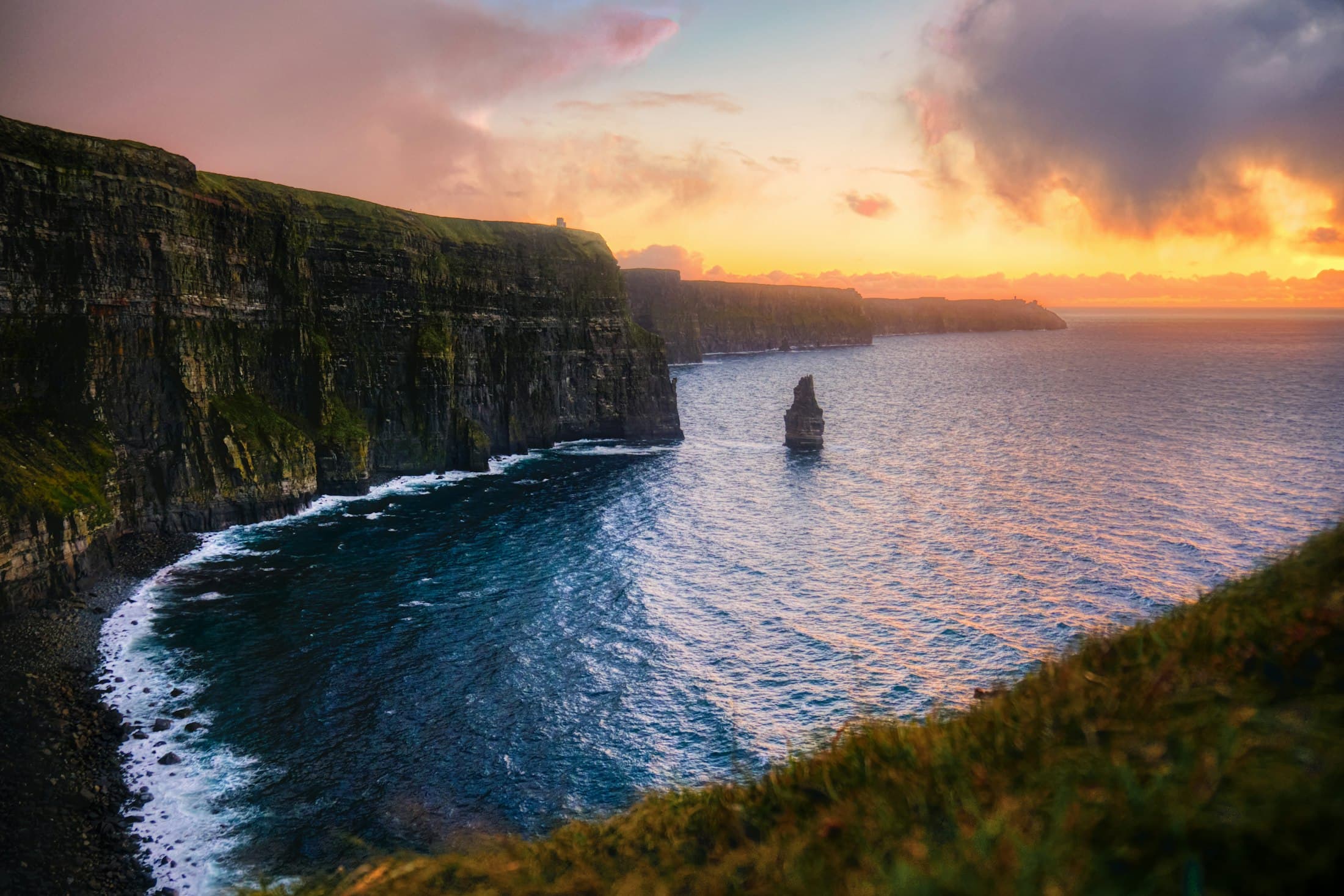 Clare & the Cliffs of MoherThe Cliffs of Moher rising 214 m out of the Atlantic, the bare grey limestone of the Burren behind them, and Doolin’s music and ferries in between.Best: May · Jun · JulPhotographers joining
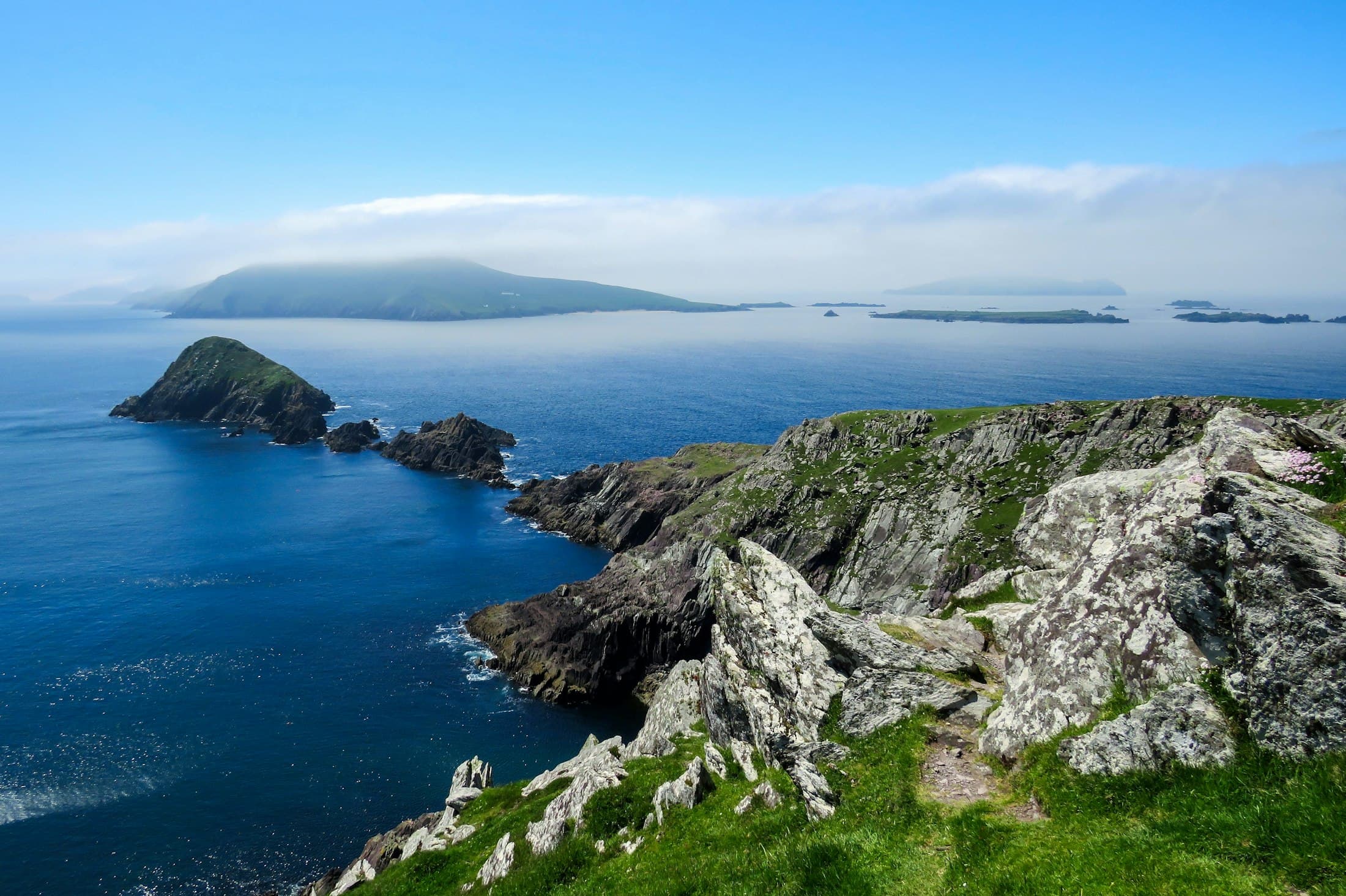 Kerry & the South WestLakes, ancient woods and a castle below Ireland’s highest mountains at Killarney, the Ring of Kerry and the Skellig coast, and the cliffs and beaches of the Dingle Peninsula at the edge of the Atlantic.Best: May · Jun · Jul · AugPhotographers joining
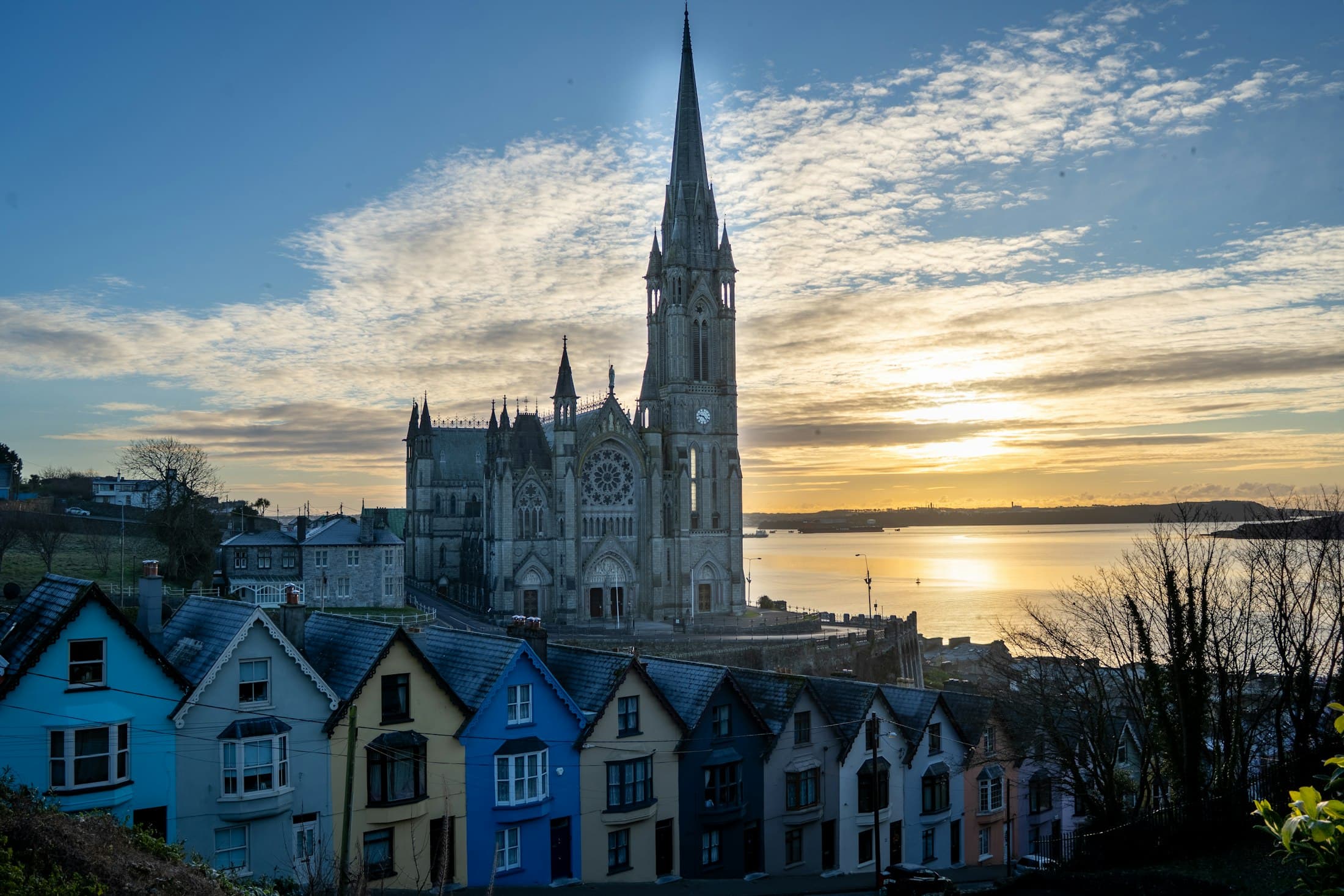 CorkA harbour city on the River Lee, the coloured terraces and cathedral of Cobh, Kinsale at the start of the Wild Atlantic Way, and the long west out to Mizen Head and the lake chapel of Gougane Barra.Best: Jun · Jul · Aug · SepPhotographers joining
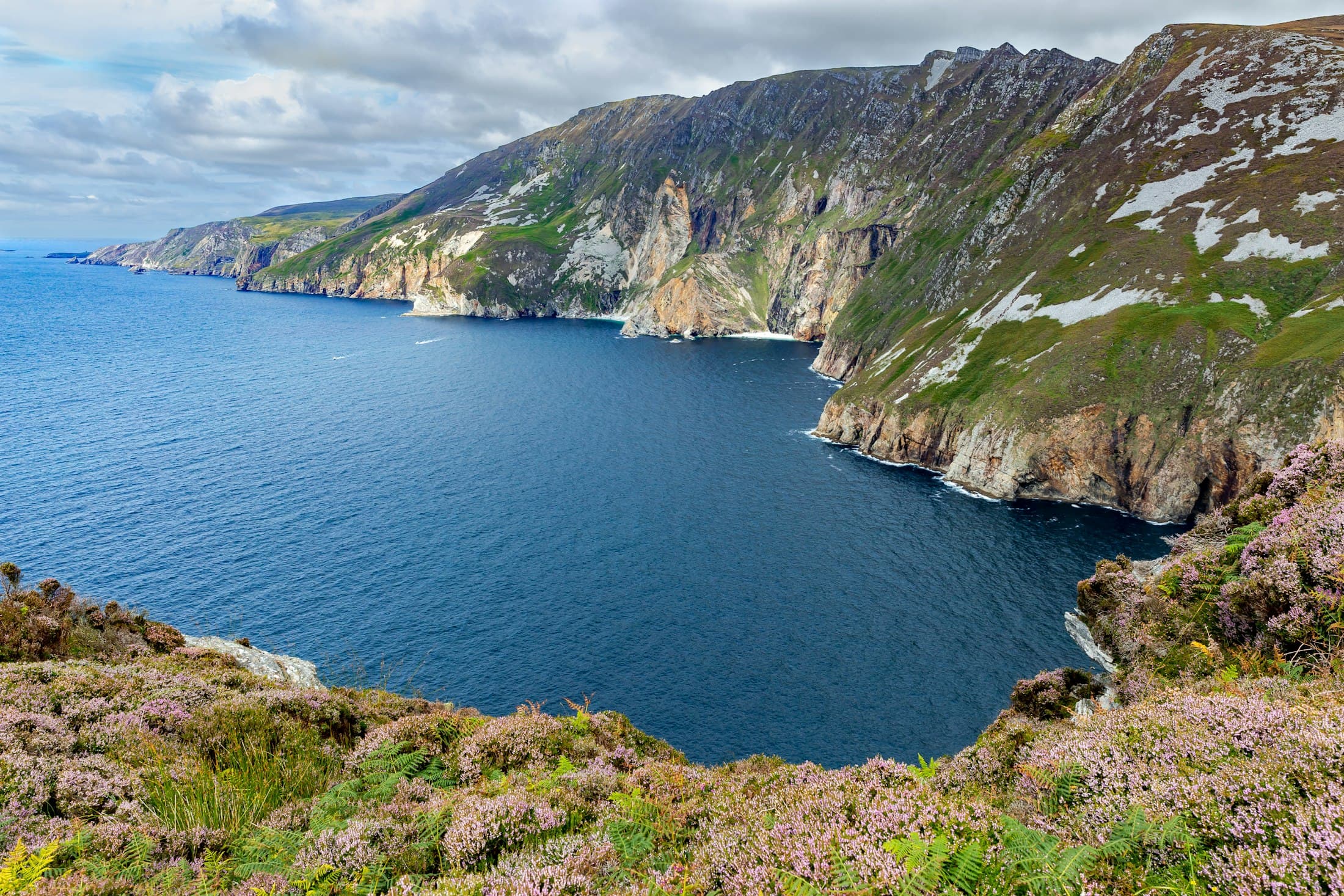 Donegal & the North WestIreland’s highest sea cliffs at Slieve League, Glenveagh’s castle and lake below Mount Errigal, the lighthouse at Fanad and the headland of Malin, and long Atlantic beaches — the wild north-west, where June nights never quite get dark.Best: May · Jun · Jul · AugPhotographers joining
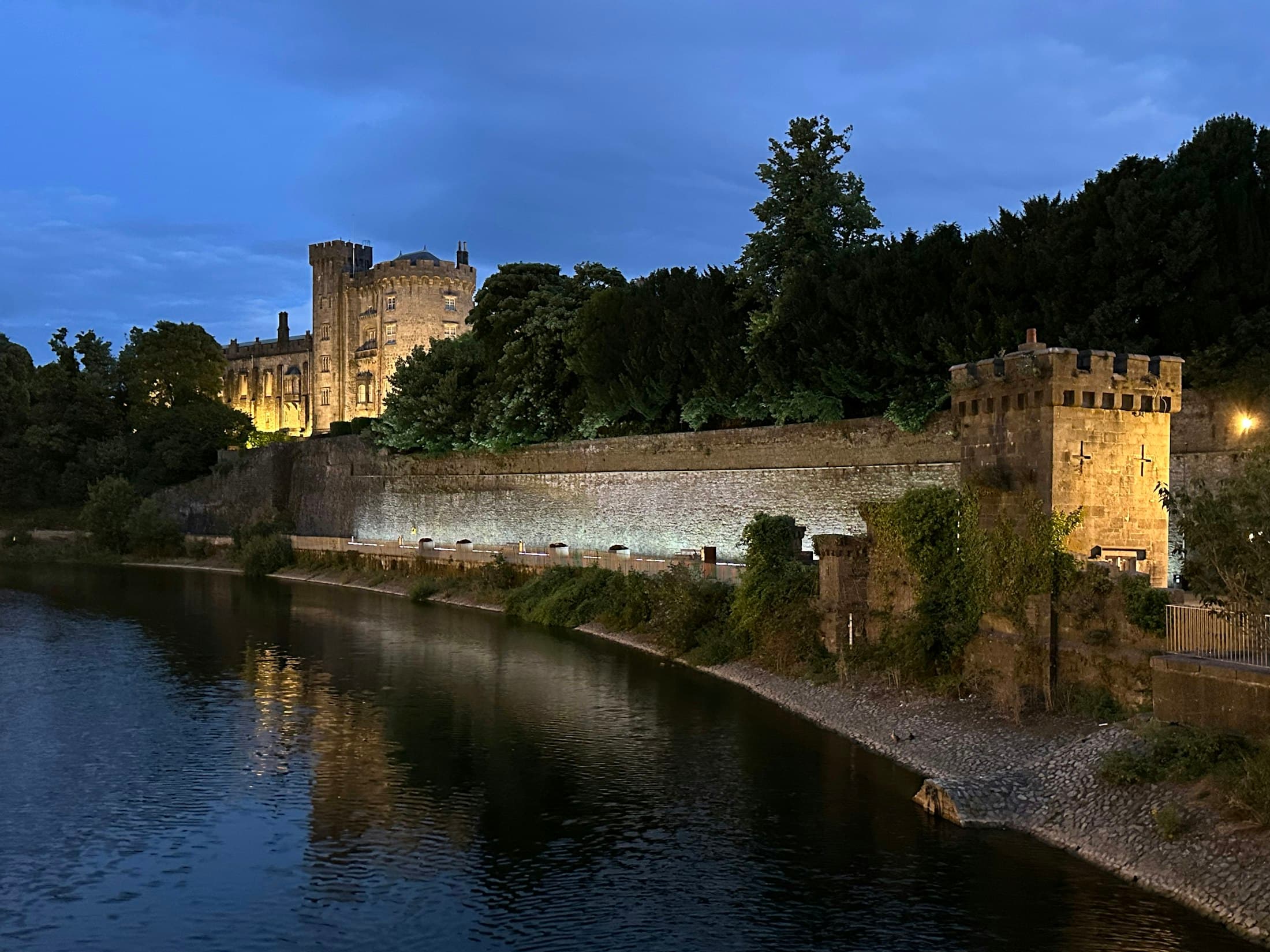 Kilkenny & the South EastA medieval city on the River Nore, with its castle and cathedral at either end of the old town — and, an hour or so away, the Rock of Cashel, the lighthouse on Hook Head and the coves of the Copper Coast.Best: Jun · Jul · Aug · SepPhotographers joining
Through the year
When to marry, region by region
Dark: the easiest months. Outlined: they work with some planning. Grey: the quieter, wetter or hotter part of the year there.
- Dublin & Wicklow
- January: Quieter
- February: Quieter
- March: Quieter
- April: Good with planning
- May: Good with planning
- June: Best
- July: Best
- August: Best
- September: Best
- October: Good with planning
- November: Quieter
- December: Quieter
- Galway & Connemara
- January: Quieter
- February: Quieter
- March: Quieter
- April: Good with planning
- May: Best
- June: Best
- July: Best
- August: Good with planning
- September: Good with planning
- October: Quieter
- November: Quieter
- December: Quieter
- Clare & the Cliffs of Moher
- January: Quieter
- February: Quieter
- March: Quieter
- April: Good with planning
- May: Best
- June: Best
- July: Best
- August: Good with planning
- September: Good with planning
- October: Quieter
- November: Quieter
- December: Quieter
- Kerry & the South West
- January: Quieter
- February: Quieter
- March: Quieter
- April: Good with planning
- May: Best
- June: Best
- July: Best
- August: Best
- September: Good with planning
- October: Good with planning
- November: Quieter
- December: Quieter
- Cork
- January: Quieter
- February: Quieter
- March: Quieter
- April: Good with planning
- May: Good with planning
- June: Best
- July: Best
- August: Best
- September: Best
- October: Good with planning
- November: Quieter
- December: Quieter
- Donegal & the North West
- January: Quieter
- February: Quieter
- March: Quieter
- April: Good with planning
- May: Best
- June: Best
- July: Best
- August: Best
- September: Good with planning
- October: Quieter
- November: Quieter
- December: Quieter
- Kilkenny & the South East
- January: Quieter
- February: Quieter
- March: Quieter
- April: Good with planning
- May: Good with planning
- June: Best
- July: Best
- August: Best
- September: Best
- October: Good with planning
- November: Quieter
- December: Quieter
The seasons
What each season brings
- March – MaySpringThe evenings lengthen fast: by mid-May the sun sets after nine. On average April and May are the driest months and May is among the sunniest, though showers still come and go; days warm from about 10 °C in March to 15 °C in May, and the hawthorn flowers in the hedgerows.
- June – AugustSummerThe longest evenings: around midsummer the sun sets after ten in the west, just before ten in Dublin, and the light lingers until nearly eleven. Mild, about 18 to 20 °C at best, and rarely dry for long — it rains on about a third of July’s days in Dublin, half on the Kerry coast. July and August are the busiest, dearest months: book early, and budget for prices about 40% above the EU average.
- September – OctoberAutumnSeptember is still mild, around 17 °C by day, and quieter once the summer crowds have gone. October turns wetter and windier, above all in the west — on the Kerry coast it brings nearly twice May’s rain — and the evenings draw in: by mid-October the sun sets around half past six.
- November – FebruaryWinterShort days — about seven and a half hours of daylight at the winter solstice, the sun low all day — and the wettest, windiest months, when Atlantic storms bring gales to exposed coasts. Mild for the latitude, 8 to 10 °C by day; snow is rare. Leave a spare day for travel, and check Met Éireann’s warnings before you drive.
The legal basics
Three ways to say yes
What makes a wedding legally binding in Ireland, in short. Couples from abroad can marry here legally — civil, religious or humanist — but only after three months’ notice.
- CivilA registrar marries you before two witnesses aged 18 or over, at a registration office or, for an extra fee, at a venue the registrar approves — a building open to the public, or its grounds — on weekdays, in office hours, with nothing religious in the ceremony. You don’t have to live in Ireland. Same-sex couples have been able to marry since 2015, after a referendum.
- ReligiousPriests and ministers on the state’s Register of Solemnisers — Catholic, Church of Ireland and many other faiths — marry you legally, as do the Humanist Association of Ireland’s celebrants, any day of the week; a priest from home can too, if the church in Ireland registers them for the day. All need the Marriage Registration Form from your civil notice — without it, no wedding is legal. A Catholic wedding also needs papers from your home parish and a preparation course: start at least six months ahead.
- SymbolicAny place, any words, any celebrant — but no legal weight. Because a legal wedding needs three months’ notice and a place open to the public — a building or its grounds, not a private home or a remote headland — many couples from abroad sign the papers at home and exchange vows here, on a clifftop or a beach on the Wild Atlantic Way. Heritage sites and national parks want permission for professional photos, and the Cliffs of Moher ban drones from April to September.
Before any legal wedding
First, the notice: at least three months before the date, you both see a registrar at any civil registration service and pay €200 — book early, appointments fill up. If you live abroad, the registrar may accept the notice by post, but you still go together, in person, at least five days before the wedding. Bring passports, birth certificates (from an EU country with the EU’s multilingual form, from elsewhere perhaps with an apostille, translated if not in English or Irish), proof of address and any final divorce decree — a foreign divorce must first be accepted by the General Register Office. A partner from outside the EU shows their immigration status and is interviewed. All this happens in English or Irish: bring a professional interpreter if you need one, at the ceremony too. You then get the Marriage Registration Form, valid six months from your date; you, your two witnesses and the solemniser sign it after the ceremony, and it goes back to a registrar within a month. Only a court can waive the three months.
Rules, documents and fees change and depend on your nationality: always check with the civil registration service where you give notice — or, for a religious or humanist wedding, with your solemniser — and, for photos at a heritage site or in a national park, with the site or the park, before you set a date.
Photographers
Photographers in Ireland
The first photographers in Ireland are joining now
We approve every photographer by hand, from three whole weddings, so the list starts small. Tell our concierge your date and your plans — it checks who is free and fits.
Plan your wedding
Guides
- Getting married in Ireland as foreigners: civil, religious, humanist or symbolicHow couples who don’t live in Ireland marry there legally: three months’ notice by post, the visit in person, documents, translations and apostilles, visas and interviews, foreign divorces, a priest from home, why clifftop weddings are usually symbolic, and registering the marriage back home.
- How to get married in Ireland when you live here: notice, documents, ceremonyFor couples who live in Ireland: booking the marriage notification appointment and what to bring, the €200 fee and the Marriage Registration Form, a registrar, a priest or a humanist celebrant, where the law lets you marry, and what to do after the day.
- Which country for a destination wedding? The law, prices, crowds and light, comparedThe legal route for couples who don’t live there, season and crowds, price levels, light, flights, venues and permits for photographs — Portugal, Italy, Spain, Greece, France and Austria compared with official figures, as of October 2026.
- How to choose a wedding photographer: the steps, and the questions to askThe decision in order — whole weddings, style, availability, the package, the contract and deposit, cancellation, delivery and a conversation — then a checklist of questions, with why each one matters.
- A wedding-day timeline for photosFrom getting ready to the last dance, planned around the light.
- A rain plan that still looks goodCovered spots, umbrellas and what photographers do on grey days.
- Deposits and payment protectionWhat you pay when, and what happens if plans change.
- Wedding photography contract checklist: what it should say, and how Lens & Vows handles each pointThirteen things a good contract covers — the day and the hours, what is delivered, deposit and balance, cancellation on either side, date changes, illness, image rights, personal data, backups, travel, overtime and complaints — and what our terms say about each.
All the countries we work in · More countries are coming.
Not sure yet?
Tell us about your wedding — we’ll find who is free
The place, the date, the guests, the photos you like. Our concierge checks who is free and fits, and comes back with photographers to choose from.