Getting married in Galway & Connemara
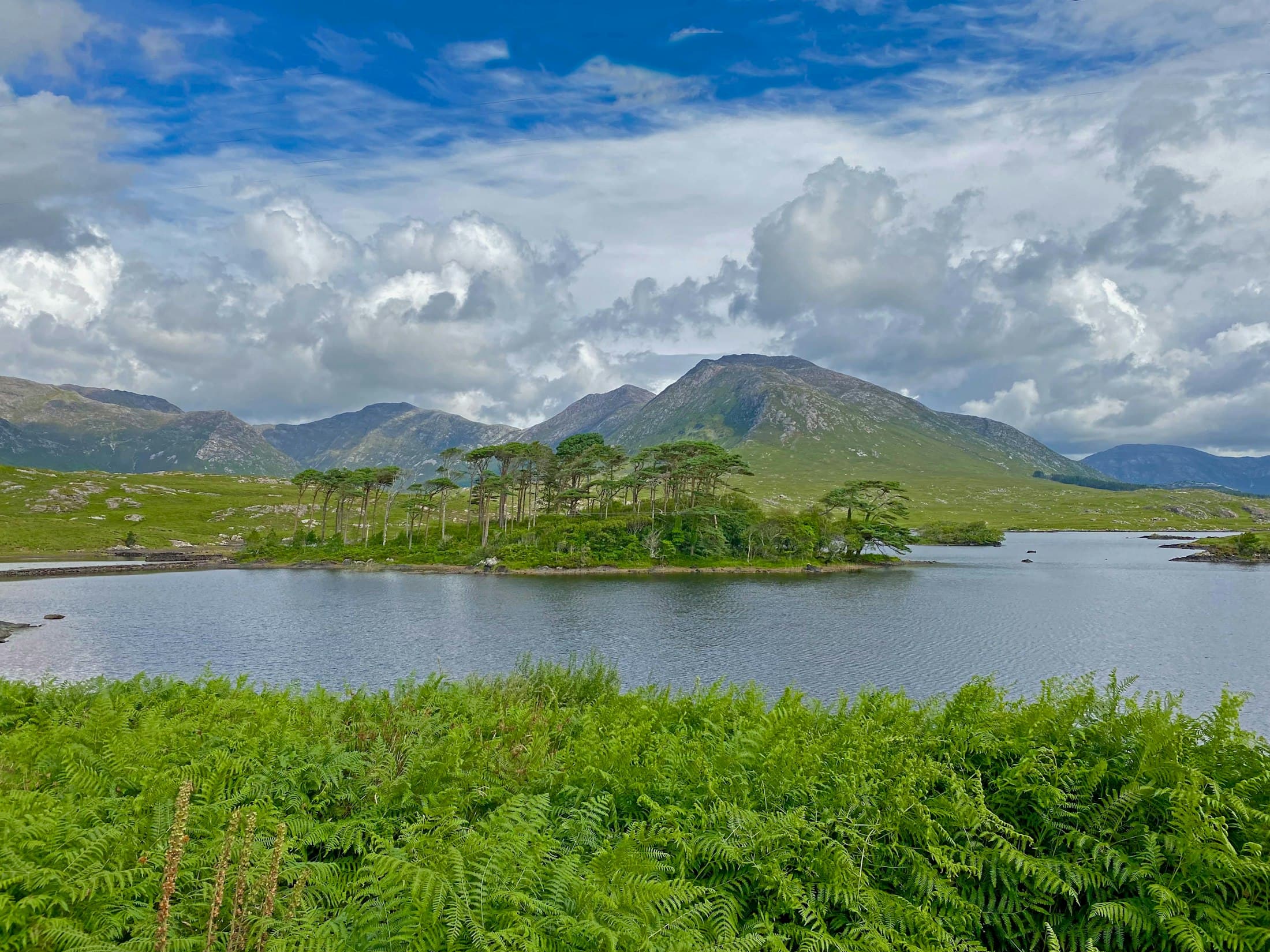
A small harbour city of music and painted houses at the head of Galway Bay, and beyond it Connemara: bog, lakes and mountains running down to the Atlantic, with the Aran Islands offshore.
Galway is compact and lively: the narrow streets of the Latin Quarter, the Spanish Arch of 1584 where the Corrib runs into the bay, and across the river the Claddagh, the old fishing village that gave its name to the ring of two hands holding a crowned heart. West of the city the road runs out into Connemara — brown bog and scattered lakes, the peaks of the Twelve Bens, white-sand coves and the little town of Clifden. Offshore lie the three Aran Islands, all limestone and stone walls, with the stone fort of Dún Aonghasa on the cliffs of Inis Mór.
Many couples who come from abroad elope or marry with a small group: a short ceremony, then an afternoon and evening out in Connemara for portraits — by a lake below the mountains, on the bog road, on a beach or high on the Sky Road above Clifden. Others marry in the city and walk its lanes and quays before dinner.
Through the year
When to marry in Galway & Connemara
May, June and July are the easiest months: the mildest — average highs of about 15 to 17.5 °C on the Connemara coast and a degree or two more in the city — and the calmest, with the longest evenings. Rain is the honest question here, and it comes in every month: on the coast about 11 days in June bring 1 mm or more, and about 19 in December, but on most of them less than 5 mm falls — passing showers more often than lost days. Wind matters as much: gales blow on eight or nine days in December and January, and on fewer than one in June and July. April has the fewest wet days but is still cool; August and September stay mild while the showers and the wind come back.
- January: Quieter
- February: Quieter
- March: Quieter
- April: Good with planning
- May: Best
- June: Best
- July: Best
- August: Good with planning
- September: Good with planning
- October: Quieter
- November: Quieter
- December: Quieter
- SpringThe days lengthen fast — by mid-May the sun sets at about half past nine — and April has the fewest wet days of the year on the coast. The air is still cool, around 12 to 15 °C, and May is usually the sunniest month in the west of Ireland.
- SummerThe mildest, calmest weeks, and the busiest: the city’s international arts festival fills two weeks in July, and the Aran ferries and the road to Clifden are at their fullest. In late June the sun sets after ten and the dusk lasts until eleven. Showers still blow in from the Atlantic, so keep a covered place in mind for the rain — a church, a room with a view, the car itself.
- Autumn and winterSeptember often stays mild, with a soft, low light over the bog. From October the Atlantic storms set in — on the coast gales blow on four to nine days a month until March — and by midwinter the day is only seven and a half hours long. A winter elopement works with a flexible date, a calm day between two fronts and somewhere warm to retreat to.
In numbers
Weather station: Mace Head, normals 2004–2025 · Checked 24 October 2026
Places
Where couples marry here
The kinds of places — ask your photographer which ones they know well.
Galway city and the Claddagh
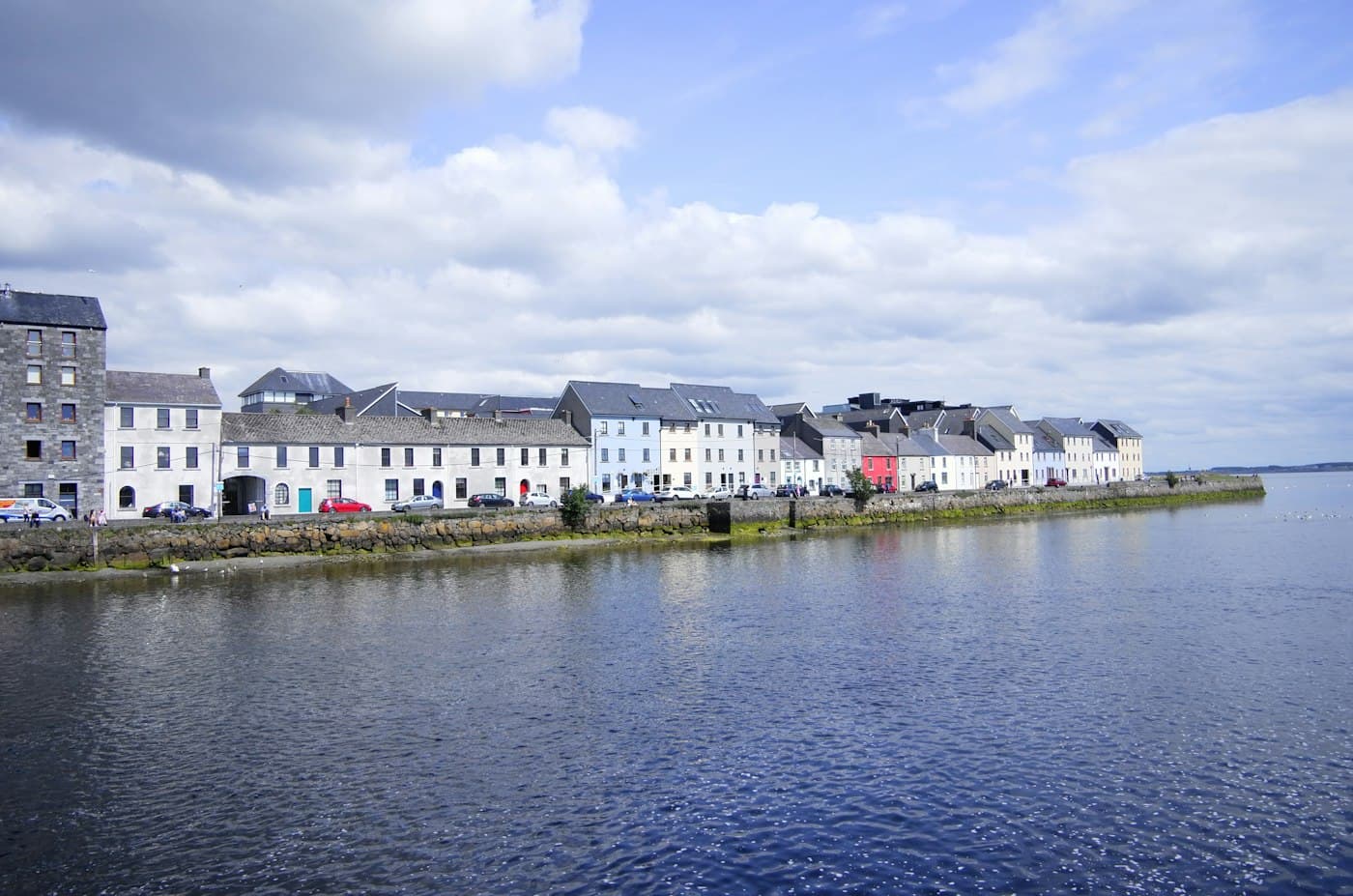
The lanes of the Latin Quarter, the Spanish Arch and the quays where the Corrib meets the bay, and the Claddagh across the water: portraits on foot between a ceremony and dinner, with street musicians never far away.
Connemara National Park
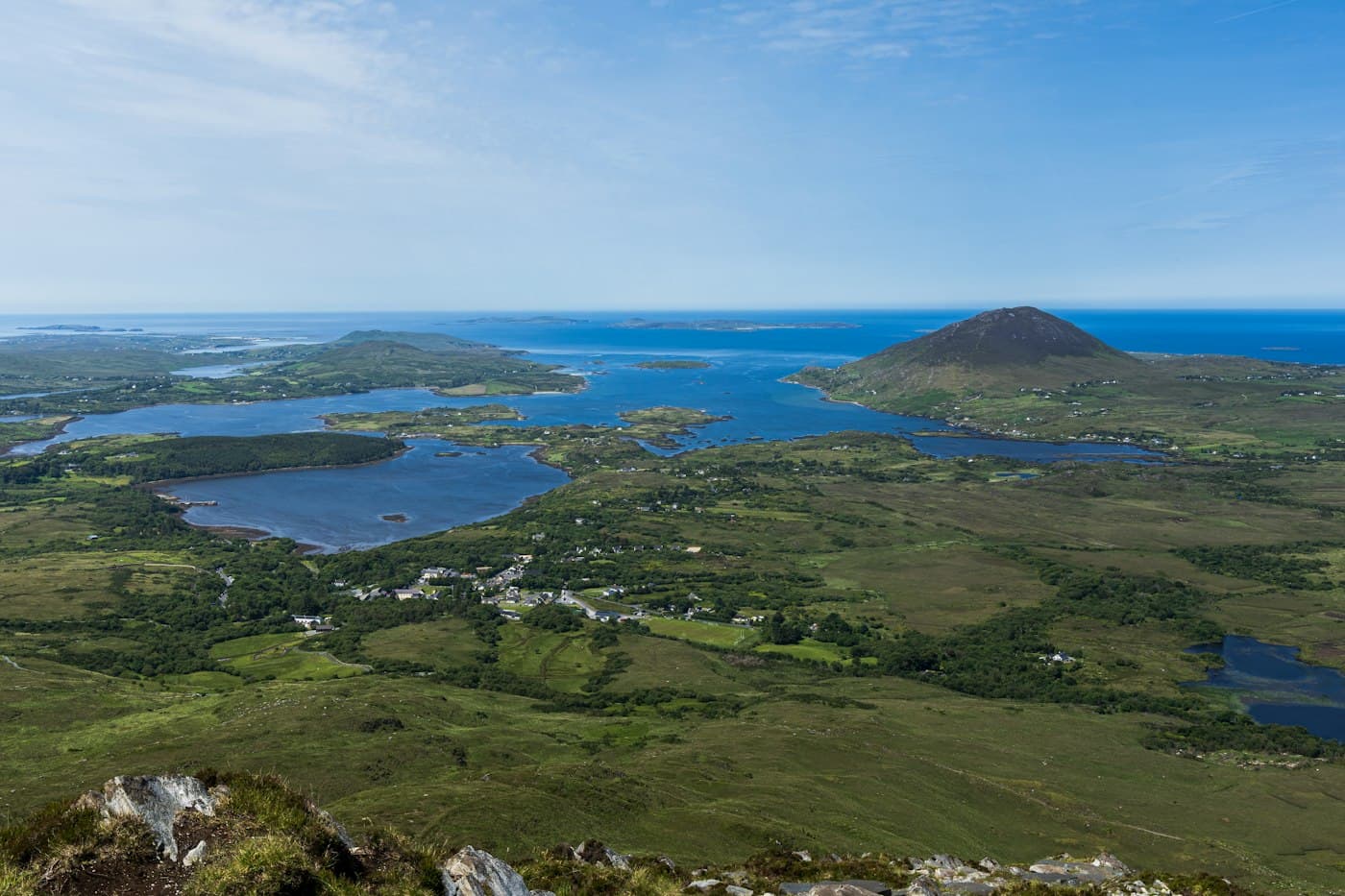
Some 2,000 hectares of mountain, bog and heath by Letterfrack, with trails up Diamond Hill for the view over the Twelve Bens, Kylemore and the sea. Photographs for your own use are welcome; a hired photographer needs the park’s commercial permit, applied for at least seven working days ahead, and drones are banned without a special permit.
Kylemore Abbey
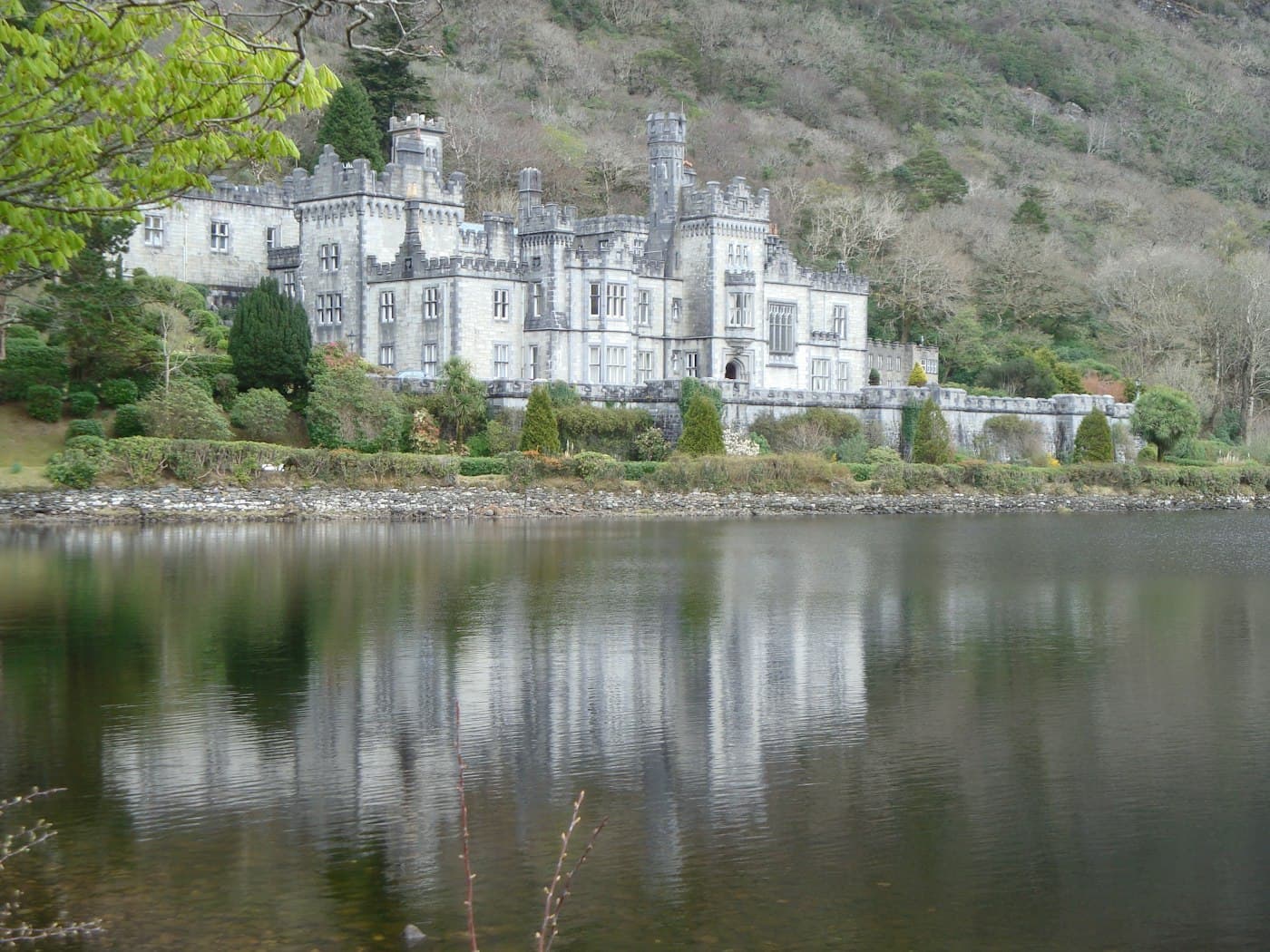
The Benedictine nuns’ abbey, a castle begun in 1867, mirrored in its lake below the mountain, with a neo-Gothic church built from 1877 to 1881 and a Victorian walled garden. It is a living monastery as well as a place to visit: professional photography and drones need the Kylemore Trust’s written approval, asked for at least two weeks ahead.
The Sky Road and the Aran Islands
The Sky Road, a 16 km loop high above Clifden Bay and its islands, made for sunsets; and the Aran Islands, 40 minutes by ferry from Rossaveal all year, or a flight of under ten minutes from Inverin. On Inis Mór, Dún Aonghasa stands on an 87 m cliff with no fence or rail at the edge, and drones are not allowed there.
Light
How the light falls
At midsummer the sun rises at about ten past five and sets at about ten past ten, out in the north-west, and the sky stays light until about eleven. At midwinter it is up only from about ten to nine until twenty past four, never more than 13 degrees above the horizon — a low, raking light all day. Cloud is the usual sky in the west — even in May the sun shines for only about six hours a day on average — and the light it gives is soft and even; when the sun breaks through after a shower, the bog and the mountains can glow for a few minutes, so stay ready to go out.
Travel
Getting there
Shannon Airport is about 85 km south of Galway — an hour and a quarter by car — and Dublin Airport about 220 km east, around two and a half hours by motorway. Clifden is about 80 km west of the city through Connemara. Ferries to the Aran Islands sail from Rossaveal, 40 km from Galway, all year, and from Doolin in Clare from late February to early November. Drones with a camera or over 250 g must be registered with the Irish Aviation Authority, and national parks and OPW heritage sites forbid them without permission. Check Met Éireann’s warnings before any day on the coast.
Photographers
Photographers in Galway & Connemara
No one in Galway & Connemara yet
The first photographers in Galway & Connemara are joining now. Tell our concierge your date and your plans — it checks who is free and fits.
Plan
Read before you plan
- Getting married in Ireland as foreigners: civil, religious, humanist or symbolicHow couples who don’t live in Ireland marry there legally: three months’ notice by post, the visit in person, documents, translations and apostilles, visas and interviews, foreign divorces, a priest from home, why clifftop weddings are usually symbolic, and registering the marriage back home.
- How to choose a wedding photographer: the steps, and the questions to askThe decision in order — whole weddings, style, availability, the package, the contract and deposit, cancellation, delivery and a conversation — then a checklist of questions, with why each one matters.
- A wedding-day timeline for photosFrom getting ready to the last dance, planned around the light.
- Deposits and payment protectionWhat you pay when, and what happens if plans change.
- How to get married in Ireland when you live here: notice, documents, ceremonyFor couples who live in Ireland: booking the marriage notification appointment and what to bring, the €200 fee and the Marriage Registration Form, a registrar, a priest or a humanist celebrant, where the law lets you marry, and what to do after the day.
- Which country for a destination wedding? The law, prices, crowds and light, comparedThe legal route for couples who don’t live there, season and crowds, price levels, light, flights, venues and permits for photographs — Portugal, Italy, Spain, Greece, France and Austria compared with official figures, as of October 2026.
- A rain plan that still looks goodCovered spots, umbrellas and what photographers do on grey days.
- Wedding photography contract checklist: what it should say, and how Lens & Vows handles each pointThirteen things a good contract covers — the day and the hours, what is delivered, deposit and balance, cancellation on either side, date changes, illness, image rights, personal data, backups, travel, overtime and complaints — and what our terms say about each.
Ireland
Other places
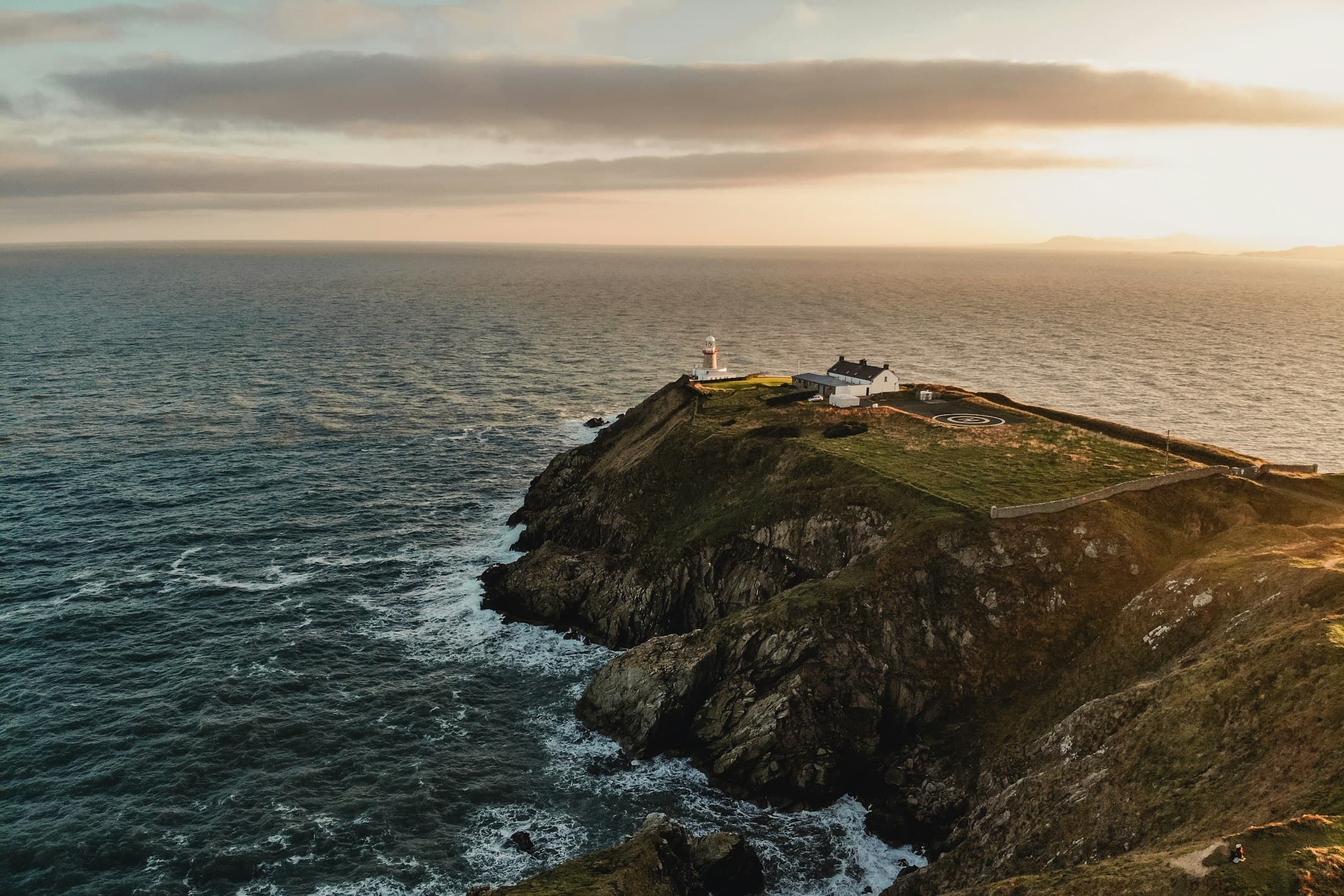 Dublin & WicklowBest: Jun · Jul · Aug · SepPhotographers joining
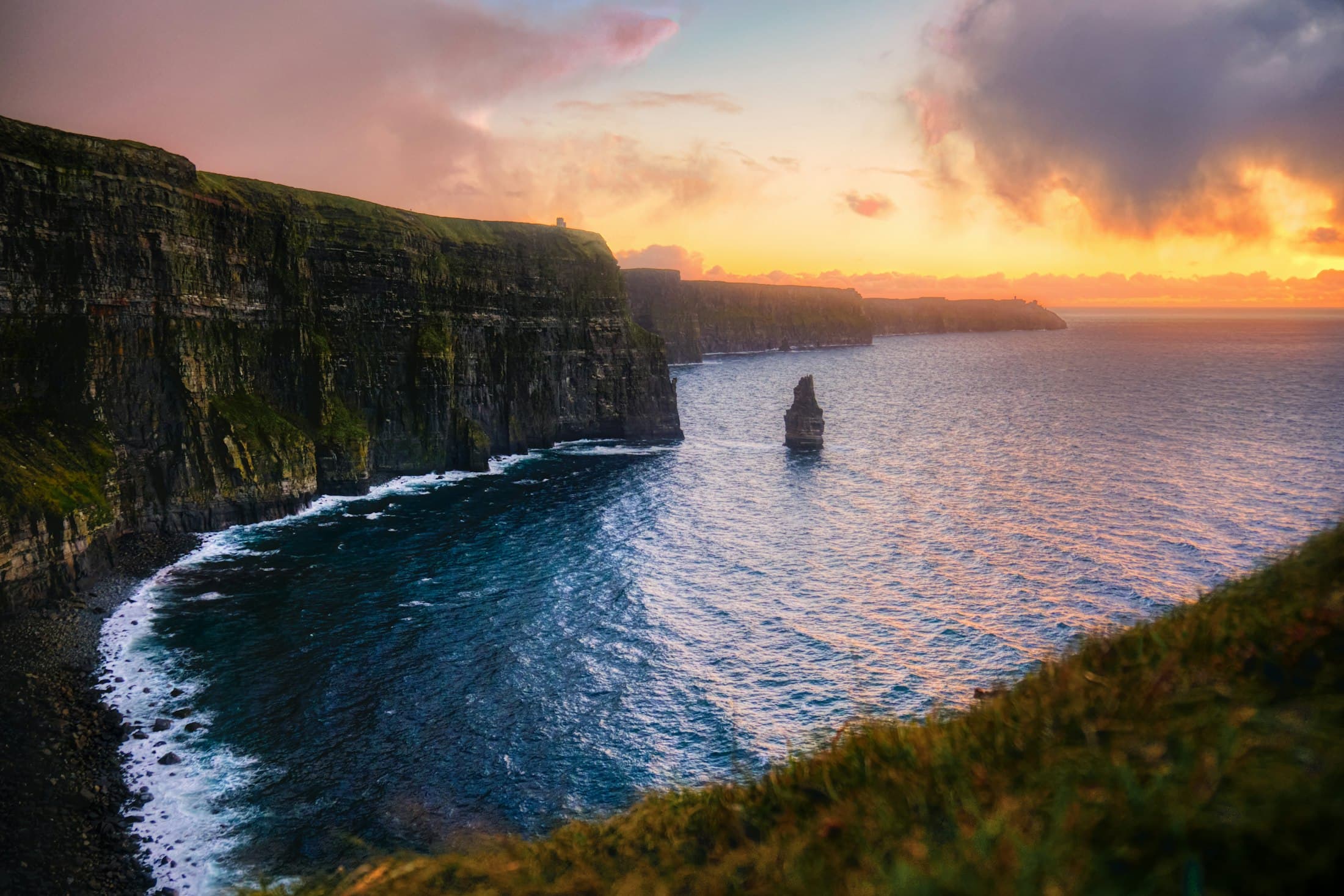 Clare & the Cliffs of MoherBest: May · Jun · JulPhotographers joining
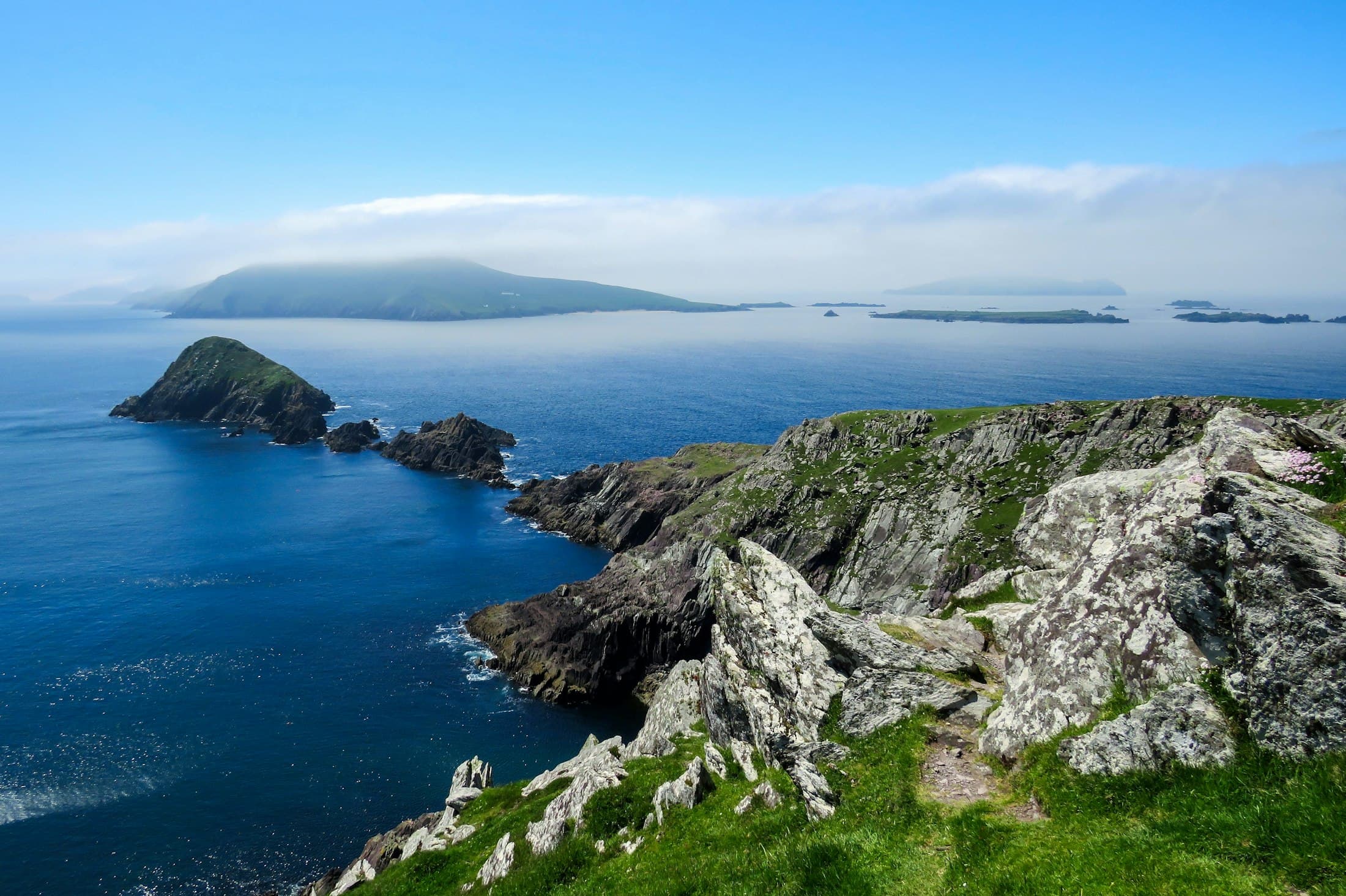 Kerry & the South WestBest: May · Jun · Jul · AugPhotographers joining
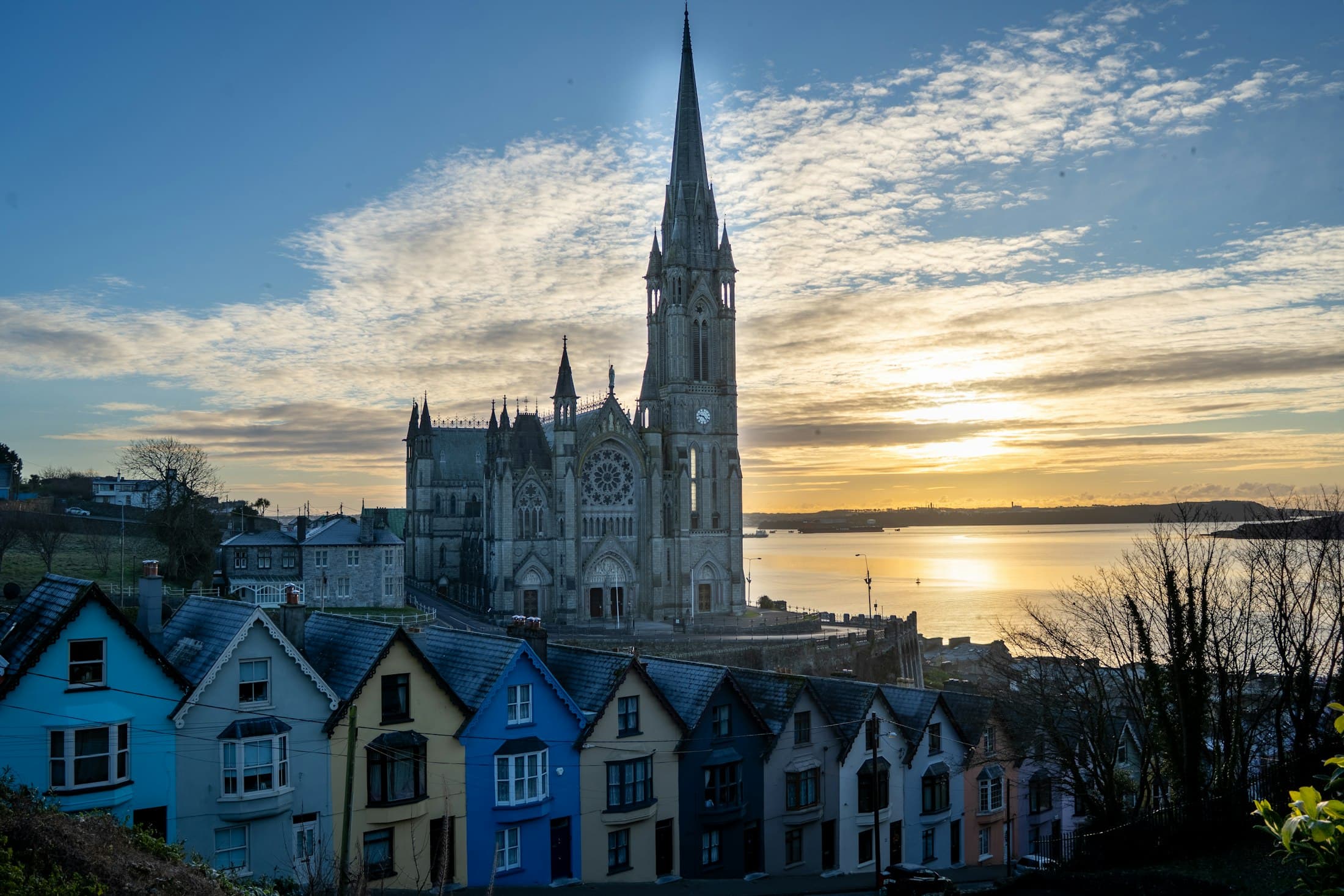 CorkBest: Jun · Jul · Aug · SepPhotographers joining
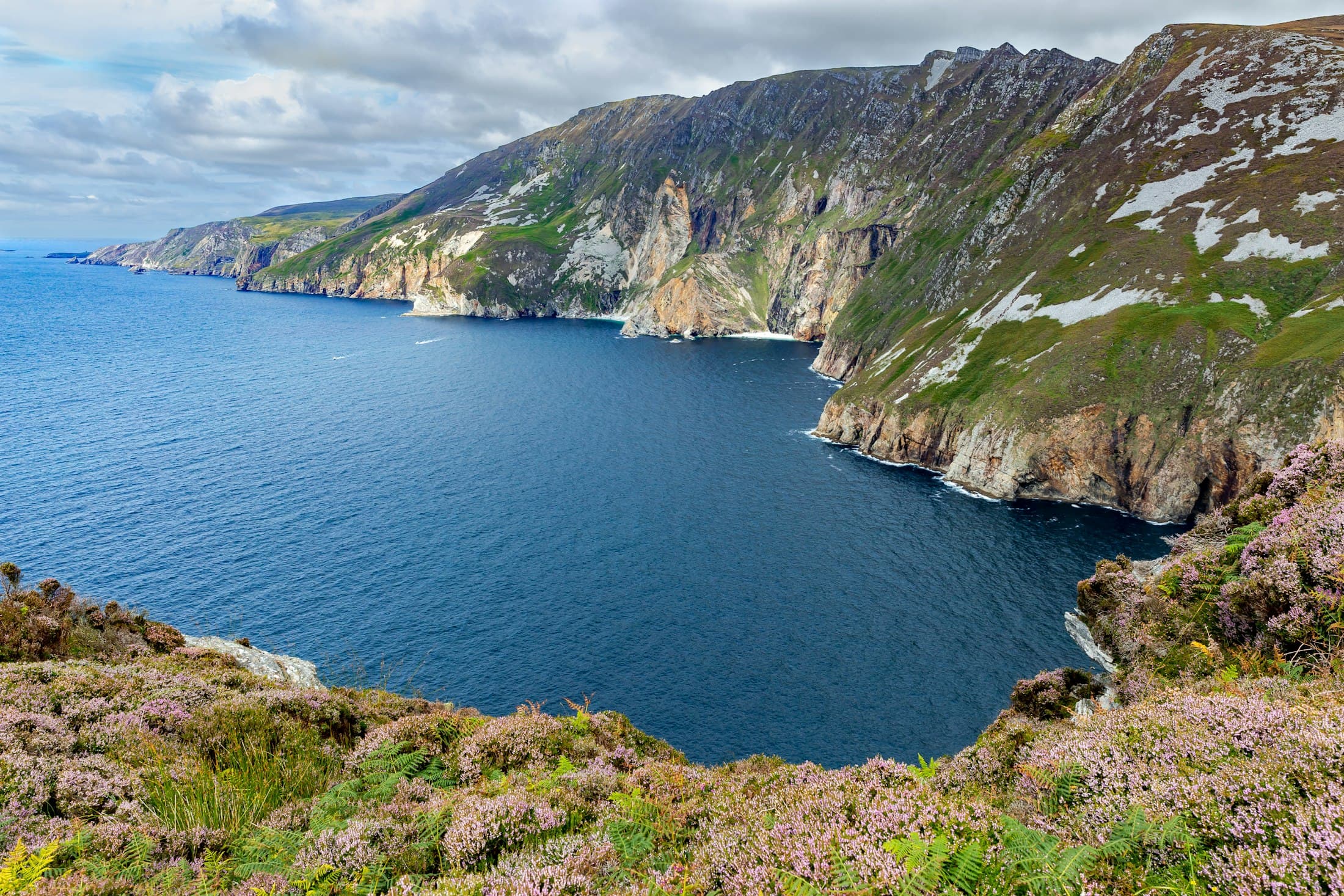 Donegal & the North WestBest: May · Jun · Jul · AugPhotographers joining
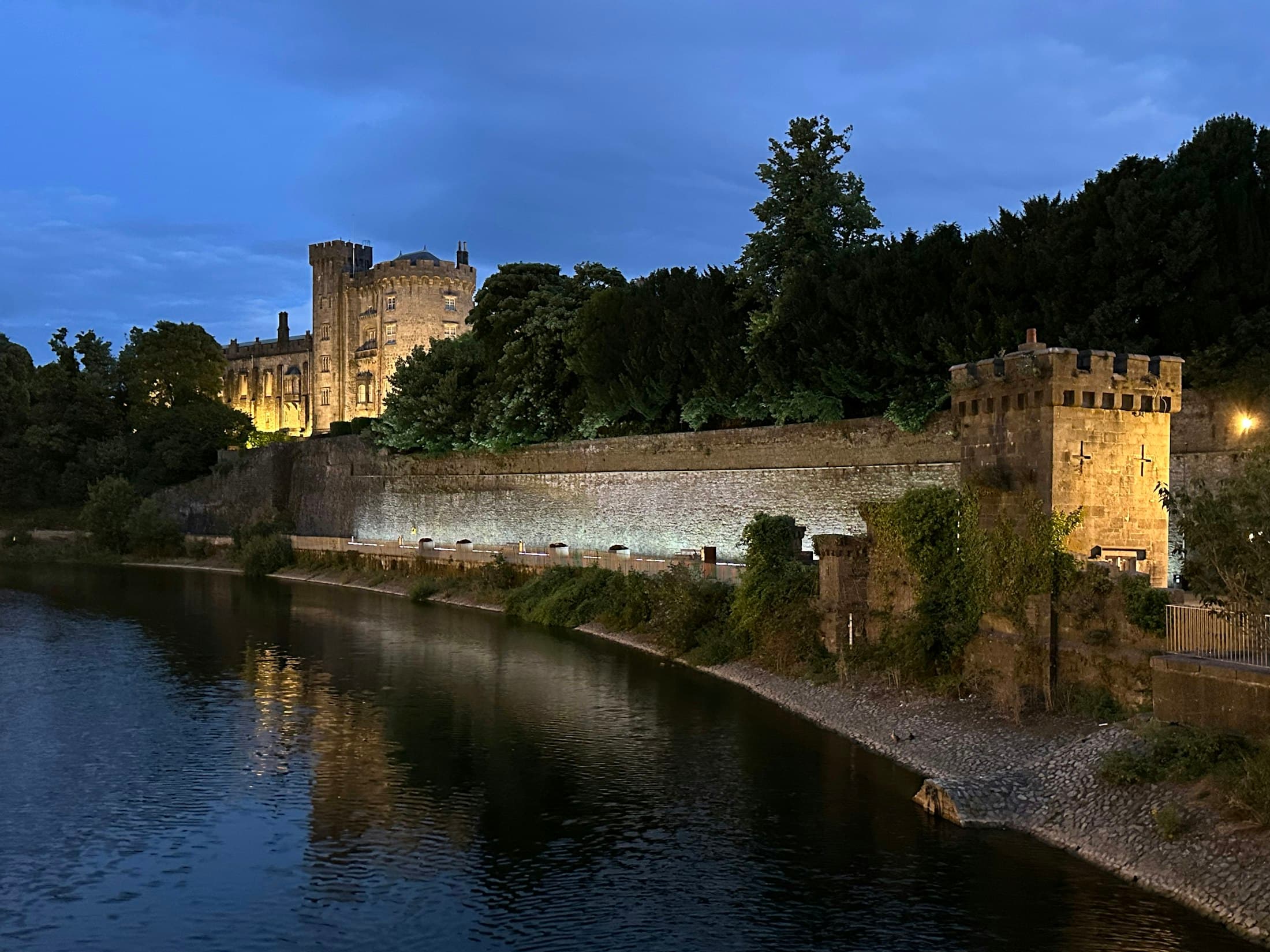 Kilkenny & the South EastBest: Jun · Jul · Aug · SepPhotographers joining