Getting married in Cork
A harbour city on the River Lee, the coloured terraces and cathedral of Cobh, Kinsale at the start of the Wild Atlantic Way, and the long west out to Mizen Head and the lake chapel of Gougane Barra.
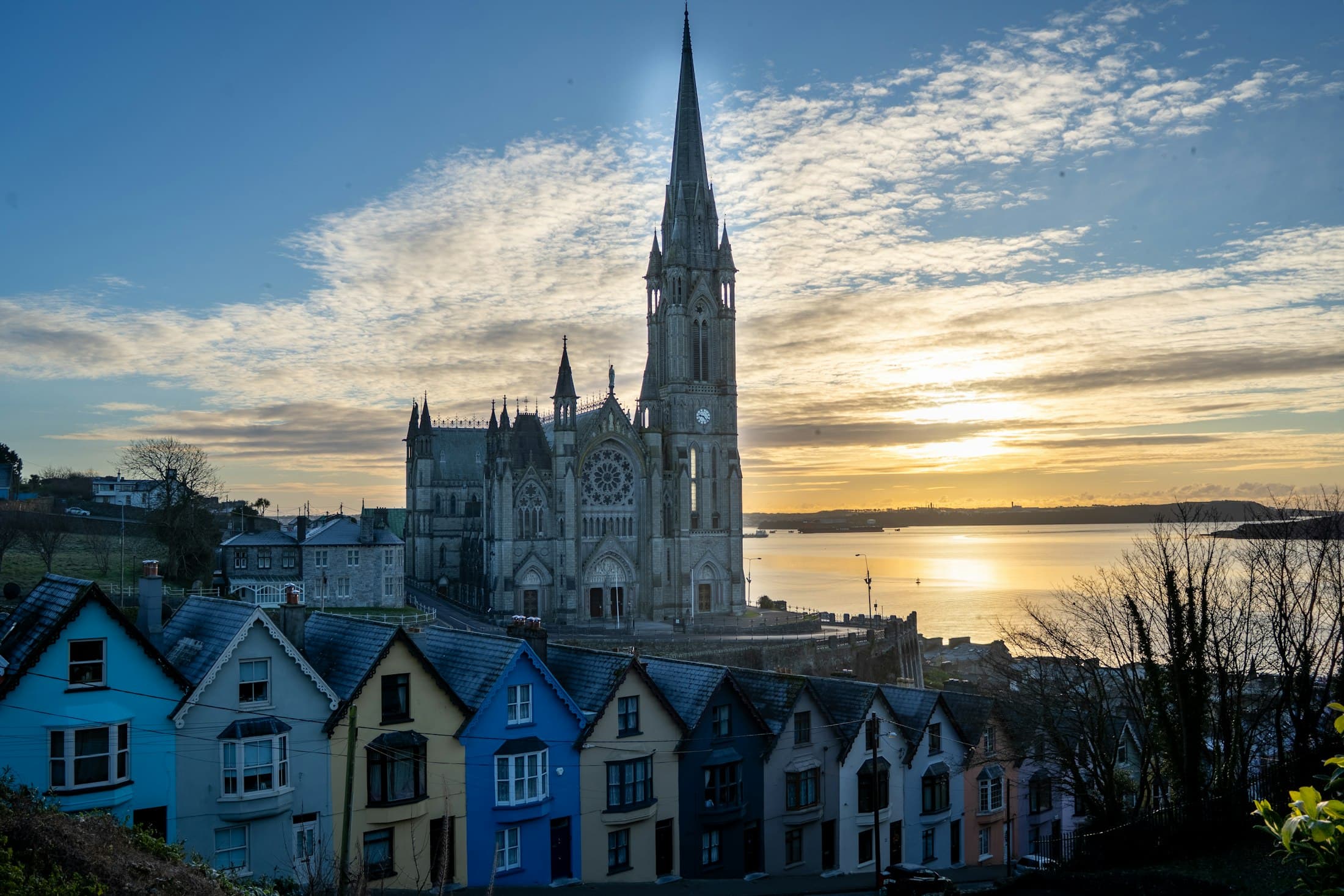
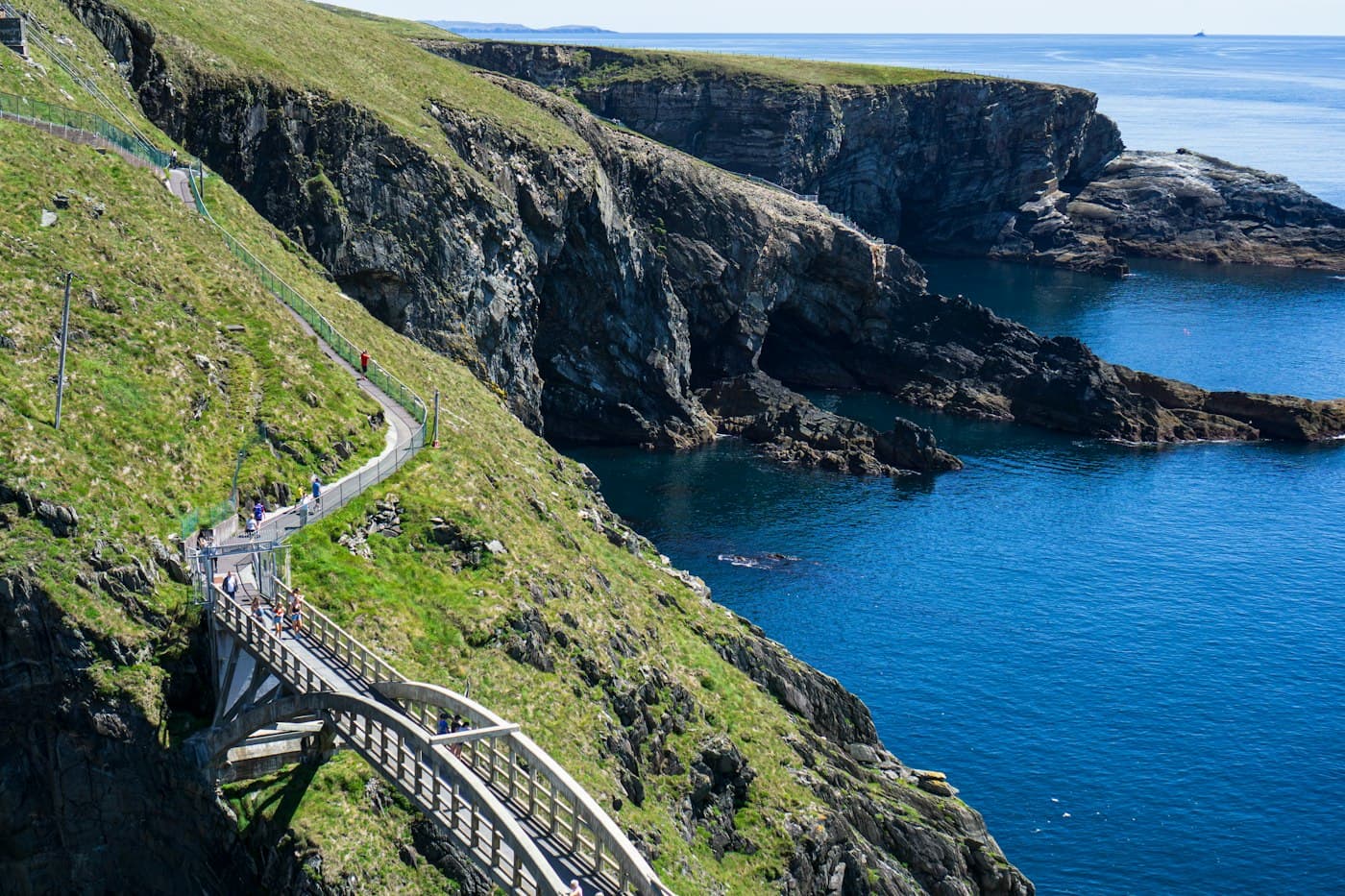
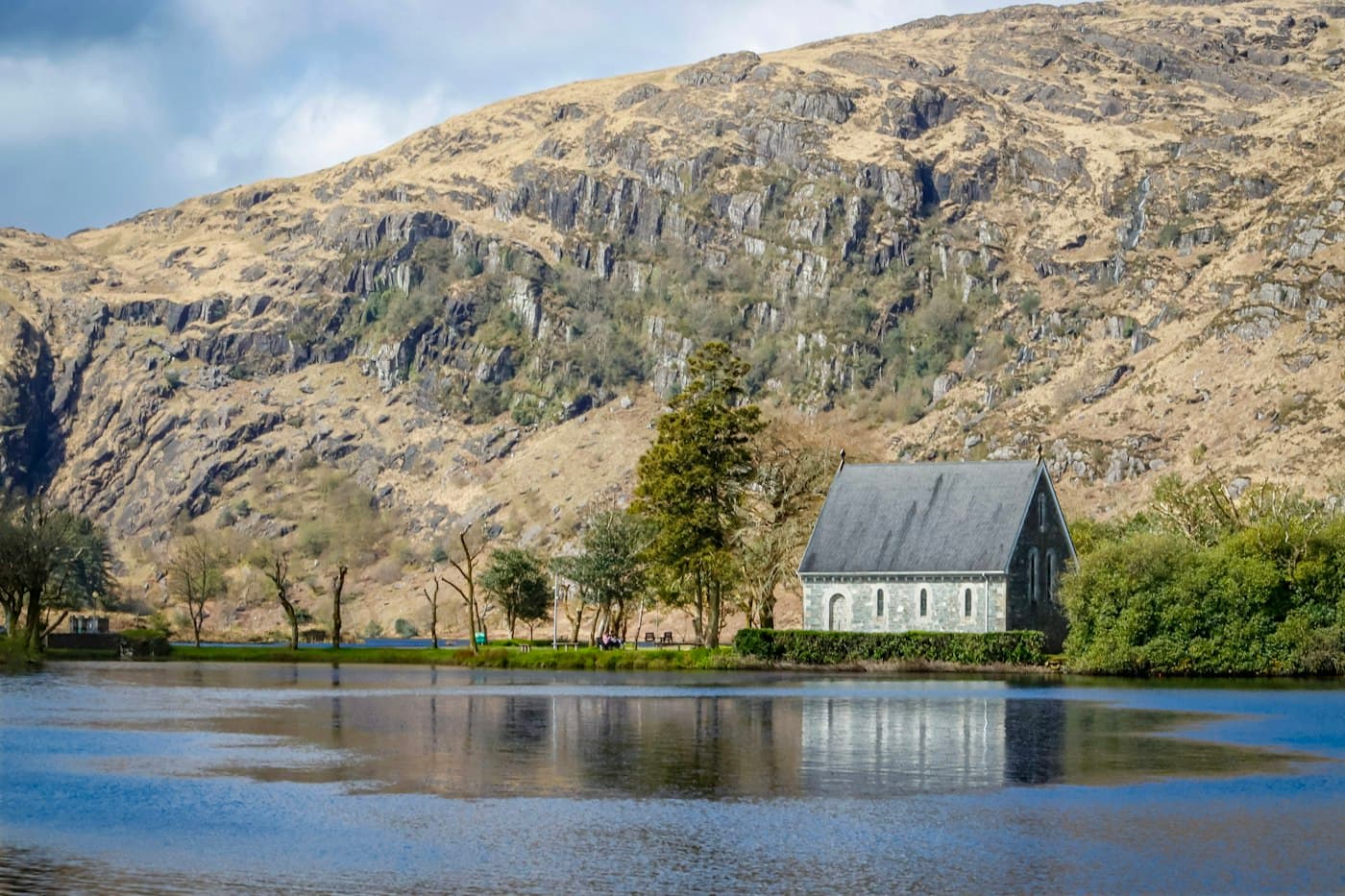
Cork lies along the River Lee, which widens below the city into Cork Harbour. On the harbour, Cobh climbs from the water in rows of coloured houses below the spire of St Colman’s Cathedral; it was the Titanic’s last port of call. South-west, Kinsale is a harbour town of bright shopfronts at the start of the Wild Atlantic Way, the coastal route that runs 2,500 km north to Donegal. Beyond lies West Cork — coves, islands and peninsulas out to Mizen Head, Ireland’s most south-westerly point, where a bridge crosses a chasm to the old signal station — and, inland, Gougane Barra, a mountain lake where the Lee rises and where St Finbarr, Cork’s patron saint, founded a monastery on a small island in the sixth century.
Couples marry in the city’s churches and in country churches across the county — St Finbarr’s Oratory, on its island at Gougane Barra, is a favourite — or with a celebrant by the sea, then spend the evening by the harbour at Kinsale or Cobh. Many stay a few days: a wedding near Cork, then a slow drive west along the coast.
Through the year
When to marry in Cork
June to September are the easiest months at Cork Airport, with average highs of 16.5–18.6 °C — July the warmest — and long evenings. Cork is wetter than Dublin, with about 1,240 mm of rain a year: in summer a millimetre or more falls on ten to twelve days a month, and 5 mm or more on five or six, with June the least wet. May and June are the sunniest months, with about six hours of sun a day. From October to January the rain rises to more than 125 mm a month, on fifteen to seventeen days, and autumn’s Atlantic storms can close exposed places such as Mizen Head at short notice.
- January: Quieter
- February: Quieter
- March: Quieter
- April: Good with planning
- May: Good with planning
- June: Best
- July: Best
- August: Best
- September: Best
- October: Good with planning
- November: Quieter
- December: Quieter
- SpringGorse yellow on the headlands, gardens in flower and evenings that stretch past nine by mid-May. May is one of the two sunniest months, still cool at around 15 °C.
- SummerMild days of 17–19 °C and long evenings — at midsummer the sun sets close to ten. Showers roll in off the Atlantic and pass on: keep a covered spot near each place, and the car close by on the remote headlands of the west.
- Autumn and winterSeptember is often settled. From October the Atlantic weather sets in — wetter and windier, with storms that can close the headlands — but when the sun breaks through, the light is low and warm. Winter here is mild, with frost on only about four nights in January at the airport, and short: at midwinter the sun is up from about twenty to nine until twenty-five past four.
In numbers
Weather station: Cork Airport, normals 1991–2020 · Checked 24 October 2026
Places
Where couples marry here
The kinds of places — ask your photographer which ones they know well.
Cobh and the harbour
The terrace of coloured houses on a steep street below St Colman’s Cathedral, the waterfront from which the Titanic’s last passengers left, and the wide harbour beyond. A wedding in the cathedral is arranged with its parish, which asks for six months’ notice where possible.
Kinsale
A harbour town of colourful streets at the southern start of the Wild Atlantic Way, about twenty minutes from Cork Airport: lanes of bright shopfronts, boats on the estuary and walks beside the water, with soft evening light on the harbour.
Mizen Head and West Cork
Ireland’s most south-westerly point: a footbridge over the chasm to the old Irish Lights signal station, cliffs above the Atlantic where seals, gannets and sometimes whales can be seen, and beaches, islands and fishing villages on the way out. The site is private, opens only by day and closes in storms, so check before driving out.
Gougane Barra
A lake below steep, rocky hills where the River Lee rises, about 70 km west of Cork: St Finbarr’s Oratory, a small stone chapel on its island, is a popular place for weddings, and the forest park around the lake has trails up into the hills.
Light
How the light falls
At midsummer the sun sets over Cork just before ten and rises at about a quarter past five; out at Mizen Head it sets right on ten. From late May to late July the sky stays faintly light all night. At midwinter the sun is up only from about twenty to nine until twenty-five past four, low in the south. Atlantic weather changes quickly — rain one moment, bright, rinsed light the next — and some of the best light comes just after a shower.
Travel
Getting there
Cork Airport is about 9 km south of the city, ten to fifteen minutes by road, with Kinsale about 20 km and Cobh about 30 km away. By road, Shannon Airport is about 125 km from Cork and Dublin Airport about 265 km. West Cork takes time: Gougane Barra is about 70 km from the city and Mizen Head about 125 km — two hours or more, the last part on narrow roads — so stay a night out west rather than trying it in a day. Check Met Éireann’s weather warnings before heading for the coast. Drones follow the EU rules, with the operator registered with the Irish Aviation Authority, and are banned at the heritage sites of the state’s Office of Public Works (OPW).
Photographers
Photographers in Cork
No one in Cork yet
The first photographers in Cork are joining now. Tell our concierge your date and your plans — it checks who is free and fits.
Plan
Read before you plan
- Getting married in Ireland as foreigners: civil, religious, humanist or symbolicHow couples who don’t live in Ireland marry there legally: three months’ notice by post, the visit in person, documents, translations and apostilles, visas and interviews, foreign divorces, a priest from home, why clifftop weddings are usually symbolic, and registering the marriage back home.
- How to choose a wedding photographer: the steps, and the questions to askThe decision in order — whole weddings, style, availability, the package, the contract and deposit, cancellation, delivery and a conversation — then a checklist of questions, with why each one matters.
- A wedding-day timeline for photosFrom getting ready to the last dance, planned around the light.
- Deposits and payment protectionWhat you pay when, and what happens if plans change.
- How to get married in Ireland when you live here: notice, documents, ceremonyFor couples who live in Ireland: booking the marriage notification appointment and what to bring, the €200 fee and the Marriage Registration Form, a registrar, a priest or a humanist celebrant, where the law lets you marry, and what to do after the day.
- Which country for a destination wedding? The law, prices, crowds and light, comparedThe legal route for couples who don’t live there, season and crowds, price levels, light, flights, venues and permits for photographs — Portugal, Italy, Spain, Greece, France and Austria compared with official figures, as of October 2026.
- A rain plan that still looks goodCovered spots, umbrellas and what photographers do on grey days.
- Wedding photography contract checklist: what it should say, and how Lens & Vows handles each pointThirteen things a good contract covers — the day and the hours, what is delivered, deposit and balance, cancellation on either side, date changes, illness, image rights, personal data, backups, travel, overtime and complaints — and what our terms say about each.
Ireland
Other places
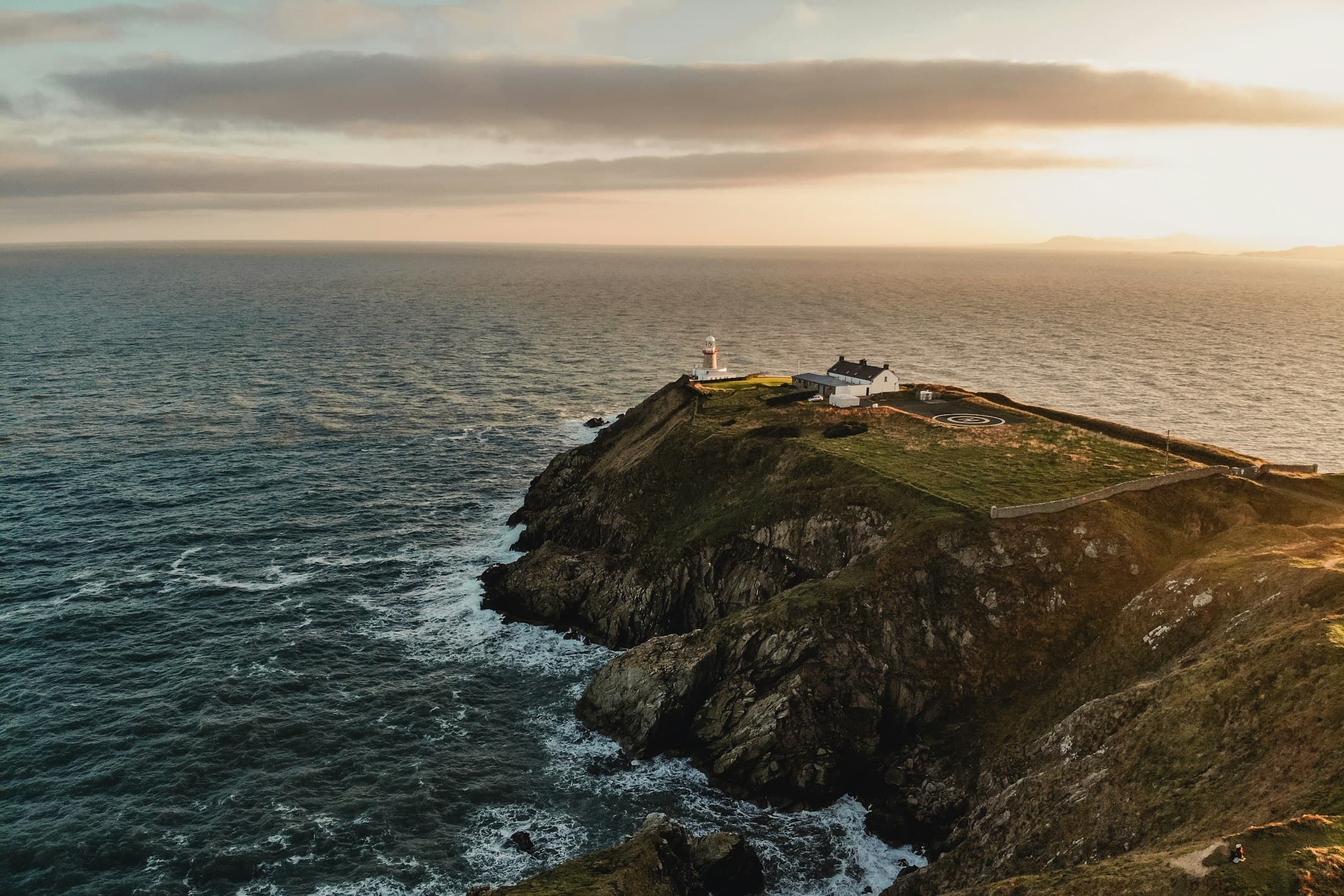 Dublin & WicklowBest: Jun · Jul · Aug · SepPhotographers joining
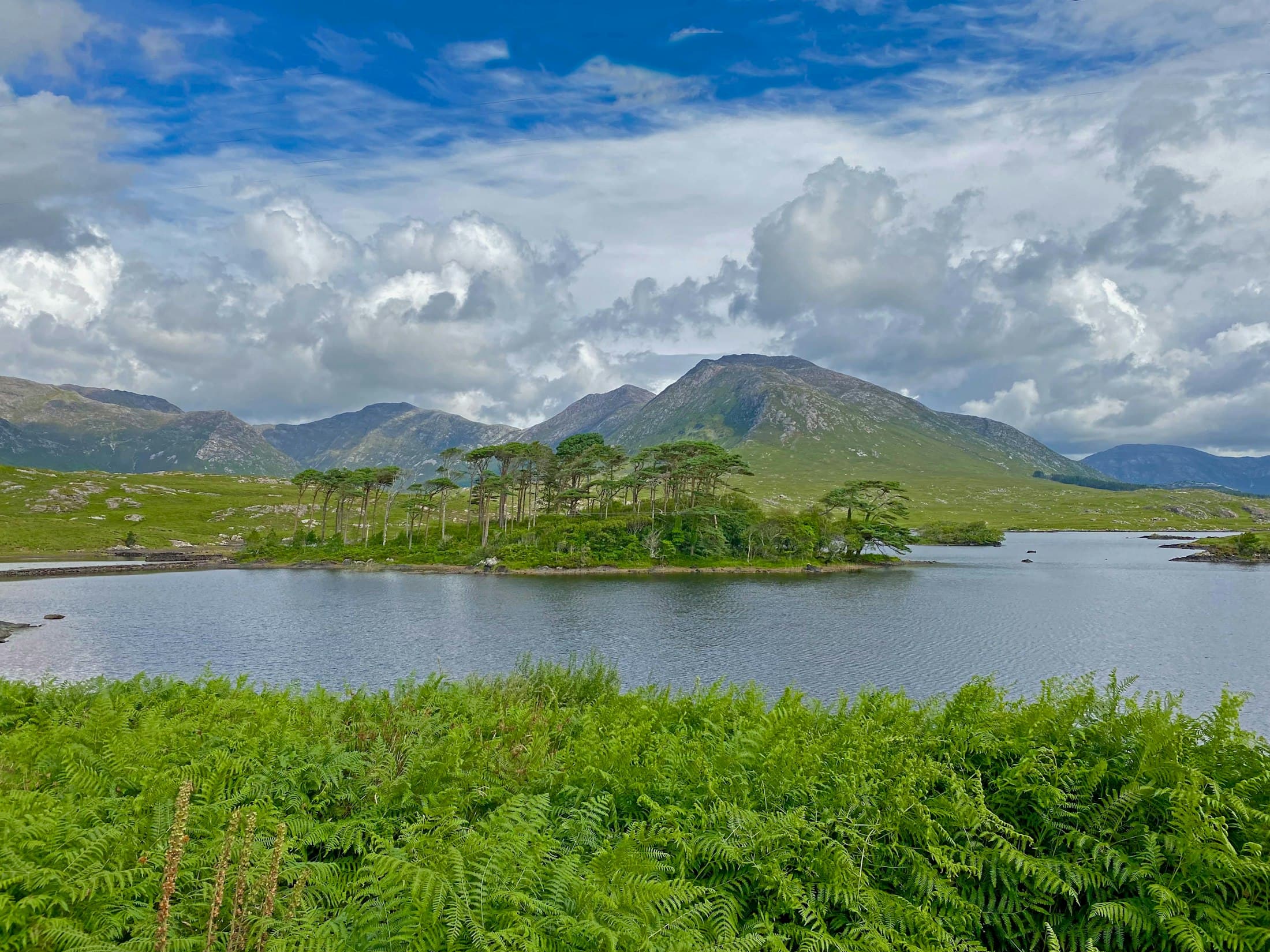 Galway & ConnemaraBest: May · Jun · JulPhotographers joining
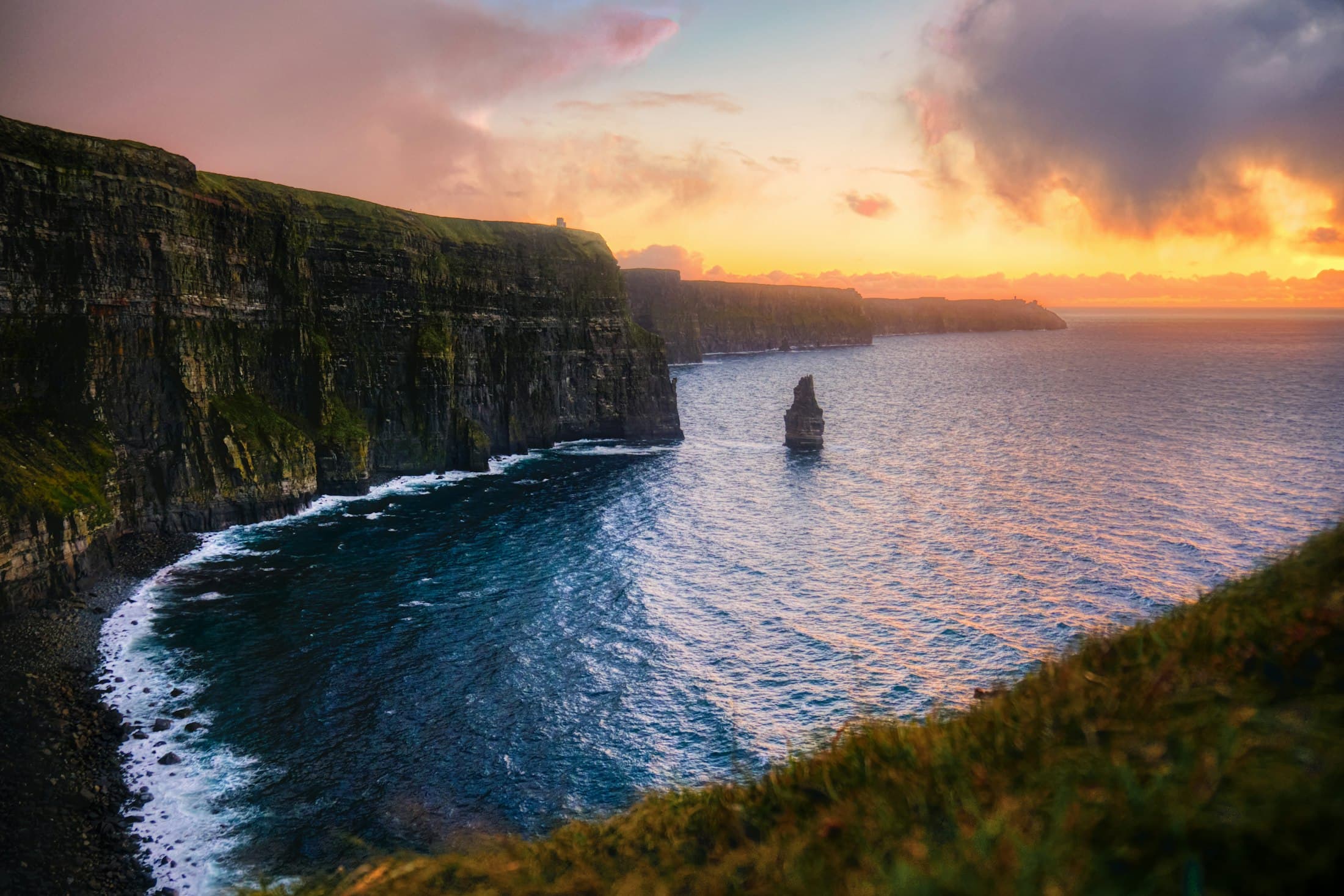 Clare & the Cliffs of MoherBest: May · Jun · JulPhotographers joining
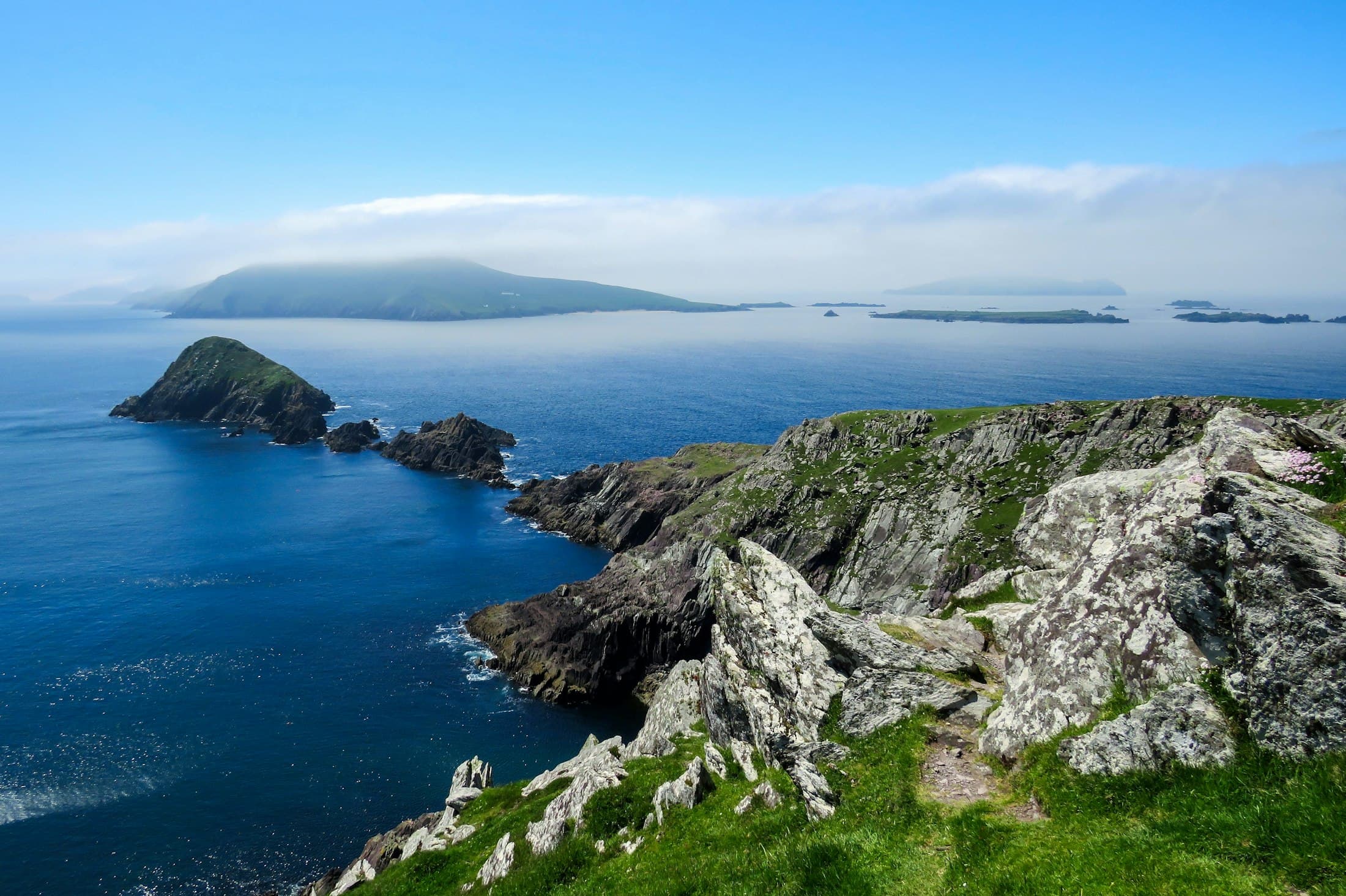 Kerry & the South WestBest: May · Jun · Jul · AugPhotographers joining
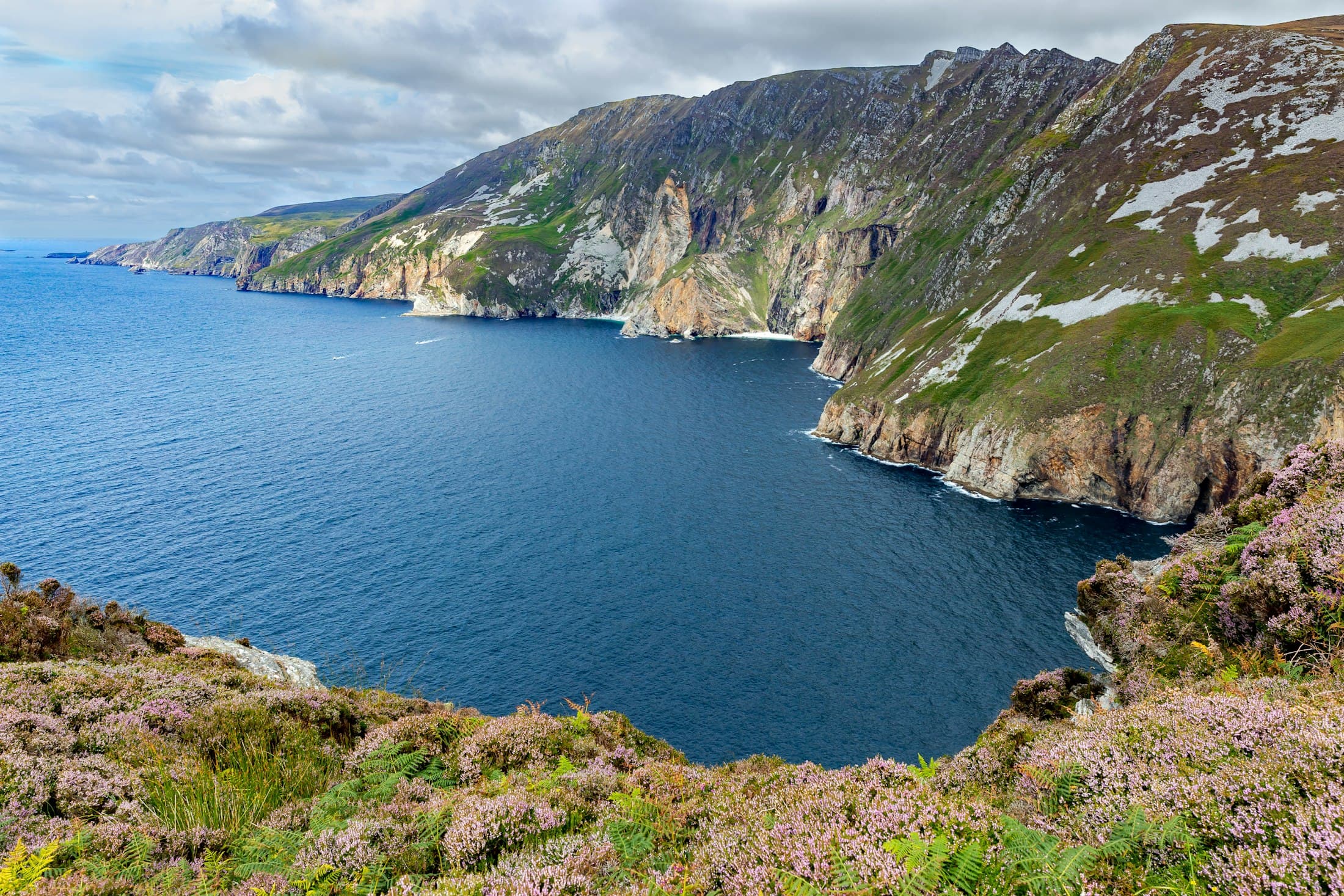 Donegal & the North WestBest: May · Jun · Jul · AugPhotographers joining
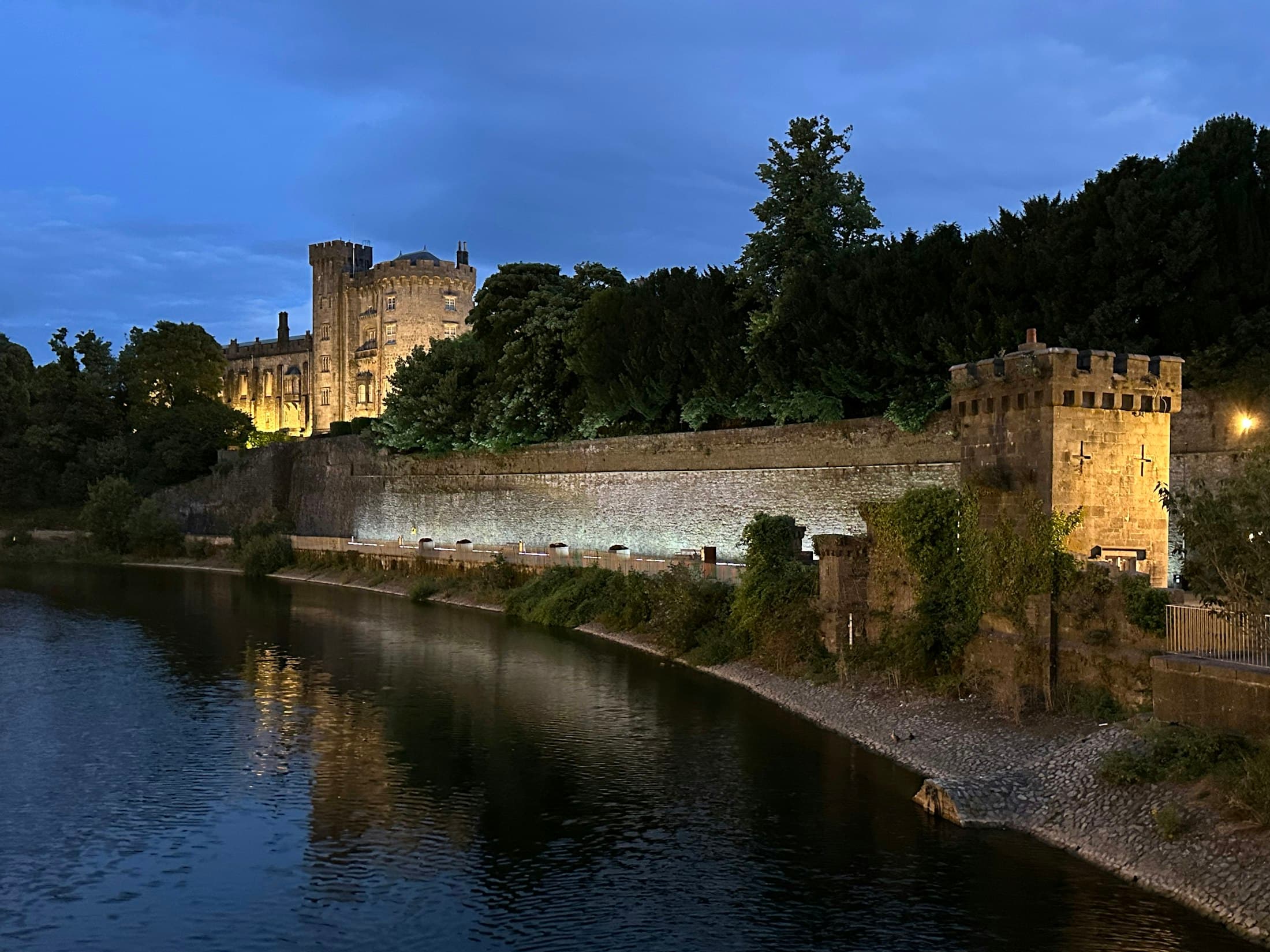 Kilkenny & the South EastBest: Jun · Jul · Aug · SepPhotographers joining