Getting married in Dublin & Wicklow
A Georgian capital on its bay, the cliff path around Howth Head and the hill above Killiney Bay — and, an hour to the south, the lakes and monastic ruins of Glendalough in the Wicklow Mountains.
Dublin spreads around its bay at the mouth of the Liffey: Georgian squares such as Merrion Square, with fanlights over painted doors, the college squares of Trinity and, to the west, the Phoenix Park — more than 700 hectares of grass and old trees, where a herd of fallow deer still lives. Two headlands hold the bay: Howth to the north, with its fishing harbour and a cliff path out to the Baily lighthouse, and Dalkey and Killiney Hill to the south. Beyond them rise the Wicklow Mountains, with the old Military Road over the Sally Gap, Lough Tay far below it, Powerscourt Waterfall and Glendalough, a glacial valley with two lakes where St Kevin founded a monastery in the sixth century.
Many couples marry in the city — at a civil registration office, in one of its churches or with a celebrant — and then spend an hour on portraits in the Georgian streets, by the sea at Howth or Dalkey, or in the Phoenix Park. Others take the day into Wicklow: vows by a lake in the mountains, then dinner in a village or back in town. Dublin is also the easiest arrival in Ireland, which suits small weddings with guests flying in.
Through the year
When to marry in Dublin & Wicklow
June to September are the easiest months: average highs of 17–20 °C at Dublin Airport, with July the warmest at 19.5 °C, and light until after ten at midsummer. Rain is the honest question in Ireland, and Dublin is one of its drier corners, with about 770 mm a year against more than 1,200 in Cork. Even so, a millimetre or more falls on ten to twelve days a month in summer — mostly showers that come and go — and a properly wet day, with 5 mm or more, comes about four times a month. May is the sunniest month, with more than six hours of sun a day, but still cool at around 15 °C. From November to February the highs are only 8–10 °C, the days are short and the wind picks up.
- January: Quieter
- February: Quieter
- March: Quieter
- April: Good with planning
- May: Good with planning
- June: Best
- July: Best
- August: Best
- September: Best
- October: Good with planning
- November: Quieter
- December: Quieter
- SpringFrom April the evenings stretch out — by mid-May the sun sets after nine — the parks fill with blossom and the light is clear. May is the sunniest month, though rarely warm, and showers still pass through.
- SummerMild rather than hot, with long evenings: at midsummer the sun sets close to ten and the sky never quite darkens. A shower can blow in at any hour and be gone again soon, so keep a covered spot near every portrait place — a church porch, an arcade, a line of trees — and umbrellas in the car.
- Autumn and winterSeptember is often settled and still mild; in October the light turns low and golden and the woods in Wicklow change colour, with more rain. At midwinter the sun rises at about twenty to nine and sets soon after four, and the mountain roads can be icy after frosty nights — a winter wedding means a short day, a plan for the city and candlelight indoors.
In numbers
Weather station: Dublin Airport, normals 1991–2020 · Checked 24 October 2026
Places
Where couples marry here
The kinds of places — ask your photographer which ones they know well.
Georgian Dublin and the parks
Merrion Square and the streets around it — brick terraces, fanlights and painted doors — Trinity College, St Stephen’s Green and the Phoenix Park, where the deer graze in the open (keep at least 50 metres away). Wedding photographs in the Phoenix Park need a permit from the park, which costs nothing but should be requested at least three days ahead; the other parks and grounds have rules of their own.
Howth
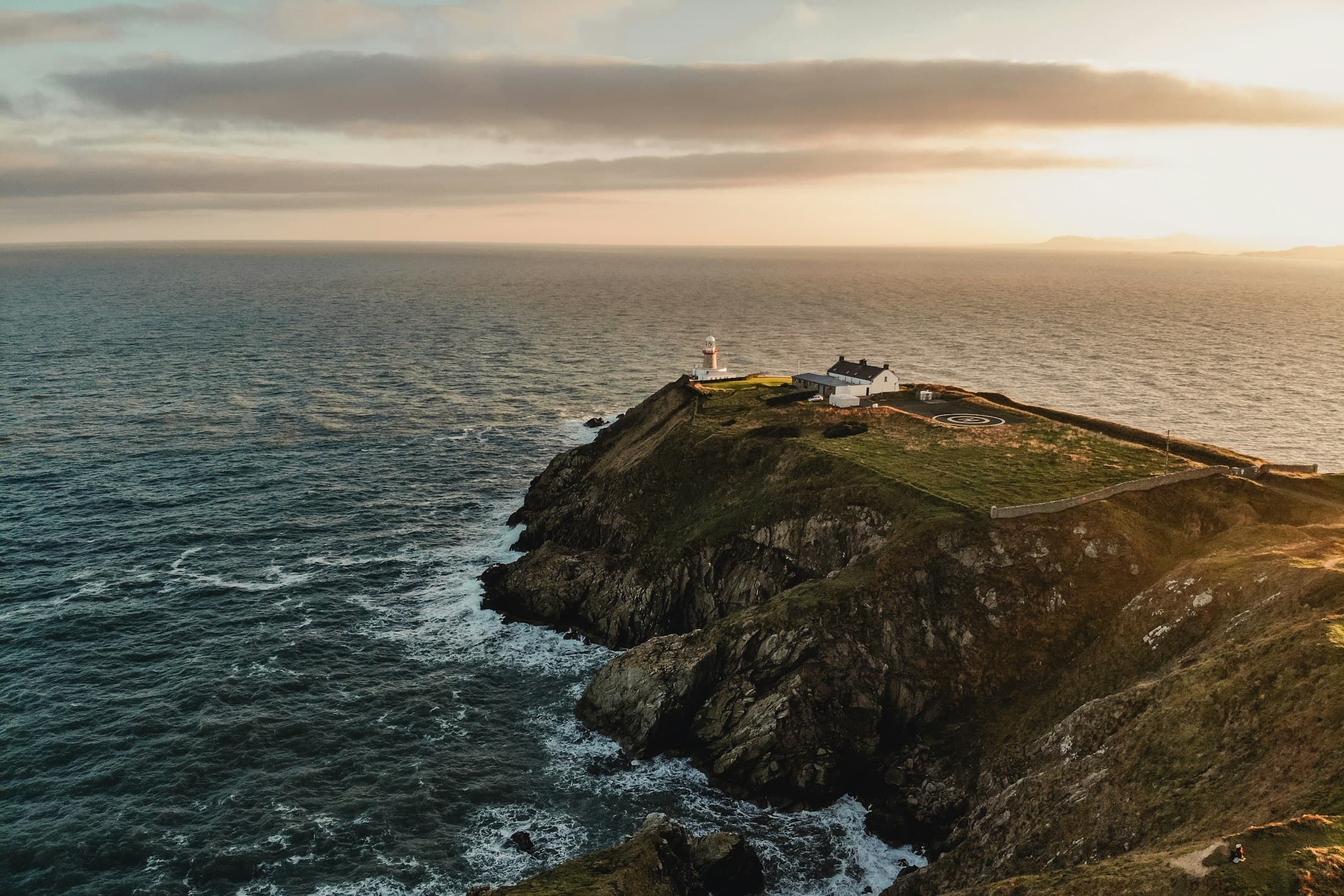
A fishing harbour below Howth Head, about half an hour from the airport, and a 7.8 km cliff path loop high above the sea, with views to Ireland’s Eye and Lambay and down to the Baily lighthouse — a granite tower first lit in 1814, and the last lighthouse in Ireland to lose its keepers, in 1997. Golden in the evening, windy at any hour.
Dalkey and Killiney Hill
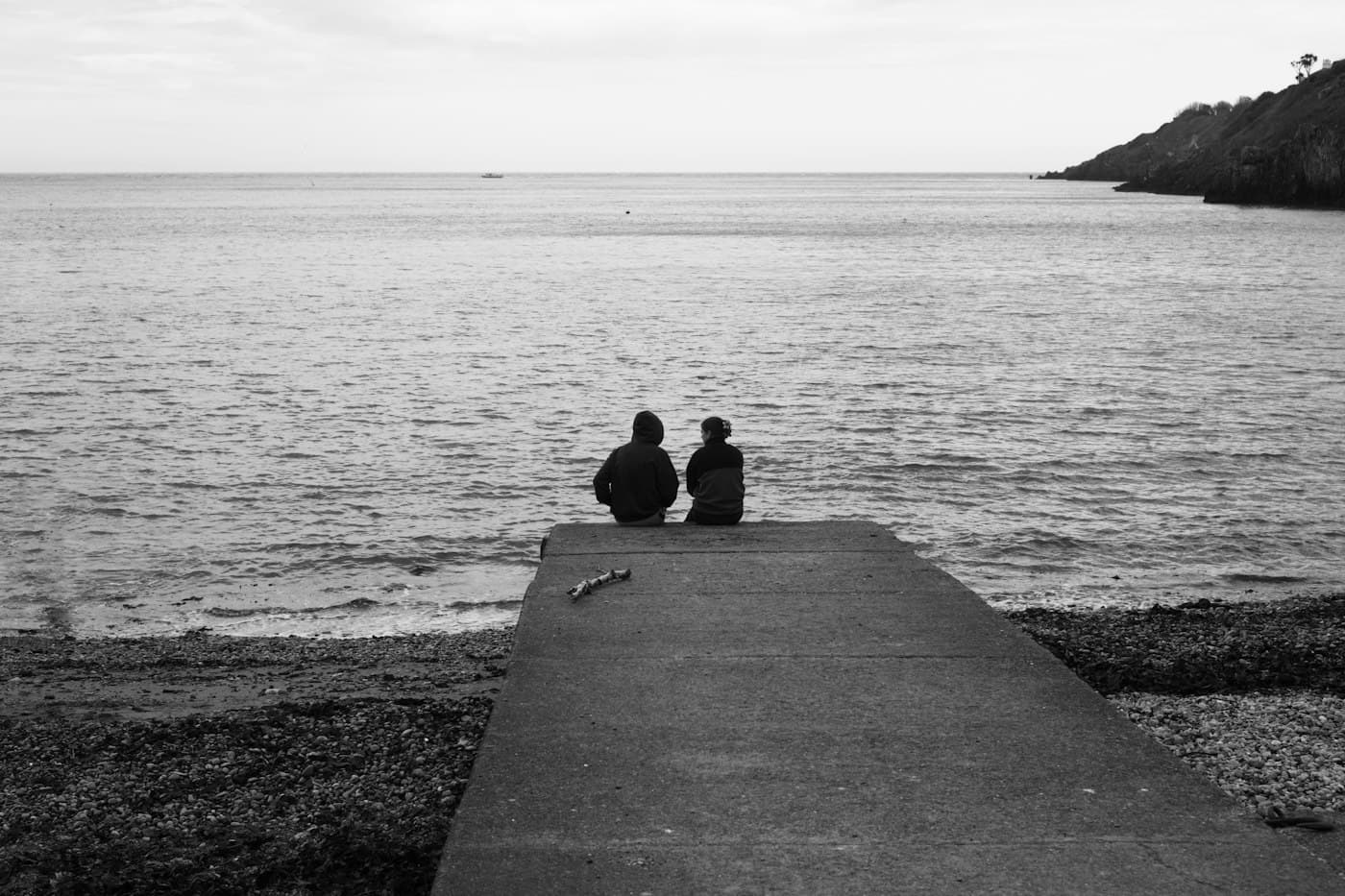
South of the city, Dalkey’s small harbours look out to Dalkey Island, and the paths of Killiney Hill climb through the gorse to an obelisk built in 1742 to give work during a famine, with Killiney Bay curving south to Bray Head and the Wicklow hills behind.
Glendalough and the Wicklow Mountains
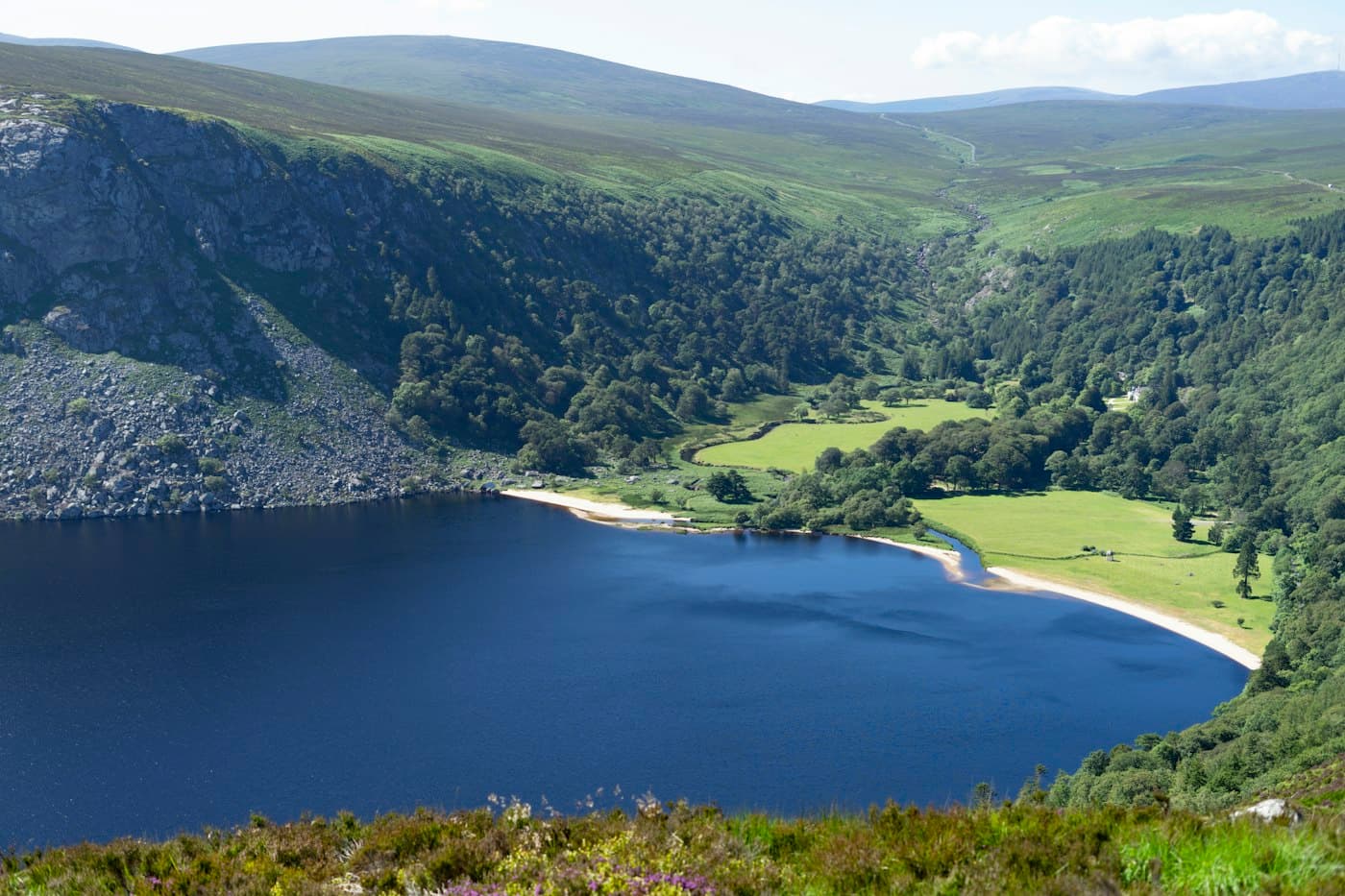
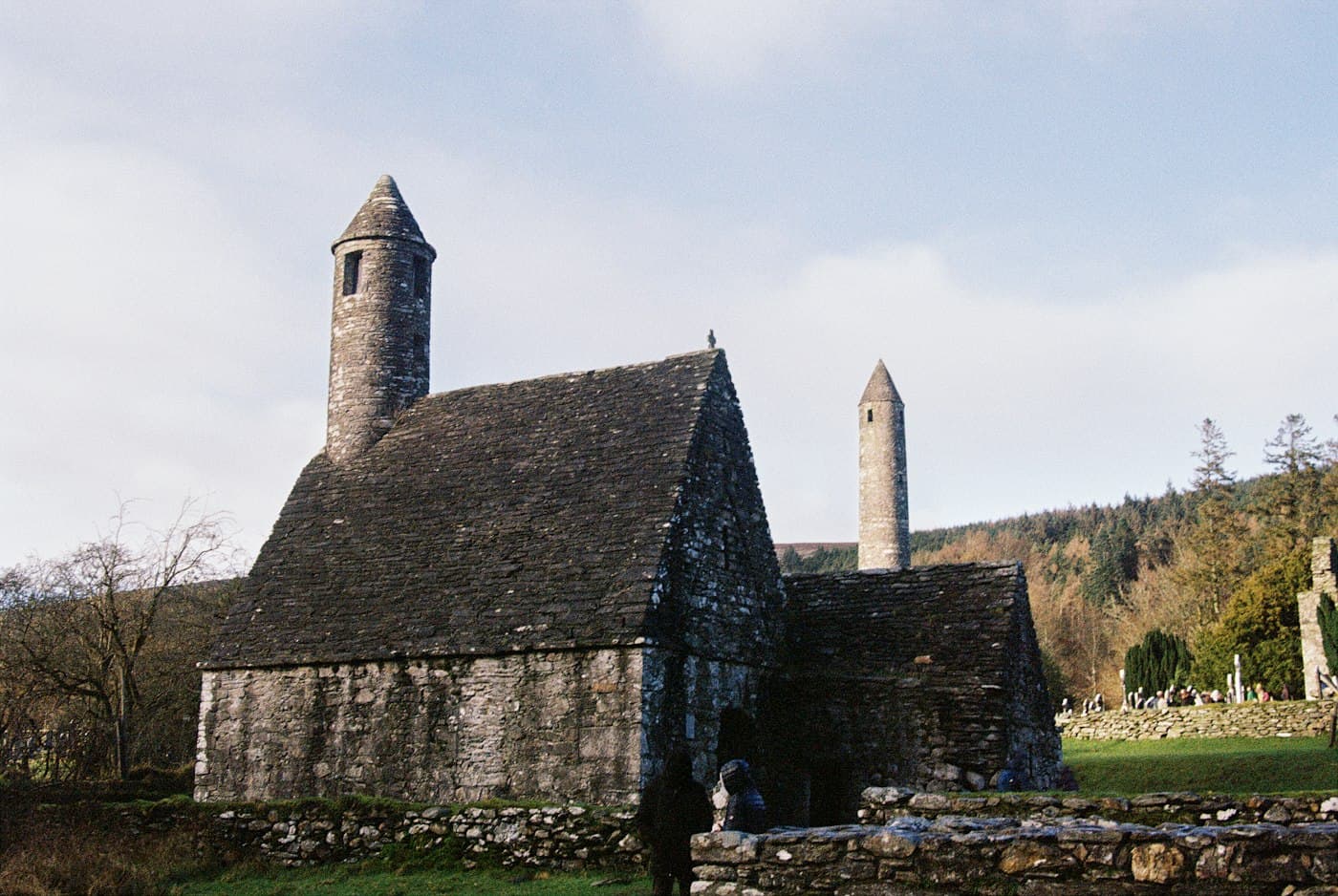
The round tower, stone churches and crosses of St Kevin’s monastery in a glacial valley, and the paths along the Upper Lake; the Military Road over the Sally Gap, with Lough Tay far below; and Powerscourt Waterfall, Ireland’s highest at 121 metres, on a private estate that charges for entry. Glendalough lies in the Wicklow Mountains National Park: commercial photography there needs a park permit, asked for at least seven days ahead, and drones fly only under permit — and at the monastic site, cared for by the state’s Office of Public Works (OPW), not at all.
Light
How the light falls
At midsummer the sun rises over Dublin just before five and sets just before ten, and from mid-May to late July the sky never grows fully dark: portraits at half past nine have a low, warm sun in the north-west. These are summer-time hours; Ireland puts its clocks back at the end of October. At midwinter the sun is up only from about twenty to nine until ten past four, and climbs barely 13 degrees — a soft, slanting light all day, with dusk before five.
Travel
Getting there
Dublin Airport is about 15 km north of the centre — around twenty minutes by road outside rush hour — and Howth is about as far. Glendalough is about 50 km south of the city, an hour or so by car, with the Sally Gap, Lough Tay and Powerscourt along the way. Before a day in the mountains, check Met Éireann’s yellow, orange and red weather warnings. Drones follow the EU rules — anyone flying one that has a camera or weighs over 250 g must register with the Irish Aviation Authority — and are not allowed in the Phoenix Park or at OPW heritage sites.
Photographers
Photographers in Dublin & Wicklow
No one in Dublin & Wicklow yet
The first photographers in Dublin & Wicklow are joining now. Tell our concierge your date and your plans — it checks who is free and fits.
Plan
Read before you plan
- Getting married in Ireland as foreigners: civil, religious, humanist or symbolicHow couples who don’t live in Ireland marry there legally: three months’ notice by post, the visit in person, documents, translations and apostilles, visas and interviews, foreign divorces, a priest from home, why clifftop weddings are usually symbolic, and registering the marriage back home.
- How to choose a wedding photographer: the steps, and the questions to askThe decision in order — whole weddings, style, availability, the package, the contract and deposit, cancellation, delivery and a conversation — then a checklist of questions, with why each one matters.
- A wedding-day timeline for photosFrom getting ready to the last dance, planned around the light.
- Deposits and payment protectionWhat you pay when, and what happens if plans change.
- How to get married in Ireland when you live here: notice, documents, ceremonyFor couples who live in Ireland: booking the marriage notification appointment and what to bring, the €200 fee and the Marriage Registration Form, a registrar, a priest or a humanist celebrant, where the law lets you marry, and what to do after the day.
- Which country for a destination wedding? The law, prices, crowds and light, comparedThe legal route for couples who don’t live there, season and crowds, price levels, light, flights, venues and permits for photographs — Portugal, Italy, Spain, Greece, France and Austria compared with official figures, as of October 2026.
- A rain plan that still looks goodCovered spots, umbrellas and what photographers do on grey days.
- Wedding photography contract checklist: what it should say, and how Lens & Vows handles each pointThirteen things a good contract covers — the day and the hours, what is delivered, deposit and balance, cancellation on either side, date changes, illness, image rights, personal data, backups, travel, overtime and complaints — and what our terms say about each.
Ireland
Other places
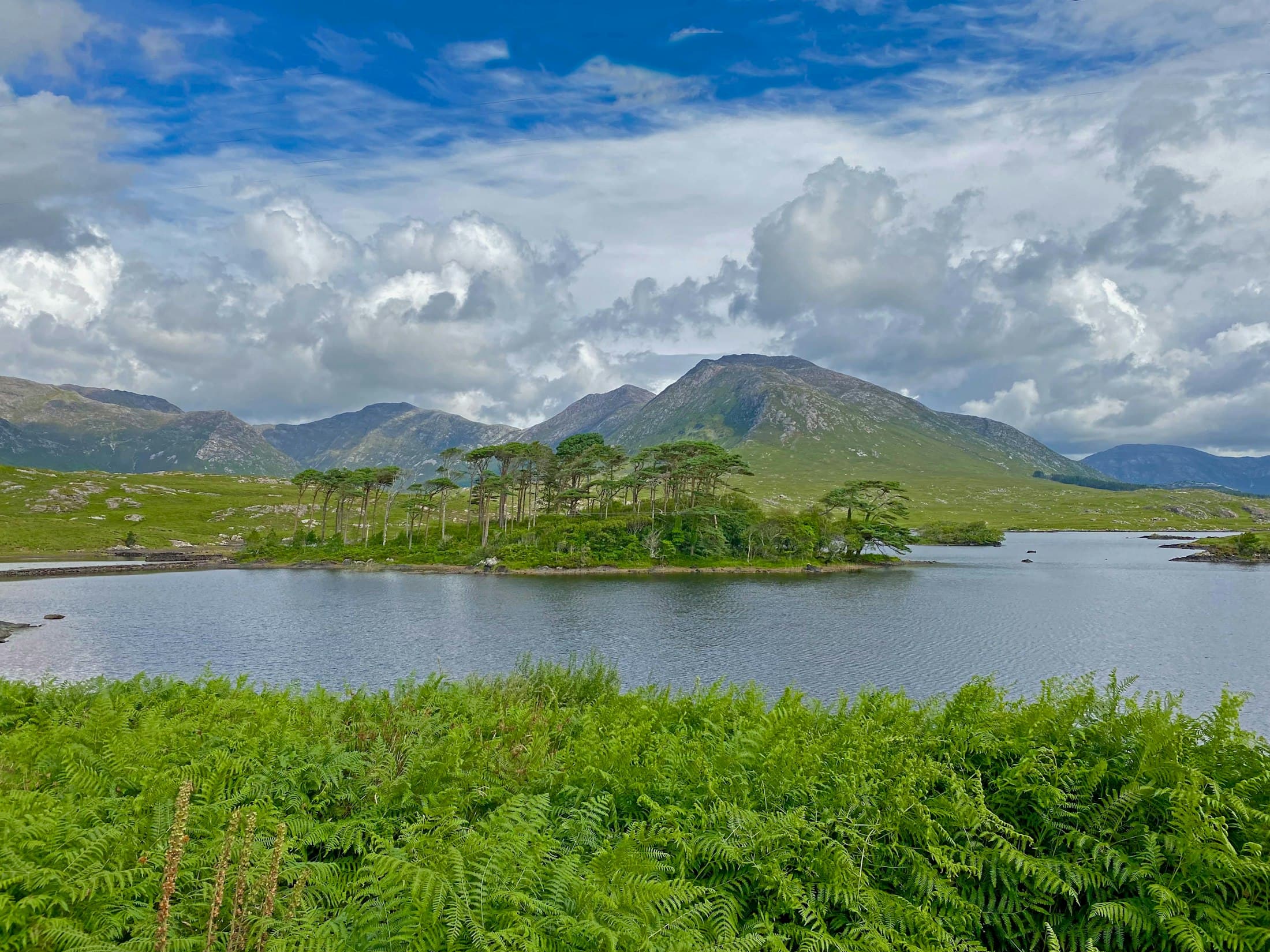 Galway & ConnemaraBest: May · Jun · JulPhotographers joining
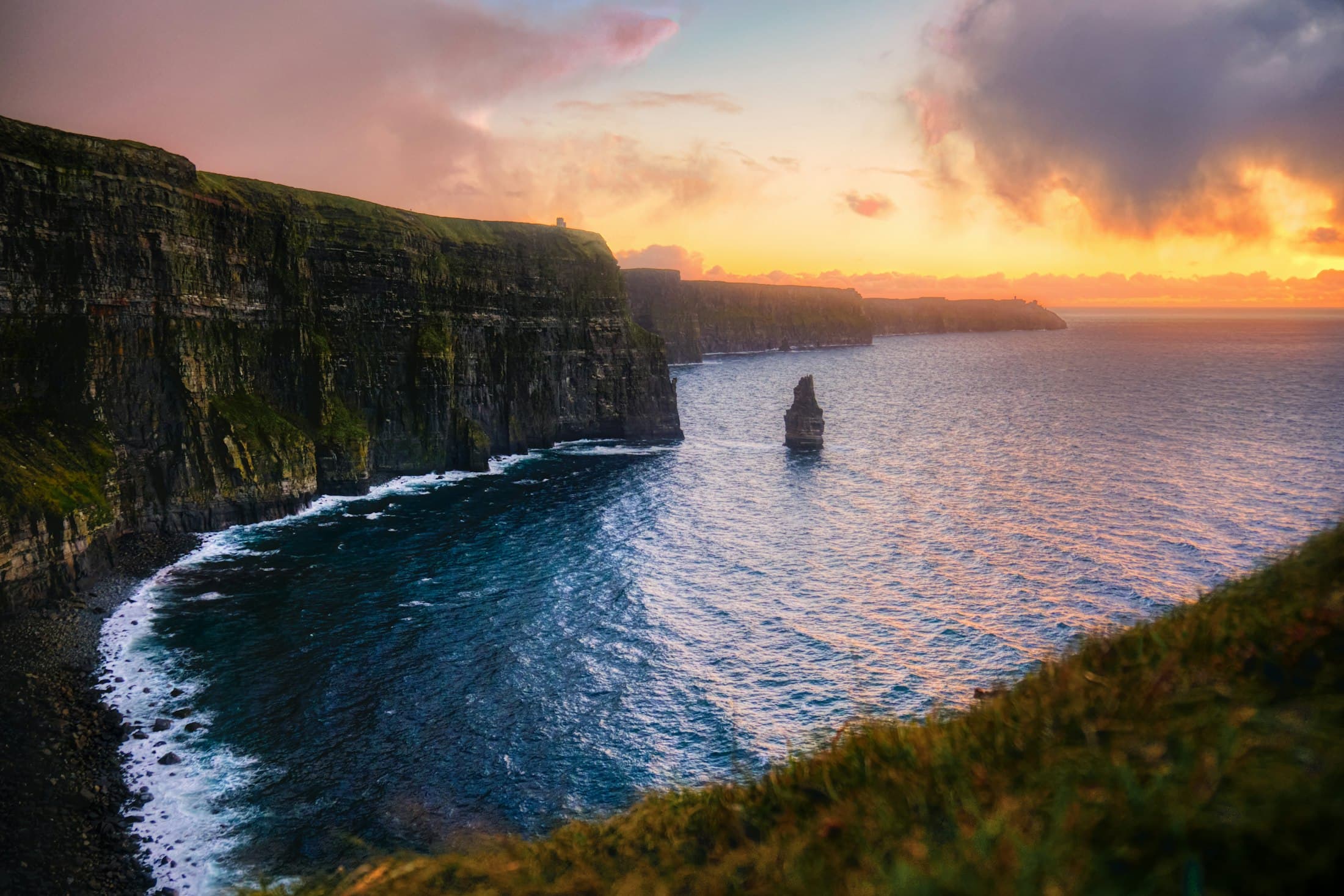 Clare & the Cliffs of MoherBest: May · Jun · JulPhotographers joining
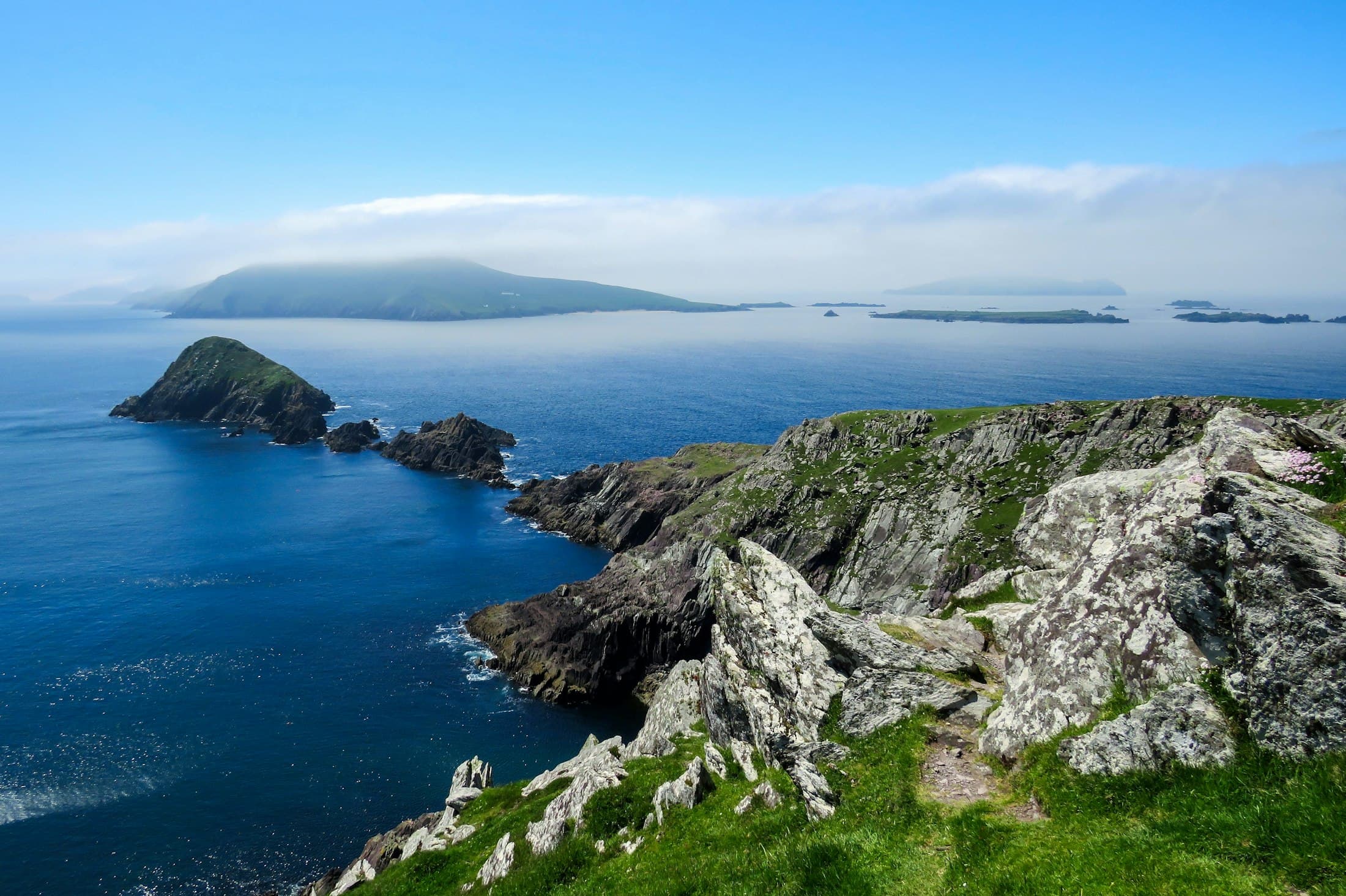 Kerry & the South WestBest: May · Jun · Jul · AugPhotographers joining
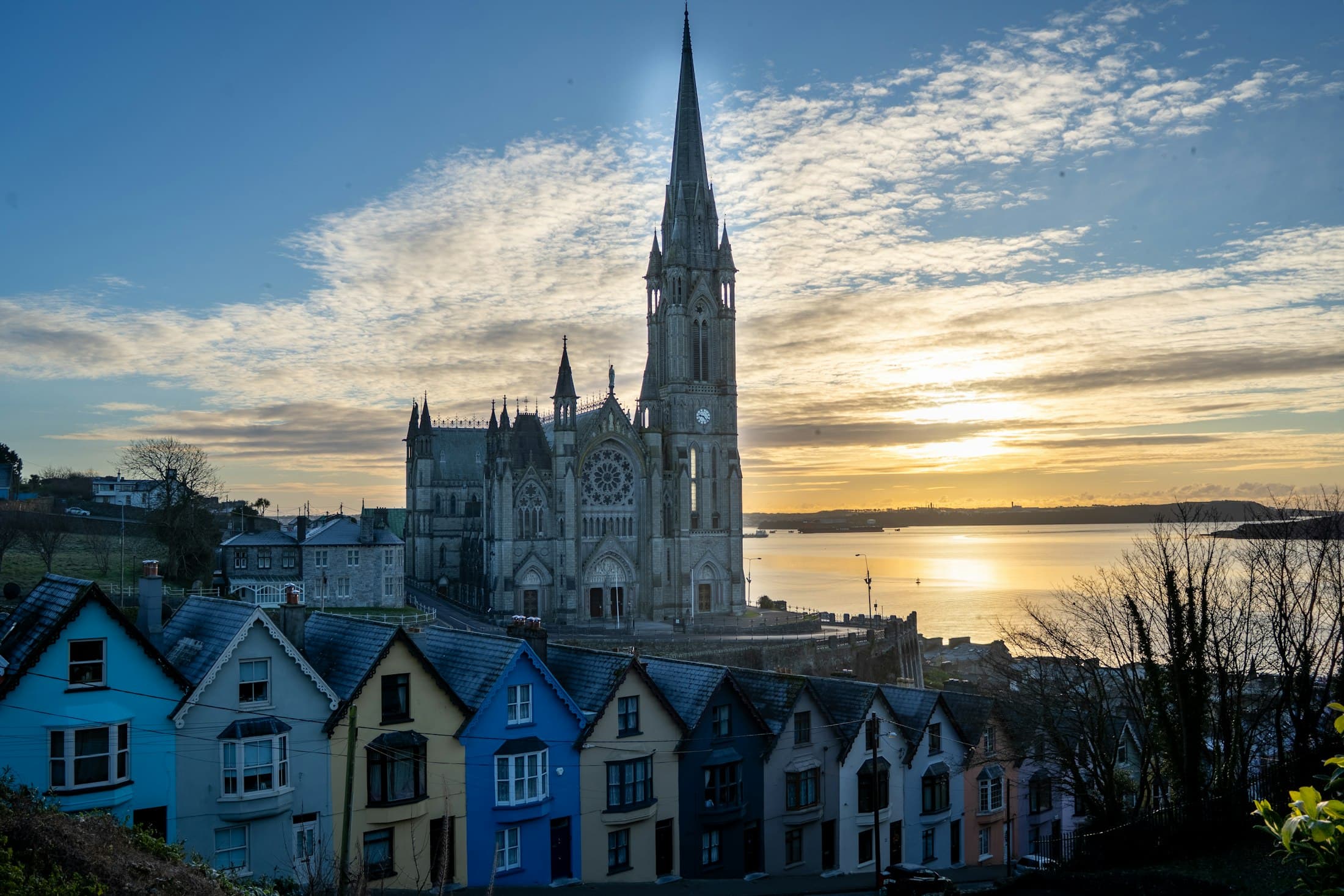 CorkBest: Jun · Jul · Aug · SepPhotographers joining
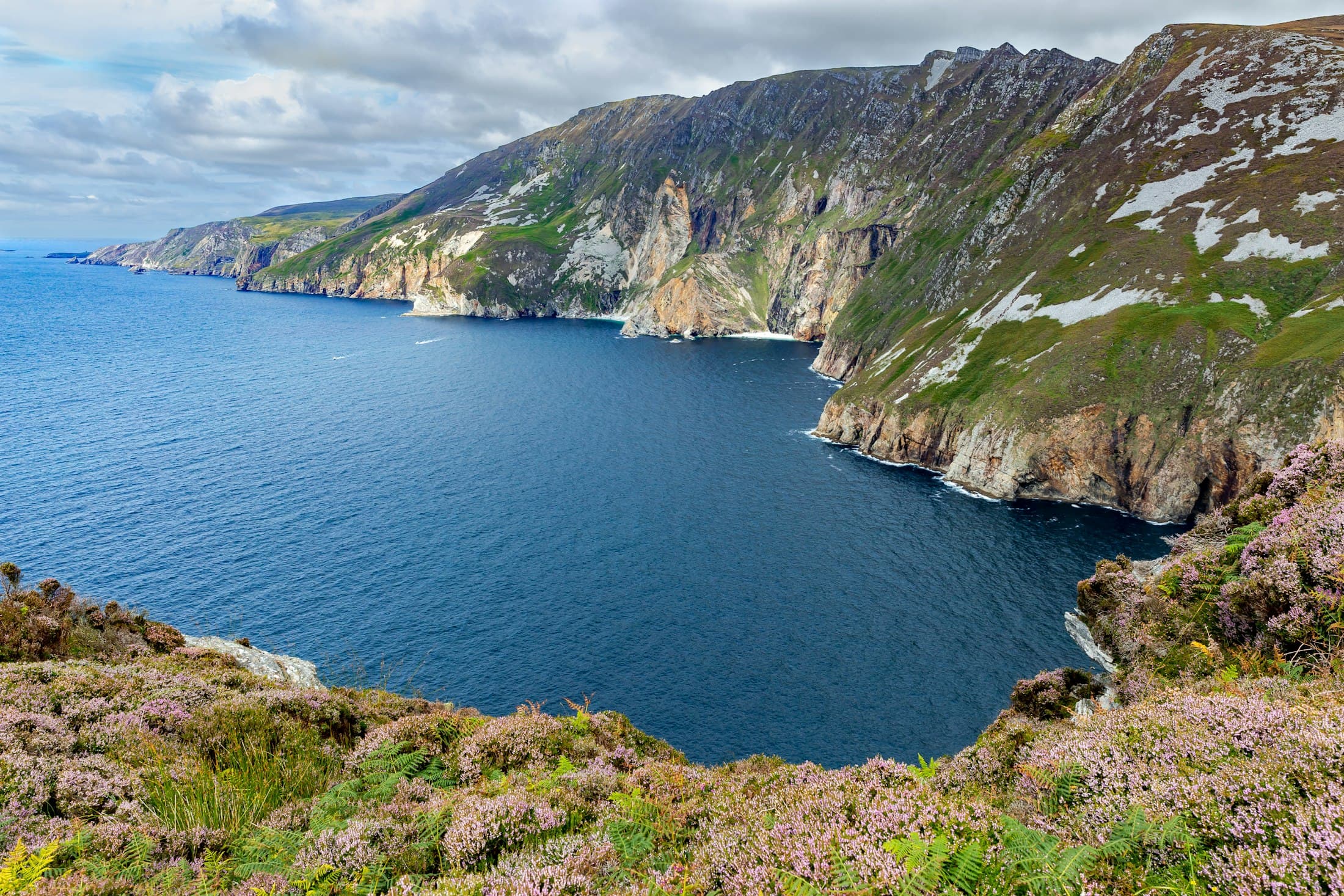 Donegal & the North WestBest: May · Jun · Jul · AugPhotographers joining
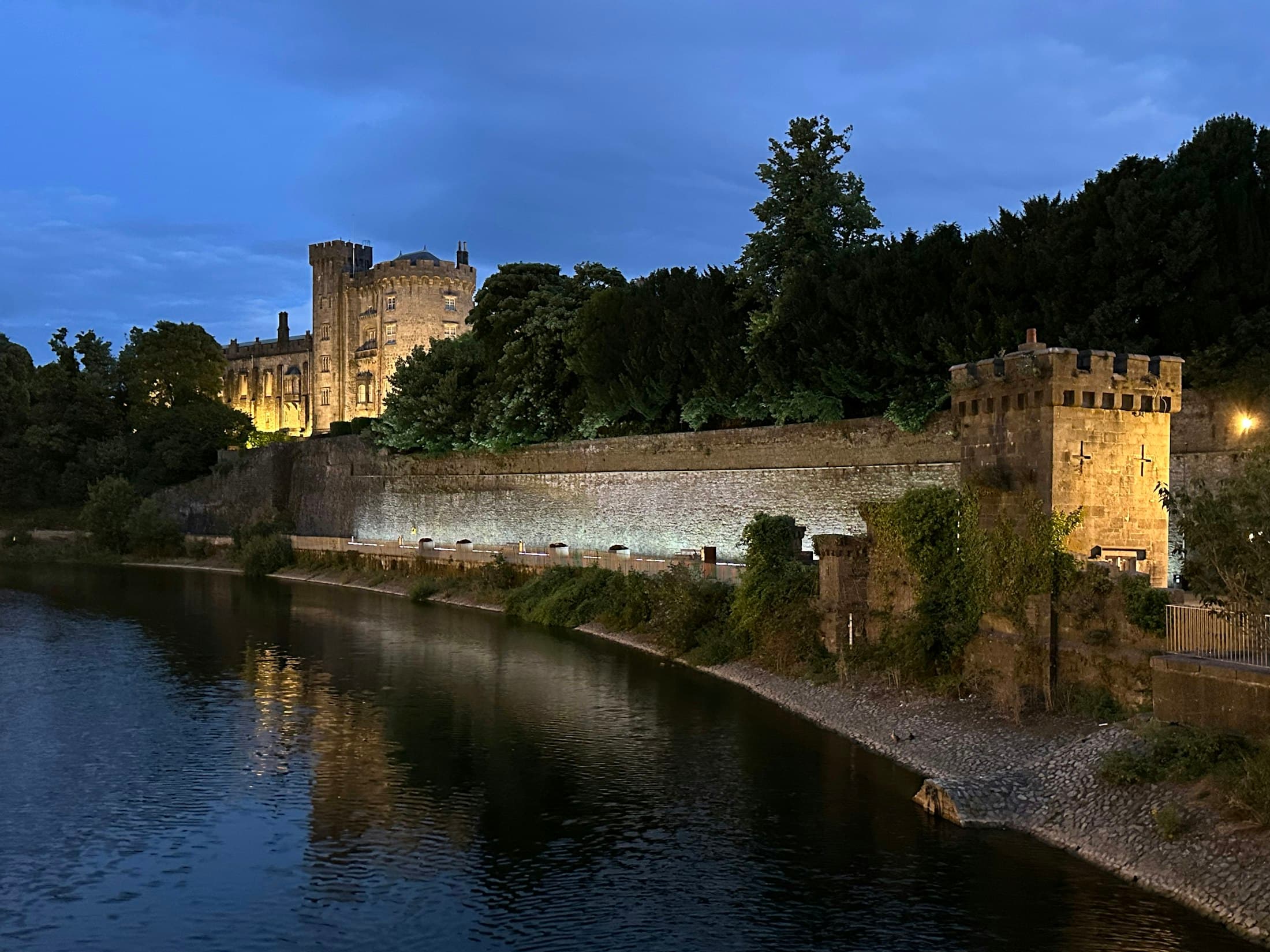 Kilkenny & the South EastBest: Jun · Jul · Aug · SepPhotographers joining