Getting married in Kerry & the South West
Lakes, ancient woods and a castle below Ireland’s highest mountains at Killarney, the Ring of Kerry and the Skellig coast, and the cliffs and beaches of the Dingle Peninsula at the edge of the Atlantic.
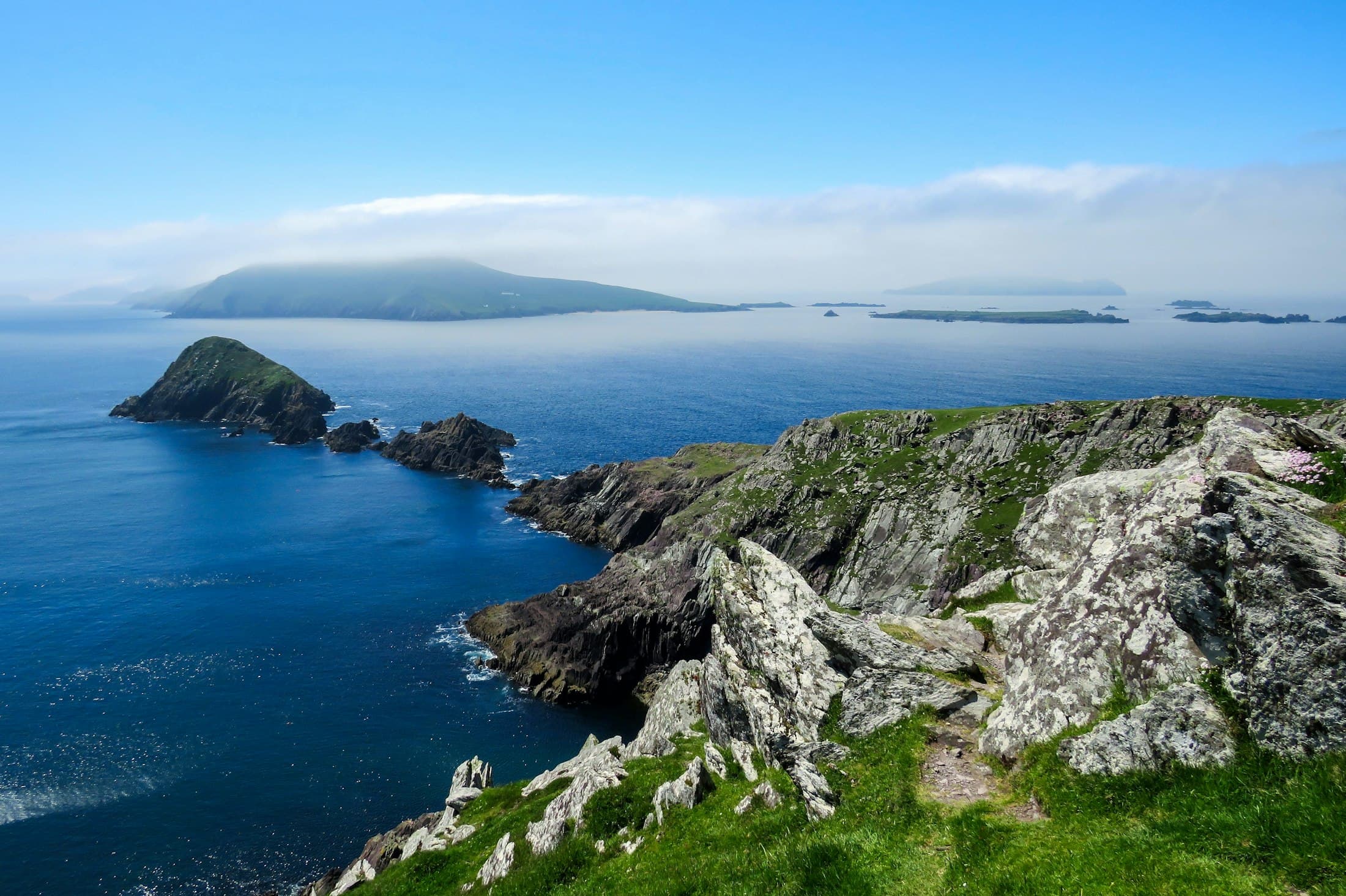
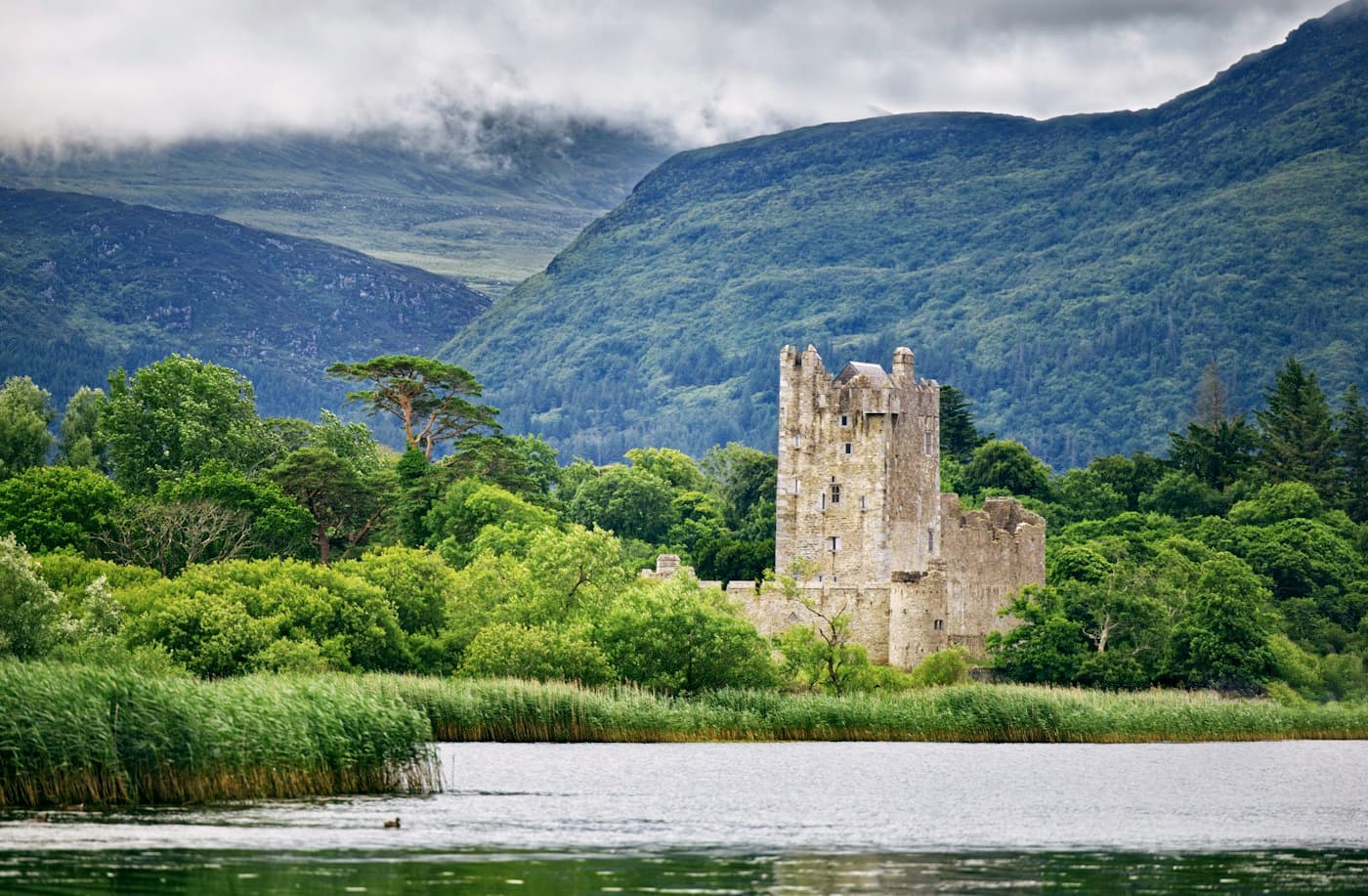
Kerry is Ireland’s far south-west, a county of long peninsulas reaching out into the Atlantic. Behind the town of Killarney rise the MacGillycuddy’s Reeks, the highest range in Ireland, and at their feet lies Killarney National Park — the country’s first, given to the State in 1932 — with Ross Castle on an inlet of Lough Leane, Ireland’s last native herd of red deer, the largest yew wood in Western Europe and Torc Waterfall, 7 km from town. The Ring of Kerry runs 179 km round the Iveragh Peninsula, with Valentia Island and the Skellig Ring at its western end and the monastery rock of Skellig Michael 12 km out to sea; to the north, the Dingle Peninsula, Irish-speaking over much of its length, runs past the 5 km strand of Inch to the cliffs of Slea Head and the Blasket Islands.
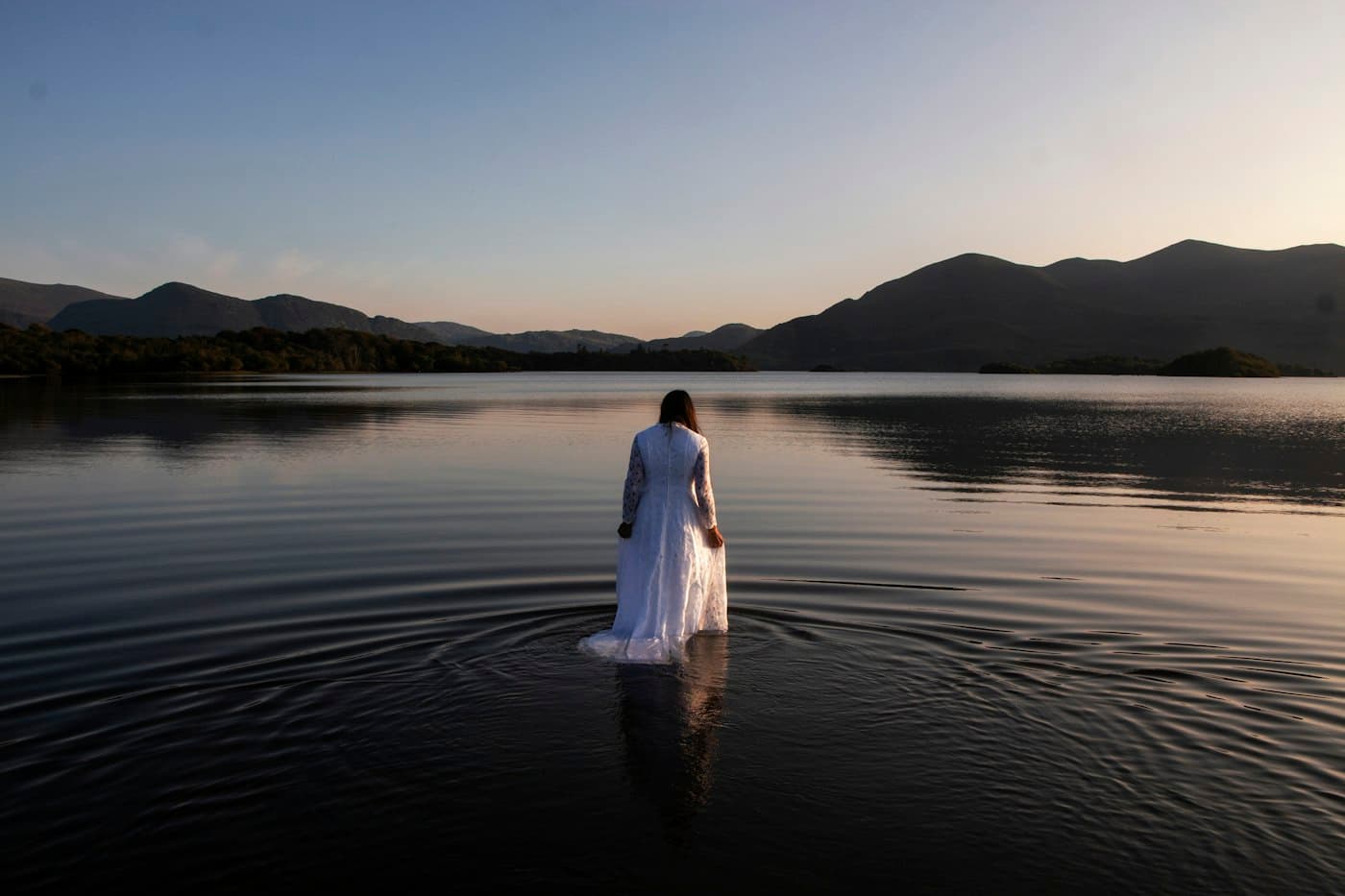
Couples come for small weddings and elopements with mountains, lakes and the ocean close at hand: vows in a village church or a country house, then portraits by the lake at Ross Castle, on a Dingle beach or along the cliffs at sunset. Every marriage in Ireland has to take place somewhere open to the public, after at least three months’ notice to a registrar, so many couples from abroad marry legally at home first and hold a symbolic ceremony here, on a headland or a strand.
Through the year
When to marry in Kerry & the South West
Kerry is mild and wet in every month. At Valentia Observatory, on the Ring of Kerry, June has the fewest days of rain — about thirteen — and May and June the most sunshine, around five and a half hours a day; July and August are the warmest, with highs of about 18 °C, and the least windy, though rain still falls on about sixteen days a month. Most of those days bring showers rather than downpours: 10 mm or more falls on only three or four days a month in summer. Over a year Valentia gets about 1,650 mm of rain, more than twice as much as Dublin, yet frost and heat are both rare. From October the Atlantic storms set in: winds of 36 km/h or more blow on about eighteen days in January, against four or five in July and August. Plan every outdoor moment with shelter close by and a flexible time for portraits.
- January: Quieter
- February: Quieter
- March: Quieter
- April: Good with planning
- May: Best
- June: Best
- July: Best
- August: Best
- September: Good with planning
- October: Good with planning
- November: Quieter
- December: Quieter
- SpringApril and May bring the brightest weather of the year — May is Valentia’s sunniest month — fresh green woods around the lakes and roads still quiet before the summer. The days stay cool, with highs of 12 to 15 °C, and showers come and go.
- SummerLong days, the mildest weather and the lightest winds: in late June the sun sets after ten. It is the only season when boats land on Skellig Michael, and the busiest on the Ring of Kerry and at Torc Waterfall — early morning and late evening are the quiet hours.
- Autumn and winterSeptember is still mild, with highs near 17 °C, and quieter. From October the days shorten fast and the storms roll in off the Atlantic; in December the sun sets at about half past four. A winter wedding here means firesides, dramatic skies and a short walk to the shore between showers.
In numbers
- UNESCO World Heritage
Weather station: Valentia Observatory, normals 1991–2020 · Checked 24 October 2026
Places
Where couples marry here
The kinds of places — ask your photographer which ones they know well.
Killarney National Park
Ross Castle, a fifteenth-century tower house on Lough Leane, open from March to early November; the lakeshore and gardens at Muckross; and Torc Waterfall, a short walk from its car park. A professional photographer works in the park under an NPWS permit, which they apply for themselves, and recreational drones are not allowed.
The Gap of Dunloe and Ladies View
An 11 km pass carved by ice between the Reeks and Purple Mountain, past a chain of small lakes, walked, cycled or crossed by jaunting car; and, on the road to Kenmare, the view over the lakes named after Queen Victoria’s ladies-in-waiting.
The Skellig coast
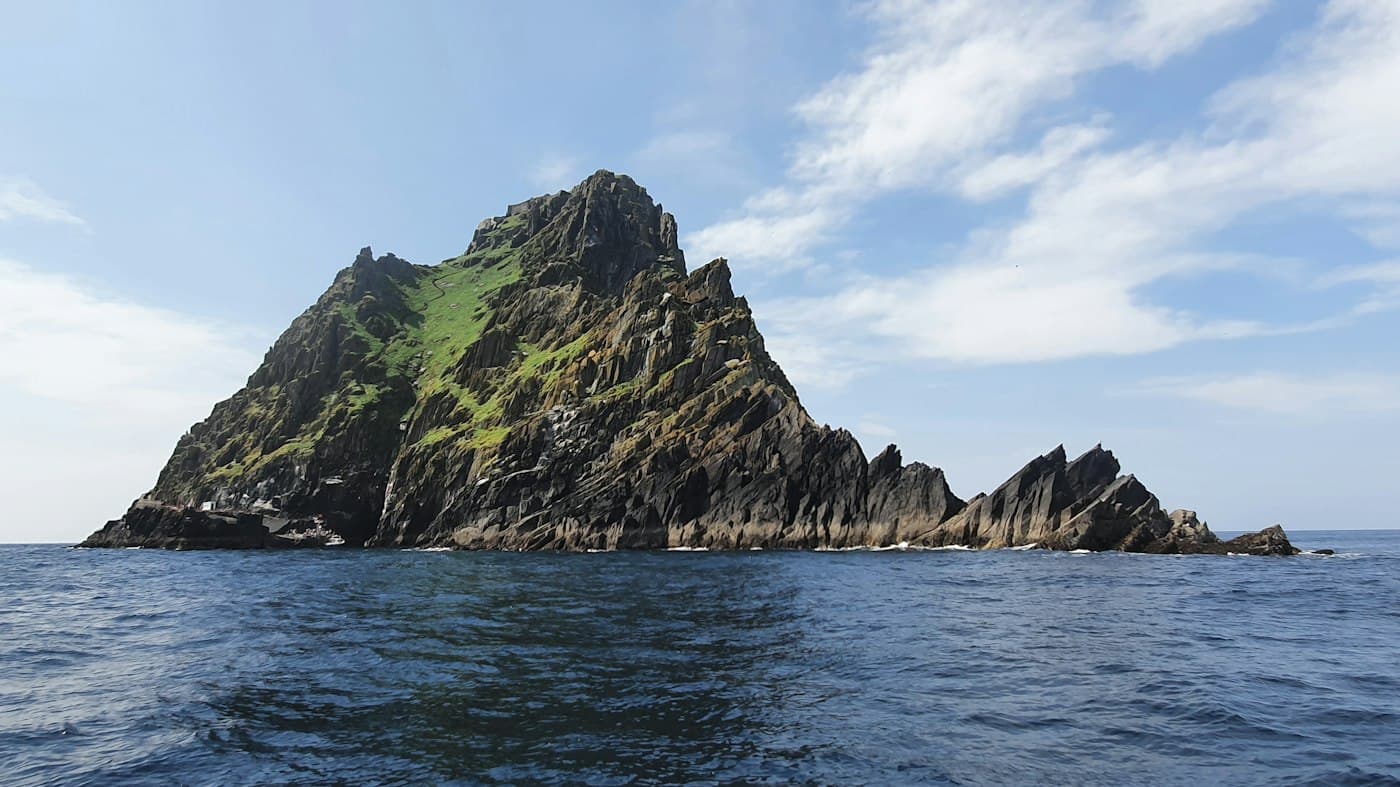
Valentia Island, reached by bridge or ferry, the colourful harbour of Portmagee and the cliffs along the Skellig Ring look out to the two Skelligs. Skellig Michael, a World Heritage site, is an 11.5 km boat trip away and can be visited only from about mid-May to the end of September, in calm seas: 618 steep steps up to the monastery, no children under twelve — a day out for the two of you, not a place to marry.
The Dingle Peninsula
Inch, 5 km of sand and a Blue Flag beach with lifeguards in summer; the narrow Conor Pass over the mountains, closed to vehicles over two tonnes; and the 48 km Slea Head drive round the end of the peninsula, past the cove of Coumeenoole and the cliffs facing the Blasket Islands.
Light
How the light falls
Kerry lies far to the west of Ireland’s time zone, so its summer evenings are long: on 21 June the sun sets at Dingle at six minutes past ten, the sky stays light until nearly eleven, and from late May to late July it never gets fully dark. The west-facing headlands of the Dingle Peninsula and the Skellig Ring watch the sun go down over the sea. At midwinter it rises at about a quarter to nine and sets at about half past four, never more than 15° above the horizon, so the low light lasts all day. Ireland’s summer time runs from the last Sunday of March to the last Sunday of October.
Travel
Getting there
Kerry Airport at Farranfore, with flights from Dublin, London and a few other European cities, is about 18 km from Killarney; Cork Airport is about 90 km away, Shannon about 135 km and Dublin about 320 km, some four hours by road. Roads on the peninsulas are often narrow and winding — in places on the Conor Pass two cars cannot pass — so leave time between places. Drones follow the EU rules, overseen by the Irish Aviation Authority — register any drone over 250 g or with a camera — and recreational flights are not allowed in Killarney National Park. Before a day on the coast, check Met Éireann’s yellow, orange and red warnings.
Photographers
Photographers in Kerry & the South West
No one in Kerry & the South West yet
The first photographers in Kerry & the South West are joining now. Tell our concierge your date and your plans — it checks who is free and fits.
Plan
Read before you plan
- Getting married in Ireland as foreigners: civil, religious, humanist or symbolicHow couples who don’t live in Ireland marry there legally: three months’ notice by post, the visit in person, documents, translations and apostilles, visas and interviews, foreign divorces, a priest from home, why clifftop weddings are usually symbolic, and registering the marriage back home.
- How to choose a wedding photographer: the steps, and the questions to askThe decision in order — whole weddings, style, availability, the package, the contract and deposit, cancellation, delivery and a conversation — then a checklist of questions, with why each one matters.
- A wedding-day timeline for photosFrom getting ready to the last dance, planned around the light.
- Deposits and payment protectionWhat you pay when, and what happens if plans change.
- How to get married in Ireland when you live here: notice, documents, ceremonyFor couples who live in Ireland: booking the marriage notification appointment and what to bring, the €200 fee and the Marriage Registration Form, a registrar, a priest or a humanist celebrant, where the law lets you marry, and what to do after the day.
- Which country for a destination wedding? The law, prices, crowds and light, comparedThe legal route for couples who don’t live there, season and crowds, price levels, light, flights, venues and permits for photographs — Portugal, Italy, Spain, Greece, France and Austria compared with official figures, as of October 2026.
- A rain plan that still looks goodCovered spots, umbrellas and what photographers do on grey days.
- Wedding photography contract checklist: what it should say, and how Lens & Vows handles each pointThirteen things a good contract covers — the day and the hours, what is delivered, deposit and balance, cancellation on either side, date changes, illness, image rights, personal data, backups, travel, overtime and complaints — and what our terms say about each.
Ireland
Other places
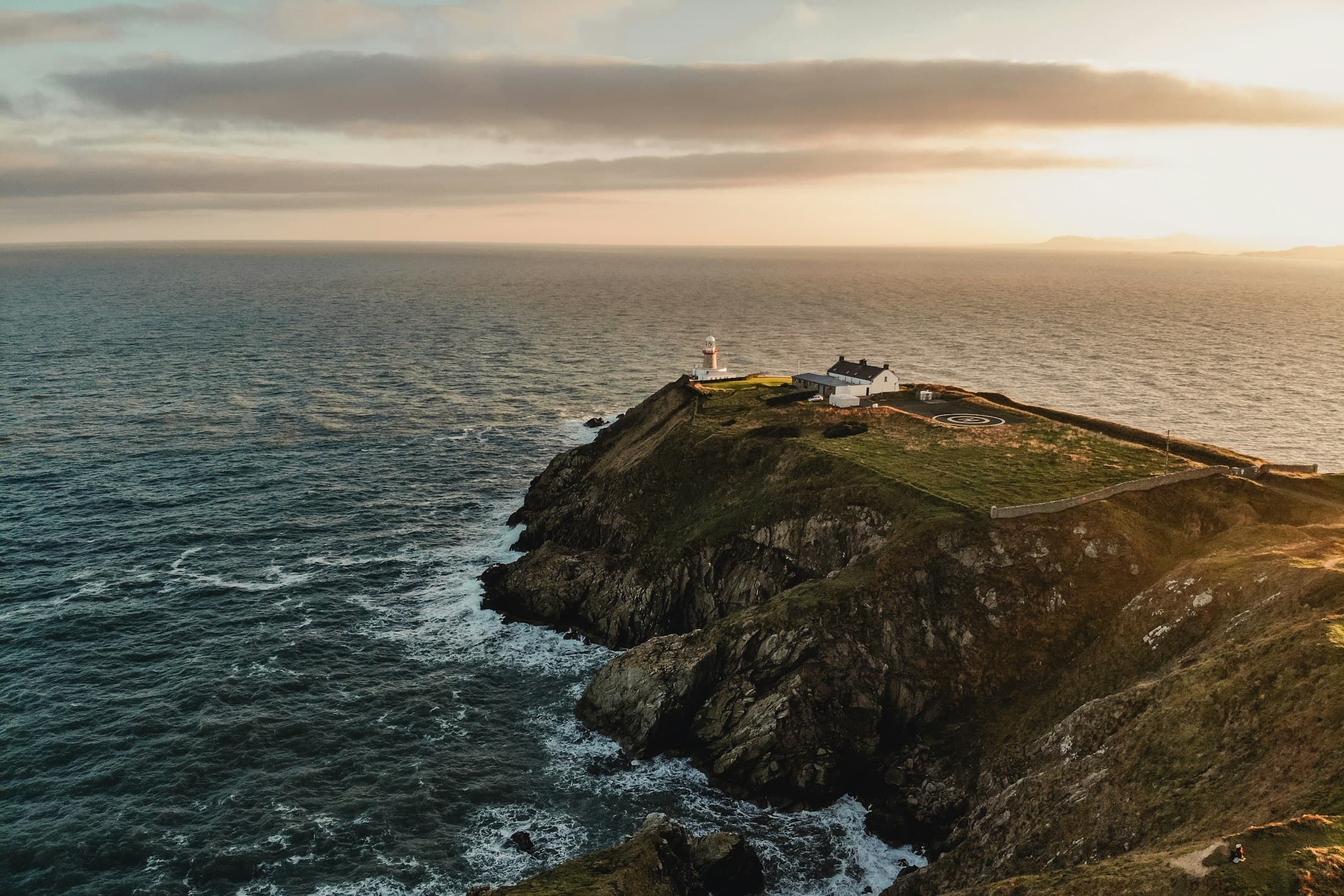 Dublin & WicklowBest: Jun · Jul · Aug · SepPhotographers joining
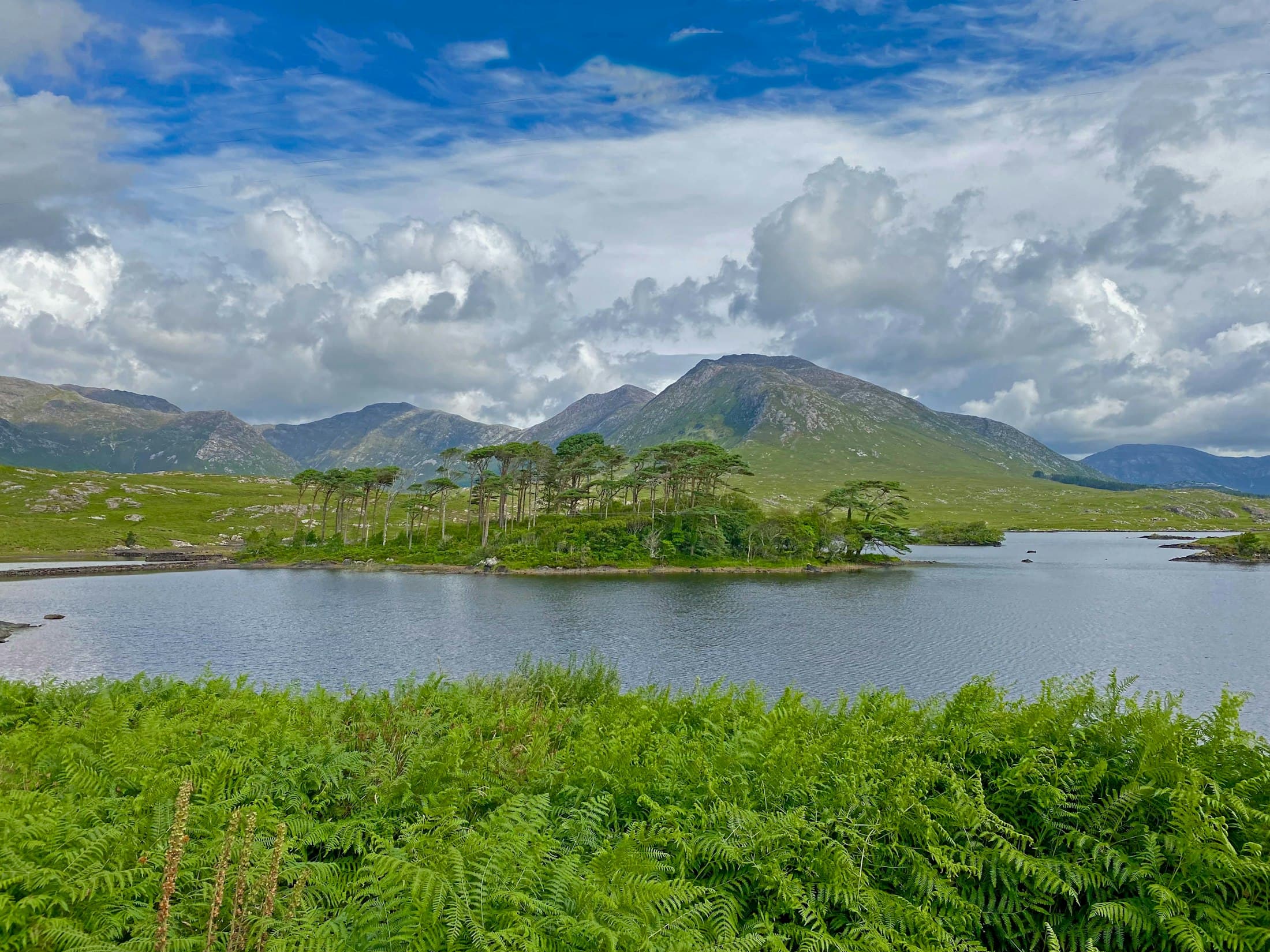 Galway & ConnemaraBest: May · Jun · JulPhotographers joining
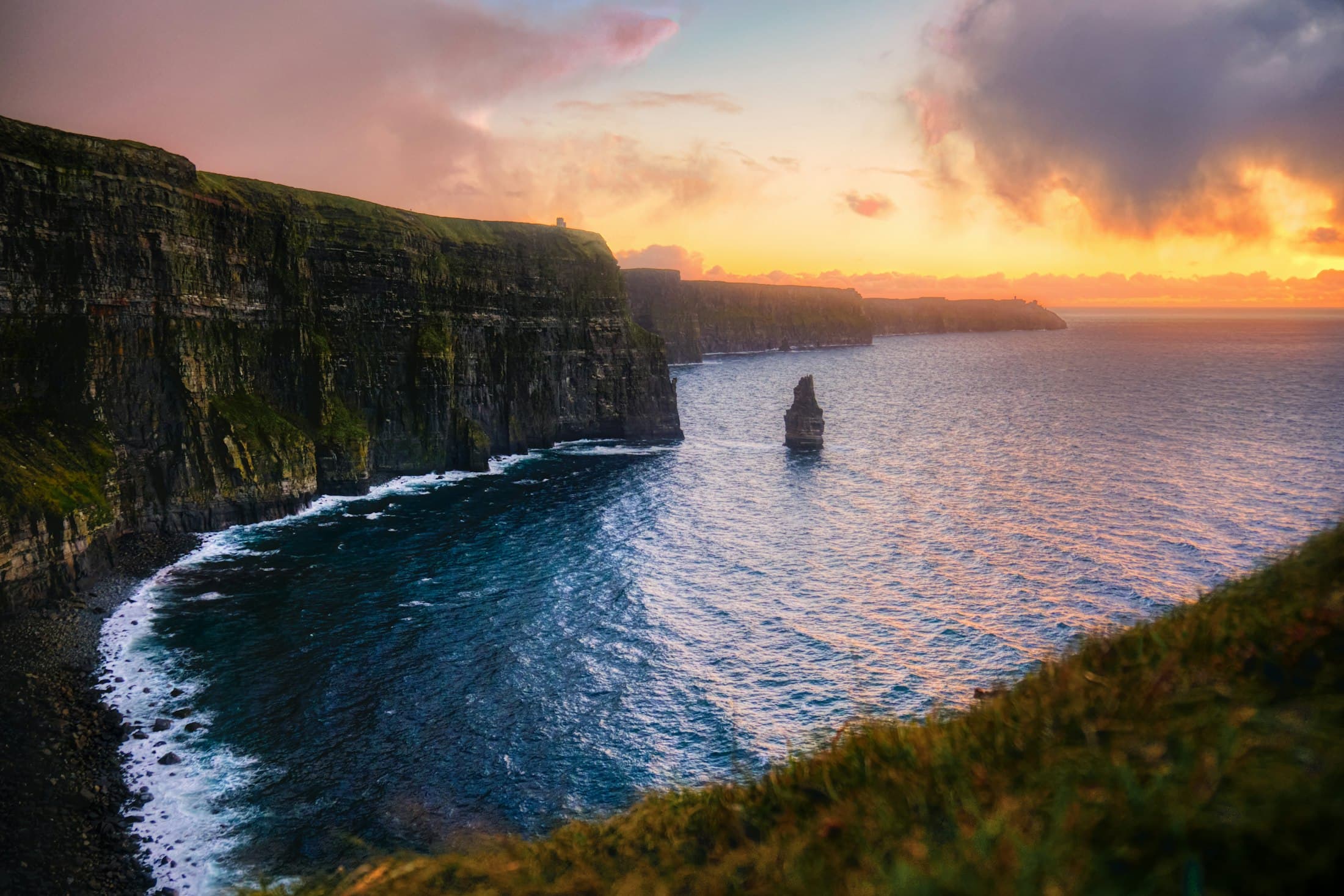 Clare & the Cliffs of MoherBest: May · Jun · JulPhotographers joining
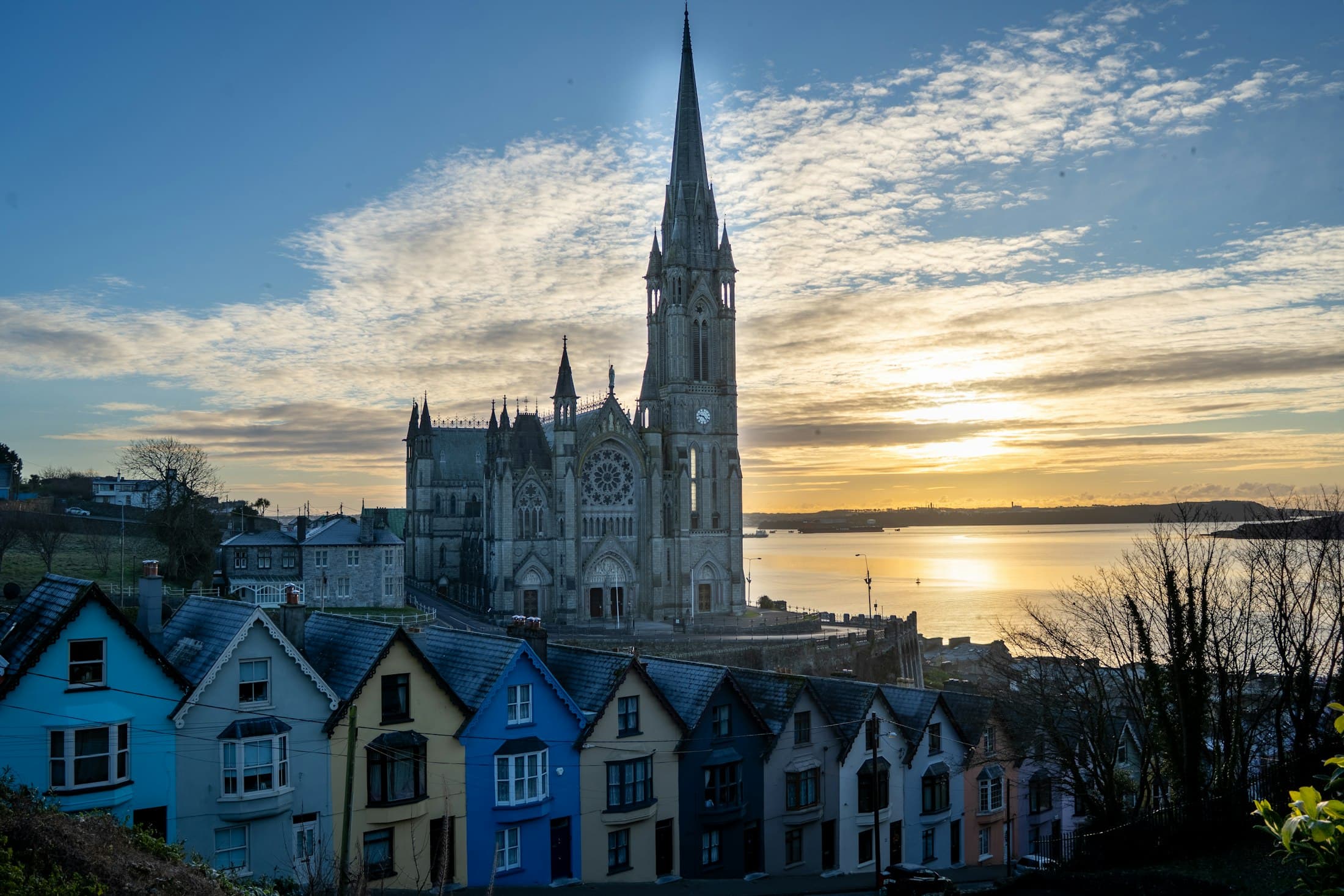 CorkBest: Jun · Jul · Aug · SepPhotographers joining
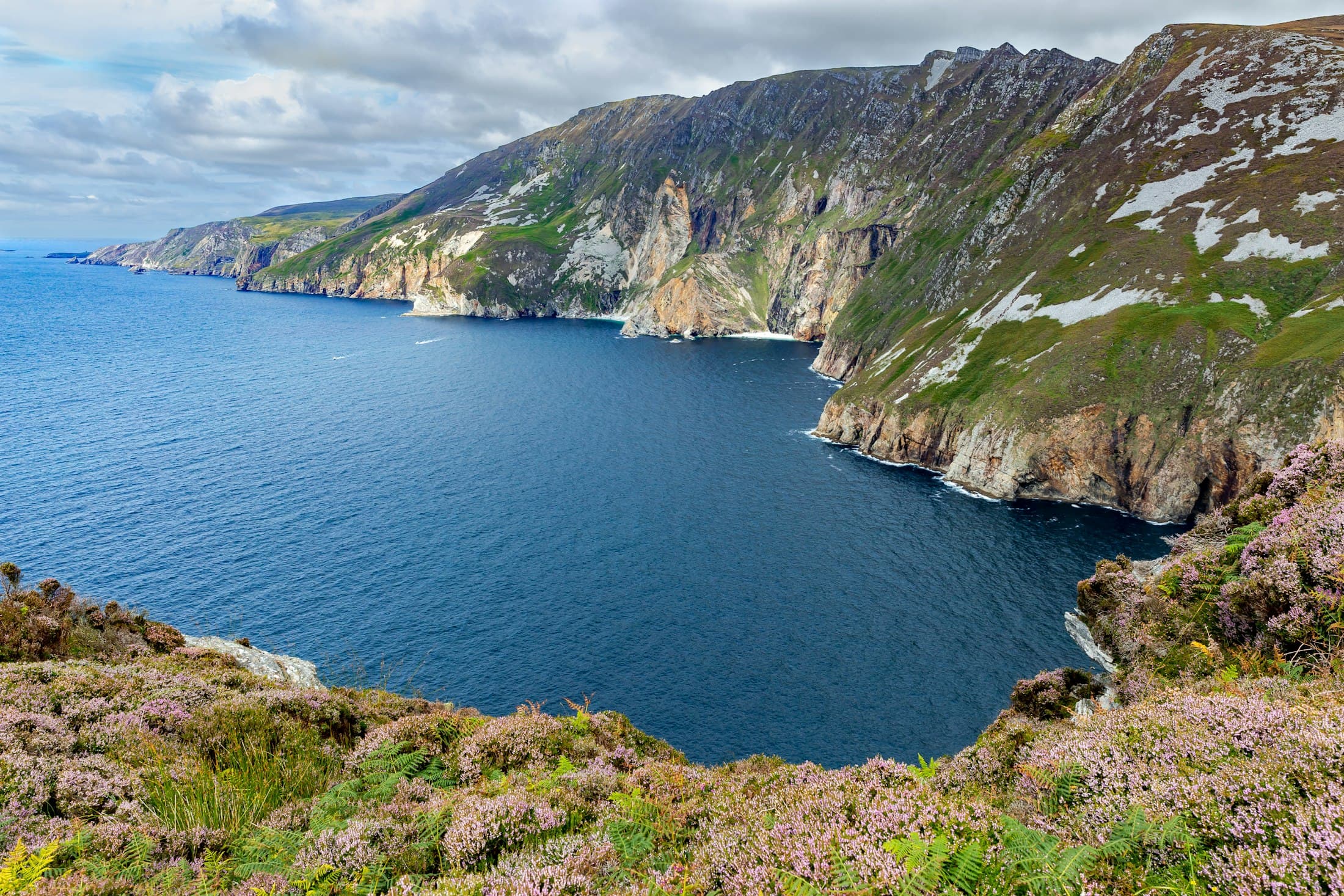 Donegal & the North WestBest: May · Jun · Jul · AugPhotographers joining
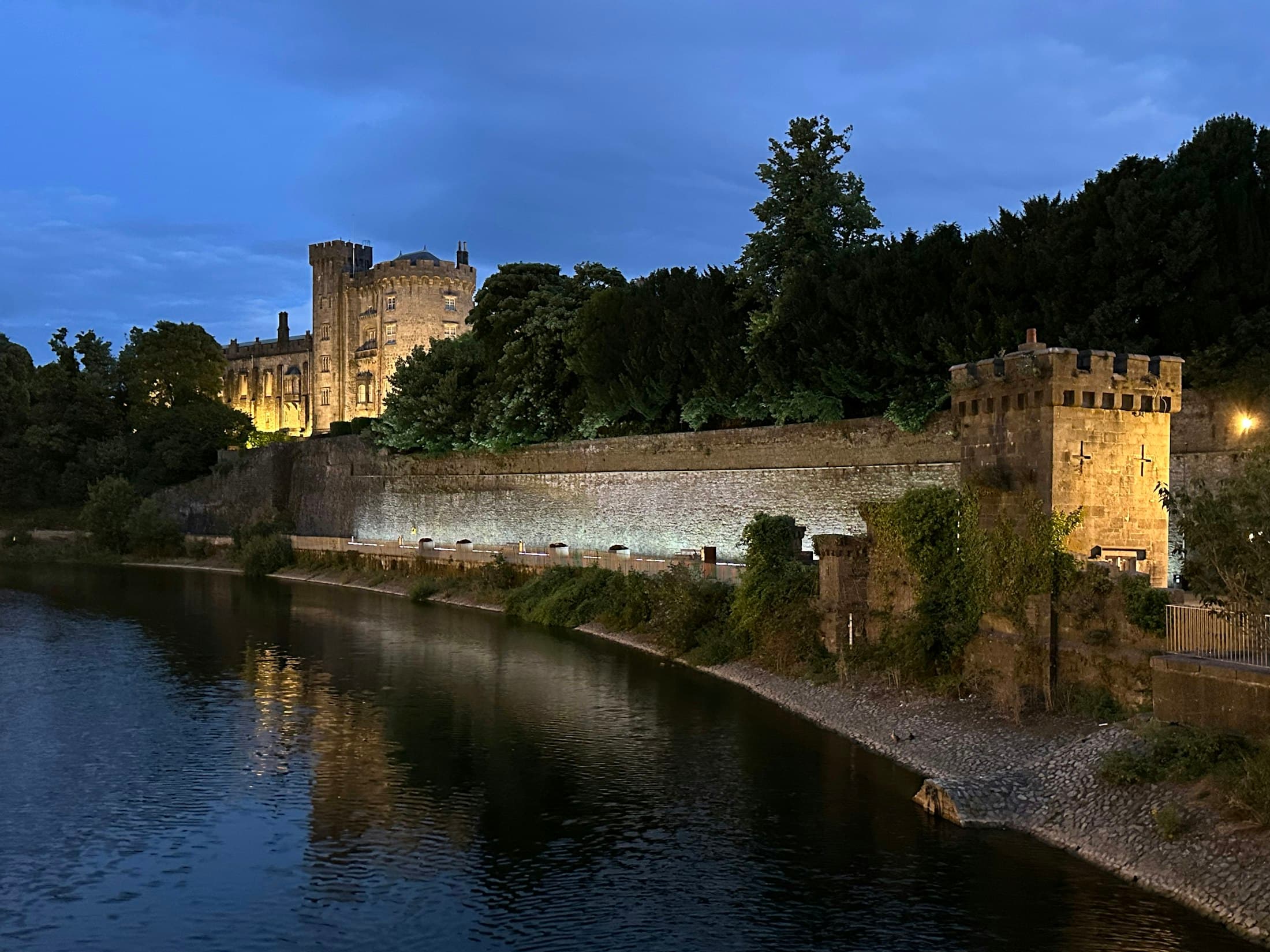 Kilkenny & the South EastBest: Jun · Jul · Aug · SepPhotographers joining