Getting married in Utah
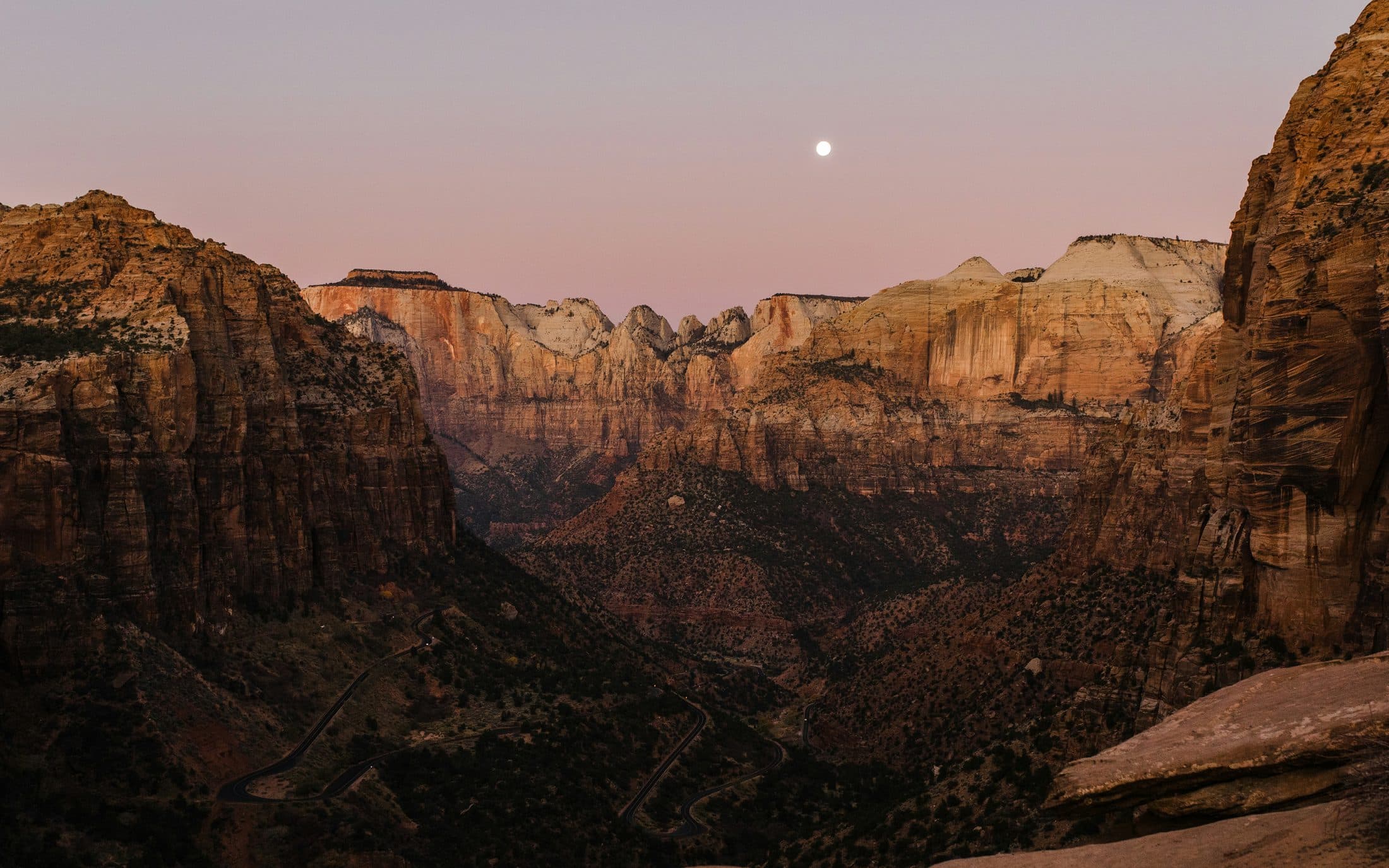
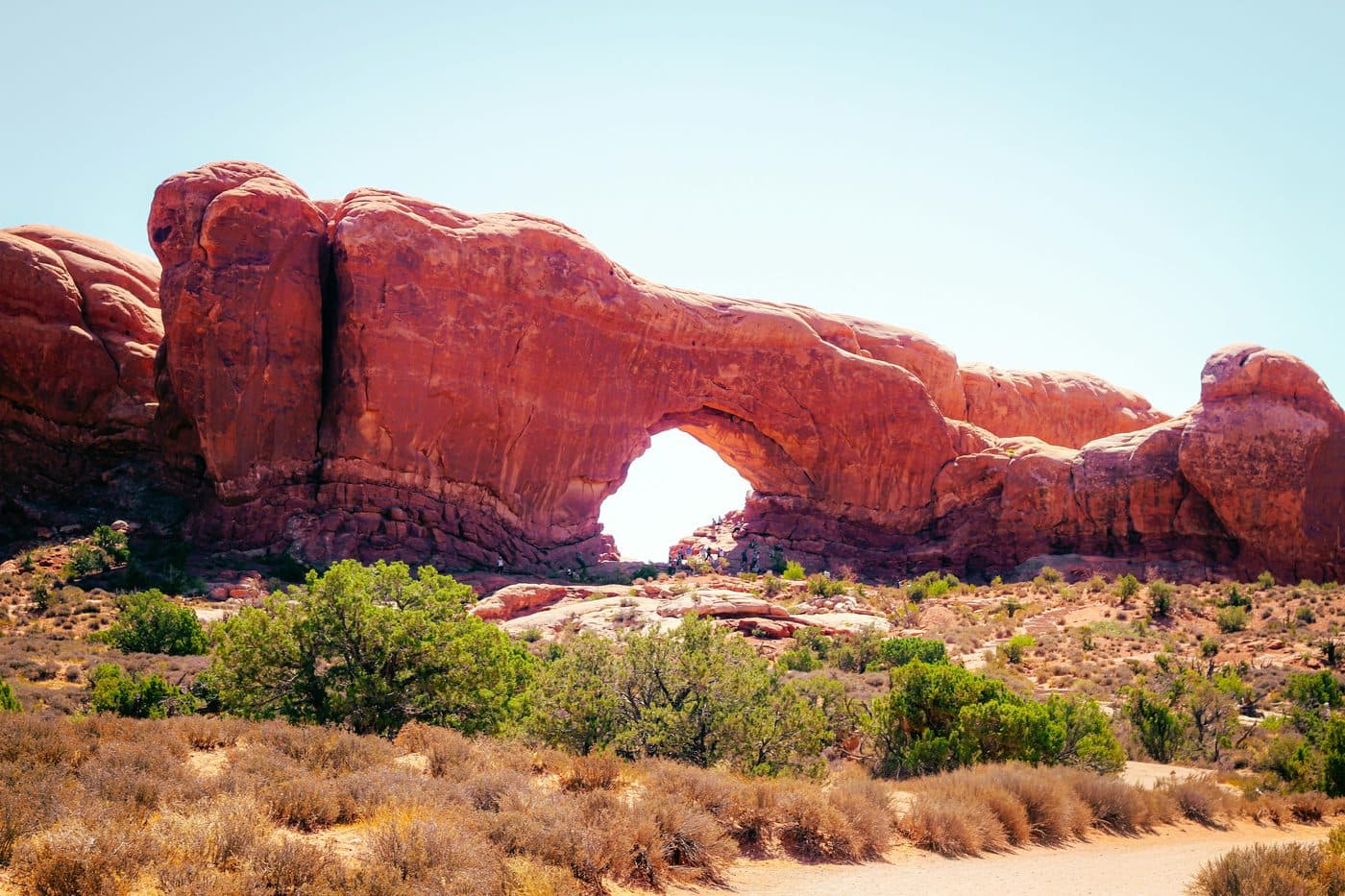
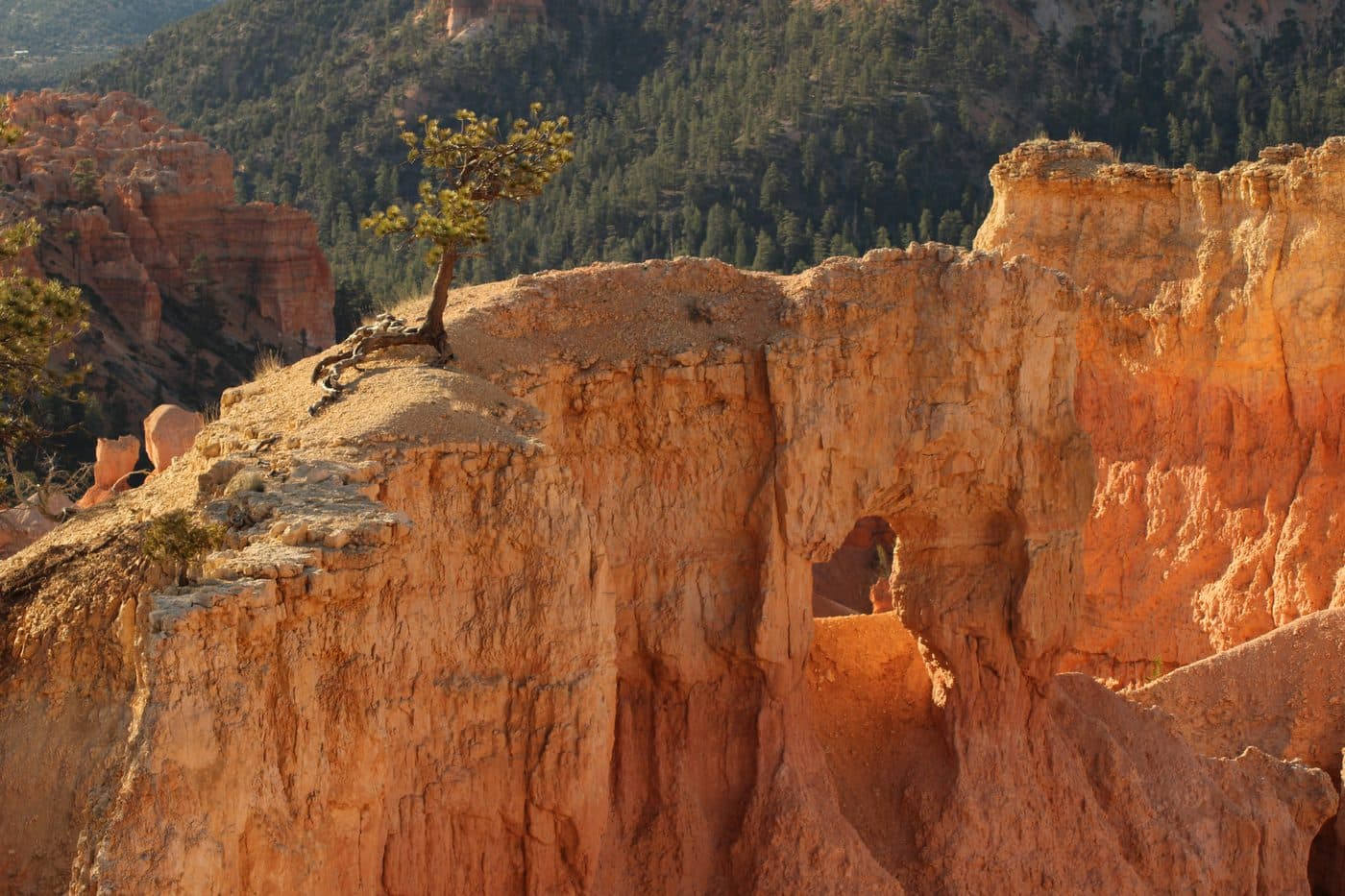
Red rock and a great deal of silence: the sandstone windows of Arches above Moab, the cliffs of Zion, the orange spires of Bryce, the white salt of Bonneville and, behind Salt Lake City, the wall of the Wasatch.
Utah’s places sit at very different heights, and the date depends on it.
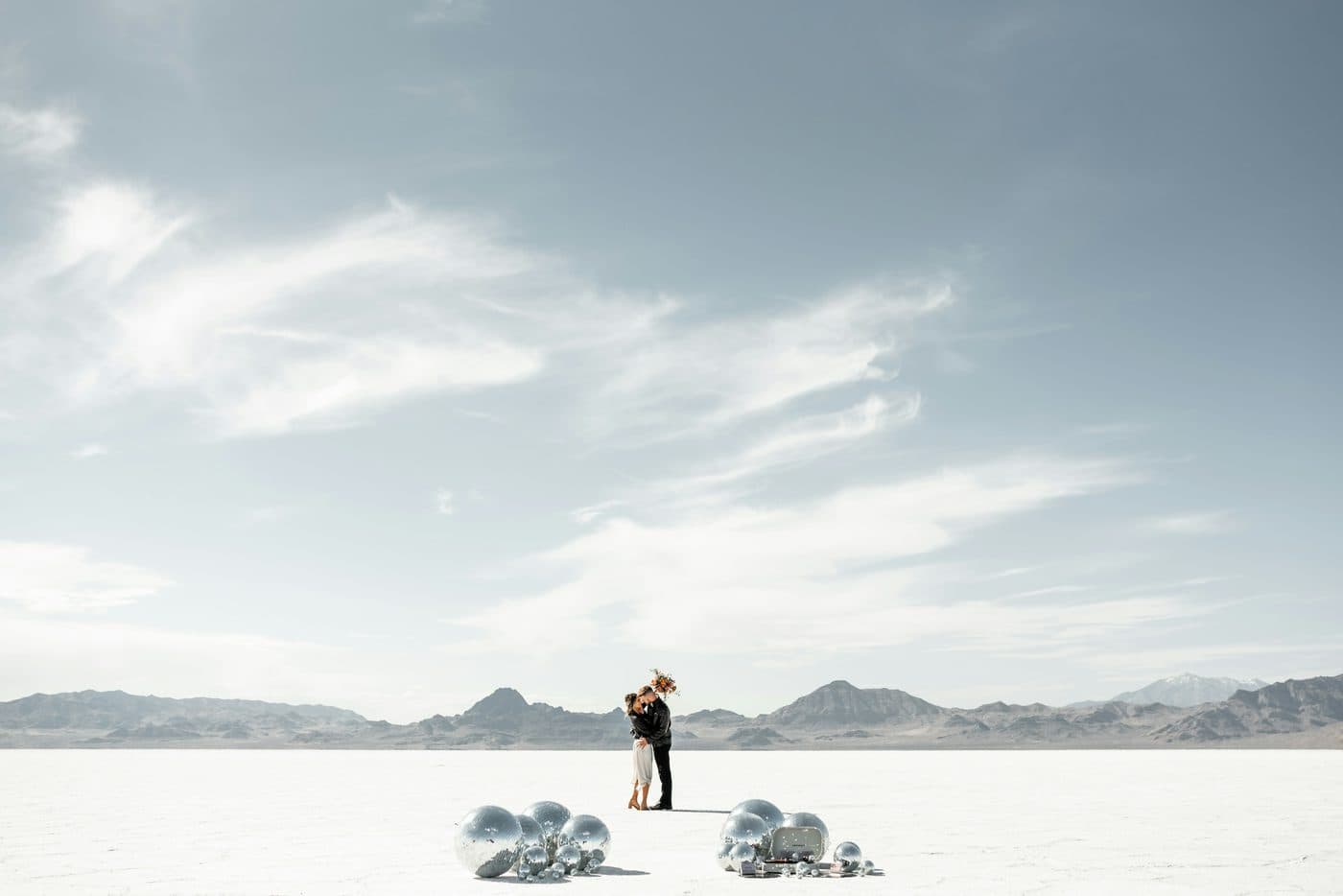
Moab, at 1,235 m (4,053 ft), is the door to Arches, 9 km (5.5 miles) away by road, and to Canyonlands. Zion’s canyon floor is about as high, and July there reaches 38 °C (100 °F). Bryce Canyon’s headquarters stand at 2,405 m (7,890 ft), where July stays near 27 °C (81 °F) and, the park says, it freezes nearly every night from October to May. Salt Lake City has the state’s main airport, the Wasatch at its back and a Capitol that welcomes bridal photos for free. Some 190 km (120 miles) west, the Bonneville Salt Flats are a crust of hard white salt about 19 km (12 miles) long.
Weddings in the parks are small, quiet and on ground that stays open to everyone: the rangers give each site a limit, and the couple apply themselves, not a planner or a photographer. The party happens elsewhere: Bryce permits no reception, and Arches, Canyonlands and Zion no food service. To marry legally, you need a license from a Utah county clerk. There’s no waiting period and no citizenship or residency rule, but it must be used within 32 days and inside Utah, with an officiant physically in the state and two witnesses aged 18 or over. Utah County also offers ceremonies by online appearance, and warns that such a marriage may be invalid in the country where you live.
Through the year
When to marry in Utah
April, May and October are what Arches National Park calls the temperate months, and the most popular. In NOAA’s US Climate Normals 1991–2020 for Moab, highs are 22 °C (72 °F) in April, 28 °C (83 °F) in May and 23 °C (74 °F) in October, and rain falls on about five days a month, a day counting as NOAA counts it, with 0.01 inch (0.25 mm) or more, so a passing shower is enough. Monthly totals are only 20 to 26 mm (0.8 to 1 in). The park warns of swings of over 22 °C (40 °F) in a single day, and April nights at Moab fall to 6 °C (43 °F). July is the hottest month, at 37 °C (99 °F), with 18 days of 38 °C (100 °F) or more. Late summer brings the monsoon, July to September in Zion’s reckoning, with violent storm cells and flash floods. Height shifts everything: Bryce is at its best when Moab is too hot, with highs of 25 °C (76 °F) in June, and Salt Lake City has 29 °C (84 °F) in June and 27 °C (81 °F) in September.
- January: Quieter
- February: Quieter
- March: Good with planning
- April: Best
- May: Best
- June: Good with planning
- July: Quieter
- August: Quieter
- September: Good with planning
- October: Best
- November: Good with planning
- December: Quieter
- March to MayThe desert’s spring, and everyone knows it. Zion gets almost three times as many visitors in March as in February, and Arches, very busy from March to October, advises entering before 8 a.m. or after 3 p.m. Zion’s shuttle starts in March, and from then until late November the canyon’s wedding sites are reached by bus alone, so any chairs must be folding ones. Up at Bryce, storms in March and April can still bring heavy snow. At Bonneville, vehicles are shut out in spring while the salt is moist or under water, on dates posted by sign.
- June to SeptemberJune is the driest month in the red rock, with two or three days of rain at Moab and Zion, and already 34 °C (94 °F) at Moab. From July, plan for the mornings. Zion’s lots often fill by 9 a.m., and summer brings about half a million visitors a month. Afternoon storms at Bryce are usually brief but bring heavy rain and frequent lightning, on ten days a month at its airport in July and August: when you hear thunder, go indoors. Keep out of slot canyons and washes when rain is about. Roads can close after a storm too, so agree a second date with your photographer.
- October to FebruaryFall color reaches the floor of Zion Canyon at the end of October and in early November, as the crowds thin. Moab falls to 14 °C (57 °F) in November and 7 °C (44 °F) in December, with nights of −6 °C (22 °F), and even a little snow or ice can close its trails and roads. Zion stays milder, at 11 to 12 °C (53 to 54 °F), and from about December to February you can usually drive the Scenic Drive yourself. October snowstorms aren’t unusual at Bryce. Salt Lake City gets over 30 cm (12 in) of snow in each of December and January, so keep a roof in reserve.
In numbers
Weather station: Moab, normals 1991–2020 · Checked 2 November 2026
Places
Where couples marry here
The kinds of places — ask your photographer which ones they know well.
Arches and Canyonlands
Both parks publish their sites and limits. At Arches: Park Avenue for 15 people, Double Arch and The Windows for 25, La Sal Mountains Viewpoint and Panorama Point for 50. At Canyonlands: Grand View Point, Green River and Shafer Canyon overlooks for 25, Pothole Point for 15. Anywhere else is judged case by case, and Delicate Arch isn’t on the list. As of November 2026, the application costs $185 plus a monitoring charge. A permit lasts one hour and can be requested up to a year ahead. Stay on slickrock, dry washes or maintained ground, because the biological soil crust is fragile. No arches, decorations, tents or tables, no amplified sound, nothing thrown or released, and no dried plants in a bouquet; folding chairs are decided case by case. Your party can take photos anywhere in the park, not only at the site. Nearby, Dead Horse Point State Park issues its own special use permits, so ask the park.
Zion
Every ceremony, elopement or vow renewal needs a permit, whatever its size: as of November 2026, a $100 application at least three weeks ahead, made by the couple themselves. The park approves only its listed sites, among them the Temple of Sinawava for 35 people, Menu Falls for 10, the Nature Center North Lawn for 50 from November to March, the South Campground Amphitheater for 100, the park’s ceiling, and, in the Kolob Canyons, Kolob Viewpoint for 20 and four cars. No arches or altars outside the amphitheater, no amplified music, food service, confetti or rice, and monitoring can cost $50 an hour. A photographer at a permitted wedding needs no permit of their own, and one with eight or fewer people and hand-carried gear generally doesn’t either. Larger shoots do, and Zion won’t issue one for wilderness, which includes most slot canyons, for the trail to Angels Landing, or for the Riverside Walk and the Narrows.
Bryce, the salt and Salt Lake City
Bryce allows ceremonies at Sunset Point only, in two spots overlooking the Main Amphitheater and the Silent City, for up to 30 people. As of November 2026, the permit costs $100 and takes two to four weeks. No music, chairs or props, nothing thrown, no reception. For nearby Red Canyon, call the Forest Service at Panguitch. At Bonneville, the Bureau of Land Management says photography and video need a special recreation or film permit from its Salt Lake Field Office, and races and private events close the salt on some 2026 dates. In Salt Lake City, the Capitol asks no appointment or fee for family, engagement or bridal photos with a camera and what attaches to it; lights and props make it commercial, and its grounds hold memorials, which stay out of your pictures. City parks and plazas need a city permit, with a $151 application fee, at least 30 days ahead for an event and four business days for a shoot.
Ground that is not a backdrop
This is the homeland of living nations: Arches names the Hopi, Navajo, Paiute, Ute and Zuni among the peoples tied to its land, and the Southern Paiute called Zion’s canyon Mukuntuweap. Rock art and ancient dwellings are never a setting. Monument Valley spans Utah and Arizona and belongs to the Navajo Nation, which considers all its tribal park scenic areas sacred sites. Photography, filming and weddings there need a special use permit, asked for at the visitor center. Drones are confiscated, alcohol is forbidden, and you must ask before photographing Navajo people. Rainbow Bridge, sacred to neighboring tribes, asks to be visited in a spirit that honors them.
Light
How the light falls
At Moab, the sun sets at about a quarter to nine at midsummer and at five o’clock at midwinter, and rises at five to six and half past seven; Utah keeps summer time, so the clock moves in March and November. The warm, low light lasts some 40 minutes before sunset, and dusk about half an hour more. Those times assume a flat horizon, and canyon walls take the sun far sooner: on the floor of Zion, the direct light goes long before the clock says it should, so walk the site at your own hour first. Bryce’s rim looks east across its amphitheater, so, despite the name, Sunset Point is a place for the first sun on the spires. Salt Lake City has the longest evening, with the sun down at about nine in June, and just after five in December.
Travel
Getting there
Salt Lake City International (SLC) is the state’s main airport, 385 km (239 miles) by road from Moab, 442 km (275 miles) from Bryce and 503 km (312 miles) from Springdale, at Zion’s south gate. The national parks also point to Las Vegas (LAS), 275 km (171 miles) from Springdale and 439 km (273 miles) from Bryce; St. George (SGU), 74 km (46 miles) from Springdale; and Canyonlands Field (CNY), 23 km (14 miles) from Arches. Springdale to Bryce is 138 km (86 miles), Salt Lake City airport to Bonneville 192 km (119 miles), and Moab to Monument Valley 241 km (150 miles). Anyone flying a drone for pay needs an FAA Part 107 Remote Pilot Certificate, and the National Park Service bans launching, landing or flying one in national parks. The ban covers Arches, Canyonlands, Zion and Bryce, and the Navajo Nation doesn’t allow them either.
Photographers
Photographers in Utah
No one in Utah yet
The first photographers in Utah are joining now. Tell our concierge your date and your plans — it checks who is free and fits.
Plan
Read before you plan
- Getting married in the USA as foreigners: the license, your entry, state by stateHow couples who live abroad marry legally in the United States: there’s no federal license, so each state and county sets its own wait, validity, witnesses and fee. What US immigration says about visitors marrying, what to bring, who can marry you, same-sex couples, the apostille and what happens back home.
- How to choose a wedding photographer: the steps, and the questions to askThe decision in order — whole weddings, style, availability, the package, the contract and deposit, cancellation, delivery and a conversation — then a checklist of questions, with why each one matters.
- A wedding-day timeline for photosFrom getting ready to the last dance, planned around the light.
- Deposits and payment protectionWhat you pay when, and what happens if plans change.
- How to get married in the USA when you live here: license, ceremony, and afterFor couples who live in the US: how a marriage license works when every state and county sets its own rules, what the wait and the fee are, who can marry you, marrying in another state, same-sex couples, and what changes after the day: certificate, surname and tax.
- Which country for a destination wedding? The law, prices, crowds and light, comparedThe legal route for couples who don’t live there, season and crowds, price levels, light, flights, venues and permits for photographs — Portugal, Italy, Spain, Greece, France and Austria compared with official figures, as of October 2026.
- A rain plan that still looks goodCovered spots, umbrellas and what photographers do on grey days.
- Wedding photography contract checklist: what it should say, and how Lens & Vows handles each pointThirteen things a good contract covers — the day and the hours, what is delivered, deposit and balance, cancellation on either side, date changes, illness, image rights, personal data, backups, travel, overtime and complaints — and what our terms say about each.
United States
Other places
 Hawaii
 Alaska
 Seattle & Washington State
 Portland & Oregon
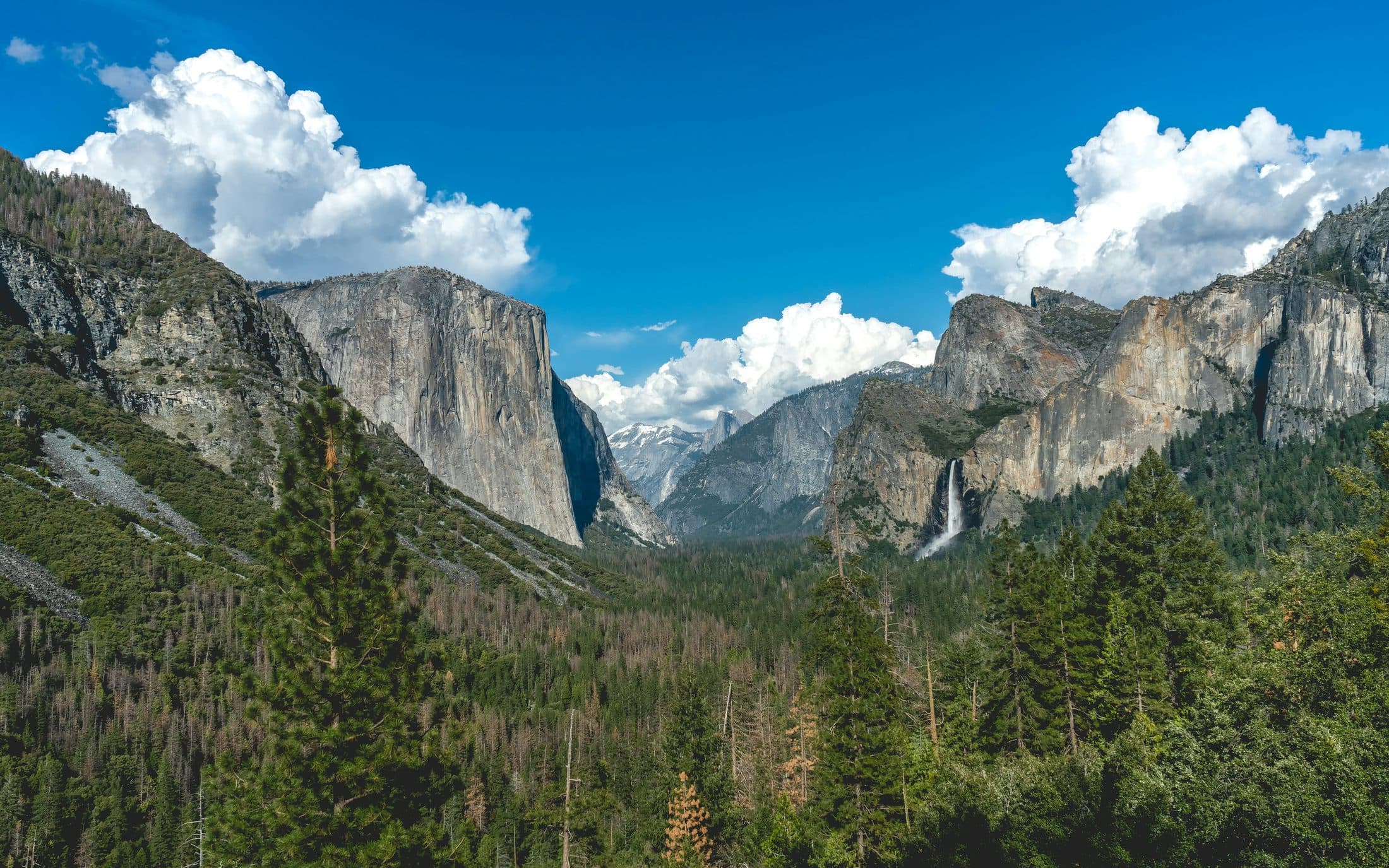 San Francisco, Napa & Yosemite
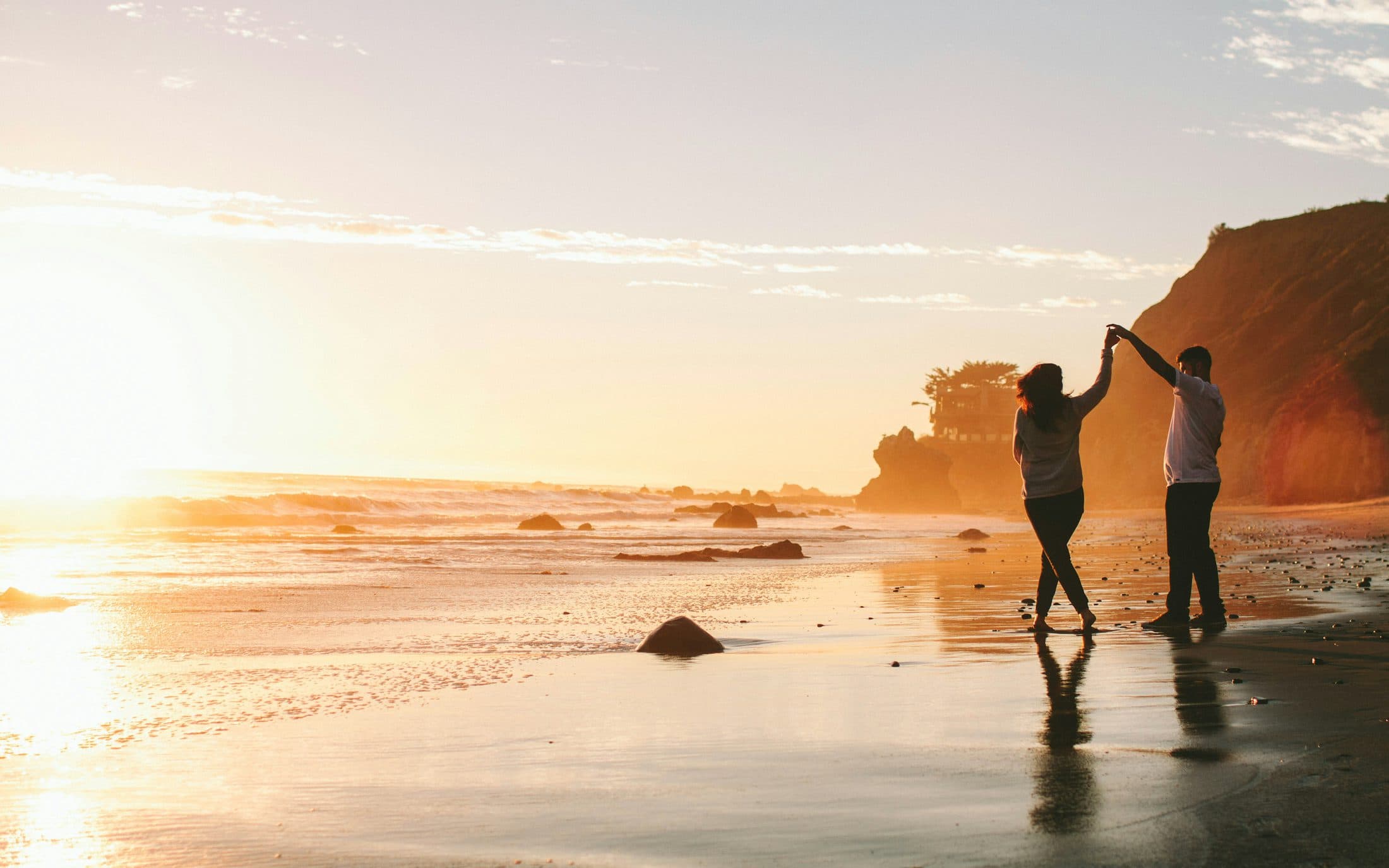 Los Angeles & Santa Barbara
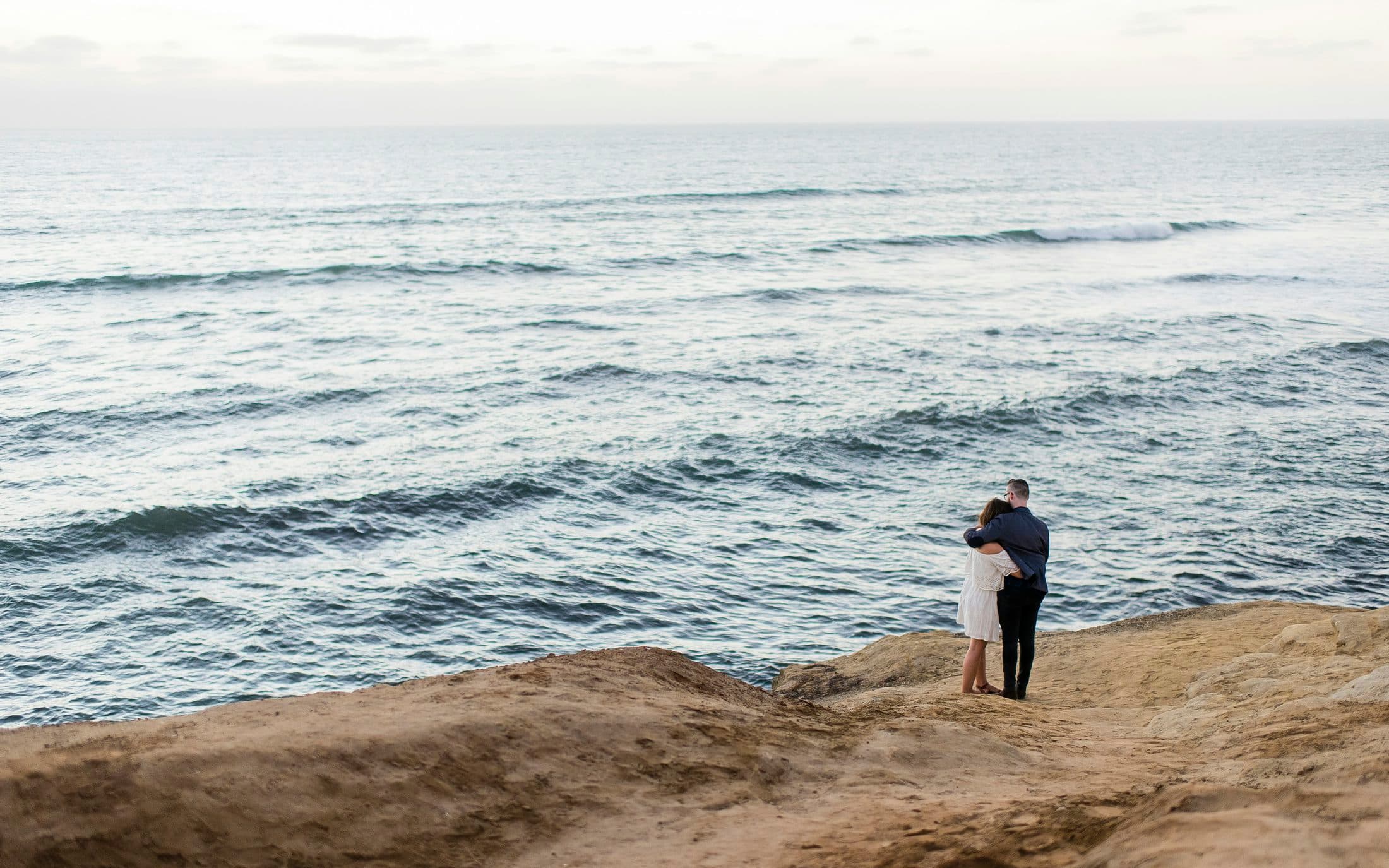 San Diego & Palm Springs
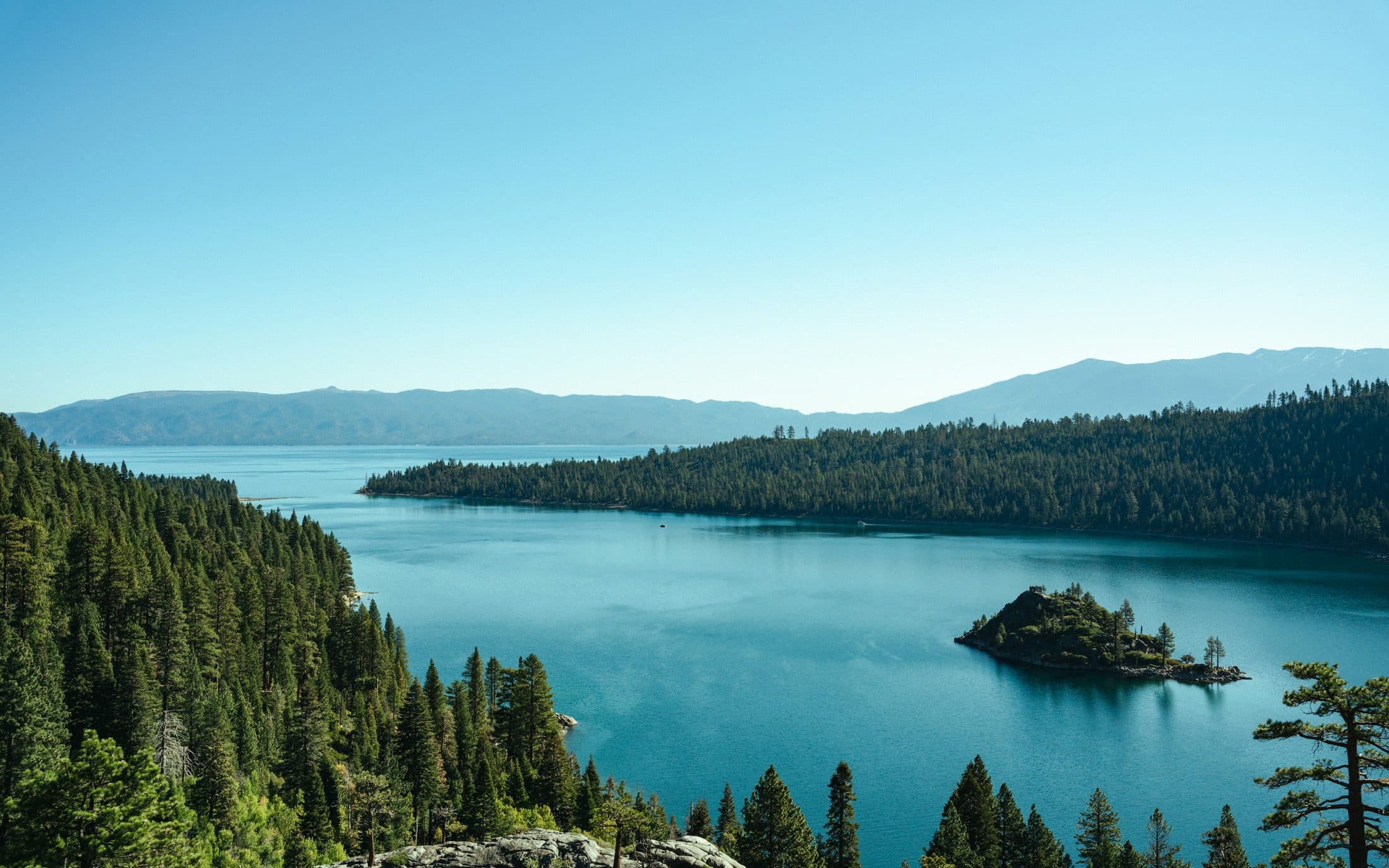 Las Vegas & Lake Tahoe
 Arizona
 Colorado
 Wyoming & Montana
 Texas
 Chicago & the Great Lakes
 Nashville & the Smokies
 New Orleans
 Florida
 Charleston & Savannah
 New York & the Hudson Valley
 Boston & Cape Cod
 Maine & Vermont
 Washington, D.C. & Virginia