Getting married in New York & the Hudson Valley
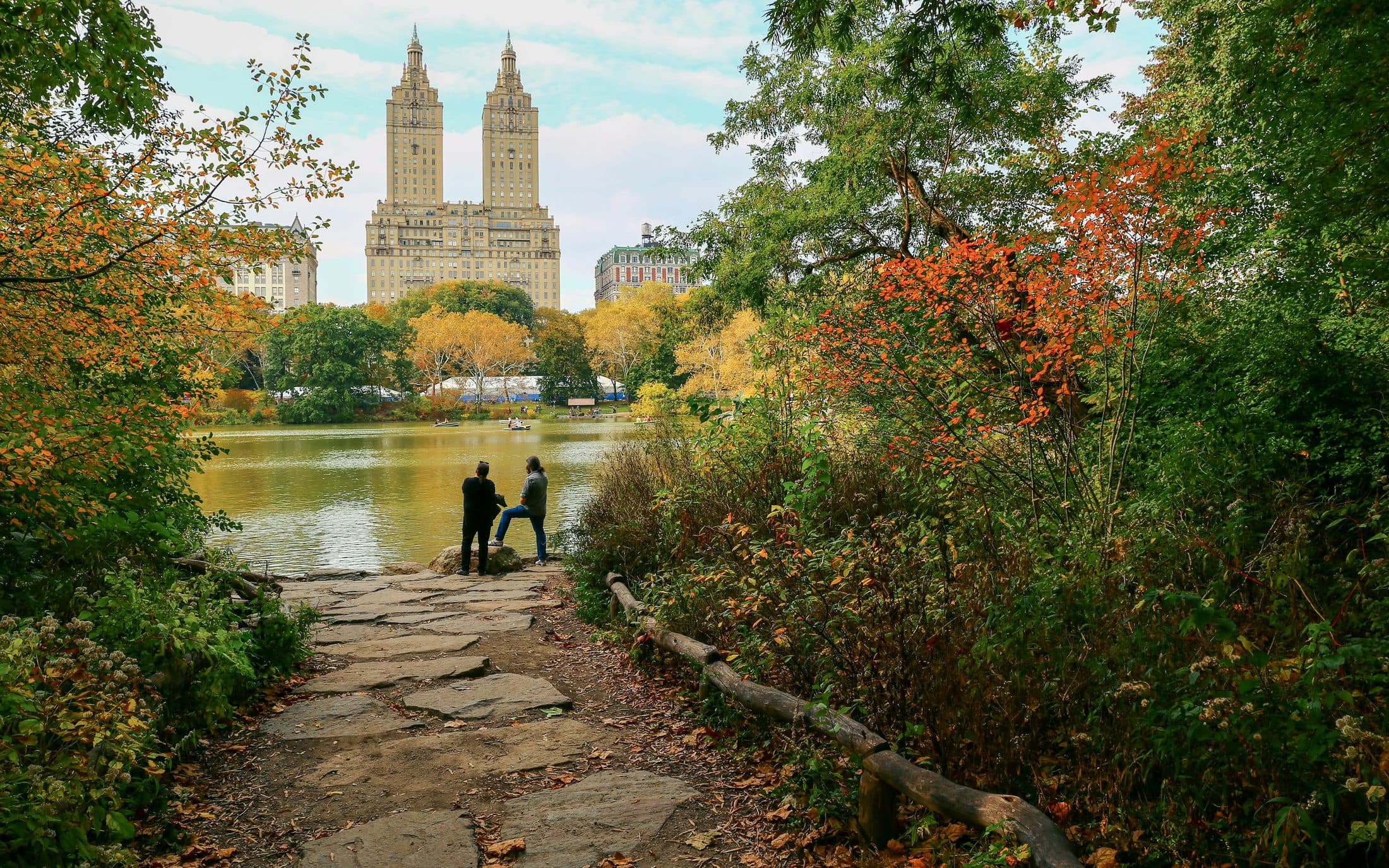
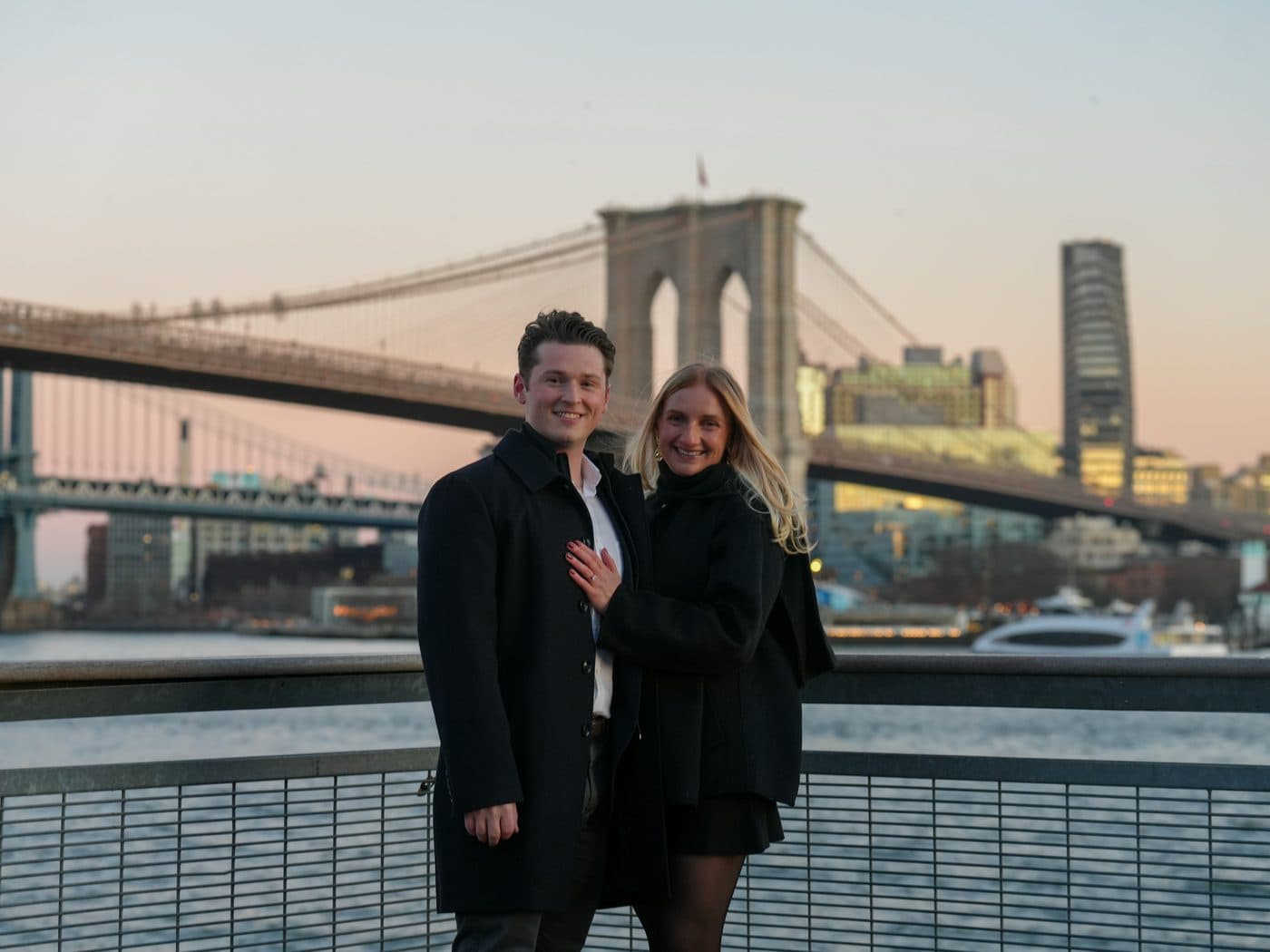
Central Park’s lake and walled garden, the Brooklyn Bridge at dusk, a civil ceremony at the City Clerk’s and, two hours north, the Hudson’s estates and a footbridge 65 m (212 feet) above the river, with the Catskills turning gold beyond.
New York City has water on every side and parks in every borough.
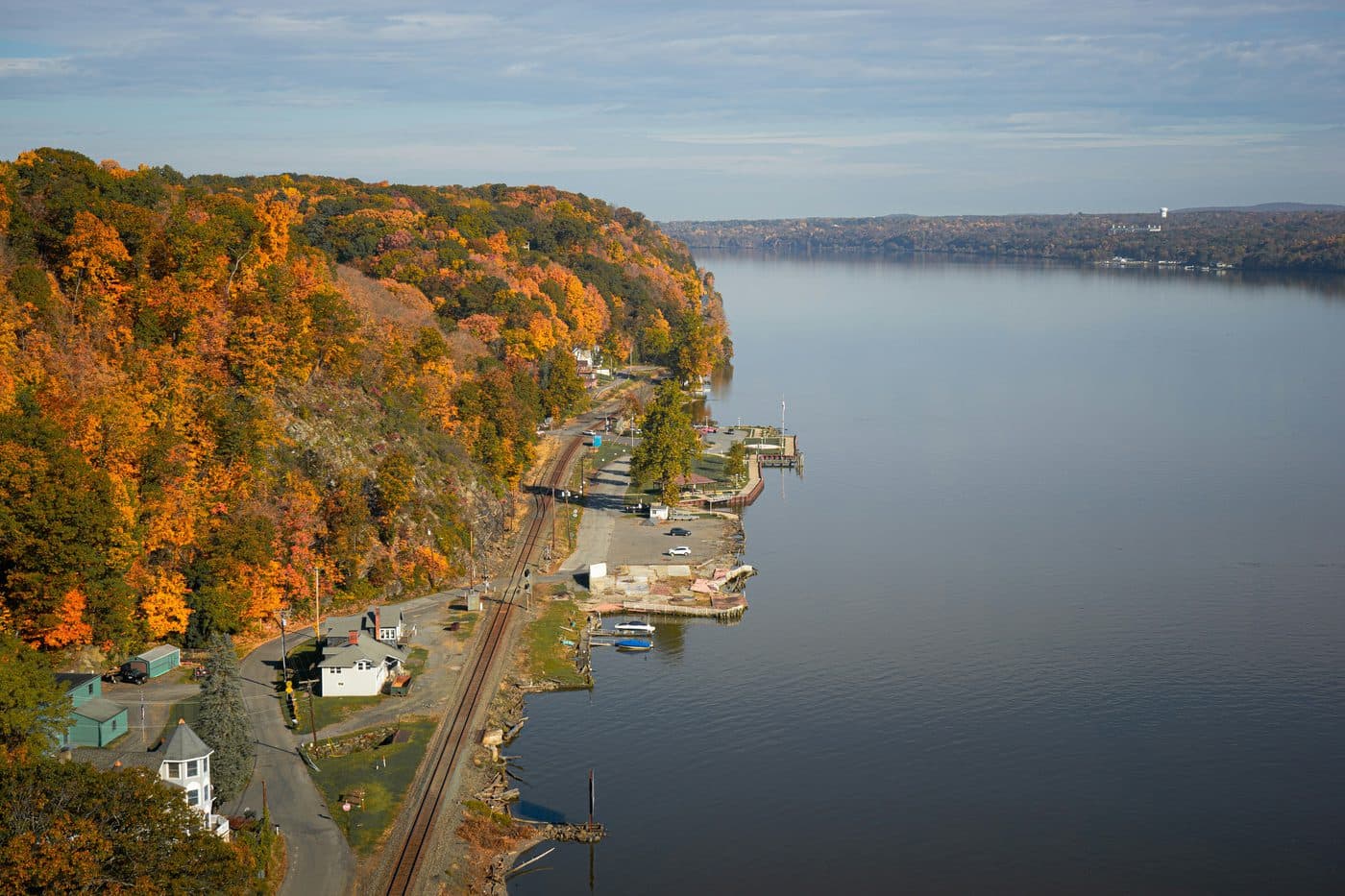
Central Park fills 341 hectares (843 acres) of Manhattan, with the Lake, Bow Bridge and Bethesda Terrace at its heart and the formal Conservatory Garden at its north-east corner. To the south the Brooklyn Bridge crosses the East River, and the harbor holds the Statue of Liberty, which UNESCO inscribed in 1984; the city’s other World Heritage building is Frank Lloyd Wright’s Guggenheim Museum, part of a listing of 2019. North of the city the Hudson runs between wooded hills past the Vanderbilt estate at Hyde Park, the Walkway at Poughkeepsie and Olana, the painter Frederic Church’s landscape above the river. To the west of the river rise the Catskills, whose waterfalls and rolling hills drew the Hudson River School painters.
Couples here sign the papers at the City Clerk’s and then spend an hour with a photographer in the park or on the bridge, hold a short permitted ceremony in a garden, or leave the city for a house, a barn or an estate garden in the valley. Others marry at home and come for the pictures. New York’s rule that matters most: apply together to any town or city clerk in the state, wait 24 hours before the ceremony, and marry within 60 days, in New York State only, before an authorized officiant and at least one witness. The city adds one step: an officiant must be registered with the City Clerk to marry you inside the city limits.
Through the year
When to marry in New York & the Hudson Valley
May, June, September and October are the easiest months. In NOAA’s US Climate Normals for 1991–2020 at Central Park, highs average 22 °C (71 °F) in May, 27 °C (80 °F) in June, 25 °C (76 °F) in September and 18 °C (65 °F) in October, with precipitation on 9 to 12 days a month, counting as NOAA does any day with 0.01 inch (0.25 mm) or more. July and August are hotter, at 29 °C (85 °F), with seven days of 32 °C (90 °F) or more in July and five in August and nights that average about 21 °C (70 °F), so keep the portraits for the first and last hours of the day. Rain is spread through the year, from 81 mm (3.2 inches) in February to 117 mm (4.6 inches) in July, so no month goes without a plan for it. The Atlantic hurricane season runs from 1 June to 30 November: check the National Hurricane Center’s forecast before any outdoor date in those months. Winter highs are 4 to 7 °C (40 to 44 °F), with about 76 cm (30 inches) of snow a year, most of it from January to March.
- January: Quieter
- February: Quieter
- March: Quieter
- April: Good with planning
- May: Best
- June: Best
- July: Good with planning
- August: Good with planning
- September: Best
- October: Best
- November: Good with planning
- December: Quieter
- April to JuneHighs climb from 17 °C (62 °F) in April to 27 °C (80 °F) in June. Brooklyn Botanic Garden’s cherries flower in succession from late March or early April to mid-May, each tree for only a week or so; the Conservatory Garden has its tulips in spring and the wisteria over its pergola. It rains on 11 or 12 days a month, as often as at any time of year, and an event in the Conservatory Garden goes ahead rain or shine, with umbrellas allowed but no tents and no refund.
- July and AugustThe hot months in the city, at 29 °C (85 °F) by day and 21 °C (70 °F) by night, with rain on about ten days a month. Up the valley the nights are kinder: at Poughkeepsie the July low is about 17 °C (62 °F), though the afternoon is just as warm. Plan shade and water for guests, a morning or a last-hour shoot, and an indoor room within reach of a summer storm.
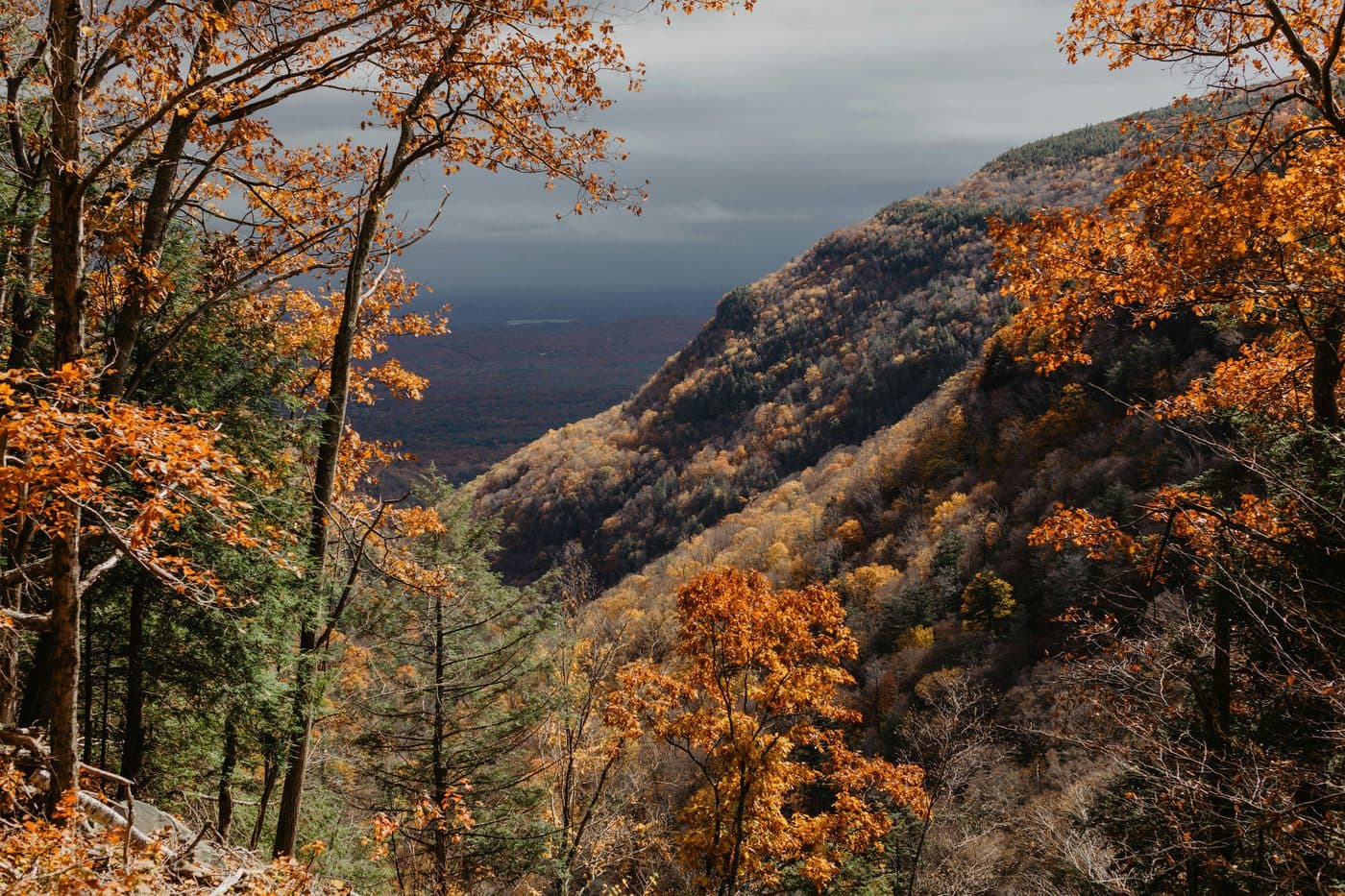
- September to NovemberSeptember has the fewest wet days in the city, 8.8, and highs of 25 °C (76 °F); October cools to 18 °C (65 °F) and November to 12 °C (54 °F). The color moves down from the hills: New York State’s reports have historically put the peak in the Catskills in early to mid-October, in the Hudson Valley from mid-October to early November and in the city in early to mid-November, as approximations that shift from year to year. At NOAA’s Mohonk Lake station, on a ridge at 380 m (1,245 feet), September and October are the wettest months, at about 130 mm (5.2 inches), so on the ridges hold a covered place too.
- December to MarchShort, cold days with a real chance of snow: 22 cm (9 inches) in January and 26 cm (10 inches) in February at Central Park, on about two days a month with 2.5 cm (1 inch) or more. Frost comes on 18 to 21 nights a month in January and February. It suits a small ceremony at the City Clerk’s followed by half an hour outdoors while the light lasts, with warm layers for everyone.
In numbers
- Average high in the best months
- May 21.9°C (71°F) · Jun 26.5°C (80°F) · Sep 24.6°C (76°F) · Oct 18.1°C (65°F)
- NOAA NCEI
- Days with 0.01 in (0.25 mm) of rain or more, best months
- May 11.5 · Jun 11.2 · Sep 8.8 · Oct 9.5
- NOAA NCEI
- UNESCO World Heritage
Weather station: Central Park, normals 1991–2020 · Checked 2 November 2026
Places
Where couples marry here
The kinds of places — ask your photographer which ones they know well.
Central Park
The Conservatory Garden, 2.4 hectares (six acres) of formal planting entered from Fifth Avenue between 104th and 105th Streets, takes weddings by its own permit: 90 minutes for ceremony and photographs in the garden you choose, with portraits in the Center Garden, requested from the Central Park Conservancy at least 10 days ahead. The garden stays open to the public, and chairs, arches, tents, amplified sound, thrown petals and drones are all banned; a professional portrait session has a separate photography permit, which doesn’t cover tripods or lights. A ceremony elsewhere in the park needs a permit from NYC Parks. Handheld or tripod photographs in the rest of the park need no permit; the Conservancy asks anyone bringing other equipment to write first, and commercial shoots go through its request form and then the city’s film office. The Lake, Bow Bridge and Bethesda Terrace are the classic views, and the arches of the Terrace’s Arcade give cover in a shower. As of November 2026, the Conservancy’s page warns that the fountain goes off for about a year of restoration, so check before planning around it.
The Brooklyn Bridge and the harbor
The city’s film office says that standing on a sidewalk, on the walkway of a city bridge or in a city park with a handheld camera needs no permit, as long as you don’t claim exclusive use of the space. Brooklyn Bridge Park, across the river, has rules of its own: wedding ceremonies and commercial photo shoots need its permit, with a $25 application fee and $1 for the card, at least 21 business days of review, none on holidays or holiday weekends, and applications for the next year opening on 1 December. At the Statue of Liberty and Ellis Island, a shoot with handheld gear and no more than eight people, in public areas and open hours, away from the pedestal, the crown and the museum steps, needs no permit. Ceremonies need a special use permit, applied for at least ten business days ahead with a $75 non-refundable fee, and may bring insurance, location fees and staff costs, as well as the ferry tickets (all as of November 2026).
The City Clerk and the city’s parks
A civil ceremony at the Office of the City Clerk is by appointment through nyc.gov/cupid: $25, on top of the $35 license, with at least one witness of 18 or over, carrying ID. As of November 2026, the page says that for now only one witness and no other guests may come, a line that may be out of date, so ask the clerk about guests before you plan. A license can also be applied for by video, and a friend can marry you with a One-Day Marriage Officiant License, $25. For a ceremony outdoors, NYC Parks says it can be held in any of its parks with a Special Events permit: $25, not refundable, applied for at least 21 days ahead. New York Botanical Garden and Wave Hill, both in the Bronx, are among the places it lists with arrangements of their own, so ask them directly. Fees as of November 2026.
The Hudson Valley
At Hyde Park the Vanderbilt Mansion National Historic Site allows weddings in one place only, its Italianate gardens, all year: 30 people at most, the photographer and officiant included, a $125 application, a request at least 14 days ahead, and no holidays or receptions. A group of eight or fewer without special equipment needs no permit. The Walkway Over the Hudson, a state historic park on an 1889 railway bridge between Poughkeepsie and Highland, runs 2.1 km (1.28 miles) from gate to gate, 65 m (212 feet) above the river, and is open from 7 am to sunset, so plan to be off it before the last light goes. Olana’s 101-hectare (250-acre) landscape is free and open every day from 8 am to sunset, with 8 km (five miles) of carriage roads, and the Hudson River Skywalk joins it to Thomas Cole’s home across the water. Ask each site’s office whether a ceremony or a paid photographer needs a permit before you plan anything. Fees as of November 2026.
The Catskills
Rolling hills and tree-covered mountains, waterfalls, scenic roads and small towns such as Roxbury, Windham and Woodstock, with the Catskill Scenic Trail, 42 km (26 miles) of old railway line, running through them. Weddings here are often in private houses and barns, with portraits on the land itself, and the marriage license works here as anywhere in the state. Before a ceremony or a paid shoot on public land, ask whoever manages it, whether the state or a town, what it requires. The gorges lose the sun early, so walk the spot at your hour before the day.
Light
How the light falls
At midsummer the sun rises over New York at about twenty-five past five and sets at about half past eight, in the north-west; it drops below 10 degrees at about twenty-five past seven, and dusk lasts another half hour. By 15 September it sets at about five past seven and by 15 October at about a quarter past six. Clocks go back on the first Sunday of November, so mid-November sunsets come at about twenty to five, and on 21 December the sun is up only from about a quarter past seven until half past four. In Manhattan the towers shade the streets long before those times: the buildings on the park’s west side catch the morning sun, and looking across the East River from Manhattan, evening light falls on the bridge and the Brooklyn shore. Up the Hudson the hours are within a few minutes of the city’s, though the Walkway and Olana both close at sunset and the Catskills’ ridges take the sun sooner.
Travel
Getting there
New York has three main airports: LaGuardia, 13 km (8 miles) by road from Columbus Circle; JFK, 29 km (18 miles), whose AirTrain connects to the subway and the Long Island Rail Road; and Newark, in New Jersey, 27 km (17 miles), whose AirTrain connects to NJ Transit and Amtrak. By road from the same point it is 130 km (81 miles) to the Walkway at Poughkeepsie, 140 km (87 miles) to Hyde Park and about 190 km (120 miles) to Olana or Kaaterskill Falls in the Catskills. New York Stewart International lies 39 km (24 miles) from the Walkway and Albany International 77 km (48 miles) from Olana. Amtrak and Metro-North’s Hudson Line reach Poughkeepsie, 1.1 km (0.7 mile) from the Walkway’s stairs. Anyone flying a drone for pay needs an FAA Part 107 Remote Pilot Certificate, and the National Park Service bans launching, landing or flying one in national parks. An airspace authorization is needed too where required. The ban includes the Statue of Liberty and the Vanderbilt estate. Central Park allows no drones of any size, Brooklyn Bridge Park issues no permits for them, and elsewhere in the city’s parks they need the city film office’s permit and NYC Parks’ authorization.
Photographers
Photographers in New York & the Hudson Valley
No one in New York & the Hudson Valley yet
The first photographers in New York & the Hudson Valley are joining now. Tell our concierge your date and your plans — it checks who is free and fits.
Plan
Read before you plan
- Getting married in the USA as foreigners: the license, your entry, state by stateHow couples who live abroad marry legally in the United States: there’s no federal license, so each state and county sets its own wait, validity, witnesses and fee. What US immigration says about visitors marrying, what to bring, who can marry you, same-sex couples, the apostille and what happens back home.
- How to choose a wedding photographer: the steps, and the questions to askThe decision in order — whole weddings, style, availability, the package, the contract and deposit, cancellation, delivery and a conversation — then a checklist of questions, with why each one matters.
- A wedding-day timeline for photosFrom getting ready to the last dance, planned around the light.
- Deposits and payment protectionWhat you pay when, and what happens if plans change.
- How to get married in the USA when you live here: license, ceremony, and afterFor couples who live in the US: how a marriage license works when every state and county sets its own rules, what the wait and the fee are, who can marry you, marrying in another state, same-sex couples, and what changes after the day: certificate, surname and tax.
- Which country for a destination wedding? The law, prices, crowds and light, comparedThe legal route for couples who don’t live there, season and crowds, price levels, light, flights, venues and permits for photographs — Portugal, Italy, Spain, Greece, France and Austria compared with official figures, as of October 2026.
- A rain plan that still looks goodCovered spots, umbrellas and what photographers do on grey days.
- Wedding photography contract checklist: what it should say, and how Lens & Vows handles each pointThirteen things a good contract covers — the day and the hours, what is delivered, deposit and balance, cancellation on either side, date changes, illness, image rights, personal data, backups, travel, overtime and complaints — and what our terms say about each.
United States
Other places
 Hawaii
 Alaska
 Seattle & Washington State
 Portland & Oregon
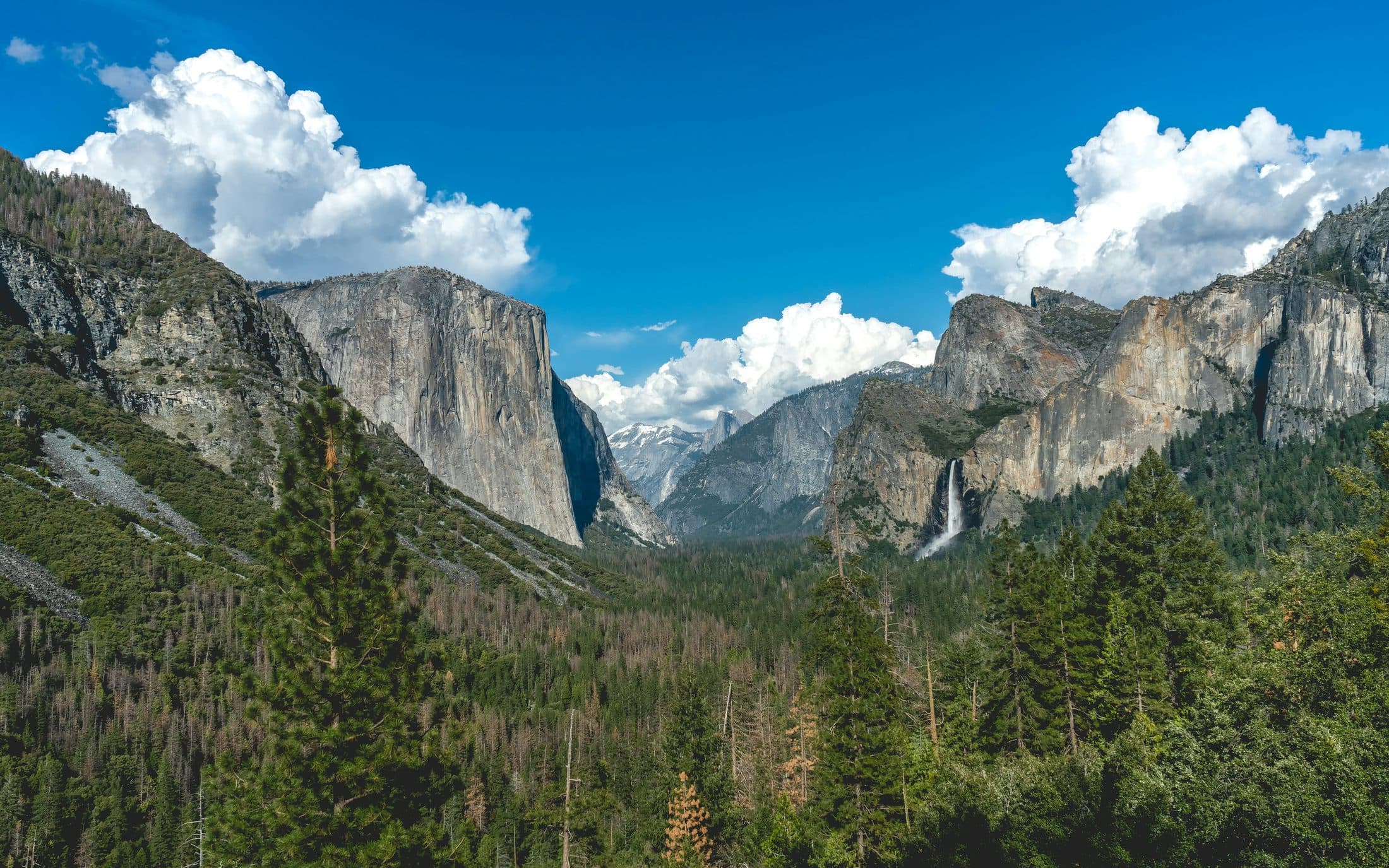 San Francisco, Napa & Yosemite
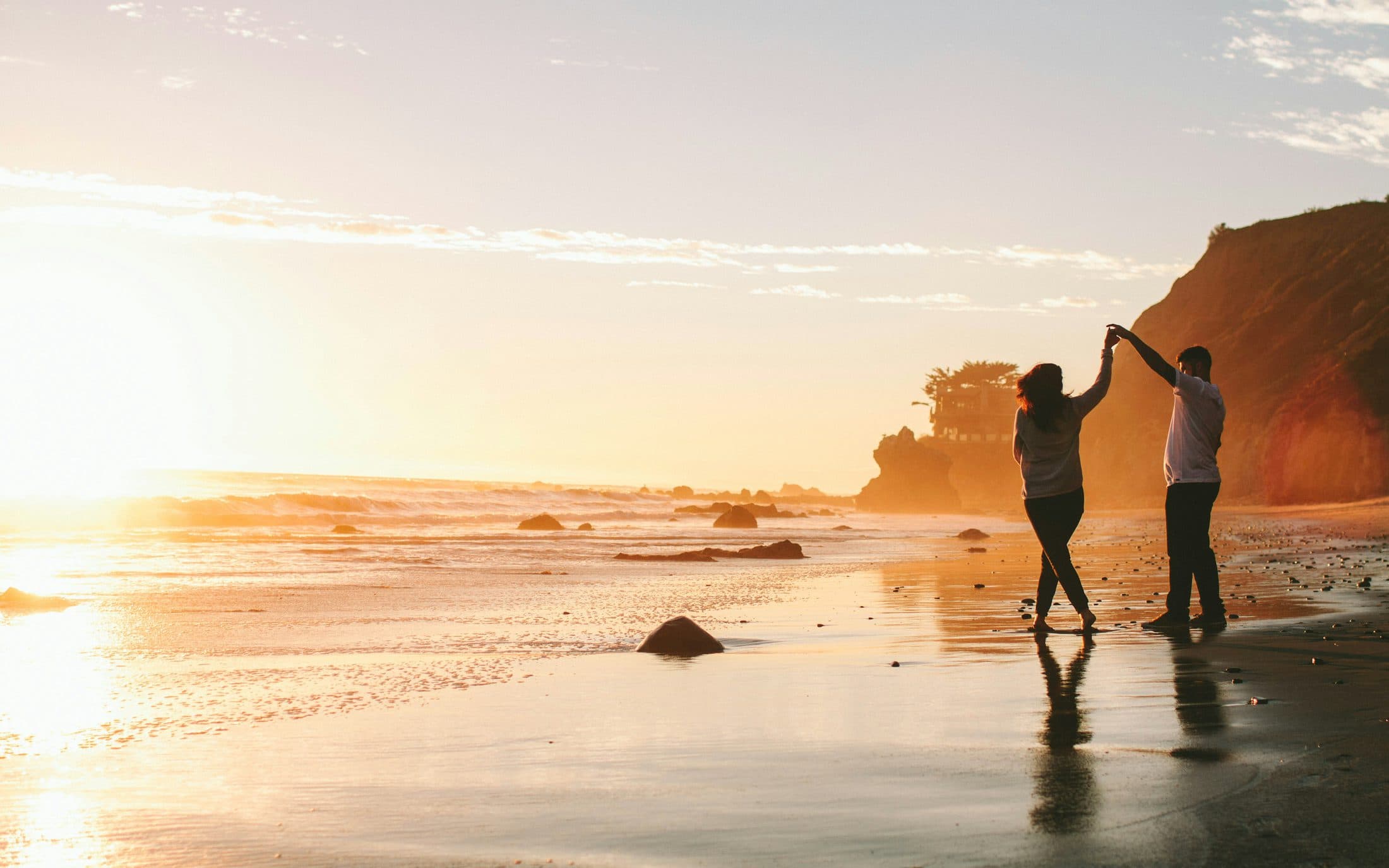 Los Angeles & Santa Barbara
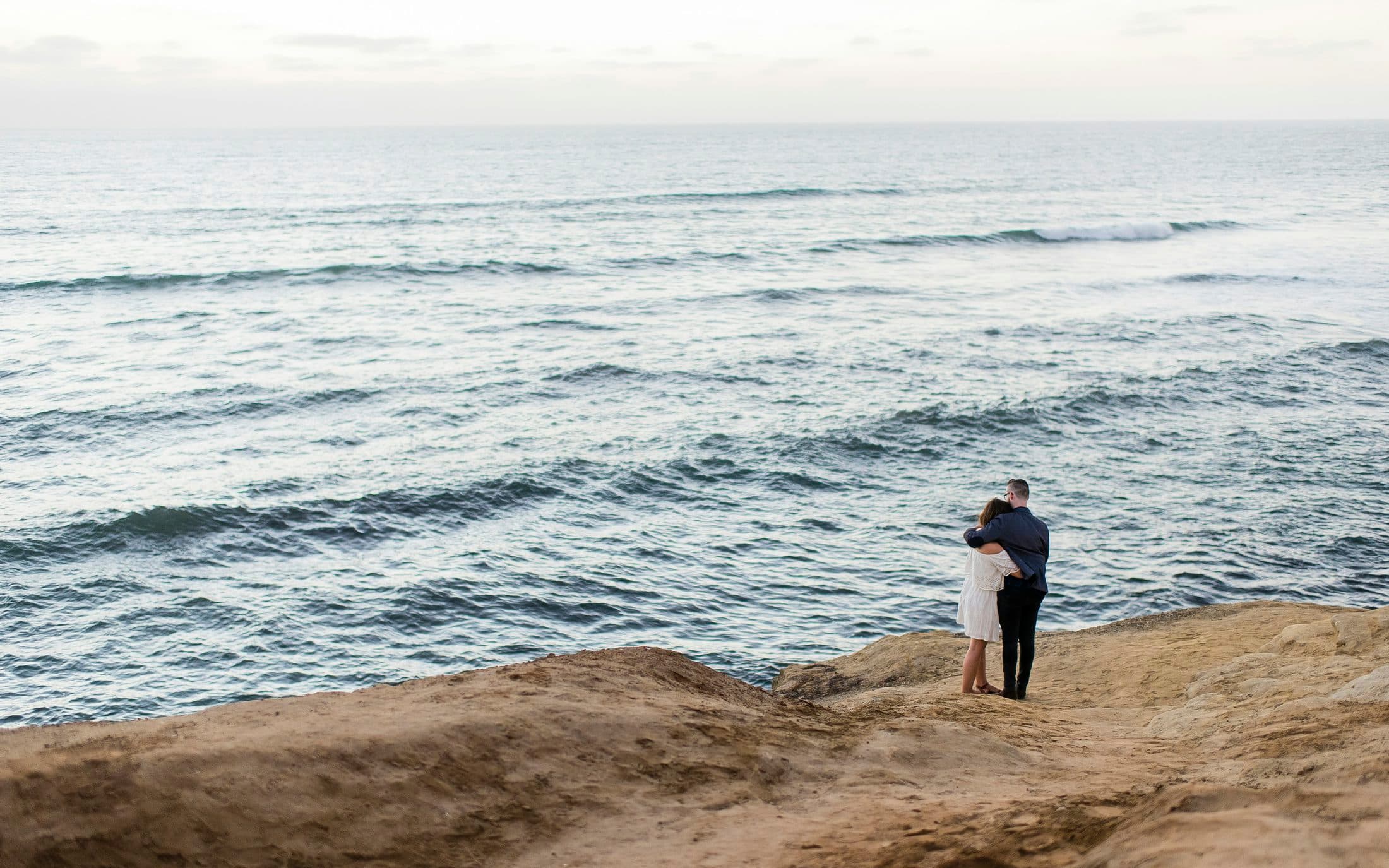 San Diego & Palm Springs
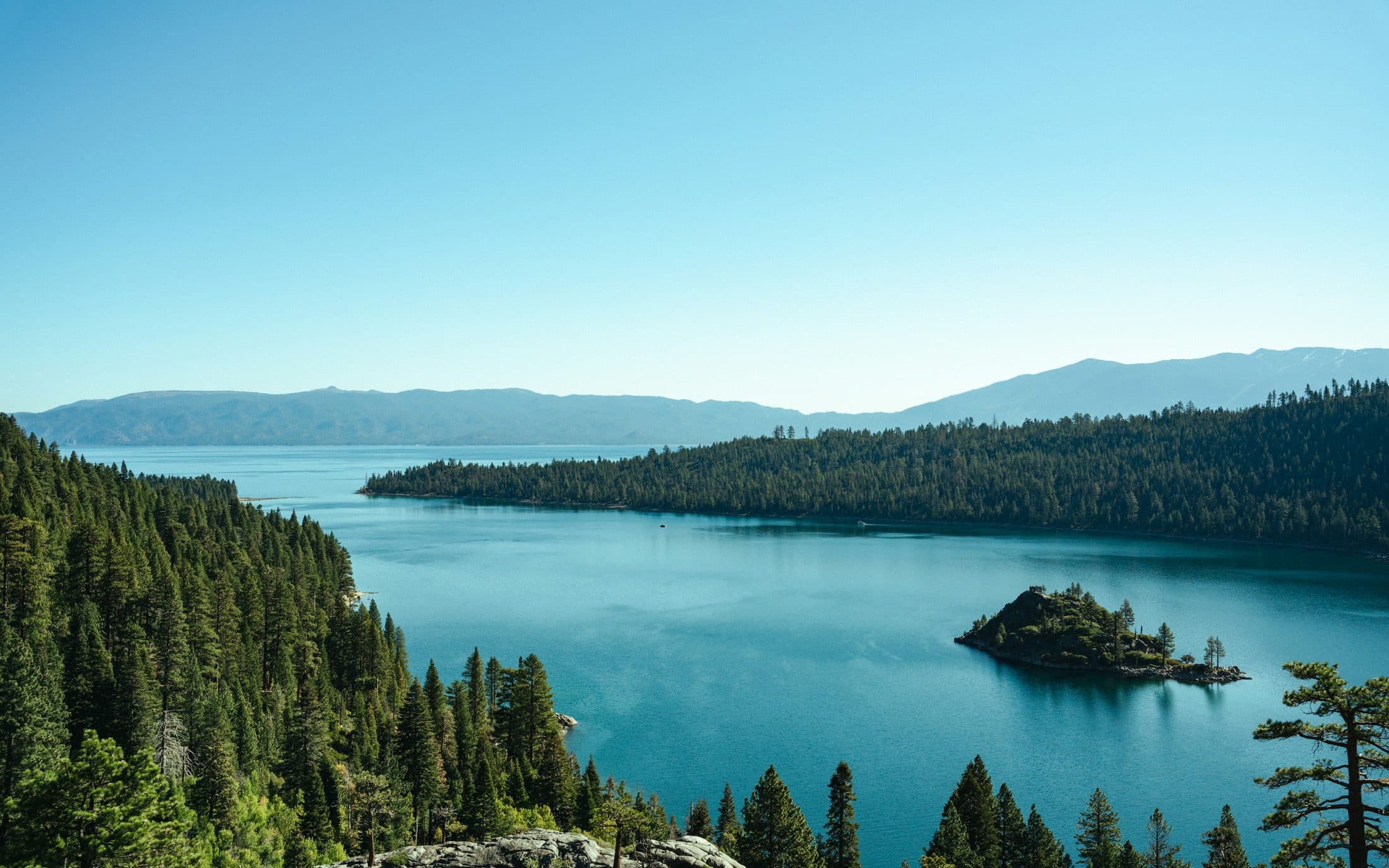 Las Vegas & Lake Tahoe
 Utah
 Arizona
 Colorado
 Wyoming & Montana
 Texas
 Chicago & the Great Lakes
 Nashville & the Smokies
 New Orleans
 Florida
 Charleston & Savannah
 Boston & Cape Cod
 Maine & Vermont
 Washington, D.C. & Virginia