Getting married in Texas
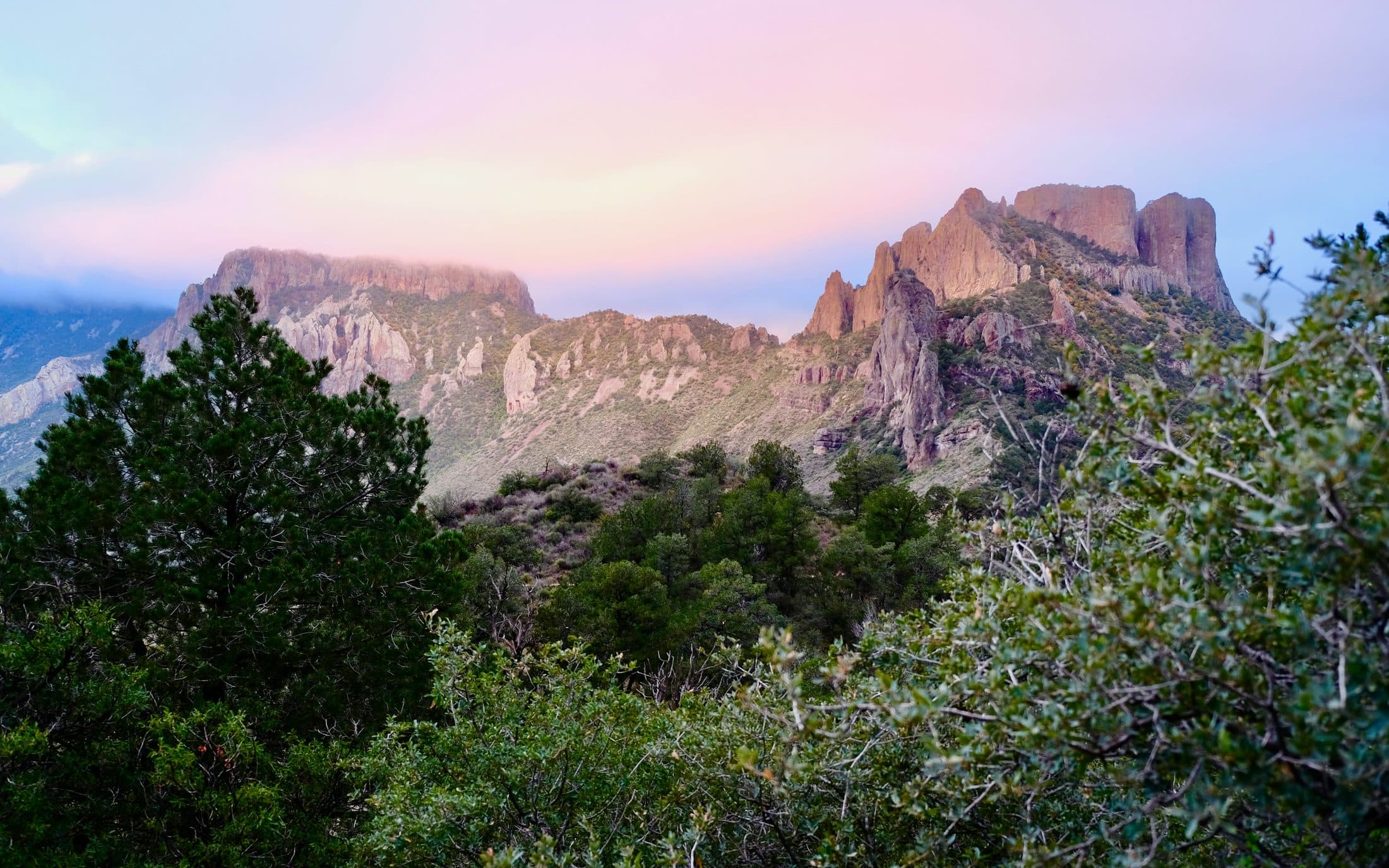
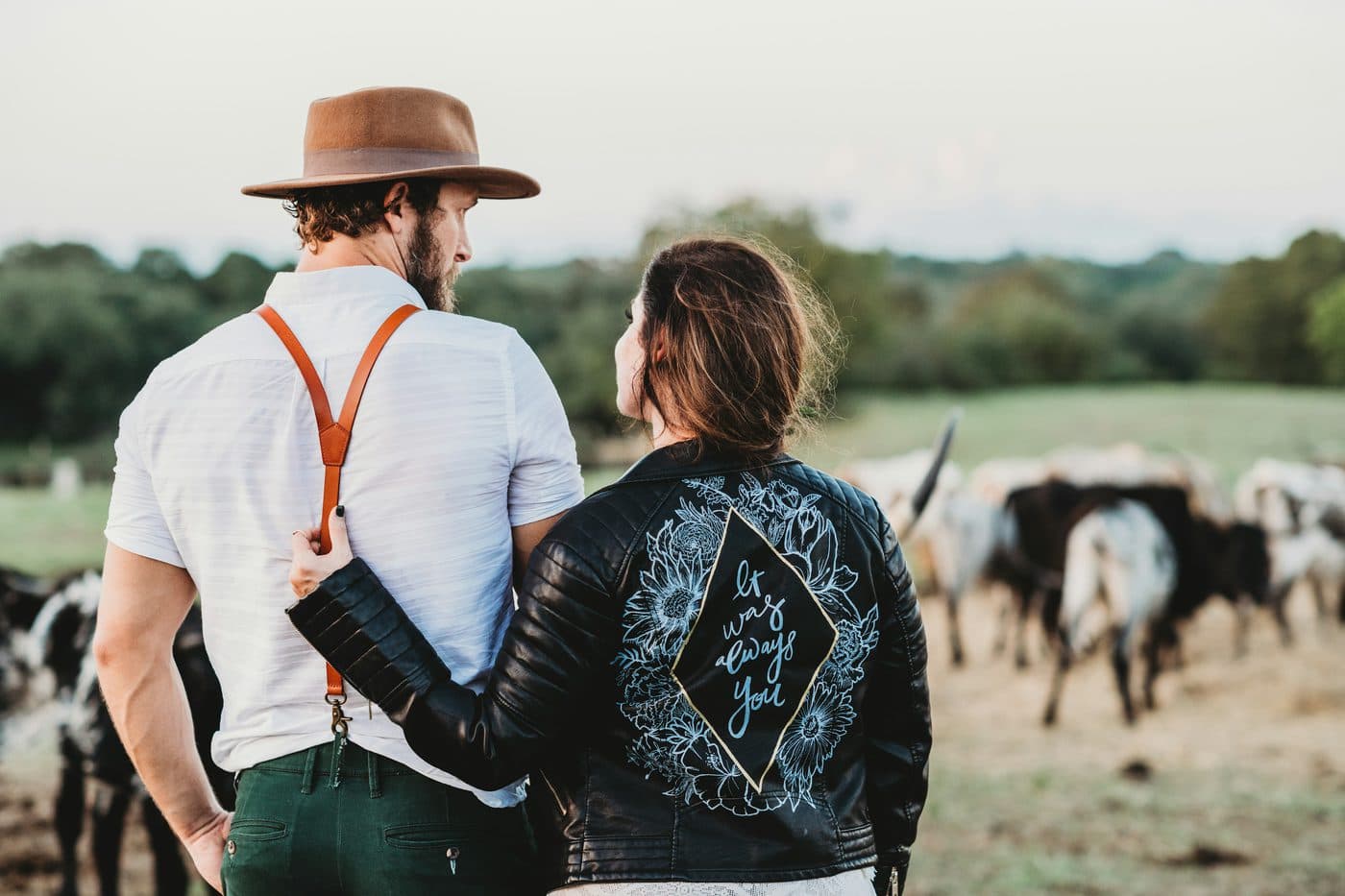
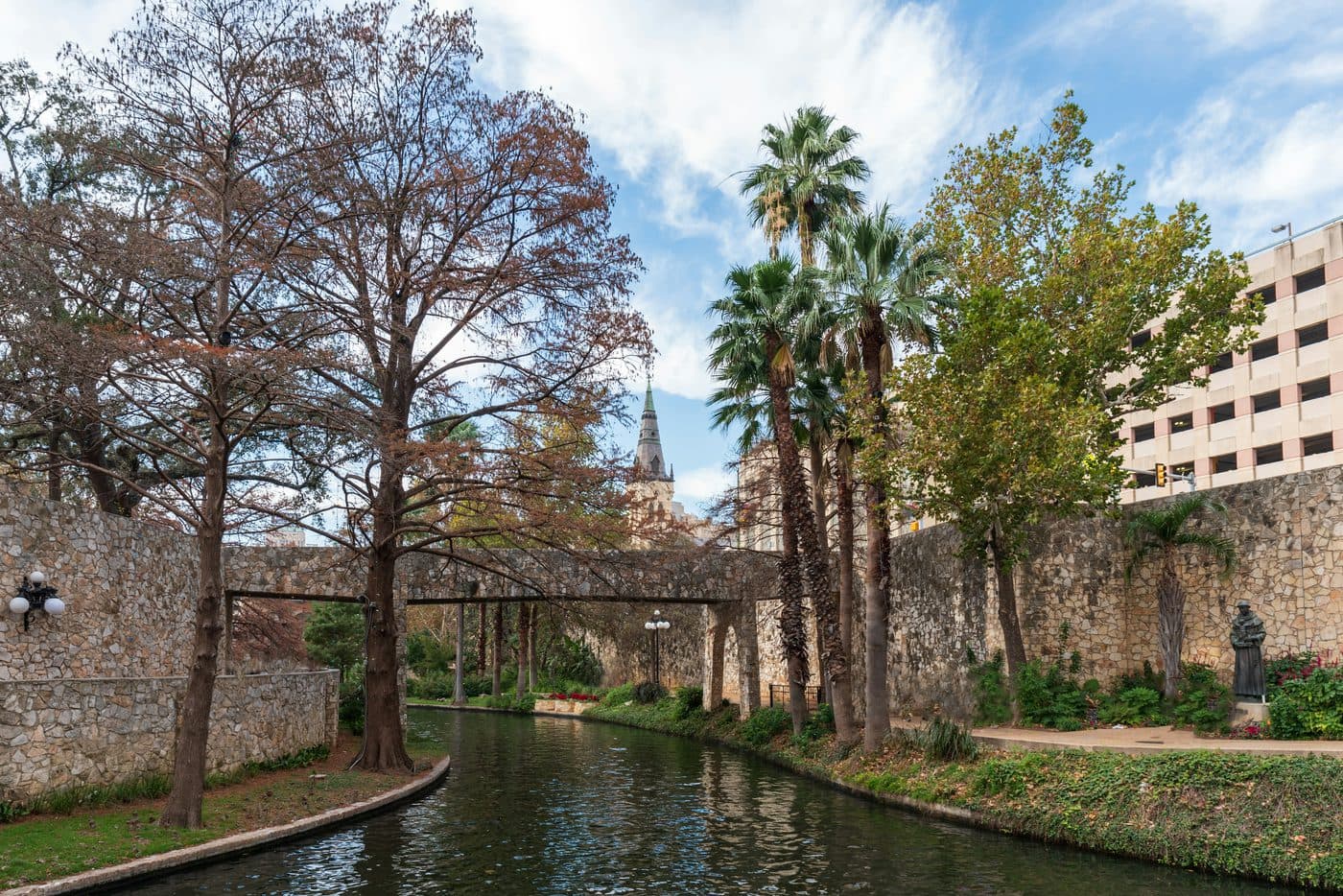
Longhorns and limestone in the Hill Country, the green bends of San Antonio’s river, public gardens in Dallas and Fort Worth, the Gulf at Galveston and, far out west, the canyon walls of Big Bend.
Texas is several weddings’ worth of country: from downtown San Antonio to the headquarters of Big Bend National Park is 704 km (437 miles) by road.
Austin sits at the edge of the Hill Country, where the National Park Service counts more than 450 species of wildflower, and rivers run over limestone. San Antonio has its River Walk; its five Spanish missions, a World Heritage site, aren’t offered here as a backdrop. Dallas and Fort Worth have their botanical gardens, and Houston has Hermann Park, with Galveston Island on the Gulf about an hour away. Big Bend climbs from less than 550 m (1,800 ft) on the Rio Grande to nearly 2,440 m (8,000 ft) in the Chisos Mountains, with Mexico on the other bank.
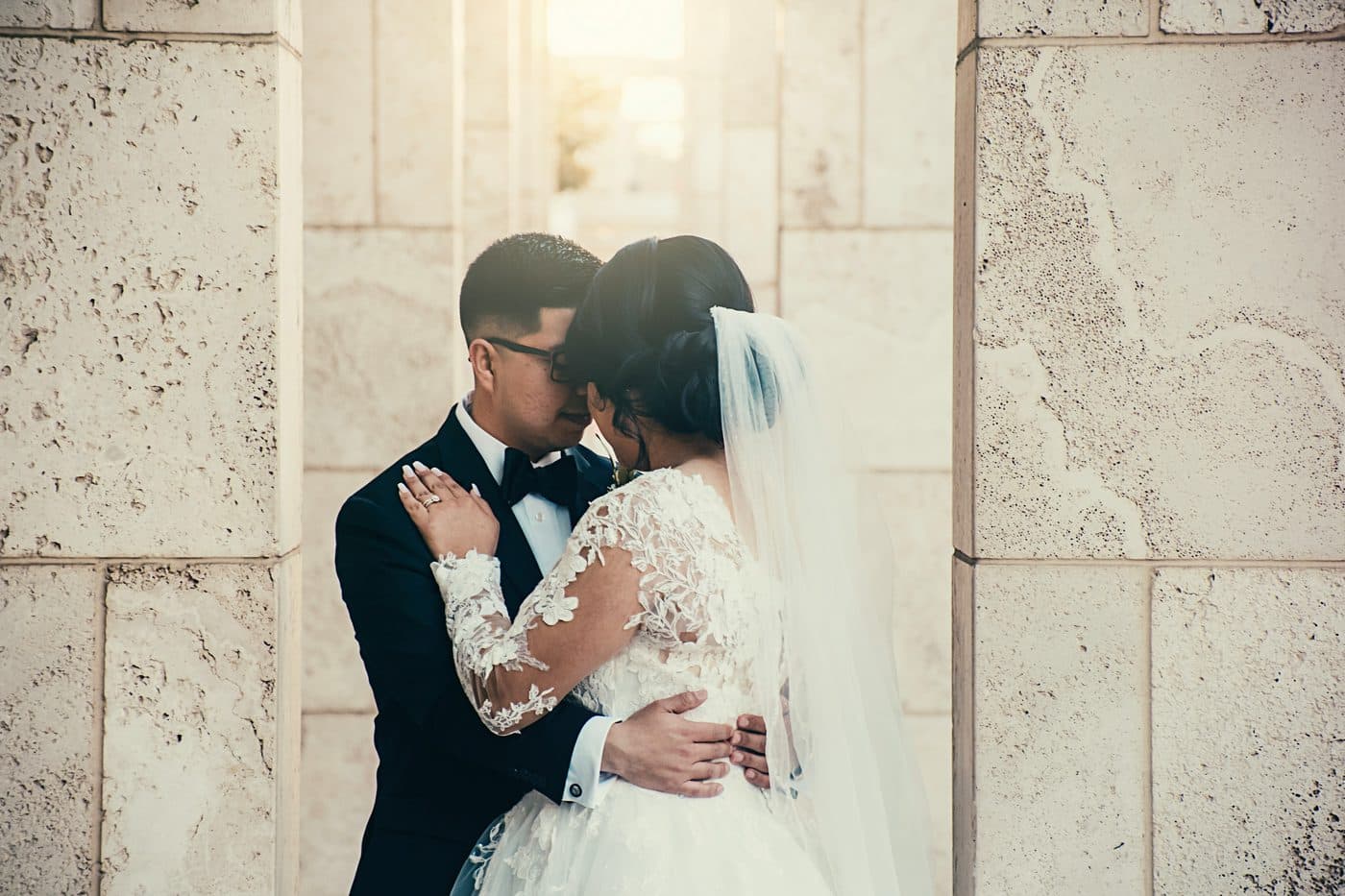
Couples marry here in public gardens and city parks, on private ranches in the Hill Country, by the Gulf and, in small parties, in Big Bend. For the license, you go together to a county clerk with proof of identity, and a passport counts. The license works in every Texas county. Texas’s rule that matters most is the wait: 72 hours between getting the license and the ceremony, unless a judge waives it or you hold a certificate from the state’s premarital course, and the license lasts about 90 days: check with the clerk. Bexar County says the officiant can be one of your choosing, and Travis County wants the signed license back within 30 days of the ceremony. A park or garden has its own permit on top.
Through the year
When to marry in Texas
March, April, October and November are the months to aim for. NOAA’s US Climate Normals 1991–2020 for Austin (Camp Mabry) give highs of 23 °C (73 °F) in March, 27 °C (80 °F) in April, 28 °C (83 °F) in October and 22 °C (72 °F) in November, with a precipitation day, as NOAA counts it, on seven to nine days a month; that means 0.01 inch (0.25 mm) or more, so a shower is enough. May is the wettest month in Austin, at 128 mm (5.0 in), and in Dallas and San Antonio too. Summer is the real obstacle: in July and August Austin passes 32 °C (90 °F) on 29 days a month, and in August it reaches 38 °C (100 °F) on 13 of them. The Atlantic hurricane season, which takes in the Gulf, runs from June 1 to November 30, so a date near Houston or Galveston then needs a plan for a storm. Big Bend turns the calendar around: the park calls May through August the hottest months and July through September the rainy season.
- January: Quieter
- February: Good with planning
- March: Best
- April: Best
- May: Good with planning
- June: Quieter
- July: Quieter
- August: Quieter
- September: Quieter
- October: Best
- November: Best
- December: Good with planning
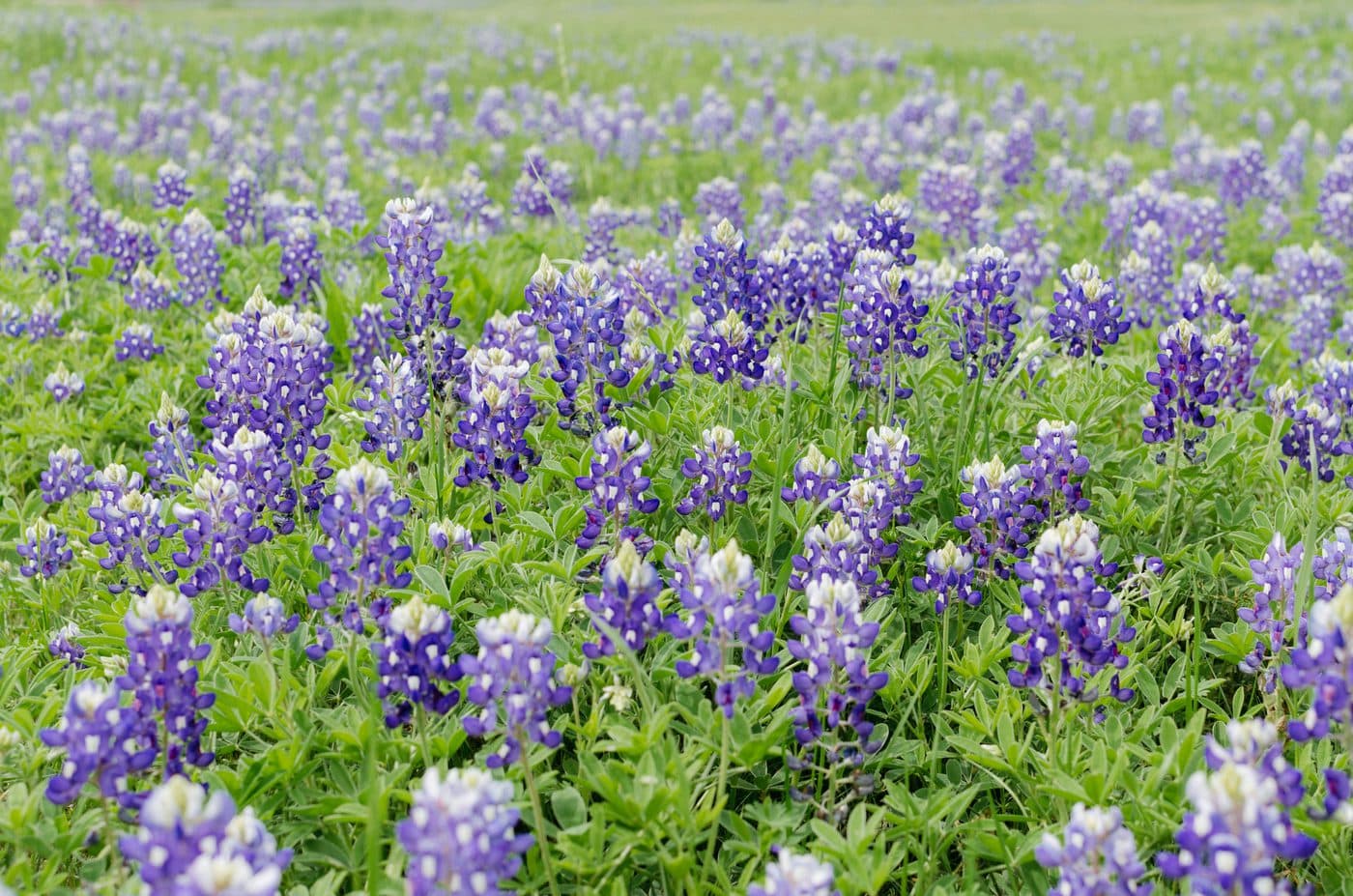
- March to MayBluebonnets, the state flower, usually bloom in late March and early April, the Handbook of Texas says. Highs in Dallas reach 25 °C (76 °F) in April, and Houston 27 °C (80 °F). The rain builds through May, when Dallas gets 121 mm (4.8 in) and San Antonio 112 mm (4.4 in), so keep a covered plan. Mid-January to mid-April is also the busiest stretch at Big Bend, and the park warns that parking at popular spots can run out over spring break, when a wedding may be a challenge.
- June to SeptemberHighs reach 37 °C (98 °F) in Austin, 36 °C (96 °F) in San Antonio and 35 °C (96 °F) at Dallas Fort Worth and at Houston’s Bush airport, where June brings 152 mm (6.0 in) of rain. Marry in the last light and keep the party under cover. On the Gulf, the National Hurricane Center says the first hurricane of the season tends to form in early to mid-August, and Galveston’s wettest month is September, at 169 mm (6.7 in). If your date falls here, watch the Center’s forecasts and agree a second date with your photographer. Near Santa Elena Canyon, Castolon’s June high is 40 °C (104 °F).
- October to FebruaryOctober is warm and often wet, with 99 mm (3.9 in) in Austin and 111 mm (4.4 in) at Dallas Fort Worth, and it can flood: the National Weather Service records 31 deaths in the floods of October 1998 between San Antonio and Austin, many of them drivers at low-water crossings. November and December calm down. January highs are 17 °C (63 °F) in Austin and 14 °C (57 °F) at Dallas Fort Worth, which has about 11 freezing nights that month. Big Bend is mild and usually sunny in winter at 16 °C (61 °F) at Panther Junction, though the park warns of freezing spells, and its campsites and rooms fill over Thanksgiving week and Christmas.
In numbers
- Average high in the best months
- Mar 22.9°C (73°F) · Apr 26.8°C (80°F) · Oct 28.1°C (83°F) · Nov 21.9°C (71°F)
- NOAA NCEI
- Days with 0.01 in (0.25 mm) of rain or more, best months
- Mar 8.9 · Apr 7.1 · Oct 7 · Nov 6.9
- NOAA NCEI
- UNESCO World Heritage
- San Antonio Missions (2015)
Weather station: Austin-Camp Mabry, normals 1991–2020 · Checked 2 November 2026
Places
Where couples marry here
The kinds of places — ask your photographer which ones they know well.
Austin and the Hill Country
Austin sells a park photo-session permit: $50 for two hours as of November 2026, booked online 4 to 30 days ahead, never on holidays or during special events. For a ceremony, the city holds a lottery that lets you reserve a park 10 months out; otherwise booking opens 180 days out, and from January 2027 it plans to approve no small private rentals at most picnic sites. Mayfield Park rents out its walled gardens and cottage among lily ponds and peacocks, on 9 ha (23 acres). Zilker Botanical Garden charges $50 for a photo session, paid with your tickets, and rents spaces by day. On Mount Bonnell, a 239 m (784 ft) promontory over Lake Austin reached by stone stairs, the city says many people get engaged. In state parks, call the superintendent first: organized events and paid photography go through an application, at least 90 days ahead for events. At Pedernales Falls the river can rise from a stream to a torrent in minutes, so leave the moment it turns muddy. Enchanted Rock is an archeological district with more than 400 protected sites, and it asks you to stay on trails and out of its vernal pools.
San Antonio: river and garden
The San Antonio Botanical Garden, 16 ha (39 acres) minutes from downtown, takes weddings. For a shoot on the River Walk, ask the city about a permit first. The missions need more care. The Park Service describes a mission as a community, a school, a workplace, a church and now sacred burial grounds, and the churches of Concepción, San José, San Juan and Espada are active parishes, so they aren’t offered here as a backdrop: a wedding in one of them is a question for its parish. The park asks visitors not to sit, stand or climb on the structures. It requires a permit, with a $50 application as of November 2026 and 30 days’ notice, for photography with models or props or outside its 9-to-5 staff hours, and it bans drones without the superintendent’s written approval. The Alamo, the fifth mission of the World Heritage site, calls itself hallowed ground: it allows no wedding ceremonies in its plaza or church and no professional photography without an agreement with the state, and we don’t suggest it.
Dallas, Fort Worth, Houston and the Gulf
The Dallas Arboretum offers 18 ceremony spots, and views of White Rock Lake. Photographers pay admission, professionals can’t start before 9 a.m., and anything beyond a handheld camera is allowed only from 3 to 5 p.m. The Fort Worth Botanic Garden charges $30 for two hours plus admission, as of November 2026, tripods and a change of clothes included; bring an officiant and it becomes a rental for its events office. It sells no photo passes during its Japanese festivals, and no professional may shoot in the Rainforest Conservatory. In Houston, Hermann Park sends professional photographers to the city for a permit, bars them from its Japanese Garden and allows no drones, while McGovern Centennial Gardens, within the park, takes weddings as a rental. Galveston Island State Park has both a beach side and a bay side, and the state’s rule for its parks applies: ask the superintendent before you plan anything organized or paid. This coast has taken some of the country’s worst storms, from Galveston’s in 1900 to Ike in 2008, so check that your spot is open in the final week.
Big Bend
Every wedding, elopement or vow renewal in the national park needs a special use permit, whatever its size, and the couple must apply, not a planner. Ask the park about the site, not your photographer. Sotol Vista takes 15 people, with views into Mexico; Santa Elena Canyon takes 30, on the sand downstream of walls about 460 m (1,500 ft) high; Daniels Ranch picnic area takes 30, under cottonwoods; Window View Trail, in the Chisos Basin, takes 5. No chairs, tables or arches, no amplified sound, no live or dried flowers, only artificial ones, and nothing thrown or released. You get up to two hours, not between 10 p.m. and 6 a.m., and the public keeps its access. In most cases, eight or fewer people with hand-carried gear need no photo permit; lights, props or a closed area change that, and a permit then costs $150 to apply for, as of November 2026. People lived here for thousands of years and left pictographs and archeological sites: leave them out of your plans. In the summer rains, flash floods are possible, so keep a dry fallback in mind.
Light
How the light falls
One time zone covers almost all of this, so the sun runs late in the west. In Austin it sets at about 8:35 at midsummer and about 5:35 at midwinter, and rises at about 6:30 and 7:25; at Big Bend’s Panther Junction, sunset comes 20 minutes later, at about 8:55 and 6 o’clock. The warm, low light lasts only some 35 minutes before sunset here, and dusk about 28 more, so don’t leave portraits to the end. In summer, the late hour is a gift: it lets you wait for the air to cool a little before the ceremony. The Park Service’s advice for Big Bend is specific: Santa Elena is best at sunrise and early in the morning, for the light and the cooler air; Sotol Vista is particularly nice at sunrise or sunset; and Window View is best at sunset. On the Gulf, Galveston’s beach faces roughly southeast, so its shore gets the sunrise, and the evening light falls on the bay side.
Travel
Getting there
The main airports are Austin-Bergstrom (AUS), San Antonio (SAT), Dallas Fort Worth (DFW) and Houston’s George Bush (IAH) and Hobby (HOU). By road, Austin’s airport is 18 km (11 miles) from downtown, 79 km (49 miles) from Pedernales Falls, 135 km (84 miles) from Fredericksburg and 163 km (101 miles) from Enchanted Rock. Austin to San Antonio is 128 km (79 miles), and Austin to Dallas 314 km (195 miles). DFW is 34 km (21 miles) from Dallas and 39 km (24 miles) from Fort Worth; Hobby is 66 km (41 miles) from Galveston. Big Bend is another matter: the park’s nearest airports with major airlines are Midland/Odessa, 359 km (223 miles) from its headquarters, and El Paso, 509 km (316 miles). There is no public transport, the park warns that GPS can mislead you, and cell service is patchy, so carry paper maps. Anyone flying a drone for pay needs an FAA Part 107 Remote Pilot Certificate, and the National Park Service bans launching, landing or flying one in national parks. Texas state parks allow drones for filming only with a permit from the park.
Photographers
Photographers in Texas
No one in Texas yet
The first photographers in Texas are joining now. Tell our concierge your date and your plans — it checks who is free and fits.
Plan
Read before you plan
- Getting married in the USA as foreigners: the license, your entry, state by stateHow couples who live abroad marry legally in the United States: there’s no federal license, so each state and county sets its own wait, validity, witnesses and fee. What US immigration says about visitors marrying, what to bring, who can marry you, same-sex couples, the apostille and what happens back home.
- How to choose a wedding photographer: the steps, and the questions to askThe decision in order — whole weddings, style, availability, the package, the contract and deposit, cancellation, delivery and a conversation — then a checklist of questions, with why each one matters.
- A wedding-day timeline for photosFrom getting ready to the last dance, planned around the light.
- Deposits and payment protectionWhat you pay when, and what happens if plans change.
- How to get married in the USA when you live here: license, ceremony, and afterFor couples who live in the US: how a marriage license works when every state and county sets its own rules, what the wait and the fee are, who can marry you, marrying in another state, same-sex couples, and what changes after the day: certificate, surname and tax.
- Which country for a destination wedding? The law, prices, crowds and light, comparedThe legal route for couples who don’t live there, season and crowds, price levels, light, flights, venues and permits for photographs — Portugal, Italy, Spain, Greece, France and Austria compared with official figures, as of October 2026.
- A rain plan that still looks goodCovered spots, umbrellas and what photographers do on grey days.
- Wedding photography contract checklist: what it should say, and how Lens & Vows handles each pointThirteen things a good contract covers — the day and the hours, what is delivered, deposit and balance, cancellation on either side, date changes, illness, image rights, personal data, backups, travel, overtime and complaints — and what our terms say about each.
United States
Other places
 Hawaii
 Alaska
 Seattle & Washington State
 Portland & Oregon
 San Francisco, Napa & Yosemite
 Los Angeles & Santa Barbara
 San Diego & Palm Springs
 Las Vegas & Lake Tahoe
 Utah
 Arizona
 Colorado
 Wyoming & Montana
 Chicago & the Great Lakes
 Nashville & the Smokies
 New Orleans
 Florida
 Charleston & Savannah
 New York & the Hudson Valley
 Boston & Cape Cod
 Maine & Vermont
 Washington, D.C. & Virginia