Getting married in Charleston & Savannah
The fountain in Charleston’s Waterfront Park, the great Angel Oak, the moss-hung oaks of Savannah’s Forsyth Park and the Atlantic sand of Folly Beach, Isle of Palms and Tybee: two old port cities, two and a half hours apart, in two states with two sets of marriage rules.
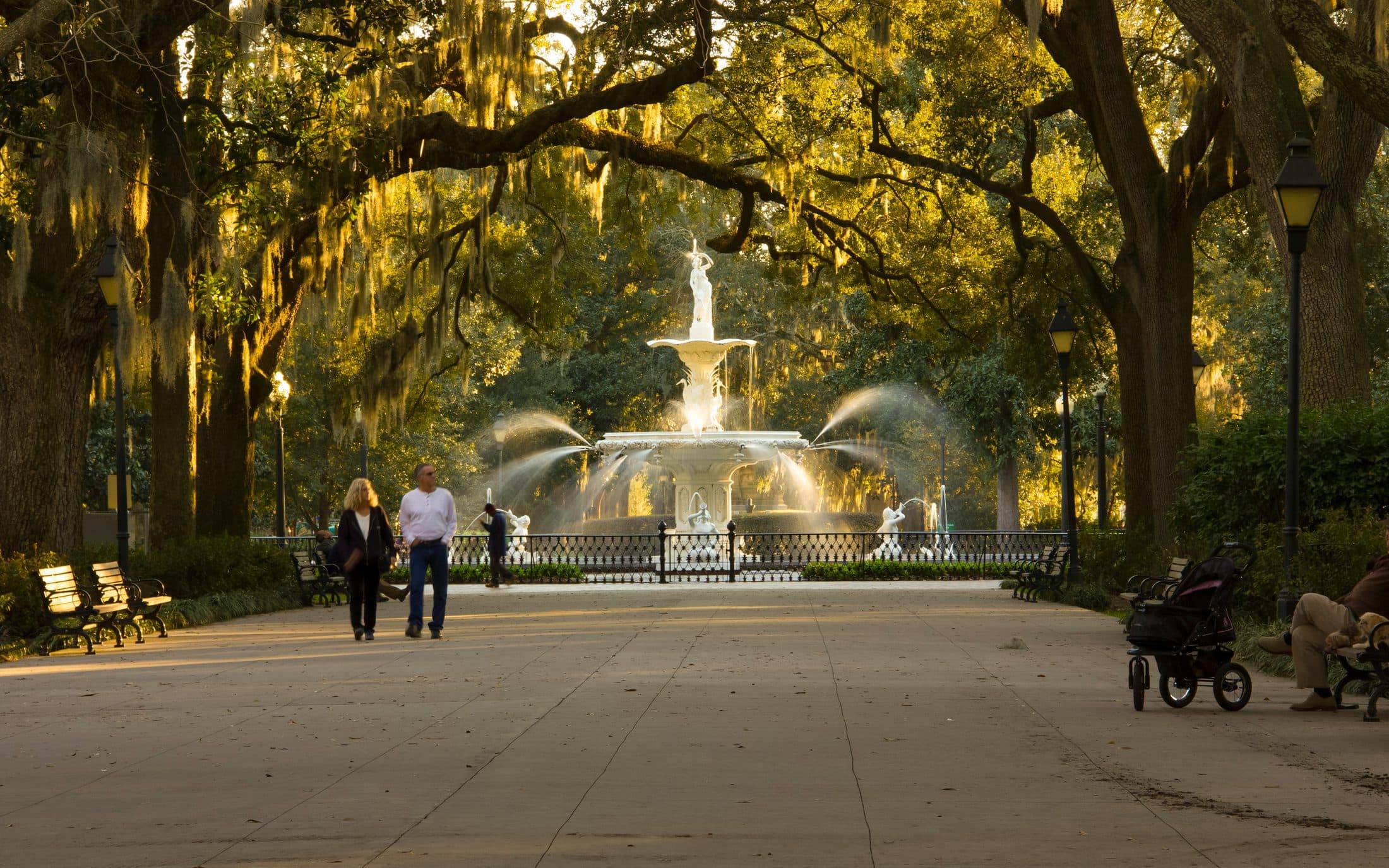
Charleston, founded in 1670, ends at the Battery, a sea wall in front of tall old houses, with Waterfront Park along the harbor and the color-washed fronts of Rainbow Row a short way inland. Out on Johns Island stands the Angel Oak, 300 to 400 years old by the city’s estimate. Folly Beach is 19 km (12 miles) from the center, and Isle of Palms lies to the north-east. Savannah is 174 km (108 miles) down the coast by road, across the Savannah River in Georgia: a historic district of squares under live oaks hung with Spanish moss, Forsyth Park with its white fountain, and Tybee Island’s beach 28 km (18 miles) to the east.
Couples marry here in churches, on public beaches, in city parks and at hotels and private venues, and some come only for an hour of portraits under the oaks, having married at home. The rules change at the river. In South Carolina you file a written application with the county’s probate judge at least 24 hours before the license can be issued, and a minister, rabbi or officer authorized to administer oaths marries you. In Georgia, Chatham County sees you both by appointment, with ID, and couples from outside Georgia must take out the license in the county where they marry. A license is good only in the state that issued it.
Through the year
When to marry in Charleston & Savannah
Spring and autumn are the months to choose. In NOAA’s 1991–2020 normals for Charleston International Airport, highs are 21 °C (70 °F) in March, 25 °C (77 °F) in April, 29 °C (84 °F) in May, 26 °C (78 °F) in October and 21 °C (69 °F) in November, with seven or eight days a month of 0.01 inch (0.25 mm) of rain or more, which is how NOAA counts a rainy day. Savannah’s airport runs about a degree warmer. From June to August there are 12 or 13 rainy days a month at both, and July reaches 33 °C (91 °F) at Charleston and 34 °C (92 °F) at Savannah, with 21 and 25 days of 32 °C (90 °F) or more; Charleston’s harbor-side city station stays nearer 31 °C (88 °F). The Atlantic hurricane season runs from 1 June to 30 November, with NOAA’s peak on 10 September and most activity from mid-August to mid-October. Tides matter too: of 597 tides at Charleston Harbor that reached the National Weather Service’s minor flood mark from 2016 to 2025, 226 came in September and October.
- January: Quieter
- February: Good with planning
- March: Best
- April: Best
- May: Best
- June: Quieter
- July: Quieter
- August: Quieter
- September: Quieter
- October: Best
- November: Best
- December: Good with planning
- March to MayWarm days and long evenings: in mid-April the sun sets at about ten to eight, with highs of 25 °C (77 °F). Tybee warns that its busy season now starts as early as Presidents’ Day weekend in February and can last until Thanksgiving, so ask early for a date on its beach. Loggerhead turtles begin nesting on South Carolina’s barrier islands in May, and from then until October the state asks for lights to be kept off the beach at night.
- June to SeptemberThe heat of the year, and the wettest months: Charleston’s airport has about 170 mm (6.6 to 7 inches) of rain in both July and August. The evenings are the longest, with the sun up until about half past eight in June. Keep the ceremony short, the shade close and a covered room in reach, and check the National Hurricane Center’s forecasts in the days before. By September the highs ease to 30 °C (85 °F), but there are still ten rain days, flood tides are more frequent and it is the top of the hurricane season.
- October to FebruaryOctober and November are the driest months by rain days, seven each, and October is still warm at 26 °C (78 °F), though flood tides peak that month. The clocks go back in early November, so a mid-November sunset comes at about a quarter past five, against a quarter to seven in mid-October. From December to February the highs are 16 to 18 °C (60 to 64 °F), with January nights near 4 °C (39 °F) and eight or nine rainy days a month. It suits a small wedding under the oaks with a coat to hand.
In numbers
- Average high in the best months
- Mar 21.2°C (70°F) · Apr 25.1°C (77°F) · May 28.7°C (84°F) · Oct 25.5°C (78°F) · Nov 20.8°C (69°F)
- NOAA NCEI
- Days with 0.01 in (0.25 mm) of rain or more, best months
- Mar 8.2 · Apr 7.9 · May 8.1 · Oct 7.3 · Nov 6.9
- NOAA NCEI
Weather station: Charleston International Airport, normals 1991–2020 · Checked 2 November 2026
Places
Where couples marry here
The kinds of places — ask your photographer which ones they know well.
Charleston’s waterfront
The city requires a permit for any organized event in its parks, and asks you to contact its Recreation Department at least 21 business days ahead. Events at Waterfront Park, weddings included, are limited to 25 people in all, the couple among them; alcohol, amplified sound or a closed street means a special-event permit, due 60 to 120 days before. The Battery’s sea wall and the streets behind it are open to walk, and the Rainbow Row fronts are people’s homes, so keep to the sidewalk and away from their doors. If rain comes, these lanes and doorways work well under an umbrella, but keep an eye on the tide forecast too.
The Angel Oak
The tree stands in a free city park on Johns Island, about 20 m (65 feet) high and 7.8 m (25.5 feet) around, shading some 1,600 m² (17,000 square feet), and draws about 400,000 visitors a year. The city requires a permit for weddings and for wedding or engagement photoshoots, arranged through its Recreation Department. Blankets, drinks, food, props and tripods are not allowed on or around the tree, so plan on a handheld camera and a simple frame. The park is closed on holidays.
Folly Beach and Isle of Palms
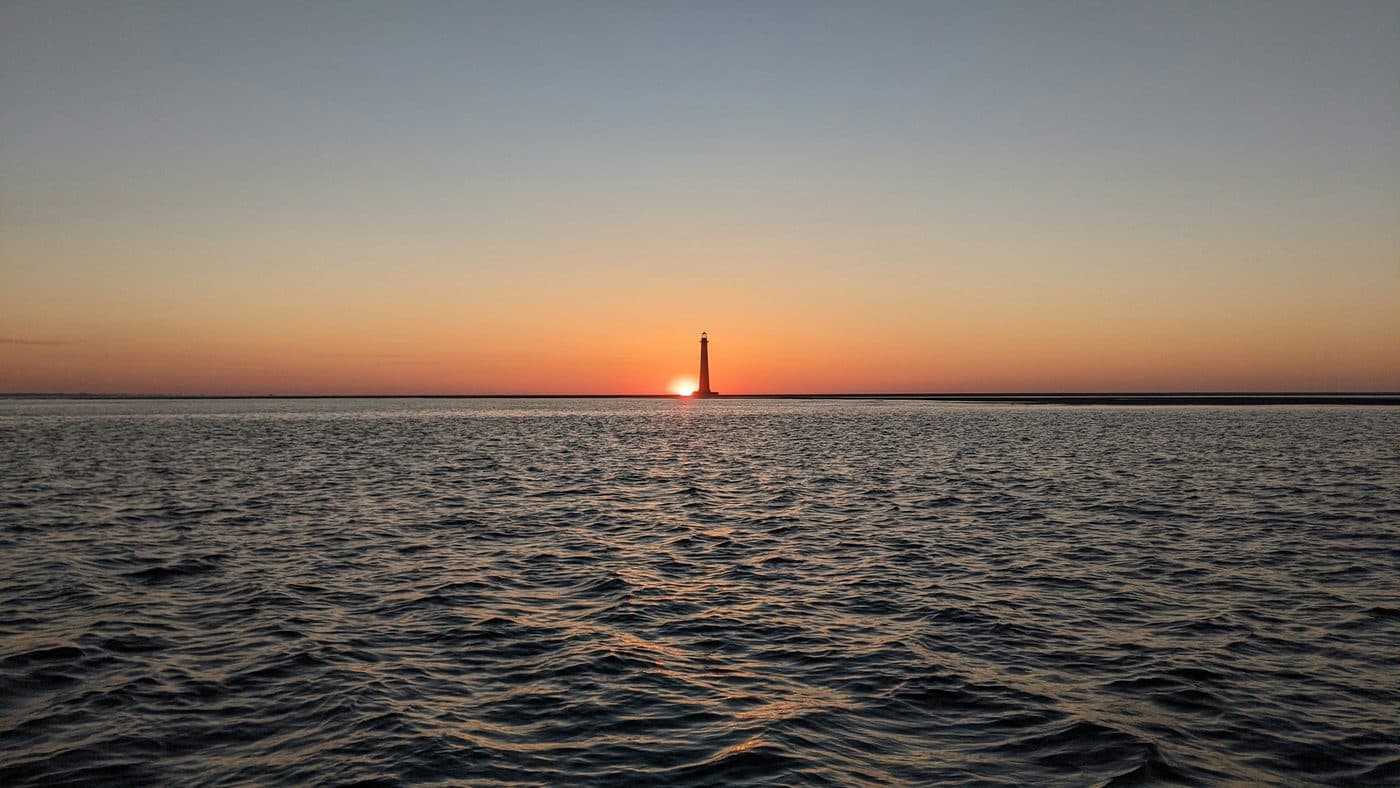
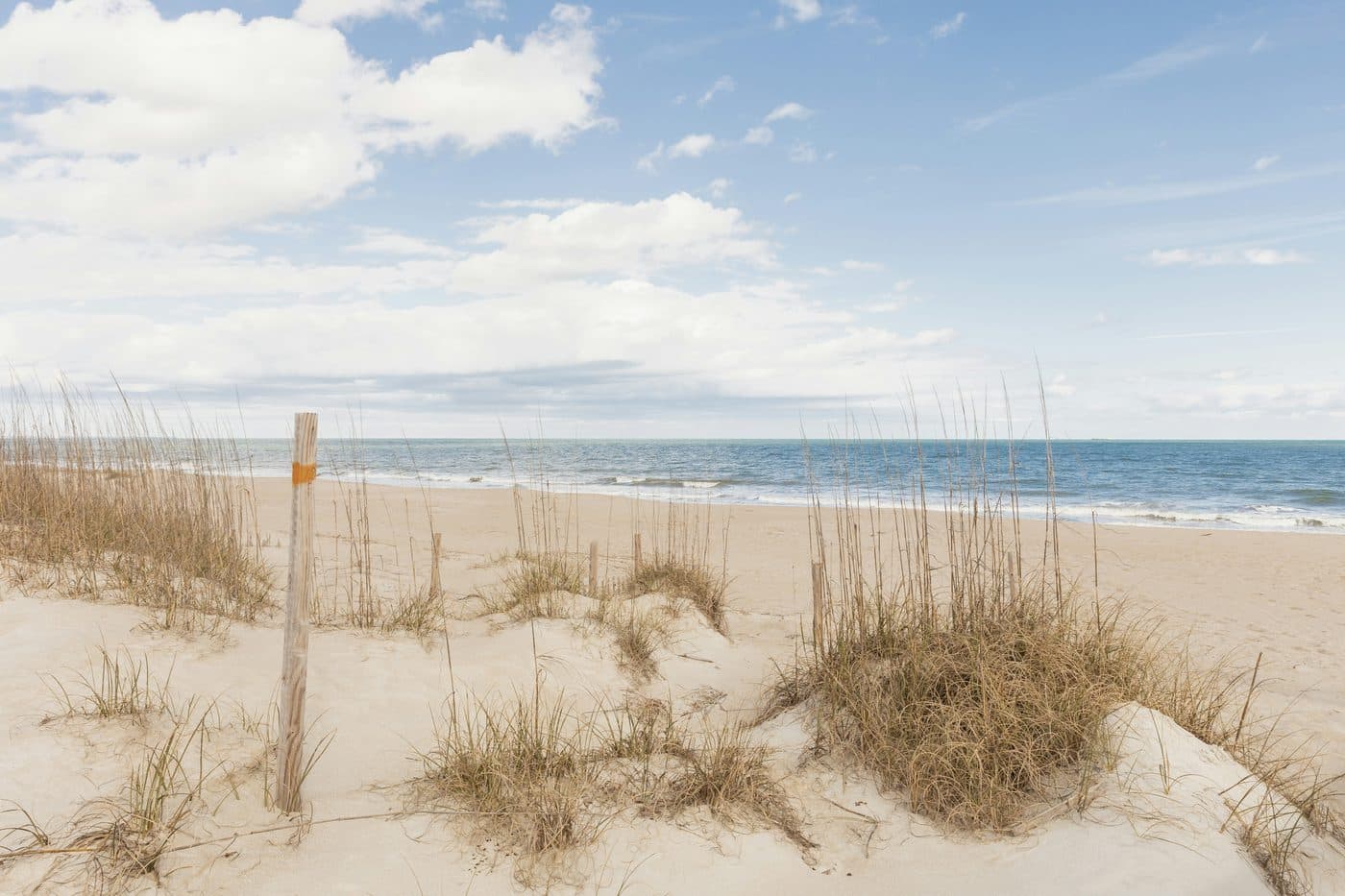
At Folly Beach the sand is free to use, but you cannot reserve a space or ask anyone to move. A wedding of over 25 people goes before the city’s Special Events Committee; receptions, alcohol, glass, cans, tiki torches, balloons and plastic streamers are banned, and damaging a dune costs $500. From the north end you can look out to the Morris Island Lighthouse, standing in the water, best at sunrise. Isle of Palms needs a permit only above 50 people, with the application in 14 days ahead. A paid photographer needs a city business license and, under a prior contract, may work on the beach for no more than an hour a day; anything you bring must leave straight after the ceremony. Fees as of November 2026.
Savannah and Tybee Island
Savannah’s squares and Forsyth Park are the pictures couples come for, with the fountain at the end of an avenue of oaks and low sun coming through the moss. Ask the City of Savannah directly about permits for a ceremony or a paid shoot there. On Tybee, a Beach Event Permit reserves a stretch of public sand between 7 am and 9 pm, though the beach cannot be closed to others. The dunes are off limits, so stay out of them for your photographs and keep off the rock jetties. Petals must be real and undyed; fires, glass, dogs, vehicles, helium balloons and sky lanterns are banned, and parking is enforced from 8 am to 8 pm.
Light
How the light falls
On Eastern time, the sun in Charleston rises at about ten past six and sets at about half past eight at midsummer, and rises at about twenty past seven and sets at about a quarter past five at midwinter; Savannah sets within minutes of it. The low, warm light starts about an hour before sunset, at about half past seven in June and a quarter past four in December, and dusk lasts just under half an hour. These are Atlantic beaches, so the sun comes up over the water and goes down over the land: Folly Beach, Isle of Palms and Tybee are at their best at dawn, and the evening belongs to the marsh and the city. Under the oaks the moss breaks up hard sun into soft, moving shade, which is why the squares work even at midday.
Travel
Getting there
Charleston International is 23 km (14 miles) from the center of Charleston and Savannah/Hilton Head International 16 km (10 miles) from Savannah’s. The drive between the two cities is 174 km (108 miles), about two and a half hours, so a wedding in one and portraits in the other make a long day but a fine weekend. Anyone flying a drone for pay needs an FAA Part 107 Remote Pilot Certificate, and the National Park Service bans launching, landing or flying one in national parks. Part 107 covers drones under 25 kg (55 lb), with an airspace authorization in controlled airspace. The ban applies at national park sites here, and Isle of Palms and Tybee have film permits of their own, so ask the city too. Check the National Weather Service’s tide forecast for Charleston Harbor and Fort Pulaski before you fix an hour on a low-lying street or beach.
Photographers
Photographers in Charleston & Savannah
No one in Charleston & Savannah yet
The first photographers in Charleston & Savannah are joining now. Tell our concierge your date and your plans — it checks who is free and fits.
Plan
Read before you plan
- Getting married in the USA as foreigners: the license, your entry, state by stateHow couples who live abroad marry legally in the United States: there’s no federal license, so each state and county sets its own wait, validity, witnesses and fee. What US immigration says about visitors marrying, what to bring, who can marry you, same-sex couples, the apostille and what happens back home.
- How to choose a wedding photographer: the steps, and the questions to askThe decision in order — whole weddings, style, availability, the package, the contract and deposit, cancellation, delivery and a conversation — then a checklist of questions, with why each one matters.
- A wedding-day timeline for photosFrom getting ready to the last dance, planned around the light.
- Deposits and payment protectionWhat you pay when, and what happens if plans change.
- How to get married in the USA when you live here: license, ceremony, and afterFor couples who live in the US: how a marriage license works when every state and county sets its own rules, what the wait and the fee are, who can marry you, marrying in another state, same-sex couples, and what changes after the day: certificate, surname and tax.
- Which country for a destination wedding? The law, prices, crowds and light, comparedThe legal route for couples who don’t live there, season and crowds, price levels, light, flights, venues and permits for photographs — Portugal, Italy, Spain, Greece, France and Austria compared with official figures, as of October 2026.
- A rain plan that still looks goodCovered spots, umbrellas and what photographers do on grey days.
- Wedding photography contract checklist: what it should say, and how Lens & Vows handles each pointThirteen things a good contract covers — the day and the hours, what is delivered, deposit and balance, cancellation on either side, date changes, illness, image rights, personal data, backups, travel, overtime and complaints — and what our terms say about each.
United States
Other places
 Hawaii
 Alaska
 Seattle & Washington State
 Portland & Oregon
 San Francisco, Napa & Yosemite
 Los Angeles & Santa Barbara
 San Diego & Palm Springs
 Las Vegas & Lake Tahoe
 Utah
 Arizona
 Colorado
 Wyoming & Montana
 Texas
 Chicago & the Great Lakes
 Nashville & the Smokies
 New Orleans
 Florida
 New York & the Hudson Valley
 Boston & Cape Cod
 Maine & Vermont
 Washington, D.C. & Virginia