Getting married in New Orleans
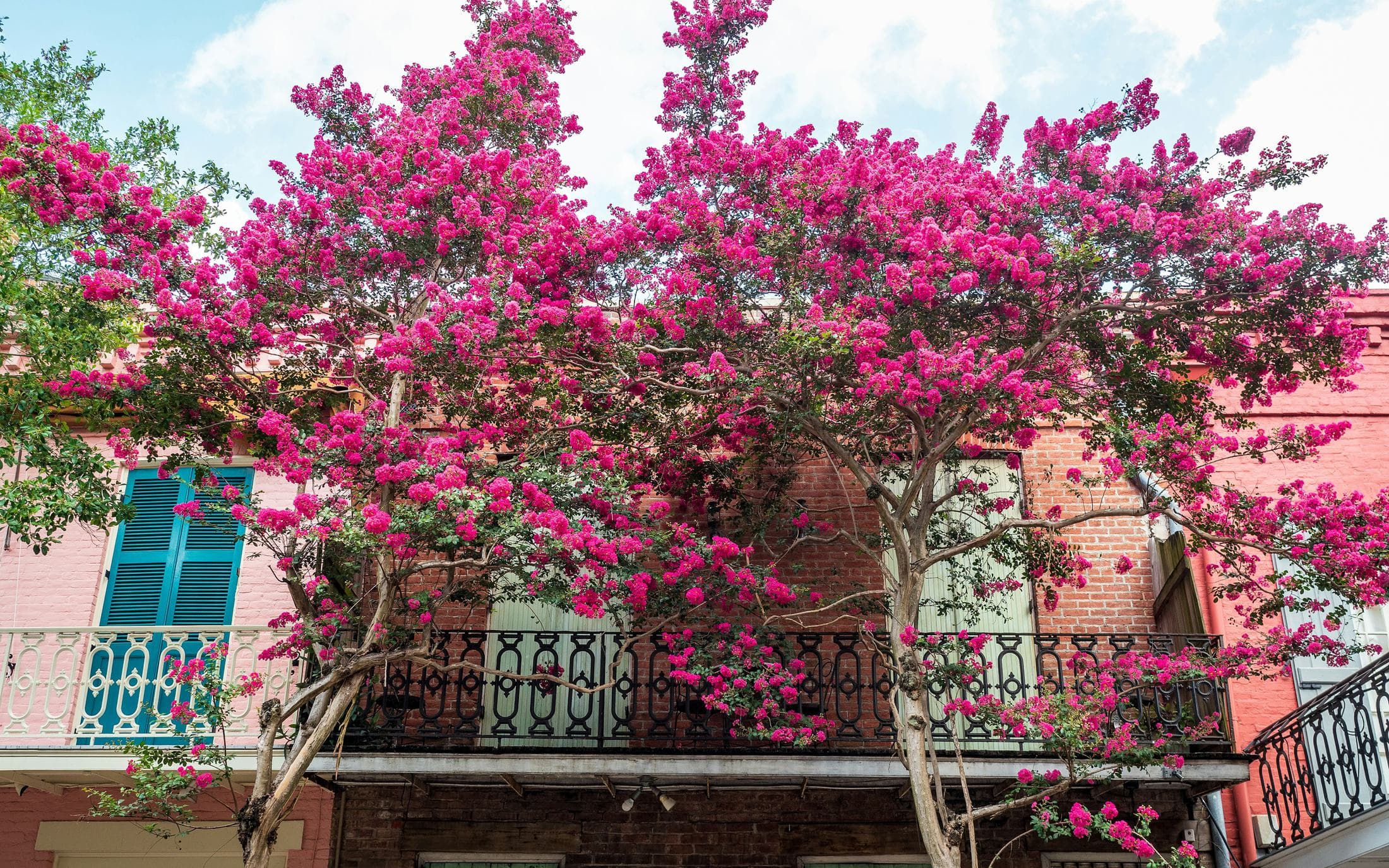
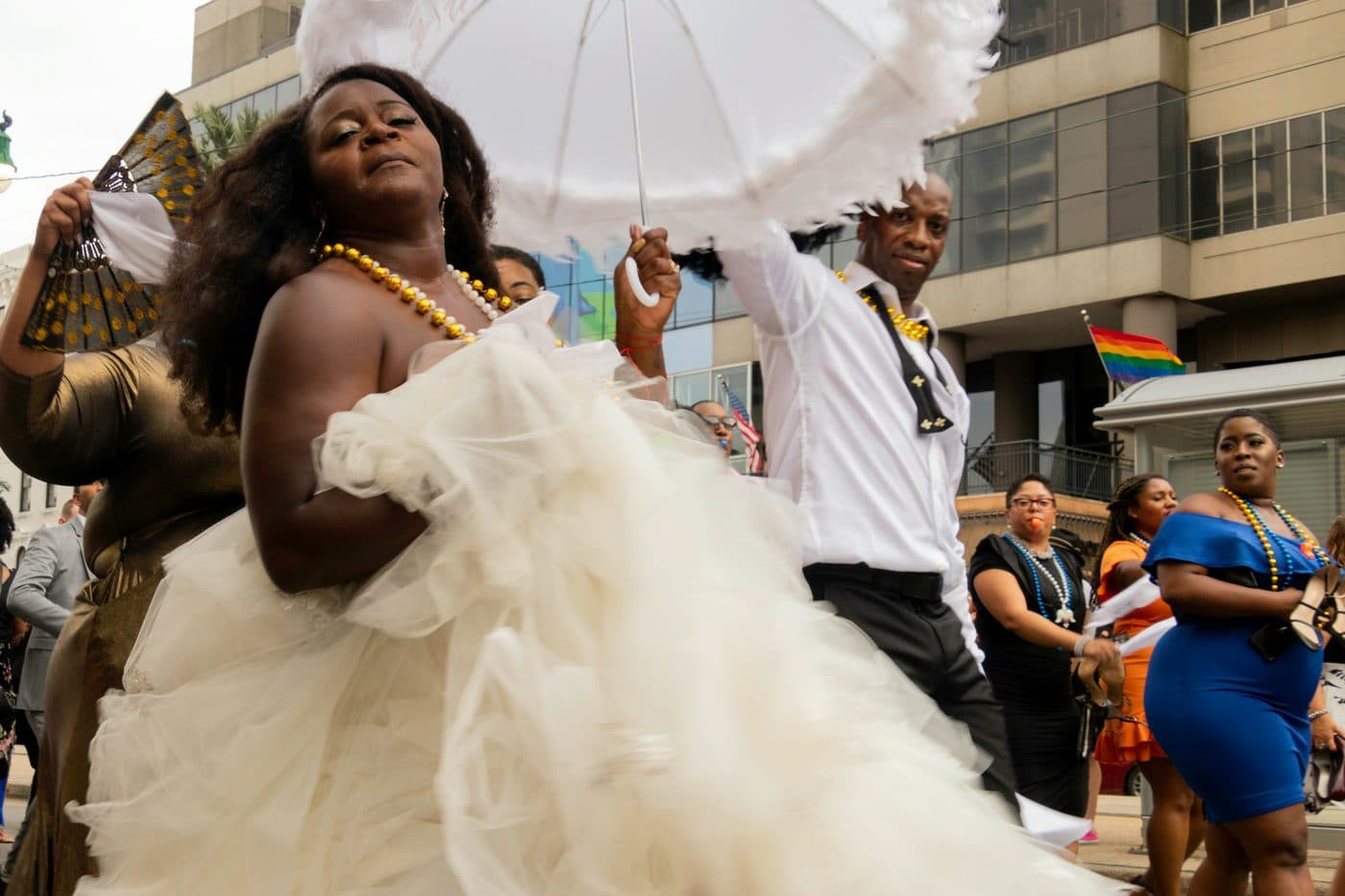
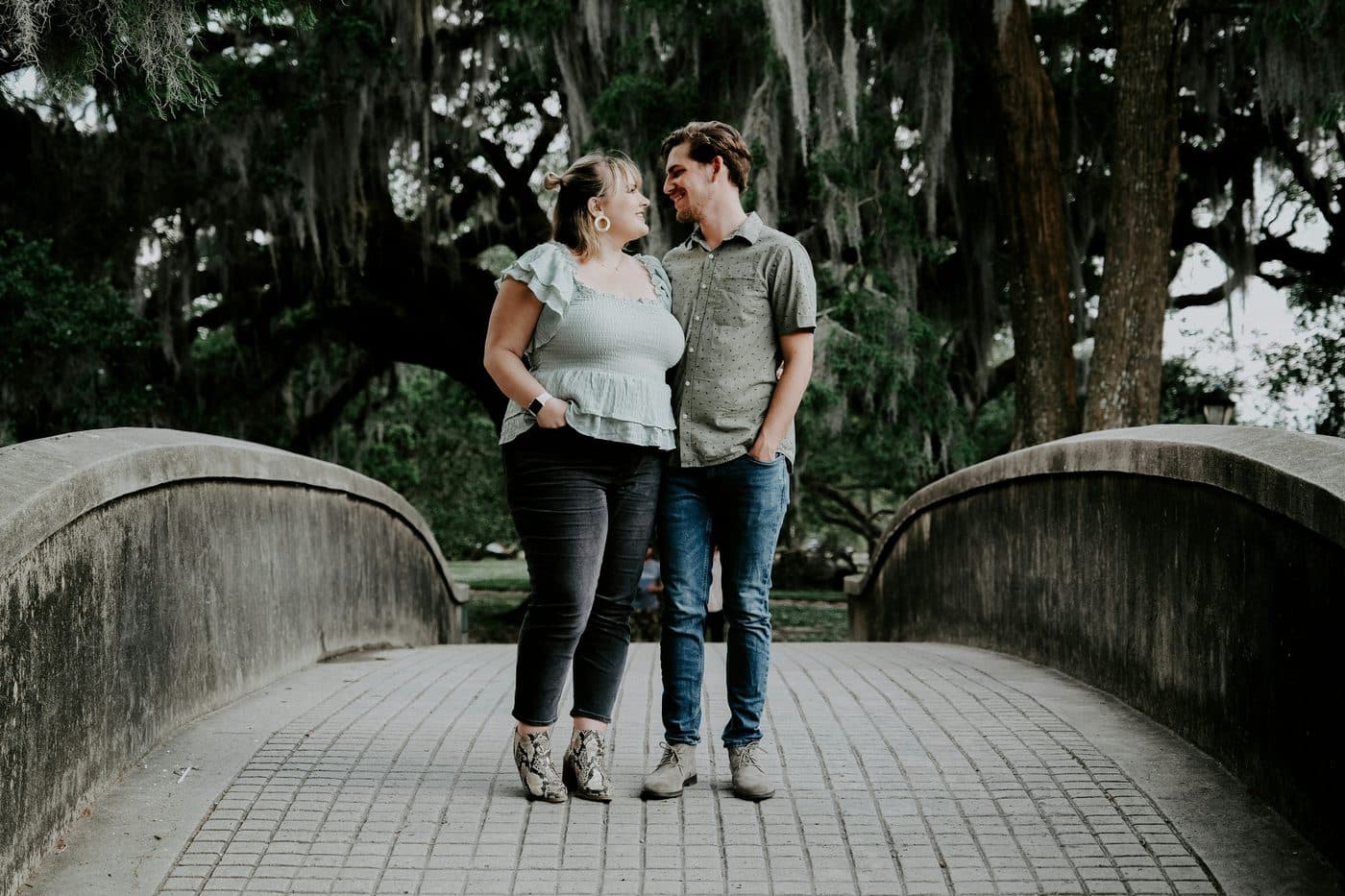
Crepe myrtle against iron balconies in the French Quarter, moss-hung oaks over a little bridge in City Park, a bride dancing down the street under a white parasol, and wild wetlands a short drive from it all.
New Orleans is small enough to cross for a portrait.
By road, Jackson Square is 4 km (2.6 miles) from the Garden District and 6 km (3.5 miles) from the Peristyle in City Park. The French Quarter, or Vieux Carré, has its own commission to guard its buildings, and the Garden District is one of the historic districts in the care of the city’s landmarks commission. City Park covers more than 1,300 acres (526 ha), with old oaks, lagoons and a colonnade built for dancing, and Audubon Park lies in the heart of Uptown. Beyond the city are the Barataria Preserve’s 26,000 acres (10,500 ha) of swamp, bayou, marsh and forest, about 29 km (18 miles) by road from the square, and the Bayou Sauvage refuge, inside New Orleans itself, one of the last marshes beside Lakes Pontchartrain and Borgne.
A wedding here can move: a ceremony under the columns or the oaks, then a second line, the street parade with parasols and handkerchiefs behind a brass band, which needs a city permit of its own. Louisiana’s rule that matters most is the wait: 24 hours must pass between the license and the ceremony. In Orleans Parish, you apply together at the marriage office on Poydras Street, on a weekday, with ID, certified birth certificates, translated if they aren’t in English, and Social Security numbers if you were born in the US; if you were born abroad, a passport from your country of birth or a visa with an I-94; and a divorce decree or death certificate if you were married before. The license lasts 30 days and works in any parish. If you both live outside Louisiana and a registered Orleans officiant marries you in Orleans Parish, that officiant can waive the wait.
Through the year
When to marry in New Orleans
March, April and November are the months to choose. In NOAA’s US Climate Normals 1991–2020 for New Orleans International Airport, highs are 22 °C (72 °F), 26 °C (79 °F) and 22 °C (71 °F), with rain on seven or eight days a month, a day counting as NOAA counts it, with 0.01 inch (0.25 mm) or more. From June through August rain falls on 13 or 14 days a month, June’s total reaches 194 mm (7.6 in), and highs stand at 32 to 33 °C (90 to 91 °F); the Audubon station, in the city, records 34 °C (94 °F) and 223 mm (8.8 in) in July. The National Park Service warns that the heat index can hit 43 °C (110 °F). The Atlantic hurricane season runs from June 1 to November 30, and the National Hurricane Center says the first hurricane typically forms in early to mid-August and the first major one in late August or early September. November is still inside the season, so a date then needs a plan too.
- January: Quieter
- February: Good with planning
- March: Best
- April: Best
- May: Good with planning
- June: Quieter
- July: Quieter
- August: Quieter
- September: Quieter
- October: Good with planning
- November: Best
- December: Good with planning
- March to MayHighs climb from 22 °C (72 °F) to 30 °C (85 °F), and the park service describes rising humidity and frequent afternoon thunderstorms as moisture builds over the Gulf. Rain days stay low, at seven or eight a month, but April and May bring 133 and 143 mm (5.2 and 5.6 in). So plan an earlier ceremony or a roof: the Peristyle has one. The sun sets at about ten past seven on March 20 and at about half past seven in mid-April.
- June to OctoberHot and wet, with intense, brief downpours, in the park service’s words. Lows stay near 25 °C (76 °F), so dawn is the only cool hour. In a storm, the City may order a mandatory evacuation, and then all residents and visitors must leave, with every lane of the major highways running out of town. So agree a second date with your photographer and read every supplier’s storm terms before you sign. October is drier, with rain on seven days and highs of 27 °C (81 °F), but it is still hurricane season.
- November to FebruaryHighs fall from 22 °C (71 °F) in November to 17 °C (63 °F) in January, lows to 8 °C (46 °F), and rain days rise to nine or ten a month from December through February. From mid-November the sun sets at about five, so start the portraits by four. Mardi Gras falls on February 9 in 2027: the City publishes routes and traffic impacts for the parade season, so read them before you fix a date or a second line near it.
In numbers
Weather station: New Orleans Intl AP, normals 1991–2020 · Checked 2 November 2026
Places
Where couples marry here
The kinds of places — ask your photographer which ones they know well.
City Park
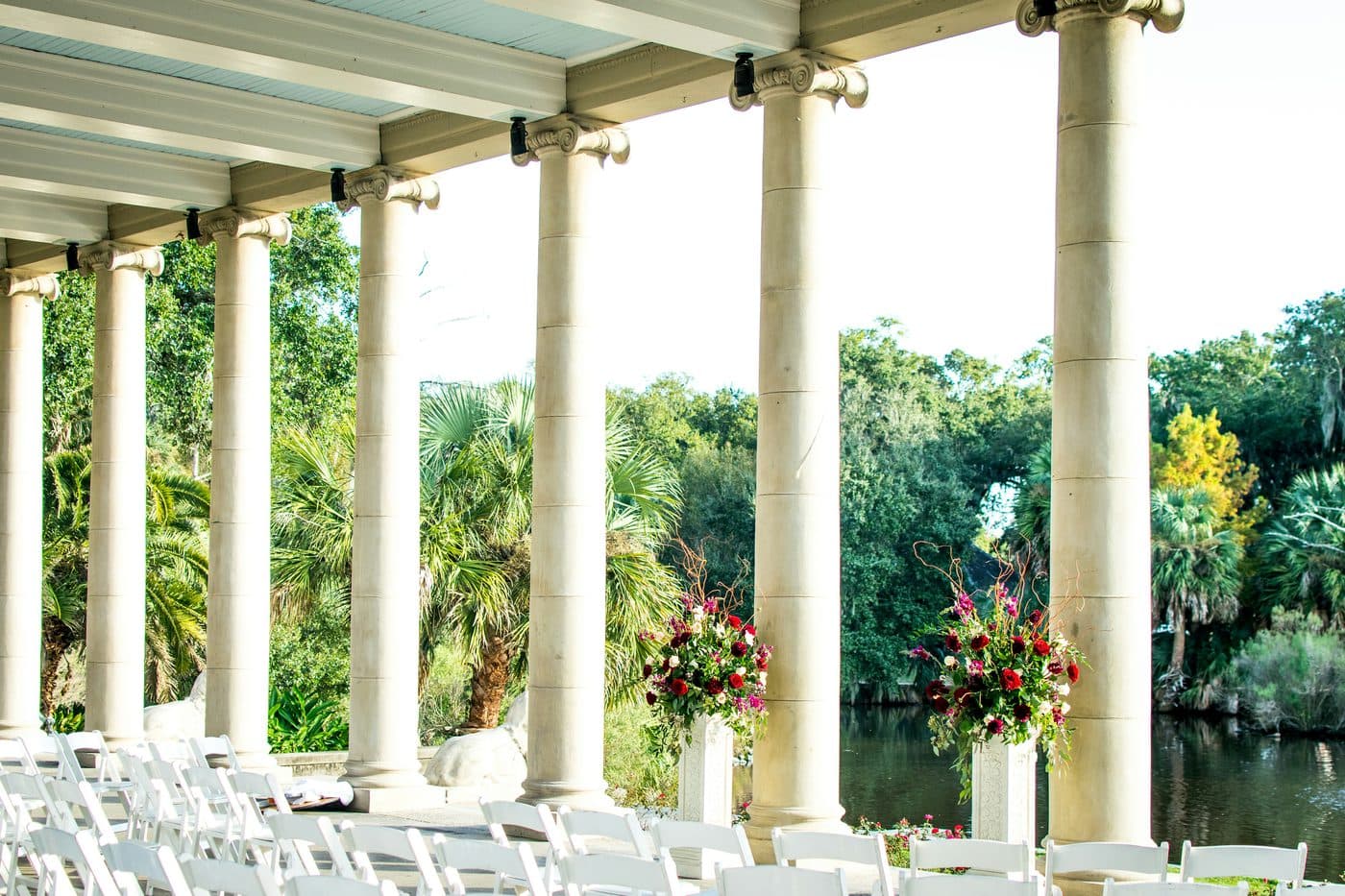
The park calls the Peristyle, an open-air colonnade of 1907 above Bayou Metairie, one of its most popular places for ceremonies and wedding photos; it holds 300 guests. The McDonogh Oak stands in the Old Grove, higher ground that stayed dry in Hurricane Katrina, with crutches under its long, old branches. Both are booked through the park. Any professional shoot needs the Conservancy’s photography permit, a gathering of more than 75 people needs a permit, and fees depend on the impact on the park. It is open from 5 a.m. to 10 p.m. Nothing may be fixed to a tree; confetti, glitter, balloons, noisemakers and fireworks are not allowed, and amplified music needs a permit.
The French Quarter and the second line
The Quarter’s balconies and shutters belong to private and semi-private buildings, so photograph them from the street and ask before you step into a courtyard. St. Louis Cathedral, overlooking Jackson Square, is a working parish church and a sacred place, so ask the parish about anything beyond a visit. A second line of any size needs a Parade Permit, a police escort and a City fee. Apply at least 15 days ahead, with your route and numbers, from which the police set the size of the escort; cancel less than two hours before and you forfeit the police fees. Film New Orleans issues permits for commercial productions, and its pages don’t mention wedding photographers, so ask if you’re bringing a crew, lights or reserved parking.
The Garden District and Audubon Park
The city’s Regional Transit Authority charters its green streetcars, on the St. Charles line only, from $1,000 as of November 2026, with four weeks’ notice and full payment to hold the date. The houses of the Garden District are homes, not venues, so keep to the sidewalk. Audubon Park, open from 5 a.m. to 10 p.m., grants pavilion, gazebo and greenspace permits through an online application to the Audubon Nature Institute, which is also the place to ask about a professional shoot. The city’s historic cemeteries, Lafayette No. 1 among them, are burial grounds, and no part of a wedding’s backdrop.
The bayous
Most of the Barataria Preserve is shut. Since February 2, 2026, its visitor center and most trails have been closed to rebuild what Hurricane Ida damaged, and the work is expected to take two years. As of November 2026, the Twin Canals trail and canoe launch stay open, for day use, with no restrooms. A wedding at any Jean Lafitte site needs a special use permit: a $50 processing fee, at least 14 business days, possibly insurance, and a charge the park says is similar to or greater than a private venue’s. Stay on the trails and never approach an alligator. The same park’s Chalmette Battlefield and National Cemetery are not settings. At Bayou Sauvage, as of November 2026, the Ridge Trail and its new boardwalk are open; ask the refuge before any paid shoot.
Light
How the light falls
At 30° north, the sun goes down fast. It sets at about five past eight at midsummer and five past five at midwinter, and rises at about six and ten to seven. Warm, low light lasts some 35 minutes before sunset, and dusk under half an hour more, so start the portraits earlier than you would at home. The oaks of City Park and the deep balconies of the Quarter make their own shade, which helps at midday, so walk your spot at your hour. City Park’s hours cover both ends of the day all year. In summer, dawn is the kinder choice for a white dress: a July morning starts near 25 °C (76 °F), and the heat builds from there.
Travel
Getting there
Louis Armstrong New Orleans International Airport (MSY) is the way in. By road it is 26 km (16 miles) from Jackson Square, 20 km (13 miles) from the Peristyle, 26 km (16 miles) from the Garden District and 22 km (14 miles) from Audubon Park. The Twin Canals trailhead is 42 km (26 miles) from the airport. Anyone flying a drone for pay needs an FAA Part 107 Remote Pilot Certificate, and the National Park Service bans launching, landing or flying one in national parks. Jean Lafitte’s rules say so outright. City Park allows drones only for permitted media and its own use. Film New Orleans, which permits drone filming, requires an FAA-certified operator and asks for a drone no more than 0.9 m (3 ft) across in the French Quarter.
Photographers
Photographers in New Orleans
No one in New Orleans yet
The first photographers in New Orleans are joining now. Tell our concierge your date and your plans — it checks who is free and fits.
Plan
Read before you plan
- Getting married in the USA as foreigners: the license, your entry, state by stateHow couples who live abroad marry legally in the United States: there’s no federal license, so each state and county sets its own wait, validity, witnesses and fee. What US immigration says about visitors marrying, what to bring, who can marry you, same-sex couples, the apostille and what happens back home.
- How to choose a wedding photographer: the steps, and the questions to askThe decision in order — whole weddings, style, availability, the package, the contract and deposit, cancellation, delivery and a conversation — then a checklist of questions, with why each one matters.
- A wedding-day timeline for photosFrom getting ready to the last dance, planned around the light.
- Deposits and payment protectionWhat you pay when, and what happens if plans change.
- How to get married in the USA when you live here: license, ceremony, and afterFor couples who live in the US: how a marriage license works when every state and county sets its own rules, what the wait and the fee are, who can marry you, marrying in another state, same-sex couples, and what changes after the day: certificate, surname and tax.
- Which country for a destination wedding? The law, prices, crowds and light, comparedThe legal route for couples who don’t live there, season and crowds, price levels, light, flights, venues and permits for photographs — Portugal, Italy, Spain, Greece, France and Austria compared with official figures, as of October 2026.
- A rain plan that still looks goodCovered spots, umbrellas and what photographers do on grey days.
- Wedding photography contract checklist: what it should say, and how Lens & Vows handles each pointThirteen things a good contract covers — the day and the hours, what is delivered, deposit and balance, cancellation on either side, date changes, illness, image rights, personal data, backups, travel, overtime and complaints — and what our terms say about each.
United States
Other places
 Hawaii
 Alaska
 Seattle & Washington State
 Portland & Oregon
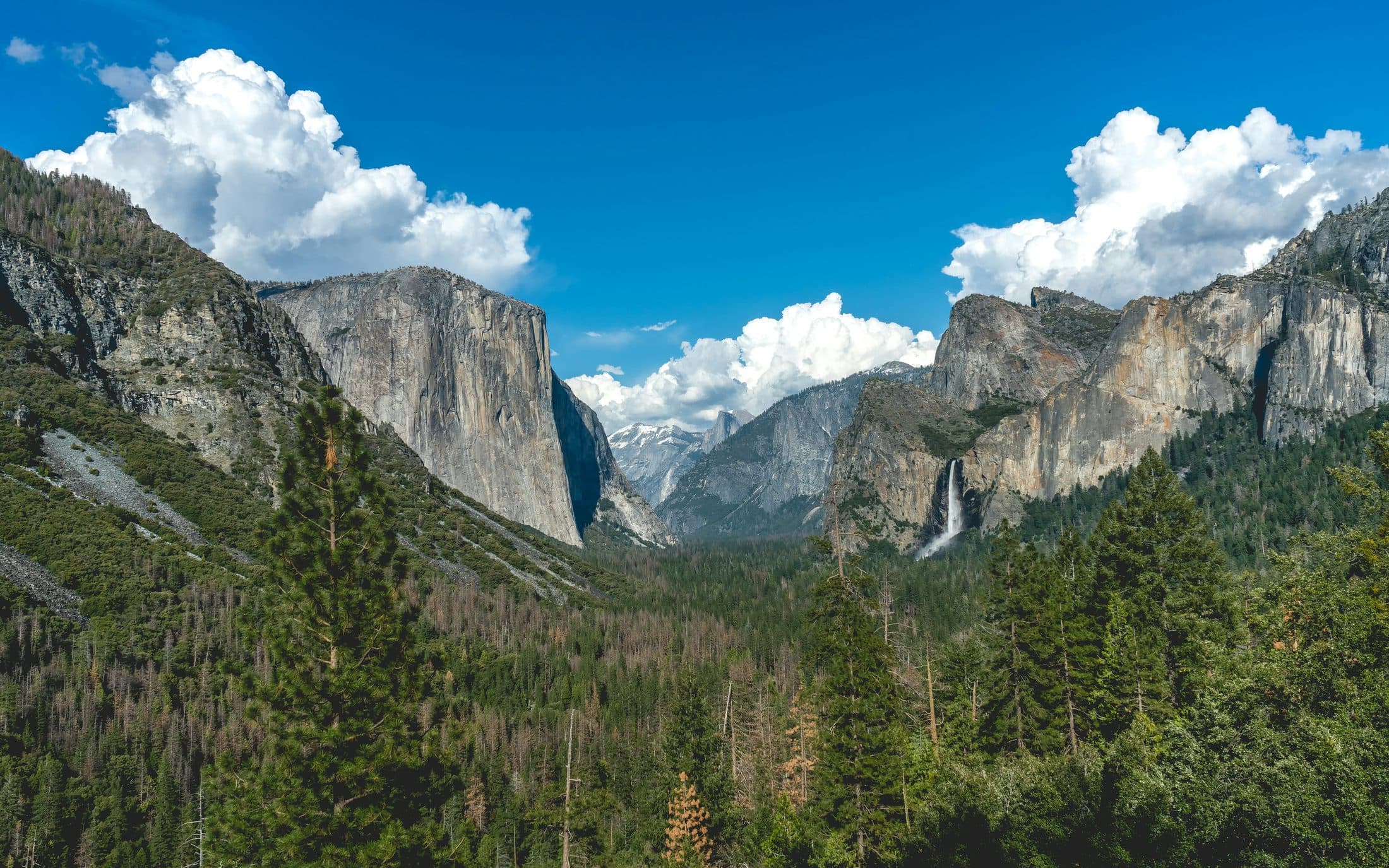 San Francisco, Napa & Yosemite
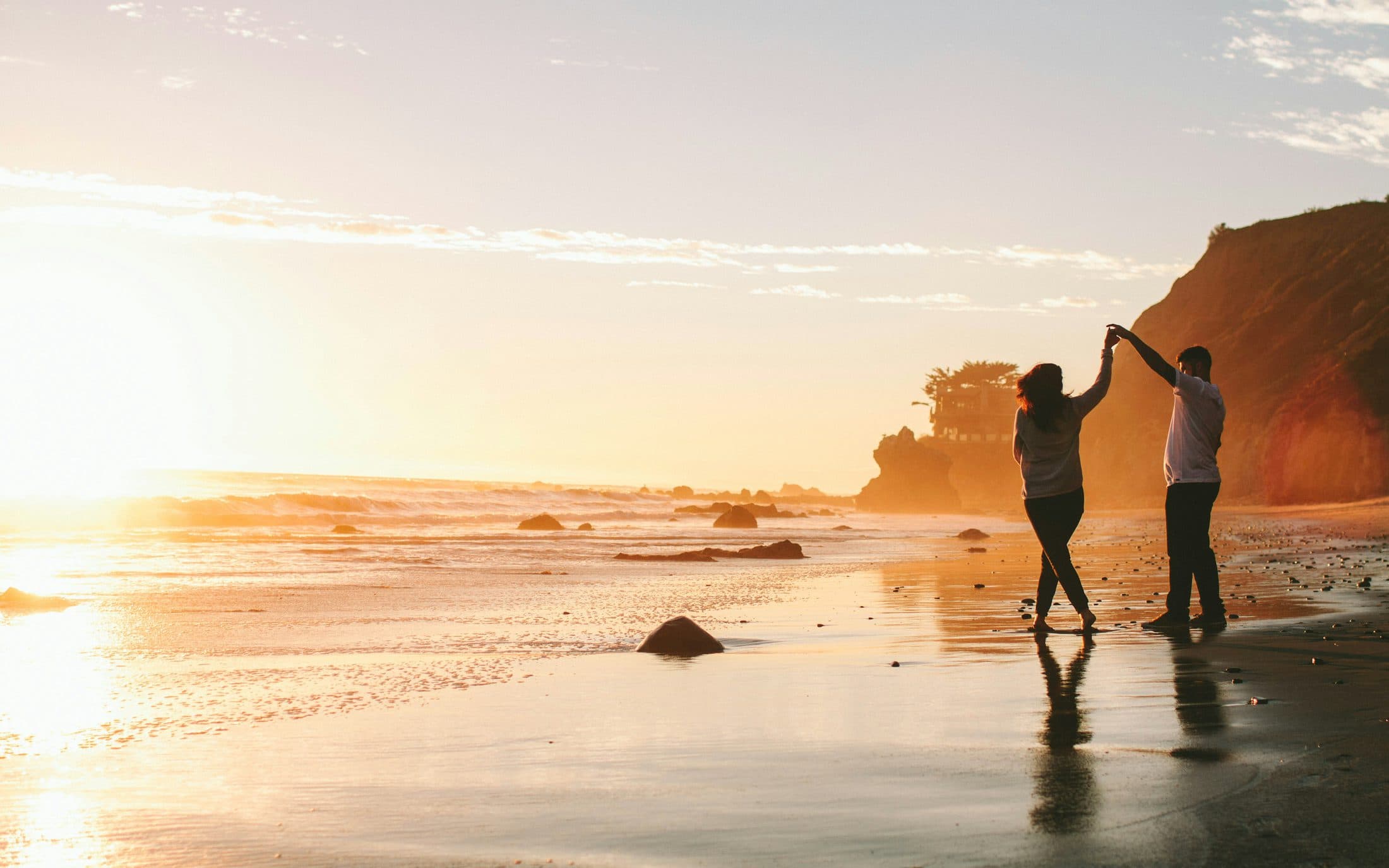 Los Angeles & Santa Barbara
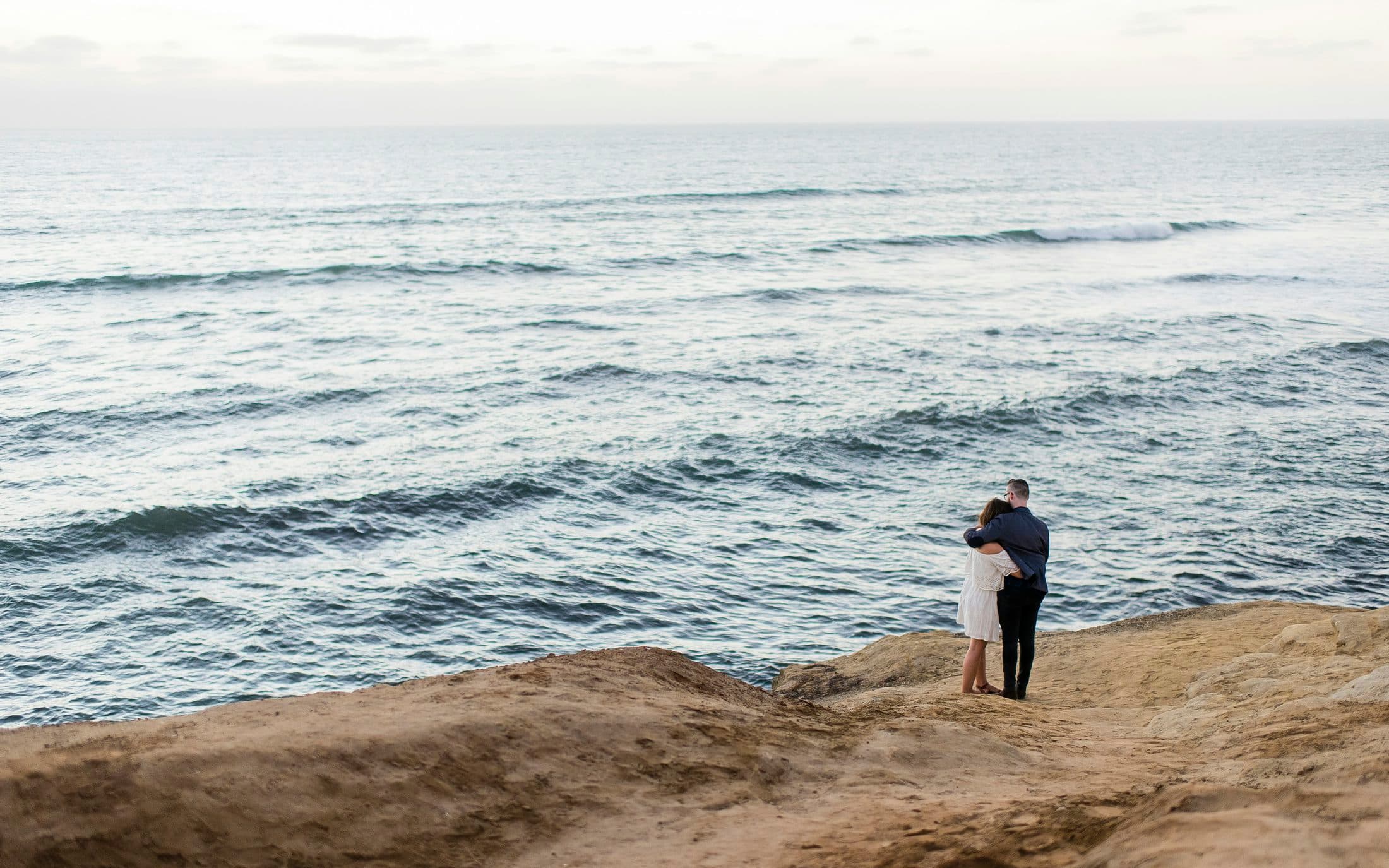 San Diego & Palm Springs
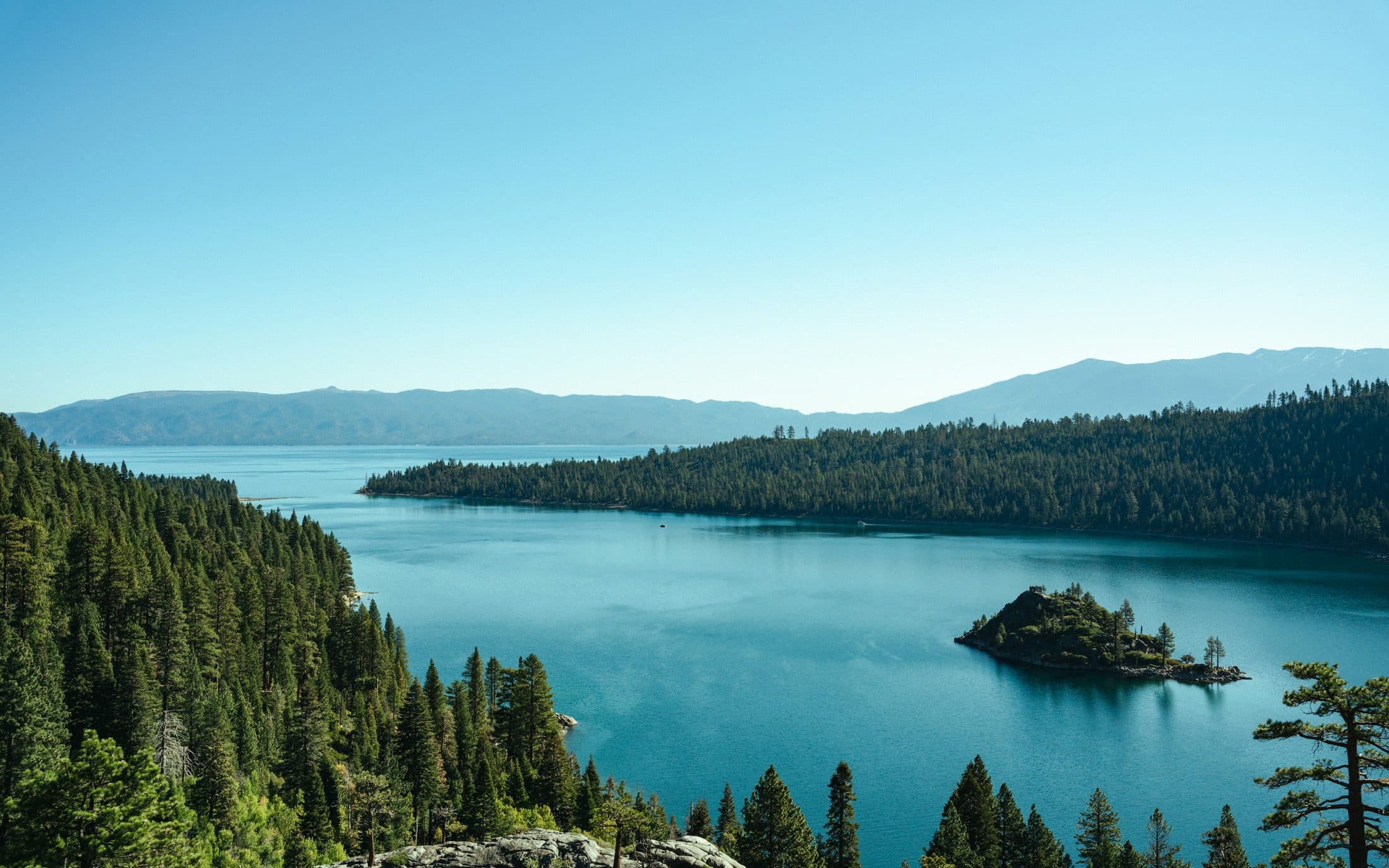 Las Vegas & Lake Tahoe
 Utah
 Arizona
 Colorado
 Wyoming & Montana
 Texas
 Chicago & the Great Lakes
 Nashville & the Smokies
 Florida
 Charleston & Savannah
 New York & the Hudson Valley
 Boston & Cape Cod
 Maine & Vermont
 Washington, D.C. & Virginia