Getting married in Alaska
Glaciers you can drive or walk to, a fjord town on the Gulf of Alaska, the great mountain above Denali’s tundra and a June sun that sets near midnight, with Juneau’s ice a flight away.
Anchorage is where almost every trip starts, on the edge of Chugach State Park, some 200,000 hectares (495,000 acres) of mountains.
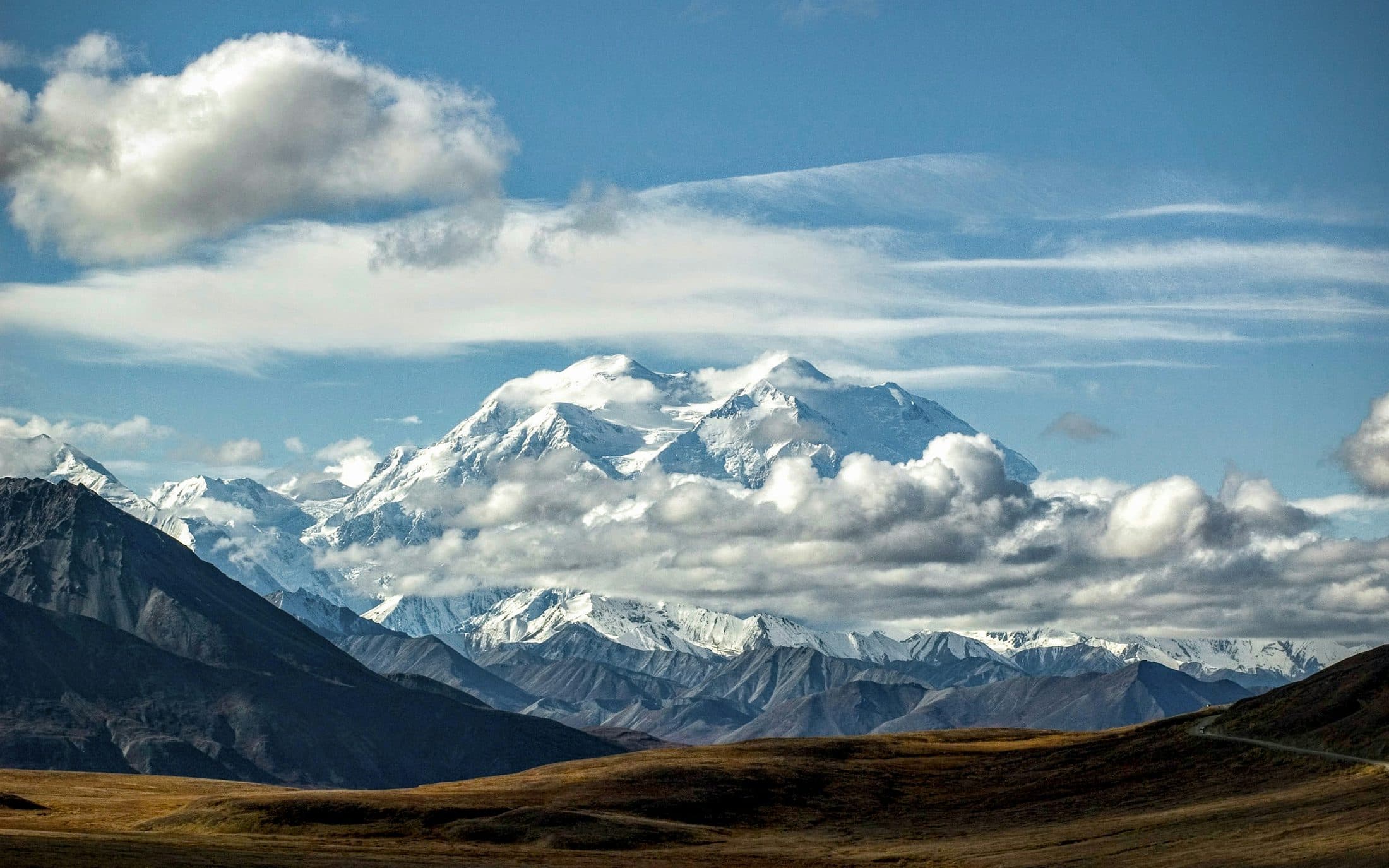
South of the city, the road and the railway run along Turnagain Arm, where the Chugach Range plunges to the sea, to Girdwood, 62 km (39 miles) from the airport, and on to Seward, 204 km (127 miles) away, for Exit Glacier and Kenai Fjords National Park. North, Denali National Park’s only road entrance is 396 km (246 miles) away by road, and the train stops there too. Its great peak, also known as Denali, is called Mount McKinley on the park’s pages. Juneau, in the southeast, is a place apart, with Mendenhall Glacier a few minutes from its airport and Glacier Bay, part of a vast World Heritage site, a short flight further west.
Anchorage’s visitor bureau pictures rings exchanged on a glacier and vows in the warmth of the midnight sun, and the parks’ rules favor small groups. State parks need no permit for fewer than 20 people without structures, though a paid photographer needs a commercial permit of their own; national parks have their own rules, below. The legal part comes first: residents and visitors alike apply to Alaska Vital Records or a court office, then wait three full business days before the license can be collected and the ceremony held. The license lasts three months and works only in Alaska, and the state’s page, in a copy of June 2026, asks for one witness besides the officiant: confirm the number with the Alaska court system.
Through the year
When to marry in Alaska
June, July and August are the months for it: in NOAA’s US Climate Normals 1991–2020 for Anchorage airport, highs are 17 to 19 °C (63 to 66 °F), nights about 12 °C (53 °F) in July, and rain falls on nine days in June, twelve in July and fourteen in August, a day counting as NOAA counts it, with 0.01 inch (0.25 mm) or more. So June is the driest of the three and August the wettest. September is wetter still, with fifteen days and 79 mm (3.1 in). The coast gets far more: Seward has 251 mm (9.9 in) in September, and Juneau rain on 19 to 23 days a month from August to October. At Denali’s entrance, July’s high is 19 °C (66 °F), with rain on 16 days, and the park says snow can fall in any summer month. Anchorage’s January high is −5 °C (23 °F). The state requires burn permits from 1 April to 31 August, so in those months check its fire site, akfireinfo.com, for fires near your date.
- January: Quieter
- February: Quieter
- March: Good with planning
- April: Quieter
- May: Good with planning
- June: Best
- July: Best
- August: Best
- September: Good with planning
- October: Quieter
- November: Quieter
- December: Quieter
- May and JuneMay is Anchorage’s driest month of the open season, with rain on six or seven days and highs of 14 °C (56 °F), but Kenai Fjords says snow stays on the higher ground through June or July, and the road to Exit Glacier may still be under snow in May. June brings the longest light of the year and the fewest rainy days of the summer: the sun is up for more than 19 hours in Anchorage. Denali’s buses run from about mid-May.
- July to SeptemberThe warmest weeks, and the rainier ones: expect rain, dress in layers and keep a second slot. In Juneau, the city speaks of an annual glacial outburst flood from Suicide Basin; in August 2026 the Mendenhall River passed major flood stage and residents were advised to leave, so check the National Weather Service before planning in the valley. By mid-September the sun sets at about twenty past eight in Anchorage, and the mid-May to mid-September season ends at Denali.
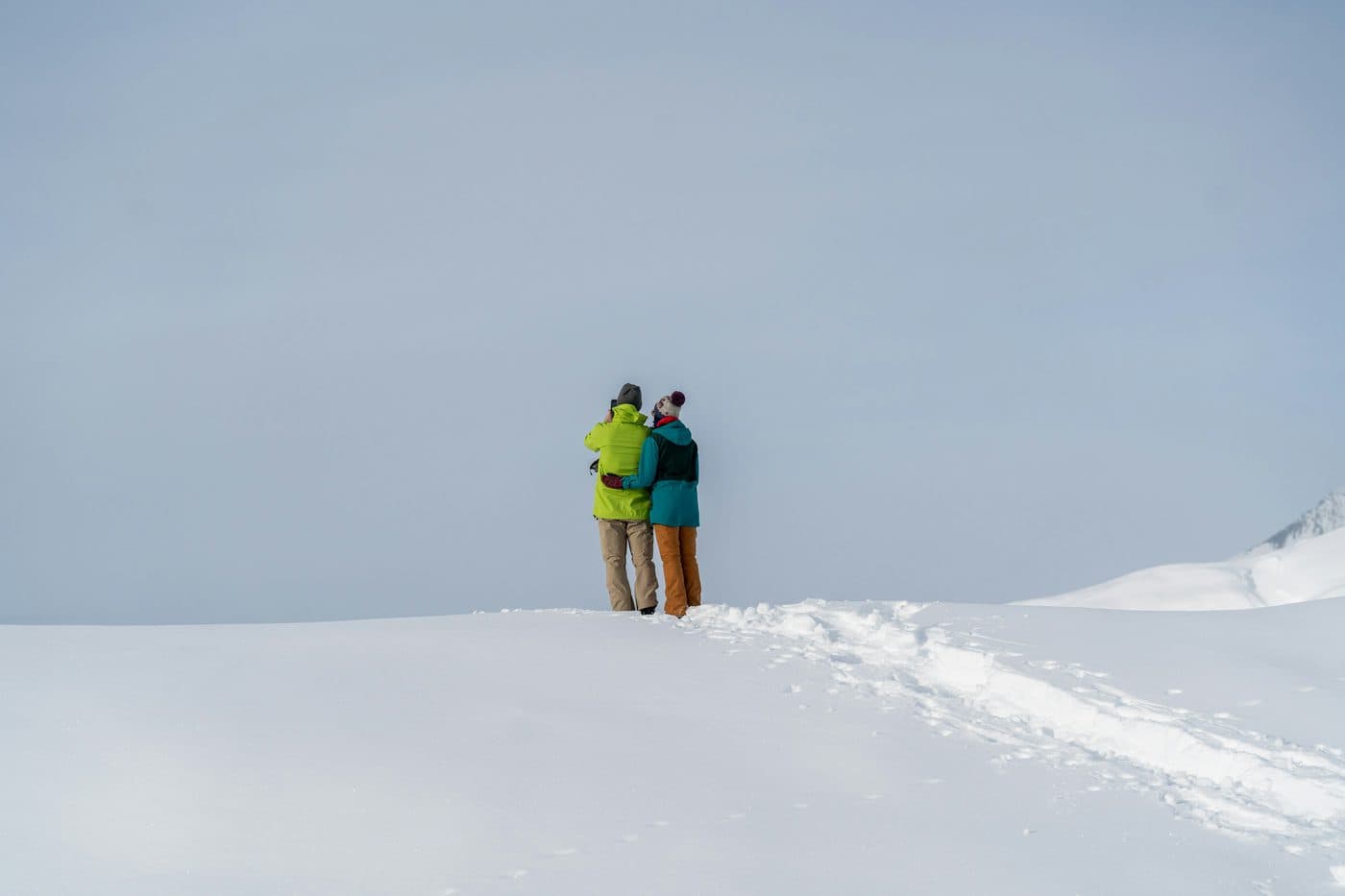
- October to MarchA snow wedding, for those who want one. Exit Glacier’s road isn’t plowed and Denali’s stops near the entrance for much of the winter, so the mountains come with their closures. Anchorage has highs of about −5 to 1 °C (23 to 33 °F) from December to March, and March is its best bet, with rain or snow on six days and the sun back. NOAA’s Alyeska station, at Girdwood, gets 545 cm (215 in) of snow a year. Keep any outdoor moment short, with a warm room close by. Aurora needs a dark sky, and Denali’s park warns that on a moderate night the eye may see a single band of green, not what a long exposure shows.
In numbers
- UNESCO World Heritage
Weather station: Anchorage Intl AP, normals 1991–2020 · Checked 2 November 2026
Places
Where couples marry here
The kinds of places — ask your photographer which ones they know well.
Anchorage, Turnagain Arm and Girdwood
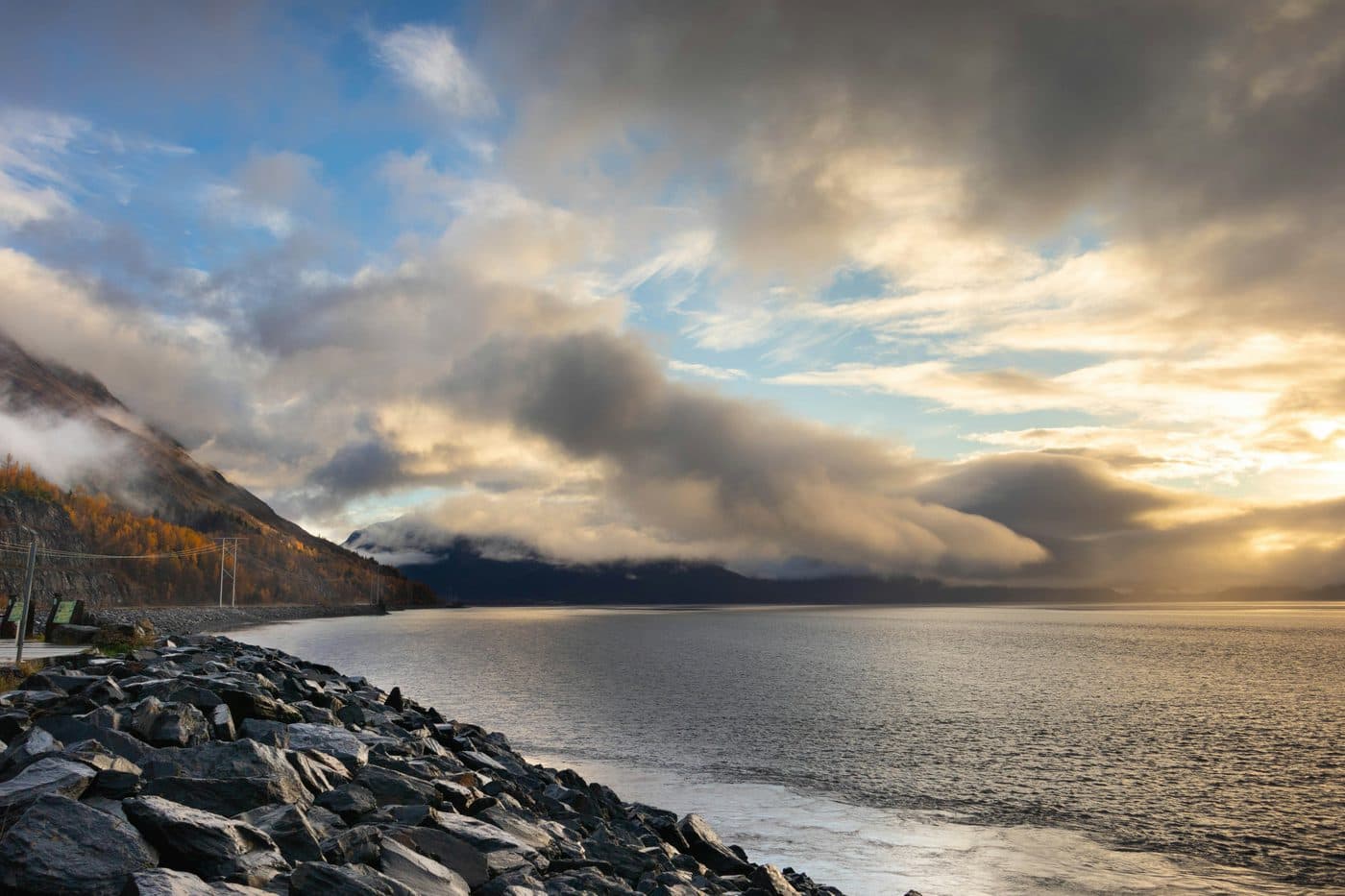
Chugach State Park’s Eklutna Lake is 69 km (43 miles) from the airport. In state parks, a group of 20 or more needs a special-use permit, with a $100 application fee and $50 for up to 50 people, as of November 2026; allow 30 days, and permits are likely to be refused on holidays. A paid photographer must hold a state-park commercial permit. In Anchorage’s own parks, the Municipality may ask for a film permit for promotional photography, so ask its parks office. Turnagain Arm’s shore is the easy roadside view on the way to Girdwood. Matanuska Glacier, 175 km (109 miles) by road from Anchorage, is a further option for ice and snow: ask who controls access before you plan.
Seward and Kenai Fjords
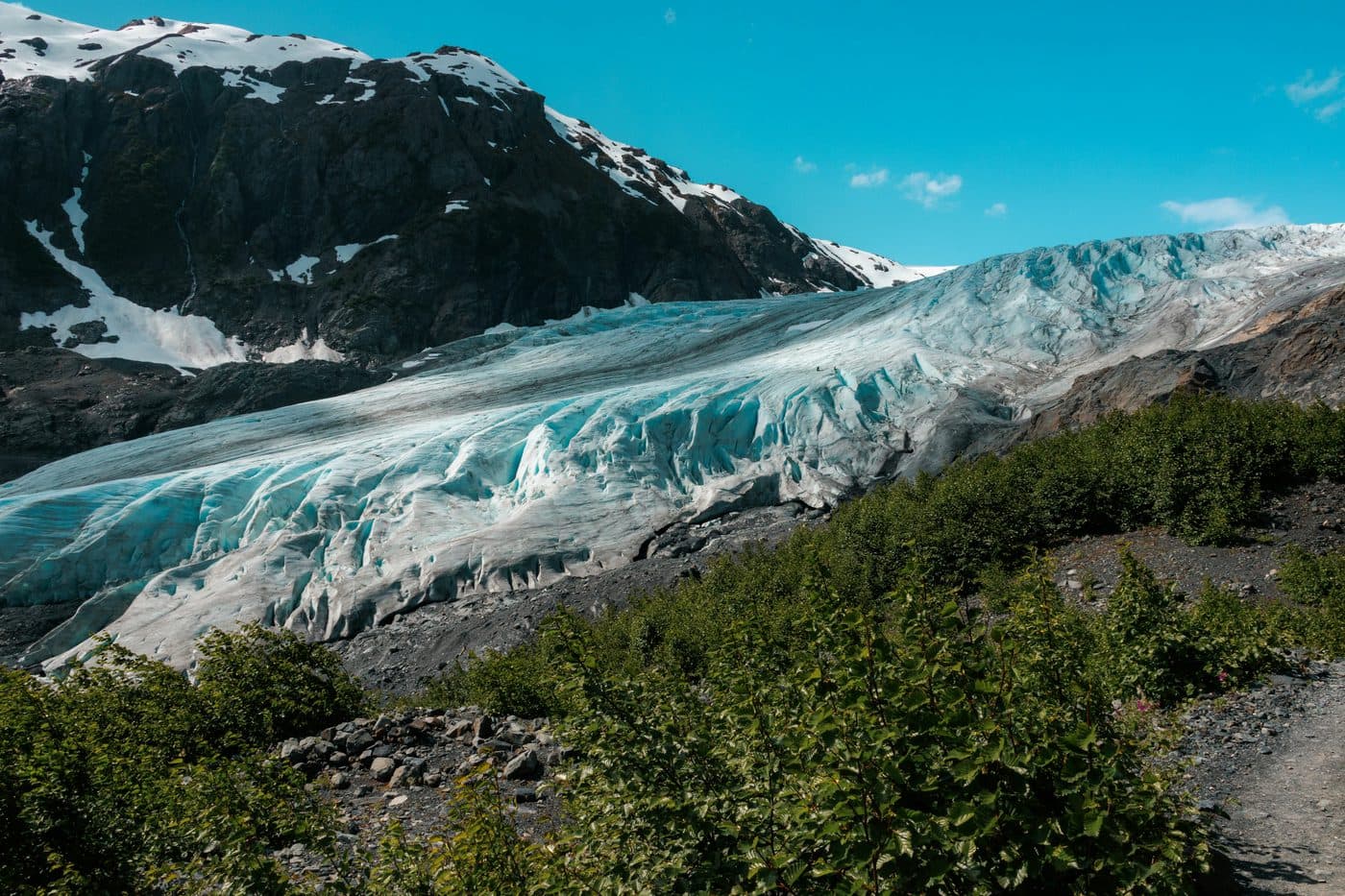
Exit Glacier is the part of the park you can reach by car, 13.8 km (8.6 miles) up the only road from the Seward Highway; the road is usually snow-covered from sometime in October to May. A wedding here needs a special-use permit: send the form at least two weeks ahead with a $100 fee, as of November 2026. This is temperate rainforest, with summer daytime temperatures of 7 to 22 °C (mid-40s to low 70s °F) and frequent rainy days, so bring raingear for everyone. The fjords themselves are reached by boat from Seward’s harbor. Part of the coast belongs to Port Graham Corporation, and a land use permit may be needed there. Alaska Native villages, burial grounds and sacred places are not backdrops: ask first, and take no for an answer.
Denali
The mountain can’t be seen from the park entrance. Mile 9 of the park road is the first place it may appear, and Mountain Vista, at mile 13, has a short, accessible trail to a good viewpoint. Private cars can go to mile 15 in summer, and buses go further; as of November 2026, a landslide has closed the road at mile 43, and with the new Pretty Rocks bridge, full bus service is due to resume in 2027. Veteran drivers say only one day in three offers a glimpse, so don’t build the day on it. Most groups of more than 12 need a special-use permit, $200 as of November 2026. Ceremonies should be brief and simple, you can’t rope anything off, and nothing may be thrown: no rice, seed or petals. In most cases eight or fewer people with hand-carried gear need no photo permit.
Juneau and Mendenhall Glacier
Mendenhall is 21 km (13 miles) from downtown, and the visitor bureau describes a short walk from the visitor center along Photo Point Trail to a clear view of the ice, and a trail to Nugget Falls, 115 m (377 ft) high, beside the lake. From July to September, salmon spawn in Steep Creek by the boardwalks and black bears come to fish, so keep your distance. It’s national forest land, run by the US Forest Service: ask its Juneau office about a permit for a ceremony or a paid shoot before you plan. In November 2026 the visitor bureau reported the visitor center and nearby trails open and the lake’s west side under assessment. Bring raingear: Juneau has rain on 16 to 23 days a month from May to October.
Light
How the light falls
Light is the reason to come in June. On the 21st, the sun in Anchorage rises at about twenty past four and sets at about twenty to midnight, and the sky never gets properly dark: dusk runs through to dawn. Denali’s entrance has sunset after midnight, Seward at about twenty-five past eleven and Juneau at about seven past ten. The low, warm light starts about an hour and a half before sunset, at a quarter past ten in Anchorage, so a ceremony at eight can be followed by portraits after ten. These times assume a flat horizon, and mountains take the sun sooner. It all reverses by December, when Anchorage’s sun rises at about a quarter past ten and sets at about twenty to four, and Juneau’s stands from about a quarter to nine until seven minutes past three. By mid-August, Anchorage’s sunset is back to about ten.
Travel
Getting there
Fly to Anchorage (ANC). The Alaska Railroad’s Coastal Classic follows Turnagain Arm to Girdwood and Seward, running from May to September, and its Denali Star leaves Anchorage every summer morning for Talkeetna and Denali. By car, it’s 62 km (39 miles) to Girdwood, 204 km (127 miles) to Seward and 396 km (246 miles) to Denali’s entrance. Juneau has its own airport (JNU): flights take about two hours from Seattle, with daily service from Anchorage too, and state ferries also serve it. Gustavus, for Glacier Bay, is some 30 minutes’ flight from Juneau, and the park can be reached only by plane or boat. Anyone flying a drone for pay needs an FAA Part 107 Remote Pilot Certificate, and the National Park Service bans launching, landing or flying one in national parks. Alaska’s state parks charge a further $100 a day for a drone on a commercial film permit.
Photographers
Photographers in Alaska
No one in Alaska yet
The first photographers in Alaska are joining now. Tell our concierge your date and your plans — it checks who is free and fits.
Plan
Read before you plan
- Getting married in the USA as foreigners: the license, your entry, state by stateHow couples who live abroad marry legally in the United States: there’s no federal license, so each state and county sets its own wait, validity, witnesses and fee. What US immigration says about visitors marrying, what to bring, who can marry you, same-sex couples, the apostille and what happens back home.
- How to choose a wedding photographer: the steps, and the questions to askThe decision in order — whole weddings, style, availability, the package, the contract and deposit, cancellation, delivery and a conversation — then a checklist of questions, with why each one matters.
- A wedding-day timeline for photosFrom getting ready to the last dance, planned around the light.
- Deposits and payment protectionWhat you pay when, and what happens if plans change.
- How to get married in the USA when you live here: license, ceremony, and afterFor couples who live in the US: how a marriage license works when every state and county sets its own rules, what the wait and the fee are, who can marry you, marrying in another state, same-sex couples, and what changes after the day: certificate, surname and tax.
- Which country for a destination wedding? The law, prices, crowds and light, comparedThe legal route for couples who don’t live there, season and crowds, price levels, light, flights, venues and permits for photographs — Portugal, Italy, Spain, Greece, France and Austria compared with official figures, as of October 2026.
- A rain plan that still looks goodCovered spots, umbrellas and what photographers do on grey days.
- Wedding photography contract checklist: what it should say, and how Lens & Vows handles each pointThirteen things a good contract covers — the day and the hours, what is delivered, deposit and balance, cancellation on either side, date changes, illness, image rights, personal data, backups, travel, overtime and complaints — and what our terms say about each.
United States
Other places
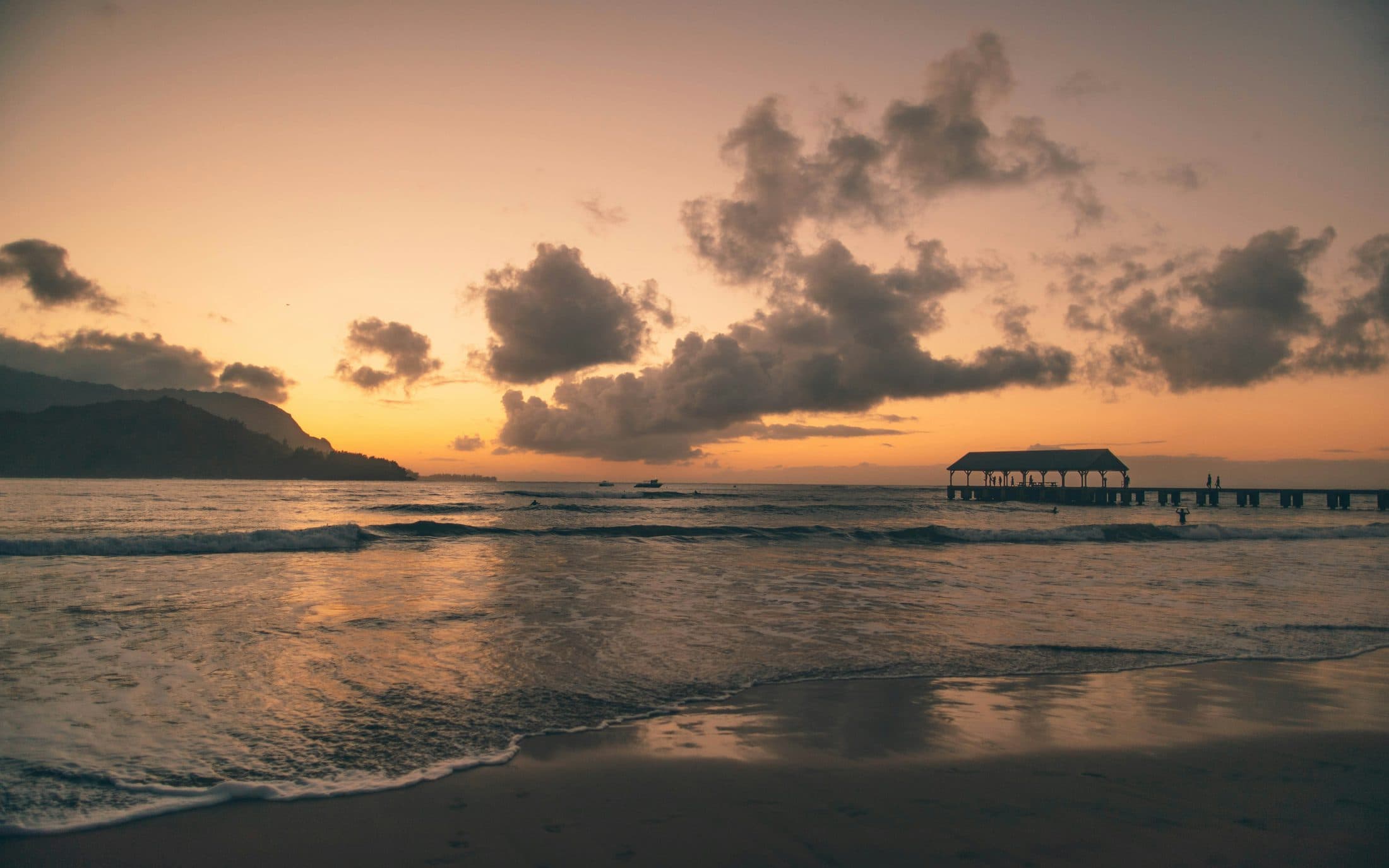 Hawaii
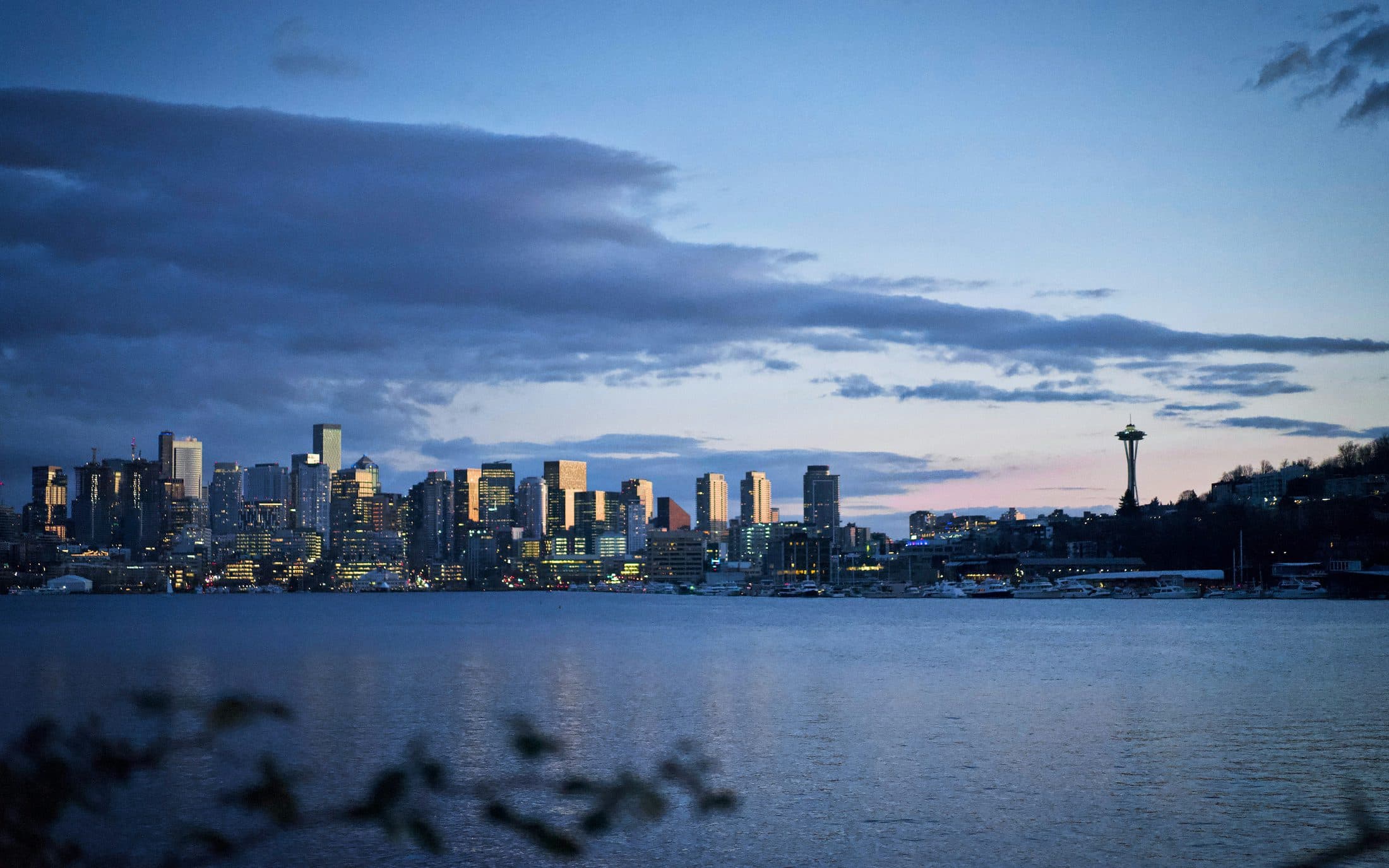 Seattle & Washington State
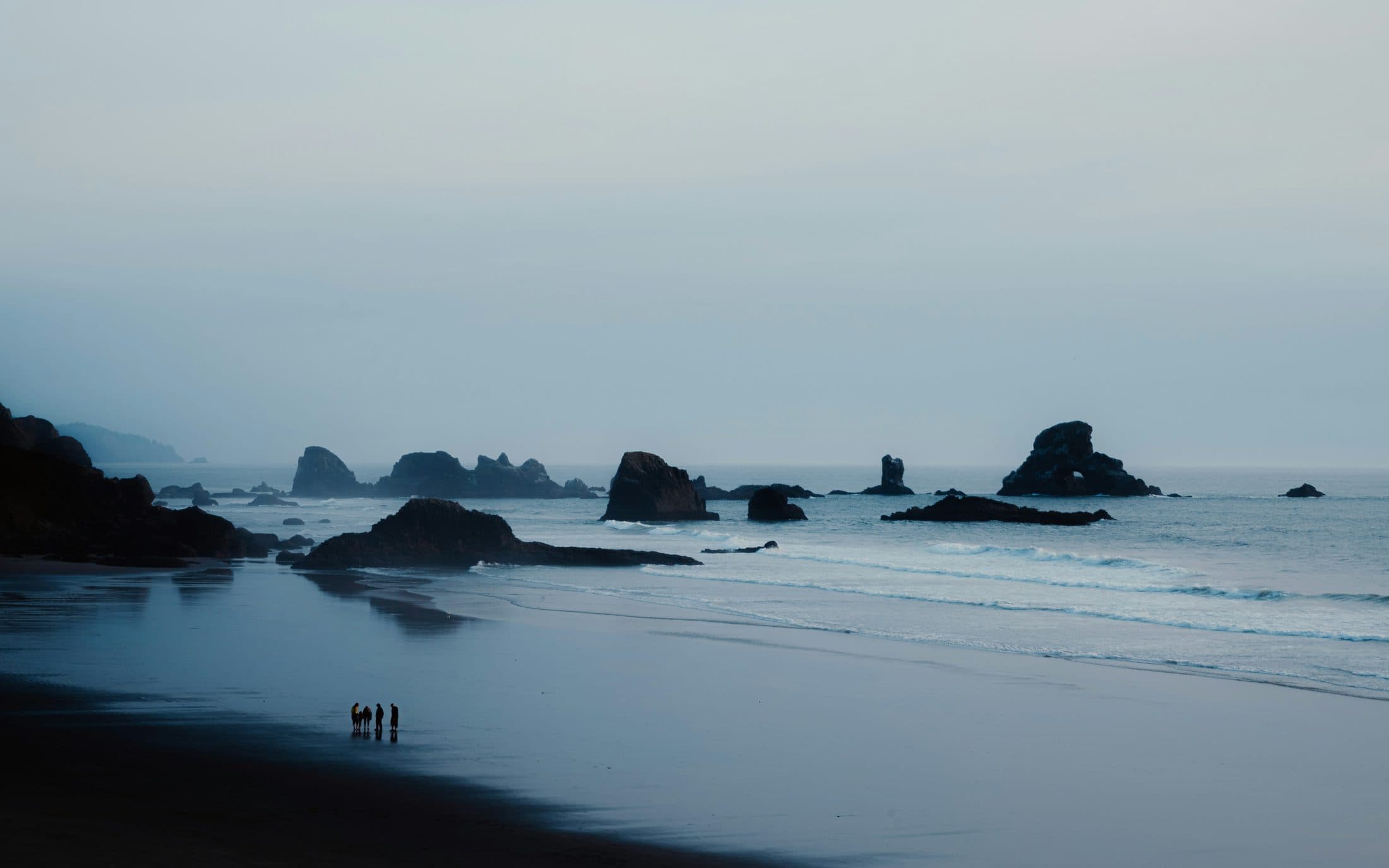 Portland & Oregon
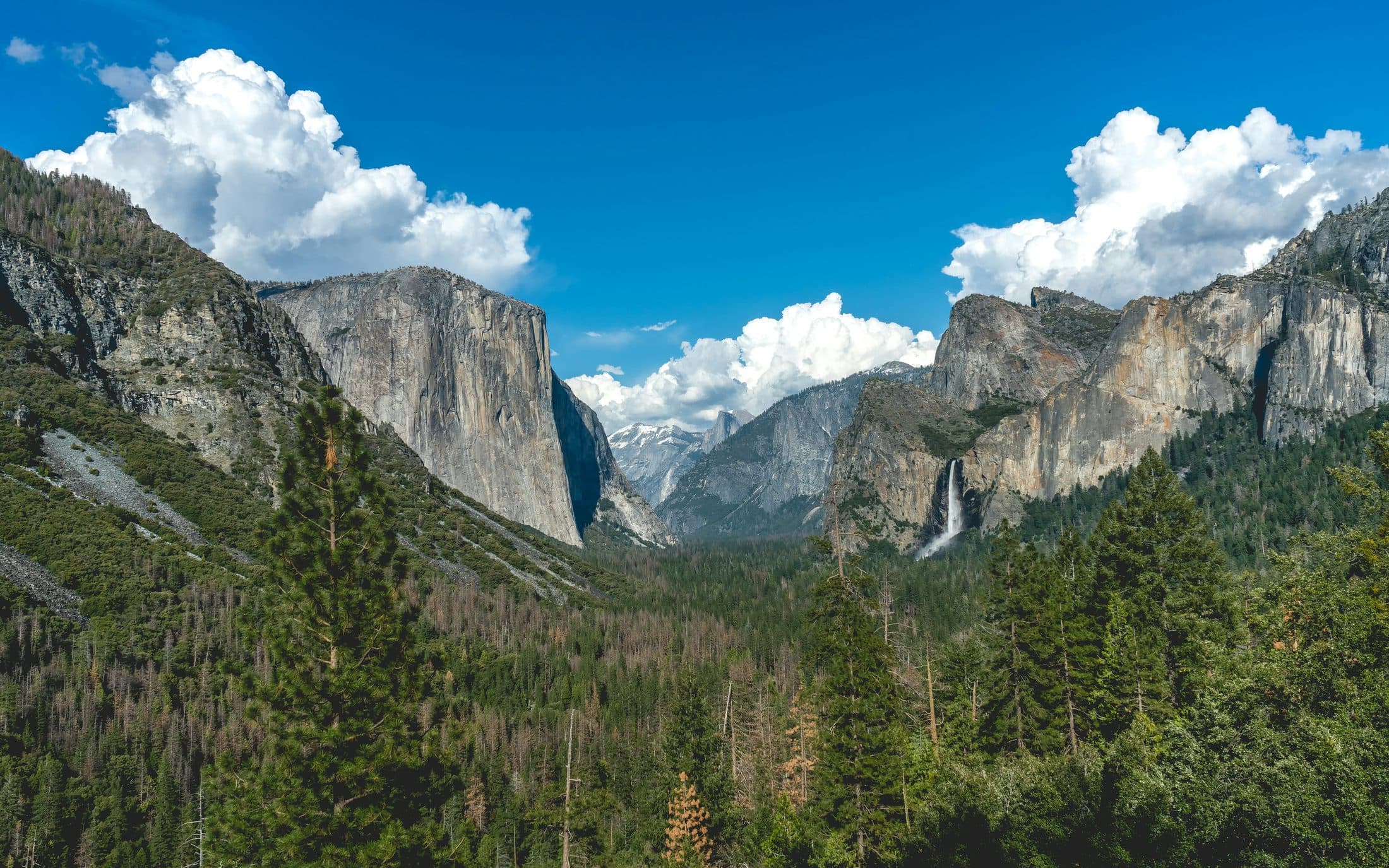 San Francisco, Napa & Yosemite
 Los Angeles & Santa Barbara
 San Diego & Palm Springs
 Las Vegas & Lake Tahoe
 Utah
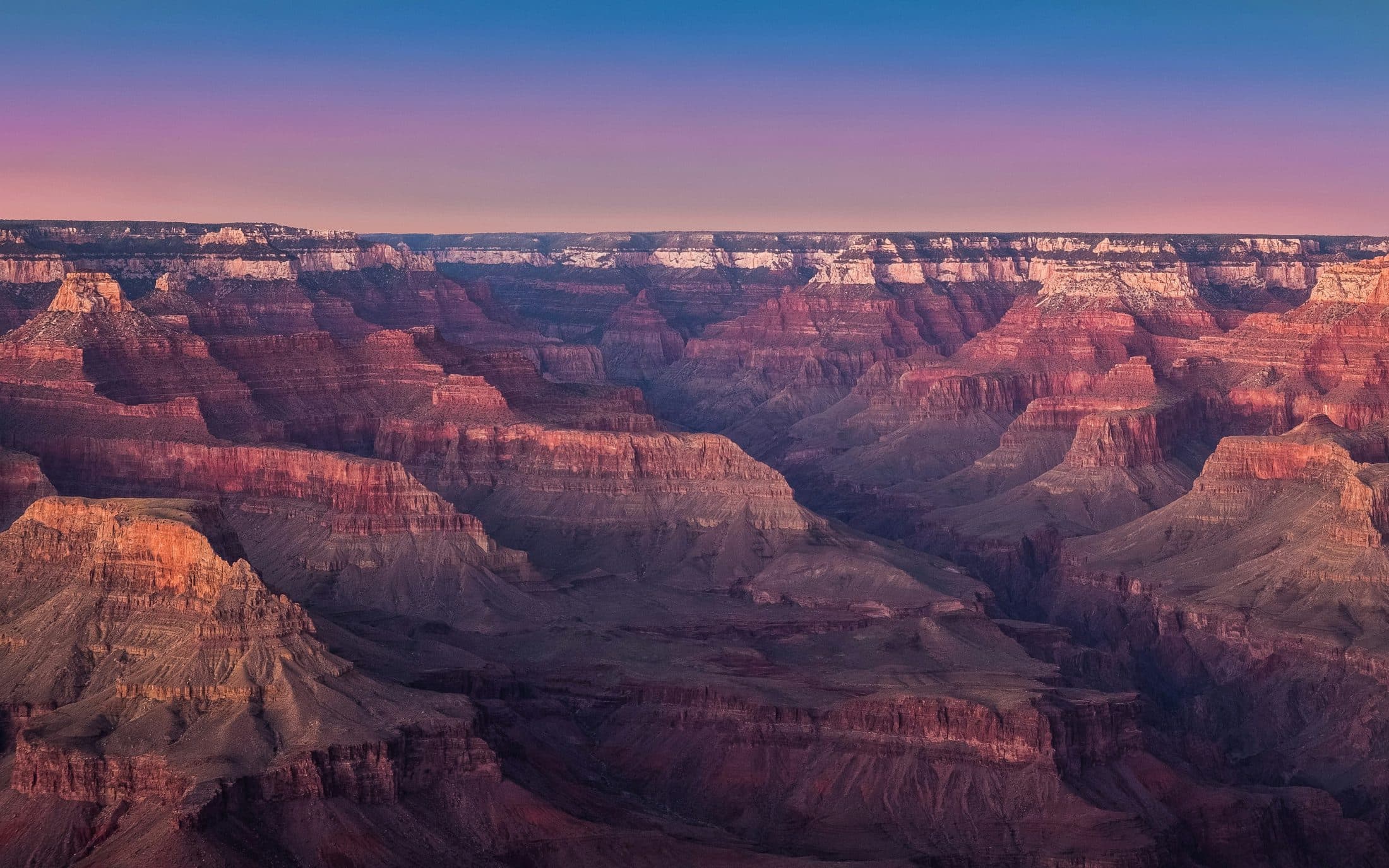 Arizona
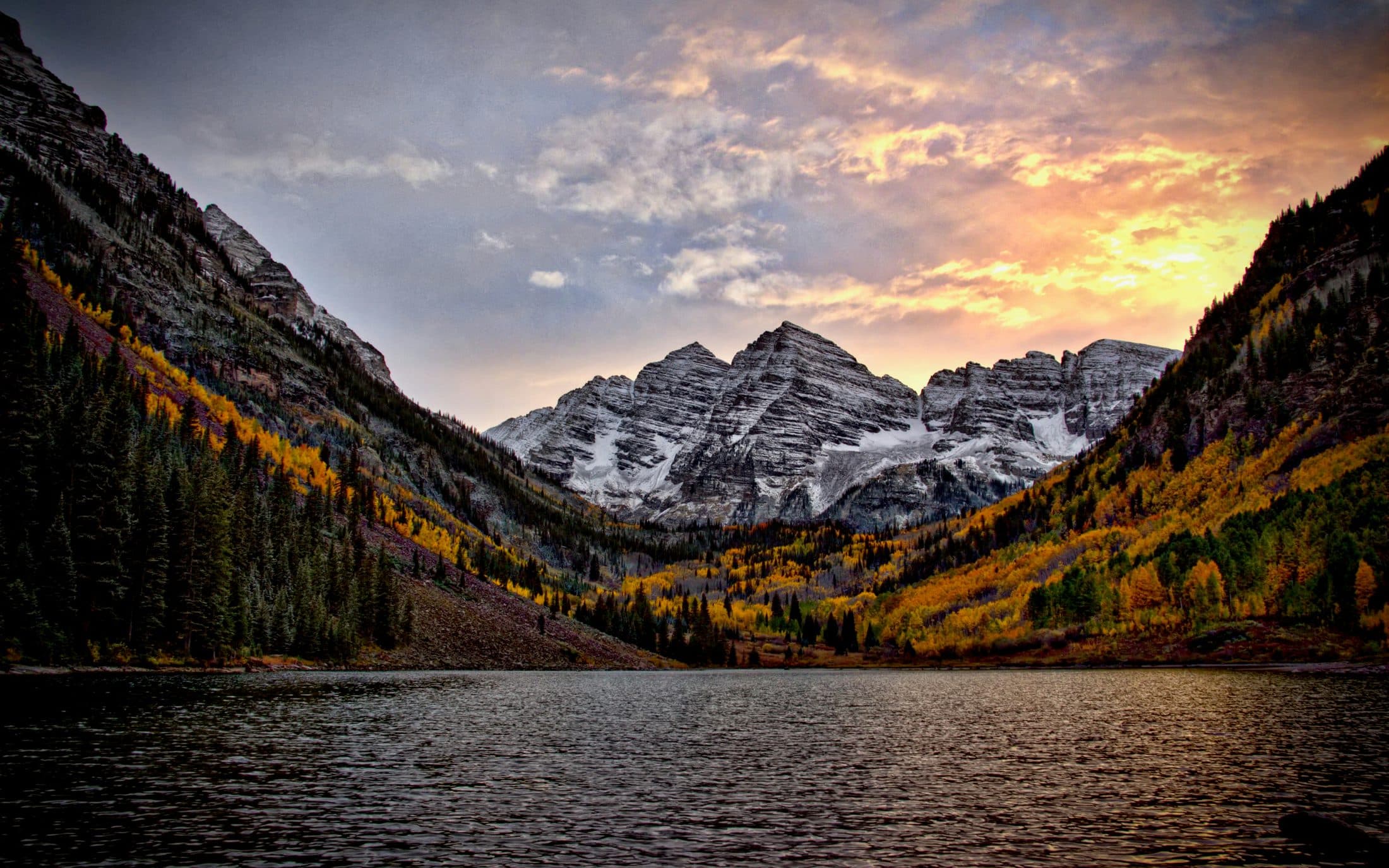 Colorado
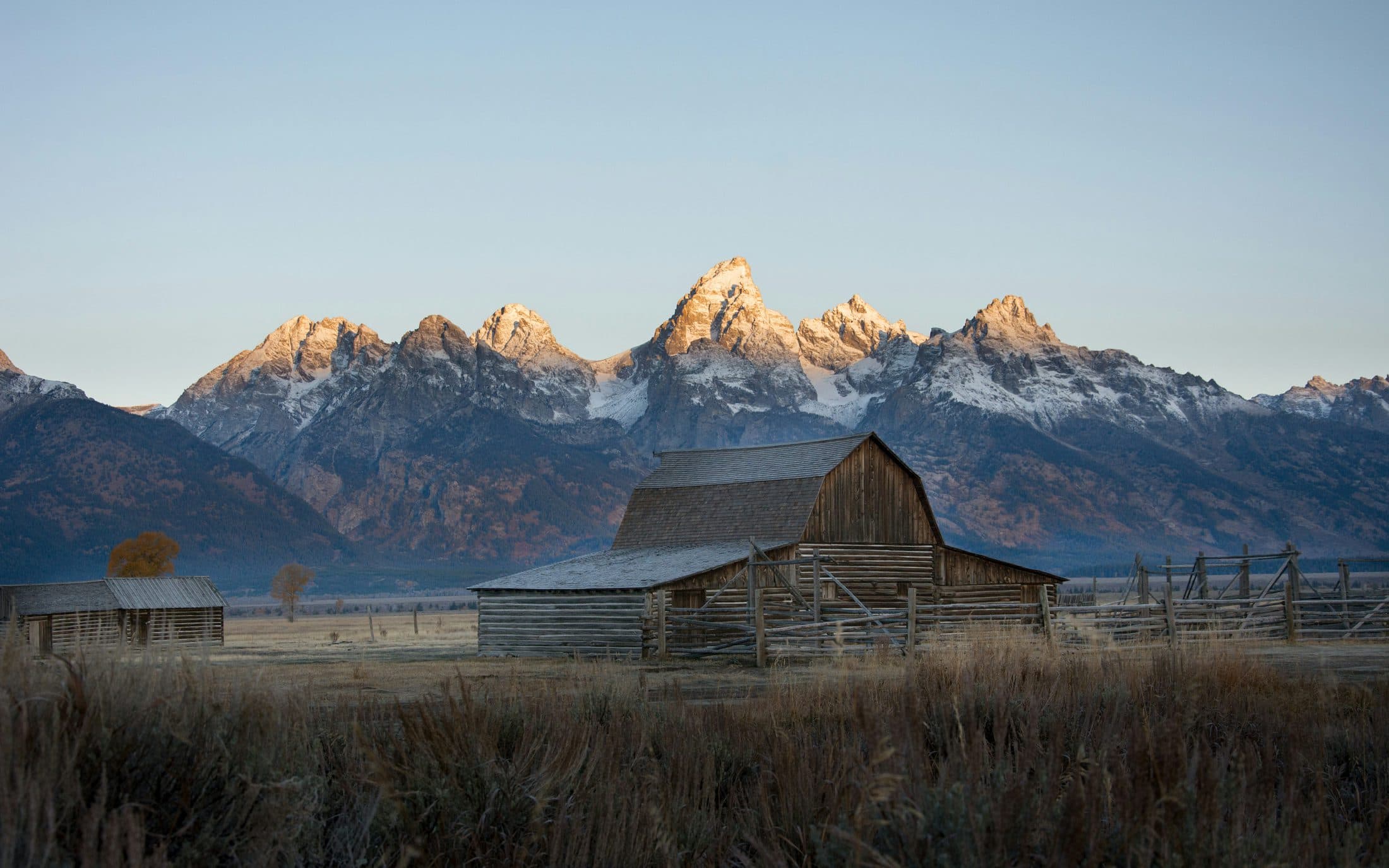 Wyoming & Montana
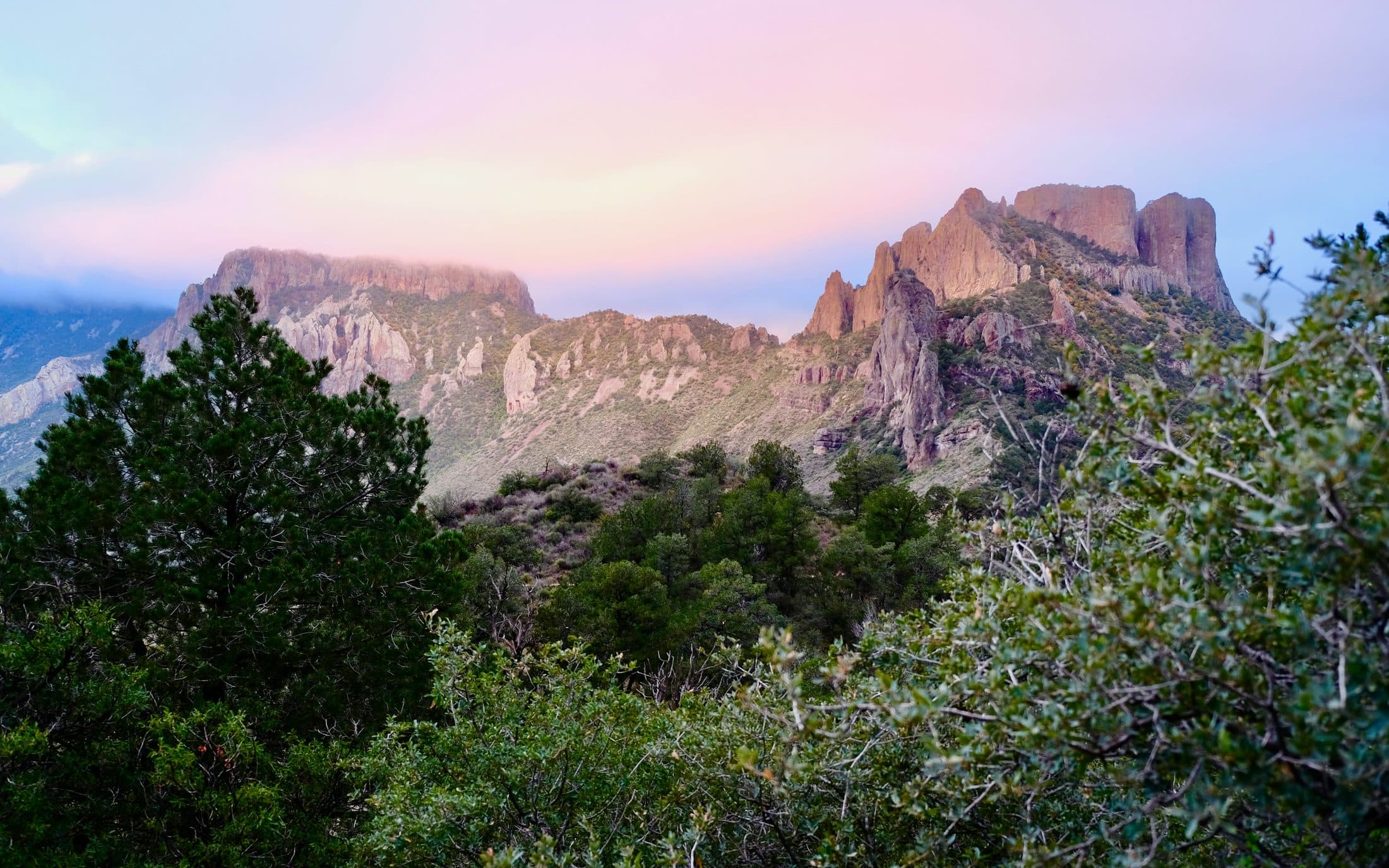 Texas
 Chicago & the Great Lakes
 Nashville & the Smokies
 New Orleans
 Florida
 Charleston & Savannah
 New York & the Hudson Valley
 Boston & Cape Cod
 Maine & Vermont
 Washington, D.C. & Virginia