Verified — Identity verified by Lens & Vows
Andrea T.from €4,200
🇪🇸 Valencia & the Costa Blanca, Barcelona & Catalonia +16, Spain · Editorial, FilmBased in Italy · travels to weddings in SpainWedding photographers in Spain
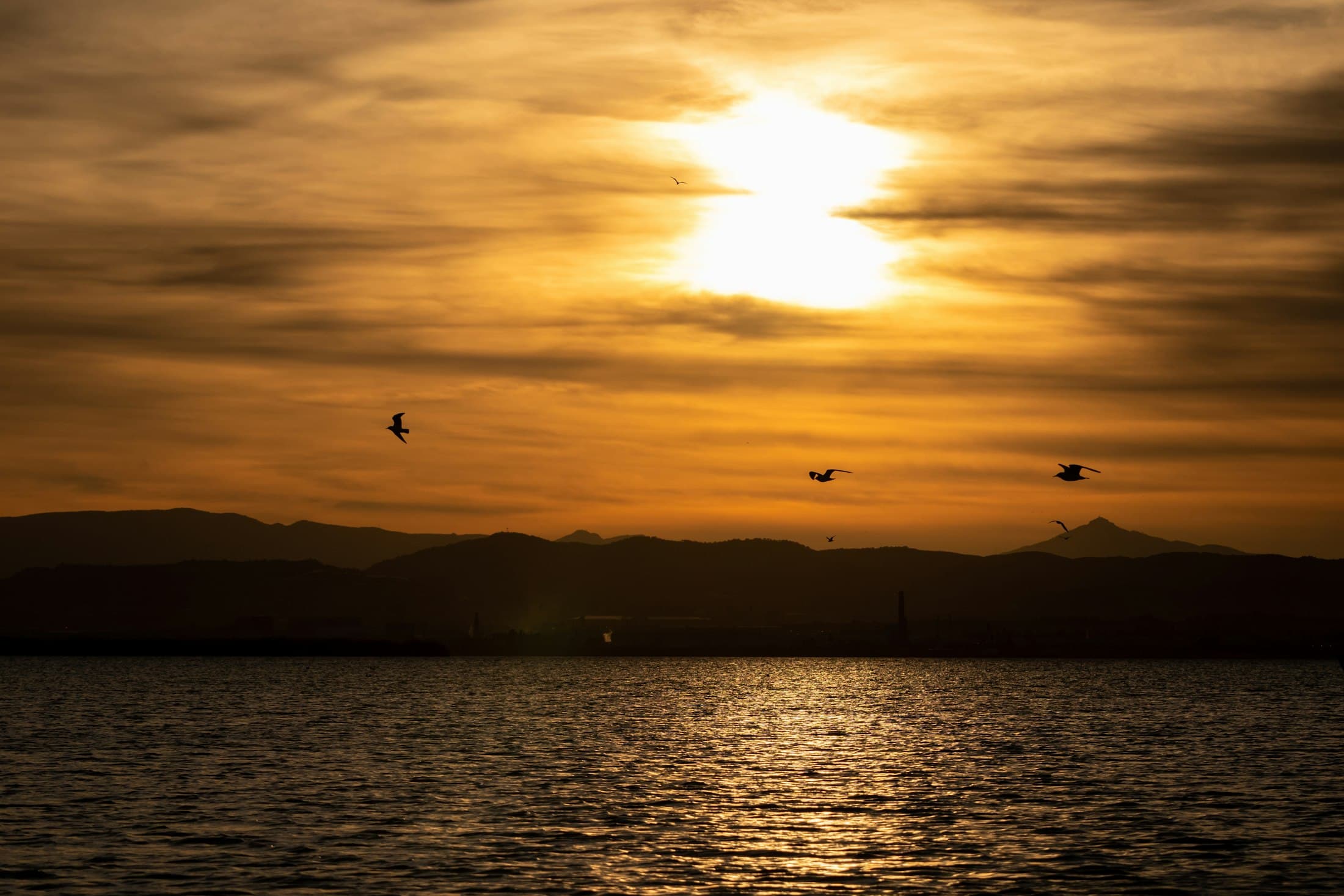
Orange groves, rice fields around the Albufera lagoon, a city both Gothic and futuristic, and the headlands, coves and white towns of the Costa Blanca, from Xàbia to Altea.
Valencia joins a medieval centre, with the silk exchange of La Lonja on UNESCO’s list, to the white City of Arts and Sciences, at the far end of a long garden laid out in the old bed of the Turia. Just south, the Albufera, a lagoon of about 2,100 hectares and barely 1.5 m deep, a natural park since 1986, lies among rice fields behind the pines and dunes of the Devesa: the home of paella, and of the region’s famous sunsets. Further south the Costa Blanca turns rocky, with the limestone headlands of Xàbia, the Penyal d’Ifac rising 332 m at Calp and the blue and white domes of Altea. Near Alicante stands the great palm grove of Elx.
Weddings here happen in alquerías and masías, the old farmhouses of the Valencian countryside, on terraces over the water and in old village squares. Valencia’s city council marries couples in the Palacete de Monforte and its gardens, on days listed in a calendar it publishes for 2026 and 2027, through its marriage office on the same street. That needs a marriage file where one of you lives in Spain, so most couples from abroad sign at home and hold a symbolic ceremony here, with an elopement at dawn on a cove or at dusk on the lagoon as the small version.
Photographers
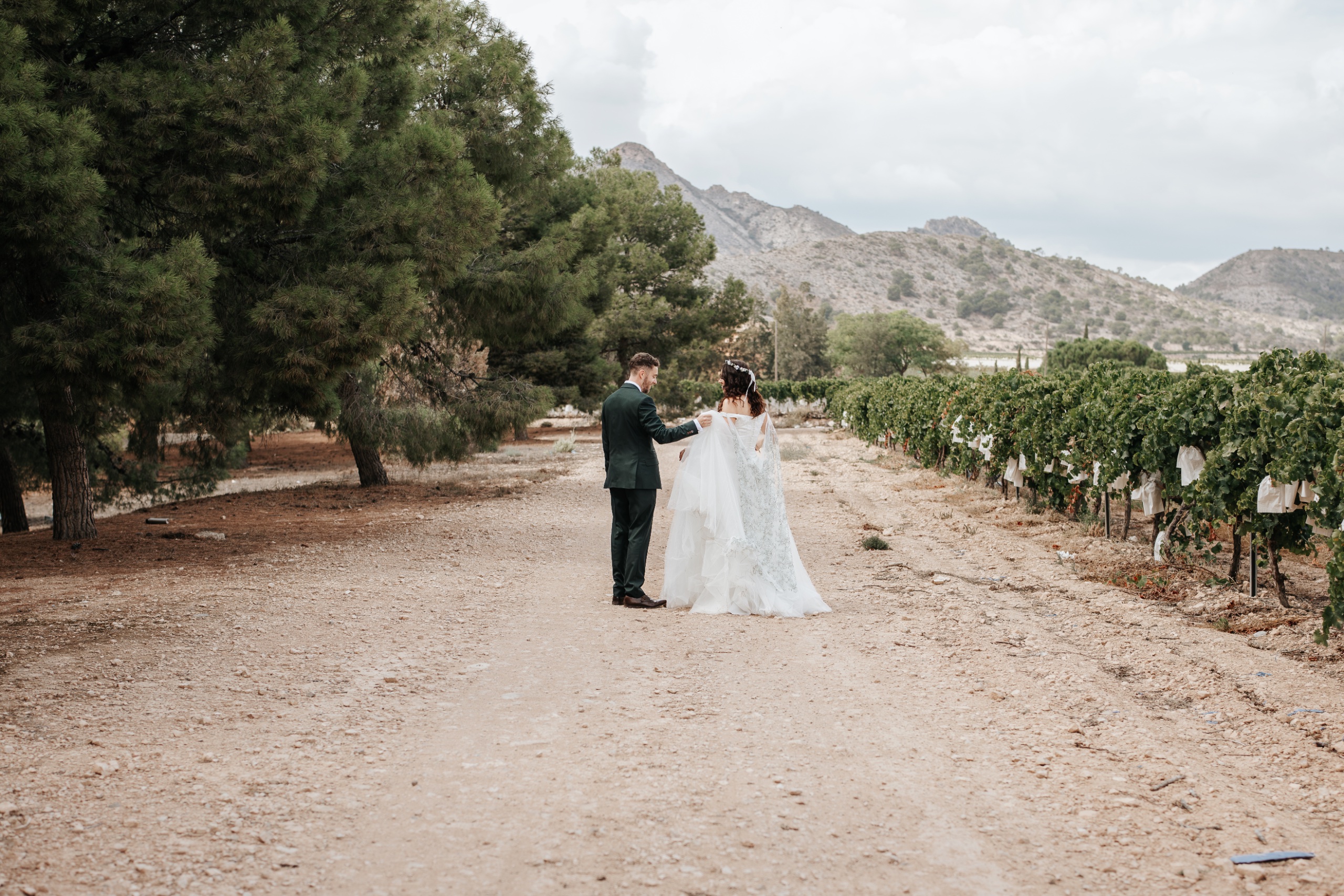
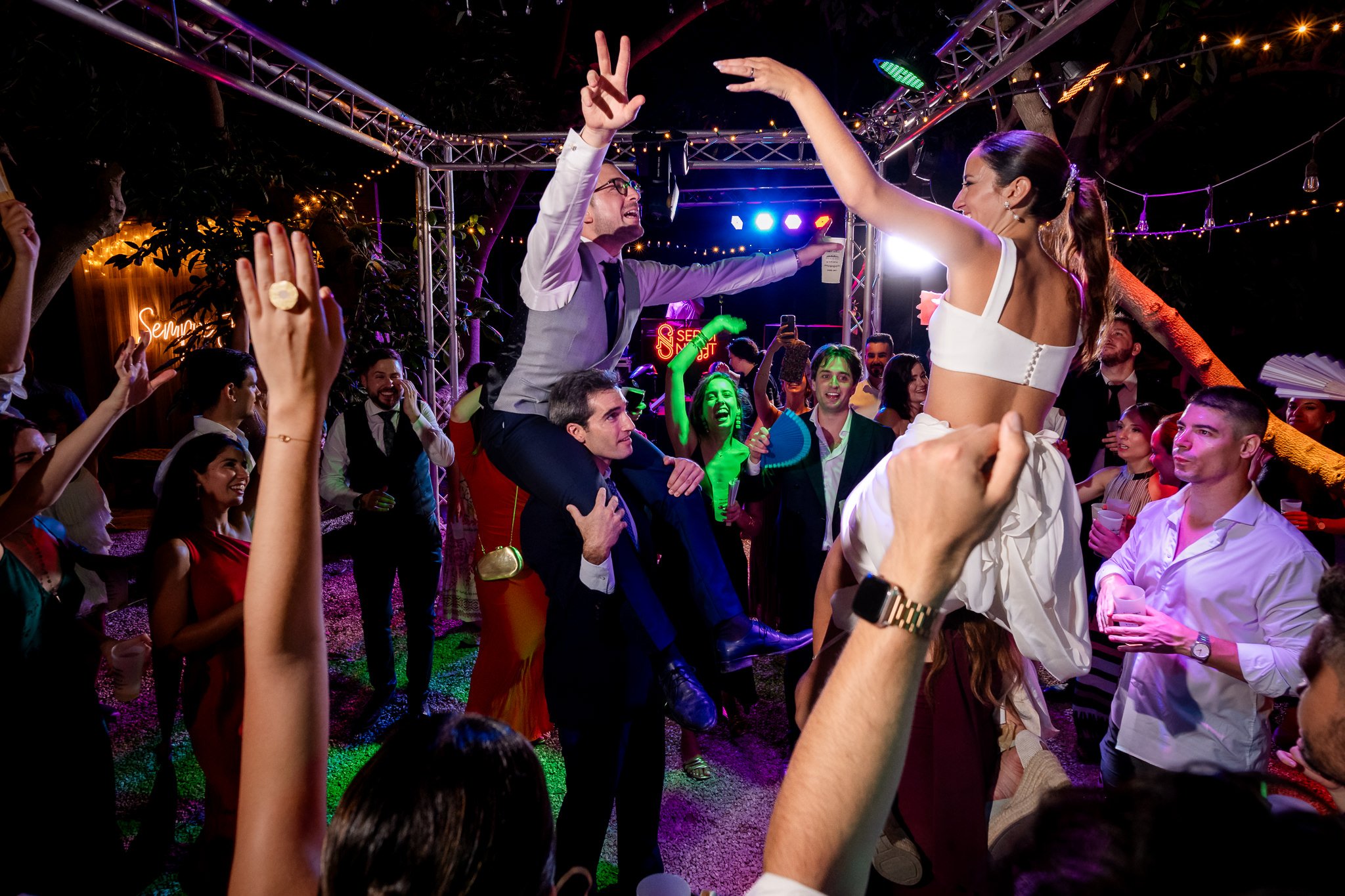
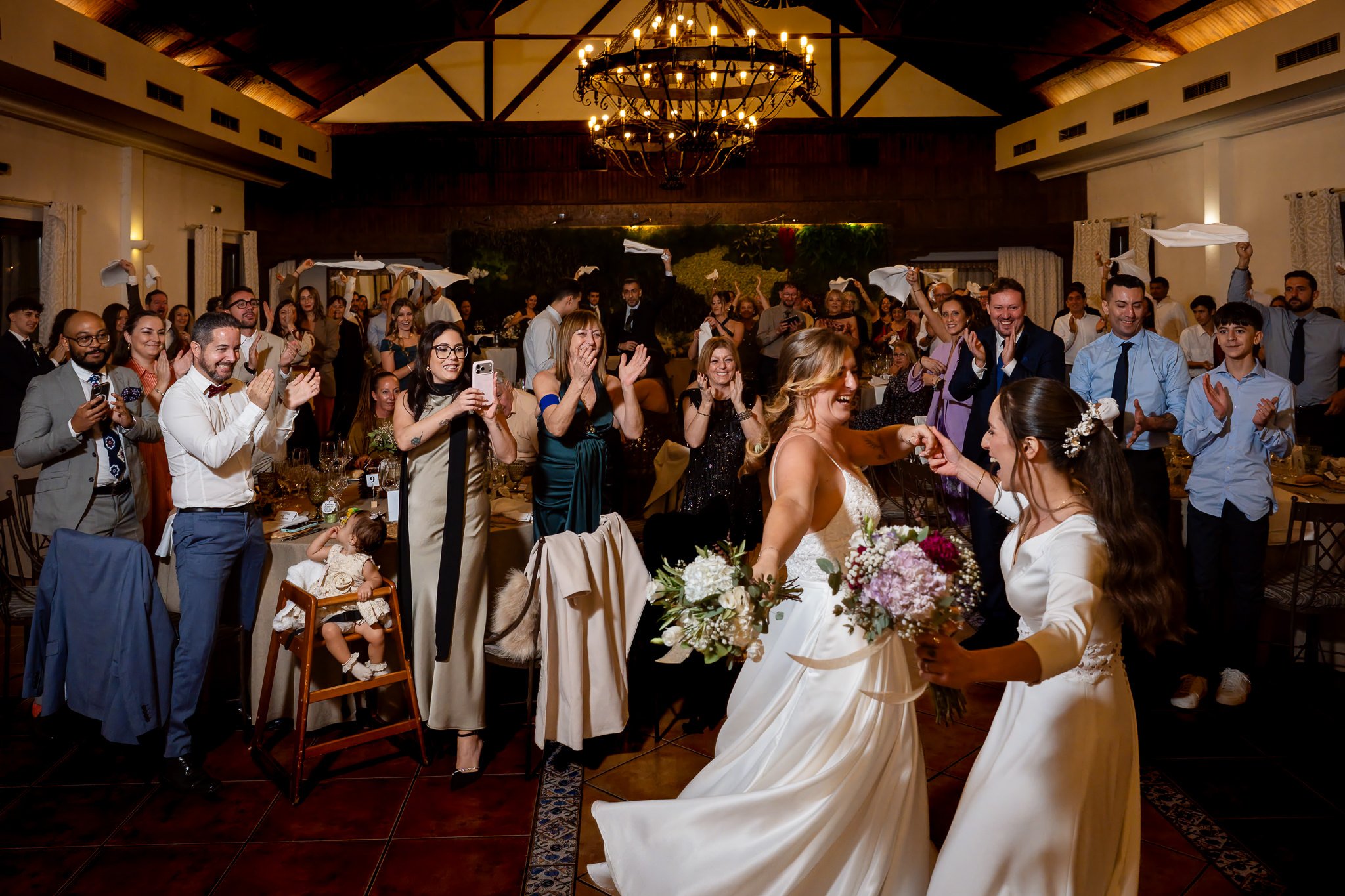
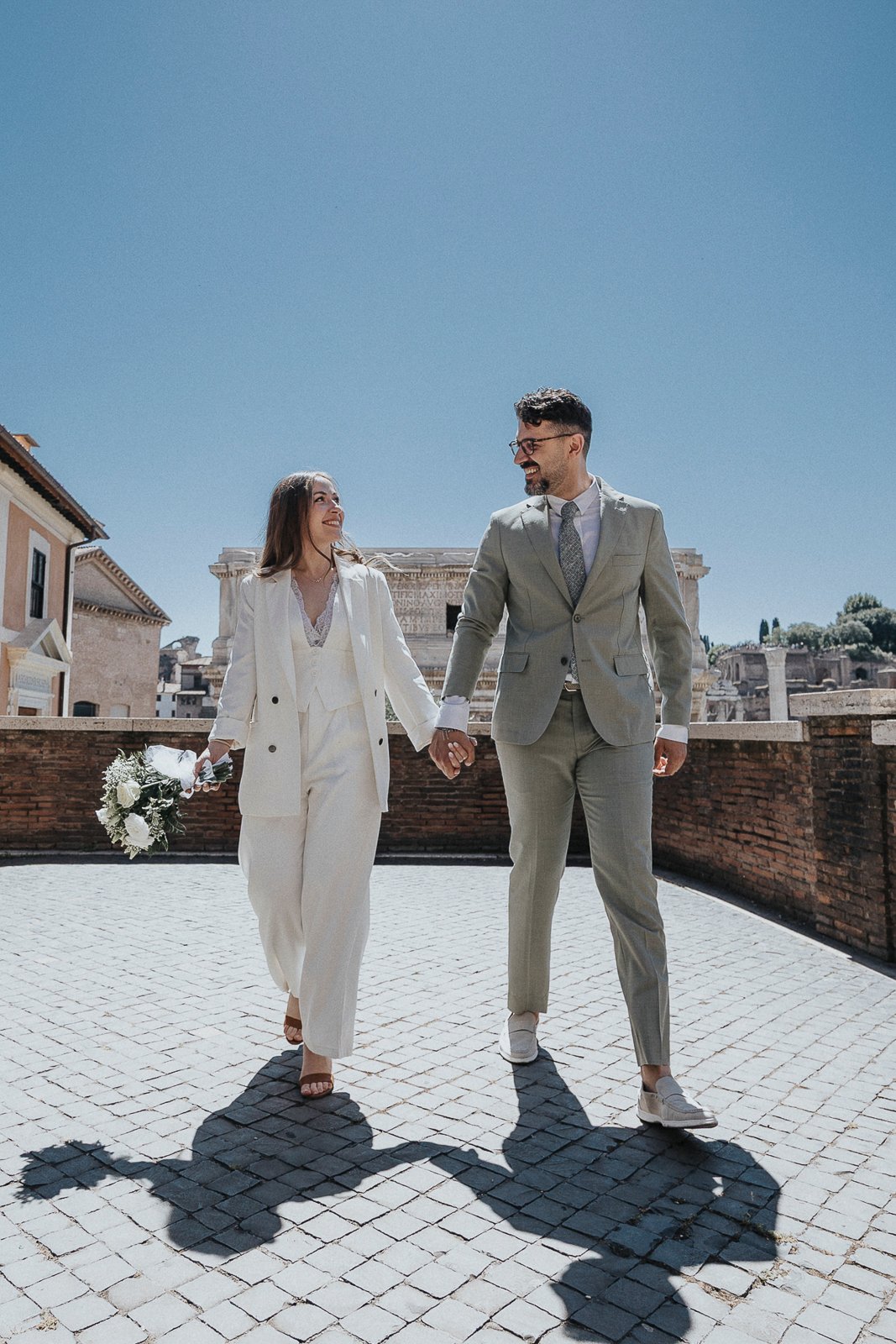
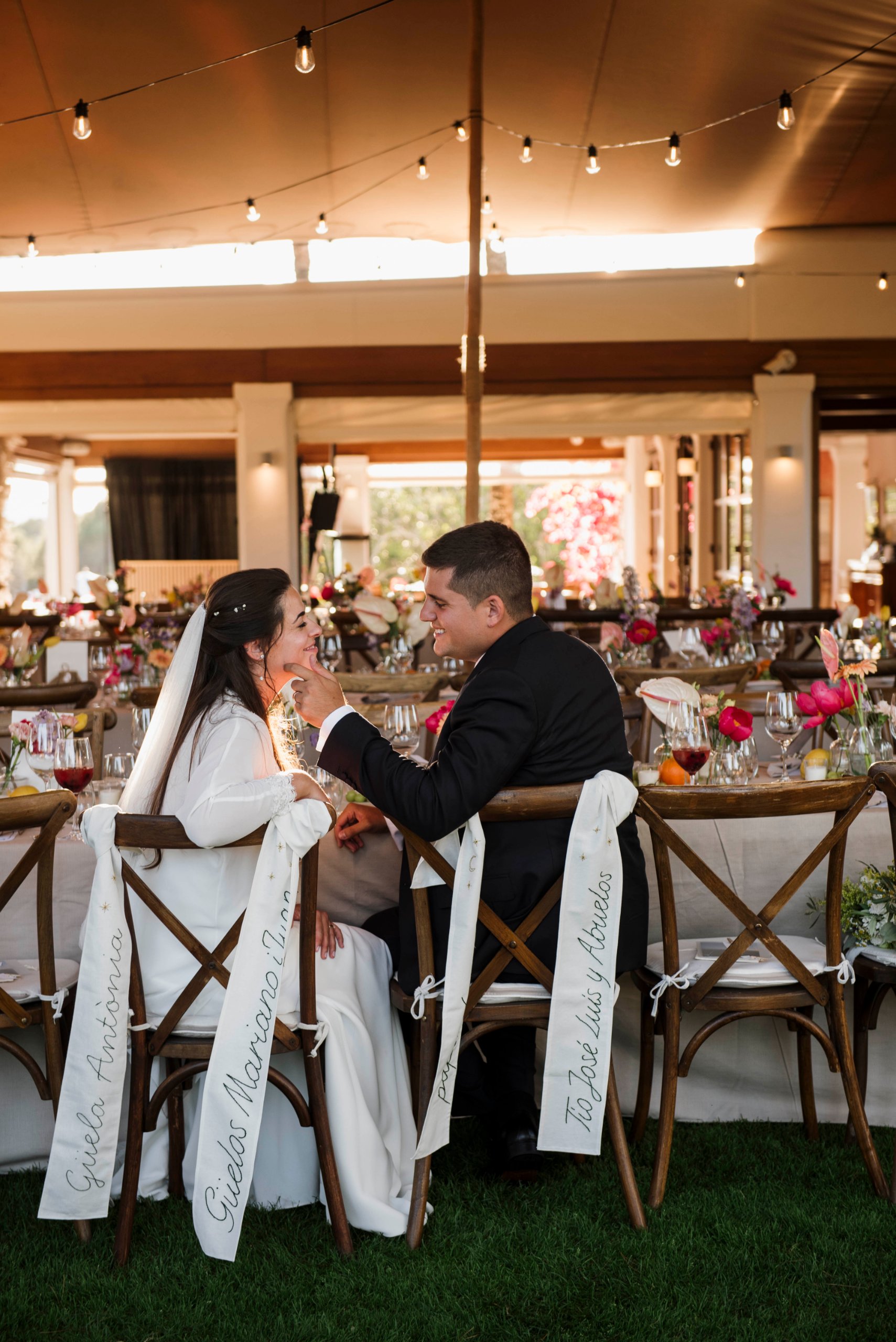
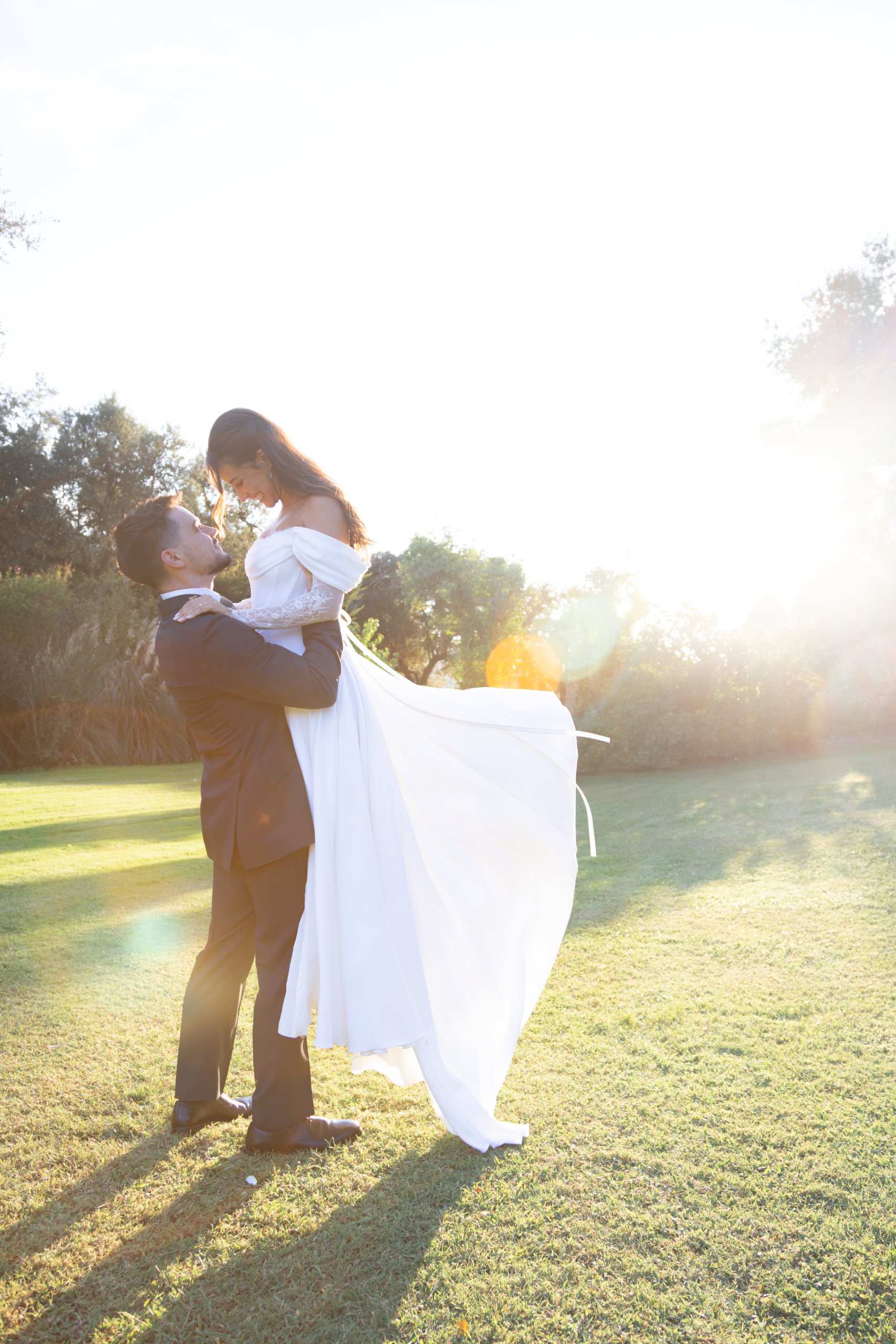
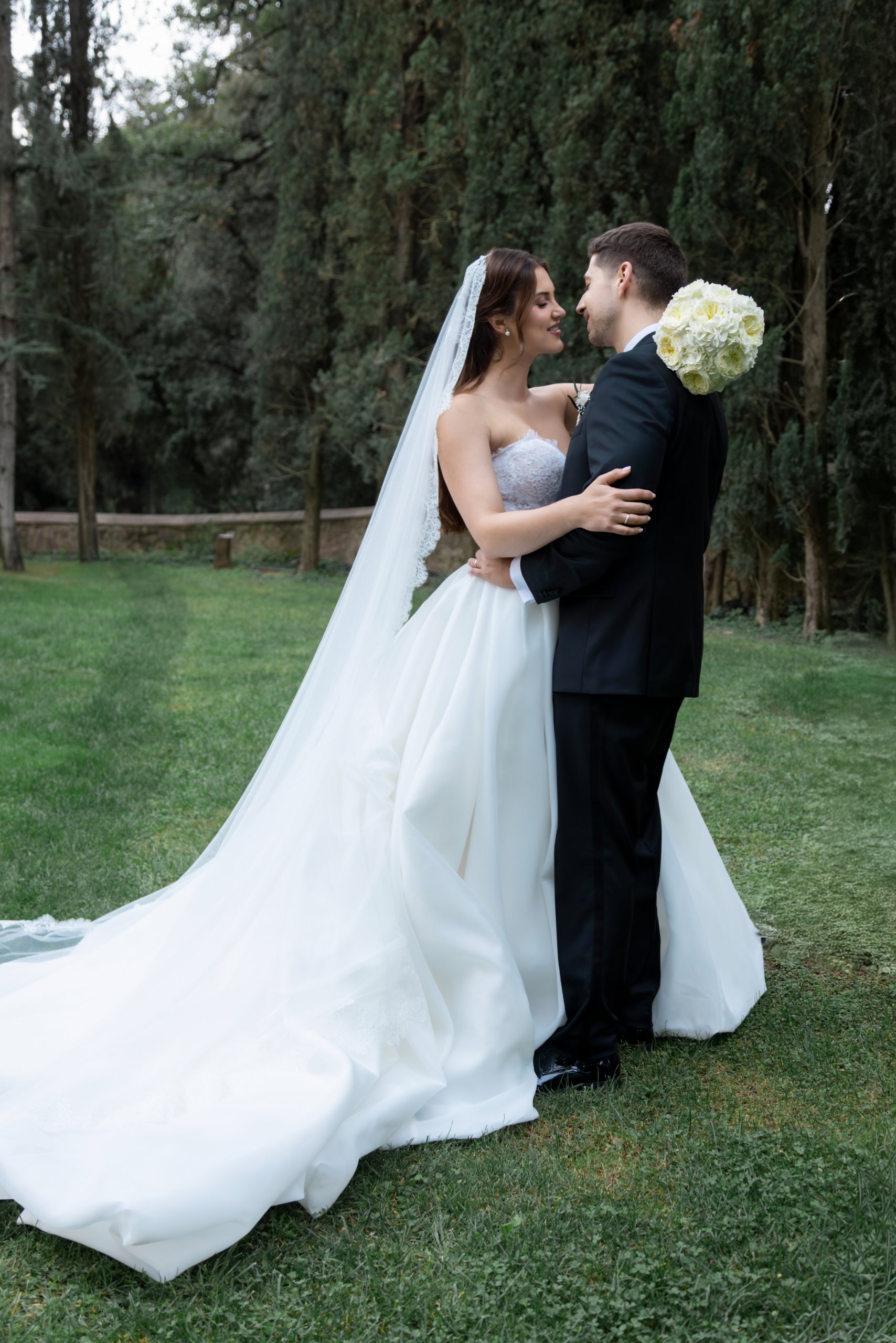
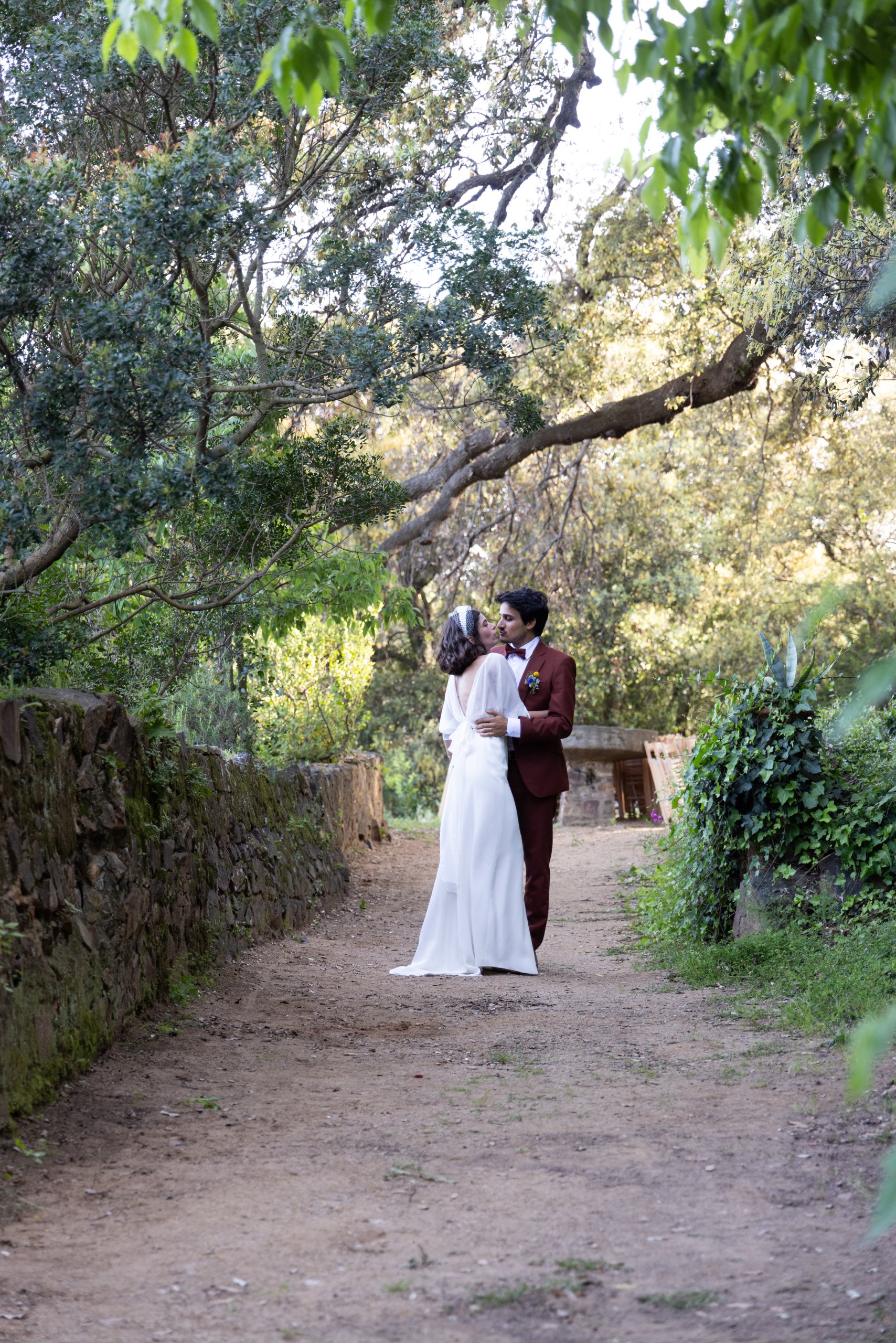
They shoot here and know the light. Their whole weddings are on their pages.
See all 16 photographers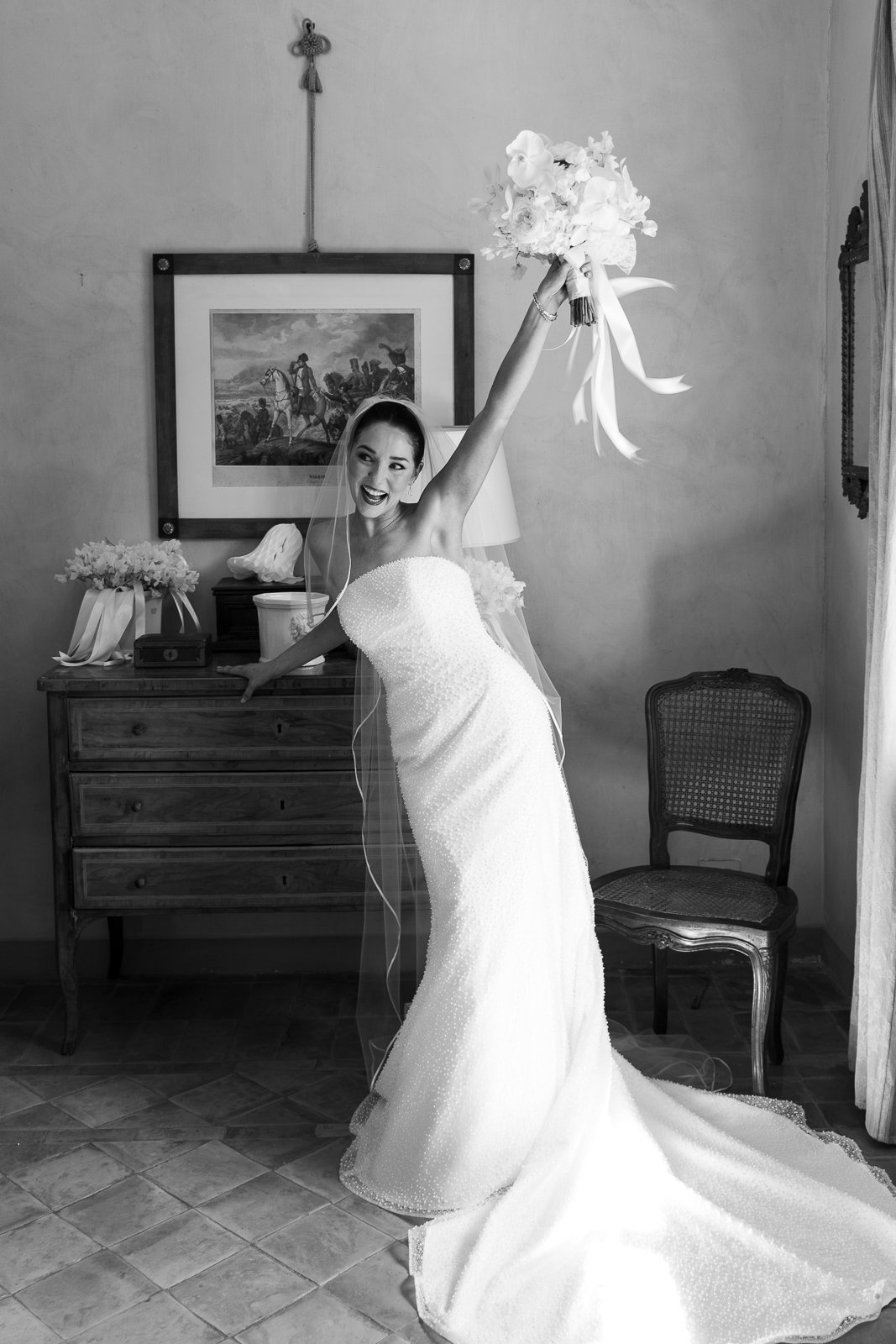
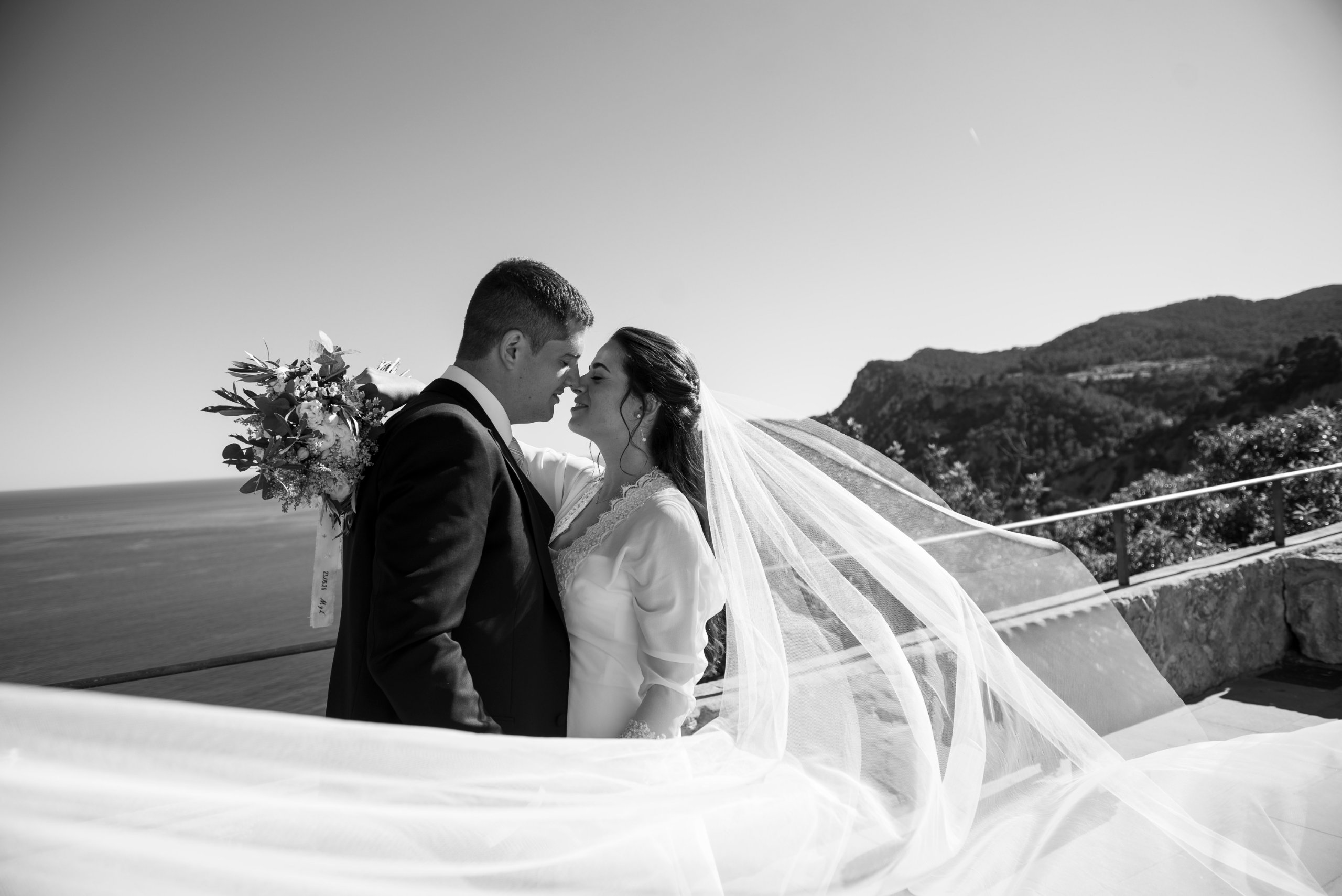
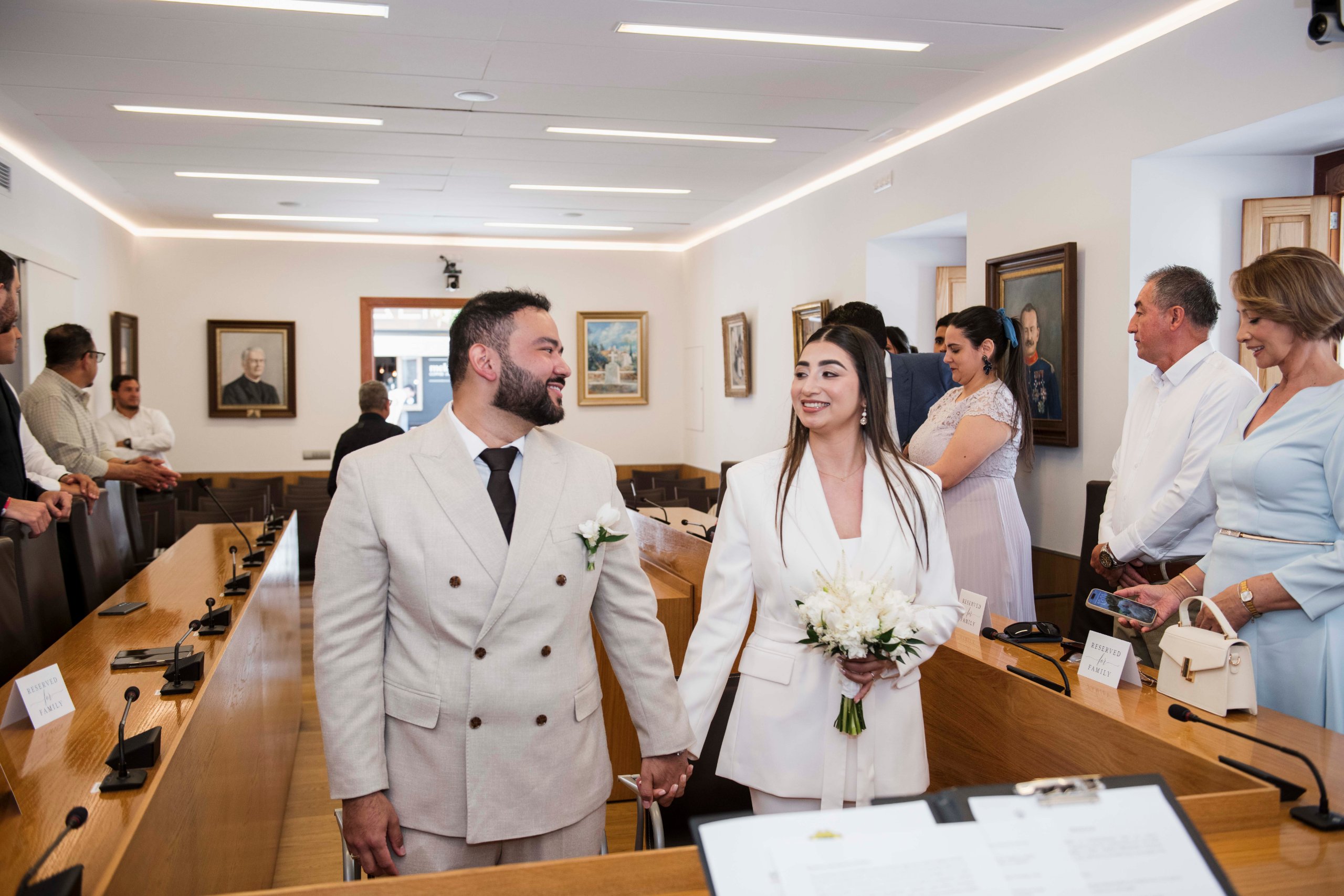
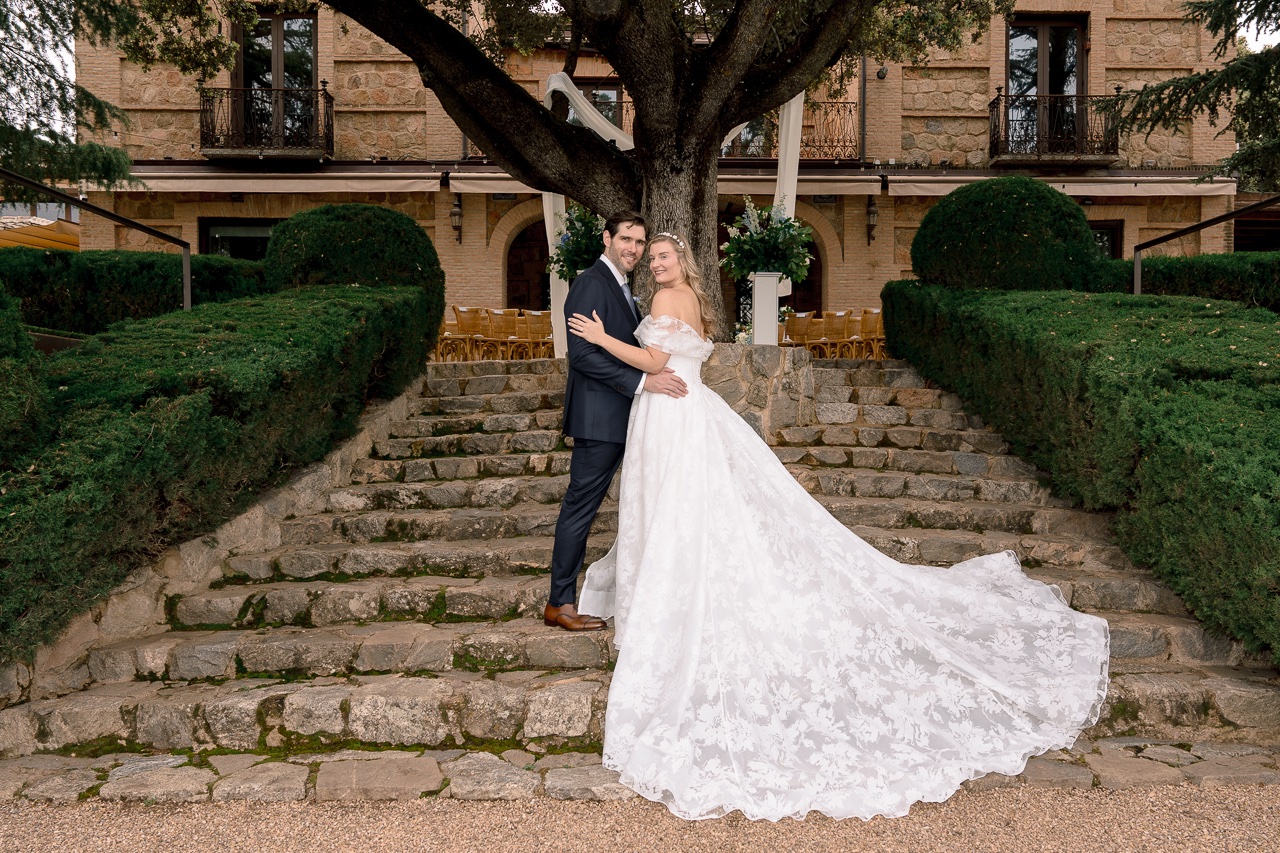
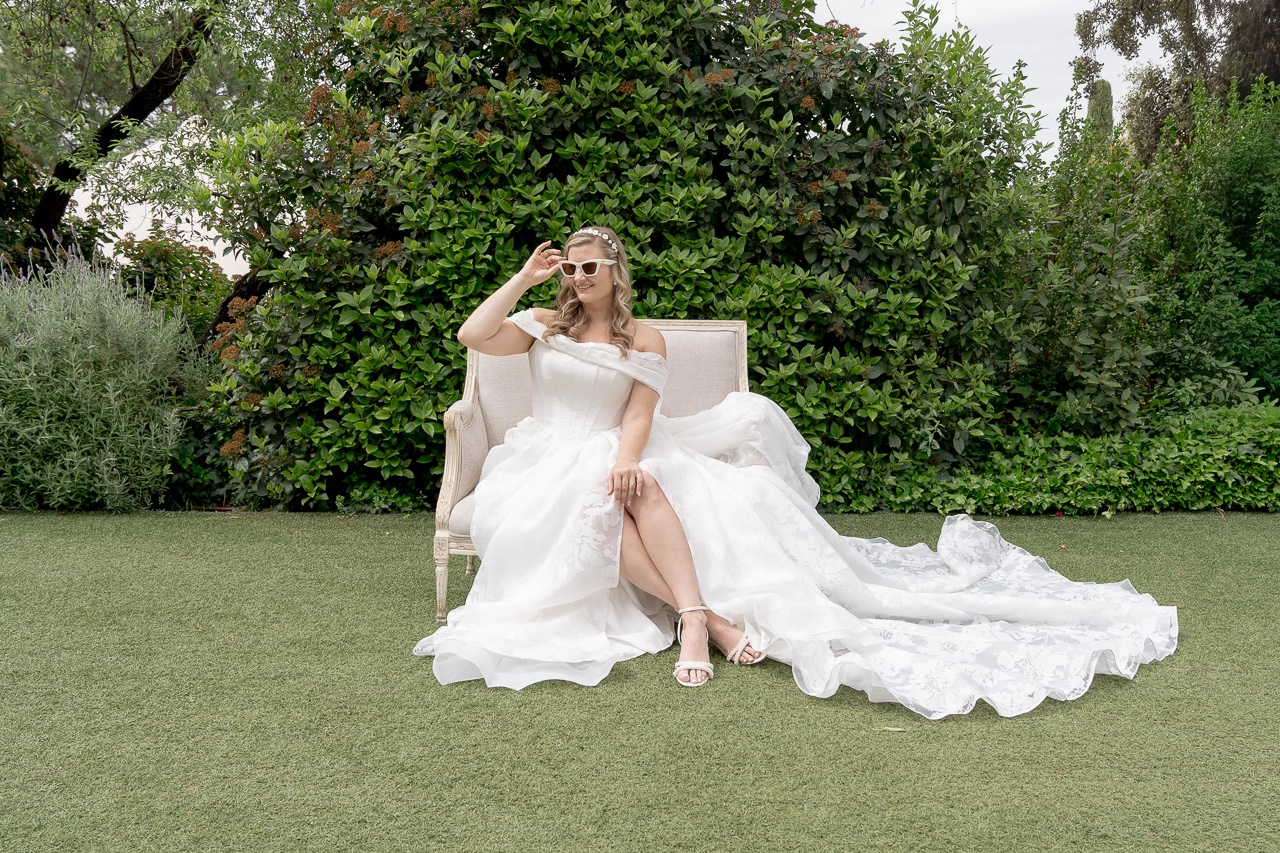
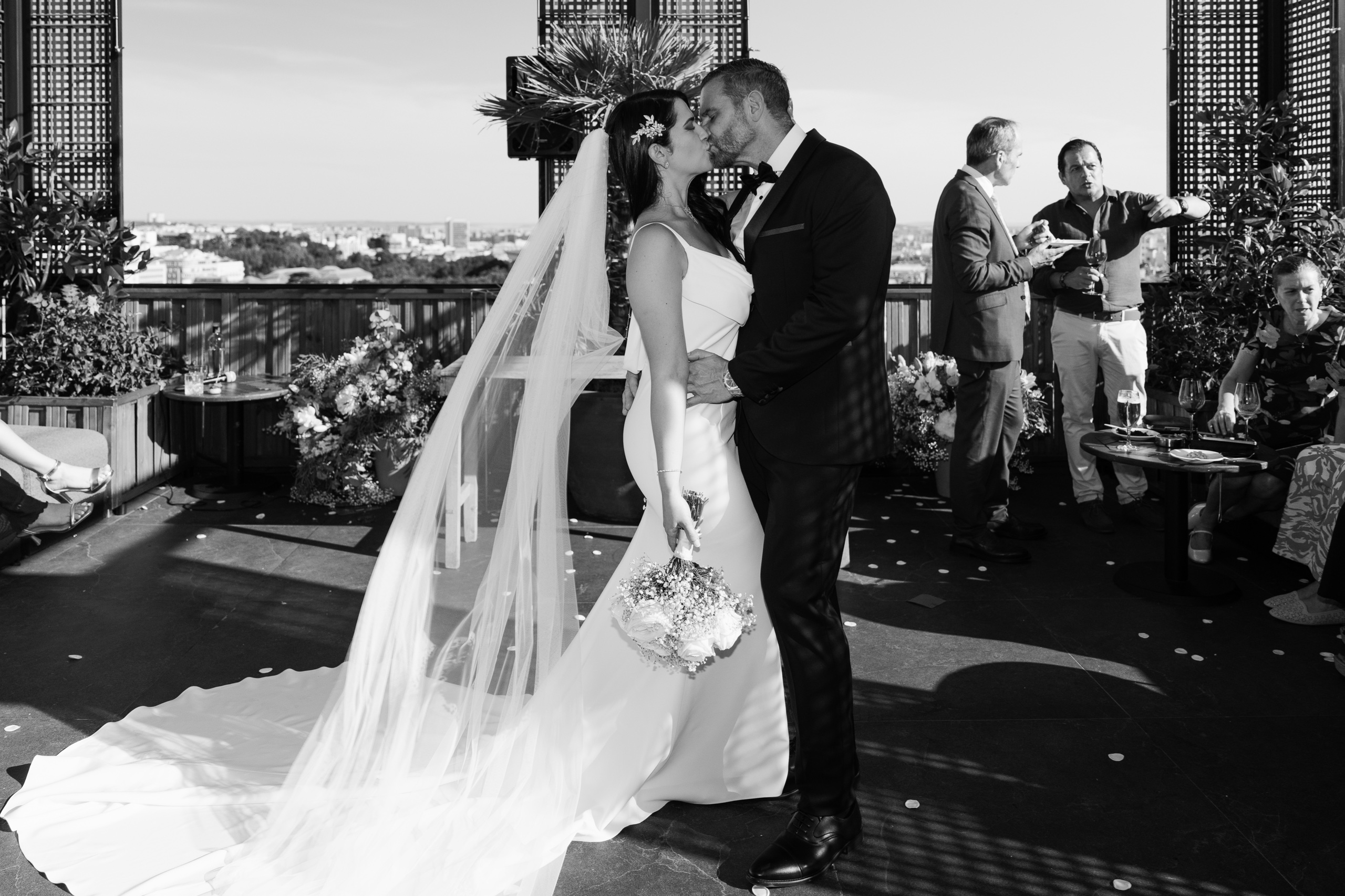
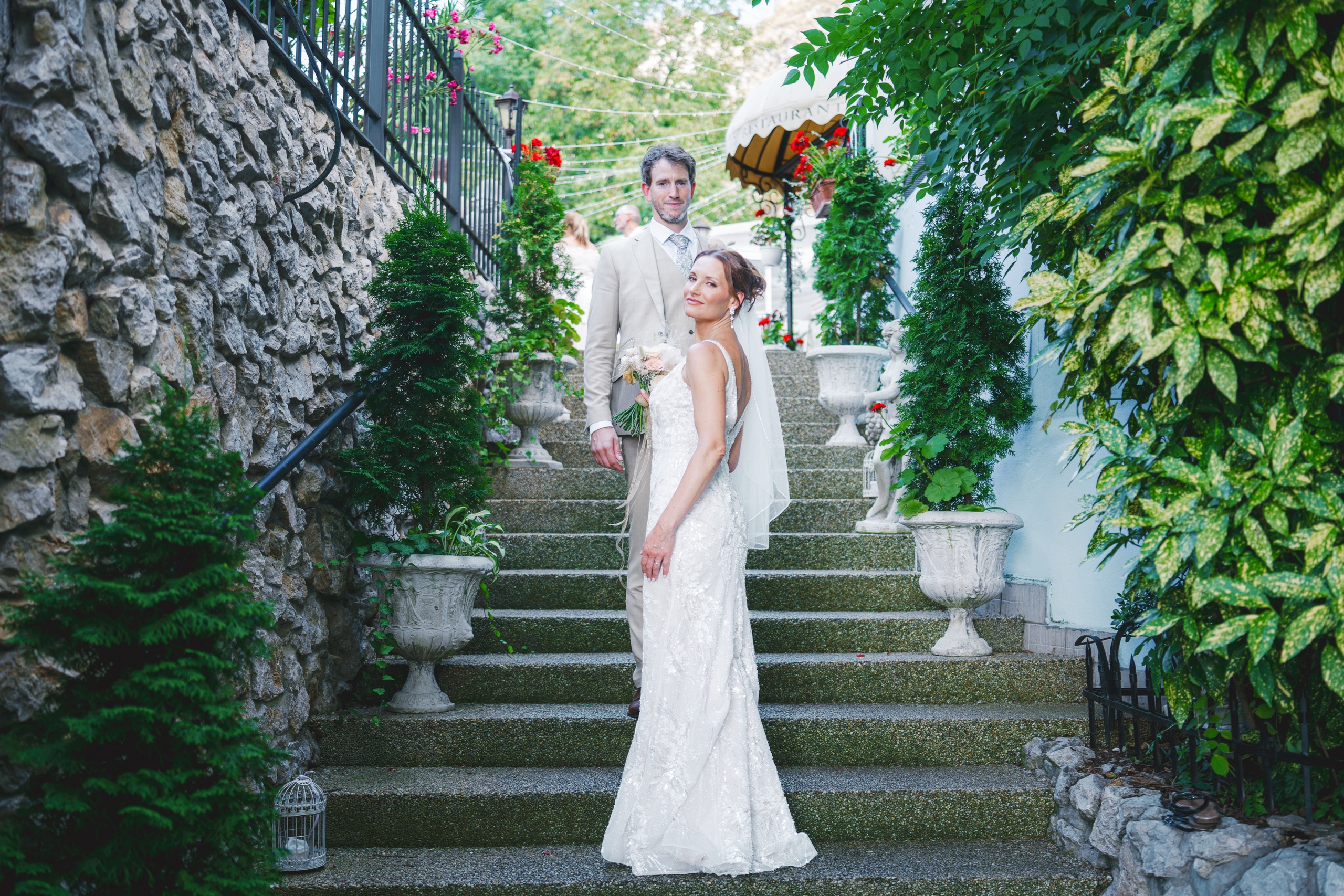
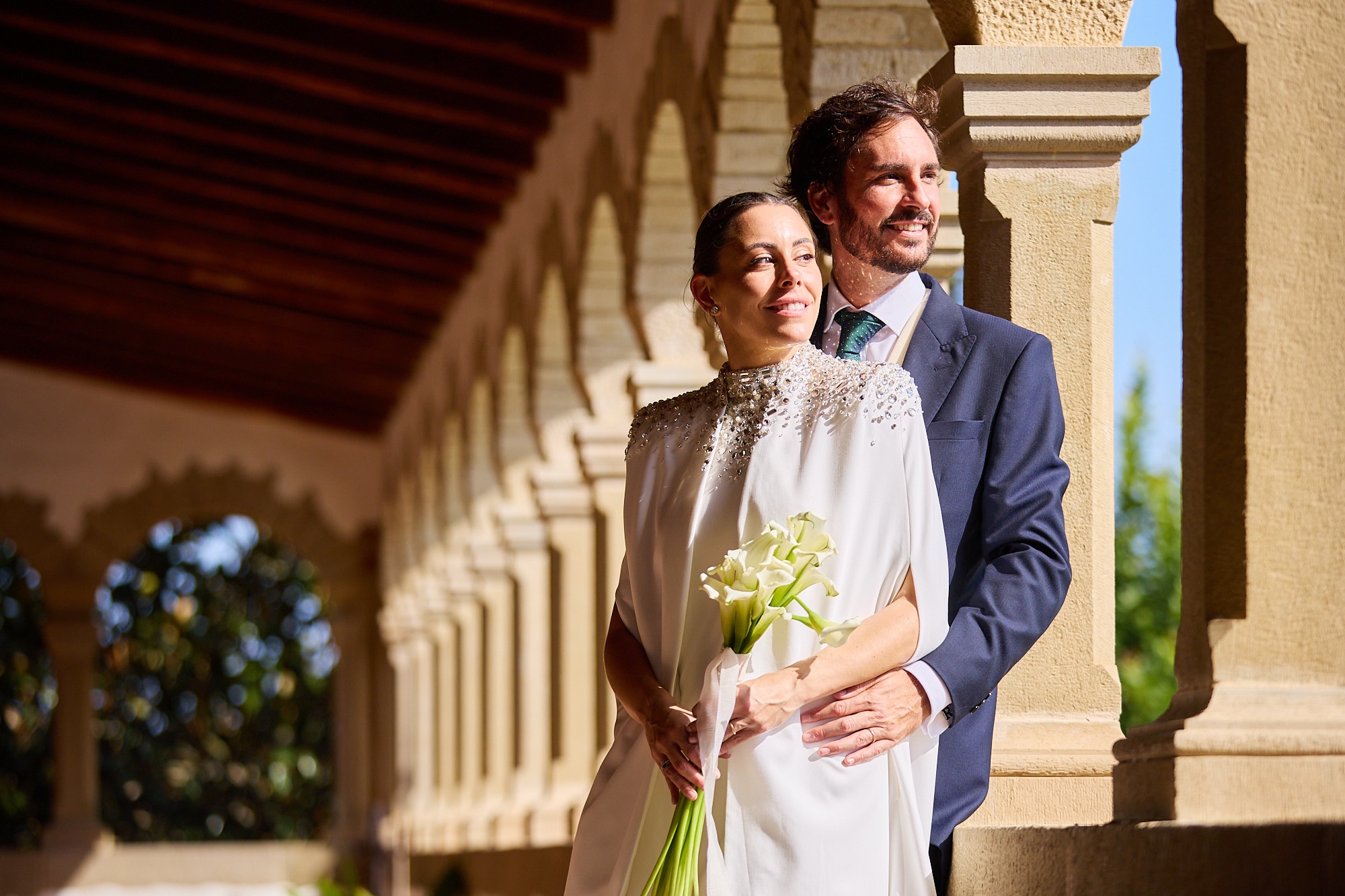
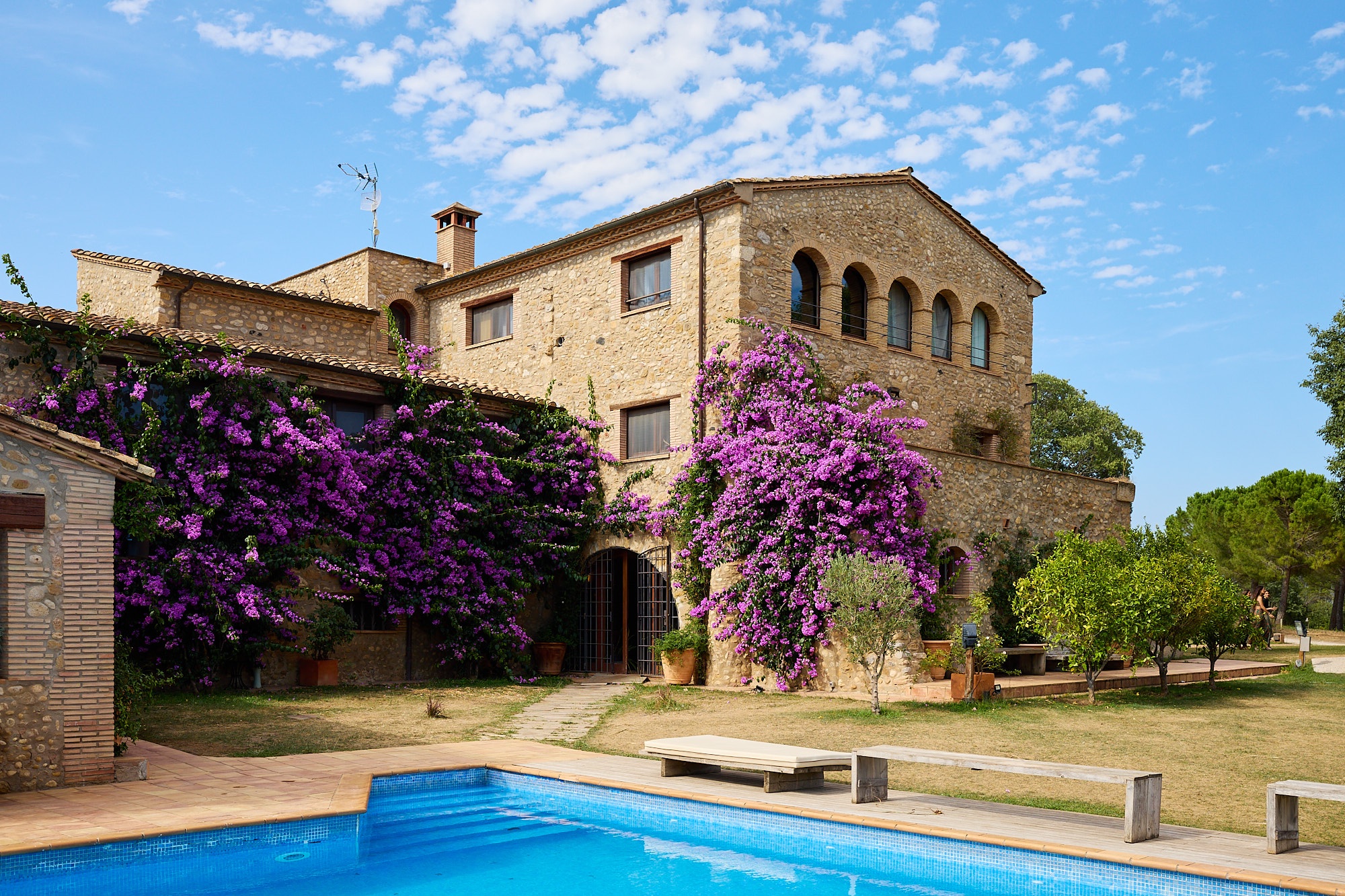
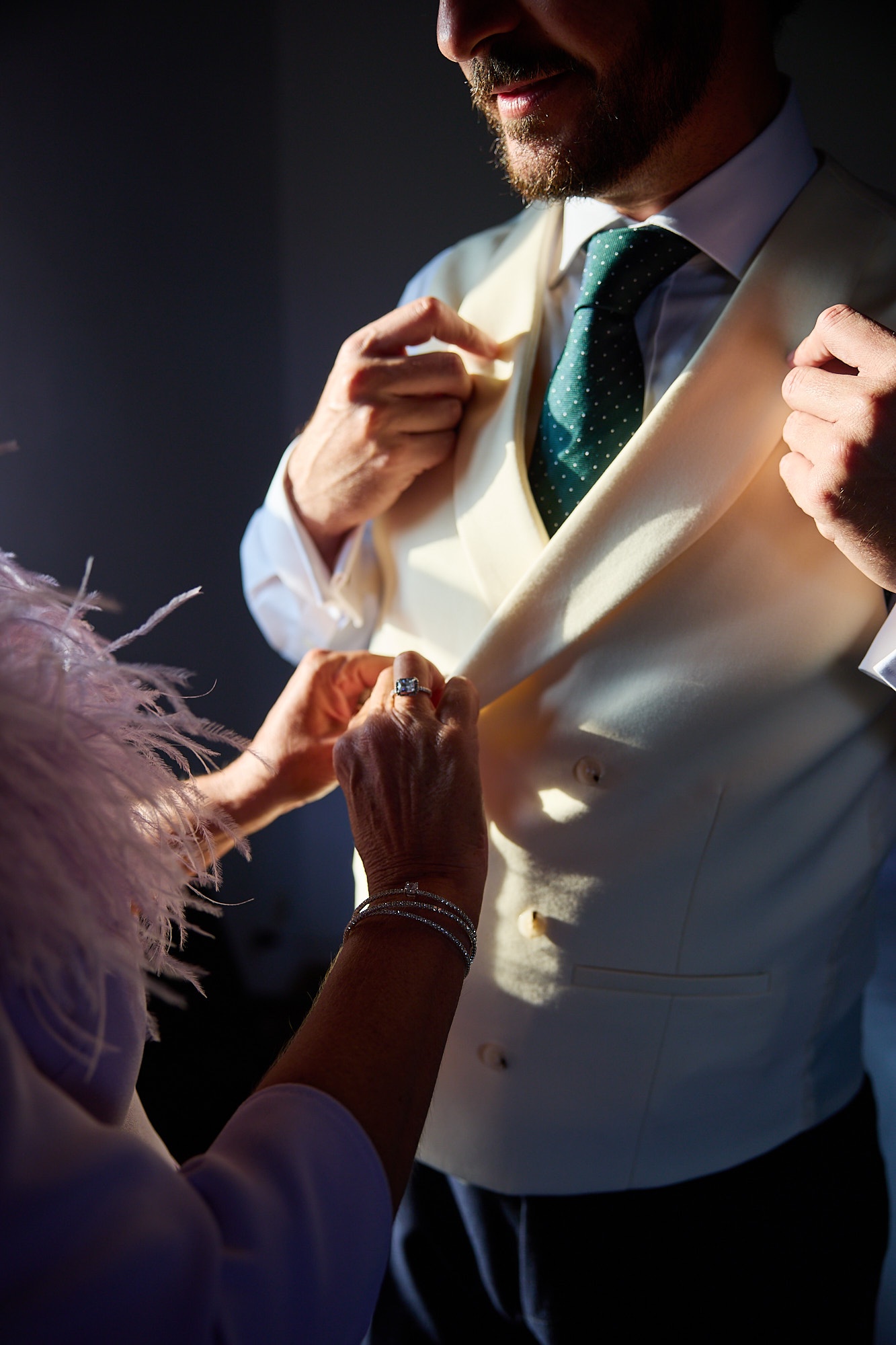
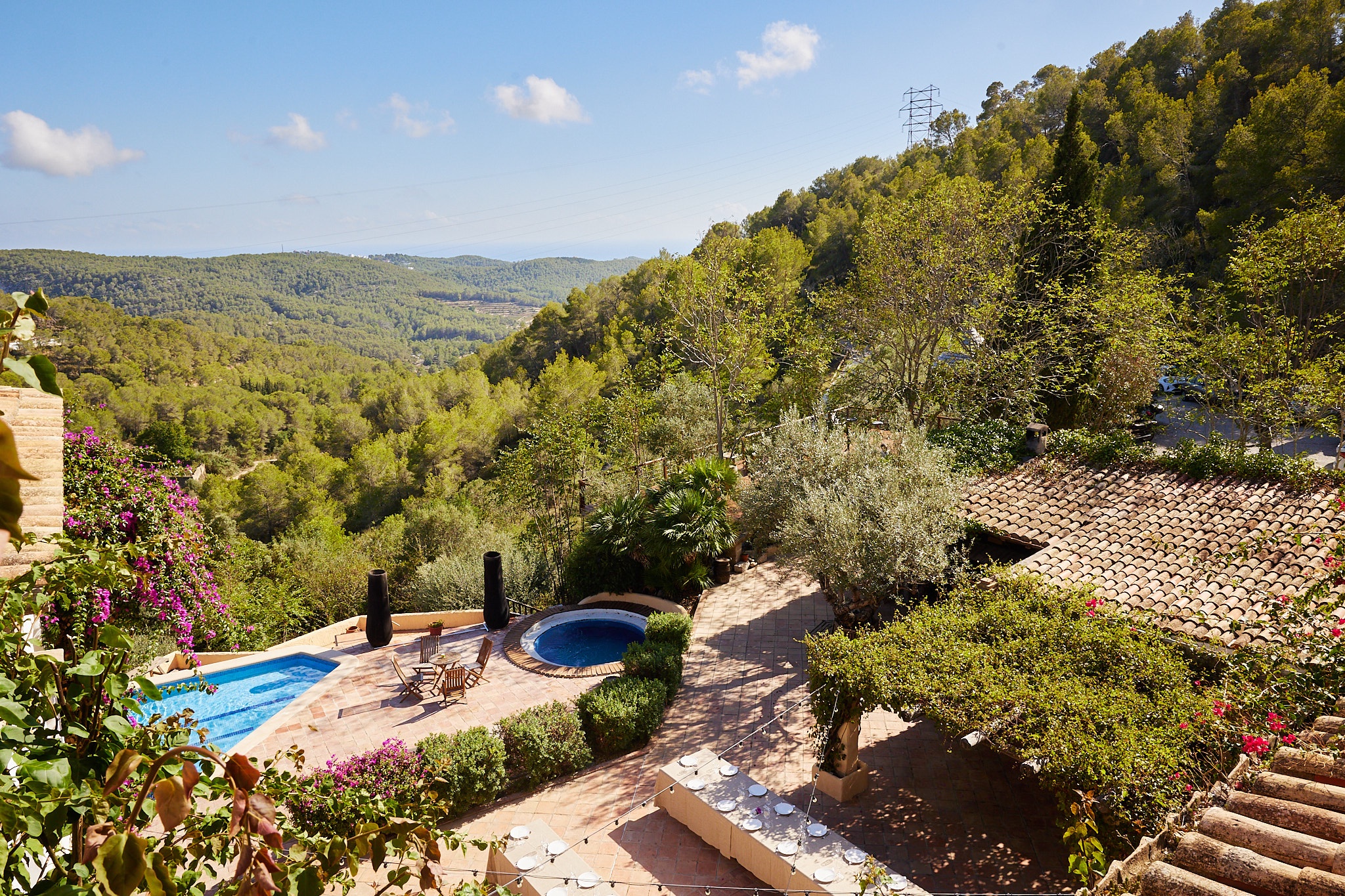
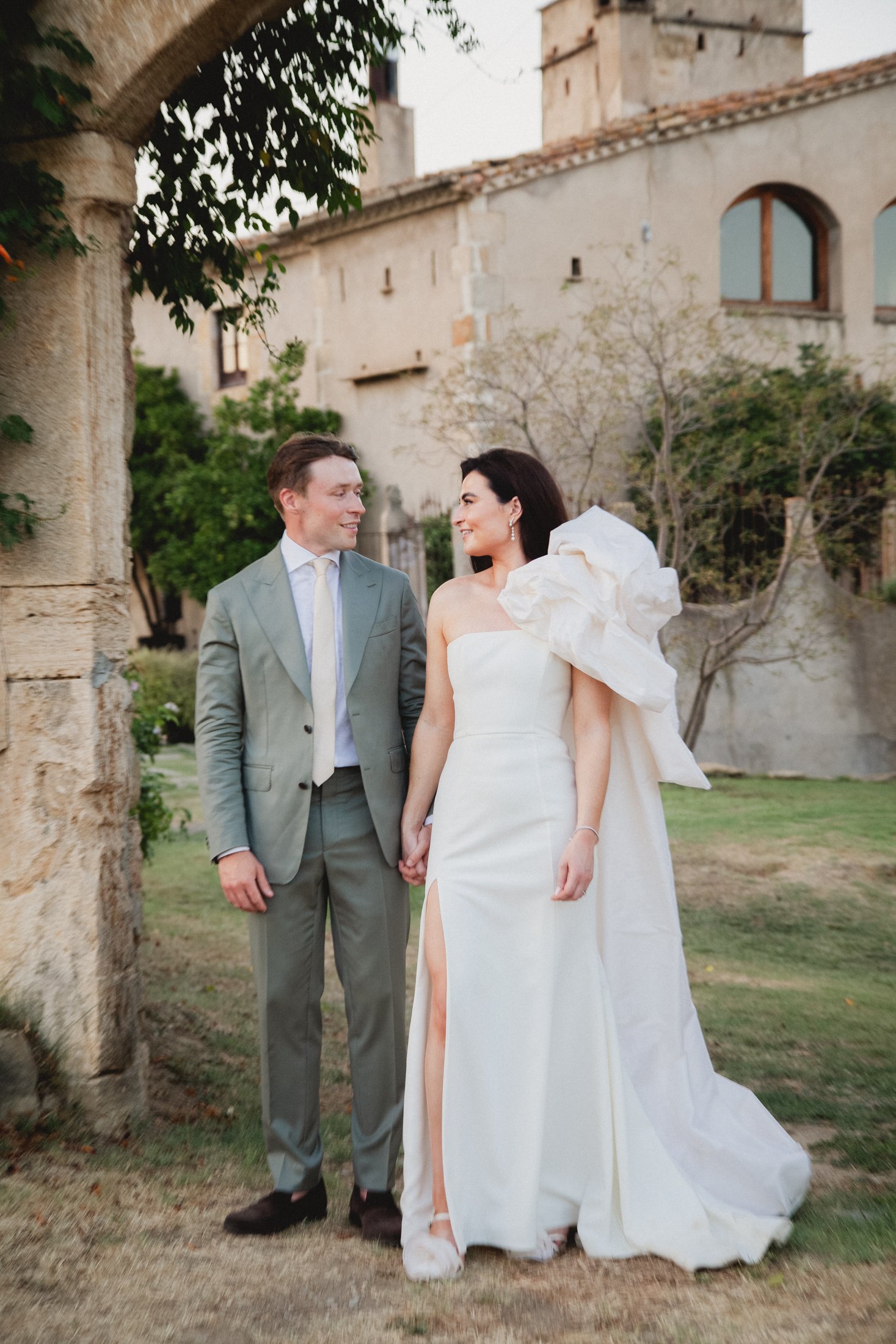
Booking through Lens & Vows
Through the year
Late spring and early autumn are warm and bright: Valencia averages highs of 23 °C in May, 27 °C in June, 28 °C in September and 24 °C in October. July and August are humid, at 30 °C, better by the sea. September and October bring the year’s heaviest rain, 70 and 77 mm from only five days each, so when it rains it pours, with thunder on two or three days a month. Keep a covered plan, and take AEMET’s warnings seriously: on 29 October 2024 a storm dropped about 185 mm in a single hour at Turís, inland of the city, a national record. The south is drier, with 311 mm a year at Alicante against 475 mm at Valencia. Mid-March is the Fallas in Valencia: fireworks, bonfires and full hotels.
Weather station: València, normals 1981–2010 · Checked 1 November 2026
Places
The kinds of places — ask your photographer which ones they know well.
Still water, reeds, wooden boats, and the white thatched barracas of the rice farmers, with the sun going down across the lagoon: sunset portraits that look like nowhere else in Spain. El Palmar’s restaurants fill for long lunches on Sundays, so midweek is quieter. The Devesa, the sandy strip of pines and dunes between lagoon and sea, runs for about 30 km, and its dunes are being rebuilt after the damage of the 1970s, so keep off them. It is a natural park, and we found no published rule for couples’ photo sessions: ask the park’s office, especially about a boat, a set-up or a drone. A ceremony on a beach here falls to the State’s coastal office for the province, as well as the town hall.
La Lonja’s Gothic hall, the cathedral and the lanes of the Carmen for a ceremony in town and a walk afterwards; then the Turia gardens, a long green line through the city, ending at the white curves and shallow pools of the City of Arts and Sciences. Photographers work there every day, but we could not find the complex’s rules for wedding shoots, so ask its operator first, especially for the interiors. The Palacete de Monforte’s gardens, where the council holds its civil ceremonies, give you pergolas and clipped hedges a few minutes’ walk from the old riverbed.
The huerta and the groves inland are full of old farmhouses given over to weddings: long tables under the trees, and the scent of blossom in spring. Alquería del Xúquer is a mid-19th-century masía restored, with five double rooms for the closest guests. Masía de Xamandreu in Museros dates from the 19th century too; Alquería El Machistre in Alboraia is a cluster of old buildings on the edge of the city; Masía Les Andanes in Bétera sits beside the fields. Most are a short drive from Valencia, which makes the coach simple. Ask each for the covered plan for an autumn storm, the time the music stops outdoors and whether it charges your own photographer a fee.
Altea’s old town climbs white and cobbled to its church, whose blue and white domes give it the name “dome of the Mediterranean”. At Calp, the Penyal d’Ifac is a natural park of limestone rising straight from the sea; the summit path through its tunnel is capped at 300 visitors a day, booked online up to nine days ahead, and is too risky in wedding shoes, so stay at the foot of the rock. At Xàbia, the coves of Granadella and the Portitxol and the cliffs on either side face east, with Cala del Moraig just south at Benitatxell. Terraces over the water are the easy way to get the view with a roof near by. Inland of Alicante, the palm grove of Elx is a World Heritage site of its own.
Towns
Each with a page of its own: where couples marry there, where to take portraits, the practical side.
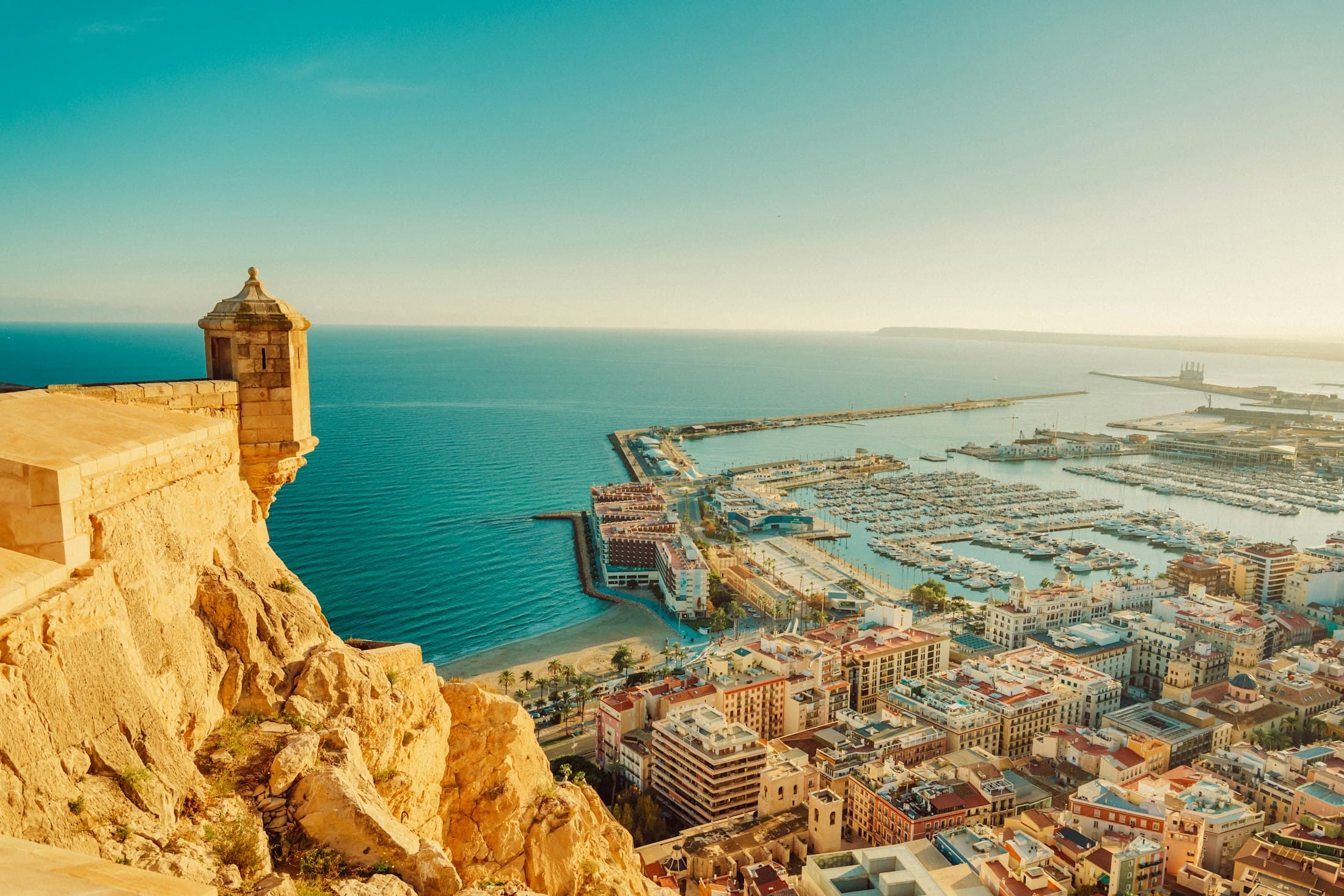 AlicanteA port city under a castle rock, where the town hall marries couples on Saturdays in a Baroque blue room and the portraits climb whitewashed lanes above the sea.
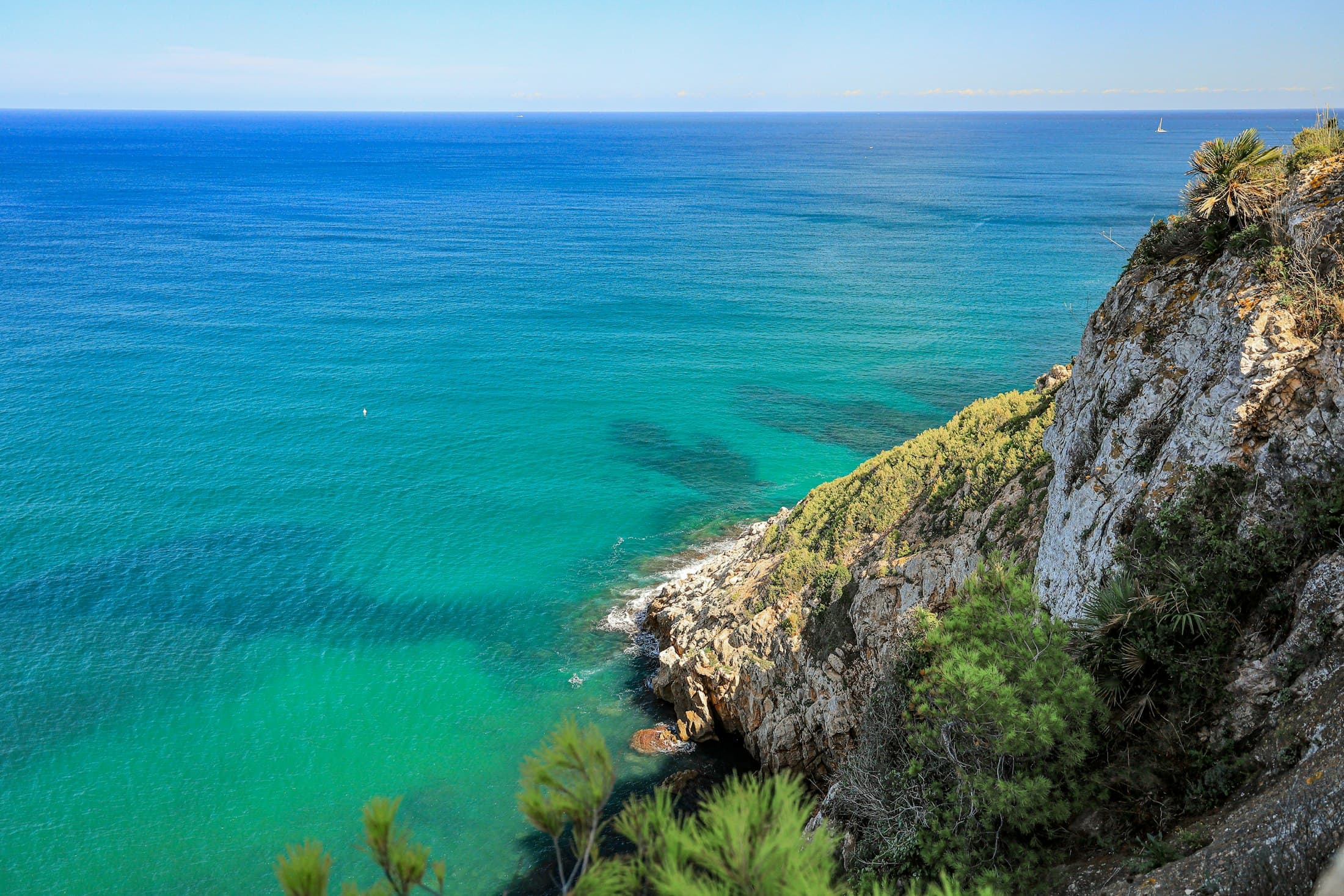 DéniaA harbour town under its castle and the Montgó, with a town hall that will marry you on the castle’s esplanade, in a hotel or in its council chamber, and a rocky shore that takes the dawn.
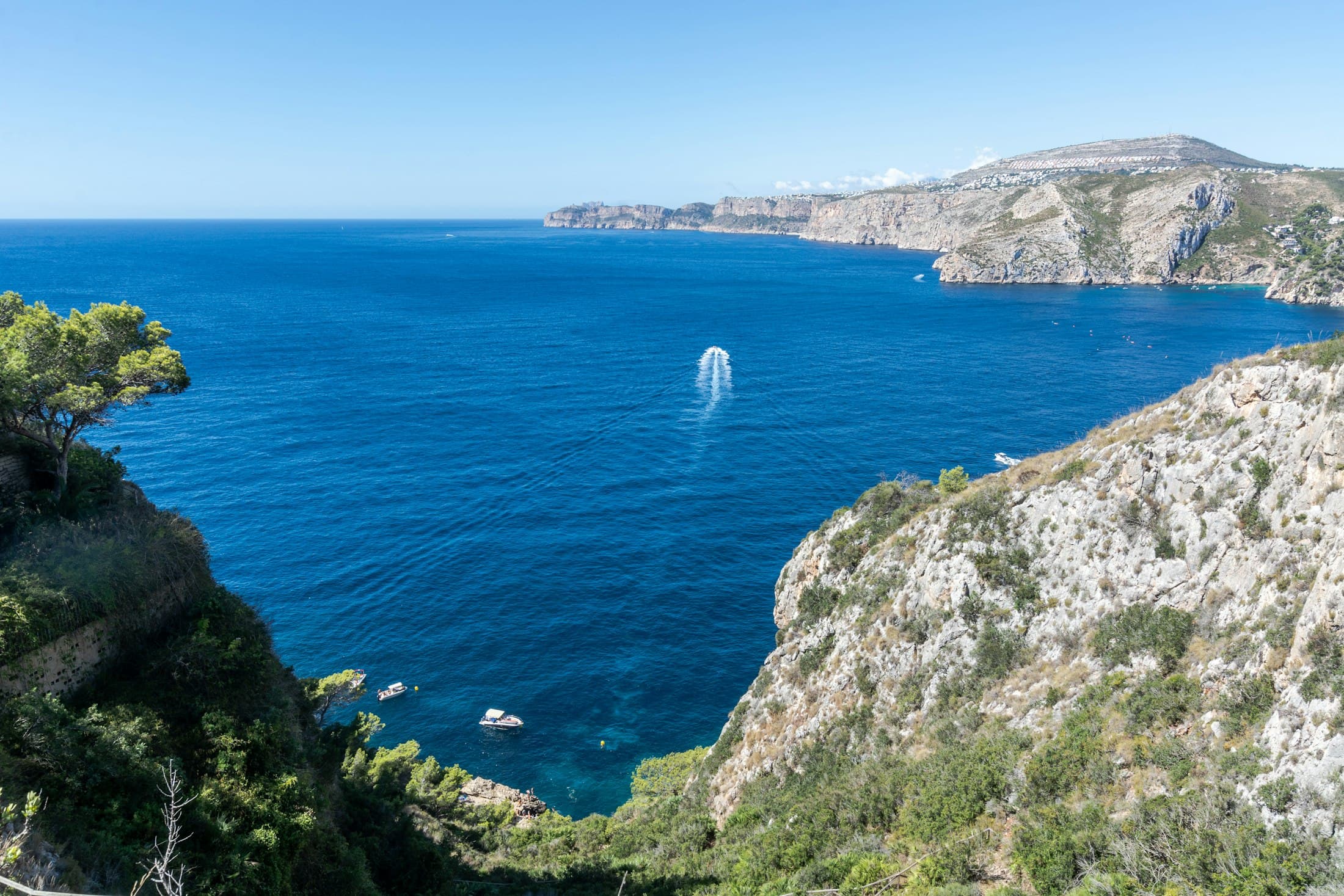 JáveaA bay between two capes at the easternmost point of the Valencian coast, with a small Gothic chapel for a civil wedding and fifteen viewpoints over the water for the photographs.
Light
This coast faces east: the sun rises out of the Mediterranean, at about 06:35 on 21 June, so dawn on a beach or a cove is a real option, with the sand to yourselves. In the evening the best light is inland and over the Albufera, where the sun sets across the water towards the mountains, at 21:32 at midsummer, with the sky light until about five past ten. On the Costa Blanca the cliffs and hills to the west take the sun early from the coves, so walk up to Altea’s old town or a terrace for the last of it. Midday is hard, at up to 74 degrees in June. Summer haze softens the light, and after autumn rain the air is crystal clear. On 21 December the sun is up from about 08:20 to 17:40, never above 27 degrees.
Travel
Valencia and Alicante both have airports with flights from much of Europe: Valencia’s is about 10 km from the centre, and Alicante’s lies just south-west of its city, 72 km from Altea, 83 km from Calp and 107 km from Xàbia. High-speed trains link Madrid with Valencia in about an hour and 50 minutes and with Alicante in about two and a quarter hours. From Valencia by road: Sagunt 30 km, El Saler 16 km on the way to the lagoon, Xàtiva 63 km, Xàbia 112 km (an hour and a half), Calp 122 km, Altea 132 km and Alicante 178 km (about two hours). The coast between them is an easy drive on the motorway, though the last few kilometres to any cove are not. Drones follow Real Decreto 517/2024: equipped beaches and city parks count as urban areas, with five days’ notice to the Interior Ministry, and low flights are barred around both airports’ runways unless coordinated.
Real weddings
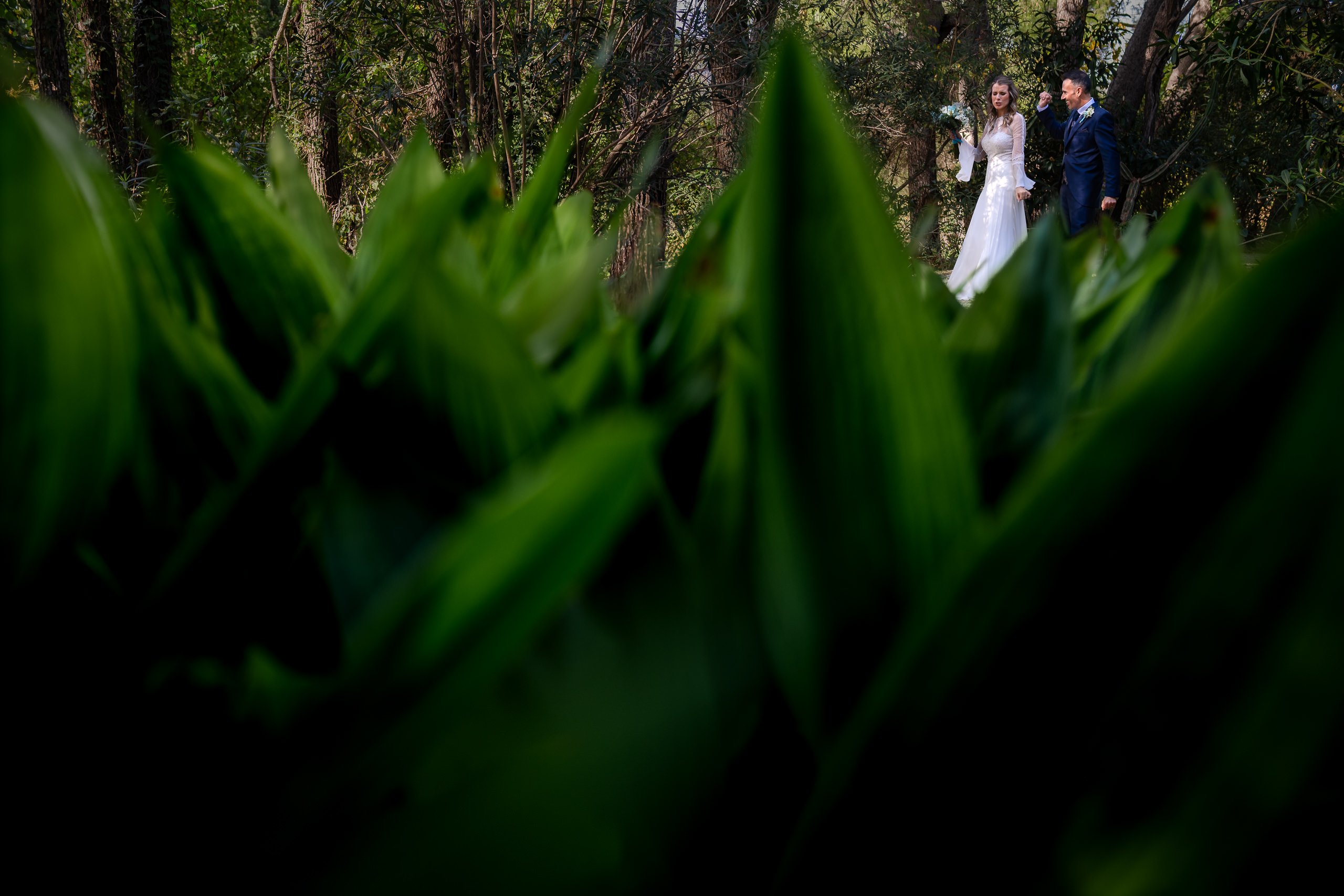
Plan
Spain
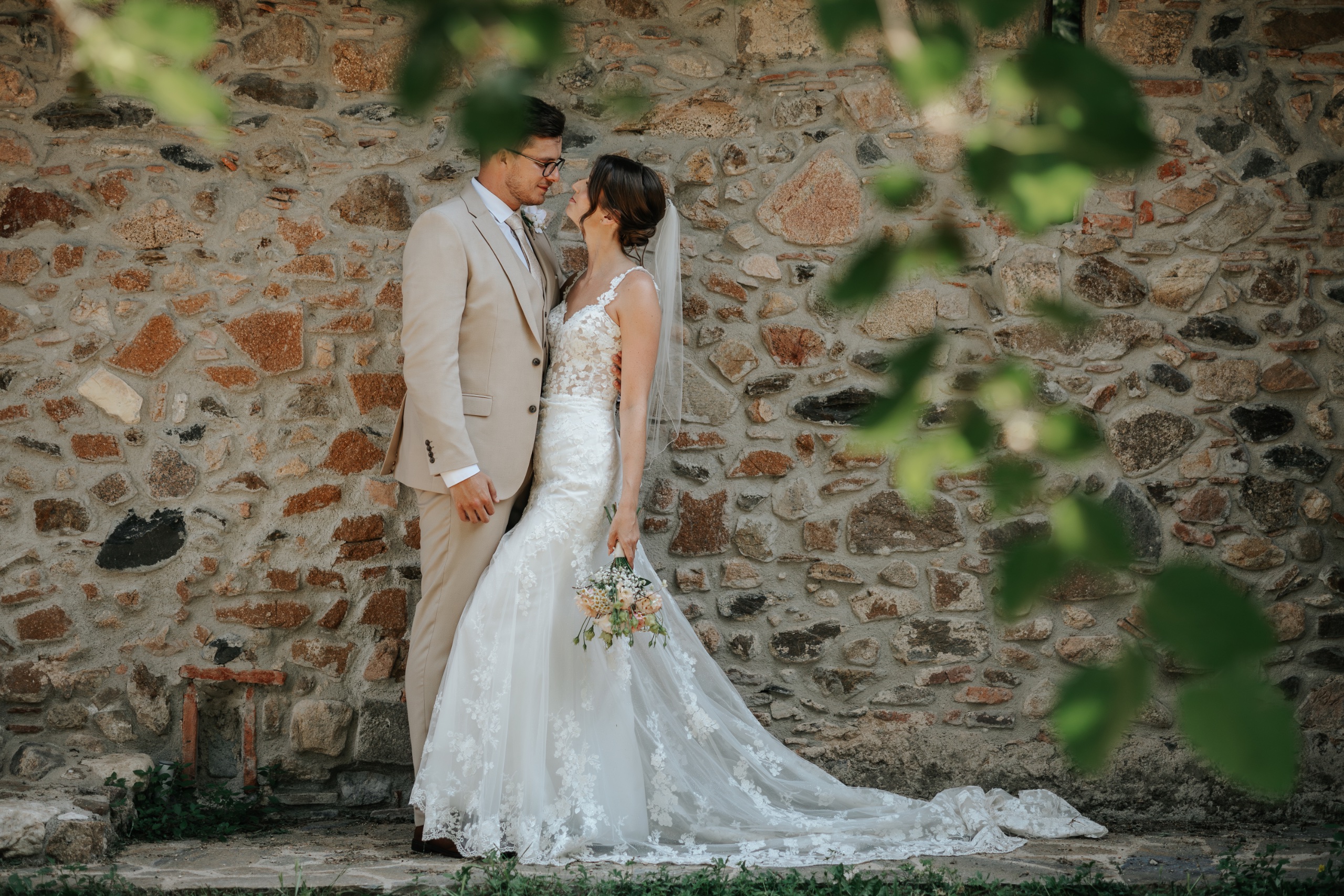 Photo: Evgenia G.
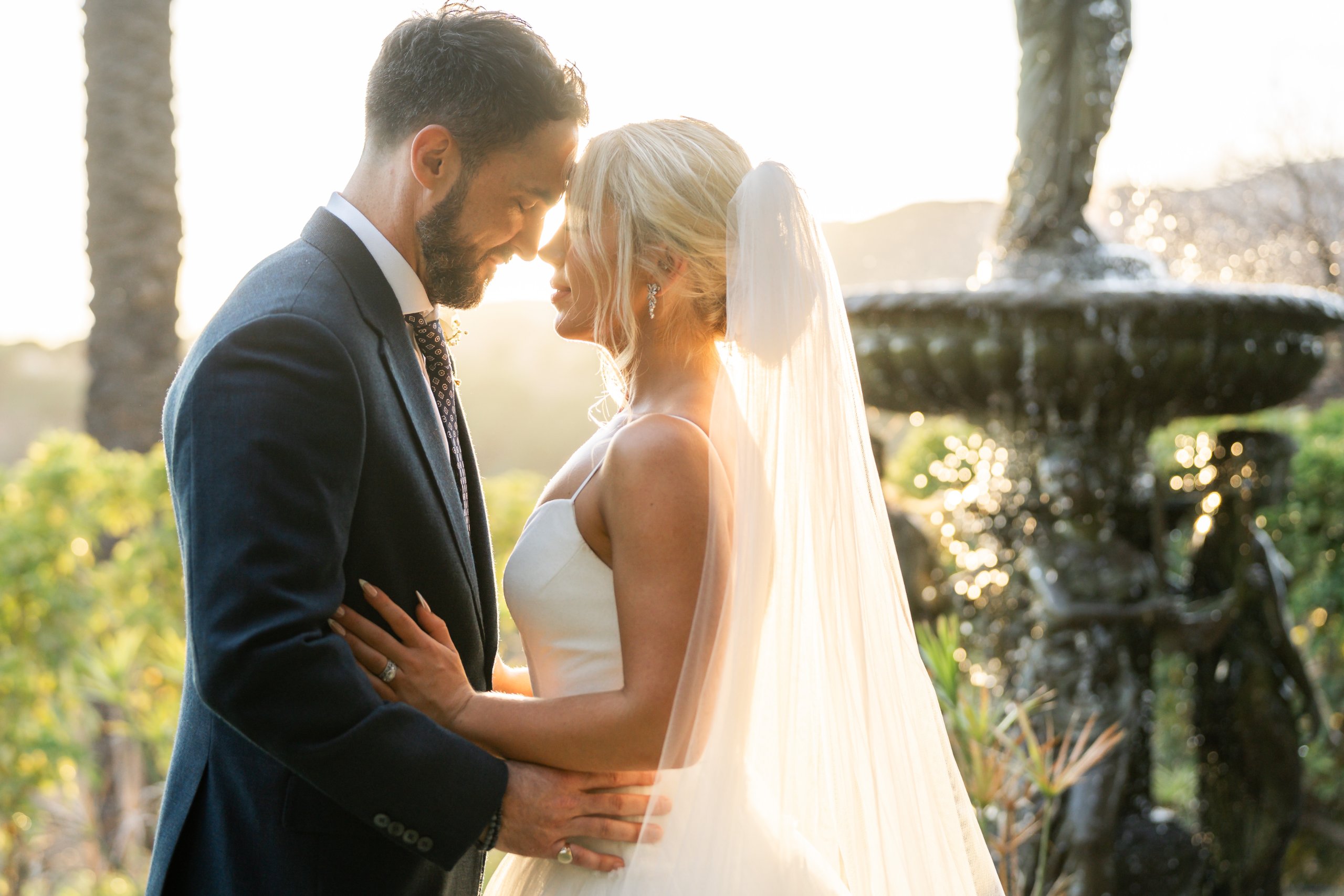 Photo: Jose C.