Verified — Identity verified by Lens & Vows
Andrea T.from €4,200
🇪🇸 Andalusia, Barcelona & Catalonia +16, Spain · Editorial, FilmBased in Italy · travels to weddings in SpainWedding photographers in Spain
Moorish palaces in Granada and Seville, white villages and the gorge at Ronda, olive groves to the horizon and two coasts, Mediterranean and Atlantic: Spain’s warm south, where the wedding day starts late and ends later.
Andalusia is bigger than it looks: Seville to Granada is 255 km, nearly three hours by road.
Seville has its orange trees, tiled patios and the Real Alcázar; Córdoba its great mosque and flowered courtyards; Granada the Alhambra under the Sierra Nevada, facing the white Albaicín across the Darro. Ronda sits on a gorge almost 100 m deep, with white villages along the hills around it. And there are two coasts: the Costa del Sol around Marbella, on the Mediterranean, and the Costa de la Luz, the Atlantic from Cádiz to Tarifa, wider and much windier. In the far south-east, Cabo de Gata is a volcanic shore of its own.
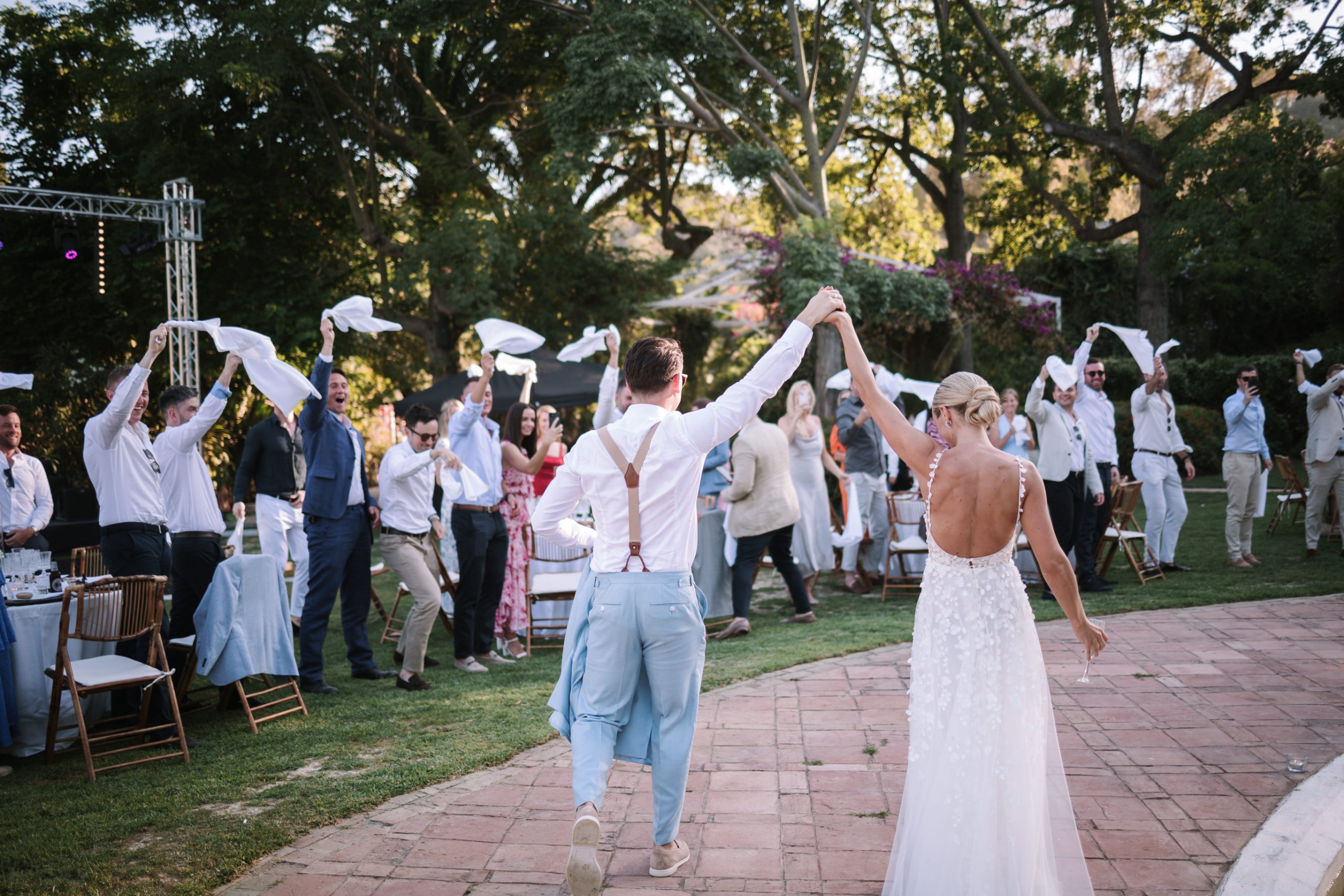
Weddings here move to the rhythm of the heat: in summer the ceremony comes at about eight in the evening, dinner after dark in the courtyard of a cortijo or hacienda, the old farm estates of the south, then dancing under the stars. Town halls marry couples in fine rooms: Seville in its Salón Colón, Granada in the gardens of the Carmen de los Mártires, Marbella at the Cortijo Miraflores. All of them need a marriage file approved where one of you lives in Spain. A Catholic wedding goes through your home parish; most couples from abroad marry at home first and hold a symbolic ceremony here.
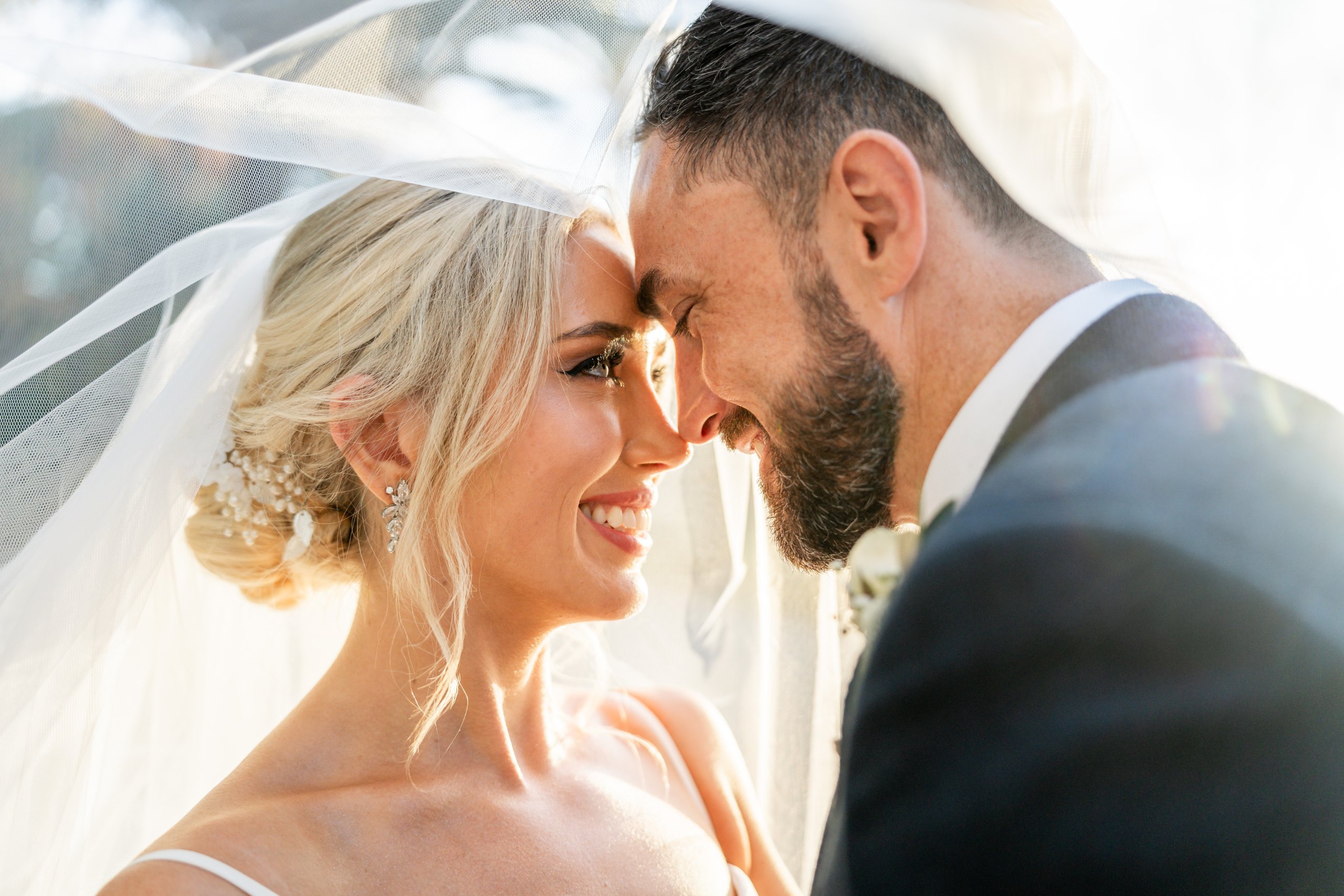
Photographers
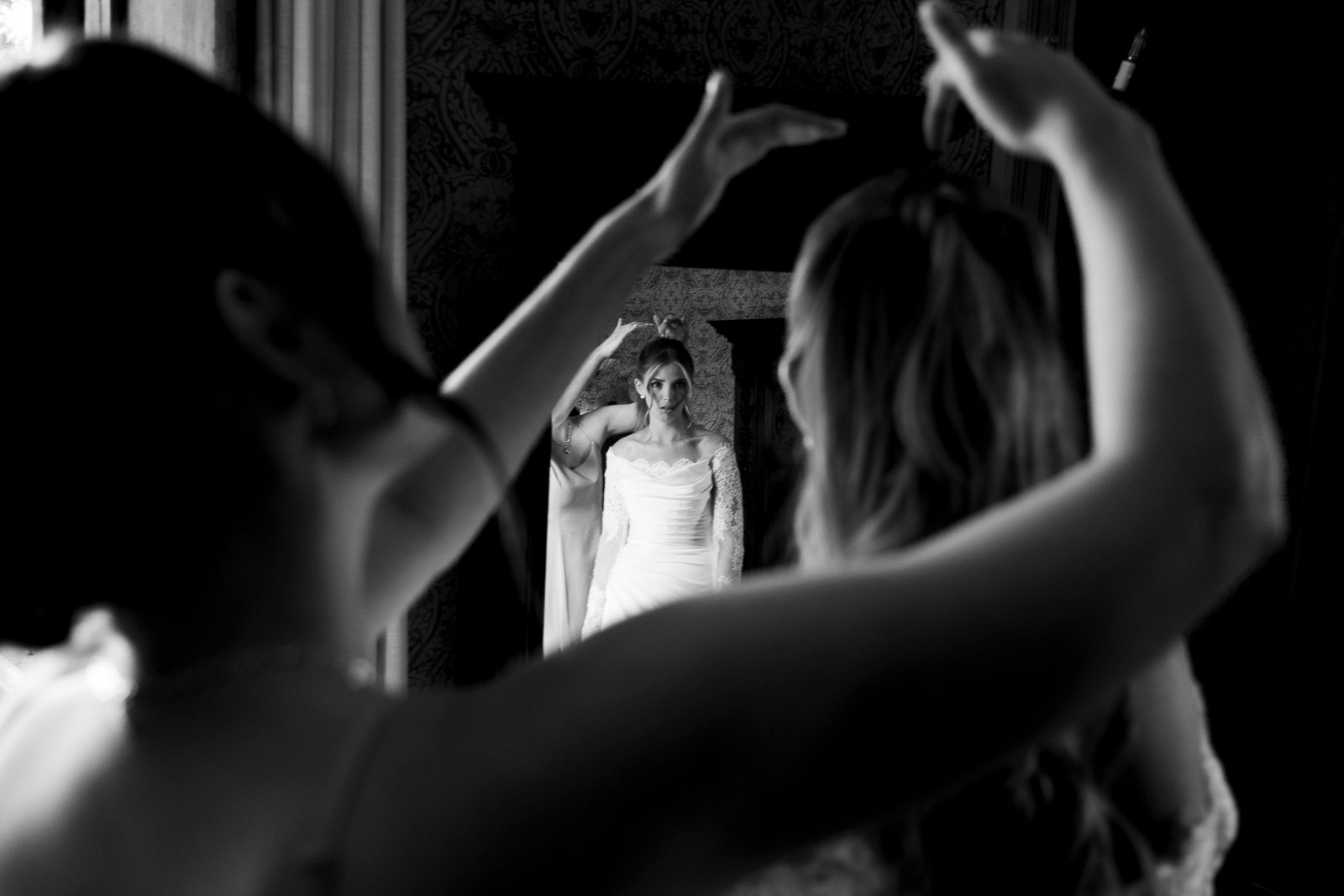
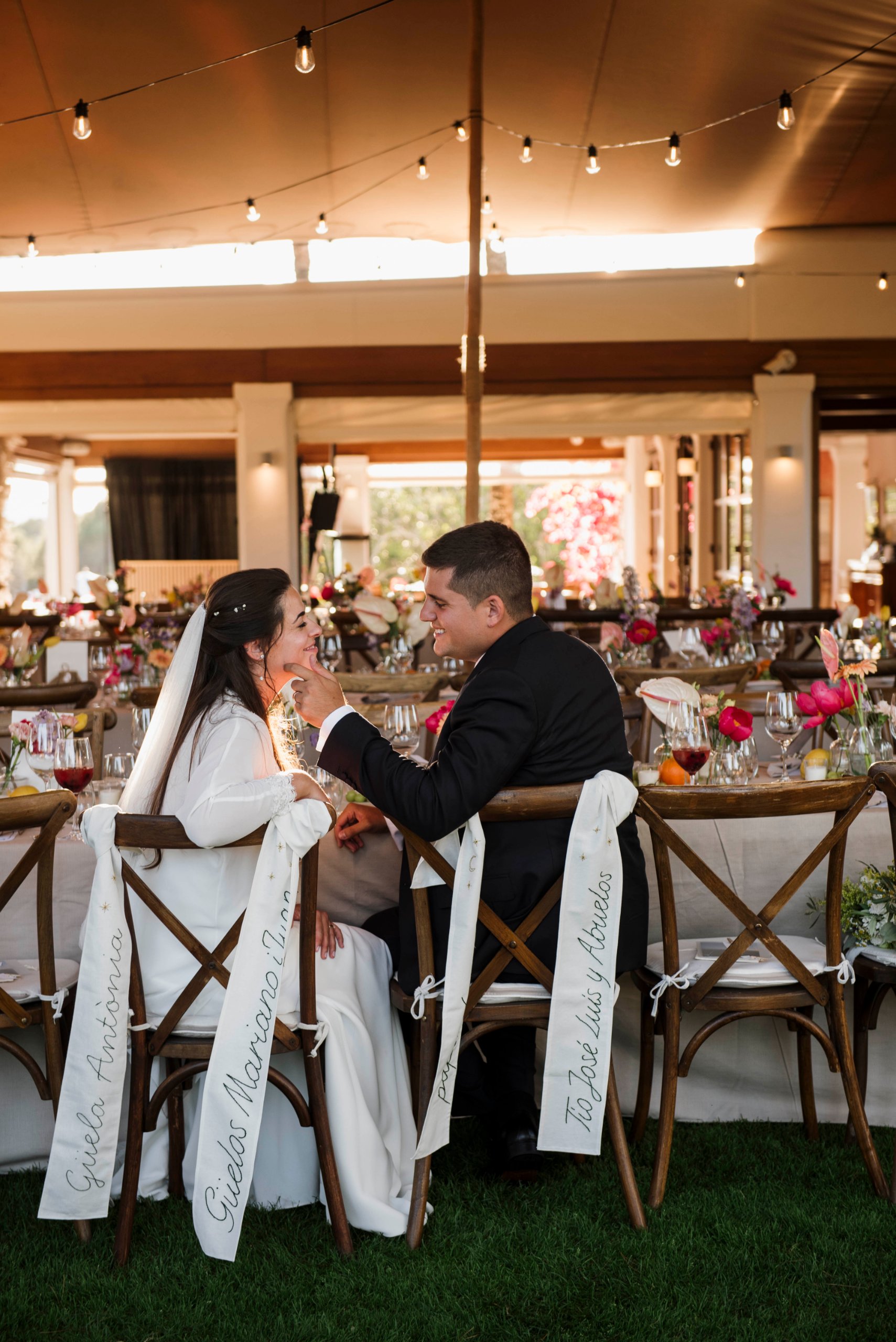
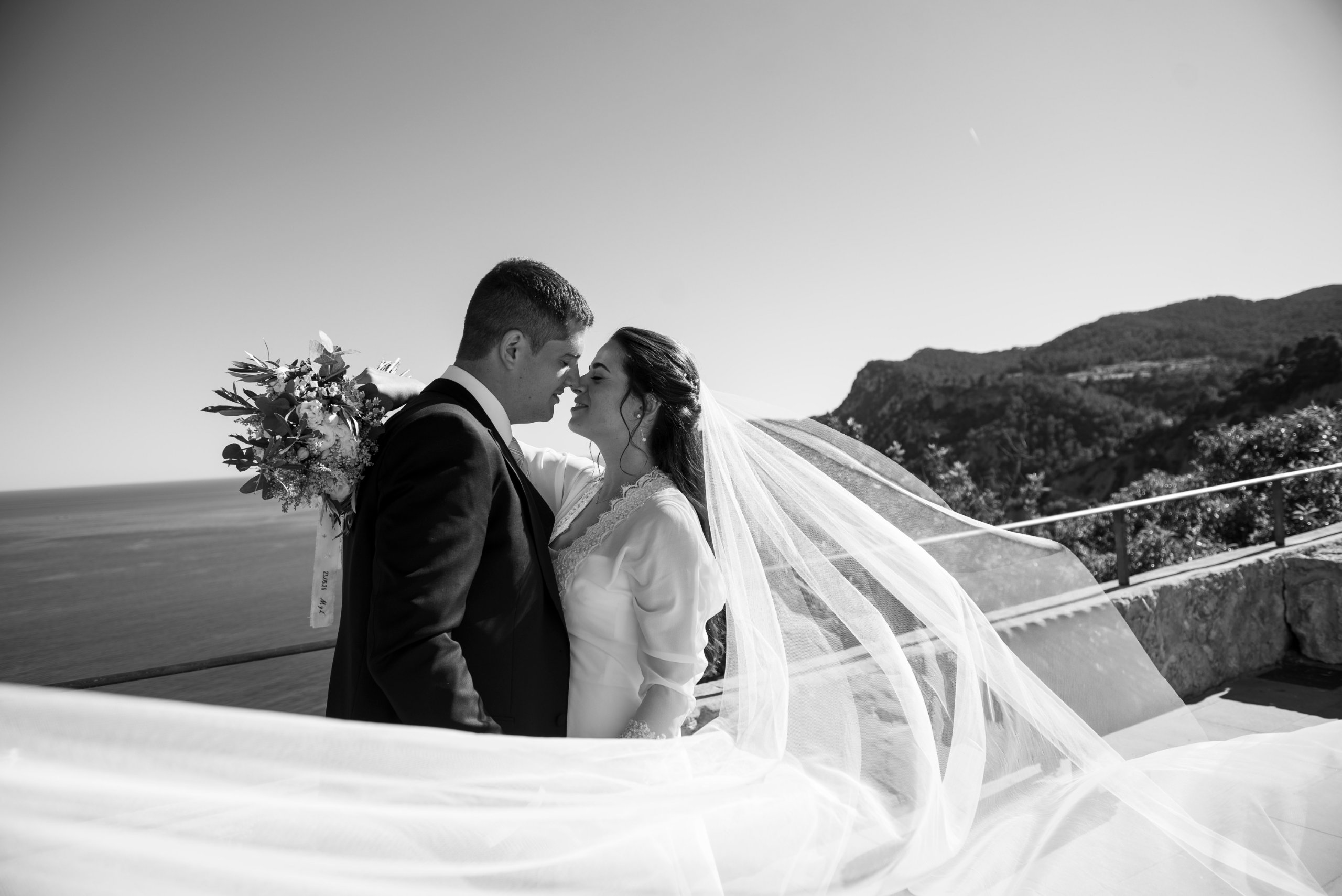
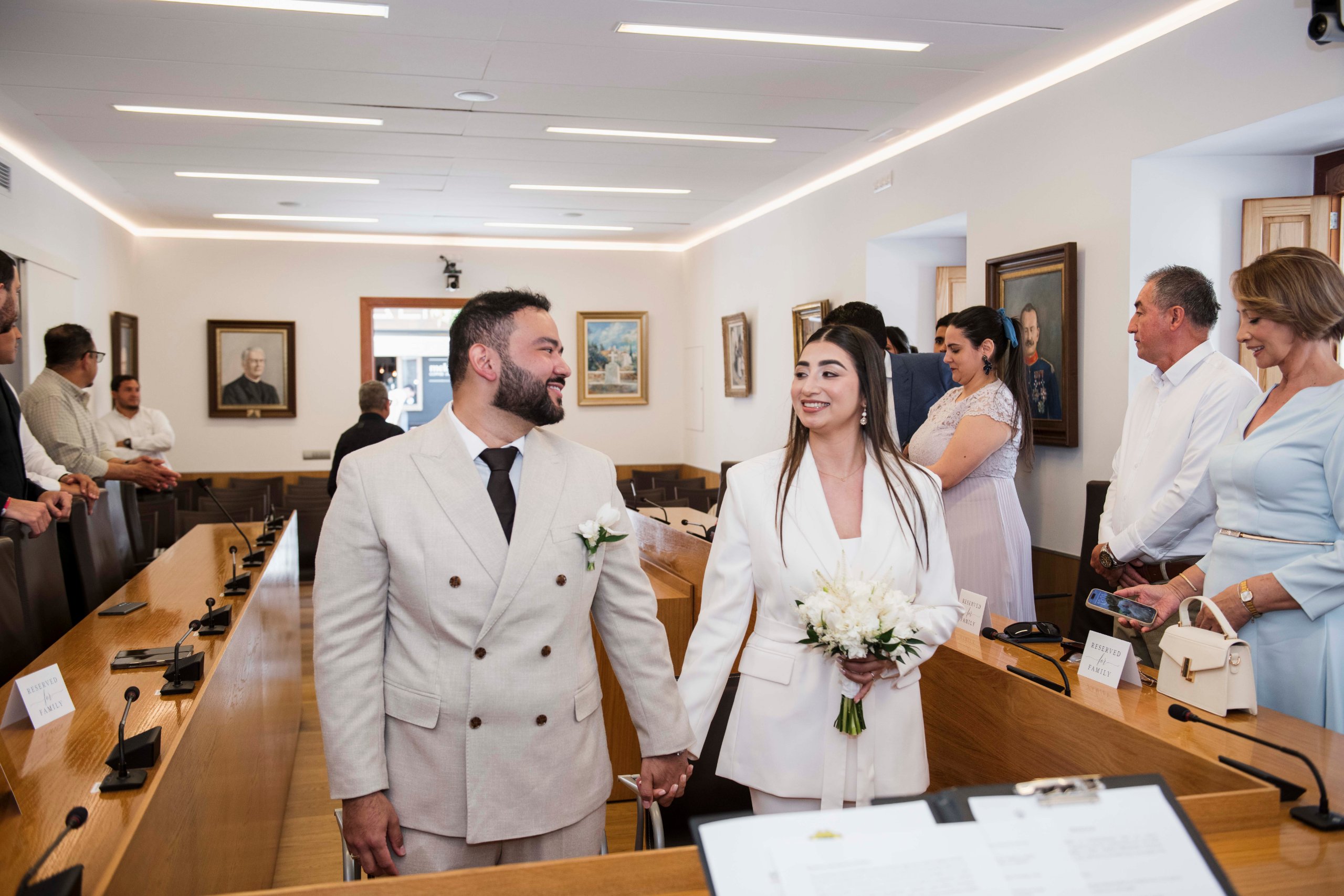
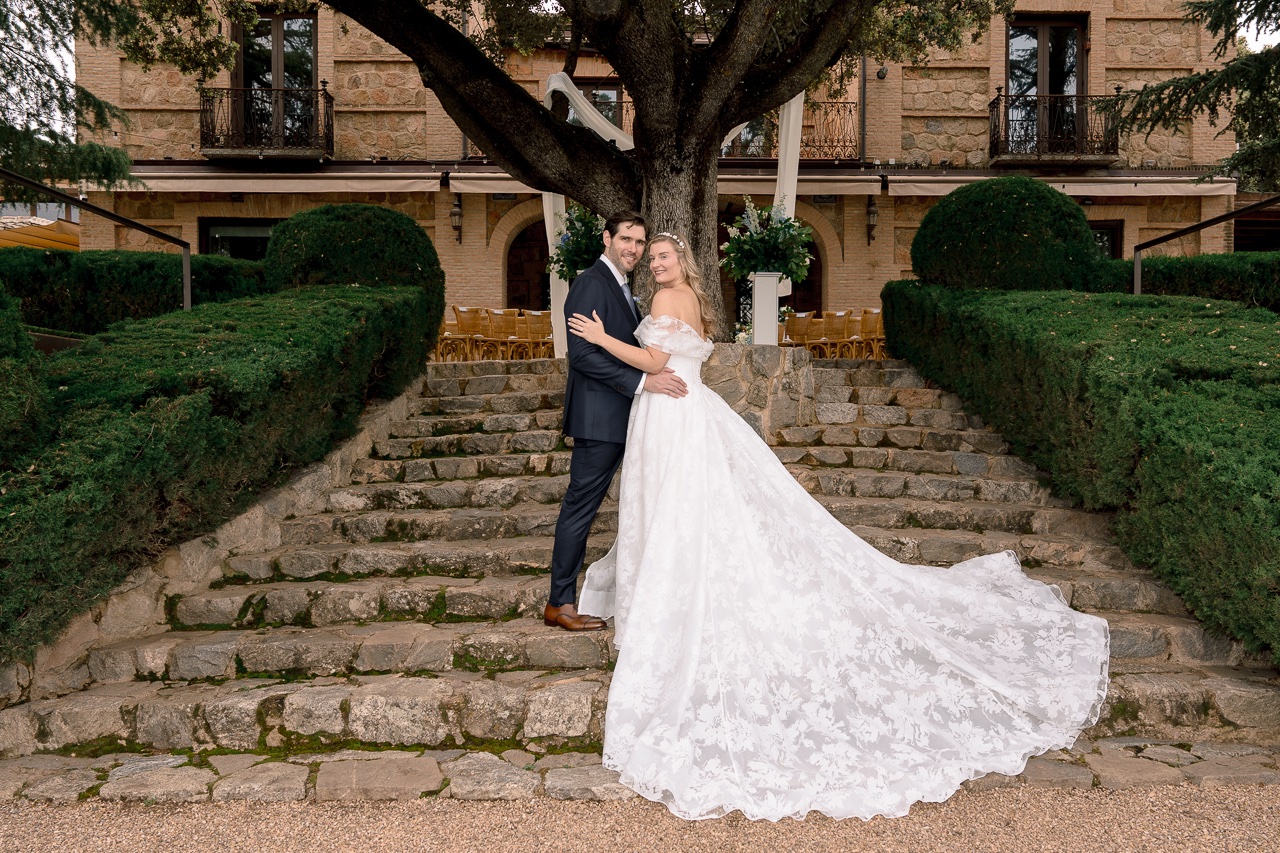
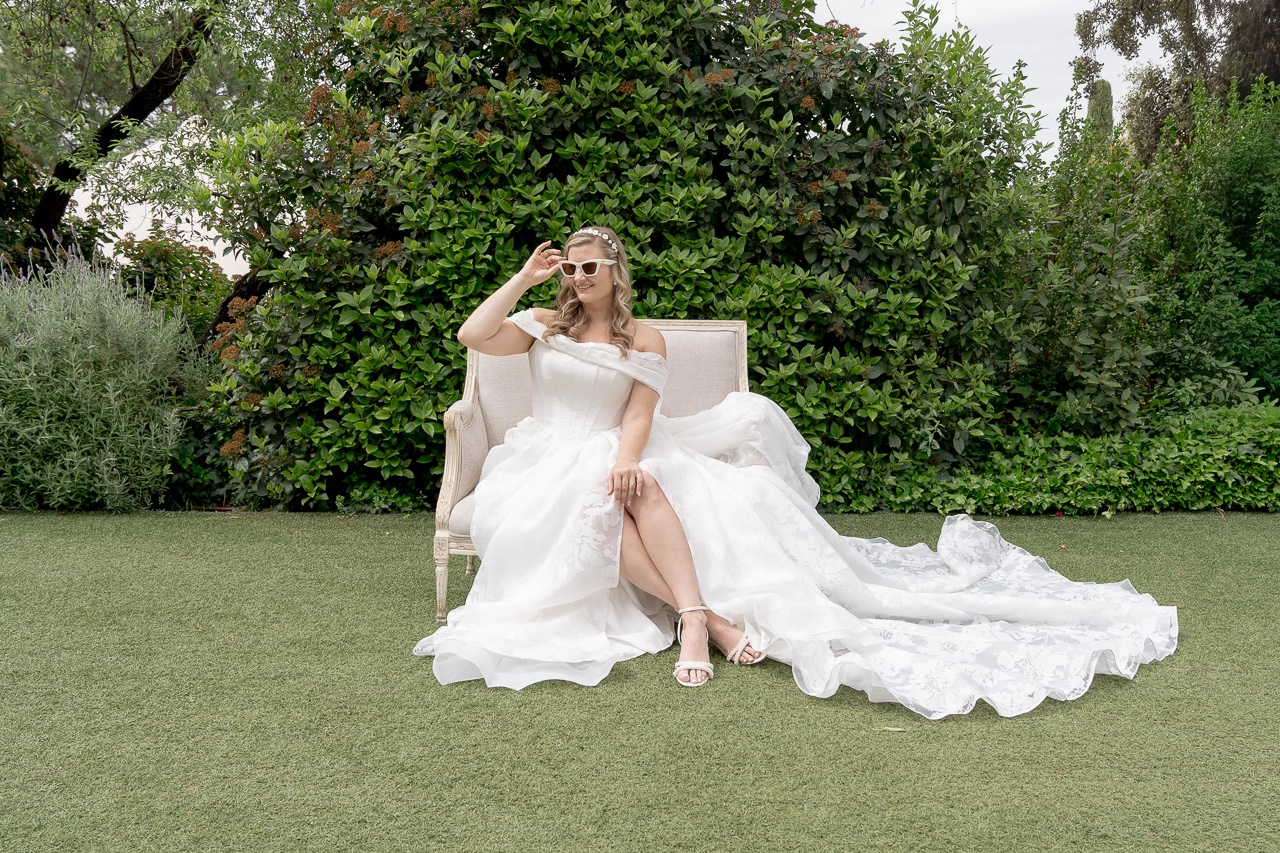
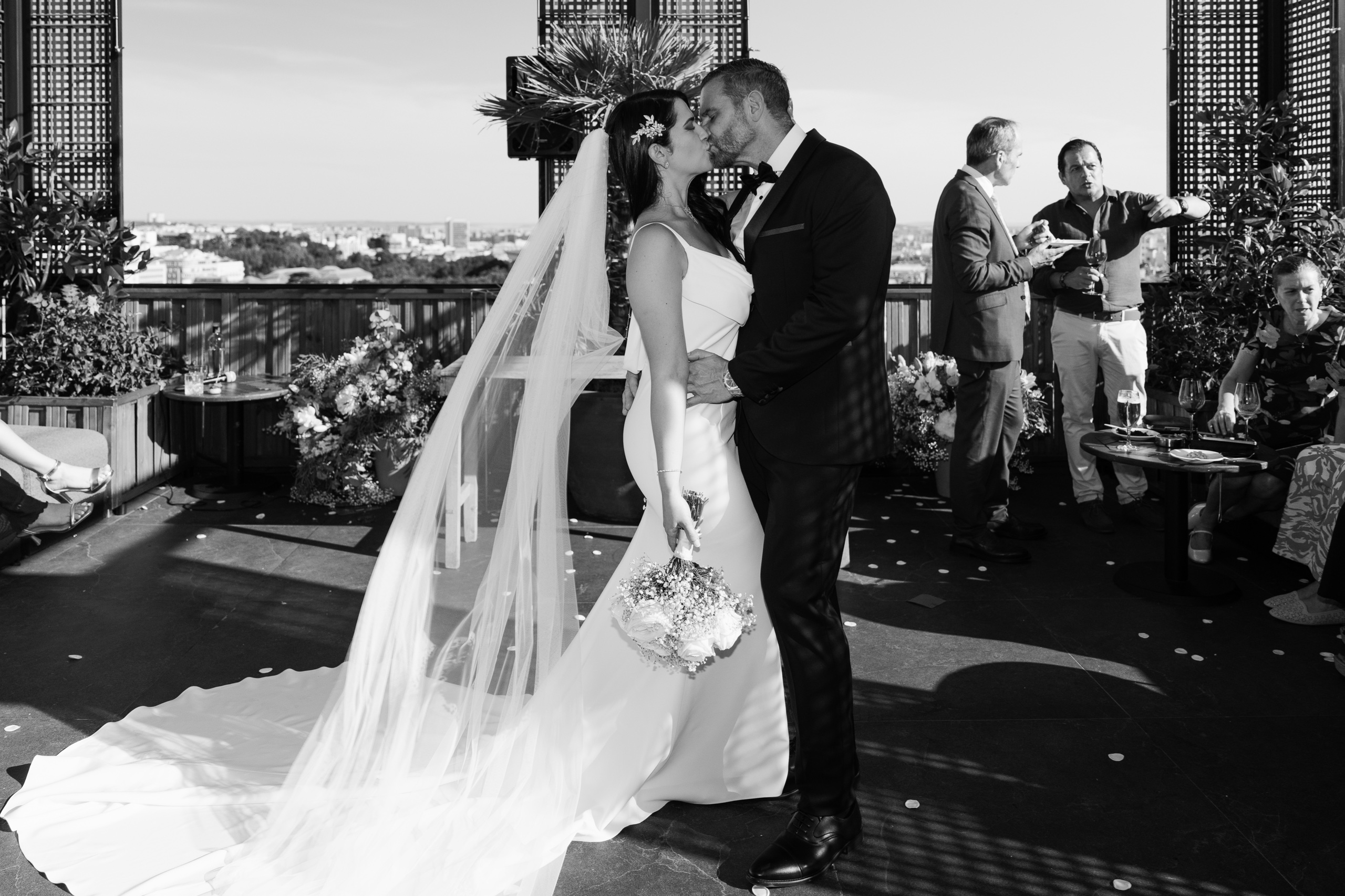
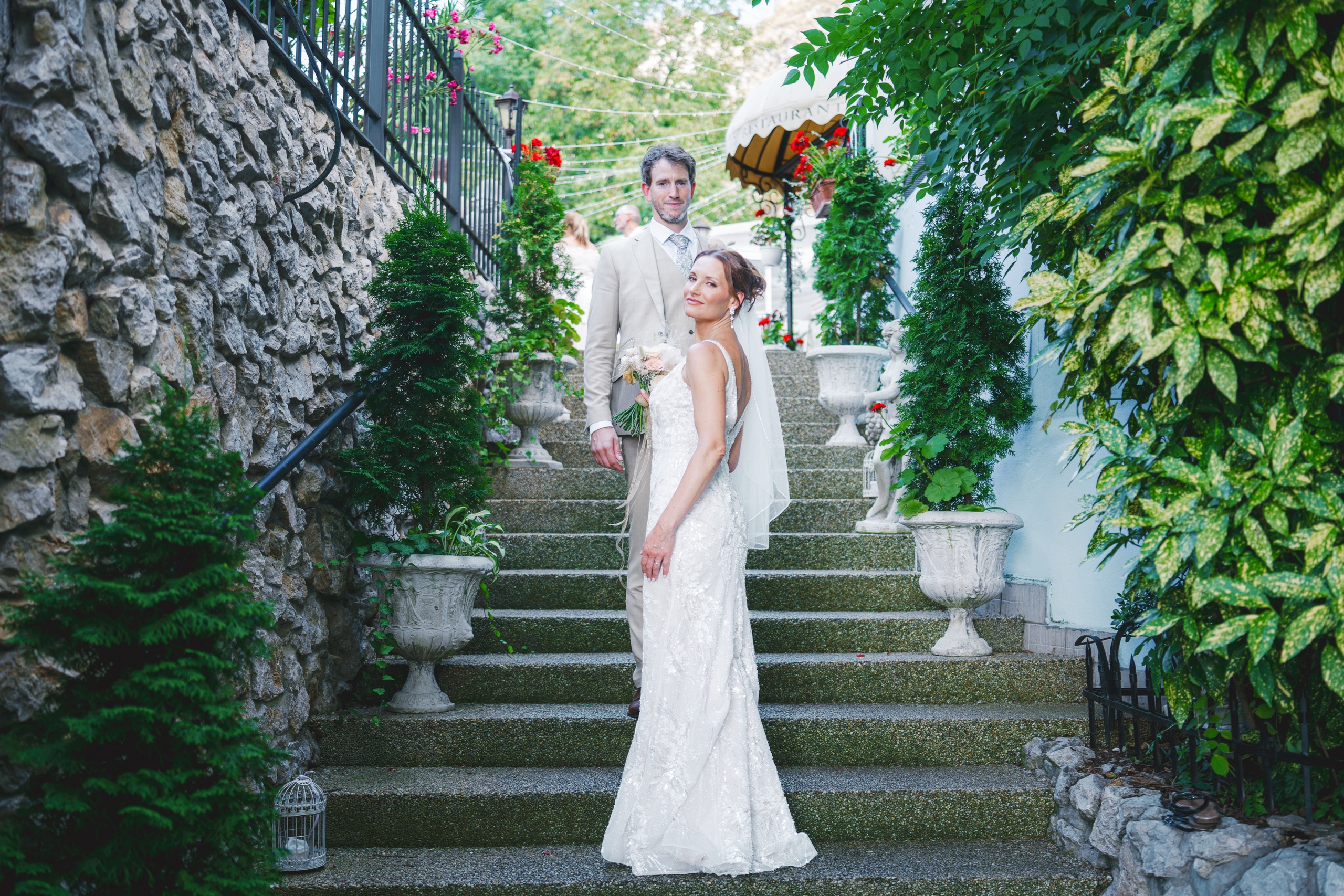
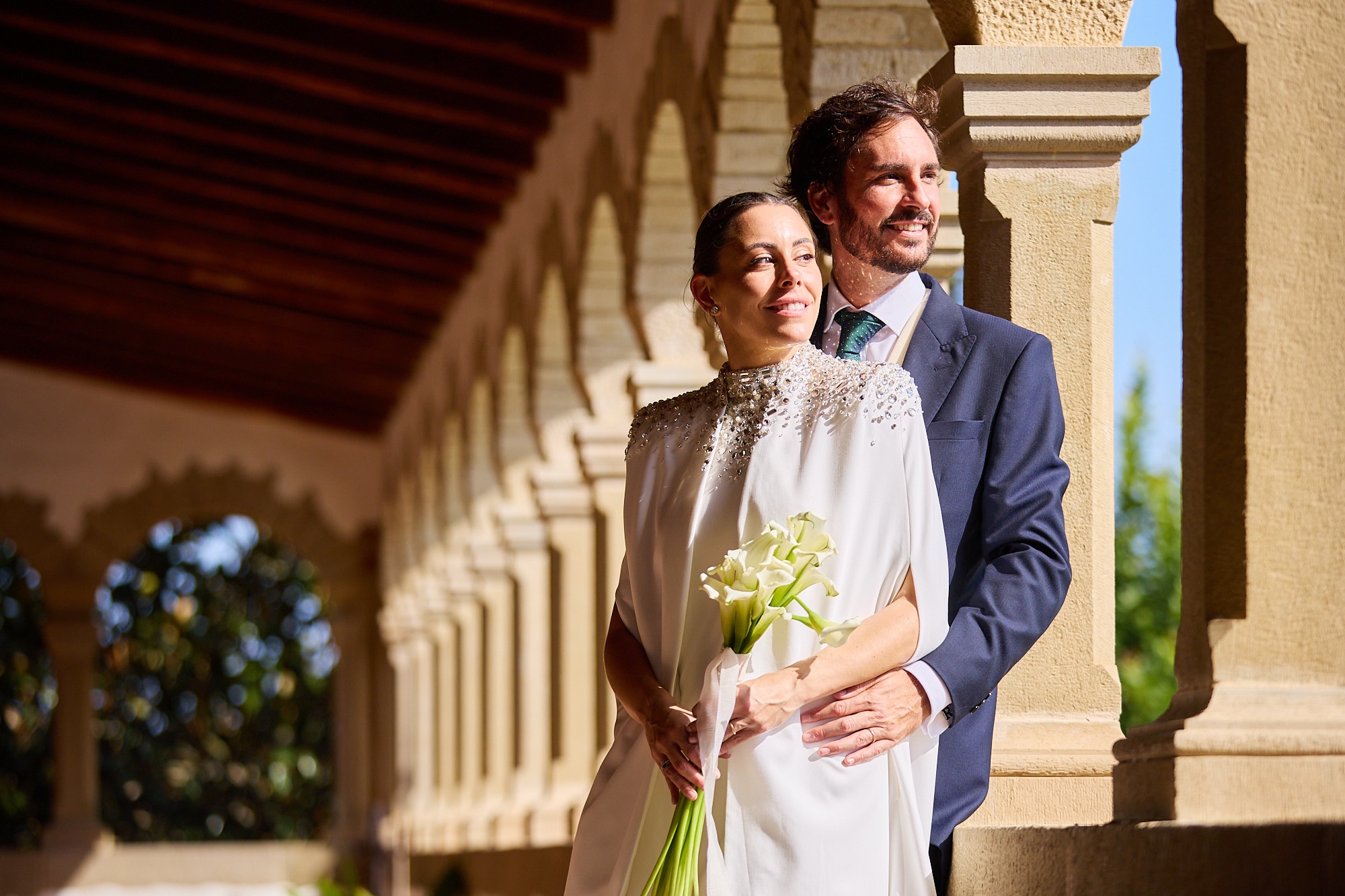
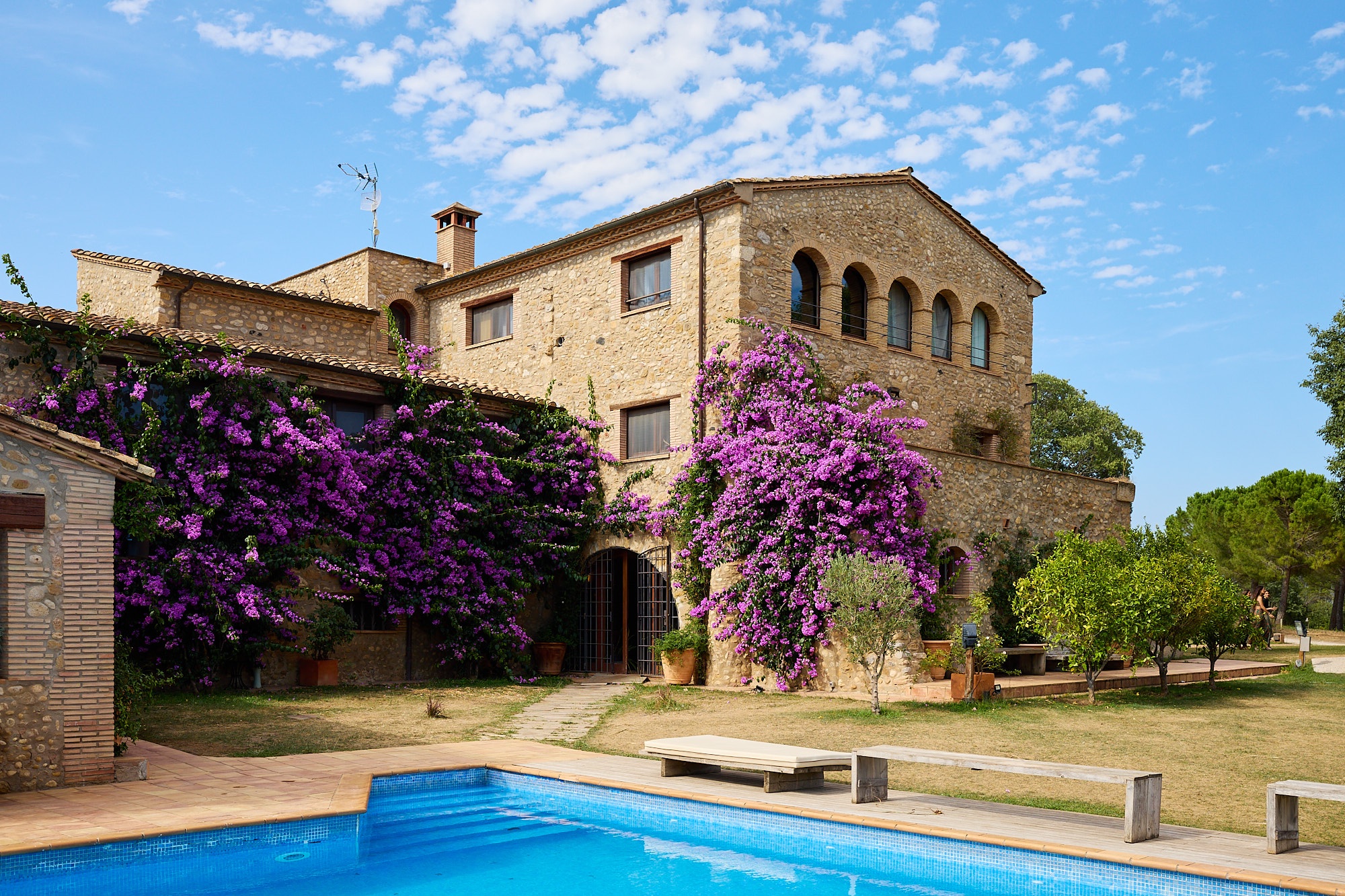
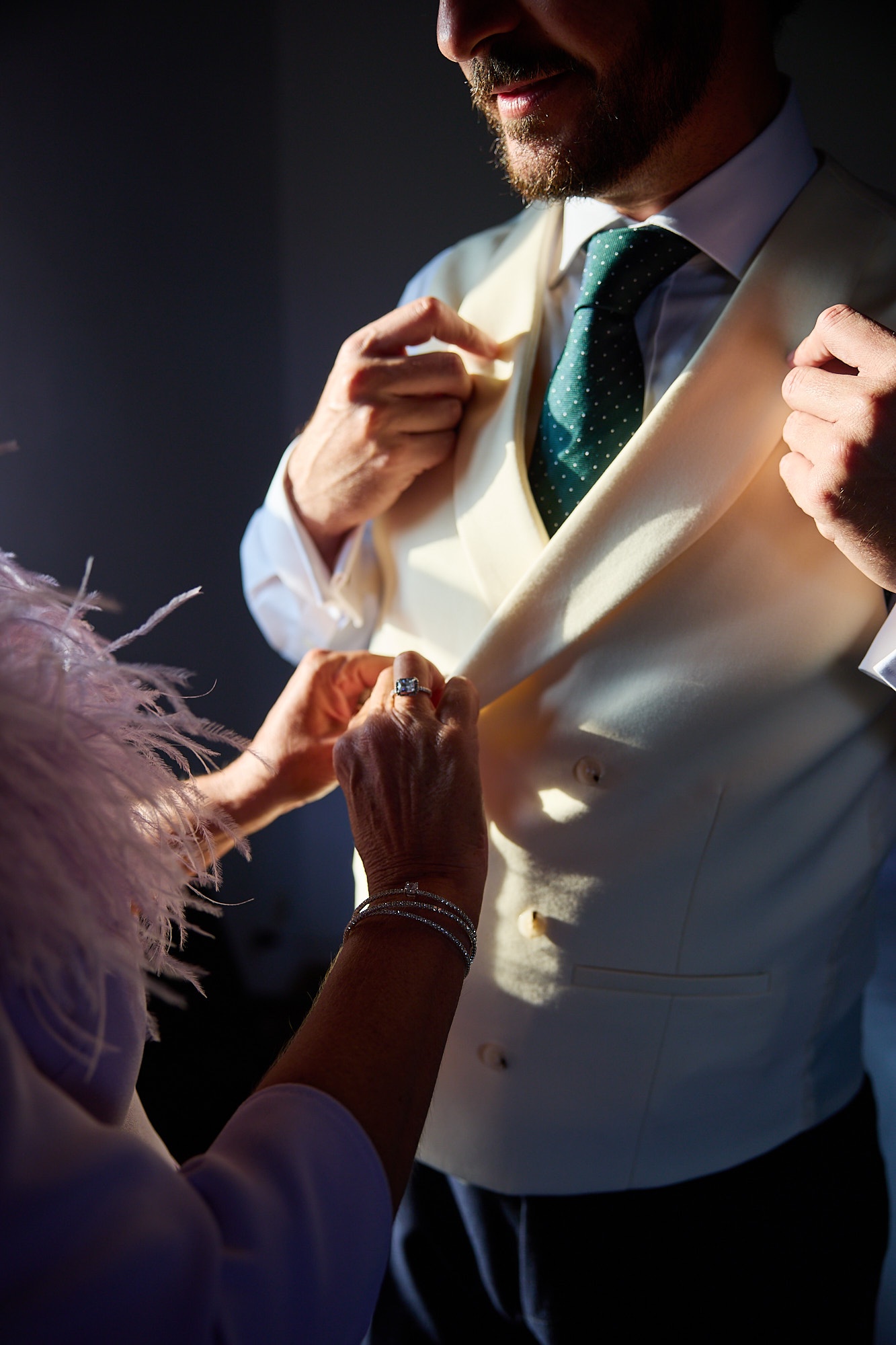
They shoot here and know the light. Their whole weddings are on their pages.
See all 19 photographers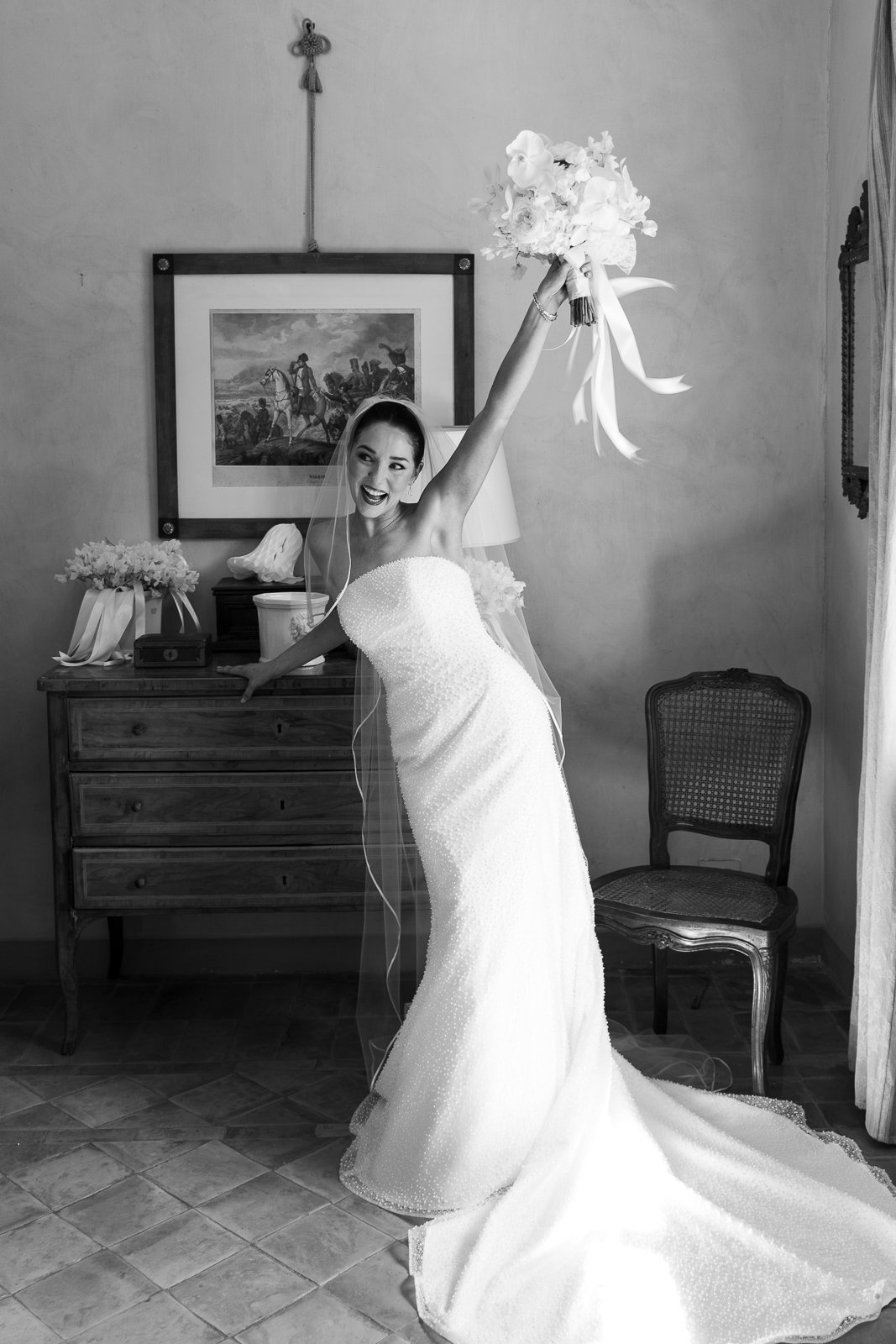
Booking through Lens & Vows
Through the year
April, May, late September and October are warm and golden. Seville airport averages highs of 23 °C in April, 27 °C in May, 32 °C in September and 26 °C in October, with rain on six days in April and October, four in May and two in September. July and August are a real planning issue: 36 °C at Seville with almost no rain, and more than 34 °C at Granada’s airport, though Granada’s altitude drops the nights to about 15 °C. The coast is kinder, at 24 °C in May and 30.5 °C in July at Málaga. Rain peaks in November and December, about 100 mm a month at both Seville and Málaga. Holy Week falls on 21–28 March in 2027, and Seville’s April Fair about two weeks later: beautiful, and hard for finding rooms.
Weather station: Sevilla Aeropuerto, normals 1981–2010 · Checked 1 November 2026
Places
The kinds of places — ask your photographer which ones they know well.
You cannot marry inside the Alhambra, but you can have your wedding photographs taken there: ask the Patronato at least 15 days ahead (€141 plus VAT, on its page as of November 2026), with everyone named, at most four people. Sessions keep to the Patio de los Arrayanes, the Patio de los Leones, Lindaraja, the Partal and the Jardines Bajos, in a morning or afternoon slot, with no tripods. Across the valley, the Mirador de San Nicolás has the famous view, free and full at sunset. Beside the monument, the city lends the Carmen de los Mártires, more than seven hectares of gardens, for civil ceremonies from 11:00 to 13:30 every half hour; you bring everything but the building. Bollards close the Albaicín to cars without a permit, so plan how guests get up.
A wedding session in the Real Alcázar costs €80, free if one of you was born or lives in Seville, and is requested by email at least a month ahead: five people at most, photographers included, for one hour in the visitor areas, entering from the Patio de Banderas. Take the 09:30 opening, before the heat. In the Plaza de España, a hand-held shoot with nothing set up needs no licence under the city’s filming by-law but must be notified; for anything bigger, ask the city early. The white lanes of Santa Cruz and the Triana bank at golden hour are the free part. Hotel Alfonso XIII has hosted weddings since 1928; Hacienda de San Rafael, an 18th-century olive estate south of the city, has room to dance outside.
Ronda’s Puente Nuevo crosses its gorge some 98 m above the river, free to walk over, with viewpoints alongside for the whole drop behind you. Vejer de la Frontera, white and steep with a castle on top, stands near the Atlantic; Mojácar looks out over the far east. These are places for a small ceremony or portraits at either end of the day: ask the town hall about anything you set up. In Málaga, the La Concepción botanical garden holds civil weddings on its palm avenue on Saturdays from May to September, at 17:00, 18:30 and 20:00, with no covered plan if it rains. In May the courtyards of Córdoba fill with flowers, but they belong to their owners, so ask before you bring a camera crew.
Around Marbella, seafront hotels and beach clubs usually host the ceremony; Finca Cortesín in Casares gives weddings the whole resort. Marbella’s Artola dunes are a natural monument, crossed only on the boardwalks. On the Costa de la Luz, the great dune at Bolonia, a natural monument since 2001, stands beside the Roman ruins of Baelo Claudia inside the Estrecho natural park, in wind that can ruin a veil. Cabo de Gata’s dark headlands and pale coves are at their best out of season: in 2026 car access to Genoveses, Barronal, Mónsul, Media Luna and Cala Carbón was regulated from 20 June to 27 September. Beaches are public: portraits are free, but chairs, an arch or music need the Junta de Andalucía’s coastal authorisation and the town hall’s word, and the Junta authorises shoots in its protected areas.
Towns
Each with a page of its own: where couples marry there, where to take portraits, the practical side.
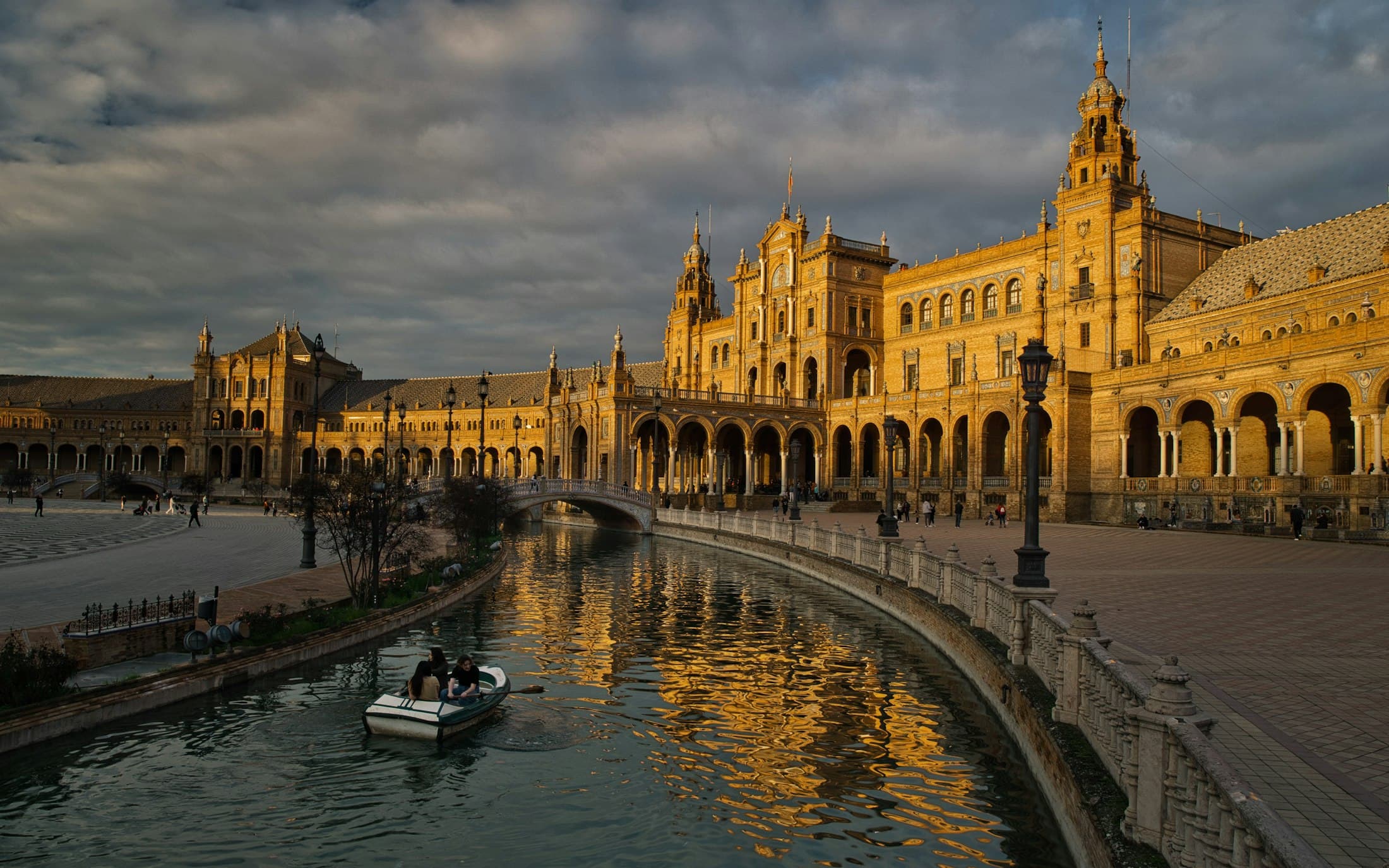 SevillePalace courtyards, orange trees and late evenings — in a city where the summer heat decides the shape of the day.
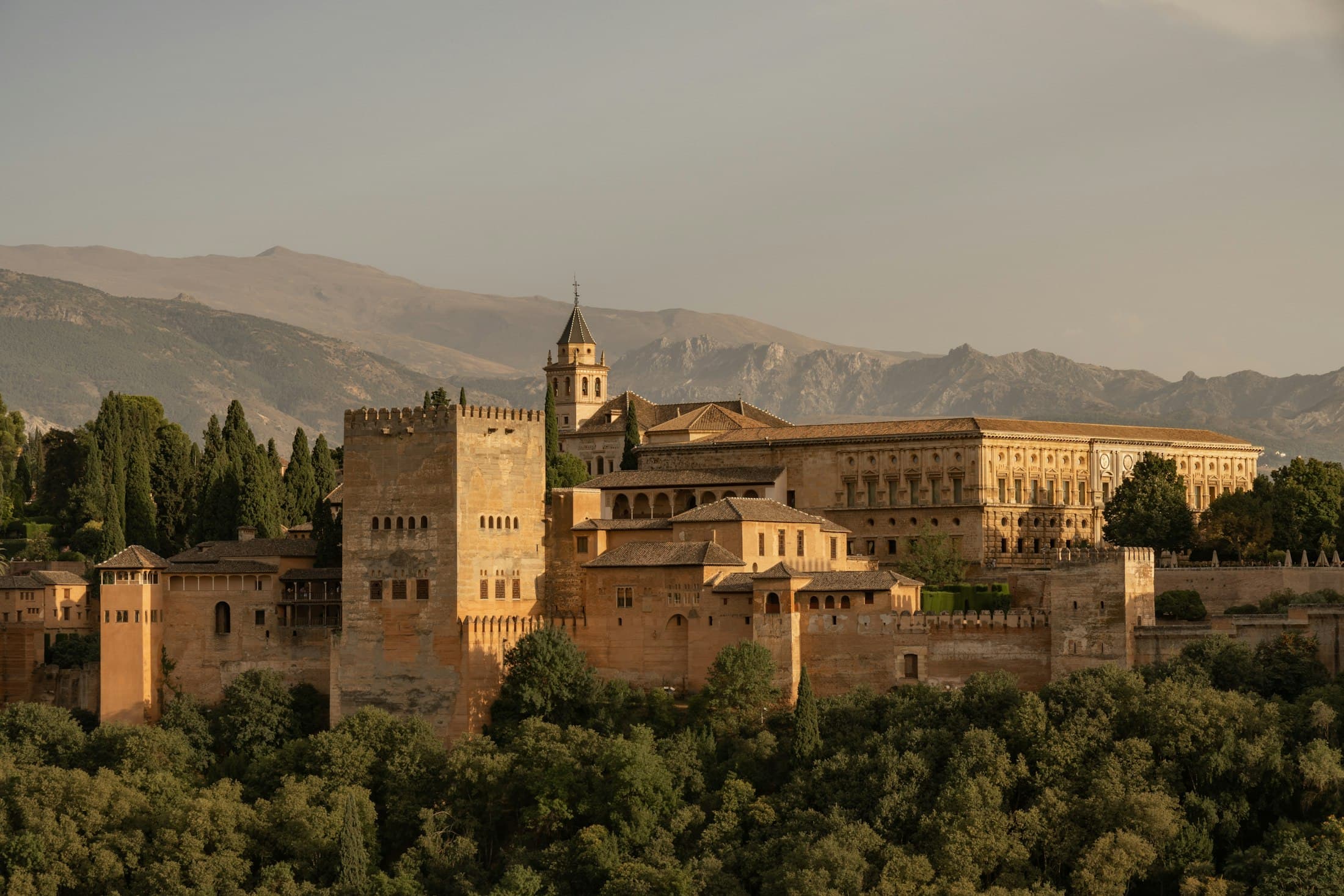 GranadaThe Alhambra on its hill, the white Albaicín facing it, the Sierra Nevada behind — a city where the best pictures depend on a permit and on the hour.
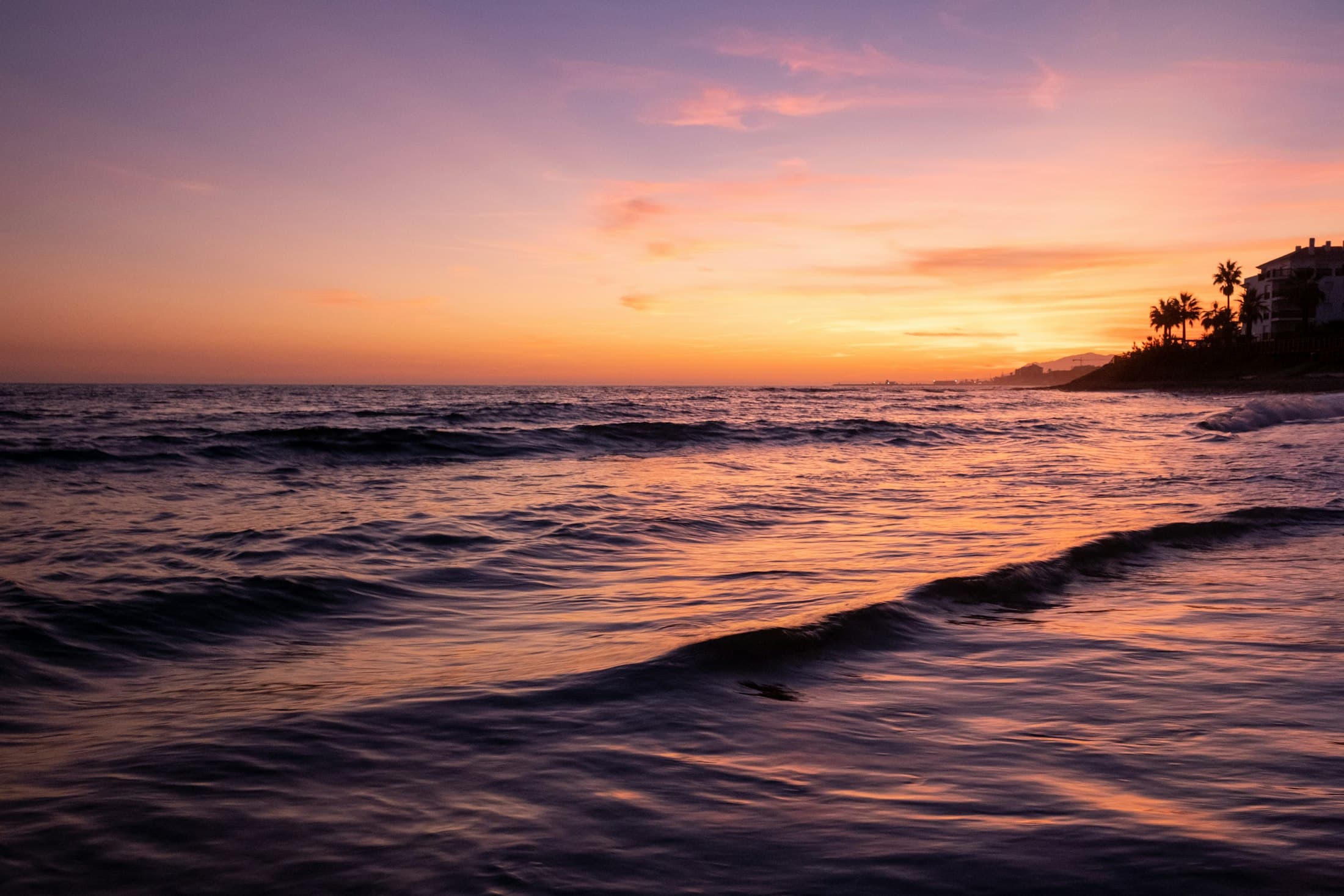 MarbellaA small white old town, about 28 km of beaches and the peak of La Concha behind them — a seaside wedding with a mountain in the frame.
Light
The southern sun is strong and high, up to 76 degrees at midsummer: midday light is hard and white, and bounces off every wall, though it fills the narrow lanes of Santa Cruz with soft shade. Spain’s clock runs late here: on 21 June the sun rises at about seven in Seville and sets at 21:48, with the sky light until about 22:20; Granada, further east, sets at about 21:40. The Atlantic coast faces west and south-west, so the sun sets into the ocean, while the Costa del Sol faces south, with low side light at either end of the day. In Granada the classic moment is the Alhambra turning red from San Nicolás, the sun behind you. At midwinter Seville’s day runs from about 08:35 to 18:10, longer and later than in the north of Spain.
Travel
Málaga and Seville have the main airports, Granada, Jerez and Almería smaller ones. From Málaga airport it is 56 km to Marbella (under an hour), 98 km to Ronda (about an hour and three-quarters) and 139 km to Granada (about two hours); from Seville’s, about 11 km to the centre. From Seville: Cádiz 121 km, Ronda 128 km, Córdoba 142 km, Málaga 215 km, Granada 255 km. Almería’s airport is 31 km from San José, in Cabo de Gata. High-speed trains run from Madrid to Seville in about two and a half hours, to Málaga in about 2 h 40 and to Granada in about three and a half; Marbella has no railway, so plan coaches for the evening. Choose one area for the weekend. Drones follow Real Decreto 517/2024: cities and beaches with facilities count as urban areas, with five days’ notice to the Interior Ministry, so ask the Patronato before planning anything near the Alhambra.
Real weddings
 Featured
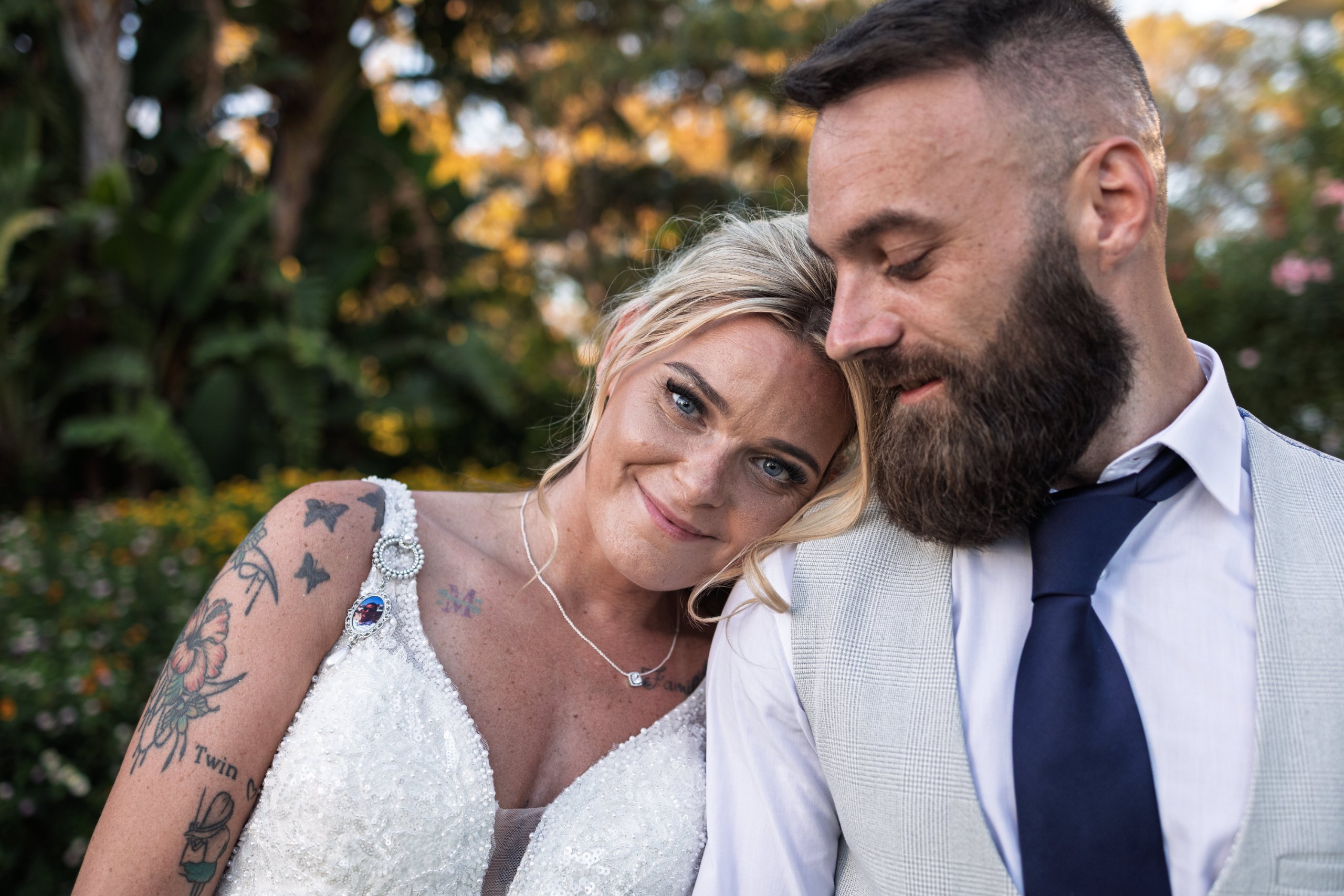
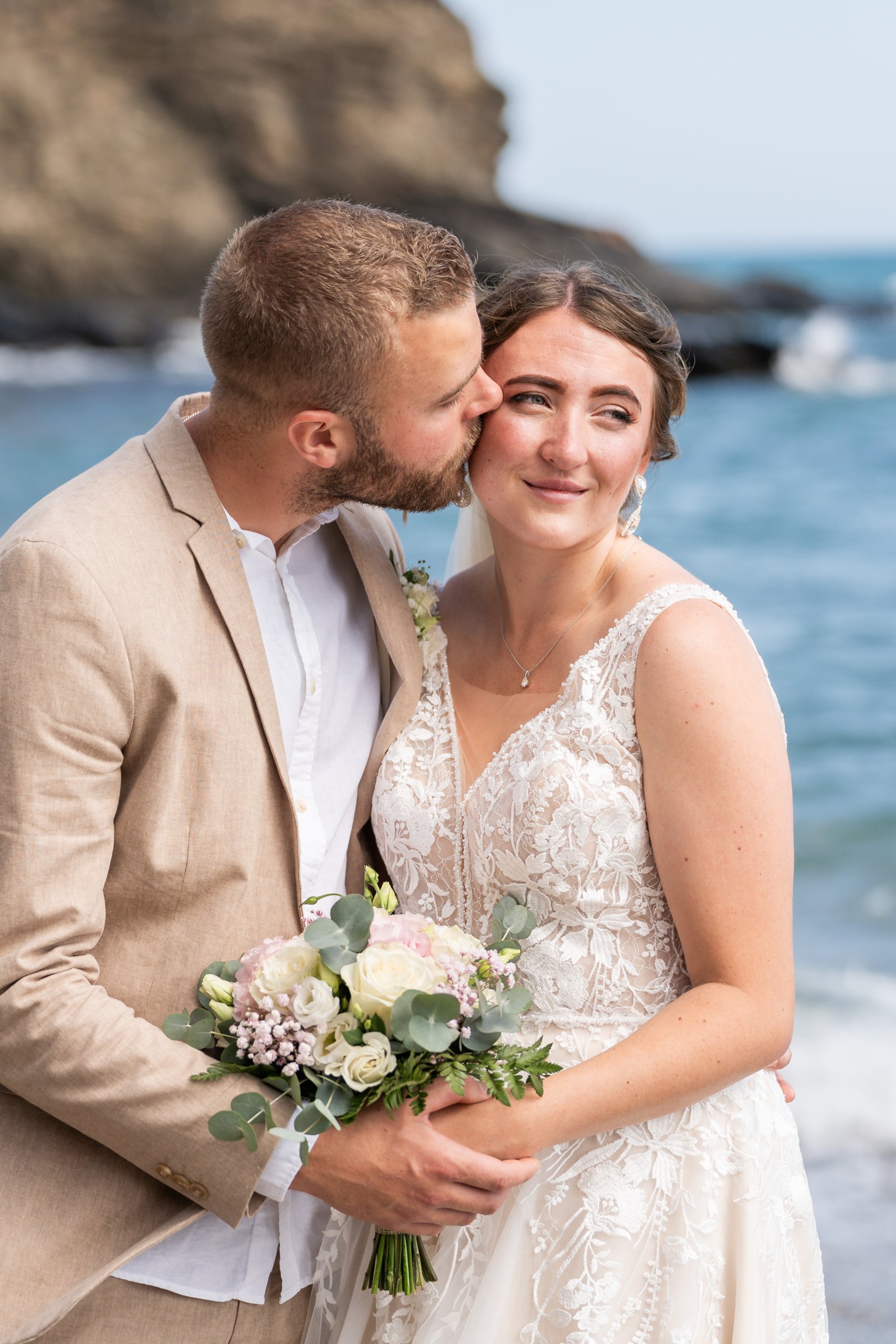
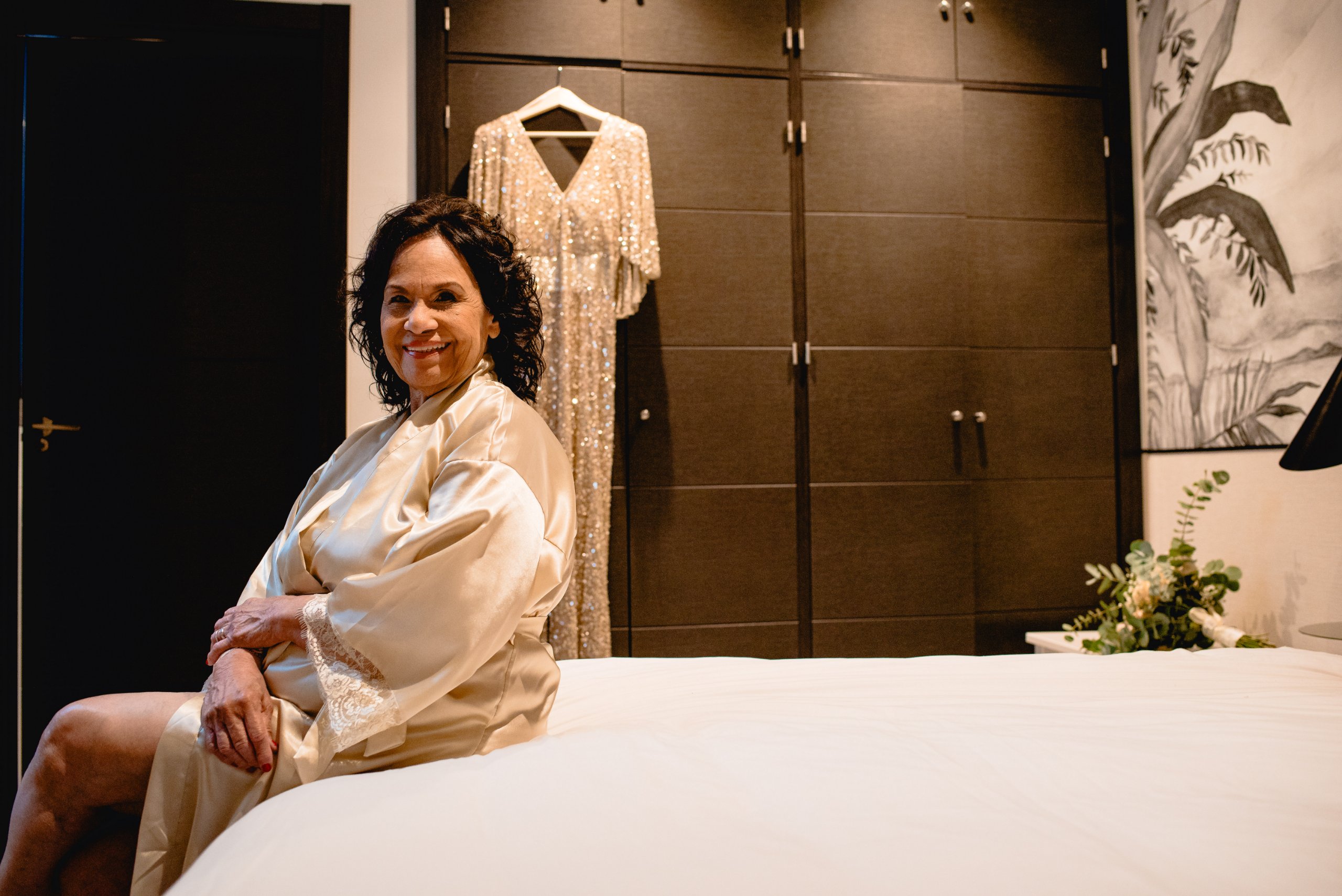
Plan
Spain
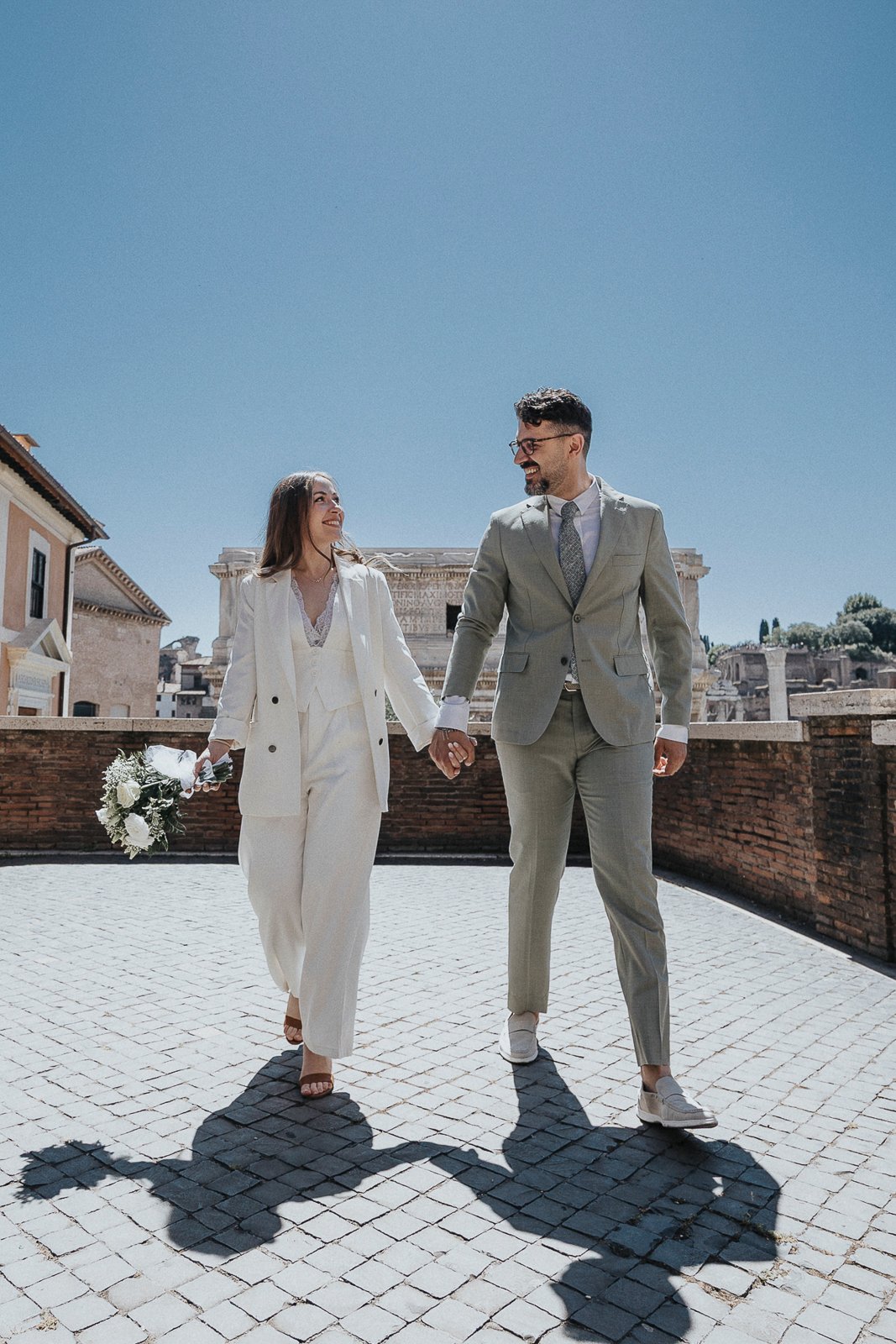
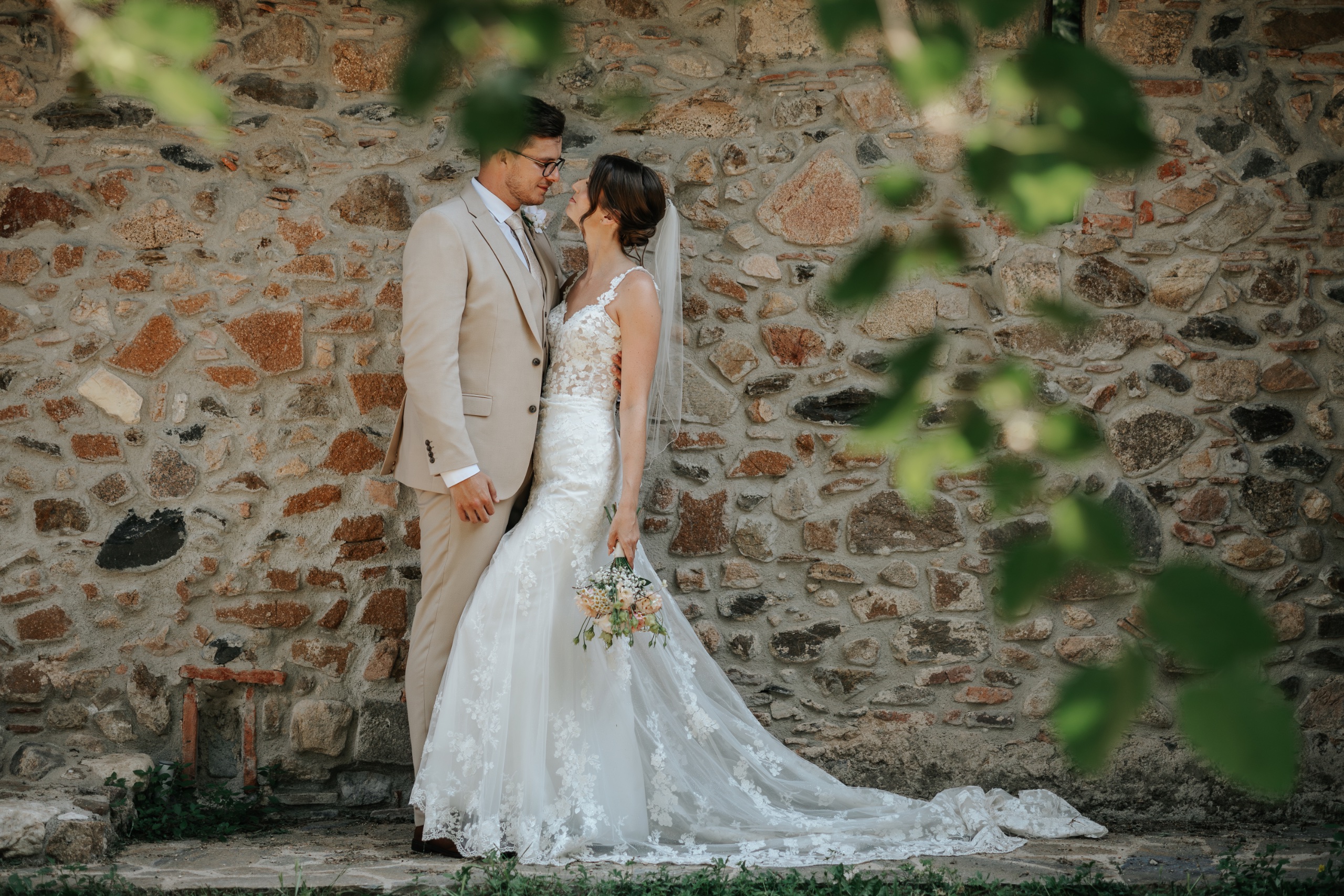 Photo: Evgenia G.