Verified — Identity verified by Lens & Vows
Asier A.from €600
🇪🇸 Barcelona & Catalonia, Mallorca & the Balearics +3, Spain · DocumentaryWedding photographers in Spain
Gaudí’s city on the sea, the pine coves and fishing villages of the Costa Brava, the cava cellars of the Penedès and the saw-toothed ridge of Montserrat, most of it within two hours’ drive.
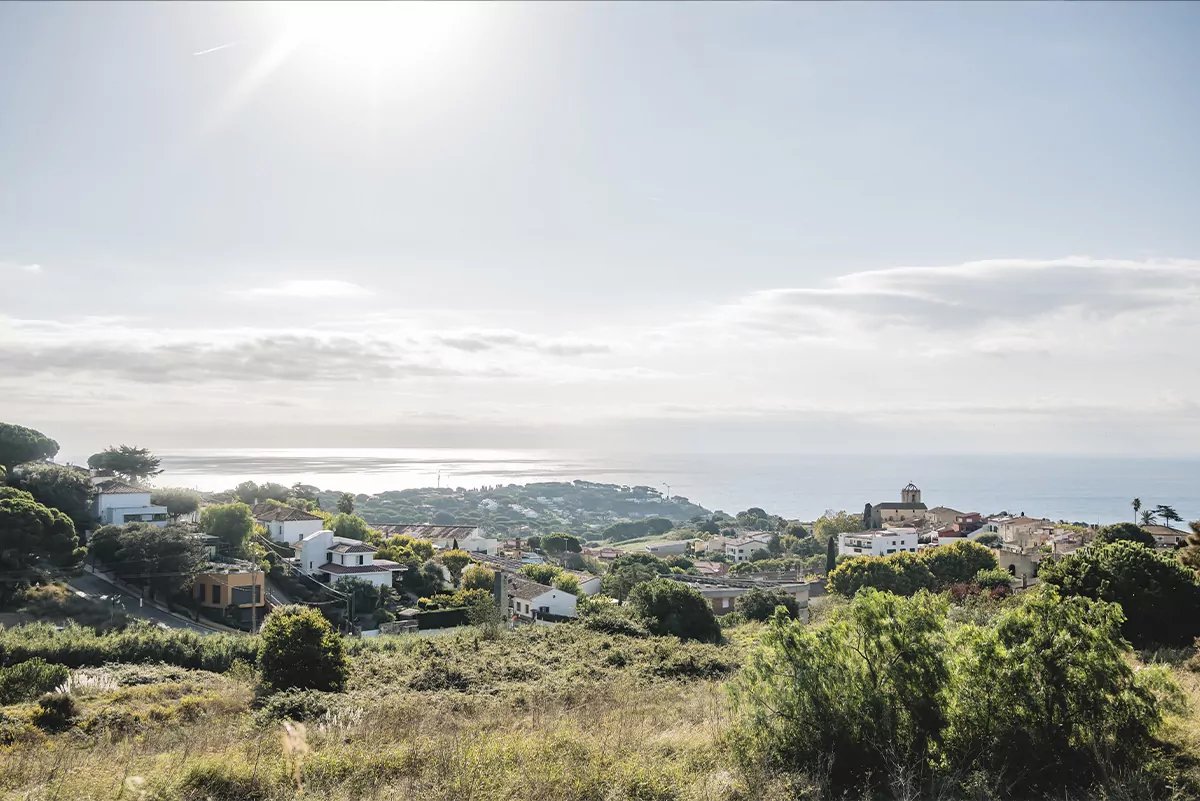
Barcelona lies between the Mediterranean and the Collserola hills, with the Gothic Quarter at its heart, the modernista avenues of the Eixample around it and Gaudí’s buildings, listed by UNESCO, across the city. North-east, the Costa Brava runs some 220 km to the French border: the medieval walls of Tossa de Mar, the coves below Begur, the boats pulled up on the sand at Calella de Palafrugell, then the bare rock of Cap de Creus, the easternmost point of mainland Spain. To the south-west lies Sitges; inland, the cava cellars of Sant Sadurní d’Anoia and Montserrat, whose ridge reaches 1,236 m at Sant Jeroni.
Catalan weddings often take over a masia, an old stone farmhouse turned country estate, or a castle for the whole weekend, with a long dinner outdoors and dancing until late. Couples who live here can also marry at the town hall: Barcelona’s Saló de Cent, a medieval hall that holds 250 people, has civil weddings on Friday afternoons and Saturday mornings, never in August. A civil wedding needs a marriage file opened where one of you lives in Spain, so most couples from abroad sign the papers at home and make their vows here in a symbolic ceremony, which frees the place, the hour and the language.
Photographers
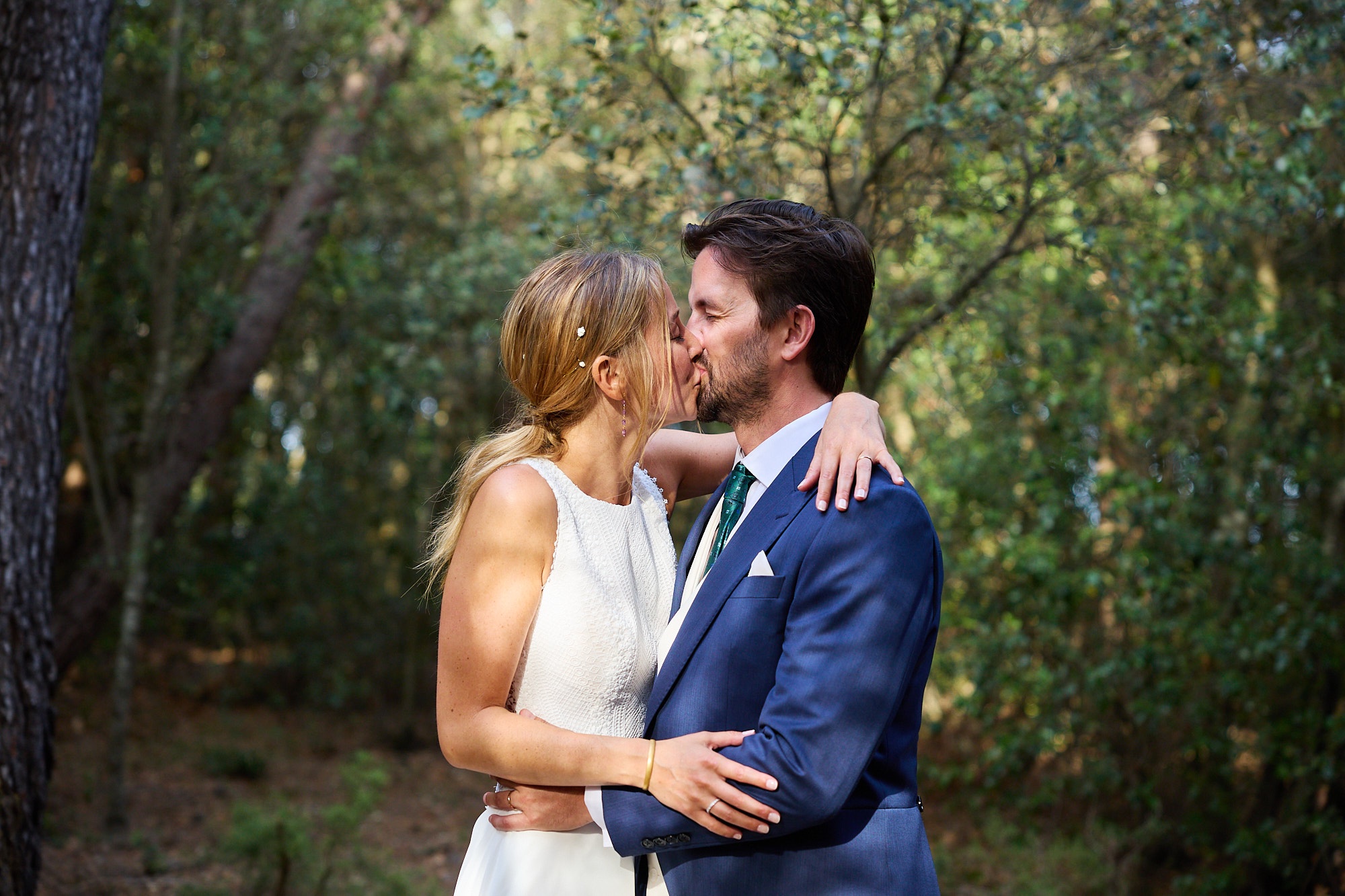
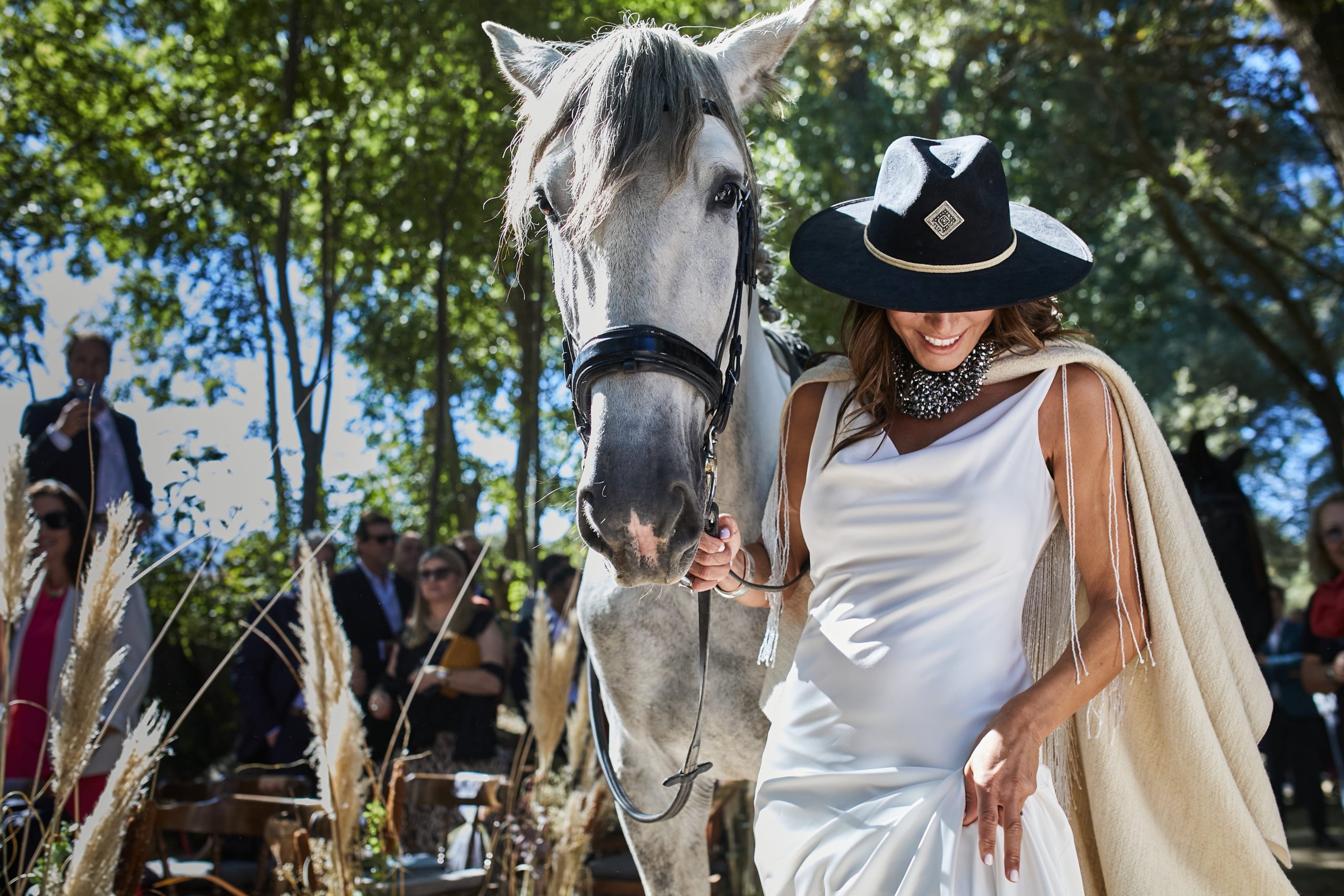
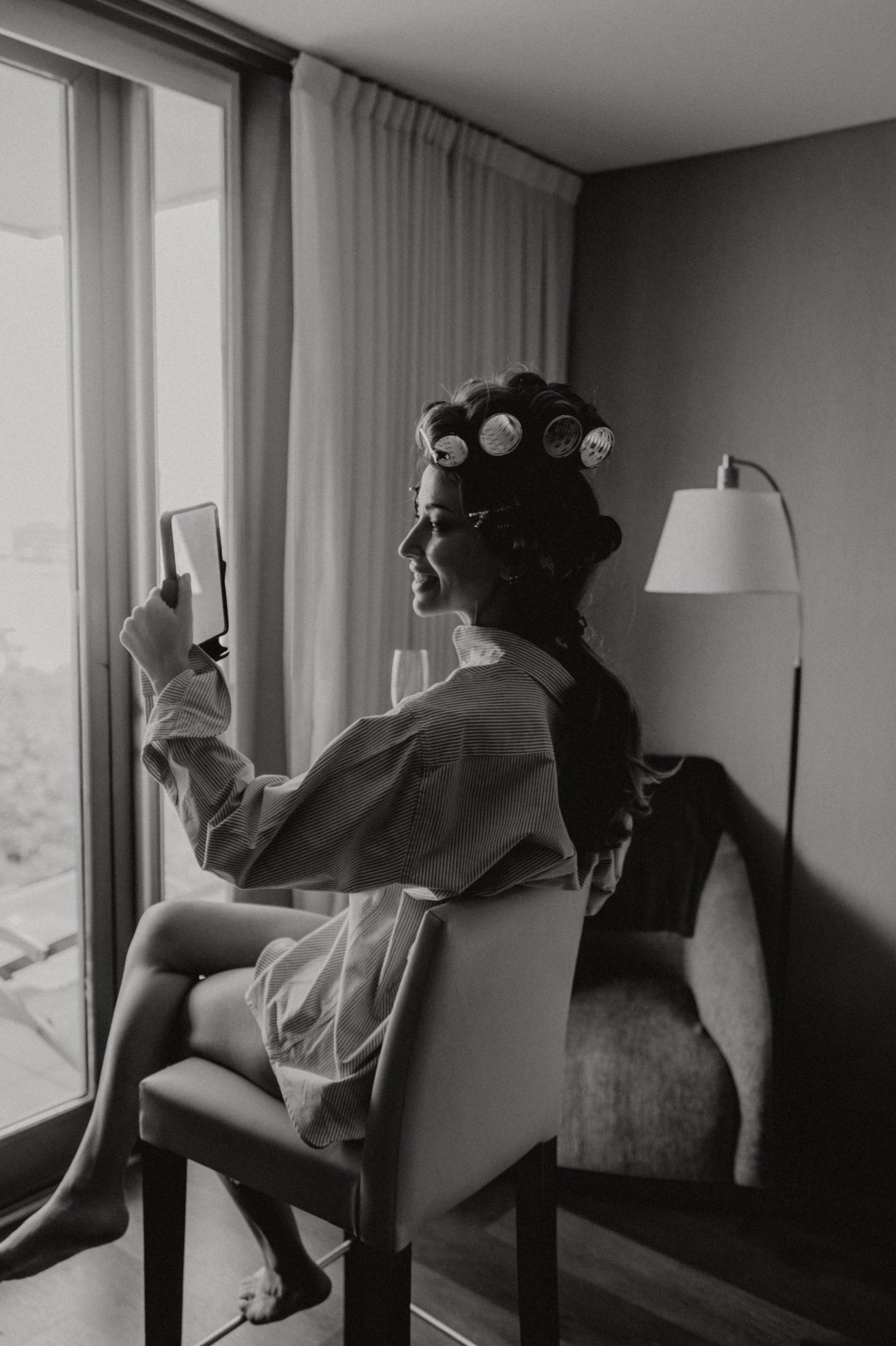
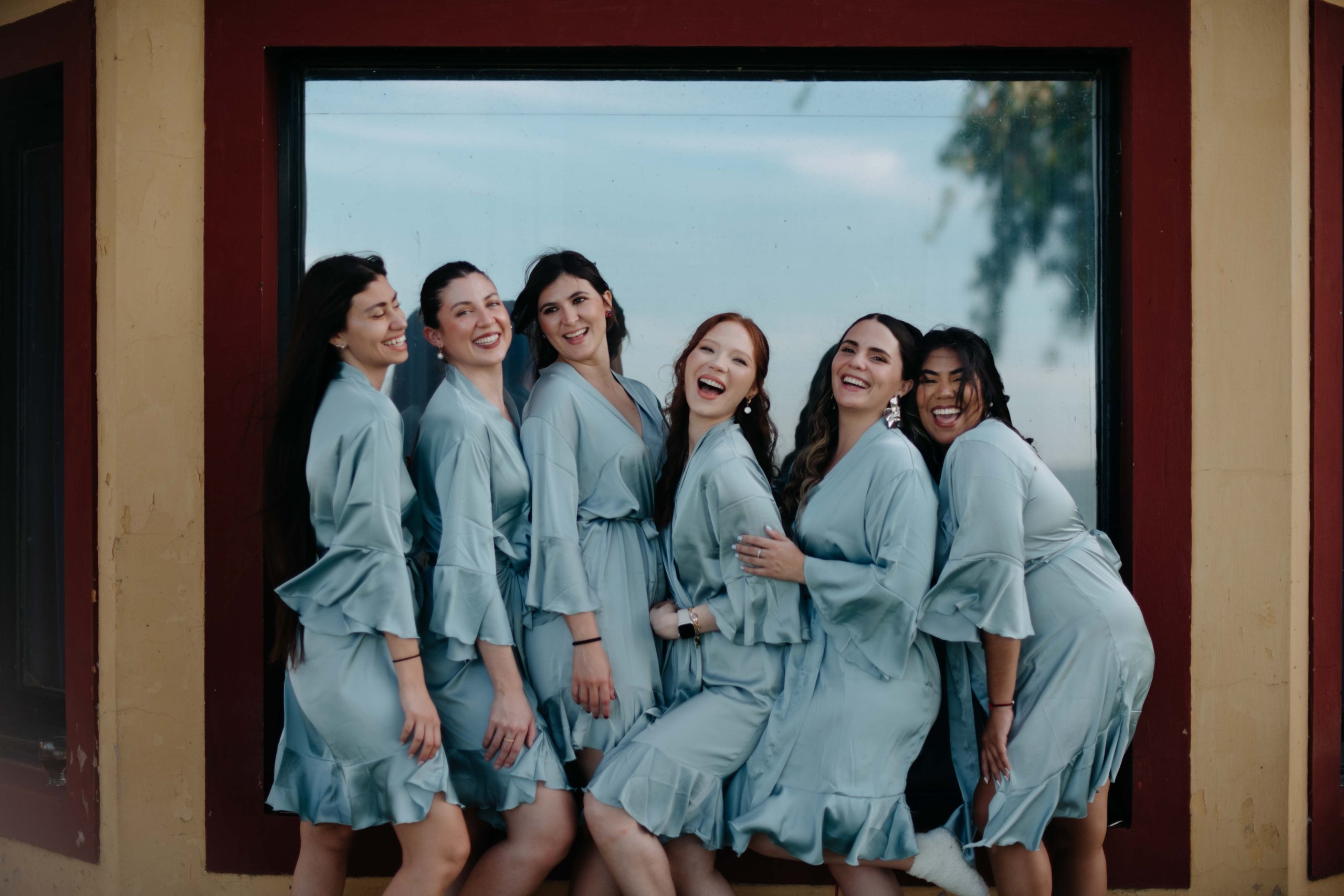
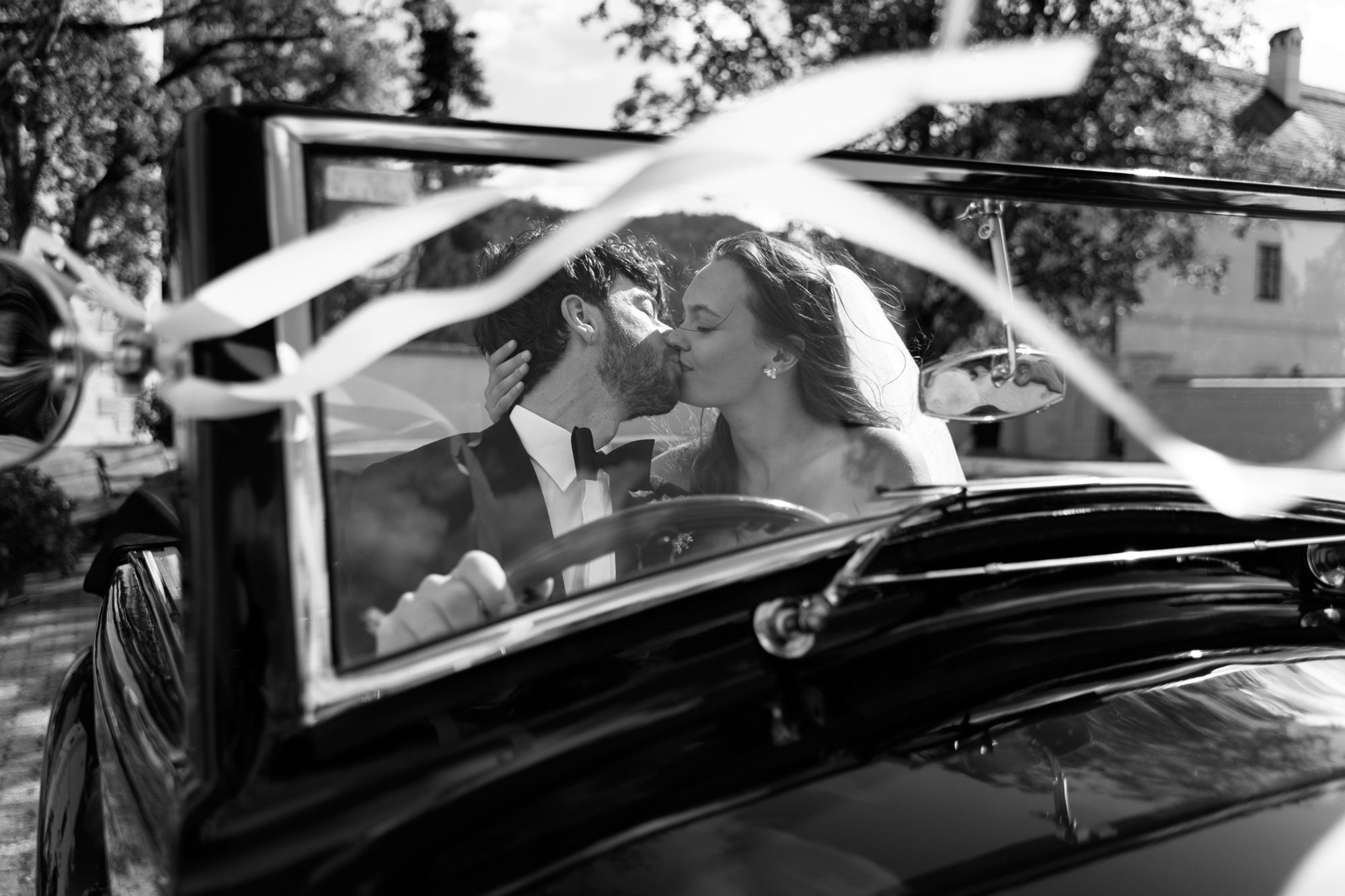
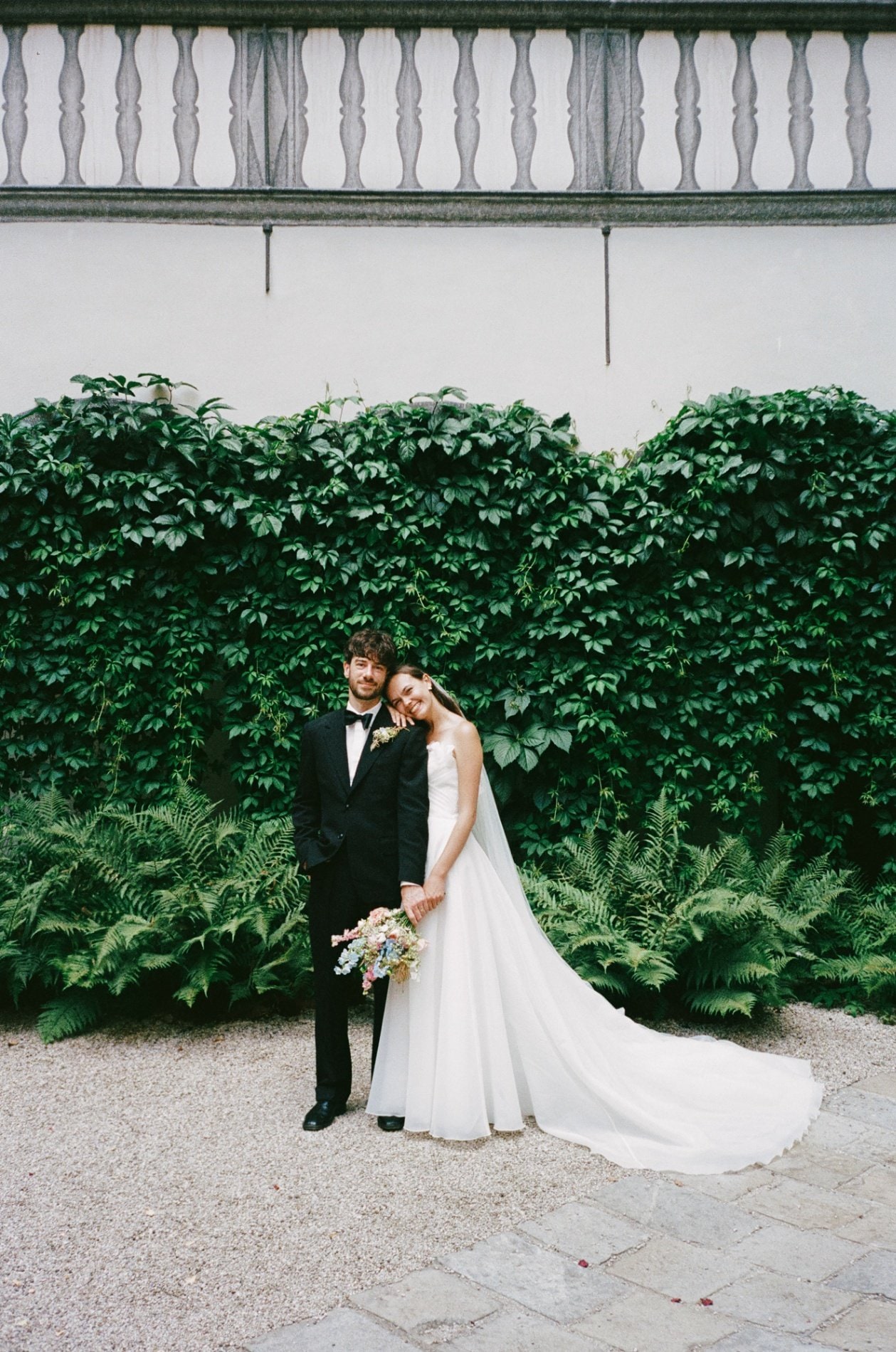
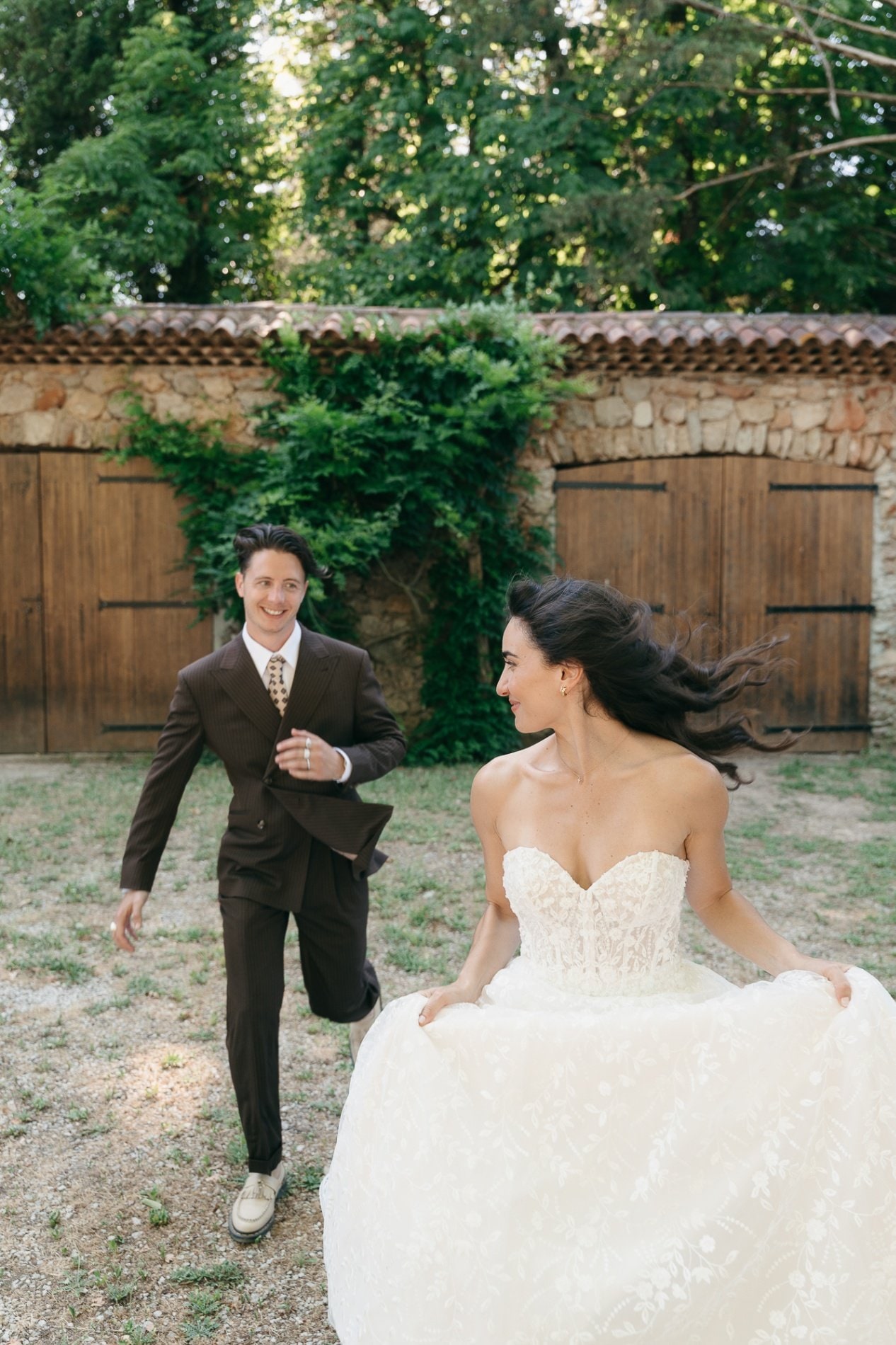
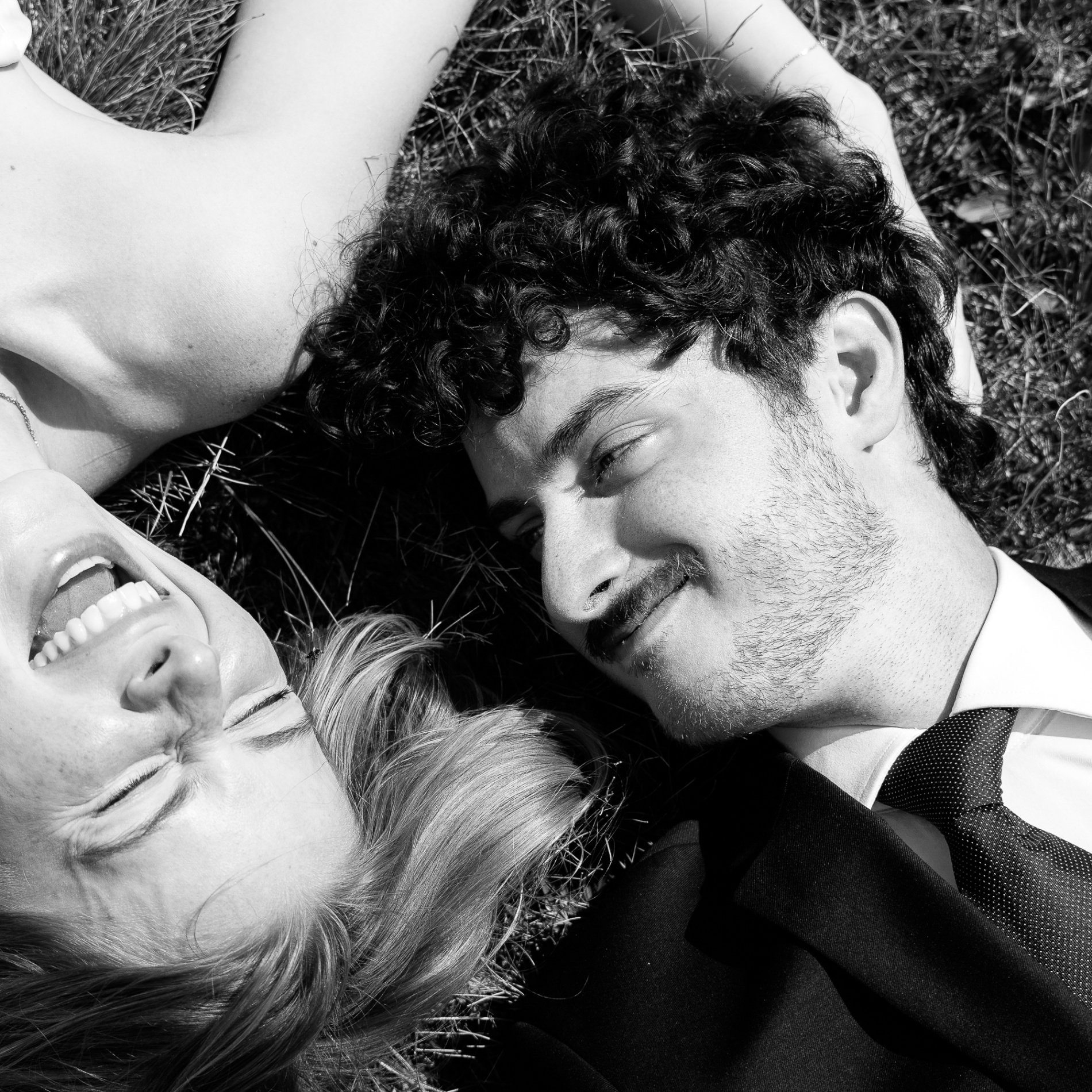
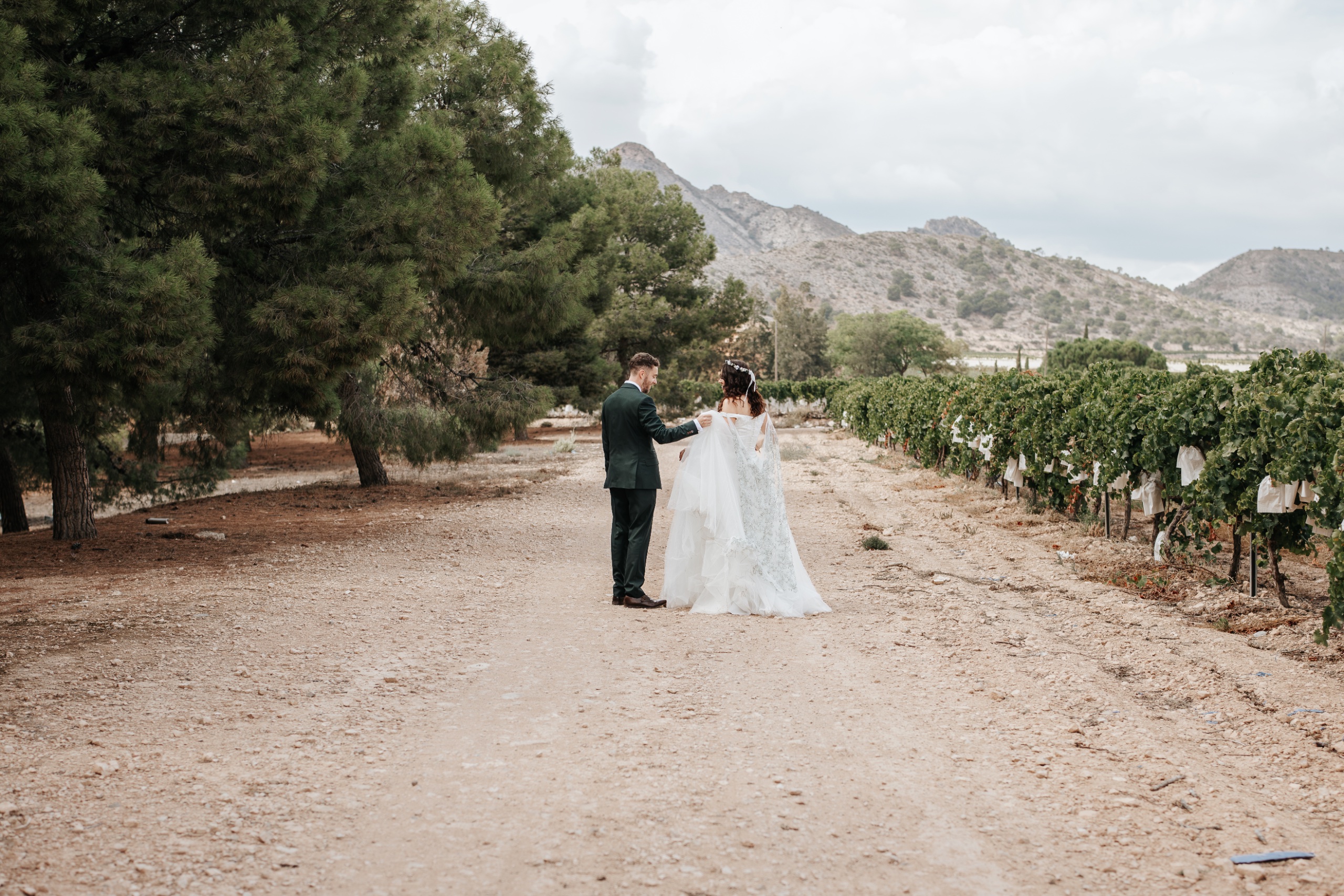
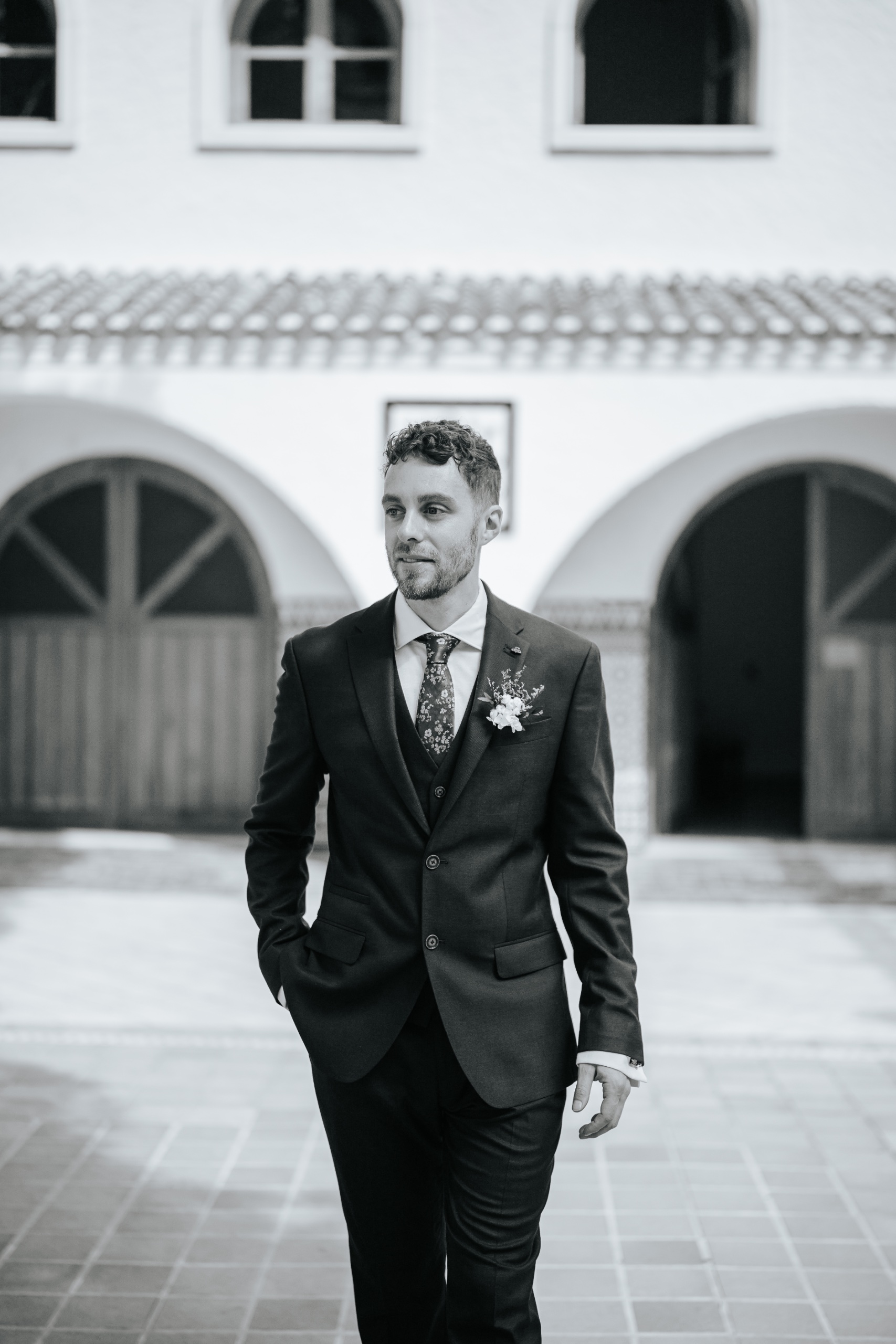
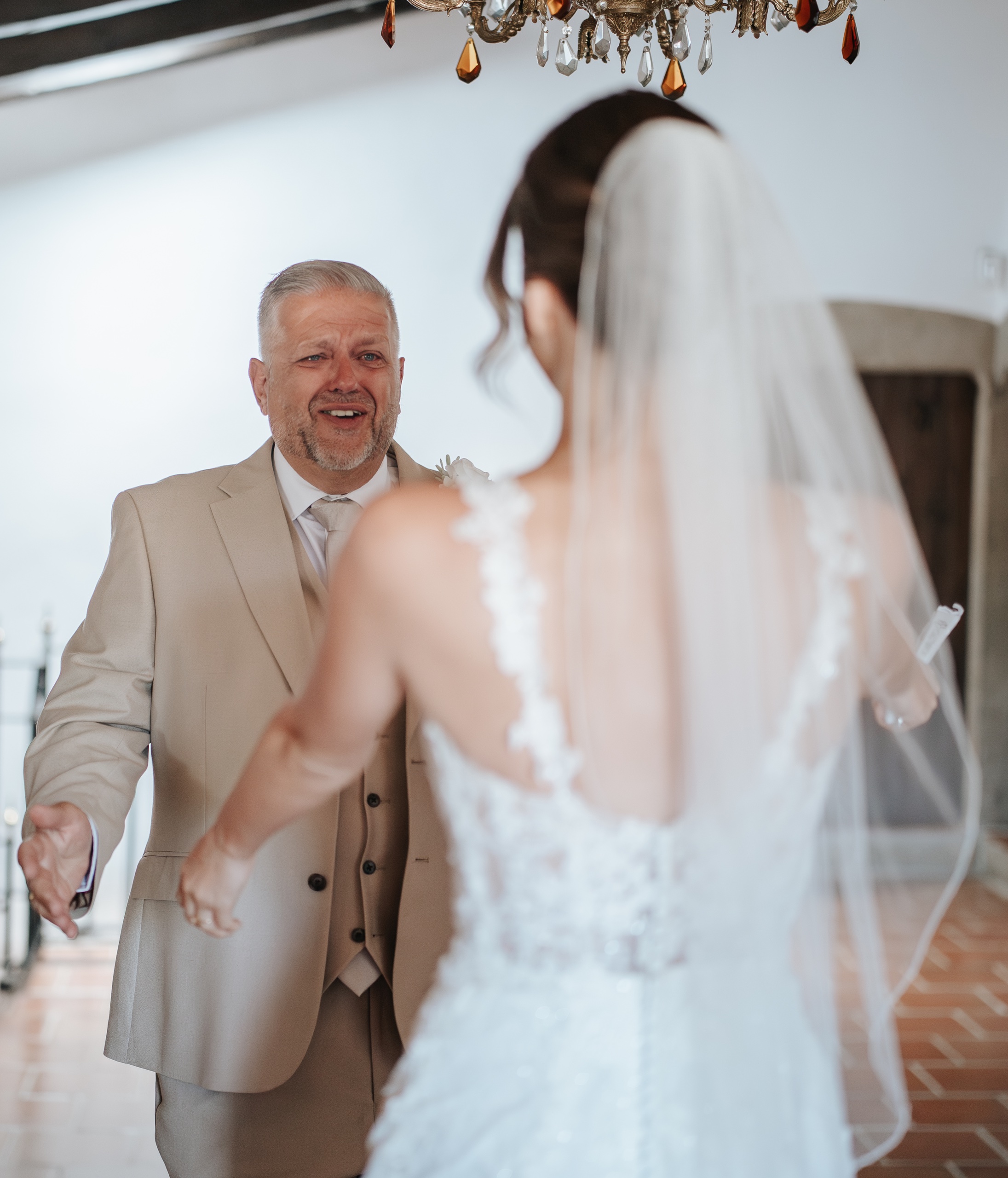
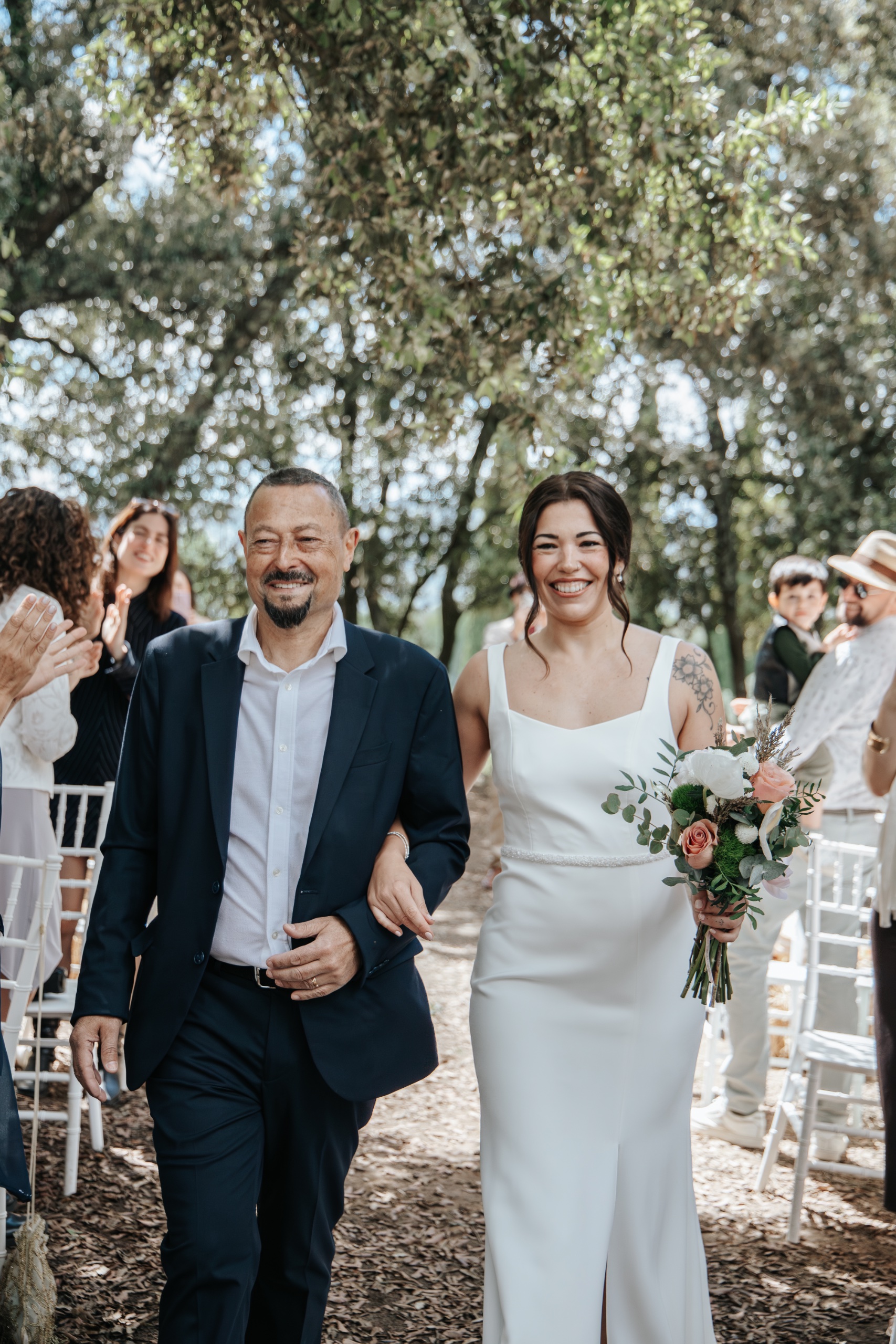
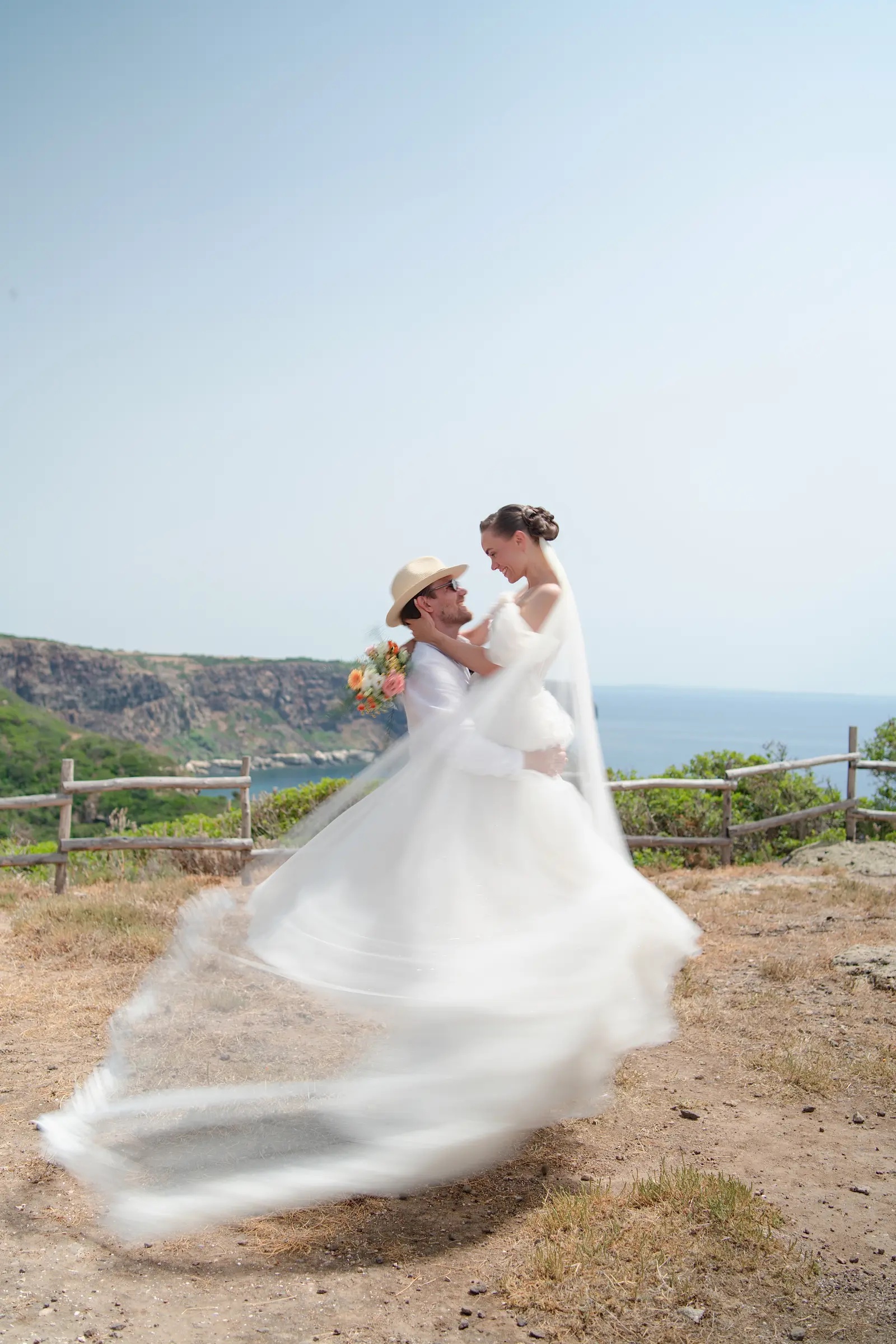
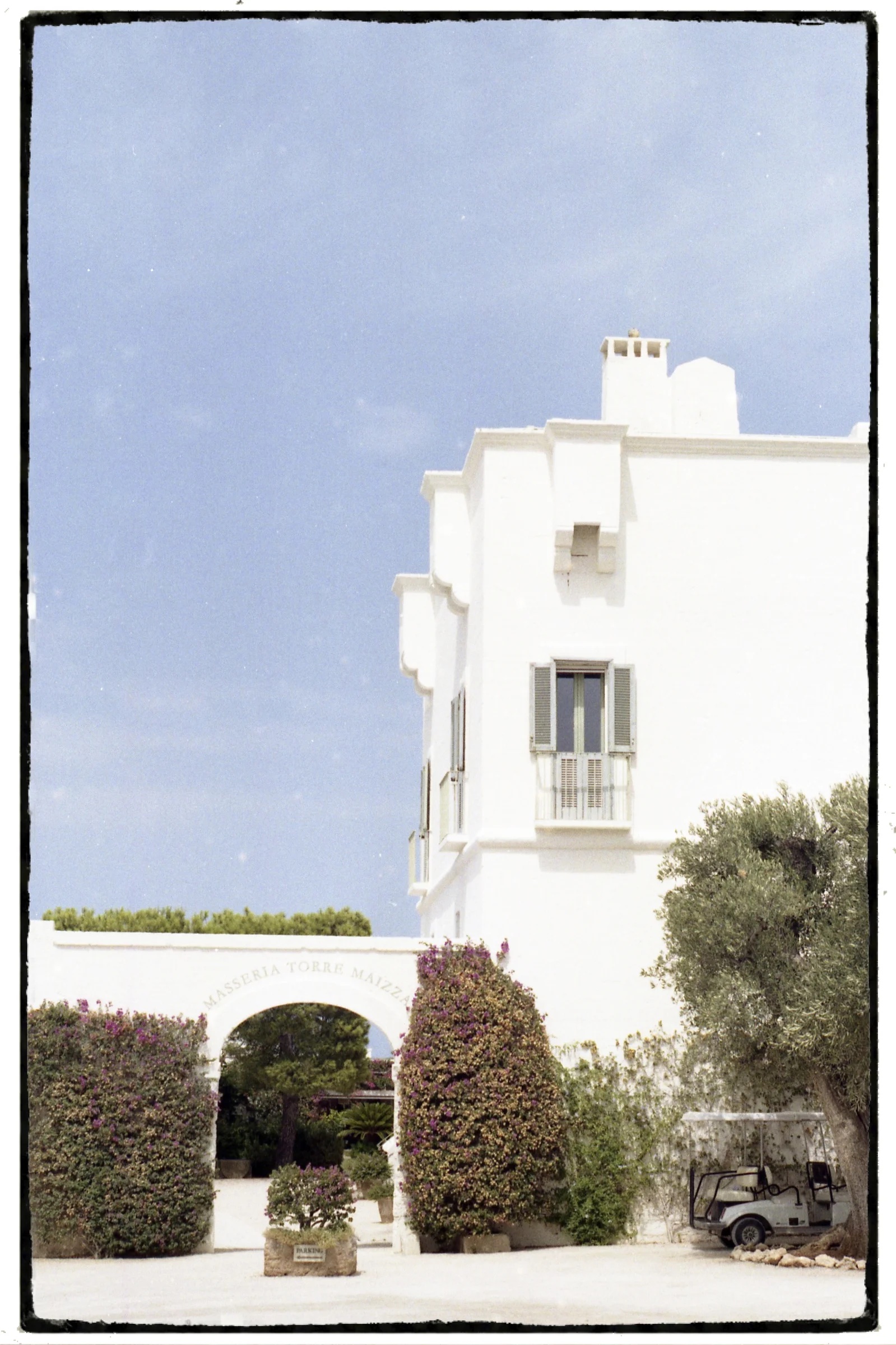
They shoot here and know the light. Their whole weddings are on their pages.
See all 22 photographers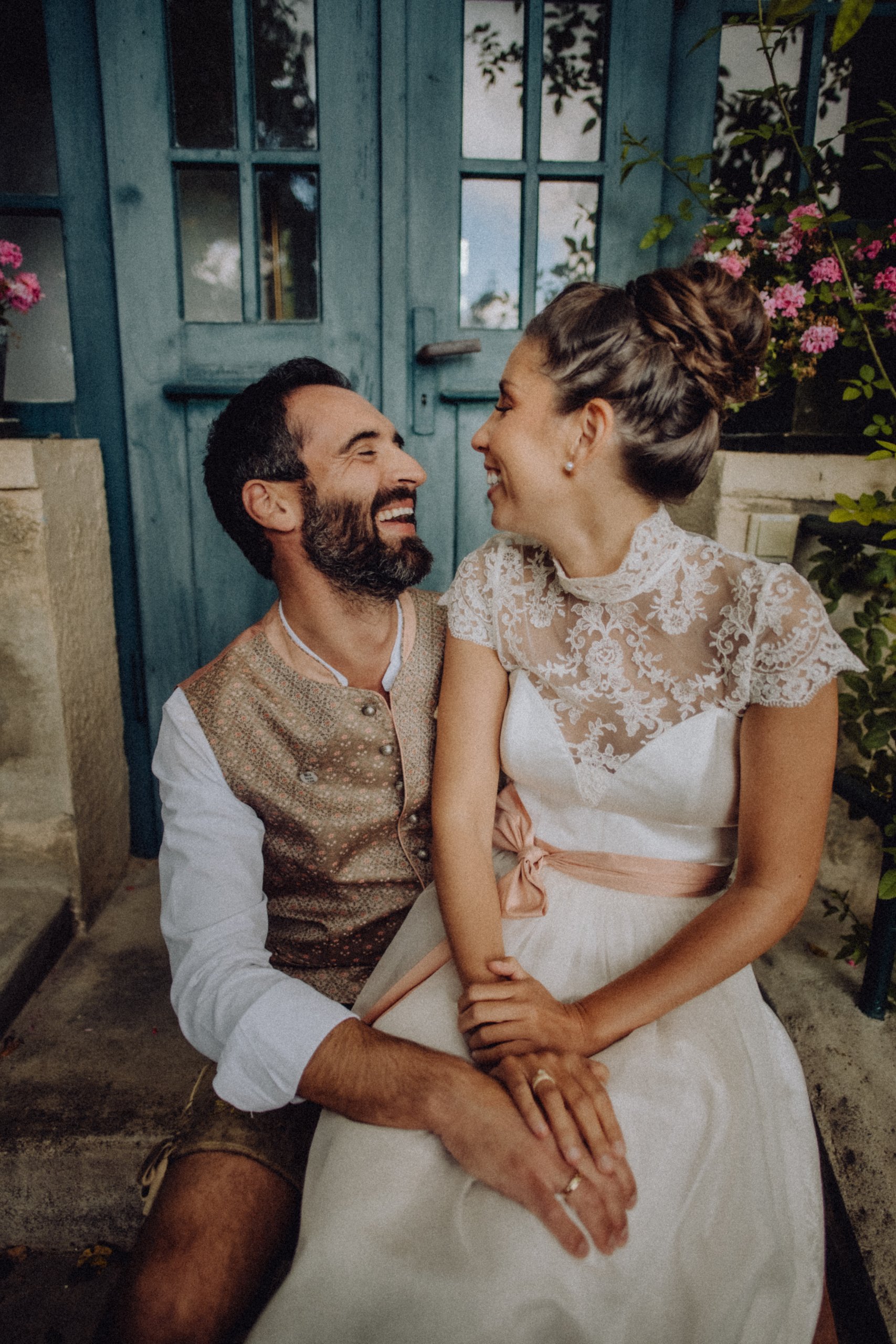
Booking through Lens & Vows
Through the year
May, June and September are the easiest months. At Barcelona airport the average high is 21 °C in May, 25 °C in June and 26 °C in September, with rain on four or five days a month. July is the driest month, 21 mm on fewer than two days, and August the hottest, with an average high of 28.5 °C and damp, sticky nights by the sea. Autumn is the catch: September brings 81 mm and October, the wettest month, 91 mm, yet on only five or six days, because the rain falls in short, heavy storms. Thunder comes on three or four days in each of August and September, so keep a covered plan within reach. Inland the days are hotter and the nights colder: Girona airport averages 30 °C in July and frost on thirteen mornings in January.
Weather station: Barcelona Aeropuerto, normals 1981–2010 · Checked 1 November 2026
Places
The kinds of places — ask your photographer which ones they know well.
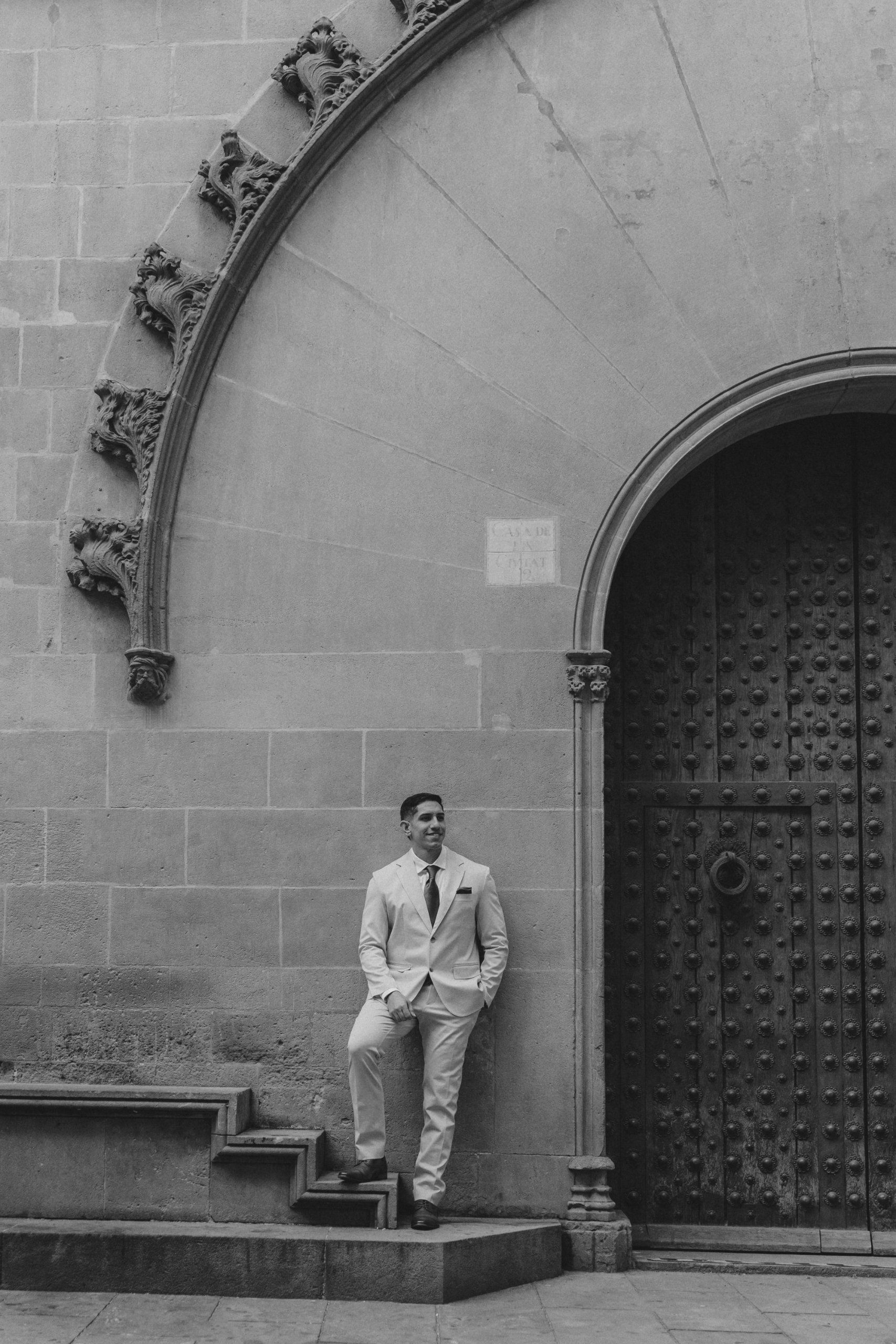
The Gothic Quarter’s lanes at dawn, the façades of Passeig de Gràcia and the steps below the Palau Nacional on Montjuïc are the classic walk. Two famous names are out: inside the Sagrada Família, professional equipment for photo sessions in celebration clothes is not allowed, and Park Güell says it authorises filming and photography only for science or training tied to its heritage. The old gun batteries of Turó de la Rovira, the “Carmel bunkers”, are free but fenced, open 09:00–19:30 in summer and until 17:30 in winter, so they close long before a summer sunset. Occupying part of a street, or shooting in a municipal park, goes through the city’s own permits: ask your photographer or the Barcelona Film Commission.
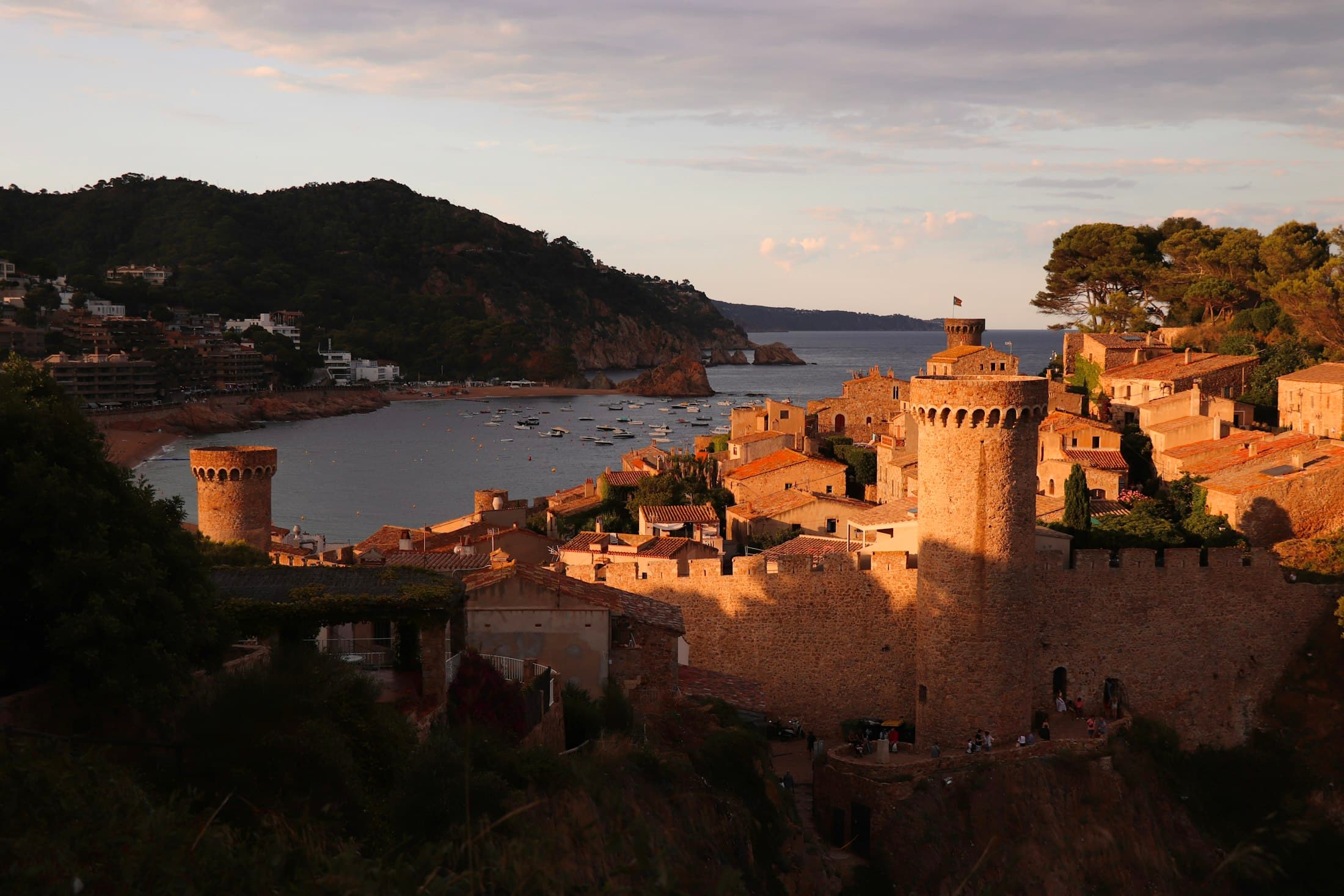
Tossa’s Vila Vella, a walled town with seven round towers on its headland; the coves below Begur, linked by the GR 92 path; the arcades of Les Voltes and the boats of Port Bo at Calella de Palafrugell; and Cadaqués and Cap de Creus, a strict nature reserve where you stay on the marked paths. In 2026 cars were barred from the cape’s lighthouse road on set days from late March and all day in July and August (09:30–21:30), with a shuttle from Corral d’en Morell in Cadaqués; sunrise falls outside those hours. Beaches are public: two people and a photographer usually need no permit, but chairs, an arch or music call for the Generalitat’s coastal authorisation and the town hall’s word.
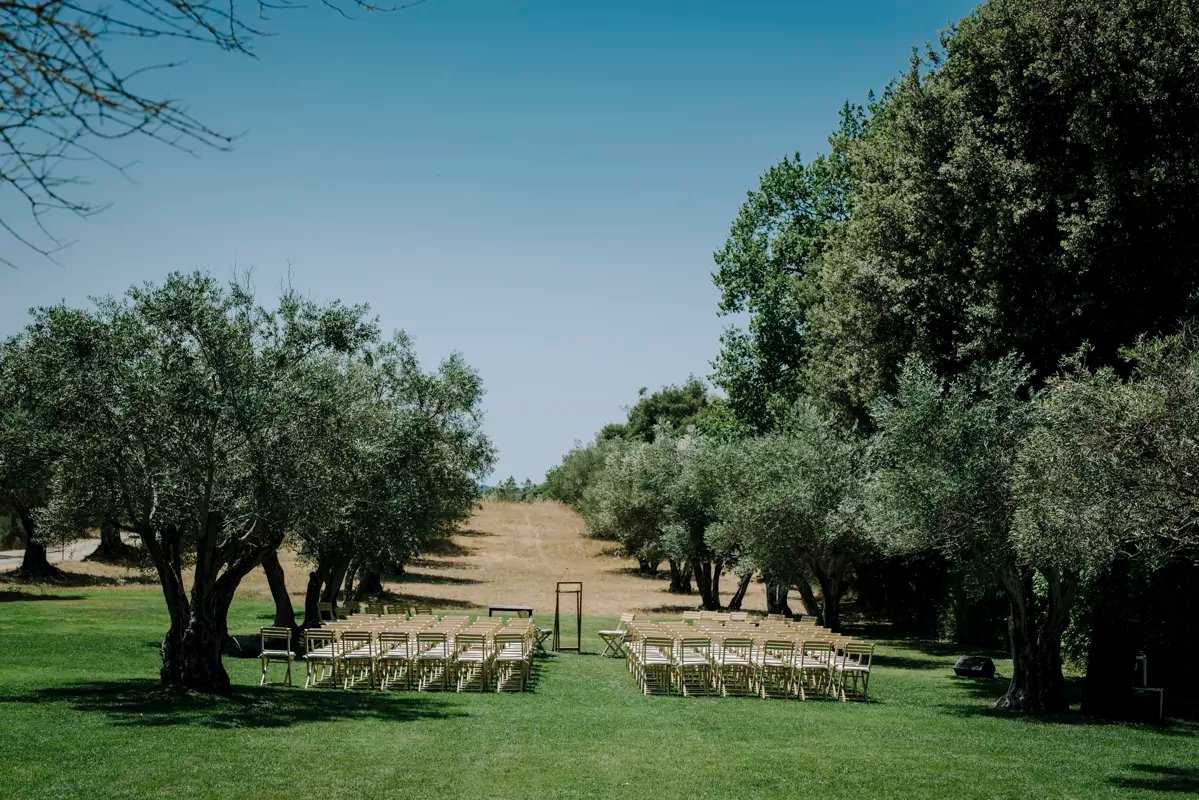
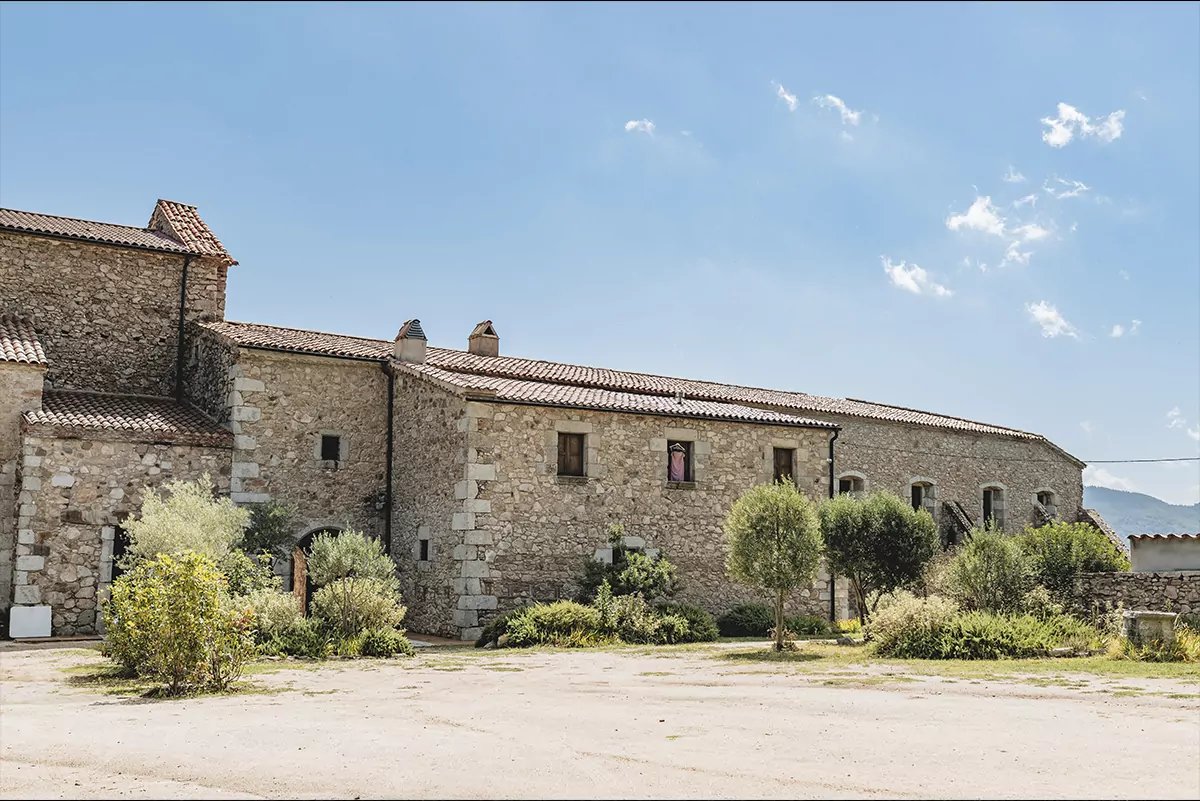
Mas de Torrent, an 18th-century masia among vines and olives in the Empordà. Castell d’Empordà above La Bisbal, dated 1301, with ceremonies in its olive grove or Remei Chapel and the dancing in a cave; exclusive use means taking all 57 rooms. Castell de Sant Marçal, some 15 km from Barcelona, with dinner under its lime trees and a glasshouse if it rains. Castell de Tamarit, a walled headland near Tarragona with an 11th-century chapel and a cove below. Codorníu at Sant Sadurní d’Anoia, Puig i Cadafalch’s modernista cellars, a national monument since 1976, where the arches of the Celler Gran make a dramatic rain plan and Montserrat fills the horizon outside. Ask each what time the outdoor music stops, and whether it charges your own photographer a fee.
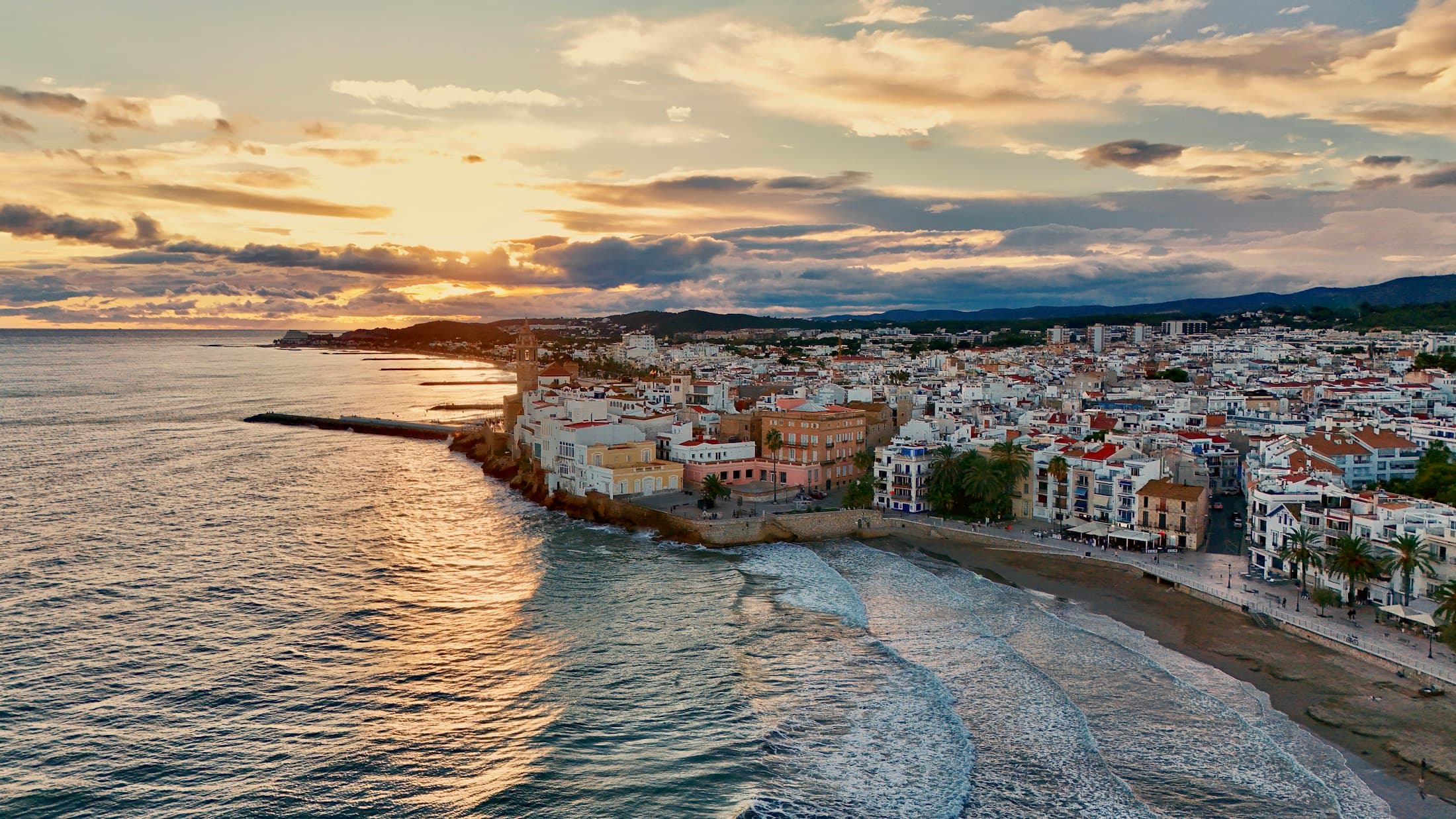
In Sitges the church and the Palau de Maricel stand on their point above the sea; civil weddings are held in the palace’s Saló d’Or on a few Saturdays a year, none in August in the 2026 calendar. Using part of a street for photos needs the town’s permit, asked for online at least five working days ahead, and the Garraf hills behind are a natural park with a request of their own. Montserrat is the day out: the monastery and the saw-toothed rock, reached by rack railway in 15 minutes from Monistrol. We could not find a published rule for wedding shoots there, so ask the monastery and the natural park before planning more than a walk.
Towns
Each with a page of its own: where couples marry there, where to take portraits, the practical side.
Light
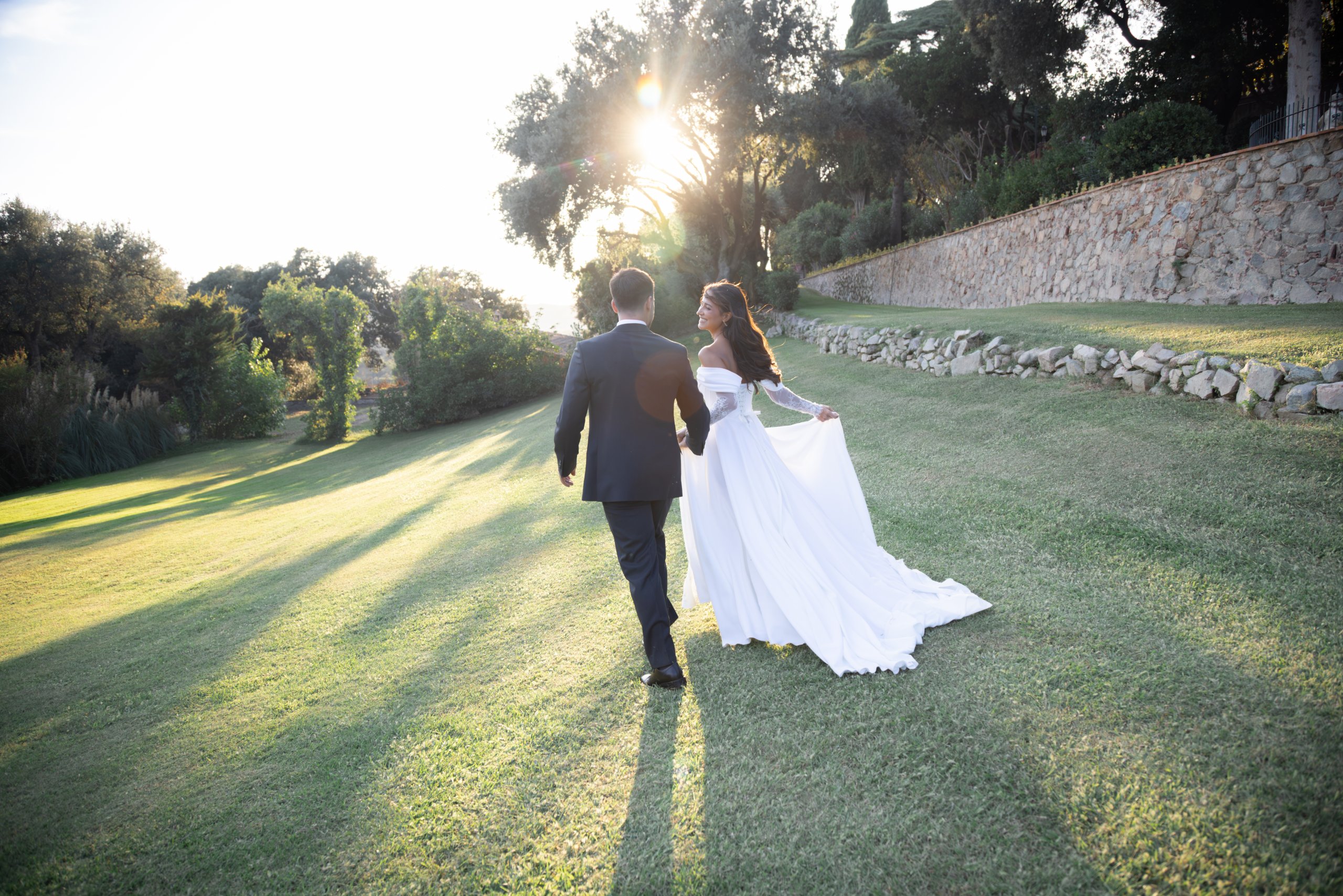
Barcelona’s shore faces south-east, so the sun comes up out of the sea and goes down behind Collserola: on the beach, dawn is the hour; in the evening, go up, to Montjuïc or the hills, with the city below you. Spain keeps Central European time, so evenings run late by the clock. On 21 June the sun rises at about 06:20 and sets at 21:28, and the sky holds until about ten. Sunset falls at about nine in mid-May, at eight in mid-September and soon after seven in mid-October. On 21 December the sun is up from about 08:15 to 17:25 and never climbs above 25 degrees, a low, warm light all day. On the Costa Brava the coves take the morning, the first sun reaching Cap de Creus at about 06:10 at midsummer, and headlands steal the evening: for sunset, head inland to the stone villages of the Empordà.
Travel
Barcelona’s airport, at El Prat, is 14 km from the centre, about 20 minutes by road. Girona–Costa Brava, about 13 km from Girona, is closest for the coast: 46 km to Tossa, 58 km to Calella de Palafrugell, 90 km to Cadaqués. High-speed trains reach Madrid in about two and a half hours, Girona in under 40 minutes and Figueres in under an hour, and the R2 Sud commuter line runs to Sitges. By road from the centre: Sitges 39 km (40 minutes), Sant Sadurní 46 km, Montserrat 60 km (an hour), Tossa 86 km, Calella 125 km (an hour and 40), Cadaqués 170 km (over two hours). Drones follow Spain’s Real Decreto 517/2024: beaches with facilities and city parks count as urban areas, where a registered operator notifies the Interior Ministry five days ahead, and low flights are barred within 6 km of each runway end and 5 km either side unless coordinated with the airport.
Real weddings
Plan
Spain
 Photo: Jose C.