Verified — Identity verified by Lens & Vows
Andrea T.from €4,200
🇪🇸 Madrid, Barcelona & Catalonia +16, Spain · Editorial, FilmBased in Italy · travels to weddings in SpainWedding photographers in Spain
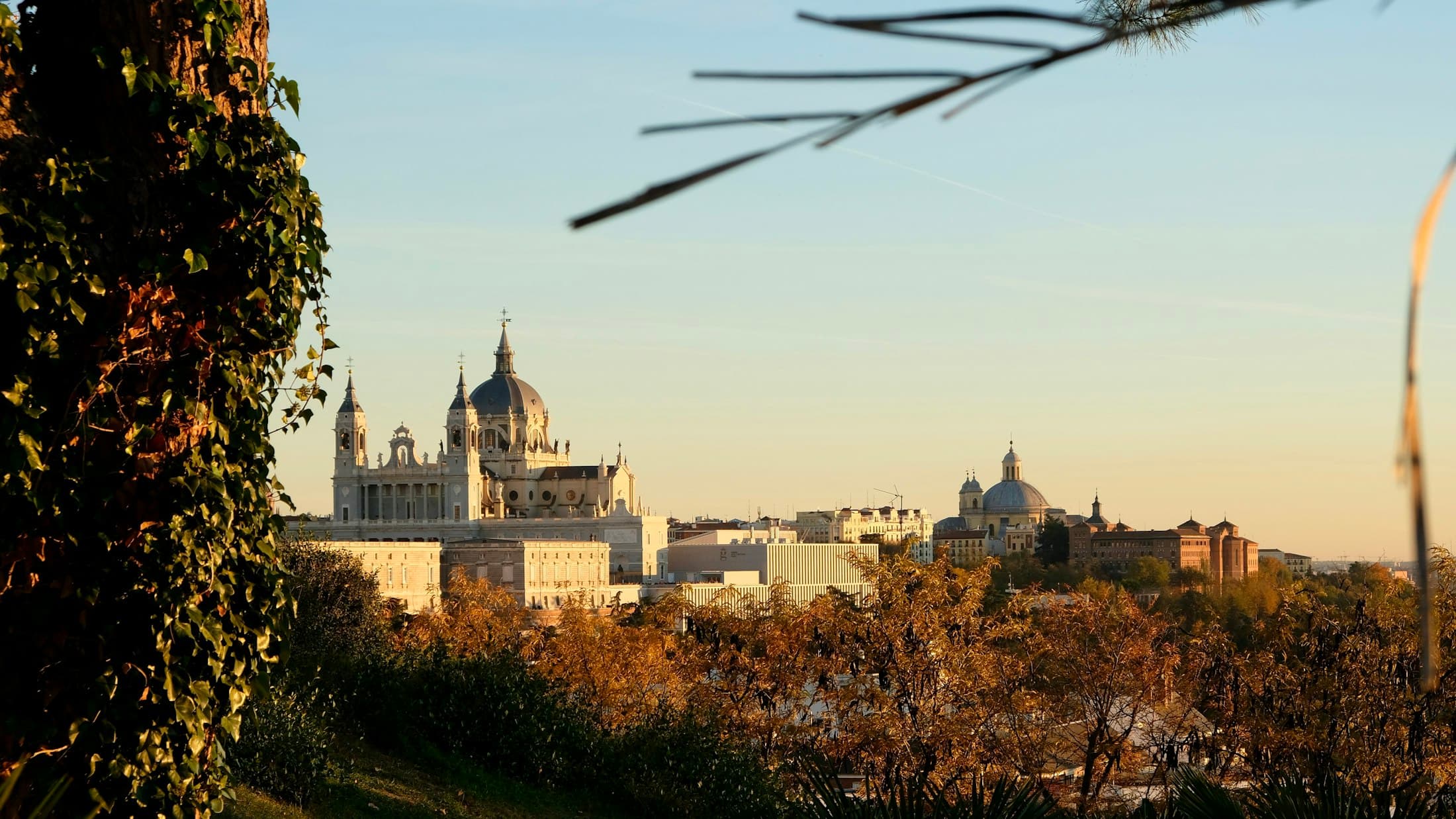
A high, clear-aired capital of palaces and parks, with the royal sites of Aranjuez and El Escorial, the old cities of Segovia and Toledo and the pines of the Sierra de Guadarrama about an hour away.
Madrid stands some 650 m up on Spain’s central plateau, a city of grand avenues, a royal palace and squares that stay busy past midnight, under the deep-blue skies its painters loved. The Paseo del Prado and the Retiro park joined UNESCO’s World Heritage list in 2021. Four more listed sites lie about an hour out: the monastery of El Escorial, the gardens of Aranjuez, Segovia with its Roman aqueduct and Toledo in its bend of the Tagus. To the north-west rises the Sierra de Guadarrama, a national park since 2013, with Peñalara at 2,428 m and the granite of La Pedriza.
Weddings here come in two kinds. In the city, a ceremony in a palace or a hotel, portraits in the park and a party on a rooftop that starts late and ends later. Out of town, a weekend at a finca under the Sierra, a parador in a royal village or a cigarral, one of the walled country estates on the hills facing Toledo. Couples who live in Madrid can book a civil ceremony through the city council, once a marriage file is open where one of them lives. Most couples from abroad sign the papers at home and hold a symbolic ceremony here, in any place and any language.
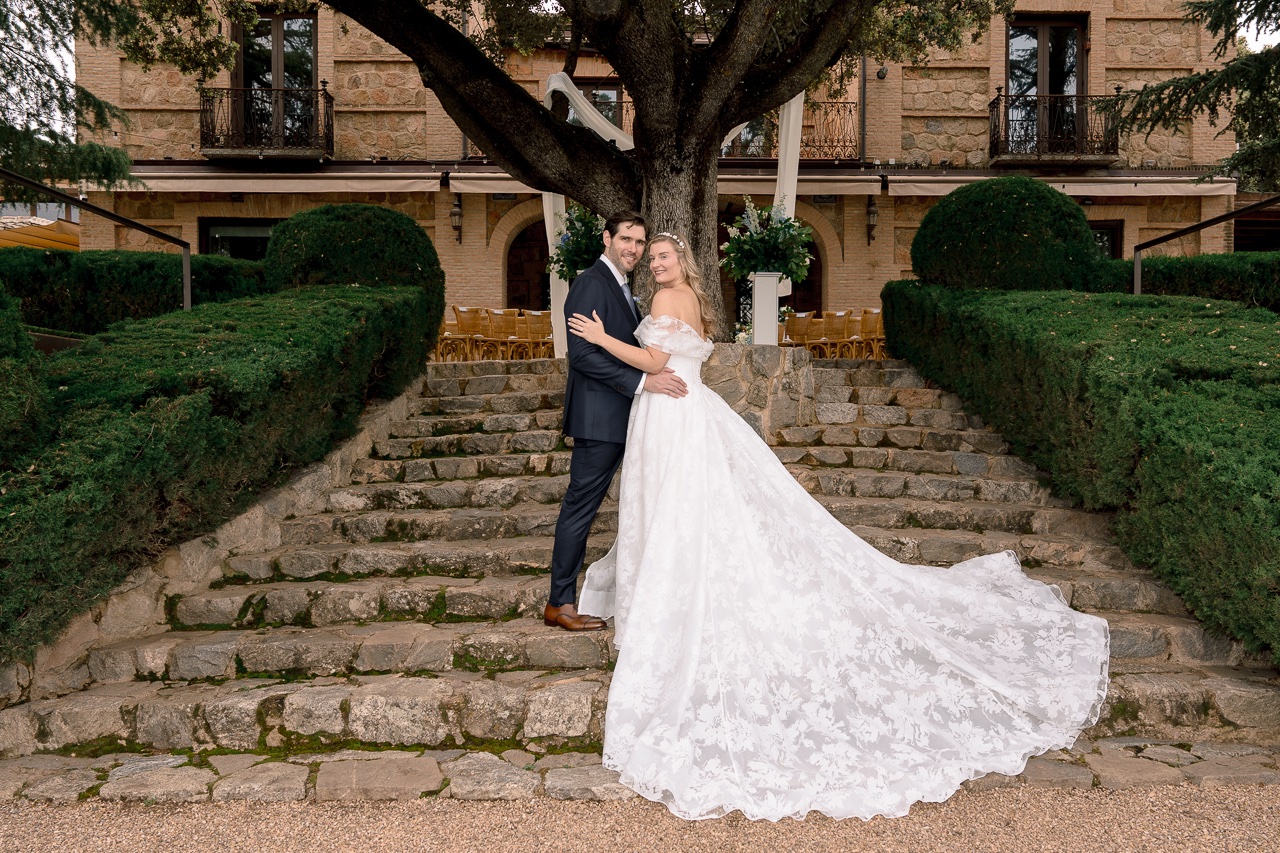
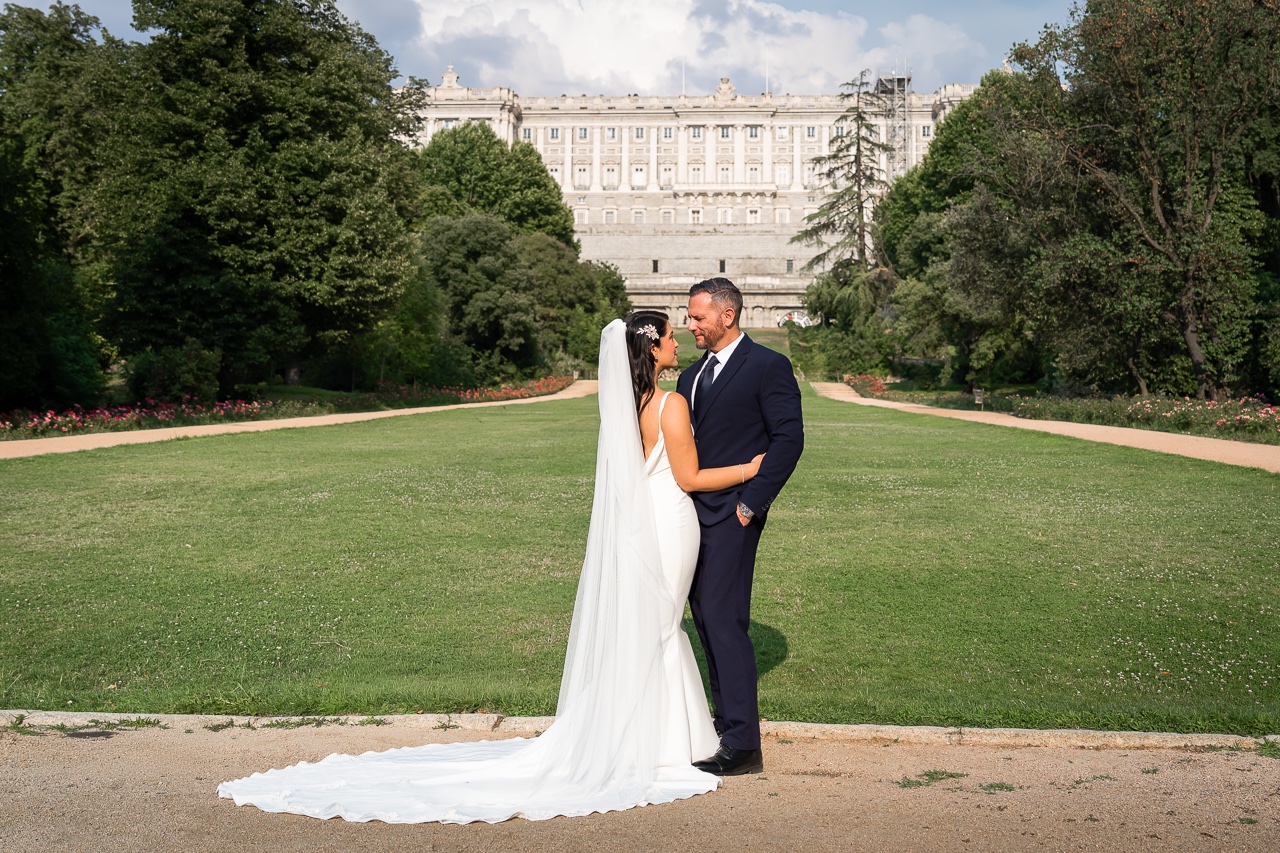
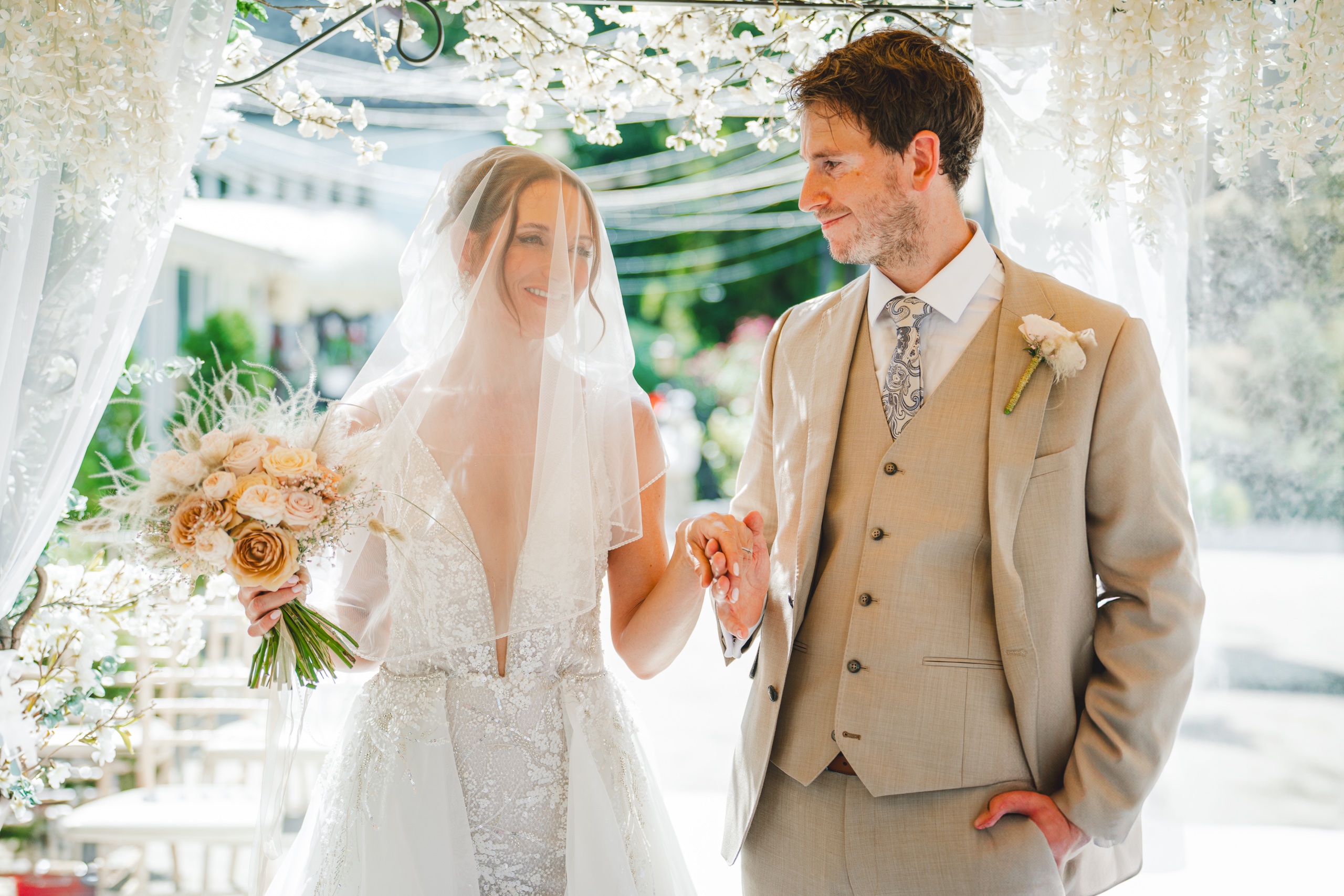
Photographers
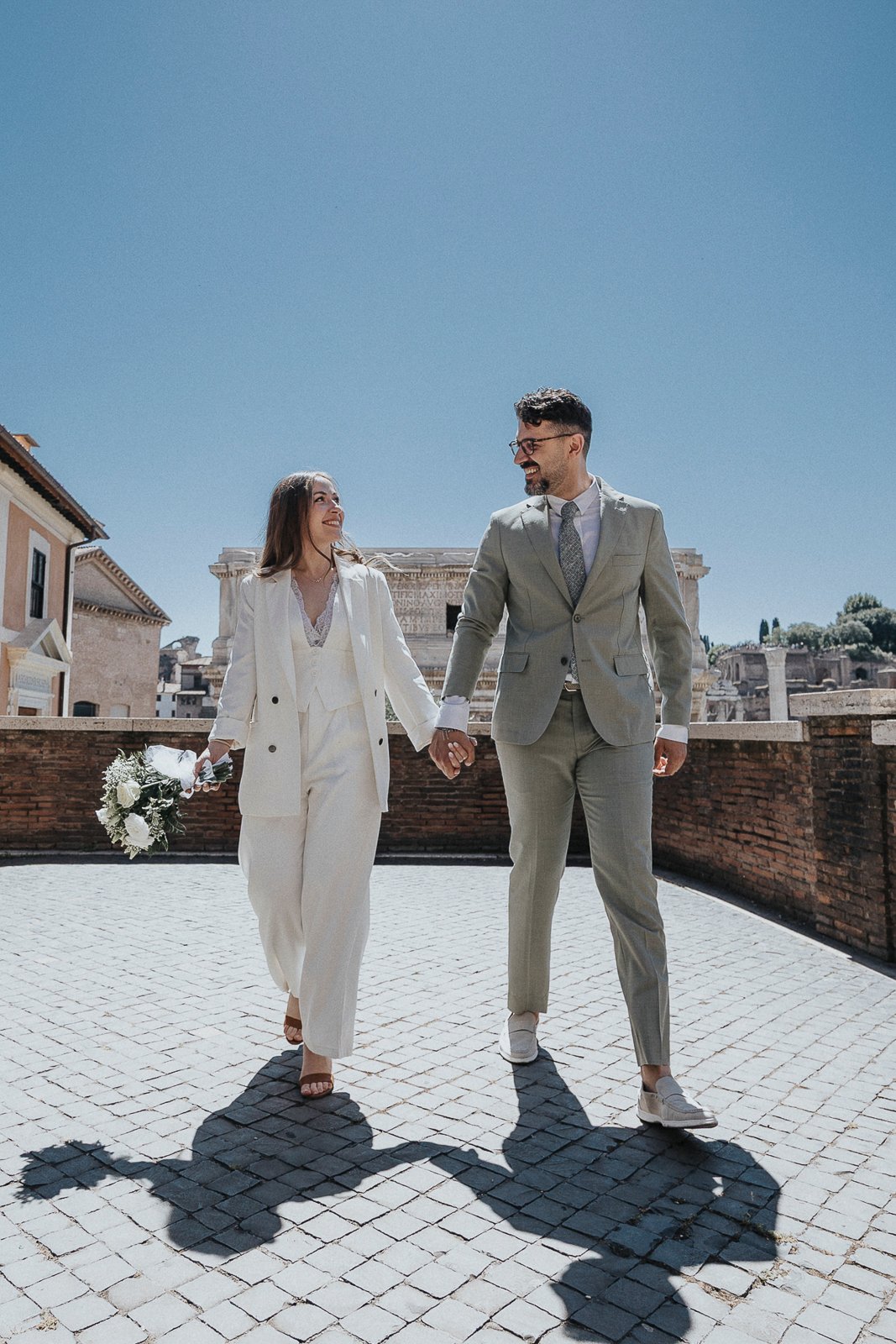
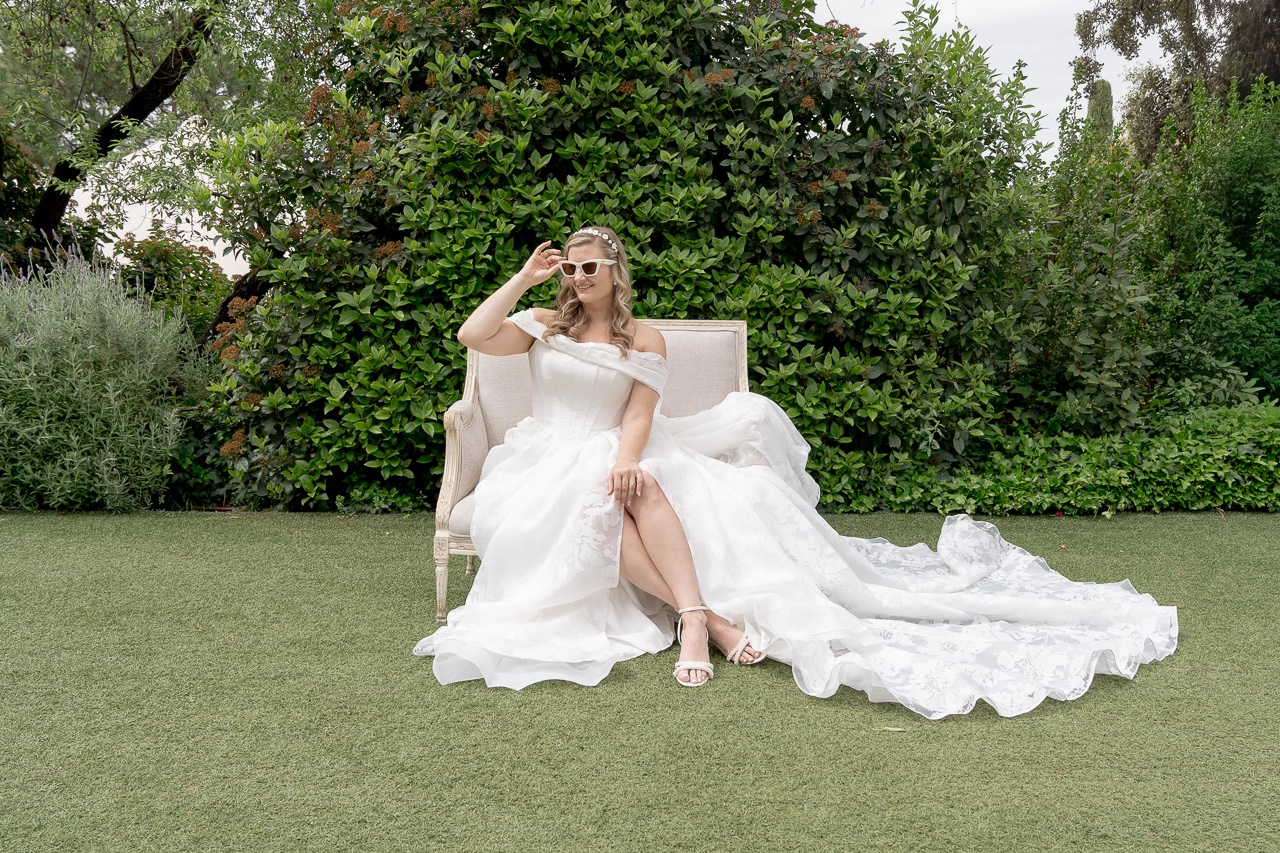
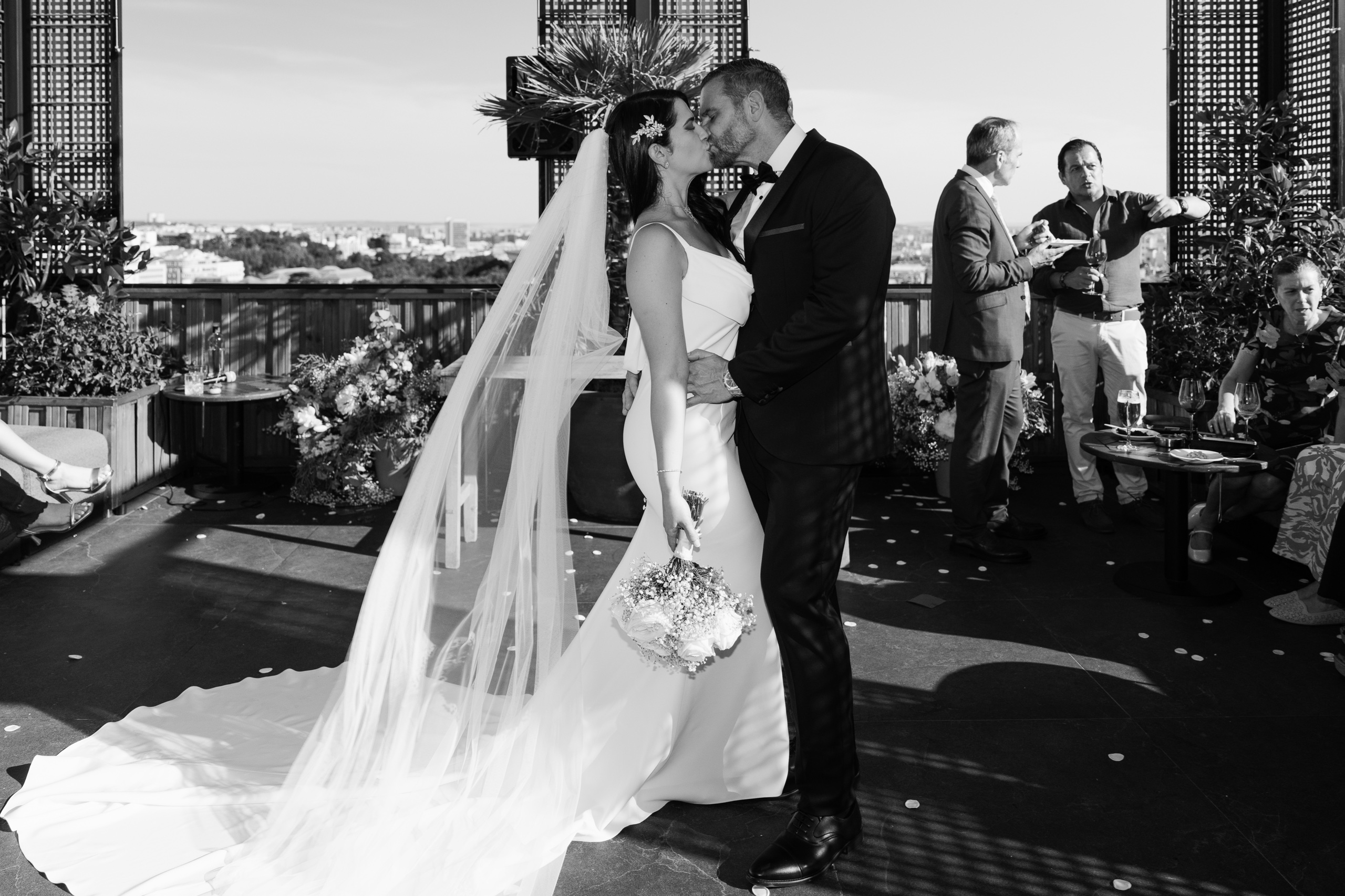
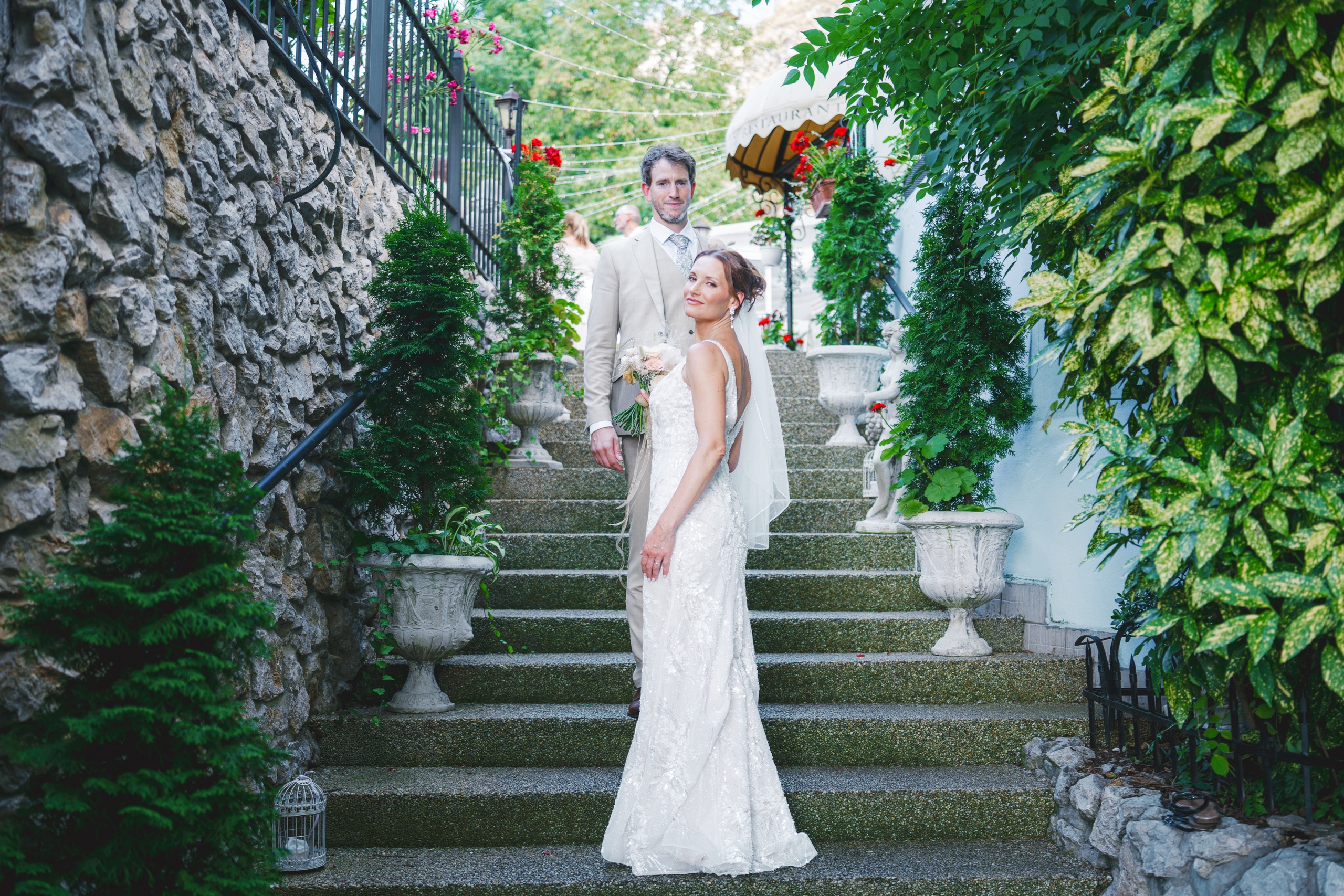
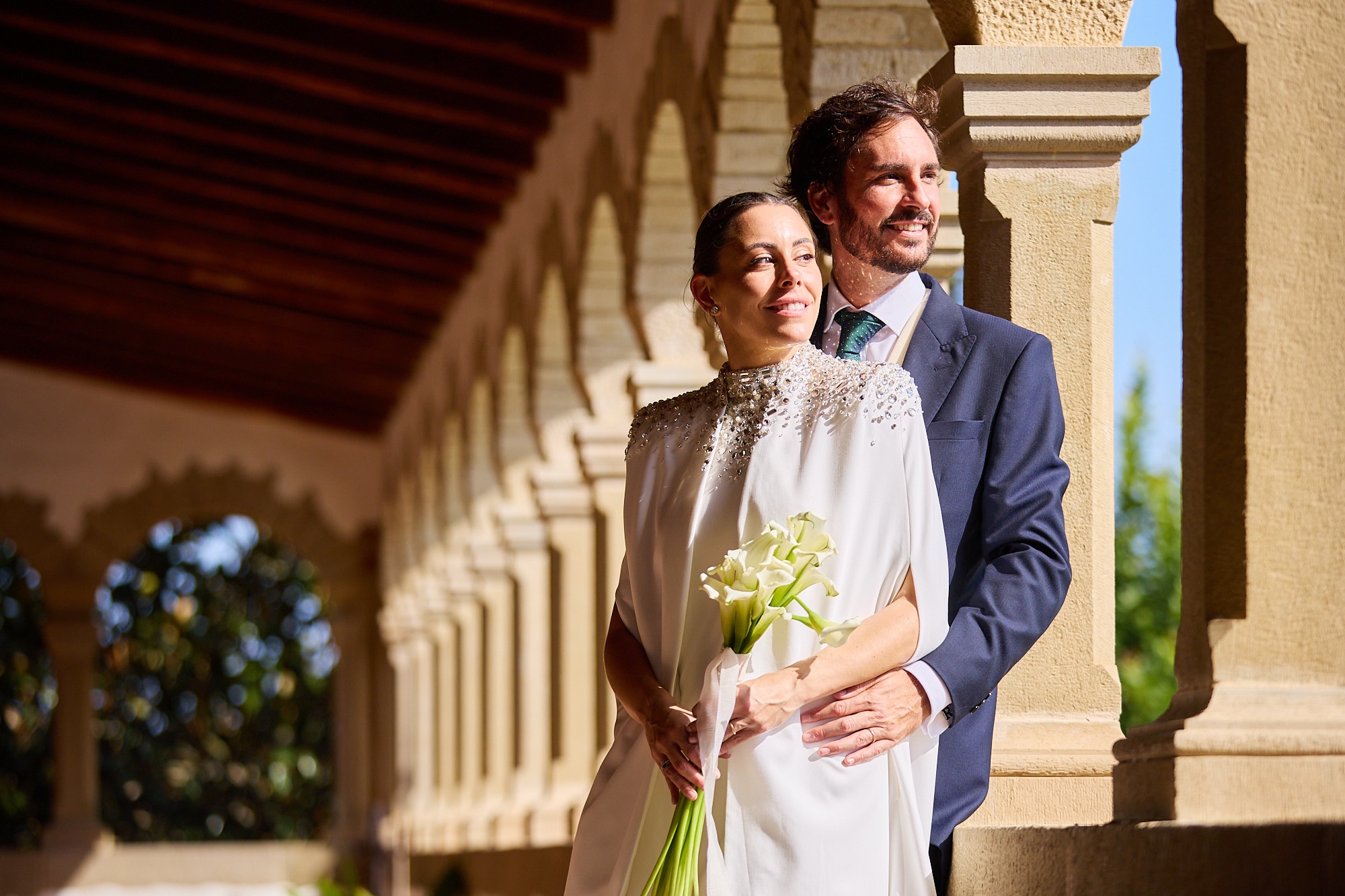
They shoot here and know the light. Their whole weddings are on their pages.
See all 17 photographers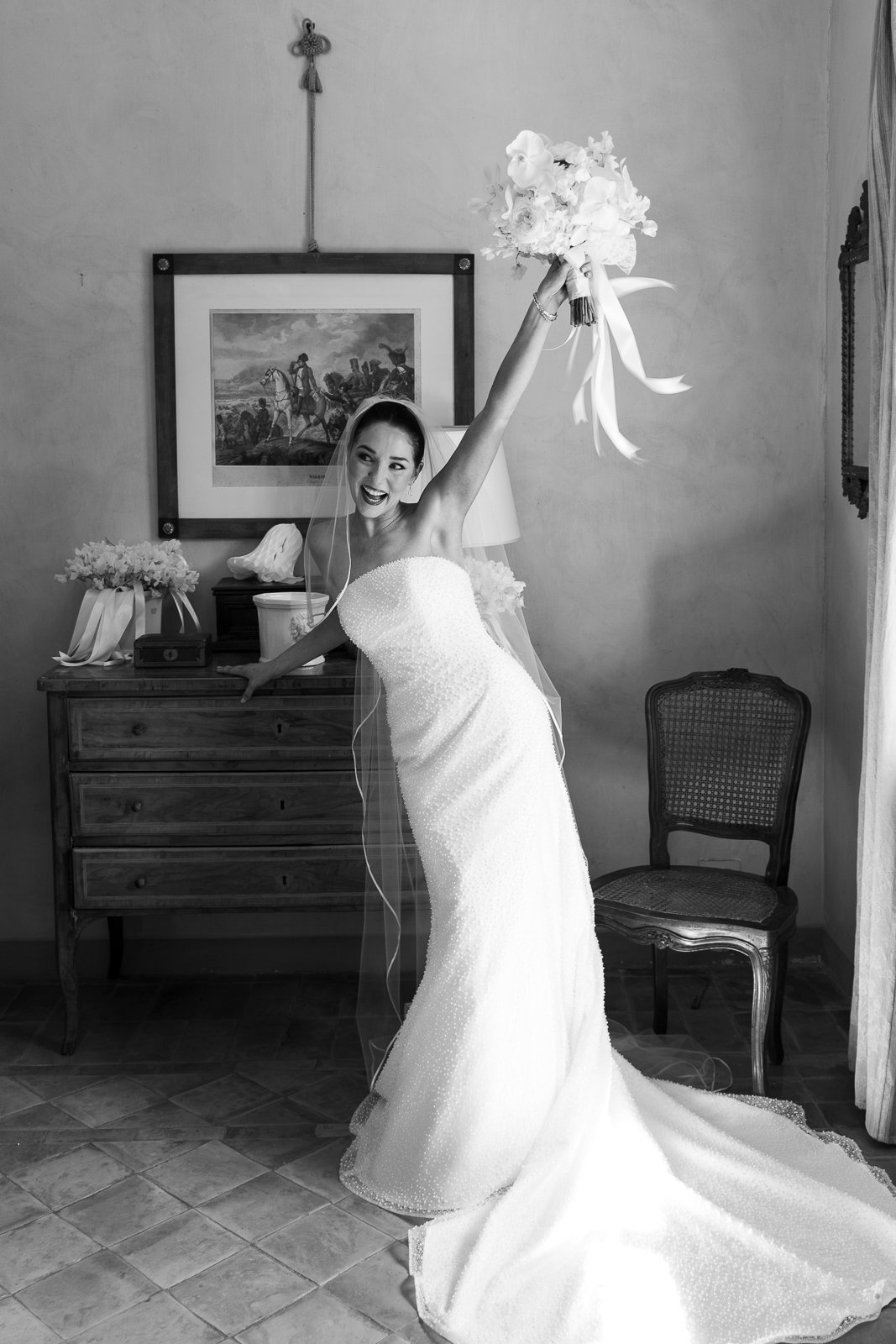
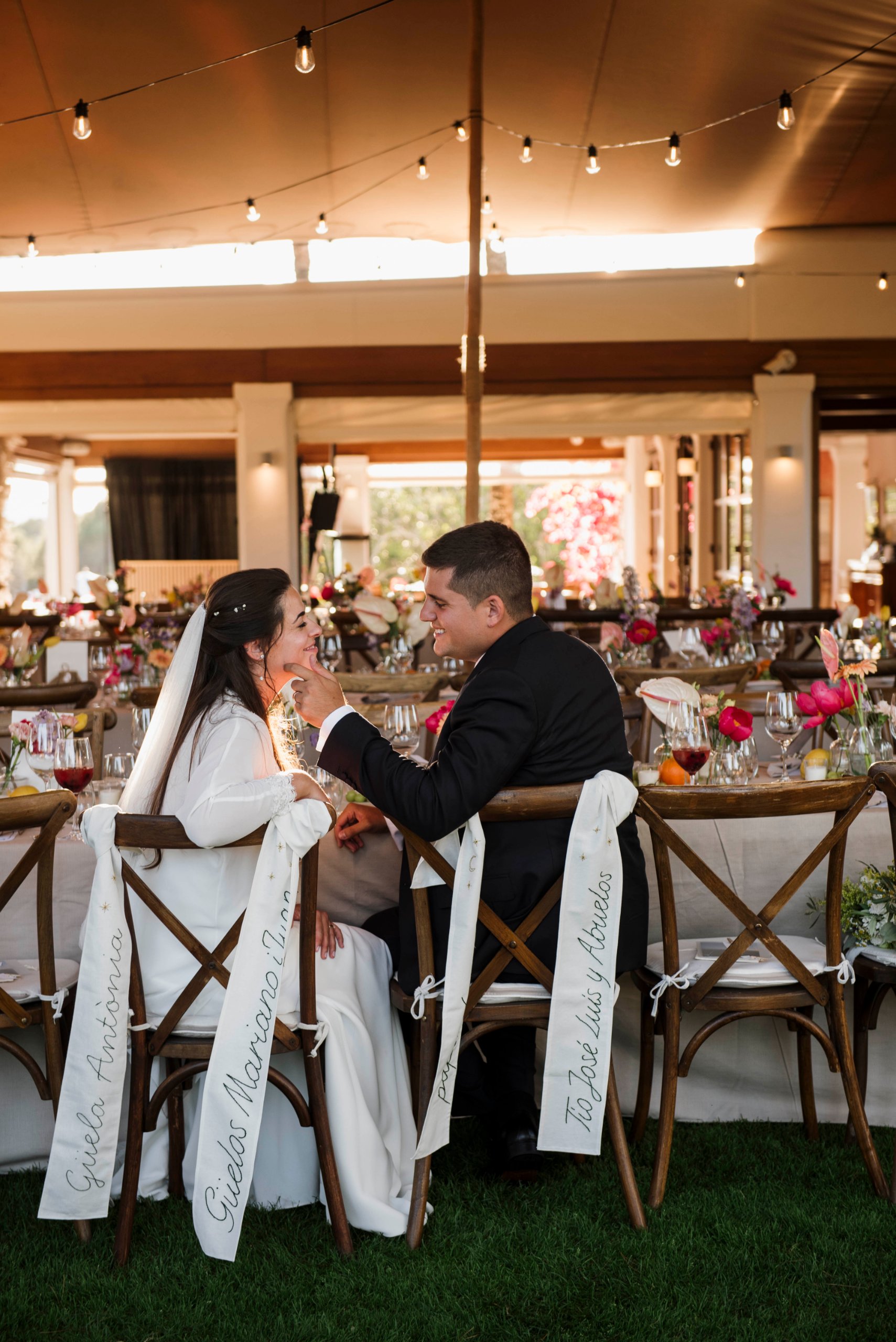
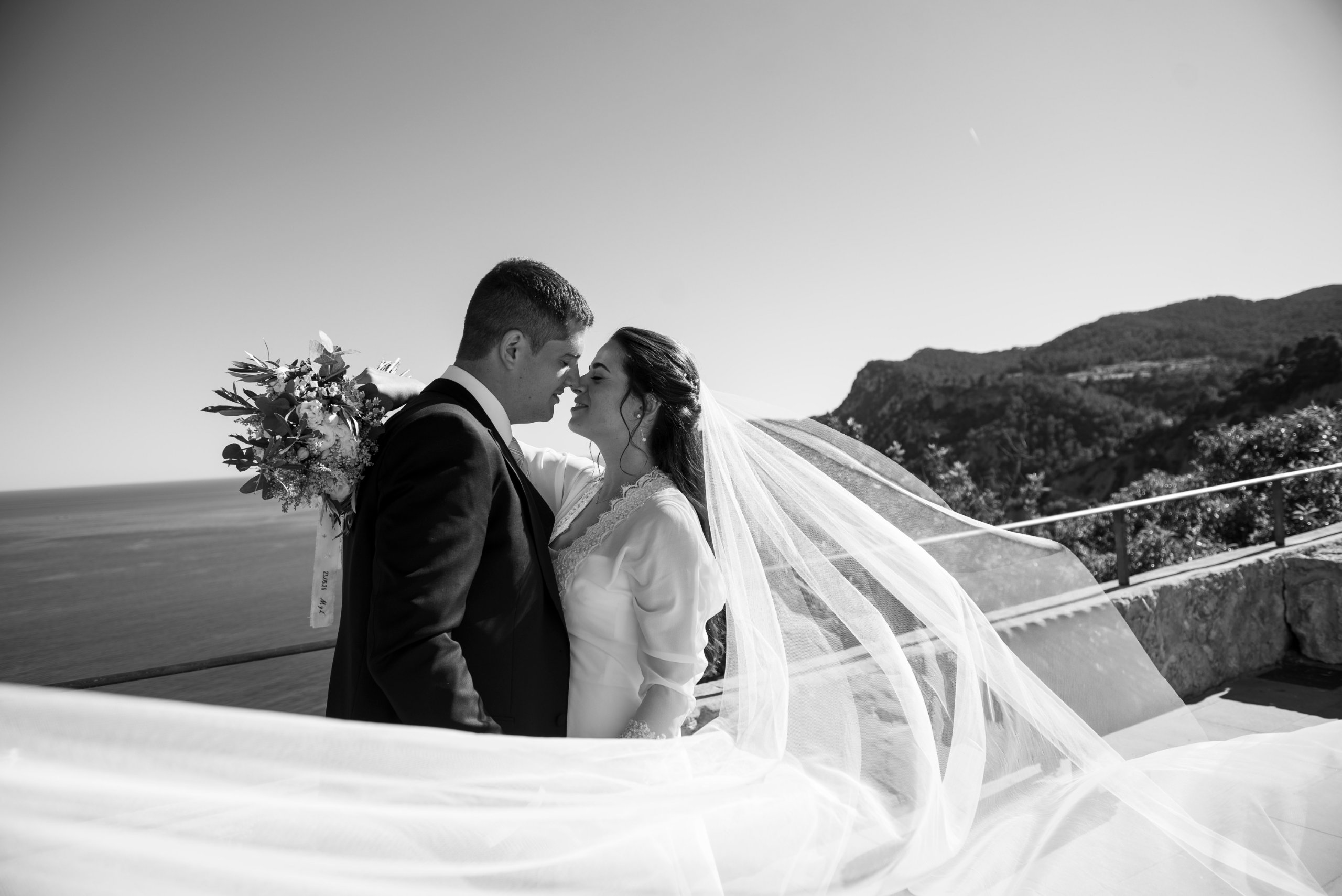
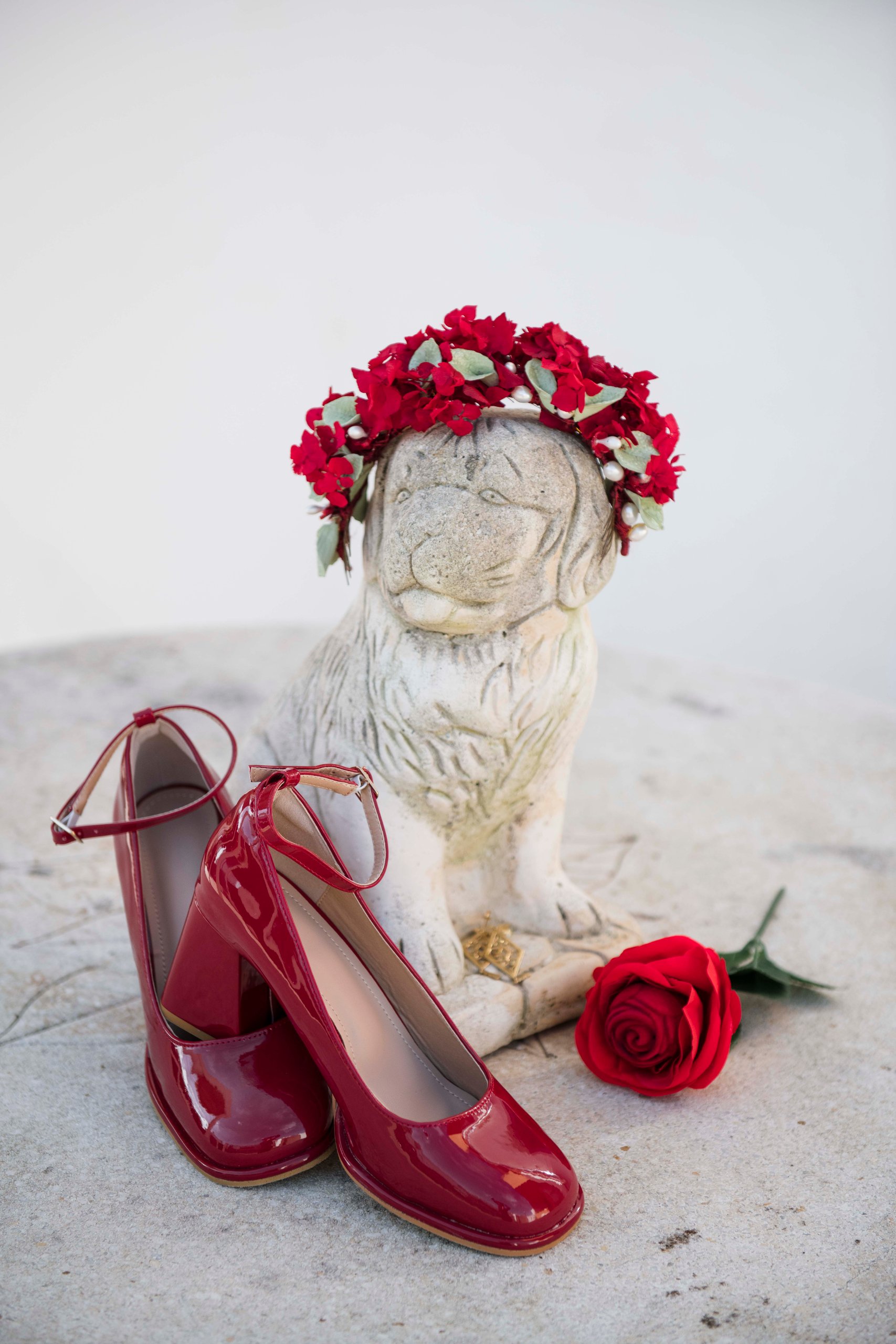
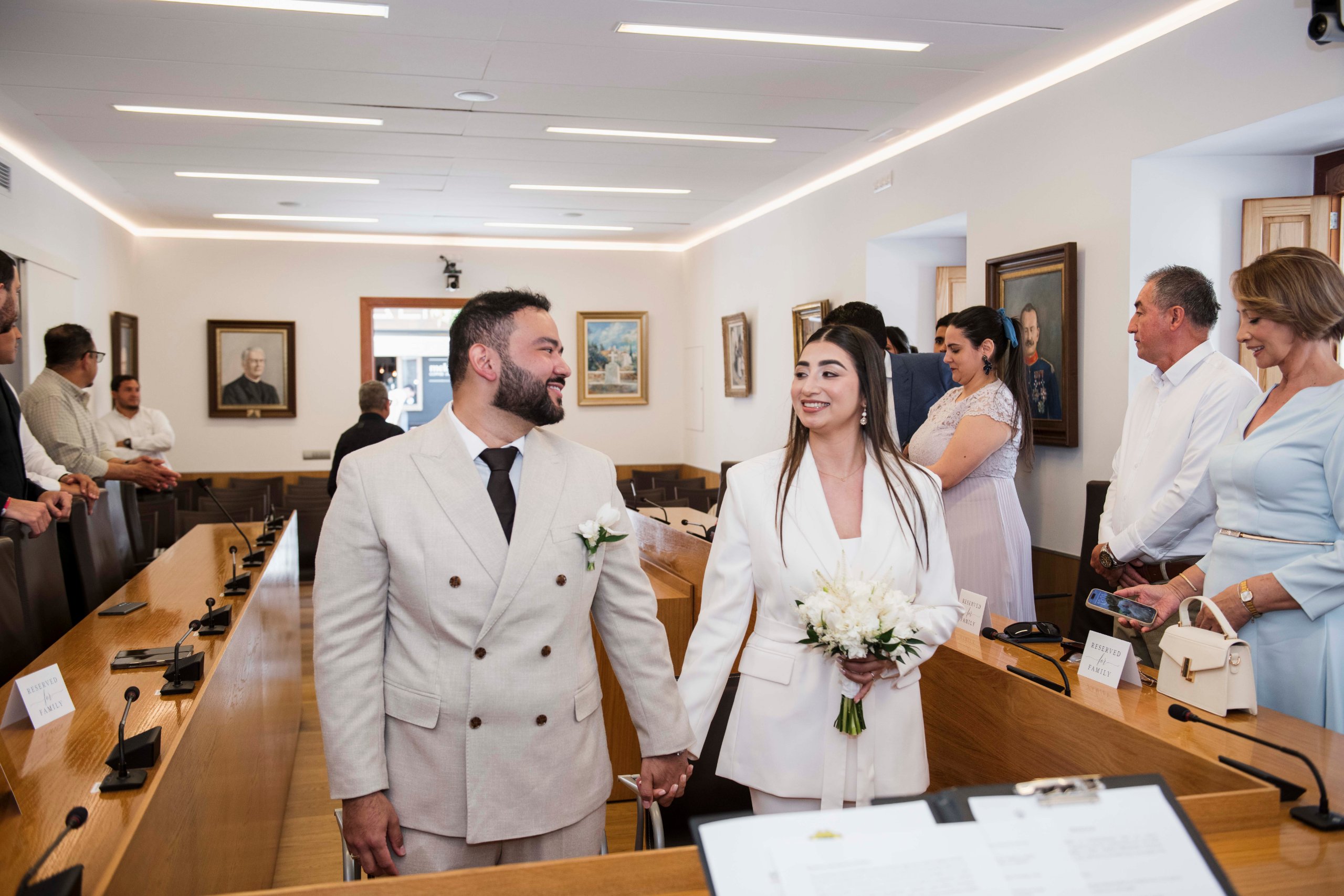
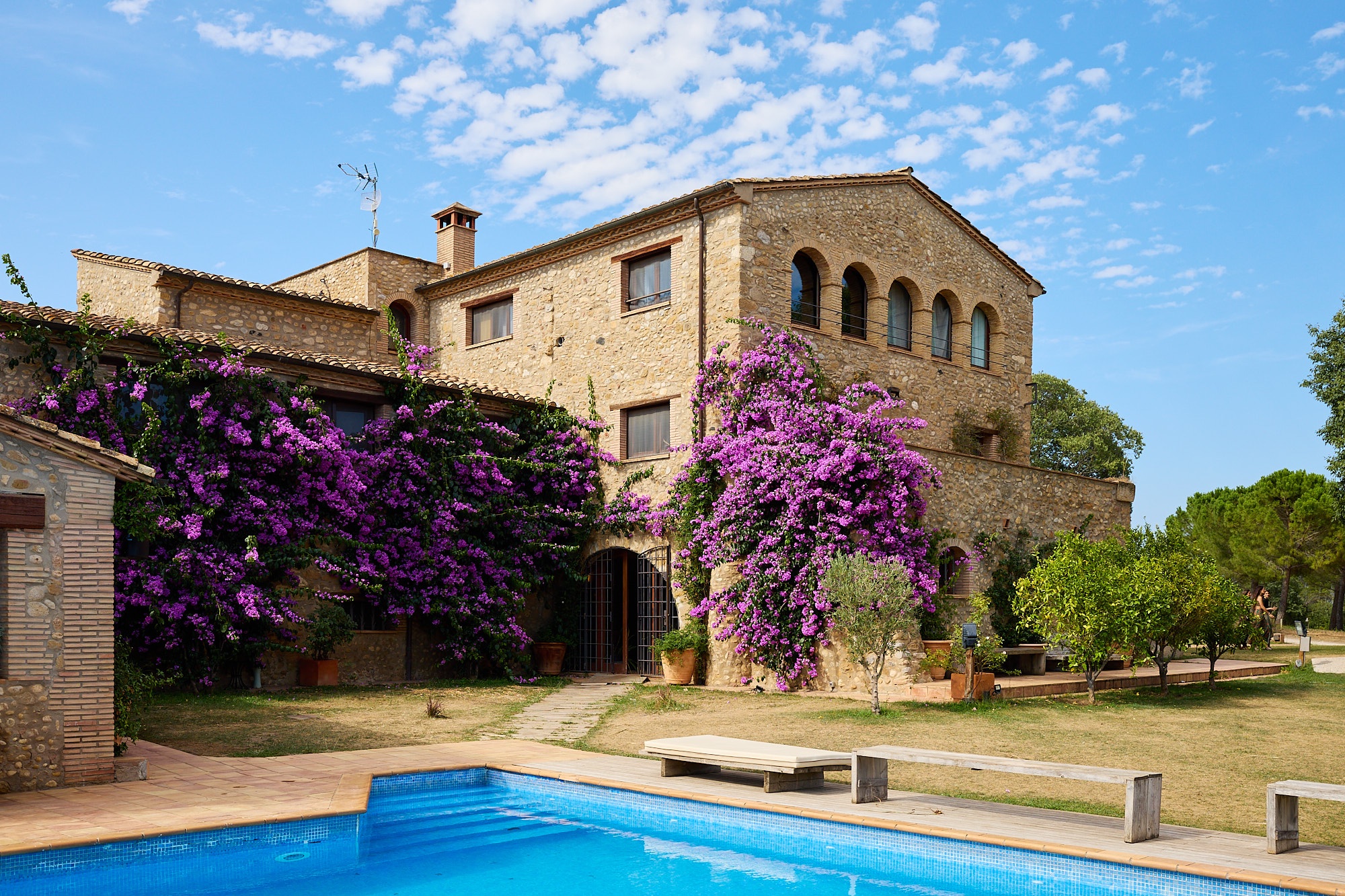
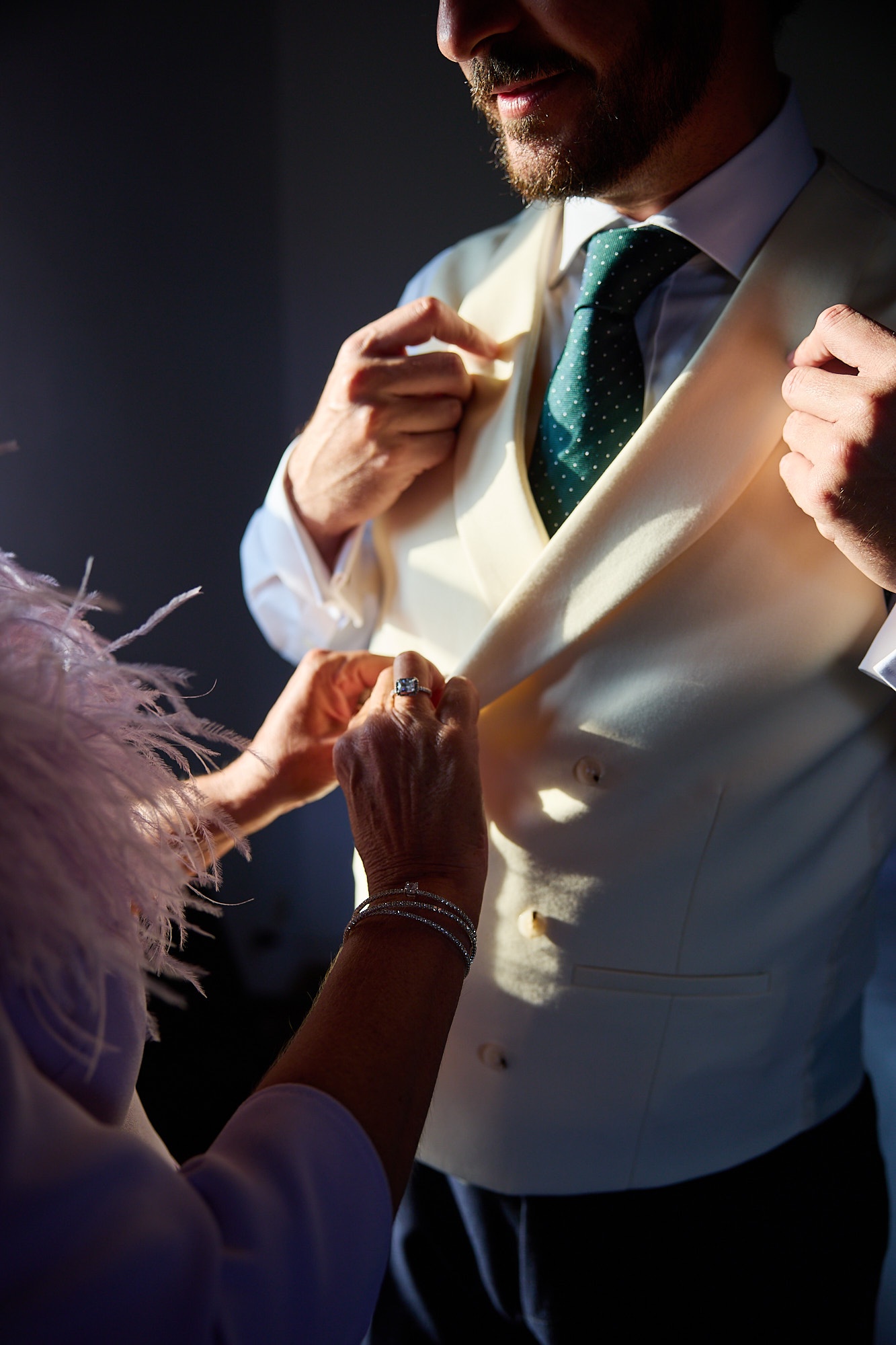
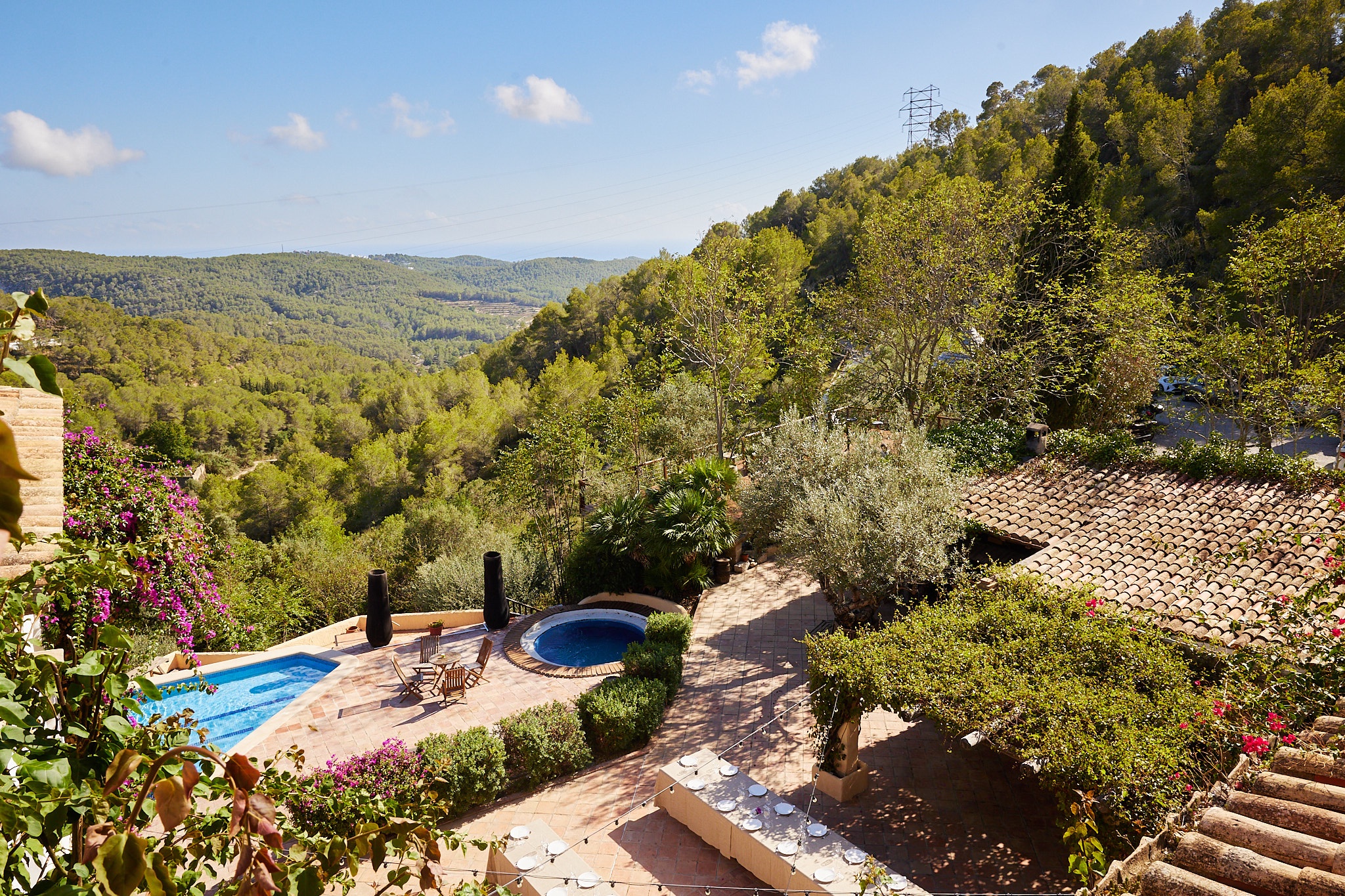
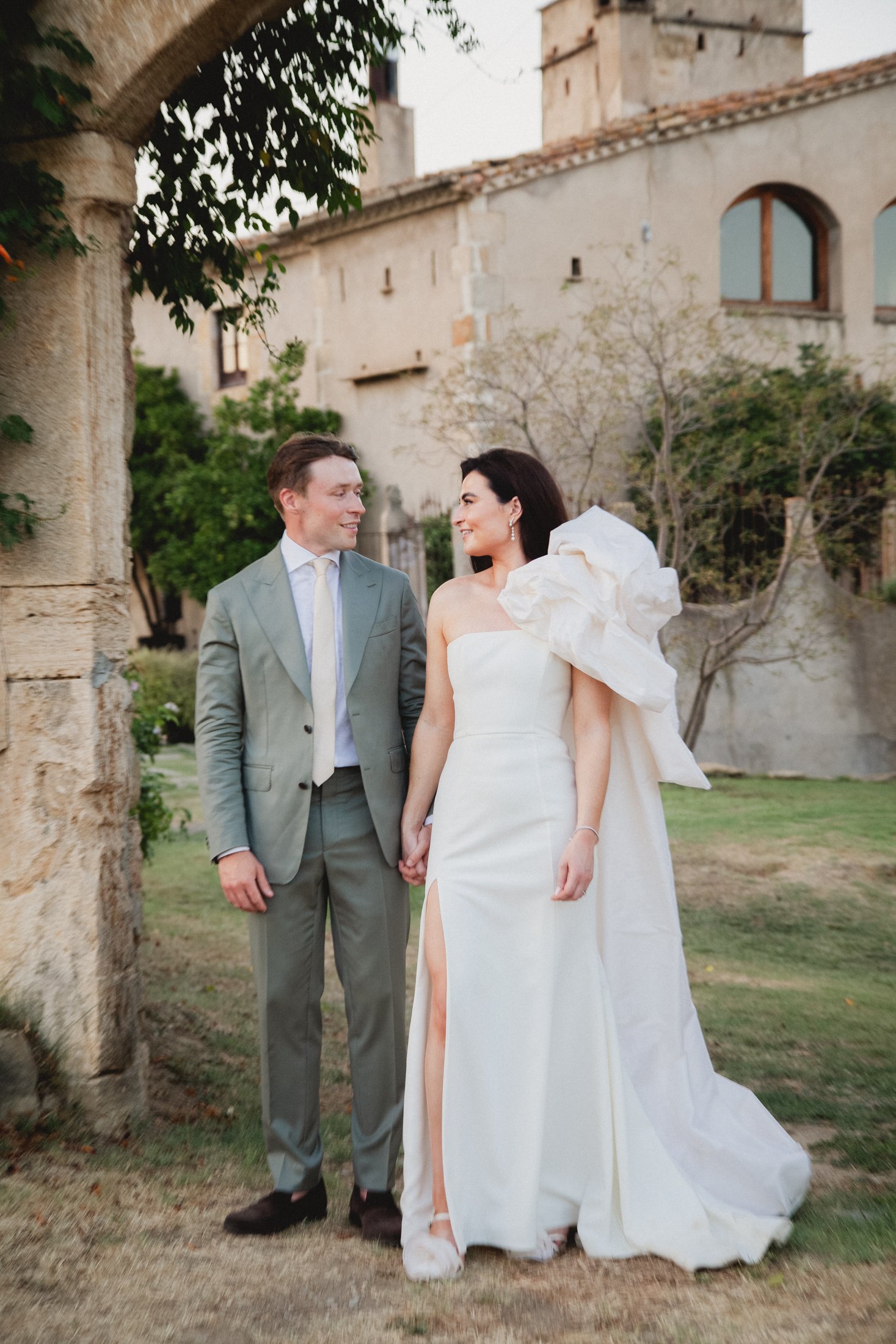
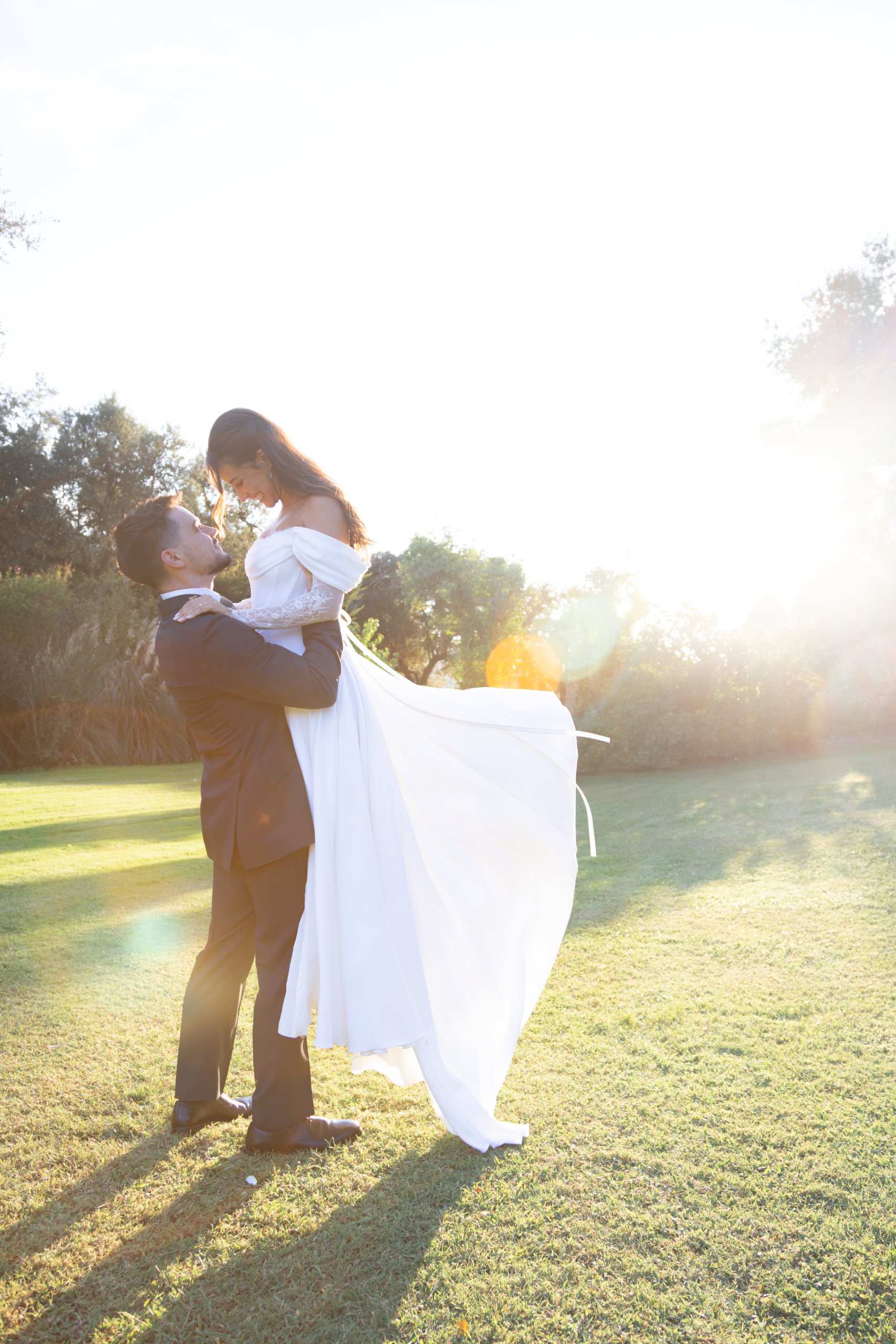
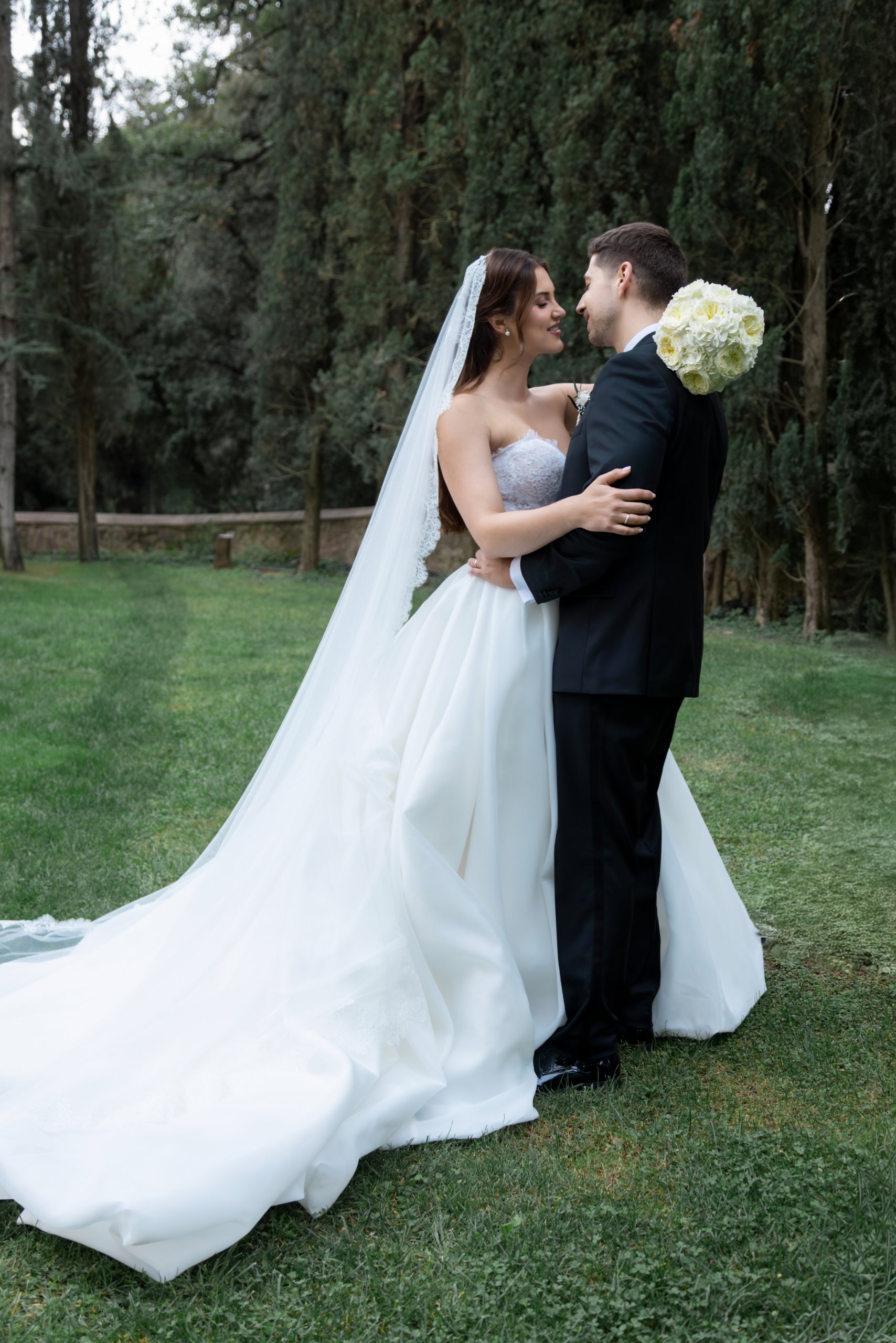
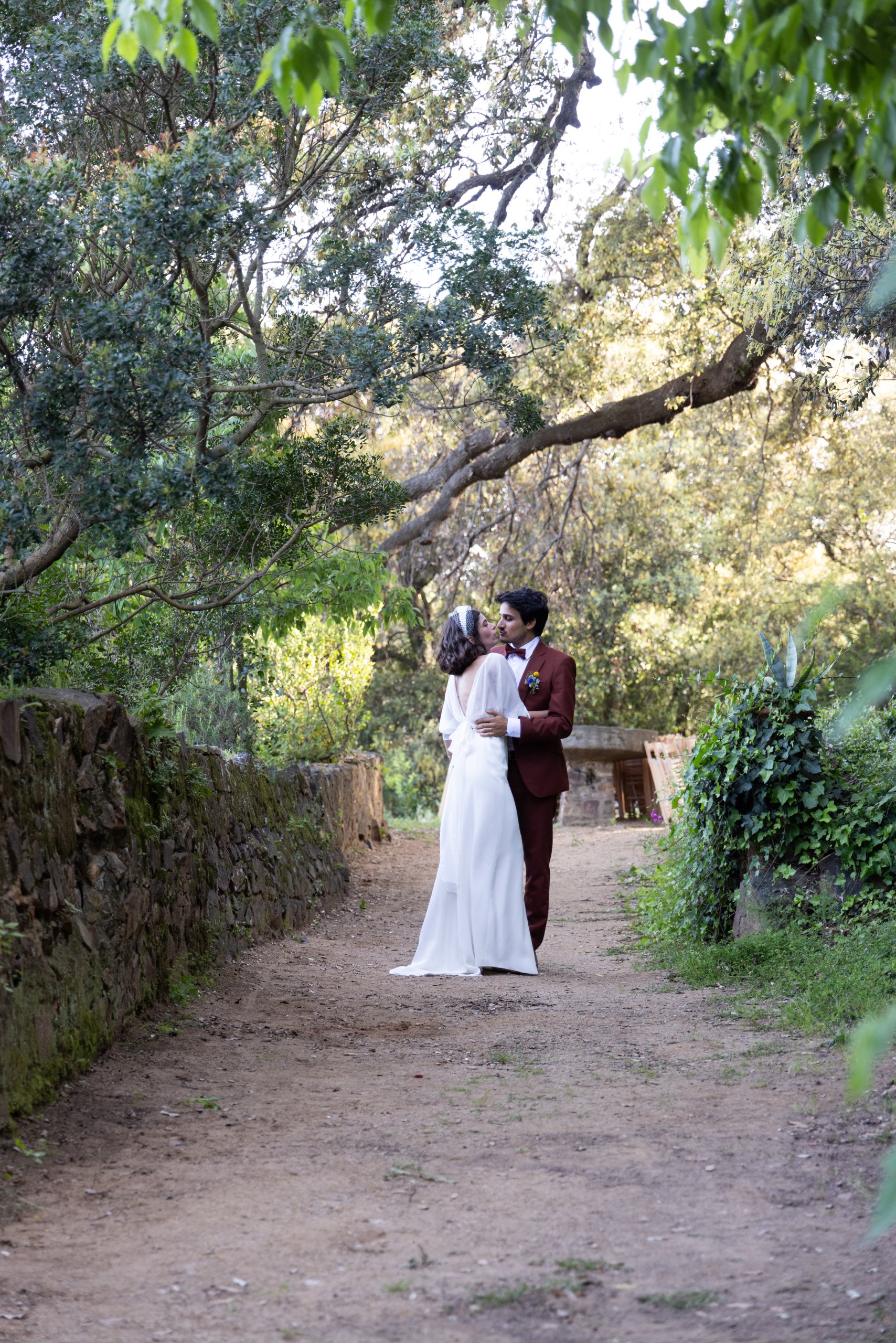
Booking through Lens & Vows
Through the year
May, June, September and October are the months to plan for. At the Retiro the average high is 22 °C in May, 28 °C in June, 26 °C in September and 19 °C in October. June and September are the dry ones, with rain on about three days; May and October have about seven, and May and June bring thunder on nearly three days each, so keep a covered spot in mind. July and August are hot, 32 °C and 31 °C on average, with barely any rain, and the ceremony moves to the end of the day. Winter is crisp: highs of about 10 °C, frost on six January mornings, snow perhaps one day a month. The Sierra has its own weather: at Puerto de Navacerrada, at 1,892 m, July’s high is 22 °C, and snow falls on four or five days even in May.
Weather station: Madrid, Retiro, normals 1981–2010 · Checked 1 November 2026
Places
The kinds of places — ask your photographer which ones they know well.
The Palacio de Cristal, the 1887 glass pavilion by its lake in the Retiro, is the picture everyone asks for. Check it first: it is closed for restoration, by the Museo Reina Sofía’s estimate until about 2027, though you can still see it from outside. Above the Parque del Oeste stands the Temple of Debod, a 2nd-century BC Egyptian temple given to Spain in 1968, the city’s classic sunset. Below the Royal Palace lie the Sabatini gardens and the Campo del Moro. Photo reports in Madrid’s streets, open spaces and public parks fall under the city’s filming authorisations; ask your photographer how they apply to your plan, and allow more time for anything with a set-up.
The granite monastery of El Escorial under the Sierra; the riverside gardens of Aranjuez, the Jardín de la Isla and the Jardín del Príncipe, with their avenues and fountains; and, over the mountains on the Segovia side, the fountains of La Granja. The Parador de La Granja, in the 18th-century Casa de Infantes, hosts weddings and takes one event a day. Patrimonio Nacional runs the palaces and gardens and judges each request to film there through its communications office. We found no published rule for a couple’s portrait session, so write to them before you count on one.
Segovia’s Roman aqueduct and the Alcázar on its prow of rock, best seen from the valley below at first light. Toledo rises in a loop of the Tagus, with the Puente de San Martín, the cathedral and the views from the hills on the far bank. There, the cigarrales look across the river at the old city: Cigarral de las Mercedes describes itself as one of the best viewpoints over Toledo, and wedding listings give it 39 rooms and four villas for the guests. Both old towns are steep and cobbled, so wear shoes for it, and walk the streets before the coaches arrive.
Estates with gardens and pines line the foot of the Sierra; Finca El Gasco in Torrelodones, on the Guadarrama river, was once the home of the Marqués de Valterra, and has the granite to prove it. The national park above them, with Peñalara, the Lozoya valley and La Pedriza, is stricter. Its plan treats commercial photography as an extraordinary activity needing the park’s authorisation, rules out drones, and for reports in general asks for a deposit and no onlookers. It does not say whether a couple and their photographer count, so ask the park’s office, and leave time; many private estates are simpler, and can have the same mountains behind you.
Towns
Each with a page of its own: where couples marry there, where to take portraits, the practical side.
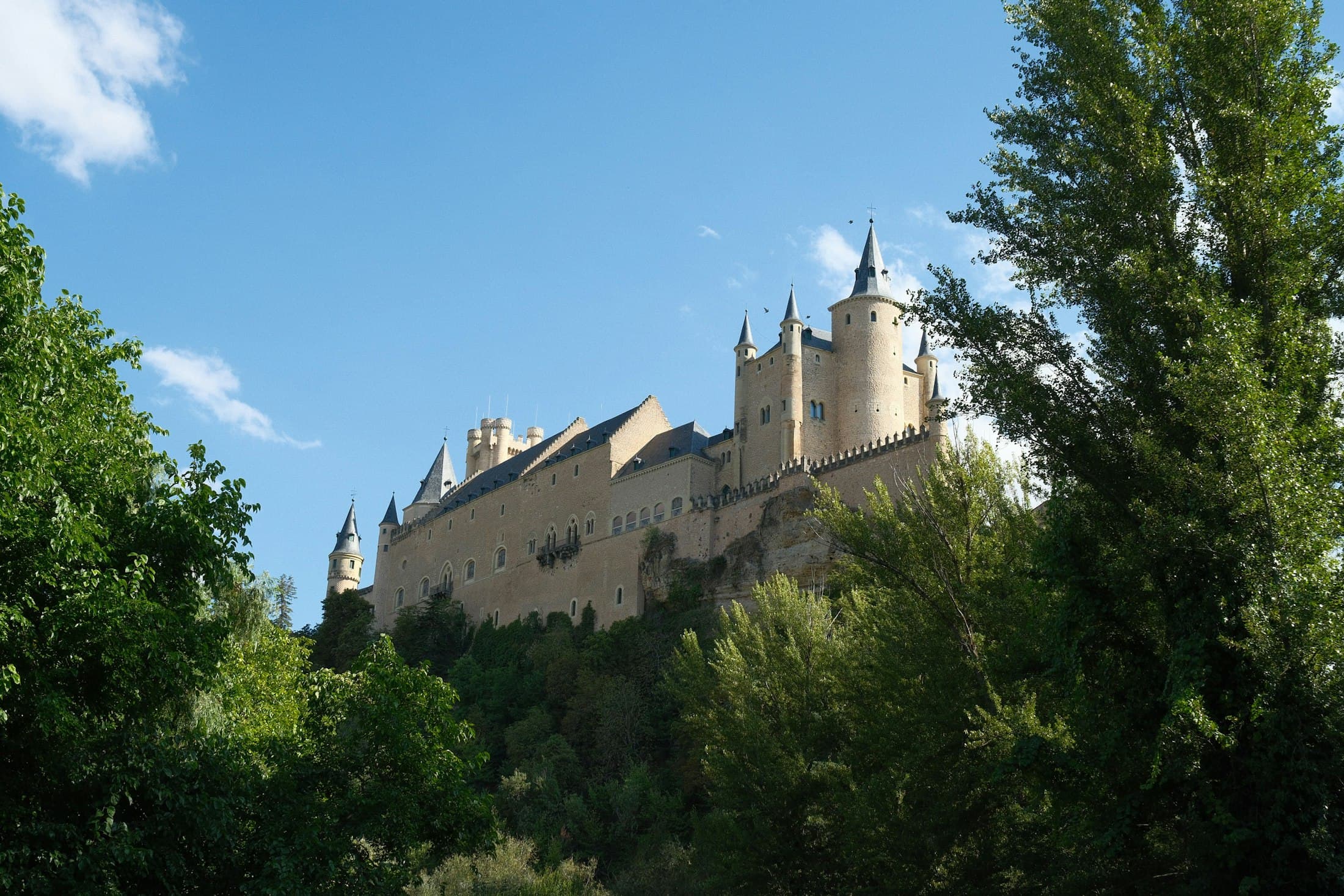 SegoviaA Roman aqueduct, a castle on the tip of a rock, and a council that will marry you in the courtyard of a royal mint — half an hour from Madrid by fast train.
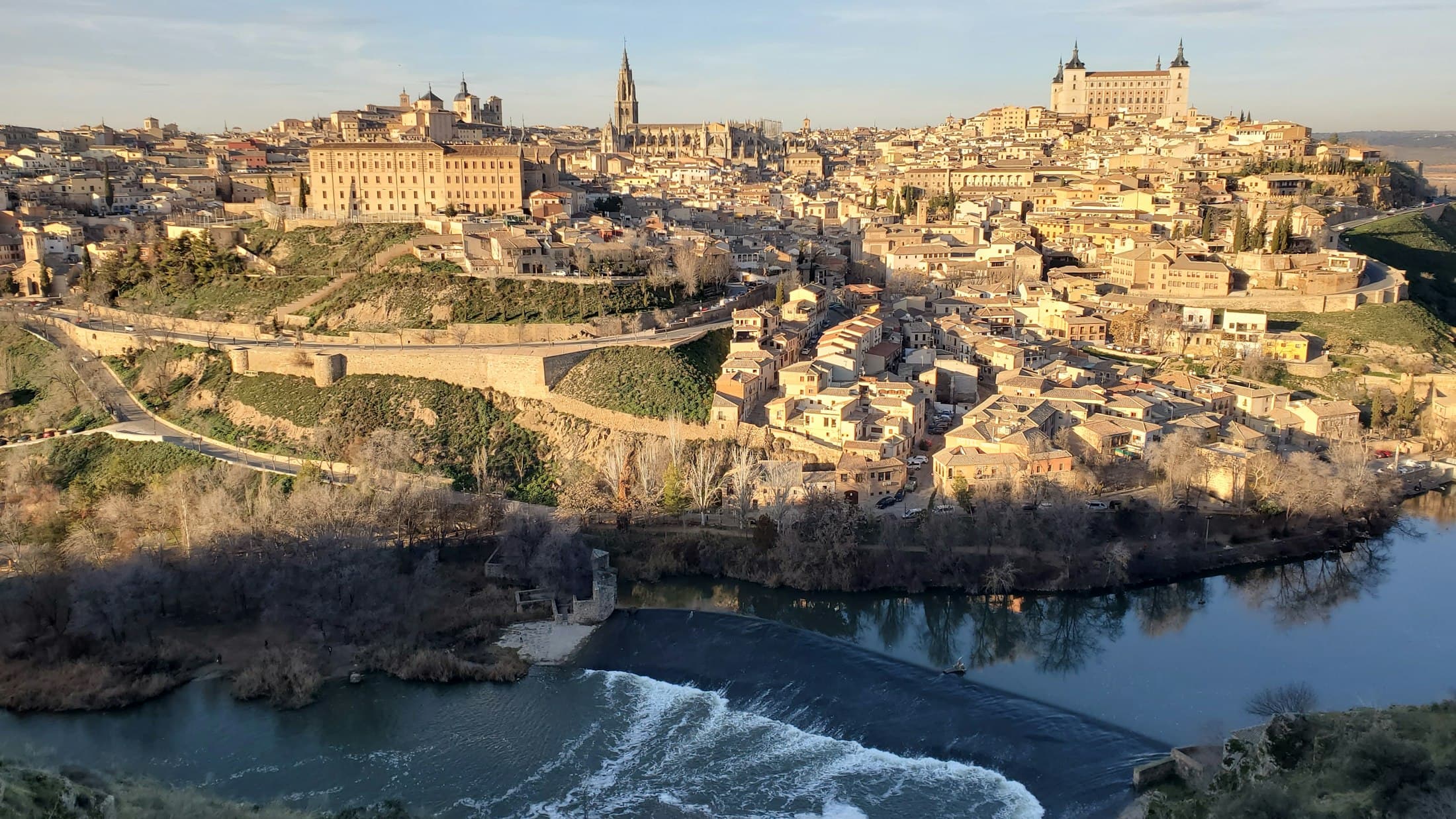 ToledoA walled hill in a loop of the Tagus, with old country estates on the far bank looking straight back at it — and half an hour from Madrid by train.
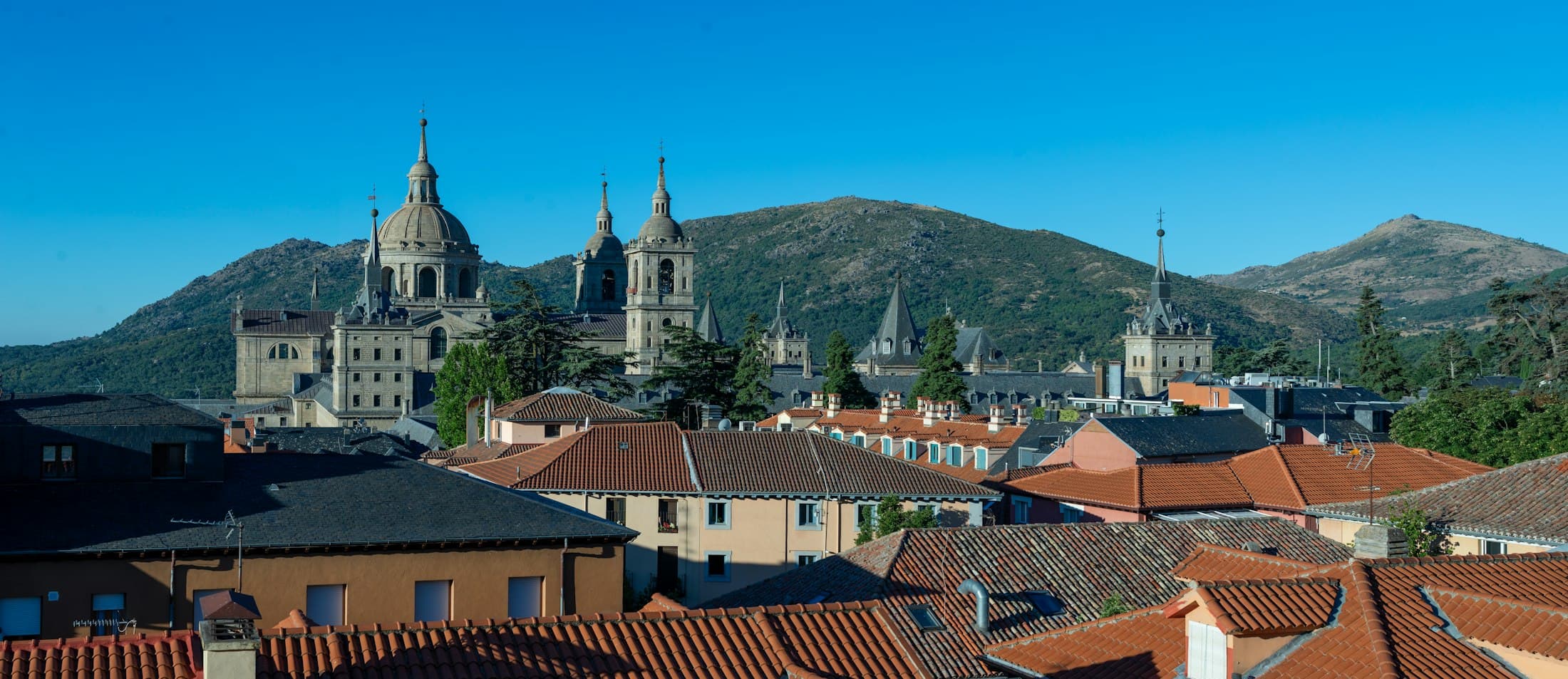 El EscorialA royal monastery that still marries couples in its basilica on Fridays and Saturdays, under the pine slopes of the Sierra de Guadarrama, 47 km from Madrid.
Light
Madrid’s height and dry air give it a famously clear light and deep-blue skies, and the sun goes down on its western edge, over the Casa de Campo, behind the Palace and Debod. Spain keeps Central European time though Madrid lies well west, so the last light comes very late by the clock: on 21 June the sun rises at about 06:45 and sets at about ten to ten, with the sky light until about 22:20, and dinner often starts after it. Midday is hard, white and high, up to 73 degrees at midsummer, so save the portraits for the last hour. At midwinter the sun never climbs above 26 degrees, and a low, gold light lasts all day. From the cigarrales you look north at Toledo, with the evening sun coming in from your left.
Travel
Madrid’s airport, Barajas, has direct flights from much of the world and is about 15 km from the centre, 20 minutes by road without traffic. High-speed trains reach Toledo in about 33 minutes from Atocha and Segovia in about half an hour from Chamartín; Barcelona and Seville are about two and a half hours away. By road from the centre: Chinchón 47 km, El Escorial 48 km, Aranjuez 50 km, Puerto de Navacerrada 59 km (an hour), Toledo 75 km, Segovia 91 km (an hour and a quarter) and Rascafría 98 km. Many fincas are a drive from the last train, so ask yours whether it arranges coaches. Drones follow Real Decreto 517/2024: the city’s parks count as urban areas, with five days’ notice to the Interior Ministry, low flights are barred around the runways at Barajas unless coordinated, and the national park rules them out.
Real weddings
Plan
Spain
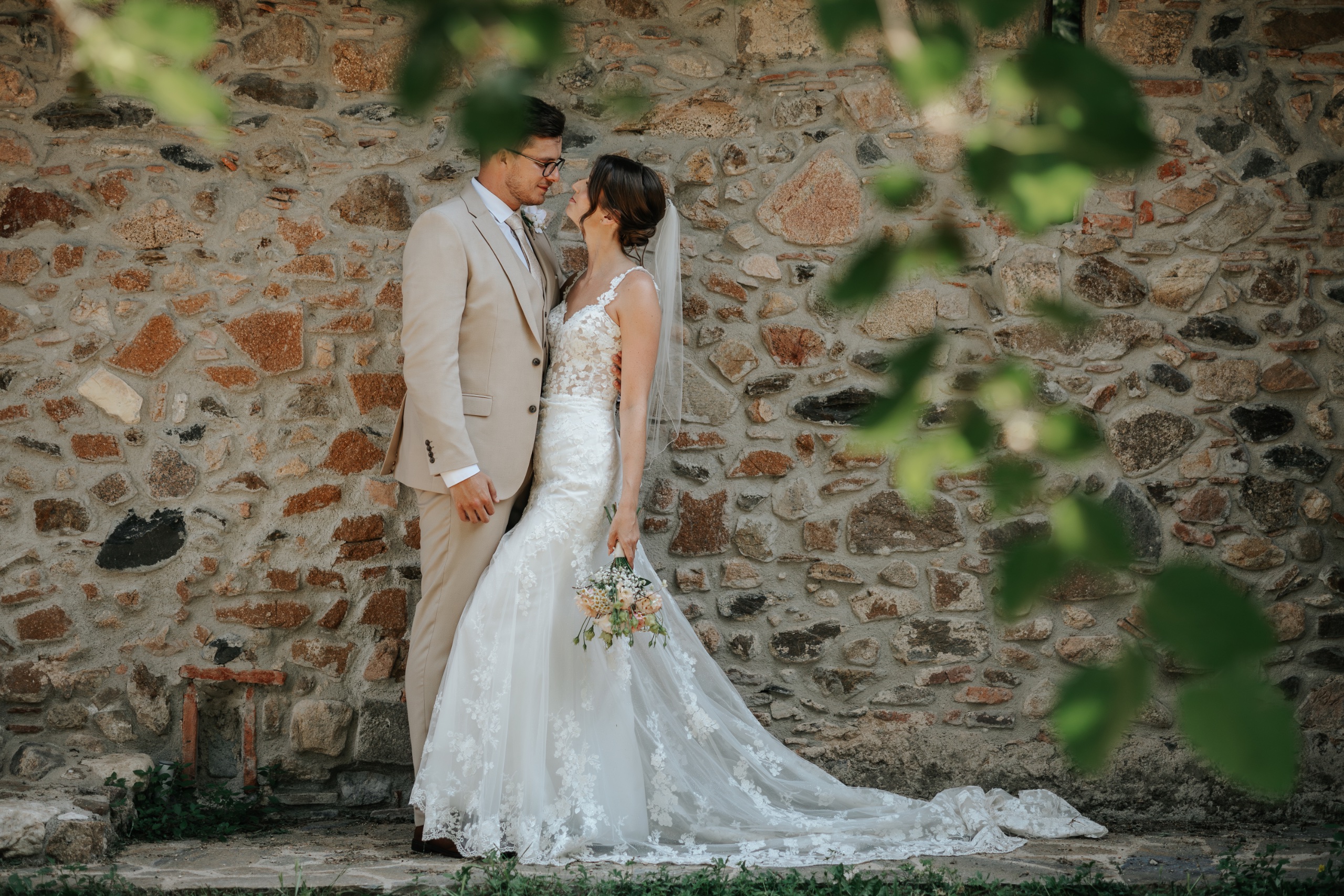 Photo: Evgenia G.
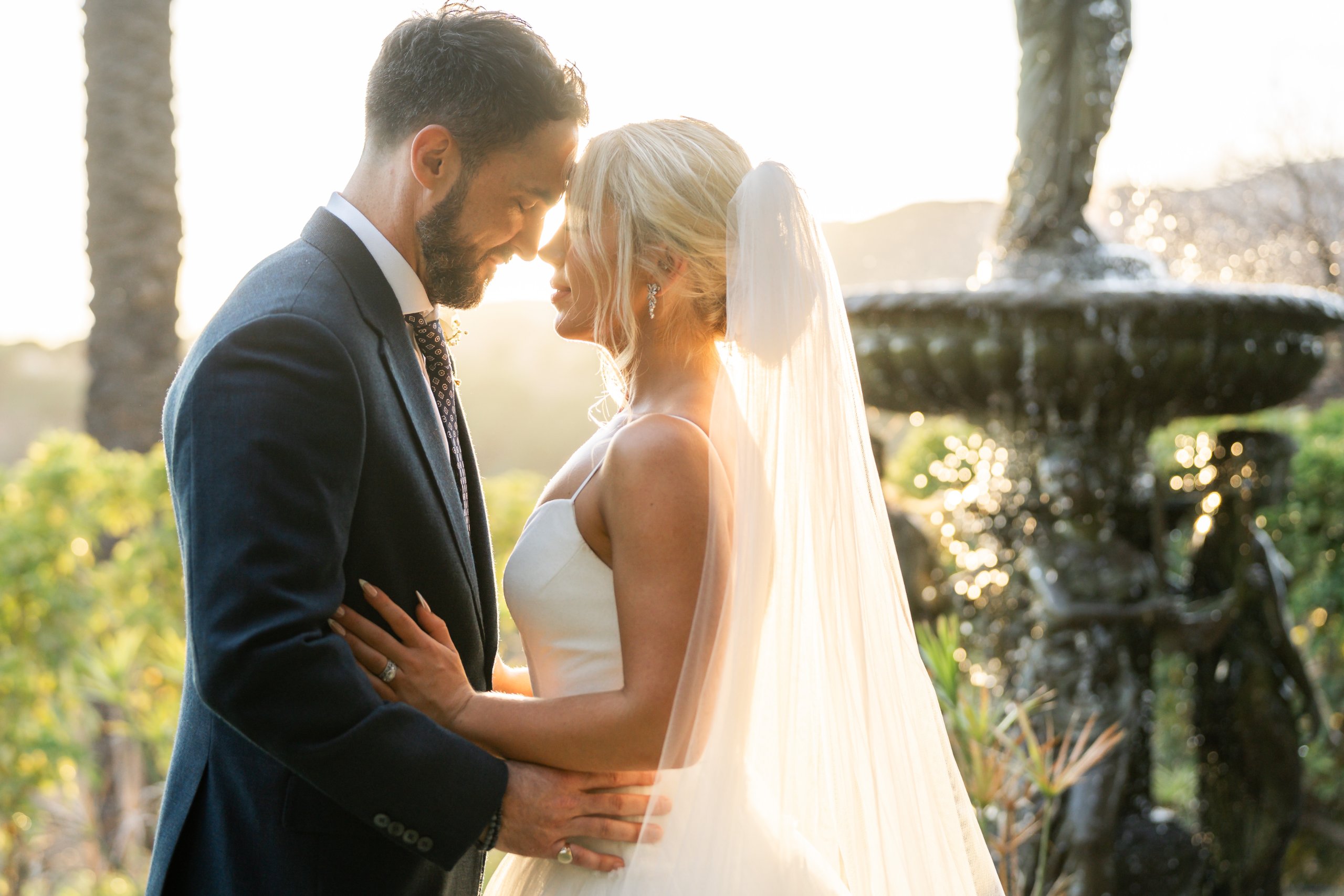 Photo: Jose C.