Verified — Identity verified by Lens & Vows
Andrea T.from €4,200
🇪🇸 Mallorca & the Balearics, Barcelona & Catalonia +16, Spain · Editorial, FilmBased in Italy · travels to weddings in SpainWedding photographers in Spain
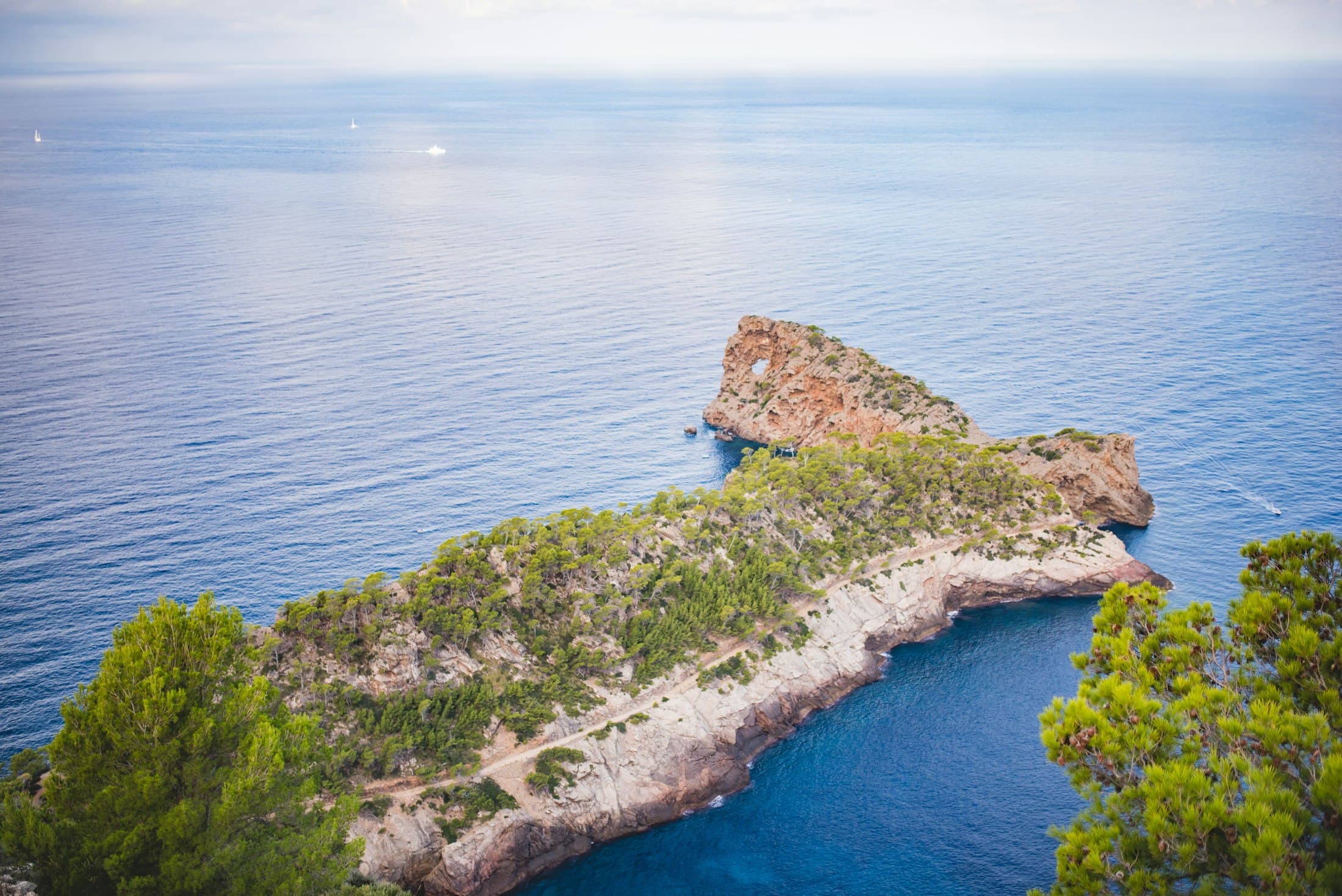
The terraced mountains of the Serra de Tramuntana, turquoise coves in the south and east and Palma’s Gothic cathedral on its bay, with quiet, stone-walled Menorca and sunset-facing Ibiza a short hop away.
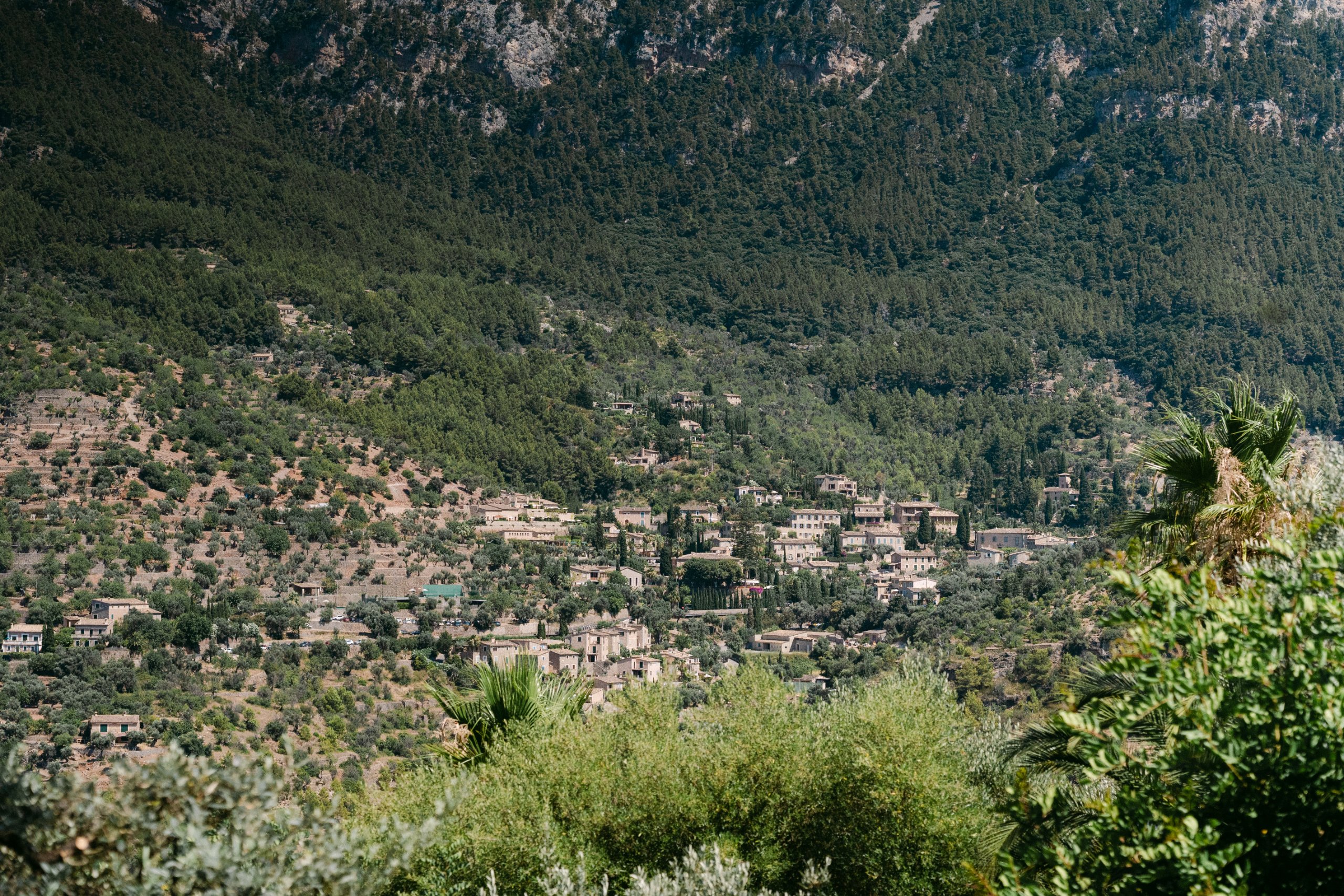
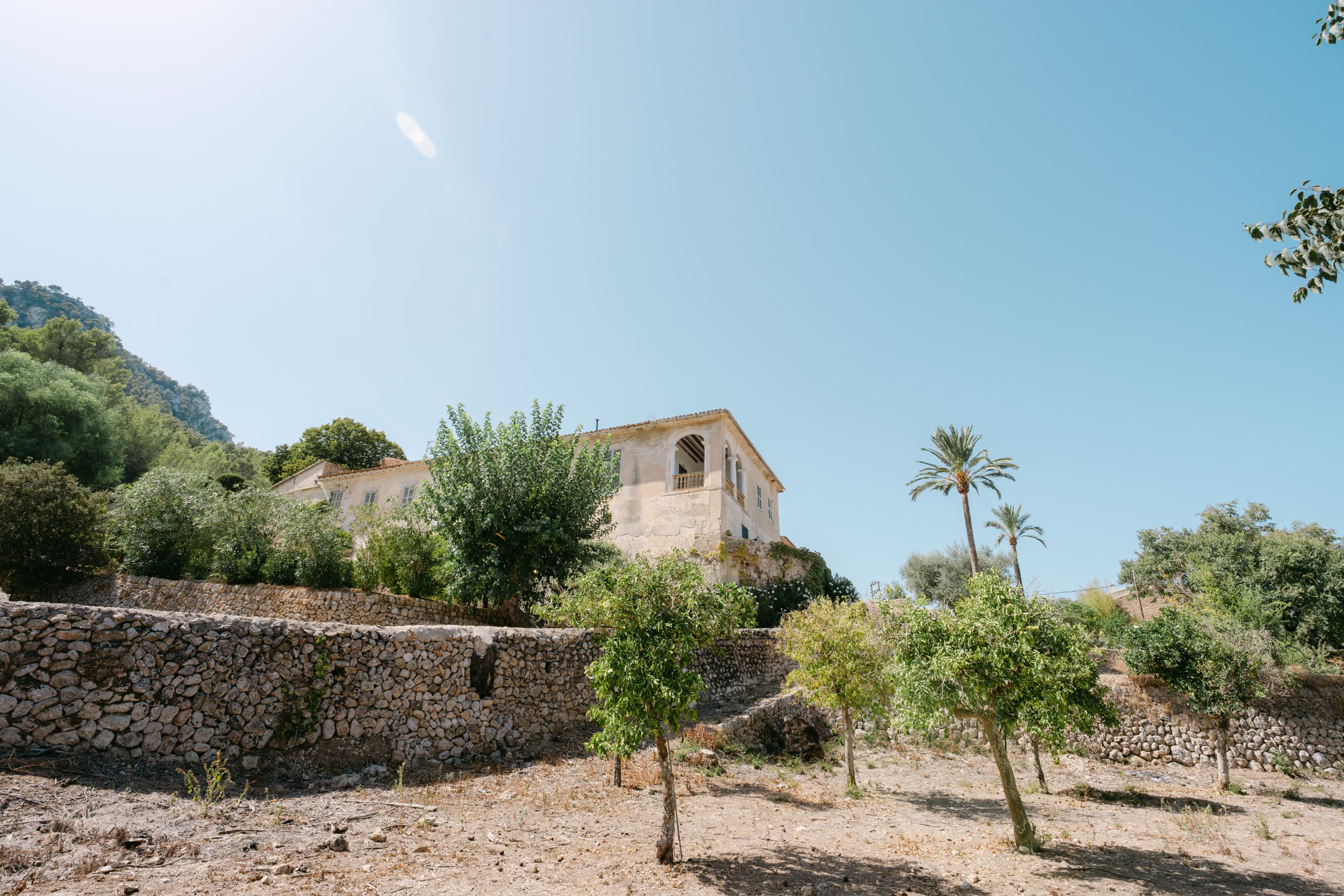
Mallorca has two faces. The Serra de Tramuntana, a UNESCO cultural landscape since 2011, runs along the north-west coast, all mountains, terraced olive groves and stone villages such as Deià, Valldemossa and Sóller. The south and east are low and bright, with the long white beach of Es Trenc and pine-fringed coves. Palma gathers around its Gothic cathedral on the bay, with the round Bellver Castle above it, and Cap de Formentor runs out from the north-east. Menorca, a UNESCO Biosphere Reserve since 1993, is farm estates called llocs and dry-stone walls; Ibiza is white farmhouses and the walled upper town of Dalt Vila, listed in 1999.
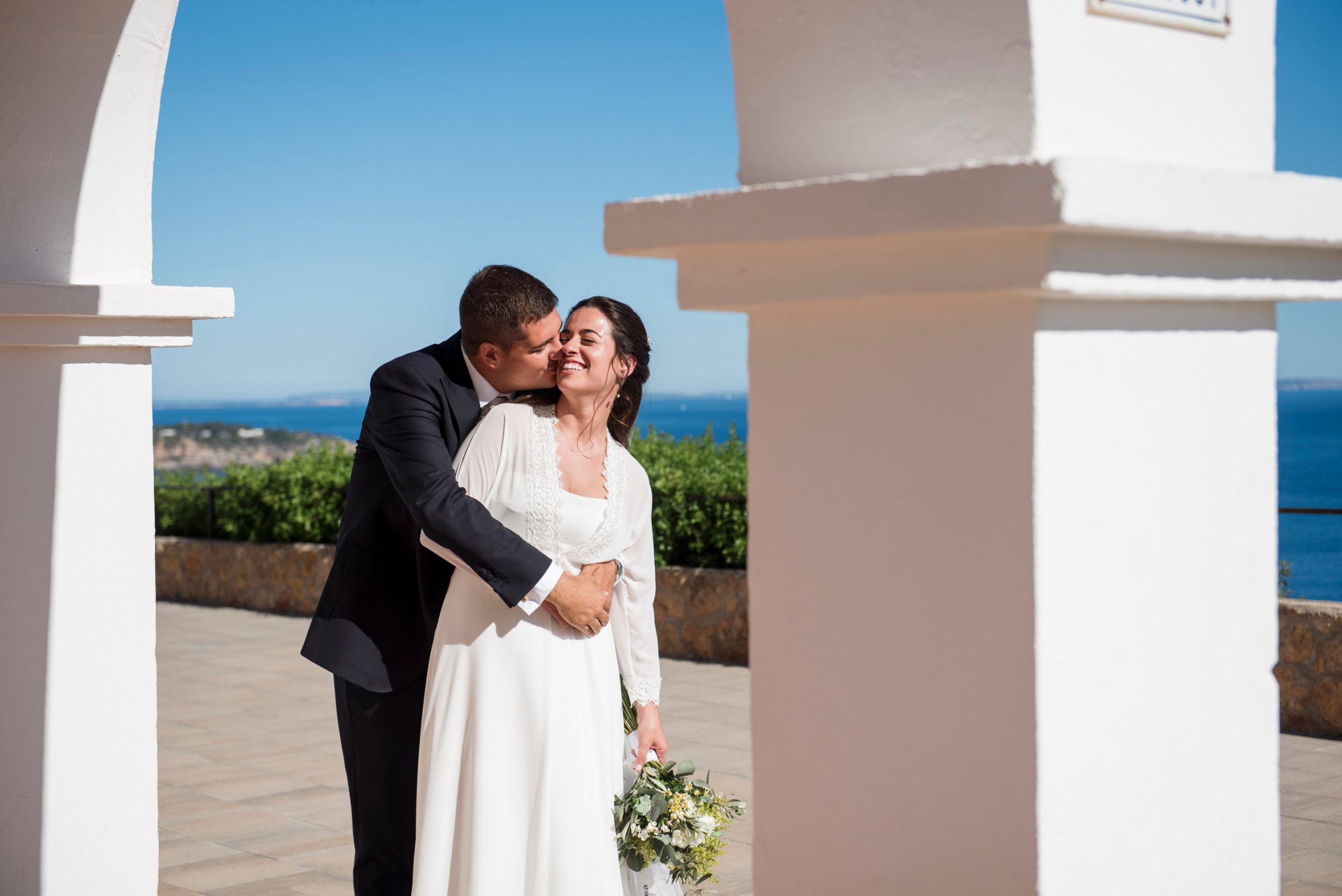
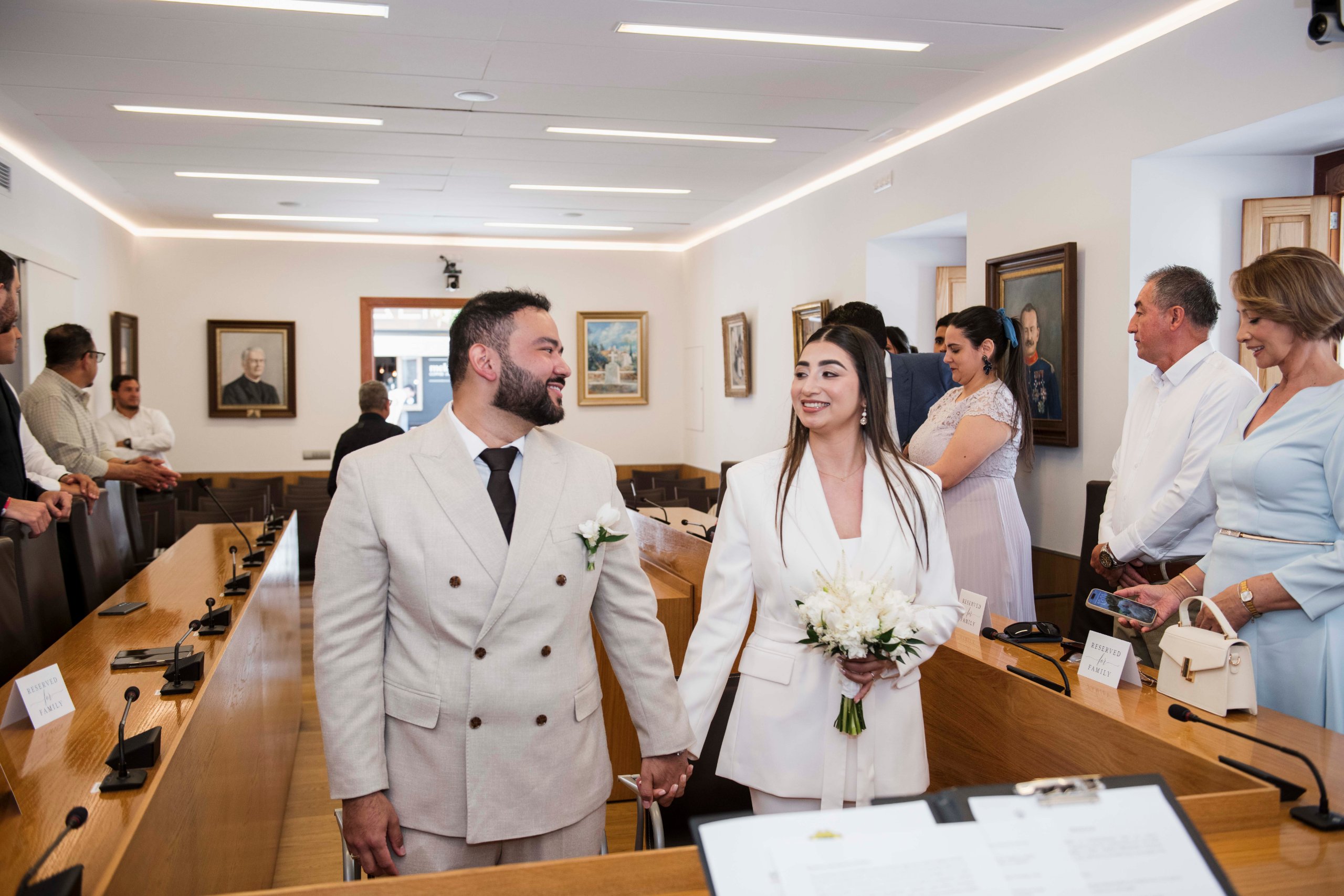
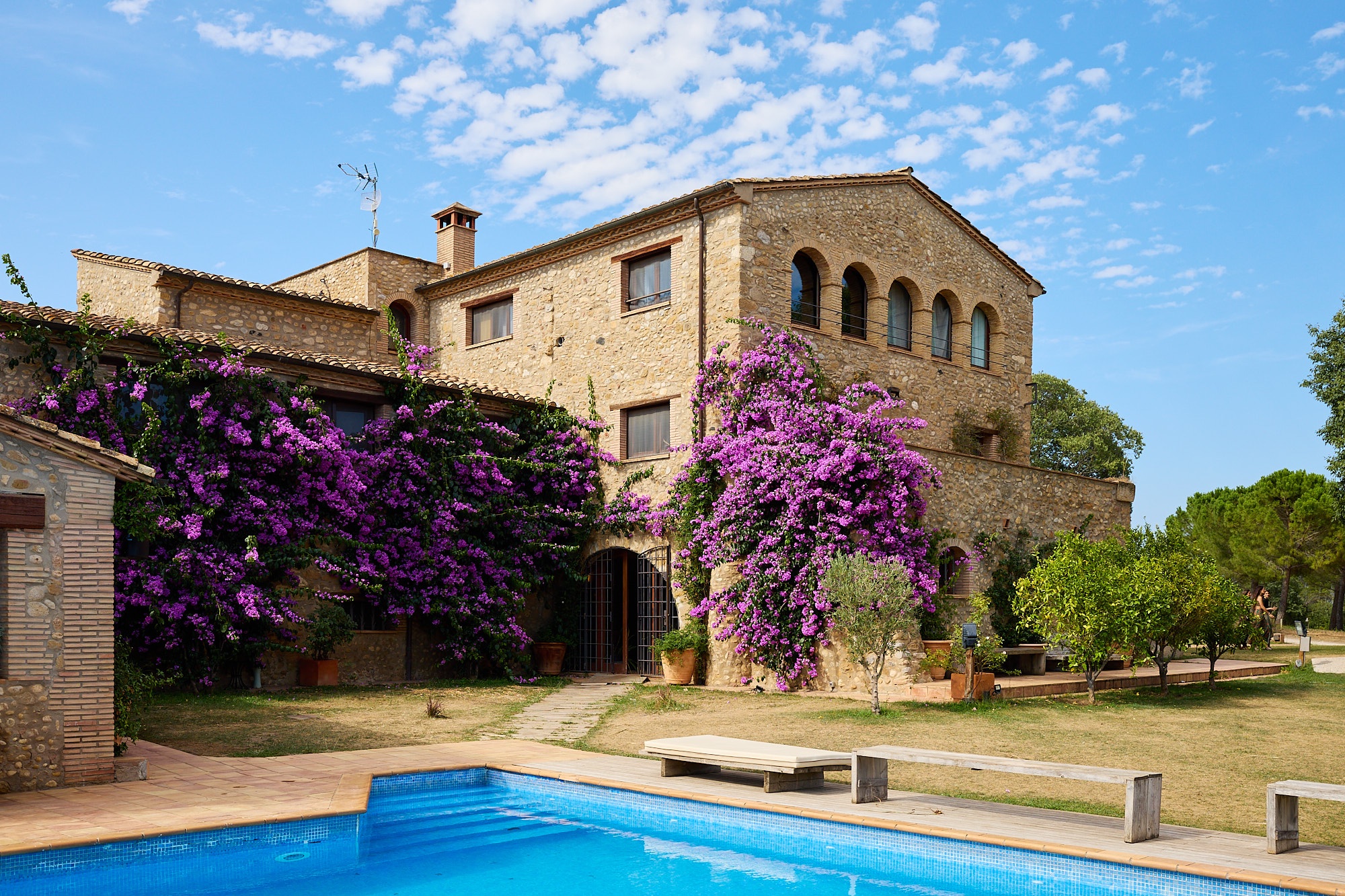
Weddings here happen in fincas, stone country estates among almond and olive trees, on terraces above the sea and in small hotels in the hills. Palma’s city hall marries couples on Friday evenings and Saturday mornings, in its own chamber or the Throne Room of Bellver Castle, never in January, August or December, once the civil registry has authorised it, and that file needs one of you to live in Spain. Most couples from abroad marry at home first and make their vows here. One warning: since 2025 Balearic law makes holiday-rental contracts forbid parties that disturb the neighbours, so book a place licensed for events, not a villa.
Photographers
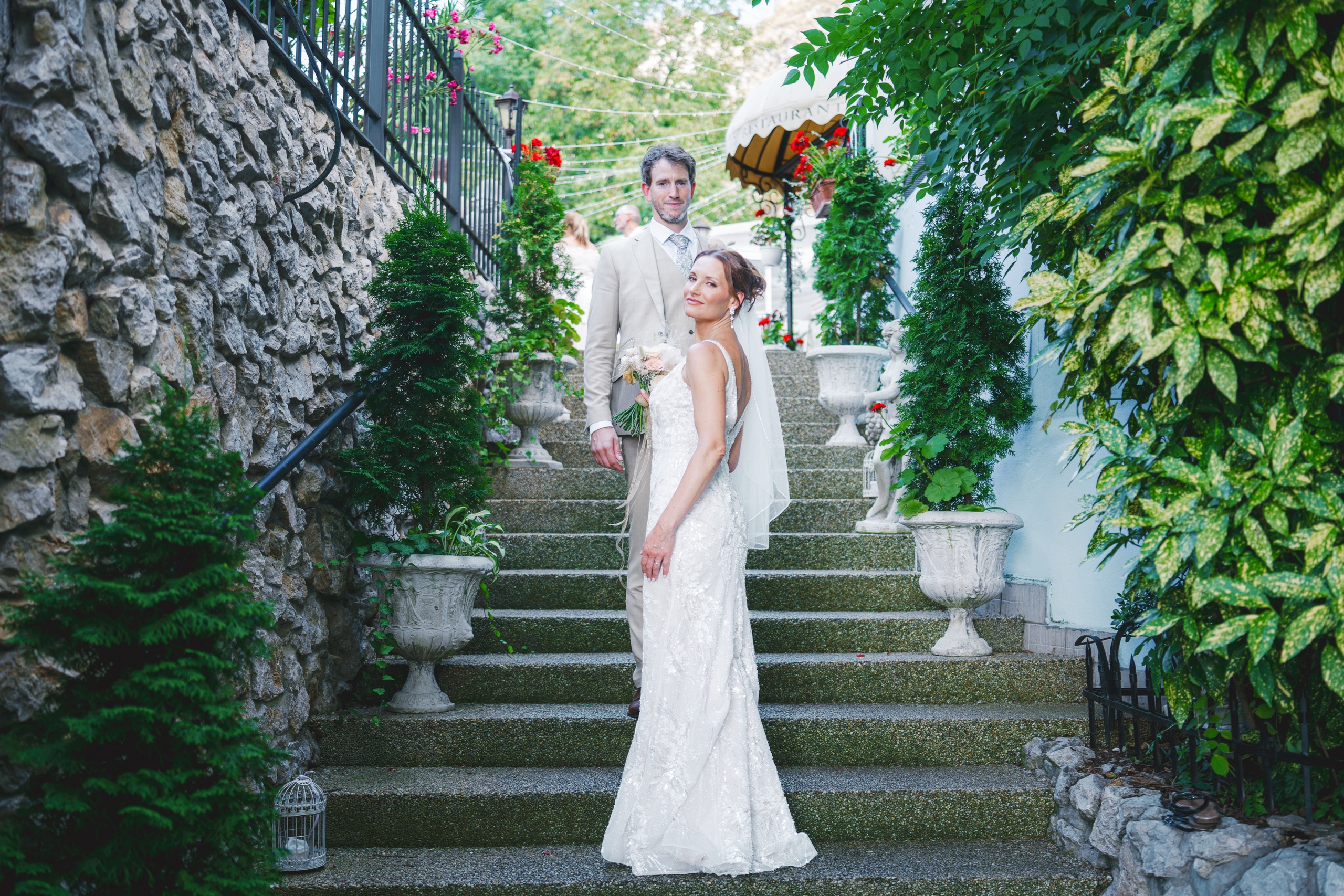
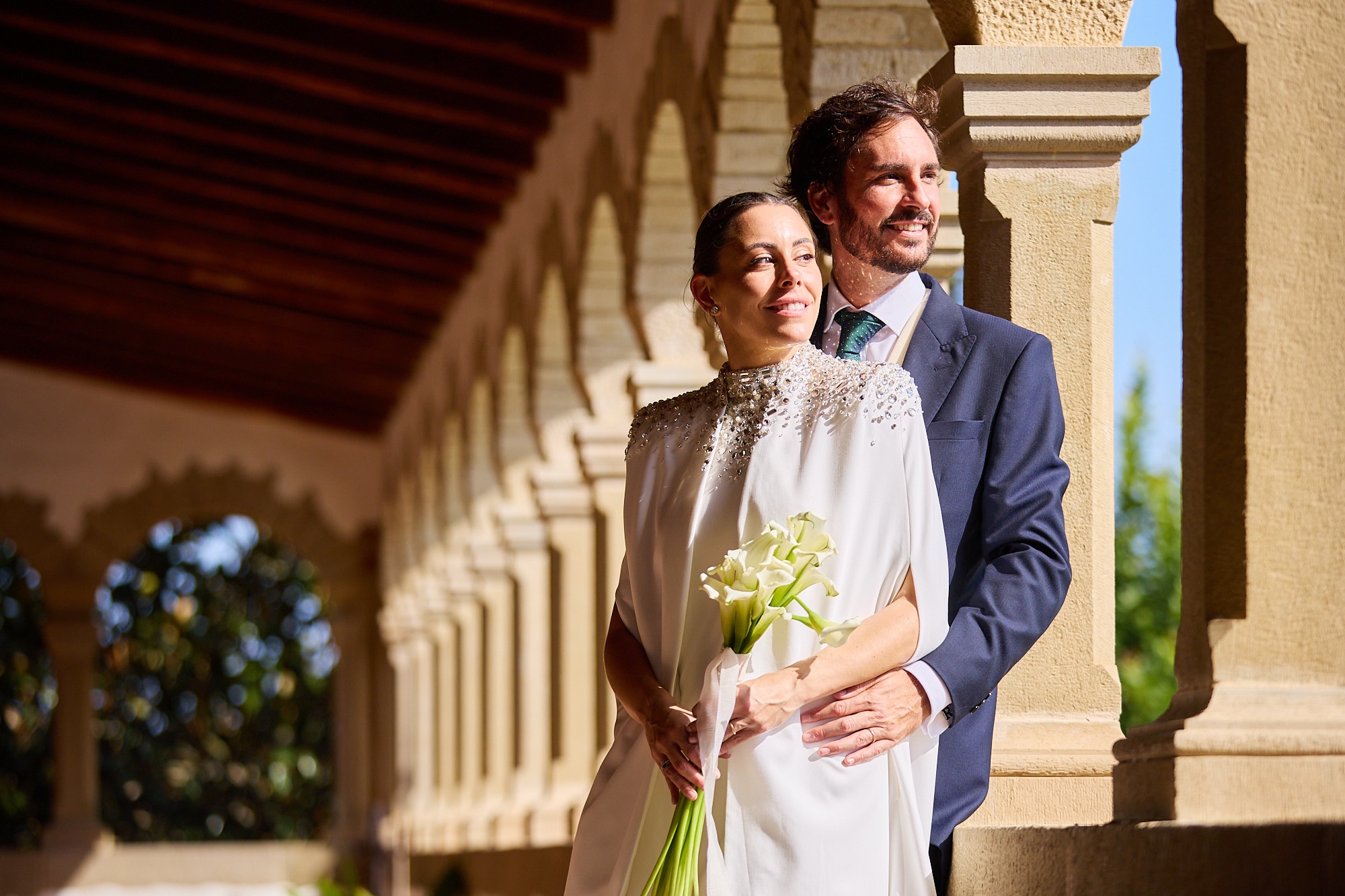
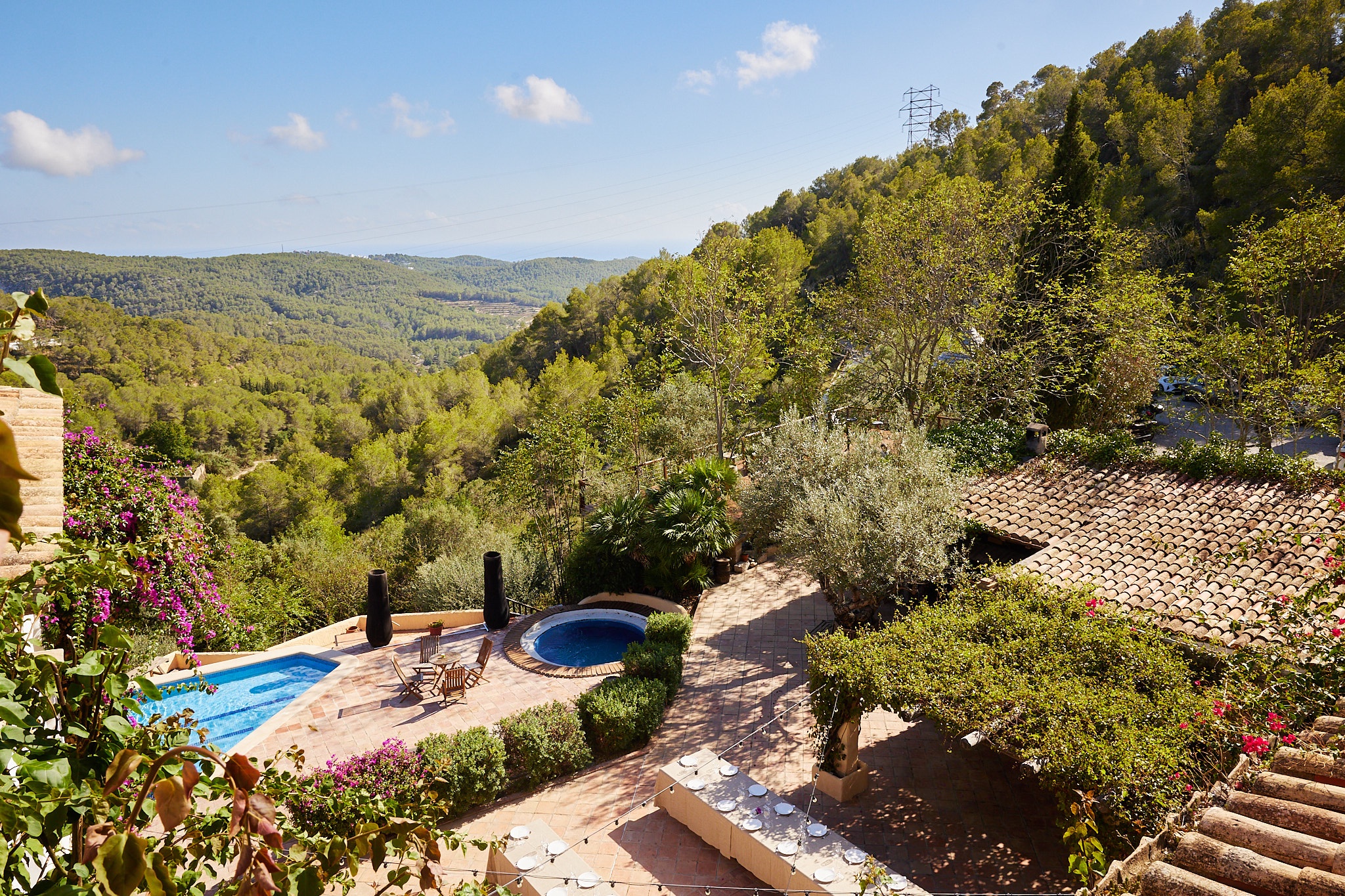
They shoot here and know the light. Their whole weddings are on their pages.
See all 20 photographers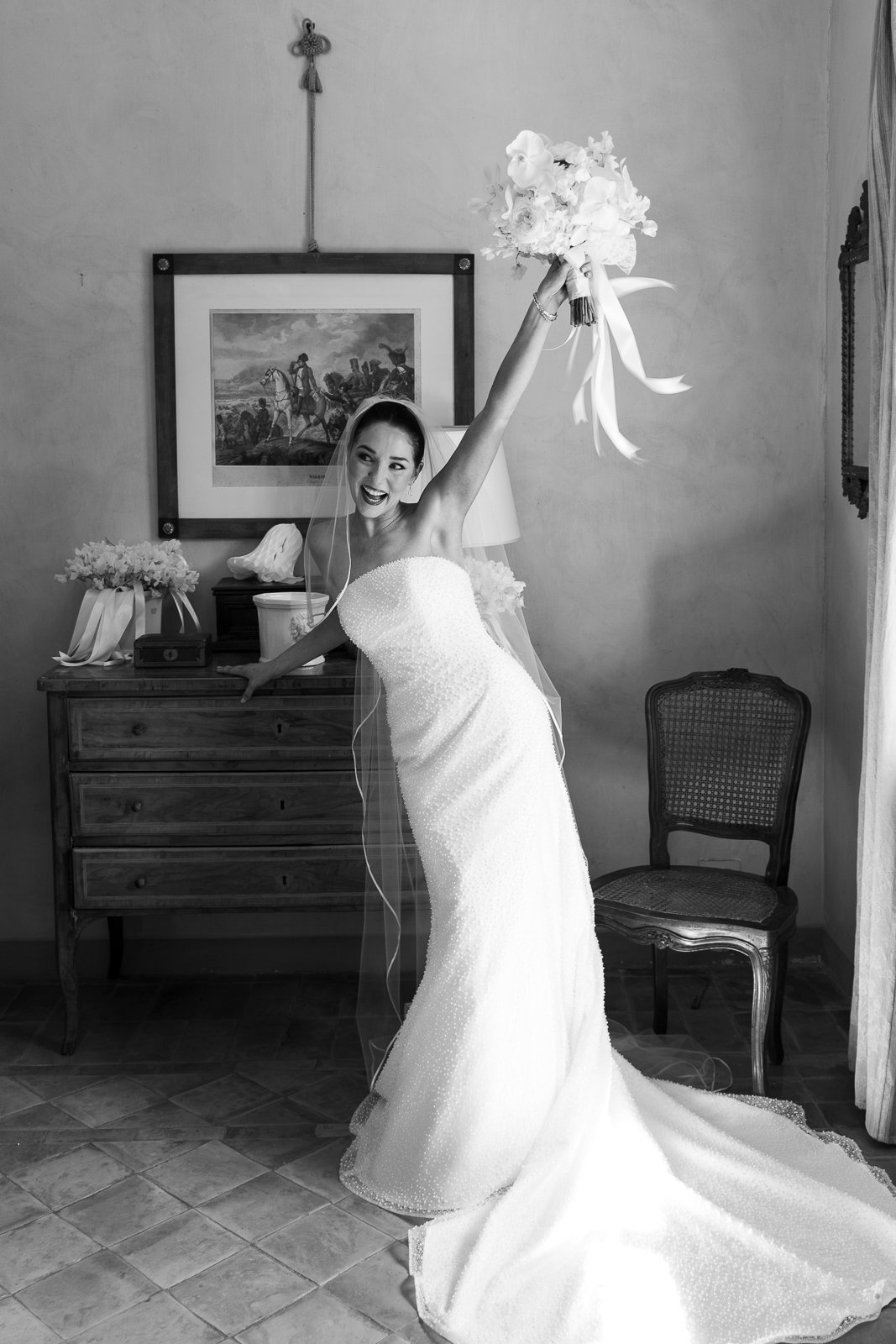
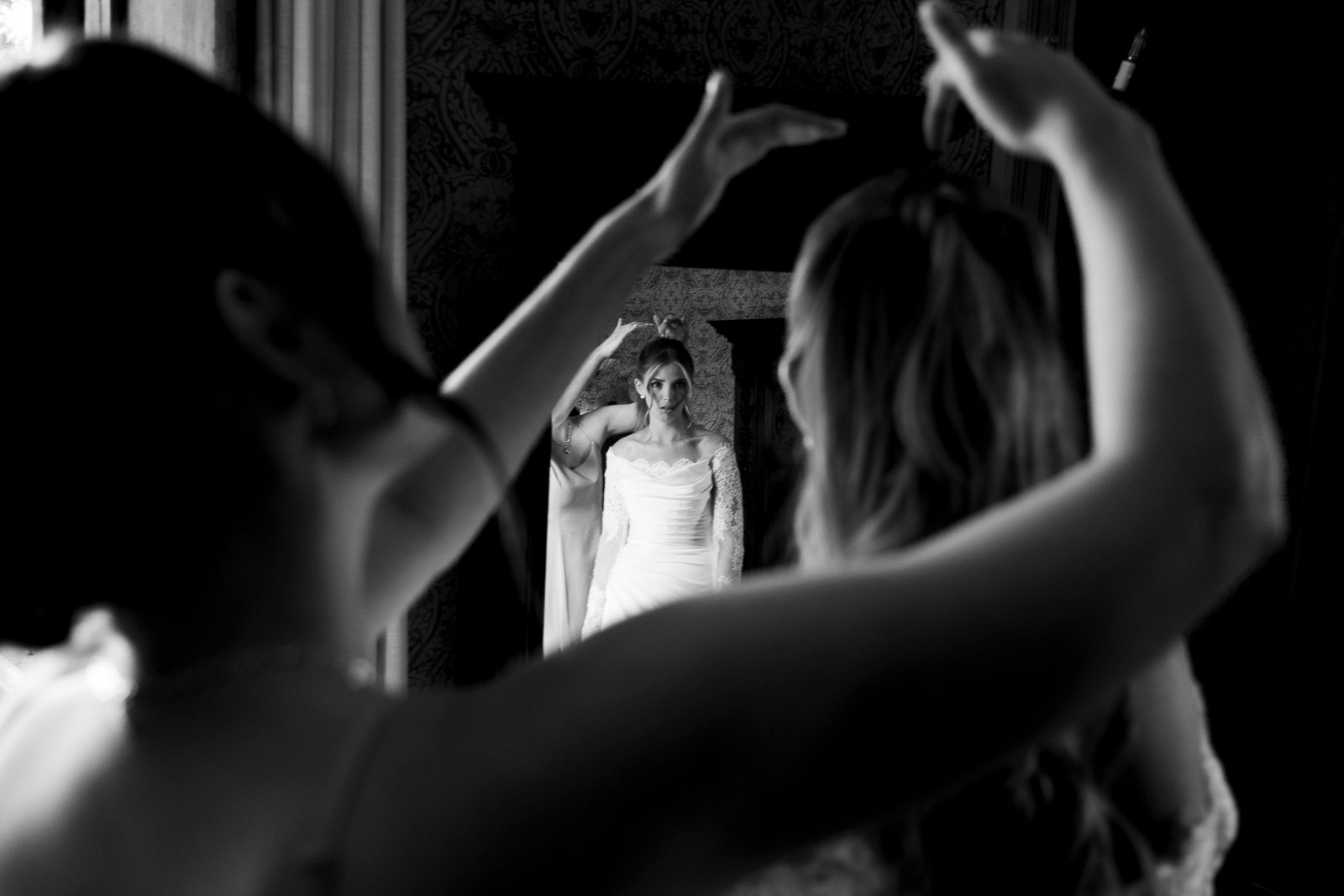
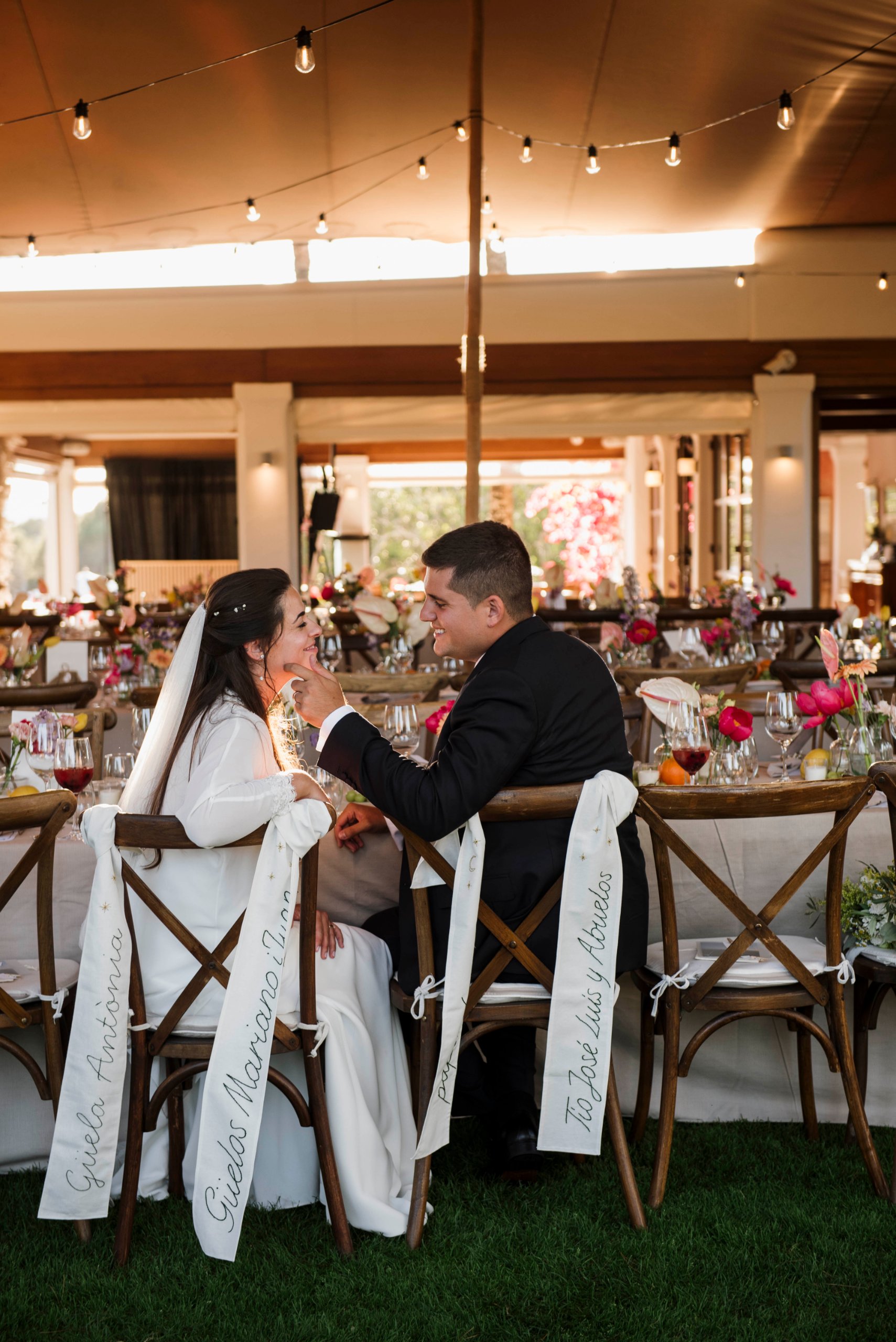
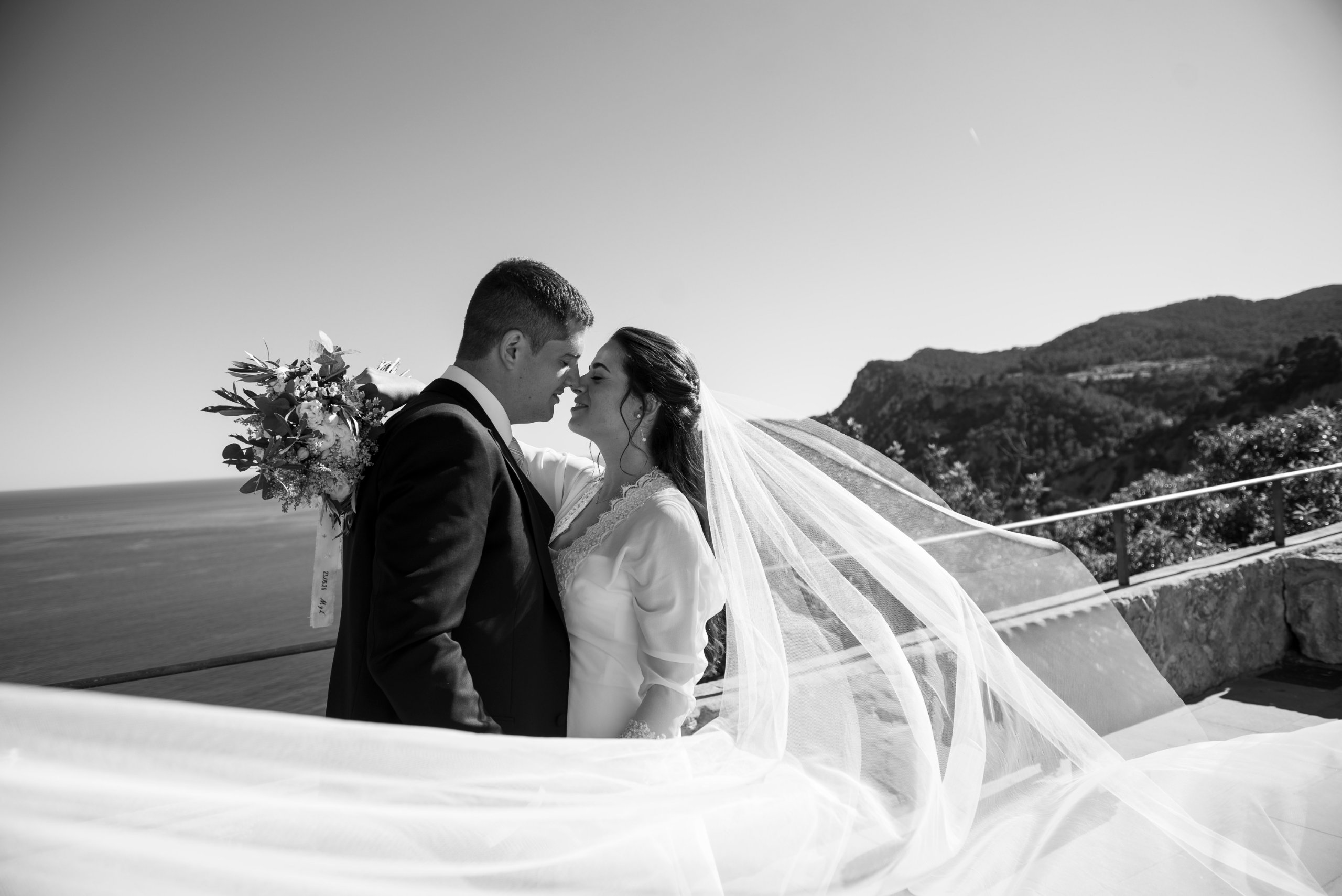
Booking through Lens & Vows
Through the year
Late spring and September–October are the months to aim for. Palma airport averages highs of 24 °C in May, 28 °C in June and September and 24 °C in October, with rain on four days in May and September, two in June and six in October. July and August reach 31 °C with almost no rain, and they are the busiest weeks of the year. Autumn has its catch: September is the stormiest month, with thunder on about four days, and October the wettest, 62 mm, so ask every venue for its covered plan. From November to March the islands slow right down and many hotels and beach places close; highs fall to about 15 °C, and the airport’s plain sees frost on five January mornings. Menorca and Ibiza run close to Palma, with August highs of 29 °C and 30 °C.
Weather station: Palma de Mallorca Aeropuerto, normals 1981–2010 · Checked 1 November 2026
Places
The kinds of places — ask your photographer which ones they know well.
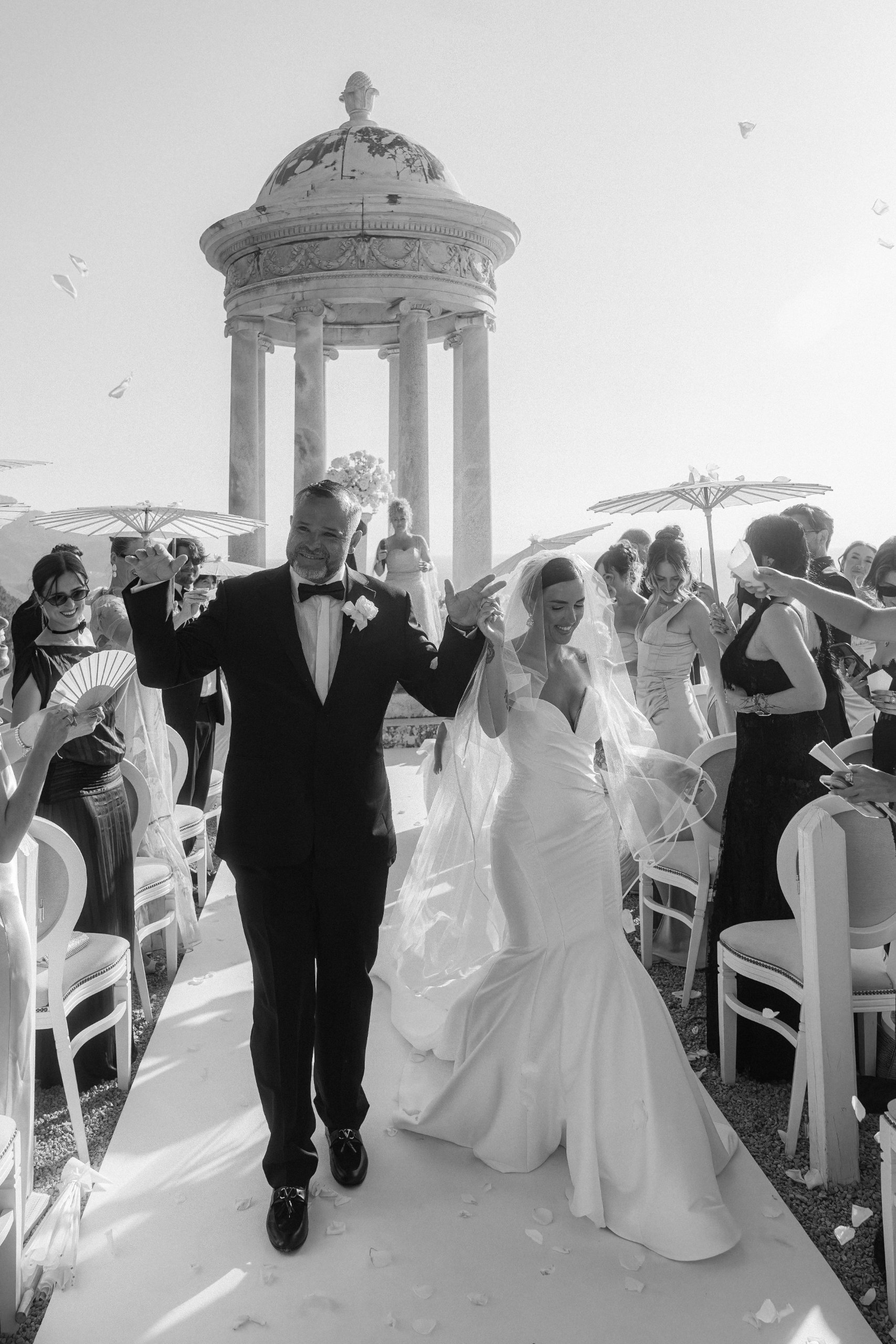
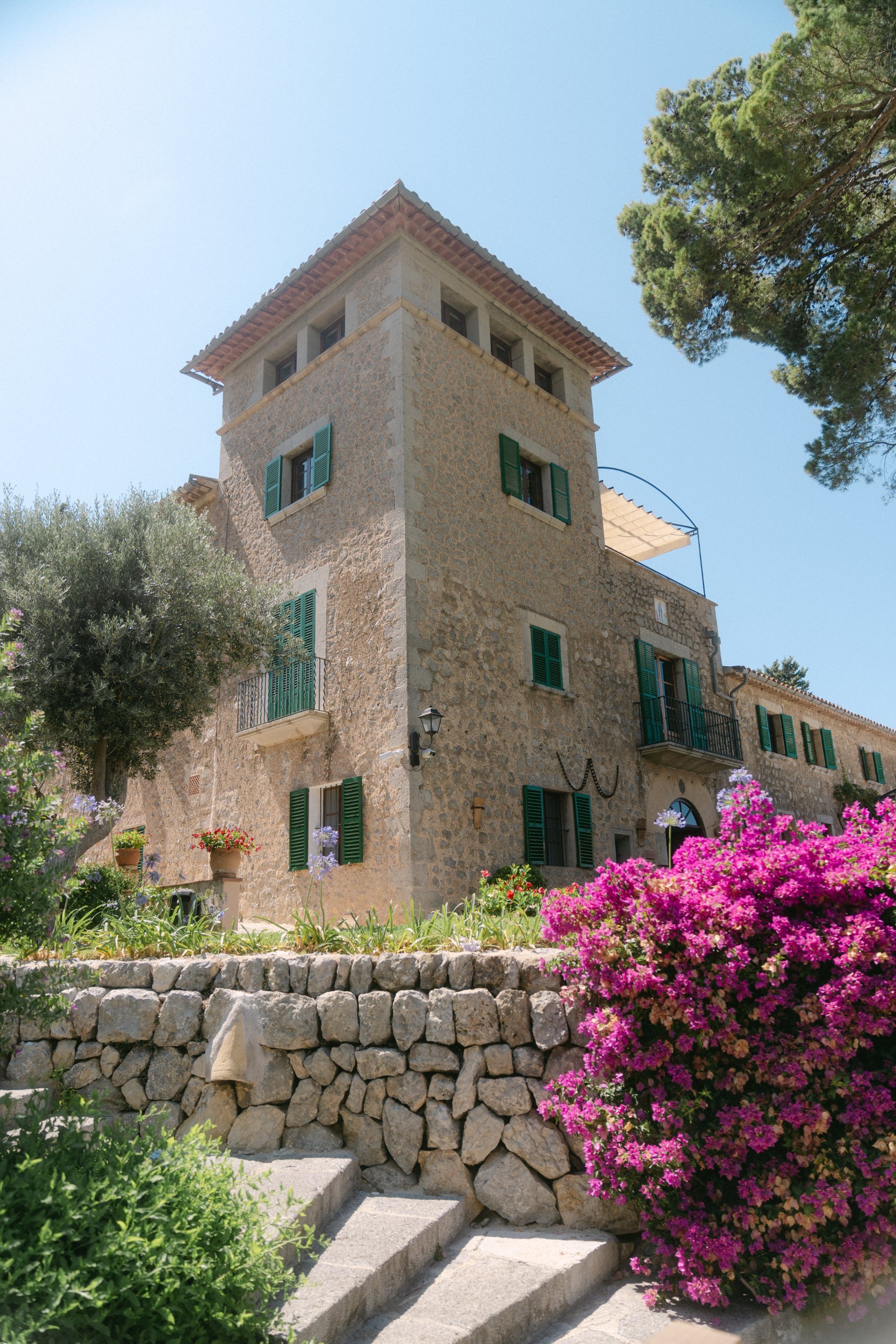
Son Marroig, the estate the Archduke Ludwig Salvator bought in 1877 on the road between Valldemossa and Deià, has a round marble temple over the sea and weddings timed to the sunset, but its museum closes at 16:30 and on Sundays, so anything later is arranged with the estate. La Residencia is two 17th-century manor houses at the edge of Deià, with room for up to 120. Castell Son Claret sits on 132 hectares at the foot of the mountains, and Finca Comassema at about 500 m in the Orient valley, its old stone water tank photographing like a reflecting pool. Sa Calobra, at the bottom of its hairpins, is for very early or not at all.
La Seu, the cathedral over the water, the stone lanes and hidden courtyards of the old town, and Bellver Castle looking down on it all: a ceremony in town and portraits before dinner, on foot. On the far side of the bay, Cap Rocat is a fortress built to guard Palma, now a hotel with private areas for up to 200 and a terrace on top for the sunset over the bay. Finca Son Mir, inland on the old Sineu road, has gardens, a palm square and a covered salon, and it is the easiest of these for guests landing at the airport.
Es Trenc is a long, undeveloped beach with salt pans behind it, in a natural park: commercial shoots and groups over 40 need written authorisation from the park’s office, and drones are for science and park management only. In 2026 the road to Formentor’s lighthouse was closed to private cars from 15 May to 18 October, 10:00–22:00, leaving you the bus or the dawn. Shoots in the Balearics’ protected areas need the Govern’s authorisation, at €120 a day for one to four people, though private family events on private estates are exempt; the page doesn’t say where a couple’s session falls, so ask early. An organised ceremony on the sand needs a coastal permit, which can take up to four months, and no answer means no.
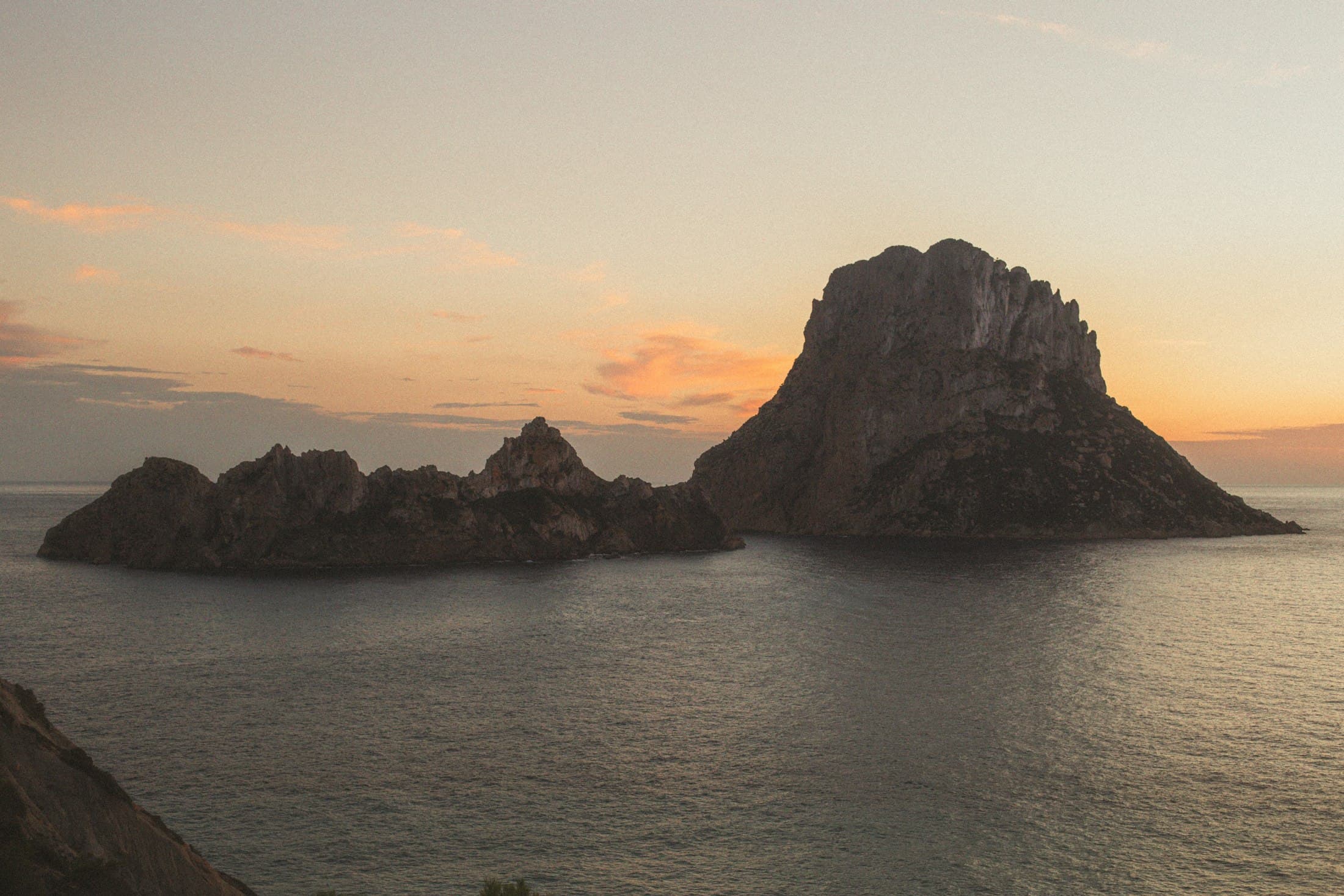
In Menorca, a long table in the yard of a lloc, then portraits at Macarella’s white sand and pine-topped cliffs, closed to cars from 1 June with a bus from Ciutadella, or at sunset on the wind-cut rock of Punta Nati. In Ibiza, the ramparts of Dalt Vila in the late afternoon, the Torre des Savinar facing the islet of Es Vedrà, where the paths have been marked and fenced since March 2026, or the islets off Cala Comte at sunset. Keep to the paths, and ask about the music before you sign: Santa Eulària’s 2026 noise ordinance lets the police seal sound equipment on the spot.
Towns
Each with a page of its own: where couples marry there, where to take portraits, the practical side.
Light
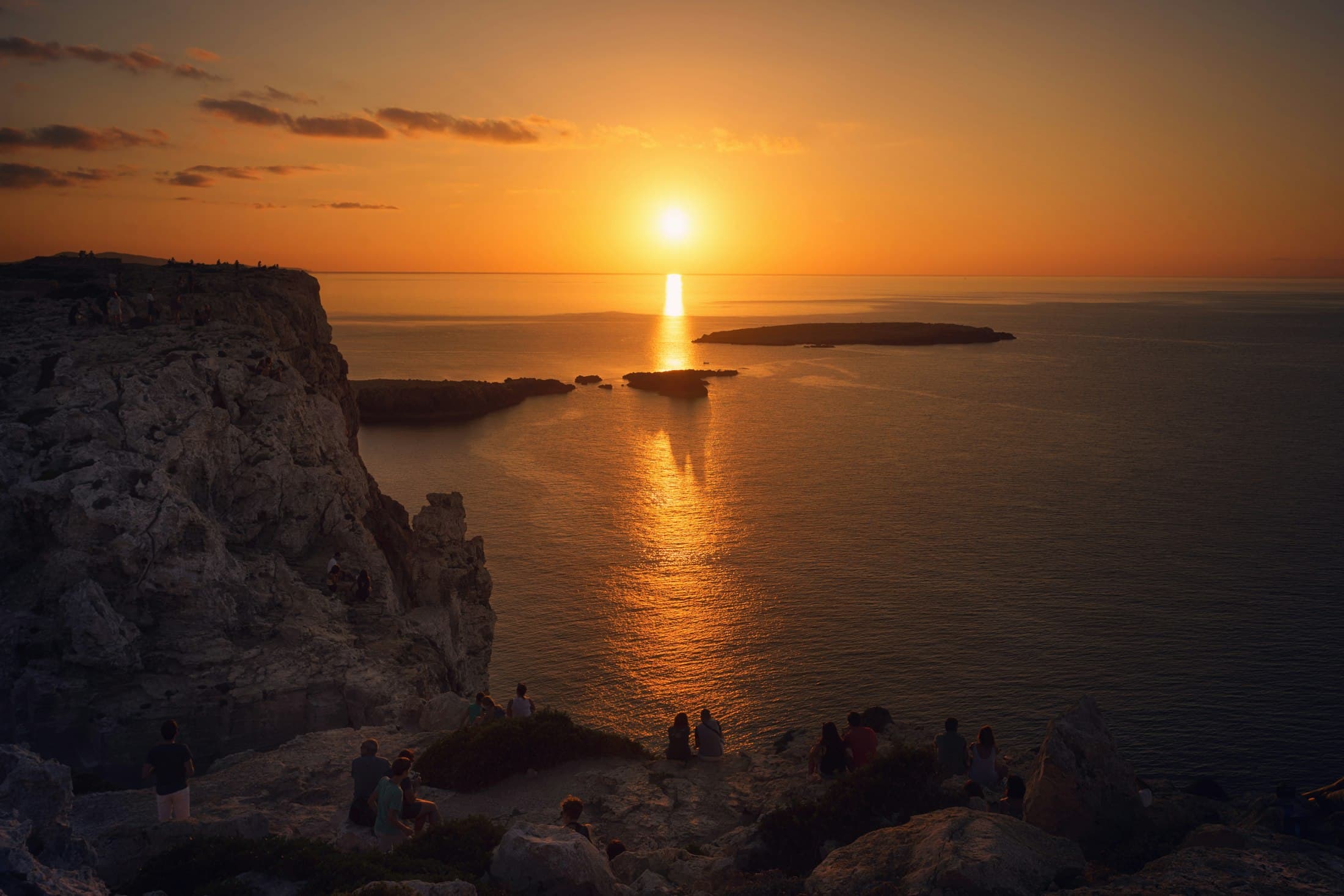
The Tramuntana coast faces north-west, so in summer its terraces watch the sun set into the sea, though the ridge behind can take the light from a valley much earlier. The east-coast coves get the sunrise, Es Trenc faces south-west to the evening, and Cap de Formentor points north-east, a dawn place. On 21 June the sun rises at about 06:20 at Palma and sets at about 21:20, with the sky light until about ten to ten; Ibiza and Menorca, either side, set a few minutes earlier or later, 21:23 and 21:15. Summer light on pale stone and water is hard at midday, and the sun reaches 74 degrees. On 21 December the day runs from about 08:05 to 17:30, the sun at most 27 degrees: low and gold, if you find a place open.
Travel
Palma’s airport has flights from all over Europe, many of them seasonal, and lies about 12 km from the centre. Ibiza’s is 7 km from the town and Menorca’s just outside Maó. From Palma by road: Valldemossa 19 km, Sóller 25 km, Deià 31 km (about 40 minutes), Sa Calobra 60 km (over an hour and a quarter, the last stretch all hairpins) and the start of the Formentor road beyond Port de Pollença, 64 km. Es Trenc is 46 km from the airport. Ferries run from Barcelona to Palma in about seven hours or more, and between the islands. A car is the easy way to the fincas. Drones follow Real Decreto 517/2024, with five days’ notice to the Interior Ministry over towns and equipped beaches and no low flights around the runways unless coordinated, plus the Govern’s rules in protected areas.
Real weddings
Plan
Spain
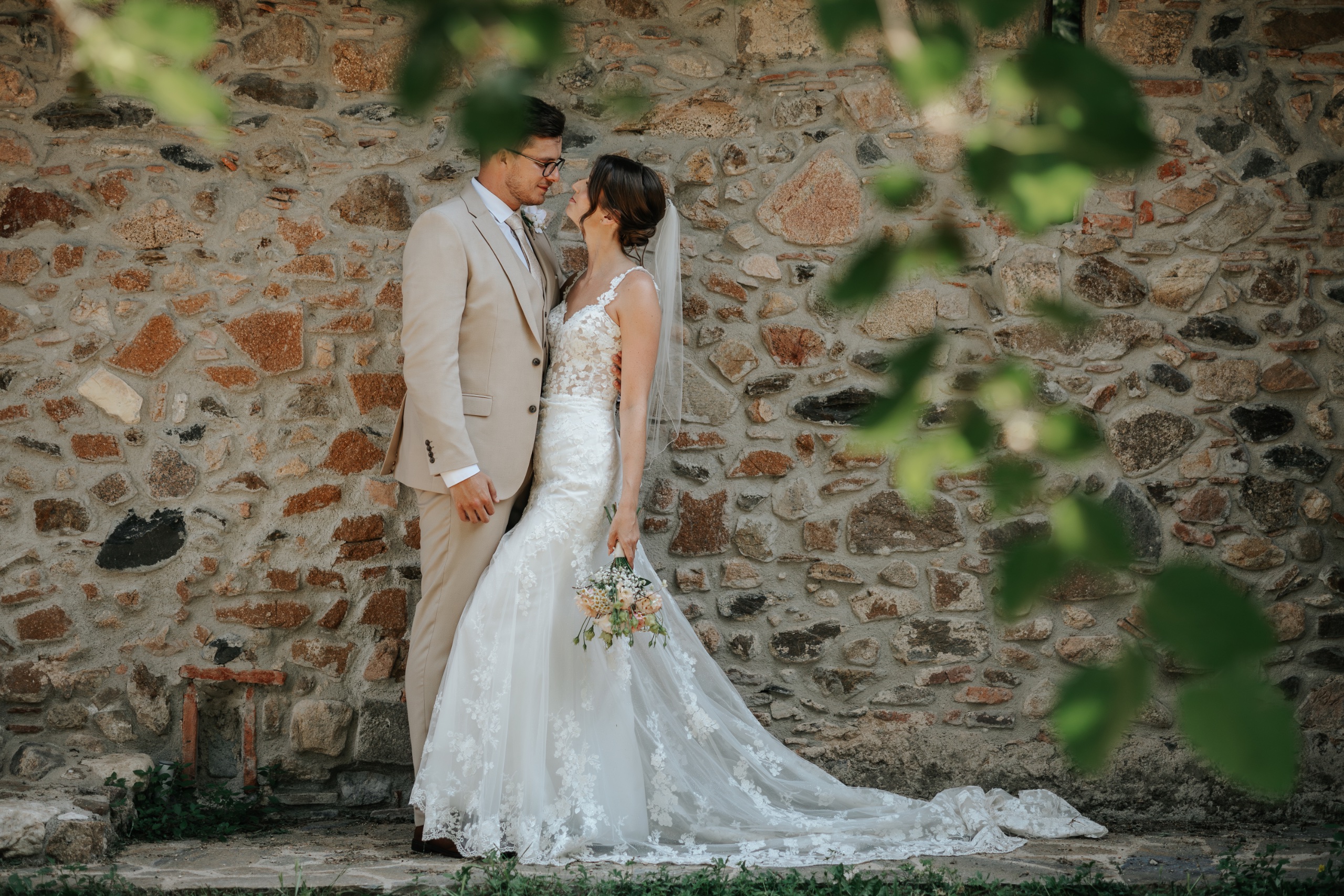 Photo: Evgenia G.
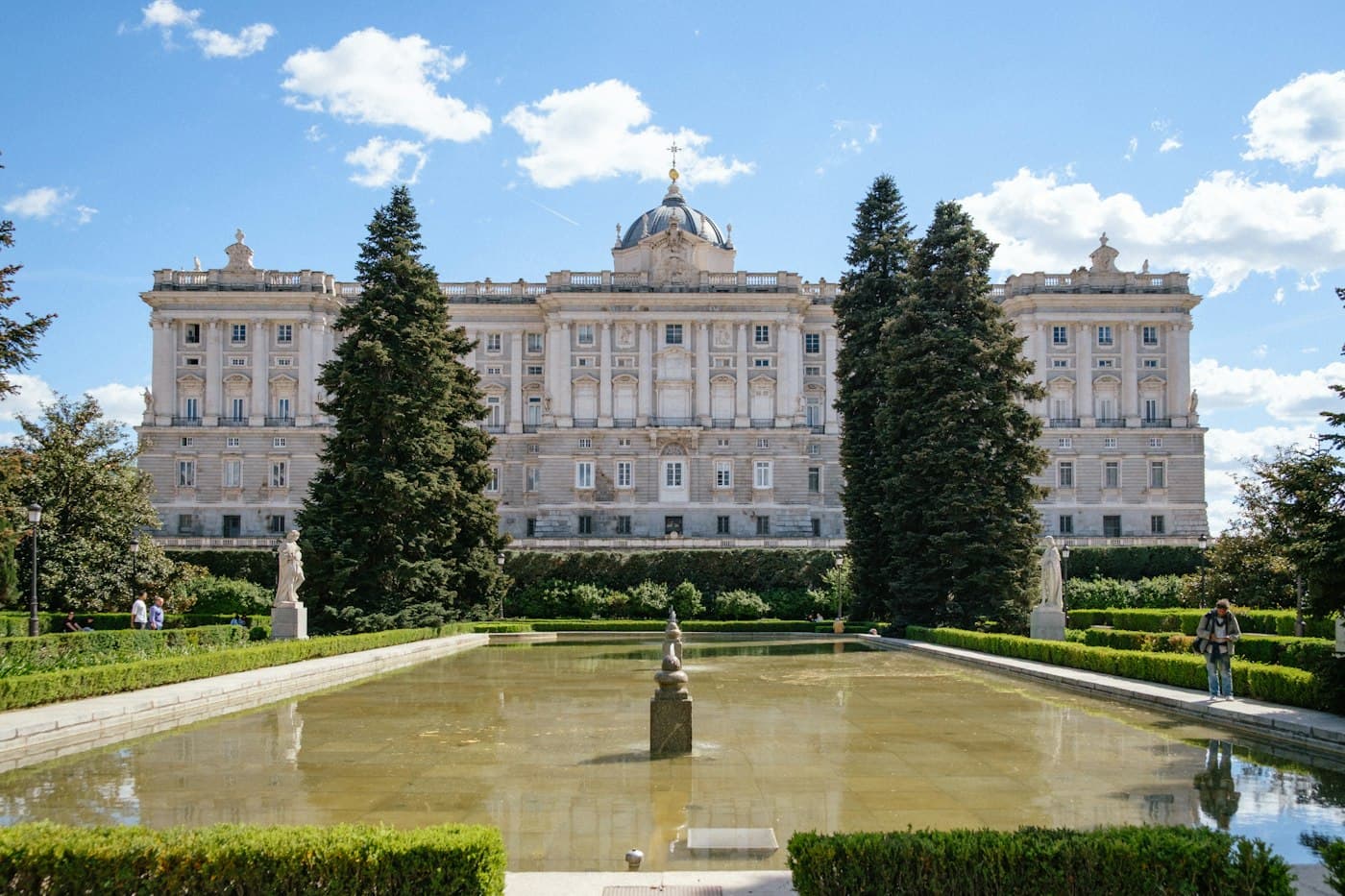
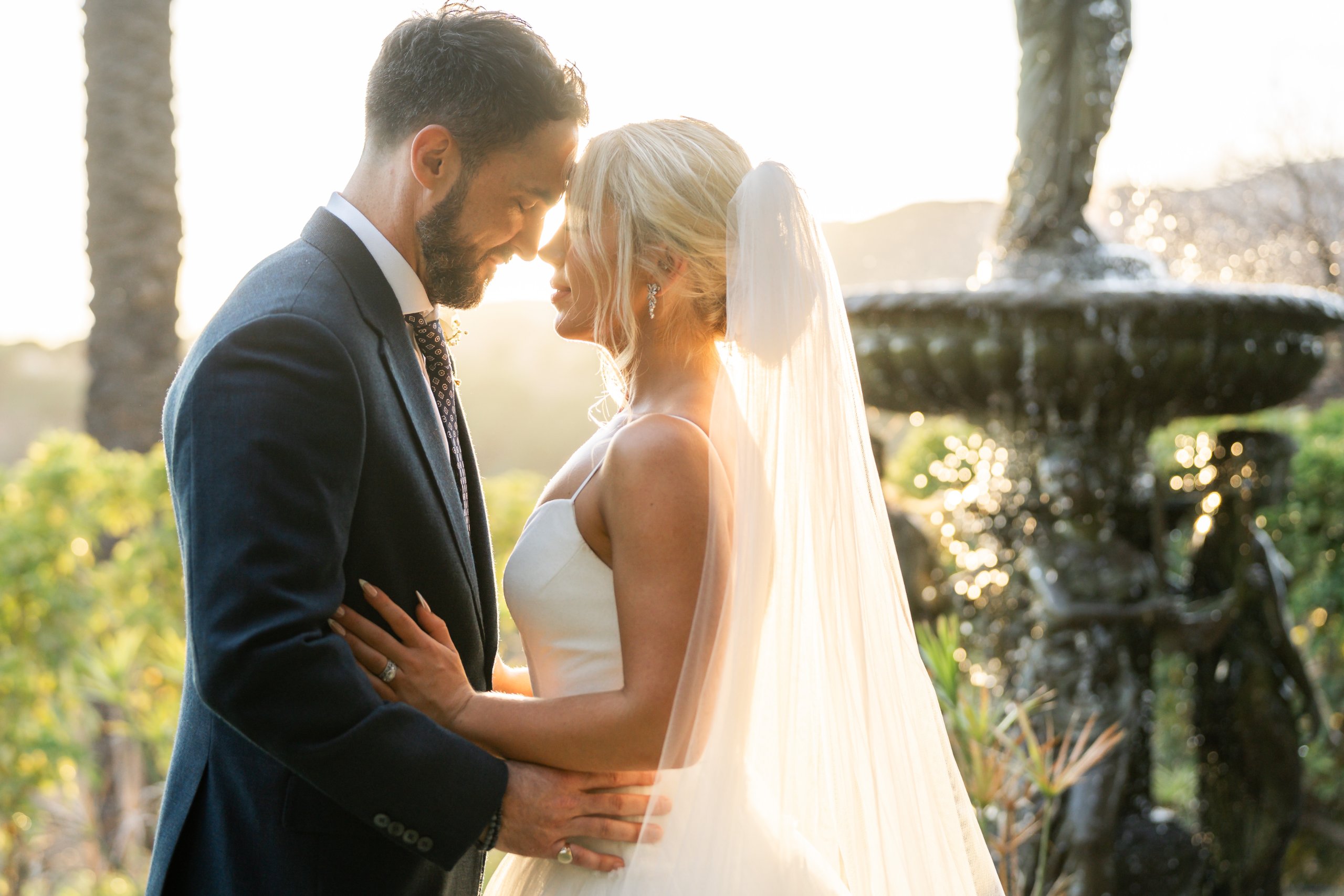 Photo: Jose C.