Founding photographer

Adolf B.from €2,500
Valencia & the Costa Blanca, Barcelona & Catalonia +4 · DocumentaryWedding photographers in Spain
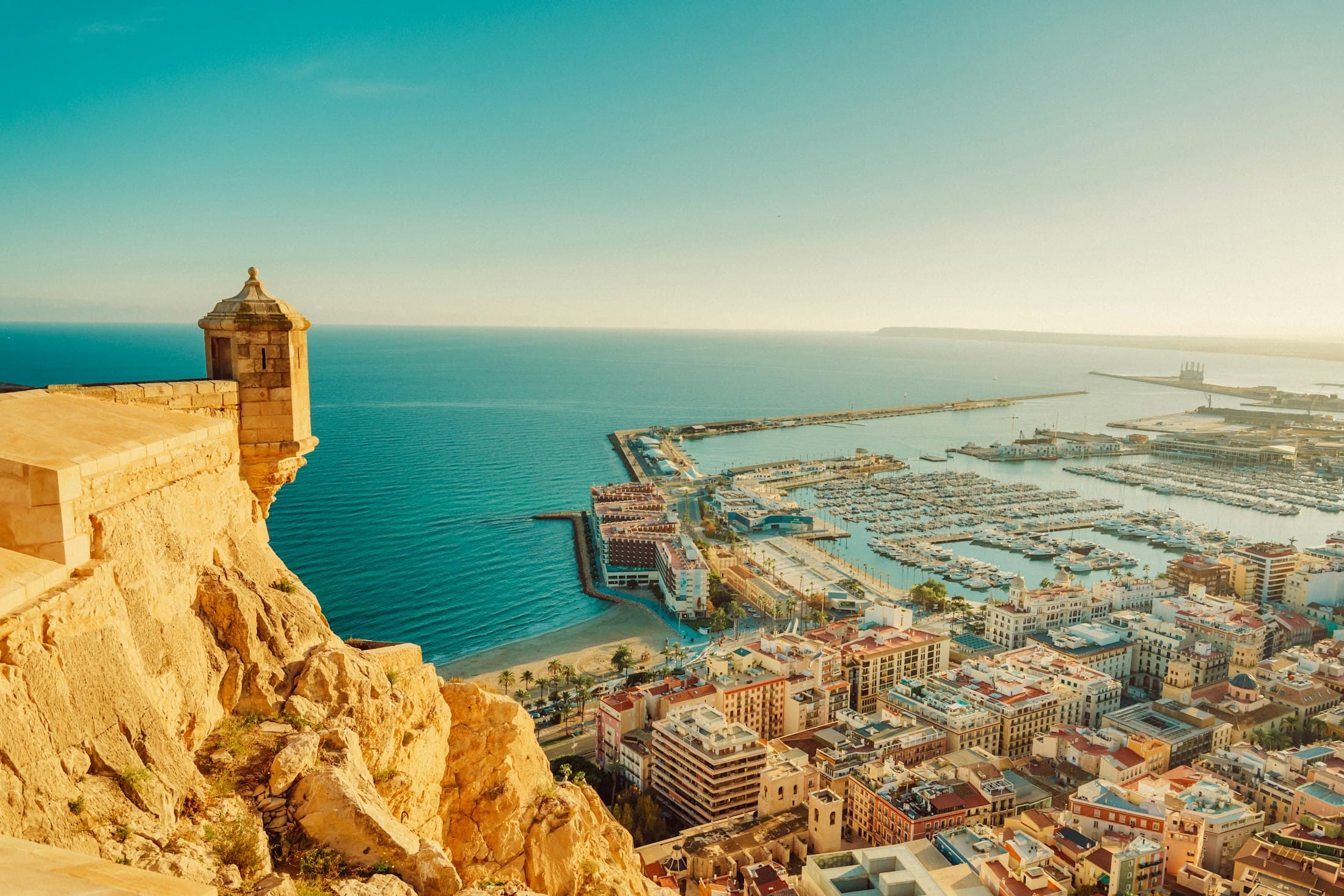
A port city under a castle rock, where the town hall marries couples on Saturdays in a Baroque blue room and the portraits climb whitewashed lanes above the sea.
Alicante is built around Mount Benacantil, a bare rock of 167 metres on the shore with the Castle of Santa Bárbara on top.
Its fortress goes back to Muslim rule in the late 9th century; the name comes from the feast day on which Castile took it, 4 December 1248, and most of what stands in its middle enclosure was finished under Felipe II by 1580. Below it lie the white lanes of the Santa Cruz quarter, then the old town, the port and the Explanada, a seafront promenade of wavy marble.
A wedding here is a city wedding with the sea at the end of every street. The town hall reported 215 civil ceremonies in its Salón Azul in 2021, in half-hour turns on Saturdays. The usual day is a ceremony in the old town, portraits on foot through Santa Cruz and along the Explanada, and dinner on a terrace, in a hotel or at a house out of town. It suits couples who want a place guests can reach by plane or high-speed train and walk around.
Photographers
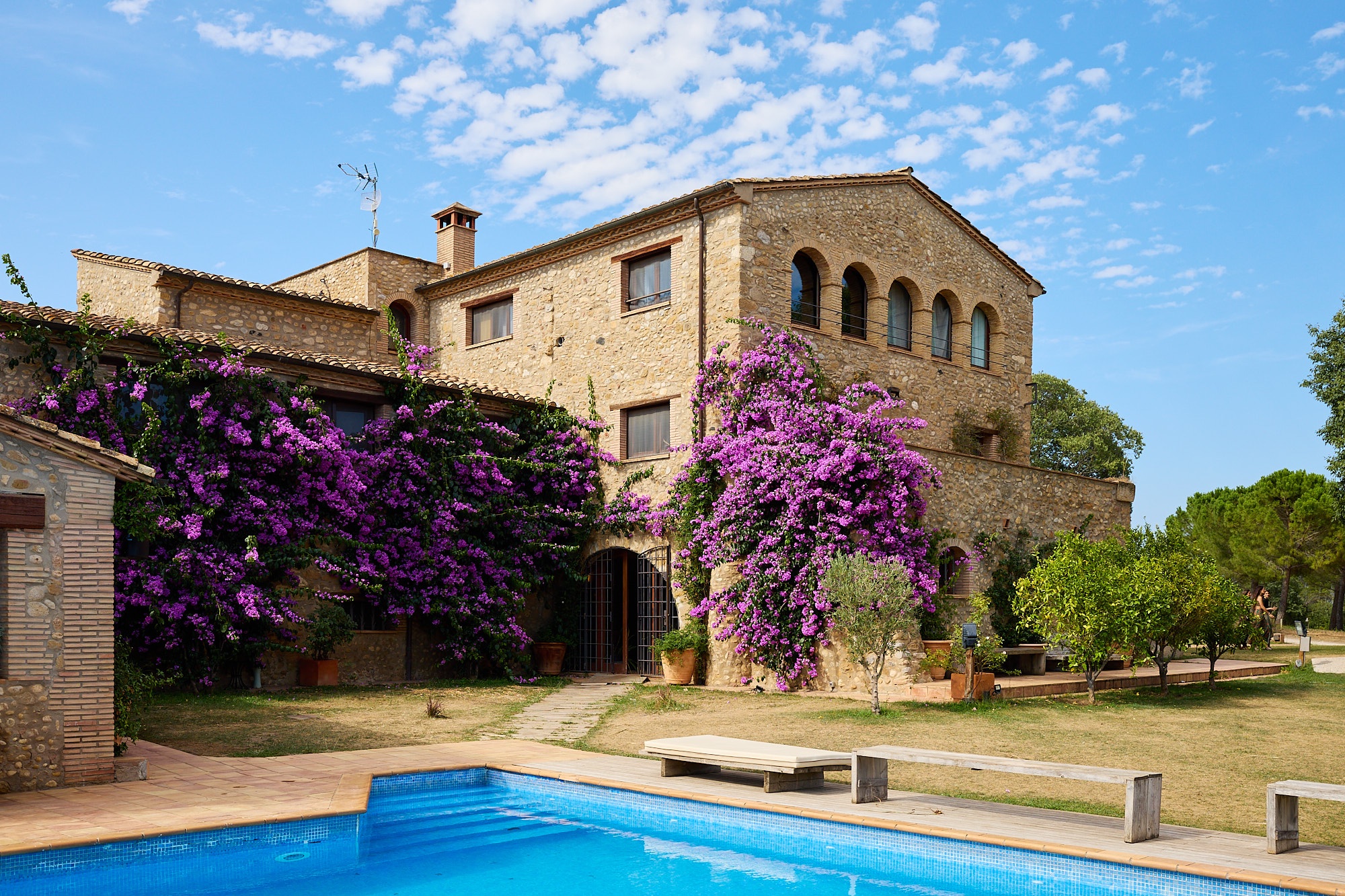
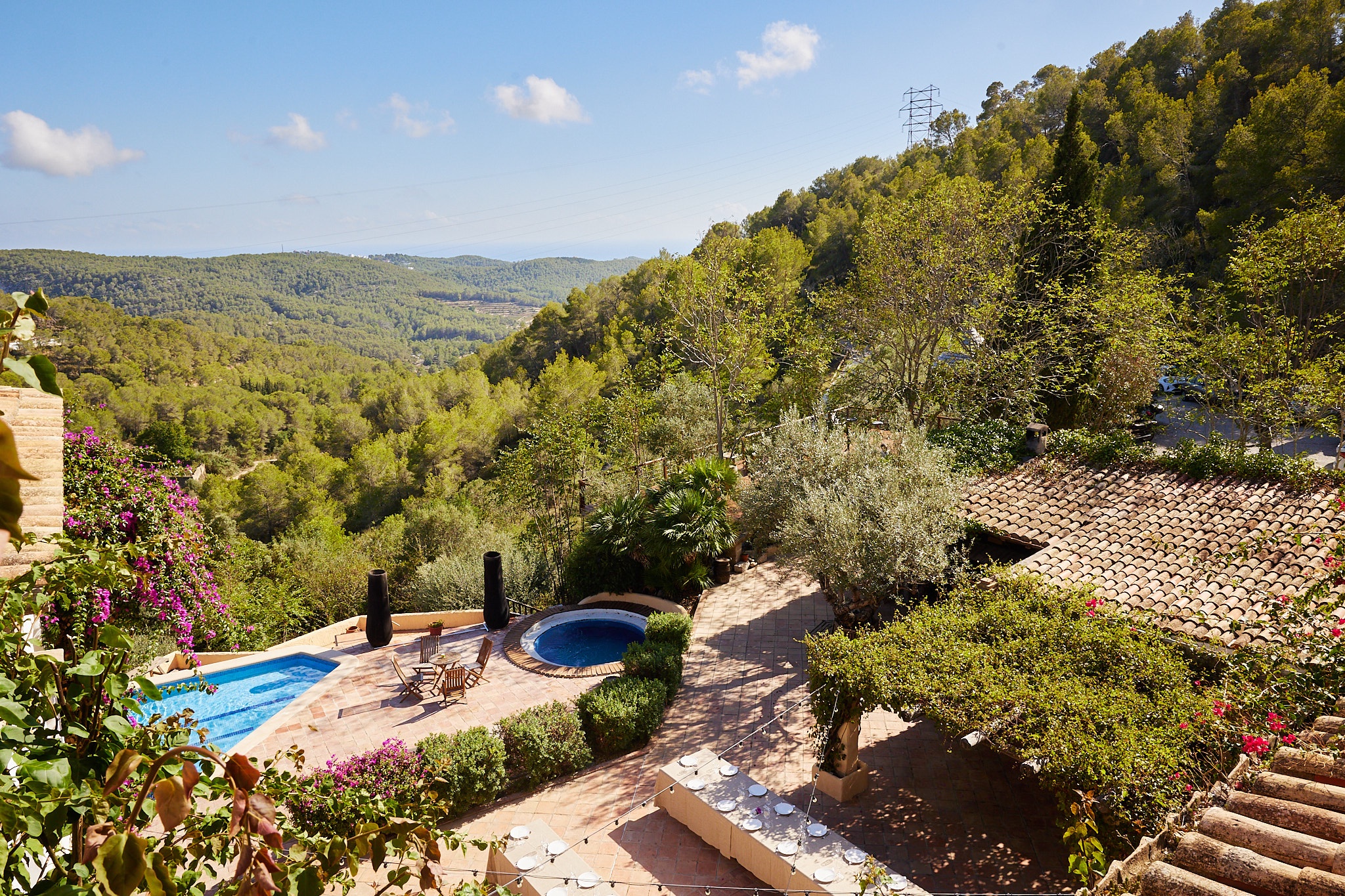
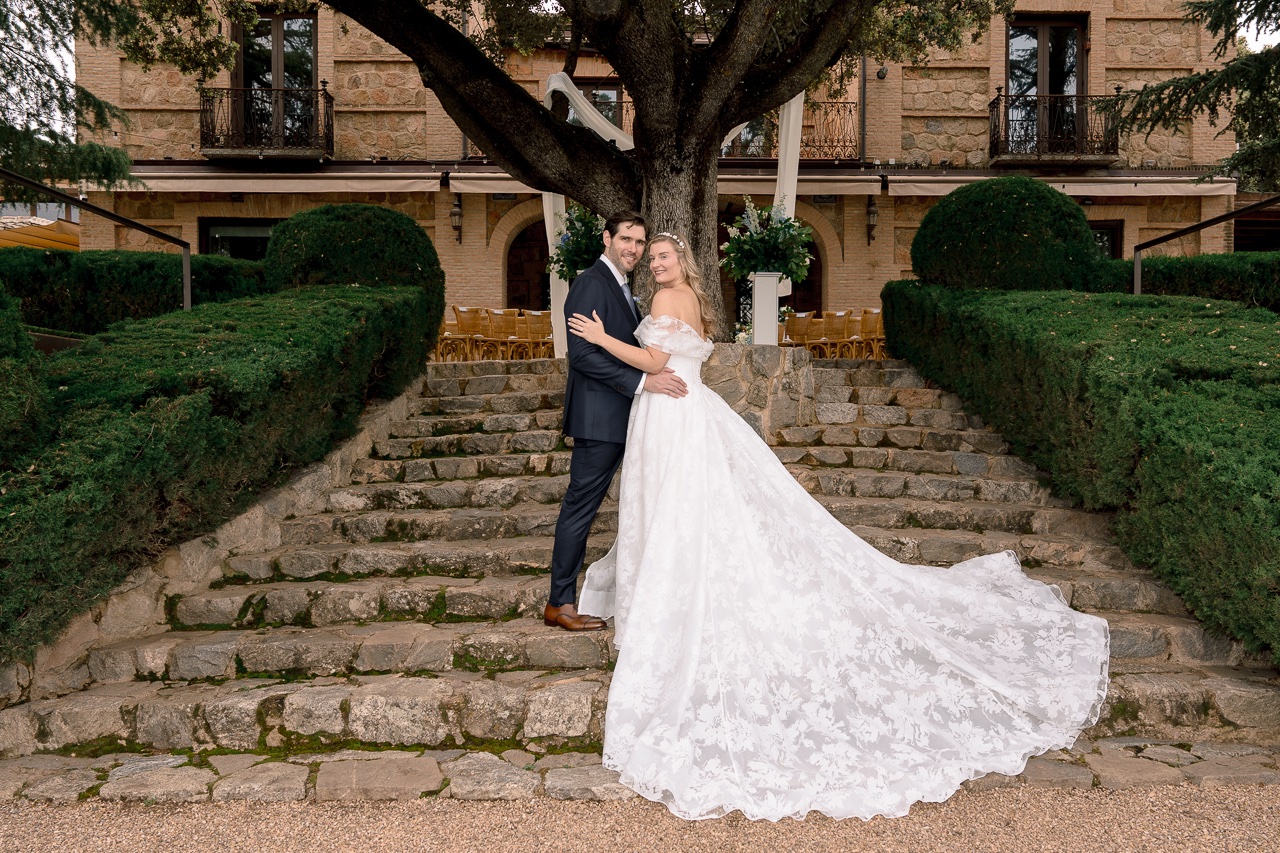
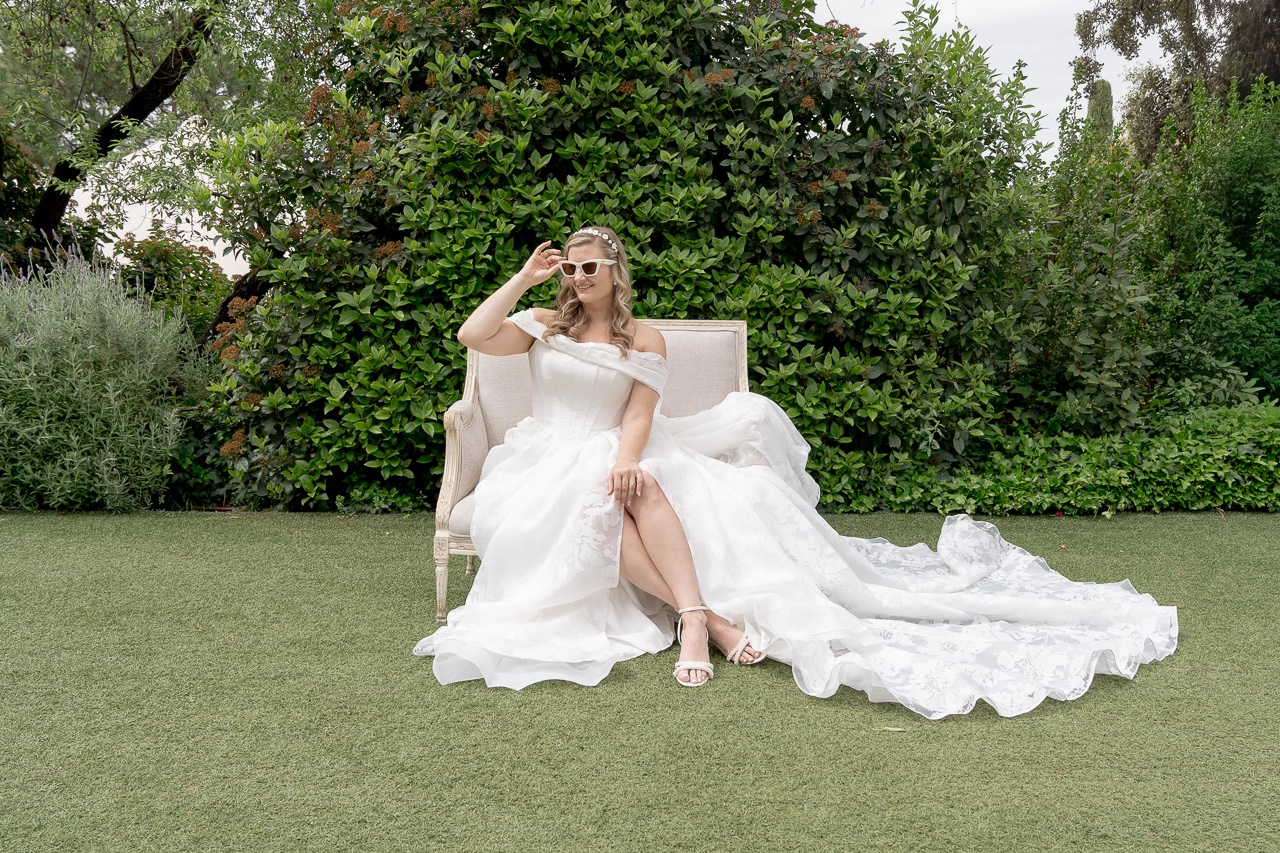
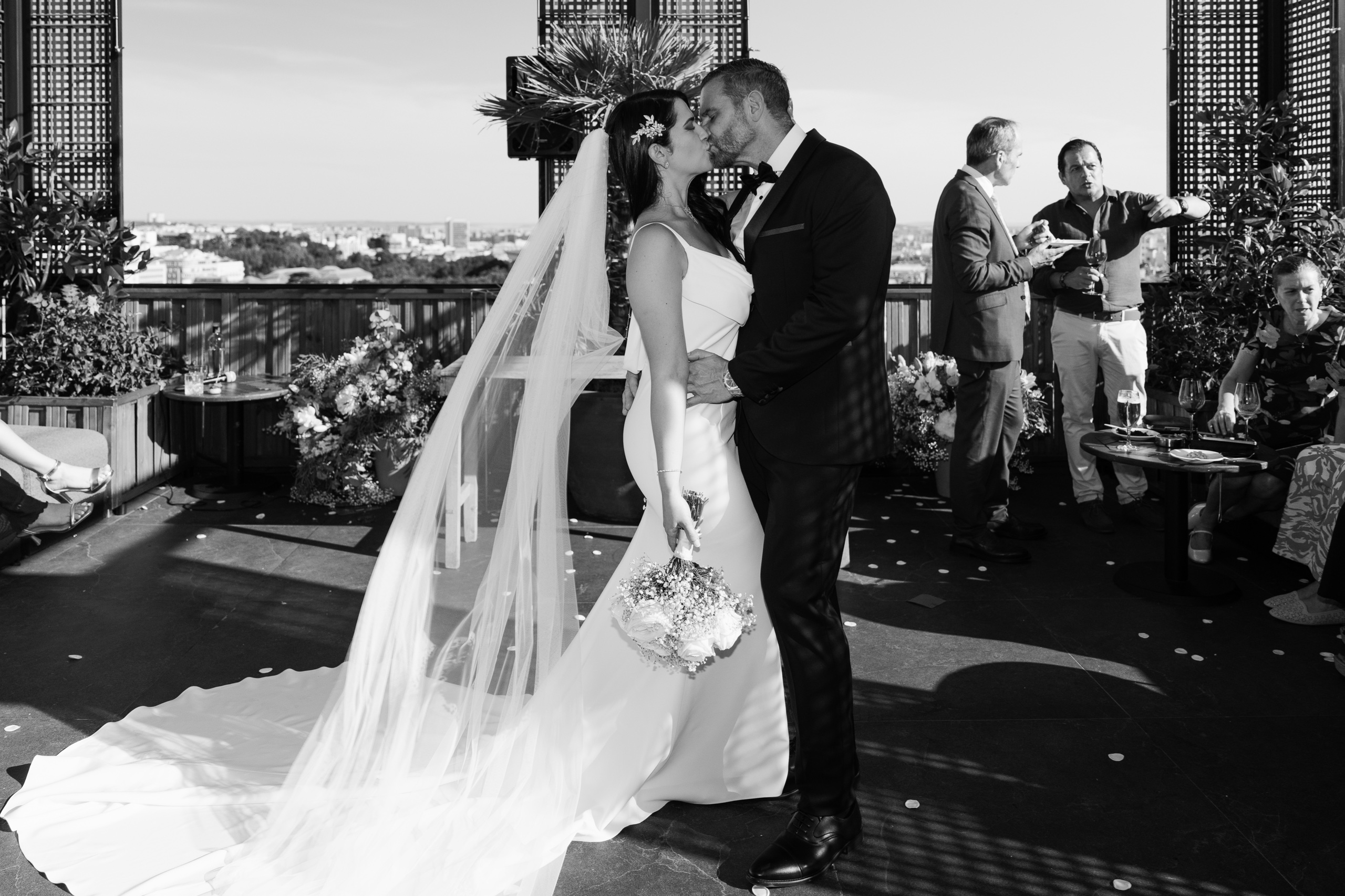
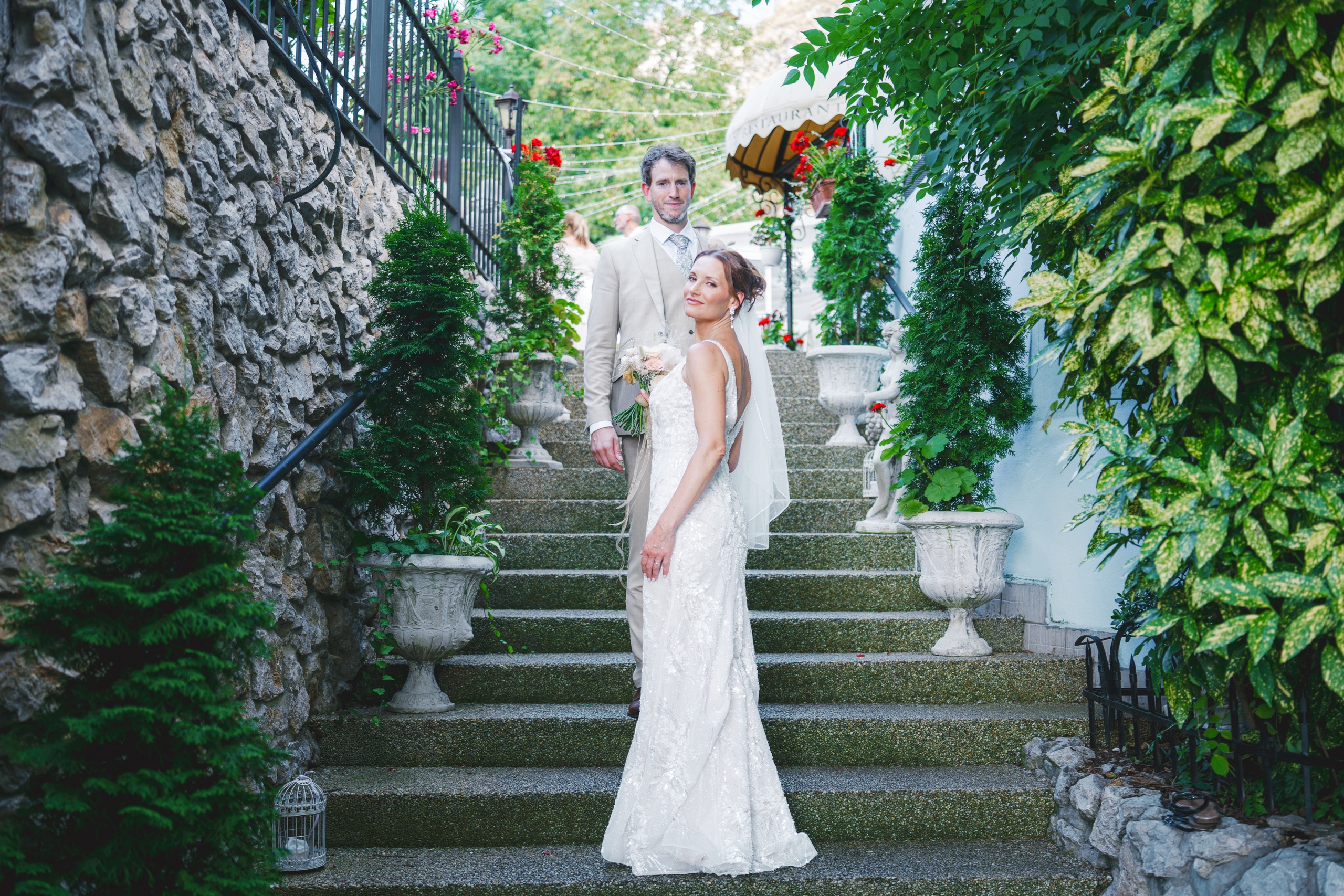
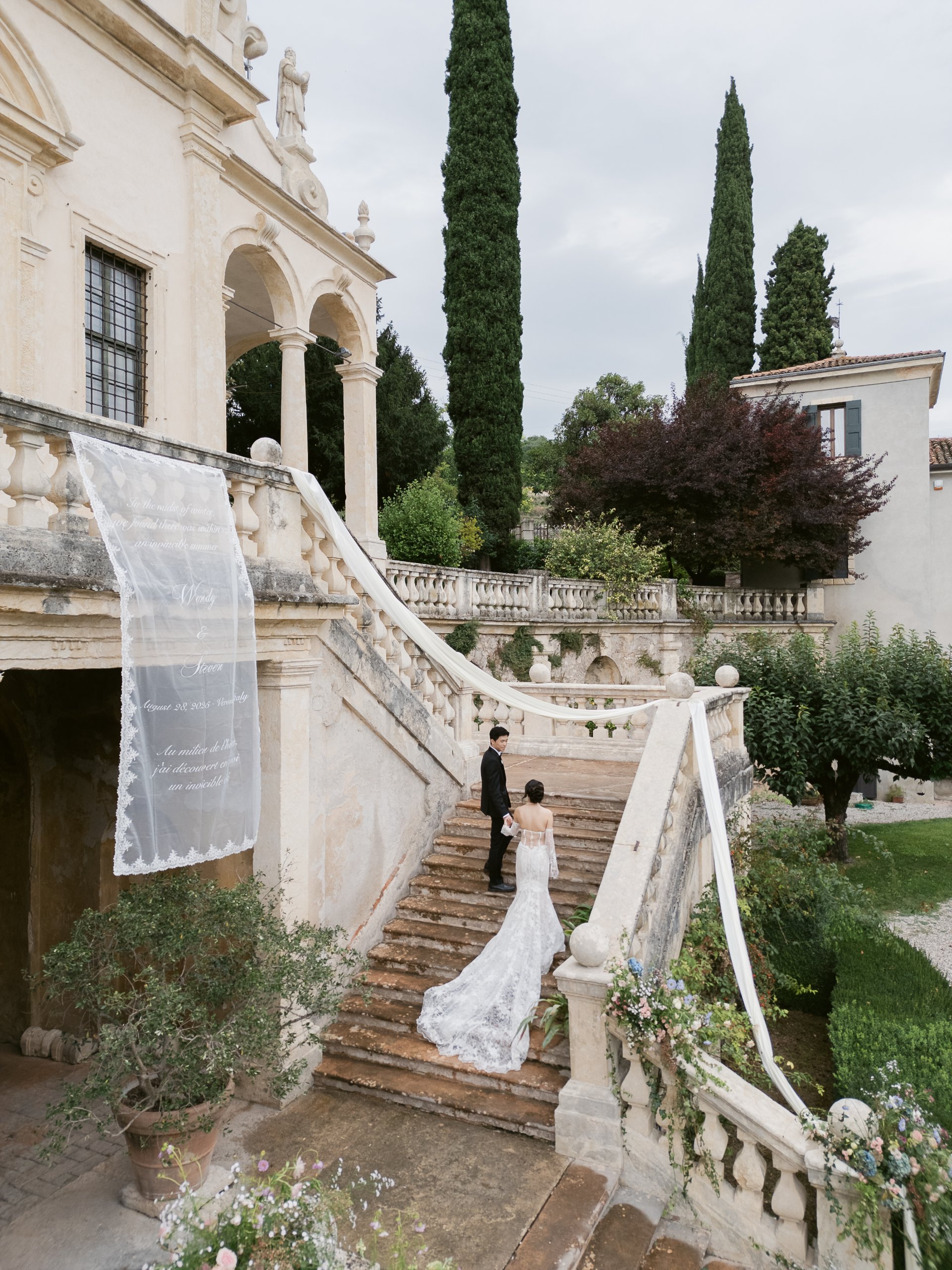
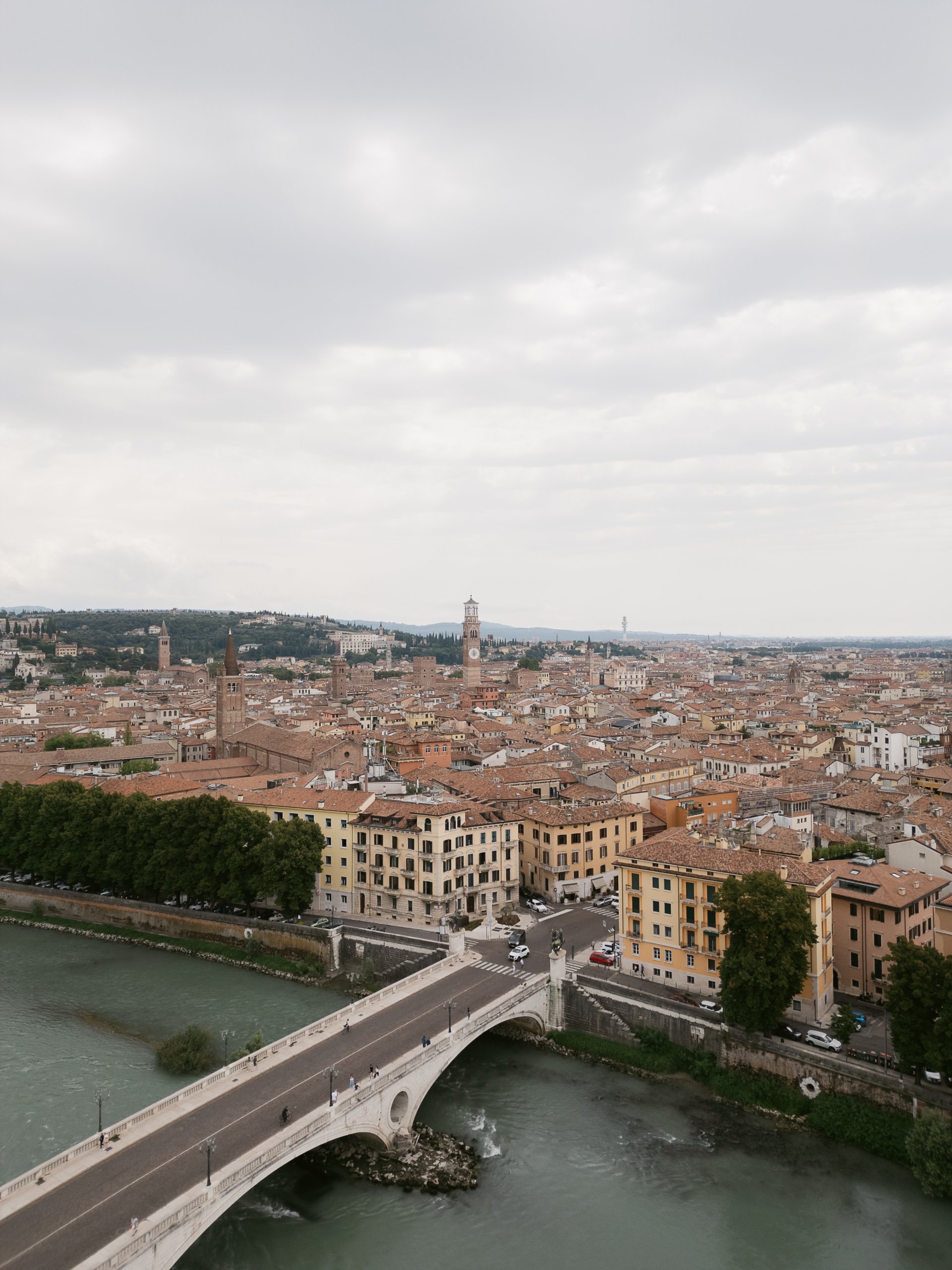
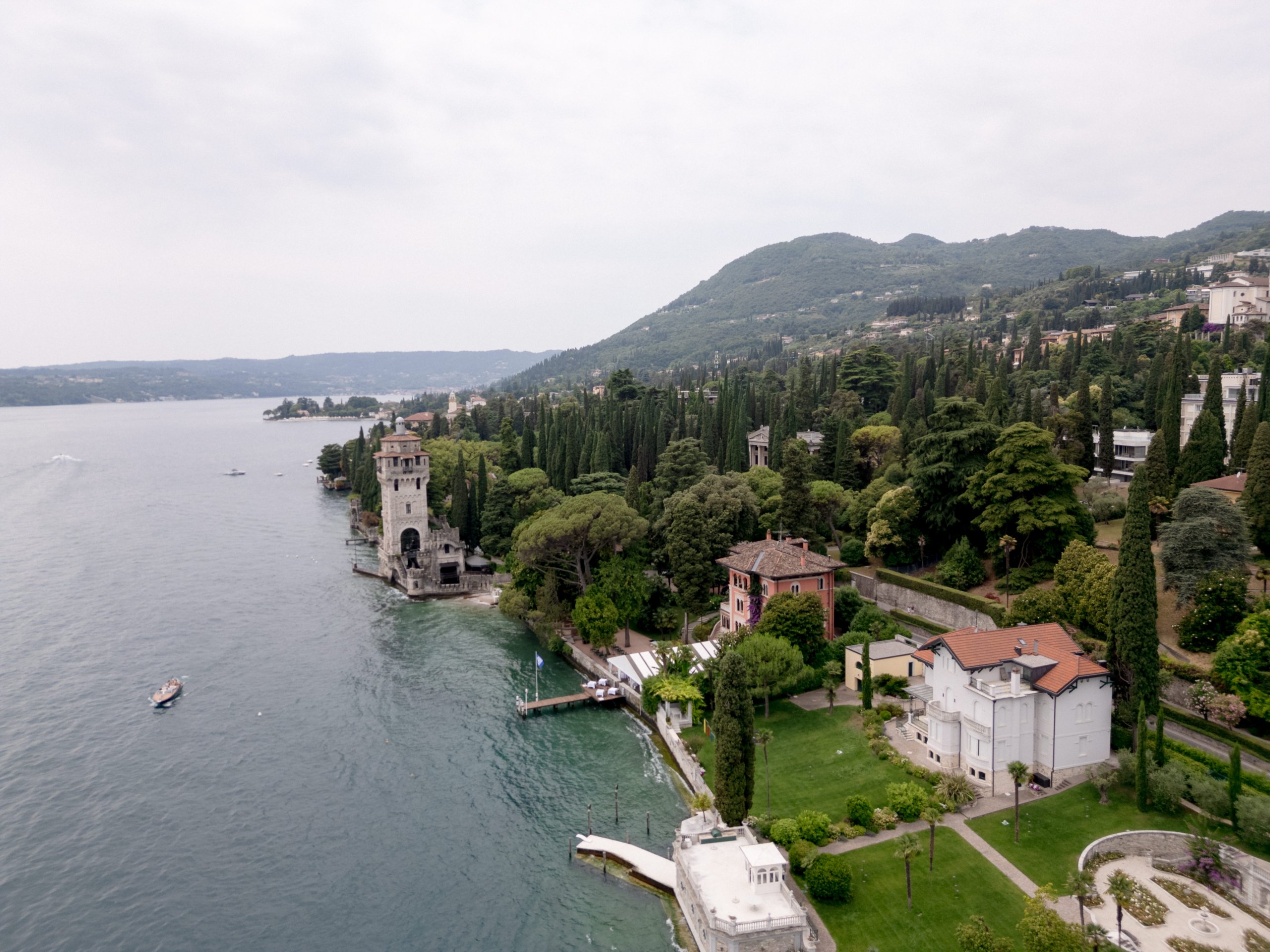
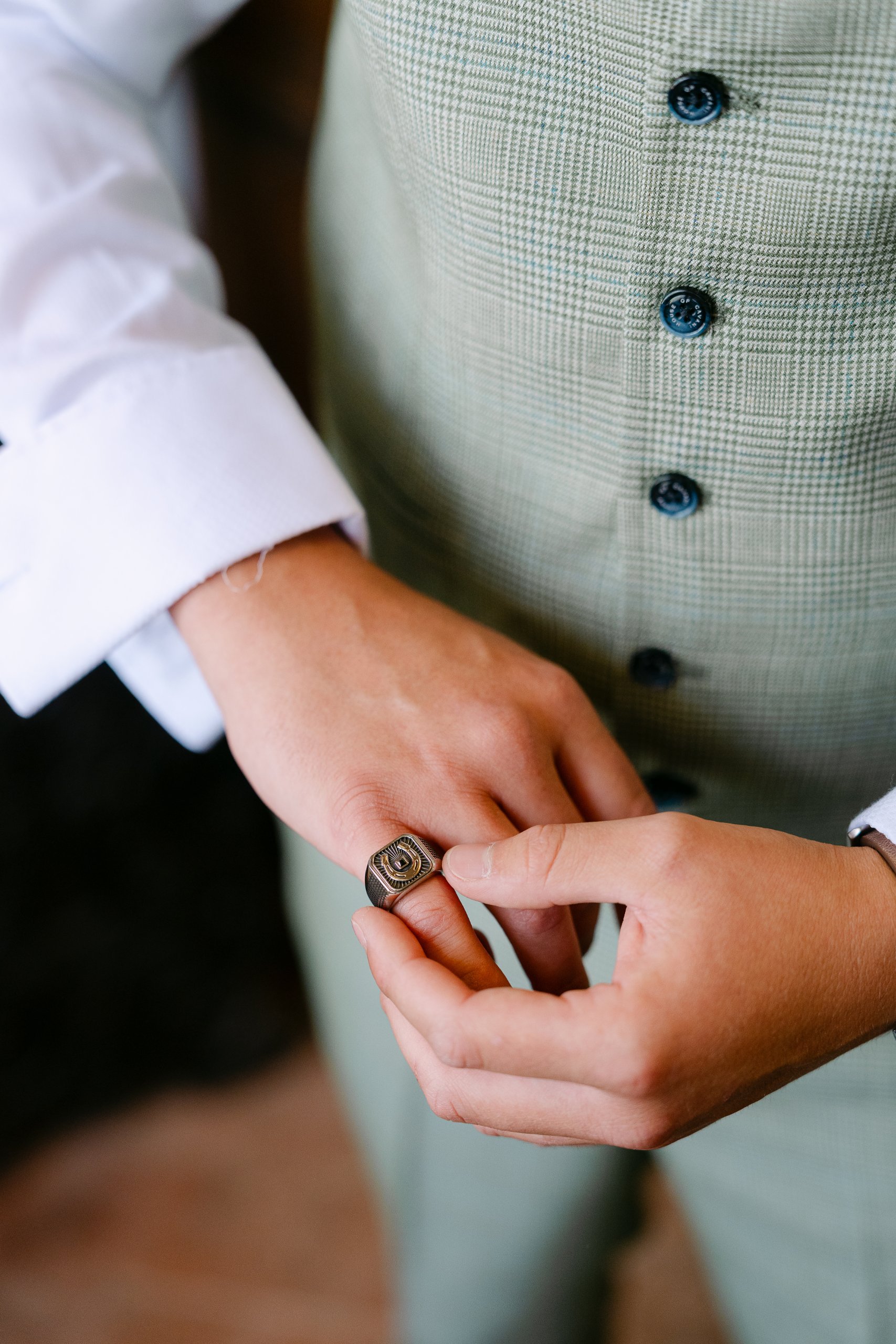
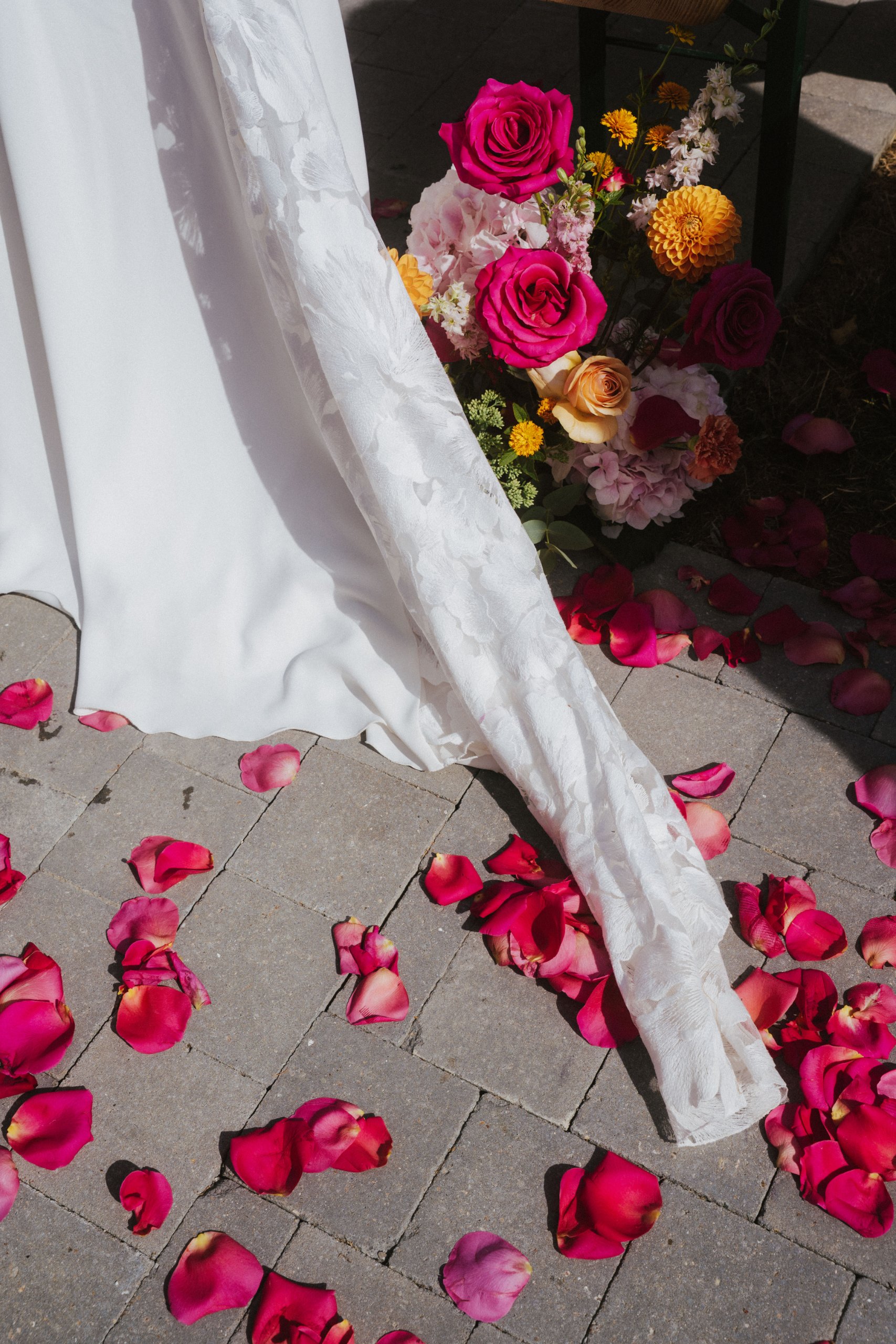
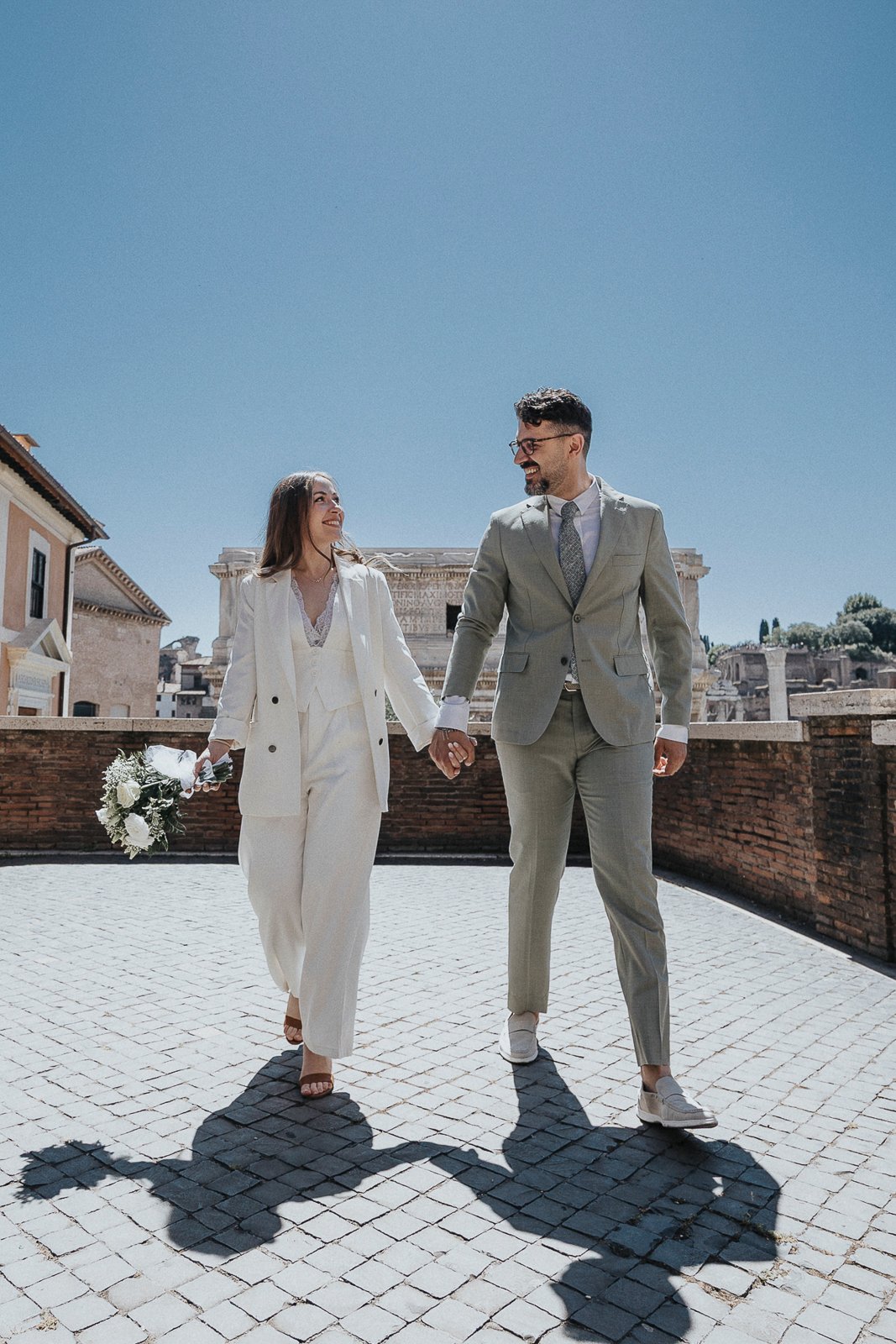
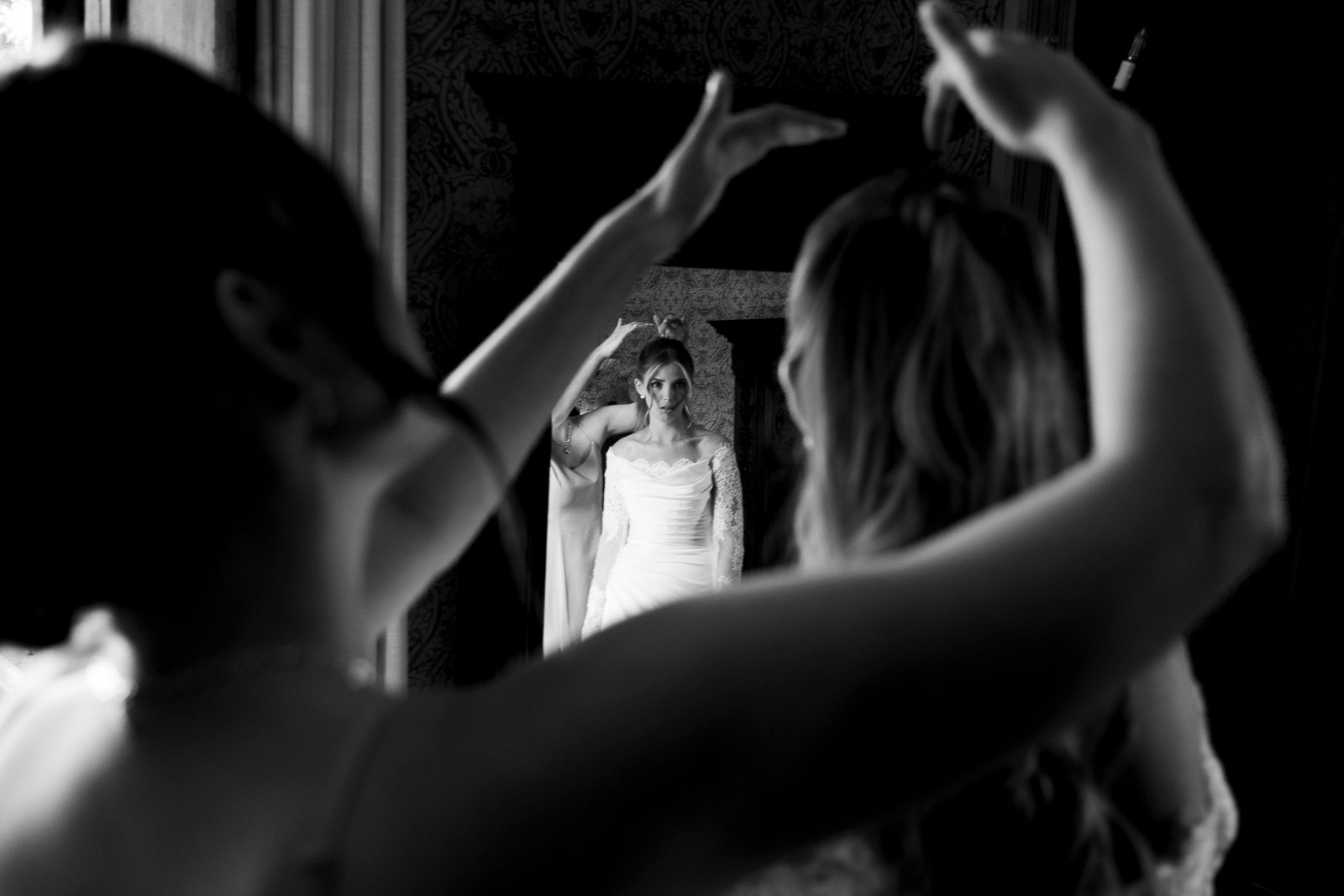
They shoot everywhere in Valencia & on the Costa Blanca — in Alicante too. Their whole weddings are on their pages.
See all 7 photographers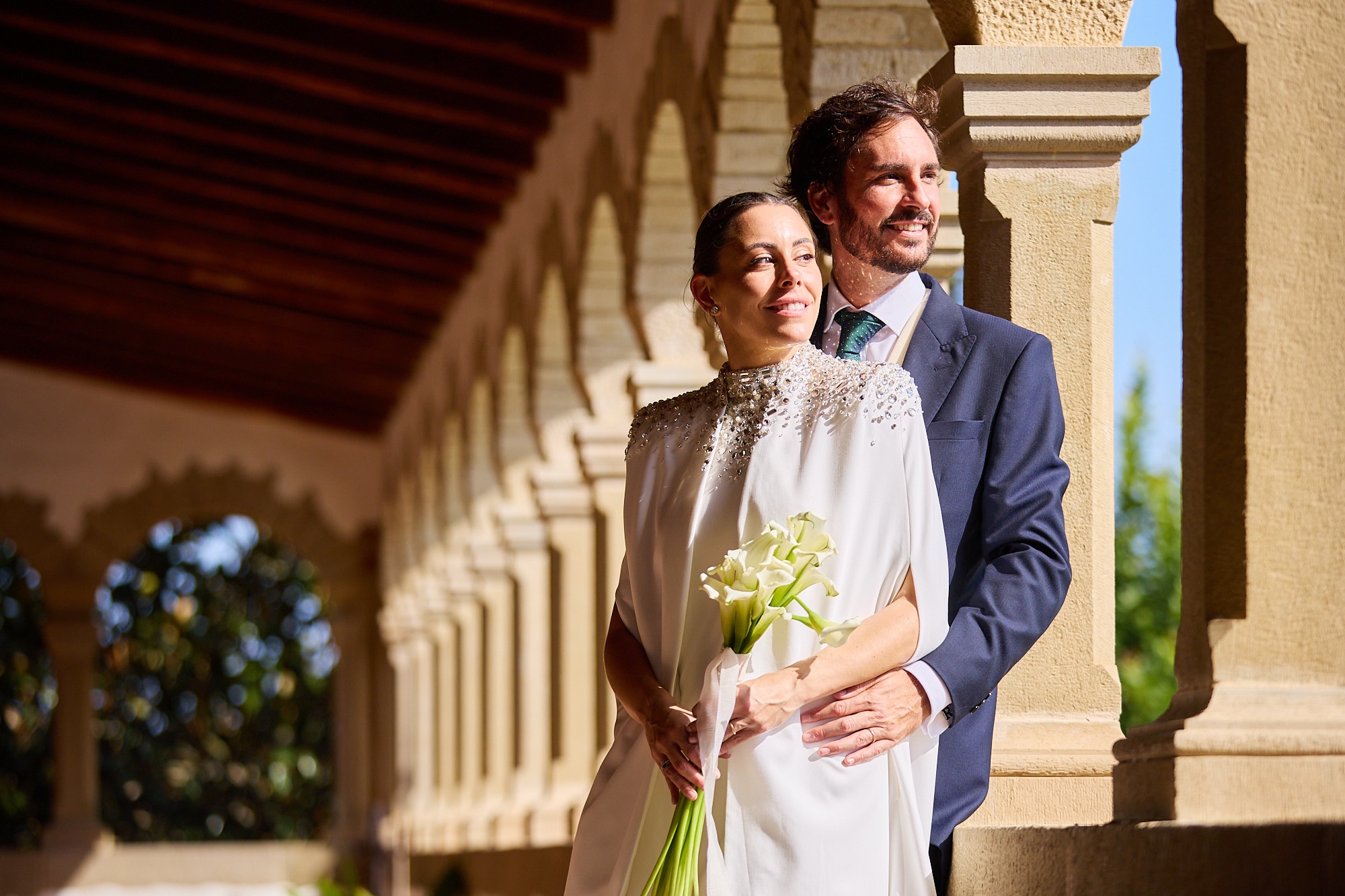

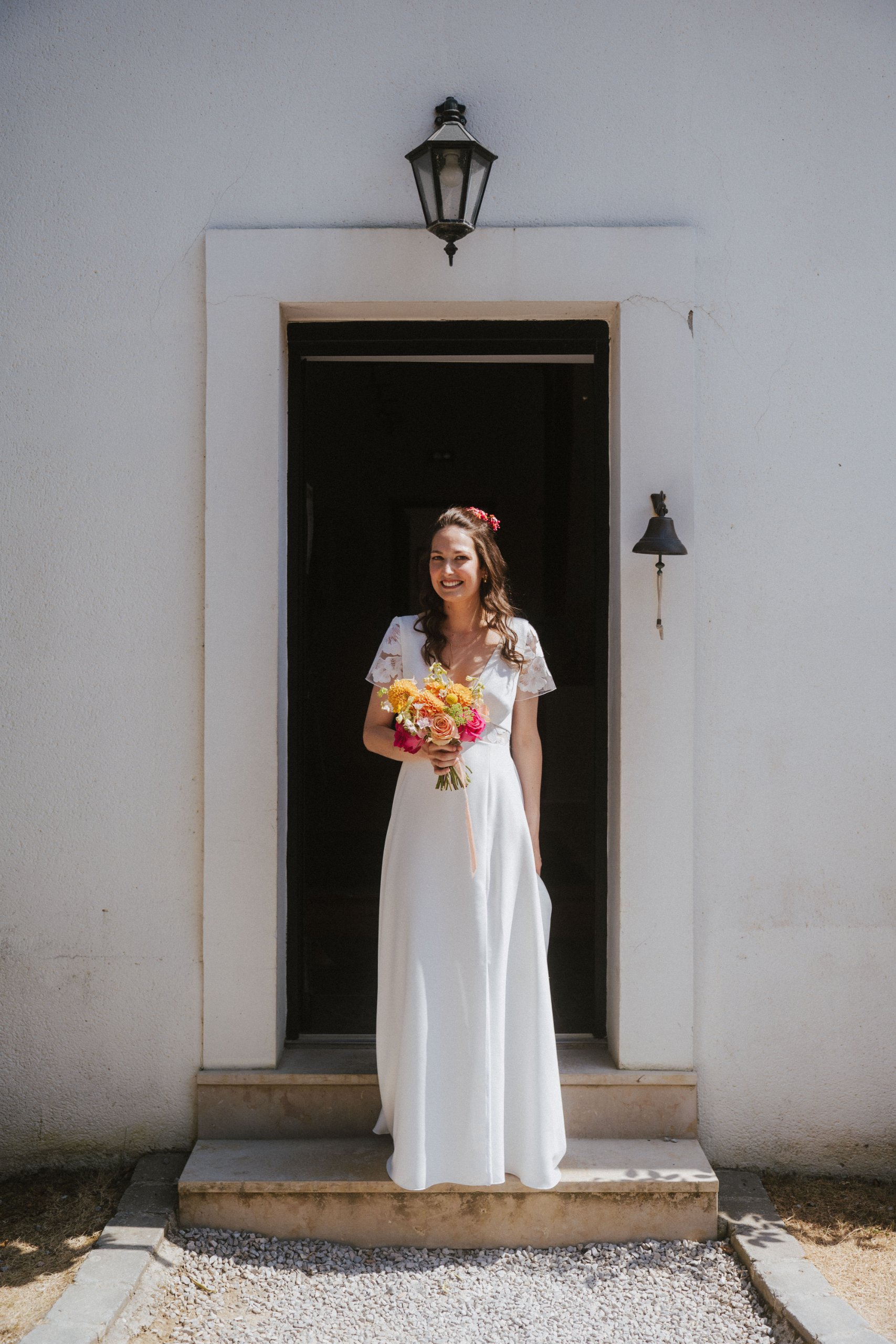

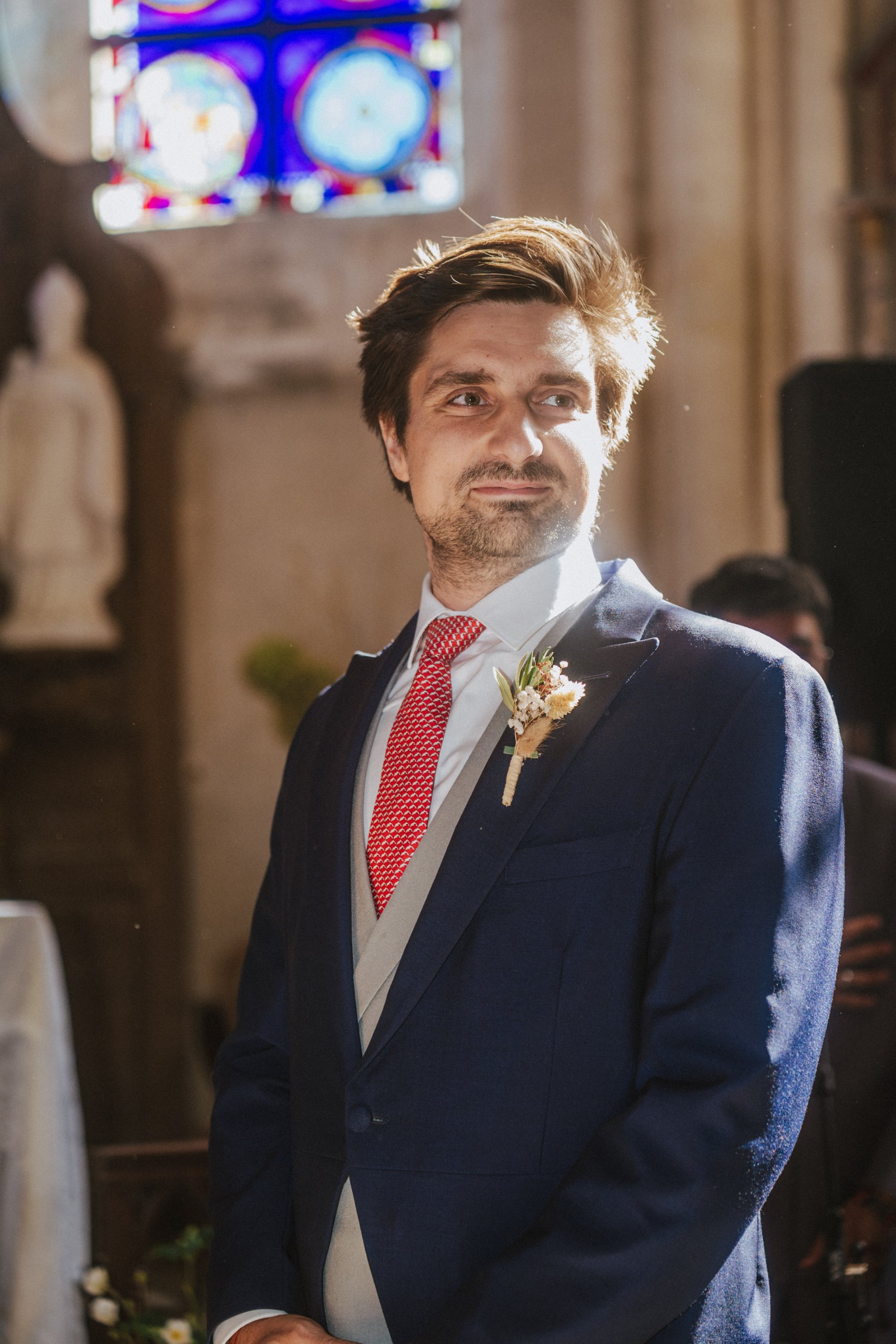
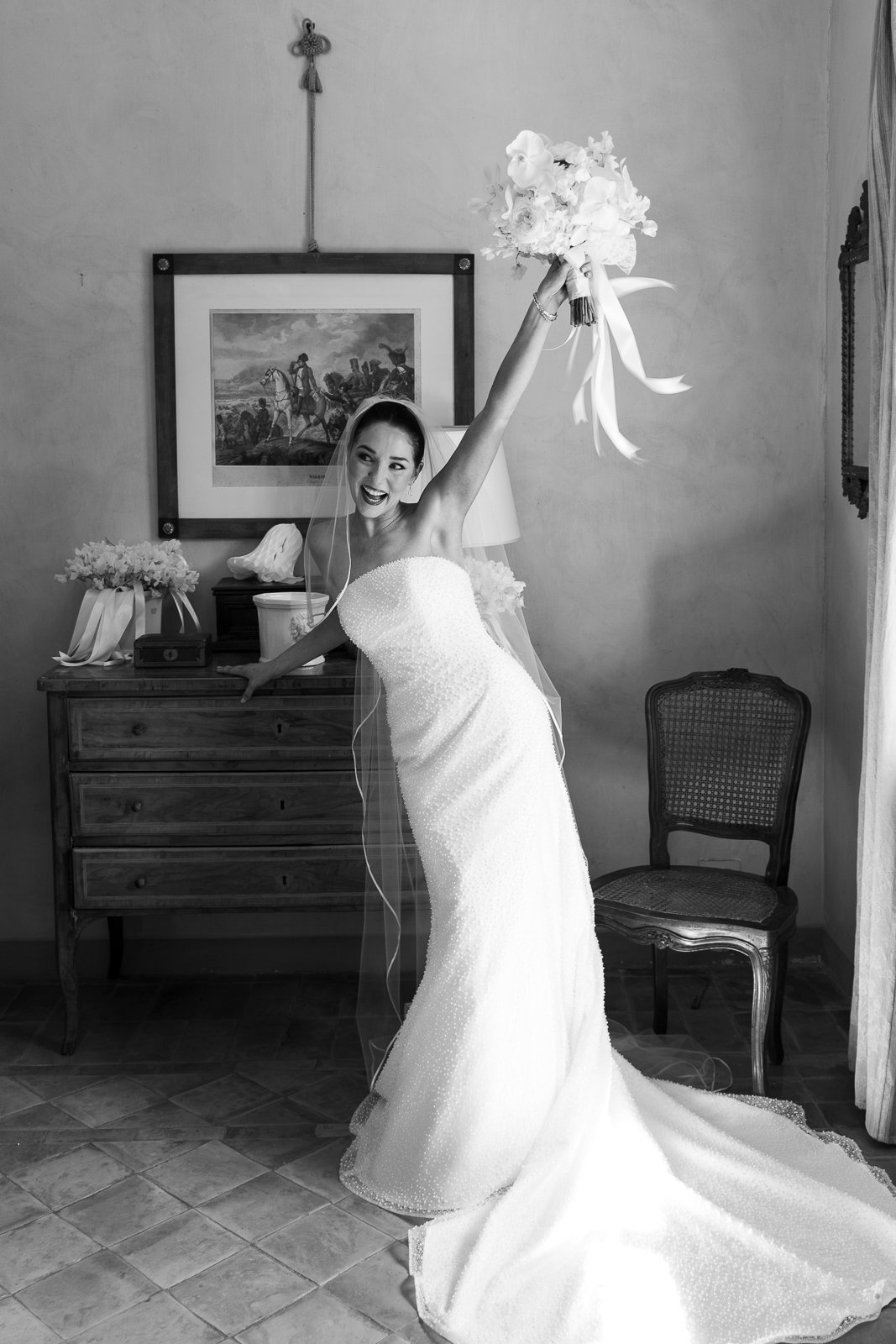
Booking through Lens & Vows
Ceremonies
The town hall is an 18th-century Baroque palace, begun from a project of 1699 and finished around 1780. Its blue room was Isabel II’s chamber on her visit of 1858 and holds a side chapel with an Immaculate Conception by Lucas Espinós. Civil ceremonies are held here on Saturdays: mornings at 11:30, 12:00, 12:30 and 13:00, and afternoon turns the city has listed at 18:00 to 19:30. A turn lasts at most 30 minutes, photographs included. The room takes 56 people, the Galería de los Alcaldes next door 34 and the first-floor landing 50.
The city lets the Salón Felipe II and the Patio de Armas for private events through its tourism board, on a request at least 45 days ahead. Its page warns of important limits from the opening hours and the kinds of event allowed: the example it gives is a congress’s gala dinner, and celebrations that could harm the monument are refused. We found nothing that says weddings are or aren’t accepted, so ask before you plan on it.
Two churches in the old town: the Basilica of Santa María, the oldest in the city, raised on a mosque after the conquest, and the Co-cathedral of San Nicolás, from the 17th and 18th centuries, known for its Baroque Chapel of the Communion. Neither publishes wedding rules, so write to the parish first. A Catholic wedding is the route that doesn’t need one of you to live in Spain; our legal guide has the paperwork.
Couples who both live abroad usually marry legally at home and hold the ceremony here, at a hotel, on a terrace or at a house out of town. A set-up on the sand is different: every beach is public coast, permits come from the State’s Costas office in Alicante, on Plaza de la Montañeta, and the city is consulted too.
Portraits
From the upper enclosure the whole bay opens: the port, Postiguet beach and the coast running north. The castle closes at 20:00 for most of the warm season, and only from 17 June to 4 September does it stay open to 23:00, so sunset here is a summer plan: 21:27 on 15 June 2027 (after closing), 20:11 on 15 September (also after closing). We found no rule on professional shoots: ask the castle.
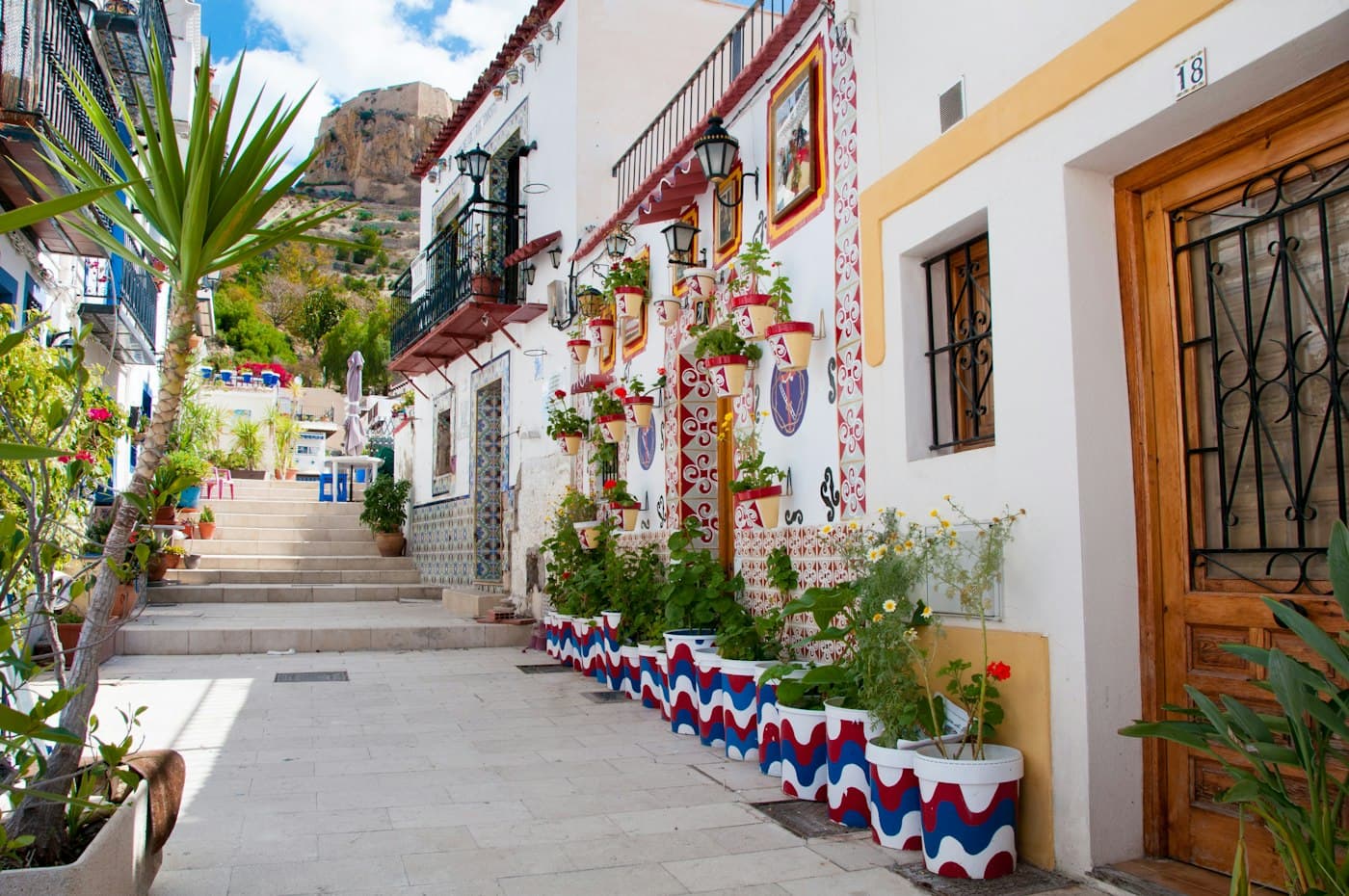
The old quarter on the slope of Benacantil, reached only on foot: narrow, steep lanes, whitewashed houses, pots of flowers on the walls. At the top, the Mirador de Santa Cruz stands beside the hermitage and looks over the old town, the port and the sea. The tourist board picks it for sunset; the sun goes down inland, behind you as you face the sea.
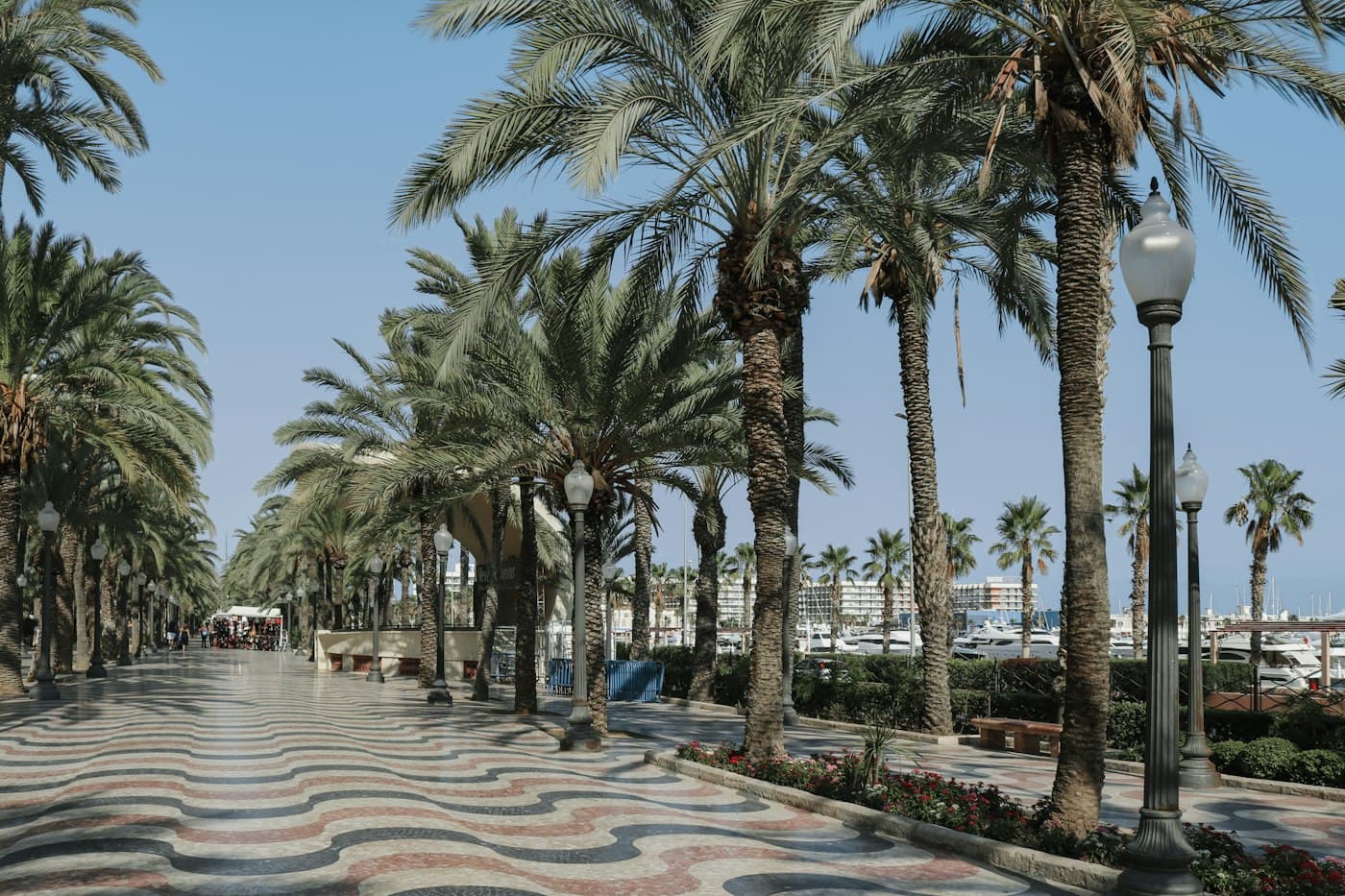
The promenade from the Puerta del Mar to the Parque de Canalejas, under rows of palms and beside the port, paved in about 7.5 million marble tesserae of red, ivory and black in long waves. It took its present form in the 1950s. It’s the classic Alicante picture and busy through the day, so go early.
The city’s beach, directly under the castle, looks out over the sea towards the morning: on 15 June 2027 the sun comes up at 06:38, on 15 September at 07:43. Ask the Costas office whether a professional session on the sand needs its permit. From 25 to 29 June the fireworks contest takes over this stretch.
The only inhabited island in the Valencian Community lies 11 nautical miles off the city, about an hour by boat from Alicante’s port, with more or fewer sailings depending on the season. Its waters are a marine reserve. It works best as a calm day with the two of you, not as part of the wedding’s timing.
Through the year
AEMET’s Alicante station (8025, 1981–2010 normals) records 311 mm of rain a year. May averages highs of 24.1 °C and rain on about four days; June 27.8 °C and about two days. July and August reach 30–31 °C. September is warm at 28.5 °C but has the most rain of the year, 56 mm on about three days, and the most thunderstorm days: rain here comes in short, heavy bursts, so keep a covered plan into October. On 15 June 2027 the sun sets at 21:27, with golden light from 20:48 to 21:47 (NOAA’s solar equations); on 15 September at 20:11. The city’s great festival, the Hogueras de San Juan, runs from 20 to 24 June, with daily firecrackers at 14:00 in Plaza de los Luceros and the bonfires burned on the night of the 24th: the town hall holds no weddings then and the castle closes on the 24th.
Valencia & the Costa Blanca, month by month
Practical
Alicante-Elche airport’s C-6 bus runs every day of the year to the railway station, Plaza de los Luceros and Plaza Puerta del Mar. High-speed trains come from Madrid (AVE, Avlo, Iryo and Ouigo all sell the route); the station is on Avenida de Salamanca.
Santa Cruz can only be walked. The castle has no parking for visitors: take the lift on Avenida Juan Bautista Lafora, opposite Postiguet (€2.70 in 2026, last one up 40 minutes before closing), or the shuttle from Plaza Puerta del Mar every 40 minutes. The lift goes up through the rock from a 205-metre tunnel. The castle can close for strong wind or a weather alert, so check that morning.
The city and any beach with facilities count as urban areas under Real Decreto 517/2024: a registered operator must notify the Interior Ministry at least five days before a flight. Check the airport’s zone as well before you fly along the coast to the south.
The town hall only celebrates the ceremony. First comes the marriage file, opened with a notary or the Civil Registry where one of you is registered as a resident in Spain. Allow plenty of time for the file, and ask the town hall how far ahead it needs the authorisation before the day. Bring two adult witnesses. Couples who both live abroad usually marry at home first.
Questions
Only if one of you lives in Spain: the marriage file has to be opened where one of you is registered as a resident, and the Salón Azul’s ceremony comes after it. Couples who both live abroad usually marry at home and hold a symbolic ceremony here, or look at the Catholic route.
The calendar for each year opens on the first working day of the previous October, at bodas.alicante.es; you can reserve before starting the marriage file. The published procedure names no fee: confirm with the mayor’s office at bodas@alicante.es.
The castle’s Salón Felipe II and Patio de Armas can be requested for private events at least 45 days ahead, but the city warns of important limits and the example it gives is a gala dinner, not a wedding. Ask the Patronato de Turismo before you plan around it.
May and June are warm with little rain, 24–28 °C at AEMET’s station; avoid 20 to 24 June, when the Hogueras fill the city. September is warm too but has the most rain of the year, in short storms, and July and August reach 30–31 °C.
Half an hour at most, for the ceremony and the photographs together, because the next couple follows. Plan the longer portraits for after you leave: Santa Cruz and the Explanada are a short walk away.
Yes: same-sex couples have been able to marry anywhere in Spain since 3 July 2005, on the same terms as any other couple, including the residence rule for a civil wedding.
Valencia & the Costa Blanca
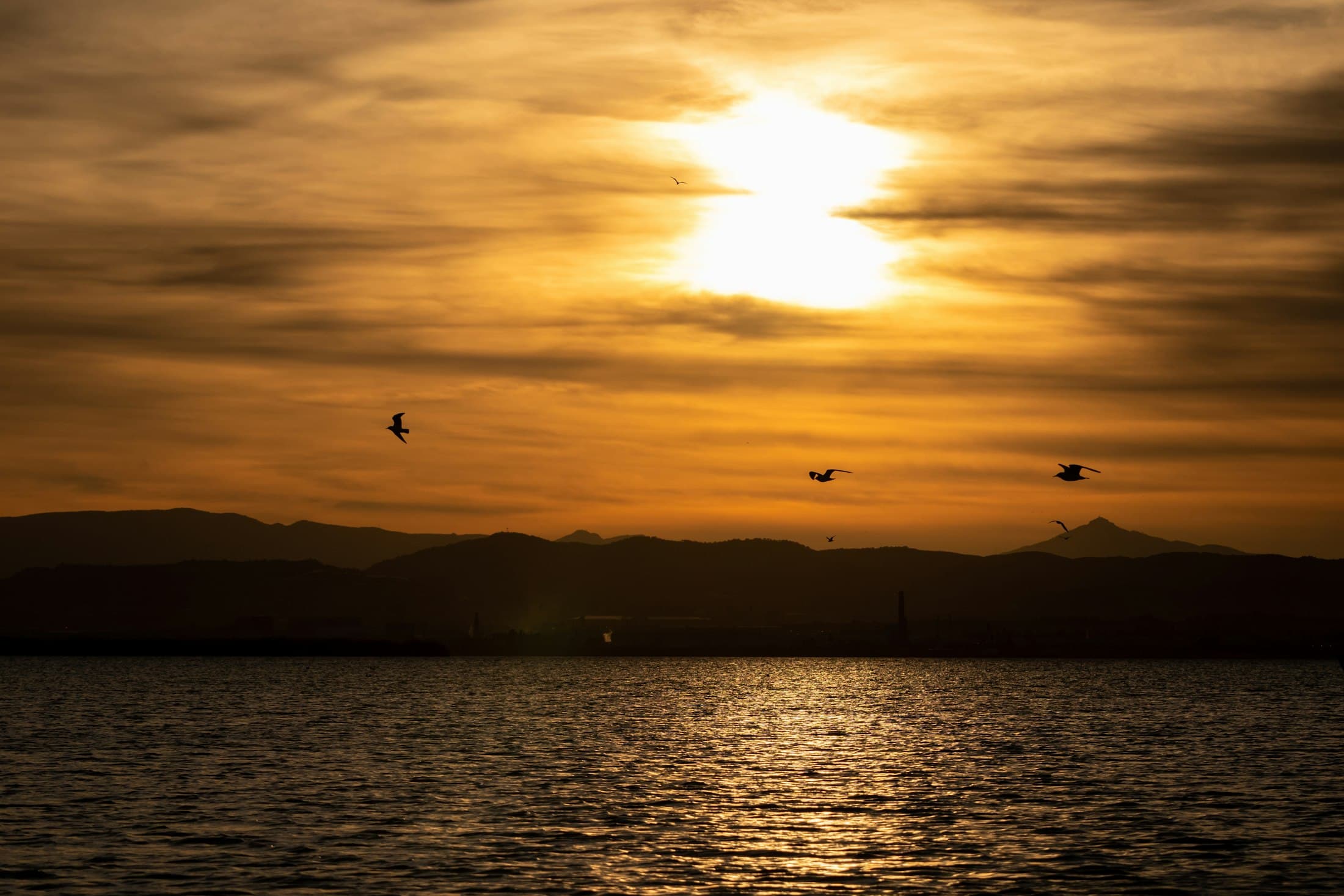 Valencia & the Costa BlancaThe whole region: when to marry, the kinds of places, the light, getting there.
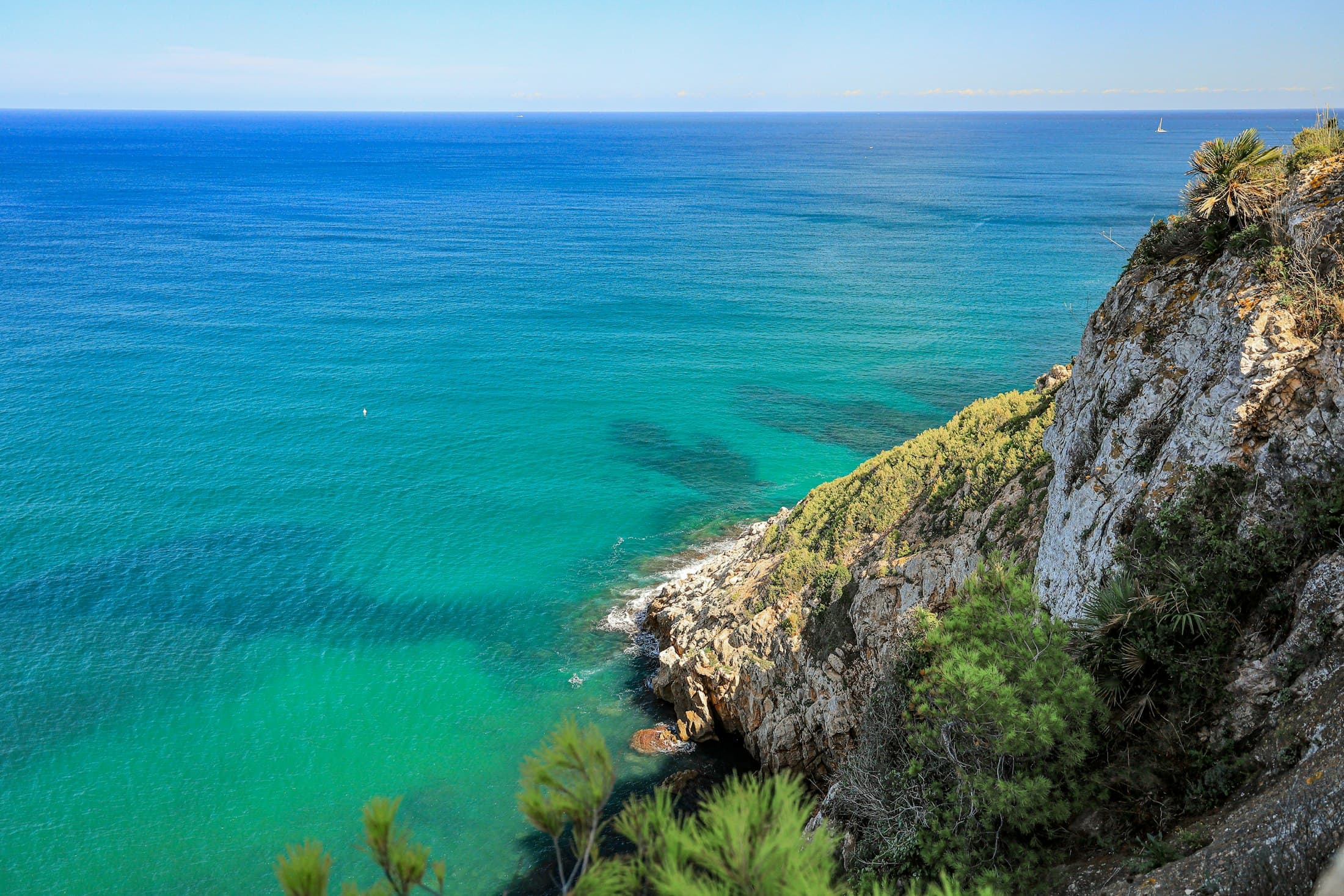 DéniaA harbour town under its castle and the Montgó, with a town hall that will marry you on the castle’s esplanade, in a hotel or in its council chamber, and a rocky shore that takes the dawn.
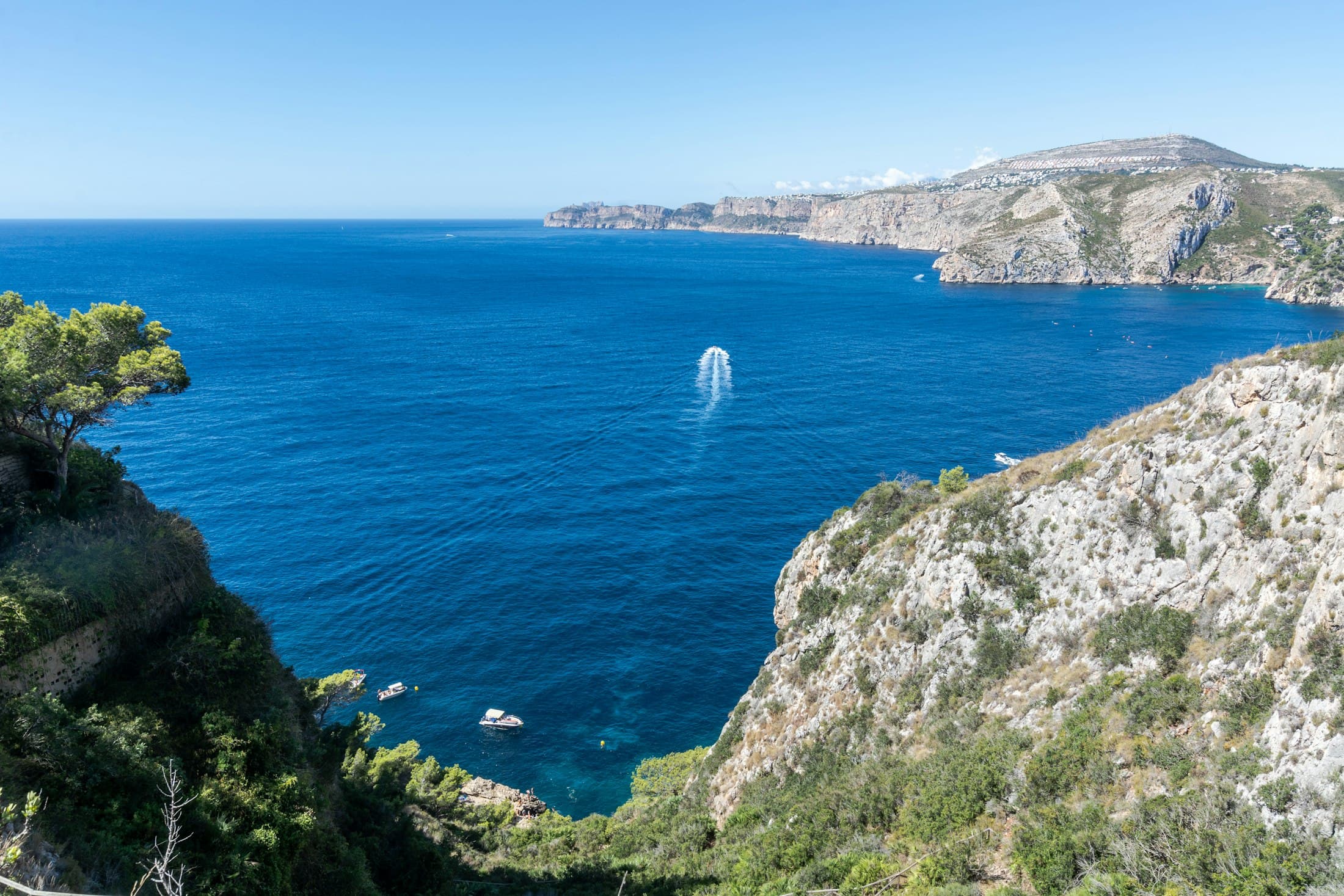 JáveaA bay between two capes at the easternmost point of the Valencian coast, with a small Gothic chapel for a civil wedding and fifteen viewpoints over the water for the photographs.
Plan
Not sure yet?
The place, the date, the guests, the photos you like. Our concierge checks who is free and fits, and comes back with photographers to choose from.