Getting married in Wales
The mountains of Eryri and the castles of the north, the tidal island of St Dwynwen, the Welsh saint of lovers, and in the south-west the cliffs and coves of Pembrokeshire and Gower.
Wales fits a great deal into a small country. In the north, Eryri — Snowdonia — is the largest of its national parks, with Yr Wyddfa, at 1,085 m the highest summit in Wales and England, above the lakes of Llanberis and the slate quarries of a World Heritage landscape; along the coast stand the castles Edward I built at Conwy, Caernarfon, Harlech and Beaumaris, another World Heritage Site. On Anglesey, Ynys Llanddwyn keeps the ruins of the church of St Dwynwen, the Welsh patron saint of lovers. In the south-west, the Pembrokeshire Coast National Park follows 300 km of path past cliffs and sandy coves to St Davids, Britain’s smallest city, and further east the Gower peninsula, by Swansea, became the UK’s first Area of Outstanding Natural Beauty in 1956.
Couples marry in castles and country houses — Cardiff Castle, or Plas Mawr, an Elizabethan town house in Conwy — in chapels and in the Italianate village of Portmeirion, or elope to a mountain lake or a beach; a civil ceremony can be held in Welsh, as long as your witnesses understand it. The law is the same as in England: a week’s stay before the notice, 28 days after it and a register office, an approved venue or a place of worship — outdoors only in a venue’s own grounds — and most couples from abroad also need a Marriage Visitor visa. So many marry at home and make their vows here.
Through the year
When to marry in Wales
May to August are the easiest months. On the Anglesey coast at Valley, May is the sunniest month of the year, with seven and a half hours of sun a day, and May and June have the fewest wet days, about nine; July and August are the warmest, with highs near 19 °C — about the same in Pembrokeshire, nearer 22 °C in Cardiff. The mountains are another country: at Capel Curig, in the heart of Eryri, rain falls on 14 to 17 days a month even in summer, and about 2,700 mm in a year, three times as much as on the Anglesey coast — so plan a mountain elopement with a flexible hour and a dry fallback. On the coast the wind is the other question, at its strongest from November to February. April and September suit quieter days, with highs of about 12 and 17 °C.
- January: Quieter
- February: Quieter
- March: Quieter
- April: Good with planning
- May: Best
- June: Best
- July: Best
- August: Best
- September: Good with planning
- October: Quieter
- November: Quieter
- December: Quieter
- SpringThe days stretch out fast — by mid-May the sun sets at about ten past nine on Anglesey — and May is the sunniest month on the coast. Seabirds nest on the cliffs from March to July, when the Pembrokeshire Coast National Park asks drone pilots to keep their distance. The air is still fresh, with highs of 12 to 15 °C.
- SummerThe warmest and longest days: at midsummer the sun sets at about ten to ten on Anglesey, the sky stays light until about twenty to eleven, and from mid-May to late July it never gets fully dark. It is also the busiest season on the Yr Wyddfa paths, on the beaches and on the roads between them; the mountain railway runs to the summit from May into October. Keep an early-morning or late-evening slot for the popular places, and a covered plan for the mountains.
- Autumn and winterSeptember is often still mild, around 17 °C, and quieter; from October the wind and rain pick up, and the coast is at its windiest from November to February. From August to the end of November seals pup on the Pembrokeshire shore, so keep drones and people well back from the coves where they lie. Winter days are short — about seven and a half hours at midwinter — but a castle hall or a chapel suits a winter wedding, and 25 January, St Dwynwen’s Day, is the Welsh day for lovers.
In numbers
- UNESCO World Heritage
Weather station: Valley, normals 1991–2020 · Checked 26 October 2026
Places
Where couples marry here
The kinds of places — ask your photographer which ones they know well.
Eryri and Yr Wyddfa
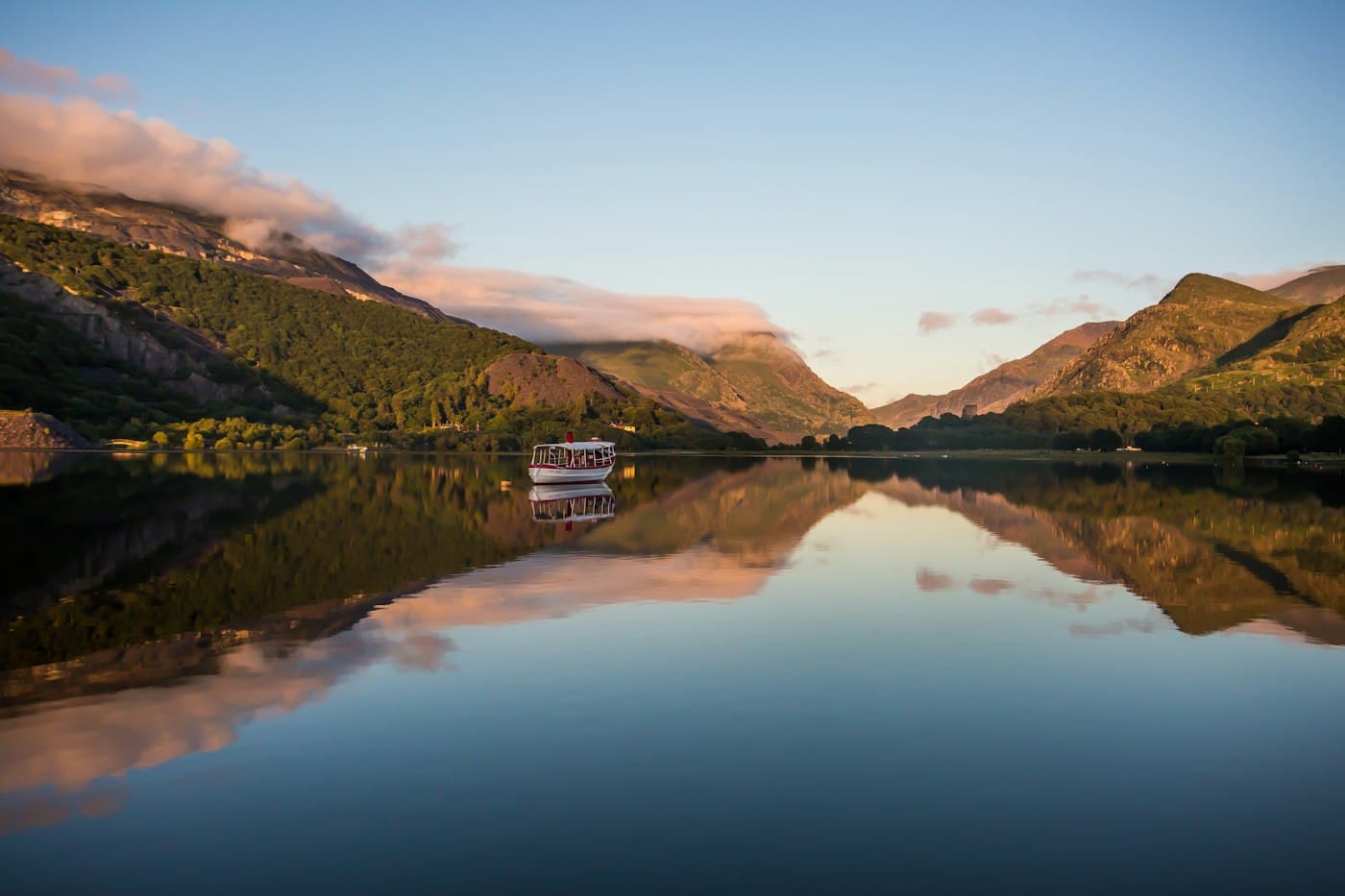
Lakes below mountains — Llyn Padarn at Llanberis, with the round tower of Dolbadarn Castle and the terraces of the Dinorwig slate quarry, the Llanberis Pass, Llyn Idwal under the Glyderau — and Yr Wyddfa itself, climbed by more than 600,000 walkers a year or reached by the mountain railway from Llanberis. The National Park uses the Welsh names Eryri and Yr Wyddfa in English as in Welsh. Most of it is private land: a professional shoot needs the landowner’s permission, the Authority’s on its own land, the summit included, and the National Trust’s in the Ogwen valley, the Carneddau and the Glyderau, Tryfan included — and so does a drone.
The castles of the north
Conwy, Caernarfon, Harlech and Beaumaris — the castles and town walls of Edward I, a World Heritage Site in the care of Cadw. Cadw holds no religious ceremonies at its sites, but a few are licensed for civil ones, among them Plas Mawr in Conwy. At the castles it offers couples a photography slot: up to 15 people with the couple and the photographer, 90 minutes within opening hours, paid a month ahead and not refundable. For any other professional photography ask Cadw at least 15 days before; recreational drones may not take off or land on its sites.
Anglesey and Ynys Llanddwyn
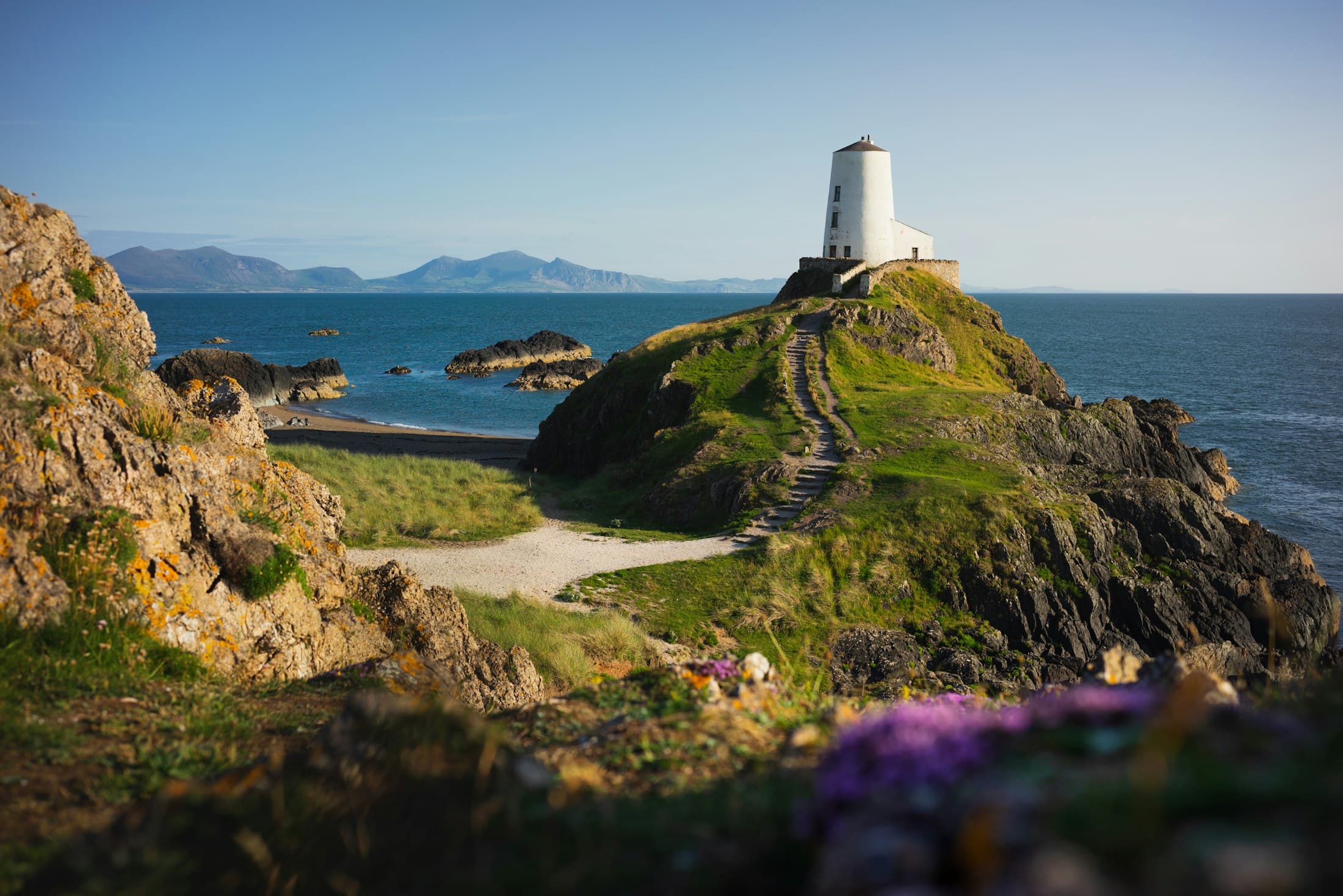
A walk along the beach from Newborough Forest, Ynys Llanddwyn is cut off only by the highest tides — check the tide times before you go. Its lighthouse, Tŵr Mawr, and the ruins of St Dwynwen’s church look across the water to the mountains, and on her day the Welsh exchange cards and gifts. The island and the forest are cared for by Natural Resources Wales: a professional photo shoot there needs its permission and a fee, asked for at least three weeks ahead, and any drone goes on the same application.
Pembrokeshire and Gower
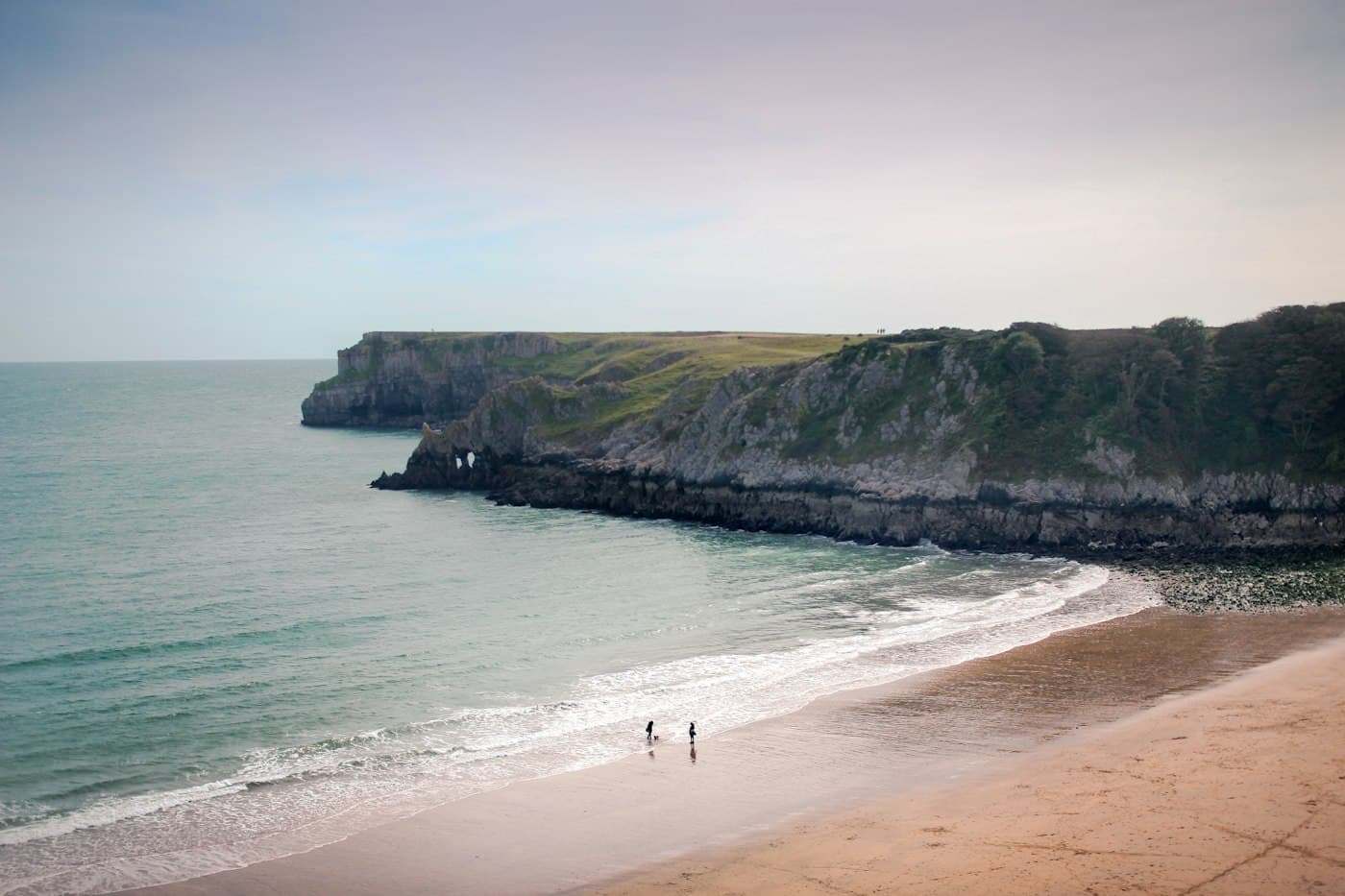
The Pembrokeshire Coast is the only UK national park designated above all for its coast, with 300 km of path past cliffs, coves and St Davids. Barafundle Bay, an 800 m walk from the National Trust car park at Stackpole Quay, has no road and no lifeguards; St Govan’s Chapel, wedged into the cliffs, lies on the Castlemartin firing range, whose road closes on firing days. Further east, Gower has the open common of Cefn Bryn and Rhossili Bay, where Worm’s Head can be reached on foot only about two hours either side of low tide. On National Trust land, as at Barafundle and Rhossili, a professional shoot is agreed with the property in advance, with any fee, and drones need its permission; elsewhere on the coast, ask the landowner.
Light
How the light falls
Wales lies well west of London on the same clock, so its summer evenings are long: on Ynys Llanddwyn the midsummer sun sets at about ten to ten, out in the north-west, the sky stays light until about twenty to eleven, and from mid-May to late July it never gets fully dark. Further south it sets a little earlier — about a quarter to ten at St Davids, twenty-five to ten in Cardiff. At midwinter the day runs from about half past eight to four on Anglesey, the sun never more than 13 to 15 degrees high, so the low light lasts all day. Clouds come and go off the Atlantic and the light on the mountains changes by the minute: a lake that is grey and flat one moment can shine the next, so keep the camera close.
Travel
Getting there
For the north, Manchester and Liverpool airports are each about 145 to 155 km from Llanberis, some two hours by road, and ferries from Dublin land at Holyhead on Anglesey, about 50 km away. For the south, Cardiff Airport is about 20 km from Cardiff Castle and 180 km — two and a half hours — from St Davids; fast trains from London Paddington reach Cardiff in under two hours, and ferries from Rosslare in Ireland sail to Fishguard and Pembroke Dock. North to south is a long drive: Llanberis to St Davids is about 240 km, nearly four hours. Drones: a Flyer ID for any drone of 100 g or more, an Operator ID from 250 g, or from 100 g with a camera; fly below 120 m and at least 50 m from people. Before a day in the mountains, read the Met Office’s Snowdonia mountain forecast as well as its warnings.
Photographers
Photographers in Wales
No one in Wales yet
The first photographers in Wales are joining now. Tell our concierge your date and your plans — it checks who is free and fits.
Plan
Read before you plan
- Getting married in the UK as foreigners: the visa, Scotland, England and WalesHow couples who don’t live in the UK marry there legally: the Marriage Visitor visa (an ETA isn’t enough), Scotland’s notice by post and outdoor weddings, England and Wales’s week of residence and 28 days, Northern Ireland, documents, costs, and registering the marriage back home.
- How to choose a wedding photographer: the steps, and the questions to askThe decision in order — whole weddings, style, availability, the package, the contract and deposit, cancellation, delivery and a conversation — then a checklist of questions, with why each one matters.
- A wedding-day timeline for photosFrom getting ready to the last dance, planned around the light.
- Deposits and payment protectionWhat you pay when, and what happens if plans change.
- How to get married in the UK when you live here: notice, ceremony, church, and afterFor couples who live in the UK: giving notice in England and Wales, Scotland or Northern Ireland, what to bring and what it costs, a register office, an approved venue, a church or a humanist celebrant, and what changes after the day — certificate, surname, tax, will and leave.
- Which country for a destination wedding? The law, prices, crowds and light, comparedThe legal route for couples who don’t live there, season and crowds, price levels, light, flights, venues and permits for photographs — Portugal, Italy, Spain, Greece, France and Austria compared with official figures, as of October 2026.
- A rain plan that still looks goodCovered spots, umbrellas and what photographers do on grey days.
- Wedding photography contract checklist: what it should say, and how Lens & Vows handles each pointThirteen things a good contract covers — the day and the hours, what is delivered, deposit and balance, cancellation on either side, date changes, illness, image rights, personal data, backups, travel, overtime and complaints — and what our terms say about each.
United Kingdom
Other places
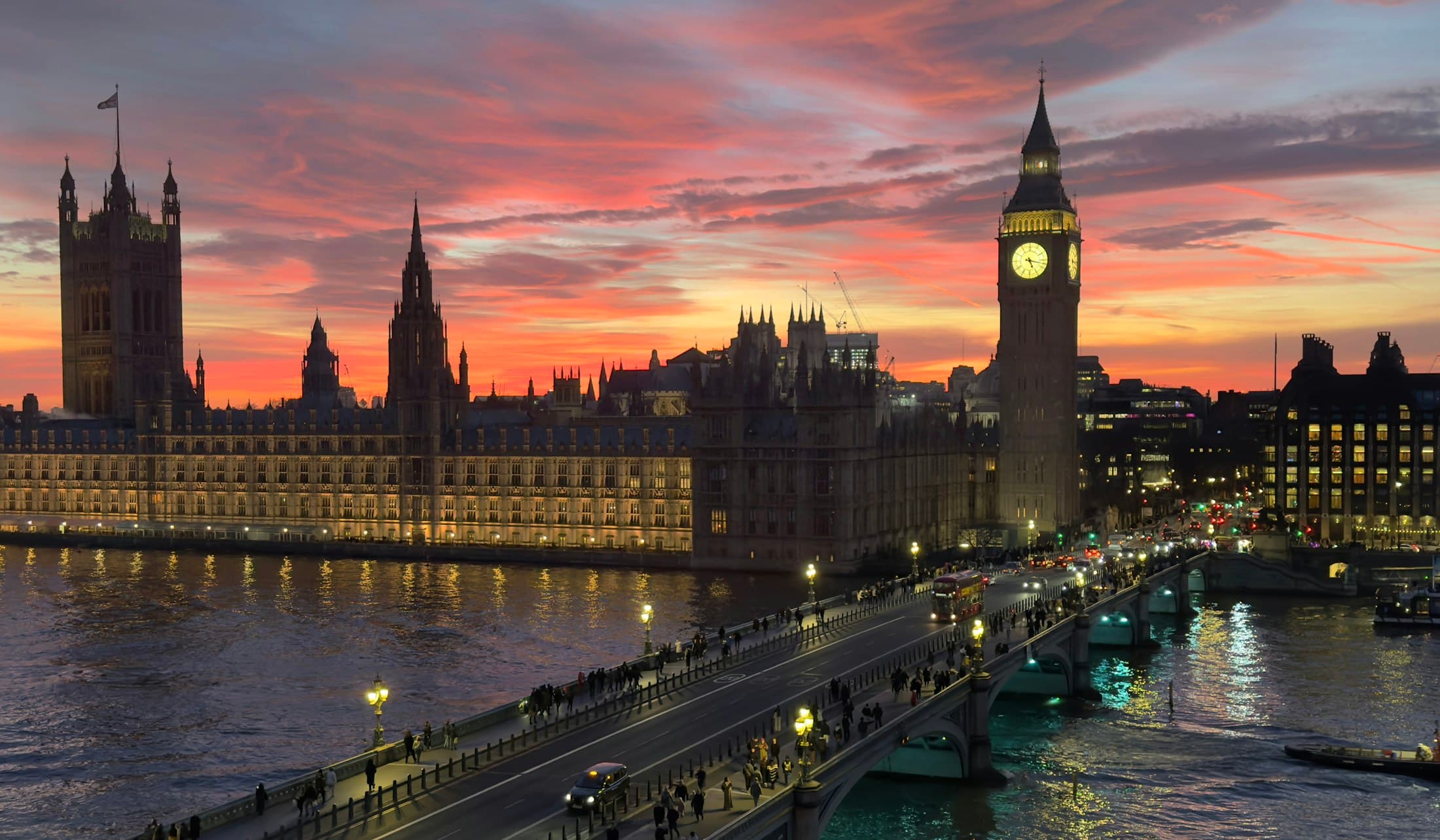 LondonBest: May · Jun · Jul · Aug · SepPhotographers joining
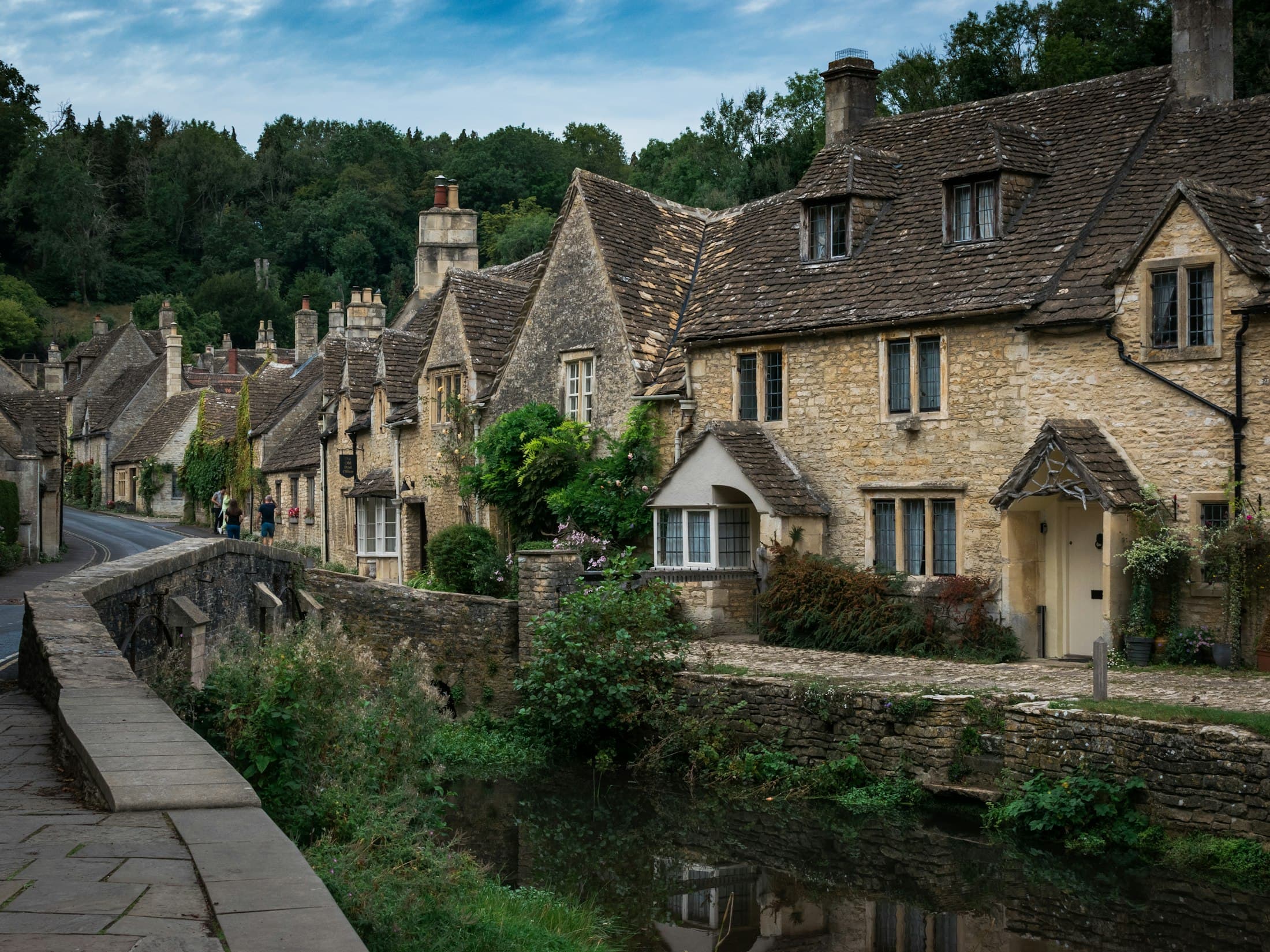 The CotswoldsBest: May · Jun · Jul · Aug · SepPhotographers joining
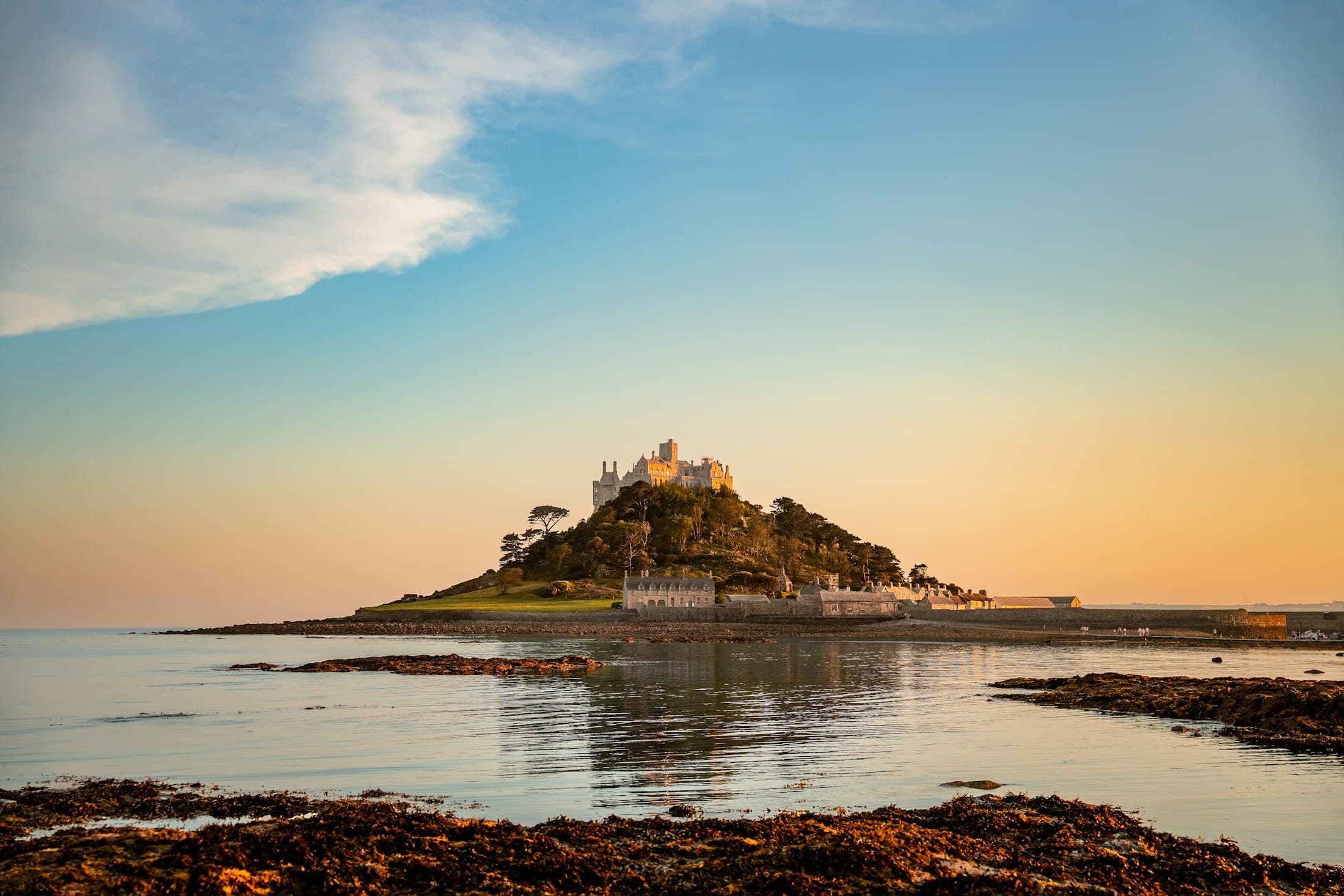 Cornwall & DevonBest: May · Jun · SepPhotographers joining
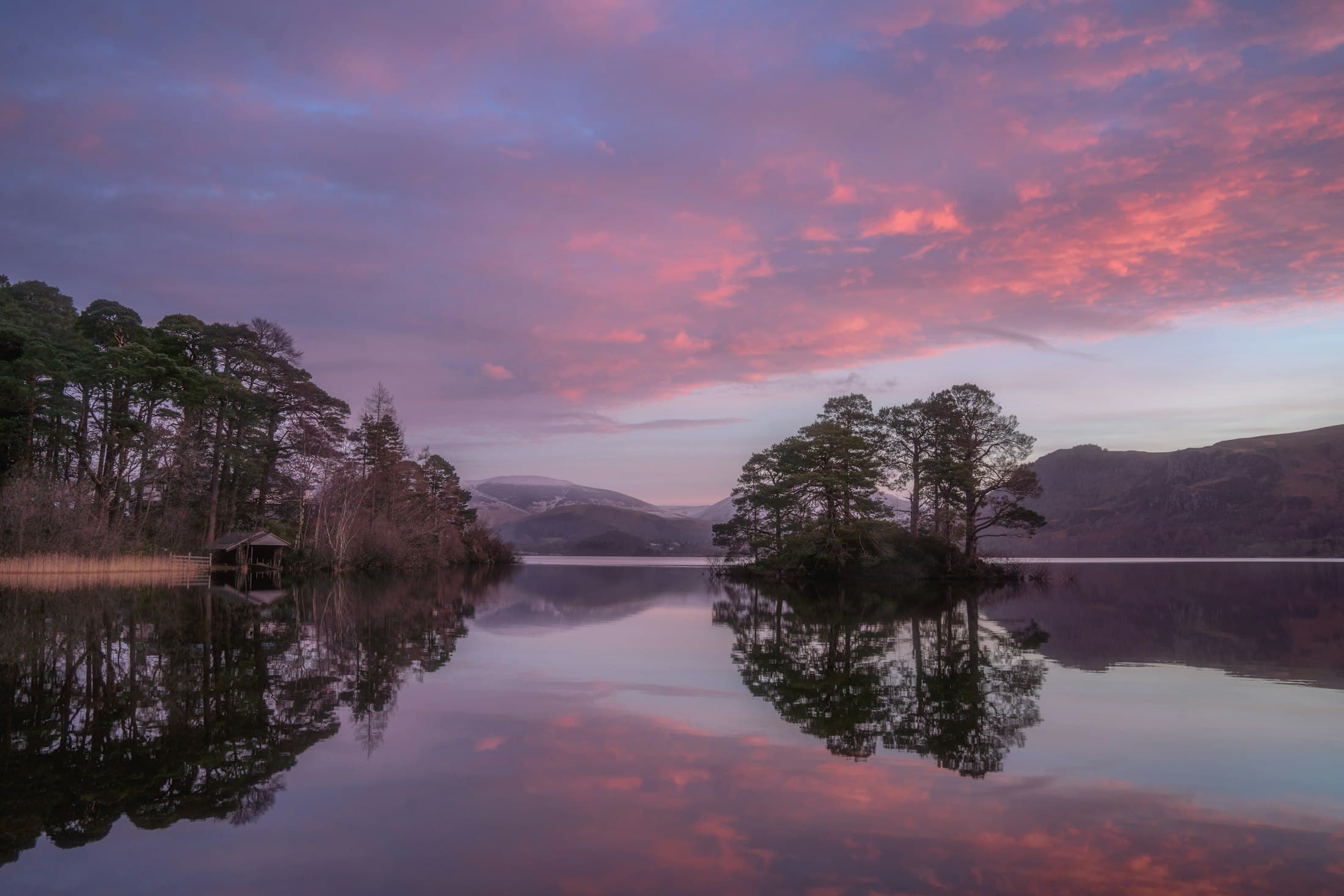 The Lake DistrictBest: May · Jun · SepPhotographers joining
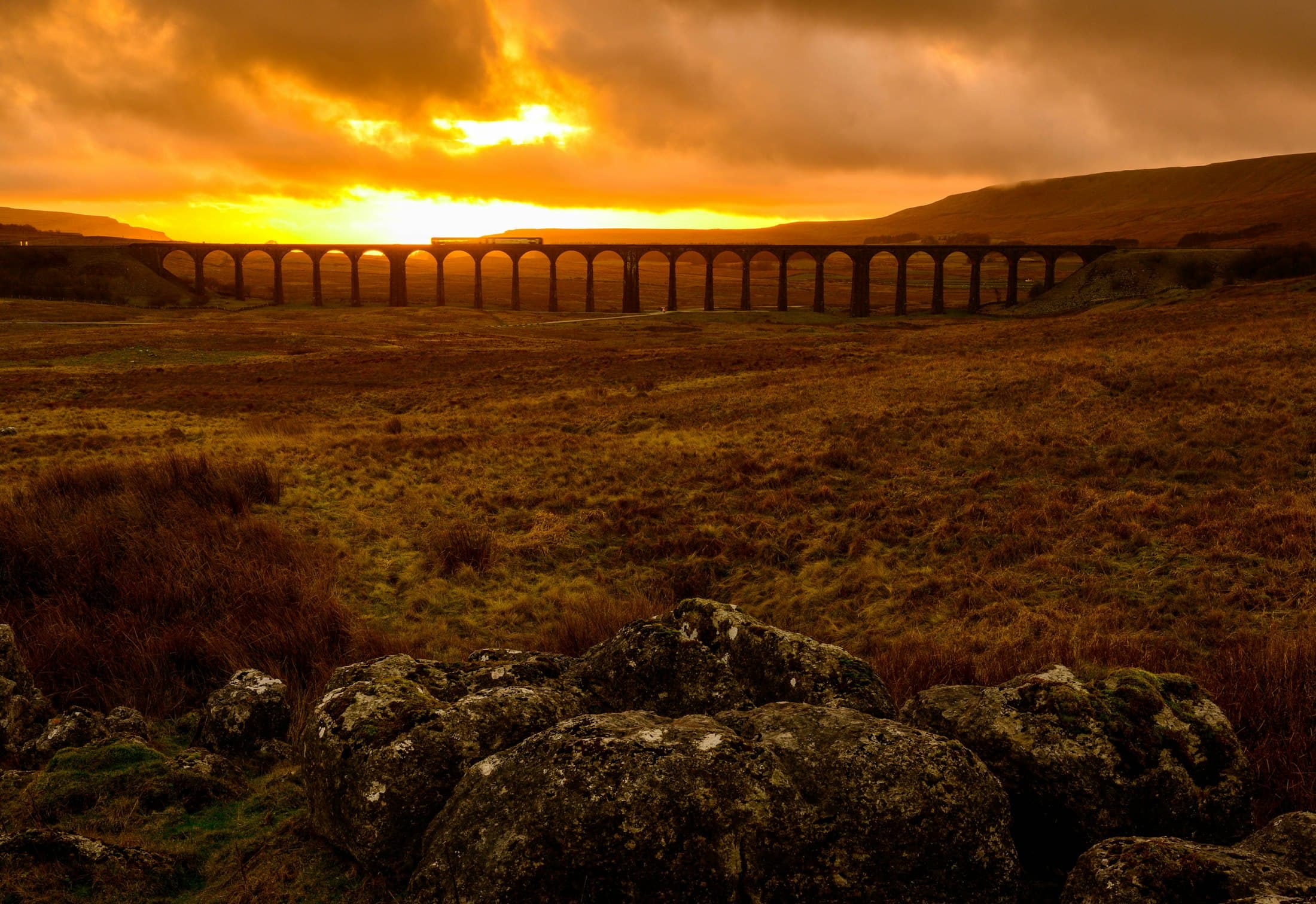 YorkshireBest: May · Jun · Jul · Aug · SepPhotographers joining
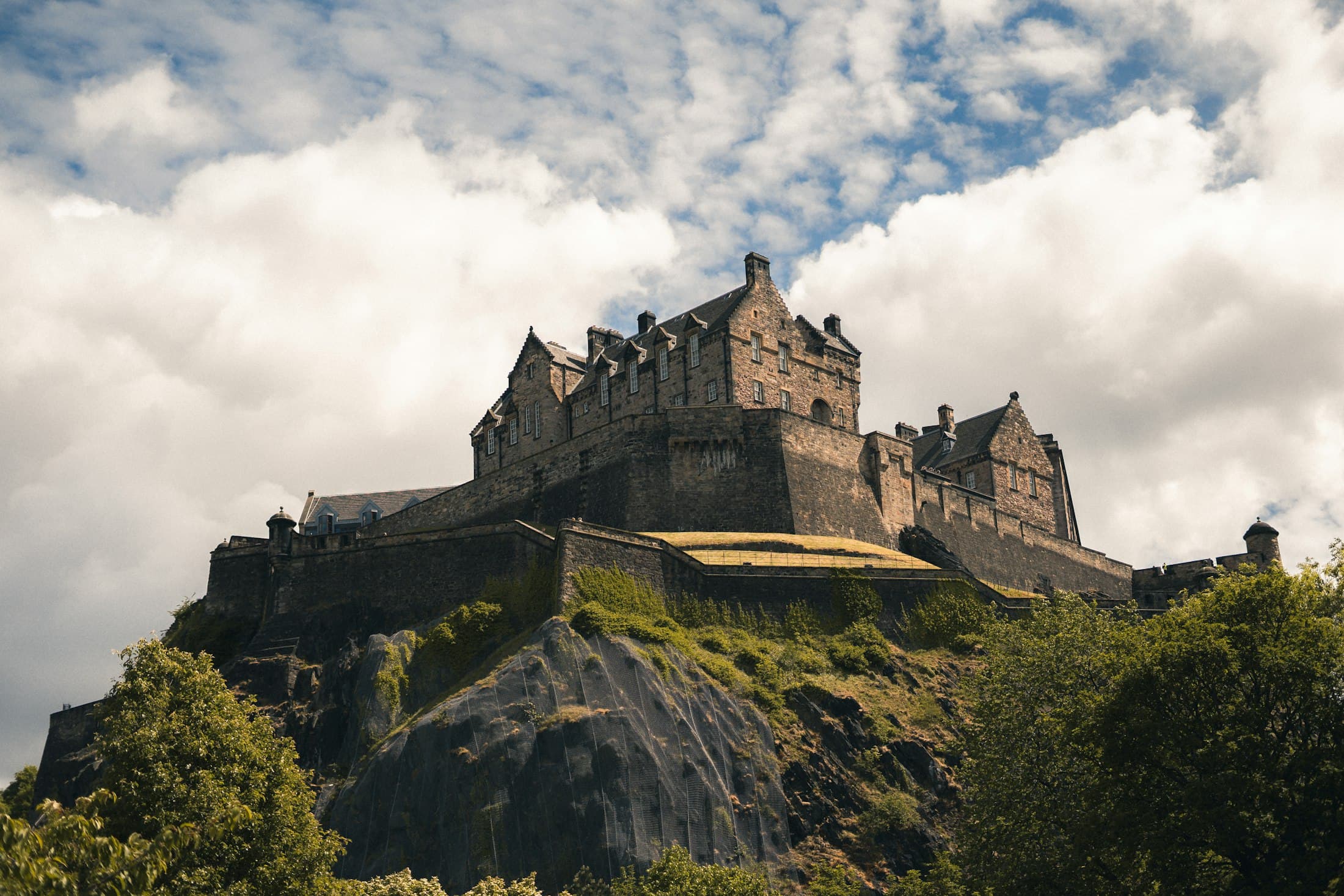 EdinburghBest: May · Jun · Jul · SepPhotographers joining
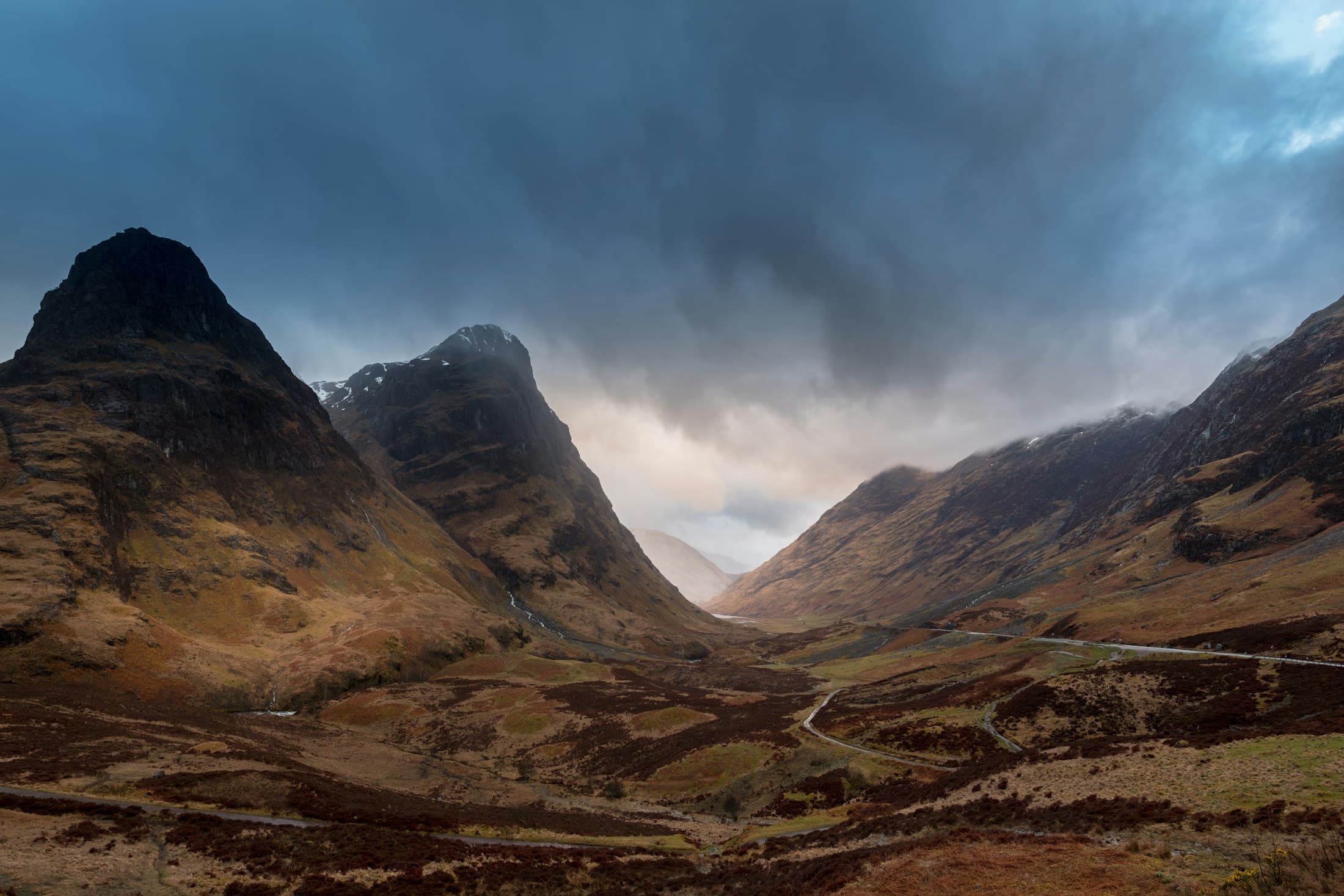 The Scottish Highlands & IslandsBest: May · JunPhotographers joining