Getting married in the Scottish Highlands & Islands
Glens and sea lochs under steep, bare mountains, the Isle of Skye on the Atlantic edge and, beyond it, the white beaches and standing stones of the Hebrides — with summer evenings that hardly end.
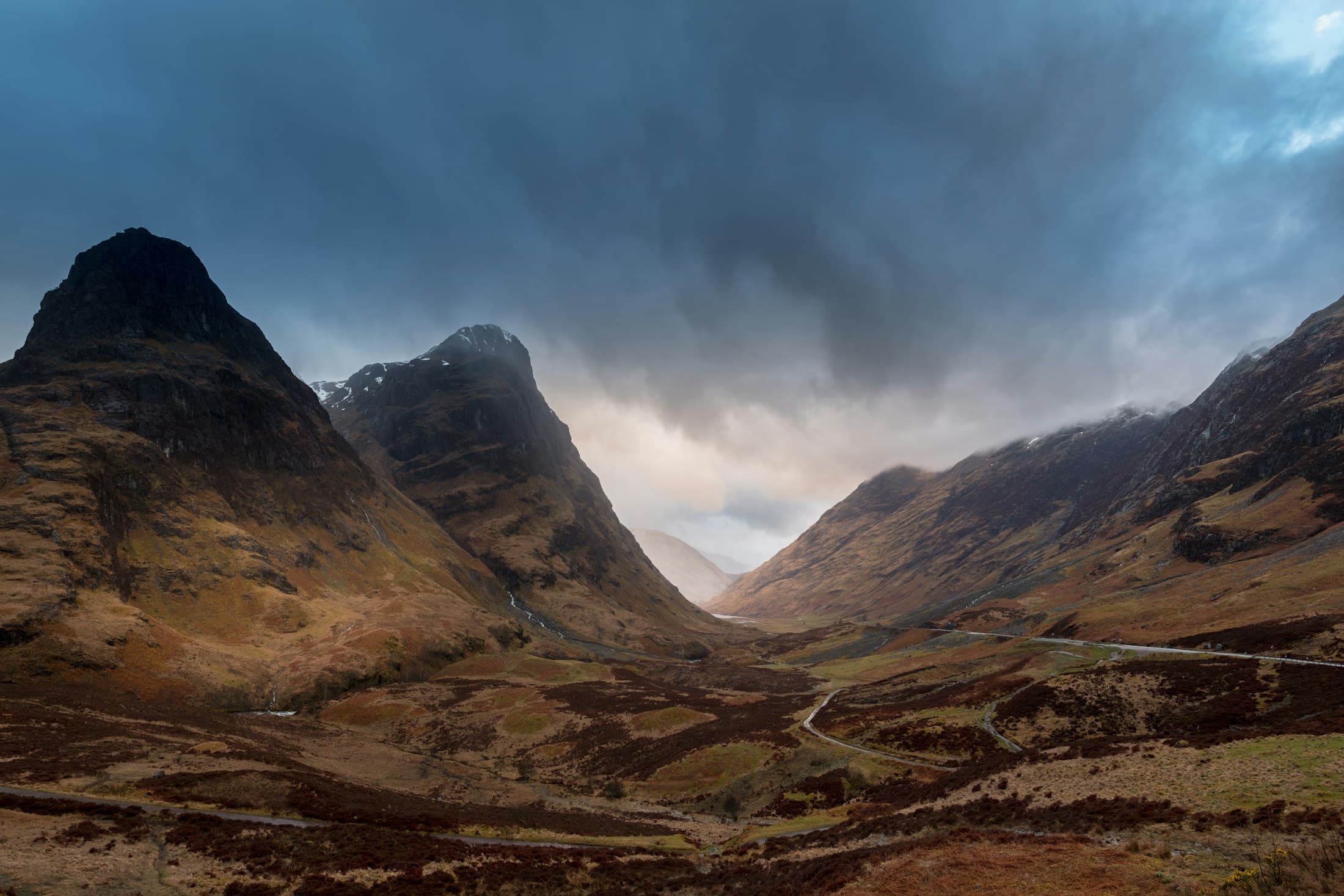
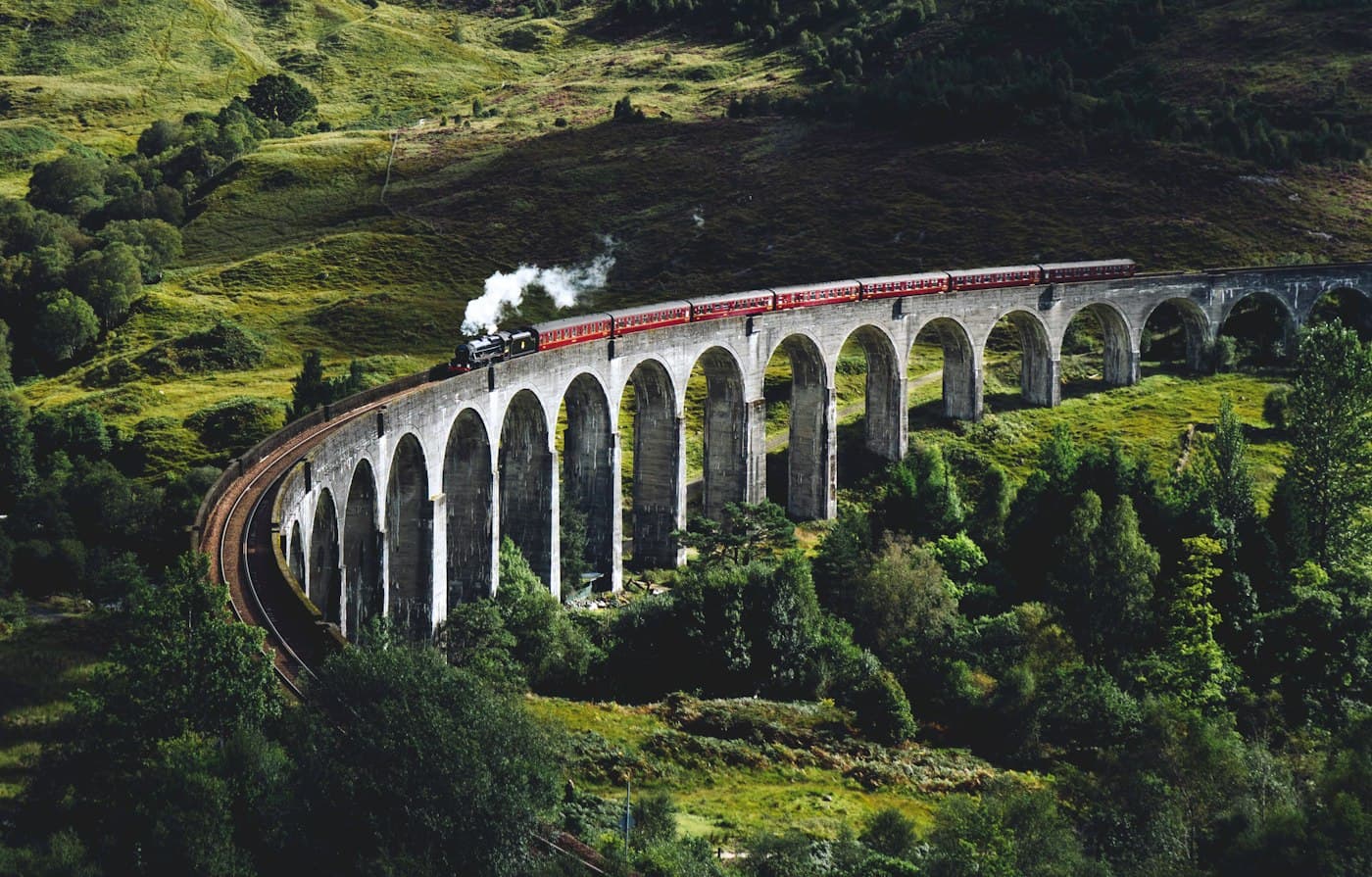
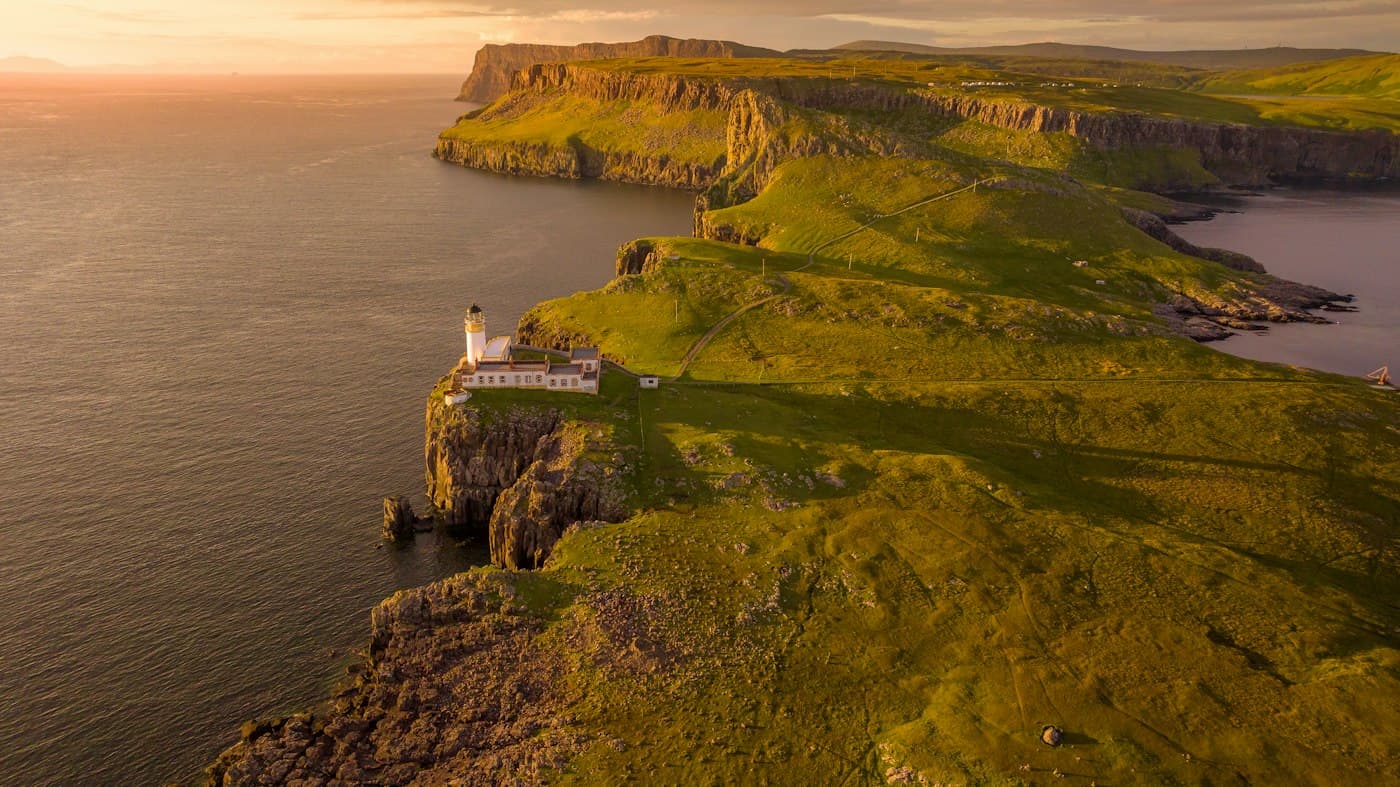
The Highlands are the mountains and glens of Scotland’s north and west, and the islands lie scattered off their coast. Glen Coe cuts between volcanic peaks shaped by glaciers, eight of them Munros; the railway to Mallaig curves across the Glenfinnan Viaduct on its way to the ferry for Skye. On Skye, the pinnacles of the Old Man of Storr and the cliffs of the Quiraing rise in the north of the island, and the lighthouse at Neist Point stands over the western sea. Further out lie Harris, with beaches of white sand and turquoise water, Lewis with the 5,000-year-old Calanais stones and, off the north coast, the Neolithic stone circles of Orkney, a World Heritage Site.
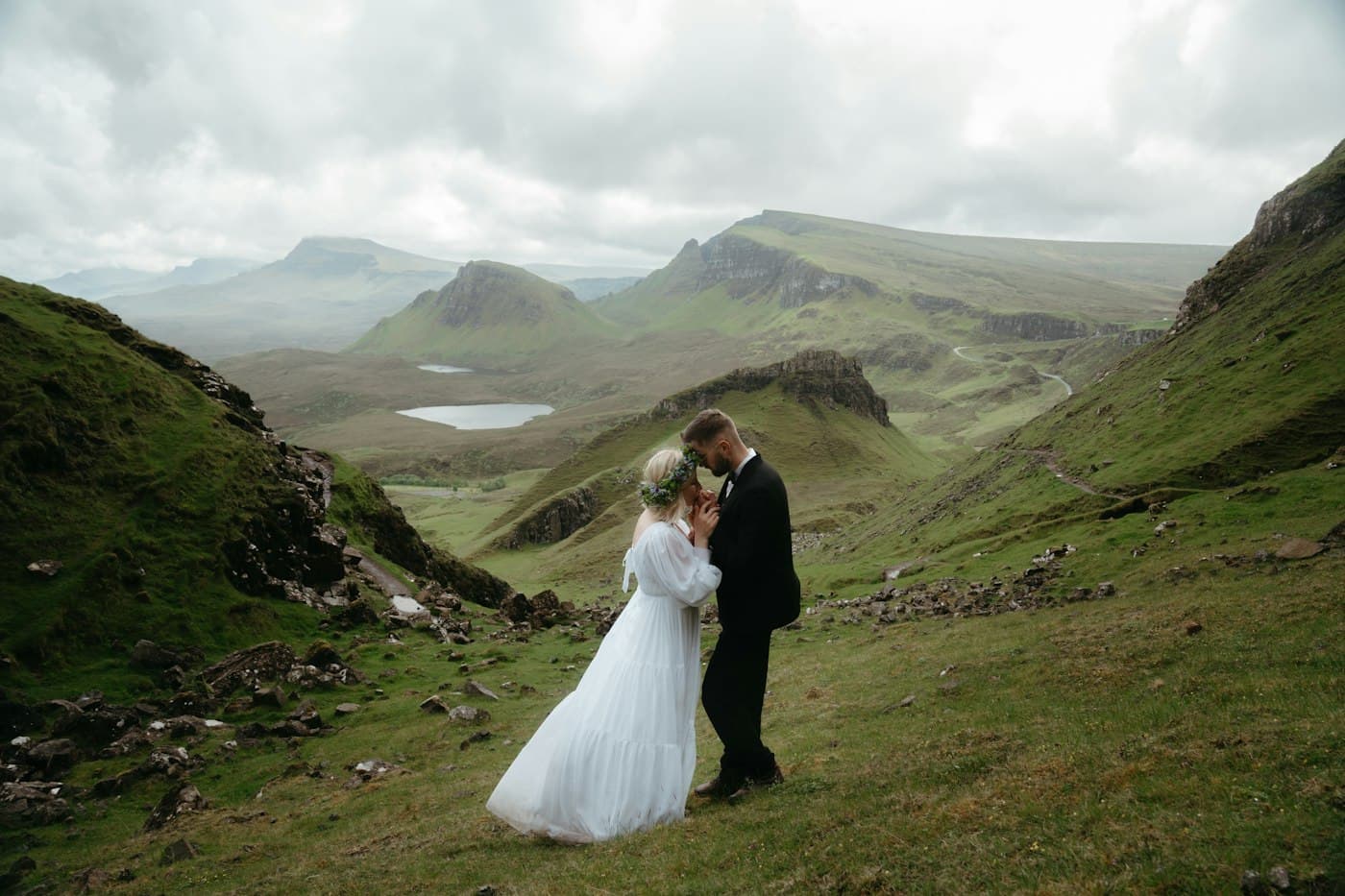
This is Scotland’s elopement country. A Scottish ceremony may take place at any indoor or outdoor place the registrar or celebrant can reach — it is the celebrant, not the place, who carries the licence — so many couples marry with a handful of guests or none, on a hillside in Glen Coe, above a loch on Skye or on a beach in Harris, then spend the long evening walking and driving for portraits. Others marry in a lochside hotel, a village kirk or a castle and keep the hills for the day after.
Through the year
When to marry in the Scottish Highlands & Islands
May and June are the surest months. On Skye they bring the fewest wet days of the year — about 15 days a month with a millimetre or more, against 21 or 22 in December and January — June is the driest month and May the sunniest, with over six hours of sun a day. They are cool: average highs of about 14 °C in May and 16 °C in June. July and August are a little warmer, around 17 °C, but wetter, and they are the height of the midge season. The west is wet in every month — about 2,000 mm of rain a year on Skye, against 755 mm at Inverness in the east — so plan for showers and keep the day flexible. September is quieter, with fewer midges, but the rain is already coming back.
- January: Quieter
- February: Quieter
- March: Quieter
- April: Good with planning
- May: Best
- June: Best
- July: Good with planning
- August: Good with planning
- September: Good with planning
- October: Quieter
- November: Quieter
- December: Quieter
- SpringThe days lengthen quickly — by mid-May the sun sets on Skye at about twenty to ten — and April, May and June bring the fewest wet days of the year. The air is fresh, 11 to 14 °C, and inland there can still be frost on a few mornings. The midges only begin to hatch from mid-May. Spring and autumn are also when the National Trust for Scotland offers its elopements at the Glenfinnan Monument — in March, April, September and October only.
- SummerThe longest light of the year: on Skye the sun sets at about half past ten at midsummer, and from late May to late July the sky never grows darker than a deep blue twilight. July and August are the warmest months, around 17 °C, and the busiest: the Old Man of Storr alone sees some 200,000 visitors a year, so walk up early in the morning or late in the evening. They are also the height of the midge season — the tiny biting flies are worst at dawn and dusk on still, overcast days, and a breeze grounds them — so carry repellent and choose open, breezy spots for the golden hour.
- Autumn and winterSeptember is calmer: the midges fade and highs are still about 16 °C, but the rain is coming back, and from October to January more than 200 mm falls on Skye every month, on 20 or more days. At midwinter the day lasts only about six and a half hours, the sun never more than 9 degrees up; inland, there is frost on more than ten days a month from December to February. A winter elopement here works with a flexible date, the Met Office’s mountain forecast and a warm room to come back to.
In numbers
- UNESCO World Heritage
- Heart of Neolithic Orkney (1999)
Weather station: Skye: Lusa, normals 1991–2020 · Checked 26 October 2026
Places
Where couples marry here
The kinds of places — ask your photographer which ones they know well.
Glen Coe
The National Trust for Scotland has cared for Glen Coe since 1935: a glen of volcanic peaks and glacier-cut slopes, scene of the massacre of the MacDonalds in February 1692, with a visitor centre by the village of Glencoe. The Trust offers its own elopements here, with a ranger driving the couple into the glen. Scotland’s access rights let anyone walk in, and the Scottish Outdoor Access Code asks those who guide people there for a living to take extra care and to talk to the land manager about places they use regularly; for a professional shoot the Trust asks for at least seven days’ notice and public liability insurance, and any drone needs its permission first.
The Isle of Skye
The Old Man of Storr, a pinnacle left by an ancient landslip, the cliffs and lochans of the Quiraing in the north of the island, and the lighthouse of 1909 at Neist Point, where the sun goes down over the sea. They are busy — the Storr alone draws about 200,000 people a year — so the quiet hours are the first and last of the day. Many roads are single-track: pull into a passing place to let others by, and never park in one.
Glenfinnan and the Road to the Isles
On the shore of Loch Shiel, the 18 m Glenfinnan Monument of 1815 marks the place where the clans gathered for Bonnie Prince Charlie in 1745, and behind it the railway viaduct curves across the glen, crossed at times by a steam train. The National Trust for Scotland offers sole use of the monument for an elopement ceremony in spring and autumn; its car park is small and fills quickly, so come by train or early. Beyond, the road runs on to Mallaig and the half-hour ferry to Skye.
Harris, Lewis and Orkney
Off the north-west coast lie the Outer Hebrides: Harris, whose beaches — Luskentyre the best known — set white sand against turquoise water even under cloud, and Lewis, where the cross-shaped setting of the Calanais Standing Stones was raised 5,000 years ago. Off the north coast, Orkney’s Neolithic monuments, among them the stone circles of the Ring of Brodgar and the Stones of Stenness, are a World Heritage Site. Ferries sail from Uig on Skye to Tarbert in Harris in about 1 hour 40 minutes, and from Ullapool to Stornoway in 2 hours 40 minutes. At Historic Scotland sites such as Calanais, professional photography and drones need Historic Environment Scotland’s permission.
Light
How the light falls
Summer light lasts almost all night. On Skye, on 21 June, the sun rises at about twenty-five past four and sets at about half past ten, far in the north-west; at nine in the evening it is still 8 degrees up, and civil dusk lasts until about twenty to midnight. From the end of April to mid-August there is no true night, and further north the day ends later still — at Stornoway the sun sets at 22:35. In the glens the mountains hide the sun long before it sets, so the last light is often on the peaks and the open coast. At midwinter Skye has only about six and a half hours of day, from about nine until twenty to four. Cloud and showers sweep through often — Skye gets about 1,200 hours of sun a year — and a break in the weather can light up the hills for a few minutes: stay ready.
Travel
Getting there
Glasgow Airport is about 130 km from Glen Coe, some two hours by road, and Edinburgh nearly three; Inverness Airport, with flights from London, Amsterdam, Dublin and other cities, is about 120 km from Fort William and 195 km — around three hours — from Portree. Skye is reached by the Skye Bridge from Kyle of Lochalsh, or by the half-hour ferry from Mallaig to Armadale, which must be booked ahead even on foot; the Caledonian Sleeper runs overnight from London to Fort William and Inverness. Leave time between places: many roads are single-track, with passing places. Drones follow the UK Civil Aviation Authority’s rules — a Flyer ID from 100 g, an Operator ID from 250 g or, with a camera, from 100 g, and never more than 120 m above the ground beneath, hills and cliffs included — and the National Trust for Scotland and Historic Environment Scotland ask for permission at their sites. In the hills, check the Met Office’s mountain forecast and warnings, and Heading for the Scottish Hills for deer stalking, which can now take place all year.
Photographers
Photographers in the Scottish Highlands & Islands
No one in the Scottish Highlands & Islands yet
The first photographers in the Scottish Highlands & Islands are joining now. Tell our concierge your date and your plans — it checks who is free and fits.
Plan
Read before you plan
- Getting married in the UK as foreigners: the visa, Scotland, England and WalesHow couples who don’t live in the UK marry there legally: the Marriage Visitor visa (an ETA isn’t enough), Scotland’s notice by post and outdoor weddings, England and Wales’s week of residence and 28 days, Northern Ireland, documents, costs, and registering the marriage back home.
- How to choose a wedding photographer: the steps, and the questions to askThe decision in order — whole weddings, style, availability, the package, the contract and deposit, cancellation, delivery and a conversation — then a checklist of questions, with why each one matters.
- A wedding-day timeline for photosFrom getting ready to the last dance, planned around the light.
- Deposits and payment protectionWhat you pay when, and what happens if plans change.
- How to get married in the UK when you live here: notice, ceremony, church, and afterFor couples who live in the UK: giving notice in England and Wales, Scotland or Northern Ireland, what to bring and what it costs, a register office, an approved venue, a church or a humanist celebrant, and what changes after the day — certificate, surname, tax, will and leave.
- Which country for a destination wedding? The law, prices, crowds and light, comparedThe legal route for couples who don’t live there, season and crowds, price levels, light, flights, venues and permits for photographs — Portugal, Italy, Spain, Greece, France and Austria compared with official figures, as of October 2026.
- A rain plan that still looks goodCovered spots, umbrellas and what photographers do on grey days.
- Wedding photography contract checklist: what it should say, and how Lens & Vows handles each pointThirteen things a good contract covers — the day and the hours, what is delivered, deposit and balance, cancellation on either side, date changes, illness, image rights, personal data, backups, travel, overtime and complaints — and what our terms say about each.
United Kingdom
Other places
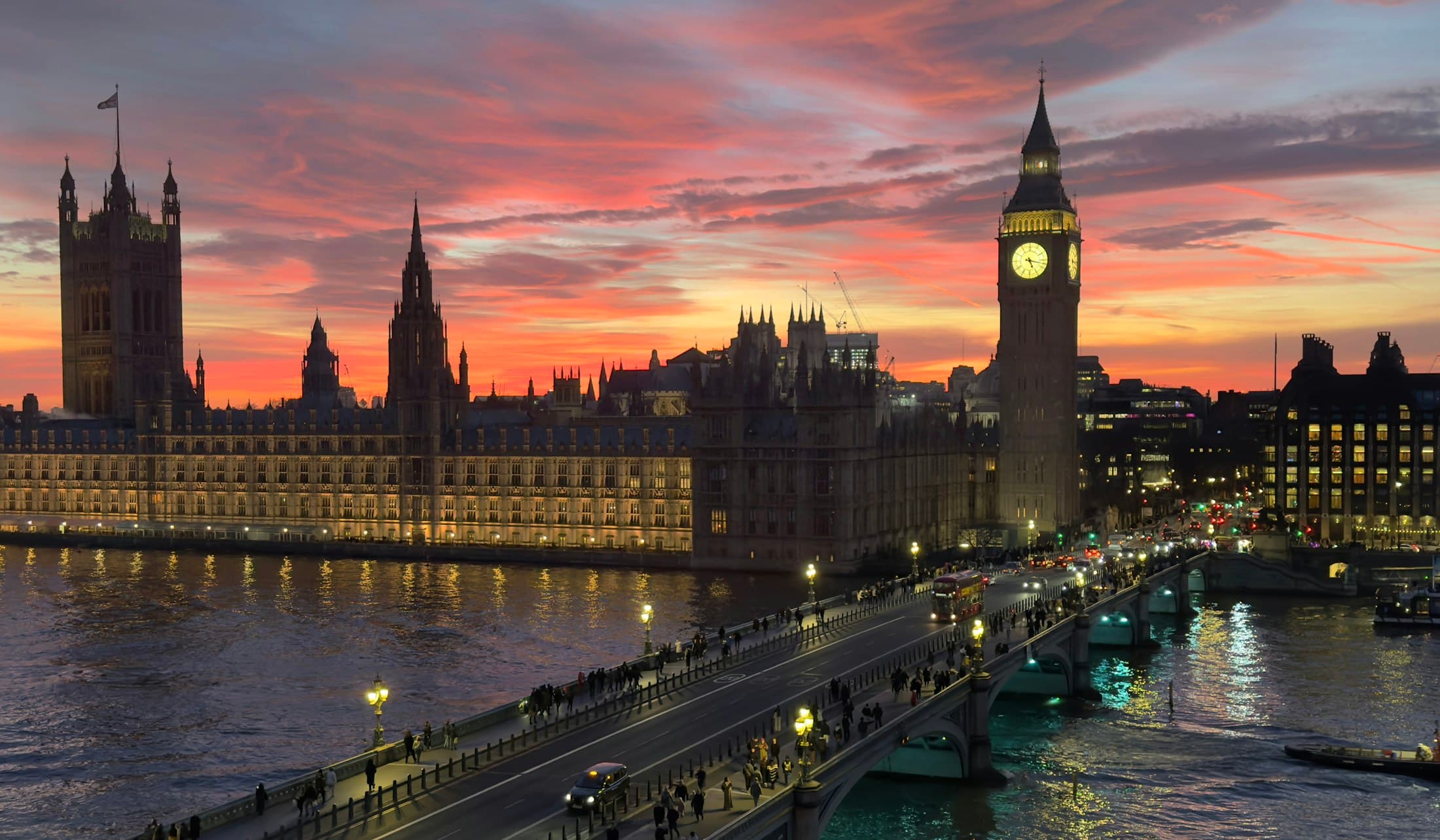 LondonBest: May · Jun · Jul · Aug · SepPhotographers joining
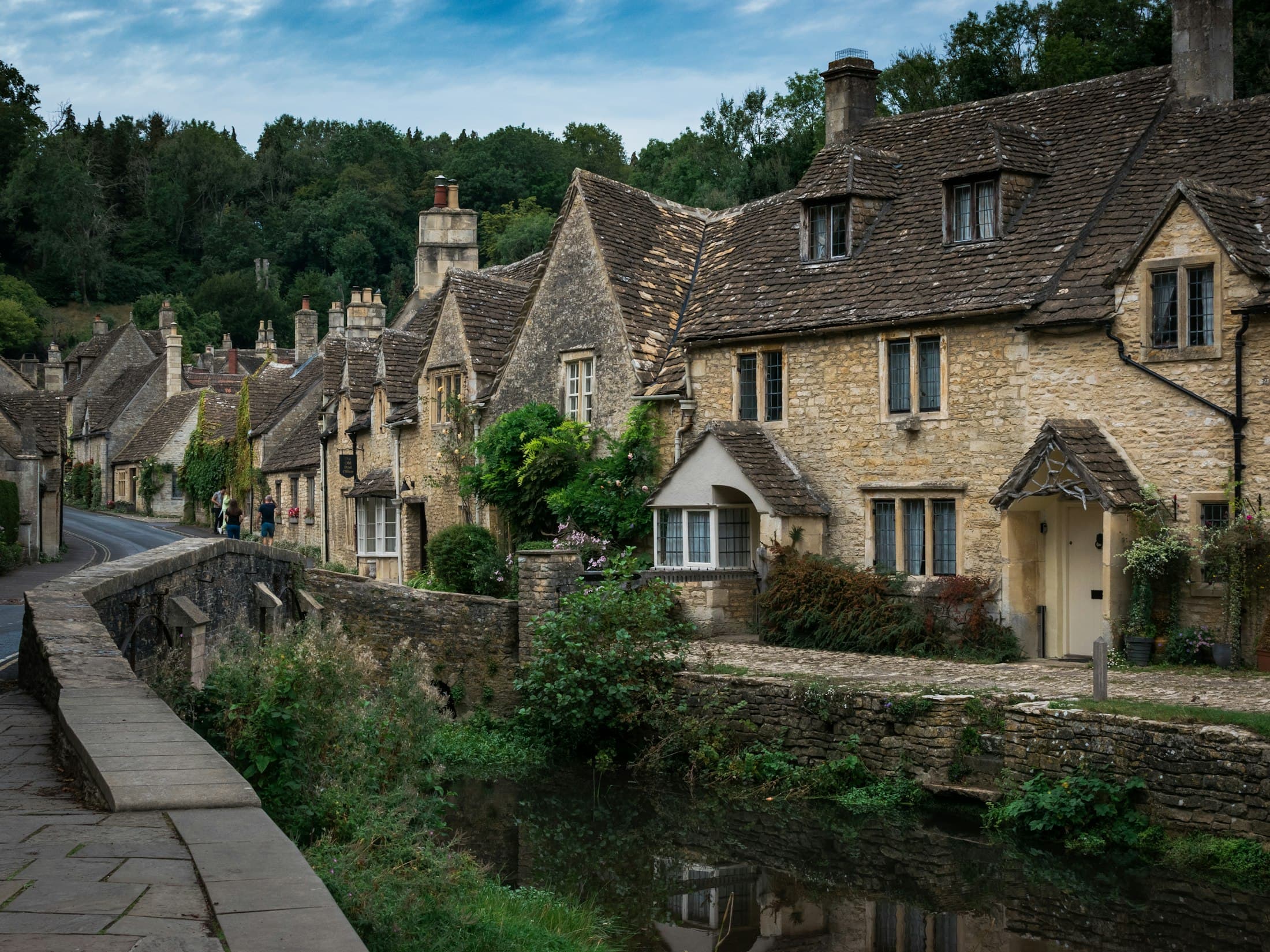 The CotswoldsBest: May · Jun · Jul · Aug · SepPhotographers joining
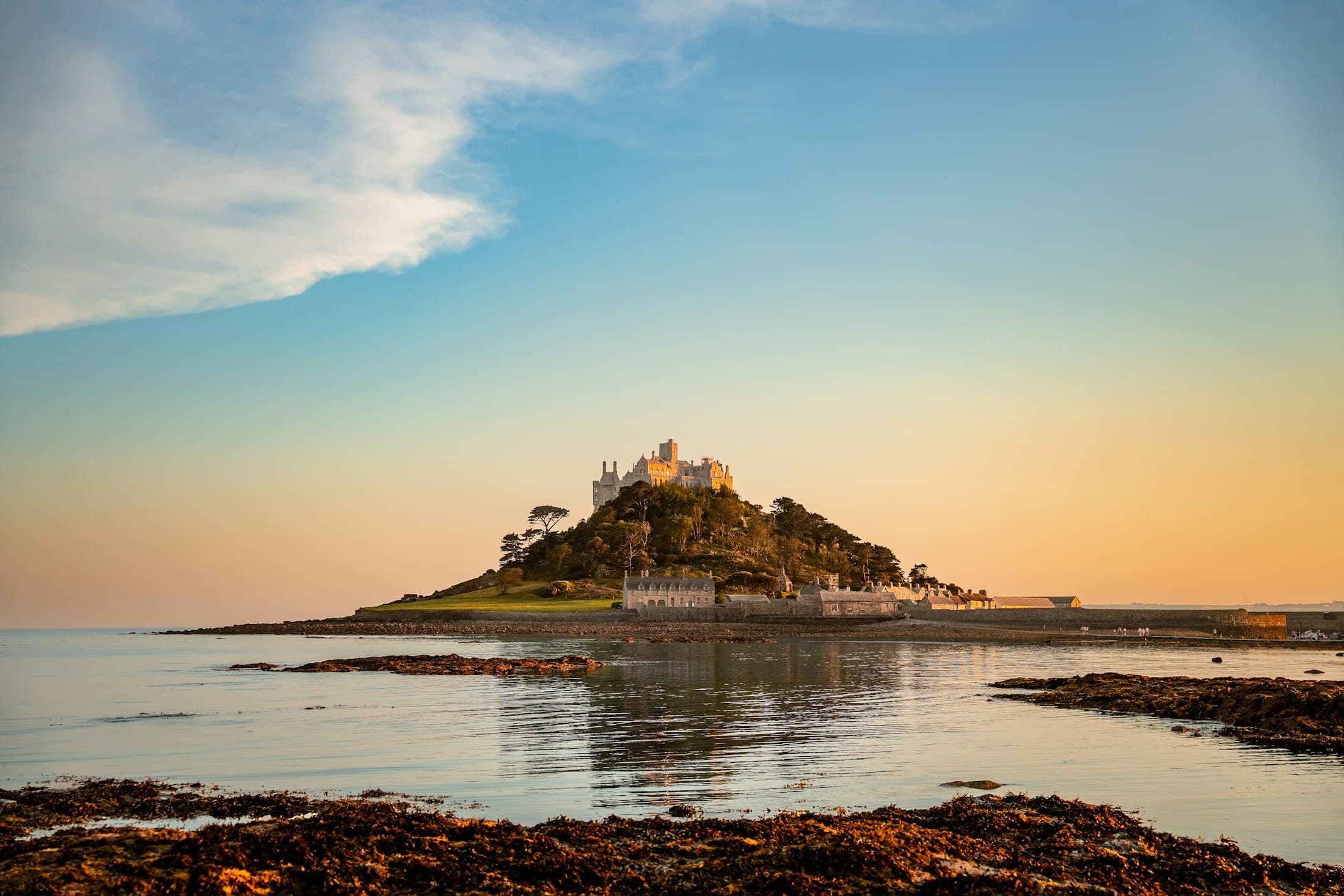 Cornwall & DevonBest: May · Jun · SepPhotographers joining
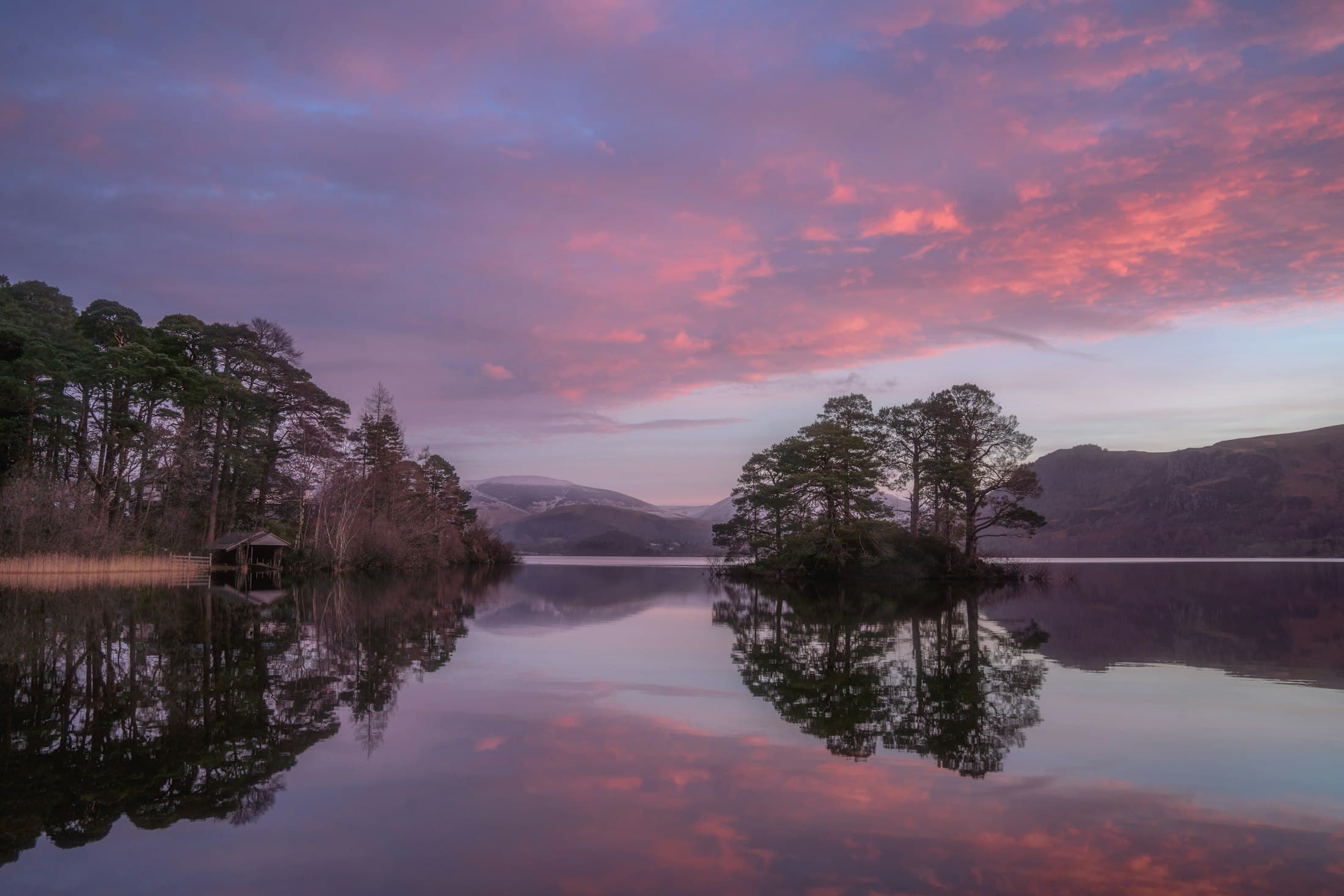 The Lake DistrictBest: May · Jun · SepPhotographers joining
 YorkshireBest: May · Jun · Jul · Aug · SepPhotographers joining
 WalesBest: May · Jun · Jul · AugPhotographers joining
 EdinburghBest: May · Jun · Jul · SepPhotographers joining