Getting married in the Lake District
England’s largest national park and a World Heritage landscape: sixteen lakes and meres among more than 350 fells, stone villages and farms, England’s highest mountain and its deepest lake.
The Lake District, in Cumbria in England’s north-west, is a national park of 2,362 km² and, since 2017, a World Heritage cultural landscape, shaped by centuries of sheep farming on the fells. Windermere, England’s longest lake at about 17 km, runs south from Ambleside past Bowness, with boats calling at its jetties; a short way north lie the small lake and village of Grasmere. Keswick sits at the head of Derwentwater below Skiddaw, with the stone circle of Castlerigg on a rise outside the town. Further west the valleys are quieter and steeper: Buttermere, Crummock Water and Loweswater in one valley, and Wastwater, England’s deepest lake at 74 m, below Scafell Pike, its highest mountain at 978 m. To the east, Ullswater winds between the fells past the waterfall of Aira Force.
Couples come for small weddings and elopements among the lakes and fells: vows in a lakeside hotel, a country house or a converted barn, then portraits on a lakeshore at dawn, on a fellside above the water or among the standing stones. As everywhere in England and Wales, a legal wedding needs a week’s stay before the notice, 28 days after it and a register office, an approved venue or a place of worship — outdoors only in a venue’s own grounds, never out on the open fell — and most couples from abroad also need a Marriage Visitor visa. So many marry legally at home and hold a celebrant-led ceremony here.
Through the year
When to marry in the Lake District
May and June are the driest and brightest months, and September the next best. At Keswick, by Derwentwater, May has the fewest days with 1 mm of rain or more — about twelve — and highs of about 16 °C; June has about thirteen and 18 °C; at Ambleside, at the head of Windermere, May and June are the sunniest months, with a little over five hours of sun a day. July is the warmest, at about 20 °C, but brings a little more rain, and summer is the busiest season: in popular valleys such as Buttermere and Wasdale, parking is limited. This is one of the wettest corners of England — about 1,575 mm of rain a year at Keswick, 2,100 at Ambleside and 3,550 at Seathwaite in Borrowdale, against about 1,160 for the UK as a whole — and from October to January rain falls on 17 or 18 days a month. Winter brings frost on about 45 nights a year at Keswick.
- January: Quieter
- February: Quieter
- March: Quieter
- April: Good with planning
- May: Best
- June: Best
- July: Good with planning
- August: Good with planning
- September: Best
- October: Good with planning
- November: Quieter
- December: Quieter
- SpringApril and May bring fresh green to the valleys and the year’s driest weeks, with highs of about 12 to 16 °C; by mid-May the sun sets after nine. Ground-nesting birds sit on the open fells from March to July — one more reason to leave the drone at home.
- SummerLong, soft evenings — in late June the sun sets just before ten, and from May to early August the sky never gets fully dark — and the warmest days, around 18 to 20 °C. Showers still come in from the Atlantic, and the lakes and lanes are at their busiest: a dawn shoot on a lakeshore gives still water and empty paths.
- Autumn and winterSeptember is still mild, about 17 °C, and in October the bracken on the fellsides turns to rust. From October to January come the wettest months, and snow falls on the fells from November to March — the valleys see it on about 20 days a year. At midwinter the day lasts barely seven and a quarter hours, the sun never more than 12 degrees high: frost on the fields, snow on the tops and a fire to come back to.
In numbers
- UNESCO World Heritage
- The English Lake District (2017)
Weather station: Keswick, normals 1991–2020 · Checked 26 October 2026
Places
Where couples marry here
The kinds of places — ask your photographer which ones they know well.
Windermere and Grasmere
England’s longest lake, some 17 km from end to end, with Windermere Lake Cruises’ boats calling at its jetties — Wray among them, a castle in National Trust parkland on the quieter western shore. A short drive north lie the small lakes of Rydal Water and Grasmere, ringed by fells.
Derwentwater and Keswick
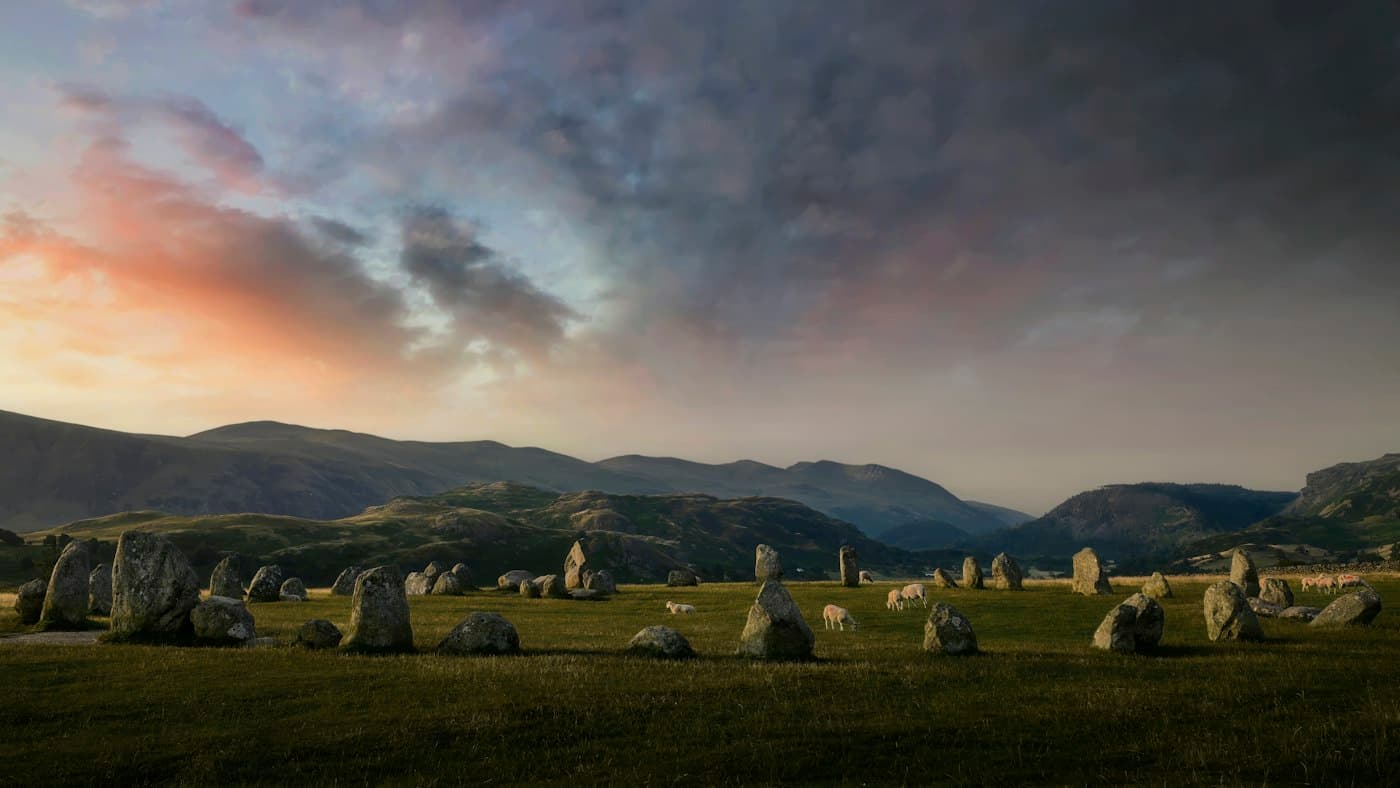
The view from Friar’s Crag down the lake, Ashness Bridge and Surprise View above the eastern shore, the slopes of Catbells on the western one, and the launches that call at seven landing stages round the lake. Outside Keswick, Castlerigg is a ring of 38 standing stones some 4,500 years old, with the fells all around — free to visit, half an hour’s walk from town. The National Trust looks after a fifth of the park: photographs for your own use are welcome, a wedding or engagement shoot is arranged with the property in advance, fee included, and no drones fly from its land.
Buttermere and the western valleys
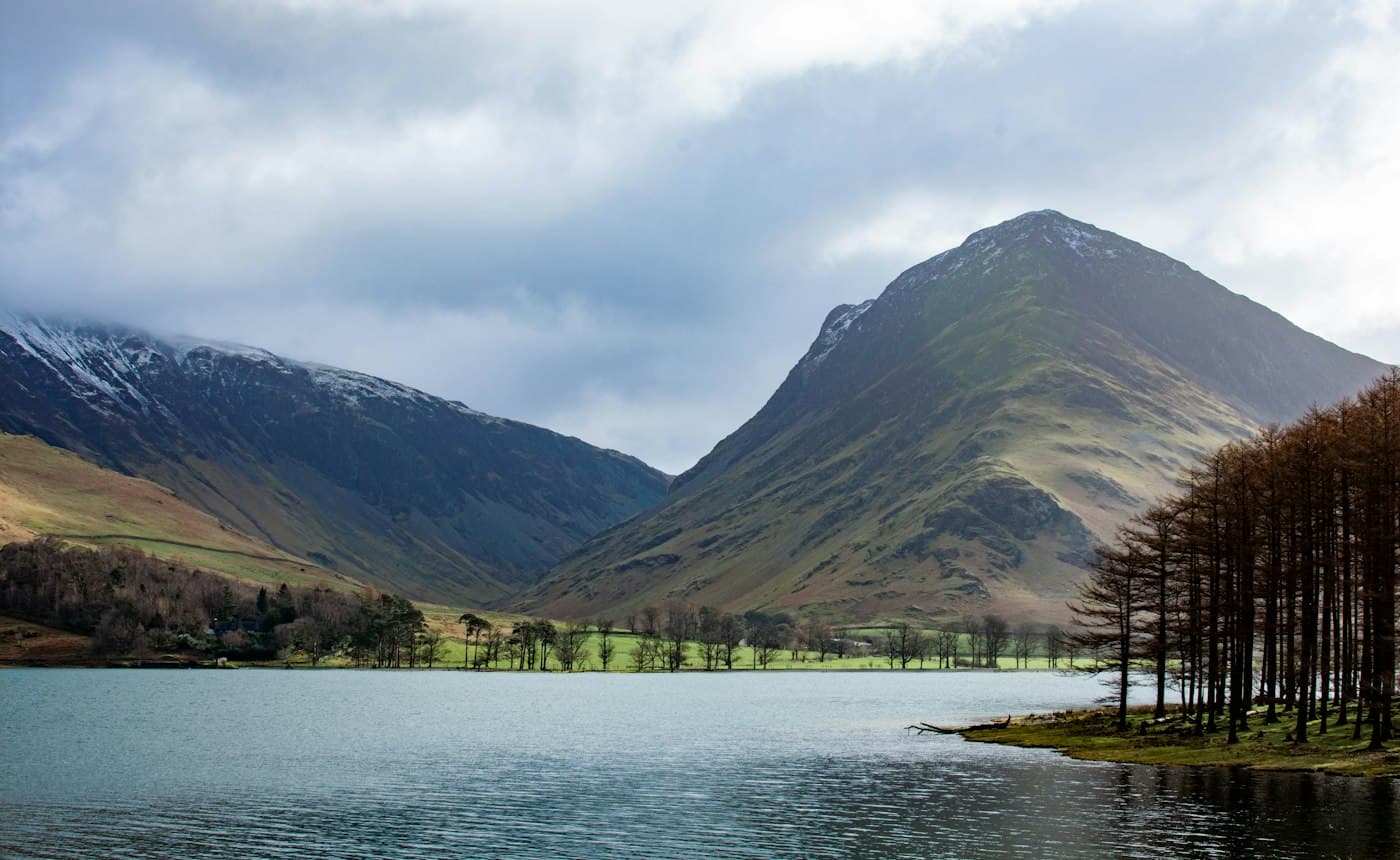
Buttermere, Crummock Water and Loweswater in one valley, with a path along Buttermere’s far shore below Fleetwith Pike; further south-west, Wastwater, England’s deepest lake, beneath Scafell Pike. Parking is limited in both valleys: a shuttle bus runs from Cockermouth to Buttermere from May to September, and another to Wasdale Head in summer.
Ullswater and Tarn Hows
Ullswater, the second-largest lake, winding between the fells, with the National Trust’s waterfall of Aira Force above its northern shore; and near Coniston, Tarn Hows, a small tarn ringed by woods and fells, with a path all the way round.
Light
How the light falls
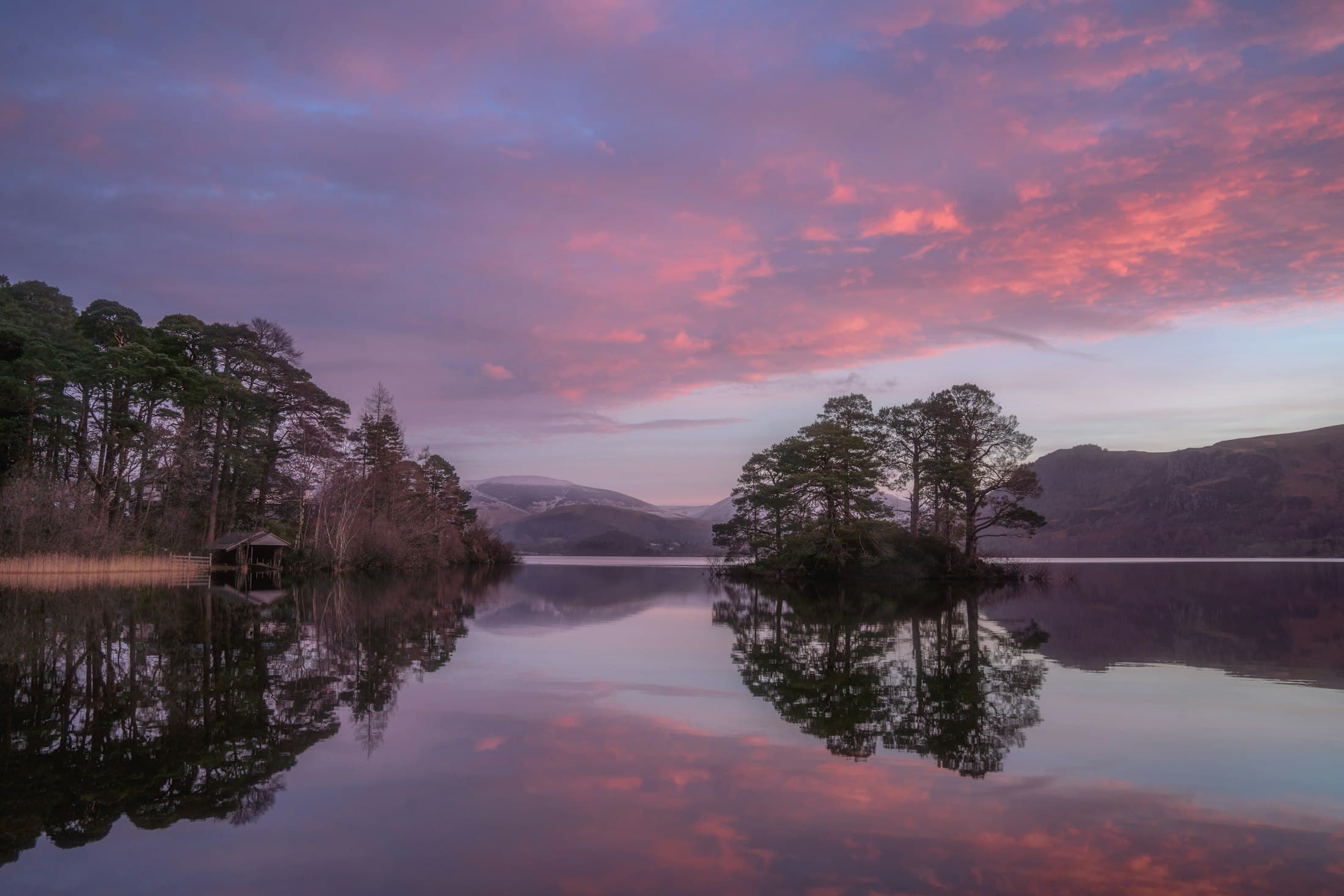
The Lake District is far enough north for long summer evenings: on 21 June the sun rises at Keswick at about twenty-five to five and sets just before ten, out in the north-west, and the sky stays light until about ten to eleven; from early May to early August it never gets fully dark. In the valleys the fells hide the low sun earlier than the clock says, so the last light often lingers on the tops and the water while the shore is already in shade. At midwinter the sun is up only from about half past eight to a quarter to four, never more than 12 degrees above the horizon. Cloud is the usual sky — even in May and June Ambleside averages only a little over five hours of sun a day — and its light is soft and even; on a calm morning the lakes can lie still enough to mirror the fells. Britain’s summer time runs from the last Sunday of March to the last Sunday of October.
Travel
Getting there
The West Coast Main Line runs along the park’s eastern side, linking Oxenholme and Penrith with London and Glasgow; from Oxenholme a branch line runs on to Windermere, and direct trains come from Manchester. By road Bowness-on-Windermere is about 145 km from Manchester Airport and Keswick about 220 km from Glasgow Airport; buses link Penrith station with Keswick, 28 km away. Many lake roads are narrow, and car parks fill on summer days. The National Park Authority owns only about 4% of the land: a drone needs the landowner’s permission where it takes off and lands, is not allowed on nature reserves, Sites of Special Scientific Interest or National Trust land, and from 100 g up needs a Flyer ID from the UK Civil Aviation Authority. Before a day on the fells, check the Met Office warnings and, from December to April, the Weatherline’s daily report from the top of Helvellyn.
Photographers
Photographers in the Lake District
No one in the Lake District yet
The first photographers in the Lake District are joining now. Tell our concierge your date and your plans — it checks who is free and fits.
Plan
Read before you plan
- Getting married in the UK as foreigners: the visa, Scotland, England and WalesHow couples who don’t live in the UK marry there legally: the Marriage Visitor visa (an ETA isn’t enough), Scotland’s notice by post and outdoor weddings, England and Wales’s week of residence and 28 days, Northern Ireland, documents, costs, and registering the marriage back home.
- How to choose a wedding photographer: the steps, and the questions to askThe decision in order — whole weddings, style, availability, the package, the contract and deposit, cancellation, delivery and a conversation — then a checklist of questions, with why each one matters.
- A wedding-day timeline for photosFrom getting ready to the last dance, planned around the light.
- Deposits and payment protectionWhat you pay when, and what happens if plans change.
- How to get married in the UK when you live here: notice, ceremony, church, and afterFor couples who live in the UK: giving notice in England and Wales, Scotland or Northern Ireland, what to bring and what it costs, a register office, an approved venue, a church or a humanist celebrant, and what changes after the day — certificate, surname, tax, will and leave.
- Which country for a destination wedding? The law, prices, crowds and light, comparedThe legal route for couples who don’t live there, season and crowds, price levels, light, flights, venues and permits for photographs — Portugal, Italy, Spain, Greece, France and Austria compared with official figures, as of October 2026.
- A rain plan that still looks goodCovered spots, umbrellas and what photographers do on grey days.
- Wedding photography contract checklist: what it should say, and how Lens & Vows handles each pointThirteen things a good contract covers — the day and the hours, what is delivered, deposit and balance, cancellation on either side, date changes, illness, image rights, personal data, backups, travel, overtime and complaints — and what our terms say about each.
United Kingdom
Other places
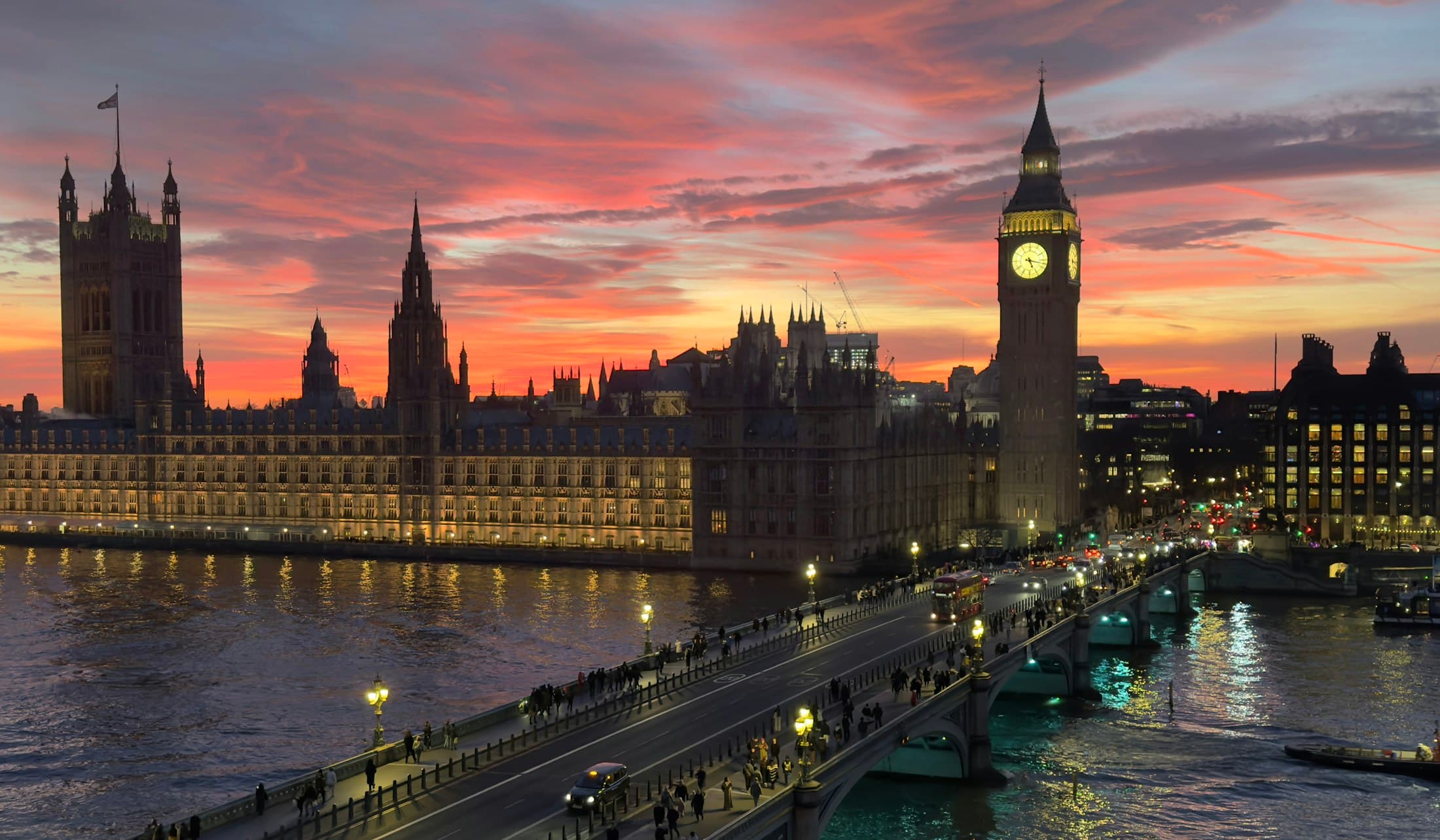 LondonBest: May · Jun · Jul · Aug · SepPhotographers joining
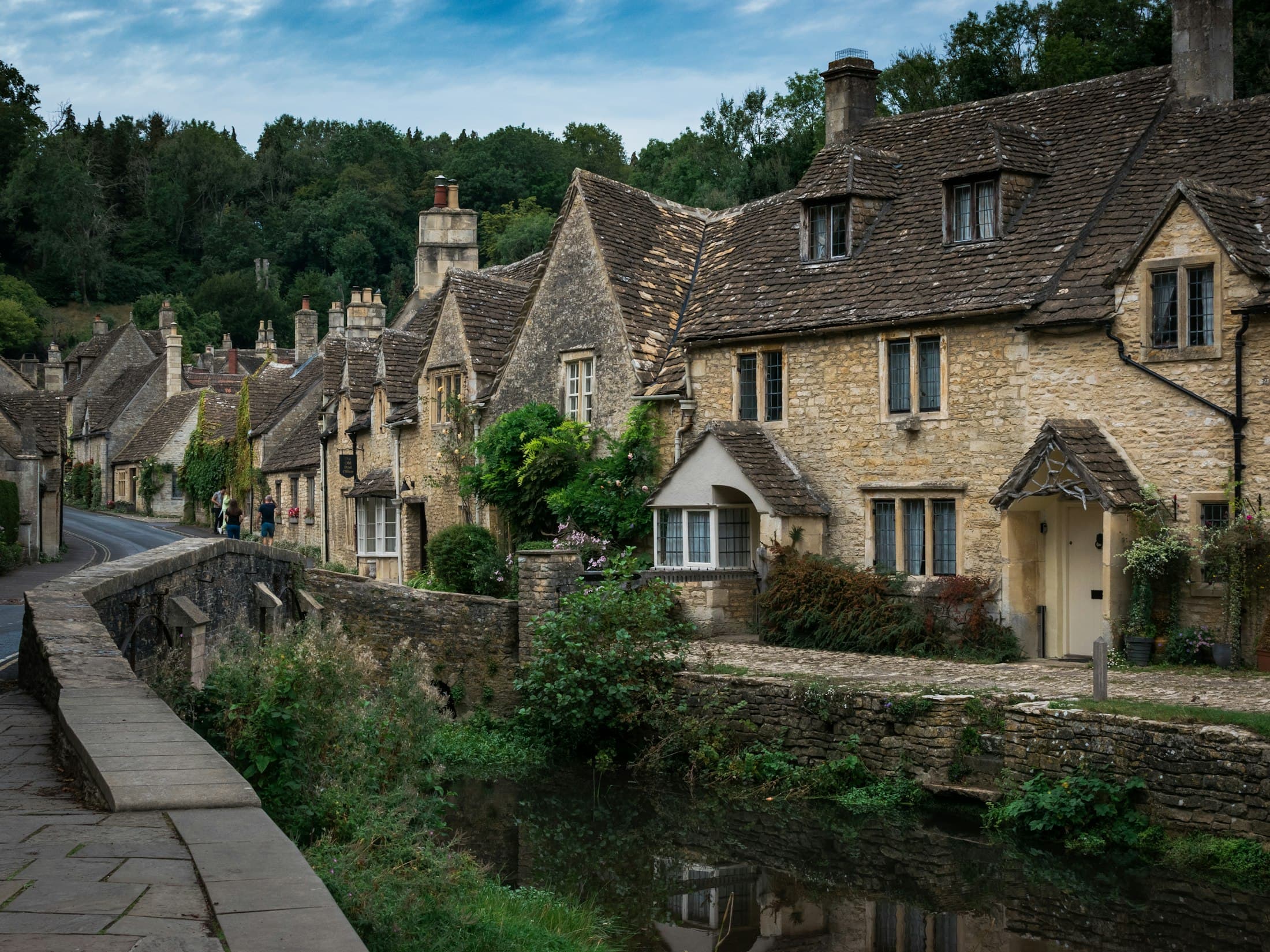 The CotswoldsBest: May · Jun · Jul · Aug · SepPhotographers joining
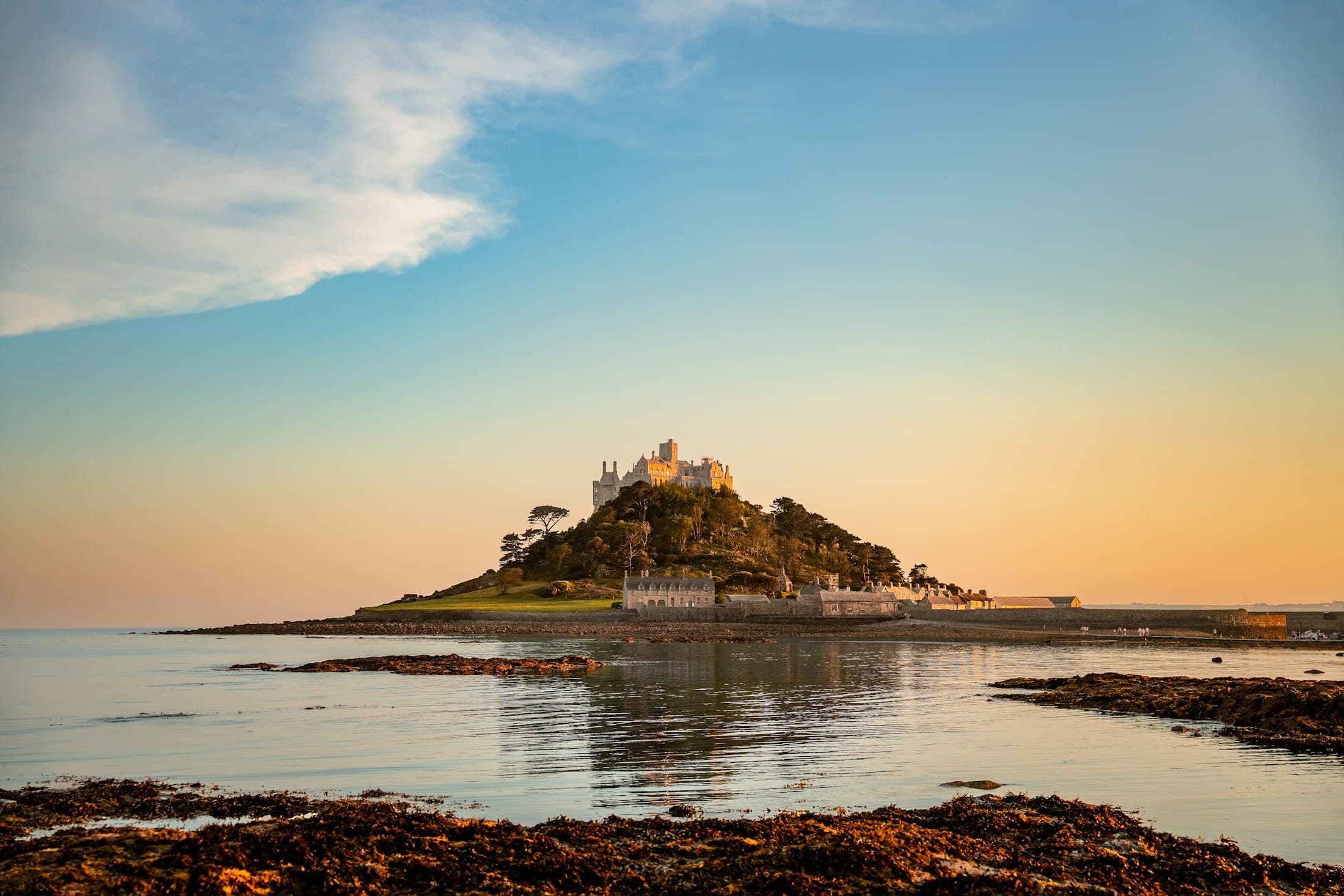 Cornwall & DevonBest: May · Jun · SepPhotographers joining
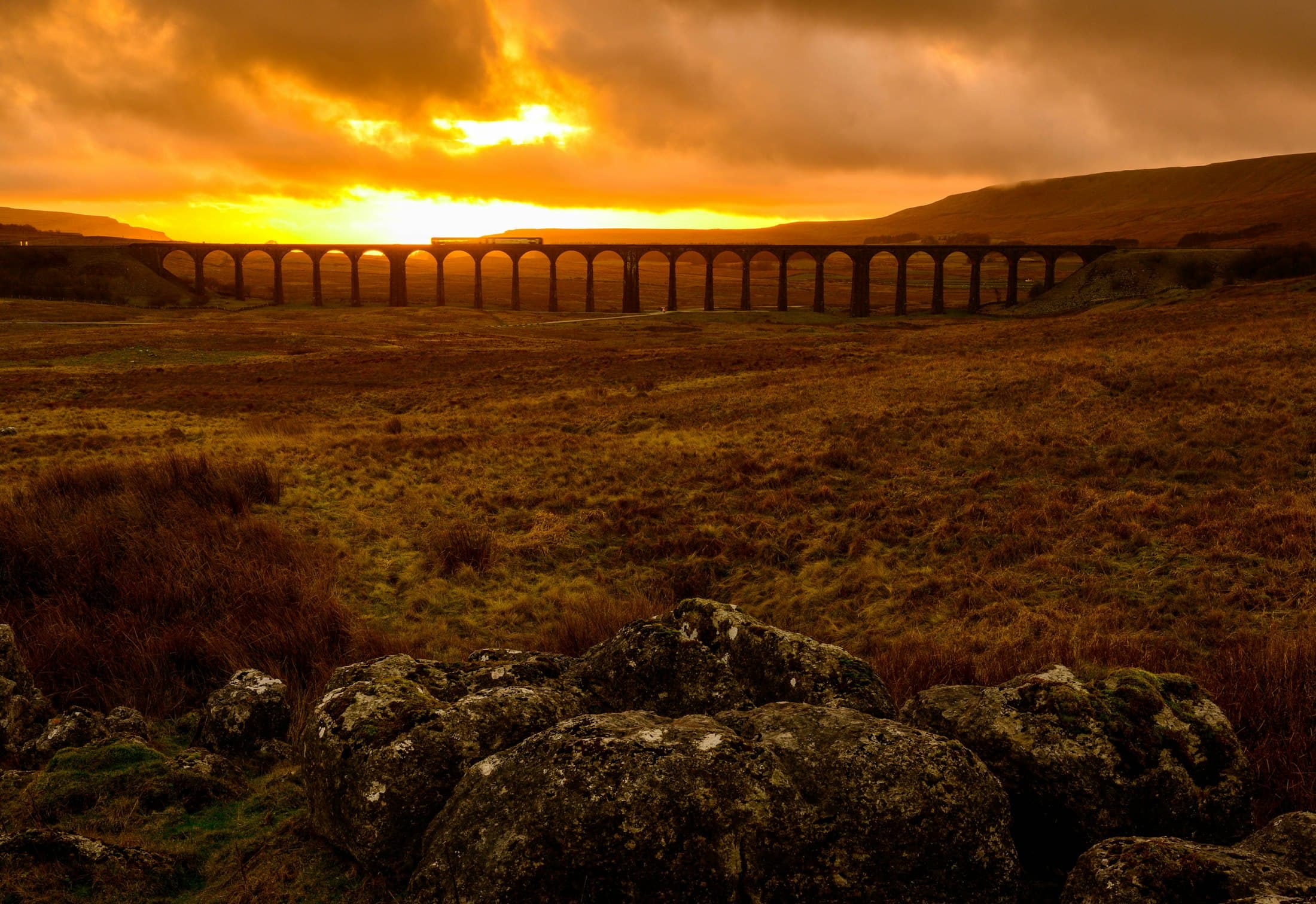 YorkshireBest: May · Jun · Jul · Aug · SepPhotographers joining
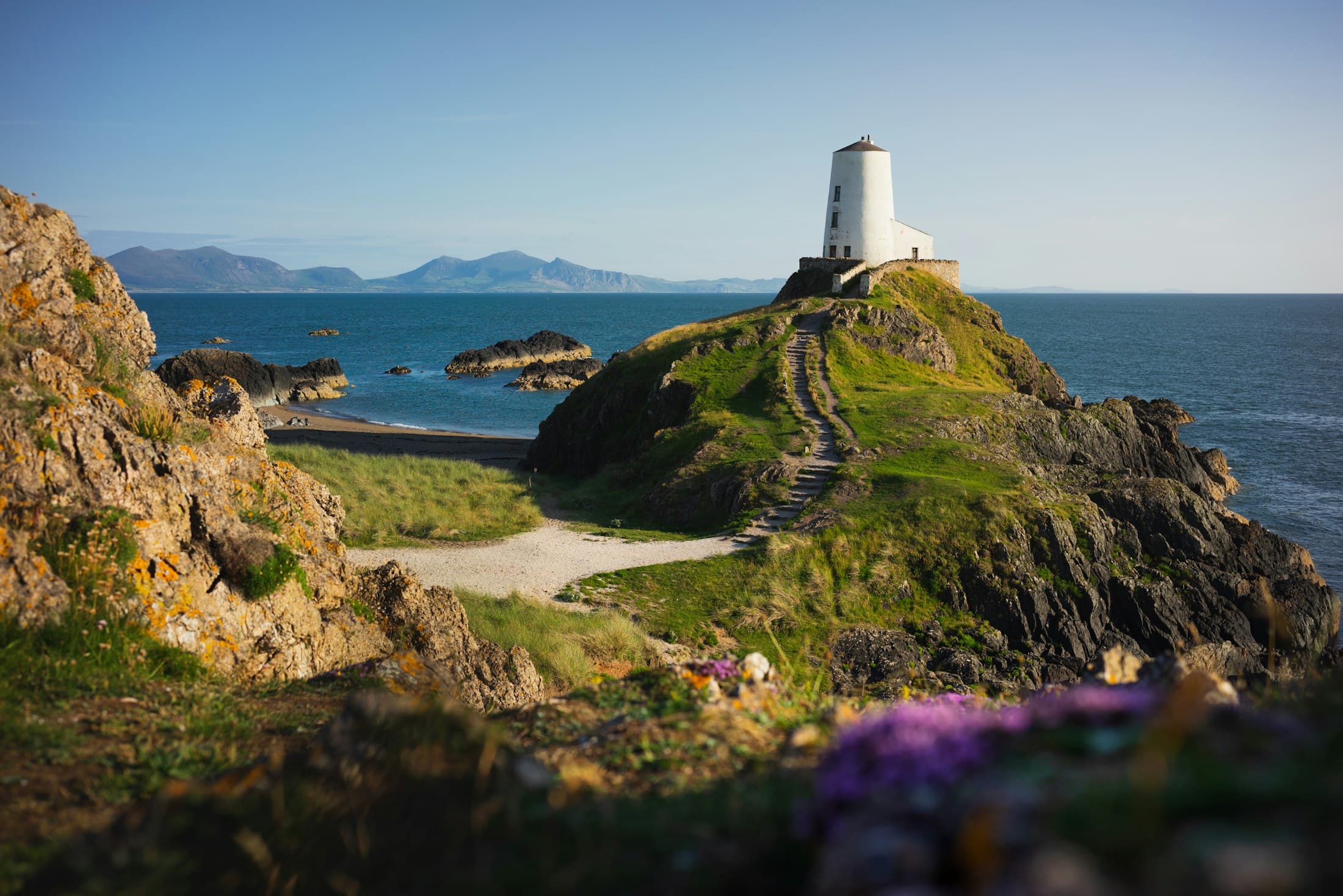 WalesBest: May · Jun · Jul · AugPhotographers joining
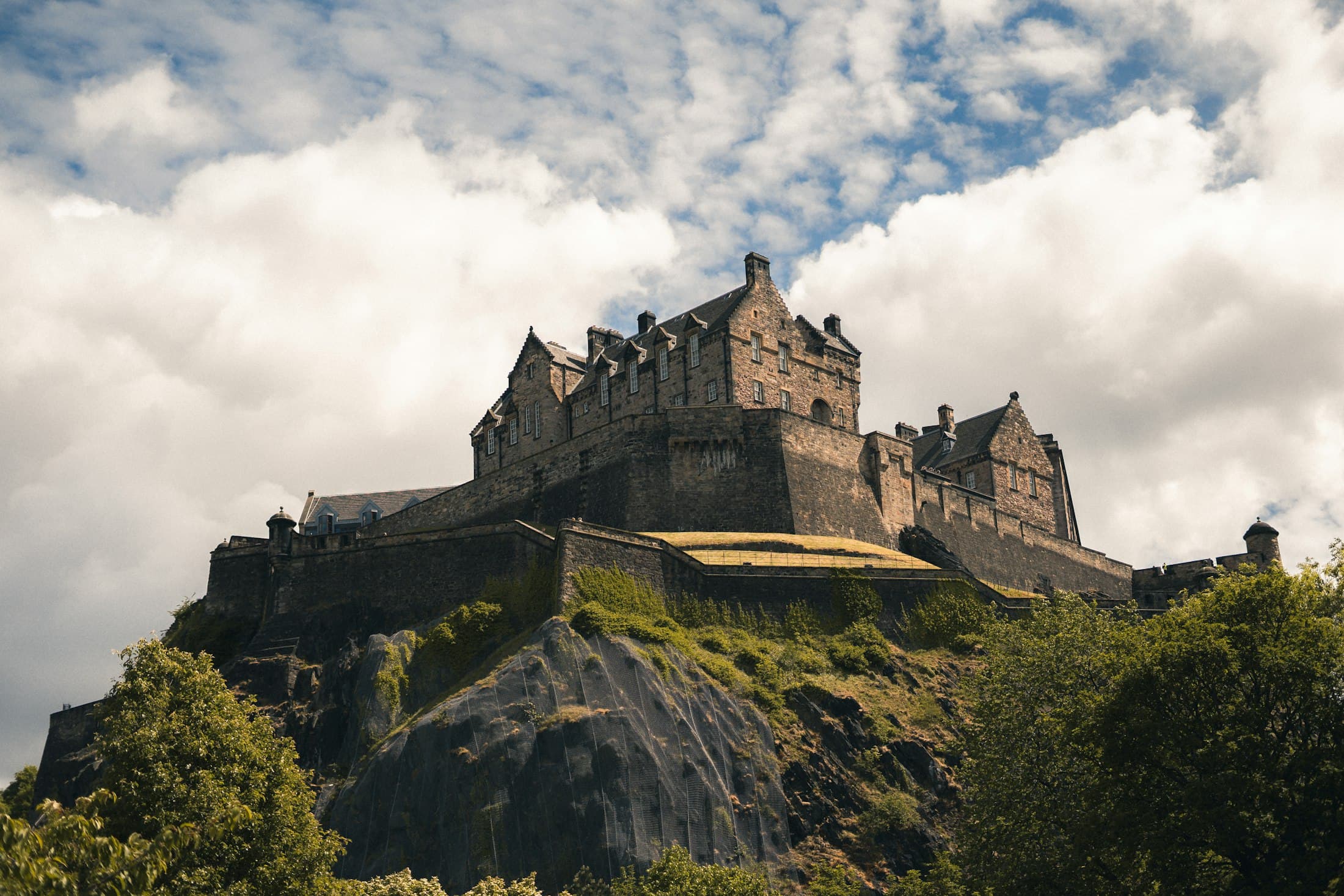 EdinburghBest: May · Jun · Jul · SepPhotographers joining
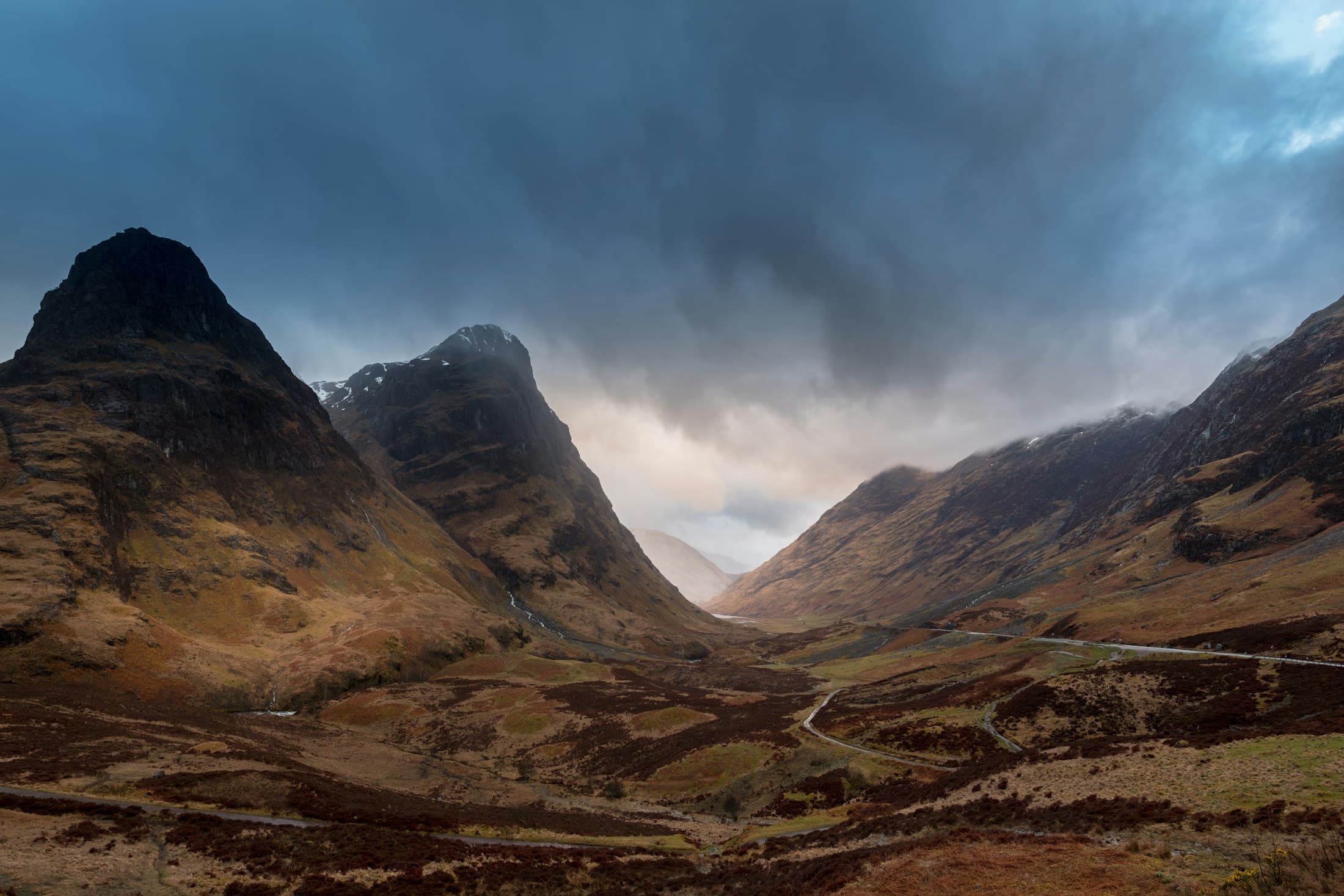 The Scottish Highlands & IslandsBest: May · JunPhotographers joining