Getting married in the Cotswolds
Rolling hills of honey-coloured stone villages, manor houses and castle gardens, with ceremonies on the lawn, barns for the party and long summer evenings — about two hours west of London.
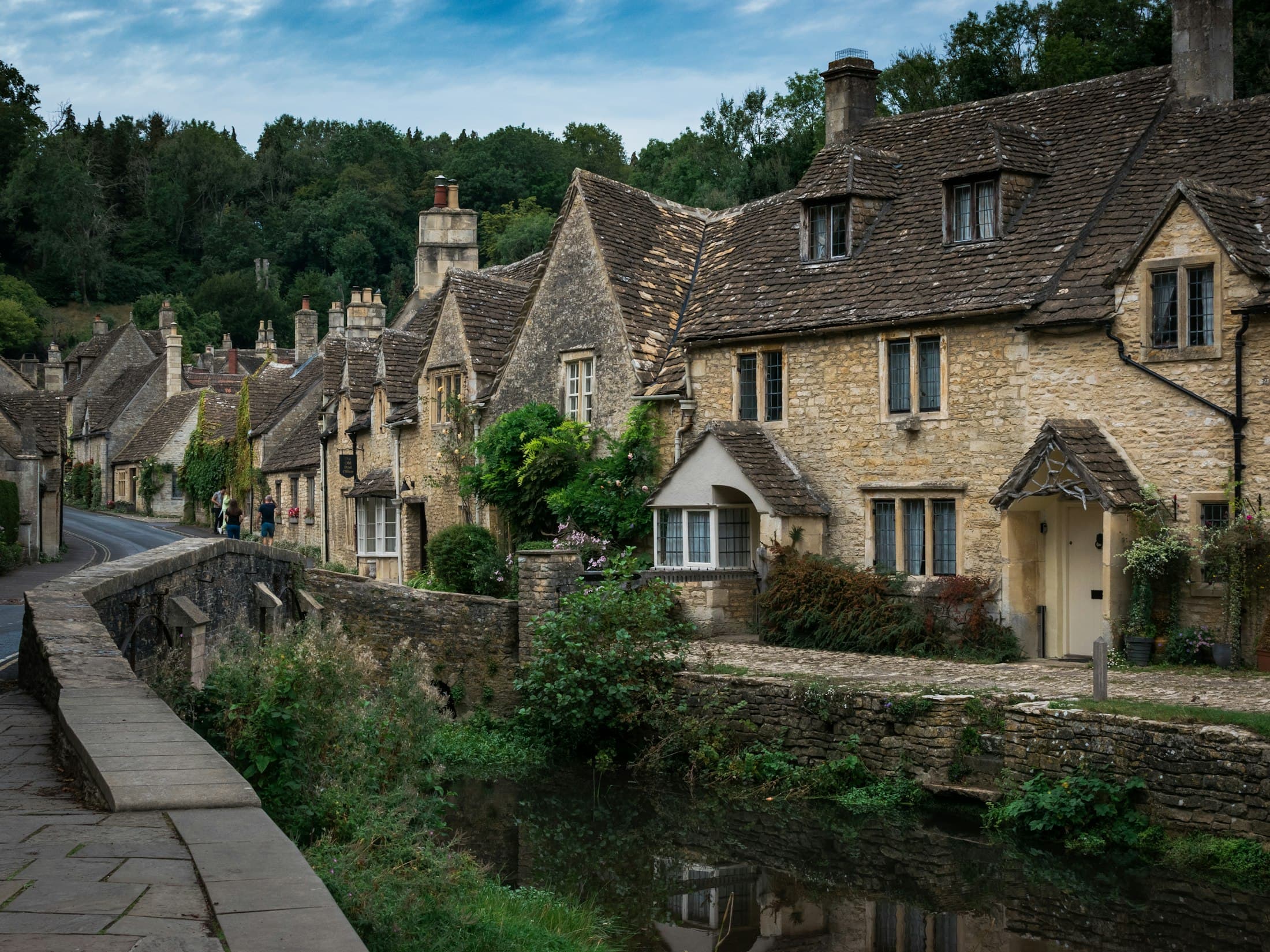
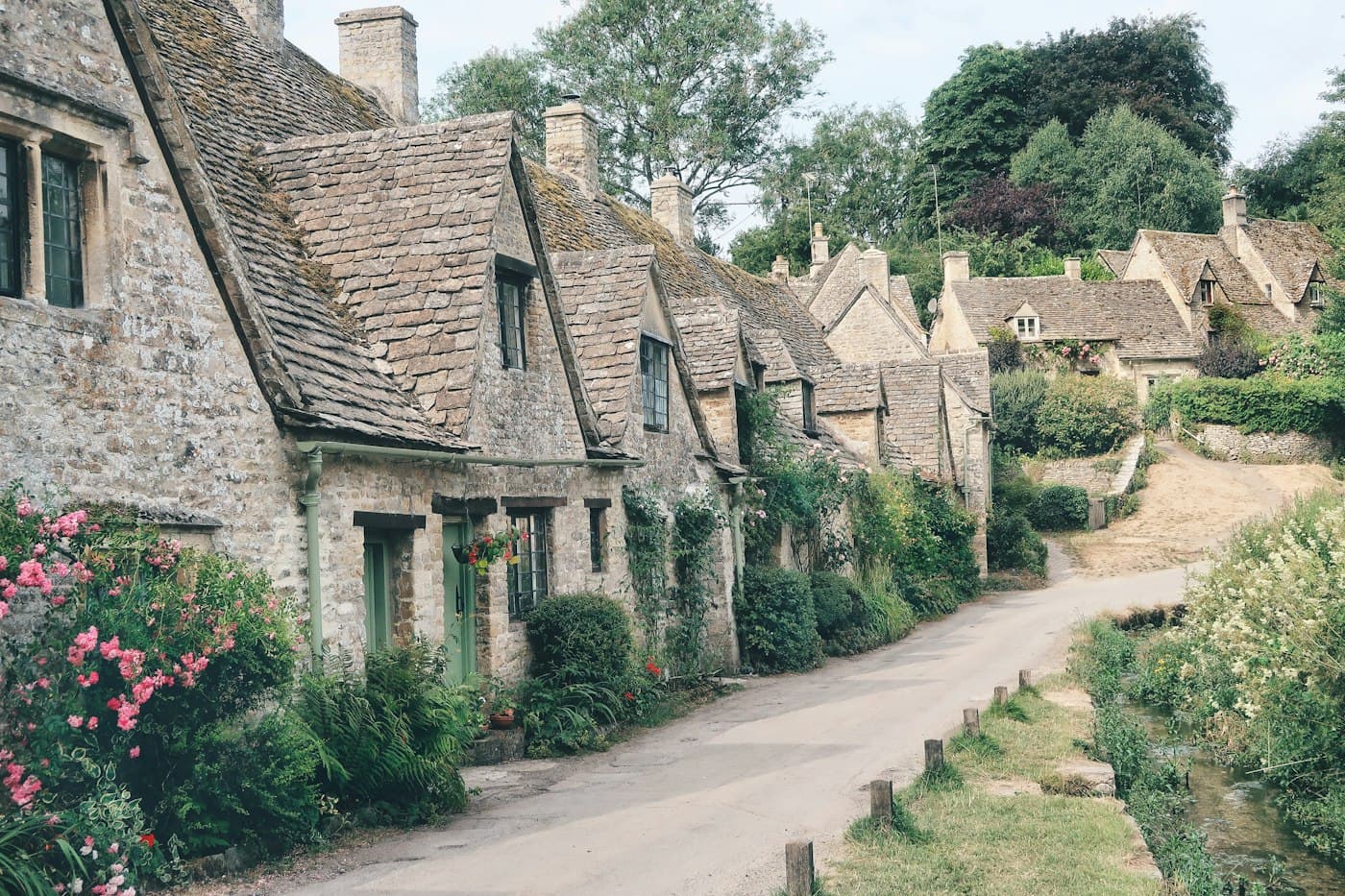
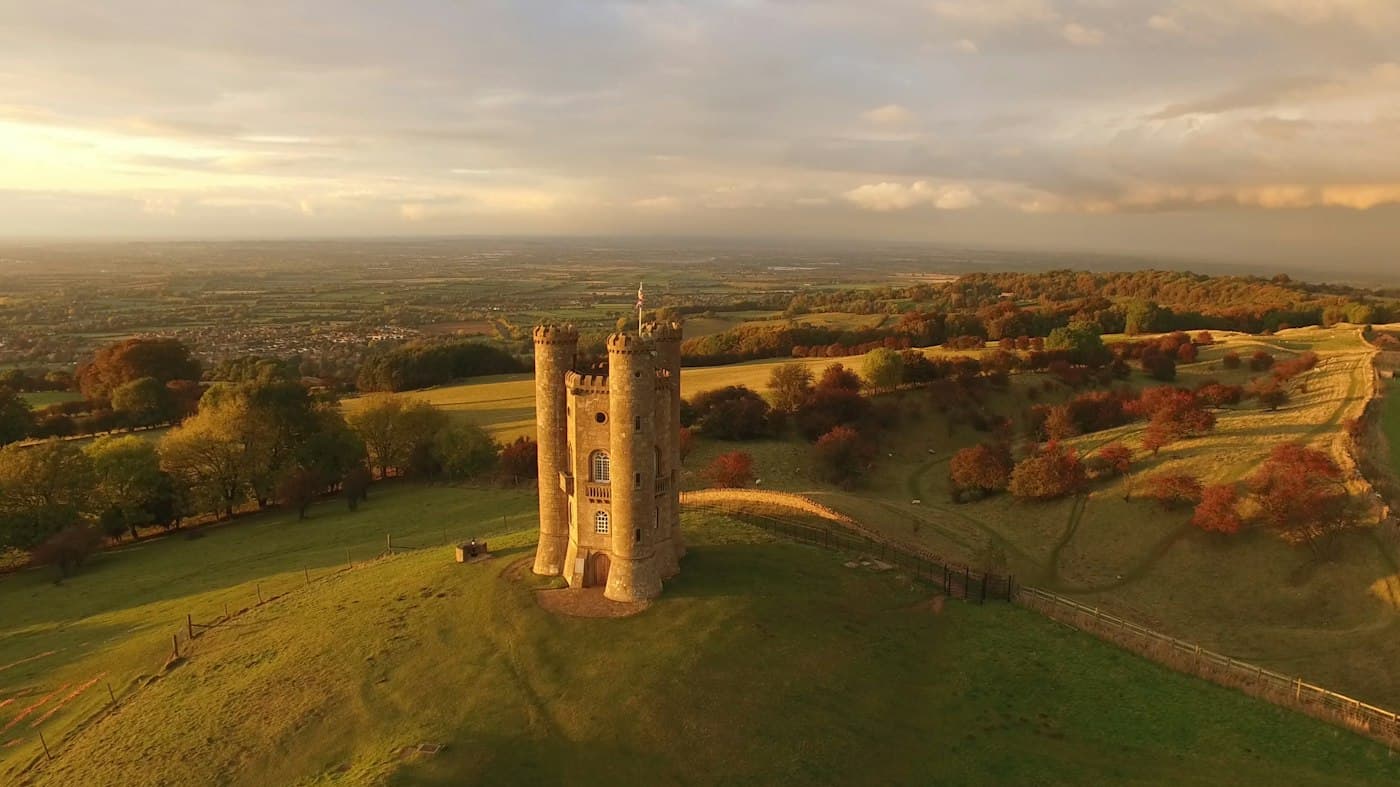
The Cotswolds are a long rise of limestone hills — a protected landscape since 1966 and, at about 2,000 km², the largest of its kind in England and Wales — climbing gently from the meadows of the upper Thames to a steep edge above the Severn Vale and the Vale of Evesham. The villages are built of the same stone: Bibury, where the weavers’ cottages of Arlington Row, a monastic wool store of about 1380, look across a water meadow on the River Coln; Castle Combe, with its little bridge over the By Brook; Chipping Campden, whose Market Hall of 1627 still stands on the High Street. On the edge itself Broadway Tower, a folly finished in 1798, looks out over sixteen counties, and the Cotswold Way runs 164 km, mostly along the escarpment.
Most weddings here are country weekends: a manor-house hotel, a barn converted for parties or a marquee on a lawn, with the guests staying close by. Since 2022 a civil ceremony may be held outdoors in the grounds of a licensed venue — under a tree, in a garden, on a terrace above the fields — and at Sudeley Castle, near Winchcombe, couples make their vows above the rose garden or among the ruins of a tithe barn. Portraits follow in the stone lanes, on a hilltop at sunset or, in July, among the lavender.
Through the year
When to marry in the Cotswolds
May to September are the easiest months: on the hills, at Little Rissington, average highs run from about 16 °C in May to 21 °C in July and 18 °C in September — a degree or so warmer in the towns and the vale below — and about nine or ten days a month bring a millimetre of rain or more. July is the warmest and the sunniest month, with about seven hours of sun a day; over a year the hills get some 810 mm of rain, more than London’s 615. From October to March the wet days rise to eleven to thirteen a month, and winter is colder than in the city: about ten frosty days a month from December to February on the hills, against six or seven at Heathrow, and a stronger wind.
- January: Quieter
- February: Quieter
- March: Quieter
- April: Good with planning
- May: Best
- June: Best
- July: Best
- August: Best
- September: Best
- October: Good with planning
- November: Quieter
- December: Quieter
- SpringFresh and green, with the days lengthening fast — by mid-May the sun sets at about five to nine. April is still cool, around 13 °C on the hills, and a clear night can bring frost; May is warmer, at about 16 °C, and one of the sunniest months of the year.
- SummerThe warmest and busiest weeks: highs of about 19 to 21 °C on the hills, sunsets after nine from late May to the end of July, and the lavender at Snowshill in flower from late June, at its best in July. The best-known villages can be busy, Bibury above all, so plan portraits there early in the morning, and keep a barn, a porch or a big tree in mind for a passing shower.
- Autumn and winterSeptember is often mild, about 18 °C on the hills, with a low, warm light on the stone; in October the beech woods turn and the rain comes back. Winter is short and cold up here — at midwinter the sun is up only from about ten past eight until four, frost is common and the lanes can be icy — but a small wedding by the fire of an old inn or a manor house, with portraits in the frosty fields at midday, has a beauty of its own.
In numbers
- Average high in the best months
- May 15.9°C · Jun 19.0°C · Jul 21.4°C · Aug 20.7°C · Sep 17.9°C
- Met Office
- Days with 1 mm of rain or more, best months
- May 10 · Jun 9.3 · Jul 9.2 · Aug 10.4 · Sep 9.7
- Met Office
Weather station: Little Rissington, normals 1991–2020 · Checked 26 October 2026
Places
Where couples marry here
The kinds of places — ask your photographer which ones they know well.
Stone villages
Bibury’s Arlington Row, the weavers’ cottages on the River Coln, and the water meadow of Rack Isle; Castle Combe’s bridge over the By Brook; the High Street of Chipping Campden and its open-arched Market Hall of 1627. Arlington Row and the Market Hall belong to the National Trust, and the cottages are people’s homes: keep to the lane, respect the residents’ privacy and come early, before the day’s visitors. The Trust handles wedding and engagement photography place by place — ask the place ahead and pay any fee — and allows no drones.
Manor houses, barns and castle gardens
Hotels in old manor houses, barns converted for weddings and marquees on a lawn hold most celebrations, and since 2022 a civil ceremony may take place in the grounds of a licensed venue. At Sudeley Castle, near Winchcombe, couples make their vows on the ha-ha above the rose garden or among the ruins of the tithe barn, with blessings in St Mary’s chapel for up to 130 guests. Nearby, English Heritage asks photographers to call the ruins of Hailes Abbey ahead, and allows no drones.
Broadway Tower and the escarpment
Broadway Tower, a folly imagined by Capability Brown and finished by James Wyatt in 1798, stands on Beacon Hill, 312 metres up — the second-highest point of the Cotswolds — with views over sixteen counties. It is a private estate: arrange a wedding shoot with the tower in advance. Beyond it the Cotswold Way follows the escarpment, with the land falling away west to the Severn and the Malvern Hills; on footpaths across farmland, leave gates as you find them and give the livestock room.
Lavender and summer fields
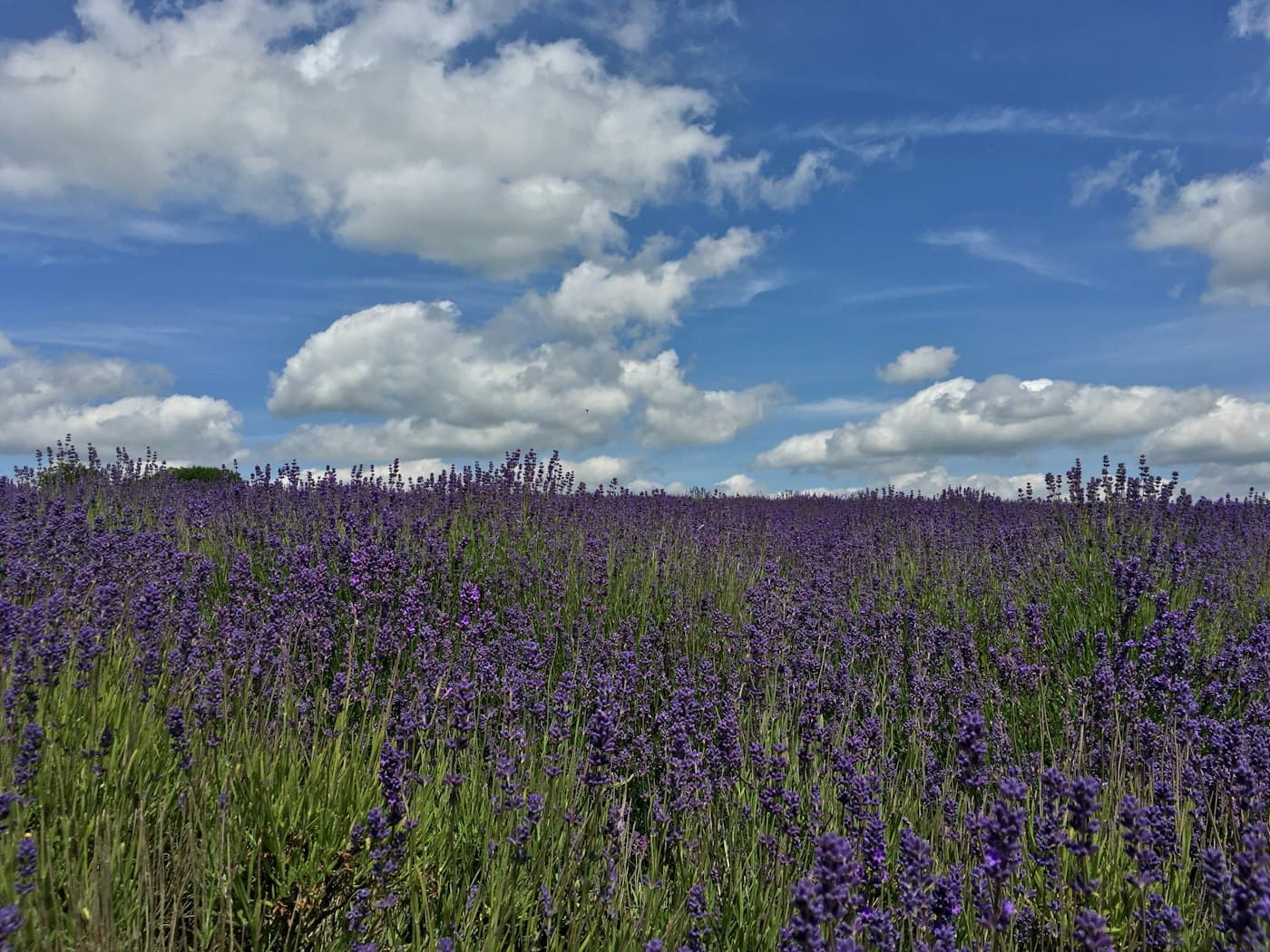
Cotswold Lavender, at Snowshill above Broadway, grows some 35 varieties over about 18 hectares, open to visitors from mid-June to early August and at its fullest in July. Wedding and couple shoots there need a photography pass bought at least 24 hours ahead; it covers the main public field from 10 am to 5 pm, and everyone else in the party pays the normal entry.
Light
How the light falls
At midsummer the sun rises over the hills at about a quarter to five and sets at about half past nine, in the north-west, with light in the sky until after ten; at eight in the evening it is still about eleven degrees up, low enough to turn the stone of the villages gold. At midwinter it is up only from about ten past eight until four, never more than 15 degrees high, and the earliest sunsets, in mid-December, come just before four. July averages about seven hours of sun a day, December two. From the escarpment the evening sun goes down over the vale; in the villages tucked into valleys the hills hide it sooner, so walk up for the last of the light.
Travel
Getting there
Trains from London Paddington reach Moreton-in-Marsh, in the north of the hills, in about an hour and a half, and Kemble, near Cirencester and Tetbury, in about an hour and ten minutes, both roughly every hour; from there the villages are a short drive away — Chipping Campden 14 km from Moreton, Bibury 20 km from Kemble. By road, Bourton-on-the-Water is about 120 km from Heathrow, an hour and a half or more, Chipping Campden 67 km from Birmingham Airport and Castle Combe 48 km from Bristol Airport; Chipping Campden in the north and Castle Combe in the south are some 85 km apart. The lanes are narrow, and parking in the best-known villages is scarce. Drones need a CAA Flyer ID from 100 g and an Operator ID from 250 g or with a camera, larger ones must keep 150 m from villages, and the National Trust and English Heritage allow none on their land. Check the Met Office’s warnings before a day in the hills.
Photographers
Photographers in the Cotswolds
No one in the Cotswolds yet
The first photographers in the Cotswolds are joining now. Tell our concierge your date and your plans — it checks who is free and fits.
Plan
Read before you plan
- Getting married in the UK as foreigners: the visa, Scotland, England and WalesHow couples who don’t live in the UK marry there legally: the Marriage Visitor visa (an ETA isn’t enough), Scotland’s notice by post and outdoor weddings, England and Wales’s week of residence and 28 days, Northern Ireland, documents, costs, and registering the marriage back home.
- How to choose a wedding photographer: the steps, and the questions to askThe decision in order — whole weddings, style, availability, the package, the contract and deposit, cancellation, delivery and a conversation — then a checklist of questions, with why each one matters.
- A wedding-day timeline for photosFrom getting ready to the last dance, planned around the light.
- Deposits and payment protectionWhat you pay when, and what happens if plans change.
- How to get married in the UK when you live here: notice, ceremony, church, and afterFor couples who live in the UK: giving notice in England and Wales, Scotland or Northern Ireland, what to bring and what it costs, a register office, an approved venue, a church or a humanist celebrant, and what changes after the day — certificate, surname, tax, will and leave.
- Which country for a destination wedding? The law, prices, crowds and light, comparedThe legal route for couples who don’t live there, season and crowds, price levels, light, flights, venues and permits for photographs — Portugal, Italy, Spain, Greece, France and Austria compared with official figures, as of October 2026.
- A rain plan that still looks goodCovered spots, umbrellas and what photographers do on grey days.
- Wedding photography contract checklist: what it should say, and how Lens & Vows handles each pointThirteen things a good contract covers — the day and the hours, what is delivered, deposit and balance, cancellation on either side, date changes, illness, image rights, personal data, backups, travel, overtime and complaints — and what our terms say about each.
United Kingdom
Other places
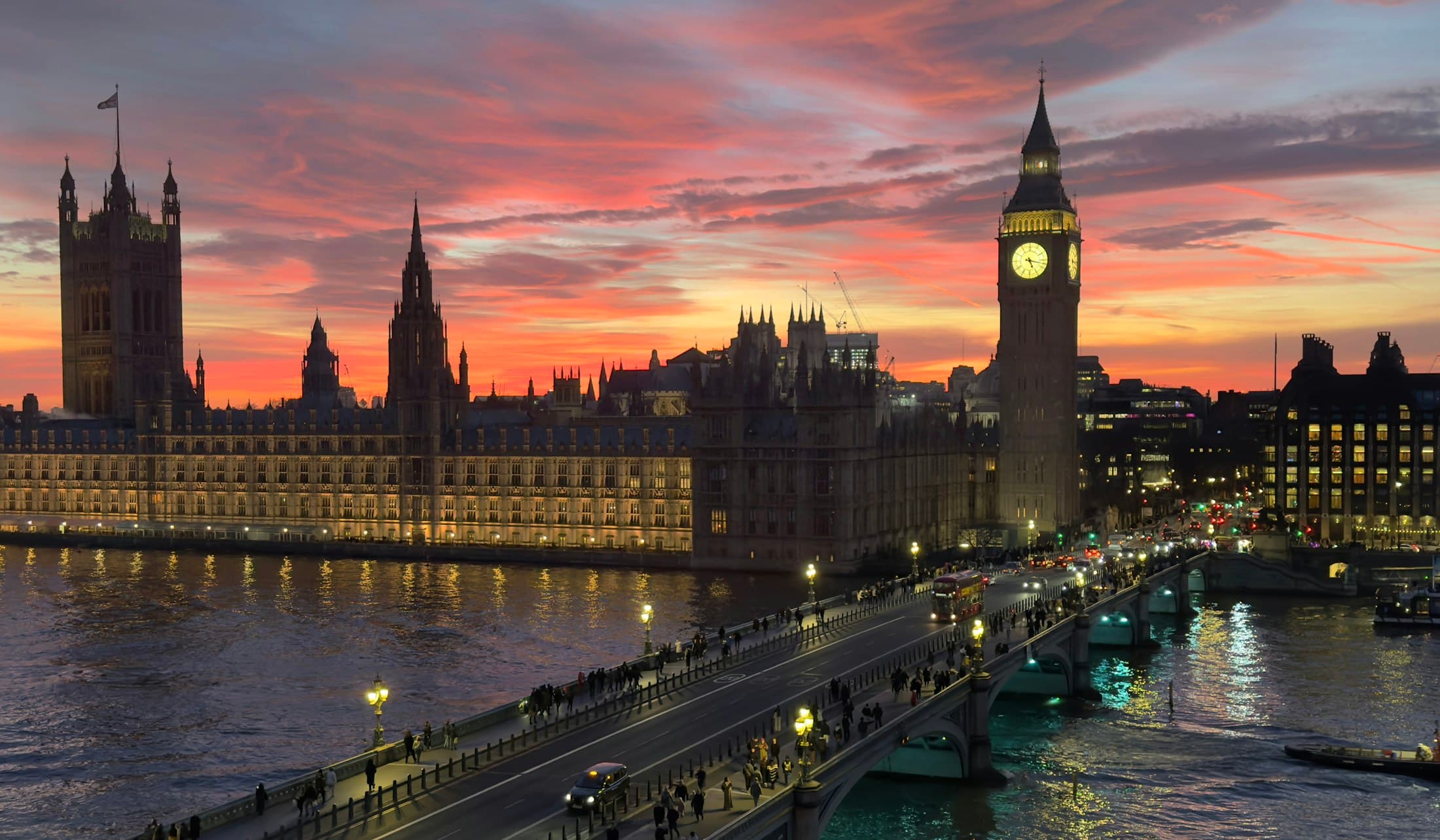 LondonBest: May · Jun · Jul · Aug · SepPhotographers joining
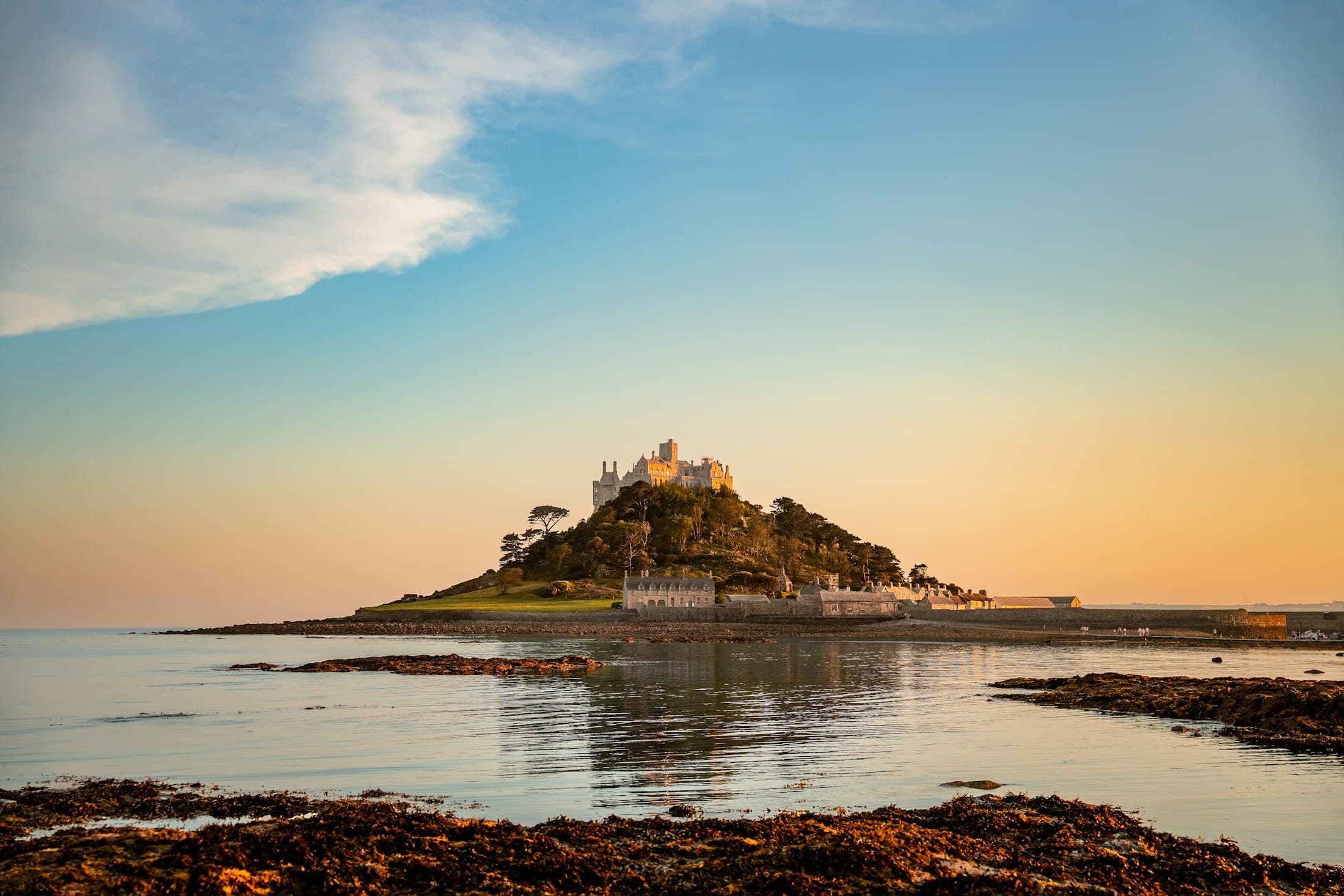 Cornwall & DevonBest: May · Jun · SepPhotographers joining
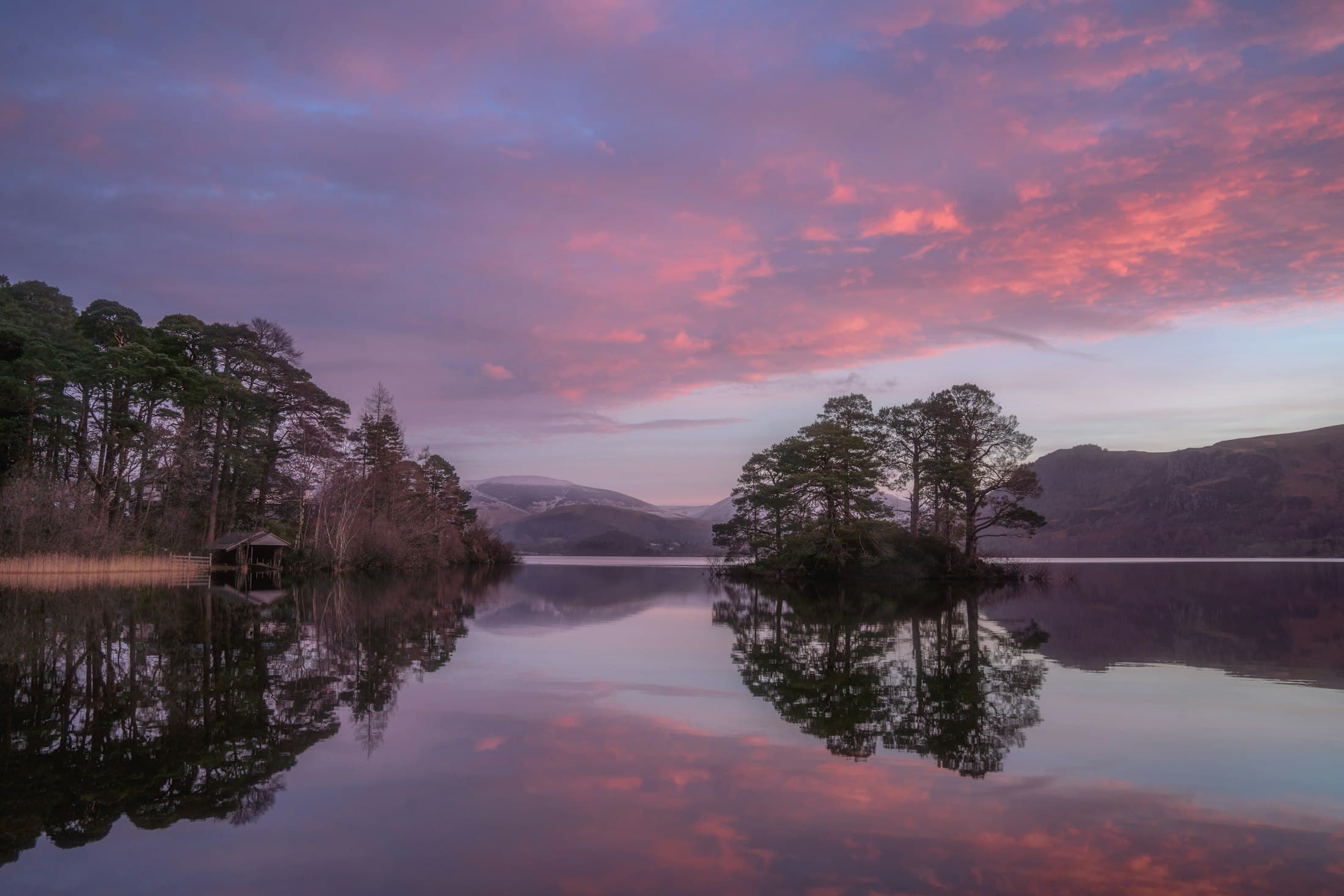 The Lake DistrictBest: May · Jun · SepPhotographers joining
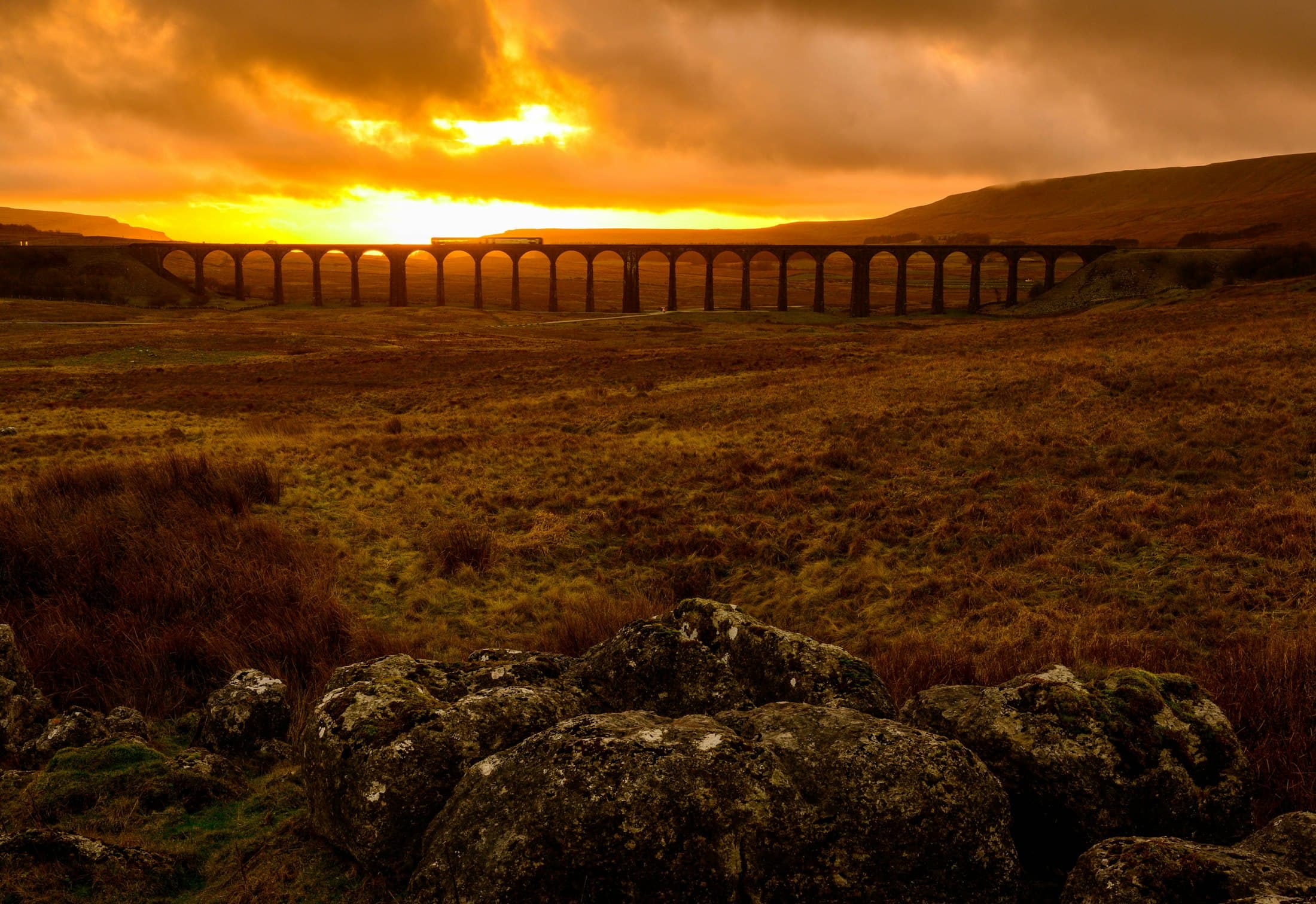 YorkshireBest: May · Jun · Jul · Aug · SepPhotographers joining
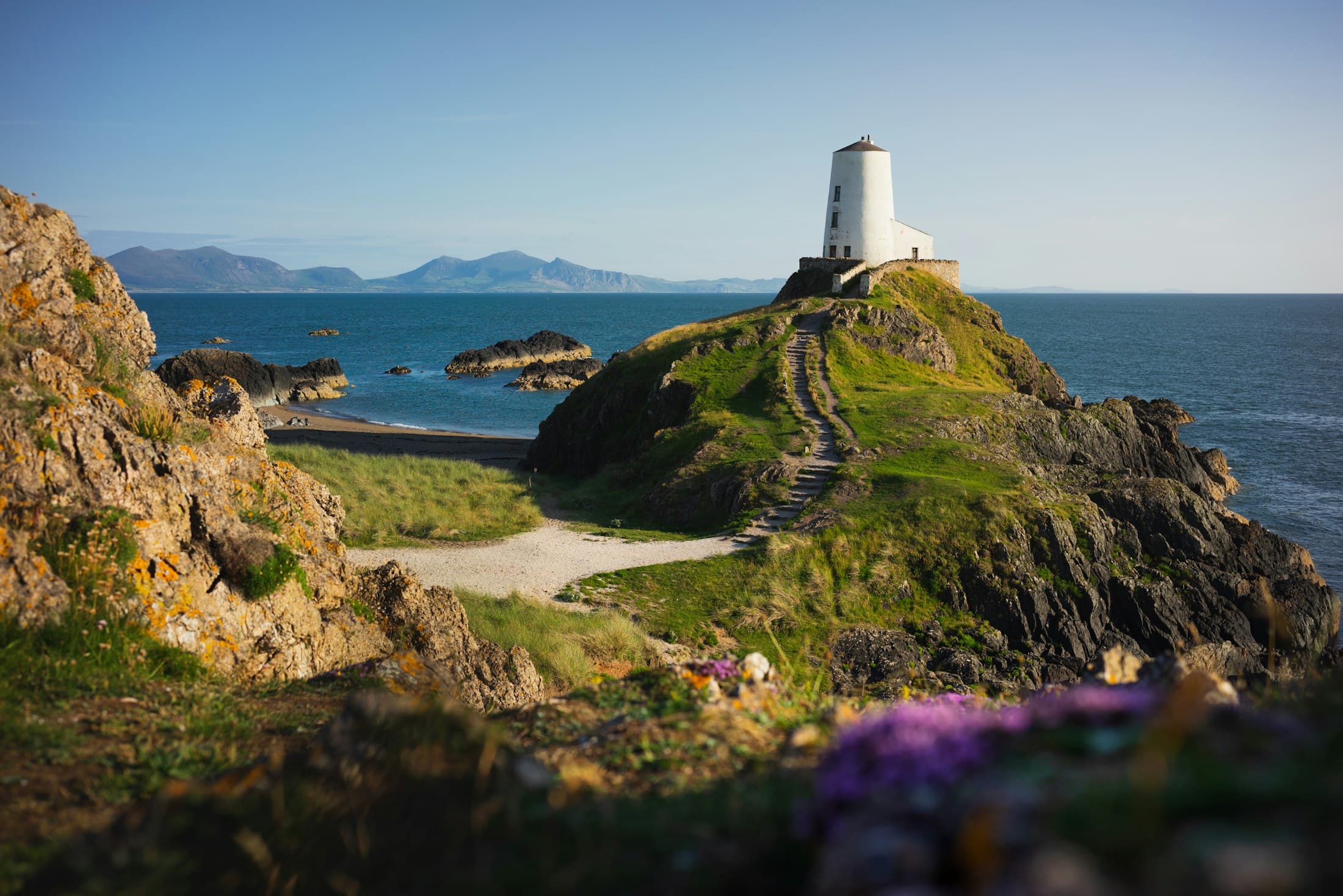 WalesBest: May · Jun · Jul · AugPhotographers joining
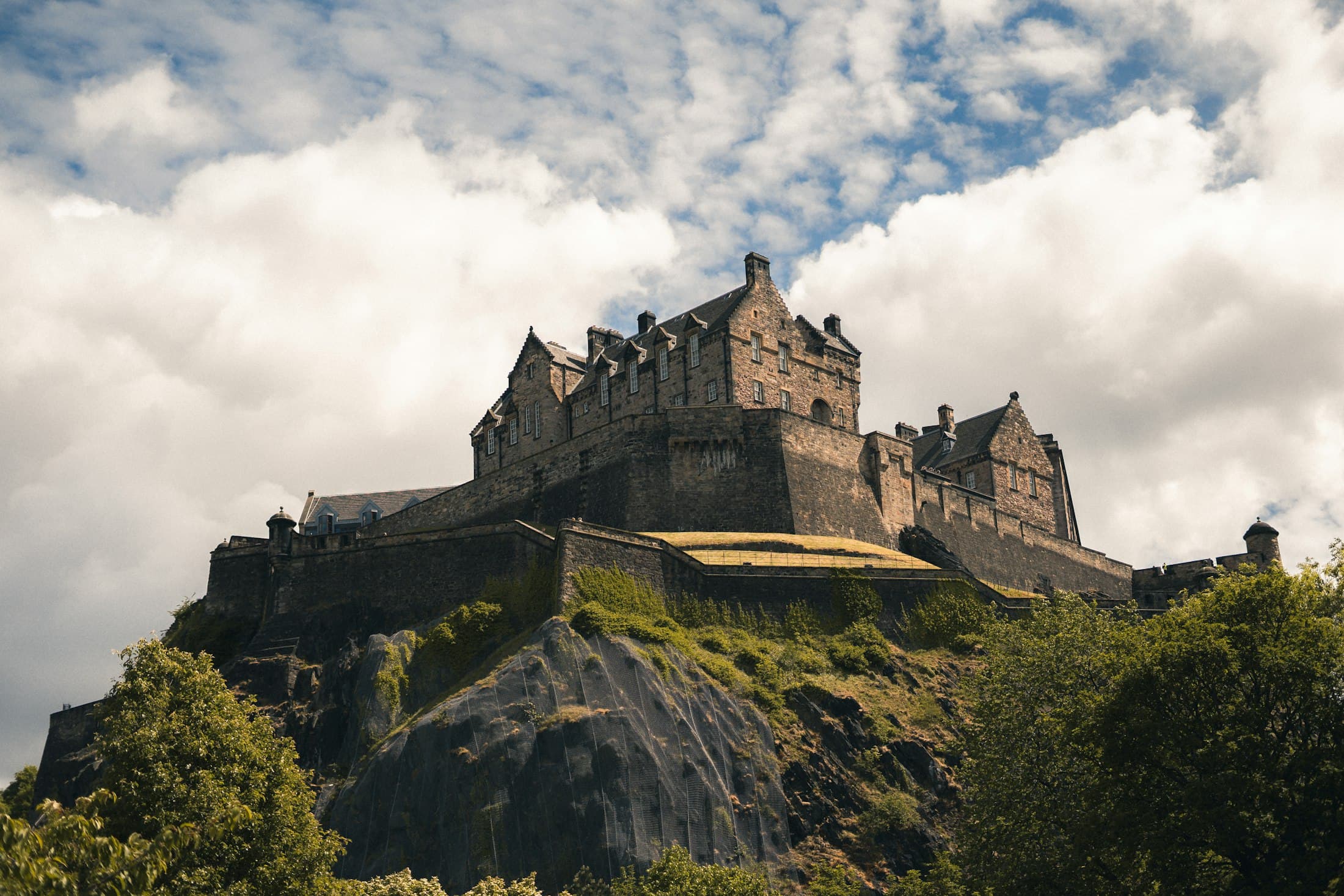 EdinburghBest: May · Jun · Jul · SepPhotographers joining
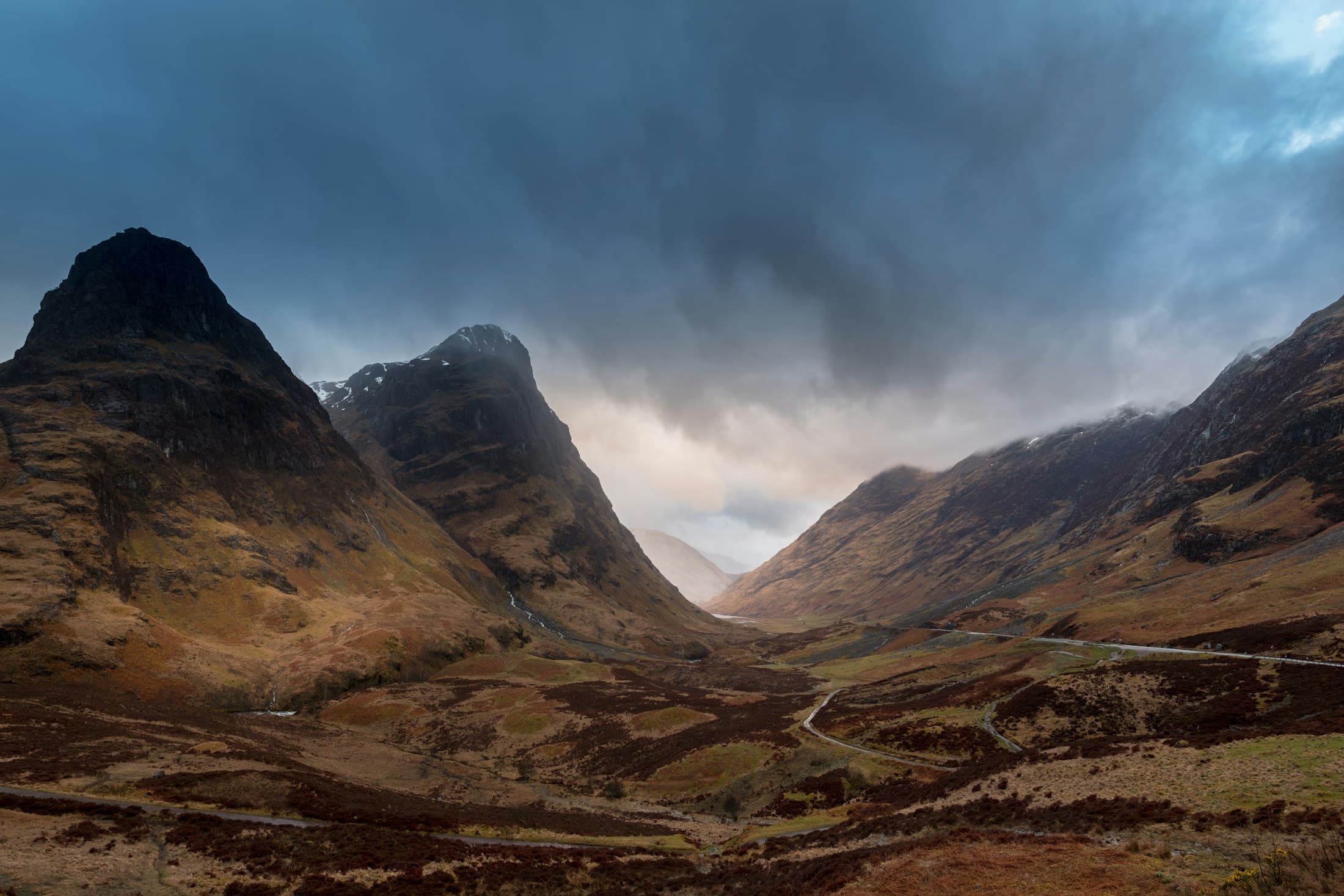 The Scottish Highlands & IslandsBest: May · JunPhotographers joining