Getting married in Edinburgh
Scotland’s capital: a medieval Old Town along a ridge below the castle, the Georgian New Town across the gardens, a volcanic hill in the middle of the city and the Firth of Forth at its edge.
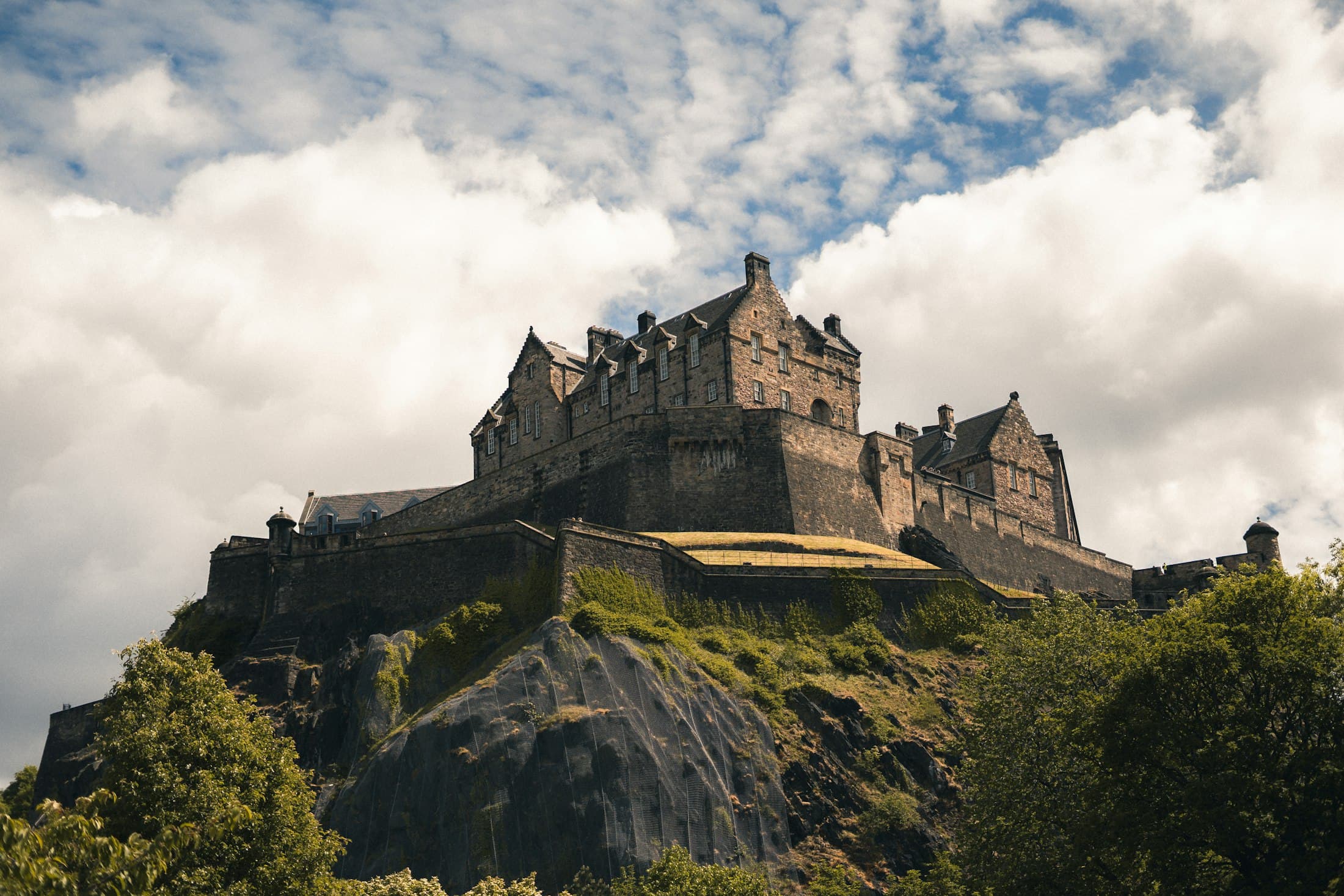
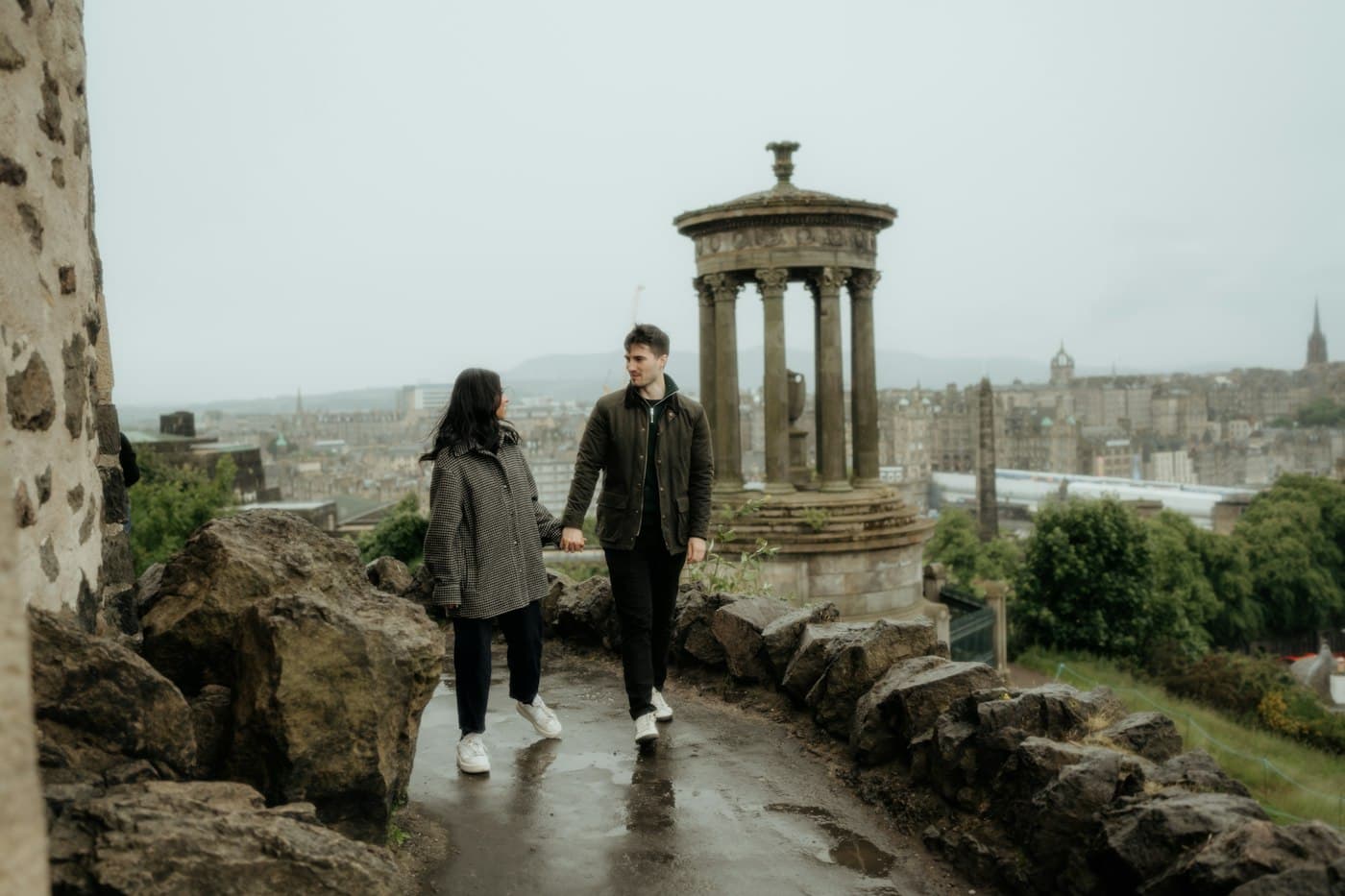
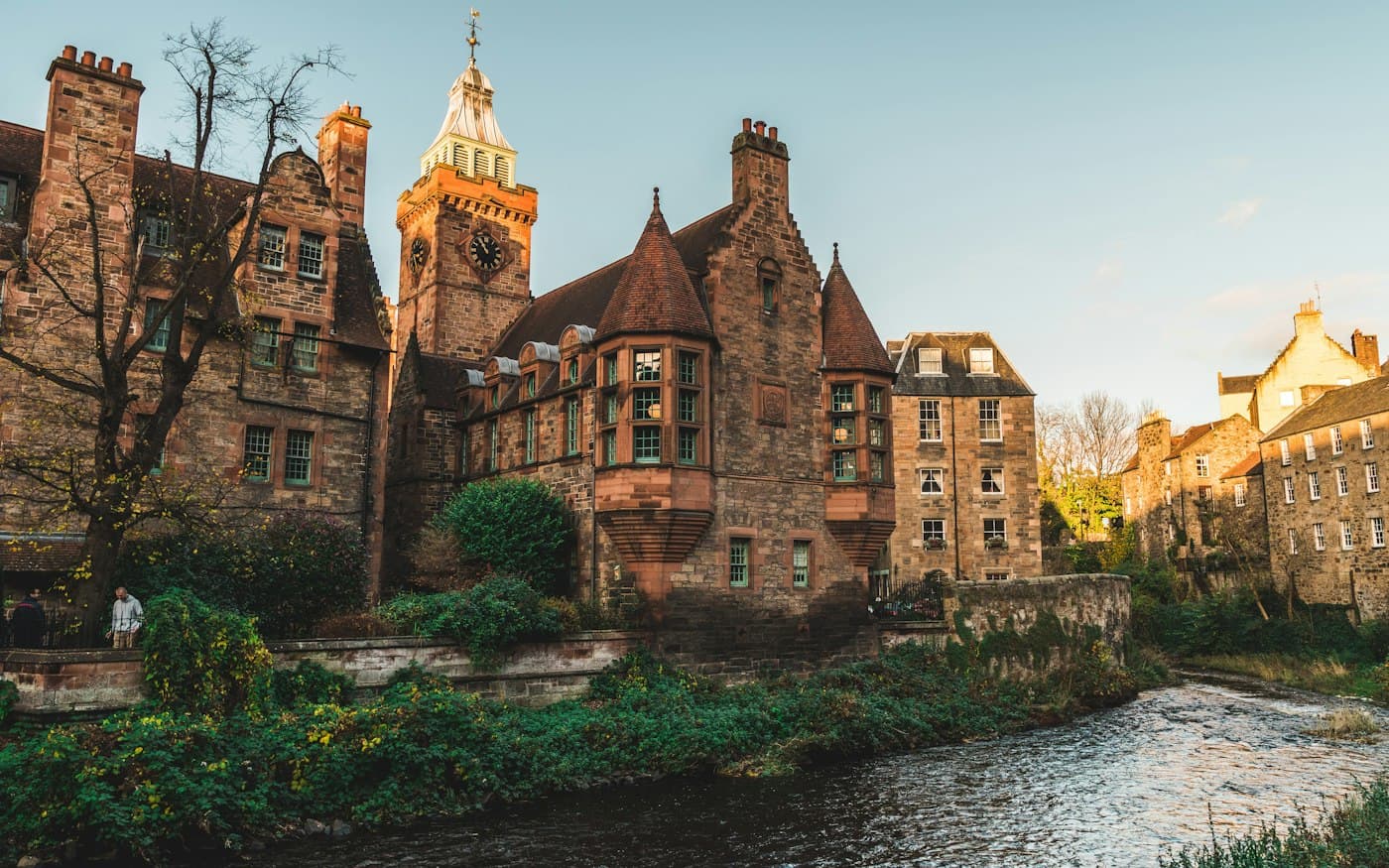
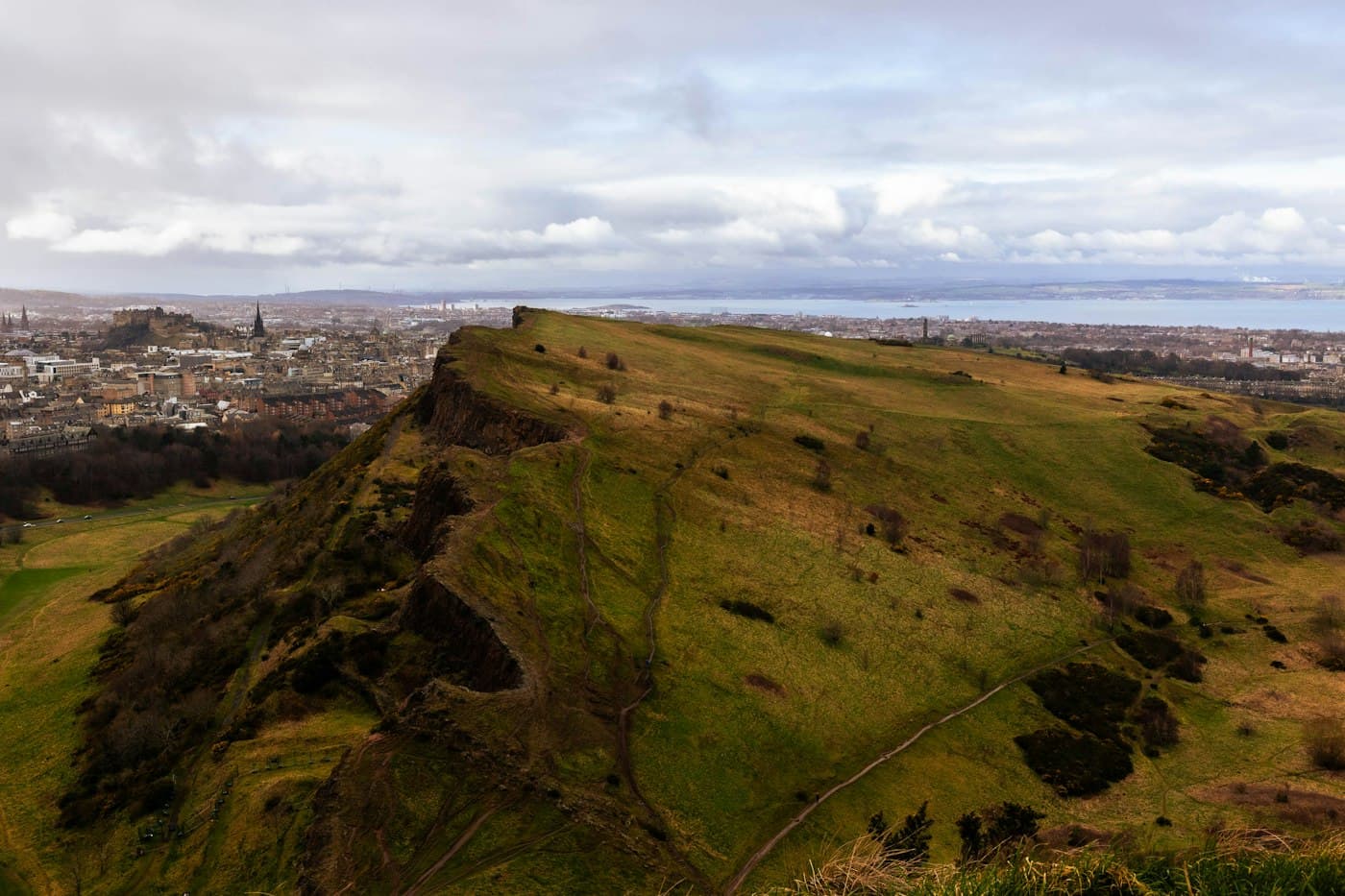
Edinburgh is two cities in one, and UNESCO lists them together. The Old Town runs down the ridge from the castle in tall stone tenements, narrow closes and the curving, cobbled Victoria Street with its painted shopfronts; across Princes Street Gardens, the neoclassical New Town of the eighteenth and nineteenth centuries lays out its straight streets and squares. Above them rise Calton Hill, crowned by the twelve columns of the unfinished National Monument and the round temple of the Dugald Stewart Monument, and Arthur’s Seat, the remains of a volcano some 340 million years old, in the wild green of Holyrood Park. To the west the Water of Leith runs through Dean Village, an old milling village of stone; to the north the city reaches the sea, where three bridges from three centuries cross the Forth at Queensferry.
Couples marry here in every way Scotland allows — with a registrar, in a church or kirk, or with a humanist or other belief celebrant — and because a Scottish ceremony may take place at any indoor or outdoor place the registrar or celebrant can reach, a hilltop or a garden serves as well as a hall. Many keep the day small: the ceremony, then portraits on foot through the Old Town, up Calton Hill or along the Water of Leith, and dinner as the long northern evening fades.
Through the year
When to marry in Edinburgh
May, June, July and September are the easiest months. Edinburgh is one of the drier corners of Scotland — about 730 mm of rain a year at the Royal Botanic Garden, less than half the Scottish average — and from May to September a millimetre or more falls on only ten or eleven days a month, often as a passing shower. Average highs climb from about 15 °C in May to 19 °C in July, the warmest month, and May is the sunniest, with over six hours of sun a day. August is just as mild, but the city then belongs to its festivals: the Fringe fills it from 6 to 30 August 2027, so book everything early or choose another month. April has the fewest wet days of the year but is still cool, around 12 °C; October is the wettest month.
- January: Quieter
- February: Quieter
- March: Quieter
- April: Good with planning
- May: Best
- June: Best
- July: Best
- August: Good with planning
- September: Best
- October: Good with planning
- November: Quieter
- December: Quieter
- SpringApril has the fewest wet days and May the most sun — over six hours a day on average — though highs are still only about 12 to 15 °C. The evenings stretch fast: by mid-May the sun sets at about twenty past nine. Spring is also a good time for the castle itself: Edinburgh Castle holds weddings from October to May, with only some dates in June and September.
- SummerThe warmest weeks, around 17 to 19 °C, and the longest light: at midsummer the sun sets just after ten and the sky stays bright until after eleven. It rains on ten or eleven days a month, usually briefly, so keep a covered spot in mind — a church porch, a close, a café doorway. In August the Fringe, the Military Tattoo at the castle and the other festivals fill every street and hotel: a joyful time to be in the city, but not a quiet one.
- Autumn and winterSeptember is often a lovely surprise — still around 17 °C, among the drier months, and calm after August. October brings the most rain of the year and the first frosts follow; by December and January highs are about 7 °C, there is frost on nine or ten days a month, and at midwinter the sun is up for under seven hours, never more than 11° above the horizon. Winter weddings here are close and candlelit: a castle room or a warm hall, and portraits in the short, low light of the afternoon.
In numbers
- UNESCO World Heritage
- Old and New Towns of Edinburgh (1995)
- The Forth Bridge (2015)
Weather station: Edinburgh, Royal Botanic Garden No 2, normals 1991–2020 · Checked 26 October 2026
Places
Where couples marry here
The kinds of places — ask your photographer which ones they know well.
The Old Town and the castle
Closes and stone stairs off the Royal Mile, the curve of Victoria Street down to the Grassmarket and, above it all, the castle on its rock. Edinburgh Castle, run by Historic Environment Scotland, holds weddings itself — St Margaret’s Chapel, the city’s oldest building, from around 1130, takes religious ceremonies only — but any professional photography at Historic Environment Scotland’s sites needs its written permission in advance, and drones its prior consent.
Calton Hill, the New Town and Dean Village
Calton Hill, at the east end of Princes Street, is the city’s classic viewpoint — the castle, the Old Town and Arthur’s Seat on one side, Leith and the Forth on the other — with its monuments for a backdrop. Below it run the Georgian streets of the New Town, and a short walk west, Dean Village gathers its old mills and the turreted Well Court beside the Water of Leith. It is a quiet residential corner: keep the group small and the voices low.
Holyrood Park and Arthur’s Seat
A piece of wild hill in the middle of the city: the crags and slopes of an ancient volcano, small lochs and the ruined St Anthony’s Chapel, open day and night all year, and free. The views over the city and the Forth are wide, and the paths steep, rocky and slippery in the wet — good shoes for the climb, the wedding shoes in a bag. Historic Environment Scotland runs the park too: drones may not be launched or flown inside it without its permission, and fires and barbecues are not allowed anywhere.
Gardens, castles and the Forth bridges
The Royal Botanic Garden takes wedding photographs booked by the hour, mostly in its Rock Garden, and does not allow drones. Beyond the centre, Historic Environment Scotland holds ceremonies at Craigmillar Castle, at Inchcolm Abbey on its island in the Firth of Forth and at a few other old castles and churches nearby; and at South Queensferry, about 15 km from the centre, the red cantilevers of the Forth Bridge, opened in 1890 and a World Heritage Site, stand beside the road bridges of 1964 and 2017.
Light
How the light falls
At midsummer the sun rises at about twenty-five past four and sets just after ten, out in the north-west; at nine in the evening it is still six degrees up, and the sky stays bright until after eleven. From early June to mid-July it never gets darker than a deep blue twilight, and from early May to early August there is no true night at all. At midwinter the sun is up only from about twenty to nine until twenty to four, never more than 11 degrees high — a low, golden light all day, when it shows. Cloud is common; even in May, the sunniest month, the sun shines for just over six hours a day on average, and the soft, even light the cloud leaves is kind to faces and to grey stone.
Travel
Getting there
Edinburgh Airport is about 15 km west of the Old Town, 30 minutes from the city centre by tram; Waverley station, below the castle, has trains from London by day and the Caledonian Sleeper by night. The Old Town, the New Town and Calton Hill are all within walking distance of one another; South Queensferry and the Forth bridges are about half an hour by car. Drones follow the UK Civil Aviation Authority’s rules — a Flyer ID for anything from 100 g, an Operator ID from 250 g or, with a camera, from 100 g, never higher than 120 m, and never in an airport’s flight restriction zone without its permission — and Historic Environment Scotland’s sites, Holyrood Park among them, need its own consent. Before a day out, check the Met Office’s yellow, amber and red warnings.
Photographers
Photographers in Edinburgh
No one in Edinburgh yet
The first photographers in Edinburgh are joining now. Tell our concierge your date and your plans — it checks who is free and fits.
Plan
Read before you plan
- Getting married in the UK as foreigners: the visa, Scotland, England and WalesHow couples who don’t live in the UK marry there legally: the Marriage Visitor visa (an ETA isn’t enough), Scotland’s notice by post and outdoor weddings, England and Wales’s week of residence and 28 days, Northern Ireland, documents, costs, and registering the marriage back home.
- How to choose a wedding photographer: the steps, and the questions to askThe decision in order — whole weddings, style, availability, the package, the contract and deposit, cancellation, delivery and a conversation — then a checklist of questions, with why each one matters.
- A wedding-day timeline for photosFrom getting ready to the last dance, planned around the light.
- Deposits and payment protectionWhat you pay when, and what happens if plans change.
- How to get married in the UK when you live here: notice, ceremony, church, and afterFor couples who live in the UK: giving notice in England and Wales, Scotland or Northern Ireland, what to bring and what it costs, a register office, an approved venue, a church or a humanist celebrant, and what changes after the day — certificate, surname, tax, will and leave.
- Which country for a destination wedding? The law, prices, crowds and light, comparedThe legal route for couples who don’t live there, season and crowds, price levels, light, flights, venues and permits for photographs — Portugal, Italy, Spain, Greece, France and Austria compared with official figures, as of October 2026.
- A rain plan that still looks goodCovered spots, umbrellas and what photographers do on grey days.
- Wedding photography contract checklist: what it should say, and how Lens & Vows handles each pointThirteen things a good contract covers — the day and the hours, what is delivered, deposit and balance, cancellation on either side, date changes, illness, image rights, personal data, backups, travel, overtime and complaints — and what our terms say about each.
United Kingdom
Other places
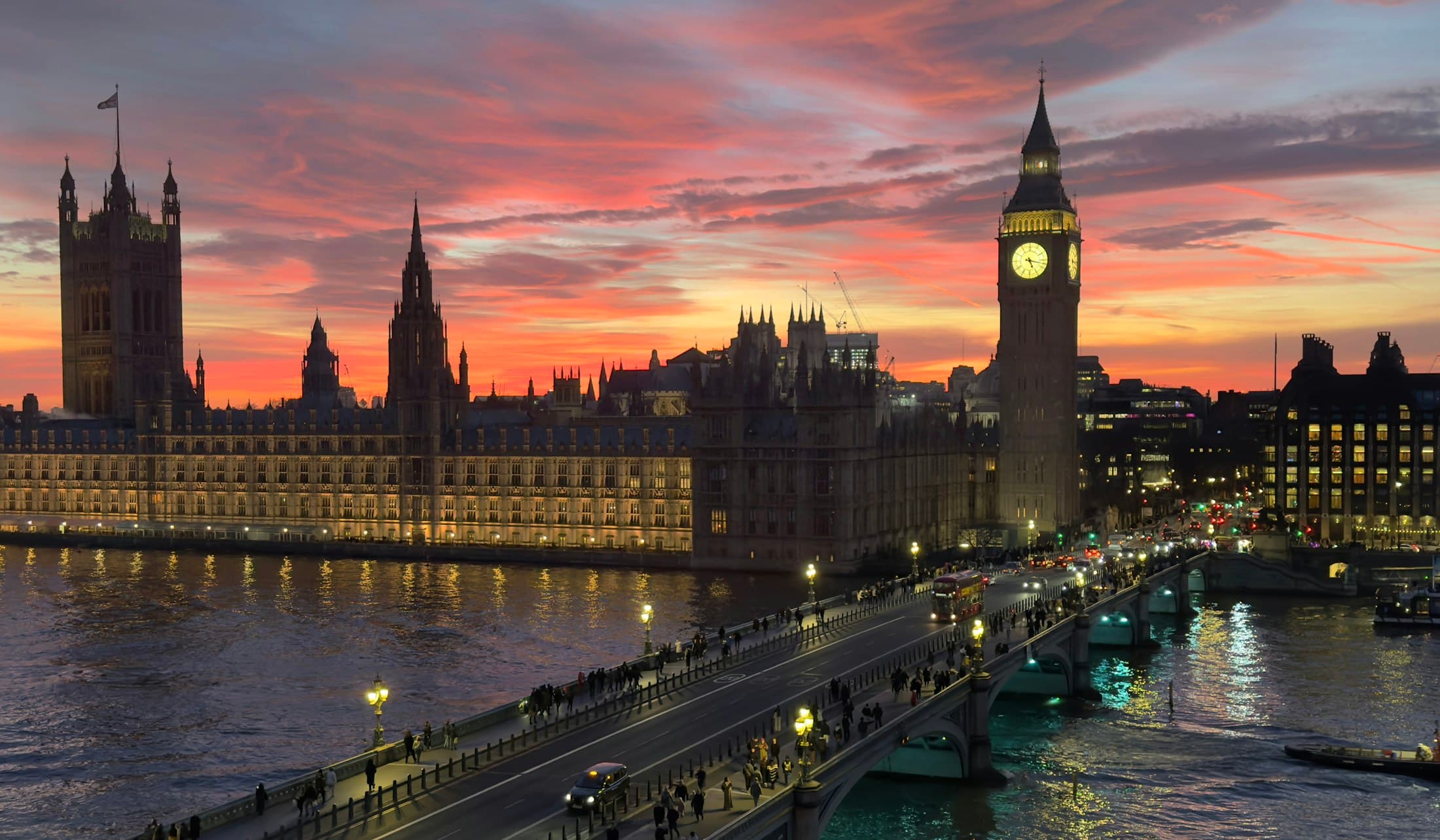 LondonBest: May · Jun · Jul · Aug · SepPhotographers joining
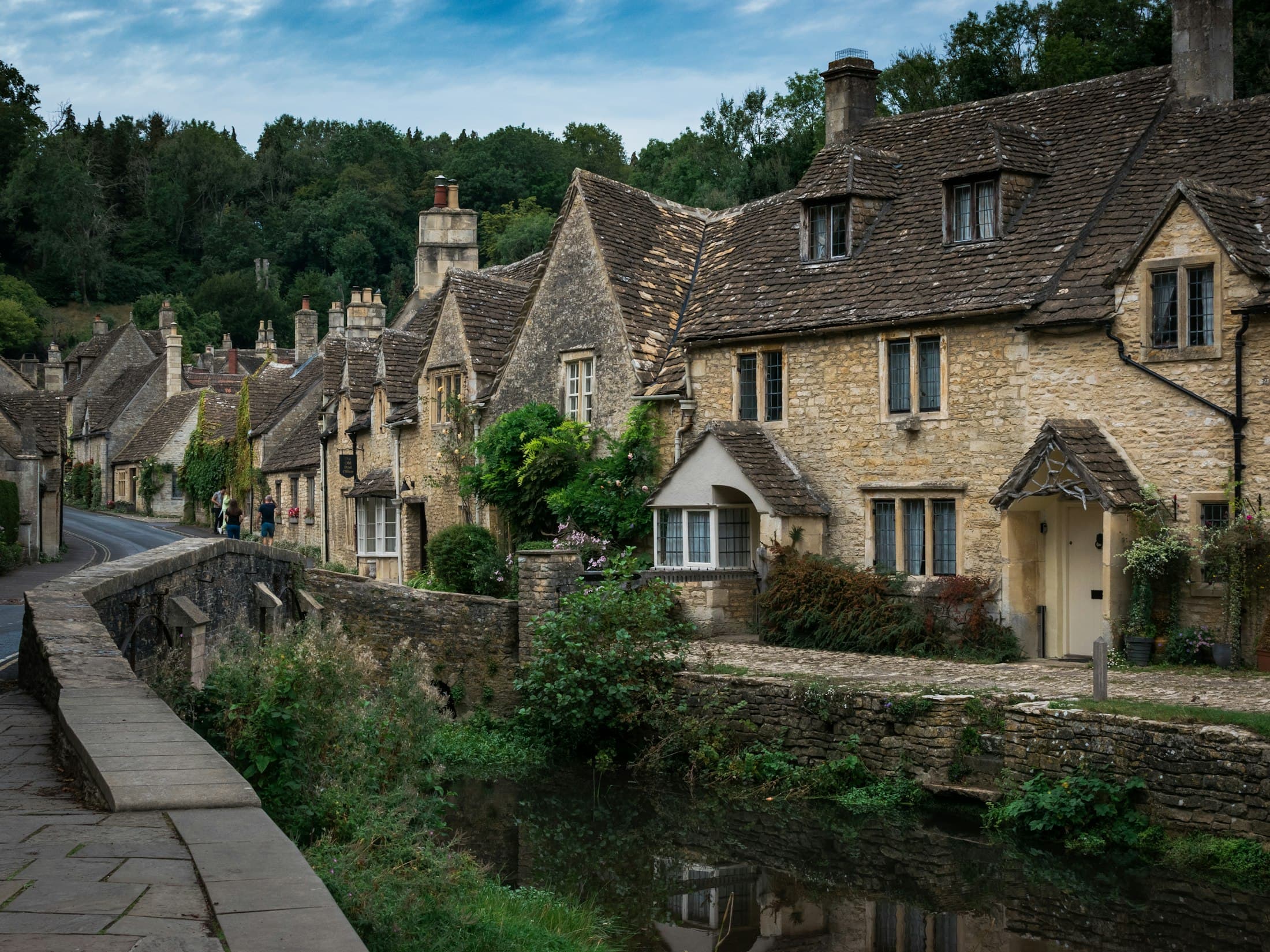 The CotswoldsBest: May · Jun · Jul · Aug · SepPhotographers joining
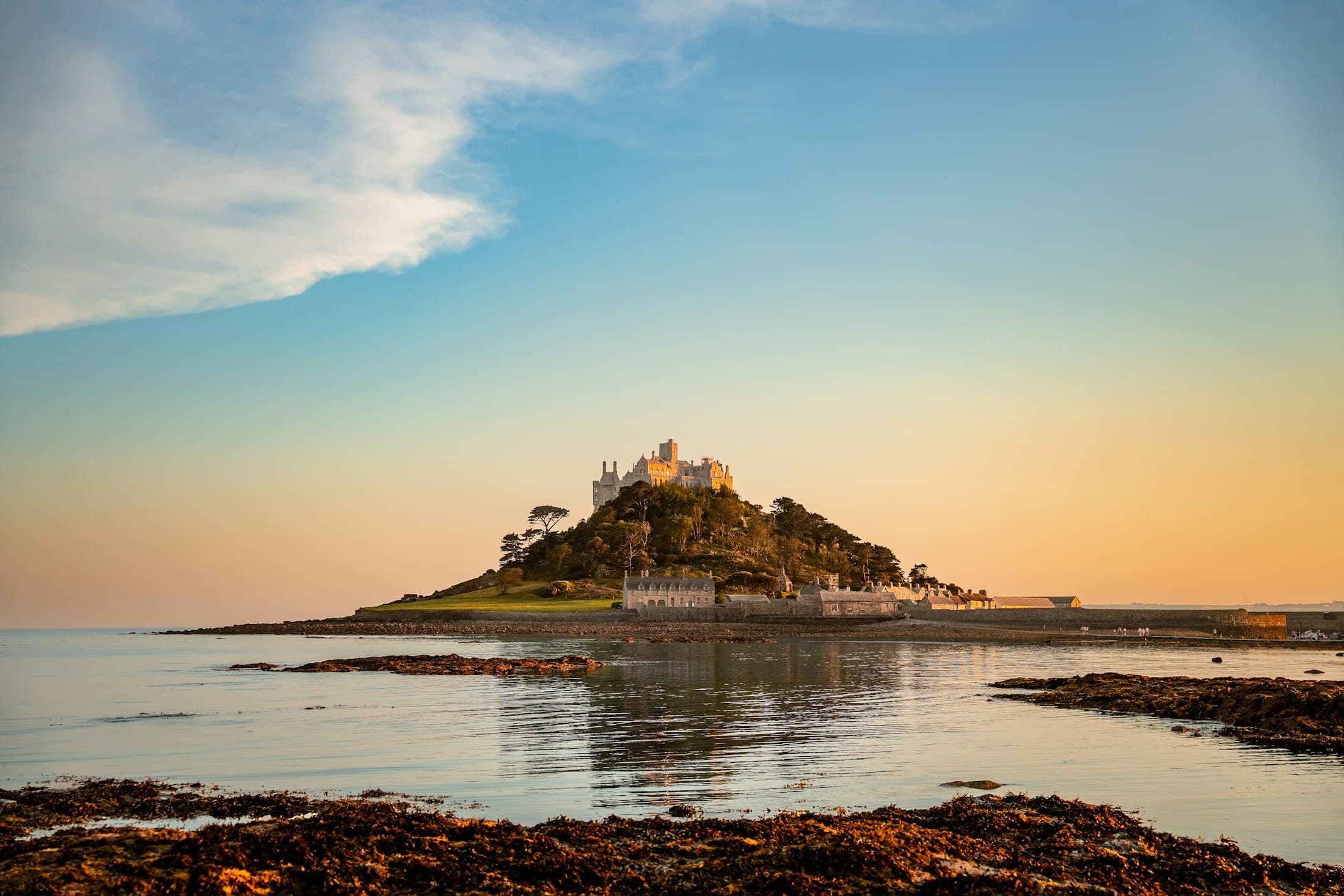 Cornwall & DevonBest: May · Jun · SepPhotographers joining
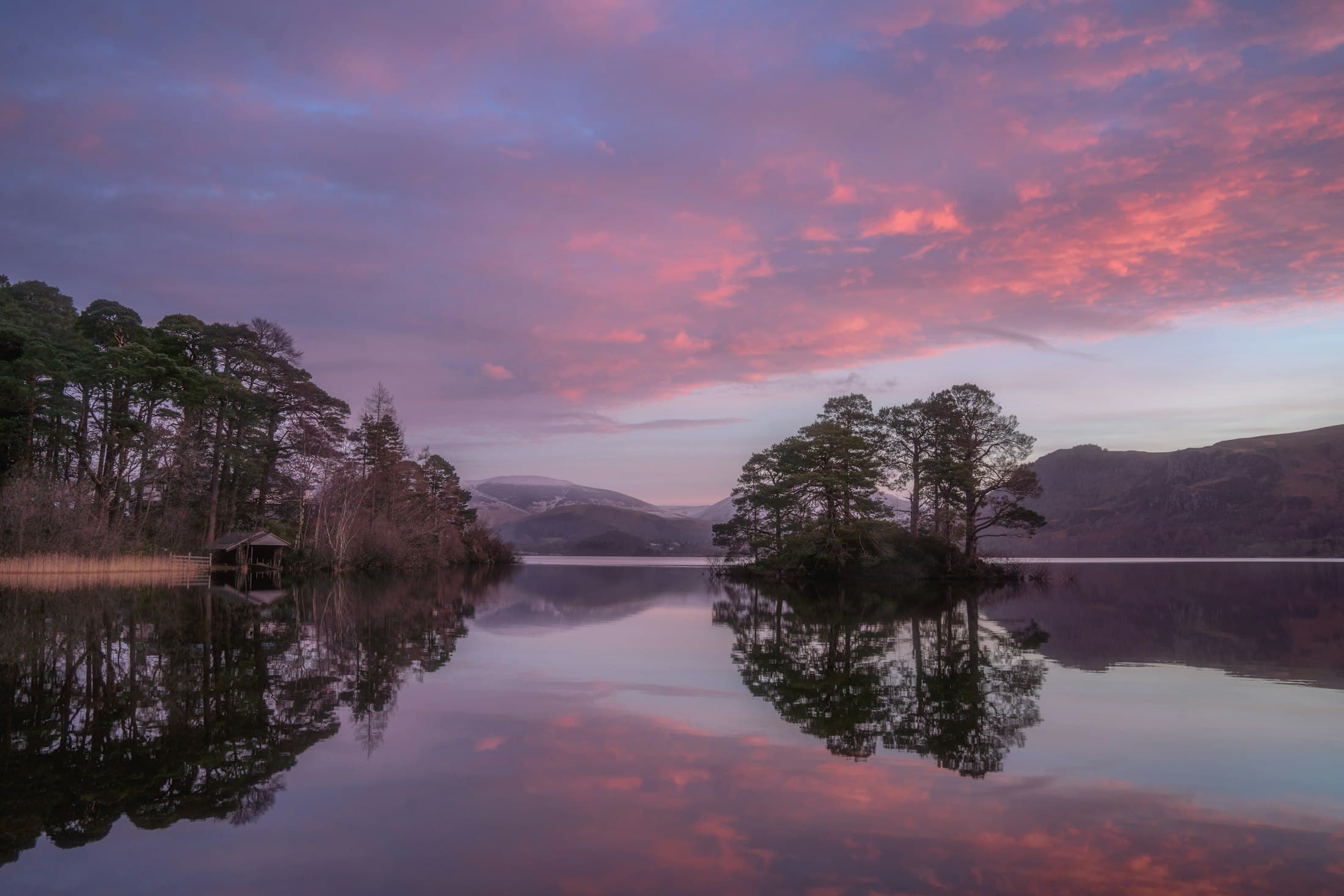 The Lake DistrictBest: May · Jun · SepPhotographers joining
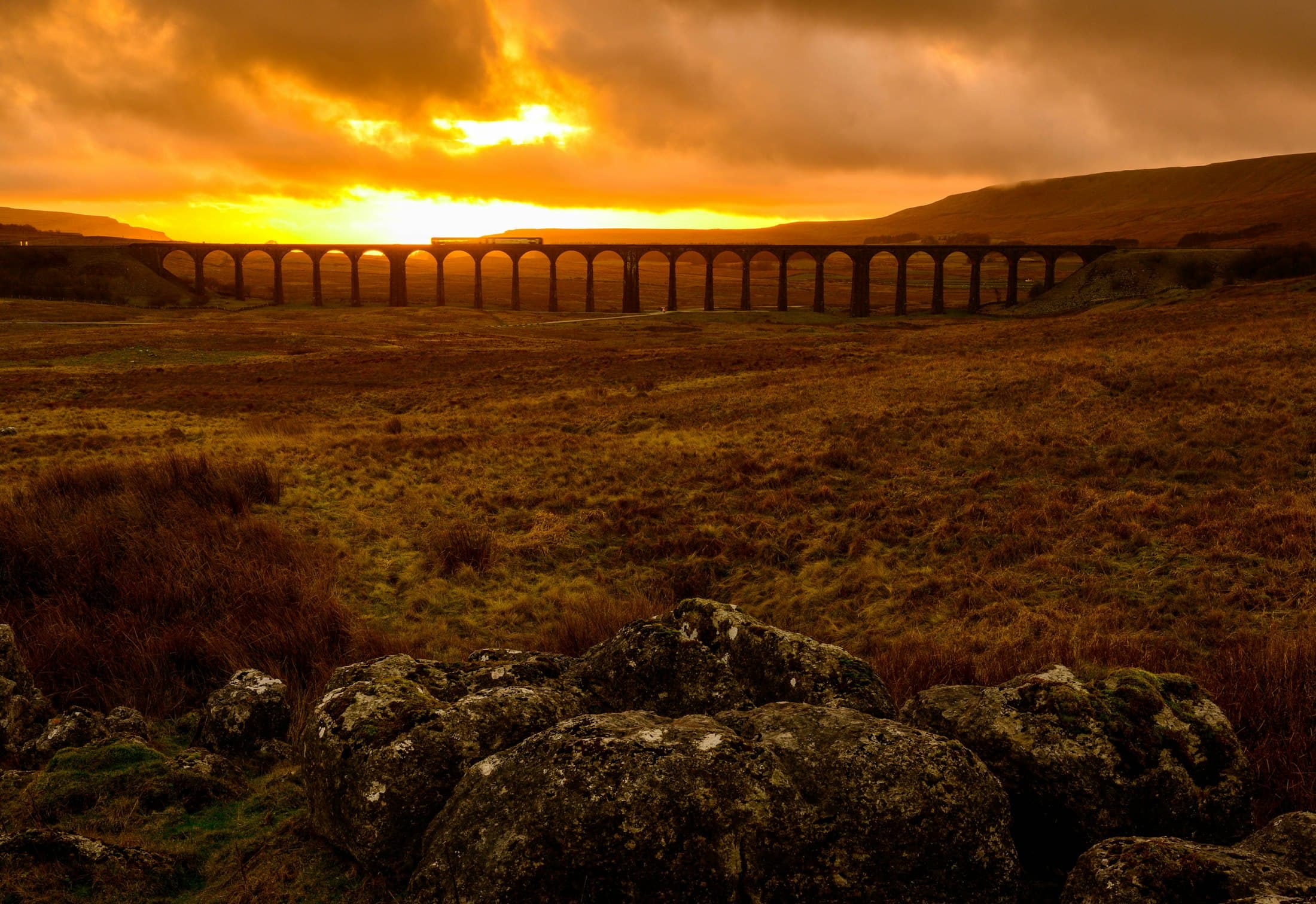 YorkshireBest: May · Jun · Jul · Aug · SepPhotographers joining
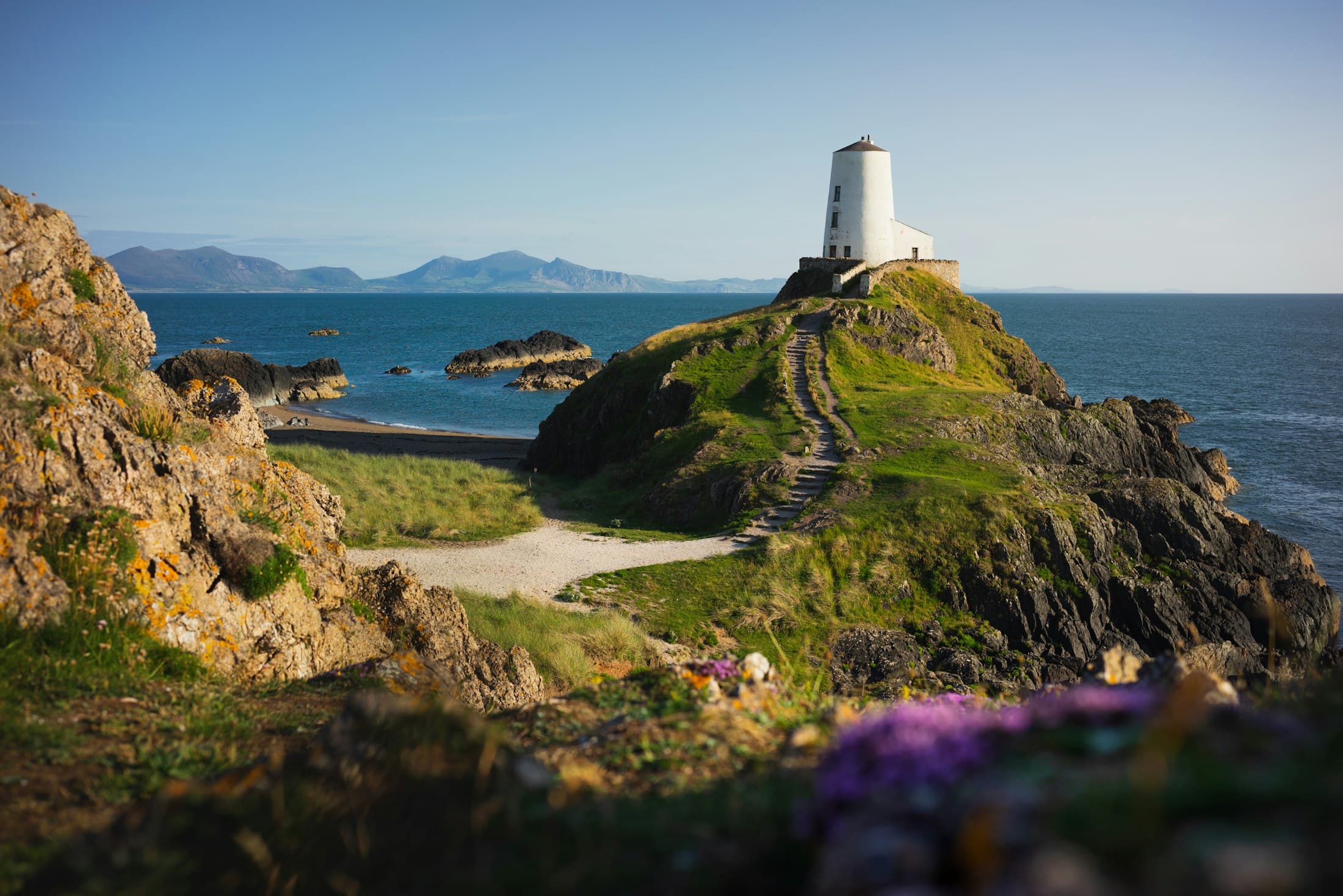 WalesBest: May · Jun · Jul · AugPhotographers joining
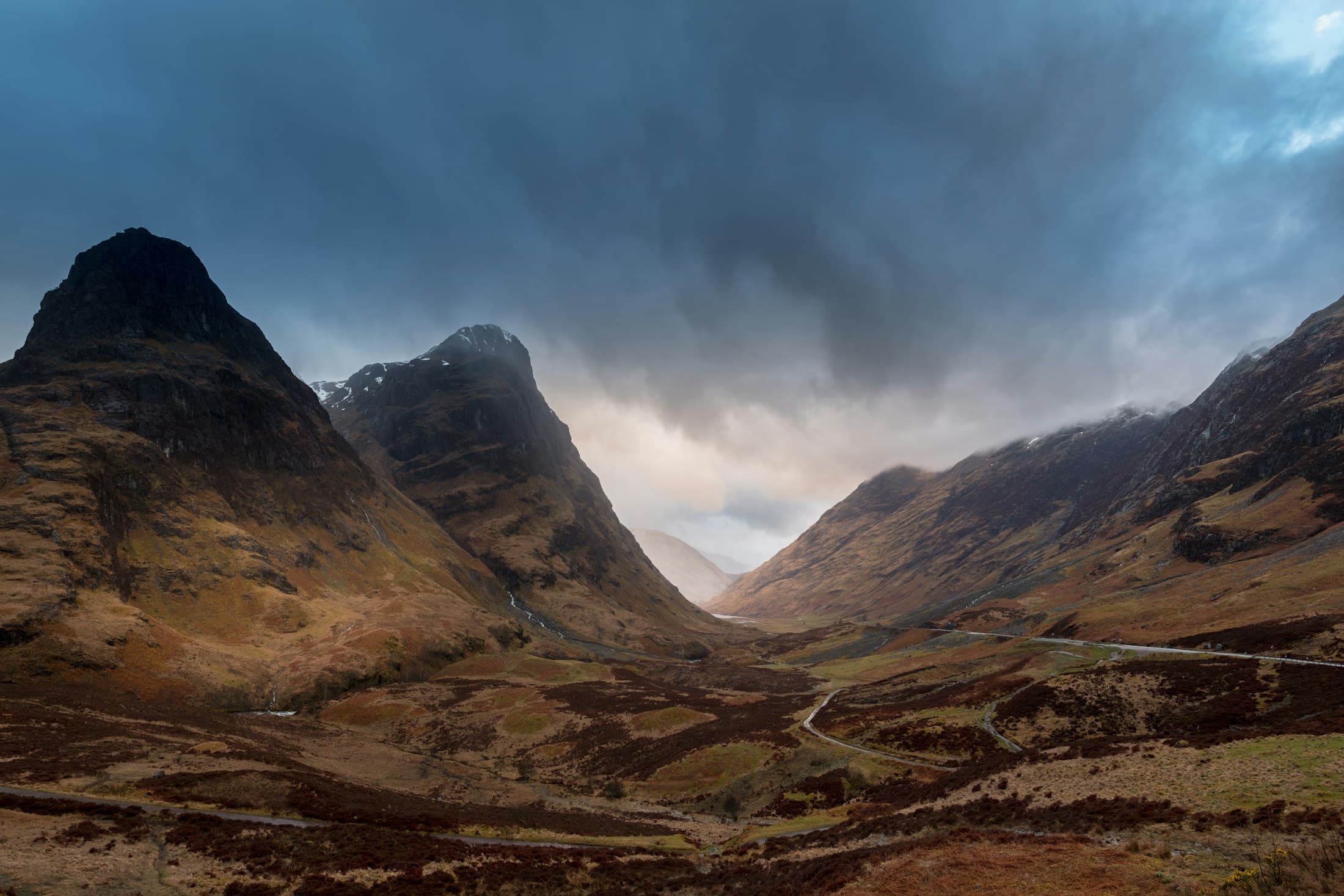 The Scottish Highlands & IslandsBest: May · JunPhotographers joining