United Kingdom
Getting married in the United Kingdom
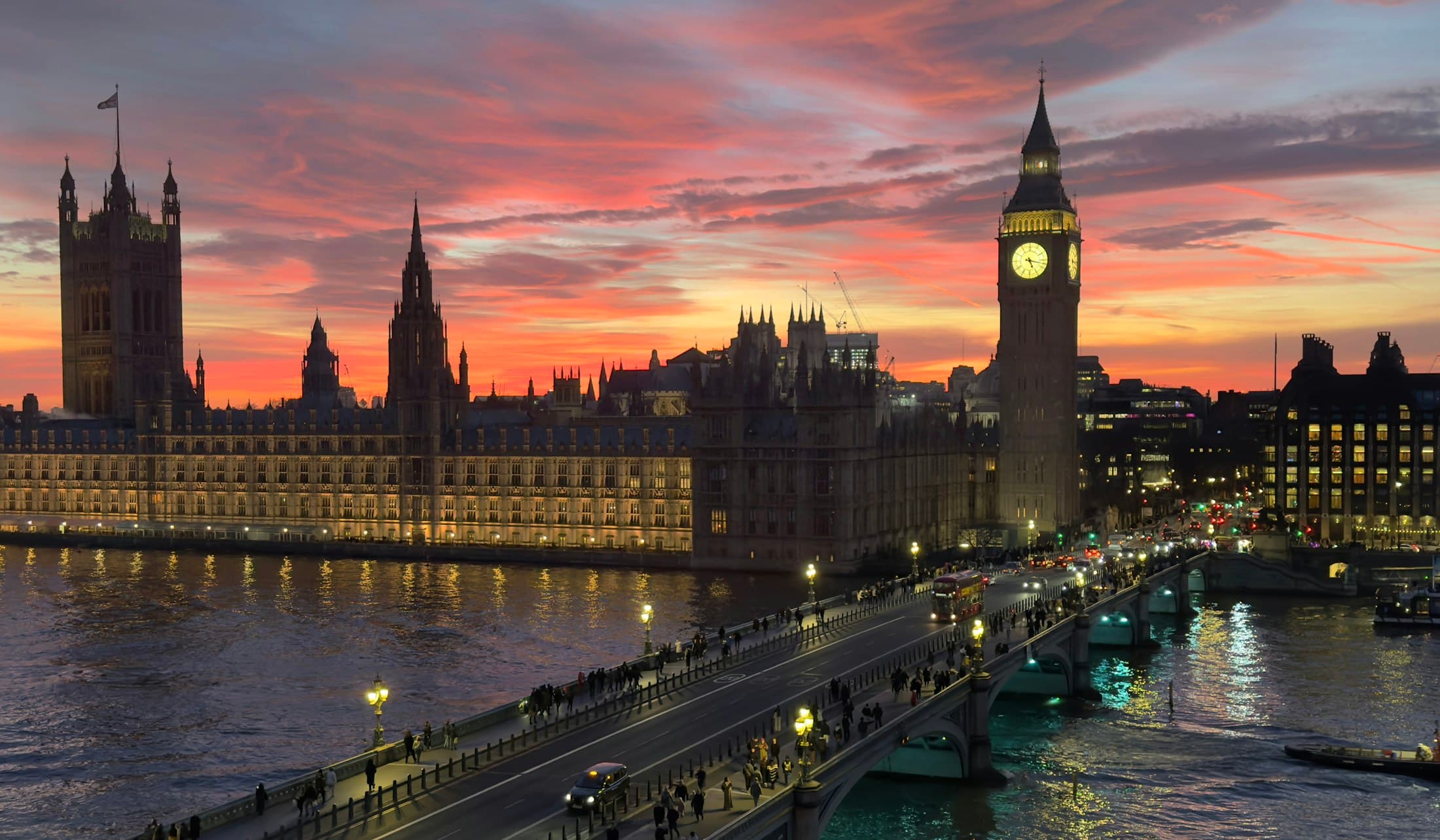
London’s palaces, parks and town halls, the honey-stone villages of the Cotswolds, the coves and cliffs of Cornwall and Devon, the lakes and fells of the Lake District, Yorkshire’s dales, moors and abbeys, the castles, mountains and coast of Wales, Edinburgh’s old town below its castle, and the lochs, glens and islands of the Scottish Highlands.
Great Britain packs London’s palaces and parks, the honey-stone villages of the Cotswolds, the coves of Cornwall, the lakes and fells of Cumbria, the castles of Wales and the lochs and islands of the Scottish Highlands into one island, and its wedding season follows the long evenings: from late May to late July the sun sets after nine even in London, and in Scotland from early May to mid-August — around midsummer, in Edinburgh and the Highlands, after ten. The south and east are the driest and sunniest, the west and north the wettest and windiest, and rain can come in any month.
Couples from abroad can marry here legally — each of you who isn’t British or Irish with a Marriage Visitor visa. In Scotland there’s no stay before the notice, which can go by post at least 29 days ahead, and a registrar, a minister or a humanist celebrant can marry you outdoors, by a loch or on a beach. England and Wales ask for a week’s stay before the notice, 28 days after it and an approved venue or a place of worship, so many couples sign the papers at home and celebrate here with a symbolic ceremony, in a Cotswold garden or on a Cornish clifftop.
8 places
Where in the United Kingdom
City, villages, coast, lakes or mountains: each has its own light, landscape and best months. Start with the one that feels like you.
- LondonRoyal parks and palaces along the Thames: vows in a grand old town hall or a riverside hall, then portraits by the lake in St James’s Park, on the hill at Greenwich or in a garden inside the ruins of a Wren church.Best: May · Jun · Jul · Aug · SepPhotographers joining
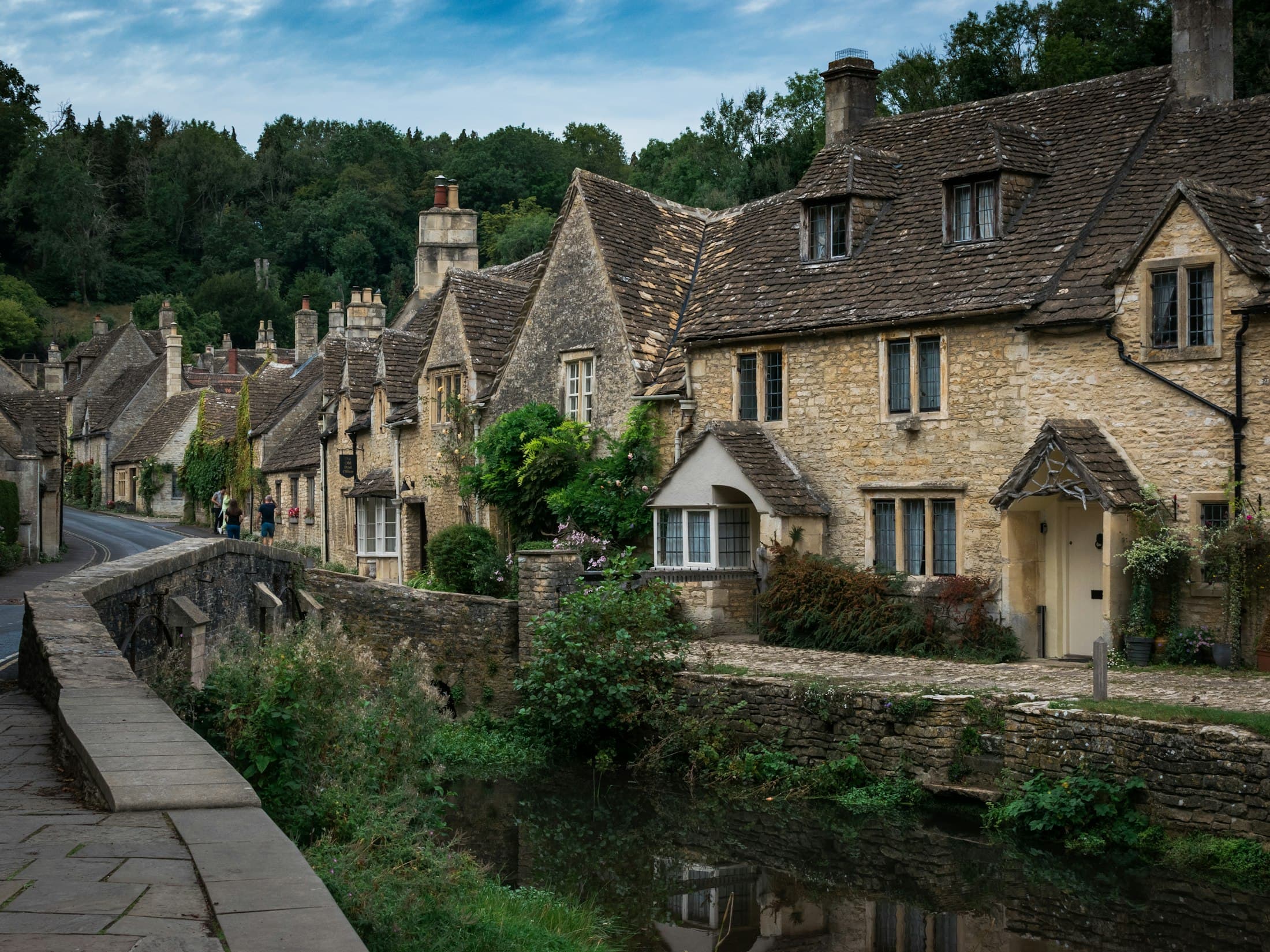 The CotswoldsRolling hills of honey-coloured stone villages, manor houses and castle gardens, with ceremonies on the lawn, barns for the party and long summer evenings — about two hours west of London.Best: May · Jun · Jul · Aug · SepPhotographers joining
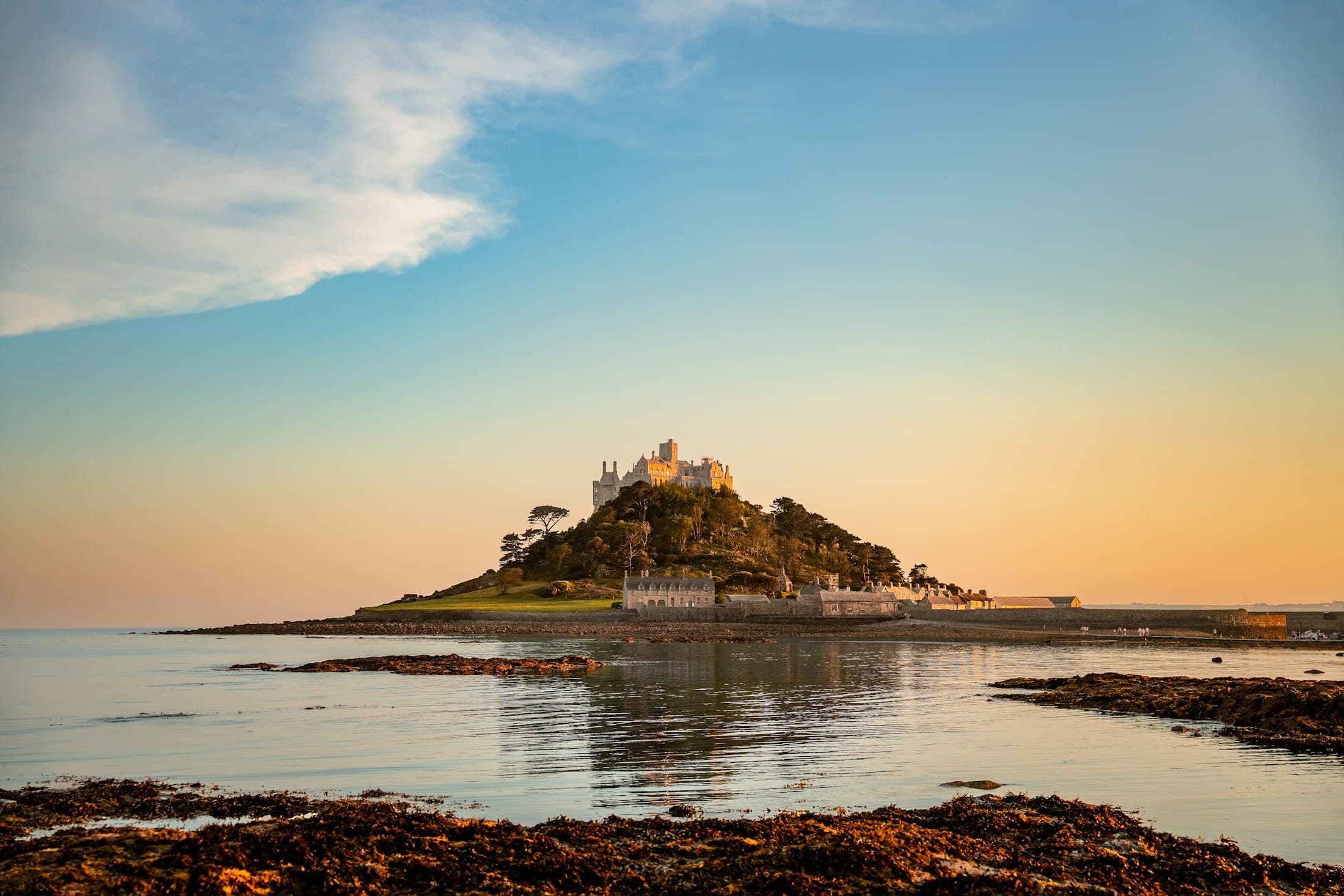 Cornwall & DevonEngland’s far south-west: Cornwall’s cliffs, turquoise coves and harbour towns, St Michael’s Mount at the end of its causeway, and in Devon the granite tors of Dartmoor and a World Heritage coast.Best: May · Jun · SepPhotographers joining
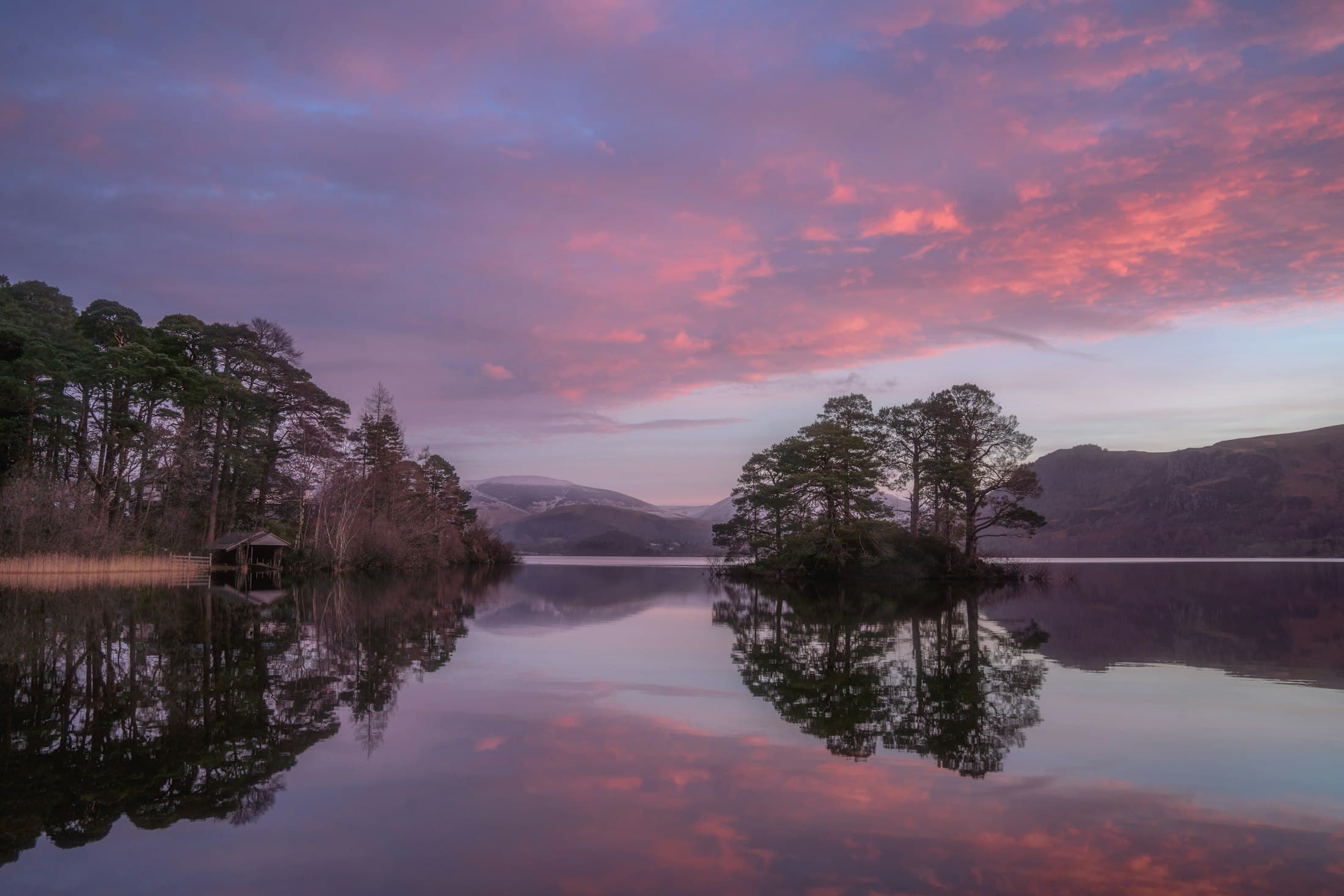 The Lake DistrictEngland’s largest national park and a World Heritage landscape: sixteen lakes and meres among more than 350 fells, stone villages and farms, England’s highest mountain and its deepest lake.Best: May · Jun · SepPhotographers joining
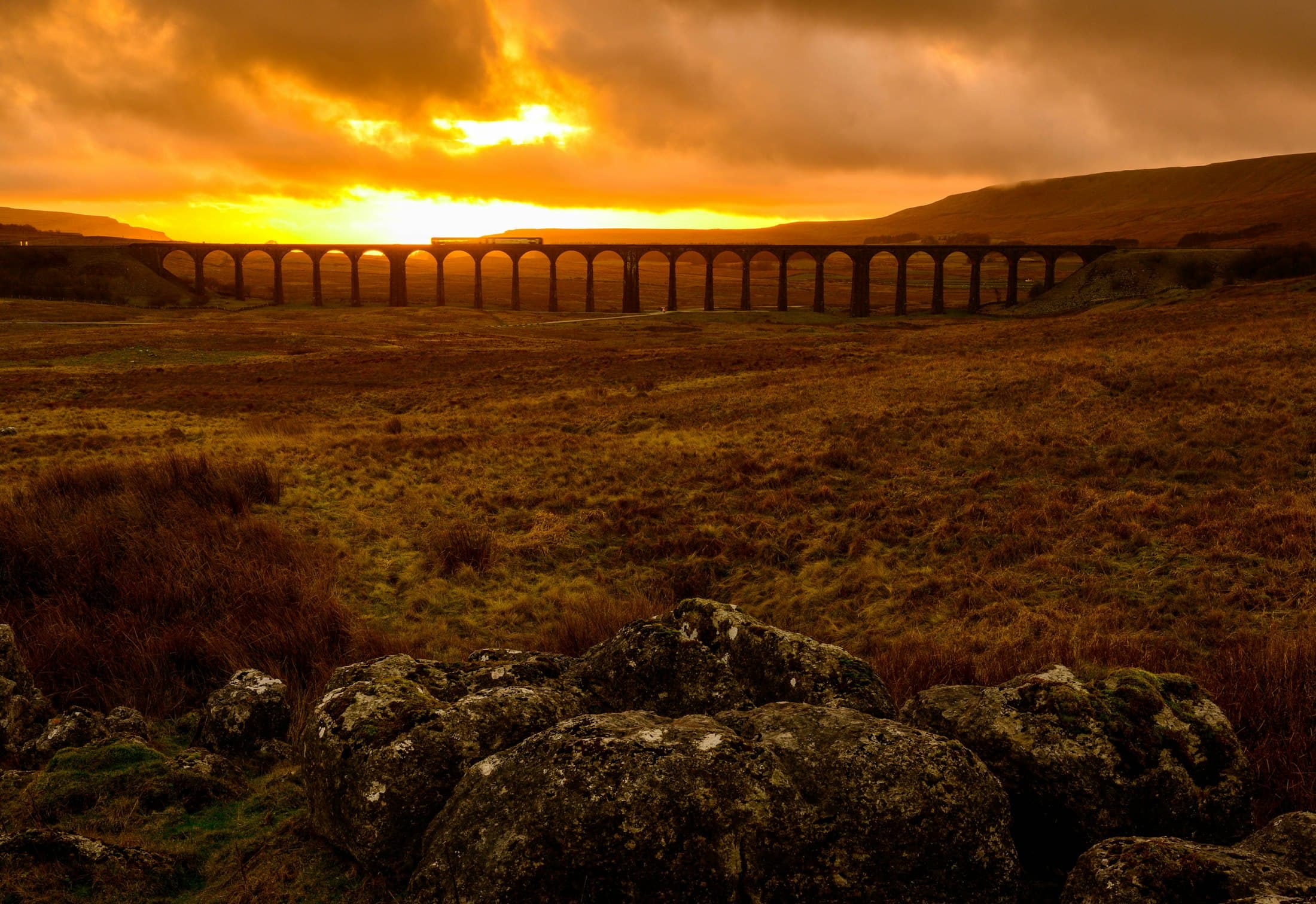 YorkshireTwo national parks — the green limestone dales of the Yorkshire Dales and the heather moors of the North York Moors — with medieval York between them and a coast of cliffs, fishing towns and abbey ruins.Best: May · Jun · Jul · Aug · SepPhotographers joining
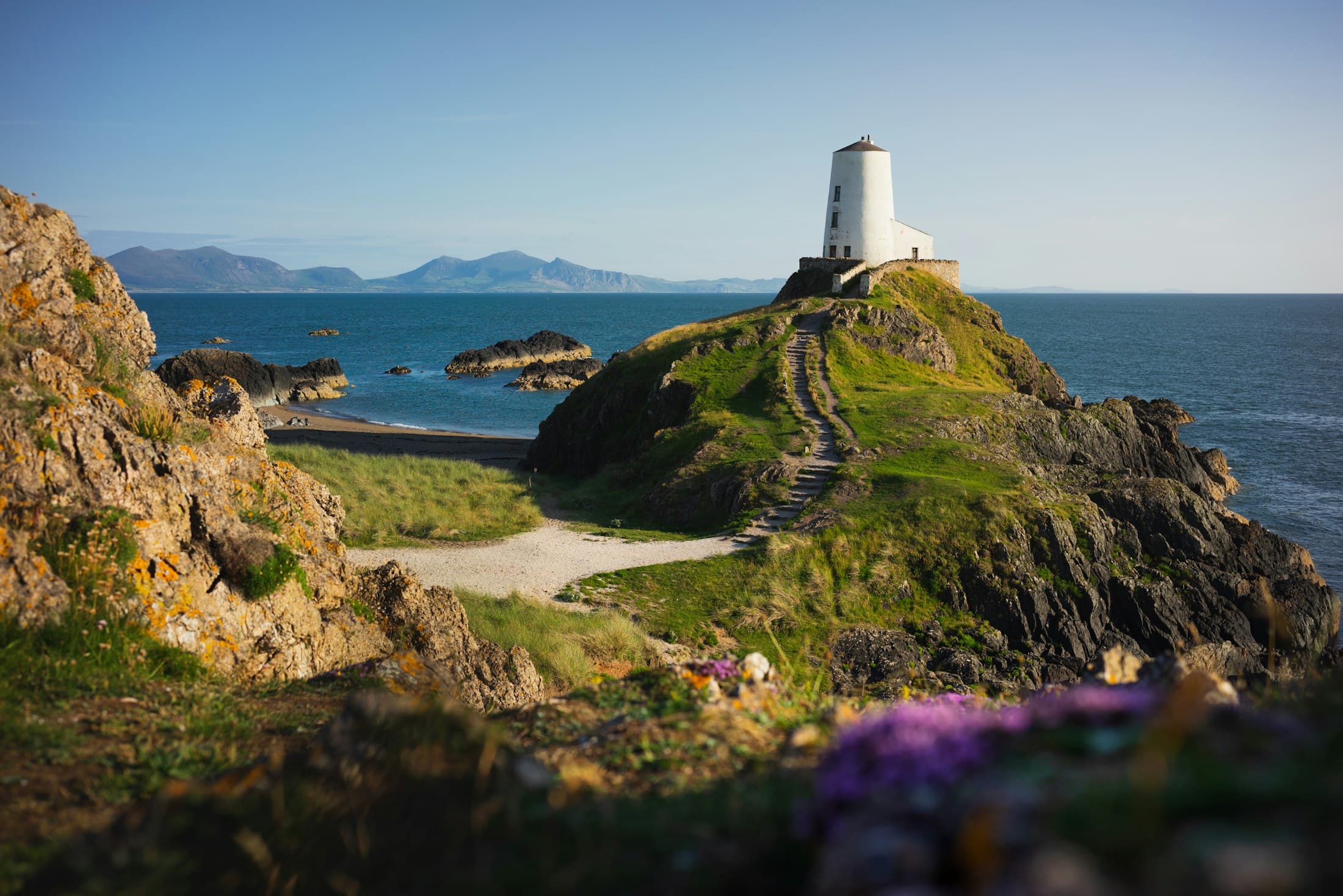 WalesThe mountains of Eryri and the castles of the north, the tidal island of St Dwynwen, the Welsh saint of lovers, and in the south-west the cliffs and coves of Pembrokeshire and Gower.Best: May · Jun · Jul · AugPhotographers joining
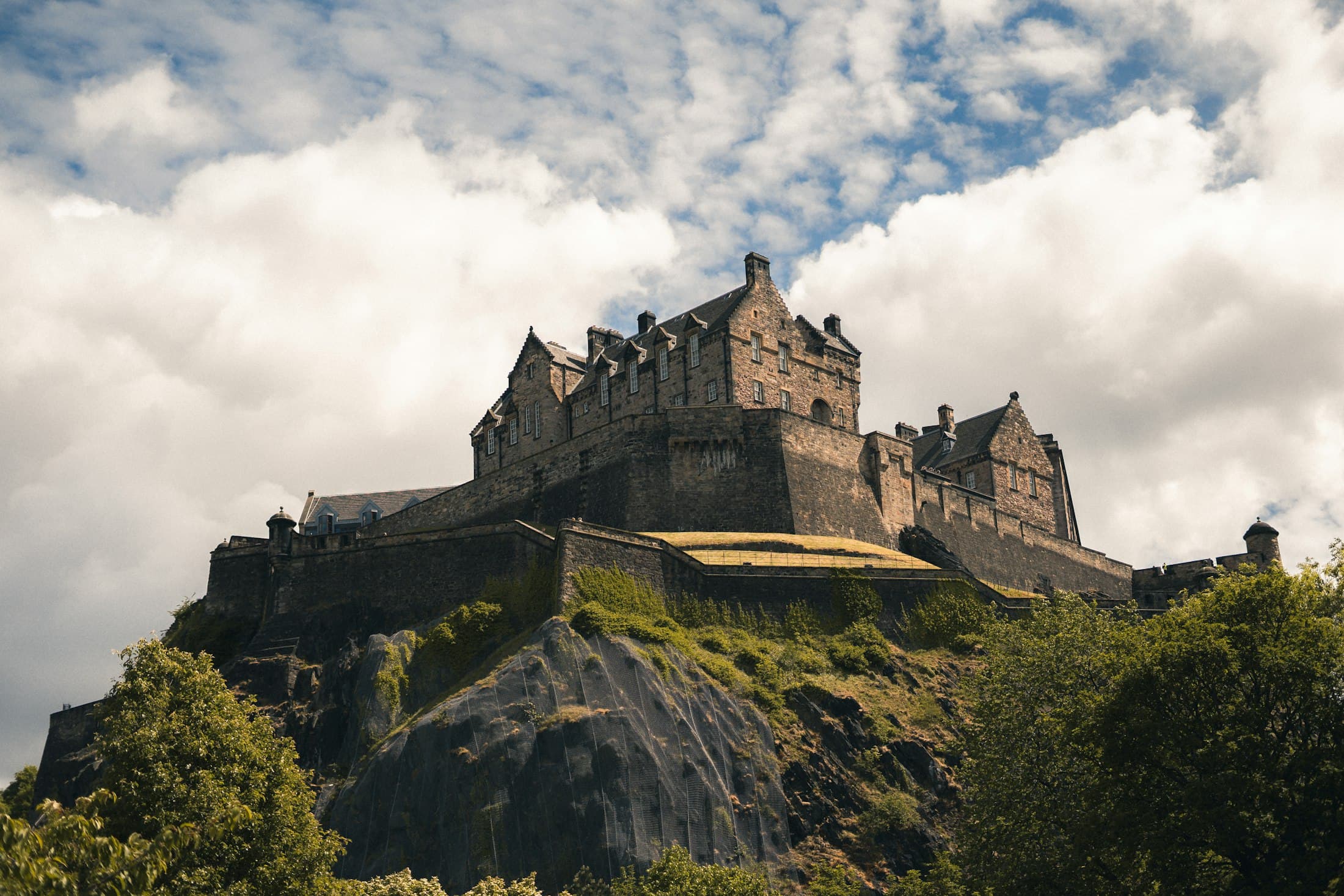 EdinburghScotland’s capital: a medieval Old Town along a ridge below the castle, the Georgian New Town across the gardens, a volcanic hill in the middle of the city and the Firth of Forth at its edge.Best: May · Jun · Jul · SepPhotographers joining
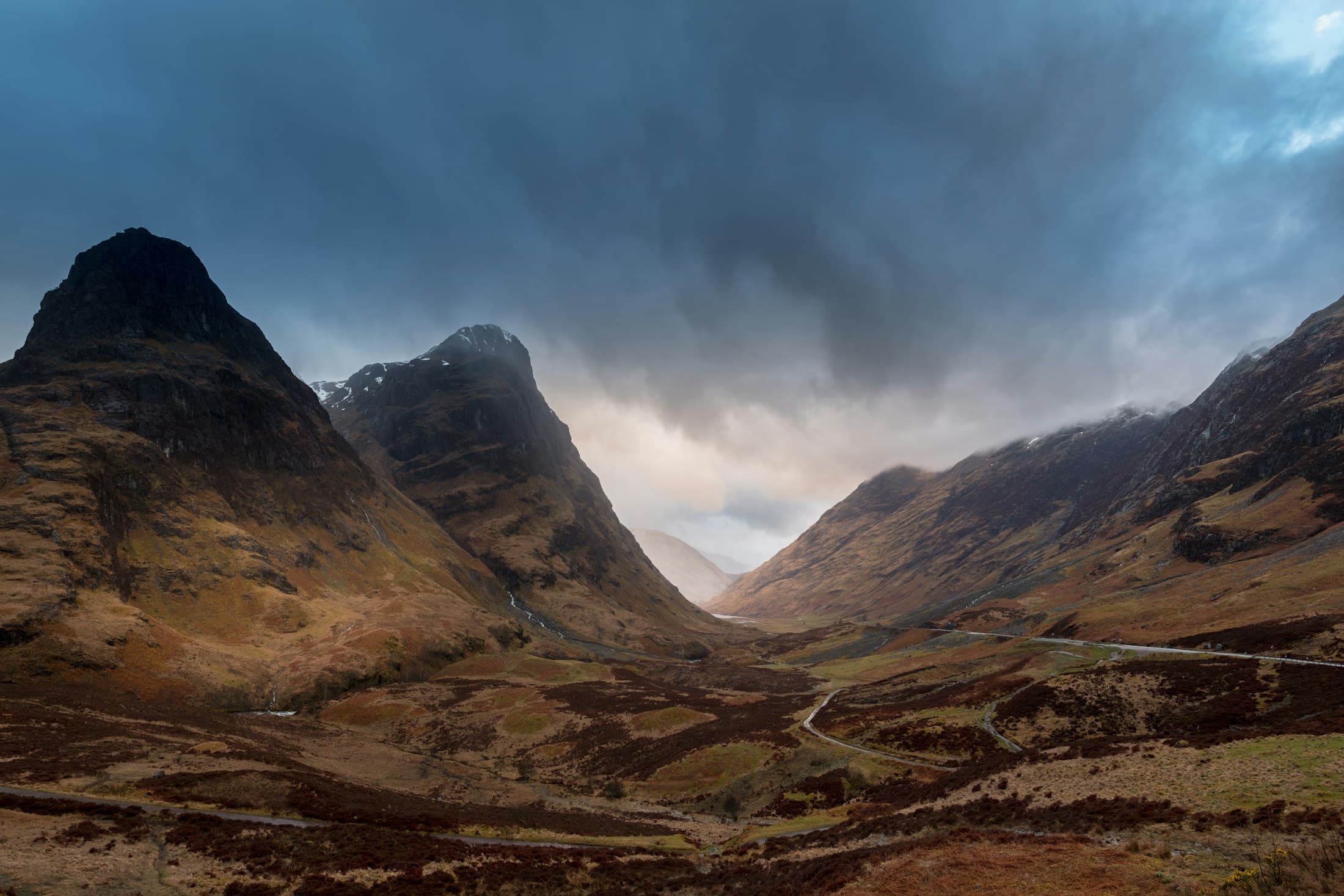 The Scottish Highlands & IslandsGlens and sea lochs under steep, bare mountains, the Isle of Skye on the Atlantic edge and, beyond it, the white beaches and standing stones of the Hebrides — with summer evenings that hardly end.Best: May · JunPhotographers joining
Through the year
When to marry, region by region
Dark: the easiest months. Outlined: they work with some planning. Grey: the quieter, wetter or hotter part of the year there.
- London
- January: Quieter
- February: Quieter
- March: Quieter
- April: Good with planning
- May: Best
- June: Best
- July: Best
- August: Best
- September: Best
- October: Good with planning
- November: Quieter
- December: Quieter
- The Cotswolds
- January: Quieter
- February: Quieter
- March: Quieter
- April: Good with planning
- May: Best
- June: Best
- July: Best
- August: Best
- September: Best
- October: Good with planning
- November: Quieter
- December: Quieter
- Cornwall & Devon
- January: Quieter
- February: Quieter
- March: Quieter
- April: Good with planning
- May: Best
- June: Best
- July: Good with planning
- August: Good with planning
- September: Best
- October: Good with planning
- November: Quieter
- December: Quieter
- The Lake District
- January: Quieter
- February: Quieter
- March: Quieter
- April: Good with planning
- May: Best
- June: Best
- July: Good with planning
- August: Good with planning
- September: Best
- October: Good with planning
- November: Quieter
- December: Quieter
- Yorkshire
- January: Quieter
- February: Quieter
- March: Quieter
- April: Good with planning
- May: Best
- June: Best
- July: Best
- August: Best
- September: Best
- October: Good with planning
- November: Quieter
- December: Quieter
- Wales
- January: Quieter
- February: Quieter
- March: Quieter
- April: Good with planning
- May: Best
- June: Best
- July: Best
- August: Best
- September: Good with planning
- October: Quieter
- November: Quieter
- December: Quieter
- Edinburgh
- January: Quieter
- February: Quieter
- March: Quieter
- April: Good with planning
- May: Best
- June: Best
- July: Best
- August: Good with planning
- September: Best
- October: Good with planning
- November: Quieter
- December: Quieter
- The Scottish Highlands & Islands
- January: Quieter
- February: Quieter
- March: Quieter
- April: Good with planning
- May: Best
- June: Best
- July: Good with planning
- August: Good with planning
- September: Good with planning
- October: Quieter
- November: Quieter
- December: Quieter
The seasons
What each season brings
- March – MaySpringThe evenings lengthen fast: by mid-May the sun sets around a quarter to nine in London, after nine in Edinburgh and at twenty to ten on Skye. In the west and in Scotland, April to June are usually the driest months and May the sunniest; days warm from about 10 °C in March to 15–18 °C in May, and bluebells carpet the woods.
- June – AugustSummerThe longest evenings: around midsummer the sun sets at twenty past nine in London, just after ten in Edinburgh and after half past ten in the Hebrides, where the light lingers until nearly midnight. Warmest in London, about 24 °C at best in July, 16 to 17 °C on the islands; it rains on about a quarter of July’s days in London, half in the western Highlands. July is the fullest, dearest month in England’s hotels and August the most popular for weddings: book early, and budget for prices about 30% above the EU average.
- September – OctoberAutumnSeptember is still mild — 17 to 20 °C by day in England and Wales, 15 to 17 °C in the Highlands — and the heather still purple on the moors. October turns wetter and windier in the west: in the Lake District, Eryri (Snowdonia) and the western Highlands it brings about twice May’s rain, and by mid-October the sun sets around ten past six.
- November – FebruaryWinterShort days — at the winter solstice under eight hours of daylight in London and six and a half in the Highlands, the sun low all day — and, in the west, the wettest, windiest months, when Atlantic storms bring gales to the Hebrides. Mild in the lowlands, 7 to 10 °C by day; snow rarely lies in the south or by the sea, but often does on the fells and mountains. Leave a spare day for travel, and check the Met Office’s warnings before you drive.
The legal basics
Three ways to say yes
What makes a wedding legally binding in the United Kingdom, in short. The UK has three marriage laws — England and Wales, Scotland, Northern Ireland — and couples from abroad can marry under each, with a Marriage Visitor visa unless they’re British or Irish. In Scotland there’s no stay before the notice, and the legal ceremony can be held almost anywhere, outdoors too.
- CivilIn England and Wales a registrar marries you before two witnesses at a register office or a council-approved venue — a hotel, a country house and, since 2022, its grounds — with nothing religious in it; never at home, on a beach or on a hill. In Scotland the registrar can marry you anywhere you and the council agree, indoors or out, except a place of worship; in Northern Ireland, at a registration office or an approved place. Same-sex couples can marry in all three: since 2014 in Great Britain, since 2020 in Northern Ireland.
- ReligiousIn England and Wales a priest or minister marries you in a place of worship registered for weddings — for the Church of England, usually the parish church where one of you lives or has a family link — and Quaker and Jewish weddings can be held anywhere; humanist weddings aren’t legal there yet, and the Anglican churches can’t marry same-sex couples. In Scotland, ministers, priests and humanist or other belief celebrants marry you legally wherever you agree: a beach, a hillside, a castle. In Northern Ireland, religious and belief ceremonies can be held anywhere too, and humanist weddings have been legal since a 2018 court ruling.
- SymbolicAny place, any words, any celebrant — but no legal weight. Because a legal wedding in England and Wales needs a week’s stay before the notice, 28 days after it and an approved venue, many couples from abroad sign the papers at home and exchange vows here, in a Cotswold garden, on a Cornish clifftop or by a lake in Cumbria. The National Trust, English Heritage, Cadw, Historic Environment Scotland and London’s Royal Parks want permission — and often a fee — for wedding photos, and none lets a drone fly from its land without it.
Before any legal wedding
First, the visa: anyone who isn’t British, Irish or settled in the UK needs a Marriage Visitor visa to give notice and to marry — £135 each, applied for up to three months before you travel; an ETA doesn’t cover it. In Scotland you each send an M10 notice (£45) to the registrar of the district where you’ll marry, at least 29 days before — ten to twelve weeks is better — with passport, birth certificate and, if you’ve lived in the UK less than two years, a certificate from home that you’re free to marry; for a religious or humanist ceremony, one of you collects the Marriage Schedule in person in the last seven days. In England and Wales you first stay seven days in one registration district, then give notice together, in person, at its register office (£46.50 each), and marry at least 28 days later: count on five weeks in the country. In Northern Ireland, a notice each (£22) at least 28 days before — eight weeks is usual — and one of you sees the registrar before the day. Everywhere: two witnesses, translations of anything not in English, a final divorce decree — and without the right visa, the Home Office can stretch the wait to 70 days or stop the wedding.
Rules, documents and fees differ between England and Wales, Scotland and Northern Ireland, change, and depend on your nationality: always check with the register office or registrar where you’ll give notice — or, for a religious or humanist wedding, with your celebrant — with UK Visas and Immigration for the visa, and, for photos at a heritage site or in a royal park, with the site, before you set a date.
Photographers
Photographers in the United Kingdom
The first photographers in the United Kingdom are joining now
We approve every photographer by hand, from three whole weddings, so the list starts small. Tell our concierge your date and your plans — it checks who is free and fits.
Plan your wedding
Guides
- Getting married in the UK as foreigners: the visa, Scotland, England and WalesHow couples who don’t live in the UK marry there legally: the Marriage Visitor visa (an ETA isn’t enough), Scotland’s notice by post and outdoor weddings, England and Wales’s week of residence and 28 days, Northern Ireland, documents, costs, and registering the marriage back home.
- How to get married in the UK when you live here: notice, ceremony, church, and afterFor couples who live in the UK: giving notice in England and Wales, Scotland or Northern Ireland, what to bring and what it costs, a register office, an approved venue, a church or a humanist celebrant, and what changes after the day — certificate, surname, tax, will and leave.
- Which country for a destination wedding? The law, prices, crowds and light, comparedThe legal route for couples who don’t live there, season and crowds, price levels, light, flights, venues and permits for photographs — Portugal, Italy, Spain, Greece, France and Austria compared with official figures, as of October 2026.
- How to choose a wedding photographer: the steps, and the questions to askThe decision in order — whole weddings, style, availability, the package, the contract and deposit, cancellation, delivery and a conversation — then a checklist of questions, with why each one matters.
- A wedding-day timeline for photosFrom getting ready to the last dance, planned around the light.
- A rain plan that still looks goodCovered spots, umbrellas and what photographers do on grey days.
- Deposits and payment protectionWhat you pay when, and what happens if plans change.
- Wedding photography contract checklist: what it should say, and how Lens & Vows handles each pointThirteen things a good contract covers — the day and the hours, what is delivered, deposit and balance, cancellation on either side, date changes, illness, image rights, personal data, backups, travel, overtime and complaints — and what our terms say about each.
All the countries we work in · More countries are coming.
Not sure yet?
Tell us about your wedding — we’ll find who is free
The place, the date, the guests, the photos you like. Our concierge checks who is free and fits, and comes back with photographers to choose from.