Founding photographerVerified — Identity verified by Lens & Vows


Tina Y.from €2,400
Berlin & Brandenburg, Munich & Bavaria +40 · Documentary, EditorialBased in the Netherlands · travels to weddings in GermanyWedding photographers in Germany
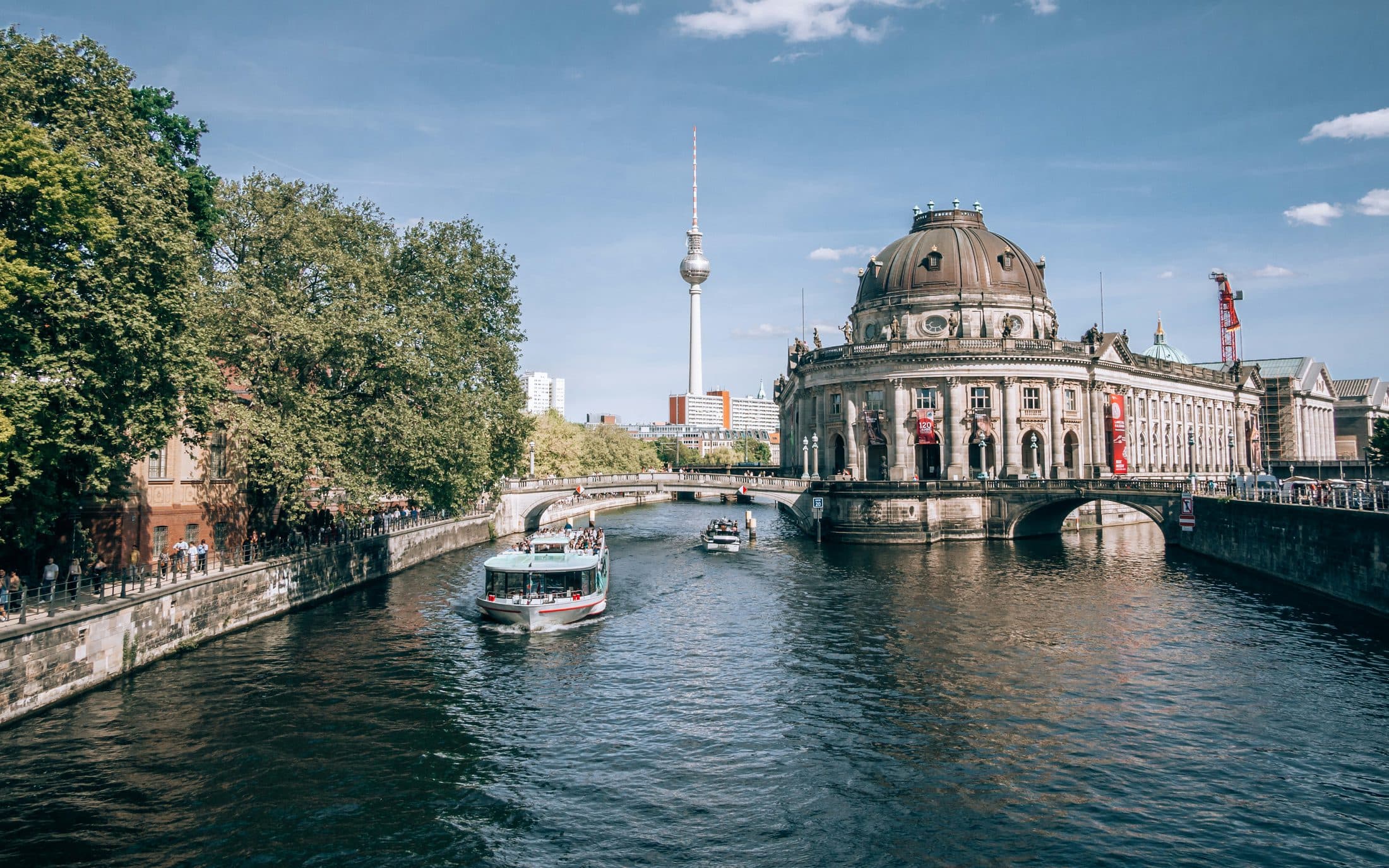
Germany’s capital, with five museums on an island in the Spree, the palaces and vine terraces of Potsdam 36 km away by road and, about an hour to the south-east, the Spreewald, where wooden punts are poled along more than 300 km of channels through the woods.
Berlin’s landmarks stand close together along the Spree.
On Museum Island, a UNESCO World Heritage site since 1999, five museums built between 1824 and 1930 rise straight from the water, with the domed cathedral beside them and colonnades of pale stone running between the buildings. West of the centre lies Schloss Charlottenburg, whose garden Electress Sophie Charlotte began in 1695. To the south-west, along the Havel, Potsdam’s palaces and parks form a second World Heritage site: 500 hectares of parks and 150 buildings put up between 1730 and 1916, with the vine terraces and great fountain of Sanssouci at their heart. Beyond the city the land is flat, wooded and full of water, and nearly a hundred kilometres south-east of Berlin the Spree divides into the channels of the Spreewald, a UNESCO biosphere reserve since 1991.
Couples who live here marry at one of the city’s registry offices, in a town hall, a villa, a castle or a garden, and take the party on to a lakeside house, a loft or a farmhouse among the channels; couples from abroad often come for a small wedding, with portraits in the old centre and a palace park. In Germany a marriage is legal only before a registrar, at a Standesamt (registry office) or a place it has set aside for weddings; a religious or symbolic ceremony alone isn’t a legal marriage. So couples who want to choose their own hour and place often sign the papers at home and hold a free ceremony, a freie Trauung, here.
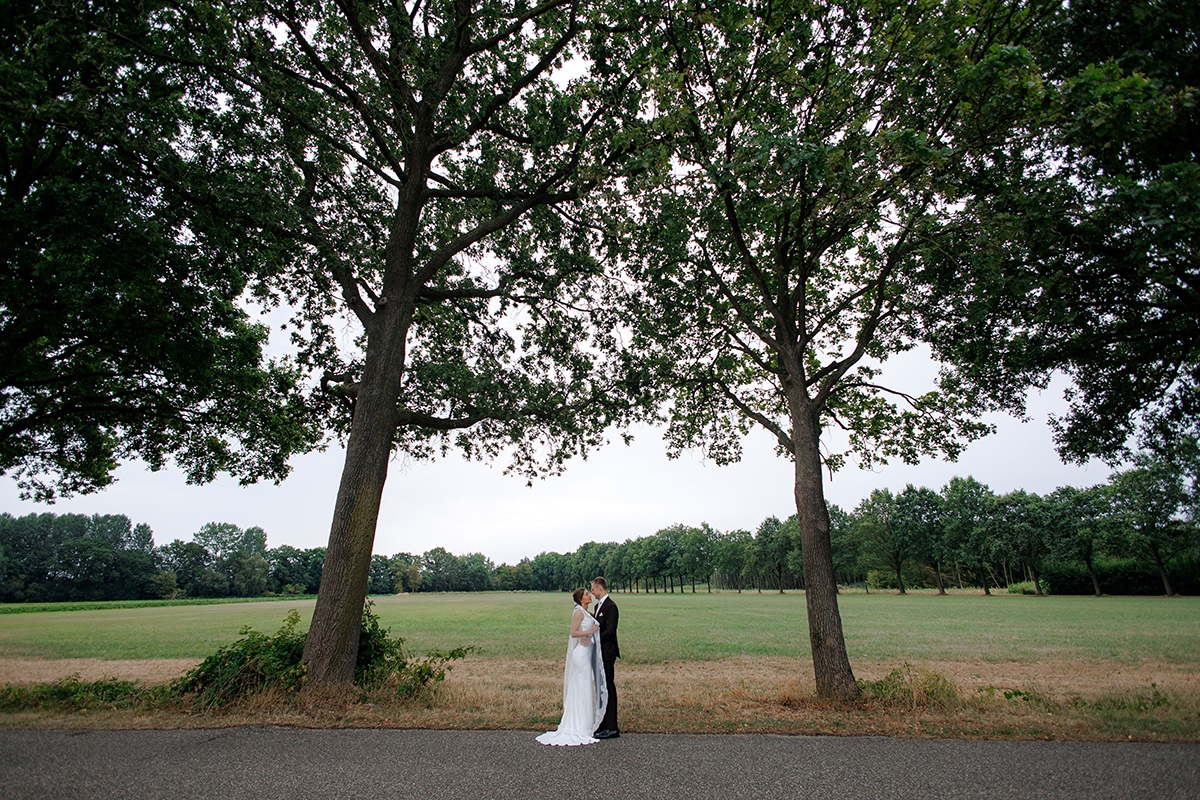
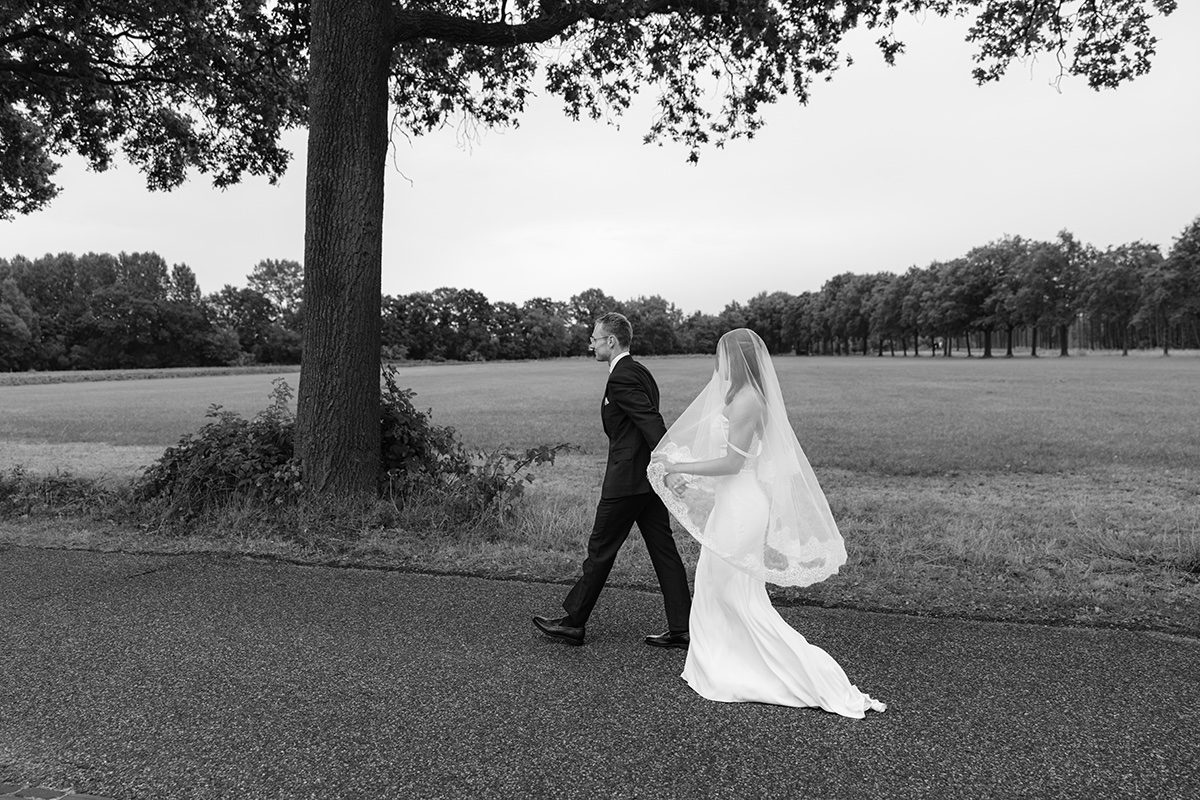
Photographers
They still have dates open here. Their whole weddings and free dates are on their pages.
See all 2 photographers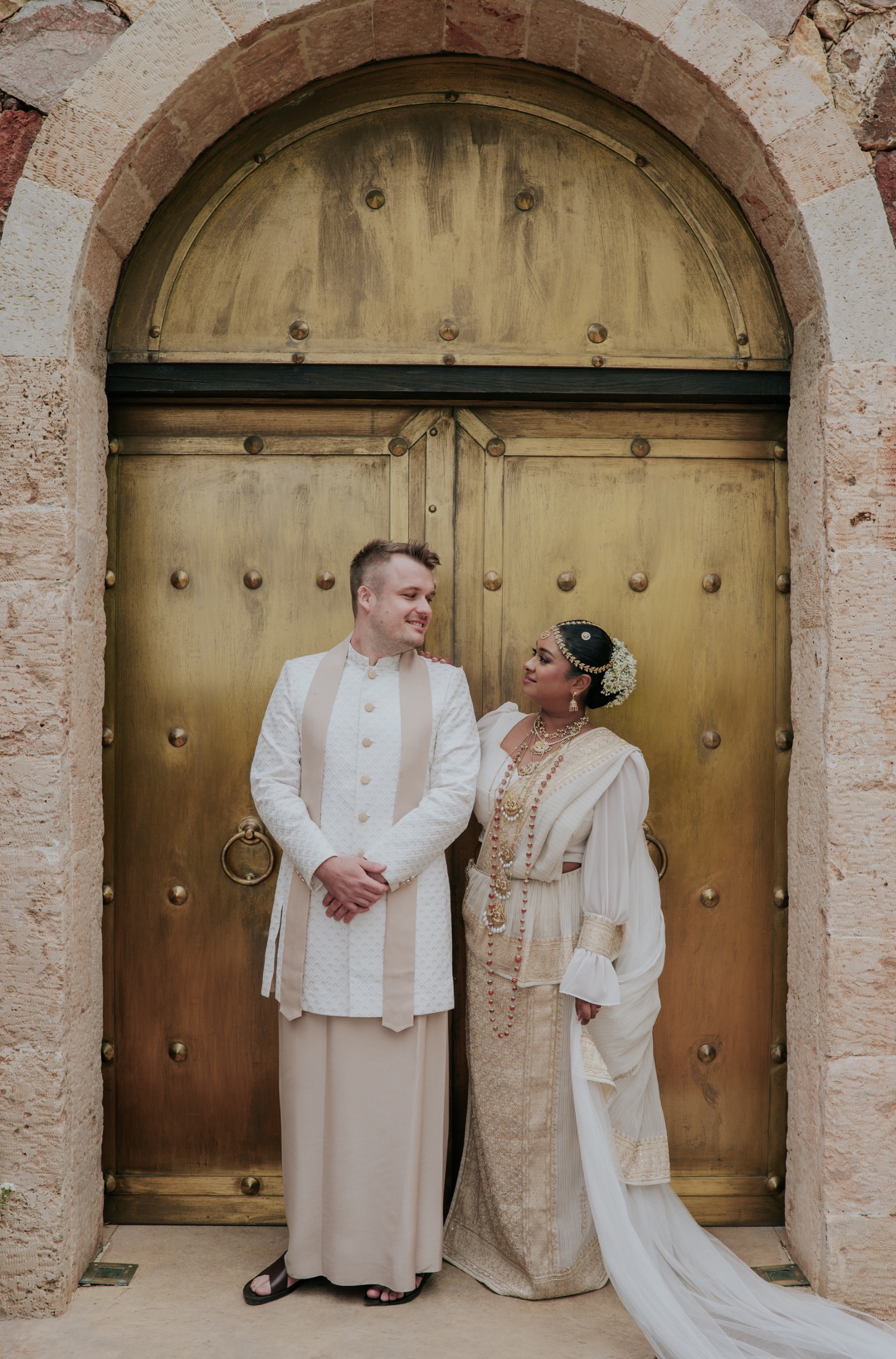
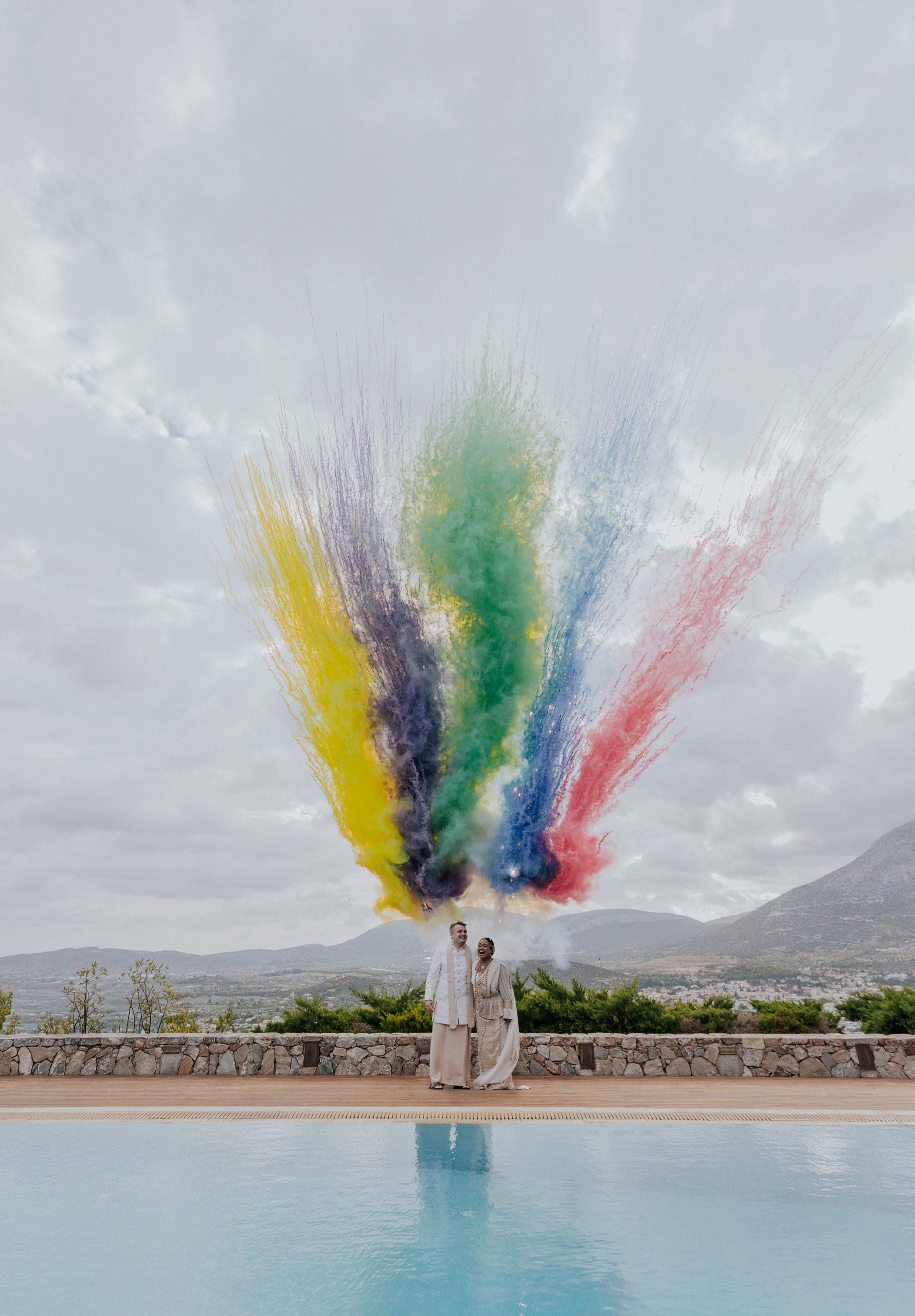
Booking through Lens & Vows
Through the year
May, June and September are the easiest months. At the Deutscher Wetterdienst’s Berlin-Tempelhof station, in the 1991–2020 averages, highs reach about 20 °C in May, 23 °C in June and 20 °C in September, with rain (1 mm or more) on about eight days a month. July and August are the warmest, at about 25 °C, with about five and four days of 30 °C or more; July is also the wettest month, with 72 mm of the year’s 572 mm and about two days that bring 10 mm or more. April is the driest, with 29 mm on about seven days, but reaches only 15 °C, and October 14 °C. From November to February highs stay between 4 and 8 °C, the sun shines for about an hour and a half a day in December and January, and snow lies on about seven days in each of January and February.
Weather station: Berlin-Tempelhof, normals 1991–2020 · Checked 2 November 2026
Places
The kinds of places — ask your photographer which ones they know well.
At the island’s tip the dome of the Bode Museum stands in the river, with the TV Tower behind it, and the cathedral’s green dome rises at the other end. The fluted colonnades between the museums give shade in summer and a roof in a shower. A short walk west is the Brandenburg Gate. Just south of the gate stands the Holocaust Memorial: like the Berlin Wall Memorial on Bernauer Strasse and the city’s other sites of remembrance, it isn’t a place to shoot.
Besides their town halls, Berlin’s district registry offices marry couples in places of their own, each with its days and its small room: the Fürstenzimmer of the Spandau Citadel (24 seats, every other Friday from late April to late October), Schloss Friedrichsfelde (80 seats, selected Fridays), the Chinese and Oriental gardens of the Gärten der Welt (selected Fridays), a post mill in Marzahn with room for twelve. Most dates fall on Fridays and weekdays, with only a few Saturdays, so ask early.
The Prussian Palaces and Gardens Foundation, which looks after Sanssouci, Charlottenburg and Peacock Island, lets anyone photograph its grounds without asking, tripod and flash included, as part of a normal visit. Extra equipment or staff — reflectors, lights, an assistant, a make-up artist — needs its written consent first and may carry a fee, so ask if you’re unsure. It warns visitors not to linger under its old trees, even in the rain, because drought is bringing branches down, and to stay away when a storm warning is out. For the ceremony, the Moorish Cabinet of the Belvedere on the Pfingstberg, above the town, is a branch of Potsdam’s registry office from May to October, for a fee of €750, with dates published on 1 October of the year before; it also takes free ceremonies. Couples marrying elsewhere can shoot there for €270 plus entry, six people at most, with four days’ notice from Friday to Sunday.
From Lübbenau and Lübben, wooden punts are poled along channels under the trees, past log farmhouses such as those at Lehde. If you take a canoe, the reserve’s rules are simple: keep to the waterways in the core zone, paddle only until an hour after sunset, and give way to the punts. Closer to the city, the Havel widens into lakes: Peacock Island, 67 hectares with a small white palace, is reached by a short ferry that runs daily from 10:00 to 18:00 in summer.
Light
Berlin has long summer evenings and very short winter days. At midsummer the sun rises at about a quarter to five and sets at about half past nine, far round in the north-west, with dusk lasting until nearly half past ten; it drops below ten degrees at about eight, which gives an hour and a half of low, warm light. In mid-May it sets at about nine and in mid-September at about twenty past seven. At midwinter it rises at about a quarter past eight and sets just before four, and it never climbs more than 14 degrees above the horizon. Sanssouci’s terraces face south, so they are hard and bright in the middle of a summer’s day and much kinder early and late. The sun shines for about seven and a half hours a day in July and little more than an hour in December.
Travel
BER’s station lies directly beneath Terminal 1, with the Airport Express (FEX), regional trains and the S-Bahn into the city several times an hour; by road it is 27 km to the Brandenburg Gate. The BER2 express bus runs from the terminal to Potsdam, and Sanssouci is about 36 km by road from central Berlin. Lübbenau is about 96 km by road from the centre, or about an hour by the hourly RB 24 from Berlin Ostkreuz. Under the EU drone rules, the operator of a drone of 250 g or more, or of any drone with a camera, must be registered (in Germany, with the Federal Aviation Office, the LBA) and insured, may fly no higher than 120 m and, from 250 g, must hold the EU competency certificate; the restricted zones are on the government’s dipul map. Central Berlin lies in the restricted area ED-R 146: a professional flight counts as approved only outside a circle of one nautical mile around the government quarter — which takes in the Brandenburg Gate and Museum Island — below 120 m and with the police told two hours ahead, and any other needs a permit from the federal air navigation authority, for which you should allow four weeks. The Prussian foundation bans drones in all its palaces and gardens, and flying over nature reserves such as those of the Spreewald or over homes needs consent; check the government’s dipul map before any flight.
Real weddings
Plan
Germany