Founding photographerVerified — Identity verified by Lens & Vows


Tina Y.from €2,400
The Baltic Coast, Berlin & Brandenburg +40 · Documentary, EditorialBased in the Netherlands · travels to weddings in GermanyWedding photographers in Germany
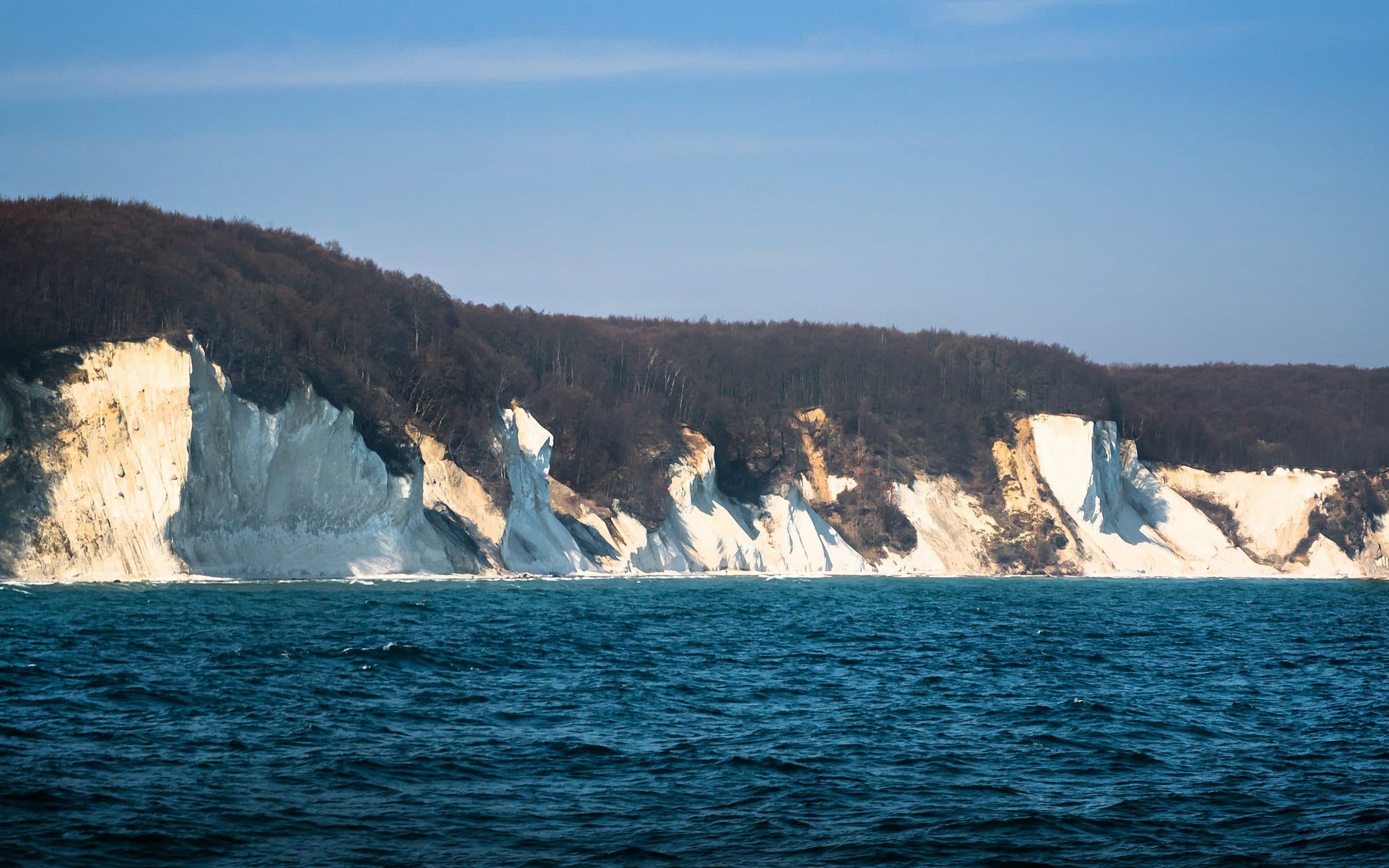
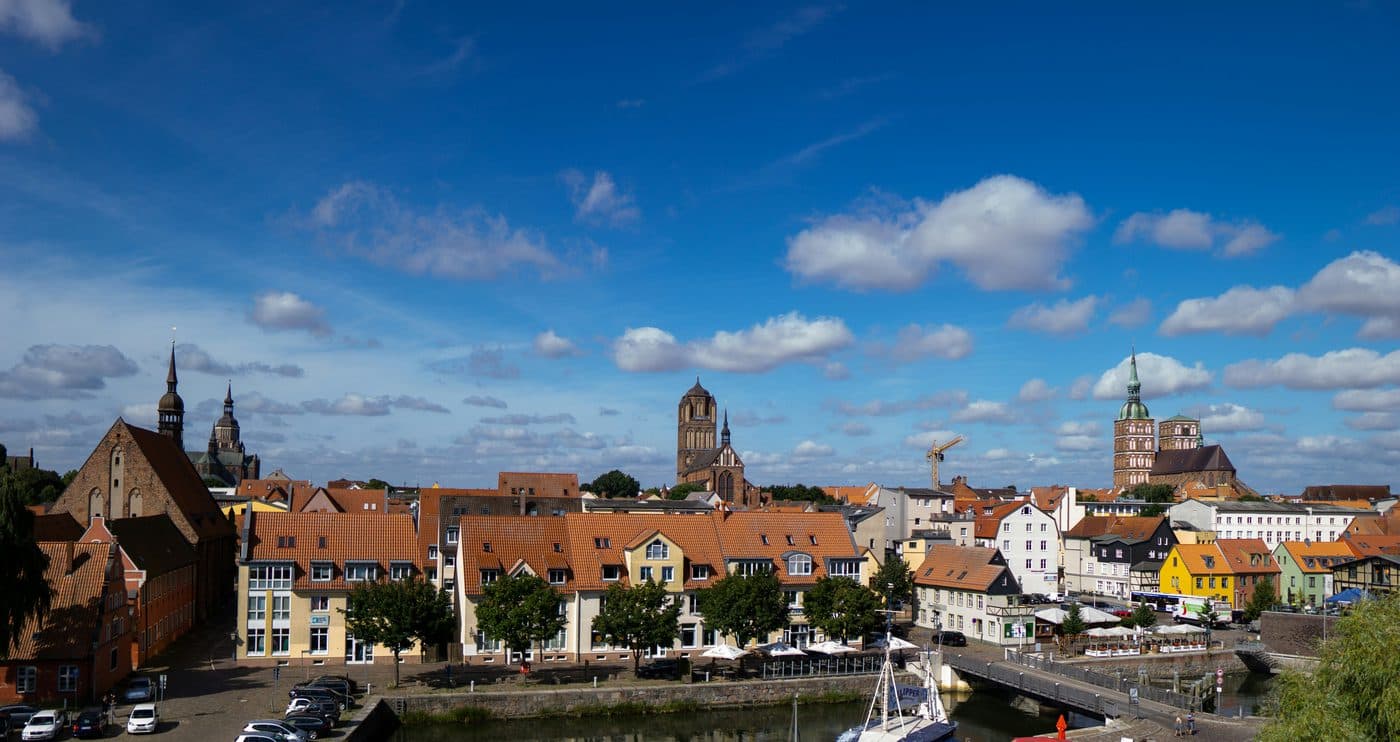
Chalk cliffs under beech forest on Rügen, white piers and seaside villas on Usedom, and three brick Hanseatic towns on the water: Lübeck, Wismar and Stralsund.
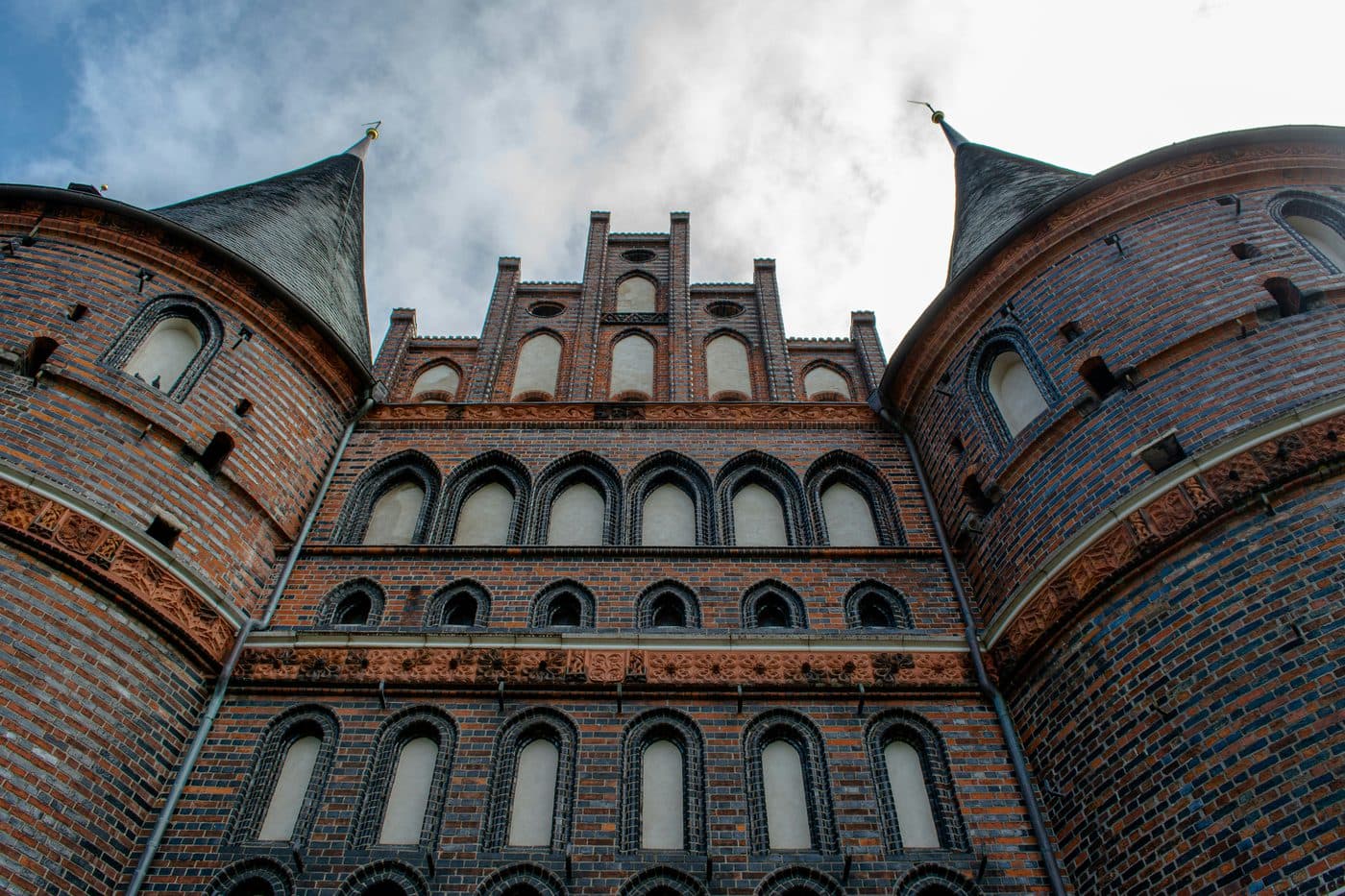
Germany’s Baltic coast runs east from Lübeck, once the leading city of the Hanseatic League, whose old town — the Holstentor gate, the salt storehouses, the merchants’ houses — has been a UNESCO World Heritage site since 1987. Wismar and Stralsund, medieval trading towns that later served Sweden as strongholds, share a listing of their own for their Brick Gothic, Stralsund’s town hall above all. Beyond them lies Rügen, with the white chalk coast and beech forest of Jasmund, Germany’s smallest national park and part of UNESCO’s ancient beech forests; Cape Arkona and its towers at the northern tip; and the seaside resorts of Binz and Sellin. Usedom, on the Polish border, has 42 km of beach and three old imperial resorts, Ahlbeck, Heringsdorf and Bansin, each with its pier.
Here the registrars go down to the water: to a lifeguard tower on the beach at Binz, the pier at Ahlbeck, the deck of an old sailing ship at Stralsund. In Germany a marriage is legal only before a registrar, at a Standesamt (registry office) or a place it has set aside for weddings; a religious or symbolic ceremony alone isn’t a legal marriage. Each town keeps its own list of places and dates, so start with the registrar you want. Couples who live elsewhere in Germany give notice at home and have the papers sent on; those coming from abroad can sign at home and hold a free ceremony here, in a church, a garden or on the sand, asking the resort first.
Photographers
They still have dates open here. Their whole weddings and free dates are on their page.
See the photographerBooking through Lens & Vows
Through the year
May to September are the easiest months. In the German Weather Service’s 1991–2020 records for Rostock-Warnemünde, on the shore midway along this coast, the highs run from about 16 °C in May to 22 °C in July and August, and a millimetre of rain or more falls on eight to ten days a month. It is one of Germany’s sunniest and driest shores: Cape Arkona has the most sun of any station in the Weather Service’s 1991–2020 table, about 1,950 hours a year, or about nine hours a day from May to July, and 548 mm of rain; Warnemünde has about 615 mm, against 770 mm in Hamburg. The sea keeps the shore cool in spring, at 14 °C in May at Arkona against 18 °C at Lübeck’s airfield inland. Many of the outdoor places to marry open only from April or May to September, and the wind can turn on any day, so have the indoor room booked as well.
Weather station: Rostock-Warnemünde, normals 1991–2020 · Checked 2 November 2026
Places
The kinds of places — ask your photographer which ones they know well.
Lübeck’s registrar marries couples in a neoclassical villa, with room for 14 guests and a photographer, in the rococo Audience Hall of the Rathaus, begun in 1230, for up to 100, and aboard the four-masted barque Passat at Travemünde. Wismar has its town hall; the Poel cog, a replica Hanseatic ship, twice a month from April to September; and, once a month from May to September, the walled courtyard of the Schabbell town museum, for up to 60, with a covered room next door if it rains. Its calendar for the next year usually opens on 1 October. Stralsund marries from Monday to Saturday between 10 and 3: in the town hall’s two historic rooms, for 24 or 16 guests; in the restored chapel of St Anne and St Bridget, for 32; or on the former training ship Gorch Fock I, with 40 on deck looking out to Rügen and its bridge, or 20 below if the weather turns.
Binz has 5 km of beach and a long list of places: the registry room in the resort’s visitor centre, for 16 guests; the white lifeguard tower at beach access 6, from April to October, for 15, with a view of the chalk coast (€450 for the room); a historic bathing cart on the sand, from May to September, for three inside and more in beach chairs outside (€250); and an excursion ship moored at the pier, which can sail on along the cliffs. At Sellin a stairway drops from a 30-metre cliff to a white pier rebuilt on the model of the first of 1906, and the resort invites couples to marry there. Inland, Granitz is a hunting lodge of 1837 to 1846 with views to the bay of Binz; at this and every state palace, photography and filming need the palace administration’s permission first.
Jasmund’s chalk rises from the sea below the largest beech forests on the Baltic coast. Photograph from the paths, which are compulsory in the core zones, and stay well back from the edge: the park warns that the cliffs can break away at any time, above all after heavy rain or a thaw. A project beyond personal photographs needs the park’s approval, and in principle it is no backdrop for films, music or advertising, so write to the park office before planning a hired shoot. The Königsstuhl has a visitor centre and a ticketed skywalk. At Cape Arkona the square brick Schinkel tower, lit in 1828, holds the northernmost registry office on the island, in its ground floor; church weddings take place in the chapel at Vitt. Drivers park at the large car park in Putgarten.
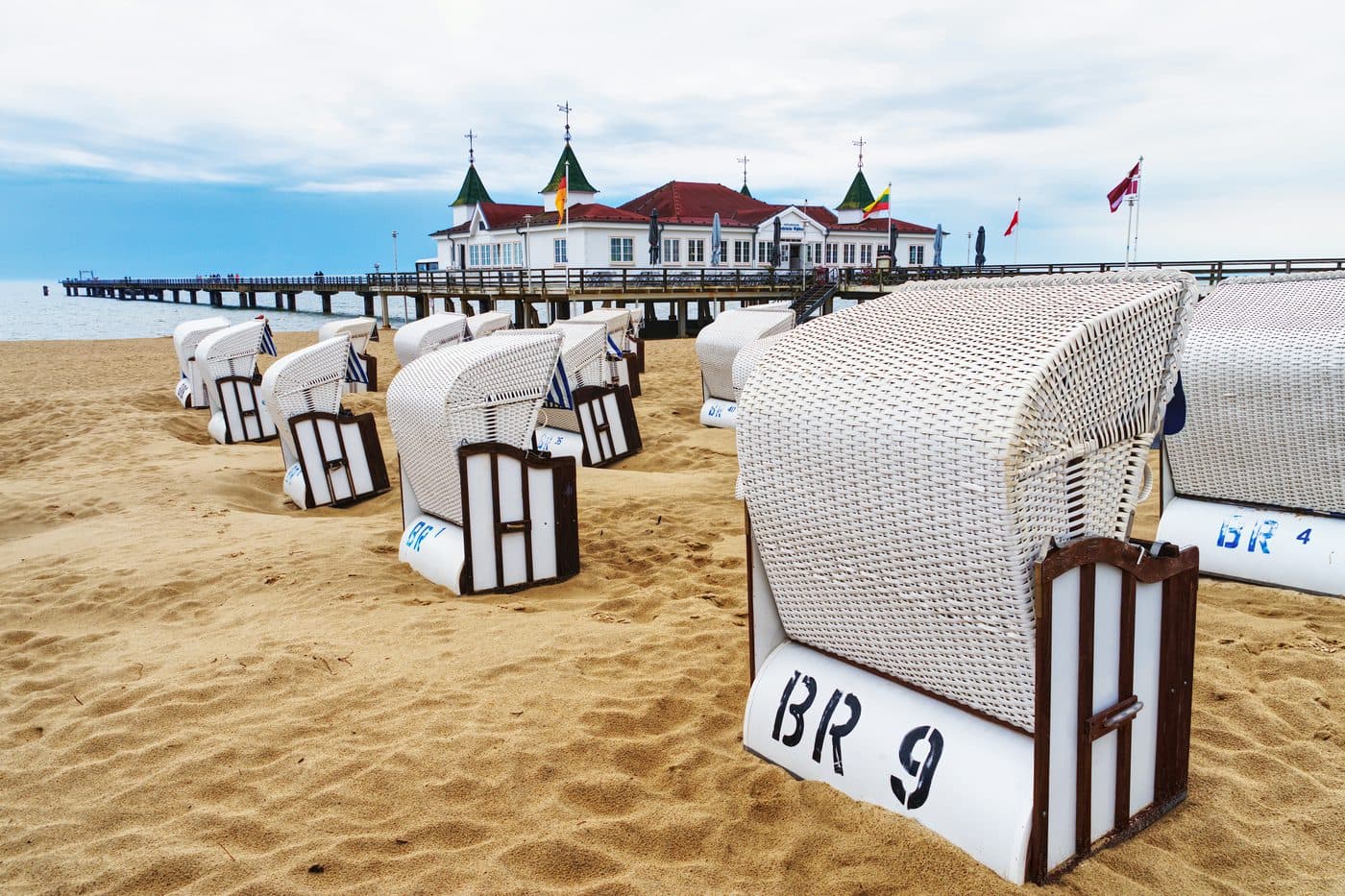
Heringsdorf’s registrar marries visitors as well as locals: in a small tower beside the municipal offices, on the pier at Ahlbeck, or from May to September right on the beach, one of the places on this coast where the legal ceremony itself can be on the sand. Agree the date and place with the registry office first, and have your papers there at least six weeks ahead. Ahlbeck’s pier has stood since 1882; its 280-metre walkway was rebuilt in the early 1990s. Bansin’s, at 285 metres, looks along the cliffs, and the resorts’ own guide sets the sunrise from the piers above all else. In the south of the island, the Usedom registry office also marries couples in the historic Anklam Gate and at Stolpe Castle.
Light
At midsummer the sun rises at Binz at about half past four and sets at about a quarter to ten, with dusk until about twenty to eleven; at about ten past eight it is still ten degrees up, so the soft light comes late. It rises out of the sea on the east-facing bay of Binz and on Usedom, and sets far round in the north-west, along the shore rather than over open water on most of these beaches. Stralsund has the same evening, and Lübeck’s sunset comes seven or eight minutes later. At midwinter the sun is up at Binz only from about twenty-five past eight until about twenty to four, at most 12 degrees high, with dusk at about twenty-five past four; the earliest sunset is in mid-December. Cape Arkona is the sunny end of the coast, with about 275 hours in May, June and July, against about 225 at Lübeck, and all of it falls to under 40 in December.
Travel
Hamburg Airport is the nearest large airport for Lübeck, 77 km away, about an hour by car, and Wismar, 139 km, under two hours. Stralsund is about three hours from either Hamburg (287 km) or Berlin’s airport (309 km), and Binz about 45 minutes further across the Rügen bridge. Usedom is about 230 km and three hours from central Berlin; by rail, the Usedom spa railway takes over from the main line at Züssow, its long-distance buses run from Berlin and Hamburg, and Heringsdorf’s airfield has flights from Frankfurt, Mannheim, Kassel and Luxembourg. Under the EU drone rules, the operator of a drone of 250 g or more, or of any drone with a camera, must be registered (in Germany, with the Federal Aviation Office, the LBA) and insured, may fly no higher than 120 m and, from 250 g, must hold the EU competency certificate; the restricted zones are on the government’s dipul map. Flying in one needs a permit from Mecklenburg-Western Pomerania’s aviation authority. Jasmund National Park bans drones outright. At Binz, flying over the beach, the dunes or the pier means asking the resort first, as its by-laws limit or forbid it, and anything within 100 metres of the Baltic’s federal waterways needs the waterways office in Stralsund as well.
Plan
Germany