Lens & Vows
SavedSign inFor photographers
Find my photographer

Tell us the place and the date — see who is free.

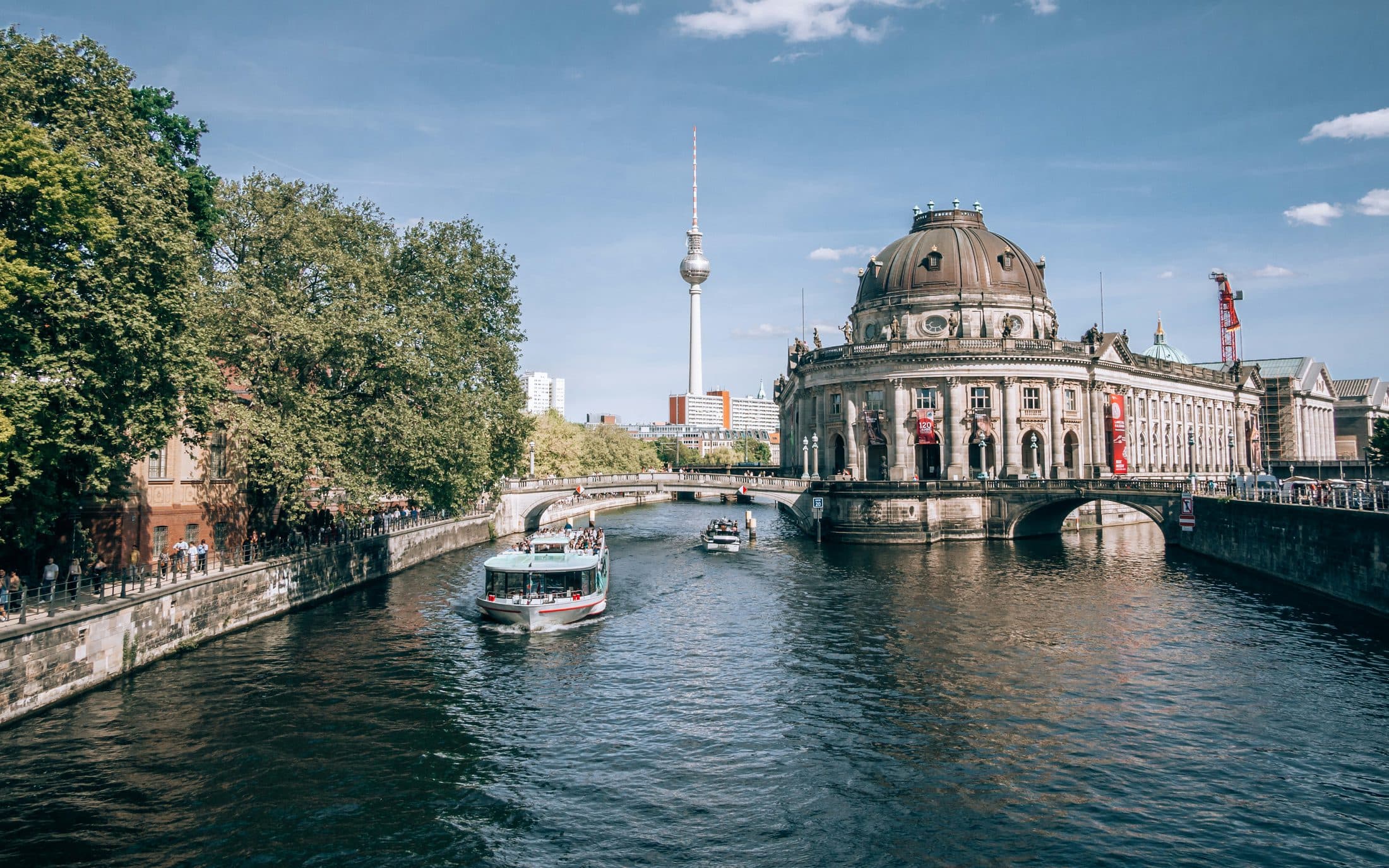
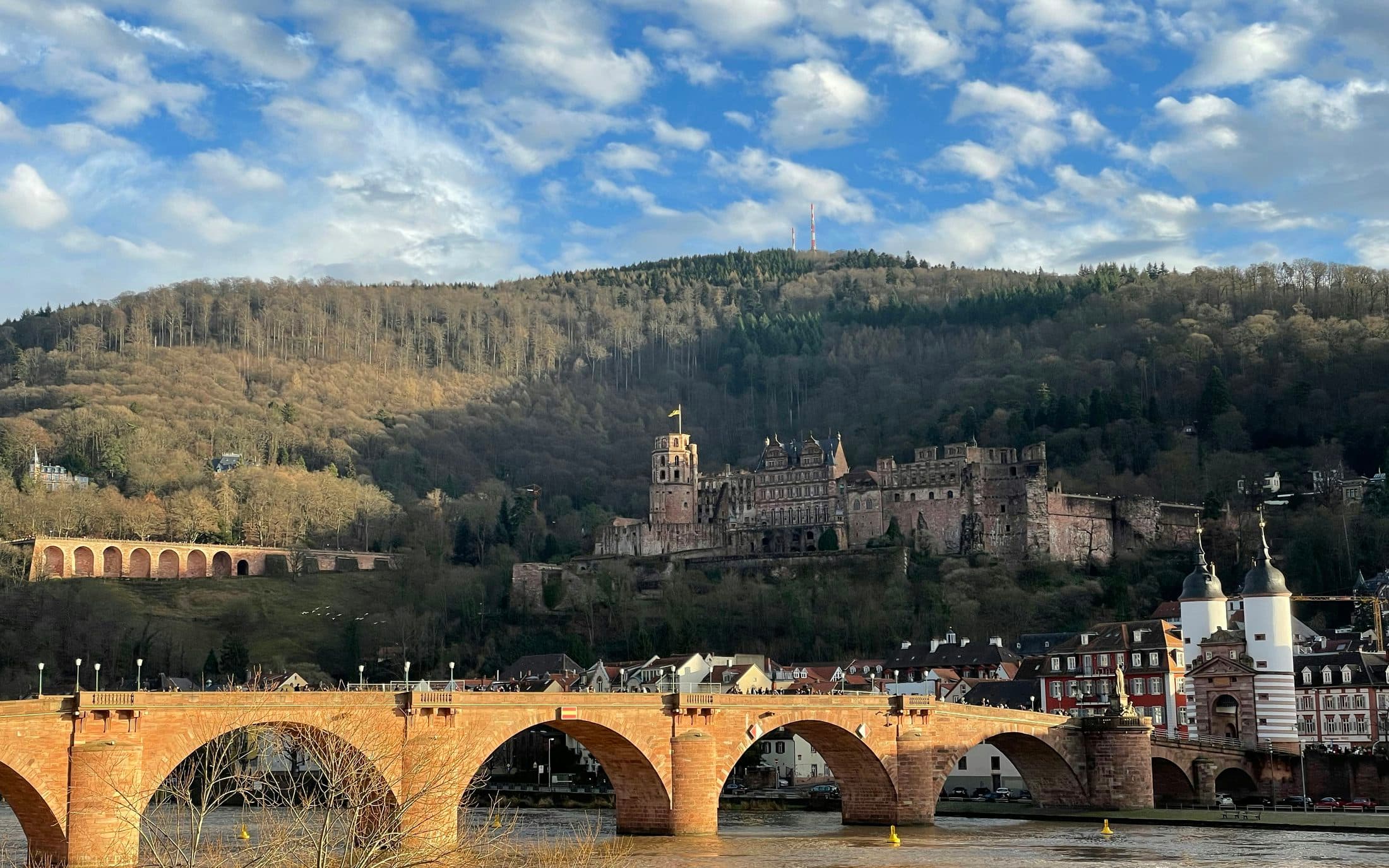
The domed Bode Museum at the tip of Museum Island, the Spree running past it with two river boats, trees along the left bank and the TV Tower behind under a blue sky with white clouds

Germany

Wedding photographers in Germany

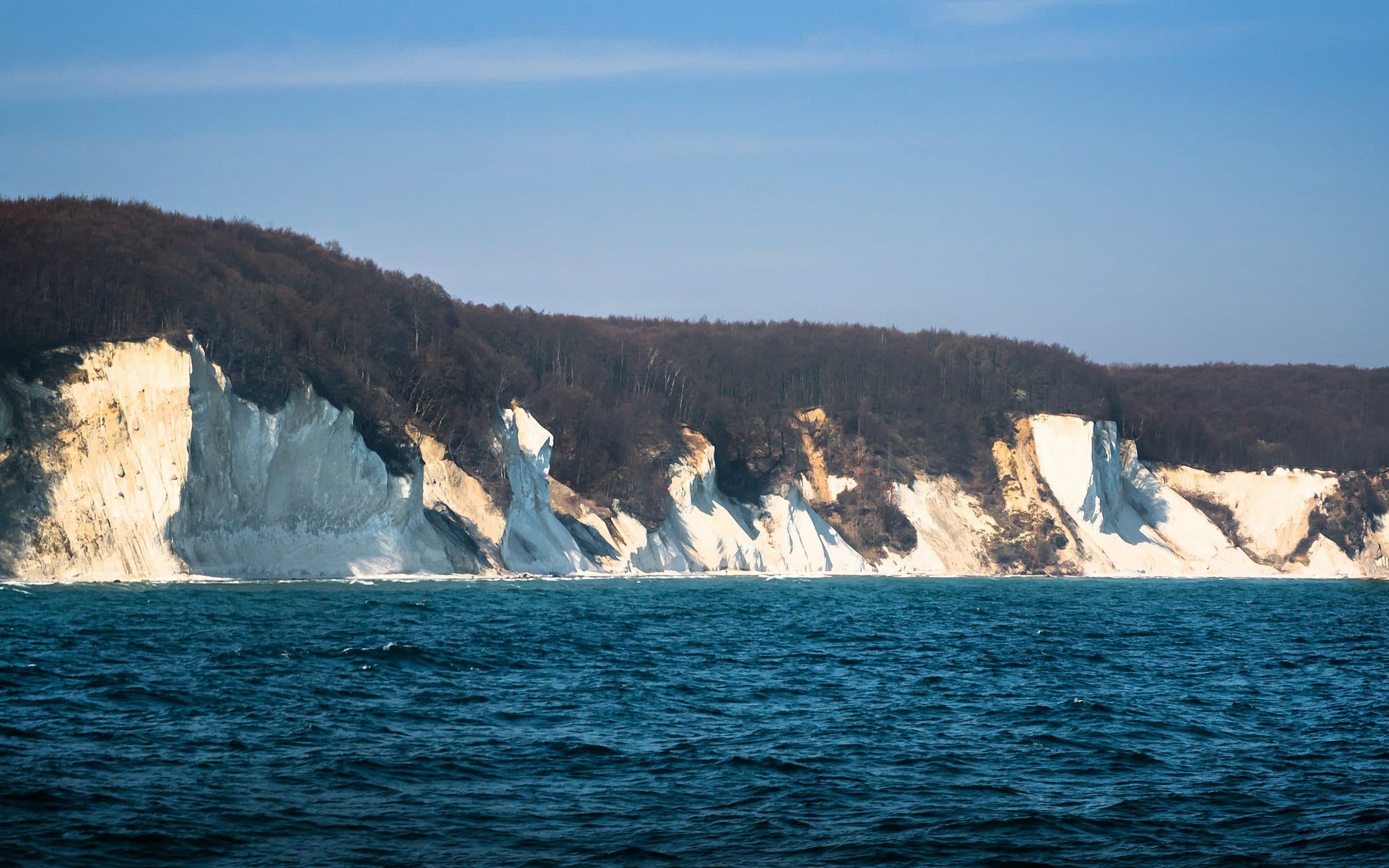
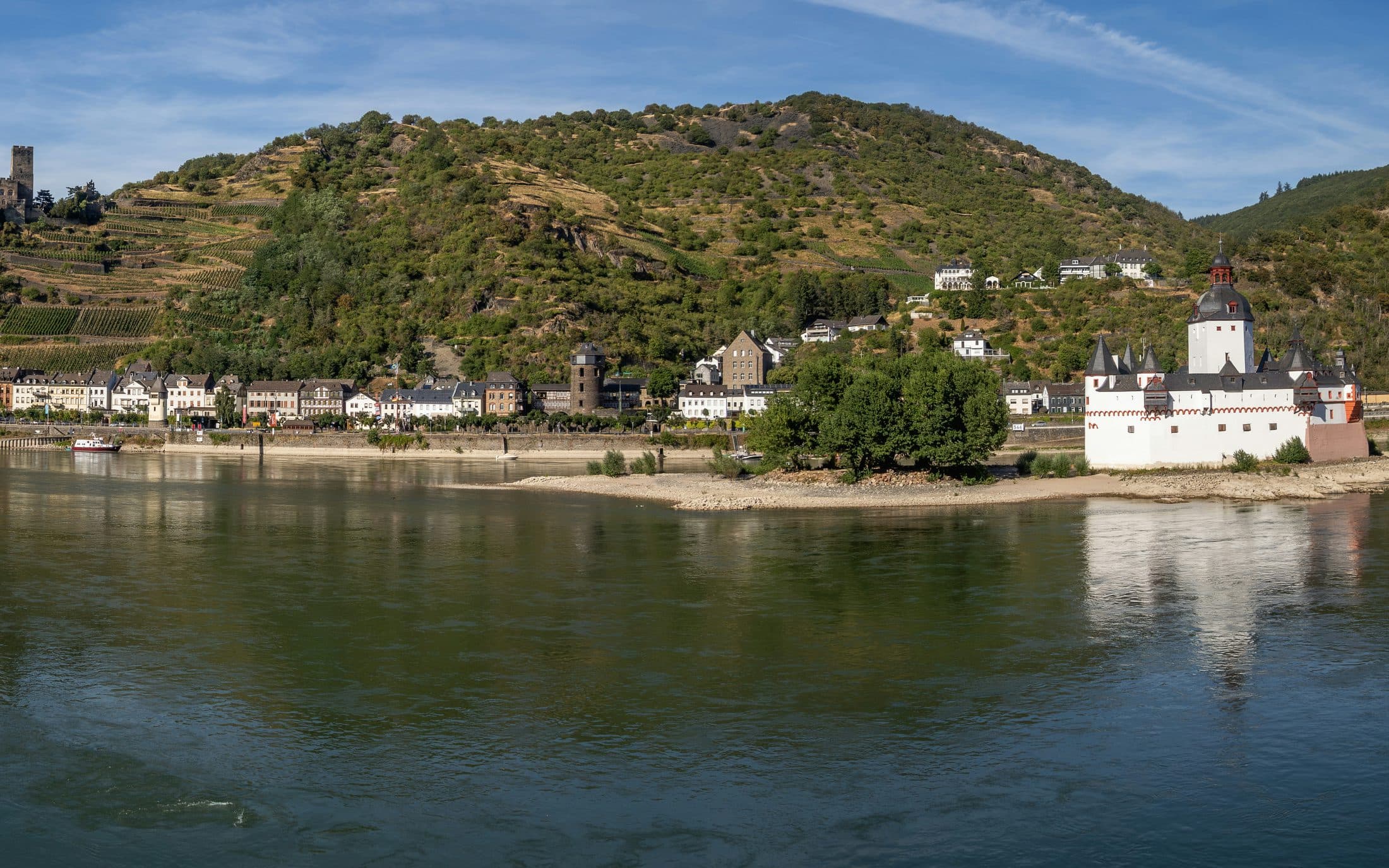
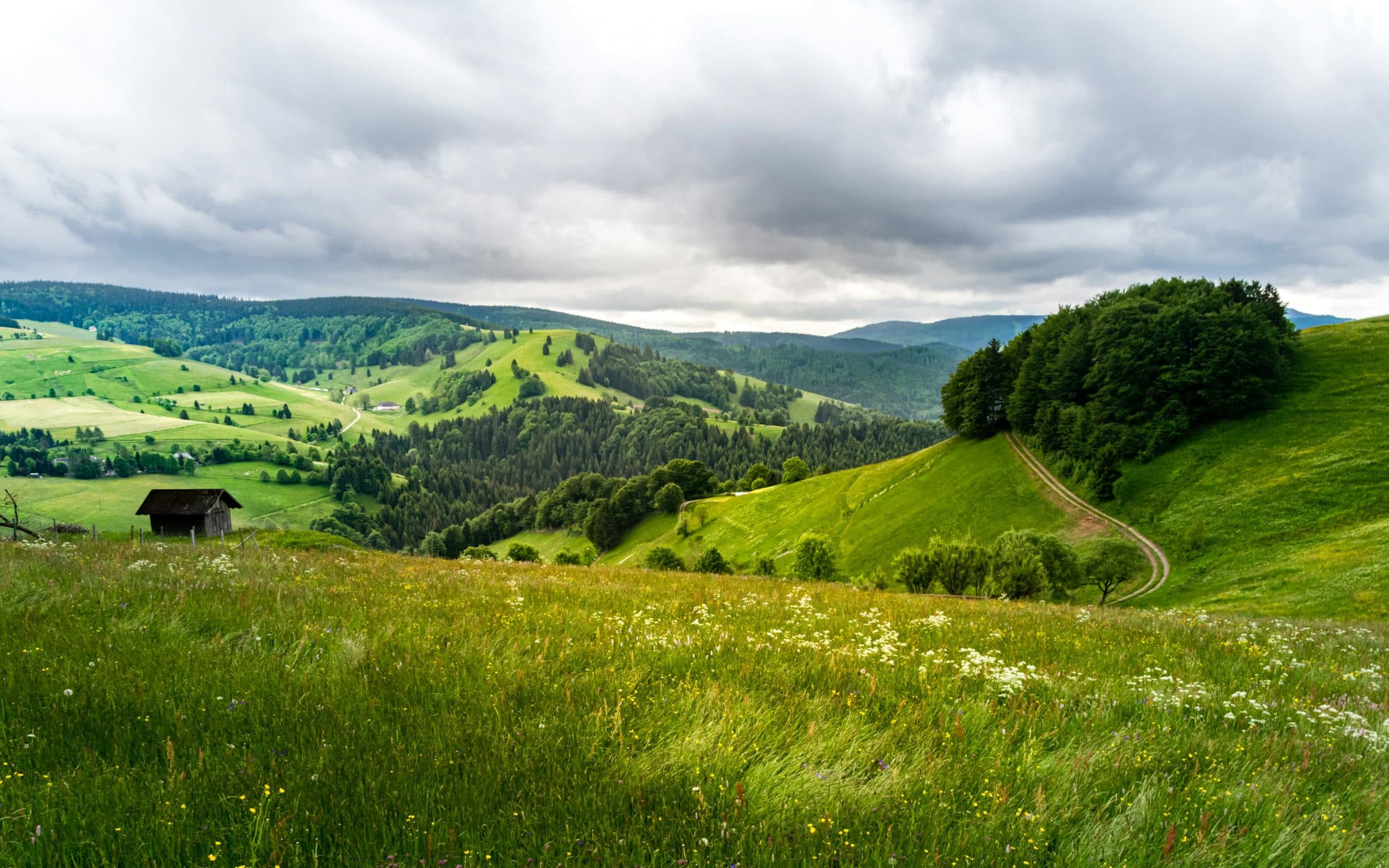
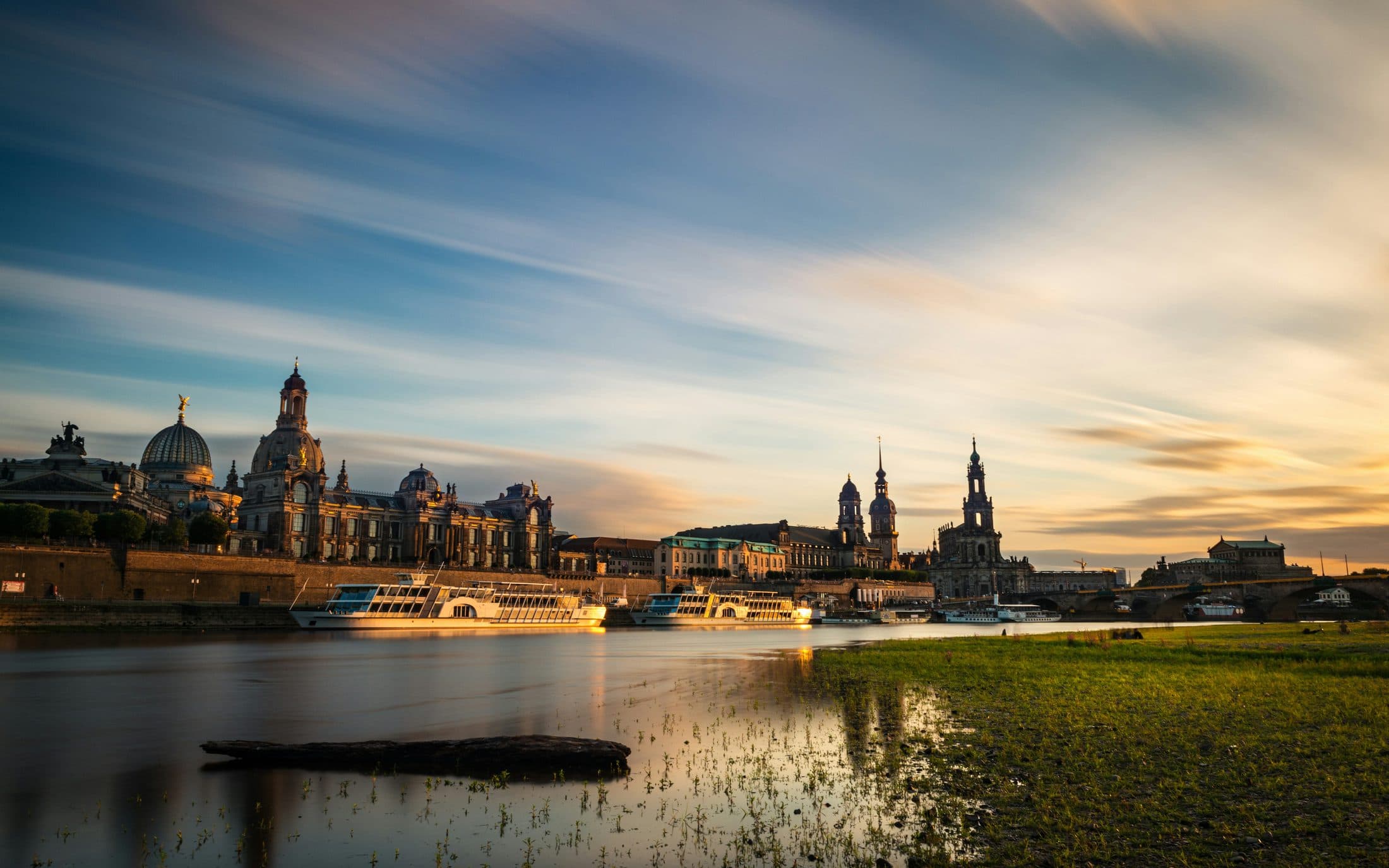
Berlin and the palaces and waterways of Brandenburg, Munich and the Bavarian Alps, Hamburg and the North Sea, the chalk cliffs and brick towns of the Baltic coast, the castles and vineyards of the Rhine and the Moselle, the Black Forest and Lake Constance, Dresden and Saxon Switzerland, and old Heidelberg on the Neckar.

Germany runs from the North Sea and the Baltic to the Bavarian Alps, by way of the Rhine and Moselle valleys, the Black Forest and the Elbe at Dresden.

May to September suit most of it best, with highs of about 18 to 26 °C and a good deal more rain in the south than in the north and east. The light swings widely: at midsummer the sun sets after nine, around ten in the far north; at midwinter, around four.

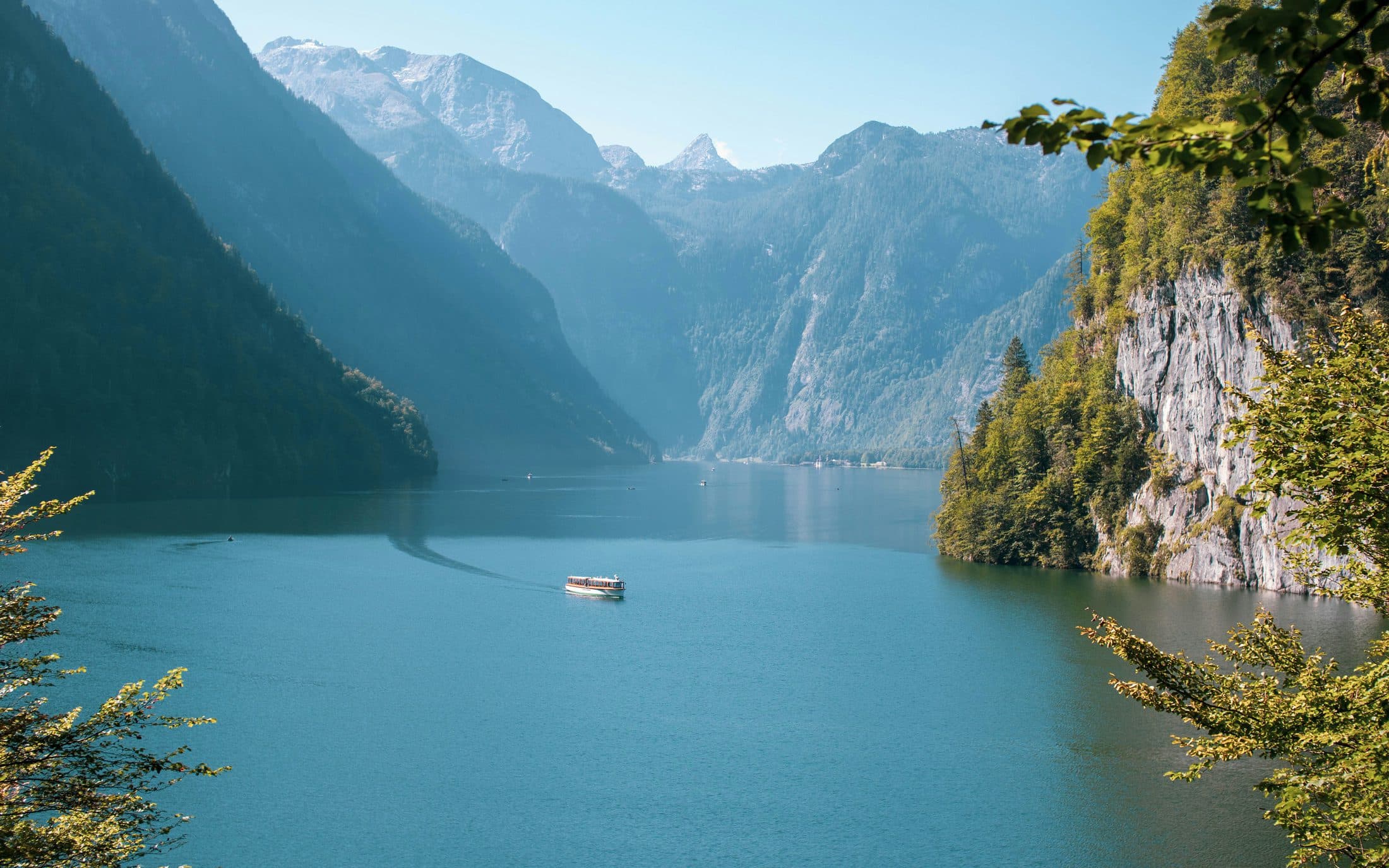
Couples from abroad can marry here legally without living here, but only before a registrar at a Standesamt, in its own rooms or at a place it has set aside for weddings, such as a town hall or a palace. It takes papers: for most partners from abroad a certificate from home that says they are free to marry, or an exemption from a Higher Regional Court, all within a six-month window. Same-sex couples have been able to marry since October 2017. A church or symbolic ceremony has no legal weight on its own, so couples from abroad can also sign the papers at home and celebrate here, on the coast, among the vineyards or by an Alpine lake.

8 places

Where in Germany

City, mountains, coast or vineyards: each has its own light, landscape and best months. Start with the one that feels like you.
Through the year

When to marry, region by region

Dark: the easiest months. Outlined: they work with some planning. Grey: the quieter, wetter or hotter part of the year there.

  • Berlin & Brandenburg
    1. January: Quieter
    2. February: Quieter
    3. March: Quieter
    4. April: Good with planning
    5. May: Best
    6. June: Best
    7. July: Good with planning
    8. August: Good with planning
    9. September: Best
    10. October: Good with planning
    11. November: Quieter
    12. December: Quieter
  • Munich & Bavaria
    1. January: Good with planning
    2. February: Quieter
    3. March: Quieter
    4. April: Quieter
    5. May: Good with planning
    6. June: Best
    7. July: Best
    8. August: Best
    9. September: Best
    10. October: Good with planning
    11. November: Quieter
    12. December: Good with planning
  • Hamburg & the North Sea
    1. January: Quieter
    2. February: Quieter
    3. March: Quieter
    4. April: Good with planning
    5. May: Best
    6. June: Best
    7. July: Best
    8. August: Best
    9. September: Best
    10. October: Good with planning
    11. November: Quieter
    12. December: Quieter
  • The Baltic Coast
    1. January: Quieter
    2. February: Quieter
    3. March: Quieter
    4. April: Good with planning
    5. May: Best
    6. June: Best
    7. July: Best
    8. August: Best
    9. September: Best
    10. October: Good with planning
    11. November: Quieter
    12. December: Quieter
  • The Rhine & the Moselle
    1. January: Quieter
    2. February: Quieter
    3. March: Quieter
    4. April: Good with planning
    5. May: Best
    6. June: Best
    7. July: Good with planning
    8. August: Good with planning
    9. September: Best
    10. October: Good with planning
    11. November: Quieter
    12. December: Quieter
  • The Black Forest & Lake Constance
    1. January: Quieter
    2. February: Quieter
    3. March: Quieter
    4. April: Quieter
    5. May: Good with planning
    6. June: Best
    7. July: Best
    8. August: Best
    9. September: Best
    10. October: Good with planning
    11. November: Quieter
    12. December: Quieter
  • Dresden & Saxony
    1. January: Quieter
    2. February: Quieter
    3. March: Quieter
    4. April: Good with planning
    5. May: Best
    6. June: Best
    7. July: Good with planning
    8. August: Good with planning
    9. September: Best
    10. October: Good with planning
    11. November: Quieter
    12. December: Quieter
  • Frankfurt & Heidelberg
    1. January: Quieter
    2. February: Quieter
    3. March: Quieter
    4. April: Good with planning
    5. May: Best
    6. June: Best
    7. July: Good with planning
    8. August: Good with planning
    9. September: Best
    10. October: Good with planning
    11. November: Quieter
    12. December: Quieter

The seasons

What each season brings

The legal basics

Three ways to say yes

What makes a wedding legally binding in Germany, in short. Couples from abroad can marry here without living here, but only before a registrar at a Standesamt, with papers showing each of you is free to marry.

  • CivilThe only legal wedding in Germany: the two of you, in person, tell a registrar that you want to marry. Any Standesamt (registry office) can marry you, and if neither of you lives in Germany you register with the one that will. You can register at most six months ahead, and the registration holds for six months. The ceremony takes place in the Standesamt’s rooms or at a place it has set aside for weddings, such as a town hall or a palace. Witnesses are optional. Same-sex couples have been able to marry since 1 October 2017. Fees vary by Land and by place: Berlin charges €45 to register, plus €45 for each partner under foreign law (November 2026).
  • ReligiousA church wedding alone has no legal effect. Since 2009 the state no longer forbids a religious ceremony before the civil one, but the Protestant Church still requires the Standesamt first, and the Catholic Church does as a rule: a church-only Catholic wedding needs the bishop’s permission and isn’t recognised in civil law. Talk to the parish a year ahead if you can, six months at the latest; a Catholic wedding asks for baptism certificates no older than six months.
  • SymbolicAny place, any words, any celebrant, and no legal weight. A freie Trauung is common among Germans too: 35.3% of couples chose one in WeddyPlace’s 2024 survey. Couples from abroad can also sign the papers at home and exchange vows here, on the coast, among the vineyards or by a lake, which leaves no German paperwork at all. Palace gardens set their own rules: Bavaria’s allow private wedding photos without notice and the Prussian foundation’s without asking, though a reflector, an assistant or a make-up artist needs its written consent; neither allows drones. Under the EU drone rules, the operator of a drone of 250 g or more, or of any drone with a camera, must be registered (in Germany, with the Federal Aviation Office, the LBA) and insured, may fly no higher than 120 m and, from 250 g, must hold the EU competency certificate; the restricted zones are on the government’s dipul map.

Before any legal wedding

A partner from abroad brings a certificate from home saying they are free to marry, the Ehefähigkeitszeugnis; it lapses six months after it is issued. Many countries issue one, among them the UK, Ireland, France, Italy, Spain and Portugal. Where a country doesn’t, as the United States doesn’t, the president of the Higher Regional Court (Oberlandesgericht) can grant an exemption, applied for through the Standesamt: €15 to €305 by income in Berlin, at least three weeks there and usually six in Bavaria, valid for six months. Bring originals. Foreign documents normally need an apostille or legalisation, EU ones don’t, and anything not in German is translated by a translator sworn in Germany; if one of you doesn’t speak enough German, a sworn interpreter comes too. Ask the Standesamt for your own list before ordering anything, and if you need a visa, apply once it has confirmed your registration.

Rules, documents and fees change, differ between Länder and offices, and depend on your nationality: always check with the Standesamt that will marry you and with your own embassy — and, for photos in a palace garden or a national park, with its administration — before you set a date.

Read the guide

Photographers

Photographers in Germany

Hand-picked and ID-verified: whole weddings, packages and real calendars — pick one, check your date.

All photographers
Booking through Lens & Vows

  • The other 70% in up to 3 paymentsafter the deposit, by card through us (+10%)
  • 12-month online gallery3 more years free after your review
  • Chat and video callsmessages translated into your language
  • Protected paymentseverything paid through us comes back if the photographer cancels

Plan your wedding

Guides

All the countries we work in · More countries are coming.

Not sure yet?

Tell us about your wedding — we’ll find who is free

The place, the date, the guests, the photos you like. Our concierge checks who is free and fits, and comes back with photographers to choose from.

Tell the concierge