Founding photographerVerified — Identity verified by Lens & Vows
Nikos T.from €970
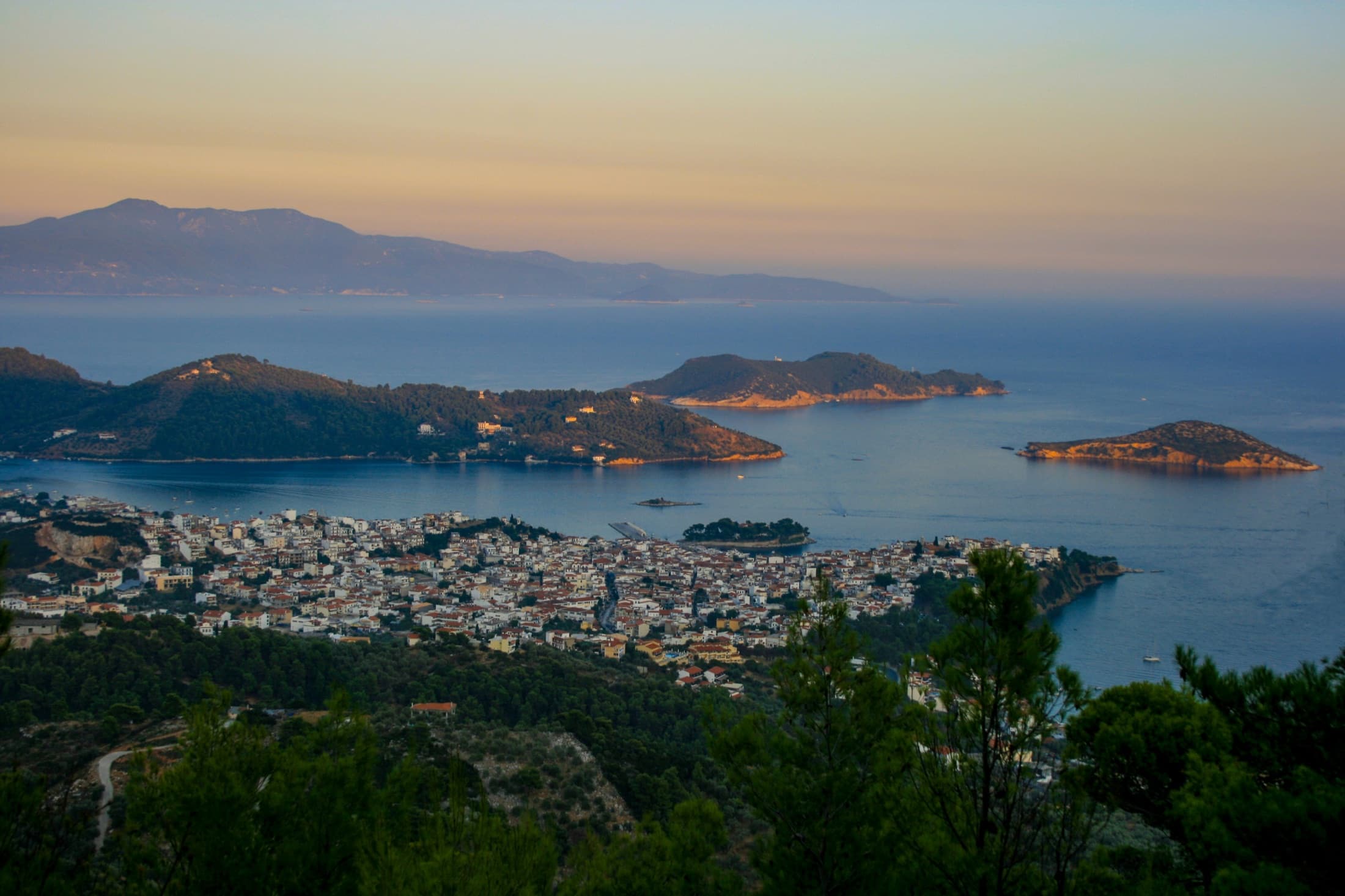
Thessaloniki & Halkidiki, Skiathos, Skopelos & Pelion +3 · Documentary, RomanticWedding photographers in Greece
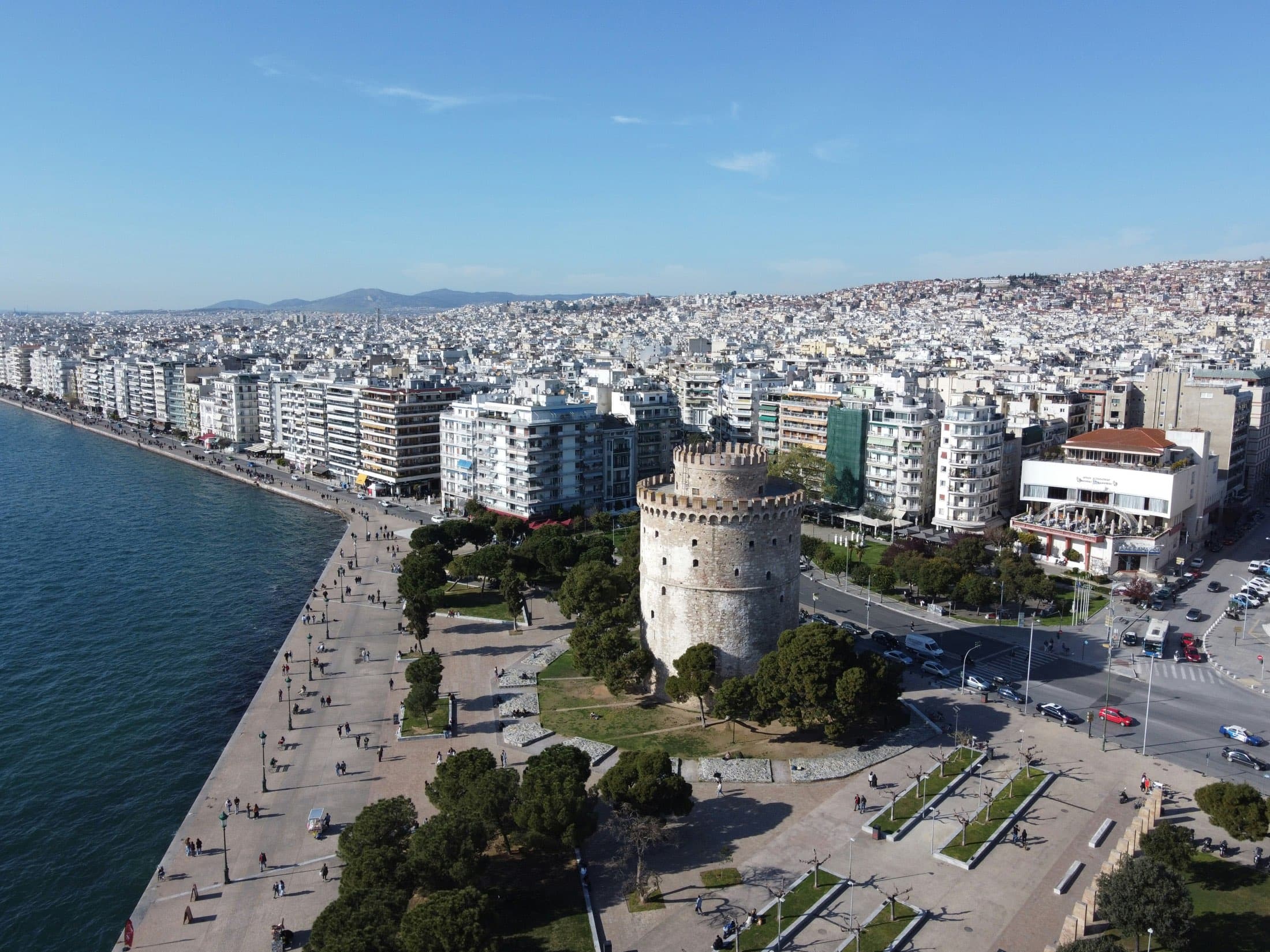
Thessaloniki’s waterfront and Byzantine churches, pine forest down to the sea in Halkidiki, Kavala and the island of Thasos, and Mount Olympus across the gulf — northern Greece on the Aegean.
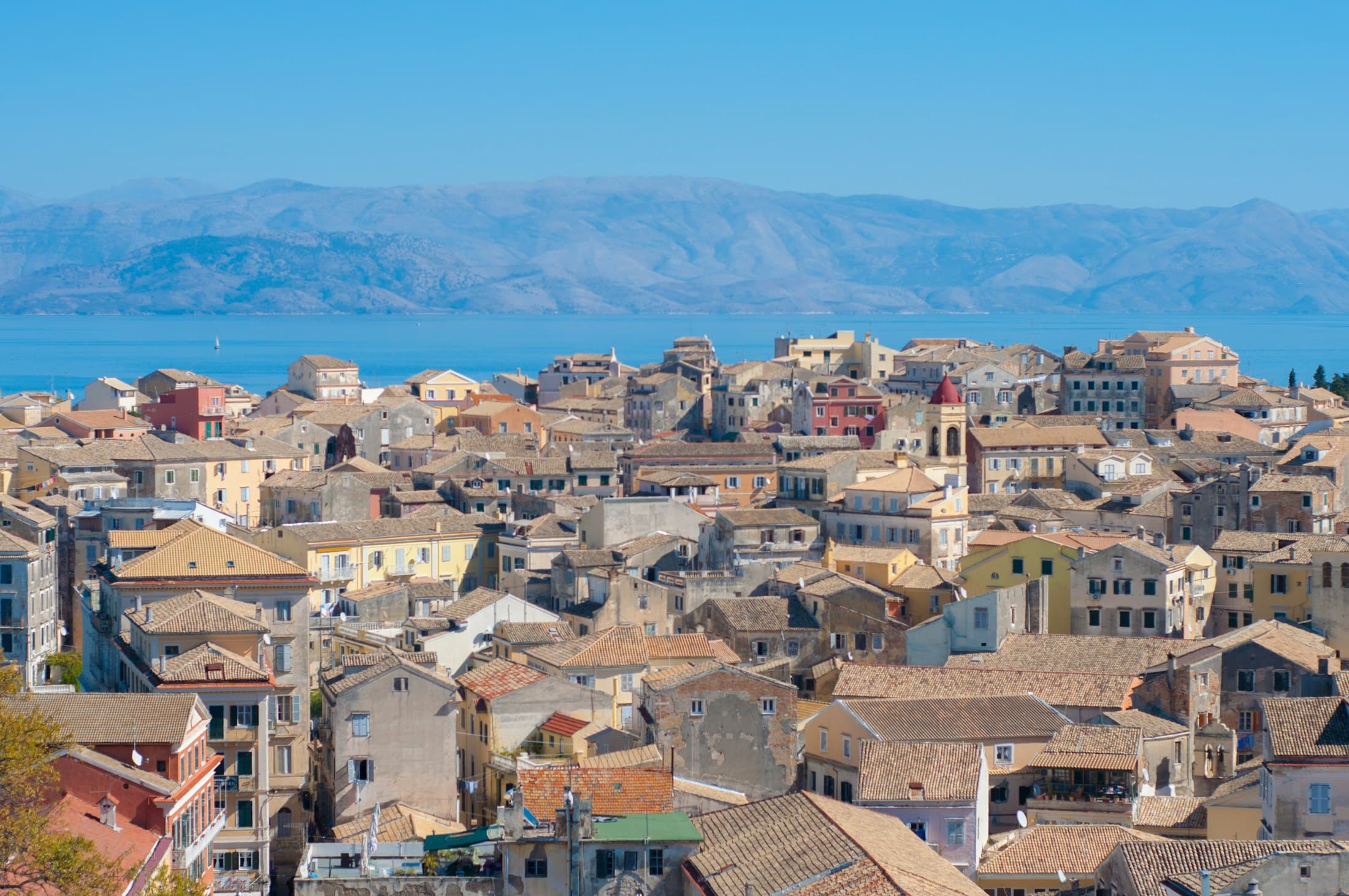
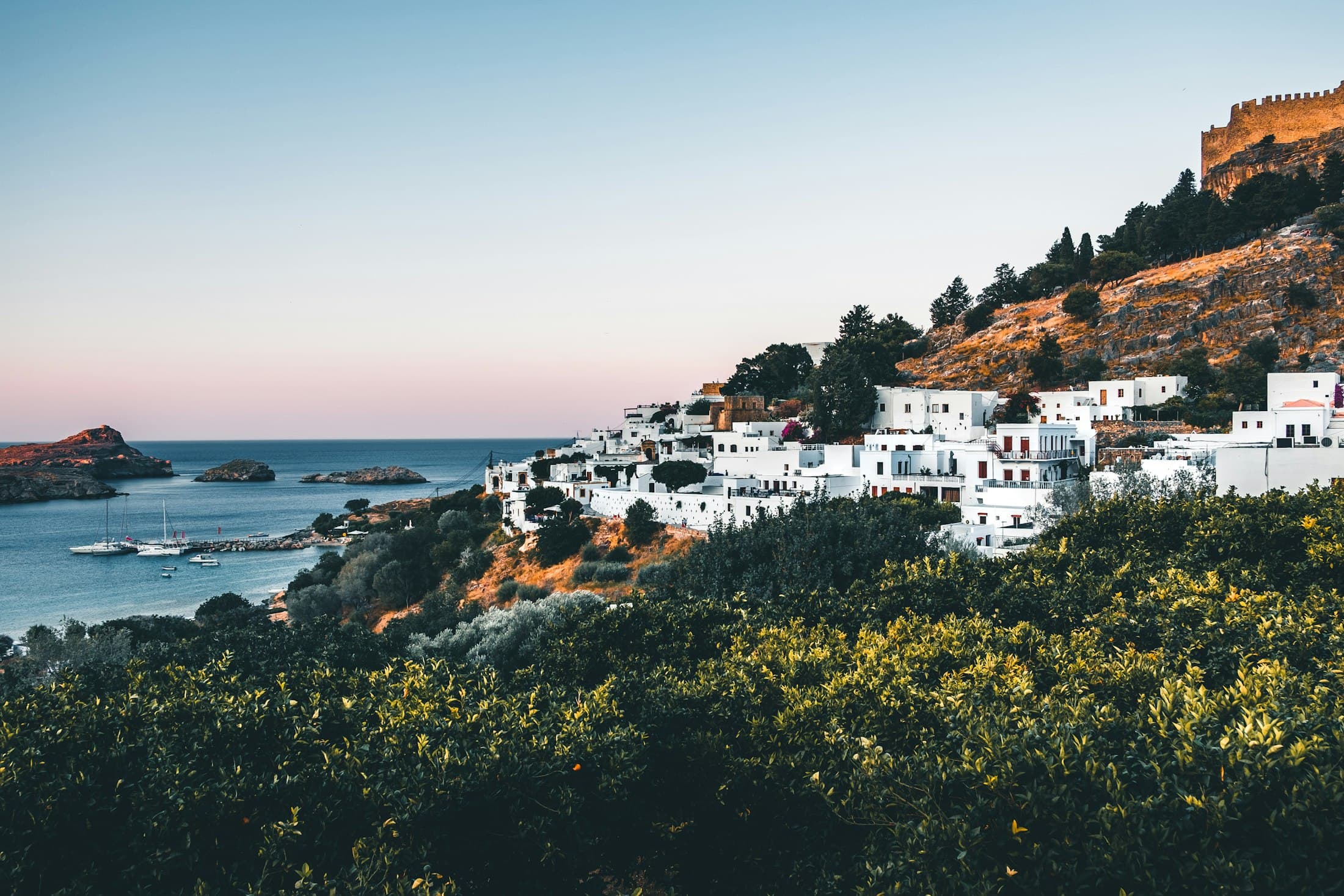
Thessaloniki, Greece’s second city, lies along the Thermaic Gulf: a long seafront promenade with the White Tower on it, Aristotelous Square opening onto the water and, above them, the Upper Town, Ano Poli, with old houses inside the Byzantine walls. Its early Christian and Byzantine churches and its walls are a UNESCO World Heritage site. South-east of the city, Halkidiki reaches into the Aegean in three peninsulas: on Kassandra and Sithonia pine forest runs down to sandy beaches and clear coves, and from Sithonia you look across the water to Mount Athos, on the third. Further east lie Kavala, an old town on a headland below its fortress, and the green island of Thasos across the strait; across the gulf to the south-west rises Olympus, Greece’s highest mountain, which UNESCO added to its list in 2026.
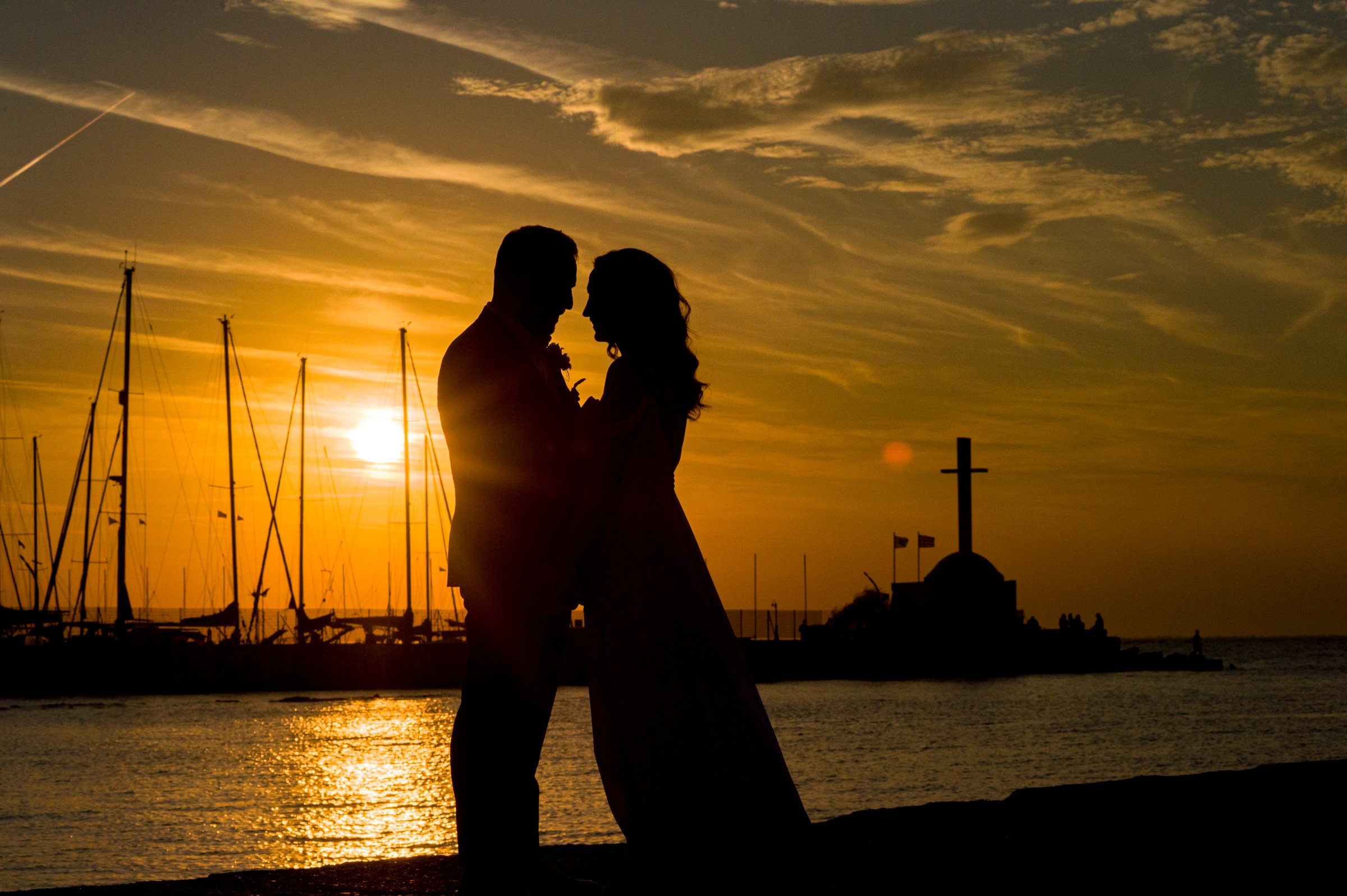
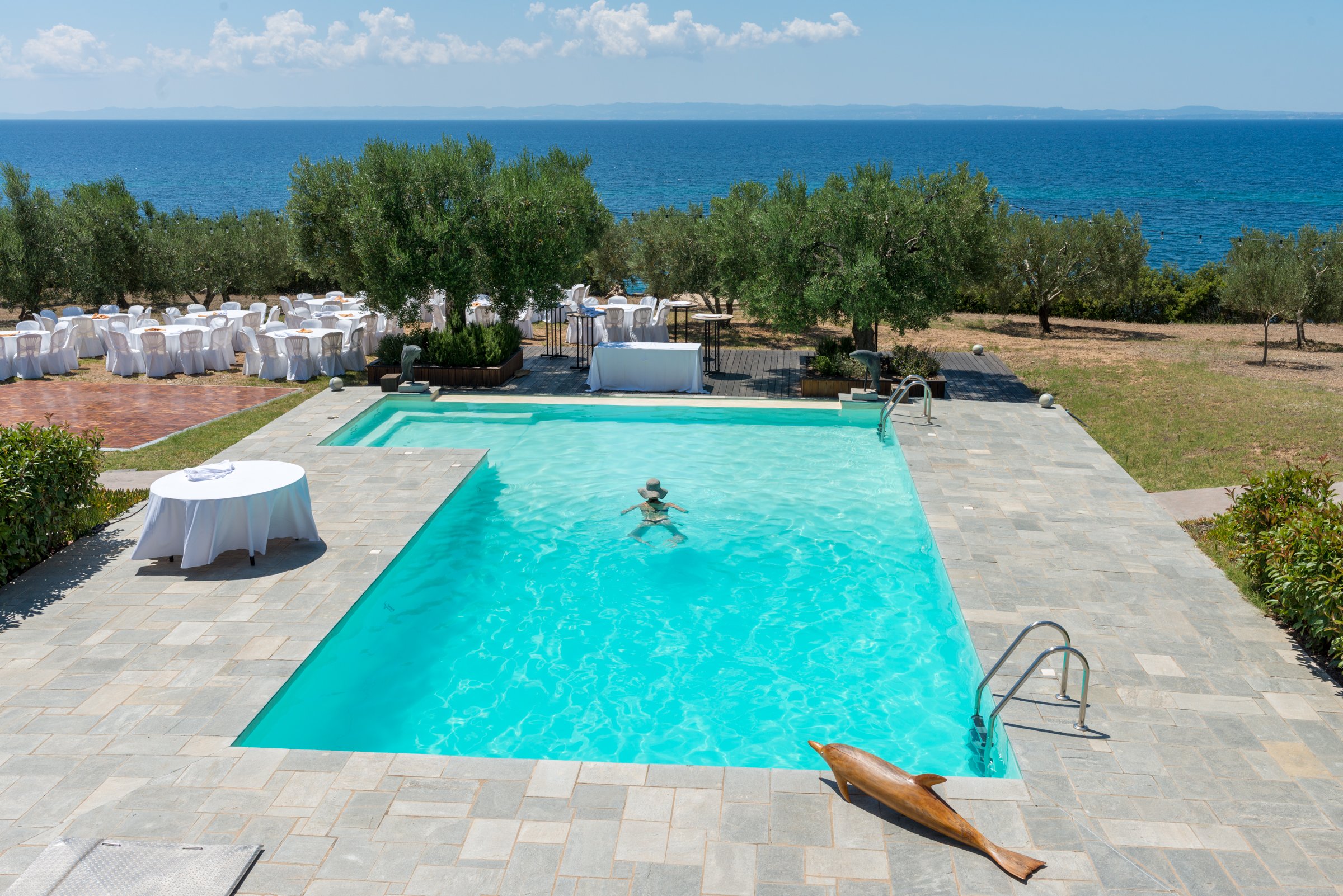
Weddings here are held at a resort hotel or a villa by the sea in Halkidiki, in a chapel on the shore or an old church in town, or on a terrace above Thessaloniki’s bay — with dinner outside into a warm night, and the waterfront at sunset for the portraits.
Photographers
They still have dates open here. Their whole weddings and free dates are on their page.
See the photographerBooking through Lens & Vows
Through the year
June and September are the easiest months: warm and mostly dry, with the sea good for swimming. May is fresher and greener but more showery, and the summer’s rain comes mostly in afternoon thunderstorms, most often in May and June — keep a covered plan. July and August are hot, in the city above all, and Halkidiki’s beaches fill in August, when Greeks take their own holidays. October is still mild, but the rain comes back and the coast quietens for the winter, the wettest season.
Temperatures: Thessaloniki, normals 1991–2020 · Rain: Thessaloniki, normals 1961–1990 · Checked 4 November 2026
Places
The kinds of places — ask your photographer which ones they know well.
The seafront promenade and the White Tower, Aristotelous Square, the Byzantine churches and the lanes and walls of Ano Poli above the city — a ceremony in town, then portraits by the water at sunset.
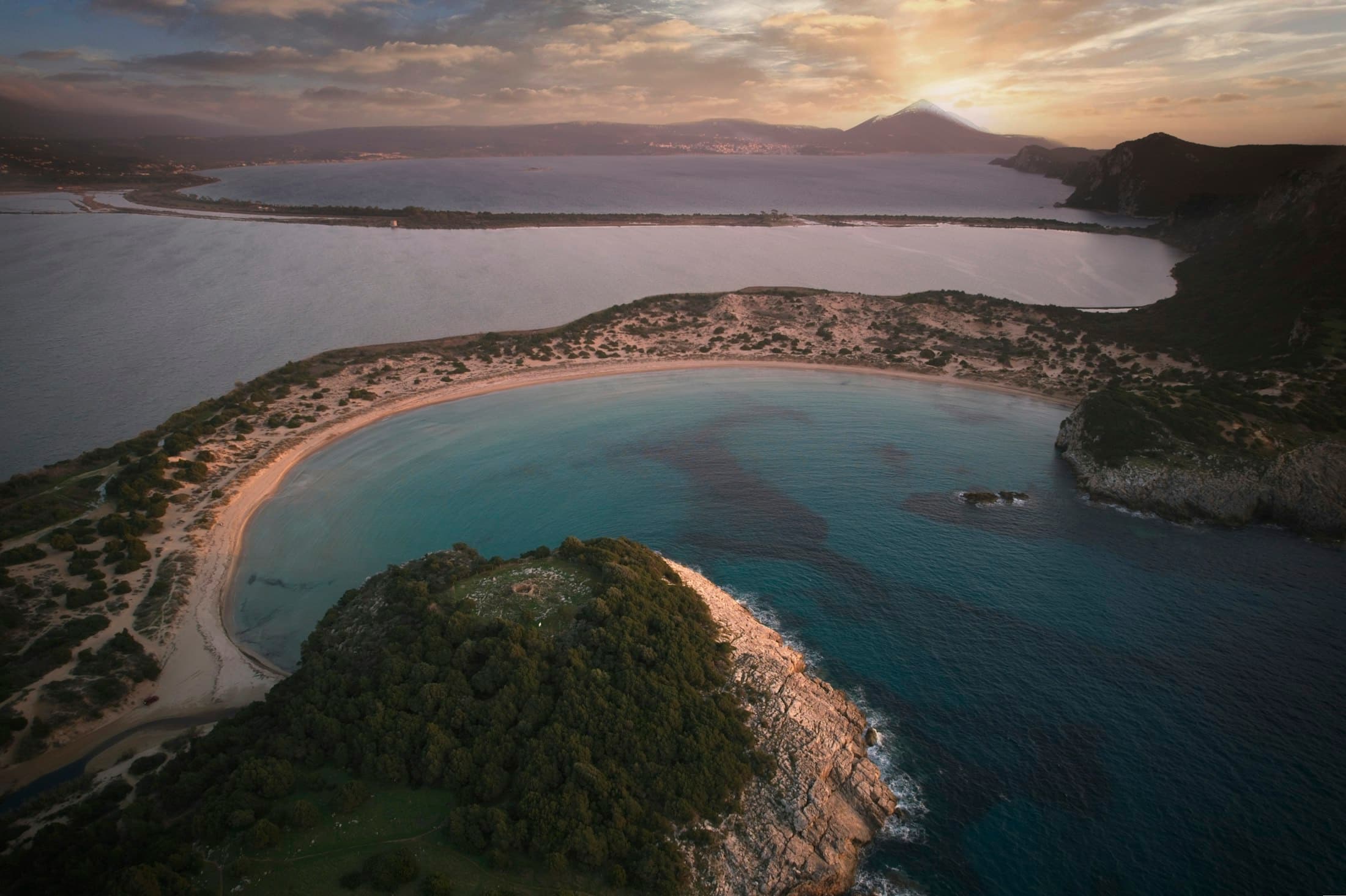
Resort hotels and villas by the sea, with pine forest down to the sand — the ceremony on a beach or a terrace, dinner by the water and the guests’ rooms in one place. Sithonia’s coves are wilder, with Mount Athos across the water.
Kavala’s old town climbing its headland below the fortress, with the arches of the old aqueduct behind; across the strait, Thasos, an island of pine forest and beaches, where the ancient marble quarries at Aliki lie by the sea.
Litochoro at the foot of Olympus, with the Enipeas gorge above it and the beaches of the Pieria coast below; inland, about an hour from Thessaloniki, the royal tombs of Vergina — ancient Aigai, a UNESCO World Heritage site — and the vineyards around Naoussa, for a day out with your guests.
Light
The light is clear and bright, and skies are clearest in July and August. Thessaloniki’s waterfront looks south-west across the Thermaic Gulf, with Olympus on the far shore on clear days; at midsummer the sun goes down to the west-north-west beyond the port, by mid-September almost due west over the gulf, and the promenade by the White Tower catches the last light. Kassandra’s west coast faces the sunset across the gulf; from Sithonia’s east coast you see Mount Athos lit by the evening sun. At midsummer the sun sets around nine; middays are hot and hard, so portraits belong to the morning and the last hour.
Travel
Thessaloniki’s airport, just outside the city, has direct flights from much of Europe all year. From there Kassandra’s resorts are about an hour to an hour and a half by road, Sithonia’s about two hours, Litochoro under Olympus about an hour and a half, and Kavala a little over two hours on the motorway. For Thasos, fly into Kavala, whose airport has summer flights from several European cities and is a quarter of an hour from the port of Keramoti; ferries cross from there in about half an hour, and from Kavala itself in about an hour and a quarter. Distances add up, so choose one area for the whole wedding and arrange transport for the guests.
Real weddings
Plan
Greece
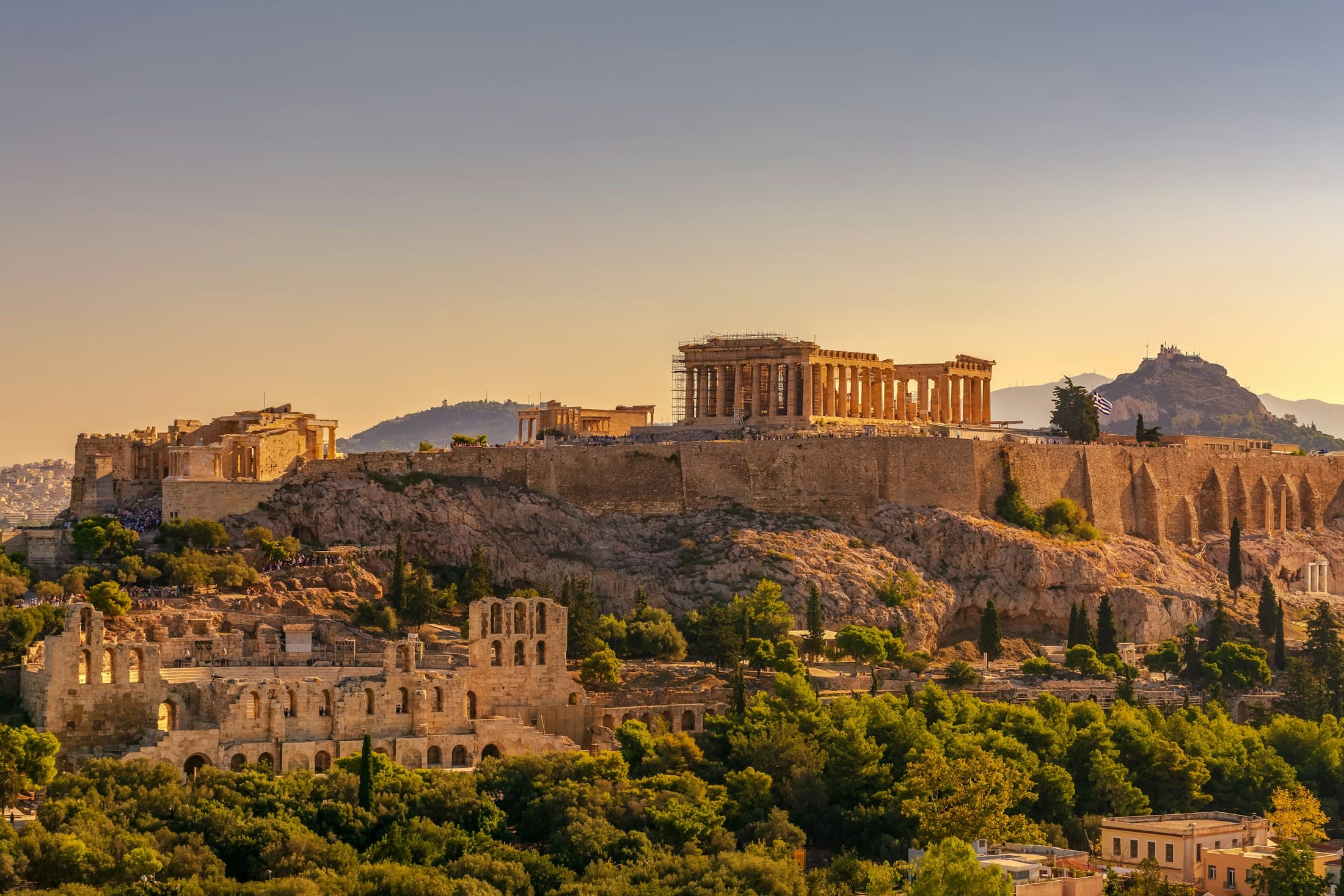
 Photo: Denys F.