Verified — Identity verified by Lens & Vows

Erik V.from €900
Dubrovnik, Split & Central Dalmatia +35 · DocumentaryBased in Austria · travels to weddings in CroatiaWedding photographers in Croatia
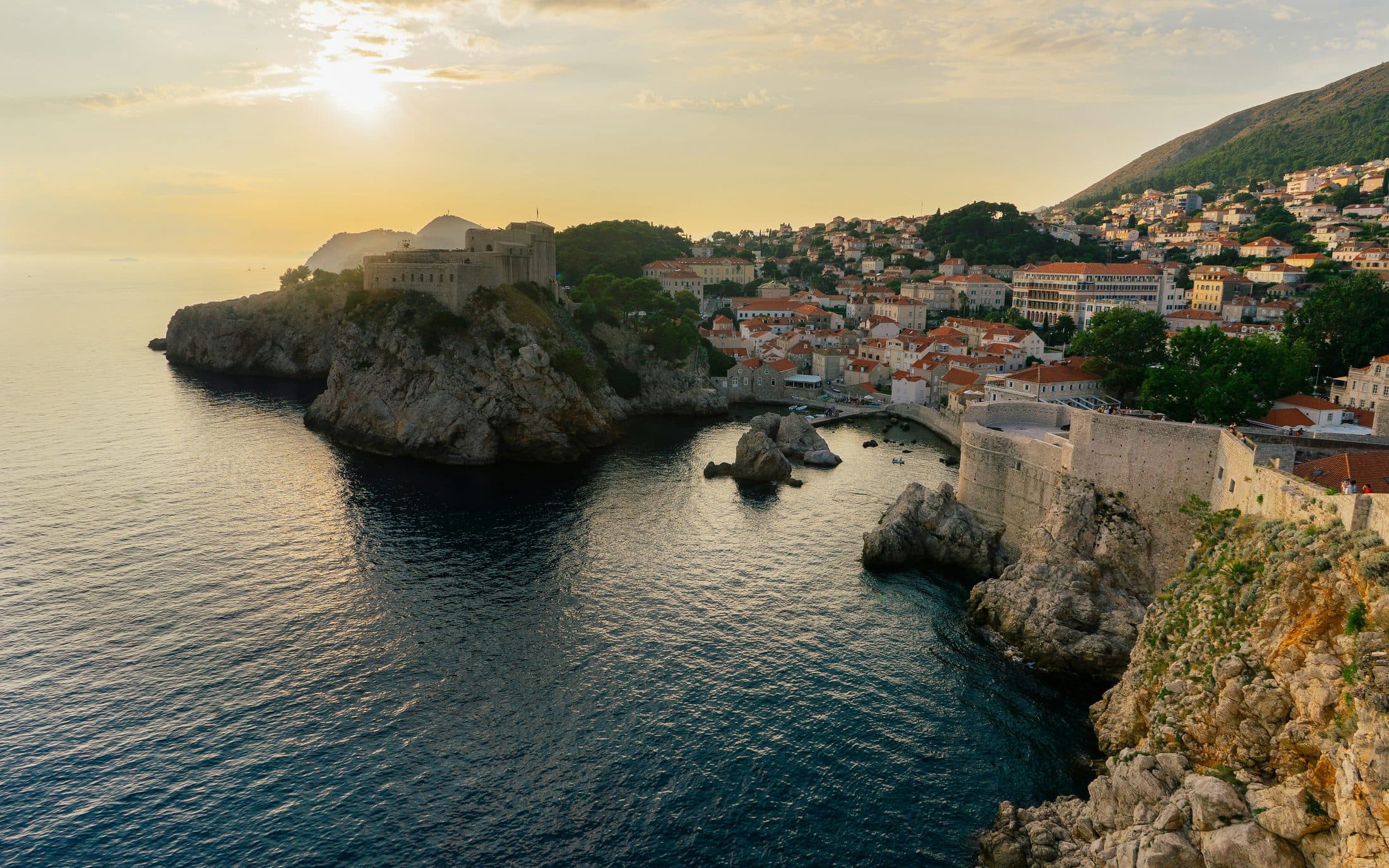
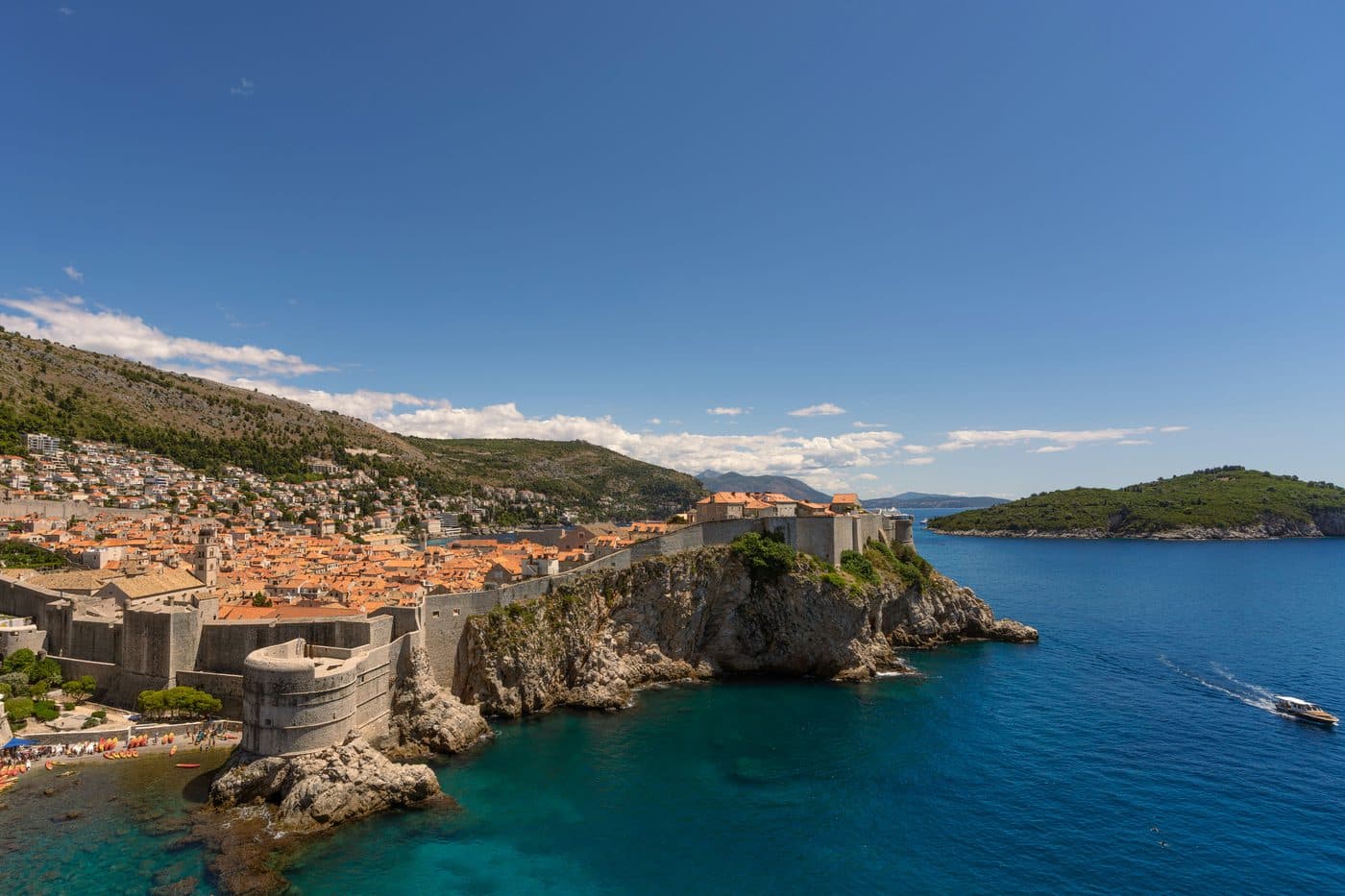
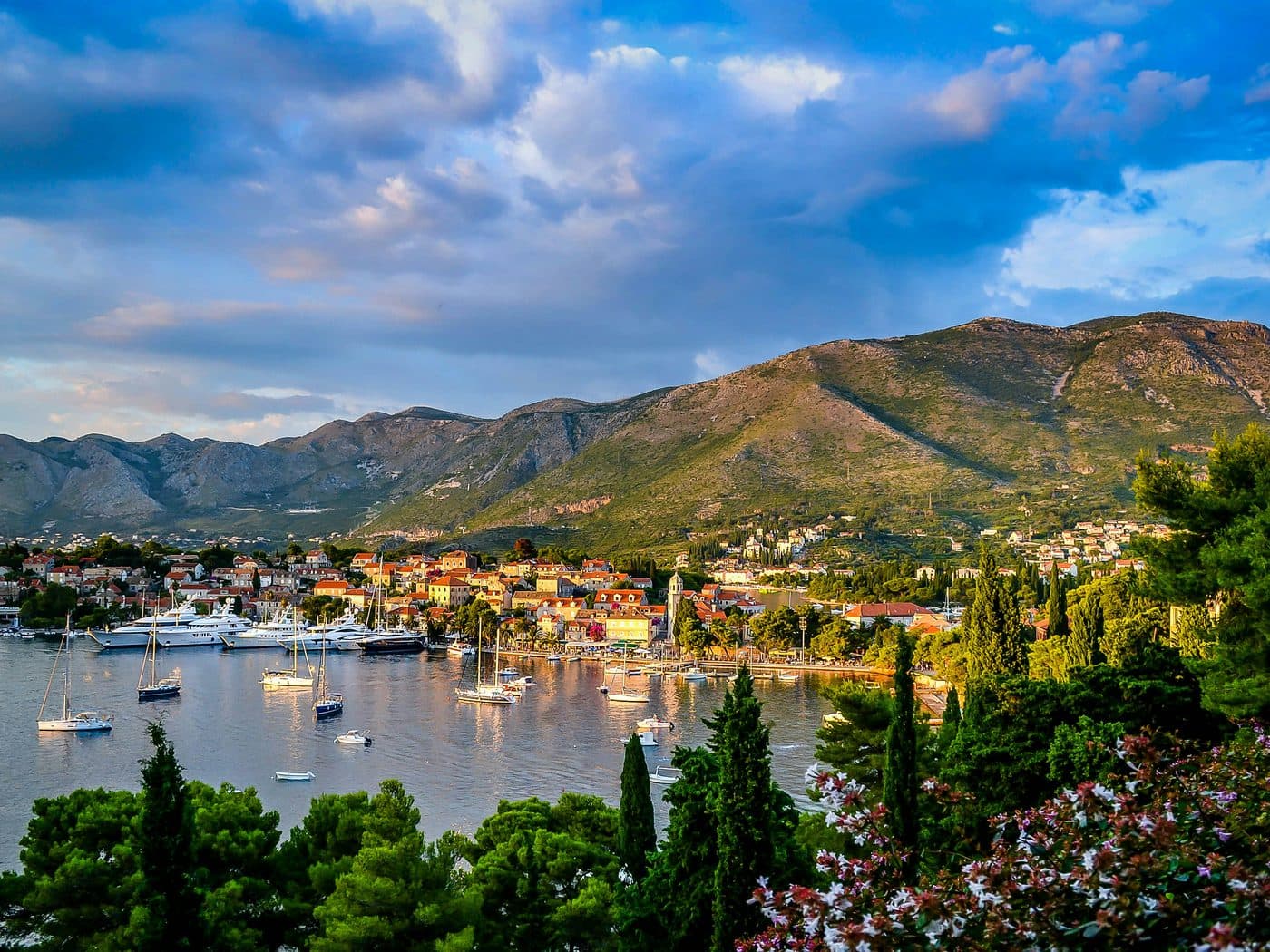
Dubrovnik’s Old Town inside its walls, with the fortress of Lovrjenac on its rock and the wooded island of Lokrum across the water, Cavtat on its bay beside the airport, the Elaphiti Islands an hour away by ferry and, up the coast, the walls of Ston and the lakes of Mljet.
Dubrovnik’s Old Town sits on a rocky shore under the slopes of Srđ, ringed by walls 1,940 m long and up to 25 m high, with sixteen towers and three fortresses.
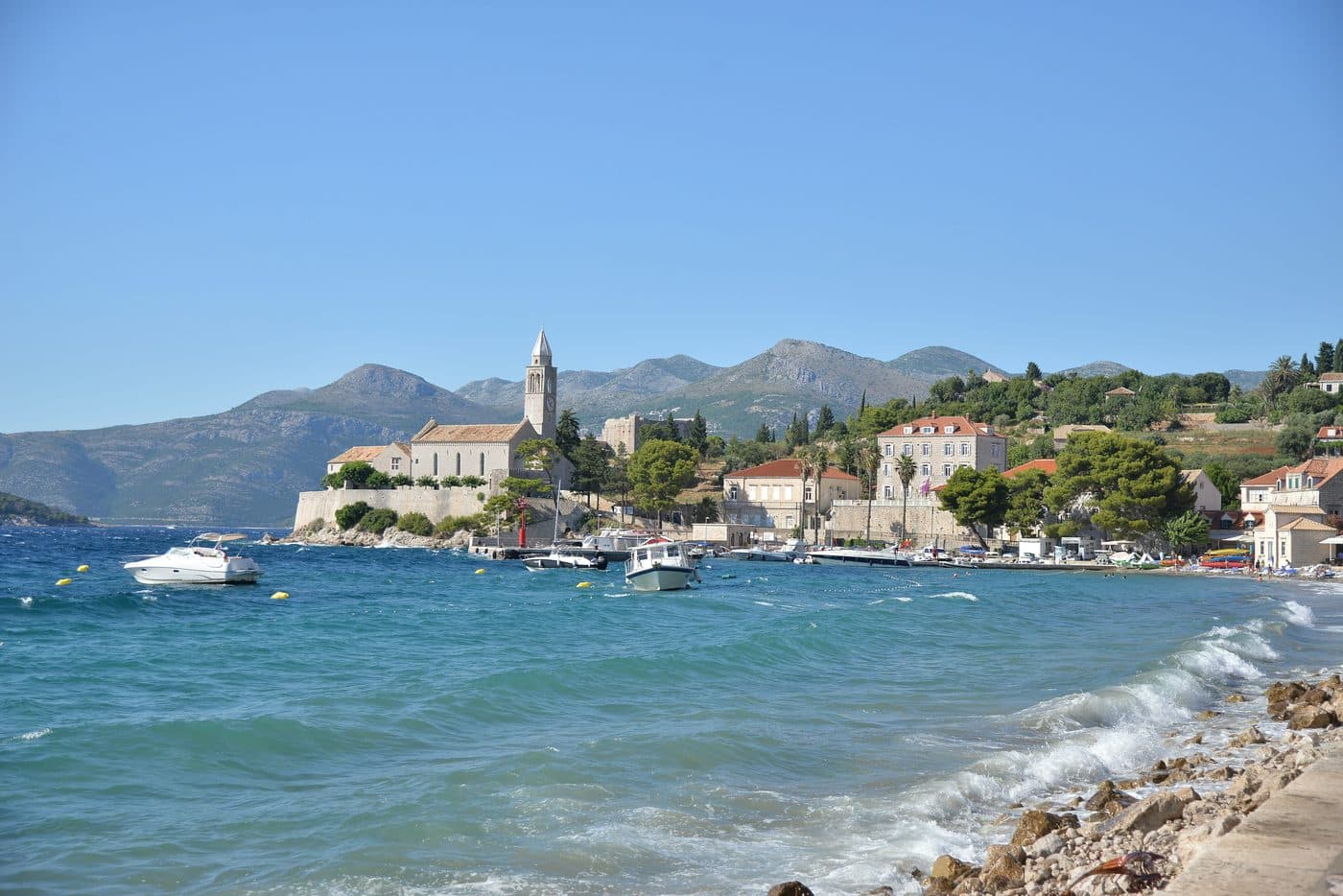
It was a sea power from the 13th century and a republic until 1806, and although an earthquake badly damaged it in 1667 it kept its Gothic, Renaissance and Baroque churches, monasteries, palaces and fountains; UNESCO listed the Old City in 1979. West of the walls the fortress of Lovrjenac rises from a rock 37 m above the sea, and a few hundred metres offshore lies Lokrum, an island of 72 ha that has been a forest reserve since 1948 and belongs to the same World Heritage site. South-east of the city, beside the airport, Cavtat curves round its harbour, with the valley and the sea cliffs of Konavle beyond; to the north-west the Elaphiti Islands, Koločep, Lopud and Šipan, lie within an hour and a quarter by ferry, and further up the coast the walls of Ston close off the Pelješac peninsula, with the national park of Mljet offshore.
Couples who live here marry at the registry office, in church or, with the registrar’s consent, at a place of their own, then take the party to a garden, a terrace or a boat; couples from abroad can come for a small wedding, with the walls, the stone lanes and the sea at the start or the end of the day. In Croatia a marriage is legal before a registrar (matičar), in the registry office’s official room or, if the registrar agrees and for a special fee, at another suitable place, or before a minister of a church with an agreement with the state, such as the Catholic Church; couples from abroad can marry here on the same terms as Croatians, and same-sex couples can’t marry, but they can register a life partnership. A ceremony without the registrar is a symbolic one, and the country page explains who may marry and how.
Photographers
They still have dates open here. Their whole weddings and free dates are on their page.
See the photographerBooking through Lens & Vows
Through the year
May, June and September are the easiest months. In the 1971–2000 normals of the Croatian Meteorological and Hydrological Service (DHMZ) for its Dubrovnik station, the latest it publishes for the station, highs average 21.5 °C in May and about 25 °C in June and September, with rain of 1 mm or more on four to seven days a month and the sea at 17 to 22 °C. July and August are the hottest and the driest, at 28 to 28.5 °C with three or four wet days, and the heat is growing: in 1971–2000 eight to ten days a month reached 30 °C, and in DHMZ’s longer record from 1961 to 2024, eleven in July and thirteen in August. The rain belongs to the cold half of the year: November is the wettest month, with 142 mm on ten days, and of about 1,060 mm a year almost two thirds fall from October to March.
Weather station: Dubrovnik, normals 1971–2000 · Checked 3 November 2026
Places
The kinds of places — ask your photographer which ones they know well.
The walk on the walls runs right round the Old Town, and the fortress of Lovrjenac, outside them to the west, is open on the same ticket; it is the stage for the festival’s classic drama in summer. Both are run by the Society of Friends of Dubrovnik Antiquities, which opens the walls every day of the year except Christmas Day. Its rules allow pictures for private use, but photography for commercial purposes needs the Society’s approval beforehand, and climbing, leaning out or taking pictures on the edge of the walls is forbidden. The city’s own rulebook on filming in public places asks for its permission, applied for at least seven days ahead, for commercial photography, while filming for one’s own use needs none, so ask the city which one your portraits are. The fort on Srđ, the hill above the city, houses the museum of the Homeland War: a place of remembrance, not a backdrop.
Boats leave the Old Town’s harbour for Lokrum through the day, and the €30 ticket covers both the reserve and the crossing (as of November 2026). The island is a reserve of Mediterranean forest, with the cloister gardens of the Benedictines who settled here in the 11th century, the terraces of a 19th-century summer house and a botanical garden founded in 1959. The reserve’s 2026 price list charges €664 for accompanying a wedding and €571 a day for filming, so ask it what a shoot with a hired photographer counts as. Drones need its authorisation, visitors keep to the marked paths, and nobody may stay before the first boat or after the last: from November the last boat back leaves at five.
Cavtat, 6 km from the airport, stands on the Rat peninsula, which with the Sustjepan peninsula closes a sheltered bay; it was the ancient Epidaurus, also called Ragusa Vecchia, and the Dubrovnik Republic’s second port. Beyond it Konavle runs south-east to the border, a valley some 35 km long between its mountains and its sea cliffs, more than 200 m high in places and part of the Natura 2000 network. Every Sunday from Easter to the end of October, Čilipi holds a folklore performance on the steps below its parish church, the largest in Konavle. Inland, the fortress of Sokol stands on its rock, 20 km from the airport, run by the same Society as the walls and under the same rule on commercial photography.
Jadrolinija’s ferry from Dubrovnik reaches Koločep in about half an hour, Lopud in under an hour and Šipan in about an hour and a quarter, several times a day all year, so a small wedding party can sail out in the morning and be back in the evening. Up the coast, the walls of Ston, begun in 1333, once ran for 7 km with 41 towers; they too are in the Society’s care and under its rules. Mljet lies 15 nautical miles from Dubrovnik: in its national park a Benedictine monastery built from 1177 to 1198 stands on a tiny island in the Great Lake, reached by the park’s own boat. The park’s ticket, €30 from June to September and €20 the rest of the year (2026), includes that boat; the park takes visitors in winter only by appointment, and drones need its authorisation.
Light
Dubrovnik keeps the same clock as Paris and Madrid but lies far to the east of them, so its summer evenings end earlier than visitors from western Europe expect. At midsummer the sun rises at about ten past five and sets at about half past eight, far round in the north-west, over Lapad; it drops below ten degrees at about twenty past seven, and the sky stays light until about five past nine. Seen from the Old Town, Lovrjenac lies almost due west, and in mid-October the sun goes down behind it. In mid-May the sun sets at about eight, in mid-September at about seven and in mid-October just after six. At midwinter it is up from about a quarter past seven until a quarter past four and climbs no higher than 24 degrees. DHMZ’s normals give Dubrovnik more than ten hours of sun a day in June and July and four in December.
Travel
Dubrovnik Airport is 22.5 km from the city, 30 to 35 minutes by road and up to an hour in summer; the official shuttle leaves after each landing, and public bus lines 11, 27 and 38 run every day. By road it is 21 km from the airport to the Pile Gate, 6 km to Cavtat and 20 km to the fortress of Sokol; from the Pile Gate it is 3 km to the port of Gruž, where the Elaphiti ferries leave, 55 km to Ston (about an hour), 57 km to Prapratno, where a 45-minute car ferry crosses to Mljet, and 110 km to Orebić for Korčula. From May 2026 a fast boat also links Dubrovnik with Pomena on Mljet and with Korčula. Drones fly under the EU’s rules: an operator registered in the EU country where they live (from outside the EU, in the first EU country they fly in), insured for filming, in sight, below 120 m and clear of people not involved, with the zones checked in Croatia Control’s AMC Portal app; beyond a targeted shot of a single site for its owner, filming from the air may also need the State Geodetic Administration’s approval, and over a national park or nature park the park’s consent too. Lokrum and Mljet’s national park allow drones only with their own authorisation.
Plan
Croatia