Verified — Identity verified by Lens & Vows


Erik V.from €900
Hvar, Brač & Korčula, Dubrovnik +35 · DocumentaryBased in Austria · travels to weddings in CroatiaWedding photographers in Croatia
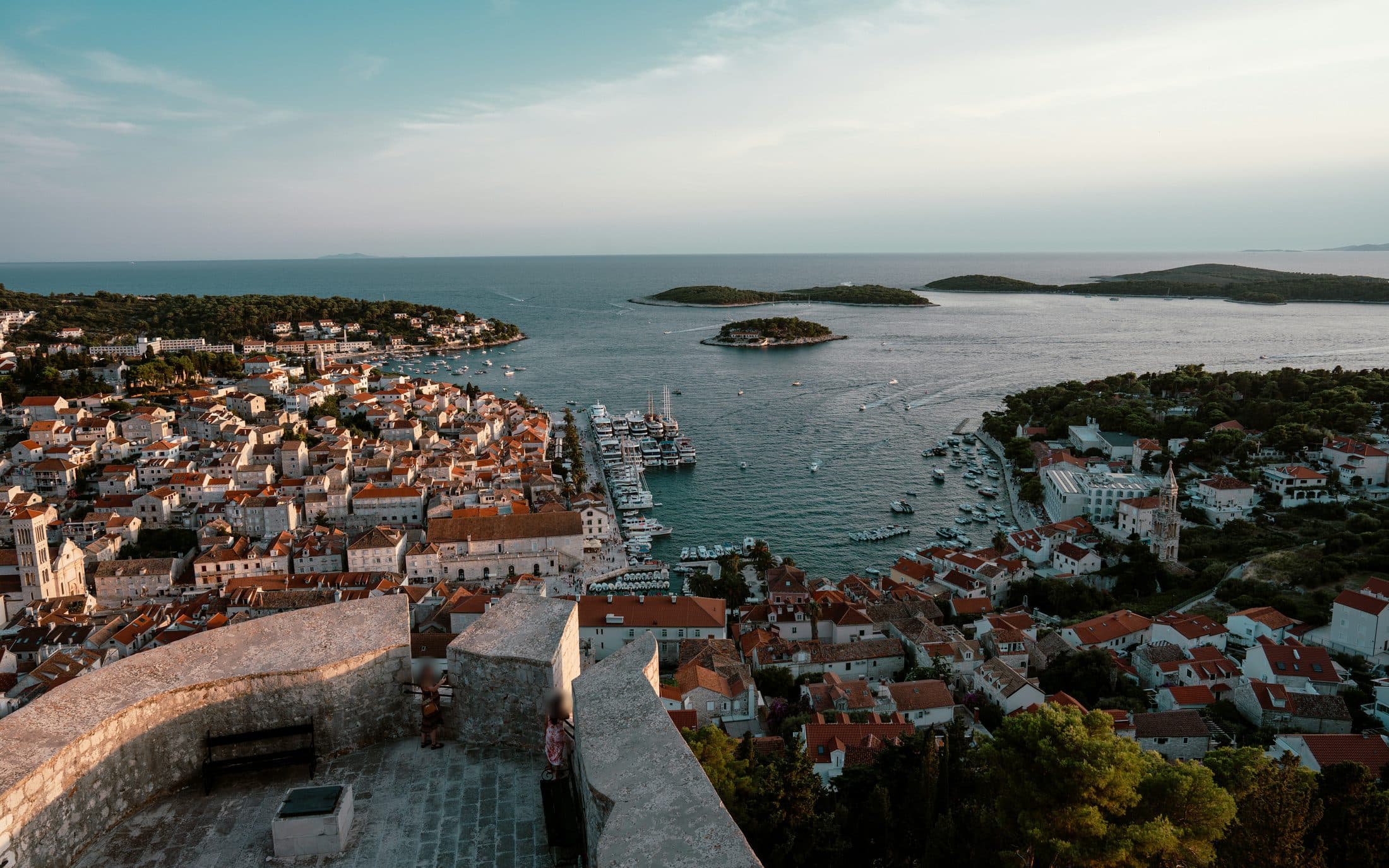
Hvar town under its fortress, facing the Pakleni Islands, the fields the Greeks laid out at Stari Grad, Brač’s Zlatni rat beneath Vidova gora, walled Korčula across the channel from Pelješac and, farthest out, Vis: islands an hour or two by ferry from Split, or twenty minutes from Pelješac.
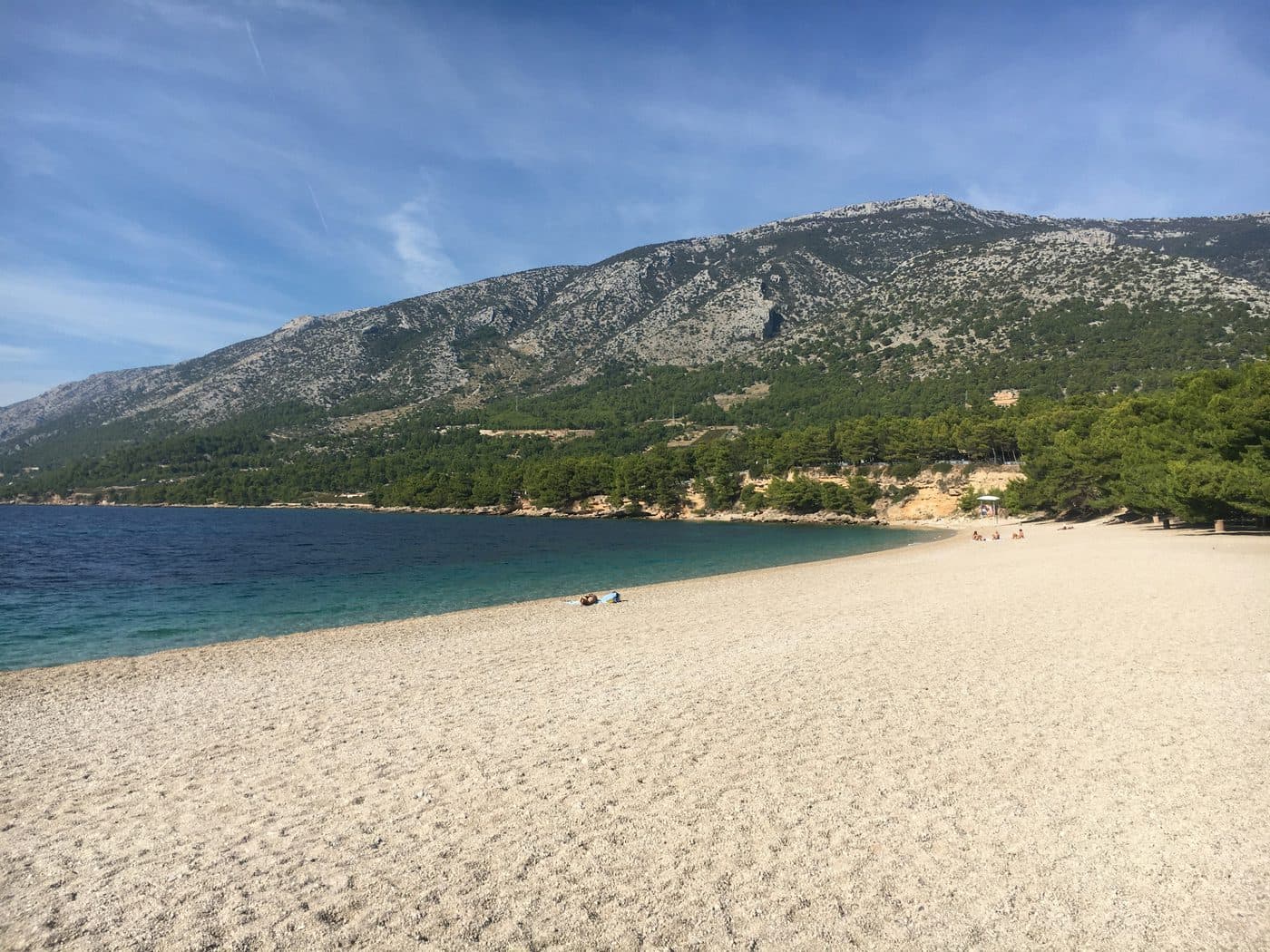
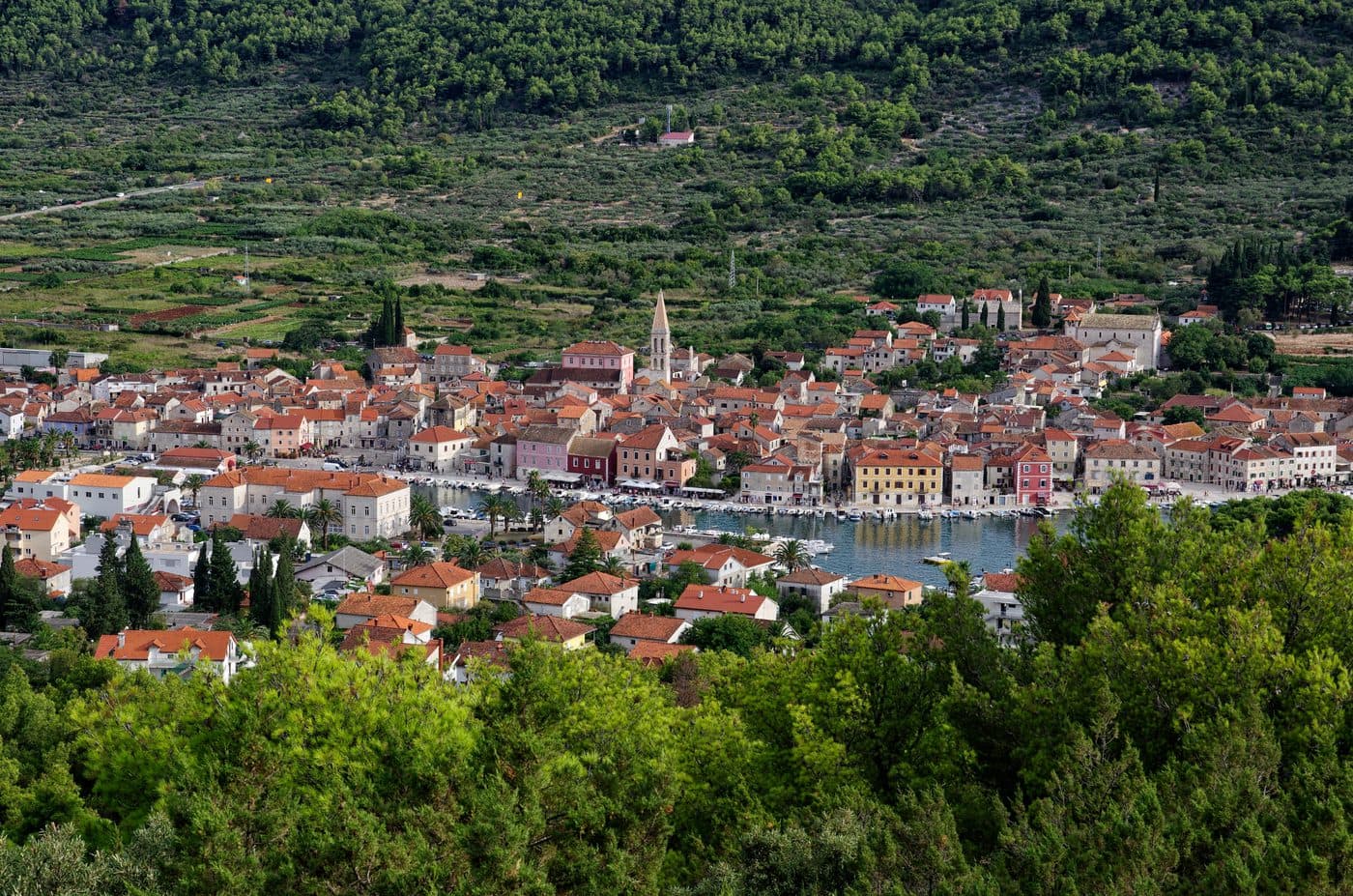
Hvar, the longest of Croatia’s islands, has its main town on a harbour near the western end, under a fortress first built after 1278 and facing the Pakleni Islands, an archipelago of 19 islets and rocks protected as a landscape since 1972. On the north coast, Stari Grad stands where Greeks from the island of Paros founded Pharos in 384 BC, and the plain behind it, still divided into the plots and dry-stone walls they laid out, has been on UNESCO’s World Heritage List since 2008. Across the channel to the north, Brač rises to Vidova gora, the highest point of any Croatian island, whose slopes built up Zlatni rat, the spit of shingle at Bol whose tip shifts with the currents and the wind. To the south-east, Korčula’s walled old town fills a small headland facing Pelješac, and out to the west lies Vis, the ancient Issa, with the town of Komiža on its far shore and the cove of Stiniva in its cliffs.
Couples who live on the islands marry at the registry office, in church or, with the registrar’s consent, at a place of their own, and keep the party close to home; couples from abroad can come for a small wedding in a harbour town or above a cove, and the ferry timetable shapes the day. In Croatia a marriage is legal before a registrar (matičar), in the registry office’s official room or, if the registrar agrees and for a special fee, at another suitable place, or before a minister of a church with an agreement with the state, such as the Catholic Church; couples from abroad can marry here on the same terms as Croatians, and same-sex couples can’t marry, but they can register a life partnership. A ceremony without the registrar is a symbolic one, and the country page explains who may marry and how.
Photographers
They still have dates open here. Their whole weddings and free dates are on their page.
See the photographerBooking through Lens & Vows
Through the year
May, June and September are the easiest months. In the 1971–2000 normals of the Croatian Meteorological and Hydrological Service (DHMZ) for its Hvar station, the latest it publishes for the station, highs average 22 °C in May and 26 °C in June and September, with rain of 1 mm or more on four or five days a month and the sea at 17 to 22 °C. July and August are hotter, at 29.5 °C, with fourteen days of 30 °C or more in each, but almost dry, with two or three wet days, and the sun shines for eleven to twelve hours a day. Hvar is drier than Dubrovnik, with about 710 mm of rain a year, almost two thirds of it from October to March; November is the wettest month, with 94 mm.
Weather station: Hvar, normals 1971–2000 · Checked 3 November 2026
Places
The kinds of places — ask your photographer which ones they know well.
Hvar’s main square, St Stephen’s, is the largest in Dalmatia, laid over a bay that was filled in, between the cathedral and the Arsenal, with a communal well of 1520 in the middle, and the town founded a theatre in 1612 that it calls the oldest public theatre in Europe. Above the town the fortress, the Fortica, was rebuilt in 1551 and given Baroque bastions early in the 17th century, and its terrace looks over the harbour to the Pakleni Islands, named after paklina, the resin once used to coat ships. The islands are a protected landscape in the care of More i krš, the county’s public institution for nature, and in a protected landscape only work and activities that don’t harm what it was protected for are allowed; More i krš publishes no rule on wedding shoots or drones, so ask it before planning either.
The car ferry from Split comes in at Stari Grad, whose long bay ends in the old quarter. The plain behind the town was divided by its Greek colonists into plots of 1 by 5 stadia, about 180 by 900 m, bounded by dry-stone walls and crossed by tracks at regular intervals, and it is still farmed with vines and olives after 2,400 years; UNESCO notes that it is a natural reserve as well. It is working farmland, so keep to the tracks between the walls and ask before stepping into a field. On the night of Maundy Thursday, six processions of the Za križen, on UNESCO’s list of intangible heritage, walk through Jelsa, Pitve, Vrisnik, Svirče, Vrbanj and Vrboska, east of Stari Grad, each on a route of more than 20 km: a night to plan around in Holy Week.
Zlatni rat, at Bol on Brač’s south coast, has been a protected landscape since 1965: a spit of shingle built up from material washed off Vidova gora; its tip swings with the currents and the wind. Vidova gora above it, the highest point of Brač and of every Croatian island, is protected as well, about 1,880 ha of plateau under Dalmatian black pine, with a view over the islands of central and southern Dalmatia and straight down onto the spit. In the valley of Blaca, cut up to 200 m deep into the limestone, the buildings of a community that lived there for centuries are now a museum. All three are in More i krš’s care, under the same rule as the Pakleni Islands, and More i krš calls the tourist pressure on Zlatni rat enormous, so portraits there belong to the early morning.
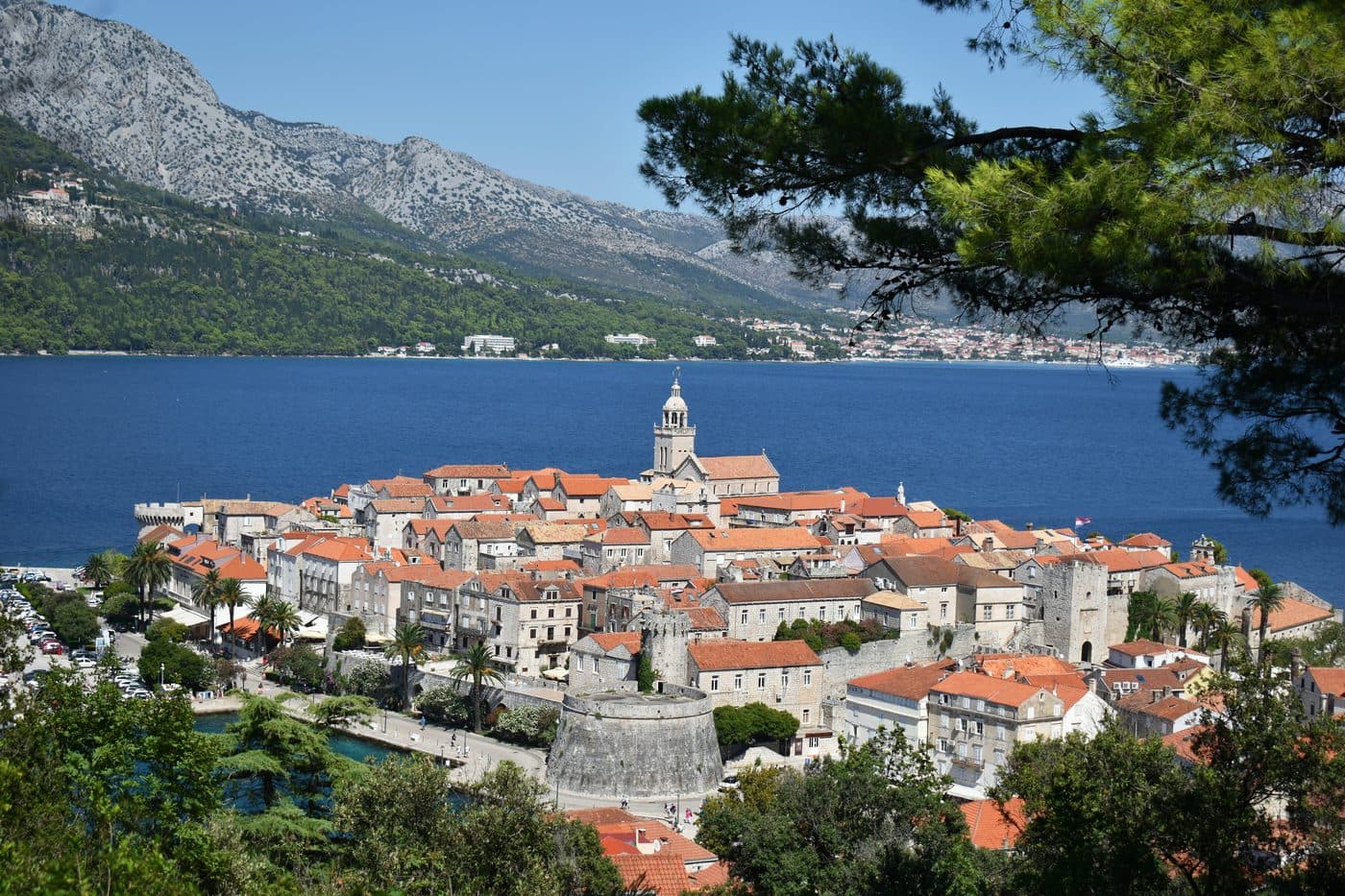
Korčula’s old town is ringed by walls and laid out in a herringbone of streets that, the town says, lets the air through and keeps out the prevailing winds; St Mark’s cathedral stands at its top and the Land Gate opens it to the landward side. The Moreška, a sword dance performed here for over 400 years, is staged regularly in summer. The ferry from Orebić on Pelješac takes 20 minutes, and Lumbarda, 5 km away, is where settlers from Issa founded a Greek town in the 3rd century BC. Vis, the ancient Issa itself, lies farther out, 2 hours 20 minutes by car ferry from Split: Komiža is 11 km across the island from the town of Vis, the cove of Stiniva, probably a sea cave whose roof fell in, is a protected landscape and hard to reach by land or by sea, and the Blue Cave on the small island of Biševo, a natural monument, is entered by boat.
Light
The islands keep the same clock as Paris and Madrid but lie far to the east of them, so summer evenings end earlier than visitors from western Europe expect. At midsummer the sun rises over Hvar at about a quarter past five and sets at about twenty to nine, far round in the north-west over the open sea; it drops below ten degrees at about half past seven, and the sky stays light until about a quarter past nine. From the Fortica the Pakleni Islands lie between south and west, and from mid-October until early March the sun sets behind them. In mid-May it sets at about ten past eight, in mid-September at about five past seven and in mid-October at about ten past six; at midwinter it is up from about twenty past seven until twenty past four and climbs no higher than 23 degrees. DHMZ’s normals give Hvar almost twelve hours of sun a day in July and four in December, and on summer days a breeze comes in from the sea and turns to blow off the land at night.
Travel
Split Airport, at Kaštela towards Trogir, lies 20 km from Split, with a shuttle bus through the day; by road it is 24 km to the ferry port, and in summer the airport advises leaving an hour and a half for the drive back. From Split, Jadrolinija’s car ferries take 50 minutes to Supetar on Brač, 1 hour 50 minutes to Stari Grad on Hvar and 2 hours 20 minutes to Vis, and its catamarans reach Bol in about an hour, Hvar town in about an hour and five minutes in season, and Vis in under two hours; all run more often in summer. Orebić, 110 km by road from Dubrovnik’s Pile Gate, is 20 minutes by ferry from Korčula, and the eastern tip of Hvar is 30 minutes by ferry from Drvenik on the mainland. On the islands it is 19 km from Stari Grad’s ferry port to Hvar town, 10 km to Jelsa, 37 km from Supetar to Bol, 17 km from Brač’s small airport to Zlatni rat, 4 km from the Korčula ferry to the old town and 11 km from Vis to Komiža. Jadrolinija posts each day’s interrupted lines on its site, so keep a later boat or a spare evening in the plan. Drones fly under the EU’s rules: an operator registered in the EU country where they live (from outside the EU, in the first EU country they fly in), insured for filming, in sight, below 120 m and clear of people not involved, with the zones checked in Croatia Control’s AMC Portal app; beyond a targeted shot of a single site for its owner, filming from the air may also need the State Geodetic Administration’s approval, and over a national park or nature park the park’s consent too.
Plan
Croatia