Lens & Vows
SavedSign inFor photographers
Find my photographer

Tell us the place and the date — see who is free.

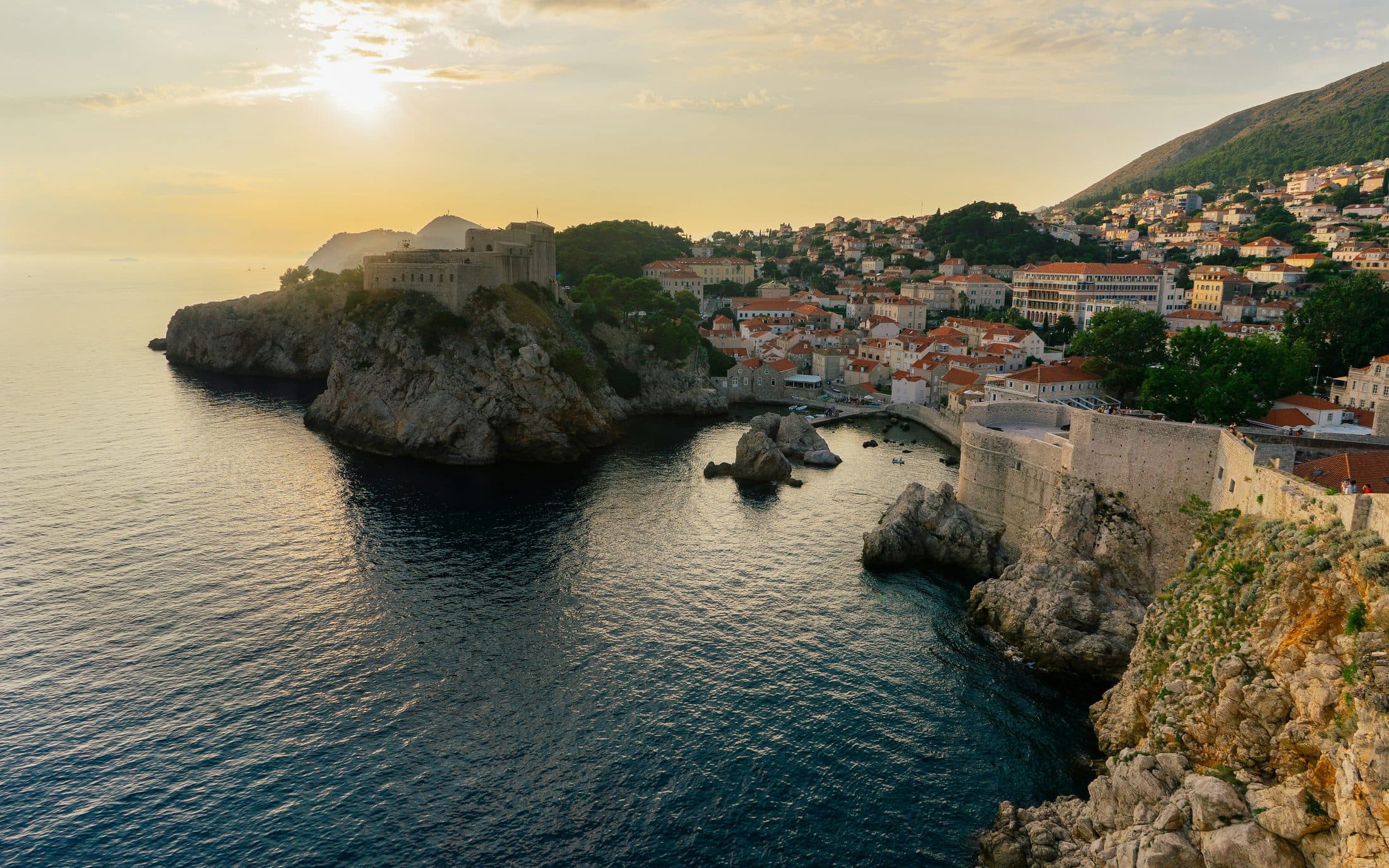
The fortress of Lovrjenac on its rock above the sea at Dubrovnik, seen from the city walls at sunset: a hazy golden sky, the dark water of the bay below, a round bastion of the walls and the houses outside the Pile Gate on the right

Croatia

Wedding photographers in Croatia

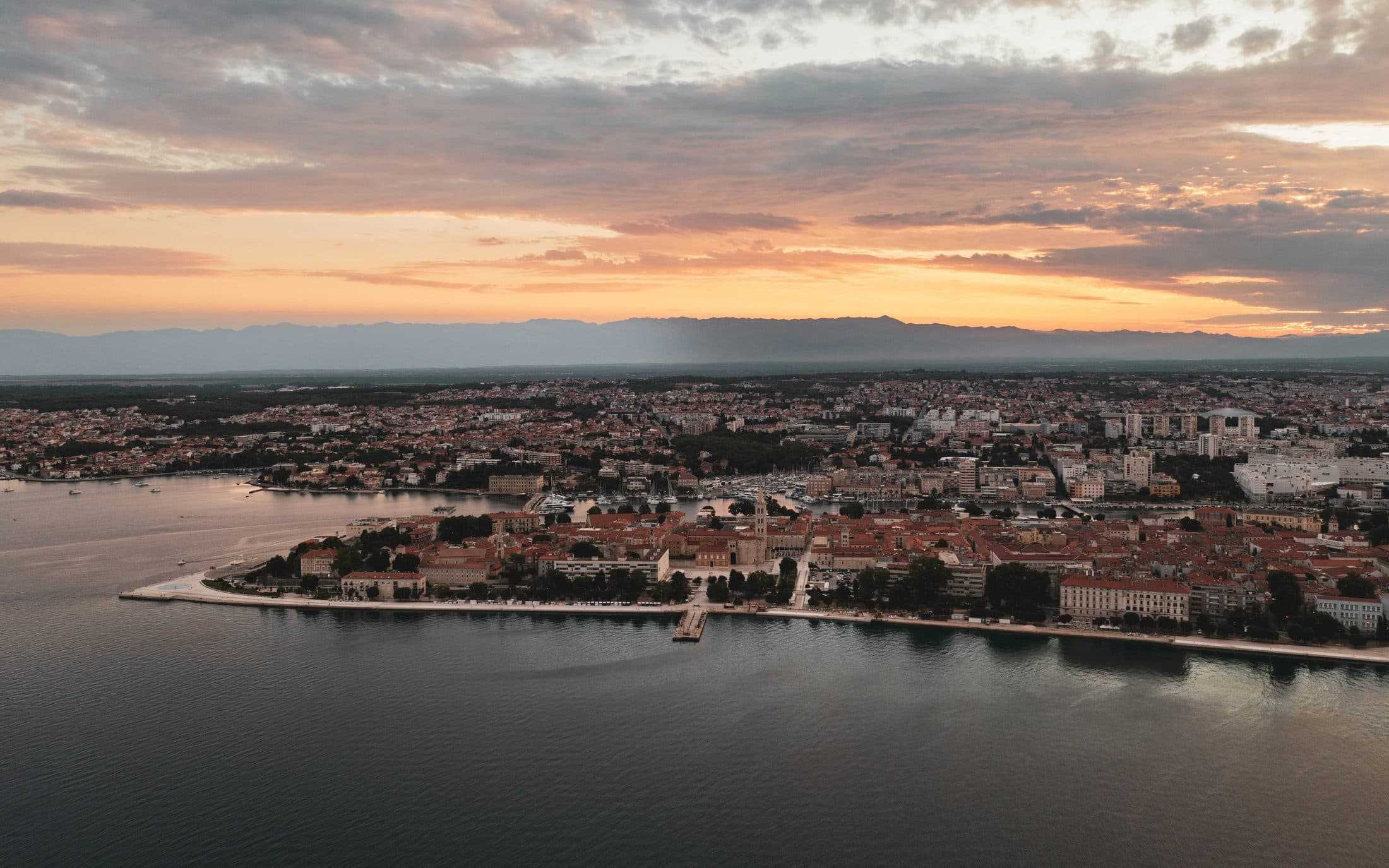
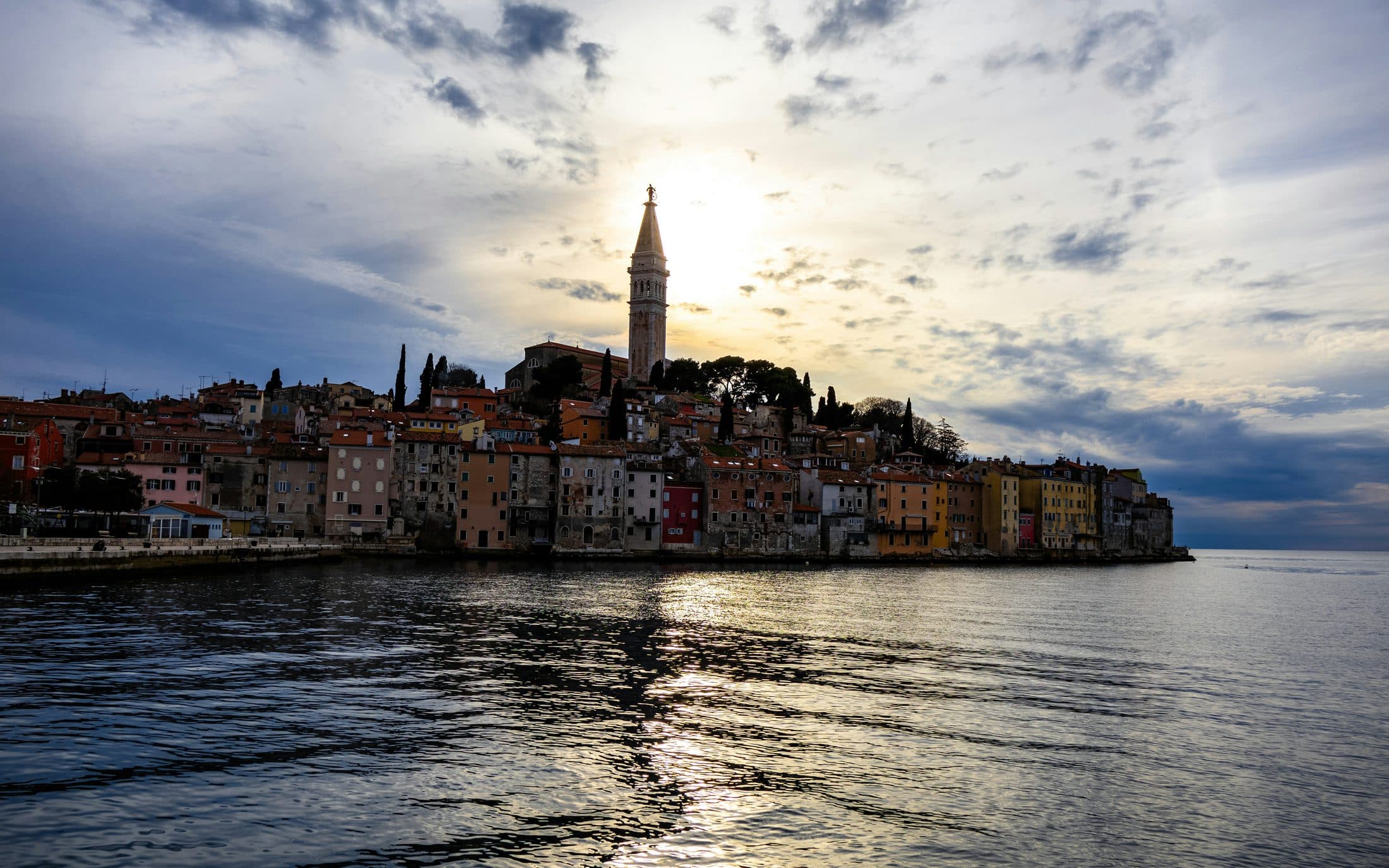
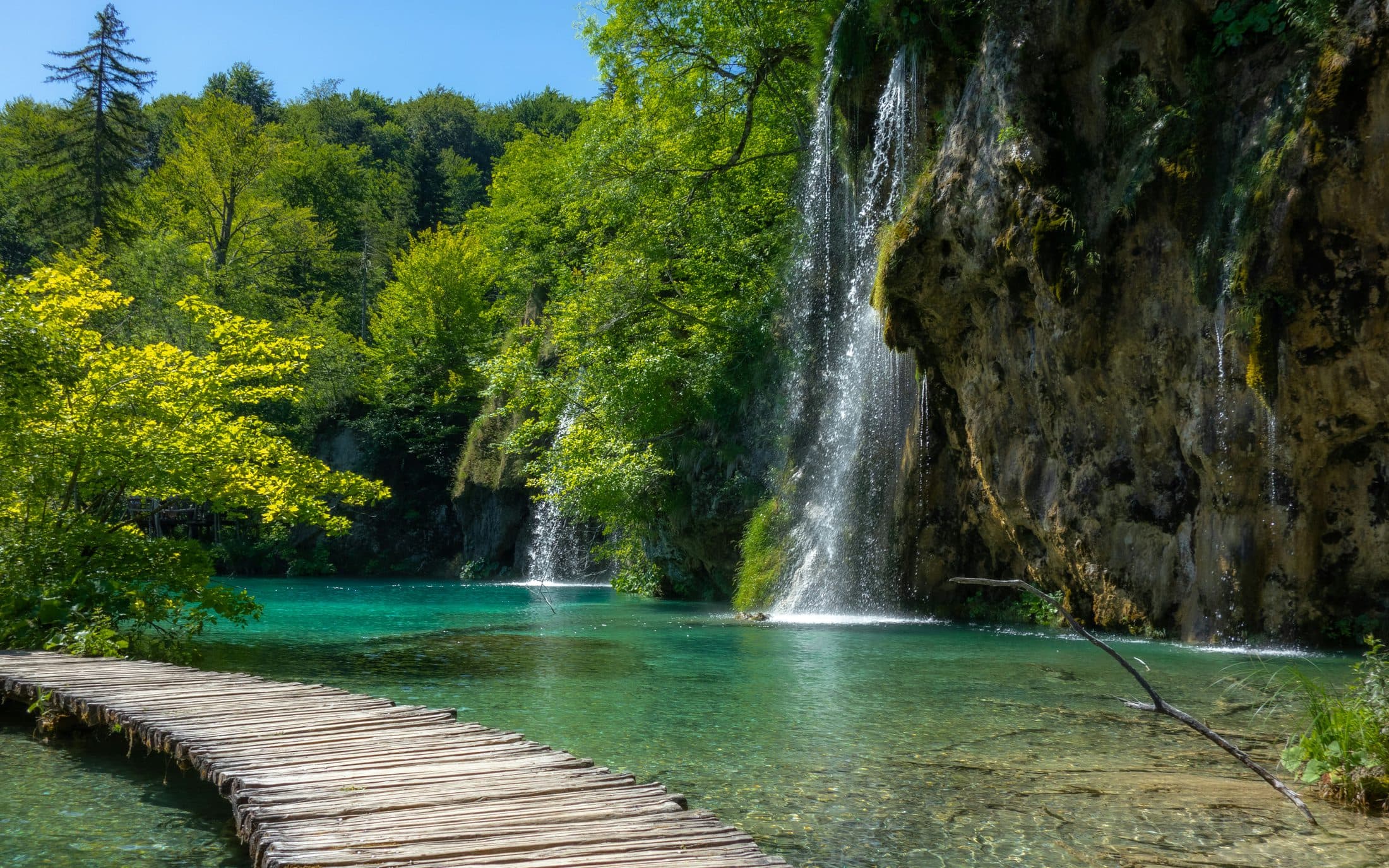
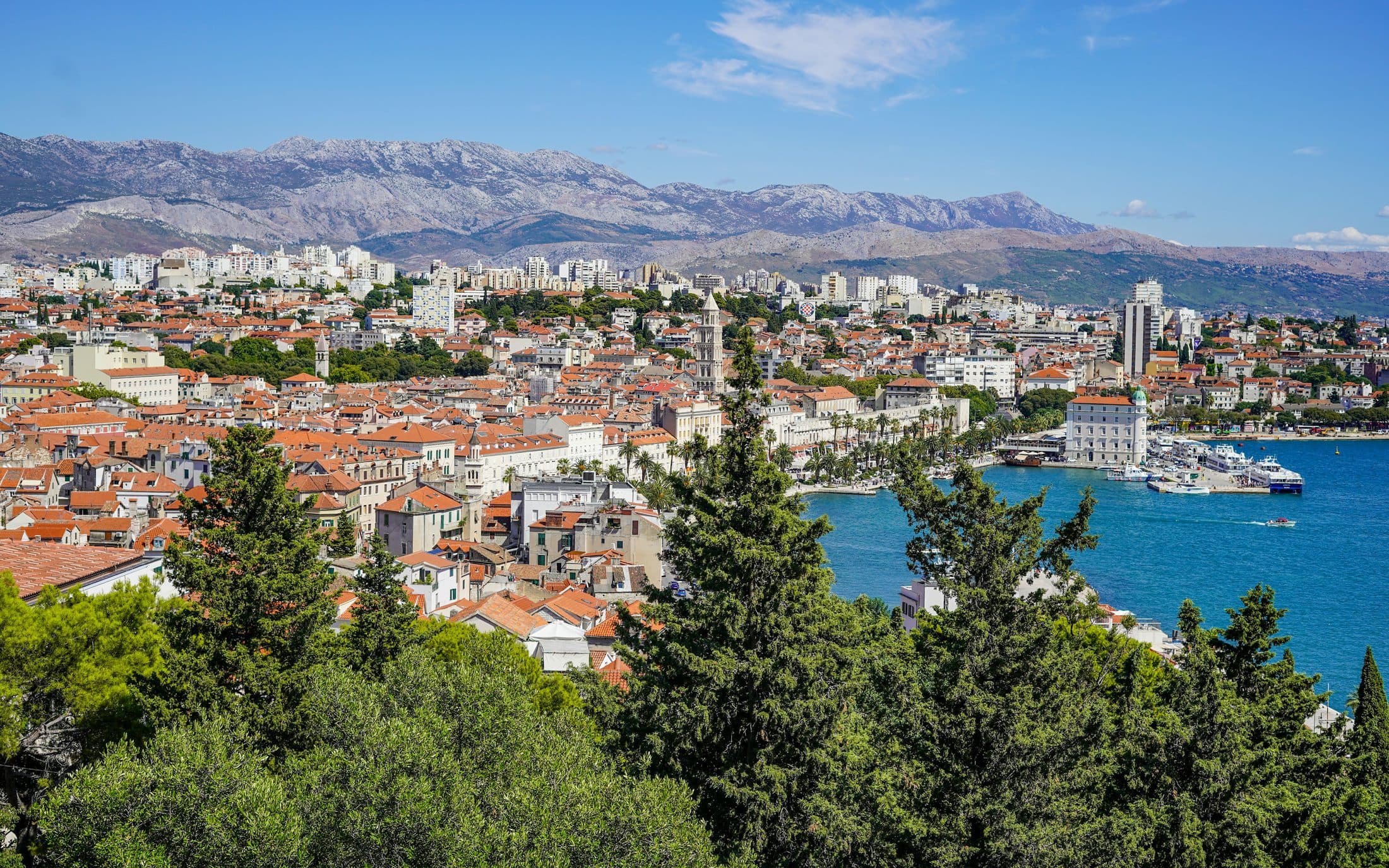
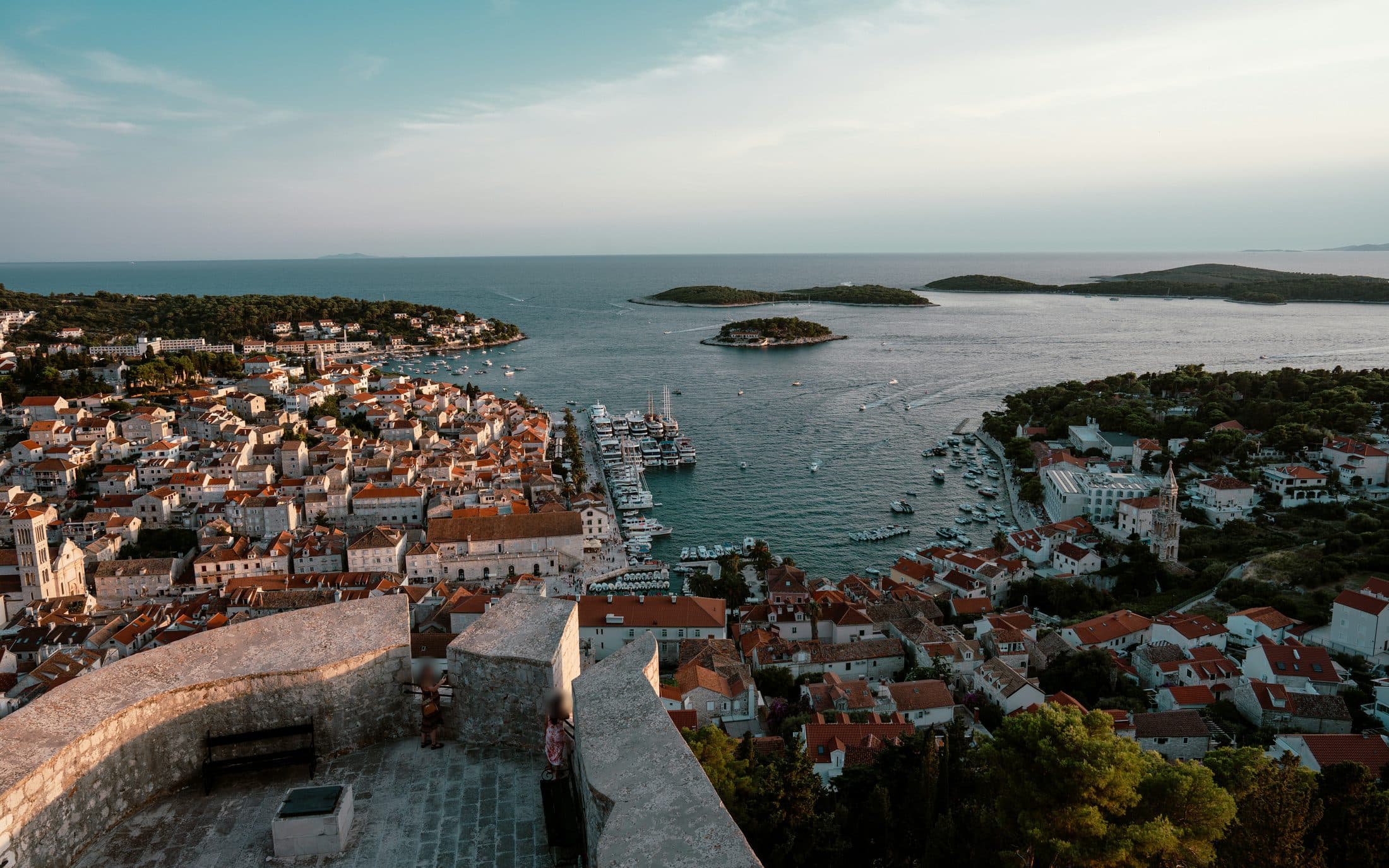
Dubrovnik’s walls above the sea, Split and Diocletian’s Palace, the islands of Hvar, Brač, Korčula and Vis, Zadar and Šibenik near the Krka falls and the Kornati, the hill towns of Istria and Rovinj, and Zagreb with the Plitvice Lakes.

Croatia runs from Zagreb and the green hills of the north, through the Lika highlands and the Plitvice Lakes, to a long Adriatic coast of stone towns and islands, and its weather follows that line. The coast and islands have dry, bright summers — July’s mean temperature is about 25 to 26 °C in Dubrovnik, Split and Hvar, with rain on only 2 or 3 days — and mild, wetter winters, while Zagreb is continental: about 22 °C in July and around freezing in January. July and August are the hottest and fullest months, so couples who want warmth without the peak look at May, June and September. The sun sets at about half past eight in Dubrovnik and close to nine in Zagreb and Istria at midsummer, and at about a quarter past four at midwinter.

A legal wedding is made before a registrar (matičar), in the registry office’s official room or, if the registrar agrees and for a special fee, at another suitable place, or before a minister of a church with an agreement with the state, such as the Catholic Church, which then has it entered in the register. You don’t have to live in Croatia: foreign couples marry on the same terms as Croatians, after giving notice together, in person, at the registry office for the place of the wedding, as a rule 30 to 45 days before, with documents from home translated into Croatian. Two adult witnesses are required. Marriage is between a man and a woman; same-sex couples, foreigners included, can register a life partnership before the registrar.

6 places

Where in Croatia

Walled towns, islands, or lakes and hills inland: each has its own light, landscape and best months. Start with the one that feels like you.
Through the year

When to marry, region by region

Dark: the easiest months. Outlined: they work with some planning. Grey: the quieter, wetter or hotter part of the year there.

  • Dubrovnik
    1. January: Quieter
    2. February: Quieter
    3. March: Quieter
    4. April: Good with planning
    5. May: Best
    6. June: Best
    7. July: Good with planning
    8. August: Good with planning
    9. September: Best
    10. October: Good with planning
    11. November: Quieter
    12. December: Quieter
  • Split & Central Dalmatia
    1. January: Quieter
    2. February: Quieter
    3. March: Quieter
    4. April: Good with planning
    5. May: Best
    6. June: Best
    7. July: Good with planning
    8. August: Good with planning
    9. September: Best
    10. October: Best
    11. November: Quieter
    12. December: Quieter
  • Hvar, Brač & Korčula
    1. January: Quieter
    2. February: Quieter
    3. March: Quieter
    4. April: Good with planning
    5. May: Best
    6. June: Best
    7. July: Good with planning
    8. August: Good with planning
    9. September: Best
    10. October: Good with planning
    11. November: Quieter
    12. December: Quieter
  • Zadar & Šibenik
    1. January: Quieter
    2. February: Quieter
    3. March: Quieter
    4. April: Good with planning
    5. May: Best
    6. June: Best
    7. July: Good with planning
    8. August: Good with planning
    9. September: Best
    10. October: Good with planning
    11. November: Quieter
    12. December: Quieter
  • Istria
    1. January: Quieter
    2. February: Quieter
    3. March: Quieter
    4. April: Good with planning
    5. May: Best
    6. June: Best
    7. July: Good with planning
    8. August: Good with planning
    9. September: Best
    10. October: Good with planning
    11. November: Quieter
    12. December: Quieter
  • Zagreb & the Plitvice Lakes
    1. January: Quieter
    2. February: Quieter
    3. March: Quieter
    4. April: Good with planning
    5. May: Best
    6. June: Best
    7. July: Good with planning
    8. August: Good with planning
    9. September: Best
    10. October: Good with planning
    11. November: Quieter
    12. December: Quieter

The seasons

What each season brings

The legal basics

Three ways to say yes

What makes a wedding legally binding in Croatia, in short. Couples from abroad can marry here legally on the same terms as Croatians — with documents from home and a notice given in person, as a rule 30 to 45 days before.

  • CivilA registrar (matičar) marries you before two adult witnesses, in the registry office’s official room or, if the registrar agrees and for a special fee, at another suitable place. You give notice together, in person, to the registrar for the place where you will marry, and the registrar sets the date, as a rule 30 to 45 days later. You don’t have to live in Croatia, and you can marry anywhere in the country. The state fees are €27.87; away from the office the fee depends on distance and hour: about €655 on a weekday morning within 10 km, about €1,529 on a Sunday at 6 pm (November 2026). Marriage is between a man and a woman; same-sex couples, foreigners included, can register a life partnership (životno partnerstvo) before the registrar instead.
  • ReligiousA wedding before a minister of a community with an agreement with the state has the effects of a civil marriage from the day itself: the Catholic Church, the Serbian Orthodox Church, the Islamic Community, the Jewish communities and several Protestant and Orthodox churches. First you take a certificate from the registrar for the place where the church stands, with the same documents as for a civil wedding; it is valid three months. After the ceremony the minister sends the registrar the record, signed by you, your witnesses and the minister, within five days, and the marriage is entered in the register. Each church has its own preparation and papers: talk to the parish early.
  • SymbolicAny place, any words, any celebrant — but no legal weight: the route for couples who would rather sign the papers at home and celebrate here. Drones fly under the EU’s rules: an operator registered in the EU country where they live (from outside the EU, in the first EU country they fly in), insured for filming, in sight, below 120 m and clear of people not involved, with the zones checked in Croatia Control’s AMC Portal app; beyond a targeted shot of a single site for its owner, filming from the air may also need the State Geodetic Administration’s approval, and over a national park or nature park the park’s consent too.

Before any legal wedding

Each foreign partner brings a birth certificate, a certificate of single status and a certificate from home that nothing stands in the way of the marriage and that it will be recognised there — often one document — and a passport, each translated into Croatian by a court interpreter. Documents from outside the EU need an apostille or legalisation; between EU countries civil-status certificates need no apostille, and a multilingual standard form can replace the translation. Croatia’s embassies ask for certificates no more than three months old, so order them late. If one of you doesn’t understand Croatian, a court interpreter (sudski tumač) attends the ceremony. The registrar hands you the extract of the marriage at once, free; for use abroad, ask for the multilingual international extract or an apostille from a municipal court.

Rules, documents and fees change and depend on your nationality: always check with the registry office (matični ured) for the place where you will marry — or, for a church wedding, with the parish — and with your own country’s embassy or consulate before you set a date; and, for photos or a drone in a national park, a nature park or an old town, with whoever manages it.

Read the guide

Photographers

Photographers in Croatia

Hand-picked and ID-verified: whole weddings, packages and real calendars — pick one, check your date.

All photographers

Booking through Lens & Vows

  • The other 70% in up to 3 paymentsafter the deposit, by card through us (+10%)
  • 12-month online gallery3 more years free after your review
  • Chat and video callsmessages translated into your language
  • Protected paymentseverything paid through us comes back if the photographer cancels

Plan your wedding

Guides

All the countries we work in · More countries are coming.

Not sure yet?

Tell us about your wedding — we’ll find who is free

The place, the date, the guests, the photos you like. Our concierge checks who is free and fits, and comes back with photographers to choose from.

Tell the concierge