Founding photographerVerified — Identity verified by Lens & Vows
Alejandro G.from CHF 6,000
Ticino & Lake Lugano, Zurich +44 · Documentary, Fine artWedding photographers in Switzerland
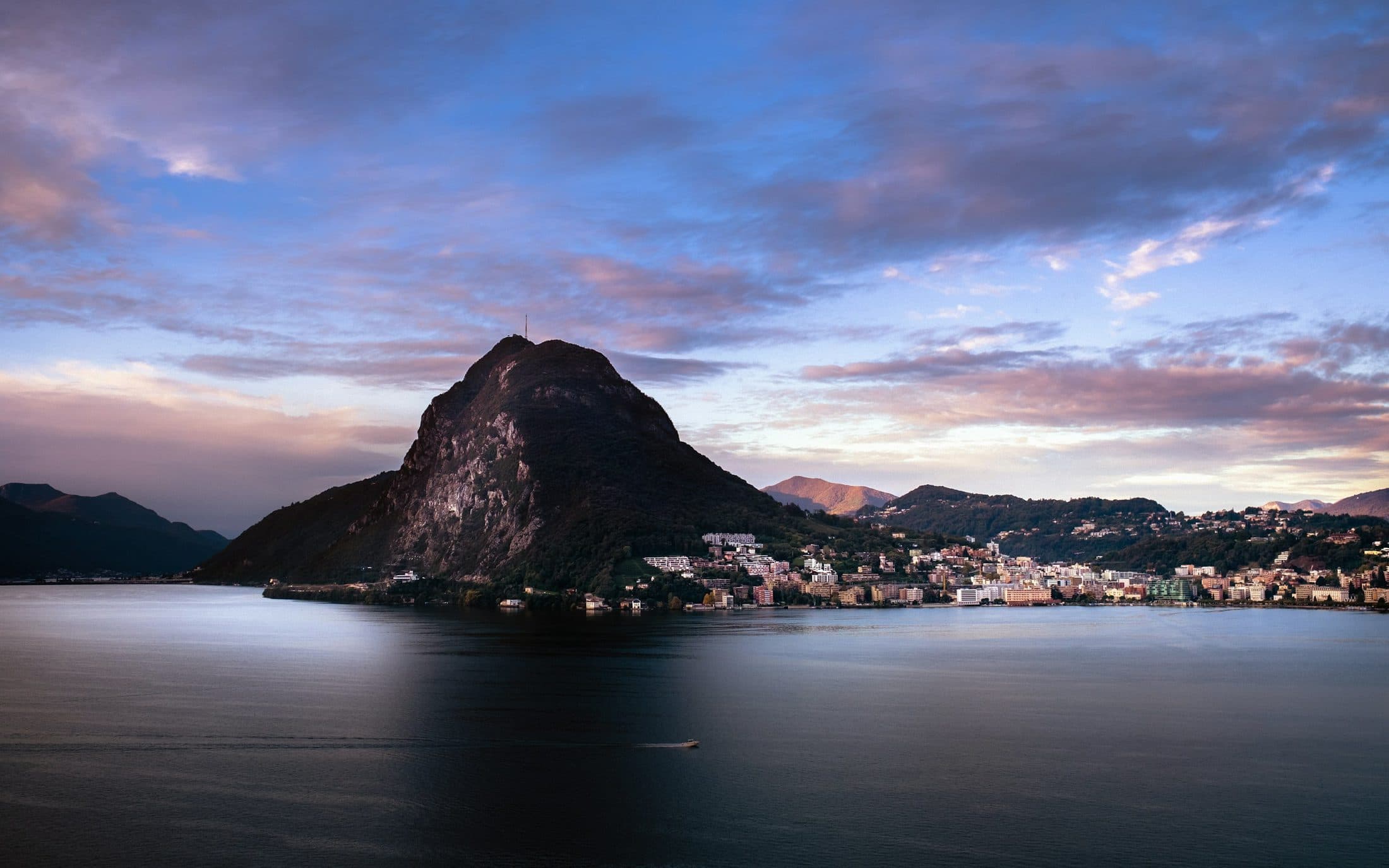
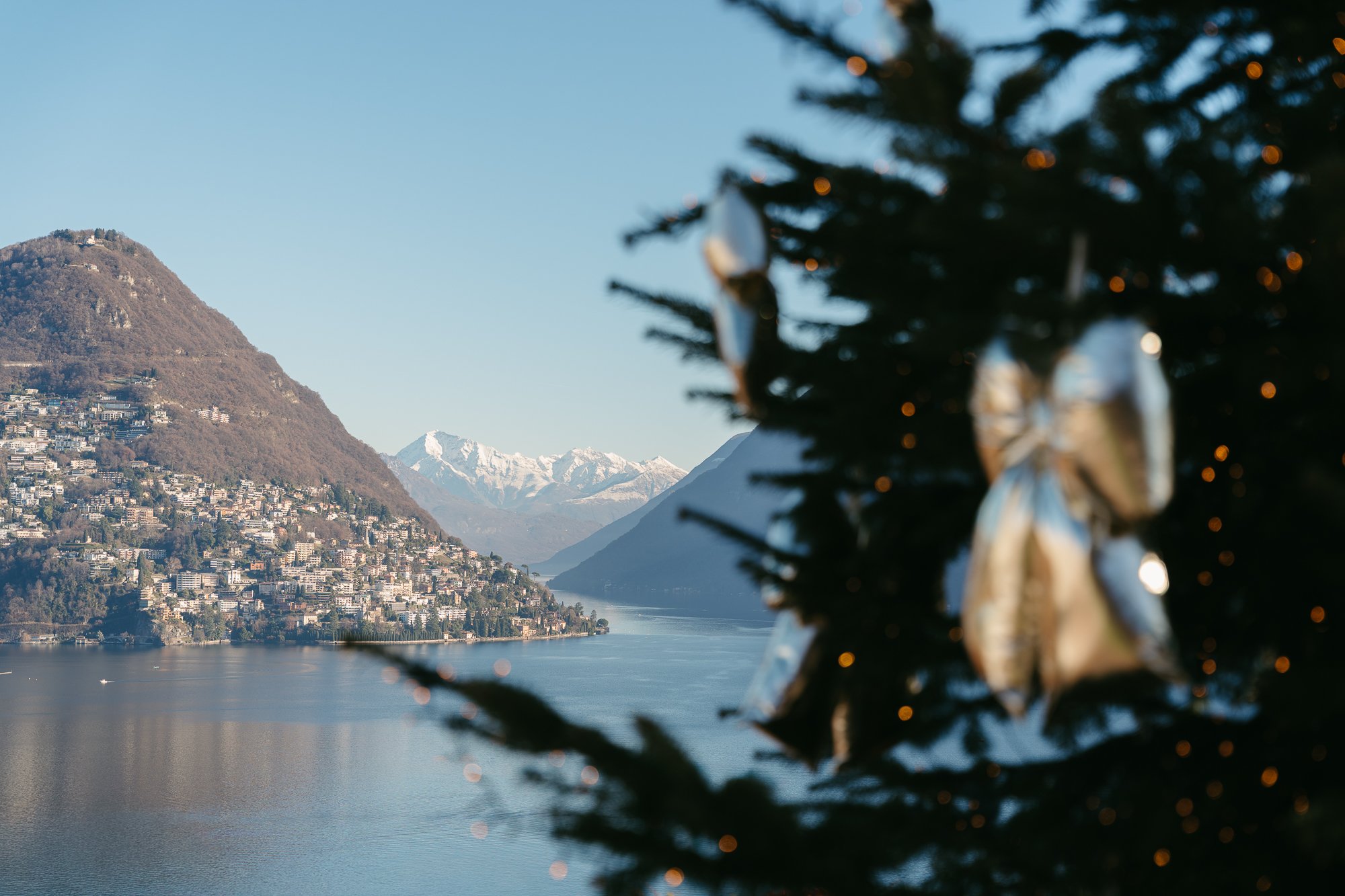
Switzerland’s Italian-speaking south: palm trees on Lake Lugano and Lake Maggiore, Morcote’s church tower above the water, the three castles of Bellinzona and the green river of the Verzasca.
South of the Alps, Ticino is Switzerland’s sunniest region, and Italian is spoken here.
Lugano lies on a lake it shares with Italy, between Monte Brè and Monte San Salvatore, with Gandria and Morcote on the shore by boat from the city; across the lake rises Monte San Giorgio, a UNESCO World Heritage site. To the west, Locarno and Ascona sit on Lake Maggiore, and the valleys of the Verzasca and the Maggia run up behind them. Bellinzona, the capital, guards the road to the passes with three castles, on UNESCO’s list since 2000.
Couples marry here in town halls, villas and castles the canton’s registrars work in, then gather by the lake; Ticino’s tourist board calls April to October the best time. In Switzerland only a civil registrar can marry you, after a preparation procedure with the registry office; a religious or symbolic ceremony alone is not a legal marriage, and a church wedding can only follow the civil one. Rooms and dates are the registry office’s to confirm: ask it before you count on one. Couples who don’t live in Switzerland start at a Swiss embassy or consulate, and need an interpreter if neither speaks Italian, German or French.
Photographers
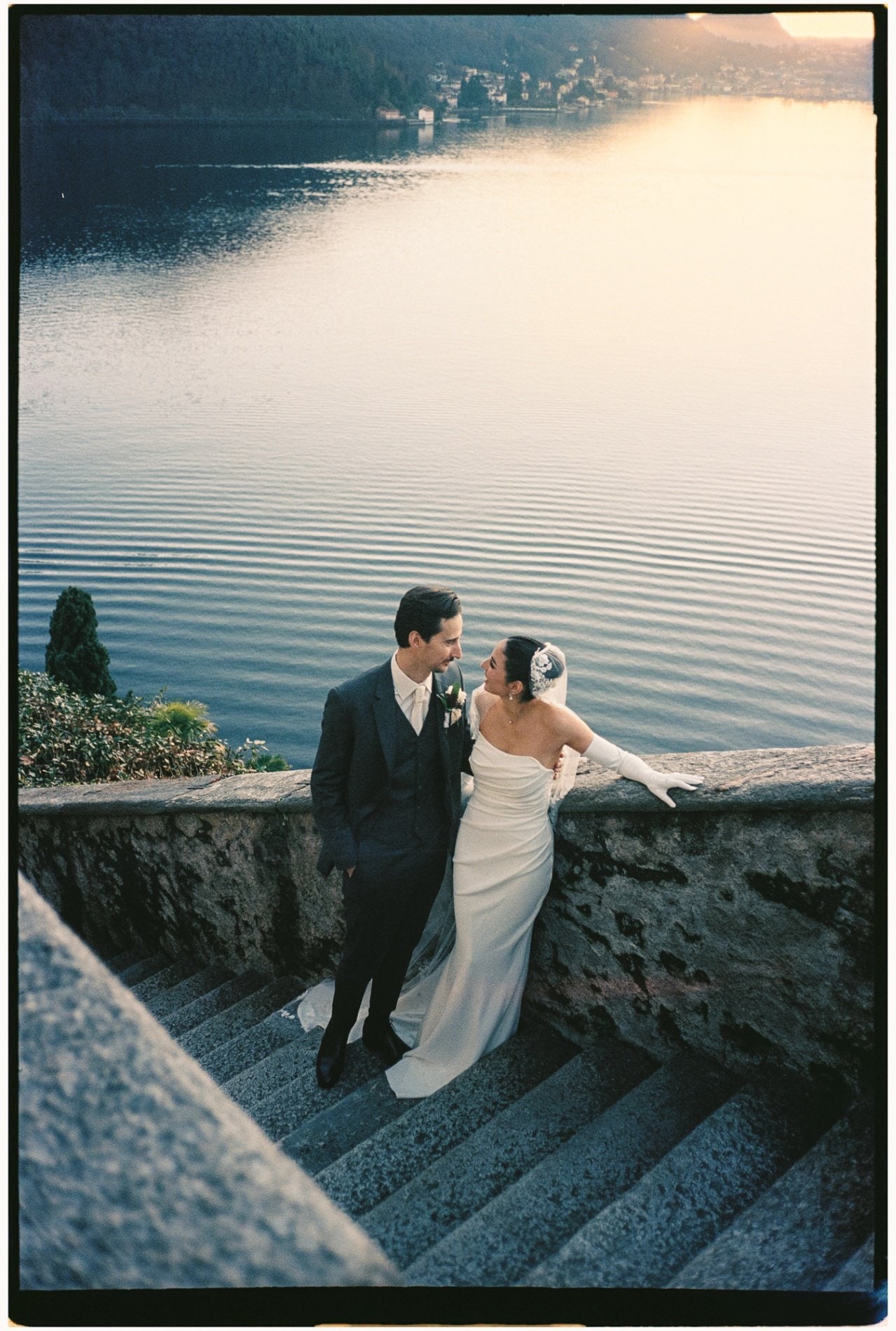
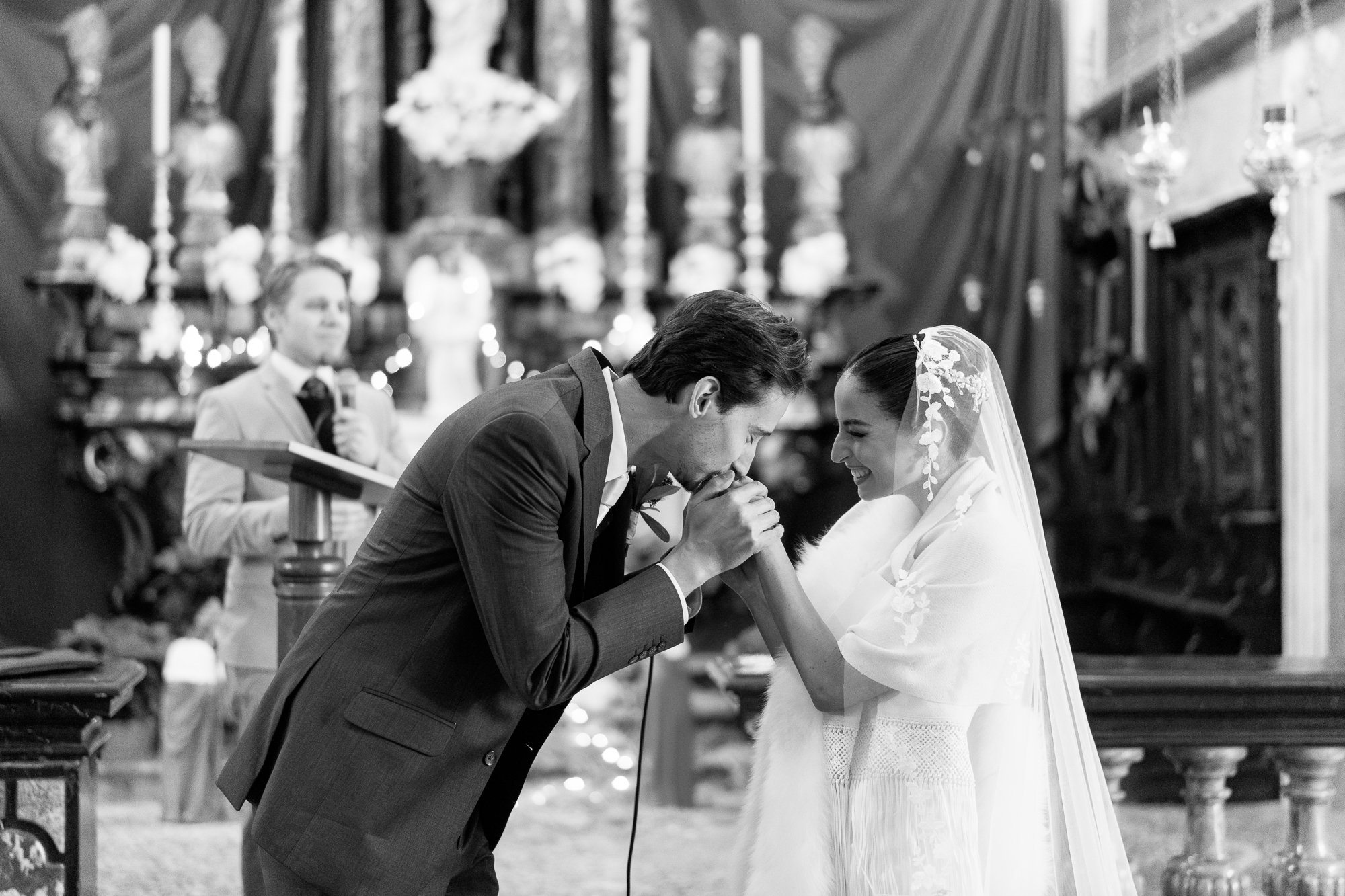
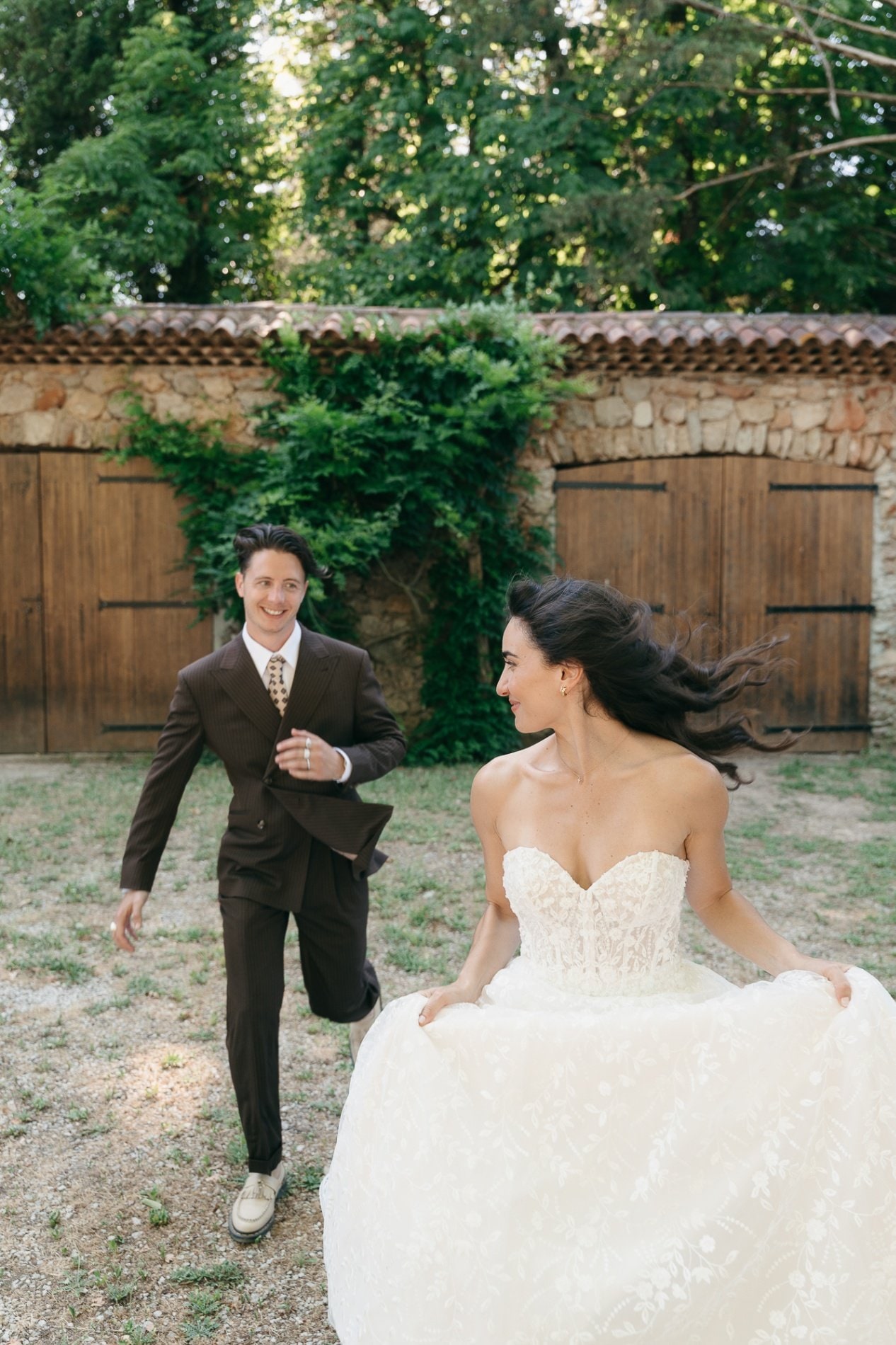
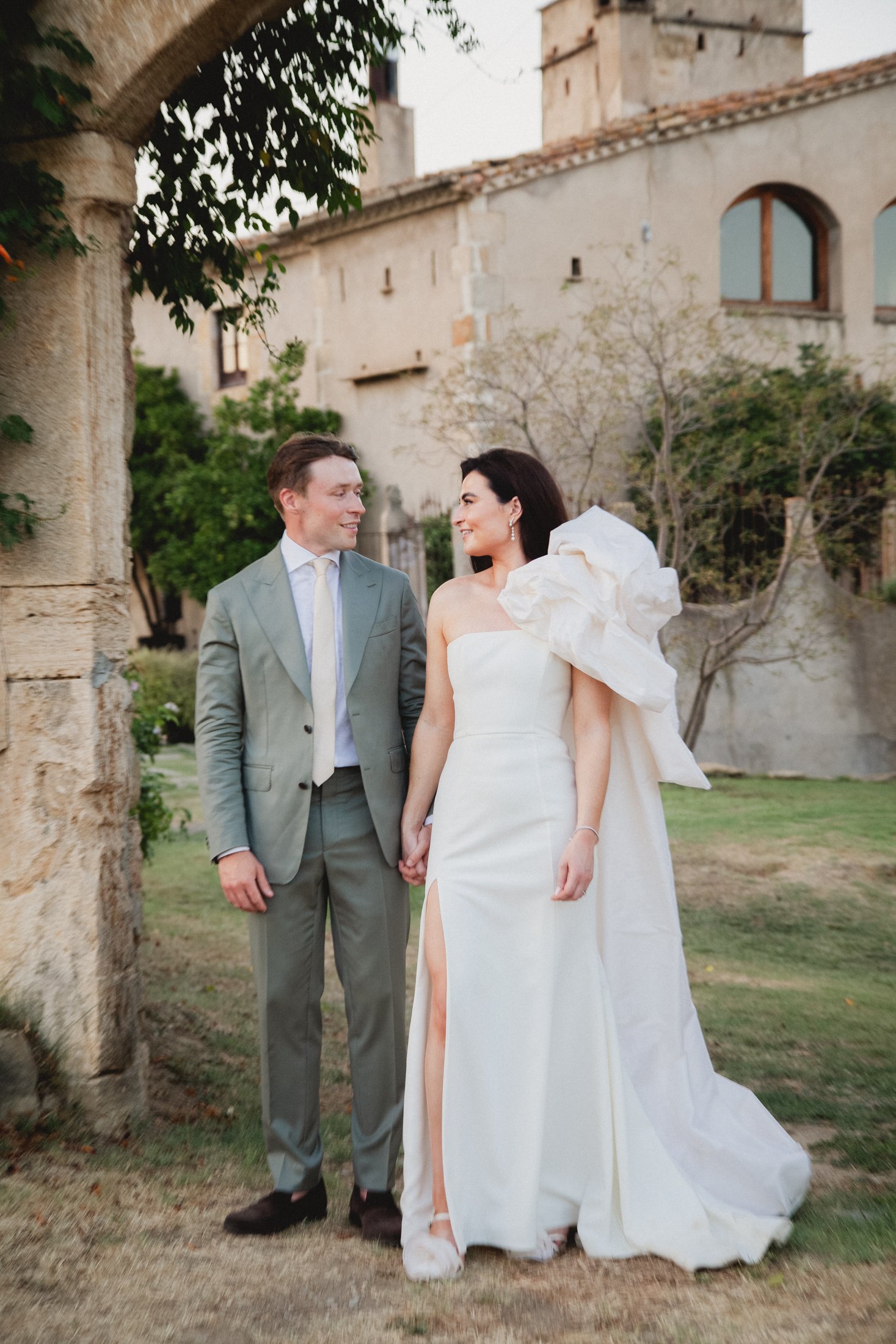
They shoot here and know the light. Their whole weddings are on their pages.
See all 6 photographers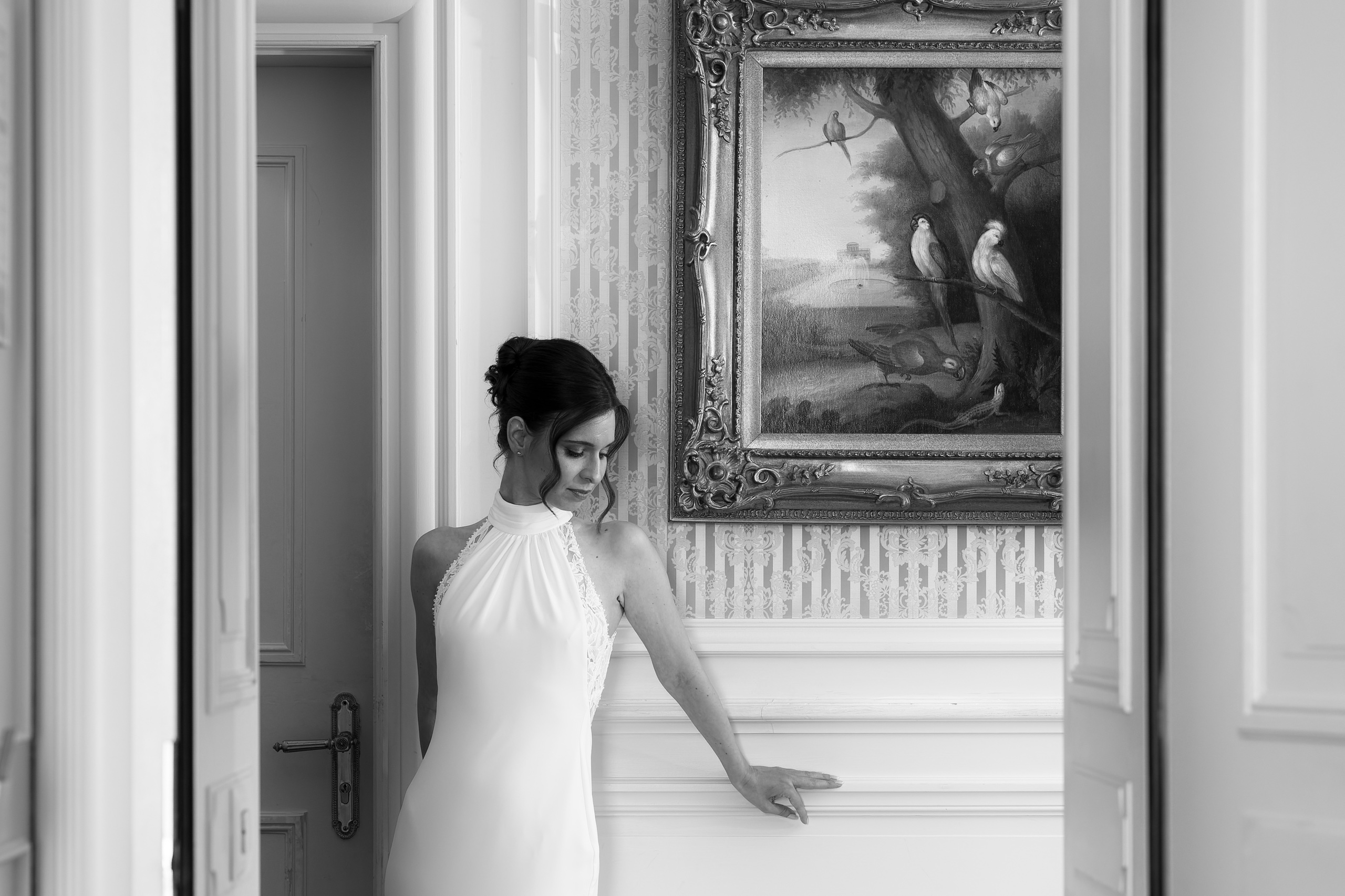
Booking through Lens & Vows
Through the year
June to September is the warm heart of the year: in MeteoSwiss’s 1991–2020 normals for Lugano the highs are 22 to 27 °C, and July is the hottest month, at 27.3 °C, with about 25 days of 25 °C or more. Rain of 1 mm or more falls on 8 to 10 days a month, the fewest in July, and the sun shines for 260 hours in July, against 192 in September. It rains seldom but hard: August’s 158 mm comes on under 10 days, so keep a covered terrace or a hall in the plan. April, May and October are mild, 17 to 21 °C, and May has the most rainy days of the year, 11.6. In a year Lugano gets 1,567 mm on about 100 days, and 2,120 hours of sun.
Weather station: Lugano, normals 1991–2020 · Checked 2 November 2026
Places
The kinds of places — ask your photographer which ones they know well.
Parco Ciani, a public park of 63,000 m² on the lake in the middle of the city, holds Villa Ciani, a mid-nineteenth-century mansion where civil ceremonies of about 60 guests can be held. The city’s ordinary wedding rooms are free of charge: at Palazzo Civico, at Breganzona’s civic centre and in Castagnola’s former town hall. For the view, funiculars climb Monte Brè, 925 m, since 1912, and Monte San Salvatore, 912 m. Ceremonies in these rooms run from Monday to Friday, with drinks afterwards only at Palazzo Civico’s patio or Castagnola’s terrace; the district’s civil registry service, in Lugano, books the room.
Morcote, voted Switzerland’s most beautiful village in 2016, comes in two parts: arcaded houses along the water and, up about 400 steps of the Way of the Cross, the pilgrimage church of Santa Maria del Sasso, its tower above the lake. Scherrer Park, with palms, camellias and cypresses, is open to visitors. Gandria, a small village on the northern shore near the Italian border, is a boat ride from Lugano. Dress as for church on the steps, and ask the parish before planning anything inside.
Castelgrande on its rock, Montebello joined to it by the town’s walls, and Sasso Corbaro higher up on its own have been a UNESCO World Heritage site since 2000, with wide views over the city and the valley. Sasso Corbaro, a fifteenth-century Sforza fortress 230 m above the town, is on Ticino’s list of wedding halls, with its seventeenth-century Emma Poglia Hall. Whether the castles allow wedding photographs is for them to say, so ask first.
Locarno marries couples in the municipal hall of Palazzo Marcacci and in the Salone d’onore of Casorella, whose courtyard and loggia can take a reception; no rice may be thrown at either. Above the town stands the pilgrimage church of Madonna del Sasso, with a view of the city, the lake and the mountains. Ascona has its lakeside promenade of coloured façades and palm trees, the town’s meeting point. On Lake Maggiore, the Brissago Islands are the canton’s botanical park, with about 1,700 plant species and a villa for banquets and receptions: ask about boats and the season when you plan.
At Lavertezzo, about 18 km from Locarno up a narrow road, the two arches of the seventeenth-century Ponte dei Salti cross a clear green river over bands of pale rock. It draws crowds on summer days, some of them jumping from the bridge, so come early. The current can be dangerous and the rocks are slippery, so keep portraits well back from the water, in flat shoes, and stay away altogether after heavy rain.
Light
At midsummer the sun sets at about twenty past nine in Lugano and rises at about half past five; on 21 December it is up from about eight to about twenty to five. In June it takes about an hour and ten minutes to fall from ten degrees to sunset, with about forty minutes of dusk after it. The mountains around the lakes are steep, and they take the sun early from the shores below them, often leaving the far bank lit: the time to read on the spot, not the clock. Summer midday is strong, with the sun out for about two-thirds of the possible hours in July, so the last hours are the ones to plan the portraits around.
Travel
Milan Malpensa is the nearest large airport, about 66 km from Lugano by road, an hour without traffic, and about an hour thirty-five by direct train. Zurich Airport is about 220 km, just under three hours, and a little over two hours by train through the Gotthard, with one change; Milano Centrale to Lugano takes an hour and a quarter. Lugano’s own airport now serves mainly private and business flights. Bellinzona is 14 to 18 minutes from Lugano by train, and Locarno about 43 km by road. Hotel guests get free public transport with the Ticino Ticket. Switzerland has applied the EU’s drone rules since 2023: the operator registers (at home if that country is an EASA member, otherwise in Switzerland), even for a camera drone under 250 g, holds a pilot’s certificate and CHF 1 million of liability insurance from 250 g, flies in sight, below 120 m and never over a crowd, a wedding included, and checks the Federal Office of Civil Aviation’s drone map and daily bulletin before each flight. That map bans anything over 250 g around Lugano’s airport, which takes in Parco Ciani, and around Locarno’s airfields, which take in the Verzasca dam. Lake Lugano’s Italian waters fall under Italy’s rules.
Real weddings
Plan
Switzerland