Founding photographerVerified — Identity verified by Lens & Vows
Dani H.from €4,500
Lucerne & Central Switzerland, Zurich +41 · Documentary, FilmBased in Austria · travels to weddings in SwitzerlandWedding photographers in Switzerland
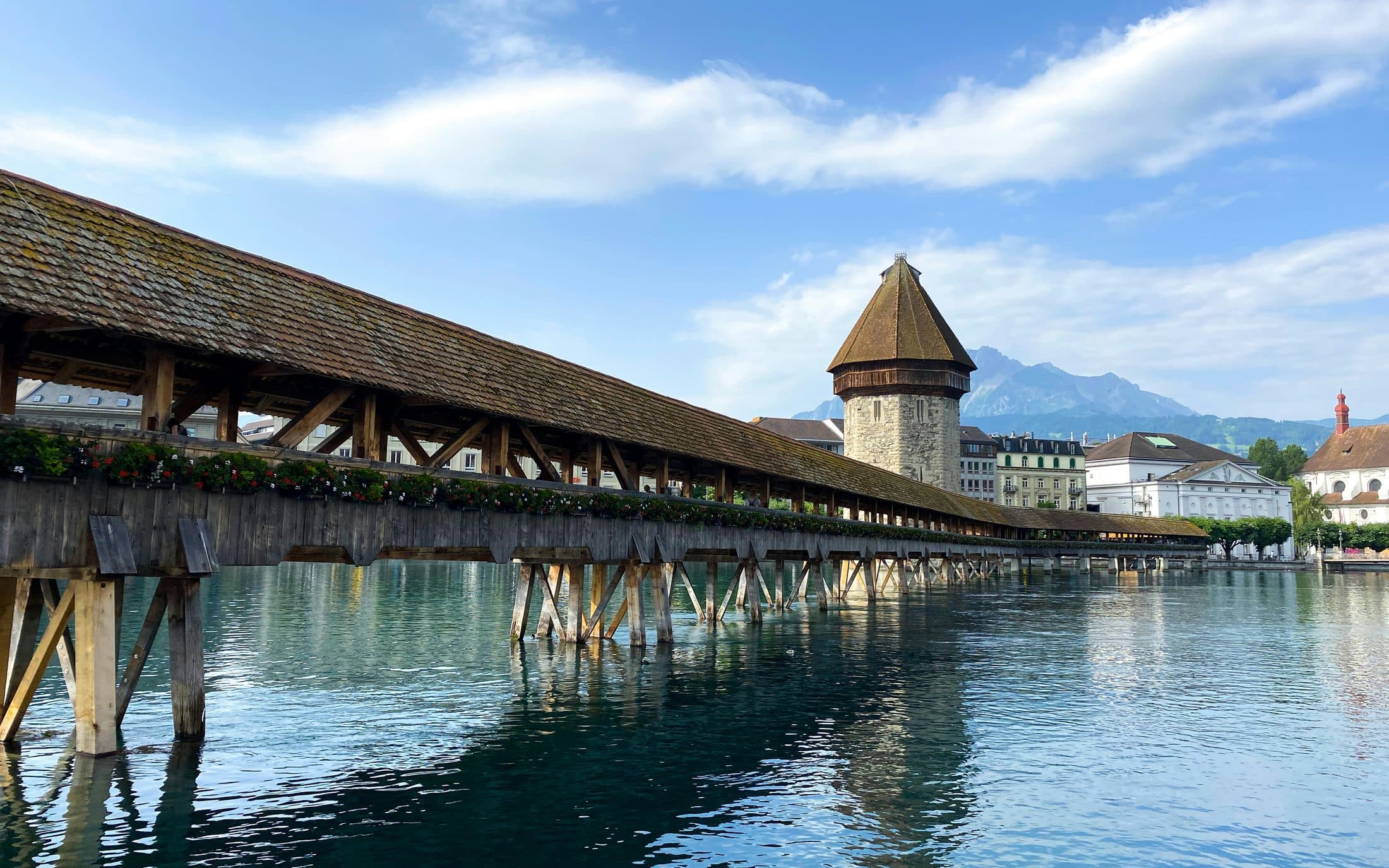
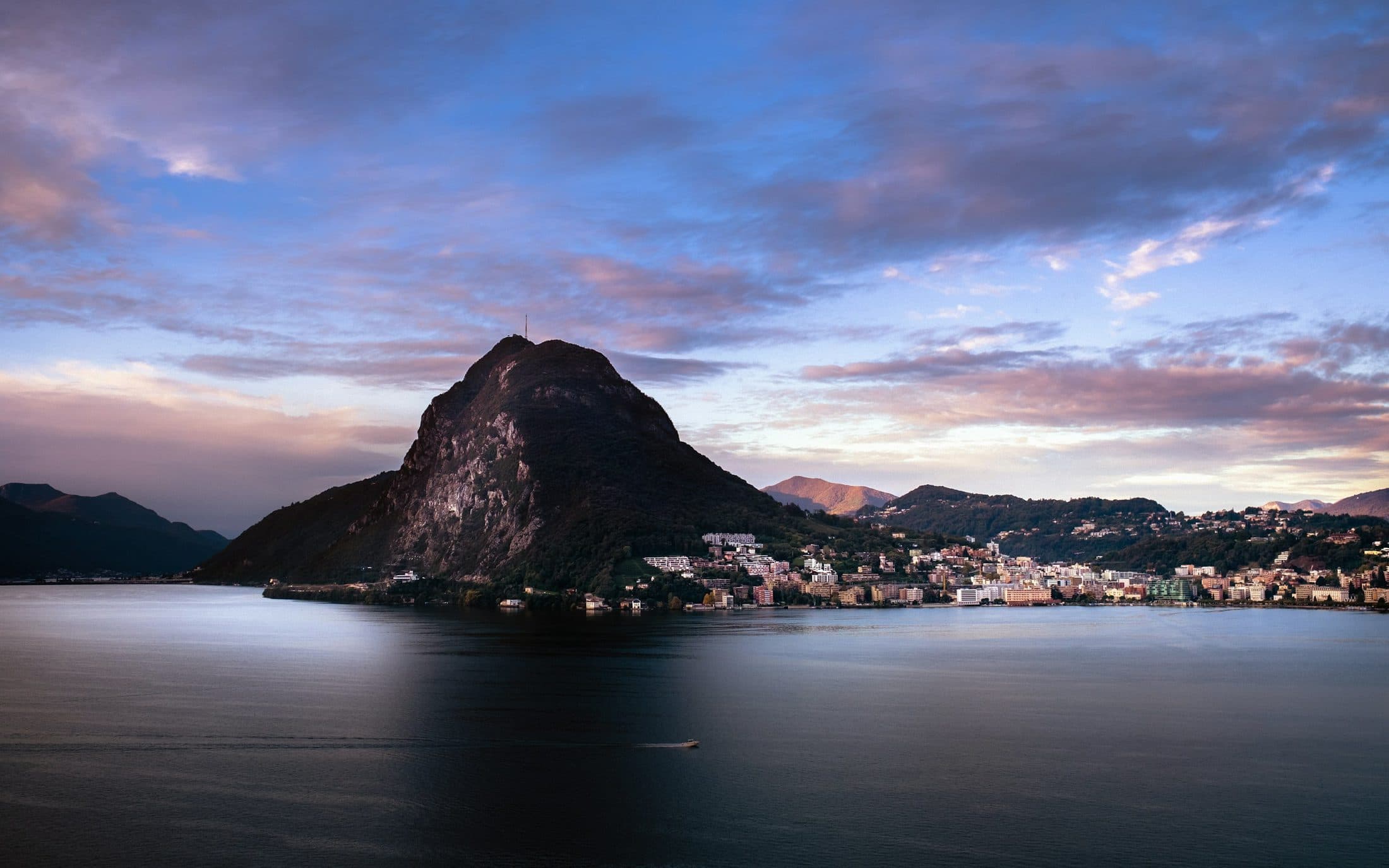
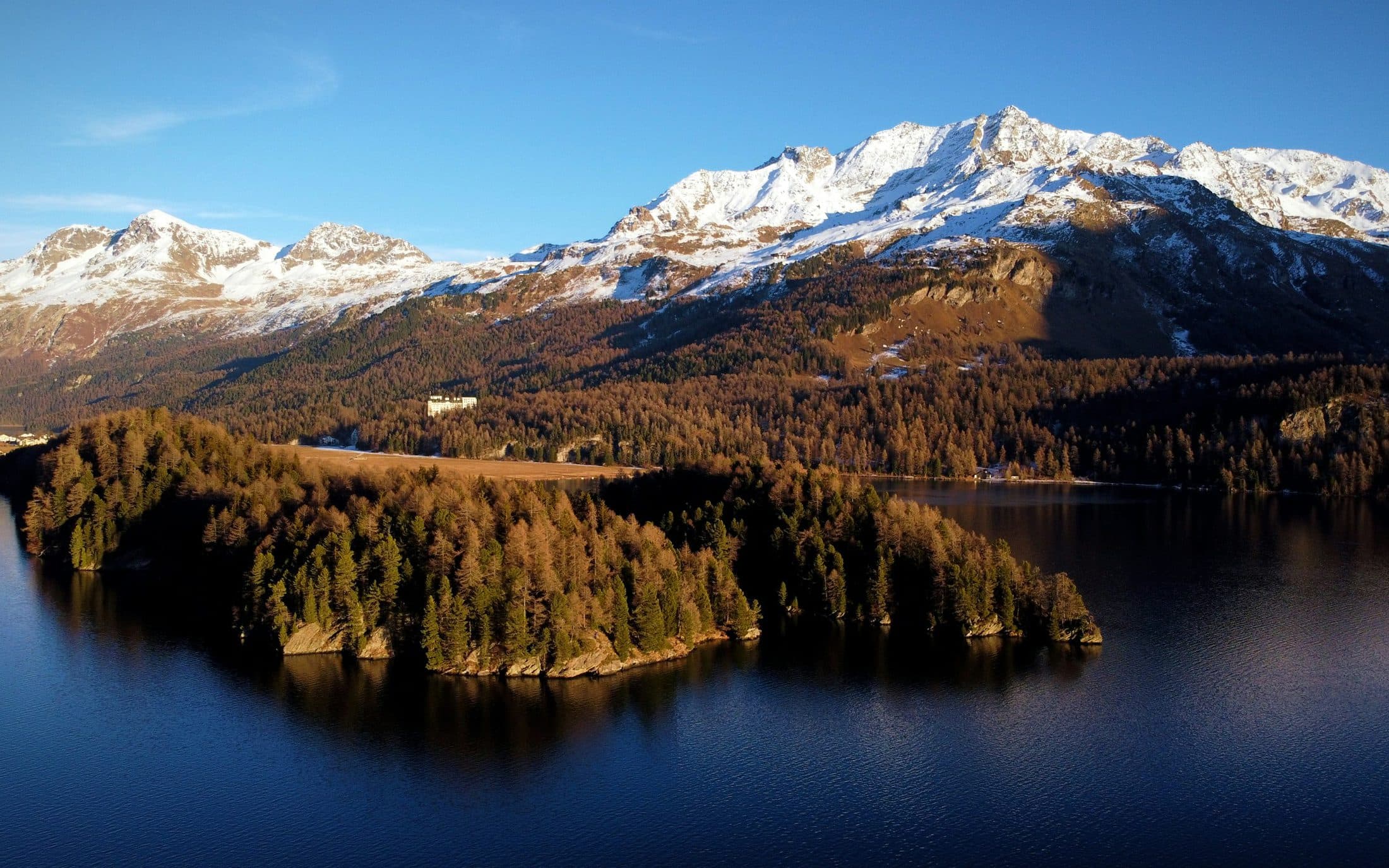
A lake of fjord-like arms between four old cantons: covered wooden bridges in Lucerne’s old town, paddle steamers below Pilatus, a chapel among the rocks on the Rigi and a mountain lake above Engelberg.
Lake Lucerne takes its German name, the Vierwaldstättersee, from the four cantons around it, Uri, Schwyz, Unterwalden and Lucerne, and its branching shape from the Reuss glacier at the end of the last ice age; it is the fourth-largest lake in Switzerland. Where the Reuss leaves it, Lucerne keeps the Chapel Bridge and its stone Water Tower, the Spreuer Bridge and the Musegg Wall with its nine towers. Mountains stand straight up from the shore: Pilatus, with the world’s steepest cogwheel railway; the Rigi, with Europe’s oldest mountain railway; the Stanserhorn. To the south, the valley road and railway climb to Engelberg, below the Titlis, the highest mountain in Central Switzerland.
Civil weddings here happen in a few named rooms: Lucerne’s Rathaus on the Kornmarkt, which about two-thirds of the city’s couples chose in 2021, the registry’s own room in the Stadthaus, a castle room at Meggen, the Gemeindehaus or the valley museum at Engelberg. Then a boat, a chapel or a mountain for the rest of the day. In Switzerland only a civil registrar can marry you, after a preparation procedure with the registry office; a religious or symbolic ceremony alone is not a legal marriage, and a church wedding can only follow the civil one. Rooms and dates are the registry office’s to confirm: ask it before you count on one. A meadow or a summit is therefore for a symbolic ceremony, after the papers are done. Couples who live in Switzerland can marry in any registry district they choose; for couples from abroad, the checks on foreign papers can take longer, so write to the registry early.

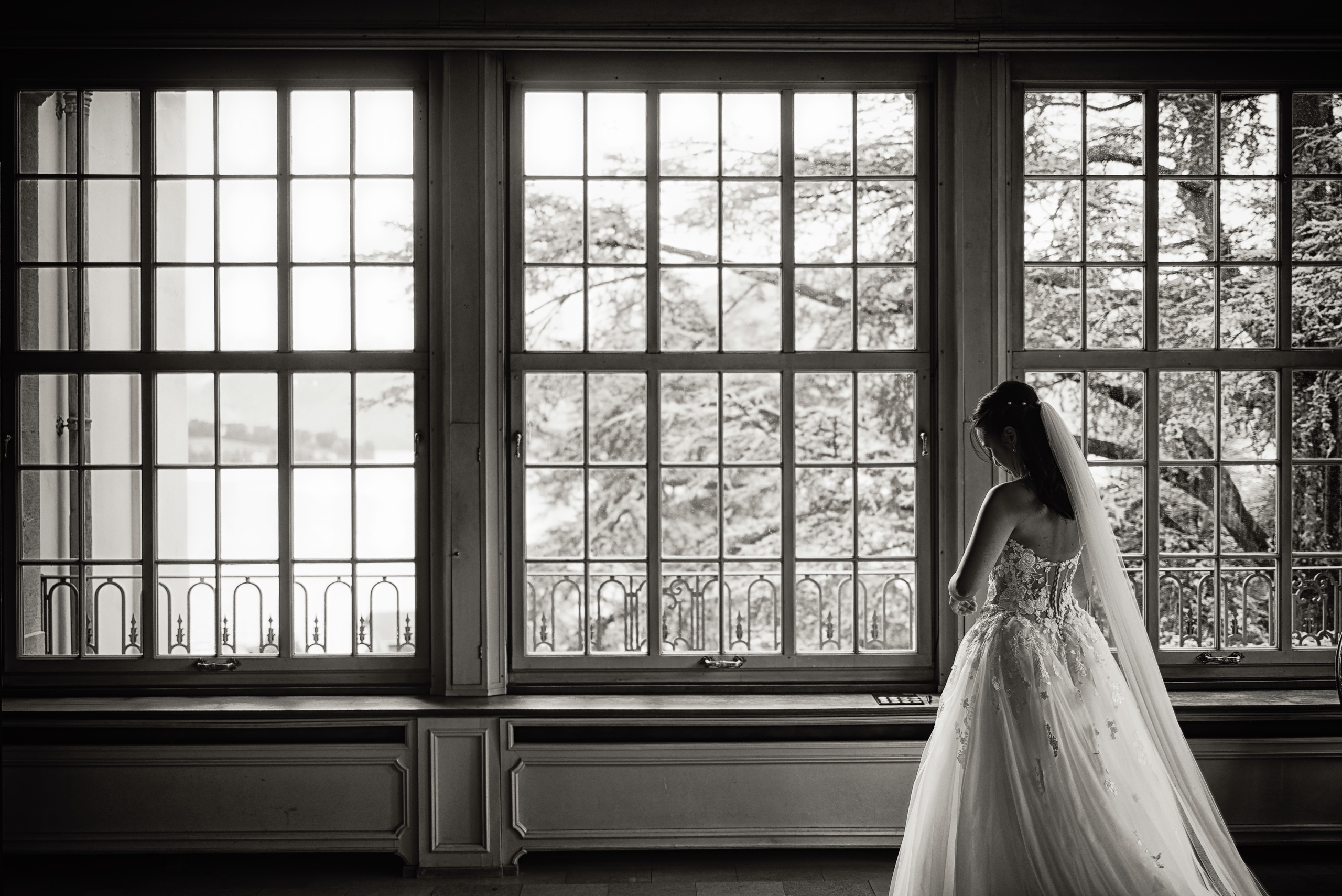
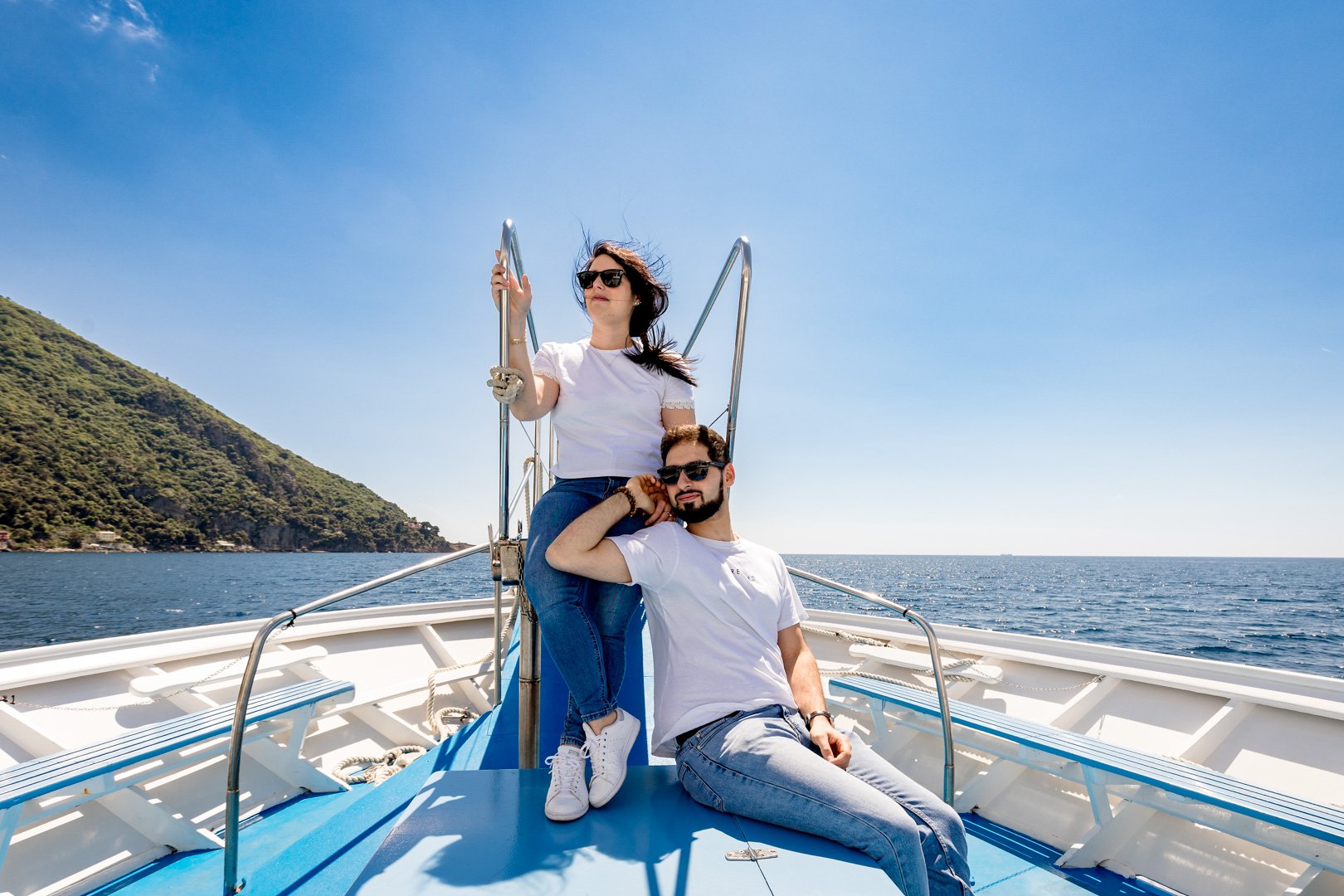
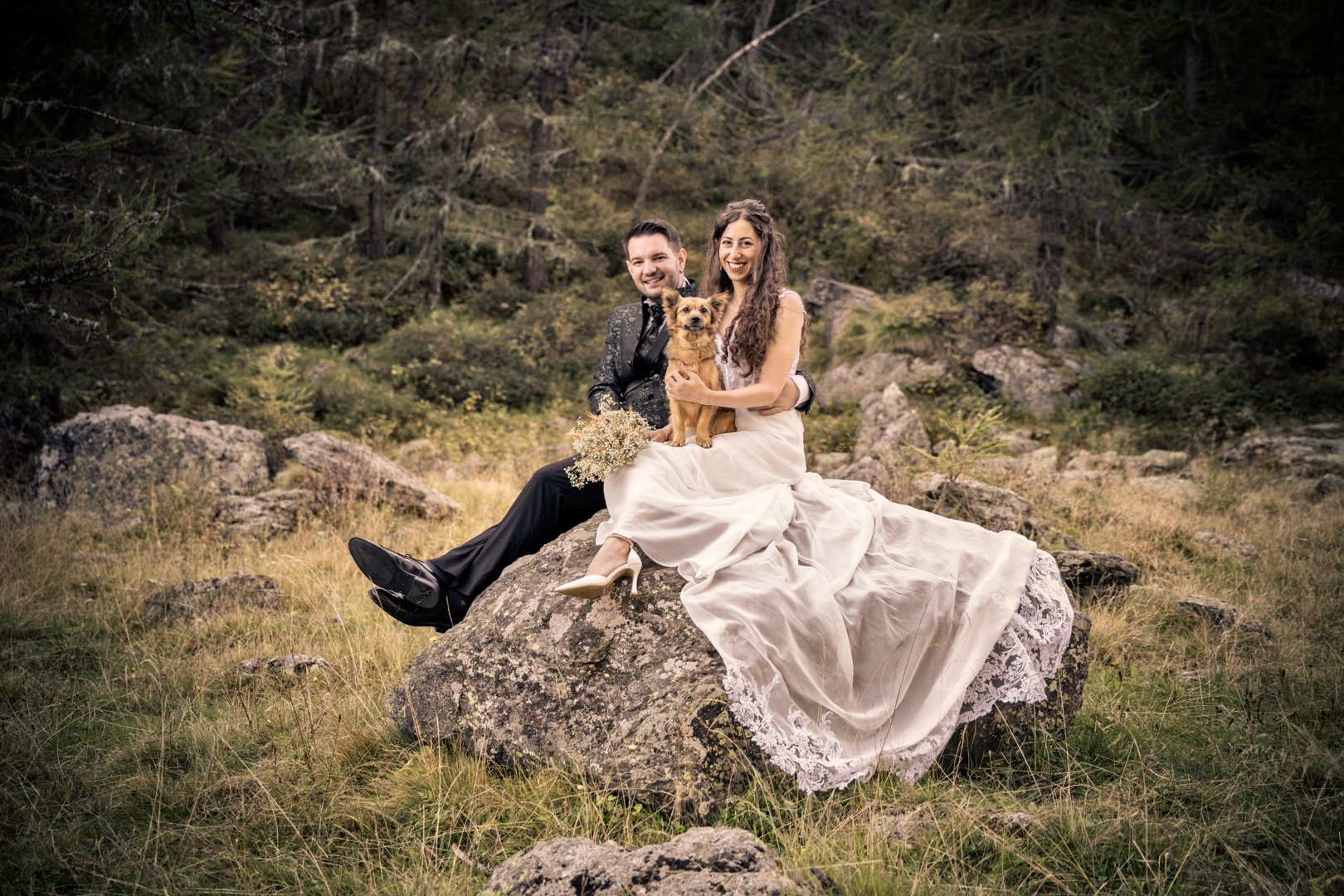
Photographers
They shoot here and know the light. Their whole weddings are on their pages.
See all 7 photographers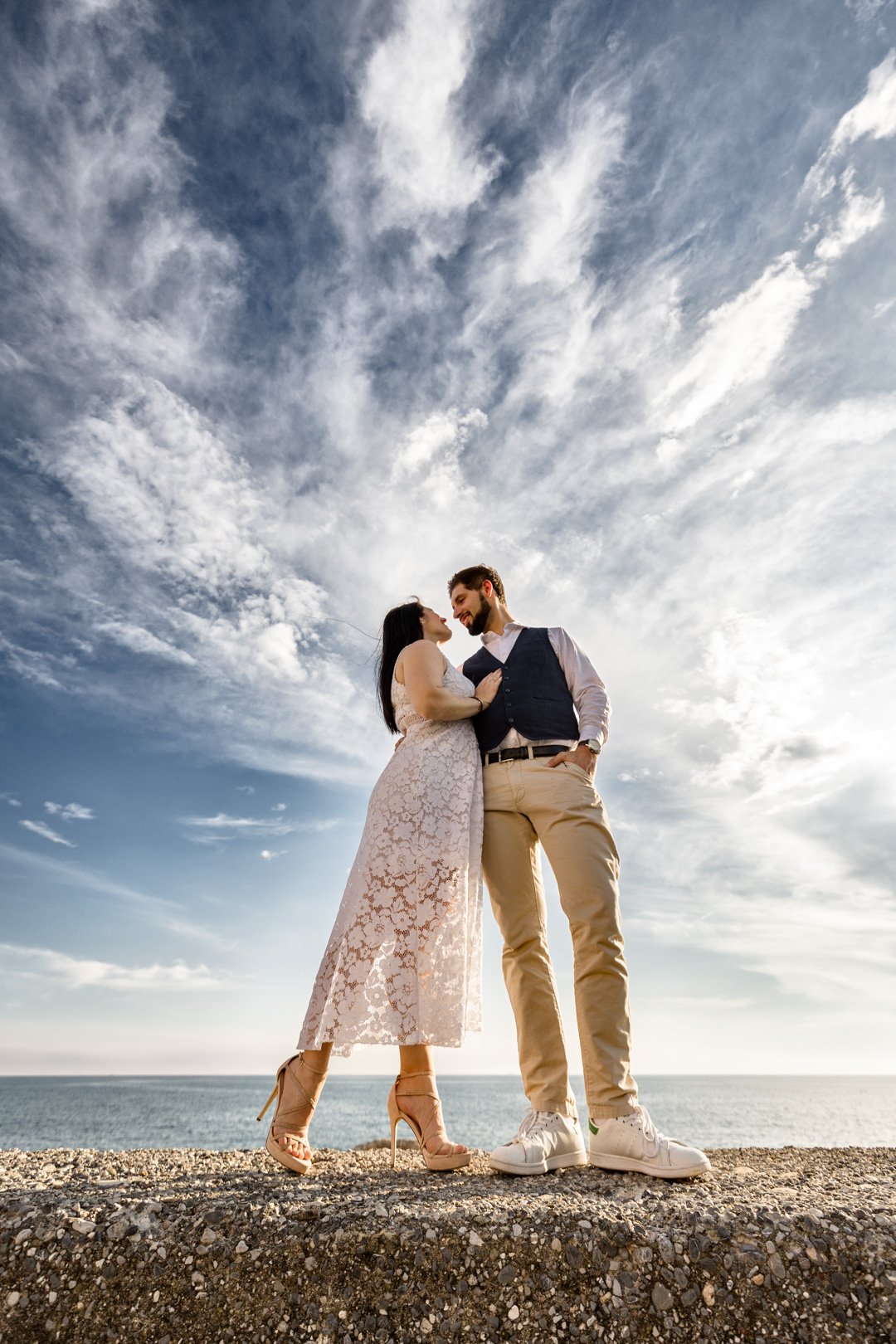

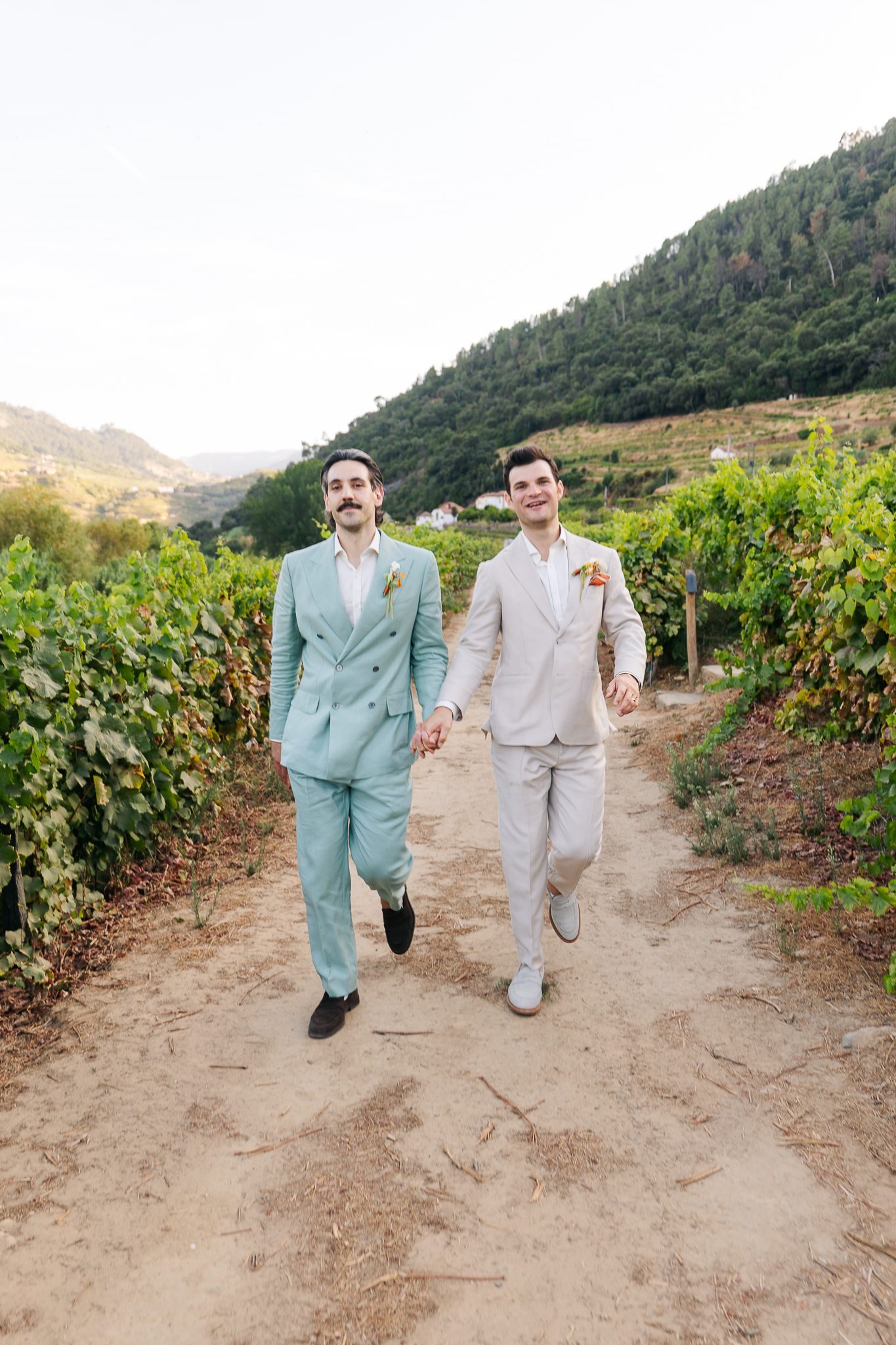
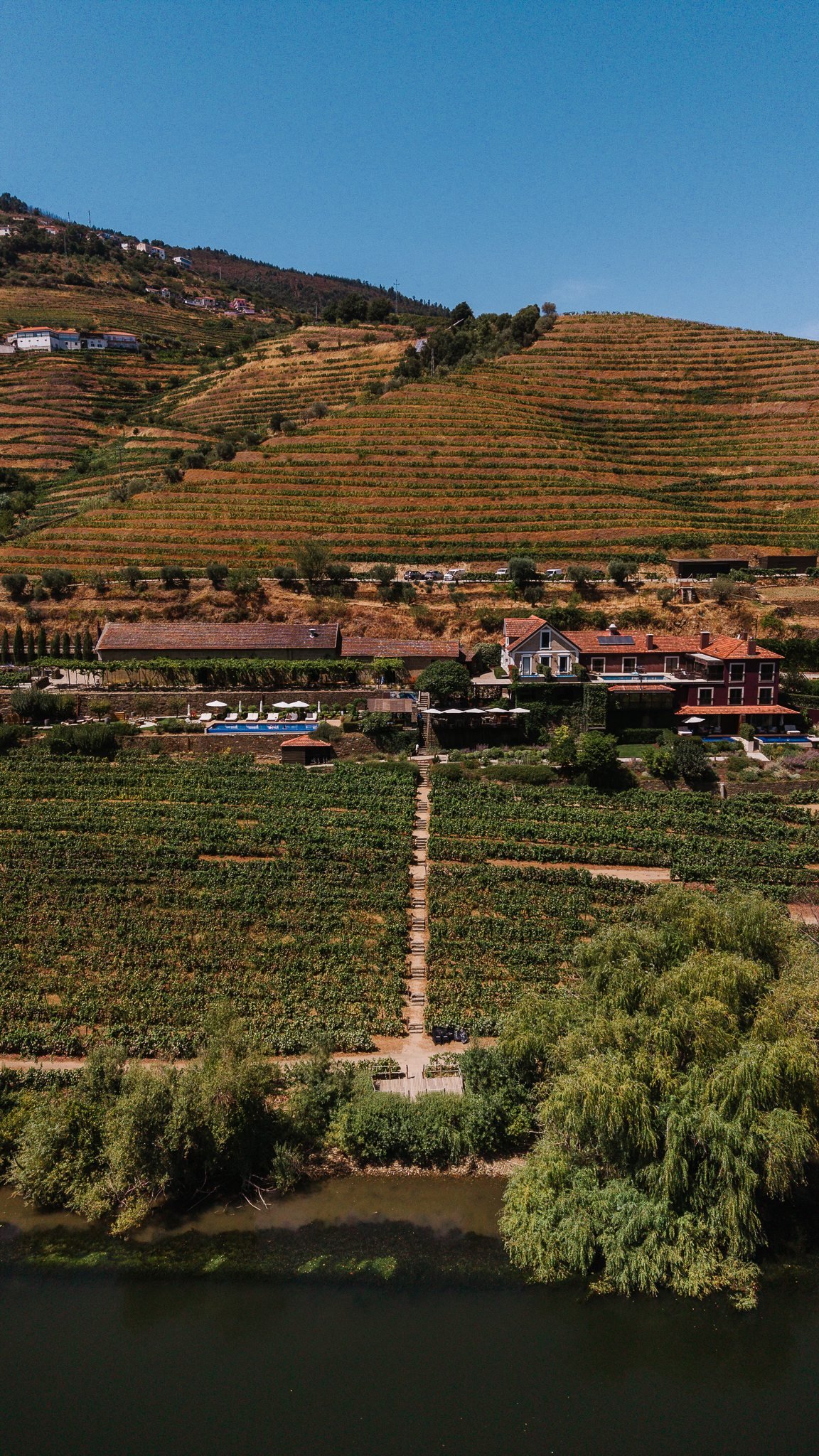
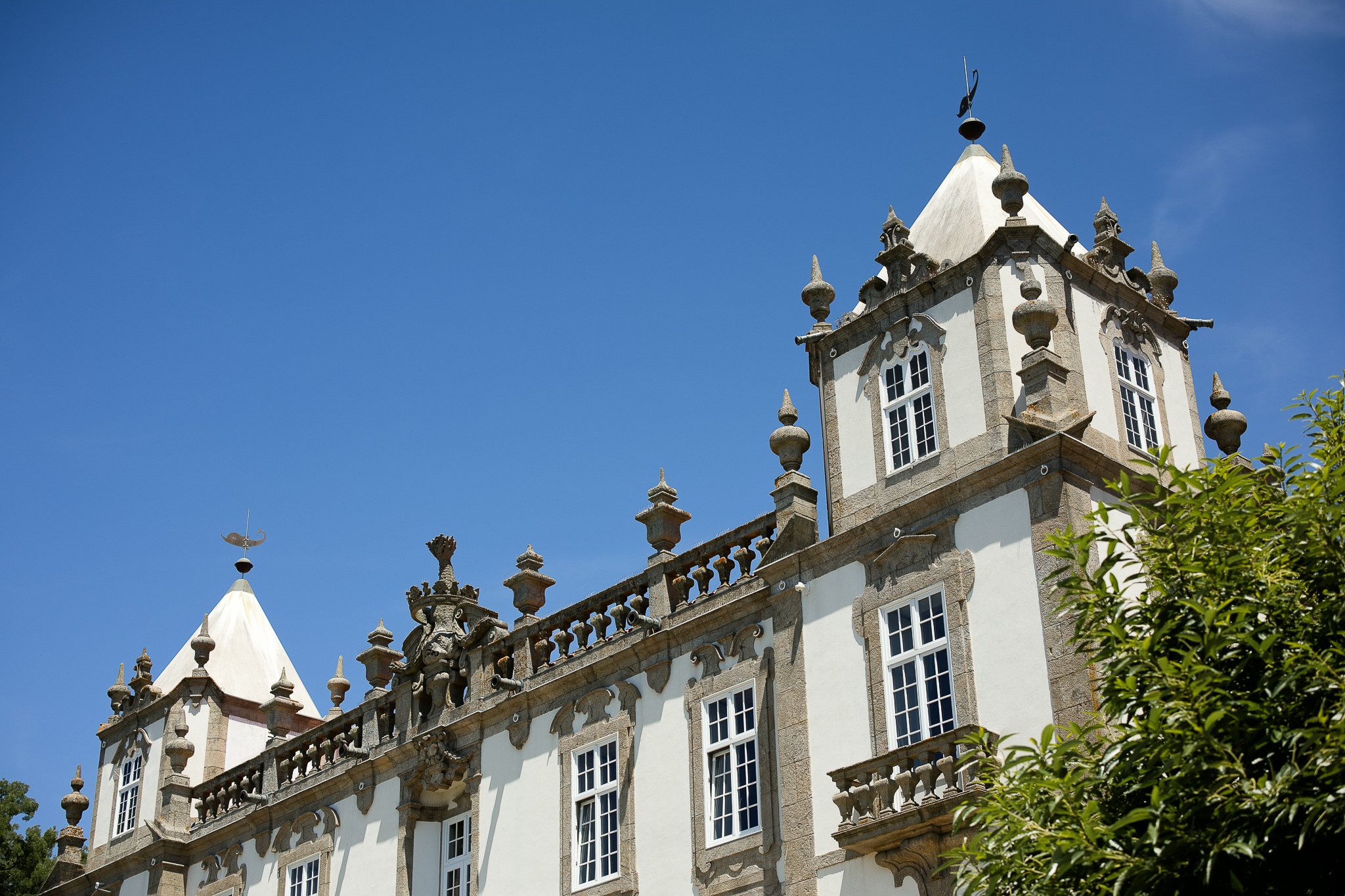
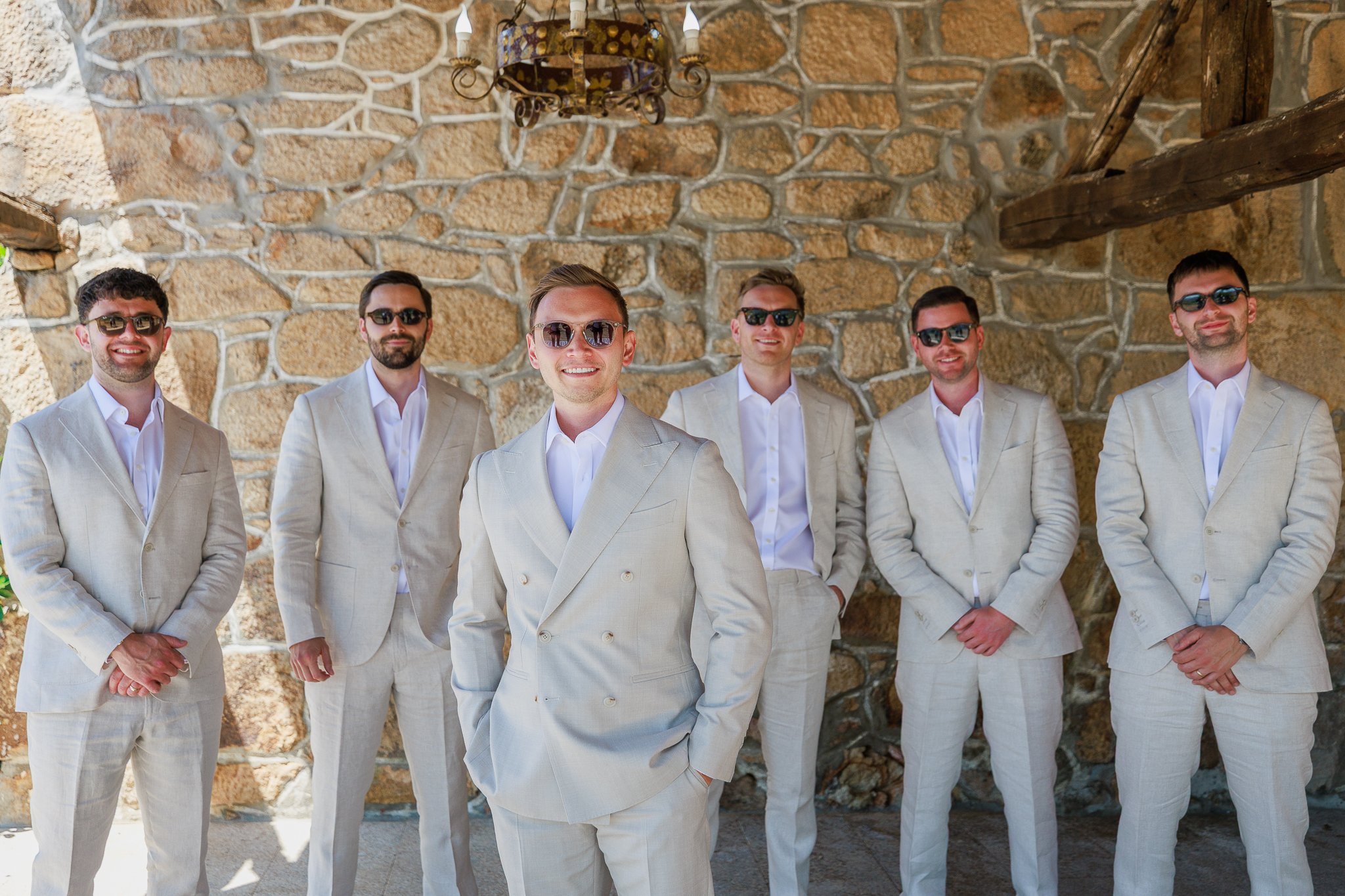
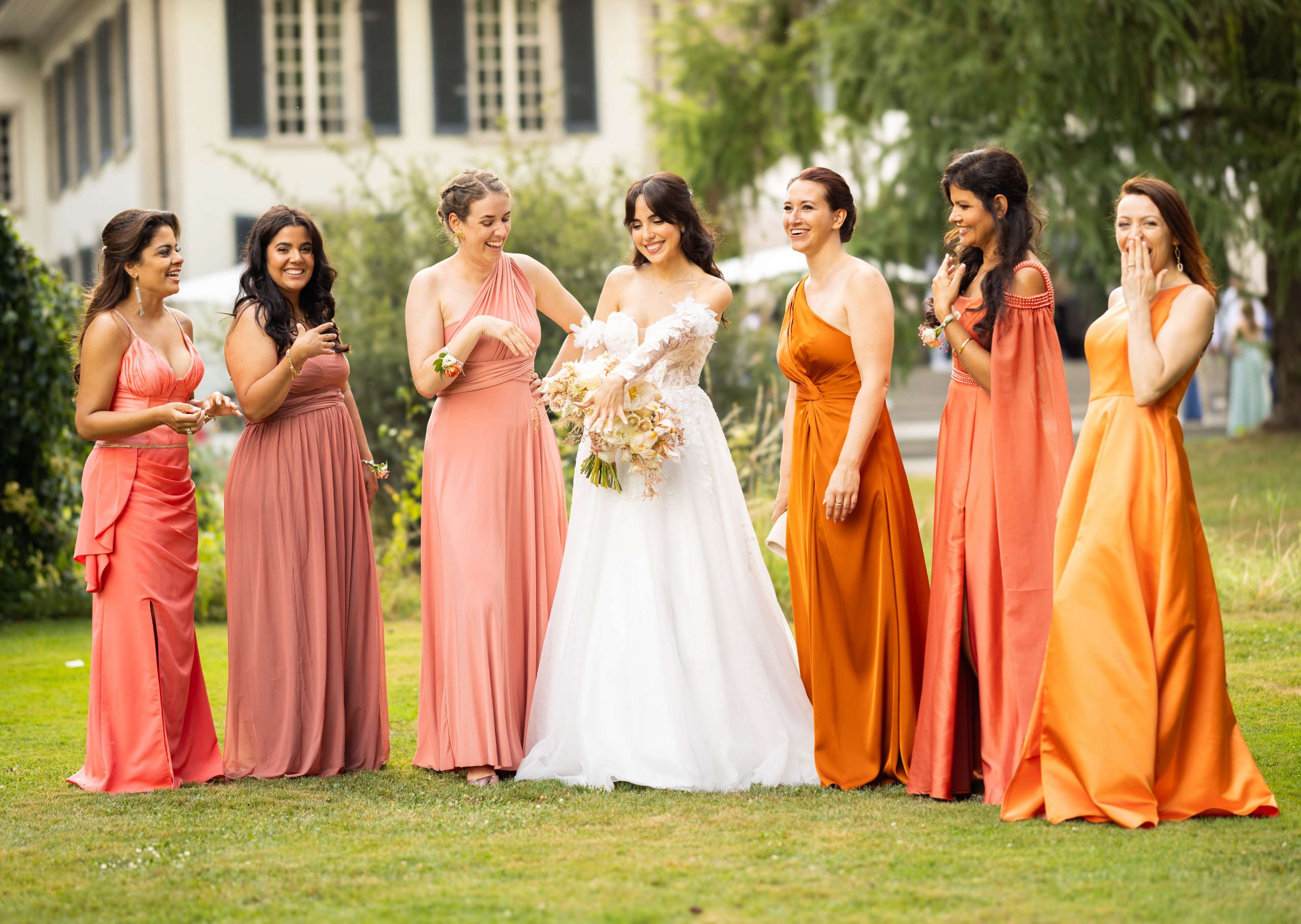
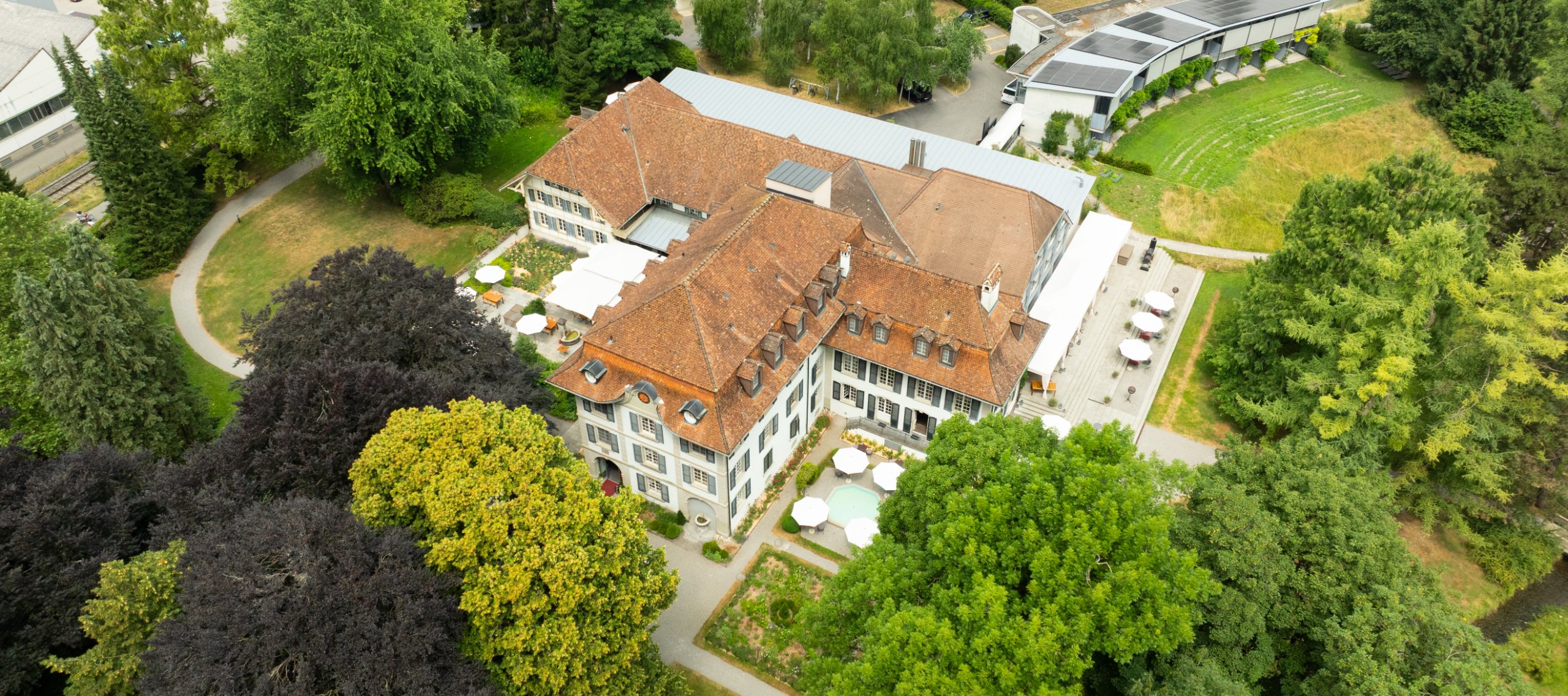

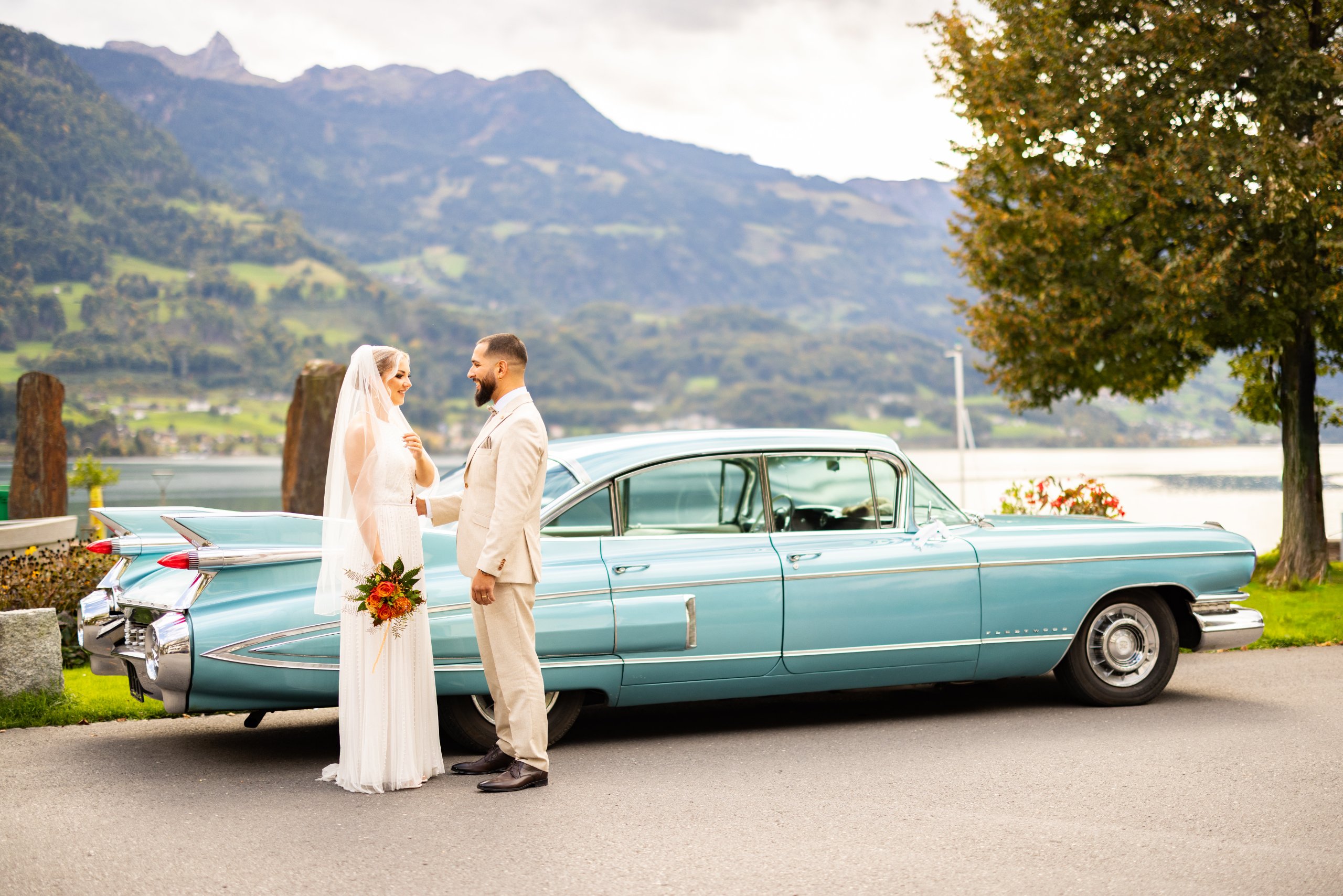
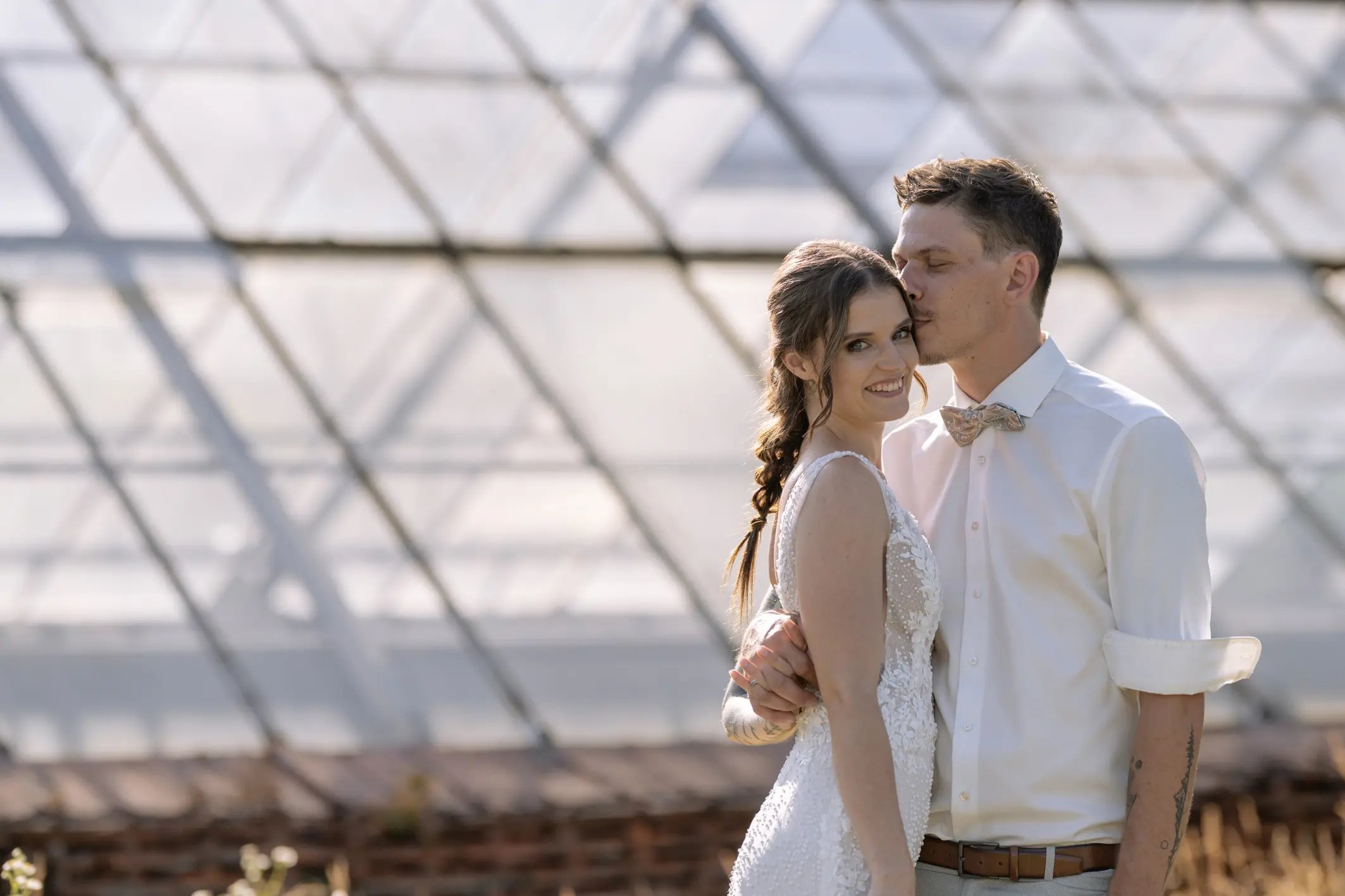




Booking through Lens & Vows
Through the year
June to September is the season: boats on their full timetable, every mountain railway running and long evenings. In MeteoSwiss’s 1991–2020 normals for Luzern, the highs are 23 °C in June, 25 °C in July, 24 °C in August and 20 °C in September, with 187 to 209 hours of sun a month from June to August. These are also the wettest months, with 165 to 170 mm and rain on about 13 days a month, counting days with 1 mm or more, so have cover ready for every moment outside. September is calmer, with 10 rainy days and 109 mm. Height changes everything: at Engelberg, at 1,036 metres, July’s high is 21 °C with 16 rainy days and 198 mm; on Pilatus, at 2,105 metres, it is 13 °C. May (19 °C, 13 rainy days) and October (14 °C, 10 rainy days) can be lovely but need a real plan B.
Weather station: Luzern, normals 1991–2020 · Checked 2 November 2026
Places
The kinds of places — ask your photographer which ones they know well.
The Chapel Bridge runs from the theatre on the south bank of the Reuss, past the Water Tower, to St Peter’s Chapel; much of it burned on the night of 18 August 1993 and it reopened, rebuilt, on 14 April 1994. Lucerne’s tourist board says in its notes for film crews that filming in public space needs the city’s permission, that filming on the bridges is not allowed for safety reasons and that private ground needs the owner’s consent. It does not mention a couple and a photographer, so ask the city before you plan a shoot on the bridge; from the quay, it fills the frame anyway. Civil weddings at the Rathaus are held on Fridays, and at the registry’s room at Obergrundstrasse 1 usually on Tuesdays and Thursdays.
Boats link the towns on the lake all year, and in summer they call at Meggenhorn, a castle rebuilt in 1868–70 on the model of Chambord, among hydrangeas and a baroque rose garden. Civil weddings are held there in the Oak Room, for at most 20 people, on the last Thursday of the month and, from April to October, every second Thursday too, at 3, 3.30 and 4 pm; the commune charges 250 francs for the room. But Meggen is plain about photography: photo shoots, social-media productions and filming of any kind are not allowed in the castle or anywhere on its grounds. Before you book it, ask what your photographer may do at your own wedding.
At Rigi Kaltbad, on the way to the Känzeli viewpoint, the Catholic Chapel in the Rocks holds 120 people; the Rigi’s railway company calls it ideal for weddings, and asks you to contact the parish office in Weggis. Pilatus Kulm, at 2,132 metres, is 30 minutes from Alpnachstad by a cogwheel railway with gradients of up to 48 %; in 2026 the last train down left at 18:04, more than three hours before a June sunset. The Stanserhorn, at about 1,900 metres, has a funicular from 1893, an open-topped cable car and evening rides from Thursday to Saturday in season. Ask each railway before you plan a shoot.
Engelberg has a Benedictine monastery and the Titlis above it; Obwalden’s 2017 list of approved wedding rooms includes the village’s Gemeindehaus and its valley museum, and the canton states that a civil wedding outside approved rooms is not lawful. The Trübsee, a mountain lake that mirrors the peaks on a still day, is a place for portraits and a symbolic ceremony. Whether the monastery church takes weddings from outside is for the monastery to say.
Light
At midsummer the sun is up from about half past five until about twenty-five past nine in Lucerne, setting far round to the north-west, with civil dusk until just after ten; on 21 December it rises at ten past eight and sets at twenty to five, never more than about 20 degrees above the horizon. In mid-September it drops to ten degrees at about twenty-five to seven and sets at about twenty to eight. Those are open-horizon times: in Engelberg’s deep valley the ridges take the sun well before sunset, and along the lake’s steep shores the same is true of any bay below a mountain wall. July has the most sun, 209 hours; December the least, 39. From Pilatus Kulm, the lake and the lights of the towns lie below you at first light, which means staying the night up there.
Travel
Fly into Zurich: Lucerne is about 66 km away by road, under an hour, or 1 hour 10 minutes by direct train from the airport, and 41 to 50 minutes from Zurich’s main station. Basel’s EuroAirport is about 106 km away, and from Basel SBB the direct train takes about an hour. From Lucerne, Alpnachstad is 16 minutes by train; Engelberg 43 minutes, or 35 km by road; Vitznau about an hour by public transport or 25 km by road. Switzerland has applied the EU’s drone rules since 2023: the operator registers (at home if that country is an EASA member, otherwise in Switzerland), even for a camera drone under 250 g, holds a pilot’s certificate and CHF 1 million of liability insurance from 250 g, flies in sight, below 120 m and never over a crowd, a wedding included, and checks the Federal Office of Civil Aviation’s drone map and daily bulletin before each flight. Federal drone map, read on 2 November 2026: over Lucerne’s old town and Nationalquai (the Emmen airfield zone) and at Pilatus Kulm and the Stanserhorn (Alpnach), drones over 250 g are banned without an exemption; Weggis, Vitznau and Rigi Kaltbad lie in Buochs’s control zone, with a 120-metre ceiling; Engelberg, the Trübsee and Rigi Kulm show no zone. Lucerne’s tourist board adds that in Lucerne canton a flight over the lake or any other water needs the permission of the water police (Wasserpolizei), by telephone. Check the map before each flight.
Real weddings
Plan
Switzerland