Verified — Identity verified by Lens & Vows
Ana C.from €2,200
Zurich, Geneva & Lake Geneva +24 · Documentary, EditorialBased in Spain · travels to weddings in SwitzerlandWedding photographers in Switzerland
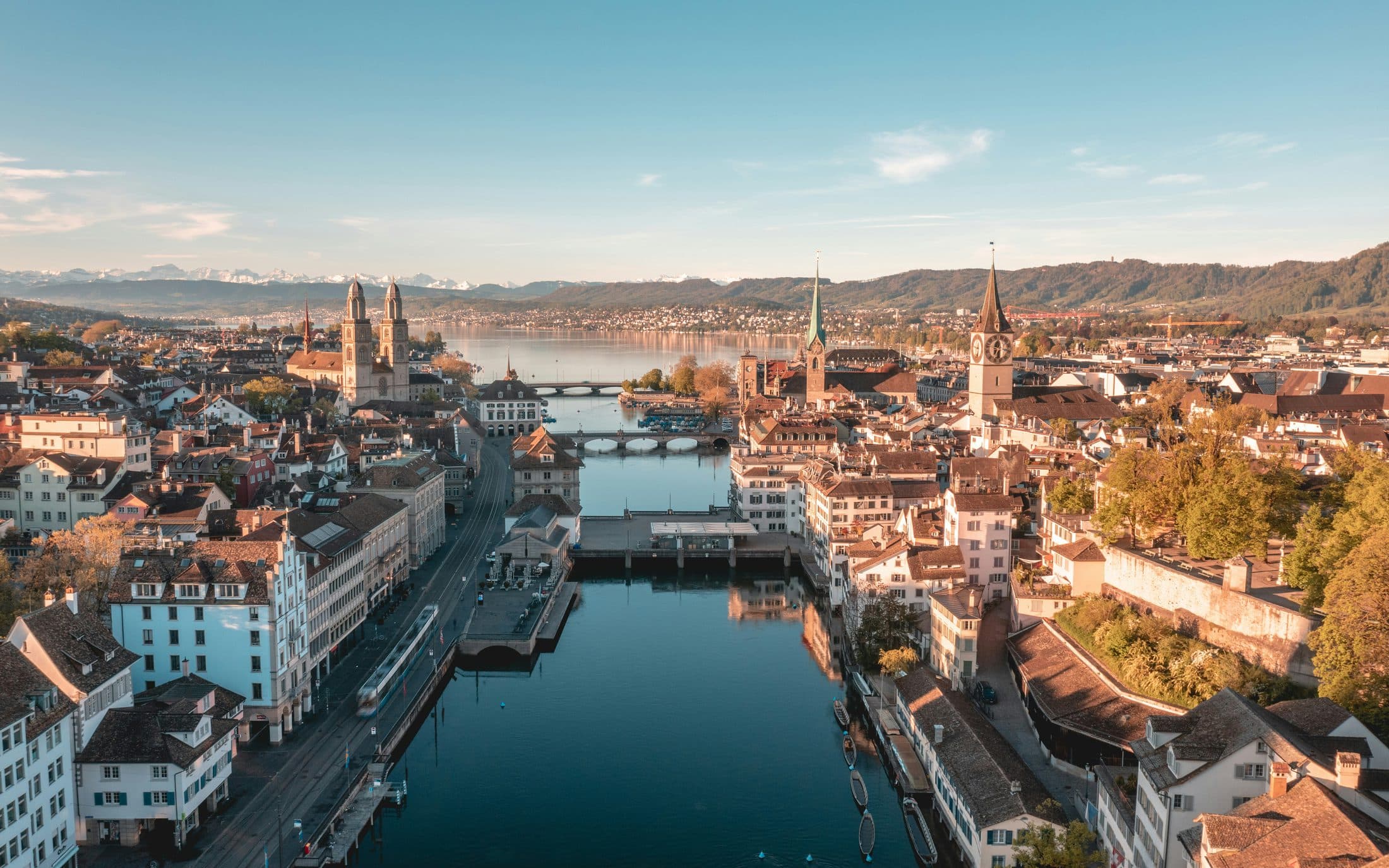
Switzerland
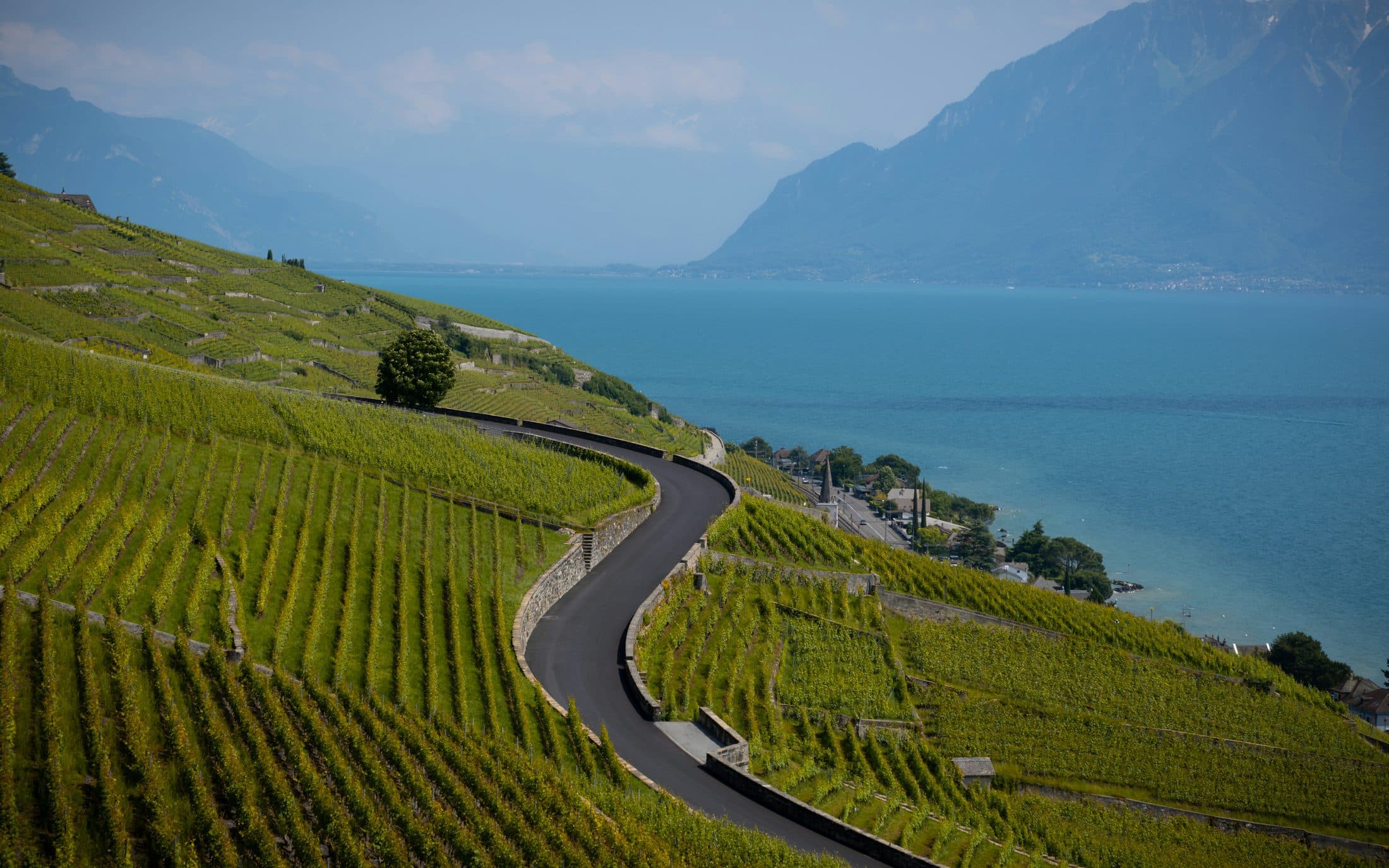
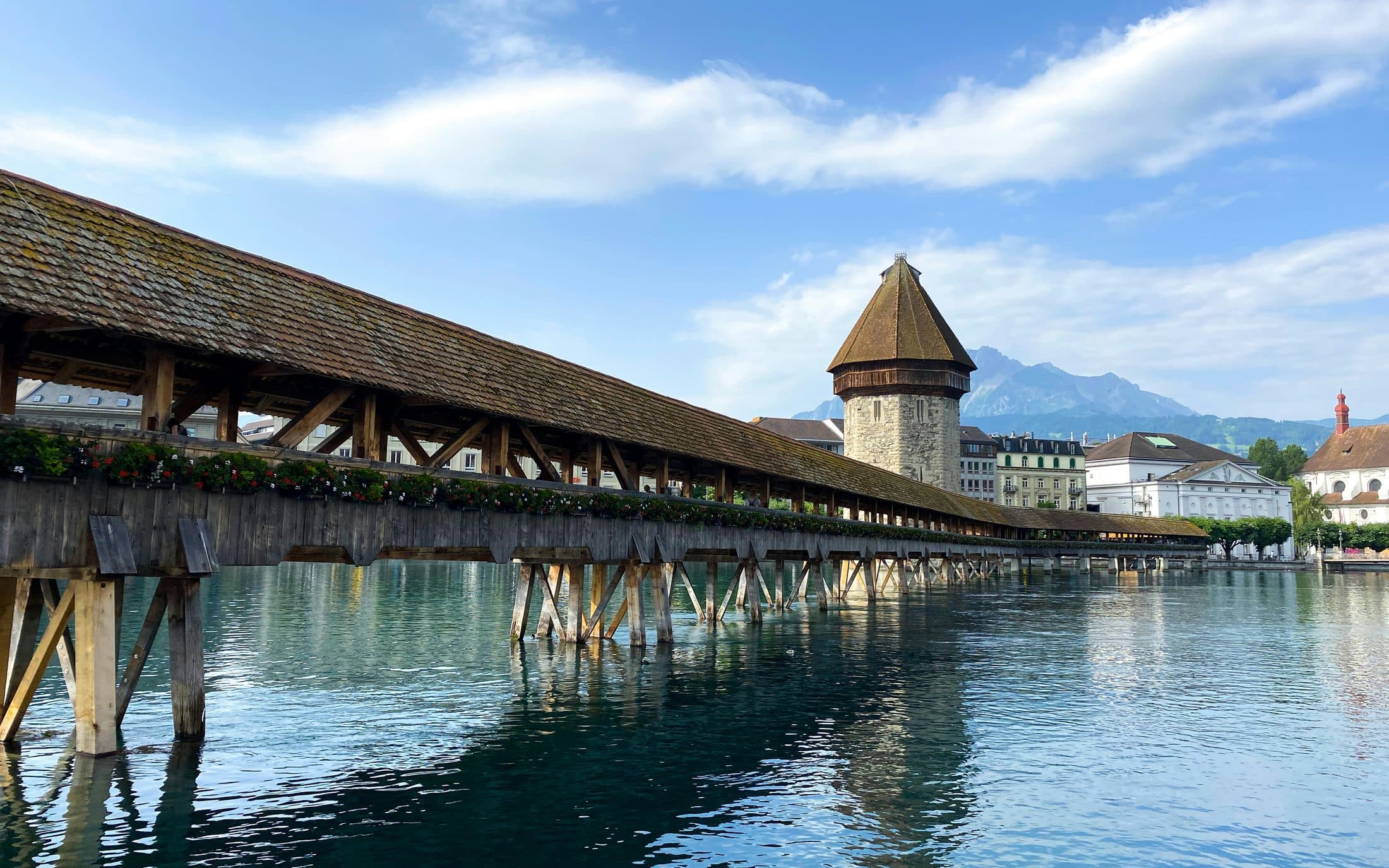
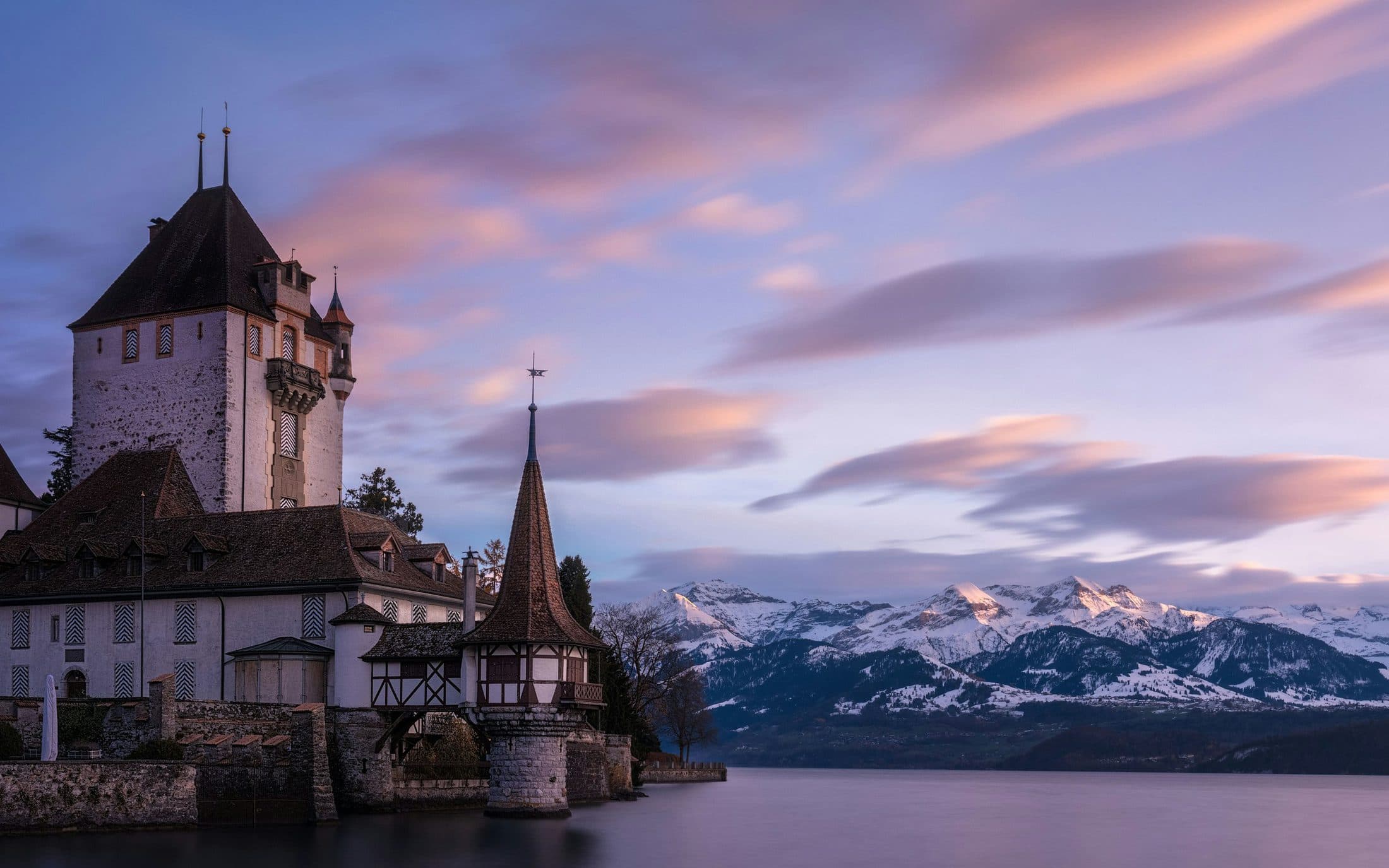
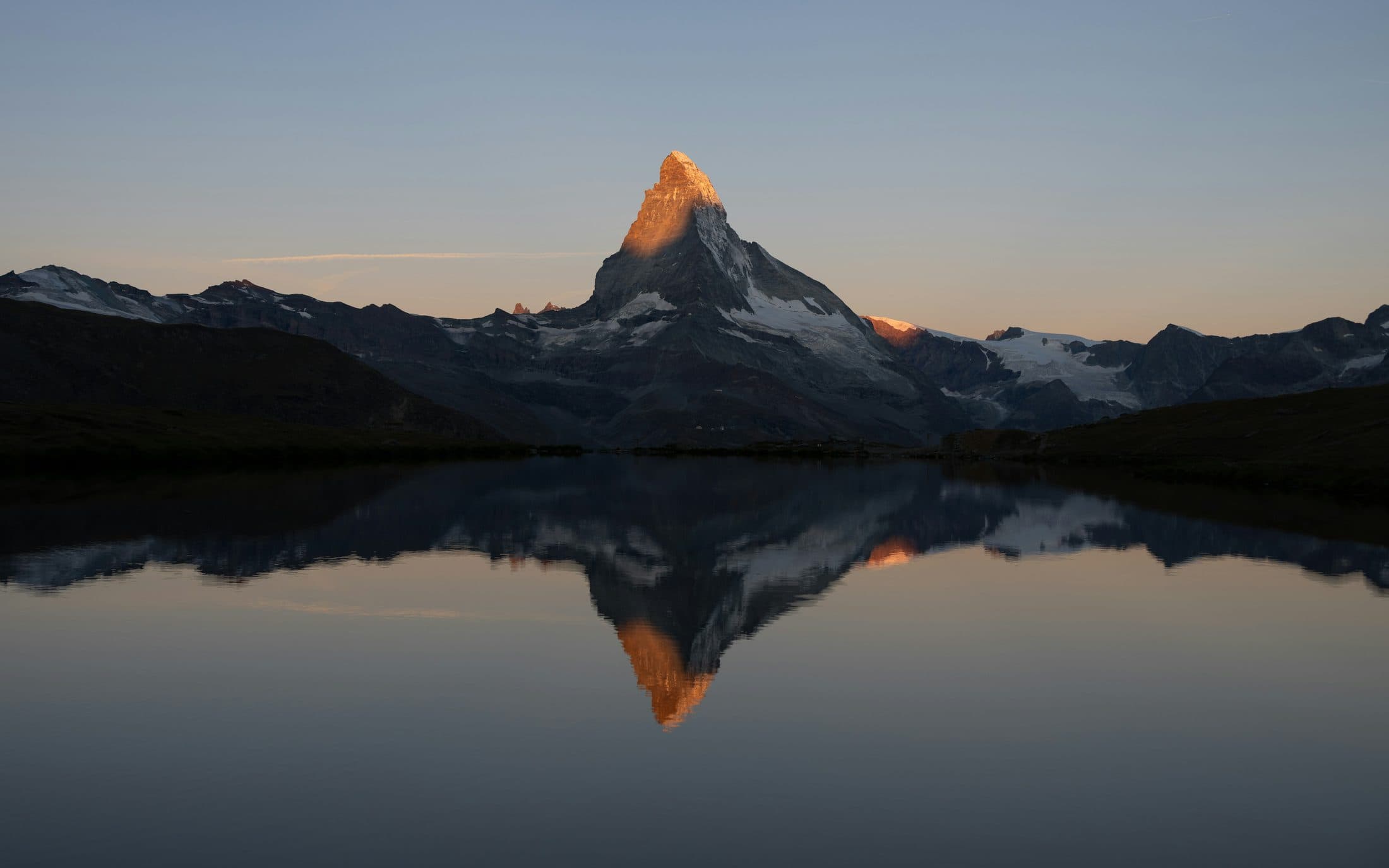
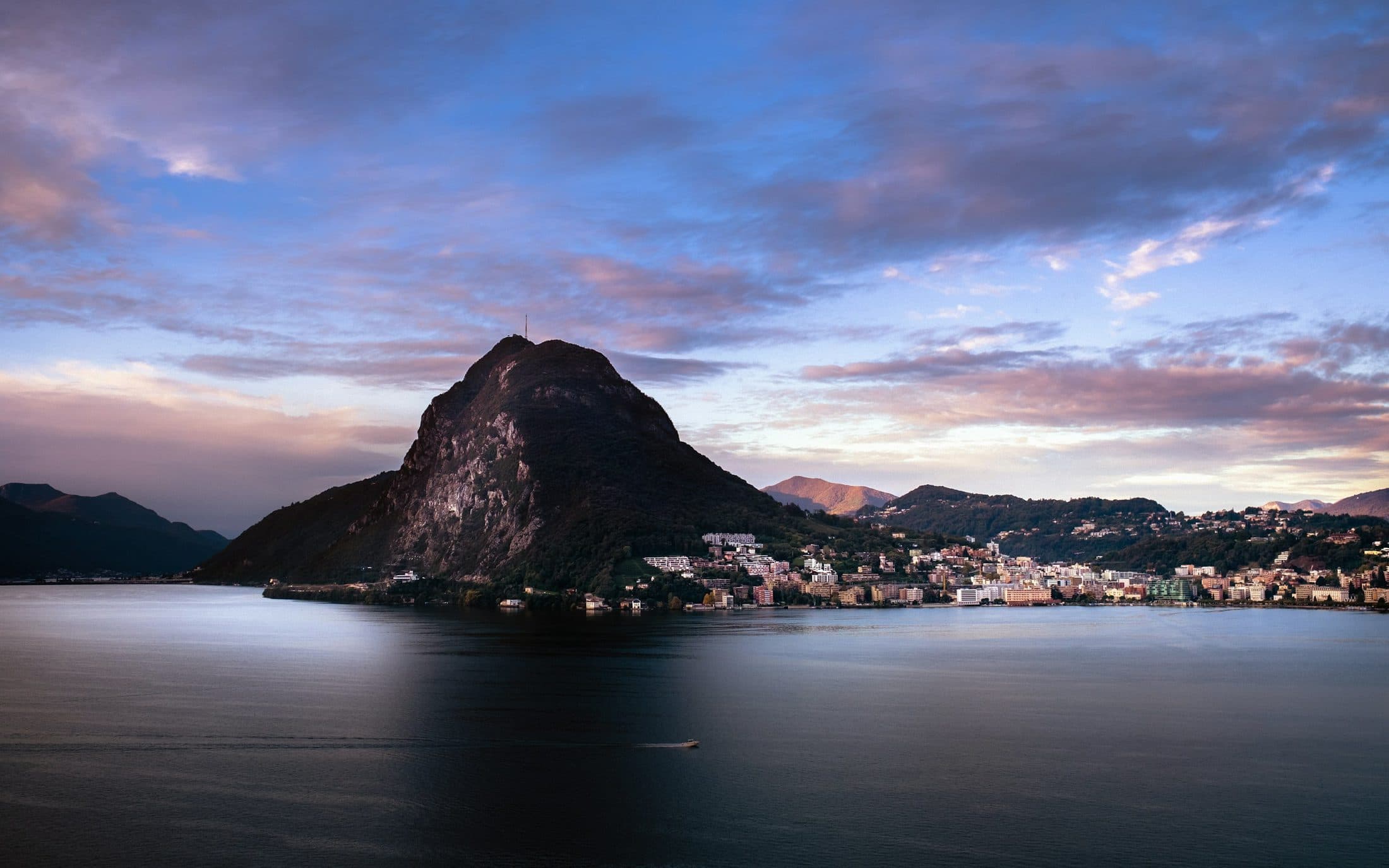
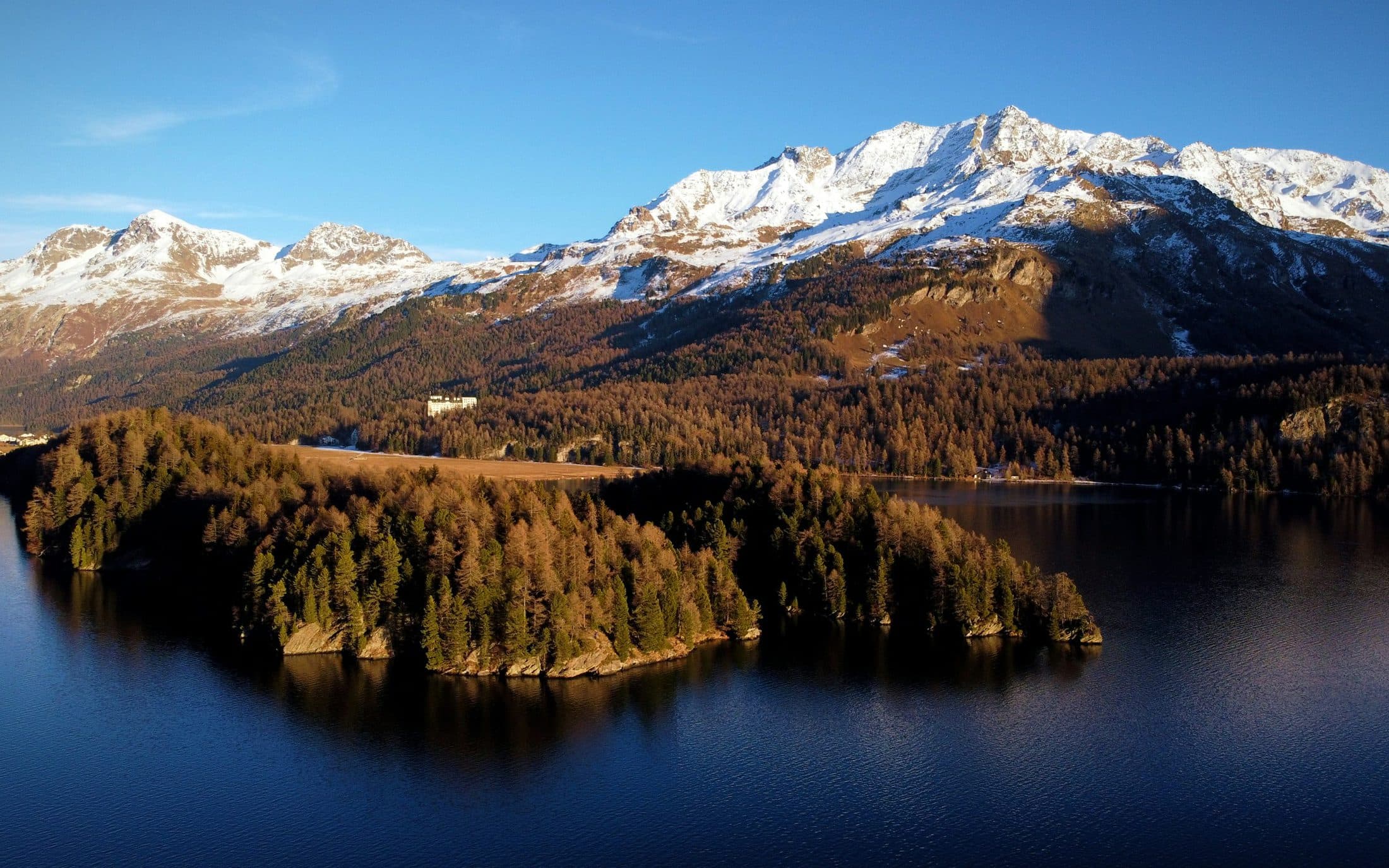
Zurich on its lake and river, Geneva and the vineyard terraces of Lake Geneva, Lucerne under its mountains, Interlaken between two lakes below the Bernese Alps, Zermatt and the Matterhorn, the lakes and palms of Ticino, and the high valleys of St. Moritz and the Engadin.
Switzerland fits lakes, cities and some of the highest mountains in the Alps into a small country, and the mountains divide its weather.
In summer Zurich, Lucerne and Interlaken have 12 or 13 days a month with 1 mm of rain or more and Sion, in the Valais, about 8, while Lugano, south of the Alps, is warm enough for palms, with July highs of 27 °C. At Zermatt and in the Engadin summers stay cool and winters are deep, with January nights of −7.5 °C to −16 °C. The evenings swing with the year: the sun sets after nine at midsummer and before five at midwinter.
Couples from abroad can marry here legally, without living here, in one way only: before a civil registrar, in a wedding room of a registry district they choose, after a preparation procedure that usually runs through the Swiss embassy where they live and can take months. If you are both foreigners living abroad, the canton must give its permission too. A church wedding can only follow the civil one, and a symbolic ceremony has no legal weight, so couples can also sign the papers at home and celebrate here, on a lakeshore, among the vineyards of Lake Geneva or in an alpine valley. Same-sex couples have been able to marry since July 2022.
7 places
City, lakes or high mountains: each has its own light, landscape and best months. Start with the one that feels like you.
Through the year
Dark: the easiest months. Outlined: they work with some planning. Grey: the quieter, wetter or hotter part of the year there.
The seasons
The legal basics
What makes a wedding legally binding in Switzerland, in short. Couples from abroad can marry here — the Federal Office of Justice calls it a ‘tourist marriage’ — but only before a civil registrar, after a preparation procedure that can take months.
The preparation procedure comes first. If neither of you lives in Switzerland, the office that will marry you runs it, and you file through the Swiss embassy or consulate where you live: the form, proof of residence, ID, and birth and civil-status documents, as originals no older than six months, with a certified translation into German, French or Italian where needed. You sign your declaration there, in person. Two foreigners who both live abroad also need the permission of the canton’s supervisory authority (CHF 200), on proof that your country will recognise the marriage — normally a certificate of capacity to marry. Every non-Swiss partner proves lawful stay up to the wedding: for a tourist marriage, a valid passport or ID, or a visa if your nationality needs one. The procedure can take weeks or months, so Geneva and Vaud advise fixing no date until it closes; then you have three months. Switzerland isn’t in the EU, so the EU’s exemption from apostilles doesn’t cover these papers: ask what yours need. An ordinary civil wedding costs about CHF 300 to 400; couples from abroad pay the embassy and the permit on top.
Rules, documents and fees change and depend on your nationality and the canton: always check with the Swiss embassy or consulate where you live and the civil registry office where you will marry — and, for photos or a drone in a protected area, with the site — before you set a date.
Photographers
Hand-picked and ID-verified: whole weddings, packages and real calendars — pick one, check your date.
All photographers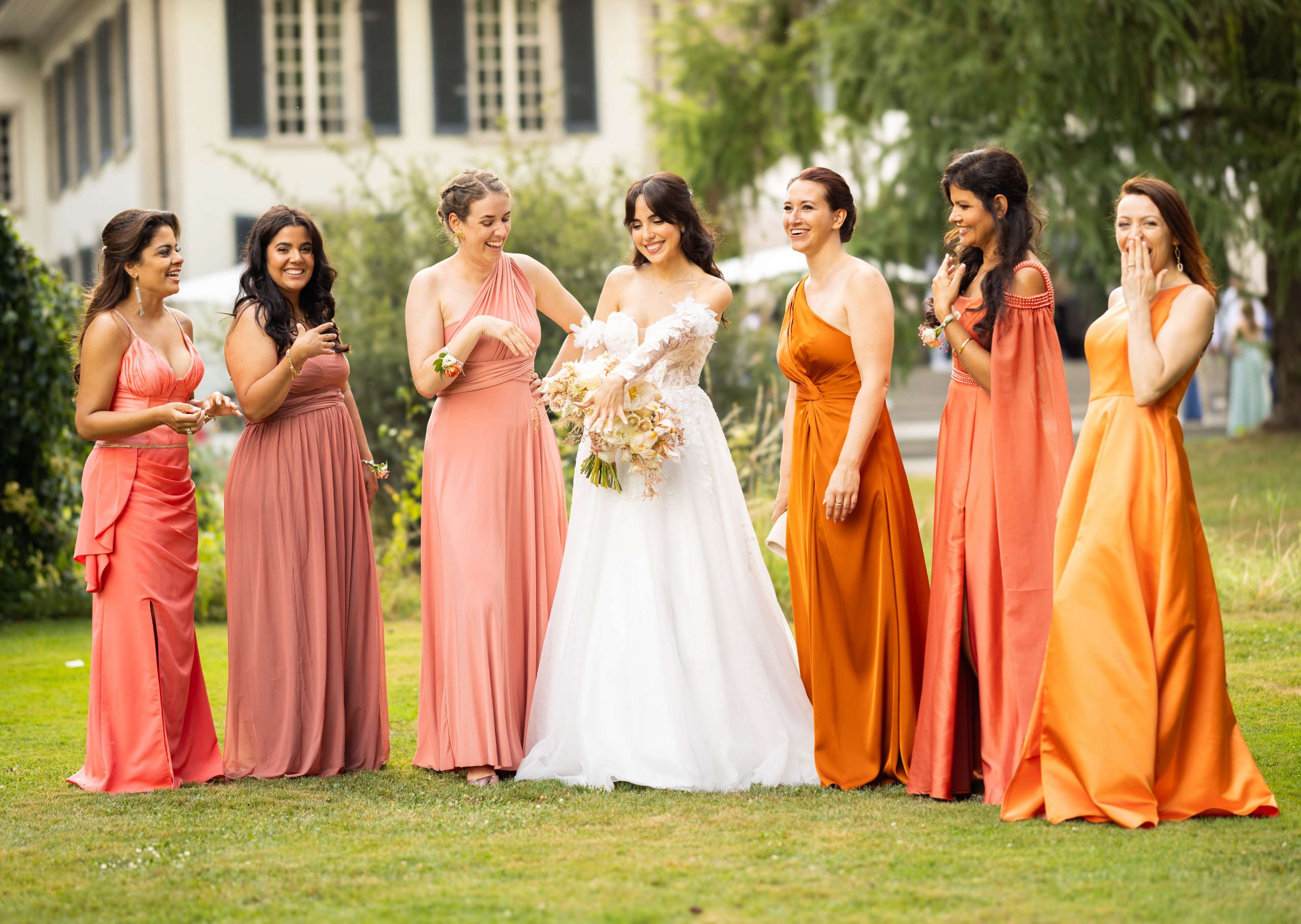
Booking through Lens & Vows
Plan your wedding
All the countries we work in · More countries are coming.
Not sure yet?
The place, the date, the guests, the photos you like. Our concierge checks who is free and fits, and comes back with photographers to choose from.