Founding photographerVerified — Identity verified by Lens & Vows
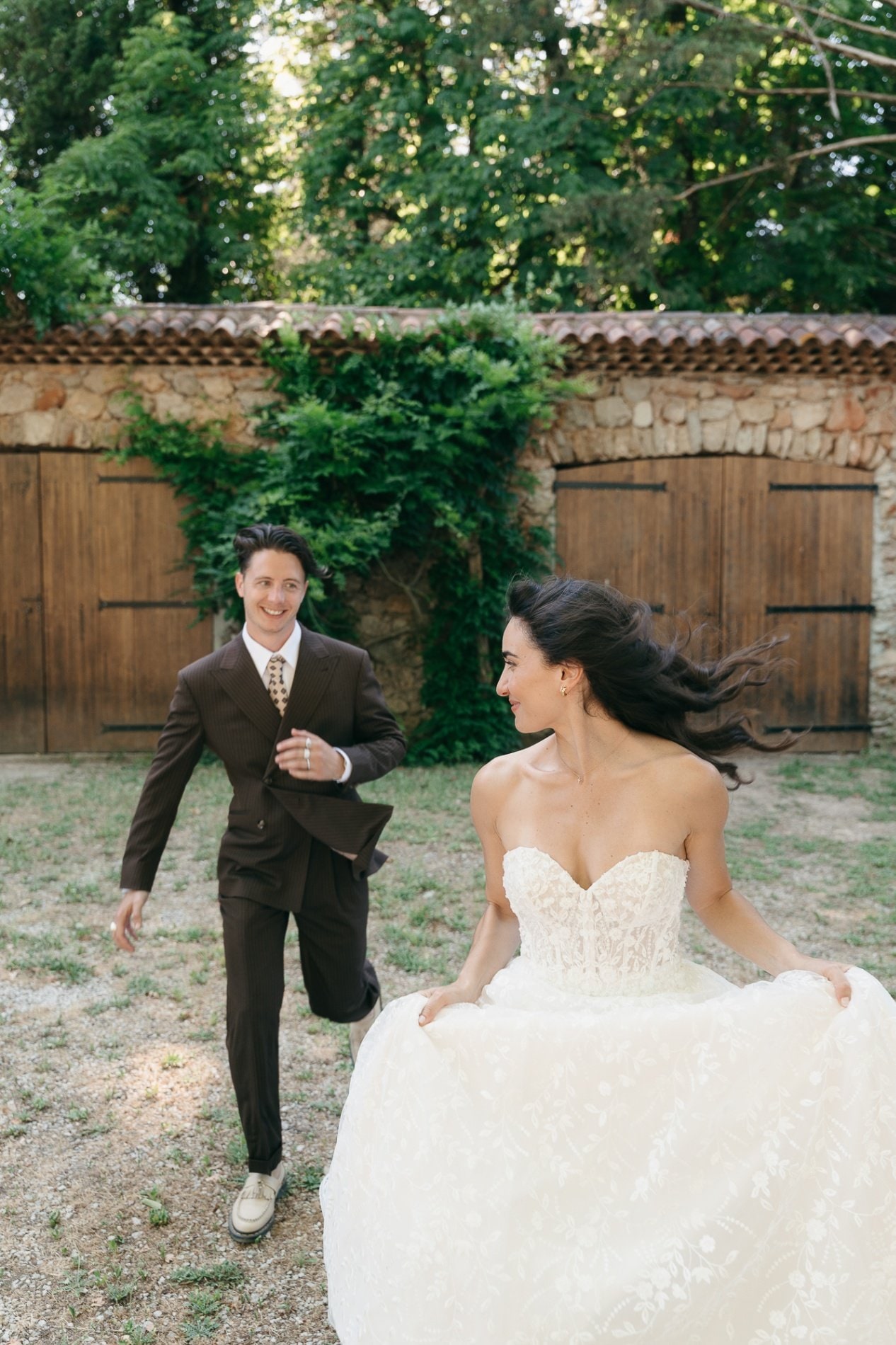
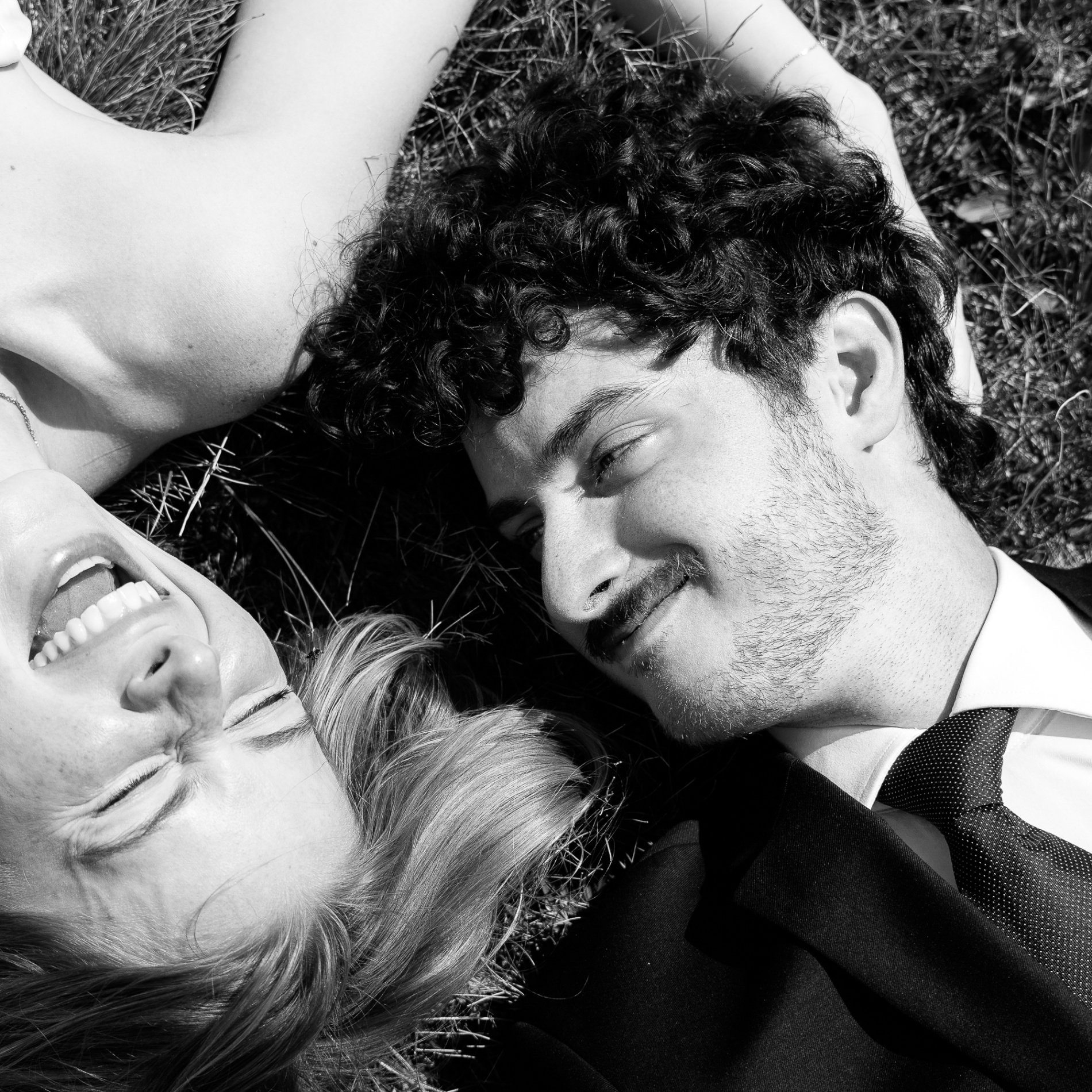
Dani H.from €4,500
Interlaken & the Bernese Oberland, Zurich +41 · Documentary, FilmBased in Austria · travels to weddings in SwitzerlandWedding photographers in Switzerland
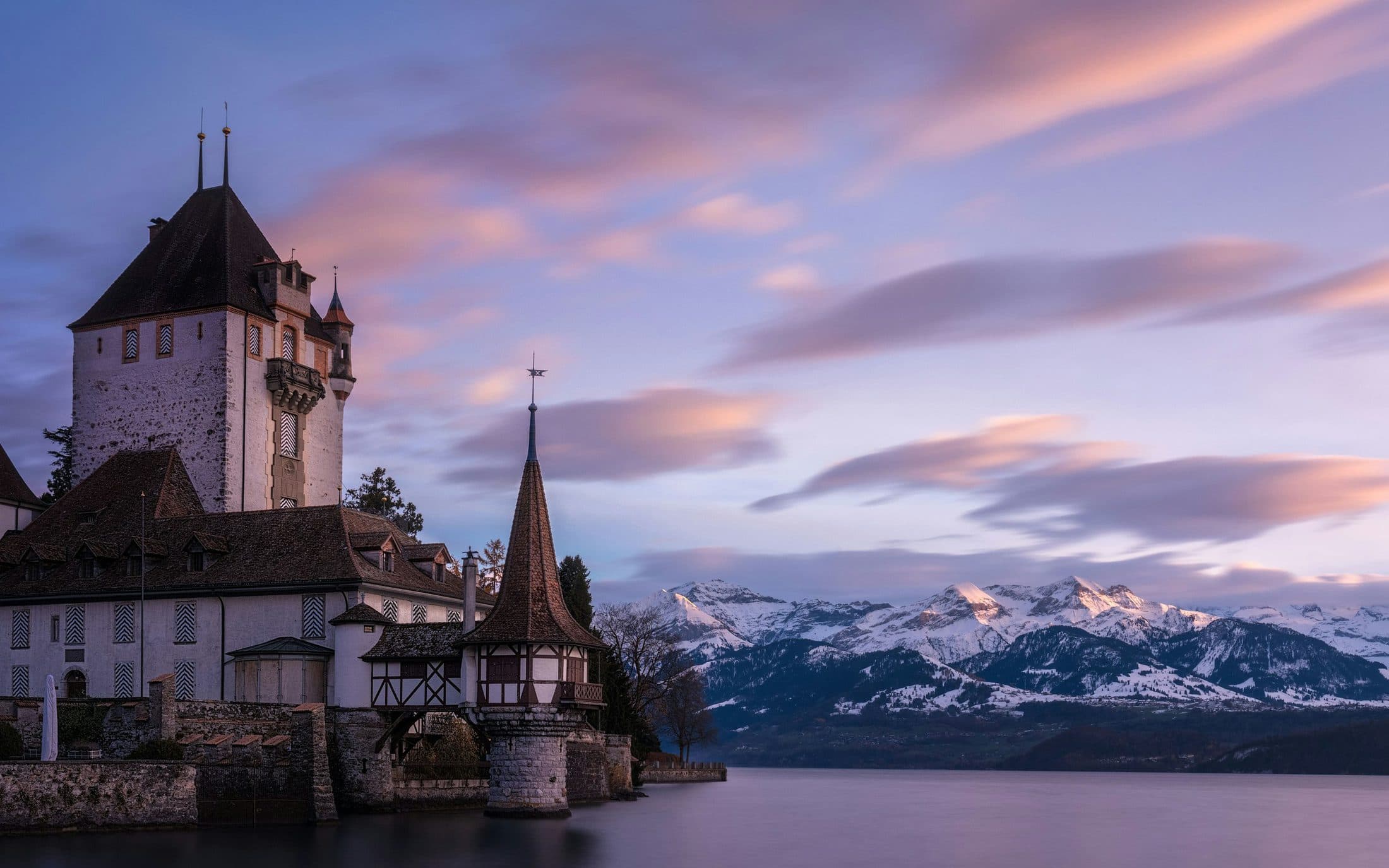
Two lakes and the Eiger, Mönch and Jungfrau above them: castles on the shore of Lake Thun where a registrar can marry you, a valley of waterfalls at Lauterbrunnen, and villages you reach only by train or cable car.
Interlaken lies on the flat land between Lake Thun and Lake Brienz, with the high peaks of the Bernese Alps to the south.
On the shore of Lake Thun stand Thun’s castle above its old town, Oberhofen’s tower at the water’s edge and Spiez’s castle above a bay of vineyards. South of Interlaken the Lauterbrunnen valley runs between sheer walls, with 72 waterfalls and the car-free villages of Wengen and Mürren on the terraces above; Grindelwald lies at the foot of the Eiger. Beyond them begins the Swiss Alps Jungfrau-Aletsch, a UNESCO World Heritage site.
Couples marry here in small groups: a civil ceremony in a castle or on the Harder Kulm, then portraits by the lake or up in the valley, with Zurich Airport a little over two hours away by train. In Switzerland only a civil registrar can marry you, after a preparation procedure with the registry office; a religious or symbolic ceremony alone is not a legal marriage, and a church wedding can only follow the civil one. Rooms and dates are the registry office’s to confirm: ask it before you count on one.
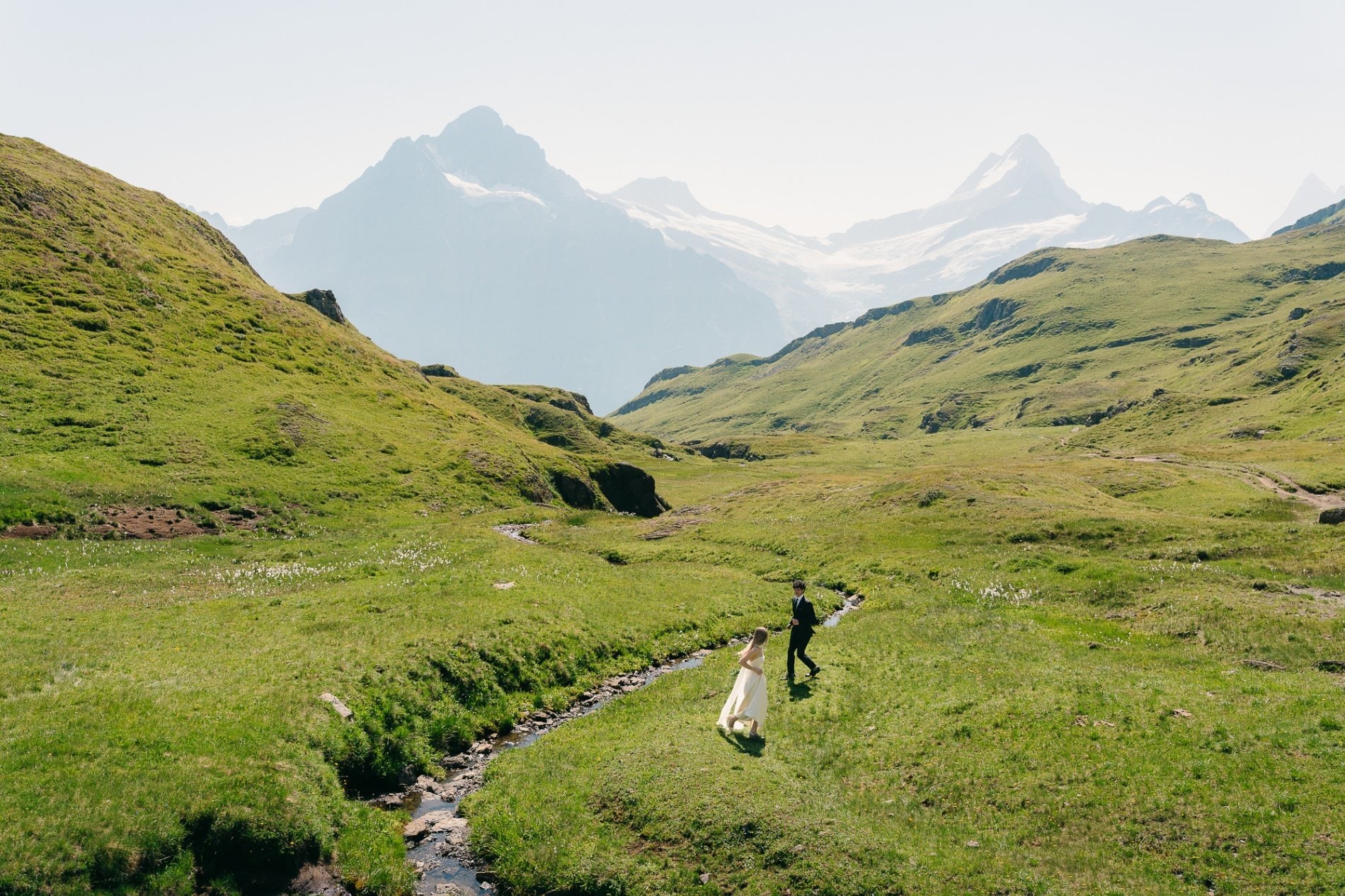
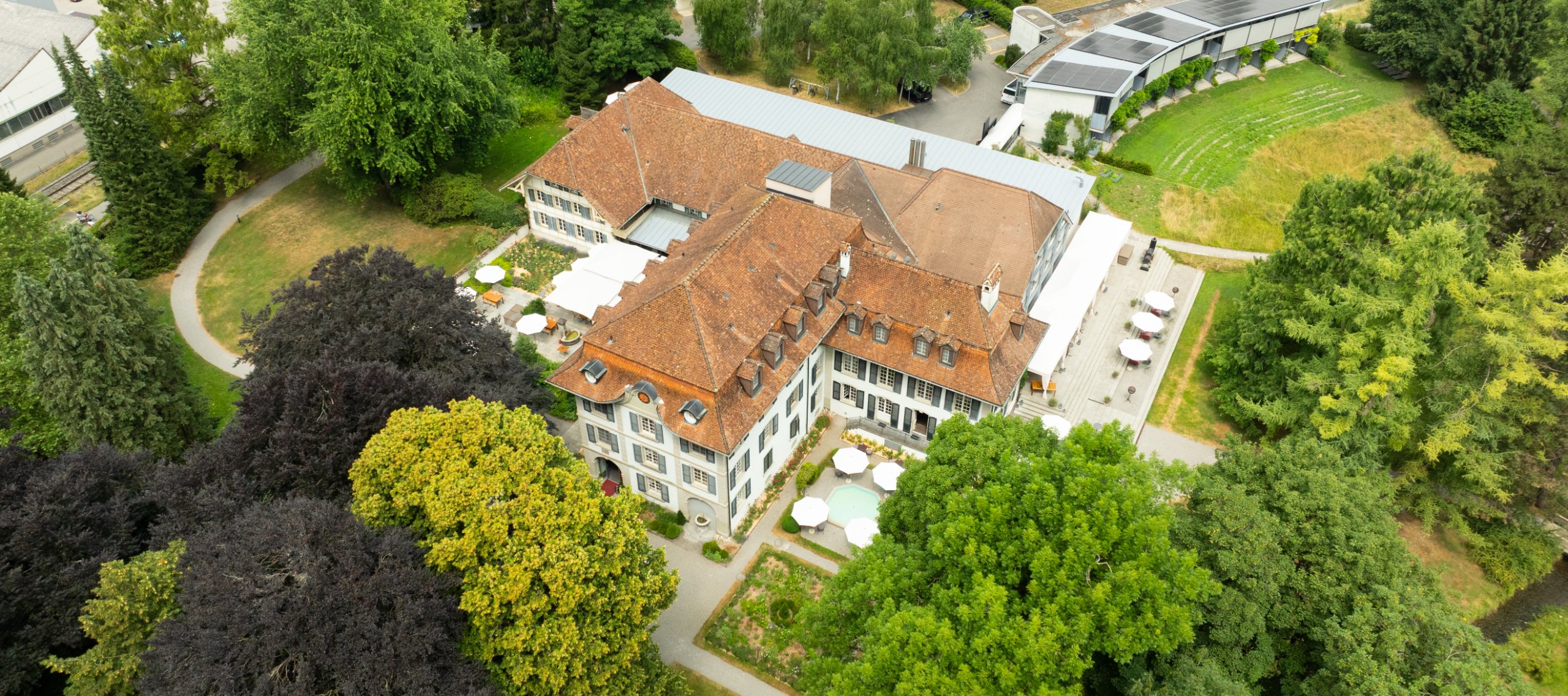
Photographers
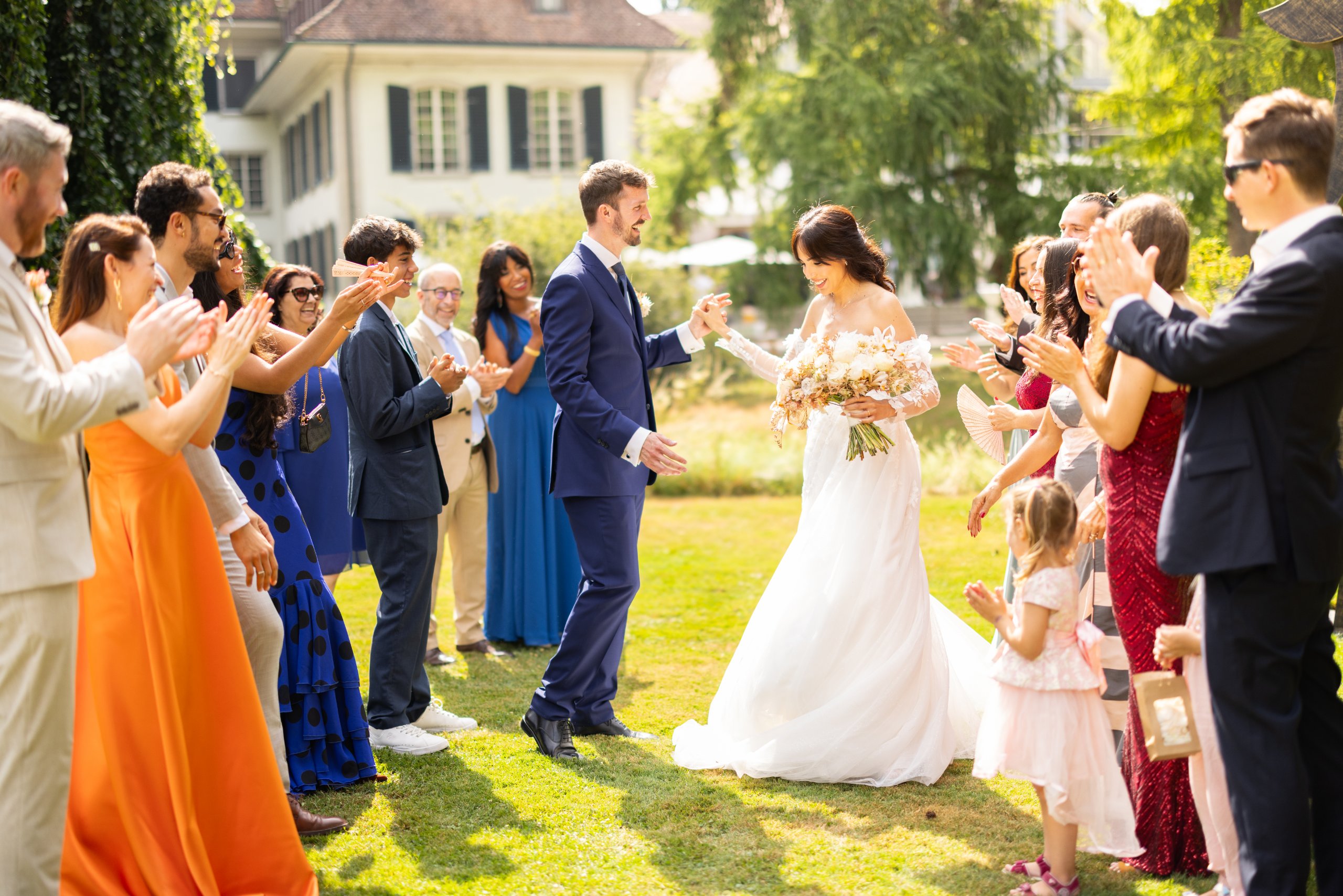
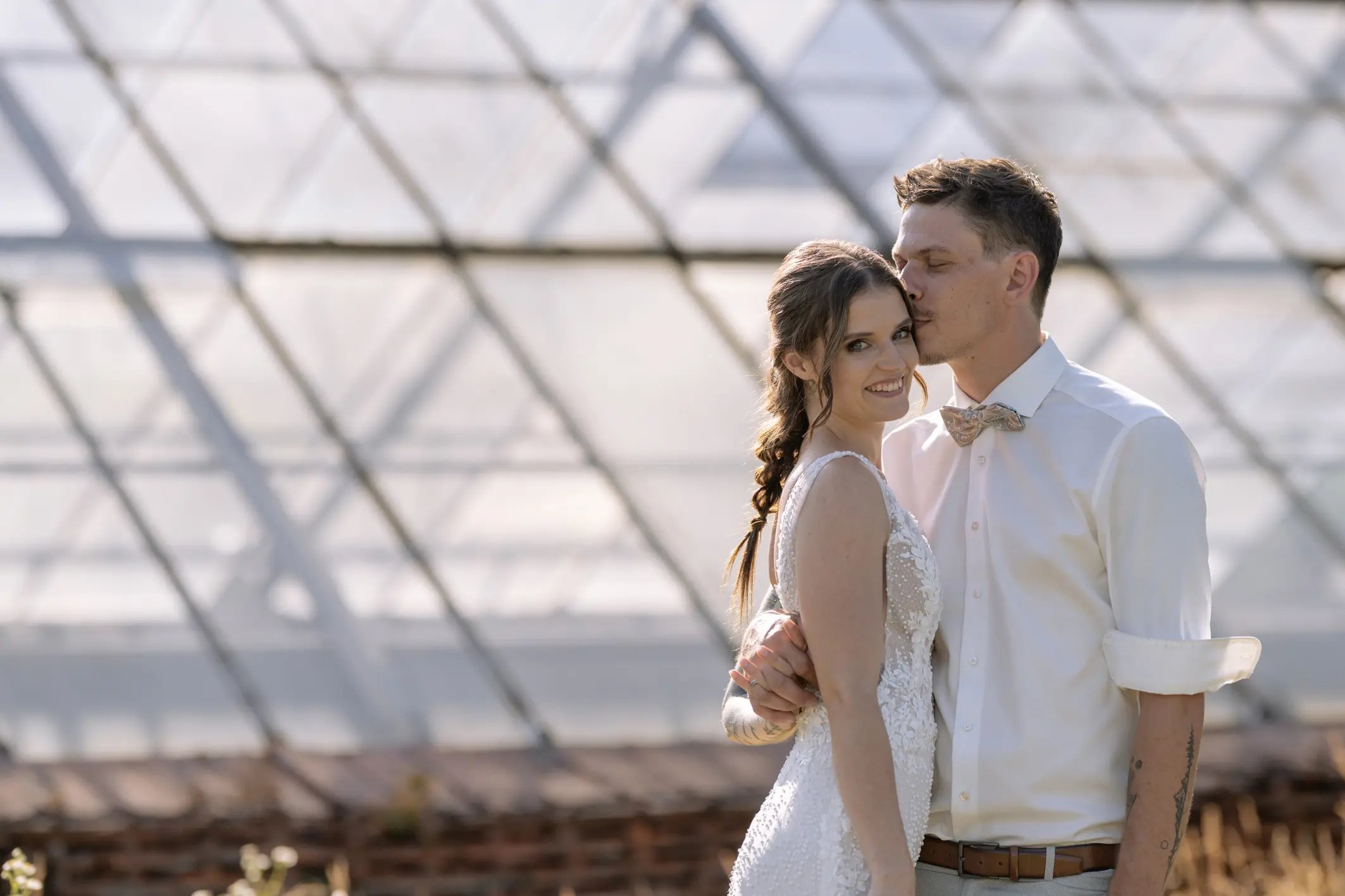
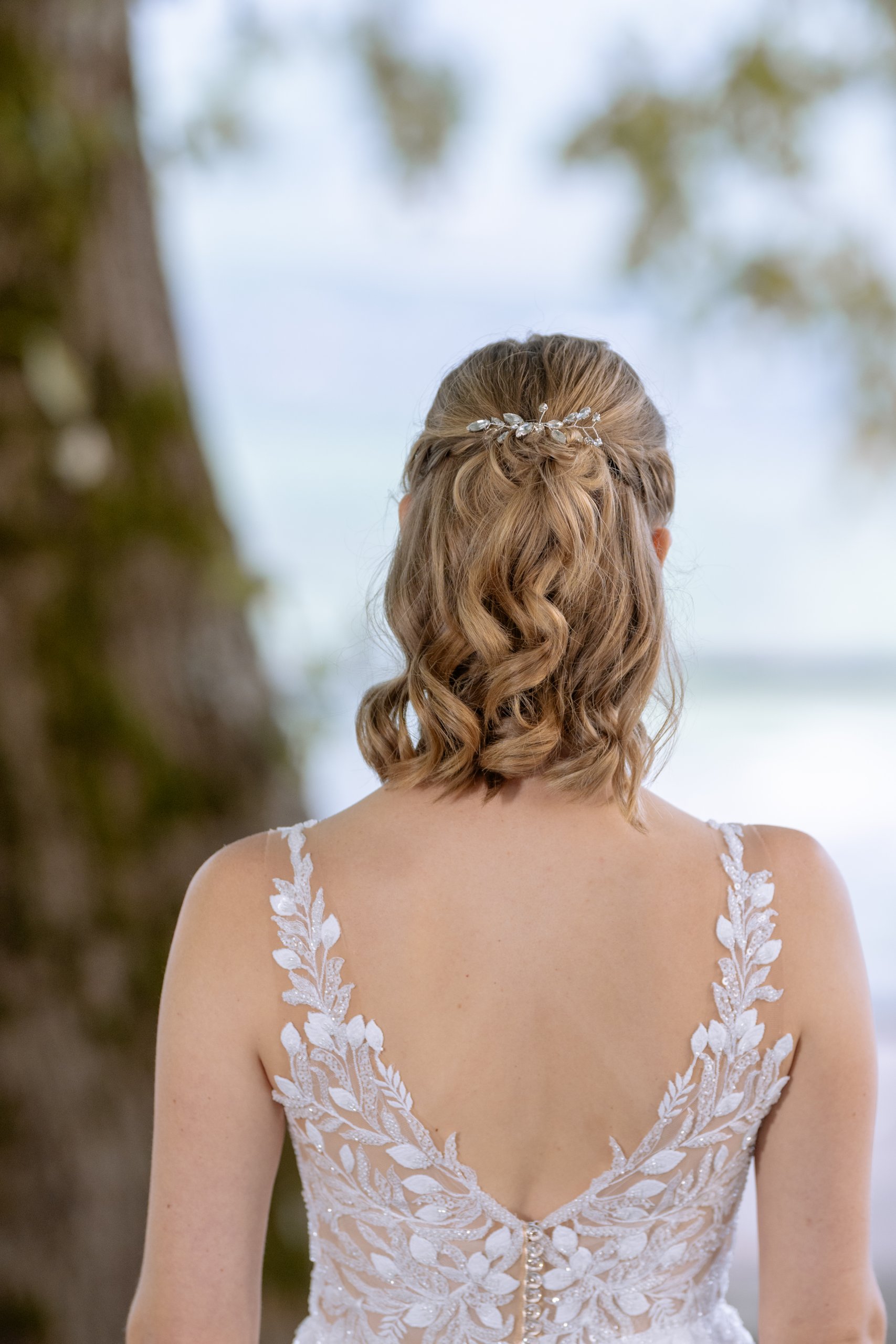
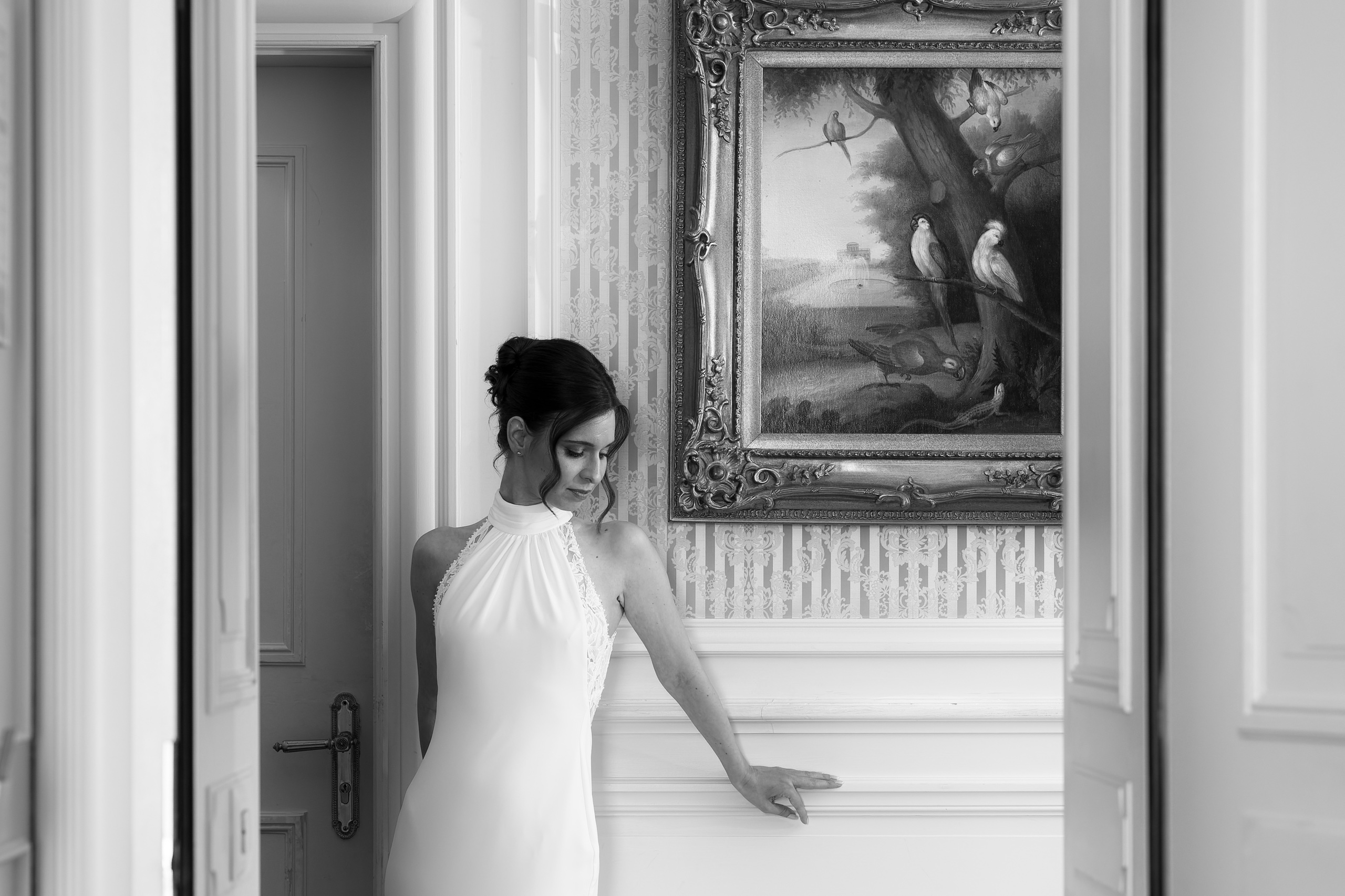
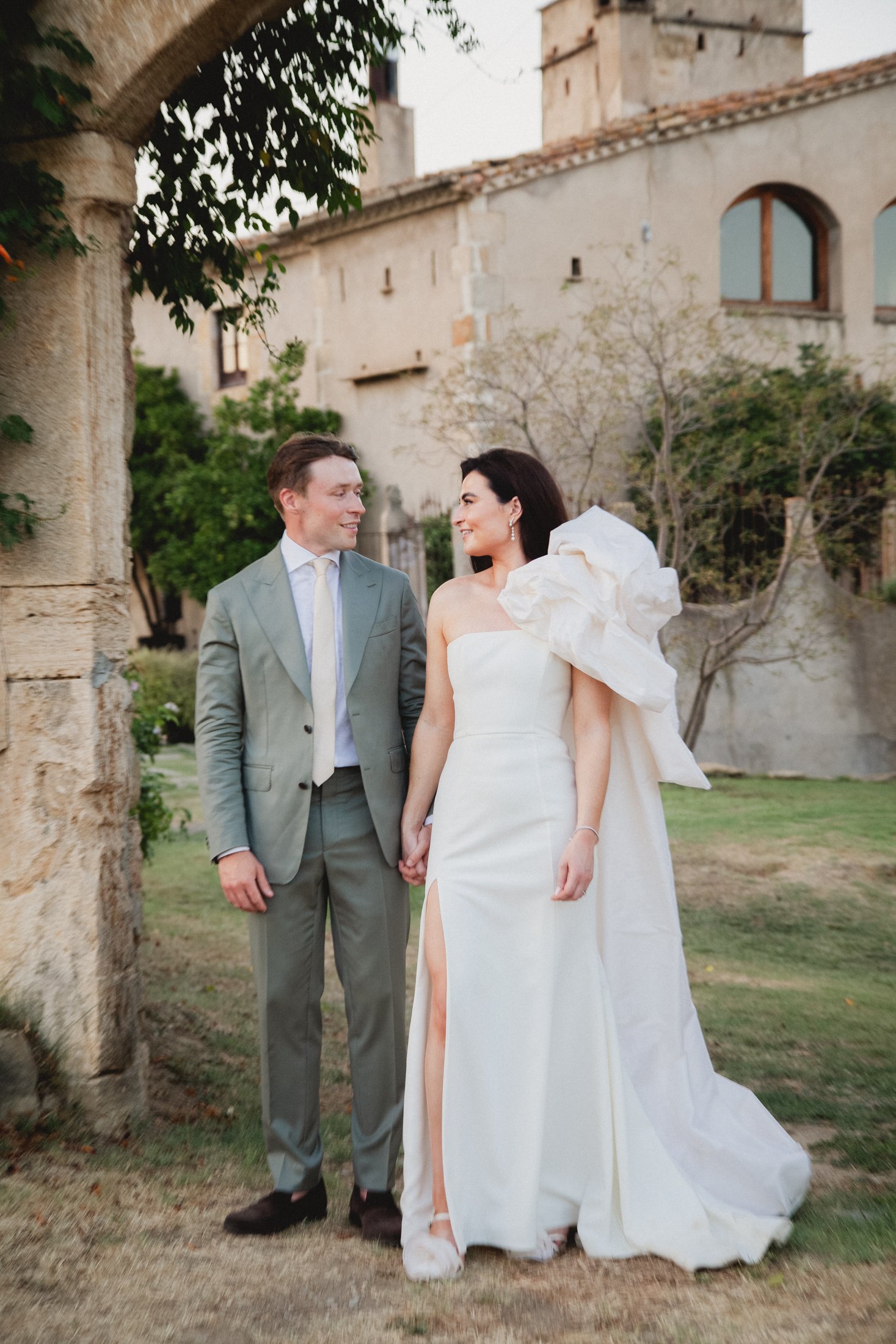
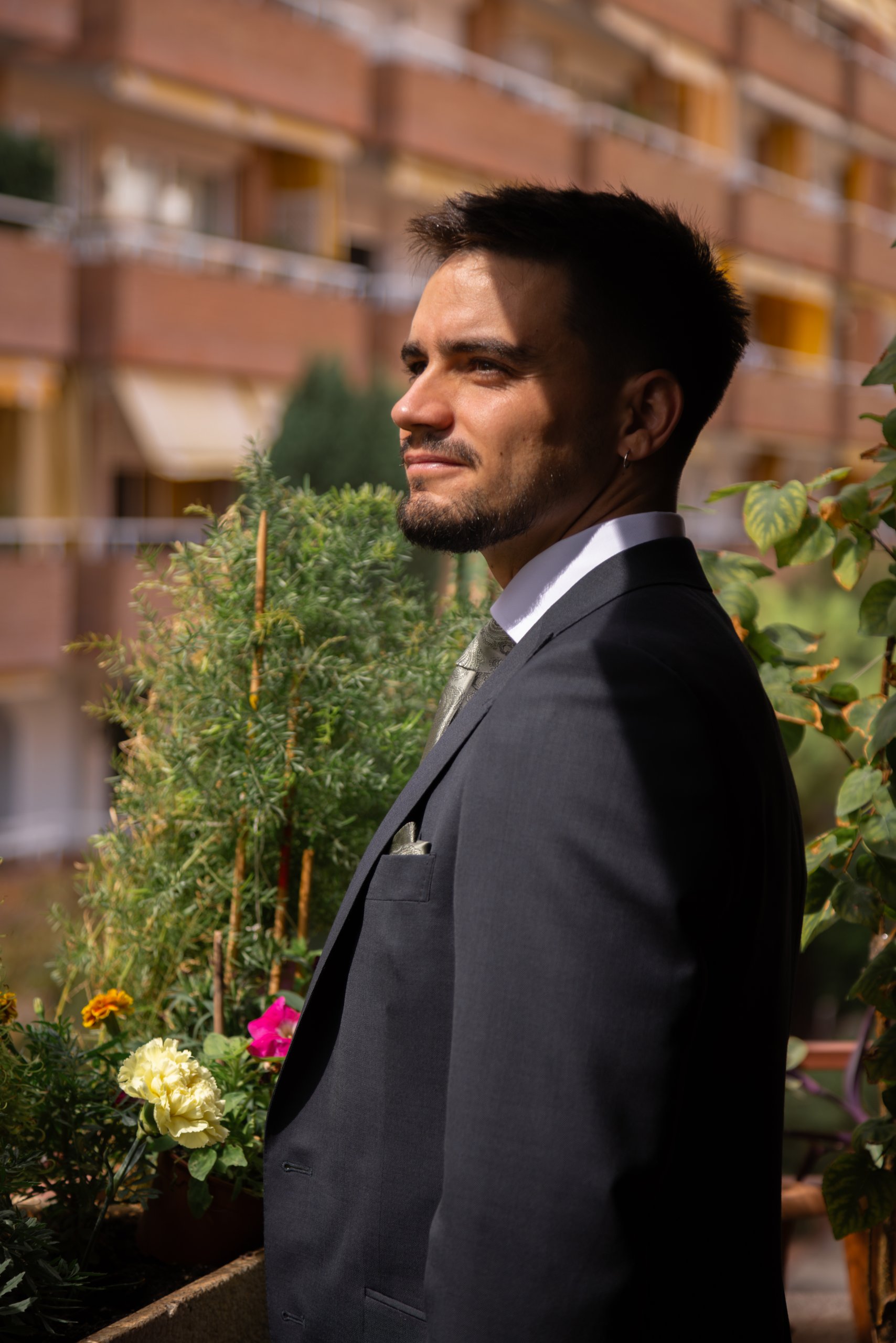
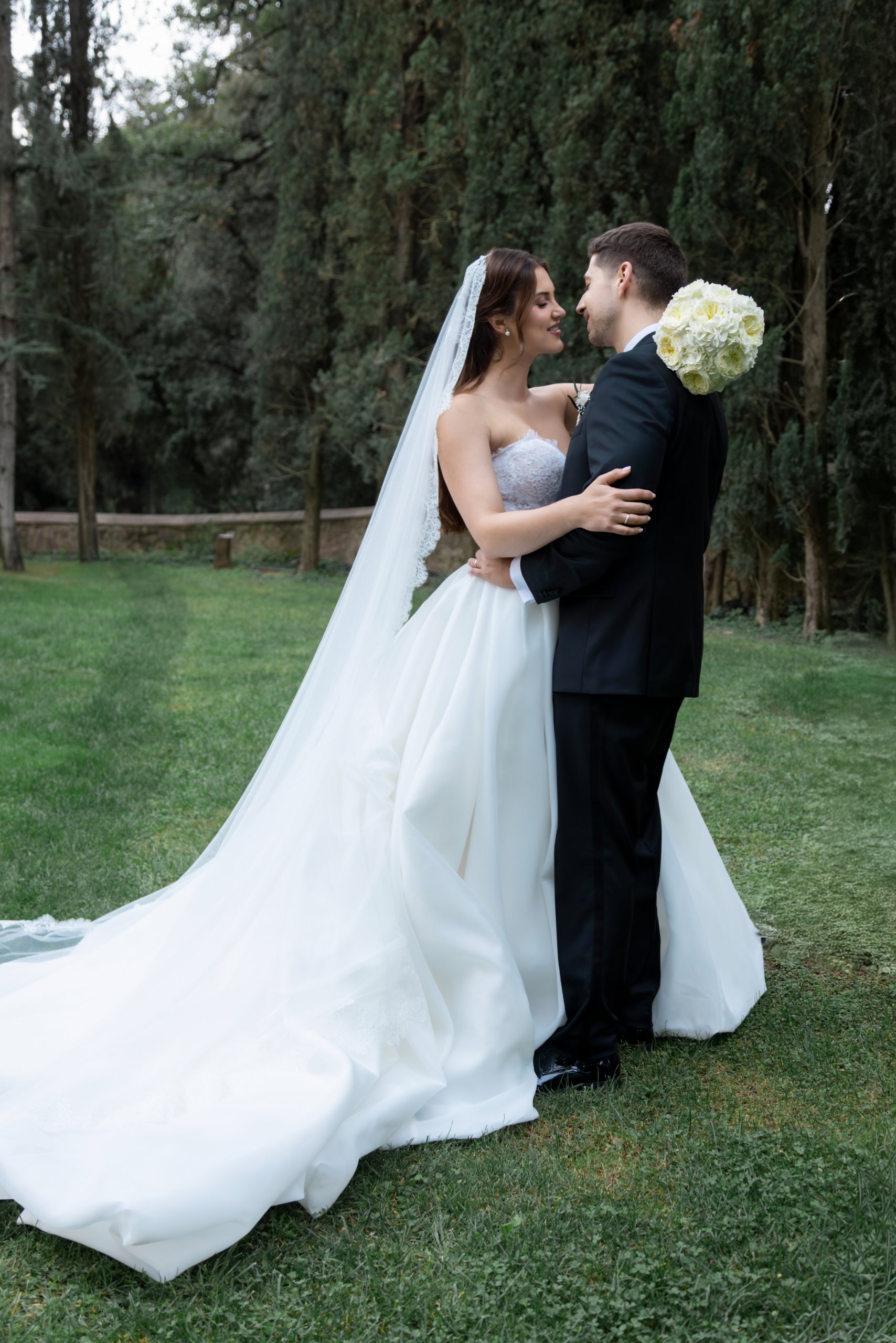
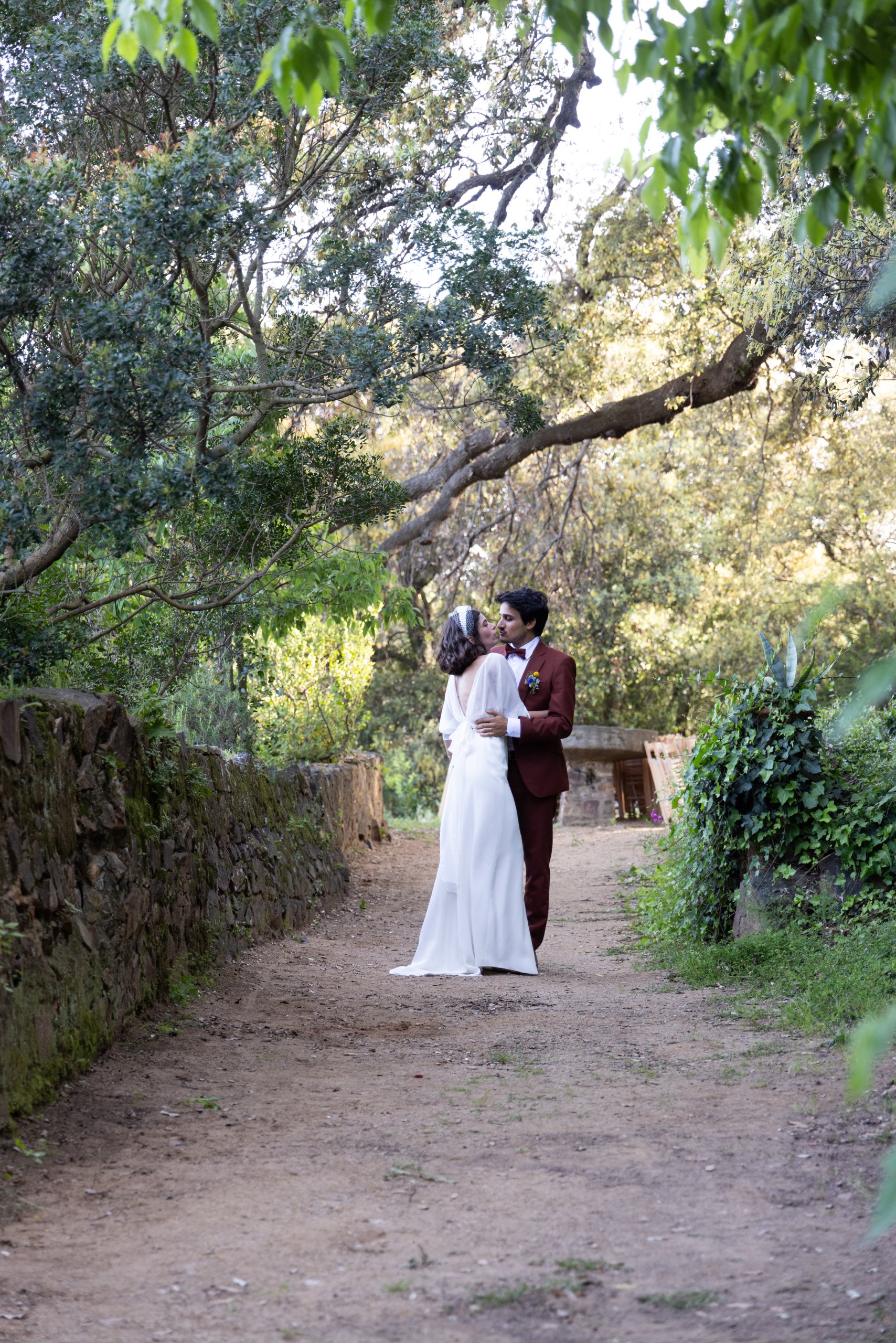
They shoot here and know the light. Their whole weddings are on their pages.
See all 6 photographers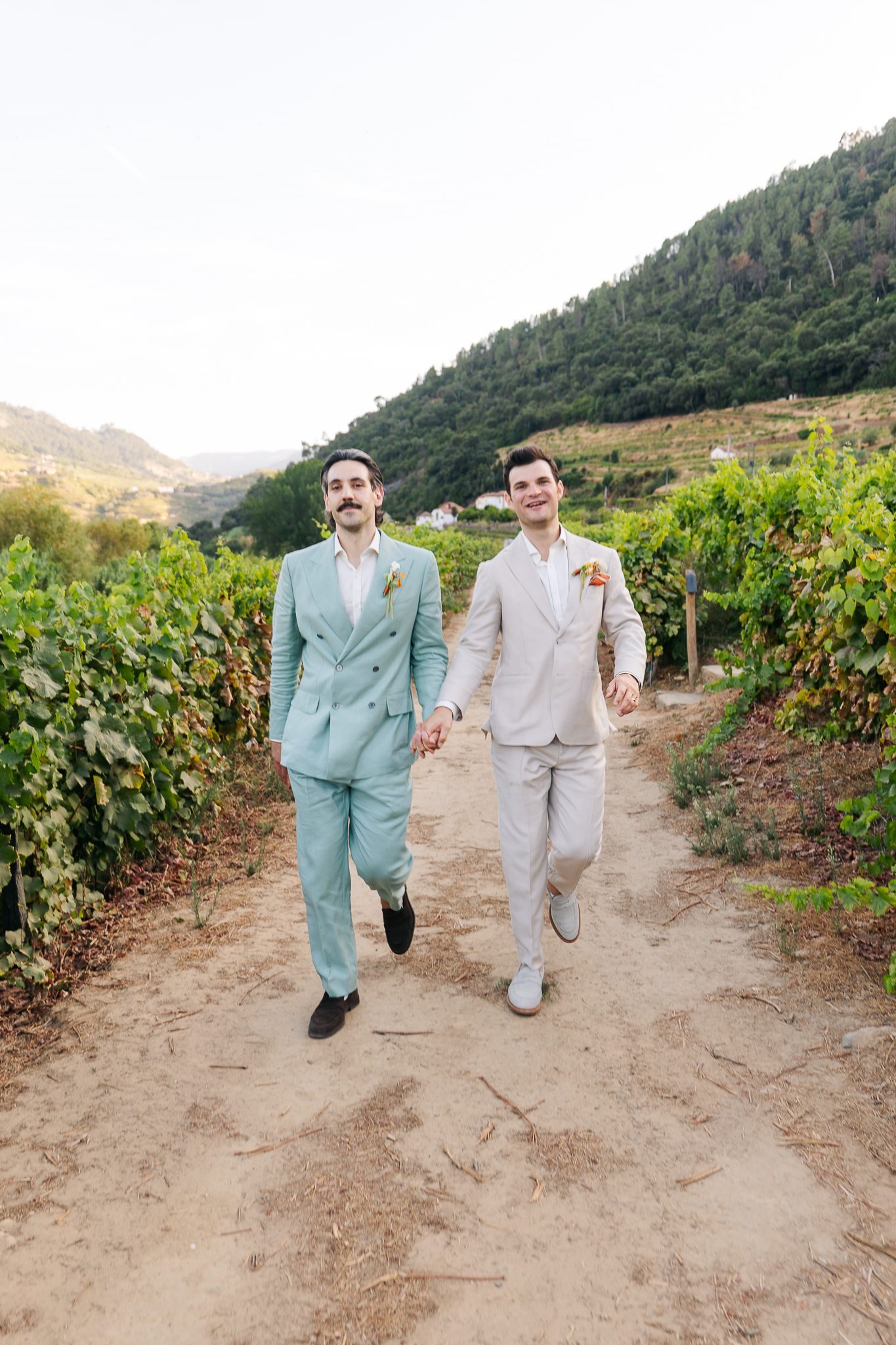





Booking through Lens & Vows
Through the year
June to September is the season: in MeteoSwiss’s 1991–2020 normals for Interlaken the highs are 19 to 24 °C, and July is the warmest month, at 24.3 °C. It is also the wettest stretch, with rain of 1 mm or more on about 13 days a month from June to August and 146 mm in each of July and August. September is the calmest of the four, with 9.5 rainy days and sun for 53 % of the possible hours. May is 18.7 °C with 12.5 rainy days, and October 14.1 °C with 9.3. Wherever you marry, keep a plan under a roof: a castle room, or a boat on the lake, when the cloud comes down and hides the peaks.
Weather station: Interlaken, normals 1991–2020 · Checked 2 November 2026
Places
The kinds of places — ask your photographer which ones they know well.
The canton of Bern lists 25 wedding rooms outside its registry offices, and three of the best sit on this lake: Oberhofen Castle, its tower rising from the water (50 guests), Spiez Castle above its bay (30) and the castle hill at Thun (30). Ceremonies are held in German, on fixed dates, mostly Friday afternoons, and can be booked by telephone from a year ahead; in November 2026 most of Oberhofen’s 2027 dates were already taken. Ask each castle about portraits in its grounds. The boat from Thun to Interlaken stops at Spiez.
Interlaken’s own mountain, 1,322 m up, ten minutes by funicular from the town, with a view down to both lakes and across to the Eiger, Mönch and Jungfrau. The registrar marries here too, in a room for up to 16 guests, the smallest on the list. In 2026 the funicular ran from 3 April to 29 November; the last one down is the time to plan the evening around, so check the timetable before you book.
The village takes its name from its 72 waterfalls, and its landmark is the Staubbach, falling nearly 300 m down the cliff behind the houses, strongest after rain and early in the season when the snow is melting. Wengen and Mürren, on the terraces above, have no cars: guests come up by train or cable car, so plan dresses, flowers and elderly relatives around the timetable. These are valleys and meadows that people farm and walk through, so stay on the paths.
Iseltwald, on Lake Brienz, is known for a jetty from a Korean television series: a turnstile charges five francs a visitor, and up to a thousand a day were reported in 2025, so don’t plan a quiet portrait there. Above Kandersteg, Oeschinensee lies at 1,578 m in the World Heritage site; the lake’s cable car says plainly that events such as weddings are not allowed there and that all commercial events and every drone flight are forbidden by court order, with rangers checking. Go as visitors, or choose another lake.
Light
At midsummer the sun sets at about twenty-five past nine in Interlaken and rises at about twenty-five to six; on 21 December it is up from about ten past eight to about a quarter to five. From ten degrees above the horizon to sunset takes about an hour and ten minutes in June, and dusk lasts about forty minutes more. Clock times mean little in the deep valleys, though: at Lauterbrunnen the walls take the sun long before it sets, so a photographer here plans by the cliffs and not the calendar. Lake Thun’s north shore is the easy one, with the water and the Alps to the south and, on a clear evening, the last light pink on the snow.
Travel
Zurich Airport is about 130 km from Interlaken by road, just under two hours, and about two hours twenty-five by train with changes; Geneva Airport is about 215 km, two and a half hours, and a little over three hours by train. From Interlaken Ost the train to Lauterbrunnen takes 22 minutes. By road, Spiez is about 18 km, Thun about 31, Grindelwald about 20 and Lauterbrunnen about 12. Switzerland has applied the EU’s drone rules since 2023: the operator registers (at home if that country is an EASA member, otherwise in Switzerland), even for a camera drone under 250 g, holds a pilot’s certificate and CHF 1 million of liability insurance from 250 g, flies in sight, below 120 m and never over a crowd, a wedding included, and checks the Federal Office of Civil Aviation’s drone map and daily bulletin before each flight. That map bans anything over 250 g around the heliports at Interlaken and Lauterbrunnen, and the Jungfrau region’s own guide says drones are prohibited at Lauterbrunnen, even under 250 g, in the Rosenlaui valley and on the Jungfraujoch.
Real weddings
Plan
Switzerland