Founding photographerVerified — Identity verified by Lens & Vows

Alejandro G.from CHF 6,000
St. Moritz & the Engadin, Zurich +44 · Documentary, Fine artWedding photographers in Switzerland
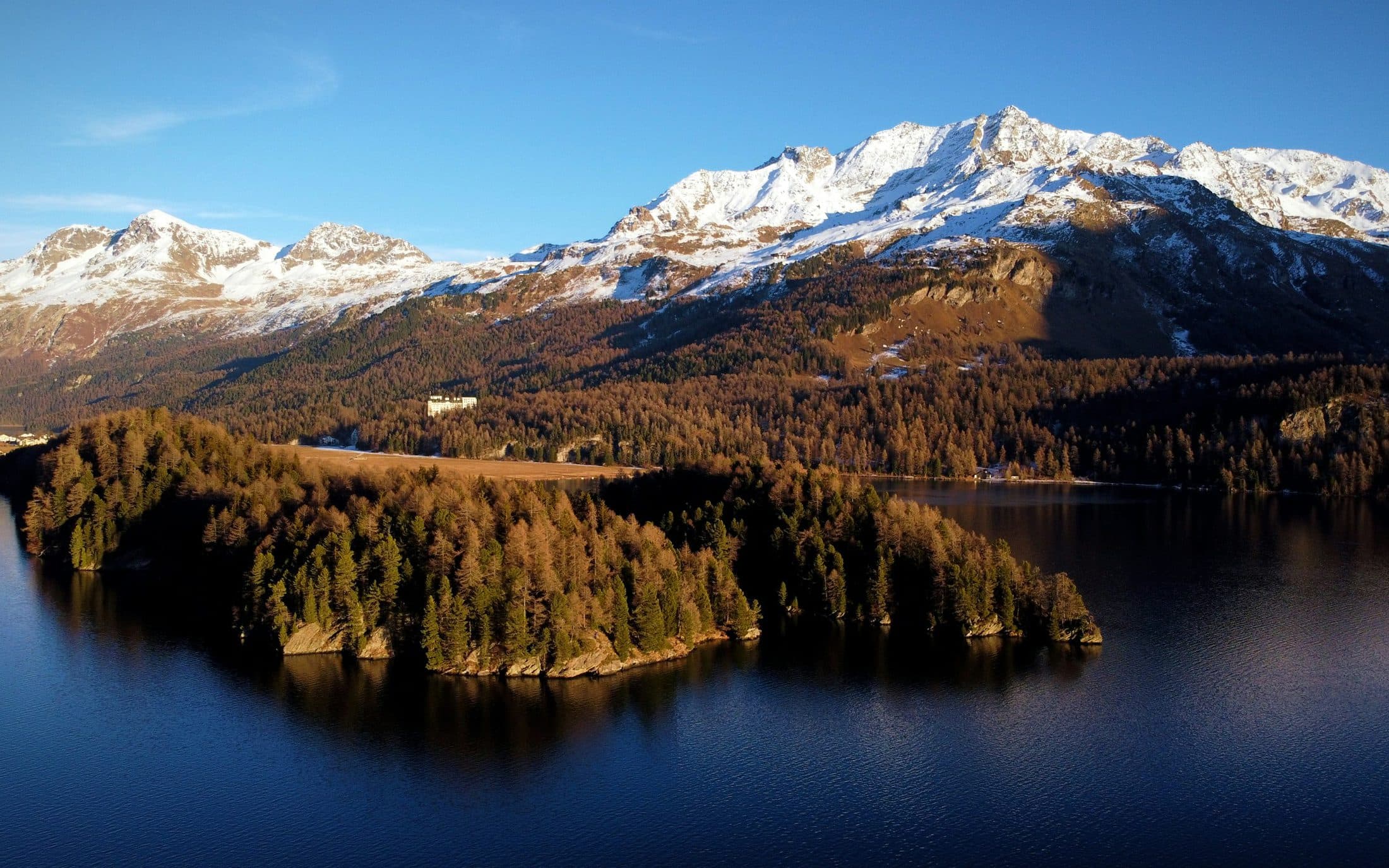
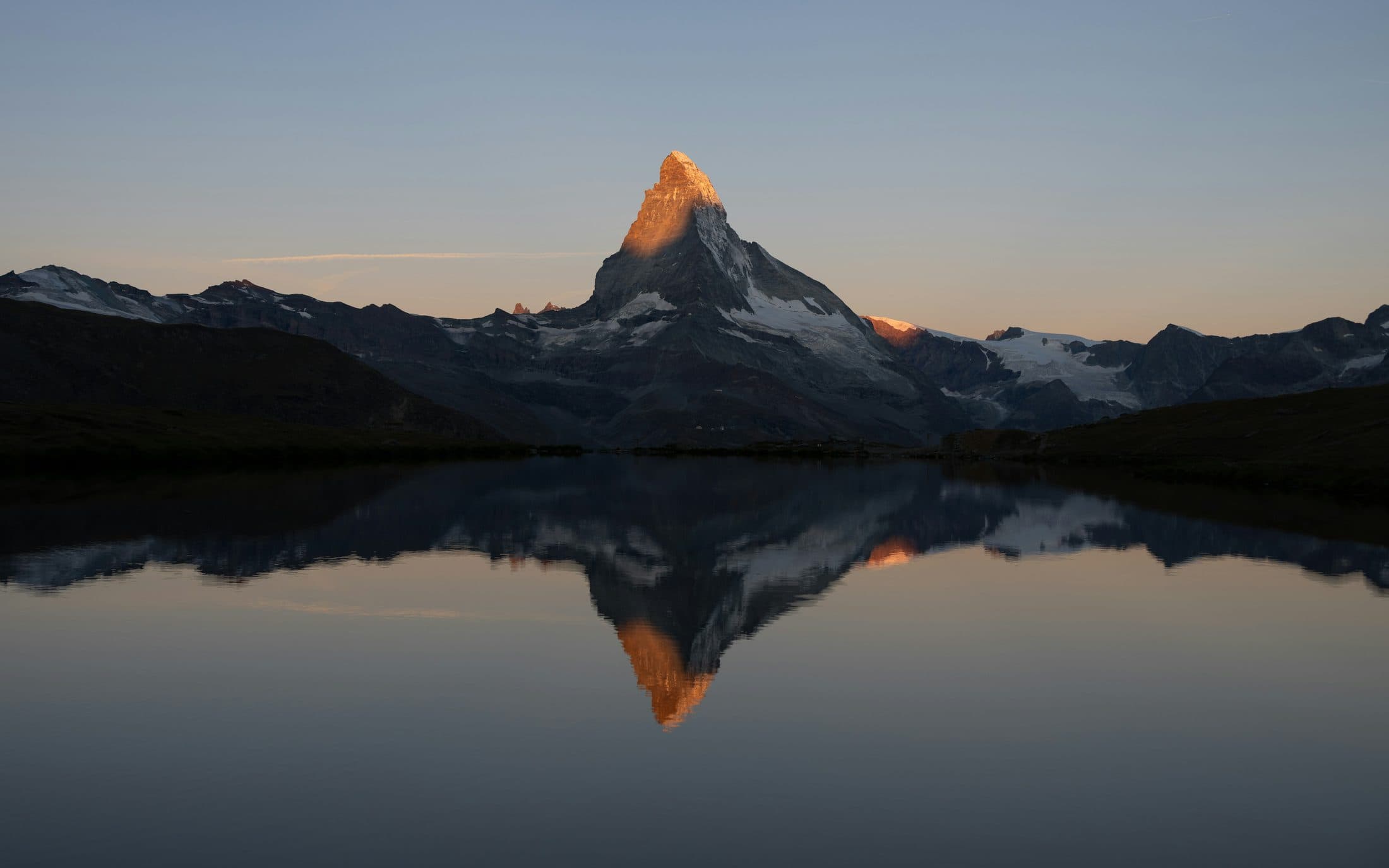
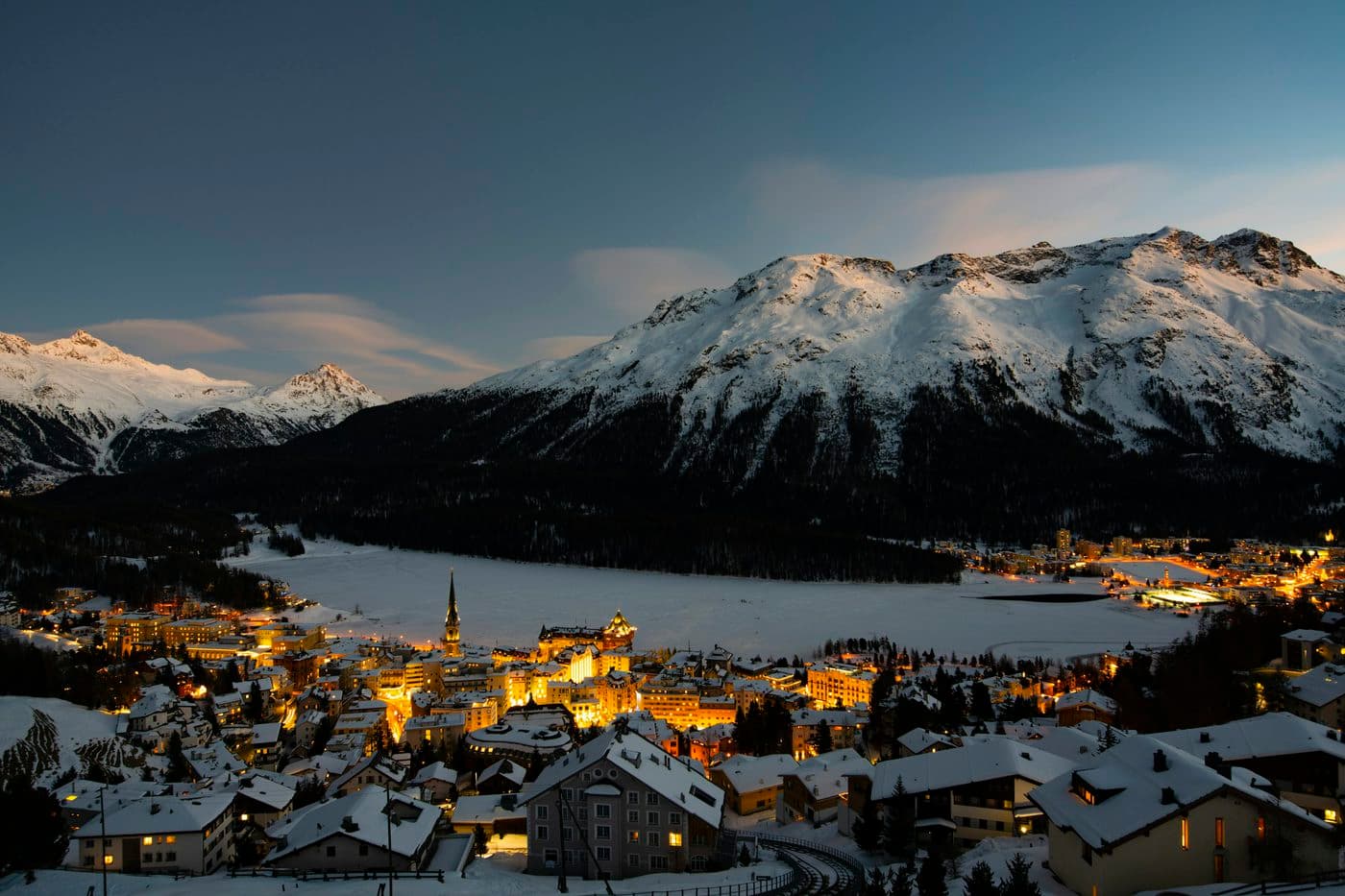
A high valley at about 1,800 m with a chain of lakes, larches that turn gold in autumn, St. Moritz on its frozen lake in winter, and the red trains of the Bernina line climbing towards the glaciers.
The Upper Engadin is a flat valley floor between about 1,600 and 1,800 m, strung with lakes: Sils, Silvaplana, Champfèr and St. Moritz, with the town on its sunny slope above the last of them. To the south-east the Val Bernina climbs past the Morteratsch glacier to the Bernina Pass, and the Rhaetian Railway that crosses it is a UNESCO World Heritage site. Downstream, in the Lower Engadin, are villages of thick-walled houses scratched with sgraffito, such as Guarda, the castle of Tarasp on its hill and, nearby, the Swiss National Park.
Weddings here are small, and they come in two seasons: summer, with vows in a village church or a walk out to a lake, and winter, with snow on everything and a sleigh for the guests. In Switzerland only a civil registrar can marry you, after a preparation procedure with the registry office; a religious or symbolic ceremony alone is not a legal marriage, and a church wedding can only follow the civil one. For most of the Upper Engadin, that office is the regional one in St. Moritz.
Photographers
They shoot here and know the light. Their whole weddings are on their pages.
See all 7 photographers


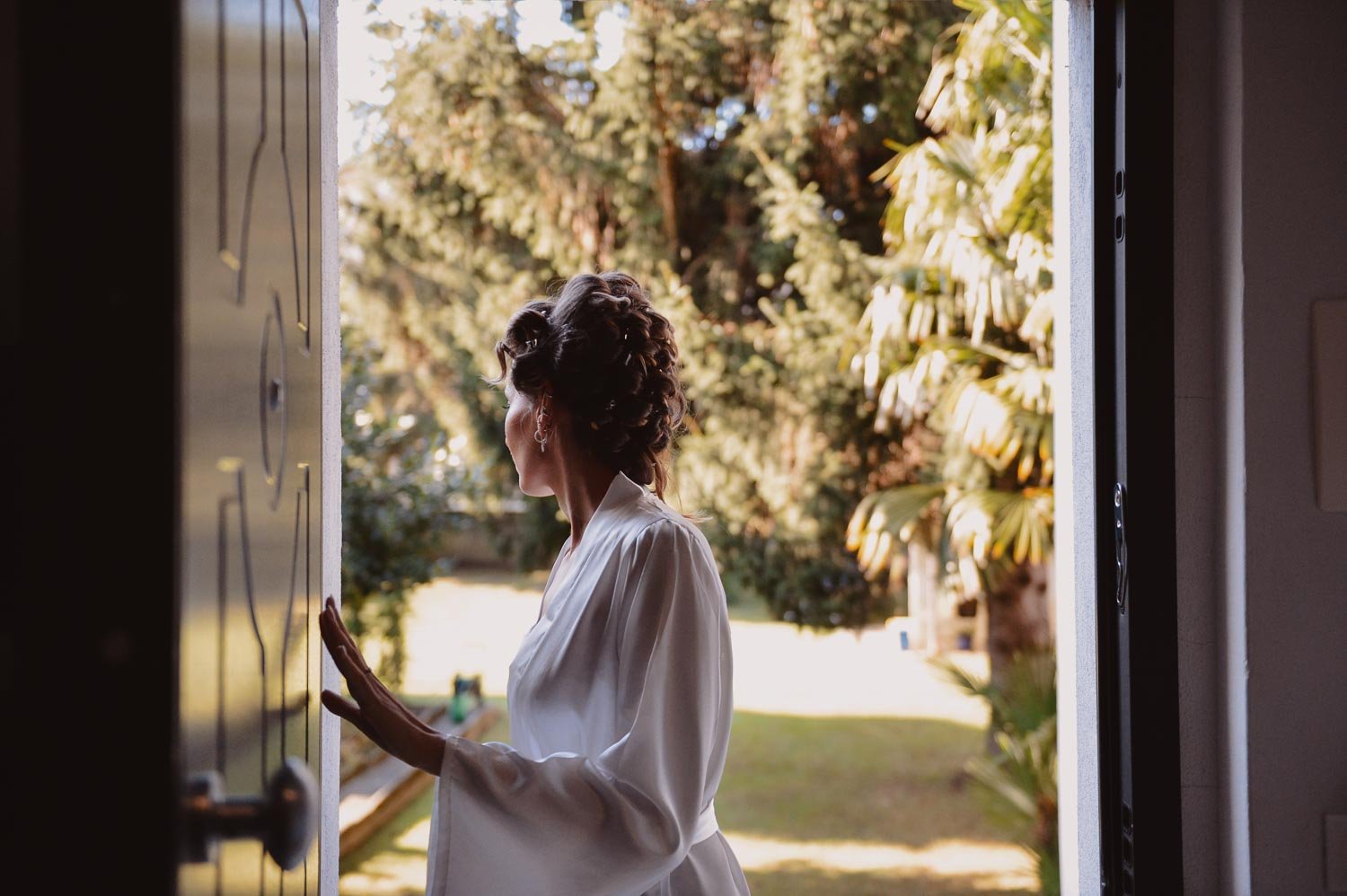
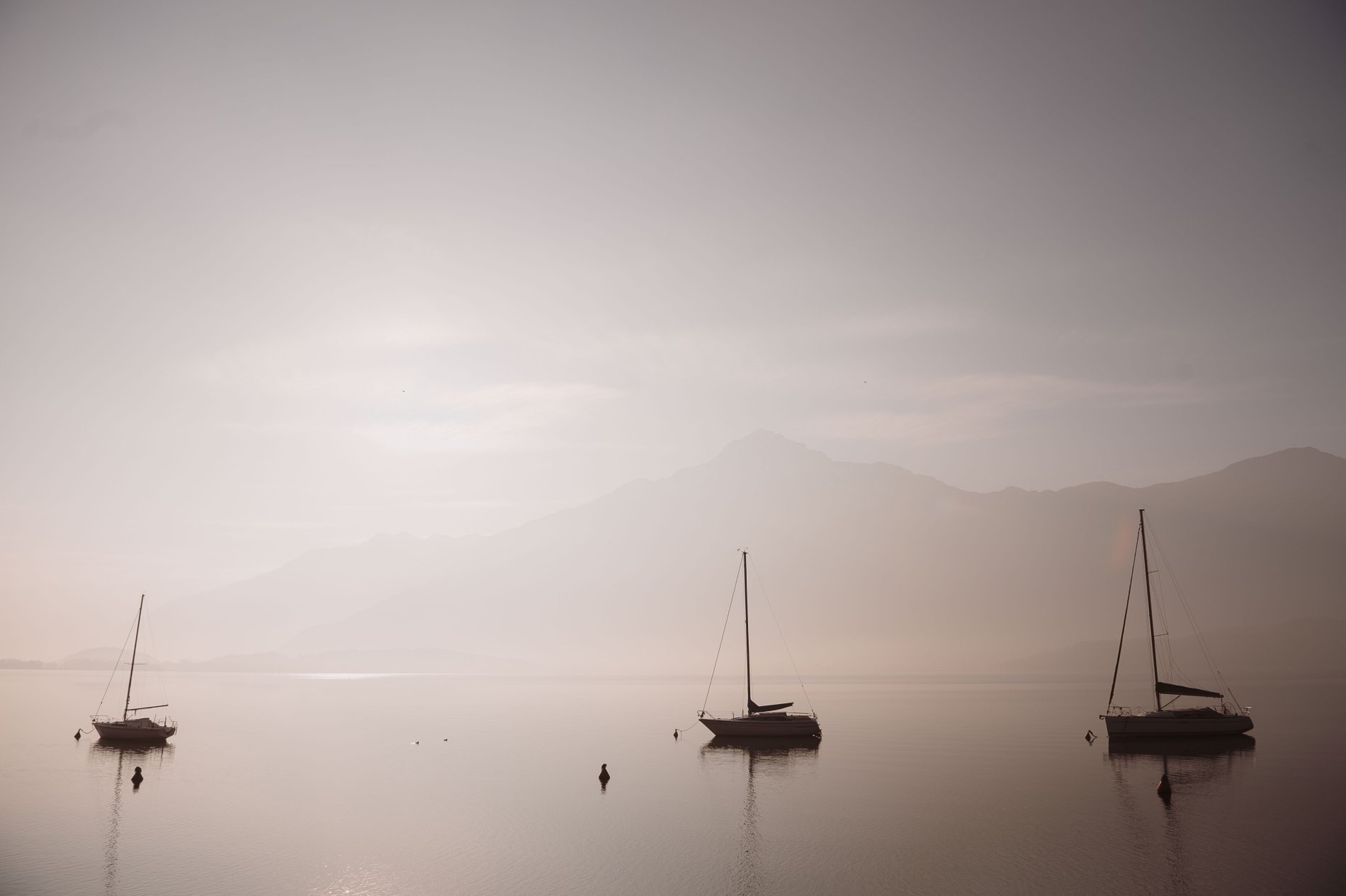
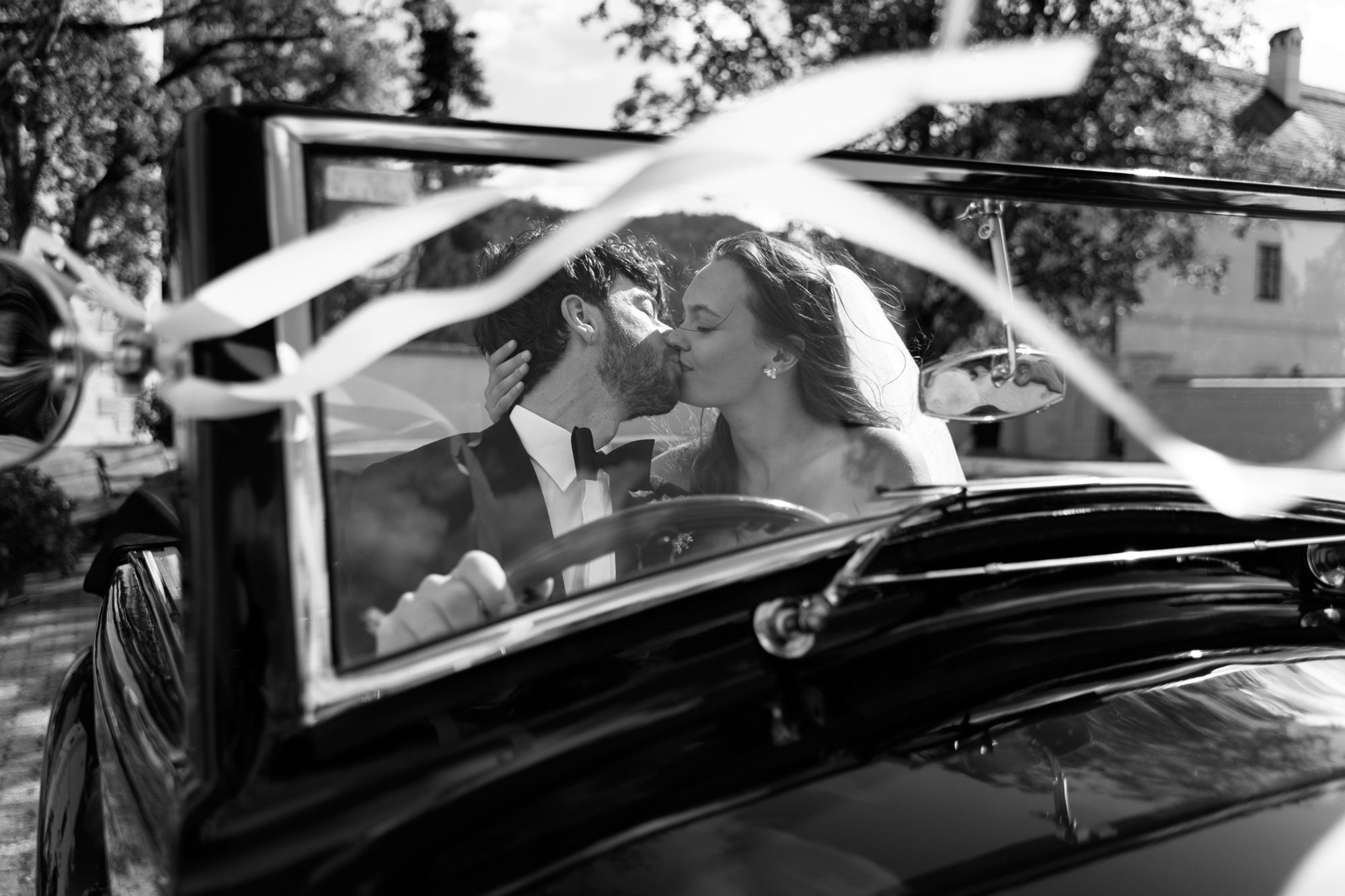
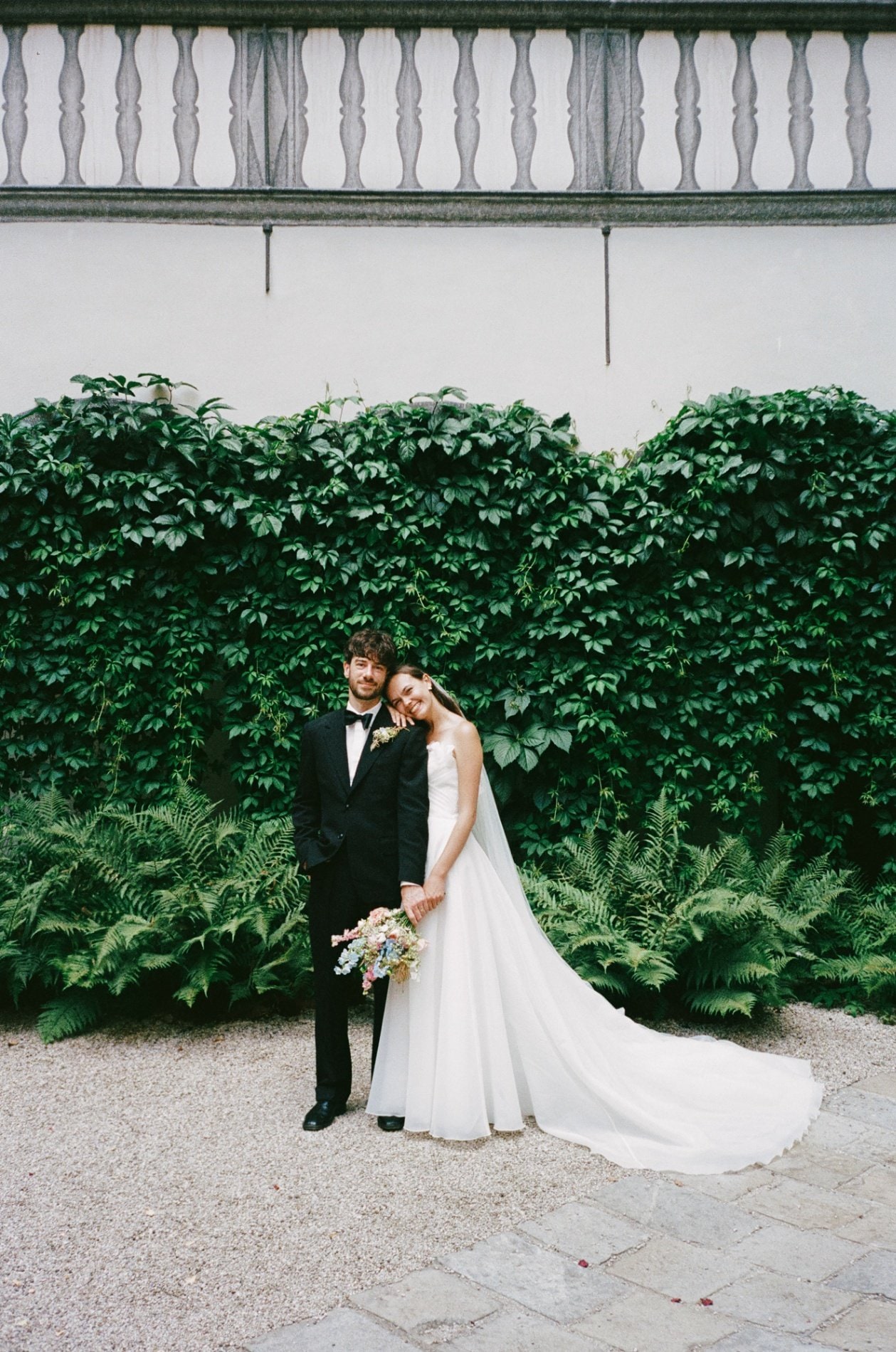
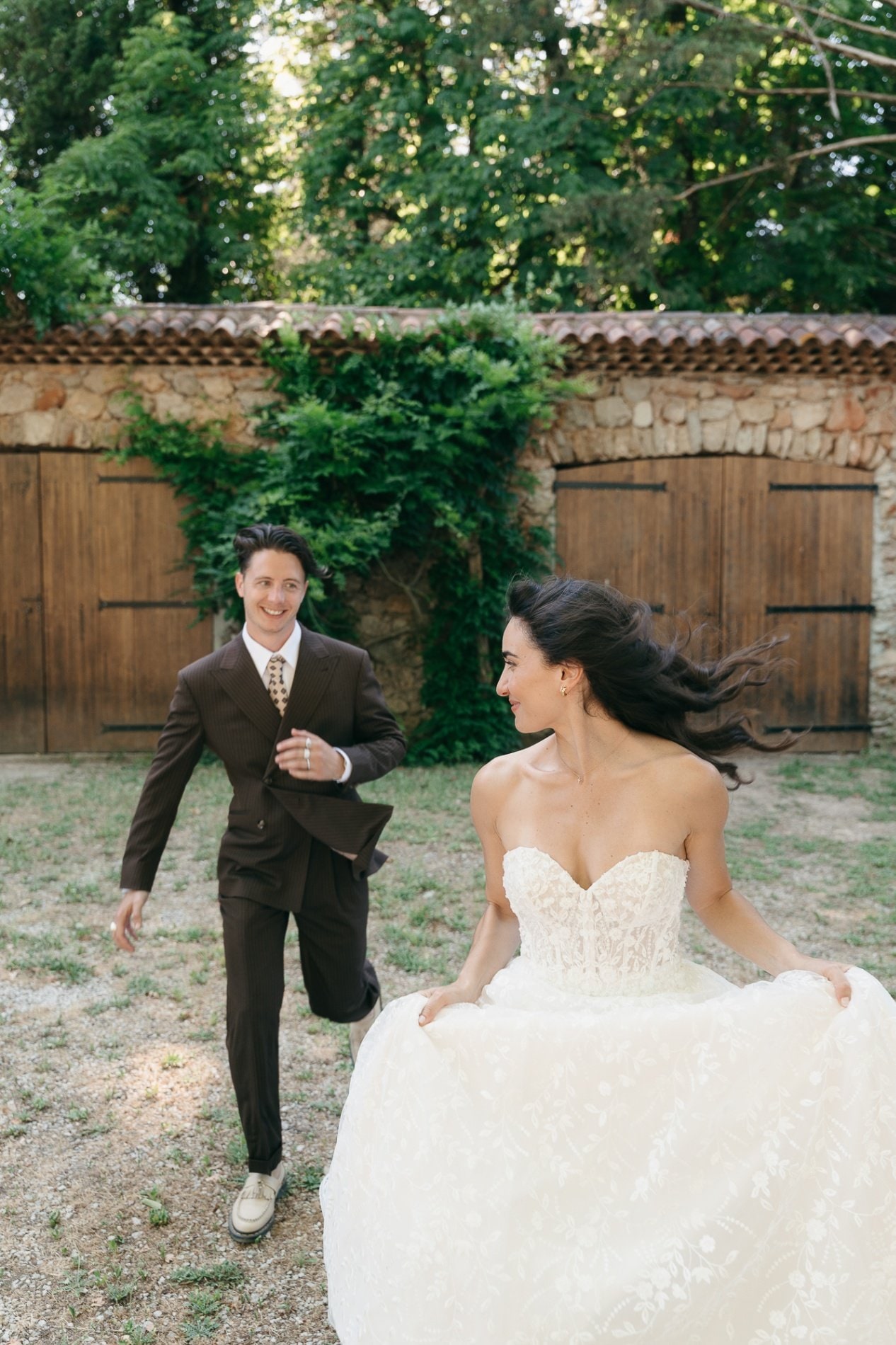
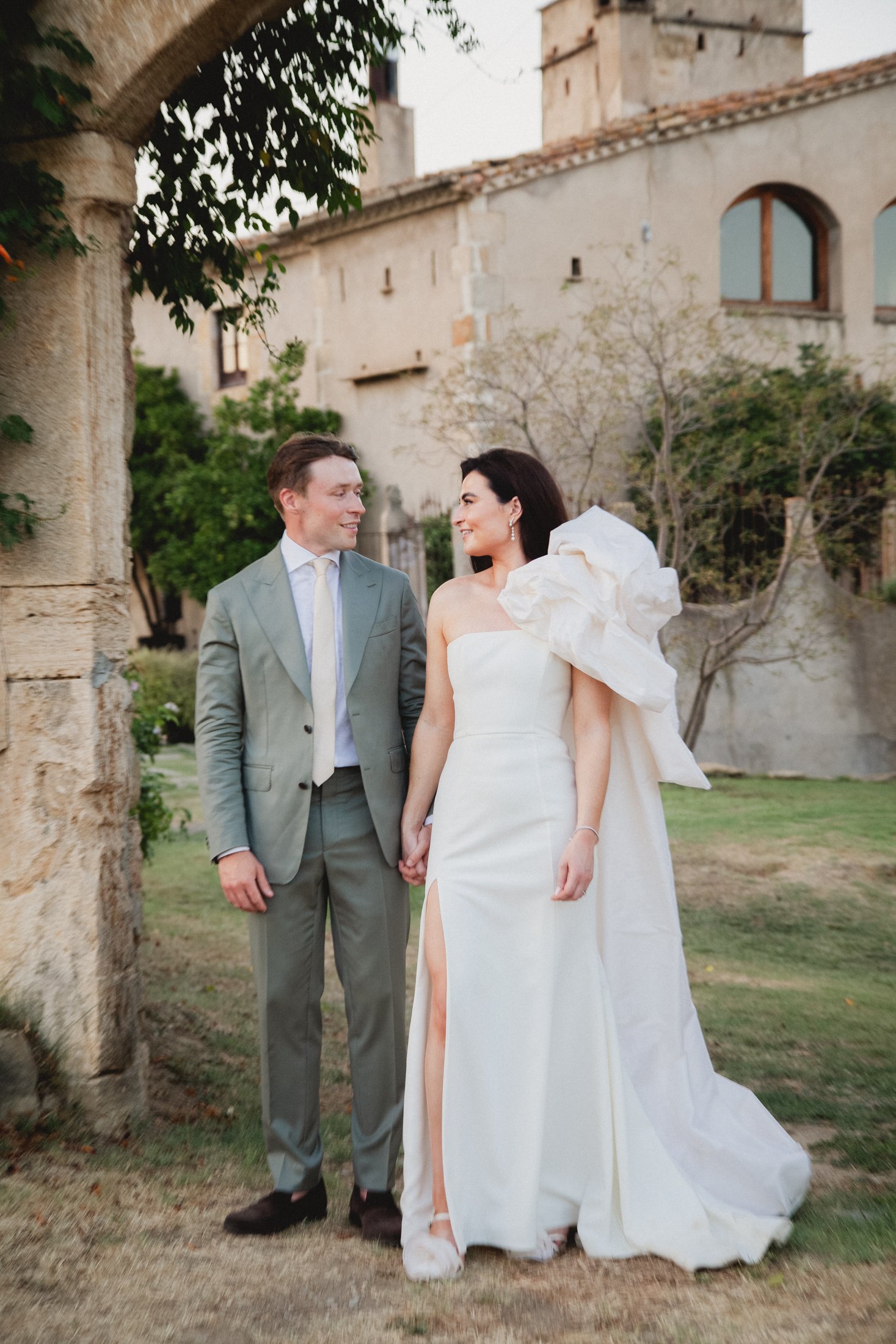
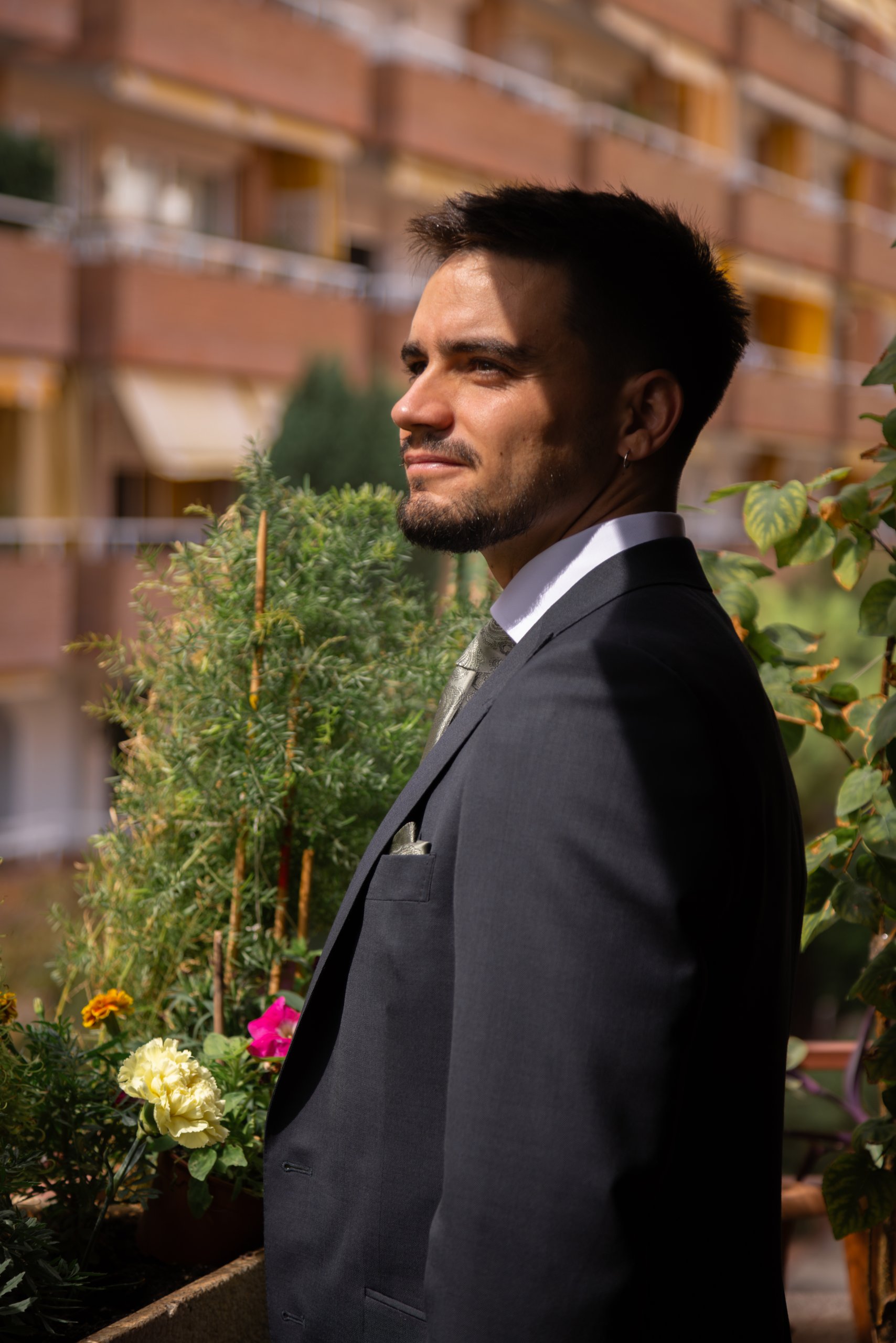
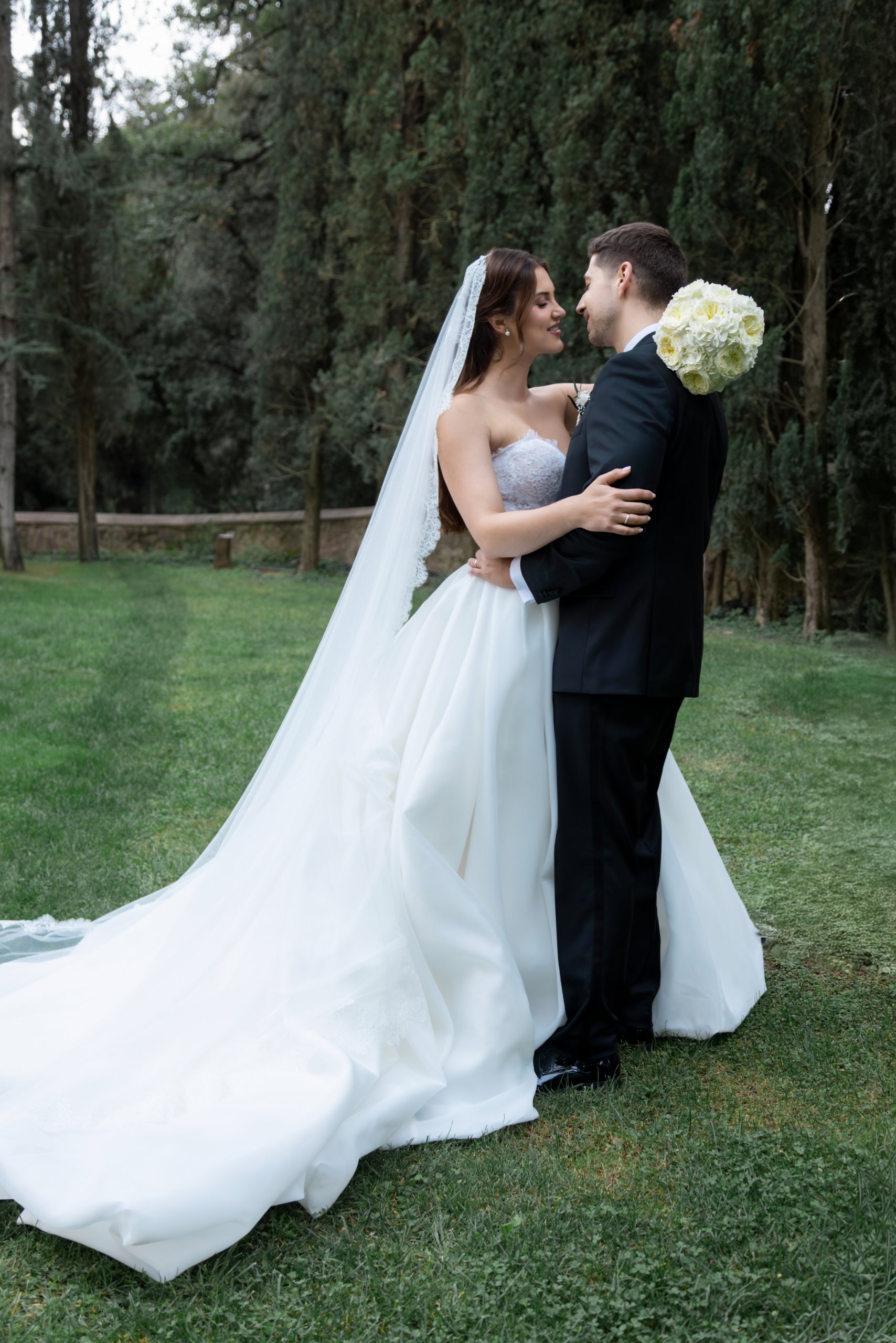
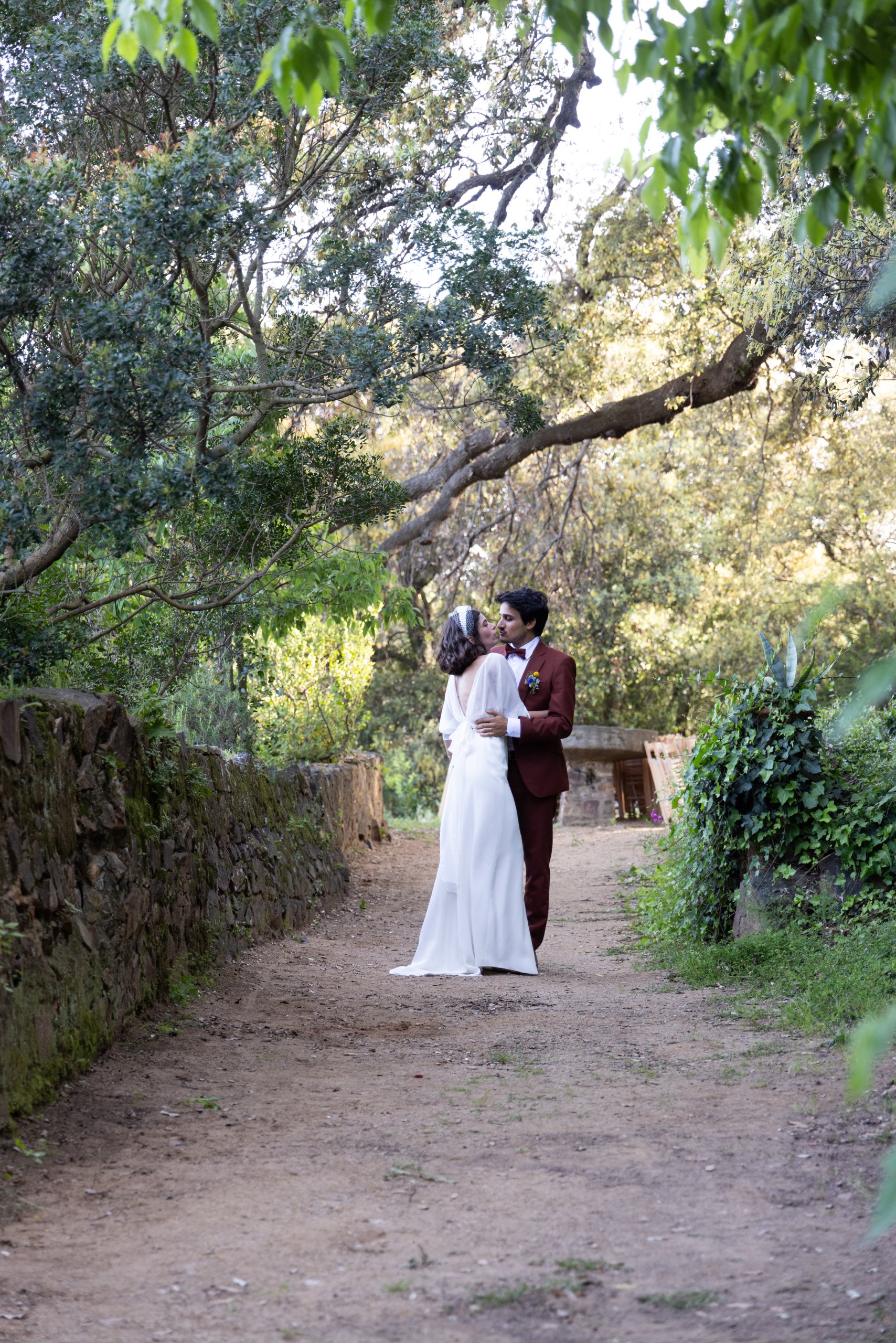
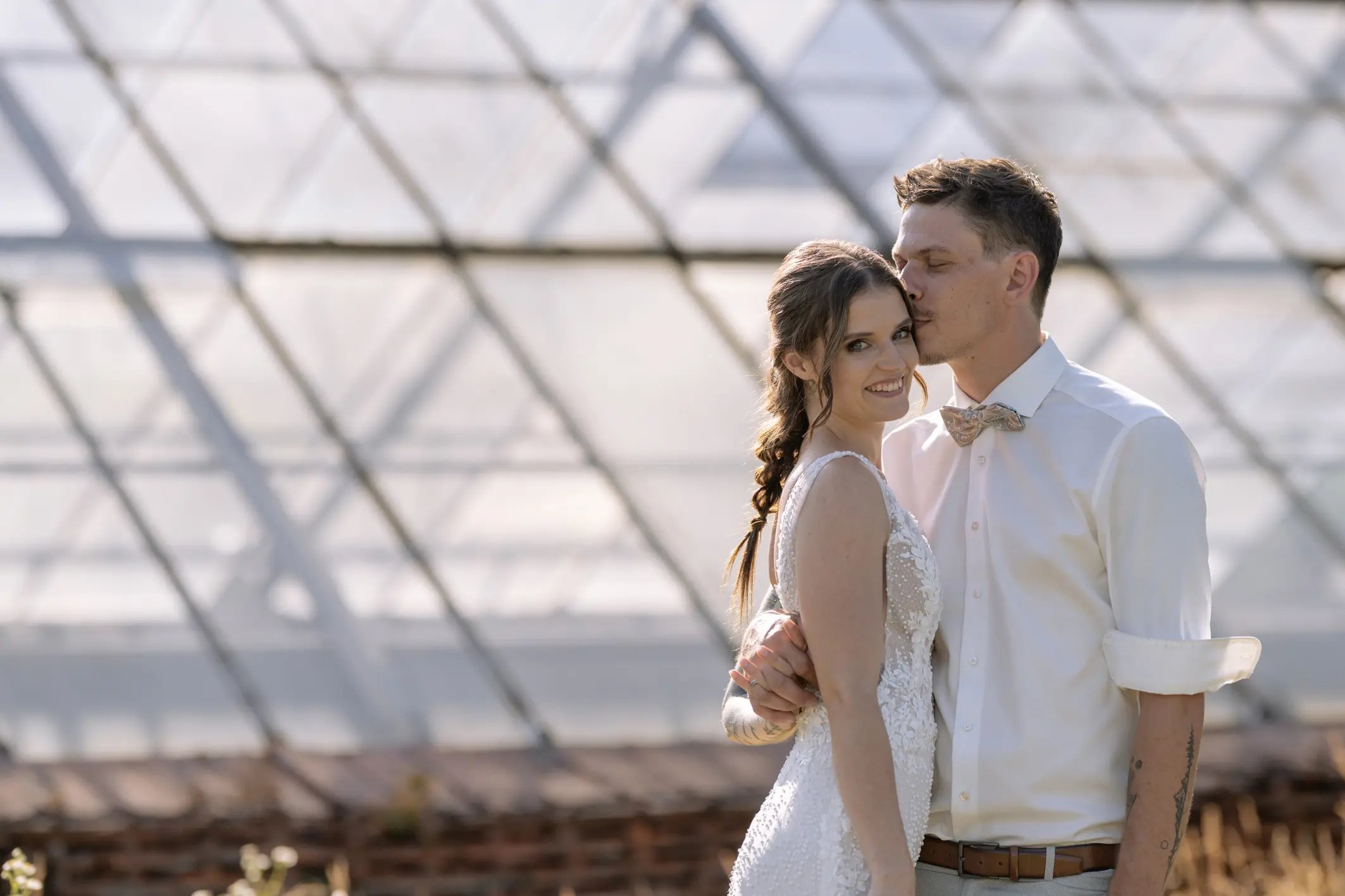


Booking through Lens & Vows
Through the year
June to September is the summer season: in MeteoSwiss’s 1991–2020 normals for Samedan, at 1,709 m, the highs are 15 to 19 °C and July is the warmest month, at 19.3 °C, but the nights are cold, about 5 °C in July and August and with frost on a couple of nights even then. Rain of 1 mm or more falls on 8 to 11 days a month, and September is the driest, with 8. October has 10.5 °C and 8.1 rainy days, in the autumn of the golden larches. From January to March the highs are −1 to 4 °C and precipitation falls on only 4 to 5 days a month, with 120 to 147 hours of sun, so the winter here is cold and bright. Whatever the month, bring something warm for the evening, and a room you can retreat to: the weather at this height turns quickly.
Weather station: Samedan, normals 1991–2020 · Checked 2 November 2026
Places
The kinds of places — ask your photographer which ones they know well.
Lake Sils lies at almost 1,800 m between Sils and Maloja, its shores a walk from the village. Above Sils Maria, the Val Fex has been strictly protected since 1954 and only its few residents may drive: visitors walk or go by horse-drawn carriage, or sleigh in winter, which is as good an arrival as any. The legal ceremony happens in a room the registry office accepts, so ask the regional office which ones it uses, and keep the vows on the shore or the meadow for a symbolic ceremony.
St. Moritz climbs its slope above the lake, the leaning tower among its hotels, and in winter the lake is white and flat at its feet. On a hill east of Celerina stands San Gian, a Reformed church of national heritage value and a landmark of the whole region. Above Punt Muragl, a funicular climbs to Muottas Muragl at 2,454 m, with a view across the valley and its lakes; Lej da Staz, a small lake in the woods between St. Moritz and Pontresina, is a quieter place for portraits.
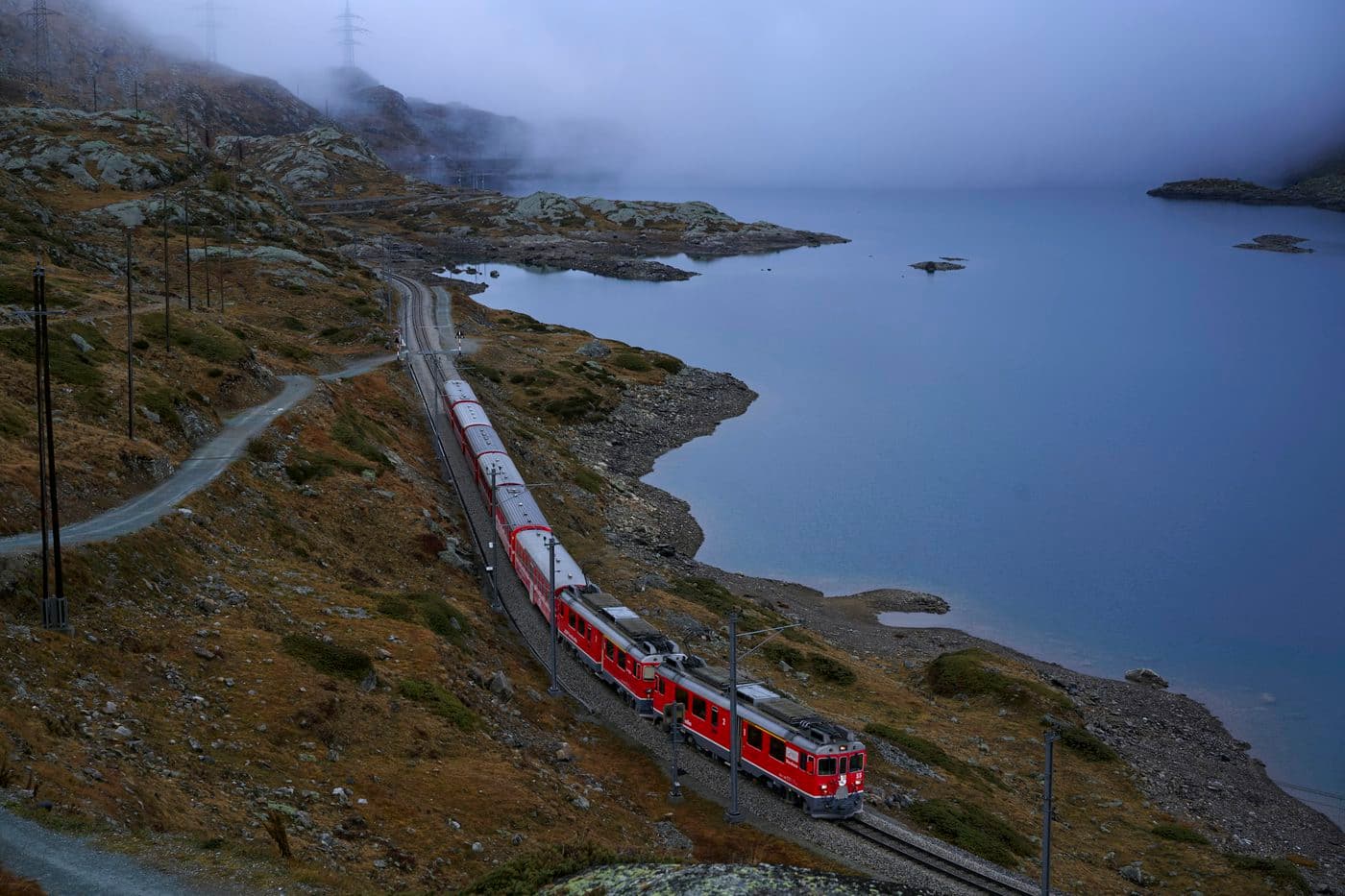
The Rhaetian Railway’s Albula and Bernina lines are a UNESCO World Heritage site, and direct trains run from St. Moritz to Tirano, in Italy, in a little over two hours. On the way lie the Morteratsch glacier, the largest by area in the Bernina range; the cable car to Diavolezza, whose top station is at 2,978 m, facing Piz Bernina and the Pers glacier; and Lago Bianco, at 2,234 m, at the pass. This is high-mountain ground, so portraits happen near the stations and the marked paths, with a warm layer at hand even in August.
Guarda, about seventy houses on a sunny terrace at 1,650 m, is one of the best-preserved villages of the Engadin, with sgraffito on nearly every wall, and won the Wakker Prize in 1975. Tarasp’s castle stands on its conical hill above the valley. The Swiss National Park, by contrast, is no backdrop: leaving the marked paths is strictly forbidden, flying of any kind is banned, visits are for daylight only and the park is closed in winter, with wardens reporting offences. Ask the park first about any photographs beyond your own.
Light
At midsummer the sun sets at about a quarter past nine in St. Moritz and rises just before half past five; on 21 December it is up from about eight to just after half past four. In June it takes about an hour and a quarter to drop from ten degrees to sunset, with some forty minutes of dusk after it. The peaks take it sooner: the side valleys and the lake shores fall into shadow long before the clock says so, while the snow above stays lit. The air is thin and clear at this height, with the sun out for more than half of the possible hours from August to March, so midday is hard and blue; the first and last hours are the ones to plan for.
Travel
Most couples fly into Zurich: about 214 km to St. Moritz by road, roughly three hours, and about three hours twenty-five by train, with two changes, on the Rhaetian Railway for the last stretch. Milan’s airports are about 175 to 190 km and three hours away by road. The Julier road is open all year; the Albula road closes from about November to June and the Flüela usually from January to spring, when cars take the Vereina rail tunnel to the Lower Engadin. Scuol is about 60 km from St. Moritz, an hour by car. Switzerland has applied the EU’s drone rules since 2023: the operator registers (at home if that country is an EASA member, otherwise in Switzerland), even for a camera drone under 250 g, holds a pilot’s certificate and CHF 1 million of liability insurance from 250 g, flies in sight, below 120 m and never over a crowd, a wedding included, and checks the Federal Office of Civil Aviation’s drone map and daily bulletin before each flight. Within 5 km of Samedan’s airport and St. Moritz-Bad’s heliport, which takes in St. Moritz and its lake and Muottas Muragl, no drone may fly without the airport’s written permission, and flying is banned in the National Park.
Plan
Switzerland